Introduction
Domestic cats are the only felines living exclusively in close contact with humans. Ecologically, they are the world’s most invasive species (Medina et al. Reference Medina, Bonnaud, Vidal, Tershy, Zavaleta, Josh Donlan, Keitt, Le Corre, Horwath and Nogales2011) and can be found in almost every terrestrial habitat. Because of their ability to hunt rodents and for companionship, these mammals are mostly domesticated as pets (Trouwborst et al. Reference Trouwborst, McCormack and Martinez Camacho2020). Intestinal helminth infections are among the most common parasitic diseases affecting domestic cats worldwide, with significant implications for animal health, welfare, and public health. A wide range of intestinal parasites (e.g. Ancylostoma spp., Toxocara cati, Trichuris spp., and Dipylidium caninum) has been reported in domestic cats worldwide. These parasites can cause a range of clinical symptoms in cats, from mild gastrointestinal disturbances to severe malnutrition and systemic illness (Ngui et al. Reference Ngui, Lim, Traub, Mahmud and Mistam2012). Additionally, parasitized cats tend to be more susceptible to viral and bacterial infections, as well as to other diseases, thus their health and welfare status are impaired (Traversa Reference Traversa2011). The prevalence of these infections varies considerably based on geographical location, environmental conditions, cat management practices, and access to veterinary care (Zibaei et al. Reference Zibaei and Sadjjadi2017).
Importantly, many feline intestinal helminths have zoonotic potential, posing a risk to the human population, especially children, and immunocompromised individuals (Overgaauw and van Knapen Reference Overgaauw and van Knapen2013). Humans can acquire infections through direct contact with contaminated environments, poor hygiene practices, or close interaction with infected animals. Despite the public health significance, awareness and understanding of zoonotic diseases among pet owners often remain limited, which can lead to underestimation of the risks and inadequate preventive measures (D’ambroso Fernandes et al. Reference D’ambroso Fernandes, Rojas Guerra, Segabinazzi Ries, Felipetto Cargnelutti, Sangioni and Silveira Flores Vogel2022; La Torre et al. Reference La Torre, Di Cesare, Simonato, Cassini and Traversa2018).
Several factors have been associated with a higher risk of intestinal helminth infections in cats, including outdoor access, young age, lack of regular deworming, and poor sanitation practices (Fernandes et al. Reference D’ambroso Fernandes, Rojas Guerra, Segabinazzi Ries, Felipetto Cargnelutti, Sangioni and Silveira Flores Vogel2022; Sawitri et al. Reference Sawitri, Wardhana, Nefho, Purwanto, Endrawati, Nugraheni, Primatika, Damayanti, Akbari, Kusumaningtyas and Matsubayashi2024). Understanding these risk factors is essential for designing effective control strategies to protect both animal and human health. Additionally, evaluating the level of public knowledge about zoonotic diseases is critical to develop educational interventions that encourage responsible pet ownership and improve community health outcomes. Thus, the study aims to assess the prevalence of intestinal helminthic infections in cats, identify associated risk factors for infection, and evaluate the knowledge, attitudes, and practices of cat owners regarding zoonotic parasitic diseases.
Materials and methods
Study Area
This study was carried out in and around Indore district of Madhya Pradesh, India. The city serves as the primary economic centre for its respective areas and additionally holds the major veterinary care facilities, including the College of Veterinary Science and Animal Husbandry, Mhow, Madhya Pradesh. It is situated among the latitudes of 22.7196° N and 75.8577° E. The mean temperature in Indore is around 26°C, with fluctuations ranging from approximately 18°C in winter (December) to 35°C in summer (May). Indore is located in a transitional zone between a humid subtropical climate and a tropical savannah environment. Indore receives a considerable amount of rainfall, ranging from 700 to 800 mm (28 to 31 inches), throughout the period of June to September as a result of the southwest monsoon.
Selection of animals
Cats with no deworming history selected from Indore district had diverse characteristics, including age, sex, housing, and breeds. The research followed random sampling in the designated places to choose the cats whose owners were accessible and willing to have their animals examined.
Faecal sample collection and processing
Fresh faecal samples were collected from each cat into a clean, sterile plastic bottle and stored at 4oC and transported to the laboratory for further parasitological analysis. The faecal samples were analysed within two days of collection and then were fixed in 10% formalin. Prior to microscopic examination, all the samples were first screened macroscopically to detect the presence of nematodes and proglottids and to record faeces consistency. The macroscopic aspect of the faeces was classified in ascending levels from 1 to 4 depending on the consistency (1 = liquid stools, 2 = very soft, 3 = soft, and 4 = formed stools). Then, samples were examined microscopically using a 33% zinc sulphate (ZnSO4) centrifugal flotation and a Sheather’s sugar simple flotation technique, allowing the identification of eggs and oocysts, in most cases to genus level (Zajac et al. Reference Zajac and Conboy2021). The key to identification (CAPC guideline, 2019) was used to identify parasites.
Centrifugal flotation with 33% zinc sulphate (ZnSO4) (specific gravity 1.18)
Five grams of faeces were mixed with a 33% zinc sulphate solution (Zajac et al. 2021). Then, 14 mL of the suspension was poured through a sieve into a 15 mL centrifuge tube and centrifuged at 1500 rpm for 5 min. Zinc sulphate solution was then filled to the rim of the centrifuge tube, forming a positive meniscus, and a cover slip was placed on top. After 10 minutes, the coverslip was removed and placed on a microscope slide. The entire slide was examined under a light microscope at 10× magnification.
Sheather’s sugar simple flotation (specific gravity 1.2)
A sample of five grams of faeces was combined with a Sheather’s sugar solution, as described by Zajac et al. (2021). The suspension was filtered through a sieve into a 15 mL centrifuge tube until it reached the upper curve of the liquid surface, forming a convex shape, and a coverslip was put on top. After a period of 10 minutes, the coverslip was removed and then positioned onto a microscope slide. The whole slide was examined using a light microscope under 10× magnification.
Questionnaire survey for cat management practices
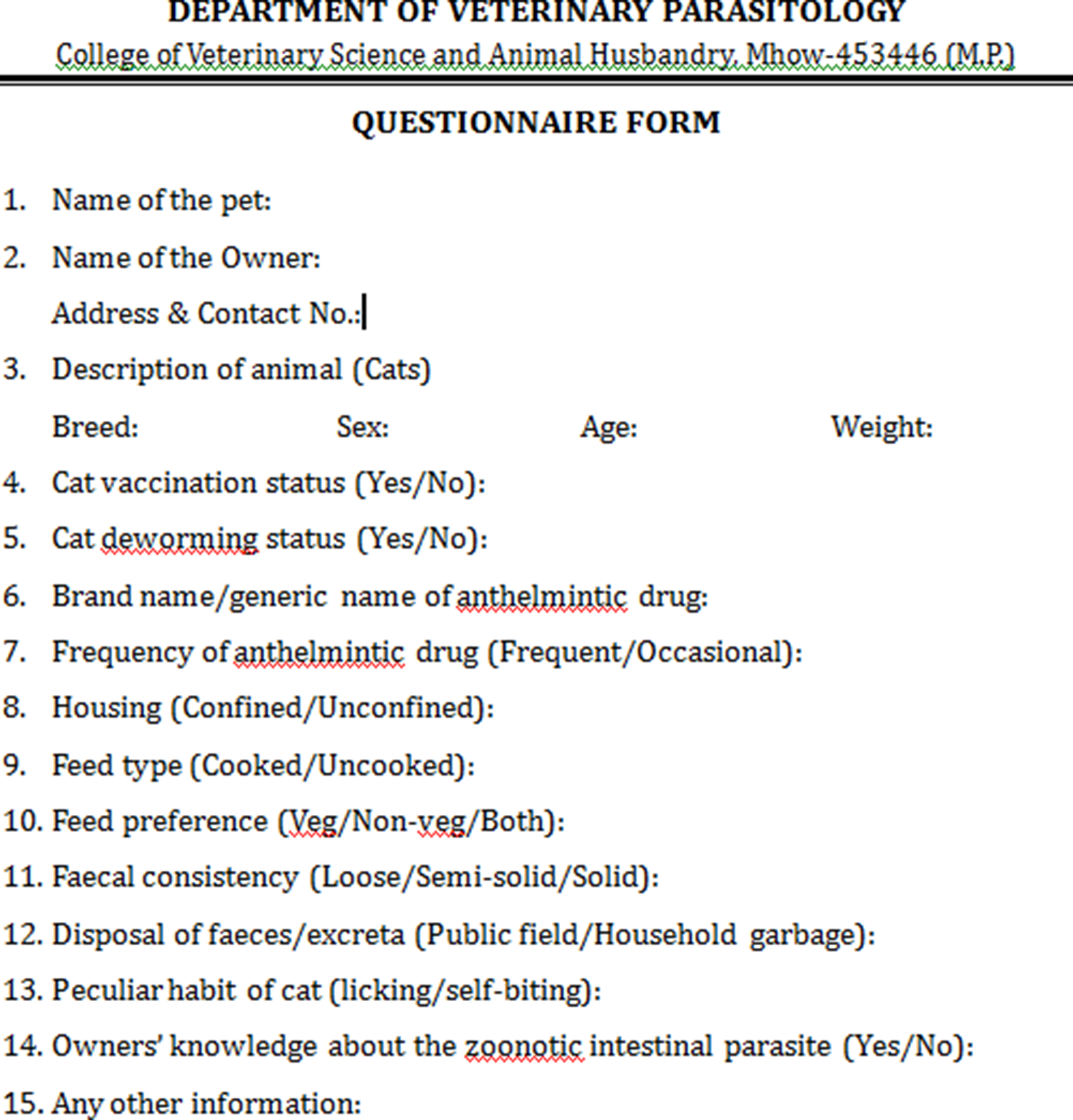
Following the acquisition of informed permission, a total of 100 individuals who owned the cats were interviewed to assess their understanding of intestinal parasites that affect cats. For this, a questionnaire was prepared with selected questions on different risk factors (Figure 1). The interviews also included issues related to preventive measures, such as deworming and immunization. In addition, they were queried about their adherence to their cat’s vaccination schedule and frequent deworming of their pets. Ultimately, they were asked for their perspective on cat intestinal parasitosis, including aspects such as cat nutrition, medical care, and housing. These are all associated risk factors that play an important role in public health concerns and zoonosis.
Questionnaire format.

Analysis of experimental data
The data from the questionnaire, collected from 100 respondents (cat owners), was organized and analysed using Microsoft Excel 2010. The variables recorded in the questionnaires were examined using descriptive statistics, specifically frequencies and percentages. The relationship between risk factors and helminth infection in cats was analysed using the chi-square test, and a generalized linear model was run with all the variables to find their effect on the infection probability. The model was then validated on the basis of AIC (Akaike Information Criterion) to find the best-suited/fitted model, which gave the set of selected variables contributing most to the occurrence of infection in the host. The coefficients of the final model and their accuracy are given in the table along with model accuracy and AUC values of the train and test data. All the analyses were done in R-Studio with relevant packages, viz. base-R, MASS, and pROC.
Results
Prevalence of intestinal helminths in cats
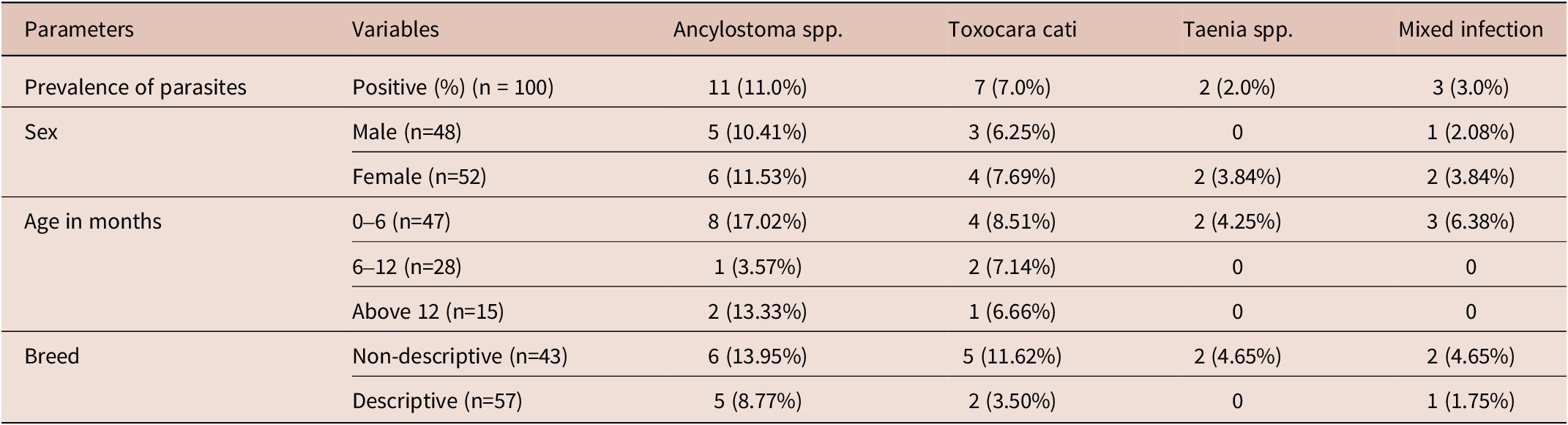
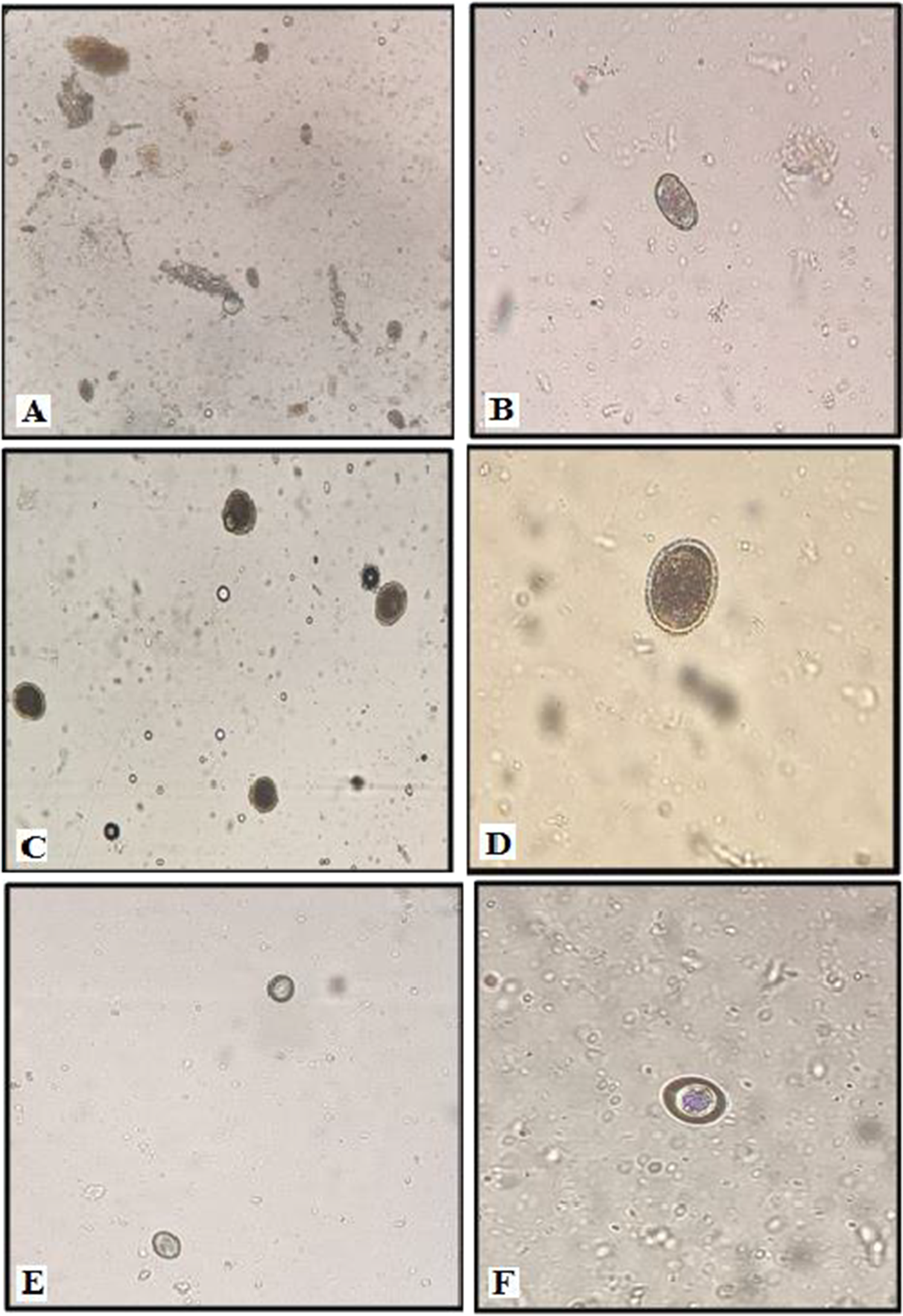
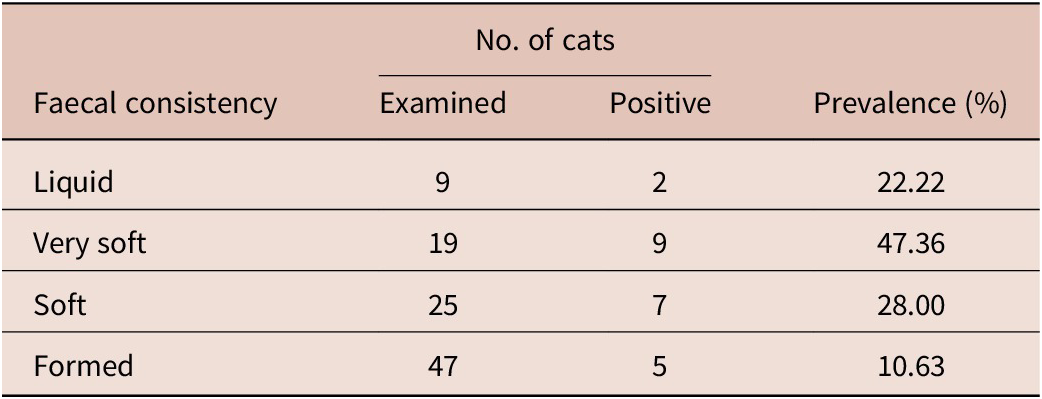
The overall prevalence of intestinal helminths was 23.0% using Sheather’s sugar simple floatation technique, allowing the identification of eggs of helminths. The highest prevalence was recorded for Ancylostoma spp. at 11.0%, followed by Toxocara cati at 7.0%, Taenia spp. at 2.0%, and mixed infections at 3.0% (Table 1, Figure 2). The prevalence of intestinal helminths in female cats was observed to be higher in comparison to their male counterparts in the vicinity of Indore. Specifically, the sex-specific prevalence of Ancylostoma species and Toxocara cati species in female cats was higher than that of their male counterparts. The age-wise prevalence of intestinal helminths in cats showed distinct patterns across different age groups. The prevalence of Ancylostoma spp. was 17.02, 3.57, and 13.33%, while 8.51, 7.14, and 6.66% for Toxocara cati in the age groups of 0–6, 6–12, and above 12 months, respectively (Table 1). The prevalence of Taenia spp. and mixed infection was 4.25% and 6.38% in the age group of 0–6 months only. The highest prevalence of Ancylostoma spp. was recorded in the non-descriptive breed, 13.95%, followed by the descriptive breed, 8.77%. As far as the breed was concerned, the prevalence for Toxocara cati, Taenia spp. and mixed infection in non-descriptive breeds was 11.62, 4.65, and 4.65%, respectively, which was comparatively lower in descriptive breeds having 8.77, 3.50, and 1.75%, respectively (Table 1). Based on faecal consistency, cats with very soft (47.36%) and soft (28.00%) stools indicated higher prevalence for zoonotic intestinal parasites as compared to those with liquid (22.22%) and formed (10.63%) stools (Table 2).
Prevalence of different zoonotic intestinal parasites based on sex, age, and breeds of cats

Microphotograph showing the eggs of Ancylostoma spp.(A & B), Toxocara cati (C & D), and Taenia spp.(E & F) (10× magnification).

Prevalence of intestinal helminths based on faecal consistency in cats

Diagnostic techniques
Among the 100 cats, 23 samples were identified as positive (23.0%) for parasitic infections and were confirmed through the Sheather’s sugar simple floatation technique, while only 20 samples indicated positive (20.0%) via 33% zinc sulphate (ZnSO4) centrifugal floatation method. Therefore, the Sheather’s sugar simple flotation technique was deemed more reliable, facile, and specific for the detection of helminth eggs.
Socio-demographic characteristics of the respondents
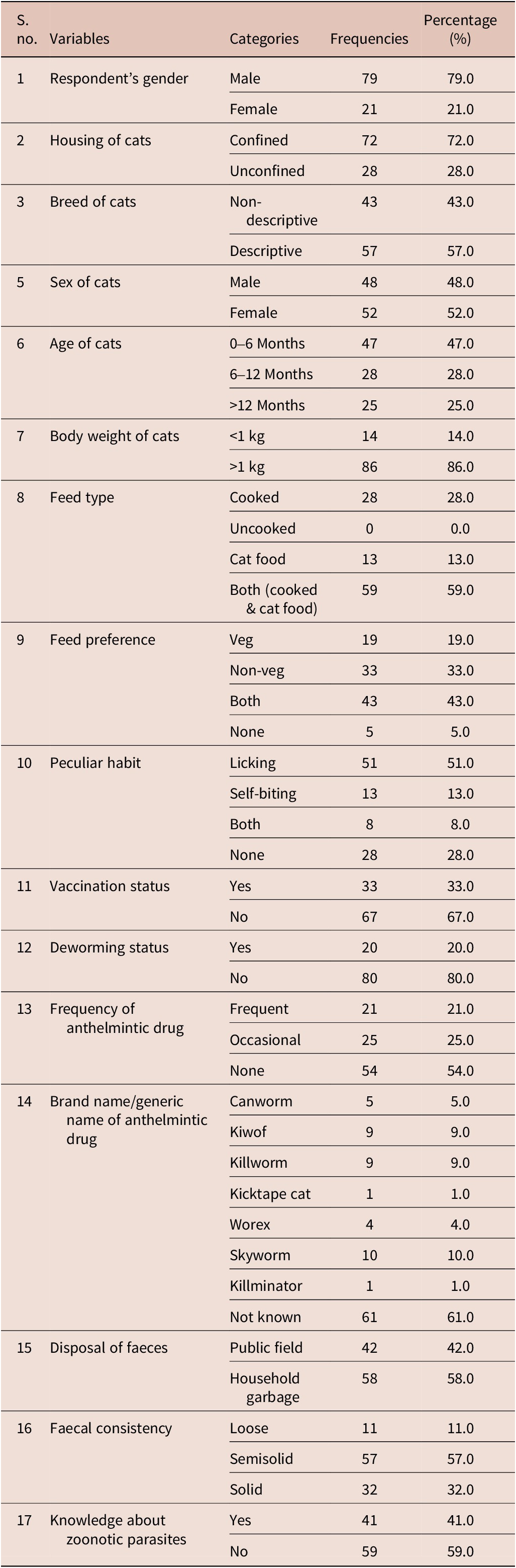
A questionnaire survey was conducted among a hundred cat owners to assess their knowledge and management practices concerning zoonotic intestinal parasites and preventive measures. The socio-demographic characteristics of the respondents in our study revealed that the majority were male (79.0%), while females constituted 21.0%. Regarding housing practices, 72.0% of the cats were kept in confined spaces (indoors or enclosed environments), while 28.0% were unconfined or free-roaming. Breed distribution of cats showed that descriptive breeds were the most common (57.0%), followed by non-descript breeds (43.0%). The sex of the cats was nearly evenly distributed, with 48.0% male and 52.0% female. Regarding age, 47.0% of the cats were under six months old, 28.0% were between six months and one year, and 25.0% were older than one year. Most of the cats (86.0%) selected for the investigation were more than 1 kg weight, while 14.0% weighed less than 1 kg (Table 3).
Risk factors characteristics of the respondents

Feeding practices of cats in the present study varied, with 59.0% of the respondents providing a mix of cooked food and commercial cat food, 28.0% relying solely on cooked food and 13.0% using only commercial cat food. Food preferences were also diverse in our study, with 43.0% of the cats consuming both vegetarian and non-vegetarian diets, 33.0% exclusively non-vegetarian diets, 19.0% vegetarian diets, and 5.0% having no fixed feeding preference (Table 3).
Health management practices revealed the limited vaccination and deworming efforts, declaring only 33.0% of the cats vaccinated, and 67.0% unvaccinated. Similarly, deworming was performed in merely 20.0% cases, in which 21.0% frequently, 25.0% occasionally and 54.0% never administered any deworming treatments. In the present study, behavioural observations revealed that 51.0% of the cats exhibited licking behaviour, 13.0% engaged in self-biting, 8.0% showed both behaviours and 28.0% exhibited no peculiar habits. Faecal disposal practices showed that 58.0% of the pet owners used household garbage for disposal, while 42.0% disposed of faeces in public fields. Faecal consistency was semisolid in 57.0%, solid in 32.0%, and loose in 11.0% of the cases studied. Awareness of zoonotic diseases was notably low, with only 41.0% of respondents having knowledge of such risks, while 59.0% were unaware (Table 3).
Socio-demographic impact on gastrointestinal (GI) helminth infection
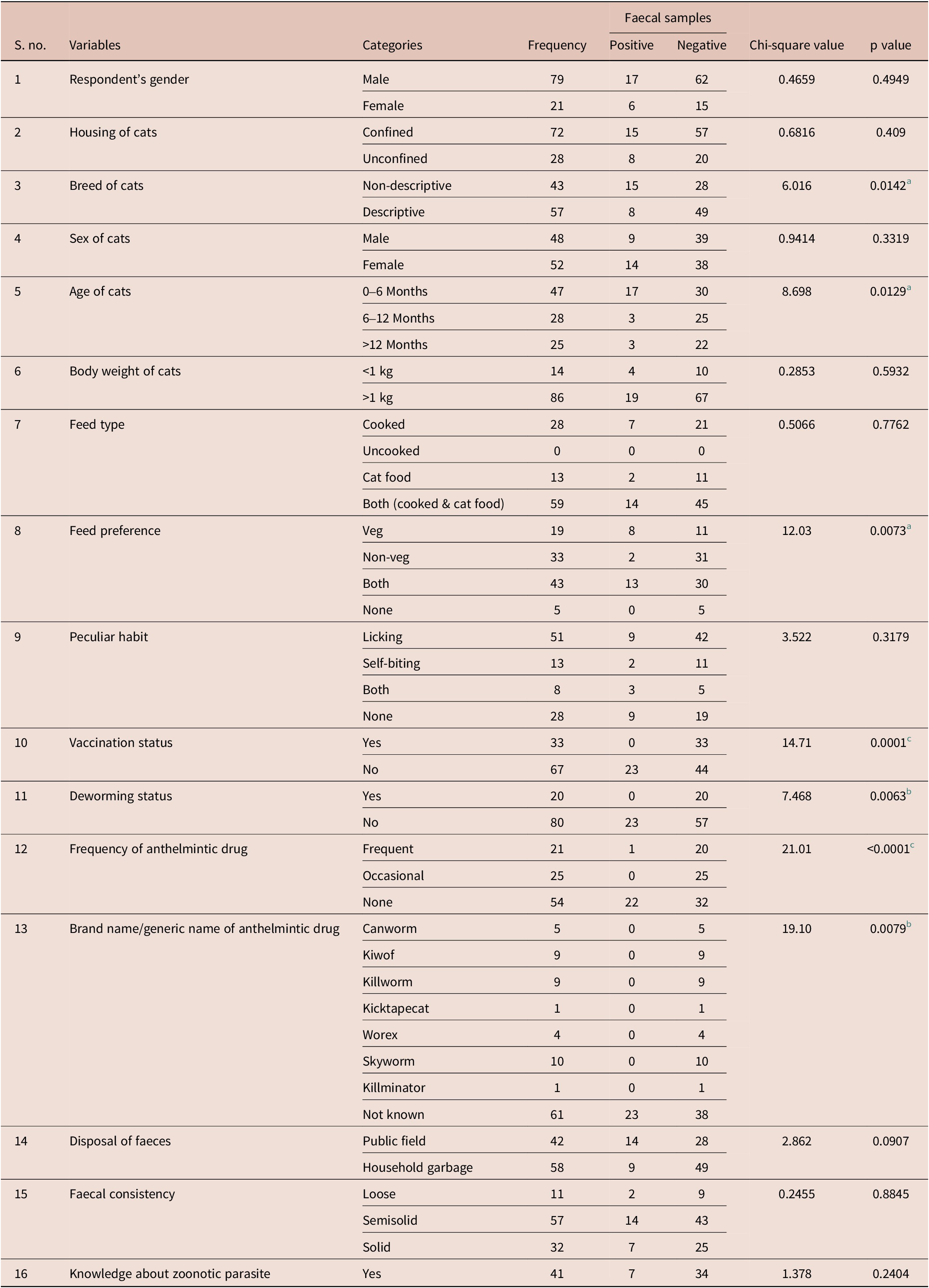
Chi-squared analysis revealed that gender was not significantly associated with infection levels, although male respondents’ cats had a slightly higher number of positive cases compared to female respondents’. Housing type (confined or unconfined) also showed no significant association, but unconfined cats exhibited slightly more positive cases than confined ones (Table 4).
Association of different risk factors to intestinal helminth infection

a Significant at p < 0.05 (significant).
b Significant at p < 0.01 (significant).
c Significant at p < 0.05 (moderately significant).
Breed type had a significant impact on parasitic infection levels (p < 0.05), with non-descriptive breed cats having a higher number of positive cases compared to descriptive breeds. Age was another significant factor (p < 0.05), as younger cats aged 0–6 months had the maximum positive cases, while those aged 6–12 months and over one year had fewer positive cases. Body weight, however, showed no significant association with infection levels, with both lighter cats (<1 kg) and heavier cats (>1 kg) showing similar infection patterns. While feed type alone was not significantly associated with infection levels, feed preference showed a highly significant relationship (p < 0.05) (Table 4). Cats on vegetarian diets had the highest number of positive cases, whereas those on non-vegetarian diets had the lowest. Cats taking both types of diets also showed considerable infection rates.
In terms of health management, the vaccination was strongly associated with the infection levels (p < 0.05). Notably, none of the vaccinated cats tested positive for parasitic infections, whereas unvaccinated cats were positive. Similarly, deworming status was significantly associated (p < 0.05), with no positive cases observed in dewormed cats, while all cases occurred in without dewormed cats (Table 4). However, faecal disposal methods and consistency were not significantly associated with infection levels. Similarly, knowledge of zoonotic diseases did not significantly affect infection levels, although respondents with such knowledge reported fewer positive cases than those without it.
Impact of different risk factors on intestinal helminths analysed by generalized linear model (GLM)
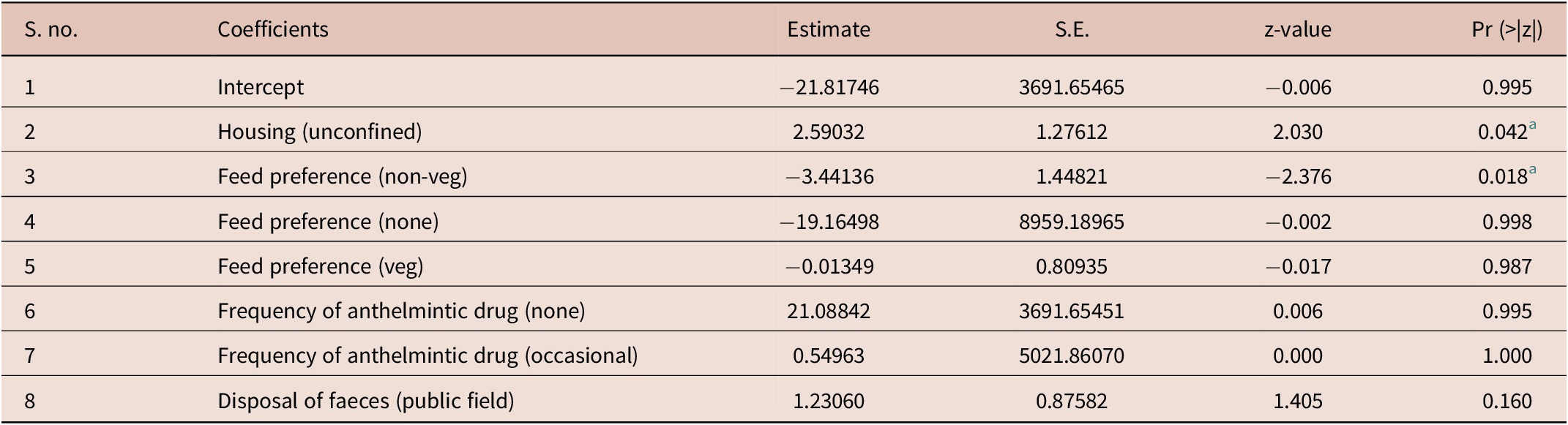
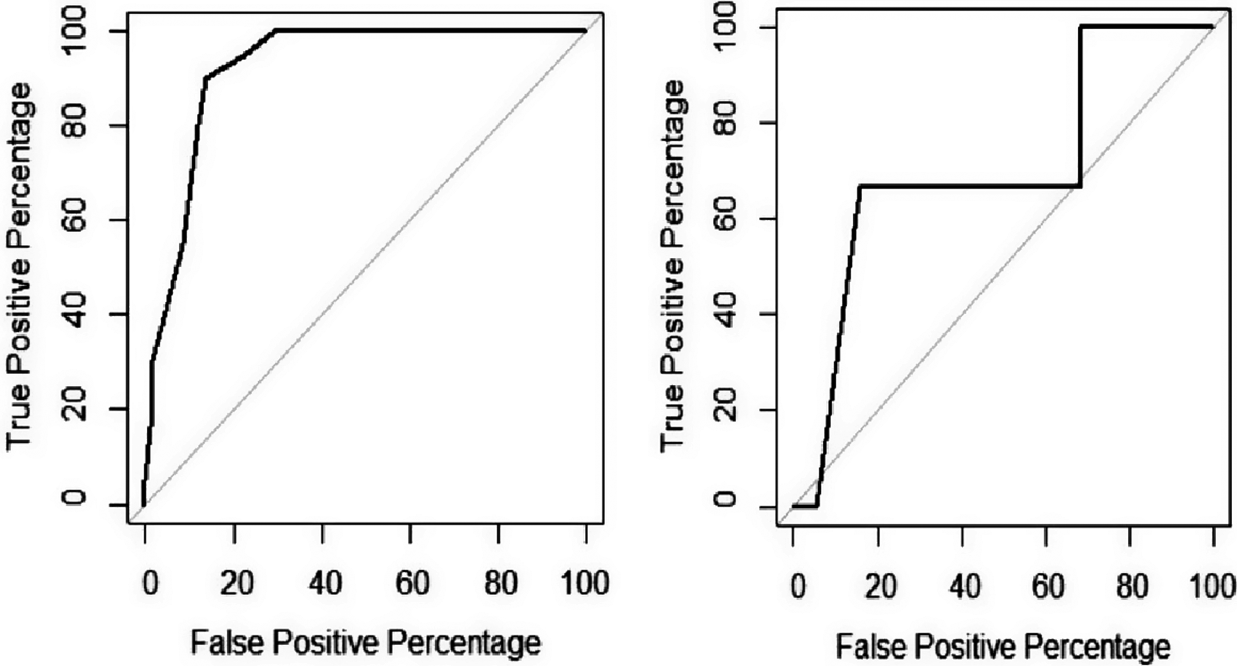
The GLM was run with all the variables to find their effect on the infection probability. The model was validated on the basis of AIC (Akaike Information Criterion) to identify the best-suited/fitted model, which gave the set of selected variables contributing most to the prevalent infection. The coefficients of the final model and their accuracy are given along with model accuracy and AUC (Area Under Curve) values of the train and test data. From the above table, it is inferred that the factors viz. unconfined housing, non-veg and veg food, deworming status with occasional and no deworming, and disposal of faeces in public fields were the most important predictors for the presence of gastrointestinal parasite infections in the host (Table 5, Figure 3). Although the individual variables show greater (non-significant) p-values, the final model has an excellent fit in terms of AUC (92.33% for train data and 70.18% for test data) and accuracy percentage of prediction potential of the final model for both training (85.9%) and test data (81.82%).
Assessment of association between risk factors and helminth infection in dogs by generalized linear model (GLM)

a Significant at 5% (p < 0.05), AUC (92.33% for train data and 70.18% for test data).
Accuracy percentage of prediction potential of the final model for both training (85.9%) and test data (81.82%).
Receiver Operating Characteristic (ROC) plot for training and test data.

Discussion
Nematodes (Toxocara sp., Ancylostoma sp., Uncinaria sp., and Strongyloides sp.), trematodes (Diphyllobothrium sp.), and cestodes (Dipylidium sp. and Echinococcus sp.) are well-known zoonotic parasites worldwide, resulting in high public health risks (Overgaauw and van Knapen Reference Overgaauw and van Knapen2013; Phosuk et al. Reference Phosuk, Intapan, Thanchomnang, Sanpool, Janwan, Laummaunwai, Aamnart, Morakote and Maleewong2013; Yan-Bin et al. Reference Yan-Bin, Zhen-Hua, Lin-Lin, Xiao-Yan, Shi-Jun, Li-Xin, De-Hua, Gui-Ling, Zhi-Hua, Yi and Ying-Xin2014). Roundworm species such as Toxocara canis, T. cati, and T. malaysiensis, and hookworm species such as Ancylostoma braziliense, A. caninum, A. ceylanicum, and Uncinaria stenocephala are capable of infecting both domestic dogs and cats. The helminth infection generally depends on various factors like environment, unhygienic conditions, raw vegetables, uncooked food, contaminated soil, and water (Wu and Bowman Reference Wu and Bowman2020).
This study revealed 23.0% prevalence of three species of endoparasites in the sampled cat population, while other workers have documented 19.0%–37.7% prevalence in the cat population (Vincy and Tresamol Reference Vincy and Tresamol2023; Bayou et al. Reference Bayou, Terefe and Kumsa2024), emphasizing the burden of parasitism in companion animals. Similarly, a slightly higher prevalence rate of helminths (39.43%) was detected in 887 faecal samples analysed through faecal flotation and sedimentation techniques (Sheikh Reference Sheikh, Tak and Fazili2020). In the present study, Ancylostoma spp. exhibited the highest prevalence among all detected parasites, with an overall prevalence rate of 11.0%, whereas it was 23.25% in 90 faecal samples from stray and domestic cats was detected by Al-Aredhi (Reference Al-Aredhi2015). The prevalence of Taenia spp. was recorded as 2.0% in the present findings, while 4.34% by Soe et al. (Reference Soe, Hlaing, Naing, Thaw and Myint2023) and 1.94% prevalence by Patil et al. (Reference Patil, Gudewar, Gadhave and Naringrekar2024) in their studies of gastrointestinal parasites in domestic and stray cats. The variations in the prevalence data might be due to the variations in sampling method, geographical region, cat population (stray/domestic), sample size, climatic conditions, and their managemental practices.
Regarding sex-dependent prevalence in cats, Zanzani et al. (Reference Zanzani, Gazzonis, Scarpa, Berrilli and Manfredi2014), Symeonidou et al. (Reference Symeonidou, Gelasakis, Arsenopoulos, Angelou, Beugnet and Papadopoulos2018), and Ramos et al. (Reference Ramos, Silva, Barreto and Barros2020) contended that the occurrence of gastrointestinal parasitism in cats was not significantly affected by their sex. However, in this study, the sex-specific prevalence of Ancylostoma species and Toxocara cati in female cats was observed to be greater compared to their male counterparts, which is in conformity with the findings of Morales Rambay (Reference Morales Rambay2015). Additionally, Coelho et al. (Reference Coelho, Amarante, Apolinário, Coelho and Bresciani2011) documented a significantly higher prevalence of Ancylostoma ceylanicum in female cats. Similarly, Torkan et al. (Reference Torkan, Ghandehari-Alavijeh and Khamesipour2017) analysed 147 faecal samples and found 10.88% positive in female cats and 6.8% in male cats for T. cati. This elevated susceptibility of parasitic infections in female cats could be explained by physiological stress associated with pregnancy and lactation, the immunosuppressive effect of hormones, and increased nutritional requirements, which synergistically increase susceptibility to parasitic infections.
To explain the relation of host’s age to gastrointestinal parasitism, the present data indicated a higher prevalence in 0–6-month-old cats, followed by above 12-month-old cats, while it was the lowest in 6–12-month-old cats. Similar findings were also recorded by Riggio et al. (Reference Riggio, Mannella, Ariti and Perrucci2013) and de Souza et al. (Reference de Souza, Nakiri, de Oliveira Lourenço, da Silva, Paschoalini, Guimarães-Okamoto and Melchert2017). The present investigation indicated higher infection in non-descriptive breed as compared to descriptive breeds, which aligns with the findings of Mukutmoni et al. (Reference Mukutmoni, Musa and Khanum2022) in Bangladesh. Conversely, Smigova et al. (Reference Šmigová, Papajová, Šoltys, Pipiková, Šmiga, Šnábel, Takáčová and Takáč2021) found no significant association between breed type (pure breed vs. mixed-breed) and gastrointestinal parasitism. Among the various faecal consistencies, cats with very soft stool had the highest prevalence rate of GI helminth infection. Many studies have also confirmed these symptoms in their studies in different countries (Mirzaei and Fooladi Reference Mirzaei and Fooladi2013; Sawitri et al. Reference Sawitri, Wardhana, Nefho, Purwanto, Endrawati, Nugraheni, Primatika, Damayanti, Akbari, Kusumaningtyas and Matsubayashi2024). In contrast, Itoh et al. (Reference Itoh, Ikegami, Takagi, Ito, Kanai, Chikazawa, Hori, Hoshi and Higuchi2012) found no association of parasitic infection with faecal conditions.
Through a questionnaire survey, the socio-demographic characteristics of the respondents in the present study revealed male respondents in the majority in comparison to females. In contrast, Miro et al. (Reference Miró, Gálvez, Montoya, Delgado and Drake2020) reported that females constituted the majority of respondents, with males in their study. In the present study, housing practices indicated that most of the cats were kept in confined spaces, as was also supported by Miro et al. (Reference Miró, Gálvez, Montoya, Delgado and Drake2020).
Akter (Reference Akter2022) reported that the majority of cat owners preferred home-cooked food, followed by a mix of home-cooked and commercial food, with only a few opting for exclusively commercial cat food. Food preferences were also diverse in our study, with most of the cats consuming both vegetarian and non-vegetarian diets, with only a few getting exclusively non-vegetarian diets. In contrast, Dodd et al. (Reference Dodd, Dewey, Khosa and Verbrugghe2021) reported that the majority of cats in their survey were fed on a meat-based diet, some were given a plant-based diet, and a few were fed a combination of plant-based and meat-based diets.
The present study revealed limited vaccination and deworming efforts, while Akter (Reference Akter2022) reported that the majority of the cats were vaccinated and the maximum number of cats were dewormed in his study. Awareness of zoonotic diseases was notably low, with less than fifty percent of respondents having knowledge of such risks, while more than 50.0% were unaware. However, Alho et al. (Reference Alho, Lima, Colella, Madeira de Carvalho, Otranto and Cardoso2018) reported that 88.0% of the owners had never heard of zoonotic disease before and only 12.0% were aware of its meaning. The results revealed that gender and housing type of cats were not significantly associated with infection levels, although male respondents and unconfined cats exhibited a slightly higher number of positive cases. The frequency of anthelmintic drug use had an even more pronounced impact (p < 0.05), as cats receiving frequent treatments had minimal positive cases, whereas those that were untreated accounted for the majority of positive cases. However, faecal disposal methods and consistency were not significantly associated with infection levels. Similarly, knowledge of zoonotic diseases did not significantly affect infection levels, although respondents with such knowledge reported fewer positive cases than those without it.
Following a generalized linear model, it is inferred that the factors viz. unconfined housing, non-veg and veg food, deworming status with occasional and no deworming, and disposal of faeces in public fields were the most important predictors for the presence of gastrointestinal parasite infections in the host. The findings are in close agreement with Soe et al. (Reference Soe, Hlaing, Naing, Thaw and Myint2023), who reported that cats that were dewormed had a much lower infection rate compared to those that were not dewormed. Hadi and Faraj (Reference Hadi and Faraj2014) found that unconfined cats are more likely to come into contact with infected prey or contaminated environments, increasing their risk of acquiring parasites such as Toxoplasma gondii and Toxocara cati.
Conclusion
The study revealed that several socio-demographic and management factors influence the risk of intestinal helminth infections in cats. Significant associations were found with breed type, age, feed preference, vaccination, deworming status, and anthelmintic brand. The GLM model identified unconfined housing, mixed diets, inadequate deworming, and improper faecal disposal as key predictors of infection. Despite some variables showing non-significant p-values individually, the model showed high accuracy and predictive potential. These findings underscore the importance of proper health management practices, including regular deworming, vaccination, and informed feeding, to effectively reduce the prevalence of parasitic infections in domestic cats.
Availability of data and materials
The derived data supporting this study’s findings are available from the corresponding author upon request.
Acknowledgements
The authors are grateful to Hon’ble Vice-Chancellor, Director Research of Nanaji Deshmukh Veterinary Science University, Jabalpur, Dean and Department of Veterinary Medicine, College of Veterinary Science & Animal Husbandry (NDVSU), Mhow, Indore (Madhya Pradesh), for providing essential facilities required for the successful completion of the research work.
Author contribution
SA, MS: Conceptualization, methodology, original draft preparation. MS: Formal analysis, investigation, resources, acquisition. AKS, AM, PM, GNB: Data analysis. GPJ: Writing, review, and editing. All authors have read and agreed to the published version of the manuscript.
Financial support
Not applicable.
Competing interests
The authors declare that they have no known competing financial interests or personal relationships that could have appeared to influence the work reported in this paper.
Ethics approval
This research was approved by the Institutional Animal Ethical Committee (IAEC) of the College of Veterinary Science & Animal Husbandry (NDVSU), Mhow, Madhya Pradesh, India, after screening thoroughly keeping in mind the guidelines of the Committee for the Purpose of Control and Supervision of Experiments on Animals (CPCSEA) on 30 May 2024.
Consent to participate
All the authors agreed and consented to participate in this research.