Introduction
Microorganisms occur in virtually any available environment. They can be found in soil, water, air and inside living organisms. In the 1960's, the first attempts were made to examine the microbiome, mainly in humans. Research of this type in recent years, however, focuses on taxonomy, while the role of individual microorganisms to a large extent is not completely unraveled. All research continues to reveal the specific role and composition of the microbiome, both in human and animal hosts (Collen, Reference Collen2016; Khafipour et al., Reference Khafipour, Li, Tun, Derakhshani, Moossavi and Plaizier2016).
Microbiome inhibition is closely matched with the place of living and host age. The microbiome creates a kind of ecosystem, composed of bacteria, protozoa, fungi, viruses, and Archaea, in numbers exceeding 10 times the number of cells in the host body. Because the microbiome competes for food with pathogenic microorganisms, it not only fulfills the function of decomposition or transformation of nutrients, but also provides a protective function. Human beings and other animals host similar populations of microorganisms, consisting mainly of saprophytic, commensal or incidentally pathogenic bacteria (Gliński and Kostro, Reference Gliński and Kostro2015; Khafipour et al., Reference Khafipour, Li, Tun, Derakhshani, Moossavi and Plaizier2016). In mice and human beings, a correlation was demonstrated between intestinal microbiome and physiologic characteristics for energy storage. An example is the effect that arose after transferring the intestinal microflora from obese to healthy mice. After the transfer, physiologic changes occurred in healthy individuals in tissues associated with ‘obesity’ (Jami et al., Reference Jami, Israel, Kotser and Mizrahi2013, Reference Jami, White and Mizrahi2014).
Ruminants, which include meat and dairy cattle, are of great importance in agricultural production. The global number of ruminants is estimated at 9.2 billion in 2050 (Roszkowski, Reference Roszkowski2011). According to Food and Agriculture Organization (FAO) estimates, global milk production will increase by 1.4% in 2017, reaching 830 million tonnes (FAO, 2018), and cow's milk is consumed the most. The increase in production is related to the high demand for dairy products in developing countries, where products from cow's milk are in the forefront (Szulc, Reference Szulc2012). Beef, on the other hand, provides many valuable nutrients, which is why it is one of the basic products of animal origin used in food production and is part of the human diet. In Western European diets, meat, including beef, is an important source for protein, minerals (e.g. Fe, Zn, Se, and Cu), vitamins (e.g. A, B1, B6, and B12) and essential fatty acids (Średnicka-Tober et al., Reference Średnicka-Tober, Barański, Seal, Sanderson, Benbrook, Steinshamn, Gromadzka-Ostrowska, Rembiałkowska, Skwarło-Sońta, Eyre and Cozzi2016). In addition, beef as well as milk are at the forefront of consumed animal products (Górniak et al., Reference Górniak, Cholewińska and Konkol2018).
A distinctive complex example of cooperation between the microbiome and the animal is the complex digestive system of ruminants. There is a highly complex microflora in the bovine rumen. The rumen acts as a pre-gastric, anaerobic fermentation chamber, 95% of which consists of bacteria. The main role of the microbiome is the distribution of plant particles into energy, where it would not be possible without their participation. The resulting products are volatile fatty acids (VFA), which serve as the main source of energy and have a direct impact on the physiological parameters of the animal. Research on cattle has also shown that the microbiome of the digestive system affects the health and quality of products obtained from it, i.e. milk and meat. In the digestive system of ruminants, not only the number of microorganisms is important, but also their diversity (Khafipour et al., Reference Khafipour, Li, Plaizier and Krause2009; Jami et al., Reference Jami, Israel, Kotser and Mizrahi2013, Reference Jami, White and Mizrahi2014; Li et al., Reference Li, Wright, Liu, Bao, Zhang, Wang, Cui, Yang, Zhang and Li2015; Young, Reference Young2016). The microbiome for a ruminant is highly relevant because it produces up to 70% of the daily requirement for host enzyme. Skilful control of its composition may in the future improve the production and quality of products obtained, which is highly important for humans. Manipulation of the microbiome of the digestive system will also enable better absorption of feed, as well as reduction of methane emissions, which is one of the greenhouse gases (GHGs) (De Menezes et al., Reference De Menezes, Lewis, O'Donovan, O'Neill, Clipson and Doyle2011; Jami et al., Reference Jami, White and Mizrahi2014; Khafipour et al., Reference Khafipour, Li, Tun, Derakhshani, Moossavi and Plaizier2016; Malmuthuge, Reference Malmuthuge2017).
The current review gathered knowledge about the microbiome in the digestive system of ruminants to understand the host-micro-interactions and their functions, including a microbiologically diverse environment, and to pay attention to further learning about the effect and impact on the products obtained, as this is the key to improving breeding, to receiving products of the highest quality, additionally affecting the production of methane.
The basic composition and functions performed by the microorganisms of the ruminant digestive system
In the digestive system of ruminants, the composition of the microbiome is estimated to contain more than 5000 microbe species, compared to ~1464 species found in carnivores, omnivores, and human beings. Its composition depends on race, age, external environment, and nutrition. These include mainly obligate and facultative anaerobic microorganisms. The most numerous and diverse microbes are in the forestomachs. Prior to rumen development in young ruminants, the largest number of microorganisms is found in the large intestine, and their number increases in the caudal direction (von Engelhartd, Reference von Engelhardt2011; Rey et al., Reference Rey, Enjalbert, Combes, Cauquil, Bouchez and Monteils2014; De Nardi et al., Reference De Nardi, Marchesini, Li, Khafipour, Plaizier, Gianesella, Ricci, Andrighetto and Segato2016).
The most numerous group of microorganisms in ruminants are bacteria, which constitute 109–1010 ml−1 of the rumen content. However, in the large intestine there are over 400 types of bacteria (1010–1012 g−1 colony forming units). The existence of particular species depends on additional vectors such as diet, environment, health, and race (McDonald et al., Reference McDonald, Edwards, Greenhalgh, Morgan, Sinclair and Wilkinson2010; Henderson et al., Reference Henderson, Cox, Ganesh, Jonker and Young2015). Bacteria present in all ruminants and constituting 67% of all bacteria of their digestive system are batches belonging to the following phyla: Firmicutes, Bacteroidetes, Proteobacteria, and Fibrobacteres, and also present in a small amount Tenericutes, and Actinobacteria (Khafipour et al., Reference Khafipour, Li, Tun, Derakhshani, Moossavi and Plaizier2016). Their main role in the ruminant digestive system is the decomposition of cellulose and hemicelluloses, however, they also take part in the breakdown of other nutrients, i.e. sugars, fats, and proteins (Jewell et al., Reference Jewell, McCormick, Odt, Weimer and Suen2015; Khafipour et al., Reference Khafipour, Li, Tun, Derakhshani, Moossavi and Plaizier2016).
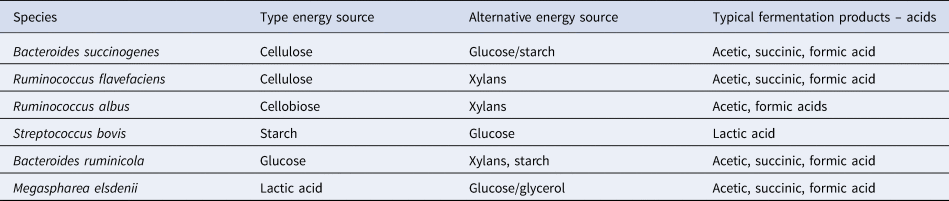
The phylum Firmicutes are Gram-positive bacteria whose representatives are found in a significant amount in the digestive system of ruminants. This phylum includes Clostridia class bacteria, i.e. Clostridium sticklandii, C. coccoides, C. aminovalerinum, Selenomonas ruminantium, Eubacterium ruminantium, Butyvibrio fibrosolvens family Lachnospiraceae (e.g. Coprococcus spp.), and Succiniclasticum spp. These bacteria in the ruminant digestive system break down mainly proteins, but such as Ruminococcus flavensis or Butyvibrio fibrosolvens, also break down cellulose, xylans or pectin, while Anaerovibrio lipolytica decomposes fat and Megasphaera elsdenii decomposes fatty acids or acids – products of the activity of microorganisms – as well as Pelotomaculum thermopropionicum that oxidizes propionate. These bacteria are mainly responsible for the production of methane in the rumen (Table 1).
Exemplary species of rumen bacteria, their substrates and in vitro fermentation products based on Kong et al. (Reference Kong, Xia, Seviour, Forster and McAllister2013)

The class Bacilli, include lactic acid producing bacteria (LAB) (e.g. family Lactobacillaceae), like some Clostridia, LAB use exogenous peptides and amino acids derived from protein proteolysis. They degrade proteins such as albumin, globulin or casein. LAB do not produce spores as do Clostridia. LAB are also conditional aerobes, while oxygen is highly toxic to Clostridia. The genera Bacillus and Streptococcus also belong to the Bacilli class, which primarily break down primarily proteins in the rumen (Van Glyswyk et al., Reference Van Gylswyk and Van Der Toorn1987; Paster et al., Reference Paster, Russell, Yang, Chow and Woese1993; Makarova et al., Reference Makarova, Slesarev, Wolf and Sorokin2006; De Nadra, Reference De Nadra2007; Hernandez-Sanabria et al., Reference Hernandez-Sanabria, Goonewardene, Li, Mujibi, Stothard, Moore and Leon-Quintero2010; Gajewska and Błaszczyk, Reference Gajewska and Błaszczyk2012).
Another phylum, which is a frequent inhabitant of the digestive system of ruminants, is Bacteroidetes. The bacteria in this cluster are Gram-negative, and includes the genus Prevotella (e.g. Prevotella bryantii, P. (Bacteroides) ruminicola), and family Porphyromonadaceae (np. Tannerella), and family Rikenellaceae. Prevotella spp. are included in the oral and gastrointestinal microflora. Their growth is limited by a 20% concentration of bile. Belonging to this kind, P. bryantii appearing in the rumen of cattle responsible for the degradation of hemicellulose in the rumen (Dodd et al., Reference Dodd, Kiyonari, Mackie and Cann2010). In one study, where a strain additive was used (P. Bryantii 25A), it was shown to act probiotically by reducing the amount of lactate produced (Jami et al., Reference Jami, Israel, Kotser and Mizrahi2013). Another species of this genus is P. (Bacteroides) ruminicola, which is considered one of the most common species inhabiting the rumen. The function of this species is the degradation of polysaccharides, i.e. hemicellulose and pectin. P. ruminicola strains, however, do not have enzymes to digest cellulose, so they are not able to digest crystalline cellulose and do not cause extensive solubilization of plant cell walls in pure cultures. These organisms contribute to the degradation of plant cell walls due to synergistic action with cellulolytic bacteria. Strains of this bacterium can additionally use cellulose dextrin, starch, and other soluble sugars. However, their most important role is the breakdown of proteins and peptides (Avguštin et al., Reference Avguštin, Wright and Flint1994).
The next bacterial phyla are Actinobacteria, Tenericutes, Proteobacteria, and Fibrobacteres. Phylum Actinobacteria and Tenericutes constitute 3% rumen microflora. Actinobacteria are Gram-positive bacteria, which contribute to the decomposition of plant residues, polysaccharides, cellulose, higher fatty acids and aromatic compounds (Takahashi and Omura, Reference Takahashi and Omura2003; Kumar et al., Reference Kumar, Singh, Mishra, Singh and Pachouri2012; Šuľák et al., Reference Šuľák, Sikorová, Jankuvová, Javorský and Pristaš2012; Jewell et al., Reference Jewell, McCormick, Odt, Weimer and Suen2015). The next phylum is Fibrobacter, to which Fibrobacter succinogenes belongs. This bacterium belongs to the group of cellulolytic bacteria, whose growth in the rumen is ensured by β-glucans, and their decomposition results in the formation of formic, acetic, and succinic acids (Palmquist, Reference Palmquist1995). Phylum Proteobacteria occurs in both the rumen and the end sections of the digestive system of ruminants, and includes Escherichia coli, Salmonella, Ruminobacter amylophilus, and Succinivibrio dextrinosolvens. These Gram-negative bacteria are mainly obligate and faculative anaerobes. Species like E. coli and Salmonella Typhimurium are considered faculatively pathogenic, depending of strain and quantities in the digestive tract, due to their permanent existence in the digestive system of animals. Bacteria, i.e. Ruminobacter amylophilus breaks down easily metabolized carbohydrates and Succinivibrio dextrinosolvens ferments and converts fatty acids. In the digestive system of ruminants, it is also possible to detect bacteria of the genus Treponema (phylum Spirochaetes), which also decompose and of fatty acids (Laven et al., Reference Laven, Ashmore and Stewart2003; Madigan and Martinko, Reference Madigan and Martinko2005; De Menzes et al., Reference De Menezes, Lewis, O'Donovan, O'Neill, Clipson and Doyle2011).
The alimentary system of ruminants and many animals is also inhabited by the Archaea. These organisms in their general structure resemble bacteria, however, they do not have mitochondria, lysosomes, endoplasmic reticulum, Golgi apparatus and nuclear membrane in the cytoplasm. They have, however, characteristic structures such as archaella, pile, hooks or cannulas. The Archaea inhabiting the animal's digestive systems are mainly methanogenic organisms (Efenberger et al., Reference Efenberger, Brzezińska-Błaszczyk and Wódz2014). These include species such as: Methanobacterium ruminantium, Methanosarcina barkeri, and Methanobrevibacter spp. In the digestive system of ruminants there are about 1500 types of Archaea, constituting 3–4% of the rumen ecosystem, of which 90% are methanogenic. Most of them use CO2 and H2 in the methanogenesis process as substrates. Hydrogen donors in the case of Archaea in ruminants may be alcohols and organic acids. Thanks to this, they prevent excessive production of ethanol and lactate in the fermentation process. The Archaea inhabit the digestive system of ruminants as early as 30 h after giving birth (Kassow et al., Reference Kassow, Rahmann, Blank, Paulsen and Aulrich2009; Kong et al., Reference Kong, Xia, Seviour, Forster and McAllister2013).
In the digestive system of ruminants, mainly in the rumen, there are also eukaryotes – fungi. They occur in ruminants mainly in the rumen, they are fungi from the family Neocallimastigomycota. This family was first qualified for fungi in 1975 by Orpin. Since their discovery, they have been isolated from 50 species of herbivorous animals (including ruminants), as well as herbivorous reptiles and humans (Orpin, Reference Orpin1997; Mackie et al., Reference Mackie, Rycyk, Ruemmler and Aminov2004; Ljungdahl, Reference Ljungdahl2008; Rodríguez et al., Reference Rodríguez, Pérez, Chaves, Esteve, Marin-Garcia, Xifra and Portero-Otin2015). These fungi reproduce in the rumen of ruminants through the formation of zoospores, which are released from the sporangium. To the family Neocallimastigomycota includes anaerobes of the genus: Anaeromyces, Caecomyces, Cyllamyces, Neocallimastix, and Orpinomyces i Piromyces. Thanks to their anaerobic physiology and the possession of many enzymes degrading plant cell walls, they help the host digestion of the plant material. The degradation of woody plant particles is based on the merging of fungi with plants, where colonization results in the excretion of extracellular enzymes: cellulolytic, hemicellulolytic, glycolytic, and proteolytic. Excretion of enzymes results in decomposition of the plant structure, which increases the amount of space for more fungi. In addition, the enzymes secreted by Neocallimastigomycota fungi are able to digest almost all plant polymers (Henderson et al., Reference Henderson, Cox, Ganesh, Jonker and Young2015; De Nardi et al., Reference De Nardi, Marchesini, Li, Khafipour, Plaizier, Gianesella, Ricci, Andrighetto and Segato2016; Hanafy et al., Reference Hanafy, Johnson, Elshahed and Youssef2018).
Another group of eukaryotes inhabiting the digestive system of ruminants is protozoa. In 1 ml of rumen lives about 104–106 of protozoa. In the rumen, the main phylum protozoa is Ciliata. They are mainly anaerobic endosymbiotes (Vďačný et al., Reference Vďačný, Orsi, Bourland, Shimano, Epstein and Foissner2011; Gao et al., Reference Gao, Warren, Zhang, Gong, Miao, Sun and Song2016). Ciliata occurring in the forestches feed on bacteria. They absorb the amino acids they produce and also provide the host with full-value protein. Protozoa belonging to the genus Izotricha, Dasytricha, and Entodinium they can use starch, while they belong to the genus Diplodinium and Endiplodinium – cellulose. They are, however, less numerous than other groups of microorganisms, but due to their size they constitute half the biomass of forestomachs (von Engelhardt, Reference von Engelhardt2011; Henderson et al., Reference Henderson, Cox, Ganesh, Jonker and Young2015; De Nardi et al., Reference De Nardi, Marchesini, Li, Khafipour, Plaizier, Gianesella, Ricci, Andrighetto and Segato2016).
The development of microbiome in young calves and the impact of selected environmental factors on its composition
Determining the population of microorganisms and changes taking place in its composition with age is the key to understanding the operation and function of a microbiome. The microbiome of the gastrointestinal tract of ruminants begins to develop in the post-natal period, when the digestive tract is colonized by the mother's microbiome and the surrounding environment. During nursing, the rumens of newborn calves do not function in the first weeks of life, and milk passes directly to the abomasum from the esophageal cavity. There is also no development of intestinal villi, which develop due to fermentation by rumen microorganisms. Intensive fermentation and significant development of the microbiome begins in the rumen with the intake of solid food, as microorganisms from the feed enter the rumen and as some of the microbes previously colonizing the digestive system begin to function (Jami et al., Reference Jami, Israel, Kotser and Mizrahi2013). The development of normal rumen is an important physiological challenge for young ruminants. Its development includes three separate stages: mass increase and rumen warts, achievement of fermentation capacity and enzymatic activity and colonization with a microbiome, the last stage of which enables proper digestion of solid/loose feed (Yáñez-Ruiz et al., Reference Yáñez-Ruiz, Abecia and Newbold2015).
Microbial fermentation in the rumen is crucial for the growth and production of a ruminant. Li et al. (Reference Li, Zhou, Adamowicz and Basarab2012), based on 454-pyrosequencing of 16S rDNA, showed that there are a total of 170 types of bacteria in a 14-day-old developing rumen, and that this microflora reacts to diet modifications and physiological changes in the host. Studies carried out so far suggest that the microbiota of adult ruminants are resistant to manipulation, with restoration of the original composition after intervention by exogenous microorganisms and diet. Therefore, the results of the conducted research suggest that the methods of manipulating the microbiome in adult ruminants are short-lived and less effective. However, the possibility of manipulating the microbiome early in life has been suggested.
Research based on the human microbiome suggests that such manipulation has a long-term effect on human health and growth. This type of examination may be reflected in the manipulation of the ruminant microbiome. The use of microbial manipulation in young animals through nutritional interventions has been successful in achieving lasting and long-term results. However, due to incomplete knowledge of the microbiome and its function, and the impact on the production of adults, studies still need to be conducted. An example of this type of research is the manipulation of the microbiomes of goat kids, using diet from the first day to the third month of life. The applied nutritional changes in the experimental group resulted in a reduction of methane emissions by 59% compared to the control group (Yáñez-Ruiz et al., Reference Yáñez-Ruiz, Abecia and Newbold2015). However, effects lasted up to 3 months after the end of intervention, therefore further studies of this type are warranted in order to better influence changes in the digestive tract of young ruminants, although the best time for dietary manipulation to have a lasting effect on microflora has not yet been accurately described (Abecia et al., Reference Abecia, Martín-García, Martínez, Newbold and Yáñez-Ruiz2013; Yáñez-Ruiz et al., Reference Yáñez-Ruiz, Abecia and Newbold2015; Malmuthuge, Reference Malmuthuge2017).
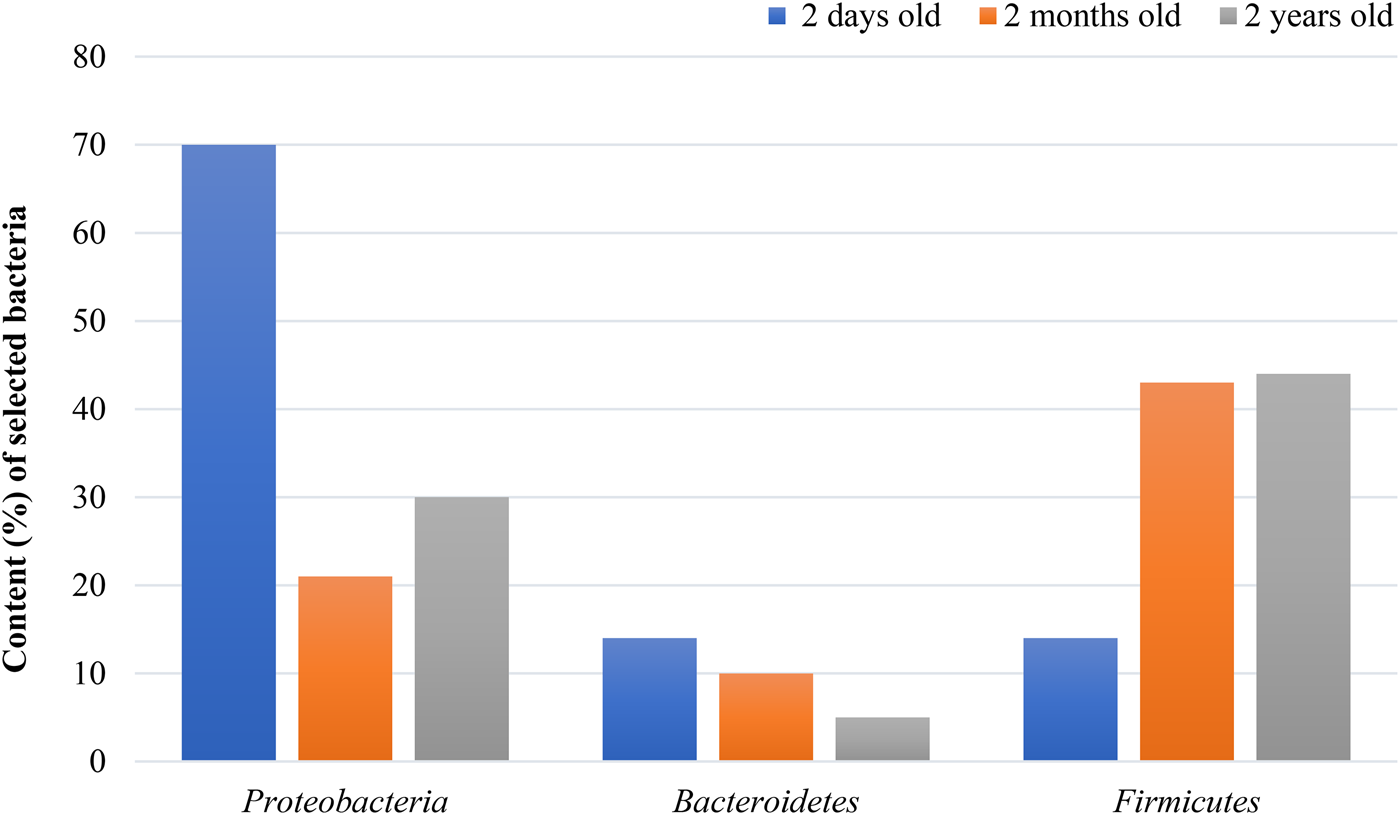
In a study on the microbiomes of calves, it was shown that a significant part of the strict anaerobes that occur in the rumen of adults are present in the rumen of the calves between 1 and 2 days of life, and Archaea, as already mentioned, colonize the digestive system as early as 30 h after birth (Kassow et al., Reference Kassow, Rahmann, Blank, Paulsen and Aulrich2009; Yáñez-Ruiz et al., Reference Yáñez-Ruiz, Abecia and Newbold2015). However, the amount and activity of Archeae change with age and diet of the calves. At the beginning, aerobic and faculatively aerobic bacteria are more active. Between 6 and 8 weeks, the activity and number of aerobes decrease, as they are replaced with anaerobic bacteria. However, metagenome sequencing of rumens of 2 week-old and 6 week-old calves identified glycoside hydrolases, even in the absence of a constant diet, which already indicates early homing by microbiota, particularly anaerobic (Jami et al., Reference Jami, Israel, Kotser and Mizrahi2013; Malmuthuge, Reference Malmuthuge2017). Research carried out by Rey et al. (Reference Rey, Enjalbert, Combes, Cauquil, Bouchez and Monteils2014) defining the content of selected bacteria in the rumen of the calves showed that their composition changes until the 83rd day of life. On the 2nd day of life, calves of the study showed that the main bacterial community constituted by phylum Proteobacteria (70%), where family Pasteurellaceae constituted 58%. Another phylum demonstrated during this period was Bacteroidetes, constituting 14%. The change in the composition of the microbiome largely occurred between 3 and 12 days of age, during which the phylum Bacteroidetes (21%) predominated, with family Prevotellaceae constituting 11%. During this period of life, bacteria of the genera Streptococcus (4%) and Fusobacterium (5%) were also detected. Intake of solid feed after the 15th day of life is another important factor of change in the microbiome. However, there was not significant change in the composition, but in the number of bacteria. Regardless of the age of calves examined, the microbiomes primarily consisted of phyla Proteobacteria and Firmicutes, while the smallest gradient was characterized by phylum Firmicutes, which is also apparent in Fig. 1 (Jami et al., Reference Jami, Israel, Kotser and Mizrahi2013; Rey et al., Reference Rey, Enjalbert, Combes, Cauquil, Bouchez and Monteils2014).
Content (%) of selected bacteria clusters in the rumen depending on age (Jami et al., Reference Jami, Israel, Kotser and Mizrahi2013, Rey et al., Reference Rey, Enjalbert, Combes, Cauquil, Bouchez and Monteils2014).

Research of young ruminants shows that their digestive tracts are settled by microorganisms well before they start to take a permanent feed. The composition of microorganisms is influenced by the obtained colostrum and milk. The chemical composition of milk, and its impact on the esophageal tube, limit the process of physical and physiological rumen development. Research Tamate et al. (Reference Tamate, McGilliard, Jacobson and Getty1962) showed that in milk-fed or milk-replacement-fed neonates, this composition led to a reduction in rumen development up to 12 weeks of age. Therefore, the introduction of solid feed to the diet of young ruminants is an important factor affecting rumen development. The consumption of solid feed stimulates the growth of germs in the rumen and the production of VFA, which initiate the development of the rumen epithelium. However, it should be taken into account that the feed that is used may vary in the ability to stimulate the rumen (Yáñez-Ruiz et al., Reference Yáñez-Ruiz, Abecia and Newbold2015).
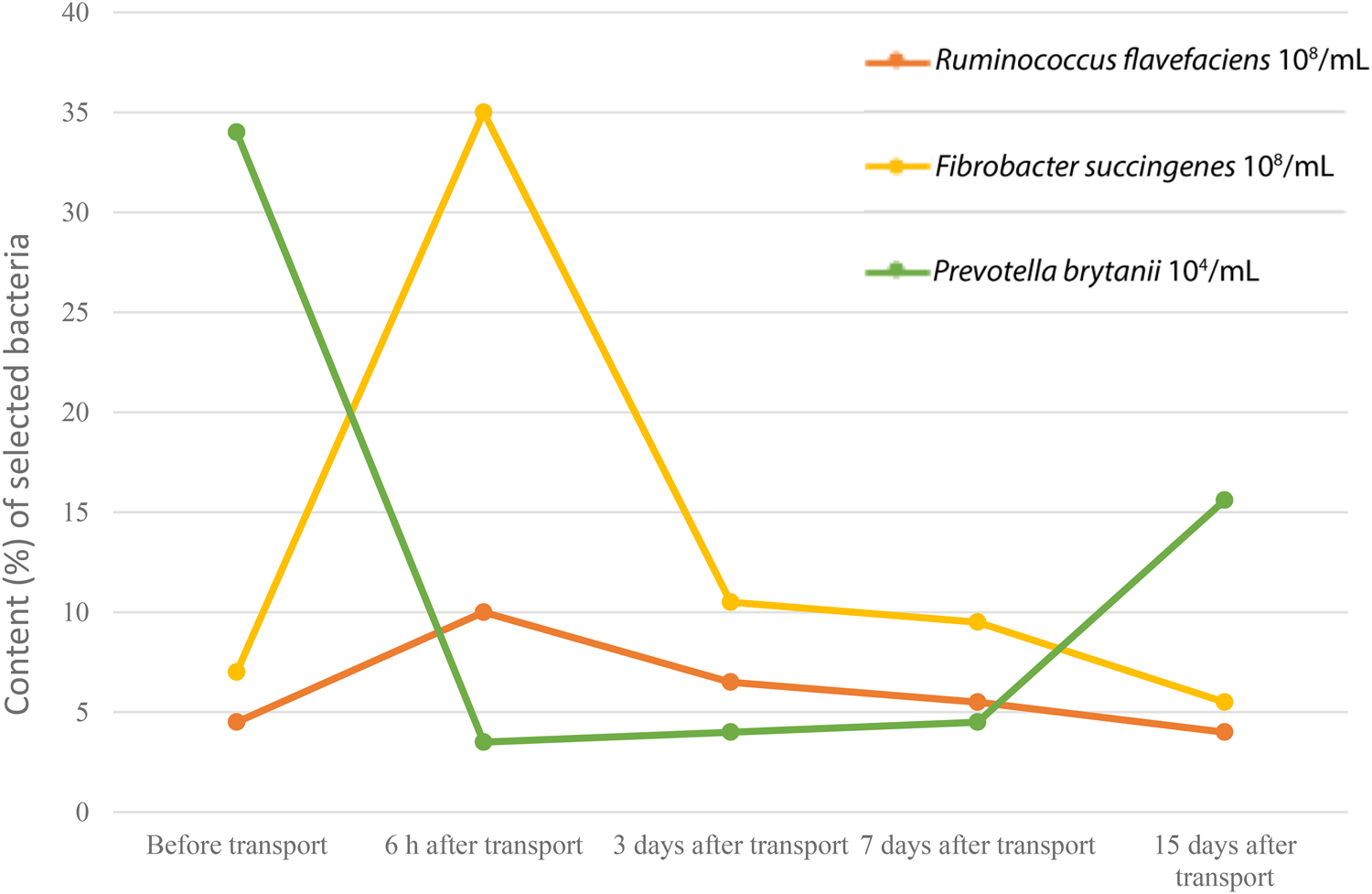
The environment and related factors also affect the particularly anaerobes (Jami et al., Reference Jami, Israel, Kotser and Mizrahi2013; Malmuthuge, Reference Malmuthuge2017). Research carried out by Rey et al. (Reference Rey, Enjalbert, Combes, Cauquil, Bouchez and Monteils2014), defining content of selected bacteria in rumens of calves, showed that their composition changes composition and development of the microbiome. Demonstration of the impact of the rearing environment of young ruminants was demonstrated in studies carried out at the end of the 1980s, concerning the colonization of the rumen by microorganisms, when it was shown that cellulolytic bacteria increase in a rumen-free lambs kept in individual pens in comparison to group maintenance, which showed the effect of keeping animals on the microbes available at that time (Fonty et al., Reference Fonty, Gouet, Jouany and Senaud1987; Rey et al., Reference Rey, Enjalbert, Combes, Cauquil, Bouchez and Monteils2014). Nowadays, transportation is a frequently investigated phenomenon related to the environment of animals. In the studies of Deng et al. (Reference Deng, He, Zhou, Xu and Xiong2017) on the example of beef cattle, the effect of transport of young animals on their microbiome was examined. In beef cattle, it was shown that after 6 h of transport there was a significant increase in the amounts of the bacteria, Fibrobacter succinogenes, Ruminococcus flavefaciens, Ruminococcus amylophilus, and Prevotella albensis. There was also a reduction of the bacteria, Prevotella brytanii, P. ruminicola, Anaerovibrio lipolytica, and Succinivibrio dextrinosolvens, up to 3 days after transport. Also during this period, there was a decrease in rumen pH and decreased production of propionic and butyric acids, and increased production of acetic acid in the rumen. Stabilization of the processes and bacterial levelsoccurred only after 15 days of transport (Fig. 2).
Quantification of rumen bacteria based on Deng et al. (Reference Deng, He, Zhou, Xu and Xiong2017).

Heritability is another factor affecting the composition of the microbiome, which has been researched extensively in recent years. Studies in mice demonstrated the effect of host genetics on the development of individual intestinal microbial composition in mammals. In contrast, research on the rumen microbiome uses information on sires to link host genetics to microbiomes, with a view to selection in terms of performance, in particular in beef cattle. Studies on the inheritance of the microbiome also suggest the potential inheritance of a bovine microbiome by indirect association with the breed. Subsequent studies on the selection of animals in terms of methane emissions showed that methane emission and the number of Archeons differed in offspring, depending on paternal genes. Inheritance of the microbiome, especially the bacterial flora, by offspring may allow better feed conversion parameters, and, at the same time, lower methane emission (Meale et al., Reference Meale, Li, Azevedo, Derakhshani, Plaizier, Khafipour and Steele2016; Malmuthuge, Reference Malmuthuge2017).
An influence on the development and composition of the microbiome, in order to obtain properly selected individuals, is not yet fully possible due to incomplete understanding of the ruminant digestive microbiome. However, studies conducted show the importance of initial development of a young animals, the environment in which they are maintained, as well as fodder and its genetics. Collectively, in order to influence the microbiome, it is necessary to carefully examine not only the specific interaction, but also the environmental and genetic paths that determine microbiome compositions in animals.
Diet and rumen microbiome
In adult dairy and beef cattle, it is important to adjust the diet depending on host age and physiological condition; it is also important to provide the animals with adequate time to adapt to the dietary change. An exceptionally sensitive group is high-yield milk cattle. In this case, the diet is based mainly on high-energy and high-protein fodders with low-fiber content, and the composition is subject to frequent and rapid changes during the change of technological groups to which the ruminant microbiome should gradually adapt (McCann et al., Reference McCann, Wickersham and Loor2014; De Nardi et al., Reference De Nardi, Marchesini, Li, Khafipour, Plaizier, Gianesella, Ricci, Andrighetto and Segato2016; Khafipour et al., Reference Khafipour, Li, Tun, Derakhshani, Moossavi and Plaizier2016).
Dairy cattle are highly sensitive to excess protein and energy deficit in the feed, which causes energy reserves to be activated by the animal. Inadequately adjusted composition of feed, or its rapid change, cause impoverishment of the gastrointestinal microbiome, which is reflected by health status and animal production indicators. Nutrition in high-yield dairy cattle is based on the use of total mixed ratio (TMR), the content of which is suited to the animal, in terms of protein and energy, and can satisfy both production and living needs. The right TMR of fodder positively affects the rumen metabolism, reducing the risk of rumen acidosis and other digestive disorders. It also stimulates the synthesis of bacterial and priming proteins. However, not only the amount of protein, but also its quality in feed is a highly important factor affecting the health of the animal as well as the composition of the bacterial and primordial protein, resulting in a difference in the quality composition of the final milk product (Khafipour et al., Reference Khafipour, Li, Plaizier and Krause2009; Jami et al., Reference Jami, White and Mizrahi2014; McCann et al., Reference McCann, Wickersham and Loor2014). Gabryszuk et al. (Reference Gabryszuk, Sakowski, Metera, Kuczyńska and Rembiałkowska2013) showed that milk from cows grazing on species-rich pastures contained more beneficial proteins, i.e. α-lactalbumin, β-lactoglobulins and lactoferrin, than milk of high-yielding cows and a more favorable ratio of ω−3 to ω−6 fatty acids (organic milk below 1.25, conventional milk 2.5).
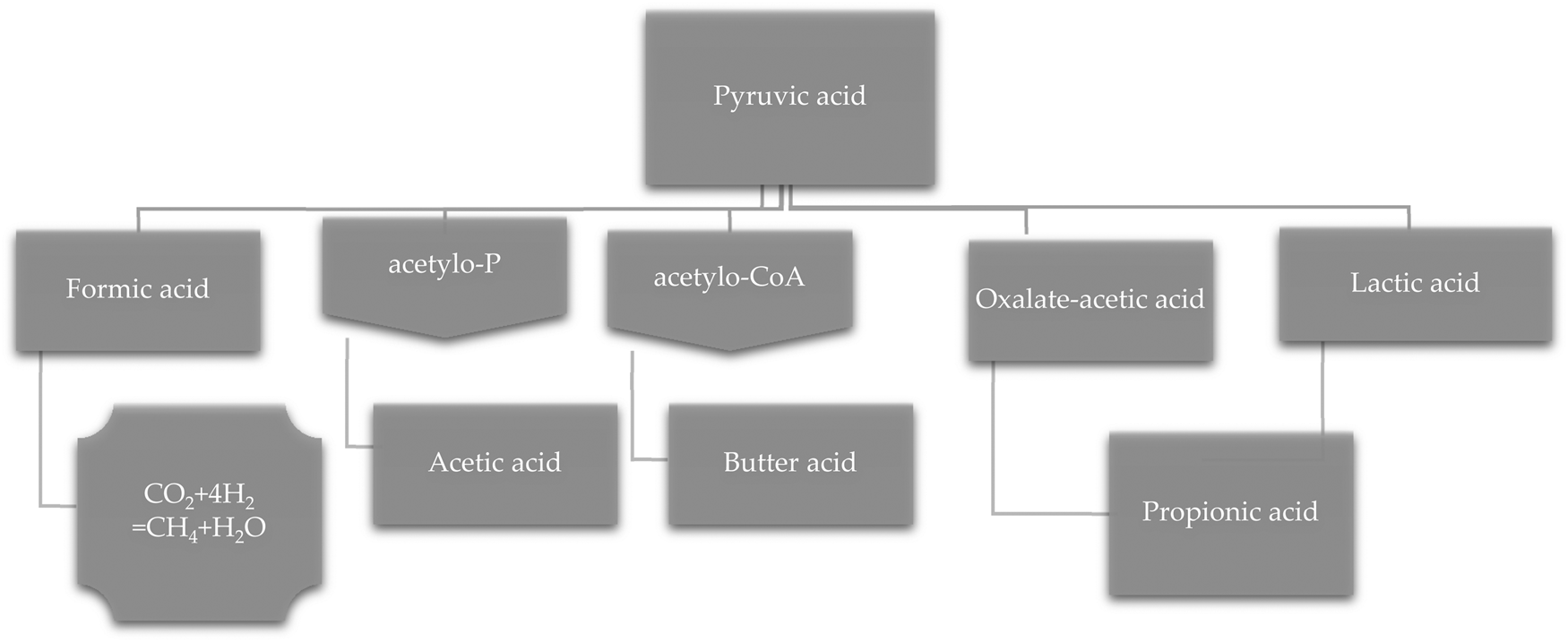
The protein distribution occurs mainly in the rumen, so that the resulting microbial protein digested in the intestine affects the biological value of milk. Bacteria break down proteins into smaller peptides by secreting proteolytic enzymes. In addition to the breakdown of the protein, intense bacterial protein synthesis takes place at the same time. Bacteria with proteolytic activity include Clostridium (e.g. C. sticklandii, S. ruminantium, and E. ruminantium), Bacilli (e.g. L. fermentum), and Proteobacteria (e.g. R. amylophilus). Bacteria can use non-protein nitrogen compounds such as urea and ammonia in protein synthesis processes. The use of urea by bacteria to synthesize the protein is possible due to the presence of the enzyme – urease. Urea is decomposed into ammonia and carbon dioxide. These processes require a lot of energy, which comes from ATP generated during the fermentation of carbohydrates in the rumen content. The structure of amino acids is possible thanks to carbon chains derived from VFAs, which limit the protein synthesis process. The formation of VFA is possible by obtaining carbohydrates with feed. The digestion of carbohydrates in the rumen is due to the microbiome in it. The protozoa living in the rumen break up the fibrous parts in the feed. In contrast, feed containing large amounts of woody parts is degraded by fungi and then by protozoa and bacteria. The final products of fermentation of sugars are VFAs such as: acetic, propionic, formic, butyric, isobutyric, valeric and isovaleric acids, and digestion gases: CO2, H2, and CH4 (Fig. 3). The resulting VFAs are the main source of metabolic energy used by the ruminant. However, fats are also used to create VFA besides carbohydrates. Rumen bacteria such as Anaerovibrio lipolytica contain fat-breaking enzymes for glycerol and fatty acids. The resulting glycerol is used for sugar transformation to give pyruvic acid, which undergoes transformation into VFAs. Some of the fatty acids that have not been used for the transformation of proteins by the rumen bacteria go to further parts of the digestive system, where they are absorbed and used by the host (Chillard et al., Reference Chilliard, Ferlay and Doreau2001; Zawadzki, Reference Zawadzki2008; Brzózka and Śliwiński, Reference Brzóska and Śliwiński2011; Włodarczyk and Budvytis, Reference Włodarczyk and Budvytis2011).
Diagram of conversion of pyruvic acid in VFA in the rumen based on McDonald et al. (Reference McDonald, Edwards, Greenhalgh, Morgan, Sinclair and Wilkinson2010).

Due to the fact that fermentation in the digestive system depends on the cooperation and competition of the microbiome, the diet is highly important in order to ensure adequate health and performance of the animal, as well as the only possible manipulation of its composition in adult cattle. Studies carried out on rumen fluid collected from different environments have shown that diet based on pasture causes a higher number of bacteria from phylum Bacteroidetes, mainly belonging to the family Ruminococcaceae, where the diet based on cereals causes a greater number of Prevotellaceae and belonging to the phylum Proteobacteria family Succinivibrionaceae, regardless of the ruminant species. Diet affects the composition of the rumen, sometimes eliminating the influence of race and host. An example showing how much the diet has a significant impact on the composition of the rumen microbiome is the use of a diet change on the example of beef cattle. The results of one study suggested that individual bacteria and their metabolism in the rumen may contribute to differences in the feed efficiency of the host in a diet with low-energy content and the change that occurs after the introduction of a high-energy diet. This study also confirmed the highly important role of feed efficiency as well as the changing microbiome during feeding. Studies have also shown that some bacteria in cattle fill, regardless of racial or geographic factors, the ‘main’ role, affecting the conversion of feed in the rumen. This study also identified potential associations of new species and their functions. An example is the identification of bacteria Pelotomaculum thermopropionicum (phylum Firmicutes), an anaerobic bacterium oxidizing propionate, or identified bacterium as Moryella indoligenes, also anaerobic, for which acetate and butyrate are the main metabolic end products (Zawadzki, Reference Zawadzki2008; Hernandez-Sanabria et al., Reference Hernandez-Sanabria, Goonewardene, Li, Mujibi, Stothard, Moore and Leon-Quintero2010; Malmuthuge, Reference Malmuthuge2017). At the same time, the diet, especially in high-yielding ruminants, towards increasing the amount of concentrates at voluminous cost poses a threat to metabolic processes in the rumen (Khafipour et al., Reference Khafipour, Li, Plaizier and Krause2009). The frequent use of too-pourable concentrate feeds leads to a weakening of cellulose digestion by the microbiome, resulting in too rapid starch degradation and a rumen pH down to 5.5. The effect is a slowdown of the synthesis process by microbiome, which weakens the digestive process, accelerates the flow of the digestive content from the rumen to the abomasum, and reduces the level of fat in the milk (reduction in the number of bacteria belonging to the main phylum in the rumen: Firmicutes and those who depend on these types of genera, i.e. Streptococcus and Bacillus) (Jami et al., Reference Jami, White and Mizrahi2014; McCann et al., Reference McCann, Wickersham and Loor2014).
Studies conducted on goats showed a diet based on high-grain (HG) content, in this case maize, that there was a significant effect of HG nutrition on the formation of the rumen bacteria structure, especially on diversity and composition, with the general dominance of the Firmicutes bacteria along with the low numbers of Bacteroidetes in a HG-fed group. There was also an increase in the number of ciliates and methanogens, and the density of anaerobic fungi decreased. The increase in the population of Archaea has also been shown, and there has been an increase in the level of several toxic, inflammatory and non-natural compounds, including endotoxins, tryptamines, tyramines, histamines, and phenylacetate. These studies suggest that there are some potential interactions between ruminal metabolites and some species of microorganisms that can be related to the interventions used to correct ruminal disorders due to microbiological composition changes, such as rumen acidosis (Mao et al., Reference Mao, Huo and Zhu2016). The significant effect of the diet on the microbiome ratio has also been demonstrated in the study of Fernando et al. (Reference Fernando, Purvis, Najar, Sukharnikov, Krehbiel, Nagaraja and DeSilva2010), where cattle experimental groups were divided depending on the ratio of the obtained roughage to coarse and in terms of adaptation to the applied changes in the feed ratio. A comparison of the composition of the group's microbiome showed that animals fed more hay had higher levels of rumen bacteria of from phylum Fibrobacteres, whereas in animals on the HG diet, a higher level of bacteria belonging to phylum Bacteroidetes was found. It was also shown that during the adaptation to the HG diet resulted in a significant increase in the number of populations Megasphaera elsdenii, S. bovis, S. ruminantium, and P. bryantii. However, there was a decrease in the number of bacteria involved in the distribution of roughage: Butyrivibrio fibrisolvens, and F. succinogenes. Interestingly, in the studies of De Menzes et al. (Reference De Menezes, Lewis, O'Donovan, O'Neill, Clipson and Doyle2011), as in most diet studies, the effect of diet on the composition of the microbiome was demonstrated, but its influence on the composition of protozoa was not examined. The diet in their case did not prove to be an important aspect, probably their composition is influenced by their selective occurrence in the rumen and the individual effect. These studies also suggest that the effect of diet on the composition of the microbiome is conditioned by the fact that the bacterial community is involved in the initial stage of biomass. Dietary manipulation in ruminants aims to improve microbial fermentation in the rumen by improving beneficial metabolic processes or by minimizing inefficient or harmful metabolic processes. This process in adults is a huge problem, given that the effects are often short-lived. Exploring the microbiome, and in particular its impact on the host, suggests that dietary manipulations must be carried out in a specific direction that can cause permanent changes in its composition. However, at this stage, knowledge about the influence of the structure and function of the gastrointestinal microbiome on host physiology remains poorly understood.
Considering that nowadays special attention is paid to the impact of livestock production on the environment and the safety of animal products, new methods of microbial manipulation are being sought, not only affecting the environment in which animals are located, but ensuring their proper development and maintenance through the use of various types of nutritional supplements (Zabielski, Reference Zabielski2007; Hernandez-Sanabria et al., Reference Hernandez-Sanabria, Goonewardene, Li, Mujibi, Stothard, Moore and Leon-Quintero2010; Malmuthuge, Reference Malmuthuge2017). In order to reduce the use of antibiotics in animal production, alternative methods of animal protection are sought, such as: improving the conditions of breeding in terms of sanitation and living, as well as the quality of feed and proper enforcement of legal regulations. Another strategy is to replace antibiotics with dietary supplements, i.e. probiotics, prebiotics or immunomodulators. Alternative solutions compared to the use of antibiotics do not reduce the microbiome of the digestive system, but are aimed at pro-health, reducing the level of opportunistic and pathogenic bacteria. Among probable alternatives, probiotics meet the expectations of breeders, consumers and ecologists to the greatest extent. In the years 2000–2001, the combined groups of experts from FAO and World Health Organization (WHO) defined probiotics as ‘Living microorganisms that delivered in the right amount bring health benefits to the body’(Skopińska-Różewska and Siwicki, Reference Skopińska-Różewska and Siwicki2003; Zabielski, Reference Zabielski2007). One of the most effective studies on probiotics was made in the mid-1980s. The study consisted of introducing rumen bacteria in the bush, Leucaena spp., to Australian livestock. The test turned out to be a success, and the animals could be fed this shrub without any problems. The bacterium responsible for the decay of mimosin was Synergistes jonesii (phylum Synergistetes). In addition, the probiotic was appropriately prepared in 1996 and offered for sale (Allison et al., Reference Allison, Mayberry, Mcsweeney and Stahl1992; Chaucheyras-Durand and Durand, Reference Chaucheyras-Durand and Durand2009; Graham, Reference Graham2010).
The use of probiotics in farm animals has increased significantly over the past 15 years. In feeding ruminants, probiotics most frequently contain bacteria of the genus Lactobacillus (L. amylovorus), Bifidobacterium (B. bifidum), and Enterococcus (E. faecium) as well as the yeast, Saccharomyces cerevisiae. These preparations have a positive effect on their growth and homeostasis of the digestive system. Properly selected probiotic microorganisms determine the assimilation of feed, and the effects of preparations are similar to those of feed antibiotics. However, compared to antibiotics, probiotics do not cause side effects and do not imply the deposition of harmful foreign substances, hence there is no grace period and there is no danger of overdose. When using probiotics, it is important to their survival in unfavorable conditions and their adhesion to mucous membranes of the digestive system are important in determining their settlement. The effectiveness of probiotics is the result of the competitive use of nutrients. The antibacterial action of probiotics is associated with a sharp reduction in pH due to the production of metabolites, i.e.: lactic acid and acetic acid acting synergistically on pathogens (Rolfe, Reference Rolfe2000; Salisbury et al., Reference Salisbury, Nicholls, Lammerding, Turnidge and Nunn2002; Chaucheyras-Durand and Durand, Reference Chaucheyras-Durand and Durand2009).
Lactic acid has preservative properties, where additional factors also play an important role: the effect of the pH itself, the degree of acid dissociation and the specific activity of the acid molecule. As a weak acid in liquid environments, it is partially dissociated, and in the undissociated form it can penetrate the lipid membrane of the cells. Its dissociated form in the cytoplasm of the cell causes its acidification by inhibiting the growth of microorganisms, including putrefactive and Gram-negative bacteria, as well as mold. In contrast, acetic acid can affect cell membranes, neutralizing the electrochemical potential of the cell. In the presence of lactic acid, it exhibits synergism in the inhibition of yeast and mold growth, and also affects the development of putrefactive bacteria and bacteria of the genera Clostridium and Salmonella. Bacteriostatic activity is also produced by certain strains of Lactobacillus H2O2, which is produced in quantities exceeding thresholds of toxicity for pathogens. However, its action is mainly directed to bacteria that do not have (or are at a low level) peroxidase enzymes, catalase and dismutase. Bacteria of the genus Lactobacillus, and also E. faecium, L. lactis or S. thermophilus, have the ability to produce bacteriocins, which are substances capable of antagonistic influence on a number of pathogenic microorganisms. These substances have a high antibacterial activity against E. coli, Salmonella Typhimurium, S. aureus, C. perfringens, Bacillus spp., Listeria spp., Klebsiella spp., and Proteus spp. However, the presence of yeast in the probiotic influences the metabolic activity of lactic acid-producing bacteria. Yeast also produce B vitamins, which affect the growth of bacteria. Yeast also affect the reduction of ammonia levels, which suggests that they also affect the growth of the population of microorganisms. Yeast can also prevent the development of pathogens, i.e. E. coli and K. pneumoniae, thanks to the components of their cell walls, mainly made of glucan and mannan (Adams and Hall, Reference Adams and Hall1988; Perdigon et al., Reference Perdigon, Alvarez and Medici1992; Newbold et al., Reference Newbold, Wallace and Mcintosh1996; Lipiński, Reference Lipiński1998; Salminen et al., Reference Salminen, Ouwehand and Isolauri1998; Barbosa and Levy, Reference Barbosa and Levy2000; Rolfe, Reference Rolfe2000; Salisbury et al., Reference Salisbury, Nicholls, Lammerding, Turnidge and Nunn2002).
Many studies have shown a beneficial effect on the performance of ruminants, also in the form of feeding them with silages inoculated with LAB; it is suggested that this effect is caused by the action of probiotic bacteria. Pickling is a widely used fodder preservation process. It is based on a natural fermentation, as a result of which LAB ferment water-soluble carbohydrates into organic acids, mainly lactic acid, under anaerobic conditions. The effect is a drop in pH, and thus the inhibition of the development of pathogenic anaerobes and preservation of the nutritional value and palatability of feed. The use of modifiers containing LAB as silage additives is intended to strengthen the fermentation of lactic acid. Among the homofermentative LAB preparations, the most commonly used are: L. plantarum, E. faecium, P. acidilactici, P. pentosaceus, and L. acidophilus. The obtained results showed that LAB silage modifiers can survive in the rumen of cattle; however, some of them are degraded by predatory protozoa. This affects the rumen pH and the amount of VFAs produced, and it is suggested that LAB interact with microorganisms increasing their activity and improving the ability to degrade fibers. In addition, the production of bacteriocins may inhibit the growth of harmful microorganisms in silage and rumens (Weinberg et al., Reference Weinberg, Muck, Weimer, Chen and Gamburg2004).
Expanding knowledge about the interaction between the microbiome community may allow its manipulation not only in terms of nutrition itself, but also additives to feed and improvement in their quality. The research reveals limitations in understanding the complexity of the ecosystem that creates microbiota in the digestive system; therefore, to use microbiome manipulation with diet, further functional studies, such as metabolic enzyme studies and interrelationships between individual members of the microbiome, should be performed.
Effect of ruminant microbiome on methane production
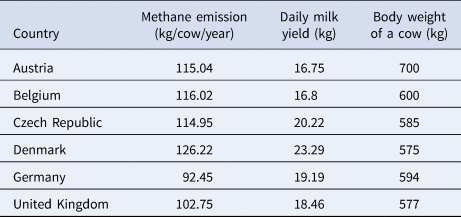
Methane (CH4) is a greenhouse gas with an effect 25 times greater than CO2. In agriculture, methane arises mainly as a result of the anaerobic decomposition of organic materials by microorganisms living in the digestive tract and animal excrement (McAllister et al., Reference McAllister, Okine, Mathison and Cheng1996; Kassow et al., Reference Kassow, Rahmann, Blank, Paulsen and Aulrich2009; Roszkowski, Reference Roszkowski2011). The problem of greenhouse gas emissions is a focus of energy and climate policy and the Common Agricultural Policy of the European Union member states (Kassow et al., Reference Kassow, Rahmann, Blank, Paulsen and Aulrich2009). According to FAO (2018) data, ruminants have the largest share in CH4 emissions, accounting for 65% of intestinal production and 44.1% of total greenhouse gas production (Table 2).
Methane emissions by cows in several European countries by Dämmgen et al. (Reference Dämmgen, Haenel, Rösemann, Hutchings, Brade and Lebzien2009)

The emission of methane by ruminants is associated with the processes of both rumen and intestinal fermentation. Methane is the end product of fermentation, considered a by-product. Methanogens in the rumen utilize methanogenesis pathways to maintain low-partial hydrogen pressure and to facilitate fiber digestion by converting hydrogen to methane. However, this process results in a significant loss of dietary energy (2–12%) in the host (Moss et al., Reference Moss, Jouany and Newbold2000). Although the phylogenetic positions of methanogens are varied, these organisms use only three major pathways for methanogenesis: the CO2 reduction pathway, the C1 compound conversion pathway (e.g. methanol and methylamine), and the acetate fermentation pathway (Zhou et al., Reference Zhou, Chung, Beauchemin, Holtshausen, Oba, McAllister and Guan2011). Methanogenic microorganisms are fastidious in the use of nutrients, as they can usually use one or two substrates, which limits cultivation of organic rumen methanogenic microorganisms. However, they react with hydrogen-producing rumen organisms, i.e. protozoa, bacteria, and fungi. Understanding the ecology of methanogens in ruminants and the explanation of their respective roles may in future facilitate diet adjustment to effectively manipulate the level of methane produced, as well as to improve the performance of animals (Wolin, Reference Wolin and Alexander1979; Moss et al., Reference Moss, Jouany and Newbold2000; Malmuthuge, Reference Malmuthuge2017).
The main rumen isolates were the genera Methanobrevibacter, Methanomicrobium, Methanosphaera, and Metanimicrococcus, which use H2 alternately. Small genera were also detected to some extent – Methanosarcina spp. and Methanoculleus spp. Seven main species of methanogens were also isolated in the study: Methanobacterium formicicum, Methanobacterium bryantii, Methanobrevibacter ruminantium, Methanobrevibacter millerae, Methanobrevibacter olleyae, Methanomicrobium mobile, Methanoculleus olentangyi, and Methanobrevibacter smithii. However, differences can be caused by the diet, the environment as well as the health, genotype, and age of the animals. Due to the significant differences in their number in ruminants, some studies suggested methanogens present depended not only on the diet but also on the host. However, this has not been fully documented. Research carried out on sheep kept on different diets and in different environments showed differences in the content of Archaea (Janssen and Kris, Reference Janssen and Kirs2008; Abecia et al., Reference Abecia, Martín-García, Martínez, Newbold and Yáñez-Ruiz2013; Kong et al., Reference Kong, Xia, Seviour, Forster and McAllister2013). The composition of sheep methanogens maintained at CSIRO Yalanbee Research Station in Western Australia was dominated by M. gottschalkii (75.3%) and M. ruminantium (19.5%). Whereas sheep in Queensland, in Australia had populations dominated by the RCC type (80.8%), and had a low level of M. gottschalkii (9.0%) in the rumen. They also had the genus Methanomicrobium (7.7%). The RCC type exhibits significant variation in sequence types that fall into several different lines and therefore can represent many different species and perhaps many types, with more than 3% difference in sequence between members of different subgroups. Methodological improvements indicate the composition of the methanogen community is more diverse than previously thought (Kirchgessner, Reference Kirchgessner1995). Diet alone can affect the composition of Archaea, although bacteria have the first exposure to feed biomass, their by-products that cause changes in pH that can affect the activity of Archaea and the presence of toxic compounds that can directly affect methanogens. It is speculated that some of the Archaea are also associated with protozoa present in the rumen. However, the limited amount of information available does not support this idea. Some studies have shown that elimination of protozoa from the rumen has caused changes in the archaeological community. However, it is not known whether this was caused by the disappearance of methanogen caused by protozoa, or because of wider changes in the function of the rumen as a result of its disappearance, which then affected the entire structure of the Archaea community. In the studies carried out so far, it can be concluded that feed rations that generate the most methane in ruminating animals are raw fiber, followed by nitrogen-free extract and general protein. On the other hand, raw fat causes limits this process. In addition to reducing the emission of animal CH4, the interactions of individual components should be taken into account (Wolin, Reference Wolin and Alexander1979; Janssen and Kris, Reference Janssen and Kirs2008; Zhou et al., Reference Zhou, Chung, Beauchemin, Holtshausen, Oba, McAllister and Guan2011; Abecia et al., Reference Abecia, Martín-García, Martínez, Newbold and Yáñez-Ruiz2013; Kong et al., Reference Kong, Xia, Seviour, Forster and McAllister2013). In Zhou et al. (Reference Zhou, Chung, Beauchemin, Holtshausen, Oba, McAllister and Guan2011), it was shown that the composition of methanogens in beef cattle depended largely on the diet. Beef cattle fed low-energy fodder possessed mainly rumen M. ruminantium NT7. However, cattle fed with high energy fodder were characterized mainly by occurrence of M. smithii, Methanobrevibacter spp. AbM4, and/or M. ruminantium NT7. Kong et al. (Reference Kong, Xia, Seviour, Forster and McAllister2013) reported was no general change in the composition of the Archaea by changing the diet from alfalfa hay to triticale straw and vice versa, which suggests that tests should be carried out at more precise species or strain levels. Compositions of methanogenic microorganisms at the species or strain level are needed, because these microbes are more important in determining the efficiency of feed for the host under various dietary conditions.
Understanding the ecology of methanogenic organisms in ruminants is a strategy that allows ease of production in their digestive system. Taking into account the most numerous groups of Archeons, one can take initial actions that will reduce the formation of methane – mainly related to diet and supplements. However, in order for the microbiome to be able to achieve the desired result, the relationships between methanogenic microorganisms should be further developed. It should be checked to what extent, the risk associated with replacing members of this environment that have been affected by another methanogenic microbiome, because it will depend on factors that limit or allow different species to co-exist in the digestive system. Although the limited diversity of this group allows the use of a global strategy, it should be taken into account that some ruminants have not been thoroughly examined. This consideration is especially true in developing countries. Thus, it is not known whether other methanogen groups predominate in lesser studied ruminants, or how different types of fodder will affect such methanogen groups.
Microbiome and the health of a ruminant
Research results from recent years show a significant effect of the gastrointestinal microbiome ruminant health status. As discussed in the ‘Diet and microbiome’ section, the main factor affecting the composition of the microbiome ecosystem is diet. Too fast diet change and a short time for the microbiome to adapt, especially when introducing high-protein diets, causes a disorder in its composition. An additional factor is also the type and quality of the feed itself. A frequent effect of inadequate activities related to the feeding system and feed quality is the formation of metabolic disorders in ruminants, i.e. subacute and acute acidosis (Khafipour et al., Reference Khafipour, Li, Plaizier and Krause2009; Jami et al., Reference Jami, White and Mizrahi2014; McCann et al., Reference McCann, Wickersham and Loor2014; Khafipour et al., Reference Khafipour, Li, Tun, Derakhshani, Moossavi and Plaizier2016).
Acidosis arises as a result of feeding fodder with a high content of sugars, i.e. feed containing starch or poor quality of silage. In the rumen, lactic acid accumulates in excessive amounts causing rumen pH to decrease from 6.2–7.2 to 5, and even 4. The rumen pH decrease has a significant effect on the status of protozoa, because they occur in death, and in the worst case, in their absence in the its content. The average amount of protozoa in a properly functioning rumen fluctuates around 1 million ml−1 of rumen content. In this situation, the level of lipopolysaccharide (LPS) in the rumen also increases. Khafipour et al. (Reference Khafipour, Li, Plaizier and Krause2009) showed that the increase in LPS in the rumen was followed by growth of Gram negative bacteria of the phylum Bacteroidetes, predominantly P. ruminicola. However, additional effects were observed, depending on the feed used. With the use of cereal grains, LPS appeared in the blood and increased the risk of inflammation. However, when administering alfalfa granules, LPS did not penetrate into the circulatory system. It has been shown that the type of high-protein feed used has a significant impact on the occurrence of SARA. Disorders of the microbiome associated with acidosis, affecting the condition of digestive system, are reflected in the animal's overall health. Acidosis has a negative effect on lactation, reduces immunity and causes reproductive system disorders. Inflammation of the uterus, endometritis and metritis, are frequent disorders of the reproductive system resulting from acidosis. With acidosis, there is also mastitis, and even lameness. Long-lasting subclinical or chronic rumen acidosis can be very dangerous, and these are manifested negligibly or not very clearly by the animal. Therefore, care must be taken to monitor feed quality and composition and for the early detection of symptoms (Mordak Reference Mordak2008; Khafipour et al., Reference Khafipour, Li, Plaizier and Krause2009, Reference Khafipour, Li, Tun, Derakhshani, Moossavi and Plaizier2016). Ketosis is another metabolic disorder caused by an inadequately adjusted diet and, therefore, a disturbed microbiome composition. The transition of a ruminant from the period of dryness to lactation forces the adaptation, especially of the gastrointestinal microbiome, to changes in nutrition. Ketosis is a metabolic disease of highly productive dairy cows in the final stages of pregnancy, and in the first two months after birth, due to carbohydrate and lipid metabolism disorders. Ketosis is created by irrational feeding during the dry period or by feeding silage containing ketogenic compounds (e.g., butyric acid). During this time, the bacterial composition is also changed by increasing levels fo bacteria, A. lipolytica, P. bryantii, and M. elsdenii, and reduction in fibrolytic bacteria numbers, e.g. F. succinogenes and Butyrivibrio proteoclasticus. The level of glucose in the serum decreases with the deficit of energy. Triglycerides break down into fatty acids and glycerin from fat reserves. β-hydroxybutyrate (βHBA), acetoacetate, and acetone are produced as a result of excessive lipid metabolism that can be measured in blood, urine, and milk. Ketosis increases βHBA levels in the bloodstream and reduces glucose and immunosuppressive levels. There is also a prolongation of the uterine involution and a delayed occurrence of oestrus. Ketosis also causes appetite disorders, including its reduction, weight loss, dementia, and reduction of dairy production. In severe cases, there are also nervous disorders such as gait ability, grinding teeth or fits of madness (Mordak, Reference Mordak2008; Minuti et al., Reference Minuti, Palladino, Khan, Alqarni, Agrawal, Piccioli-Capelli and Loor2015; Weng et al., Reference Weng, Zhao, Neethirajan and Duffield2015; Brown, Reference Brown2018).
Alkalosis is a metabolic disorder associated with an abnormal diet, which occurs with higher amounts of easily digestible protein, resulting in a shortage of fermentable carbohydrates, as well as the use of significant amounts of buffer substances and feeds with a high proportion of Na and K cations in the ration. pH increases to over 8 kill ruminal protozoa. The urea produced at this time in large quantities influences the increase of glutamic oxaloacetic transaminase (GOT) and glutamic pyruvic transaminase levels, causing liver dysfunction and immunosuppression, which in turn increases the risk of fetal membrane retention, endometritis, and metritis. Due to the high pH, the mobilization of lime from the bones is hindered and the phosphorus level is reduced, which may cause postnatal retention and hemoglobinuria. In addition, with alkalosis, hooves and horns become softer, less resistant to mechanical injury, making them susceptible to infection and separation (Randhawa et al., Reference Randhawa, Dhaliwal, Gupta, Ahuja and Rathor1989; Mordak, Reference Mordak2008; Knapp et al., Reference Knapp, Sartelet, Malniece and Guyot2017).
Due to its significant role in the ruminant body, the distribution of nutrients and in the maintenance of appropriate health, the microbiome can be considered a part of the immune system. Like an immunologically active organ, the microbiome is constantly stimulated both external stimuli (e.g., microorganisms in the food) and internal stimuli (e.g., conditionally pathogenic microorganisms that occur constantly in the gastrointestinal tract, such as Salmonella spp. and E. coli). The proper composition and amount of the microbiome affect the proper development of the capillaries in the intestines, which condition the absorption of nutrients. Decreases in the amount or changes in the composition of microorganisms may decrease host immunity, increasing the risk of inflammation, intestinal and parenteral infections (e.g., mastitis), as occurs during the occurrence of metabolic diseases. In such cases, it is possible to multiply conditionally pathogenic microorganisms (e.g., E. coli), leading to food poisoning. Too many pathogenic germs (e.g., Salmonella spp. or conditionally pathogenic Clostridia spp.) are associated with the formation of endotoxins causing general poisoning of the body, and severe and chronic endotoxemia results in inflammation and damage to the glandular tissue of internal organs, including the pancreas. However, low doses of endotoxins derived from bacteria (after damage to their cell walls) present in the digestive system favorably affect the immune system through constant stimulation of macrophages (Zabielski, Reference Zabielski2006; Li et al., Reference Li, Khafipour, Krause, Rodriguez-Lecompte and Plaizier2010; von Engelhardt, Reference von Engelhardt2011; Khafipour et al., Reference Khafipour, Li, Tun, Derakhshani, Moossavi and Plaizier2016).
Most studies show the importance of diet for the right microbiome and what are the negative effects when diet is not properly selected. The microbiome ecosystem living inside of a ruminant shows its importance when introducing any changes to the ruminant environment, especially in the diet. Therefore, the use of inadequate quality of feed or inadequately suited to the condition of the animal results in both metabolic and systemic diseases, also affecting animal performance. However, the interdependence in this ecosystem is not fully defined, and further research in this area is needed.
Summary
The fulfillment of many important functions in the body of a ruminant, ranging from the distribution of nutrients to a specific immune system, shows the immeasurable importance of the microbiota for the host. In recent years, there has been an increasing development of knowledge about the microbiota, including in ruminants. The microbiota are becoming more frequently described as an ecosystem or an additional organ, due to the ever-increasing number of functions assigned to them. Without the participation of microorganisms, many metabolic processes would not be effective or would be ineffective.
Microbiota density and diversity determine the correct health of their hosts and affect production rates; e.g., quality and yield of milk produced by cows, which in turn affect the whole farm. A full understanding of the complex microbe ecosystem is a forward-looking aspect of these microbiota.
However, today's state of knowledge allows only for a small level of microbial manipulation, where the manipulation of young animals is best suited for changes in the microbiome. Unfortunately, introducing changes in the microbiota of adult hosts is often short-lived, because the microbiota adapt to the prevailing conditions. Many studies conducted so far do not explain many dependencies occurring in microbiota ecosystems, but are mainly focused on taxonomy rather than on functions and interactions between microorganisms. It can be suggested that the current state of knowledge is the tip of the iceberg, which should be more precisely defined, so that in the future the microbiome can be influenced, through its composition, in order to produce measurable benefits.