Introduction
The head and neck have a rich vascular supply, and any surgical intervention in this area leads to blood loss requiring surgical drainage and blood transfusion. Head and neck surgeons frequently use a drainage tube after such operations to reduce haematoma and seroma formation.Reference Williams, Toews and Prince1 Factors influencing the duration of drainage tube placement include the type of surgery,Reference Williams, Toews and Prince1 intra-operative bleeding,Reference Urquhart and Berg2 higher drainage outputReference Vilar-Compte, Jacquemin, Robles-Vidal and Volkow3 and coagulation disorders. The drains are typically a closed vacuum system that removes any excess blood or tissue fluid, and facilitates the approximation of skin flaps. Duration of drainage tube placement is closely related to hospital stay.Reference Urquhart and Berg2 Usually, head and neck surgical procedures require drainage for less than 3 days, but a longer duration leads to morbidity and financial loss for the patient. Sometimes, use of a vacuum drainage system also leads to blood, serum and electrolyte loss. Therefore, early removal of the drainage tube is crucial in head and neck procedures.
These days, pharmacological agents and drugs are used peri-operatively to reduce morbidity associated with blood loss or its transfusion. These include topical adrenalin,Reference Ersoy, Aysan, Meric, Kadioglu, Cengiz and Bozkurt4 a human fibrinogen and thrombin patch,Reference Tartaglia, Di Lascia, Lizzi, Cianci, Fersini and Ambrosi5 and antifibrinolytic agents such as aprotinin, ε-aminocaproic acid and tranexamic acid to stabilise the multiple microclots that form inside the surgical wound.Reference Dunn and Goa6
Tranexamic acid is routinely used to manage epistaxis, gastrointestinal haemorrhage and menorrhagia. Its role in tonsillectomy, endoscopic sinus surgery, cardiac surgery, orthopaedic surgery and caesarean sections is well establishedReference Dunn and Goa6, Reference Gohel, Patel, Gupta and Desai7. Tranexamic acid is commonly used to decrease blood loss intra-operatively and post-operatively. However, there is a lack of evidence in the literature to support its role in head and neck surgical procedures.
There have only been three randomised case–control studiesReference Chen, Wang, Wang, Lin, Lin and Liu8–Reference Das, Chattopadhyay, Mandal, Chhaule, Mitra and Mukherjee10 on head and neck surgical procedures. Chen et al.Reference Chen, Wang, Wang, Lin, Lin and Liu8 found no significant effect of tranexamic acid in various head and neck surgical procedures, while the other two studies reported significant differences in post-operative haemoglobin and blood loss.
All head and neck surgical procedures have different areas of dissection, which influence operative haemorrhage and drain volume. Therefore, we assessed the effect of tranexamic acid in various head and neck surgical procedures, taking into account the area of dissection.
Materials and methods
A prospective, randomised, double-blind, case–control clinical trial was conducted in the ENT department, after approval from the institutional ethical committee.
A required sample size of 37 participants in each arm was calculated based on alpha = 0.05 and power = 0.80 (beta = 0.20), with 50 ml as the estimated significant difference in drain volume in case–control groups. We included 92 participants to compensate for missing data and other protocol violations.
Ninety-two adult patients in the age group of 18–85 years, who were suffering from different head and neck tumours and who would be undergoing various surgical procedures under general anaesthesia, were enrolled with their consent following clearance for surgery by the anaesthetist. These patients were allocated into case or control groups, based on computer-generated number randomisation by a pharmacologist. This individual was blinded to the investigation details, except for subject information such as age, sex, weight, disease and type of surgery planned.
Patients who had undergone pre-operative chemoradiation, those with coagulopathy, bleeding disorders, coronary artery disease, chronic renal insufficiency or uncontrolled hypertension, and those receiving anticoagulant, antiplatelet or antifibrinolytic drugs, were excluded from the study.
In addition to the pre-requisite investigations for general anaesthesia, complete blood count, prothrombin time, international normalised ratio, bleeding time and clotting time, liver function tests, and renal function tests were recorded pre-operatively in all patients.
The operating theatre team was blinded to patients’ group allocation (case or control). All patients were given similar pre-operative medication and anaesthetic drugs. Intra-operative blood loss was recorded by measuring the volume in the suction jar and weighing the gauze pieces used during the surgery.
Identically coded syringes prefilled with tranexamic acid (10 mg/kg) or an equal volume of placebo (normal saline) were supplied to the operating team by the pharmacologist. The drug codes were not disclosed until the completion of the study, although a hypersensitivity reaction or life-threatening complication would have mandated disclosure leading to the affected patient's exclusion from the study.
The coded drug (tranexamic acid or normal saline) was infused into each patient by the operating team via slow intravenous injection when commencing wound closure (the loading dose). Injections were repeated 8-hourly for next 48 hours (a total of seven doses).
Blood samples were taken before the drug infusion and on the 1st and 3rd post-operative days, to assess: complete blood count, prothrombin time, international normalised ratio, bleeding time, clotting time, liver function and renal function. Glomerular filtration rate was calculated using the Cockroft–Gault equation: ((140 − age, in years) × (body weight, in kg) / (72 × serum creatinine, in mg/100 ml)).
Post-operative drain volume was recorded daily by blinded residents or ward staff until the drain was removed. The volume of the fluid infused post-operatively was also recorded.
Statistical analysis was performed using IBM SPSS® Statistics 20.0 software using various tests. The case and control groups were compared using the Mann–Whitney test. The Friedman test was applied to each variable or parameter of cases or controls. If statistical significance (p < 0.05) was found on the Friedman test, the Wilcoxon signed rank test was subsequently applied to determine significance in the different conditions.
Results
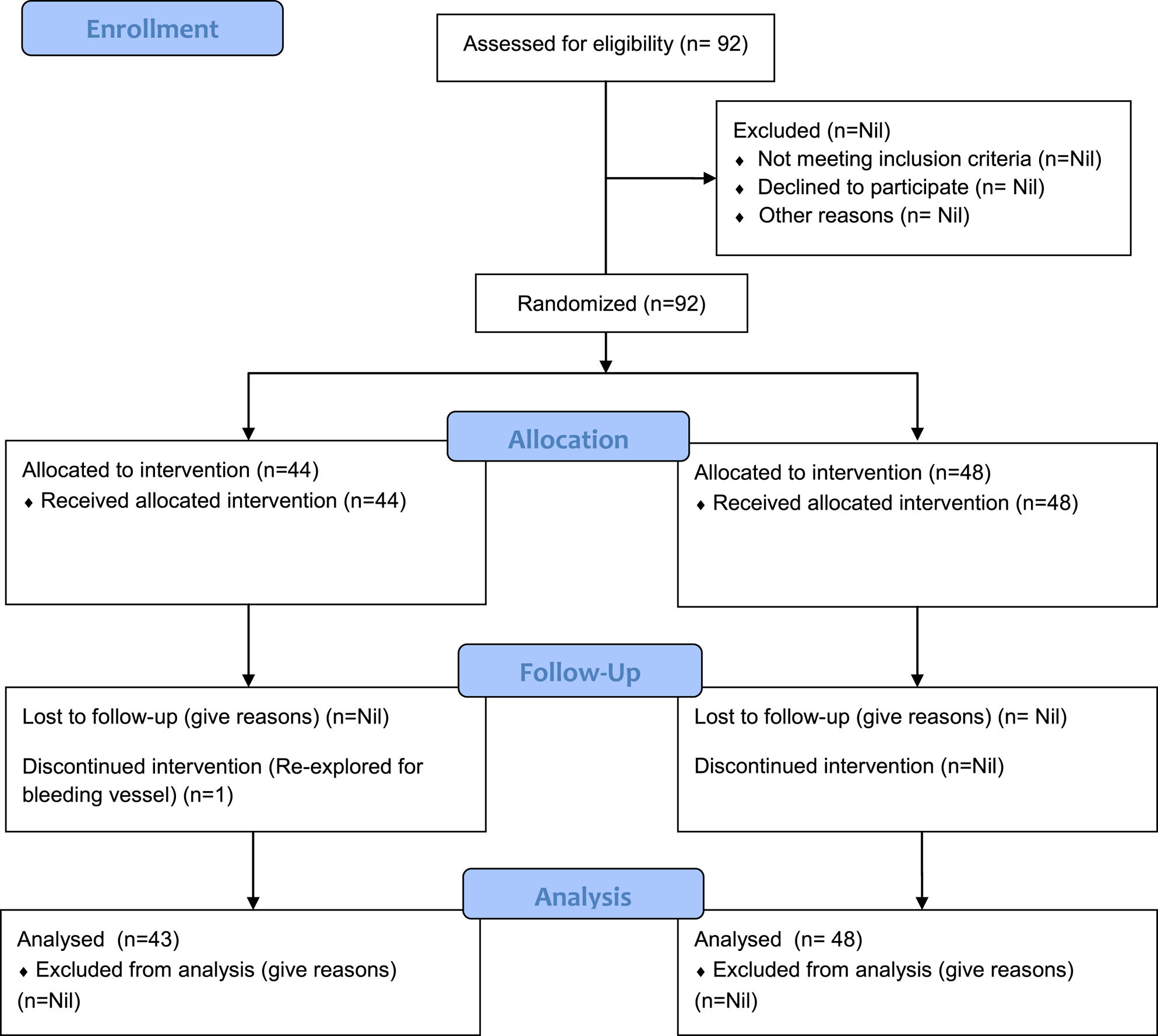
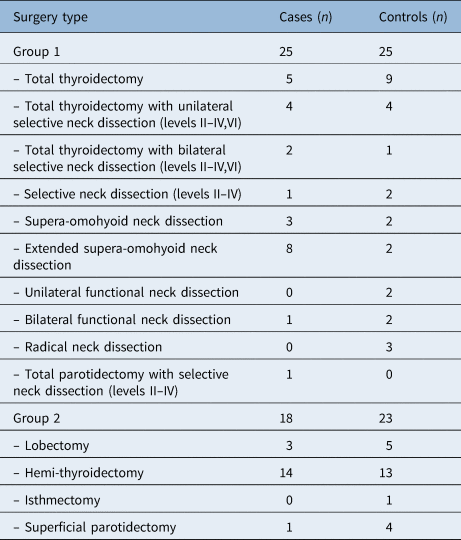
The results of 91 patients were analysed; 1 patient was excluded from the study as re-exploration for a bleeding vessel was required (Figure 1). On the basis of our hypothesis that post-operative drain volume depends upon the area of dissection, we further classified patients according to the type of surgery they were undergoing (Table 1).
Consolidated Standards of Reporting Trials (‘CONSORT’) flow diagram.

Types of surgical procedures performed in 91 subjects

Group 1 included patients undergoing total thyroidectomy, total parotidectomy, and various neck dissections with or without primary tumour excision. It consisted of 25 cases (15 males and 10 females) with a mean (± standard deviation) age of 42.08 ± 16.24 years, and 25 controls (14 males and 11 females) with a mean age of 48.88 ± 17.74 years.
Group 2 included patients undergoing hemithyroidectomy, lobectomy or superficial parotidectomy. It consisted of 18 cases (1 male and 17 females) with a mean age of 43.78 ± 10.28 years, and 23 controls (3 males and 20 females) with a mean age of 48.08 ± 14.52 years.
Statistical analysis revealed the following results.
Group 1
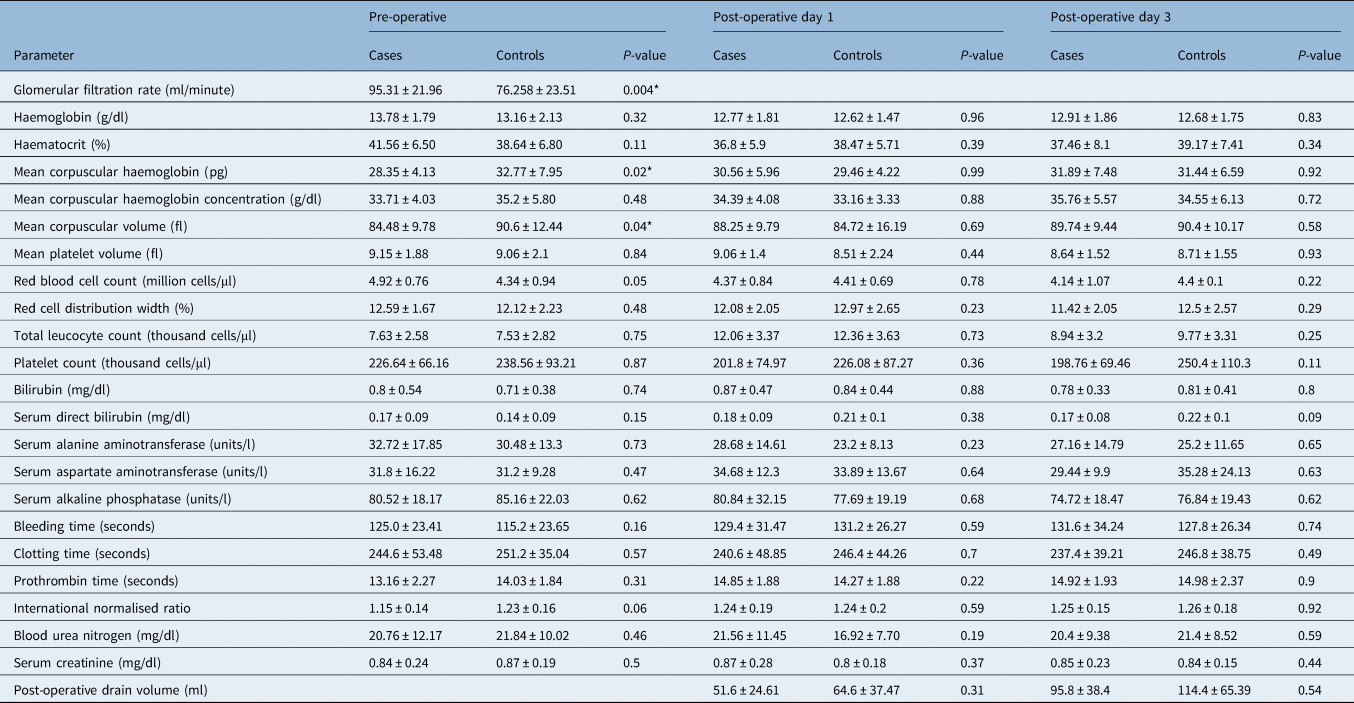
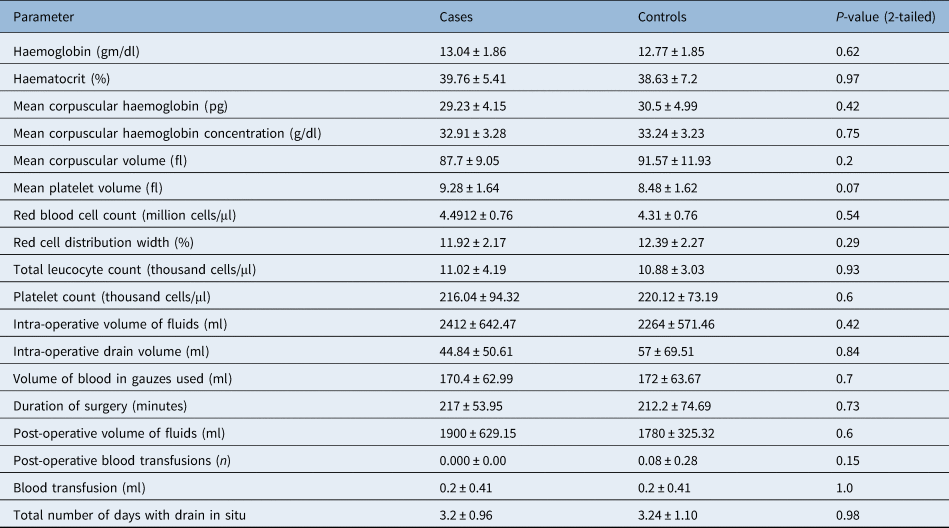
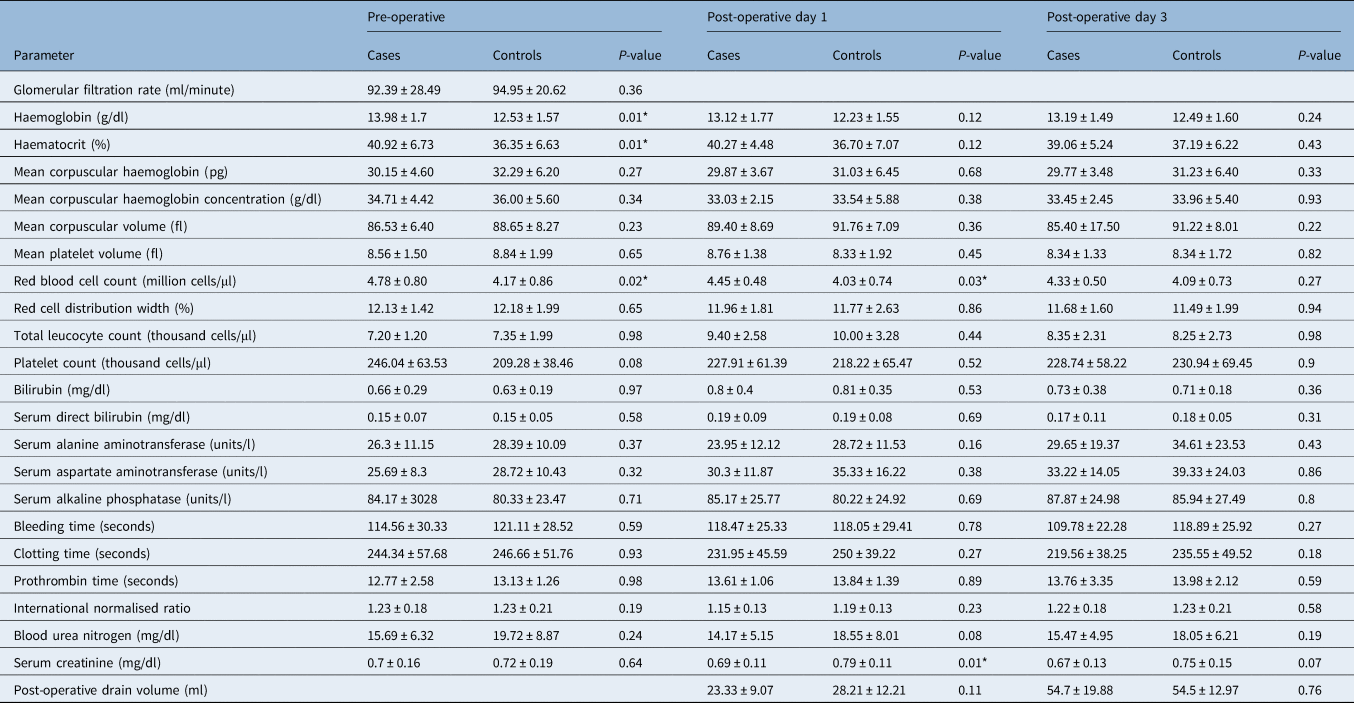
The patients in this group had carcinoma and were undergoing surgery for primary tumour excision with neck dissection. Statistical analysis was performed using the data shown in Tables 2 and 3.
Group 1 descriptive data with p-values (two-tailed)

Data represent mean ± standard deviation values, unless indicated otherwise. *P < 0.05
Group 1 parameters taken/analysed just before infusion of trial drugs, and during post operative period

Data represent mean ± standard deviation values, unless indicated otherwise
None of the pre-operative parameters showed any significant differences, except for mean corpuscular volume, mean corpuscular haemoglobin and glomerular filtration rate (although blood urea and creatinine were insignificant) between cases and controls on Mann–Whitney tests.
Operative parameters, namely complete blood count, operative time, infused fluid and blood loss, did not show any significant differences either. The statistical analysis of post-operative parameters did not reveal any significant differences in complete blood count, coagulation profile, liver and renal functions, drain, or duration of hospital stay.
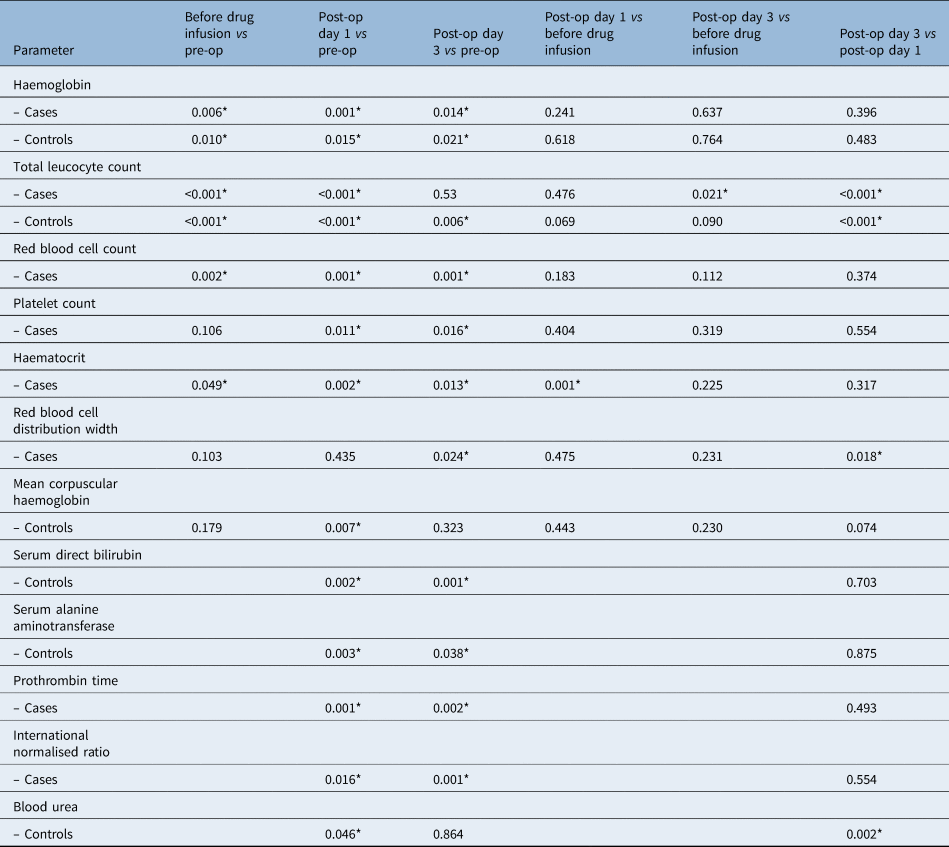
Intra-group (case or control) analysis was performed using the Friedman test, and, in cases of significance on the Friedman test, the Wilcoxon signed rank test was applied (Table 4). We found significant differences between pre- and post-operative haemoglobin for both the case and control groups. However, no significant differences were found when comparing intra-operative or pre-infusion parameters with post-operative parameters, for both cases and controls.
Intra-group comparison p-values for group 1

Based on the results of the Wilcoxon signed rank test. *P < 0.05. Pre-op = pre-operative; post-op = post-operative
There were significant differences between pre-operative and post-operative values for red blood cell count, haematocrit, red blood cell width, prothrombin time and international normalised ratio for the case group, while the differences for mean corpuscular haemoglobin, bilirubin (direct), alanine aminotransferase and blood urea were significant in the control group only. Total leucocyte count showed significant differences in most of the conditions, in both cases and controls. No significant difference was found in platelet count in controls, whereas there was significant difference between pre- and post-operative platelet count in cases.
None of the other parameters showed any significant difference in any condition, for both cases and controls.
Group 2
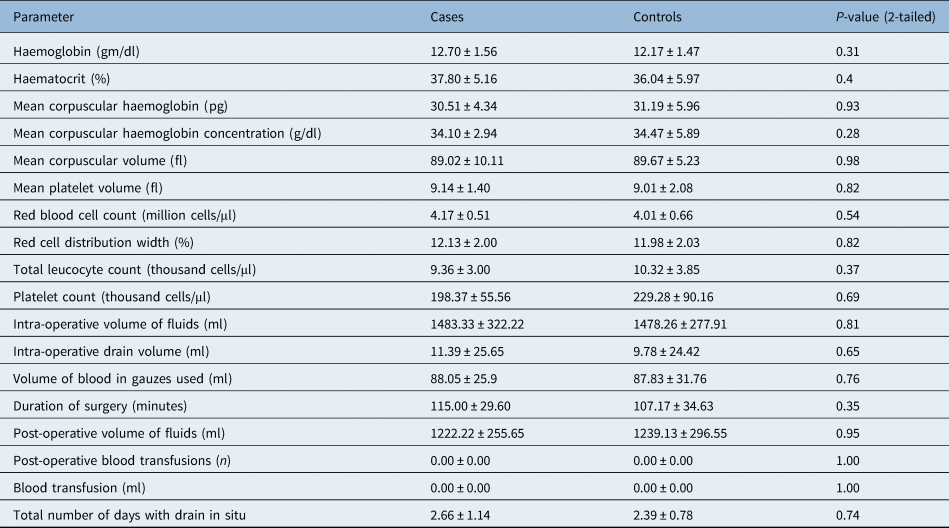
This group consisted of patients who underwent hemithyroidectomy, lobectomy or superficial parotidectomy. Statistical analysis findings of this group are shown in Tables 5 and 6.
Group 2 descriptive data with p-values (two-tailed)

Data represent mean ± standard deviation values, unless indicated otherwise. *P < 0.05
Group 2 parameters taken/analysed just before infusion of trial drugs, and during post operative period

Data represent mean ± standard deviation values, unless indicated otherwise
There were significant differences between cases and controls in pre-operative haemoglobin, haematocrit and red blood cell count. All other pre-operative parameters showed no statistical differences.
We did not find any statistically significant differences between the cases and controls in any operative or post-operative parameters on comparing different conditions using the Mann–Whitney test.
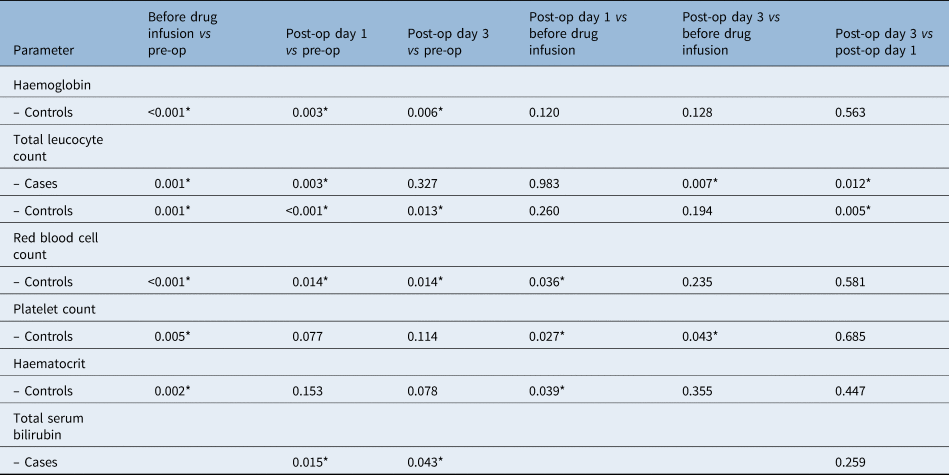
Intra-group (case or control) analysis was performed similarly as for group 1 with the Friedman test and Wilcoxon signed rank test (Table 7).
Intra-group comparison p-values for group 2

Based on the results of the Wilcoxon signed rank test. *P < 0.05. Pre-op = pre-operative; post-op = post-operative
There were significant differences pre- and post-operatively for haemoglobin, red blood cell count, total leucocyte count, haematocrit and platelet count in control subjects who received saline. The case subjects showed significant differences between pre- and post-operative values for total leucocyte count and total serum bilirubin.
Discussion
The head and neck have a rich vascular supply; this is a double-edged sword for surgeons. This can help in achieving a good surgical outcome; however, it can also cause haemorrhage intra-operatively, and may delay wound healing in cases of post-operative haematoma. Hypotensive anaesthesia and advances in electrosurgical tools (cautery or harmonic scalpel) have revolutionised head and neck surgery, allowing better haemorrhagic control. Nevertheless, a drain is often necessary to avoid post-operative haematoma and airway compression. These post-surgical drains can lead to temporary morbidity and increased hospital expenses.
Tranexamic acid (trans-4-aminomethyl-cyclohexane carboxylic acid) is an inexpensive and relatively safe antifibrinolytic drug commonly used in various surgical procedures to reduce intra-operative and post-operative bleeding. It decreases fibrinolysis with weak non-competitive inhibition of plasmin. Tranexamic acid displaces plasminogen from the fibrin surface, leading to retardation of fibrinolysis.Reference Dollery11 It is one of the safest drugs, with few adverse effects like nausea or vomiting. Occasional orthostatic hypotensive events are uncommon and isolated cases of thromboembolism after the use of tranexamic acid have been reported; however, these observations have not been confirmed by the results of controlled clinical studies.
We found that tranexamic acid does not have any benefit in head and neck surgical procedures. Although there was a reduction in post-operative drain volume in cases as compared to controls, there were no significant post-operative differences in terms of the haematological profile, need for blood transfusion, post-operative drain volume or duration of hospital stay, in either group.
These observations are similar to those of a study by Chen et al.,Reference Chen, Wang, Wang, Lin, Lin and Liu8 which also did not reveal any significant differences in the patients who received tranexamic acid. However, the methodology was different in their study, as they infused the drug or saline pre-operatively and during surgery. Furthermore, they analysed the peri-operative coagulation profile, post-operative drain volume and hospital stay. We infused the coded drugs at the time of surgical wound closure. In addition, we did not evaluate intra-operative blood loss, as we believe that small and minor vascular (arterial or venous) breach usually occurs in head and neck surgery, whereas general haemorrhagic ooze is managed with electrocautery, providing complete haemostasis. Both of these factors could have influenced the outcome.
Moreover, this study included patients undergoing neck dissection, hemithyroidectomy and superficial parotidectomy, in the case and control groups. We grouped patients according to the surgical procedure they were undergoing, as we believe that post-operative drain volume depends on the type and extent of surgery. Hence, we cannot compare neck dissection with superficial parotidectomy or hemithyroidectomy.
Kulkarni et al.Reference Kulkarni, Chaukar, Patil, Metgudmath, Hawaldar and Divatia9 conducted a double-blind, randomised study on 240 patients with head and neck cancers. They infused tranexamic acid or saline before the incision and repeated the infusion 3-hourly until wound closure commenced. They assessed blood loss and coagulation parameters (thromboelastography) intra-operatively and 24 hours after the surgery. They did not find any significant difference in the coagulation profile, but there was a highly significant difference in post-operative blood loss. They concluded that tranexamic acid did not have any significant effect on coagulation parameters because of the hypercoagulable state in malignancy. However, this hypothesis is debatable on the basis of a significant difference in post-operative blood loss. Our study did not find any significant difference in patients with benign disease too.
• Tranexamic acid is commonly used in otolaryngology to control bleeding
• Its role in tonsillectomy and endoscopic sinus surgery is well established
• However, there are conflicting reports regarding tranexamic acid use in head and neck surgical procedures
• This randomised, blind, controlled study found no significant effect of tranexamic acid in head and neck surgical procedures
Das et al.Reference Das, Chattopadhyay, Mandal, Chhaule, Mitra and Mukherjee10 conducted a randomised, double-blind, case–control study on 80 patients with head and neck cancer who underwent various neck dissections. They found a highly significant difference in haemoglobin level, with an associated highly significant difference in transfused blood volume. They also reported a significant difference in mean corpuscular volume in their study. We too performed statistical analysis for cases and controls to find individualised effects of the drug. However, no conclusions could be drawn from the analysis, as significant differences were seen in various parameters of the tranexamic acid and placebo group patients.
Tranexamic acid is commonly used in various surgical procedures. Poeran et al.Reference Poeran, Rasul, Suzuki, Danninger, Mazumdar and Opperer12 conducted a review of 872 416 patients who underwent knee and hip arthroplasty in 510 US hospitals. They found a significant reduction in hospital stay and cost in the knee and hip arthroplasty patients who received tranexamic acid. Gandhi et al.Reference Gandhi, Evans, Mahomed and Mahomed13 carried out a meta-analysis of randomised, controlled trials, either published or unpublished, carried out between 1995 and 2012. They reviewed a total of 33 randomised, controlled trials, and found a significant reduction in blood loss with tranexamic acid infusion during knee and hip arthroplasty. They advised the routine usage of tranexamic acid in such surgical procedures. Ker et al.Reference Ker and Roberts14 conducted a meta-analysis of 124 clinical trials of tranexamic acid infusion in various surgical procedures and reported on the significant role that tranexamic acid plays in reducing blood loss.
Karimi et al.Reference Karimi, Mohammadi and Hasheminasab15 carried out a randomised, double-blind clinical trial on 32 patients undergoing maxillary and mandibular osteotomy and internal fixation. They reported highly significant differences in intra-operative blood loss and post-operative haemoglobin in patients who received tranexamic acid, as compared to those who received saline. Similarly, Eldaba et al.Reference Eldaba, Amr and Albirmawy16 evaluated the role of tranexamic acid in endoscopic sinus surgery and found its use was associated with a significant reduction in intra-operative blood loss.
Contrary to all these studies, we did not find any significant differences in complete blood count, blood loss or hospital stay in tranexamic acid group patients with either malignant or benign disease.
A major debatable point in this study is the deviation from earlier studies in terms of methodology. As stated earlier, we did not use drugs pre-operatively or collect intra-operative parameters because of surgical bias, although intra-operative blood loss was assessed to rule out the same. Similar methodology was used in a few of the studies mentioned earlier, which found significant results in various surgical procedures except in head and neck procedures. We conclude that tranexamic acid has no beneficial effect in head and neck surgical procedures.
Competing interests
None declared