“I believe that all things are fundamentally interconnected, as anyone who follows the principles of quantum mechanics to their logical extremes cannot, if they are honest, help but accept. But I also believe that some things are a great deal more interconnected than others.” Dirk Gently in “ Dirk Gently's Holistic Detective Agency” (Adams, Reference Adams 2014 )
Introduction
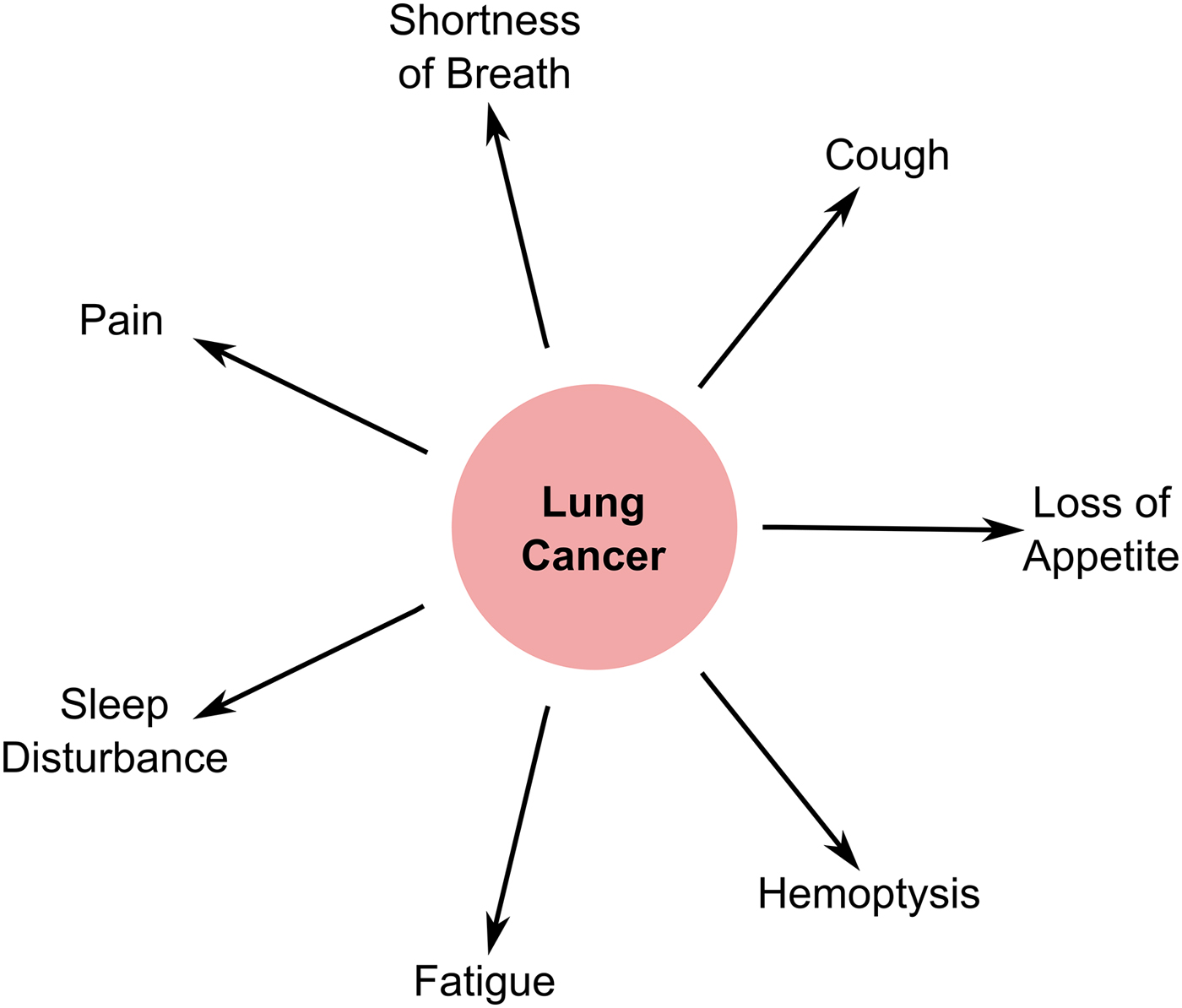
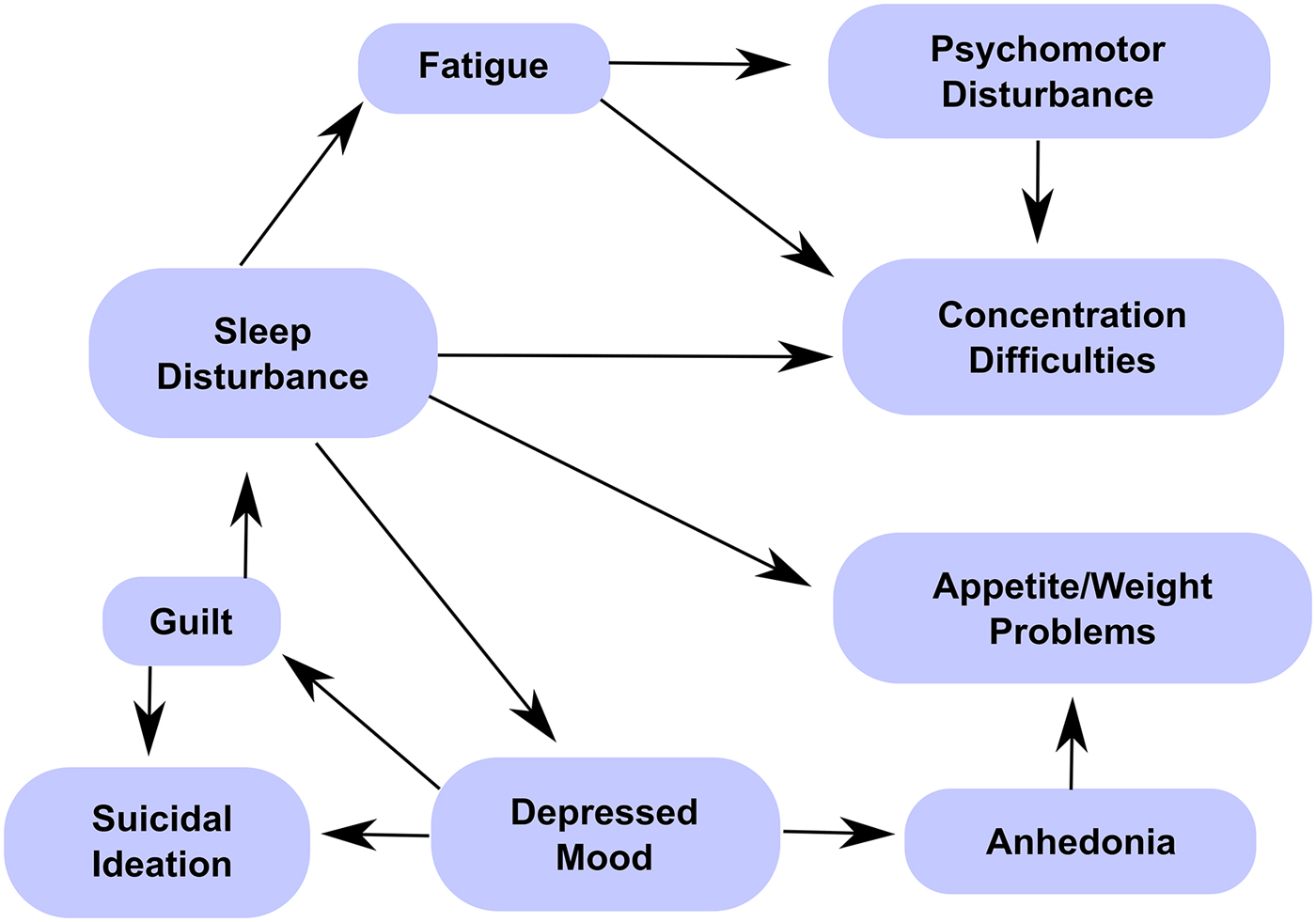
The network approach to symptoms of mental disorders has emerged as one of the most popular investigation methods in the field of psychometrics (Borsboom, Reference Borsboom2017). A large number of studies applied network approach to understand the interplay between symptoms constituting diagnostic categories – depression (Bringmann et al. Reference Bringmann, Lemmens, Huibers, Borsboom and Tuerlinckx2015; van Borkulo et al. Reference van Borkulo, Boschloo, Borsboom, Penninx, Waldorp and Schoevers2015; Fried et al. Reference Fried, Epskamp, Nesse, Tuerlinckx and Borsboom2016), posttraumatic disorders (Bryant et al. Reference Bryant, Creamer, O'donnell, Forbes, McFarlane, Silove and Hadzi-Pavlovic2017), and psychosis (Isvoranu et al. Reference Isvoranu, Borsboom, van Os and Guloksuz2016, Reference Isvoranu, van Borkulo, Boyette, Wigman, Vinkers, Borsboom and Group2017; Wigman et al. Reference Wigman, de Vos, Wichers, van Os and Bartels-Velthuis2017) – as dynamic networks of symptoms. The fundamental axiom of the network theory is epitomized as follows (McNally, Reference McNally2016; Borsboom, Reference Borsboom2017): (1) Medical conditions, such as lung cancer, are true distinct entities (latent classes underlying symptoms), and each and every symptom, therefore, originates from a single root that is independent of its symptoms (Fig. 1). (2) Mental disorders, such as depression, however, emerge from a dynamic interplay between symptoms, and therefore, signs and symptoms are not mere reflections of a discrete entity but a causal particle – a building brick – of the extended network of symptoms (Fig. 2). In this network of interacting symptoms, a number of possible causal connections between symptoms can arise at an individual level. For instance, after a stressful event, an individual suffering from depressed mood will experience insomnia that will eventually induce fatigue, which in turn will give rise to concentration difficulties, leading to feelings of worthlessness that further increases depressed mood, forming a loop that reinforces the network.
Lung cancer, a distinct entity, is the origin of its signs and symptoms.

Depression emerges from the dynamic interplay between signs and symptoms in a network.

We welcome this holistic approach to mental disorders that may guide us through the process of understanding complex phenomena and underlying biological aberrations. These efforts, along with network mapping of various biological, structural, and functional pathways (’-omics’ approach, e.g. connectomics, genomics, and transcriptomics), may pave the way for a pathoetiology-based taxonomy, targeted treatment, and eventually personalized medicine (Hood et al. Reference Hood, Heath, Phelps and Lin2004; Barabási et al. Reference Barabási, Gulbahce and Loscalzo2011; National Research Council, 2011).
However, we have noticed that recent studies tend to lose sight of the fundamentals of medicine, disregard issues inherent to the traditional concept of psychiatry, overlook major shortcomings embedded in study designs, and make inferences that are difficult to warrant with current findings. There is a growing concern that ignoring these pitfalls may halt the progress of network approach in psychiatry (Wichers et al. Reference Wichers, Wigman, Bringmann and de Jonge2017). Therefore, in this paper, by addressing problem areas and discussing possible solutions, our hope is to navigate this rapidly growing field to a more methodologically sound and reproducible framework – a framework that not only appreciates the uniqueness of psychiatry, but also positions itself in the vicinity of the rest of medicine.
Medical disease (lung cancer) v. mental disorder (depression)
Current research on the network perspective of mental disorders inadvertently reintroduced the dichotomy of real disease (medicine) v. mental disorder (psychiatry) by making a comparison of medical disorders (lung cancer as a showcase of a ‘true’ distinct disease) with mental disorders, i.e. Cartesian dualism (Fried, Reference Fried2015; McNally, Reference McNally2016, Reference McNally2017; Borsboom, Reference Borsboom2017). However, insisting on this polarizing analogy arguably may bring more harm than good for the laudable efforts of the network theory. As an example, the radical shift to descriptive psychiatry and further reification of the DSM diagnoses in the context of the medical model may be attributable in part to frustration with the antecedent prevailing theory (psychoanalysis) that had turned into a dogma. Opposing camps (biological v. psychological; genetic brain disease v. socioenvironmental impact; psychotherapy v. psychopharmacology, and so on) often become opinionated in the process rather than finding peace with each other – slowing down scientific progress. Therefore, the choice of this divisive language would better be carefully re-evaluated.
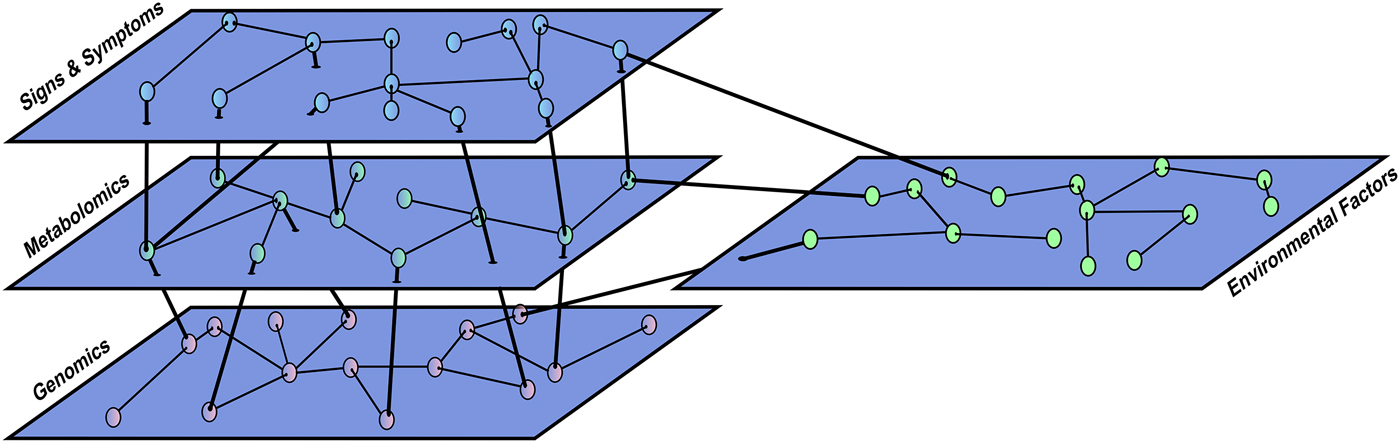
Inarguably, the machinery of a human is far more sophisticated and interactive than our utilitarian approach toward diagnosis in medicine. Therefore, each and every medical condition, including lung cancer, can be better and more realistically conceptualized using a network model of signs and symptoms (Zhou et al. Reference Zhou, Menche, Barabasi and Sharma2014). Certainly, a multilayered network diagram (e.g. genomics, metabolomics, signs and symptoms, along with enviromics) would be far more superior for mastering this complex system than a sole network of symptoms (Fig. 3). Looking at the outermost layer, the level of signs and symptoms, one can observe that the manifestation of symptoms evolves over time – akin to network formation – with some symptoms appearing early, some of them causally activating other symptoms, and a few even building a bridge between symptom networks of other medical conditions leading to comorbid conditions. From this perspective, applying a network approach to a longitudinal dataset of symptoms and signs may help us understand the progress of the disease, visualize the connecting links to comorbid conditions, and even appraise the extent of underlying pathology when integrated with accumulating data from biomedical research.
A multilayered network diagram.

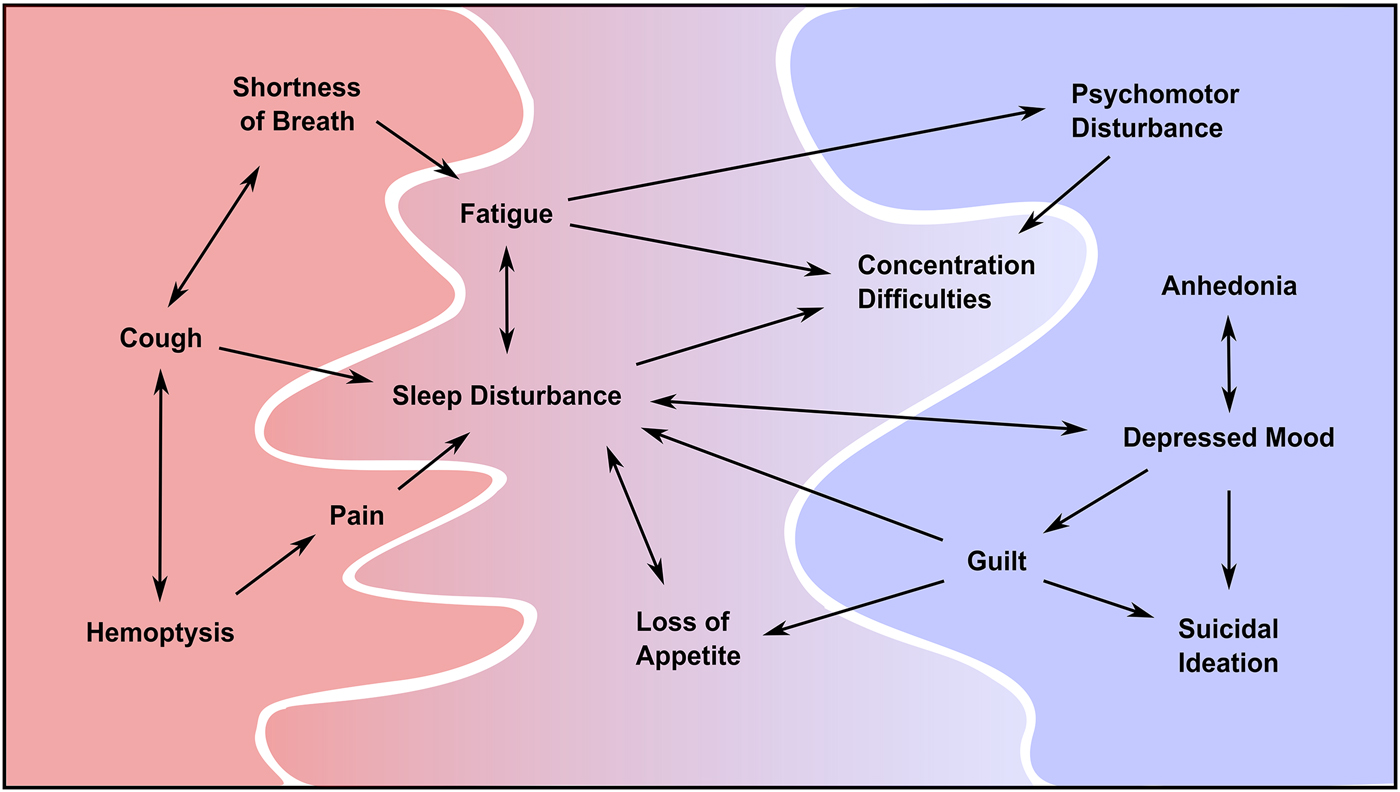
The network approach may be particularly beneficial in understanding comorbidity between traditional diagnostic categories of mental disorders that lack clear boundaries. However, we argue that this approach can be useful to uncover underlying shared features and biological mechanisms between not only mental disorders but also various comorbid conditions. In this regard, we challenge the idea that the degree of separation between these two exemplars (lung cancer and depression) is far less than assumed. In fact, after a glance at major depression rates in lung cancer reaching up to 40% (Hopwood & Stephens, Reference Hopwood and Stephens2000), one can reasonably raise the following question: how far away is depression from lung cancer in the universe of human diseases? Not remote indeed. Depression is also connected to various other phenotypes in the extended network of human diseases (Goh et al. Reference Goh, Cusick, Valle, Childs, Vidal and Barabási2007; Hidalgo et al. Reference Hidalgo, Blumm, Barabasi and Christakis2009). Obviously, high rates of major depression in lung cancer may be related to the psychological burden of a life-threatening condition, and therefore, although these two conditions are causally linked, lung cancer can be considered an adverse life event that impacts on the network from outside. However, it is also highly likely that these two entities may also be causally linked with a shared set of symptoms within the network (e.g. sleep disturbance, loss of appetite, anergy, cognitive slowing) and a common underlying mechanism: cytokine-induced sickness behavior (Miller & Raison, Reference Miller and Raison2016). The extent of the resemblance of phenotypical representation between cytokine-induced sickness behavior and major depression is striking. From a network point of view (Fig. 4), these symptoms – more accurately, the shared biological mechanism (a common component but also a part of the larger immune network) leading to symptoms – constitute the bridge between major depression (or at least a subgroup of depression) and lung cancer (Cooley, Reference Cooley2000; Reyes-Gibby et al. Reference Reyes-Gibby, Swartz, Yu, Wu, Yennurajalingam, Anderson, Spitz and Shete2013). Long before network studies, the relationship between inflammation and depression was observed in clinical settings and later supported by findings from both laboratory and clinical studies (Miller & Raison, Reference Miller and Raison2016). Recent studies also confirm that the association between major depression and circulating inflammation (C-reactive concentrations) is indeed symptom specific: sleep disturbance, loss of appetite, anergy, cognitive slowing (Jokela et al. Reference Jokela, Virtanen, Batty and Kivimäki2016). Even this very simple example demonstrates the potential benefits of the integrative network approach. For instance, one can investigate the association between the immune network and the symptom network in the context of comorbidity between inflammatory diseases (e.g. Crohn's Disease and Rheumatoid Arthritis) and major depression.
The signs and symptoms of lung cancer (dark colour) progress and build a bridge (cytokine-induced sickness behavior) between symptom networks of lung cancer and depression (light colour).

The reductionist taxonomy has been successful to a degree in clinical practice and medical research; however, there is room for improvement in the classification of diseases toward personalized medicine – including lung cancer that was supposedly a distinct entity: see ‘Never-Smokers With Lung Cancer: Epidemiologic Evidence of a Distinct Disease Entity’ (Toh et al. Reference Toh, Gao, Lim, Leong, Fong, Yap, Hsu, Eng, Koong and Thirugnanam2006). In this regard, it is only a matter of pragmatism to describe lung cancer – or any other medical disease in essence – as a discrete entity; the main purpose of categorical diagnosis in medicine is to provide clinicians with actionable information. More information yields more precise categorization. Previously unitary lung cancer was later classified on the basis of histology (adenocarcinoma, squamous, large-cell types) and is now categorized per genetic mutation (e.g. KRAS, EGFR, AKT1) (Pao & Girard, Reference Pao and Girard2011). Nevertheless, the pursuit of advanced taxonomy remains an important task to improve diagnosis, treatment, and prognosis (National Research Council, 2011).
In conclusion, the network approach provides an important research strategy for the rest of medicine as much as it does for psychiatry. In the last few years, network approach has been a growing field mapping multiple layers of networks to unveil a deeper understanding of medicine: e.g. human disease network, metabolic network, the brain's functional connectivity, and gene-regulatory network (Van Den Heuvel & Pol, Reference Van Den Heuvel and Pol2010; Barabási et al. Reference Barabási, Gulbahce and Loscalzo2011; Vidal et al. Reference Vidal, Cusick and Barabasi2011; Gustafsson et al. Reference Gustafsson, Nestor, Zhang, Barabasi, Baranzini, Brunak, Chung, Federoff, Gavin, Meehan, Picotti, Pujana, Rajewsky, Smith, Sterk, Villoslada and Benson2014). Perhaps the only difference between lung cancer and a mental disorder is that we have a deeper understanding of underlying biological abnormalities in the former, and its taxonomy, therefore, rises more above pathoetiology, while psychiatric classification is stuck at the level of signs and symptoms. Consequently, one is more grounded in theory, the other not. Ignoring this fact, because it was easier, ‘biological’ psychiatry reified diagnostic categories in classification systems and adamantly attempted to reverse-engineer these postulated discrete entities, yielding limited success (Kapur et al. Reference Kapur, Phillips and Insel2012; van Os, Reference van Os2015). Nevertheless, neither are mental disorders fuzzy symptom networks, nor are current medical conditions definitive disease entities; it is only a matter of the extent of the current knowledge and making a decision between scientific reductionism and holism.
Shortsighted comprehension of signs and symptoms
Since ancient times, symptoms, and signs have been the first step toward picturing clinical cases, particularly when diagnostic tools are not available. However, they are usually non-specific, commonly subjective, qualitative or difficult to quantify, and therefore, inadequate to unequivocally diagnose a patient (King, Reference King1968). Therefore, a disease model built solely on symptoms and signs can only provide a provisional conceptualization regardless of the theoretical framework (categorical, dimensional, or network-based). Often, a better understanding of underlying pathoetiology leads to a better classification. The history of medicine has witnessed many breakthroughs over the last century, such as the case of lung cancer. Even though symptoms and signs of lung cancer (cough, hemoptysis, and dyspnea) had been clearly observable since ancient times, medical society was not aware of its existence as a distinct disease until autopsies became a routine work to understand the reason of death (Proctor, Reference Proctor2012). Because the triad of cough, hemoptysis, and dyspnea is not unique to lung cancer and can be observed in other medical conditions, such as in pulmonary tuberculosis (an infection of the lung with Mycobacterium tuberculosis). Even now, in modern times, with the advantage of applying the widely available chest X-ray, a fairly large number of patients with lung cancer are initially misdiagnosed with pulmonary tuberculosis in endemic areas, such as India (Bhatt et al. Reference Bhatt, Kant and Bhaskar2012). This is only one example to show the inadequacy of symptoms and signs in determining diagnosis that no framework hinging on symptoms can reform.
Further, in an alternative scenario, seeing only the tip of the iceberg (the level of signs and symptoms), one may easily fall into the trap of artificial categorization of a single condition into distinct entities. For instance, multiple sclerosis presents with diverse phenotypical representation and varying clinical course (clinically isolated syndrome, relapsing-remitting, secondary progressive, and primary progressive) but originates from a common biological mechanism (Lublin et al. Reference Lublin, Reingold, Cohen, Cutter, Sørensen, Thompson, Wolinsky, Balcer, Banwell and Barkhof2014). In the same sense, for example, the biological correlates of diagnostic categories of bipolar disorder, schizoaffective disorder, and schizophrenia may be more alike than different (Guloksuz & van Os, Reference Guloksuz and van Os2017).
Issues inherent to the traditional concept of descriptive psychiatry
Almost isolated from medicine until the 1960s, psychiatry radically bore to the direction of the medical model with the introduction of the third edition of the Diagnostic and Statistical Manual of Mental Disorders (DSM-III). This necessary paradigm shift served its purpose to an extent by increasing reliability in clinical settings and easing collaboration between researchers across the world. Following the footsteps of the preceding psychoanalytical framework, the concept of descriptive psychiatry had been triumphant in not giving alternative theories a foothold until recently (Atbasoglu & Guloksuz, Reference Atbasoglu and Guloksuz2013). Consequently, all data amassed over the last 30 years were collected using clinical scales that were fully compatible with diagnostic manuals like the DSM and the International Classification of Diseases (ICD).
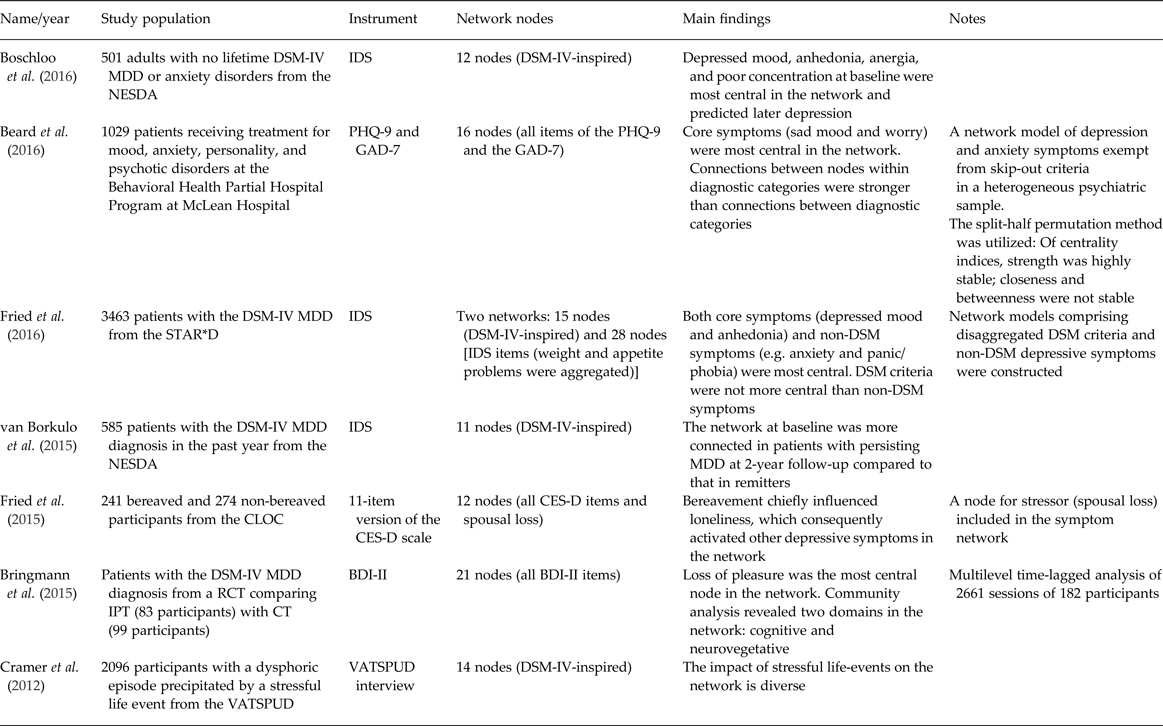
Using available datasets for testing an alternative conceptualization of mental disorders poses a major challenge. The DSM perspective is very much ingrained in these datasets that no analytical strategy – no matter how sophisticated – can overcome issues originated from the data structure. An analysis of a dataset blinded by the myopic view of the DSM brings in various issues inherent to the DSM. First, rooted in reductionism, the original plan was to divide, using the DSM, then conquer. As a result of this strategy, heterogeneous datasets cutting across traditional diagnostic categories are scarce. Second, the DSM identifies core symptoms (requisites for a diagnosis), such as depressed mood and anhedonia in the case of Major Depressive Disorder (MDD). Each eligible participant in the dataset of a clinical trial of depression using the DSM criteria for diagnosis should experience at least one of these two core symptoms. However, this method of collection leads to a sampling bias, and thus limited data (e.g. an individual endorsing all symptoms of MDD but depressed mood and anhedonia should be excluded per se) if the goal is to visualize a complete network of signs and symptoms without the borders of DSM latent classes. In this regard, one of the most replicated findings of the network studies of depression – perhaps not surprisingly – is that the core symptoms of depression are usually the most central nodes in the network (Table 1) (Cramer et al. Reference Cramer, Borsboom, Aggen and Kendler2012; Bringmann et al. Reference Bringmann, Lemmens, Huibers, Borsboom and Tuerlinckx2015; Fried et al. Reference Fried, Bockting, Arjadi, Borsboom, Amshoff, Cramer, Epskamp, Tuerlinckx, Carr and Stroebe2015, Reference Fried, Epskamp, Nesse, Tuerlinckx and Borsboom2016; van Borkulo et al. Reference van Borkulo, Boschloo, Borsboom, Penninx, Waldorp and Schoevers2015; Beard et al. Reference Beard, Millner, Forgeard, Fried, Hsu, Treadway, Leonard, Kertz and Bjorgvinsson2016; Boschloo et al. Reference Boschloo, van Borkulo, Borsboom and Schoevers2016). The most plausible interpretation of this finding, confirming previous knowledge gained through general population studies, is that depressed mood and anhedonia are essentially core symptoms of depression. However, it is also possible that these two core symptoms are central because every individual diagnosed with MDD according to the DSM should have either one of these symptoms per DSM operational criteria.
Overview of network approach to depression

BDI-II, The Beck Depression Inventory-II; CES-D, The Center for Epidemiological Studies-Depression; CLOC, The Changing Lives of Older Couples Study; CT, Cognitive Therapy; GAD-7, Generalized Anxiety Disorder 7-item; IDS, Inventory of Depressive Symptomatology; IPT, Interpersonal Therapy; NESDA, the Netherlands Study of Depression and Anxiety; PHQ-9, The Patient Health Questionnaire; RCT, randomized controlled trial; STAR*D, the Sequenced Treatment Alternatives to Relieve Depression; VATSPUD, the Virginia Adult Twin Study of Psychiatric and Substance Use Disorders.
The construct of DSM is pure atheoretical in essence, agnostic to cause, and polythetic in operation. For instance, the DSM description makes no distinction between opposite edges of deviation from normal functioning. From the standpoint of the DSM, an increase in sleep time and a reduction in sleep time are identical, so are weight gain (increased appetite) and weight loss (decreased appetite). Here again, the decision to aggregate symptoms such as insomnia and hypersomnia into one criterion was not on the basis of a theoretical framework. In-depth examination of historical descriptions of depression in seminal textbooks between 1900 and 1960 showed, in contrast to those in DSM-III through DSM-5, that various important features of major depression highlighted previously were not captured by the DSM criteria (e.g. cognitive, somatic, and psychomotor changes), while formerly devalued others were given greater emphasis (e.g. sleep, appetite, and weight problems) (Kendler, Reference Kendler2016). Kendler prudently asks the following question: ‘To what extent should we continue our focus in our nosology on ‘surface’ symptoms and signs picked for their reliability rather than trying to develop potentially more informative or ‘deeper’ symptoms that might emerge from careful phenomenological analysis?’ (Kendler & Parnas, Reference Kendler and Parnas2015).
Ostensibly, the ambitious goal of the network theory is to dethrone the rudimentary DSM perspective by delivering a genuine framework that can enhance our understanding of mental disorders. However, if the DSM description of depression is imperfect, then how can a network analysis of depression relying on the DSM structure provide a revolutionary solution? Studies of symptom networks in depression (Table 1): (i) analyzed patients diagnosed with MDD according the DSM (Bringmann et al. Reference Bringmann, Lemmens, Huibers, Borsboom and Tuerlinckx2015; van Borkulo et al. Reference van Borkulo, Boschloo, Borsboom, Penninx, Waldorp and Schoevers2015; Fried et al. Reference Fried, Epskamp, Nesse, Tuerlinckx and Borsboom2016), (ii) with the exception of a very recent publication (Fried et al. Reference Fried, Epskamp, Nesse, Tuerlinckx and Borsboom2016), restricted the range of the network to symptoms and signs included in the DSM criteria even though a variety of others were readily accessible in the dataset (e.g. somatic complaints and anxiety symptoms) (van Borkulo et al. Reference van Borkulo, Boschloo, Borsboom, Penninx, Waldorp and Schoevers2015; Boschloo et al. Reference Boschloo, van Borkulo, Borsboom and Schoevers2016), and (iii) although consistently segregating hypersomnia from insomnia and psychomotor agitation from retardation in network models, frequently opted to aggregate other symptoms arbitrarily (e.g. regardless of the direction, weight and appetite change into a single domain; also late, middle, and early insomnia into a single insomnia domain) (van Borkulo et al. Reference van Borkulo, Boschloo, Borsboom, Penninx, Waldorp and Schoevers2015; Boschloo et al. Reference Boschloo, van Borkulo, Borsboom and Schoevers2016; Fried et al. Reference Fried, Epskamp, Nesse, Tuerlinckx and Borsboom2016).
A lack of datasets agnostic to the DSM categories is a practical issue, for which we hope to offer interim solutions in this paper. However, it is difficult to understand the logic of inhibiting the potential of datasets by deliberately confining the network to boundaries of DSM (Table 1). It is reassuring to see that this common practice has been changing gradually in more recent studies. Otherwise, one might ask that if network theory has no other option but to play the game with the rules of DSM, how will it turn out to be the promised game-changer?
Overestimation of current findings
In this section, we will summarize methodological drawbacks imposed by study designs. Although these limitations are often well identified and mentioned in the limitation sections and further in recent reviews (Fried et al. Reference Fried, van Borkulo, Cramer, Boschloo, Schoevers and Borsboom2017), we have noted that it is also routine for network studies to overlook these issues when communicating research findings and make rather strong claims about the significance and the utility of the network models.
Reproducibility is the key indicator for the survival of a scientific theory in the long run. Although both the impact and the number of network studies have grown exponentially over the last few years, there is a certain lack of replication studies. Until now, there has been no effort for cross-validation of network models using the split sample, let alone replication studies analyzing different samples. As astutely – yet perhaps tardily – recognized by researchers in the field, the replicability crisis for network theory is just around the corner (Fried & Cramer, Reference Fried and Cramer2016). It is encouraging to see that there has been an increasing trend in data-driven discussions among researchers in the field about whether network models are stable and replicable (Borsboom et al. Reference Borsboom, Fried, Epskamp, Waldrop, van Borkulo, van der Maas and Cramer2017; Forbes et al. in press). Without doubt, these discussions – if and only if they are constructive, impartial, and aimed to exchange ideas rather than missioned to discredit – will accelerate the progress of the field.
Despite the fact that the vast majority of network studies used cross-sectional data, findings were often interpreted as evidence for a causal relation between symptoms. From a theoretical perspective, it sounds plausible to argue, for instance, that insomnia leads to fatigue, which in turn induces anhedonia, and so on. However, these inferences, given the design of studies, are overreaching at the very least – conclusions drawn are not data-driven but theory-driven.
Further, if the pattern formation toward depressed state per individual is unique, as highlighted in the network theory (Borsboom, Reference Borsboom2017), and therefore requires exploration at an individual level, the network models drawing conclusions at an individual level from an aggregate data of individuals may reasonably be subject to ecological fallacy (Bos & Wanders, Reference Bos and Wanders2016).
Advancing the field
First and foremost, in addition to theoretical discussions and applications of network analysis to various questions, we advocate for ‘true’ replication studies – identical analytical strategy employed to comparable datasets in terms of study design, population, and assessment tools – rather than a compilation of studies endorsing the utility of network approach in understanding a variety of psychiatric phenomena. For instance, the replicability and stability of the network can be tested against a subset of the larger data internally as well as against independent datasets externally. From the view of the scientific community, replication studies are not lauded (in other words, neither funded nor published) as much as their origins – even further resented if the results are ‘negative’ (Munafò et al. Reference Munafò, Nosek, Bishop, Button, Chambers, Percie du Sert, Simonsohn, Wagenmakers, Ware and Ioannidis2017). However, there is no alternative to replication if the aim is to move forward the network theory. Data and method sharing (such as open source coding) are also useful for increasing transparency and reproducibility. In all respects, the field is one of the most progressive in sharing data and statistical software, even in comparison to current norms of scientific community (e.g. for statistical software packages, see http://psychosystems.org/software/).
Without longitudinal data, it is not even possible to make claims about temporality, let alone causality. However, as we have discussed previously, we note that there is a tendency for interpretation of findings beyond what is allowed by the study design. There is a need for a cohort with frequent assessments that ensure adequate temporal resolution to focusing on the dynamics of mental states and psychiatric symptoms.
Network analyses are often utilized as a tool to explore pattern formation across symptoms in available datasets, which are under the influence of the DSM mindset. Although these exploratory analyses have been beneficial to evolving the network theory of mental disorders, we advocate researchers to move forward with examining general population data and transdiagnostic samples to embrace heterogeneity embedded in mental disorders within the network concept. Until transdiagnostic samples become accessible, rather than constructing a symptom network based on a single assessment tool designed to measure a latent class (e.g. MDD), relying on a broad psychiatric assessment tool or a combination of scales for different DSM categories administered to a heterogeneous group would provide an interim solution to understanding the network of psychiatric symptoms independent of DSM context. Several general population datasets are available for an analysis of cross-sectional connectivity between mental states. However, aside from the merger of samples collected using different criteria and scales designed on the basis of latent classes, there are few compact datasets cutting across diagnostic categories. The network analysis of depressive and anxiety symptoms of participants admitted to the Behavioral Health Partial Hospital Program at McLean Hospital constitutes an early example of a transdiagnostic investigation (Beard et al. Reference Beard, Millner, Forgeard, Fried, Hsu, Treadway, Leonard, Kertz and Bjorgvinsson2016). We are hopeful that the widespread use of the Research Domain Criteria (RDoC) will fill this gap in the near future. The RDoC framework gives priority to broader domains encompassing multiple DSM diagnoses (for details see: www.nimh.nih.gov/research-priorities/rdoc). On this front, another effective strategy may be to use data collected as part of a universal early detection program (e.g. Headspace initiative) (McGorry, Reference McGorry2016) to gain insight into rather unspecific pattern formation of mental states at early stages of mental disorders (van Os, Reference van Os2013; McGorry & Nelson, Reference McGorry and Nelson2016).
The experience sampling method (ESM) (Verhagen et al. Reference Verhagen, Hasmi, Drukker, van Os and Delespaul2016), using a structured diary method to capture mental states (e.g. anxiety, guilt, and sadness) dependent on context (e.g. alone v. with friends), could provide the optimal tool to record the interplay between contextual mental states at a granular level sufficient for rendering pattern formation of mental states, as a proxy for mental disorders. Recent advances in mobile technology have drastically reduced the burden and the cost of intensive data collection based on the ESM. The ESM platform offers several advantages for dynamic network models, as it records basic and universal feelings in the context of daily life, not bound to diagnostic manuals or influenced by culture. For example, anybody can experience momentary sadness, triggered by a reaction to an upsetting event or situation; depressed mood, on the contrary, is considered a symptom defined in the DSM as feelings of sadness, hopelessness, emptiness that persist most of the day, almost every day for at least 2 weeks. The ESM also allows for collecting a time-series of experience that is more suitable to explore the interplay between contextual mental states, for example, the influence of stress-related sadness at the previous beep (time point −1) on feeling guilty at the subsequent beep (time point 1). In contrast to more static symptoms of the end-result clinical condition, the ESM records the dynamic interplay between contextual mental states and is, therefore, more effective in gaining insight into the natural flow of interacting mental states in the general population and subtle fluctuations in patients with mental disorders (Wigman et al. Reference Wigman, van Os, Borsboom, Wardenaar, Epskamp, Klippel, Viechtbauer, Myin-Germeys and Wichers2015; van Os et al. Reference van Os, Verhagen, Marsman, Peeters, Bak, Marcelis, Drukker, Reininghaus, Jacobs, Lataster, Simons, Lousberg, Guloksuz, Leue, Groot, Viechtbauer and Delespaul2017). Further, the ESM allows for the construction of a personalized network of mental states in a single case over a long time, which may be immediately translated into clinical practice for early intervention and tailored treatment (Bak et al. Reference Bak, Drukker, Hasmi and van Os2016).
Conclusion
Following the footsteps of network medicine, the ultimate goal of the network approach to psychiatry should be drawing a complete picture of mental disorders by adopting an integrative multimodal approach toward a perspective of multi-plane networks (‘omics’), for example, genomics under connectomics under signs and symptoms (Gustafsson et al. Reference Gustafsson, Nestor, Zhang, Barabasi, Baranzini, Brunak, Chung, Federoff, Gavin, Meehan, Picotti, Pujana, Rajewsky, Smith, Sterk, Villoslada and Benson2014). Let alone the need for even more sophisticated analytical tools (Boccaletti et al. Reference Boccaletti, Bianconi, Criado, Del Genio, Gómez-Gardenes, Romance, Sendina-Nadal, Wang and Zanin2014), comprehensive examination of interplay within and between these multiple layers, however, will necessitate even larger datasets. Some even argue that we may never reach this high level of holism in real-world settings considering the complexity of the human machinery. ‘It is what I call ‘low input, high throughput, no output science’!’ says Sydney Brenner, who laid the groundwork for connectomics by constructing the first complete wiring diagram of a living organism (Caenorhabditis elegans with 302 neurons) (Friedberg, Reference Friedberg2008). Only time will tell whether the promise of the network approach to medicine in general and psychiatry in particular is going to materialize by advancing our understanding of diseases and reforming our clinical practice. Galvanized with the rapid evolution of computer technology that enables processing big datasets with the help of powerful analytical techniques, the pace of progress in this young field is encouraging. However, remembering aggrandized findings that happened to be monumental errors (Eklund et al. Reference Eklund, Nichols and Knutsson2016), we must be cautious about our inferences and self-monitor the process to avoiding spurious conclusions, particularly in recent times of dazzling momentum.
Acknowledgement
SG and JvO would like to acknowledge the European Community's Seventh Framework Program under grant agreement No. HEALTH-F2-2009-241909 (Project EU-GEI).
Declaration of Interest
None.