


Introduction
According to Downs’ issue-attention cycle, public attention to policy issues can be understood as characterized by patterns of rise and decline. That is, policy issues initially attract substantial public attention, but this attention subsequently declines as the costs associated with addressing the problem become apparent. However, public attention does not always continue to decline and may instead be rekindled. This study examines the factors that reactivate public attention rather than allowing it to disappear, focusing on South Korea’s voluntary driver’s license surrender policy for older drivers.
South Korea is rapidly becoming a super-aged society, and social concern regarding older drivers has increased in this process. In particular, high-profile traffic accidents have repeatedly triggered public concern. For example, in July 2024, a major traffic accident near Seoul City Hall resulted in nine deaths and renewed nationwide attention to policies concerning older drivers’ licenses. Given that similar accidents had previously generated comparable waves of concern, public attention to this issue has not simply disappeared or followed a continuous downward trajectory.
To mitigate these risks, local governments have implemented incentive-based voluntary driver’s license surrender programs for older drivers since 2018. Although these policies are intended to improve public safety, they have generated considerable controversy concerning their effectiveness, fiscal sustainability, and potential restrictions on mobility rights. Downs’ issue-attention cycle explains that public attention declines as the costs associated with implementing policy solutions become apparent. In the case of voluntary license surrender policies for older drivers, however, attention has repeatedly increased when major accidents or related problems have occurred. Although previous studies have described cyclical patterns of changing public attention, relatively limited attention has been given to why public interest becomes reactivated after a period of decline.
To explain this phenomenon, this study extends Downs’ theoretical framework by introducing the concept of issue rekindling. Issue rekindling emerges through the interaction of three key factors. The first is recurring focusing events, such as major traffic accidents. The second is sustained pressure associated with rapid population aging. The third is adaptive responses by policy actors. The interaction among these factors interrupts the continuous decline of public attention and generates a process through which attention to the issue is strengthened again. Voluntary license surrender is intended to improve traffic safety, but it may also restrict the mobility of older adults. Conversely, placing greater emphasis on the mobility rights of older adults may make it more difficult to secure traffic safety. In this process, tensions emerge among institutional arrangements, mobility rights, and traffic safety, generating continuing public controversy. These controversies, in turn, may provide opportunities for public attention to be rekindled.
To explain this departure from Downs’ model, this study poses the following research question: Why does public attention re-emerge after declining, and how can temporary increases in attention be distinguished from structurally sustained reactivation? Through this research question, the study seeks to identify the factors that cause an issue to be rekindled and to clarify the mechanism that distinguishes issue rekindling from short-term increases in public attention. This study draws on agenda-setting theory to explain how repeated media coverage brings traffic accidents involving older drivers onto the public agenda. Punctuated equilibrium theory is used to explain abrupt changes in public attention following focusing events. A risk governance perspective further explains how controversies involving mobility rights, institutional arrangements, and traffic safety sustain the salience of the issue over time.
Although this study focuses on South Korea, it has potential for broader generalization because similar phenomena associated with population aging are emerging in many countries. The interaction among recurring focusing events, sustained structural pressures, and adaptive institutional responses is likely to occur across a range of policy areas in aging societies. The significance of this study can also be extended to broader debates over the role of government when public safety concerns intersect with fundamental rights and human rights.
Theoretical review
Downs’ issue-attention cycle and the actor-strategy system framework
The issue-attention cycle explains why social problems often attract intense public and media focus initially, only to fade from attention over time. Downs (Reference Downs1972) argues that even when an issue achieves temporary visibility, public concern is rarely sustained long enough to produce substantial reform. As a result, policies may see only incremental adjustments or disappear without meaningful resolution. The voluntary license surrender program for older drivers illustrates this dynamic. Although conceived in response to growing traffic accidents involving elderly drivers, the policy gained real momentum only after several high-profile incidents received extensive media coverage. These episodes reignited public debate and spurred reconsideration and revision of the policy framework.
This pattern reflects what Baumgartner and Jones (Reference Baumgartner and Jones1993) describe in their punctuated equilibrium theory: extended periods of policy stability punctuated by abrupt shifts triggered by external shocks or surges in public attention. After Busan first implemented the program in 2018, municipalities across South Korea adopted it with differing eligibility criteria and incentives, creating inconsistency and confusion. With surrender rates hovering around 2 percent, questions about effectiveness and declining public interest soon followed. However, subsequent accidents involving older drivers pushed the issue back into the spotlight, prompting program expansion and modification.
This trajectory underscores that policy development is rarely linear. Instead, it unfolds through feedback and adaptation, echoing Rein and Rabinovitz’s (Reference Rein and Rabinovitz1978) argument that policies are continually reshaped in response to real-world outcomes. Downs’s five-stage issue-attention cycle (pre-problem, alarmed discovery and euphoric enthusiasm, recognition of costs, gradual decline, and post-problem) offers a useful framework for understanding why the policy’s prominence has fluctuated with media coverage and public sentiment. Three conditions further explain this cycle: when a problem affects only a small group, the broader public can engage more dispassionately; when tangible benefits or costs accrue to large or powerful constituencies, conflict sustains attention; and when media coverage induces fatigue or the issue feels remote from everyday experience, public interest fades rapidly.
This study applies Downs’s model to examine how public perception, media dynamics, and political context shaped the evolution of the older-driver license surrender policy. Lasswell’s (Reference Lasswell1956) conception of policymaking as cyclical and interactive rather than linear also informs the analysis, highlighting how adoption, modification, and termination are interrelated stages.
To capture the role of agency, the study integrates the actor-strategy system framework (Crozier and Friedberg Reference Crozier and Friedberg1977), analyzing how policymakers, bureaucrats, older drivers, and civil society organizations responded strategically at each stage. Building on actor-centered perspectives such as Baketa and Žiljak (Reference Baketa and Žiljak2015), it examines how strategies of preservation, transformation, and promotion influenced the policy’s trajectory.
Downs’ model explains that public attention declines after the costs associated with policy solutions become apparent, but it provides only a limited explanation of how attention may subsequently be reactivated. While some cases can be adequately explained by Downs’ framework, cases in which public attention resurges require an additional explanatory framework for understanding how issues are elevated, transformed, and sustained over time. In particular, it is necessary to explain how recurring focusing events, persistent structural pressures, and strategic responses by policy actors interact to renew public attention.
To explain the mechanism through which issue rekindling occurs as an extension of the issue-attention cycle, this study considers punctuated equilibrium theory (Baumgartner & Jones, Reference Baumgartner and Jones1993) and the multiple streams framework (Kingdon Reference Kingdon1984). Punctuated equilibrium theory explains how long periods of policy stability can be disrupted or interrupted by external shocks, but it is less suited to explaining the repeated reactivation of public attention in the absence of major exogenous shocks. In contrast, the multiple streams framework explains policy formation through the opening of a window of opportunity in which the problem, policy, and politics streams converge. However, it offers limited explanation of when and under what conditions a previously closed policy window may reopen.
In this sense, neither framework fully captures the interaction among the three conditions emphasized in this study as central to issue rekindling: focusing events, structural pressures arising from demographic change, and institutional responses by legislative and administrative actors. By analyzing these three conditions and their interaction, the concept of issue rekindling can help address important explanatory limitations of both punctuated equilibrium theory and the multiple streams framework.
Previous studies on the issue-attention cycle
This study employs Downs’ (Reference Downs1972) issue-attention cycle to analyze the dynamics of South Korea’s voluntary license surrender policy for older drivers. To build a theoretical foundation, the review of prior research is organized into three thematic strands. Downs’ model has become a central framework for understanding how public attention shapes policy agendas. Conrad’s (Reference Conrad1987) analysis of West Germany’s energy conservation policy highlighted surges in societal concern as pivotal moments for policy initiation. Petersen (Reference Petersen2009) refined the model by conceptualizing issue rekindling triggered by critical events, explaining why some policy debates resurface episodically. These insights illuminate how fatal traffic accidents involving elderly drivers can transform a latent issue into a salient policy agenda.
A substantial body of research underscores the role of focusing events in revitalizing public discourse and driving policy change. Chung (Reference Chung2013) examined the impact of media framing on policy outcomes, while Choi et al. (Reference Choi, Kim and Mi Jeong2015) analyzed how South Korea’s electronic monitoring system for violent offenders expanded following high-profile crimes, interpreting the pattern through Downs’ framework. Jang (Reference Jang2019) demonstrated how the Guui Station platform accident functioned as a catalyst for systemic reform. These studies offer important parallels for understanding how severe accidents involving older drivers can reignite and reshape policy trajectories.
Recent studies have applied Downs’ theory in the contexts of risk governance and aging societies, providing explanations of how structural pressures associated with population aging interact with episodic events to shape policy attention and sustain issue salience over time. Repeated focusing events and contextual conditions can sustain or reactivate public attention (Goss and Lacombe Reference Goss and Lacombe2024; Lemke et al. Reference Lemke, Trein and Varone2023; Bailey Reference Bailey2022; Li and Ma Reference Li and Ma2025). However, although previous studies have been useful in identifying and describing these patterns, they have been more limited in explaining the specific processes through which public attention becomes reactivated. There is therefore a need to clarify how and under what conditions attention to policy issues is rekindled.
Lemke et al. (Reference Lemke, Trein and Varone2023) explain that agenda-setting dynamics in emerging policy systems are shaped by the interaction between structural pressures and institutional arrangements, and that such interactions can sustain policy attention over time. Bailey (Reference Bailey2022) shows that media attention cycles in environmental governance do not necessarily decline in a linear manner but may instead display persistence and recurrence. Goss and Lacombe (Reference Goss and Lacombe2024), analyzing attention to gun control in the United States, argues that structural salience can alter the expected decline in attention even after political and social costs become apparent. Li and Ma (Reference Li and Ma2025) identifies focusing events in digital environments as important triggers for reactivating policy agendas.
These studies suggest that recurring public attention to policy issues is neither accidental nor exceptional and highlight the need to clarify the context in which declining attention becomes reactivated. Building on these insights, this study conceptualizes issue rekindling as a structural and recurrent process through which public attention to policy issues is reactivated. Im and Hur (Reference Im and Hur2010) emphasized the importance of structural context and interactions among actors in their analysis of the candlelight protests in South Korea. Lee et al. (Reference Lee, Shin and Min Kang2013) examined how media framing influences public perceptions, while Chung (Reference Chung2021) compared societal responses to media coverage and online discourse concerning fine dust pollution. These studies provide methodological implications for examining cyclical patterns of attention in the context of older-driver policy.
Collectively, these studies demonstrate that changes in policy attention are shaped by interactions among media dynamics, focusing events, and structural conditions. Building on this literature, the present study seeks to extend the issue-attention cycle framework by linking South Korea’s voluntary license surrender policy for older drivers to a broader set of policy process theories. As summarized in the opening section of the theoretical discussion, an explanatory framework can be developed by drawing on agenda-setting theory, punctuated equilibrium theory, and risk governance.
First, agenda-setting theory helps explain how repeated media coverage of fatal traffic accidents involving older drivers, together with editorials and broader public discourse, elevated the issue of older drivers to a prominent policy agenda. This suggests that changes in public attention are not simply spontaneous but can be constructed through communicative processes.
Second, the observed pattern in which attention increases sharply after a period of decline is also consistent with punctuated equilibrium theory. Rather than following a linear trajectory of declining policy attention, large-scale traffic accidents function as focusing events that repeatedly reactivate attention. These events interrupt periods of declining attention and generate increases in public concern, media coverage, legislative activity, and policy adjustment. From this perspective, issue rekindling can be understood as a form of punctuated change rather than a gradual fluctuation in attention.
Third, the persistence of the issue can be explained from a risk governance perspective. The policy concerns not only traffic safety but also broader tensions between public safety and fundamental rights. In addition, regional differences in fiscal capacity and transportation infrastructure contribute to the persistence of policy conflict. In other words, policy attention is sustained not only by episodic events but also by enduring structural and normative conditions.
Based on these discussions, the voluntary license surrender policy for older drivers should be understood not simply as a case in which attention fluctuates cyclically, but as a policy process involving agenda construction, punctuated change, and the continuous governance of risk under conditions of demographic transformation and institutional constraint.
Background and legal-institutional foundations
The license surrender policy for older drivers was implemented as a proactive measure to address the rising risk of traffic accidents associated with age-related declines in driving ability and to enhance overall road safety. In the South Korean legal context, individuals aged 65 and above are designated as older adults under the Welfare of the Aged Act, National Pension Act, and National Health Insurance Act, a standard that is also reflected in the Road Traffic Act and the National Police Agency’s Traffic Control System (TCS). The demographic shift toward an aging society has accelerated the growth of the older driver population. As of 2023, approximately 4.74 million licensed drivers were aged 65 or older, constituting 13.8 percent of all drivers nationwide, with an estimated one million aged 75 and above. Projections indicate that the number of older drivers will reach 4.98 million by 2025, with continued expansion anticipated as population aging progresses. The detailed information is presented in Table 1.
Projected elderly population and license holders in South Korea (2025–2040)
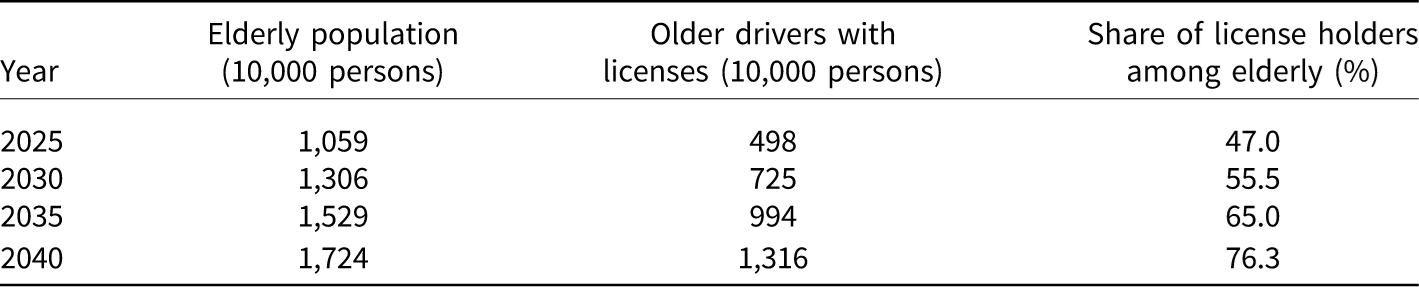
Table 1. Long description
The table presents data on the projected elderly population and older drivers with licenses in South Korea from 2025 to 2040. It has four rows and three columns. The columns are labeled ‘Year’, ‘Elderly population (10,000 persons)’, ‘Older drivers with licenses (10,000 persons)’, and ‘Share of license holders among elderly (%)’. The rows are labeled with the years 2025, 2030, 2035, and 2040. Row 1: 2025, 1,059, 498, 47.0 percent. Row 2: 2030, 1,306, 725, 55.5 percent. Row 3: 2035, 1,529, 994, 65.0 percent. Row 4: 2040, 1,724, 1,316, 76.3 percent. The table shows an increasing trend in both the elderly population and the number of older drivers with licenses over the years.
Source: Author’s compilation based on Statistics Korea and National Police Agency data.
The rapid growth of the older driver population has been accompanied by a marked increase in their involvement in traffic accidents. In 2023, older drivers accounted for 20.0 percent of all traffic accidents and 29.2 percent of fatal collisions, underscoring the need for targeted policy interventions in light of age-related declines in cognitive and physical functions that compromise driving safety. This structural demographic change not only intensifies accident risks but also generates sustained pressure that increases the likelihood of repeated focusing events. In turn, these conditions create a mechanism through which issue attention is continuously reactivated rather than gradually attenuated. South Korea’s voluntary license surrender program is authorized under Article 93(1)(20) of the Road Traffic Act, enabling older drivers to request license cancellation through Provincial Police Agencies. Designed as a participatory initiative rather than a punitive measure, the program provides incentives such as public transportation cards and cultural vouchers determined by local governments.
Nevertheless, discrepancies in eligibility thresholds and incentive schemes across municipalities have raised concerns regarding policy coherence and constitutional compliance. The irrevocable nature of surrender imposes particular hardship on older adults whose livelihoods depend on driving. Under Article 37(2) of the Constitution, restrictions on individual rights are permissible for public welfare but must not infringe on their essential core. Article 10 guarantees human dignity and the right to pursue happiness, while Article 15 protects occupational choice. These provisions call for a rights-sensitive policy design that balances traffic safety with the mobility needs and economic constraints of aging populations. This inherent tension between public safety and individual rights constitutes a structural source of policy contestation, which in turn sustains public debate and generates the conditions under which policy attention persists and is repeatedly reactivated over time.
The tension between public safety and fundamental rights constitutes a structural source of policy contestation and, in turn, creates conditions under which public attention to the policy is sustained. Regulation of older drivers is also influenced by broader societal perceptions of aging. In South Korea, public and media discourse sometimes implicitly portrays older drivers as a particularly risky group on the road. Such portrayals shape societal perceptions of the policy problem and interact with demographic pressures, thereby exerting persistent effects on the relationship among safety, fundamental rights, policy acceptance, and policy effectiveness.
Comparative experiences from OECD countries highlight alternative approaches combining safety regulation with mobility protection. In the United Kingdom, older drivers may voluntarily surrender licenses and must submit medical documentation for re-licensing, with the Driver and Vehicle Licensing Agency (DVLA) conducting comprehensive fitness assessments including cognitive and substance use evaluations. Australia mandates periodic medical evaluations for drivers aged 75 and above, supports voluntary surrender, and issues restricted licenses tailored to individual assessments. Germany offers voluntary fitness assessments for drivers aged 65 and older, with cognitive enhancement programs administered by the Deutscher Verkehrssicherheitsrat (DVR) and Gesamtverband der Deutschen Versicherungswirtschaft (GDV) (German Insurance Association), alongside conditional licensing options. Japan has operated a license surrender system since 1998 and, since 2017, mandates cognitive testing for drivers aged 75 and above following specified violations. Complementary policies include subsidized safety equipment and regulated ride-sharing to safeguard mobility rights.
South Korea’s program has largely prioritized traffic safety but exhibits policy inconsistencies and raises concerns regarding potential infringements on individual rights. In contrast, international approaches place greater emphasis on autonomy, medical assessment, and conditional licensing, reflecting a more balanced integration of safety and mobility considerations. These comparative cases suggest that policy development should move beyond a narrow focus on whether older drivers surrender their licenses and instead incorporate more sophisticated policy design based on individualized assessment while protecting fundamental rights. Such institutional arrangements are also important because they can help mitigate policy conflict and strengthen the legitimacy of government intervention.
Advanced researches
Although the license surrender policy for older drivers has been adopted by numerous local governments in South Korea, debates persist regarding its effectiveness, legal foundation, and practical feasibility. In recent years, recurring traffic accidents involving older drivers have drawn significant media coverage, reigniting public attention toward the policy. This section reviews previous studies in three categories: policy effectiveness, legal and ethical concerns, and institutional alternatives.
First, prior studies have focused on policy effectiveness. Cheon et al. (Reference Cheon, Lee and Soo Park2020) found that older male drivers with higher driving frequency were less likely to surrender their licenses, while greater awareness of the policy increased surrender likelihood. Hong and Han (Reference Hong and Han2024) provided empirical evidence showing that traffic accidents involving older drivers decreased following implementation of the program. Kim and Jung (Reference Kim and Young Jung2022) argued that long-term measures such as providing alternative transportation options were more effective in influencing surrender decisions than monetary incentives.
Second, a body of research addresses legal and ethical concerns. Lee and Chang (Reference Lee and Ho Chang2021) pointed out potential age discrimination and infringement on basic rights inherent in the voluntary surrender policy, emphasizing the importance of ensuring alternative mobility for older adults. Savoie et al. (Reference Savoie, Voyer, Lavallière and Bouchard2024), in the Canadian context, examined the impact of license surrender on older adults’ mobility and social networks and highlighted the heightened risk of isolation in rural areas.
Third, studies have examined policy alternatives and system reform. Kim et al. (Reference Kim, Yoo and Kyu Choi2021) called for differentiated approaches for urban and rural regions and recommended expanding publicly supported taxi programs. Oh (Reference Oh2019) stressed the importance of evaluating drivers’ physical and cognitive ability alongside measures to safeguard mobility rights. Kostyniuk et al. (Reference Kostyniuk, Trombley and Shope1998) emphasized age-friendly urban planning and the expansion of transportation services for older adults.
Previous studies on this policy have largely focused on effectiveness, legal-ethical concerns, and institutional alternatives. However, these approaches tend to treat policy development as a static outcome, rather than examining how shifts in public attention shape policy trajectories over time. As a result, the dynamic interaction among attention cycles, structural conditions, and actor responses remains insufficiently theorized. While this literature provides important insights into policy outcomes and normative debates, it offers limited explanation of how attention dynamics and issue framing influence policy development. In contrast, this study advances the literature by focusing on the dynamic interaction among attention, structural conditions, and actor responses. It conceptualizes issue rekindling as a distinct stage and specifies the conditions under which declining attention is transformed into sustained reactivation.
Policy process theories typically conceptualize policy development as cyclical rather than linear, encompassing stages such as formulation, implementation, evaluation, and change. Although models by Cobb and Elder (Reference Cobb and Elder1972), Cobb et al. (Reference Cobb, Ross and Howard Ross1976), and Kingdon (Reference Kingdon1984) were initially developed for agenda-setting, they have been extended to broader policy processes. Similarly, Downs’ (Reference Downs1972) issue-attention cycle, though originally designed to explain agenda dynamics, can be applied across multiple policy stages.
To empirically examine these dynamics and identify the mechanisms underlying shifts in policy attention, this study adopts a mixed-method approach that combines qualitative interview data with quantitative indicators. Semi-structured interviews were conducted with representatives from the Korean Senior Citizens Association and the National Model Drivers’ Association. A total of four interview sessions were carried out in September 2024 with two representatives, each lasting approximately 50 minutes, allowing for iterative probing and clarification across sessions. The data were analyzed using thematic coding, focusing on perceptions of policy effectiveness, mobility constraints, and attitudes toward license surrender.
This mixed-method design is analytically appropriate because quantitative indicators capture temporal variations in issue salience, while qualitative interview data provide access to the interpretive and strategic processes through which these shifts are translated into institutional responses. Rather than serving as parallel forms of evidence, the two components are analytically integrated, allowing for triangulation between observed patterns of attention and the mechanisms that sustain or reactivate them. Accordingly, the qualitative component is employed not for statistical generalization but for mechanism identification and process validation.
The two interview participants were selected through purposive sampling based on their sustained and high-level involvement in civil society advocacy related to older driver mobility and licensing policy in South Korea. Both individuals occupy organizational positions that span multiple stages of the policy process, enabling the capture of longitudinal, process-oriented insights that are not accessible through documentary or quantitative sources alone. Given the study’s focus on mechanism-based explanation, depth of process knowledge was prioritized over sample size, consistent with established approaches in qualitative and mixed-method research.
Interview data are used as theoretically informed, policy process-related evidence that complements the quantitative analysis. Although the interviews are not intended for statistical generalization, they provide insight into how recurring shifts in public attention are interpreted by key actors, how they generate policy contestation, and how they become linked to institutional responses.
This study also combines Downs’ model with the actor-strategy system framework to examine how key actors respond strategically at different stages of the attention cycle. Previous empirical studies (Dunlap and Scarce Reference Dunlap and Scarce1991; Winter and Eyal Reference Winter and Eyal1981; Hasan and Simmons Reference Hasan and Simmons1989) have shown that surges in public attention and policy action can recur over time. The issue-attention cycle explains how public concern about a social issue initially increases but subsequently declines as the complexity and costs of policy solutions become apparent.
Existing evidence suggests that media coverage, governmental responses, civil society activities, and policy acceptance have jointly shaped the development of South Korea’s voluntary license surrender policy for older drivers. Building on this foundation, the present study focuses on how these factors interact to sustain public attention and generate its cyclical reactivation.
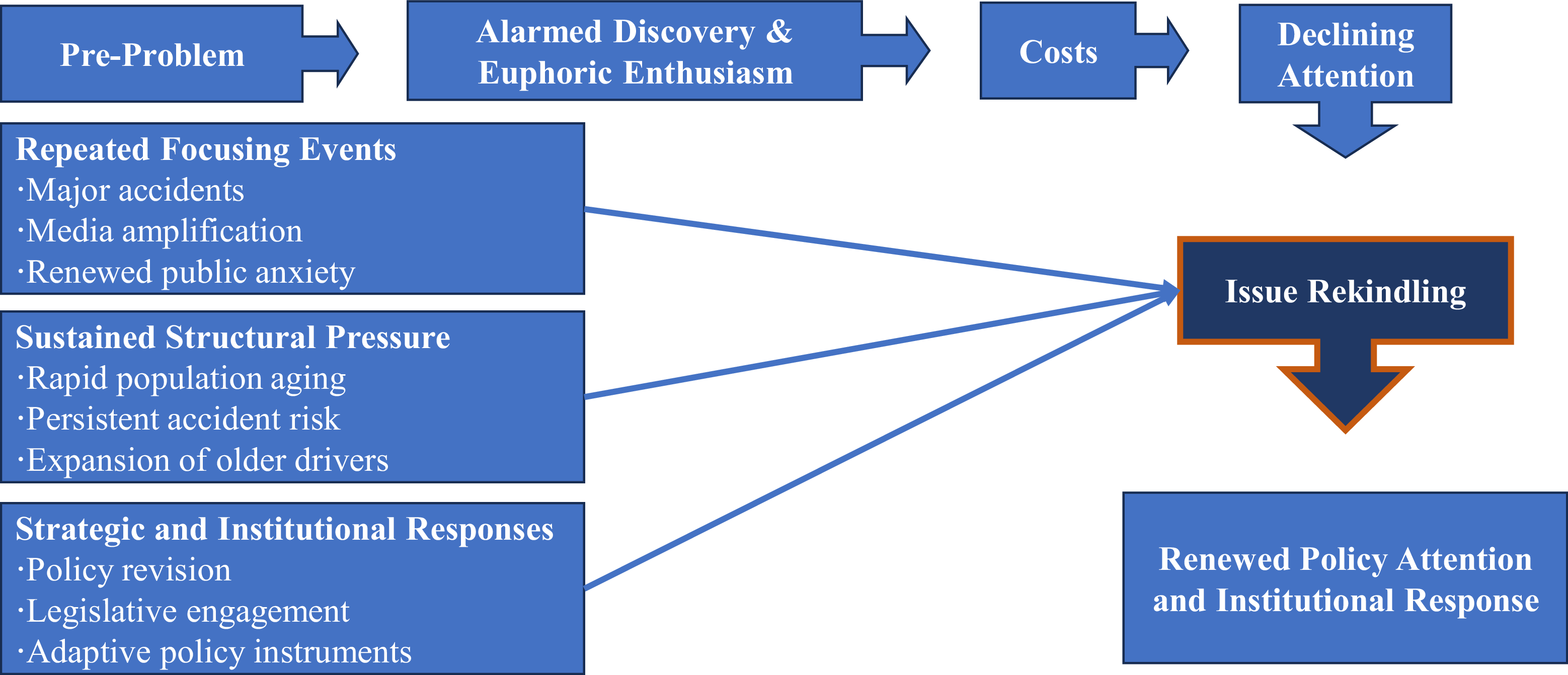
Based on this theoretical framework, the study proposes the following research questions. To clarify its theoretical contribution, Figure 1 conceptually compares Downs’ original issue-attention cycle with the extended model proposed in this study. Whereas Downs’ model assumes that public attention gradually declines after the costs of policy solutions become apparent, the extended model introduces issue rekindling as a distinct stage in which attention is reactivated after a period of decline. This reactivation occurs through the interaction of recurring focusing events, sustained structural pressures, and strategic and institutional responses, which together interrupt the expected trajectory of declining attention. Importantly, issue rekindling does not imply that attention never declines. Rather, it refers to the reversal of declining attention under specific conditions.
Conceptual comparison of Downs’ issue-attention cycle and the extended model of issue rekindling.
Source: Authors’ elaboration.
The research questions are positioned at the end of the theoretical framework because they are directly derived from the theoretical gap identified above. Specifically, the research questions aim to examine the conditions under which attention to an issue is reactivated and to identify the mechanisms that distinguish sustained reactivation from short-term fluctuations in attention.
RQ1: How has the license surrender policy for older drivers gained public attention across the stages of the issue-attention cycle?
RQ2: What roles do media and public opinion play in shaping policy change?
RQ3: How do policy actors differ in their strategic responses across stages?
Data and important stages
Data and methods
To examine these questions, this study combines literature review and empirical analysis. The analytical framework is informed by domestic and international studies, dissertations, books, and policy reports. Case analysis draws on legislative big data, including plenary sessions, standing and subcommittees, and audit records, as well as internal documents from the Korea National Police Agency. Media content was collected through Big Kinds, a database managed by the Korea Press Foundation, covering news reports, television coverage, and relevant online materials.
Public attention was measured using the number of news articles and editorials as indicators, following Cobb and Elder (Reference Cobb and Elder1983), who identified correlations between media coverage and public concern, and Hilgartner and Bosk (Reference Hilgartner and Bosk1988), who emphasized competition among issues within public arenas. Erbring et al. (Reference Erbring, Goldenberg and Miller1980) and Hilgartner and Bosk (Reference Hilgartner and Bosk1988) further demonstrated the applicability of media-based indicators in modeling issue-attention cycles.
To supplement limited quantitative data, interviews were conducted with representatives of the Korean Senior Citizens Association and the National Model Drivers’ Association. The study also draws on Peter deLeon’s policy termination theory (Reference deLeon1978, Reference deLeon1983) to examine why the government sought to expand the license surrender program despite growing awareness of its unintended consequences. Policy stages were classified according to shifts in public sentiment and discourse, with determinants analyzed through Downs’ (Reference Downs1972) model and supported by policy process theories developed by Cobb and Elder (Reference Cobb and Elder1983), Kingdon (Reference Kingdon1984), and Sabatier and Mazmanian (Reference Sabatier and Mazmanian1980).
Important stages
Stage 1: pre-problem stage (2000–2012)
Although South Korea became an aging society in the early 2000s, the issue of older drivers received minimal attention from both policymakers and the public during this period. The National Police Agency considered providing public transportation discounts as an incentive for voluntary license surrender, but the plan was abandoned over concerns of potential human rights violations. At the time, public discourse emphasized elderly rights over safety risks, and no institutional framework existed for the policy. Accident data, media reports, and opinion surveys from this period were analyzed to identify early warning signals and the latent significance of the issue.
Stage 2: alarmed discovery and euphoric enthusiasm (2013–2018)
Beginning in 2013, the National Police Agency introduced cognitive perception tests, indicating heightened governmental awareness of older driver safety. A series of fatal accidents in 2014 and 2016 amplified political and public concern, prompting National Assembly deliberations. In 2018, Busan became the first municipality to implement a license surrender program with incentives, which subsequently spread nationwide. During this stage, rising media coverage, opinion polls, and legislative records were analyzed to explain the surge in attention and conditions enabling policy adoption.
Stage 3: realization of costs and side effects (2019–2022)
As the policy expanded nationwide, criticisms emerged regarding unintended consequences, including restrictions on mobility and insufficient transportation infrastructure for older adults. From 2019 onward, scholarly and media discussions on these issues intensified. In response, the government tightened license renewal requirements for older drivers.
These concerns are reflected in the interview data. One representative from a senior citizens’ organization noted that “many older adults perceive the policy as limiting their independence, particularly in areas with insufficient public transportation.” Another interviewee emphasized that “financial incentives alone are insufficient, as viable mobility alternatives remain inadequate in practice.”
These findings indicate that resistance to the policy is not solely attitudinal but is rooted in structural constraints related to transportation accessibility. This tension can be understood as a trade-off between mobility and safety, in which policy acceptance is shaped not only by risk perception but also by the availability of viable mobility alternatives.
More specifically, mobility constraints reduce policy acceptance, thereby limiting policy effectiveness. In this sense, policy resistance is structurally embedded in the interaction between safety objectives and mobility conditions. Interview evidence further suggests that perceived loss of independence and inadequate transportation infrastructure function as key constraints on policy compliance, thereby influencing both policy support and the trajectory of public attention.
Consistent with these dynamics, media attention peaked in 2019 and gradually declined thereafter, based on analysis of surrender rates, mobility-related survey data, and alternative transportation coverage.
Stage 4: issue rekindling (2023–present)
A major 2023 accident near Seoul City Hall involving an older driver reignited public concern, triggering renewed media coverage and policy debate. This event prompted calls for policy review and reform, illustrating the role of focusing events in reactivating issue attention.
Interview data further support the interpretation of issue rekindling as a structurally grounded phenomenon. Participants indicated that repeated accidents increased not only fear but also acceptance of regulatory measures. As one interviewee noted, “after recent high-profile accidents, even older drivers began to recognize the risks associated with continued driving.”
These findings suggest that policy acceptance is dynamically shaped by the interaction between perceived risk and mobility constraints. As safety concerns intensify through repeated focusing events, resistance rooted in mobility limitations may be partially offset, enabling renewed support for regulatory intervention. At the same time, respondents emphasized the need for balanced policy approaches, noting that “safety measures must be accompanied by support systems that allow older adults to maintain mobility.”
From a policy design perspective, these dynamics point to a sequential approach. In the short term, policy efforts should prioritize safety through targeted regulatory and technological measures. In the medium term, improving policy acceptance becomes critical through stakeholder engagement and incentive design. In the long term, sustainable implementation requires institutional arrangements that ensure mobility rights, including the provision of alternative transportation systems.
Empirical evidence from major incidents, evaluation reports, and policy studies indicates that this phase is characterized not only by renewed attention but also by the introduction of new policy instruments and institutional responses, including enhanced driver assessment systems and alternative safety measures. This suggests that the issue has re-entered the policy agenda in a substantively transformed form.
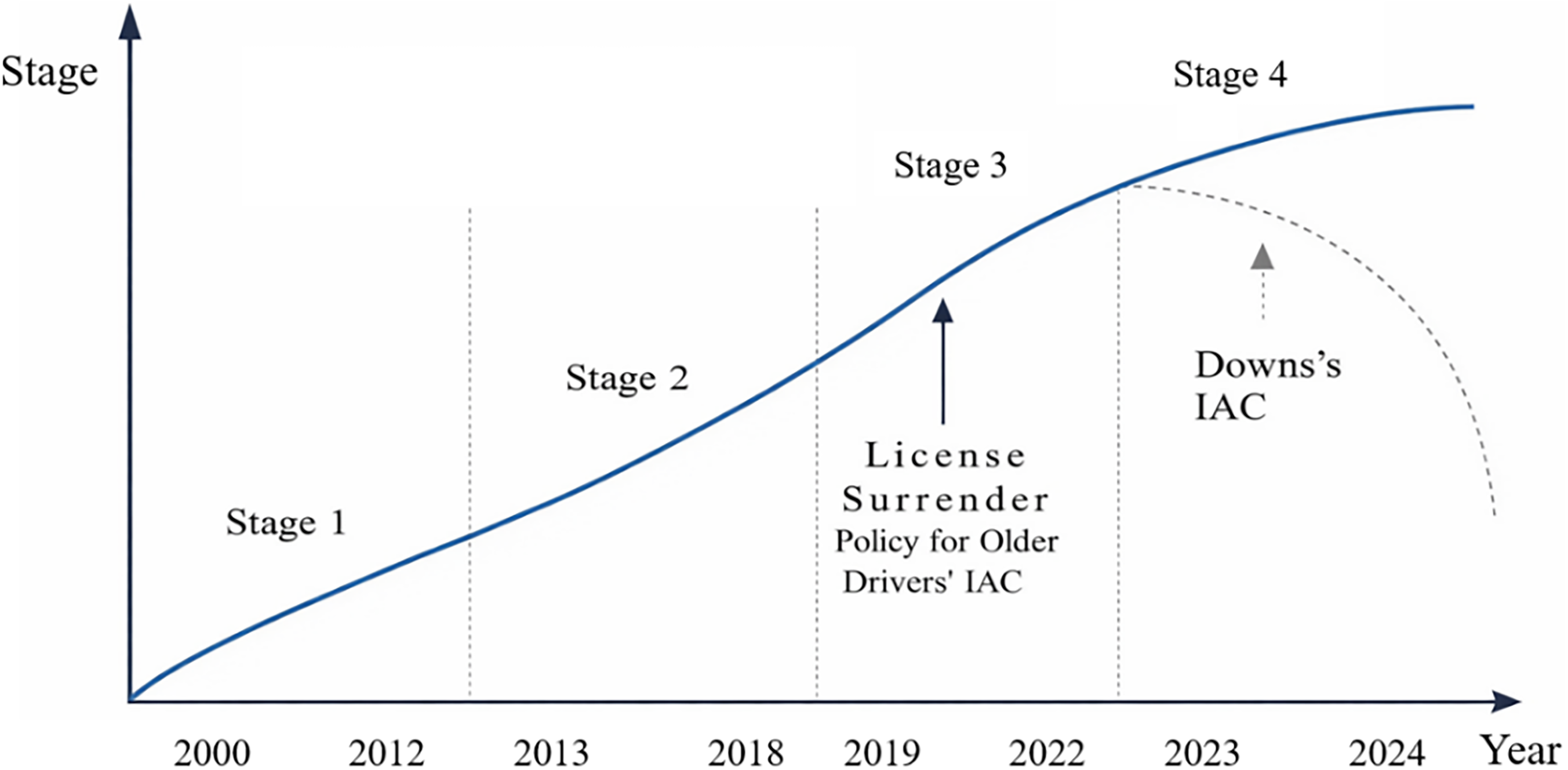
These patterns further indicate that the rekindling phase should be understood as a causal and observable outcome within the policy process, rather than as a temporary rebound in media interest. The convergence of media, legislative, and policy-adjustment indicators strengthens the claim that issue rekindling constitutes a distinct analytical phase. The detailed information is presented in Table 2 and Figure 2.
Analytical framework: issue-attention cycle of the license surrender policy for older drivers
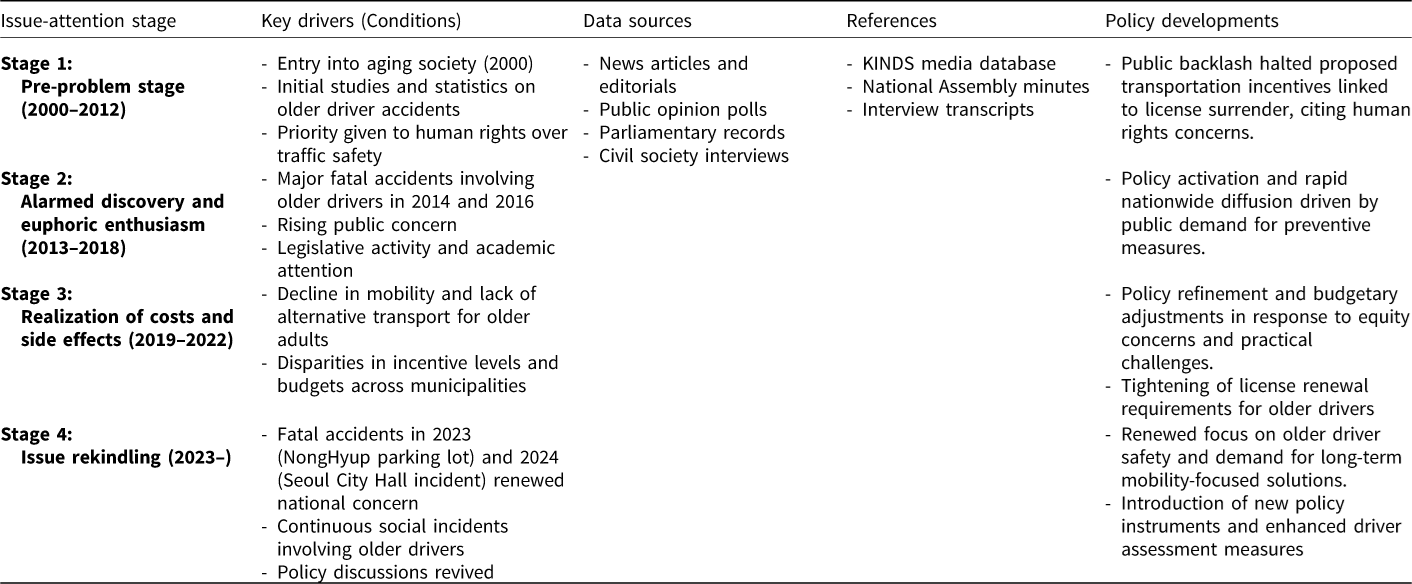
Table 2. Long description
A table detailing the issue-attention cycle of the license surrender policy for older drivers. The table has four rows and four columns. The columns are labeled Issue-attention stage, Key drivers (Conditions), Data sources, and Policy developments. The rows are labeled Stage 1: Pre-problem stage (2000-2012), Stage 2: Alarmed discovery and euphoric enthusiasm (2013-2018), Stage 3: Realization of costs and side effects (2019-2022), and Stage 4: Issue rekindling (2023-). Each row provides specific details under each column header. For example, Stage 1 includes key drivers such as entry into aging society and initial studies on older driver accidents, data sources like KINDS media database and National Assembly minutes, and policy developments including parliamentary records and civil society interviews.
Source: Author’s elaboration based on Downs (Reference Downs1972).
Issue-attention cycle (IAC) model applied to the older driver license surrender.
Source: Author’s elaboration based on Downs (Reference Downs1972).
Analysis of the issue-attention cycle
Analyzing shifts in public attention and policy changes
Amid South Korea’s transition to an aging society, the rapid increase in older drivers has led many local governments to adopt voluntary license surrender programs aimed at reducing traffic accidents. This study applies Downs’ (Reference Downs1972) issue-attention cycle to examine how this policy emerged and evolved as a public issue. The policy trajectory is analyzed across distinct stages, with attention to the determinants shaping each phase.
To explain how attention is sustained and reactivated, the study introduces the concept of issue rekindling and operationalizes it using three criteria: (1) a temporal reversal from declining to increasing attention, (2) concurrent increases across multiple indicators such as media coverage and legislative activity, and (3) qualitative shifts in policy responses and actor configurations. These criteria distinguish sustained reactivation from short-term fluctuations in attention. The analysis draws on multiple indicators, including media coverage, public opinion surveys, and legislative records. Media salience is measured using article and editorial counts from the Korea Press Foundation’s KINDS database, based on the keyword “driver’s license surrender by older drivers.” Public sentiment is assessed through survey data, and legislative engagement is examined through records of National Assembly committees, subcommittees, and audit proceedings.
Rather than providing a normative evaluation of the policy, the study focuses on the processes through which the license surrender program entered public discourse and gained political and media salience. It further examines the strategic behavior of key policy actors across stages, highlighting the interaction between public concern, institutional response, and policy adaptation in shaping the trajectory of issue attention.
To assess legislative support and governmental responses to South Korea’s license surrender policy for older drivers, this study conducted a systematic analysis of National Assembly proceedings. Policy shifts were traced by linking critical events, trends in issue salience, and the substantive content of legislative deliberations. Data were obtained from standing committees, the Special Budget and Accounts Committee, subcommittees, and audit hearings using the National Assembly minutes database. The detailed information is presented in Table 3.
Number of news articles and editorials related to the license surrender policy for older drivers
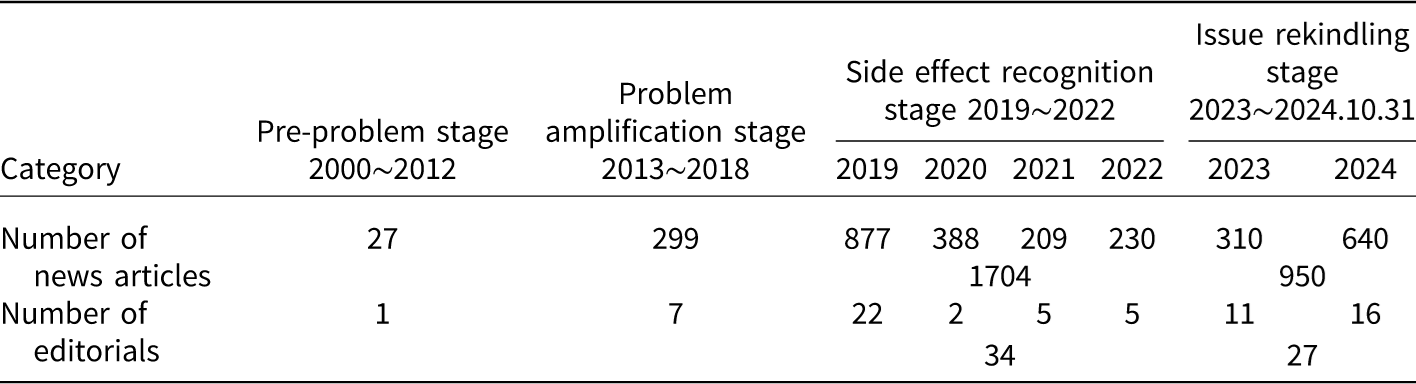
Table 3. Long description
A table showing the number of news articles and editorials related to a policy over different stages and years. The table has four columns and three rows. The columns are labeled as Pre-problem stage 2000~2012, Problem amplification stage 2013~2018, Side effect recognition stage 2019~2022, and Issue rekindling stage 2023~2024.10.31. The rows are labeled as Number of news articles and Number of editorials. Row 1: Number of news articles. Pre-problem stage 2000~2012, 27; Problem amplification stage 2013~2018, 299; Side effect recognition stage 2019, 877; Side effect recognition stage 2000, 388; Side effect recognition stage 2021, 209; Side effect recognition stage 2022, 230; Issue rekindling stage 2023, 310; Issue rekindling stage 2024, 640. Row 2: Number of editorials. Pre-problem stage 2000~2012, 1; Problem amplification stage 2013~2018, 7; Side effect recognition stage 2019, 22; Side effect recognition stage 2000, 2; Side effect recognition stage 2021, 5; Side effect recognition stage 2022, 5; Issue rekindling stage 2023, 11; Issue rekindling stage 2024, 16.
Source: Author’s compilation based on KINDS database.
For search accuracy, the term “license return for older drivers” was employed as a single keyword without spaces to avoid the database’s partial retrieval of separate terms. A comprehensive review of the 16th (2000–2004) through 22nd (2024–2028) National Assembly sessions identified one relevant case in a standing committee, one in the Special Budget and Accounts Committee, ten in subcommittees, and seventeen in audit hearings. When classified according to the stages of Downs’ issue-attention cycle, these records demonstrated a clear correlation between legislative priorities, societal discourse, and levels of public attention.
Additionally, the study examines the motivations and strategic choices of key policy actors across each stage of the issue-attention cycle. By analyzing their interactions and decision-making patterns, the research highlights how actor strategies contributed to the policy’s adaptation and evolution over time.
Pre-problem stage
Analysis of BigKinds data using the keyword “return of driver’s license by older drivers” indicates that during the pre-problem stage, the most salient associated terms were “Japan,” “United States,” and “National Police Agency.” This pattern underscores the media’s early focus on international institutional responses, with frequent references to Japan’s voluntary license return framework and the United States’ medical fitness evaluation systems.
Media salience during this period was minimal: no relevant articles appeared between 2000 and 2004, with coverage beginning in 2005 and increasing gradually to eight articles by 2012. Legislative engagement was similarly limited. The only reference in the National Assembly occurred during the 2010 audit of the Land, Transport and Maritime Affairs Committee, where the rising crash rate among older drivers was noted but addressed primarily through foreign policy examples rather than substantive domestic proposals.
Although the National Assembly Research Service in 2010 recommended a government-led traffic safety strategy, the risks associated with older drivers did not emerge as a priority. A 2011 fatal accident involving an elderly driver briefly drew media attention, but discourse framed the incident around alcohol use rather than age-related impairment. During this period, a proposal to incentivize voluntary license surrender through public transportation discounts was considered by the government and police but abandoned over concerns of infringing human rights. Prevailing societal attitudes viewed restrictions on older drivers as premature, emphasizing protection of elderly rights over safety regulation.
Policy action during this stage remained largely limited to educational initiatives. Civic organizations, such as the Daegu Safe Living Citizens Alliance, conducted traffic safety outreach at senior centers; however, these micro-level interventions had limited capacity to generate broader institutional or policy change.
The low level of public and policy attention during this stage can be attributed to the absence of salient focusing events and the predominance of normative concerns regarding the rights of older adults. Without high-profile incidents to trigger public alarm, the issue remained peripheral despite gradual demographic shifts. In addition, institutional inertia and the prioritization of individual rights over preventive regulation constrained the activation of more substantive policy responses.
Problem amplification stage
The second stage of the issue-attention cycle witnessed a sharp escalation in traffic accidents involving older drivers, catalyzing intense media coverage and public concern. The 2018 introduction of an incentive-based voluntary license surrender program markedly elevated the policy’s salience. BigKinds relational keyword analysis identified “Japan,” “Korea Road Traffic Authority,” and “National Police Agency” as dominant associations, reflecting both domestic institutional engagement and the influence of international policy models.
Media salience increased exponentially, rising from three articles in 2013 to 66 in 2017 and peaking at 147 in 2018. A fatal highway accident in 2016 functioned as a critical focusing event, triggering National Assembly deliberations. Legislative initiatives during this period included proposals to shorten license renewal cycles for older drivers and to provide public transport exemptions for voluntary surrender participants. Although benefits were discussed in 2017, implementation was delayed due to inter-agency jurisdictional disputes and fiscal constraints.
Policy discourse during this stage emphasized preventive strategies and incentive mechanisms, gaining traction in standing committees, subcommittees, and audit hearings. Local governments began experimenting with region-specific programs. Busan’s 2018 initiative offering transportation vouchers became a nationally recognized model, subsequently adopted across jurisdictions and awarded the Prime Minister’s Prize for administrative innovation.
Concurrently, institutional and civic actors converged to advance the policy agenda. The police introduced cognitive-perception testing and reduced renewal intervals for older drivers. The Korean Senior Citizens Association formally endorsed the reforms, while the Gyeongnam chapter’s “Traffic Safety Golden Bell” campaign mobilized over 3,000 participants to raise awareness on Senior Citizens’ Day.
By the end of this stage, the coordinated engagement of media, political institutions, administrative bodies, and civil society, together with growing awareness among older adults, had firmly established the policy as a national priority and generated broad societal consensus regarding its necessity. This escalation was driven by the interaction of focusing events, media amplification, and visible governmental uptake. Fatal accidents involving older drivers transformed a latent concern into a salient public problem, while intensive media coverage amplified risk perception. As local governments, most notably Busan, translated this concern into concrete incentive-based policies, public attention was further reinforced by the perception that the issue was both urgent and institutionally actionable.
Stage of side effect awareness (2019–2022)
The third stage of the issue-attention cycle was characterized by critical scrutiny of the voluntary license surrender policy’s structural limitations and unintended consequences. Central concerns included the curtailment of mobility, the economic necessity of driving for older adults, and the rigid application of chronological age as a policy criterion.
Media salience reached unprecedented levels, with 1,704 articles and 34 editorials published. Network analysis of “returning driver’s license” identified “traffic safety,” “Korea Road Traffic Authority,” and “Gyeonggi Province” as central nodes. The prominence of Gyeonggi reflected both its policy activism and its persistently low 2 percent surrender rate. Busan’s pioneering model spurred heterogeneous municipal incentive programs, creating a diverse policy landscape. Media attention peaked in May 2019 with 125 articles before stabilizing at 30–40 per month. Legislative focus intensified, with 12 sessions addressing the issue and six explicit references in the 2019 audit cycle.
Key debates surrounding the policy revolved around several interrelated issues. First, concerns regarding mobility rights and equity highlighted significant rural-urban disparities in transportation infrastructure, which exposed the uneven impact of the policy across regions. In addition, institutional fragmentation between national and local agencies hindered the development of coordinated and integrated policy responses.
Second, questions of regional effectiveness emerged as a critical issue. For example, in Jeonbuk Province, older drivers accounted for 11.9 percent of licensed drivers but were involved in 18.1 percent of traffic accidents and 30 percent of fatalities, prompting calls for more differentiated and preventive policy approaches tailored to regional conditions.
Third, issues of fiscal and structural sustainability were raised. The Administrative Safety Committee in 2020 emphasized the absence of a coordinated national framework, while budgetary shortfalls in 2021 disrupted incentive programs and undermined policy credibility.
Finally, debates over incentive design and policy symbolism also intensified. Criticism was directed not only at the framing of incentives as “compensation,” but also at the 2022 mandate requiring identification stickers for older drivers, which provoked widespread concerns about age-based discrimination.
Administrative complexity compounded these challenges. Lengthy processing times and inconsistent adoption of one-stop services amplified regional disparities and discouraged participation. For the policy to achieve institutional stability, it must secure sustainable funding, streamline procedural frameworks, and incorporate mobility-guaranteeing alternatives that uphold the rights and autonomy of older drivers.
As the voluntary license surrender program expanded nationwide, differences in local fiscal capacity, policy implementation, and mobility constraints faced by older adults, including disparities in transportation and road infrastructure, resulted in variations in policy effectiveness across regions. In this process, public attention broadened from the prevention of traffic accidents to wider debates concerning fundamental rights, mobility rights, and the sustainability of the policy.
Stage of issue re-ignition (2023–2024)
The reactivation of public attention is evidenced by a sharp increase in media coverage, from 310 articles in 2023 to 640 in 2024, alongside a corresponding rise in legislative discussions recorded in National Assembly proceedings. This parallel expansion of media salience and legislative engagement indicates that the issue has been reactivated at a systemic level rather than through isolated fluctuations in attention.
This pattern reflects a structurally sustained reactivation that departs from the linear decline predicted by Downs’s model. Instead of fading after a period of reduced attention, the issue demonstrates a reversal into renewed salience, indicating a non-linear trajectory.
This dynamic is closely linked to South Korea’s rapid demographic transition. As population aging increases the number of older drivers, it sustains the structural relevance of the issue and prevents its attenuation over time. Consequently, the policy remains persistently salient rather than diminishing as suggested by Downs’s framework. Empirical evidence further shows that major accidents triggered sharp increases in media reporting and editorial coverage, while legislative engagement intensified through renewed discussions in National Assembly committees and audit sessions. At the same time, policy adjustments and new proposals emerged, indicating that the issue has re-entered the formal policy agenda rather than remaining at the level of episodic public concern.
Between January 2023 and October 2024, the policy maintained high media salience, supported by continued coverage of major accidents and related policy debates. Relational keyword analysis identified “Korea Road Traffic Authority,” “National Police Agency,” and “Busan” as central nodes, with “City Hall Station” and “Jung-gu” emerging in connection with the July 2024 Seoul City Hall accident. Monthly coverage peaked in July 2024 with 221 articles, aligning with a sequence of high-fatality incidents in Sunchang, Busan, and Seoul that re-energized the policy agenda.
Policy responses during this stage were substantial. Legislative deliberations included proposals for subsidizing safety-feature-equipped vehicles, while the police formalized collaboration with the Korean Senior Citizens Association and expanded preventive initiatives. The Seoul Metropolitan Government advanced simulator-based reaction testing, and national authorities re-evaluated the designation of senior protection zones. Data from the National Police Agency and Korea Road Traffic Authority confirmed that cognitive decline accounted for over half of fatal older-driver crashes, reinforcing the urgency of targeted interventions. Public debate increasingly centered on mobility rights, particularly in rural areas where license surrender equates to loss of livelihood, intensifying advocacy for demand-responsive transit solutions to address transportation deserts.
Persistent structural challenges resurfaced, including budgetary shortfalls, administrative delays, and uneven expansion of one-stop processing services across jurisdictions. Synthesizing the policy trajectory reveals a cyclical progression characterized by distinct stages: initial delays driven by human rights concerns, rapid national diffusion following Busan’s incentive-based policy, heightened awareness of mobility rights during the side-effect stage, and policy reactivation through focusing events that prompted institutional recalibration. These findings demonstrate that public attention is dynamically shaped by evolving discourse and actor experiences at each stage, while actor strategies vary systematically according to institutional roles and policy objectives.
This renewed public attention resulted from the interaction of three mechanisms. Repeated large-scale traffic accidents involving older drivers functioned as focusing events, increasing media attention and intensifying public concern. At the same time, rapid population aging and the continued growth in the number of older drivers sustained the structural salience of the issue beyond short-term fluctuations in attention. In addition, policy actors responded strategically by reframing the issue, introducing new policy instruments, and linking traffic safety with mobility support.
These interactions explain why public attention did not decline linearly, as suggested by Downs’ model, but instead persisted and was repeatedly reactivated through the combined effects of focusing events, demographic pressures, and policy and institutional responses. Accordingly, improving policy effectiveness requires a comprehensive approach that includes stable financial support from the central government, the provision of alternative transportation options for older drivers, police responses and the development and implementation of driving competency assessment systems, legal and institutional reform, and continued efforts to raise awareness among older drivers and the broader public.
Civil society responses and public opinion surveys
The voluntary license return policy for older drivers in South Korea has evolved not only through governmental and legislative processes but also through active engagement from civil society actors. Feedback from older drivers and advocacy organizations has played a critical role in shaping policy discourse and identifying implementation challenges. To capture these perspectives, this study conducted structured interviews with regional representatives of the Korean Senior Citizens Association (Chungnam Chapter) and the Model Drivers Association (Chungnam Branch).
Both organizations raised concerns regarding the limited effectiveness of the current policy design. In particular, the existing incentive of approximately Korean won (KRW) 100,000 was widely regarded as insufficient to motivate voluntary license surrender, as many older drivers perceive themselves as capable of continued driving. Criticism was also directed at age-based policy approaches, with both groups emphasizing the need for individualized, ability-based assessments. Furthermore, participants highlighted the structural constraints faced in rural areas, where limited public transportation makes private vehicle use essential. In this context, both organizations stressed that expanding mobility support services would be more effective than increasing financial incentives alone.
Despite these concerns, both groups acknowledged the potential safety benefits of voluntary license surrender in preventing accidents associated with cognitive decline. However, their policy recommendations diverged in emphasis. The Korean Senior Citizens Association advocated for substantially higher incentives and targeted implementation for drivers aged 75 and older, whereas the Model Drivers Association emphasized non-monetary benefits and flexible criteria to reduce resistance. Taken together, these perspectives converge on three core policy directions: strengthening incentive structures, expanding localized mobility services, and introducing ability-based licensing systems.
Public opinion data reinforce these findings, revealing a divided yet conditionally supportive attitude toward the policy. While a slight majority supports voluntary license surrender, opposition remains substantial, driven by concerns over inadequate rural transportation and the perceived unfairness of age-based restrictions. Older drivers, in particular, show strong reluctance, reflecting preferences for maintaining mobility and confidence in their driving ability.
At the same time, there is broad recognition of age-related declines in driving capacity and conditional support for regulatory measures, including competency-based assessments and enhanced safety requirements. However, skepticism toward existing aptitude tests highlights the need for more accurate evaluation systems, such as cognitive and on-road testing. Older-driver policy involves not only the immediate challenge of reducing traffic accidents but also a fundamental tension between traffic safety and older adults’ mobility rights as a basic right. Policy effectiveness therefore depends not only on designing appropriate incentives for voluntary license surrender but also on ensuring the availability of suitable mobility alternatives tailored to local conditions and establishing fair and broadly acceptable systems for assessing and regulating the driving competence of older drivers.
Synthesis of analysis
This study investigated the evolution of South Korea’s voluntary driver’s license surrender policy for older drivers through the analytical lens of Downs’s issue-attention cycle, employing three complementary perspectives: media salience, legislative institutionalization, and civil society engagement. The media analysis demonstrated the centrality of focusing events in agenda dynamics. Minimal coverage during the pre-problem stage gave way to a rapid surge following the 2016 highway accident and Busan’s 2018 incentive program. In the side-effect recognition stage, media narratives shifted to unintended consequences, particularly mobility rights and budgetary sustainability. The rekindling stage illustrated how successive high-fatality incidents reconfigured public discourse and stimulated institutional responses.
Legislative proceedings revealed the formalization of policy agendas. The problem-amplification stage introduced proposals to adjust license renewal cycles, while the side-effect stage emphasized incentive expansion and mobility guarantees. Budget committee deliberations highlighted uneven implementation and fiscal inefficiencies. In the rekindling stage, evidence-based countermeasures, including safety-device subsidies, emerged in response to accident data.
Civil society perspectives underscored the role of stakeholder legitimacy. Interviews with the Korean Senior Citizens Association and the Model Drivers Association highlighted critical deficiencies in the incentive system and advocated substantial financial rewards, ability-based licensing frameworks, and region-specific mobility programs. Public opinion surveys confirmed general support for voluntary license return policies while revealing older drivers’ reluctance, shaped primarily by mobility dependence.
These analyses demonstrate how media coverage and framing of older drivers shape public discourse, while legislative agenda-setting and civil society acceptance interact within the broader policy process. As the media perform an agenda-setting role, the public opinion generated through this process influences the decisions of policy actors throughout the issue-attention cycle. The findings also suggest that the issue rekindling stage is not an exceptional phenomenon but can emerge when specific conditions are present, thereby extending Downs’ issue-attention cycle framework. In particular, sustained structural pressures such as rapid population aging, recurring focusing events, and responses by policy actors interact to reactivate public attention.
Policy implications and conclusion
Policy implications
The current voluntary license surrender policy for older drivers requires further improvement in terms of structural sustainability. Differences across local governments in eligibility criteria, incentive structures, and age thresholds have created problems of policy fragmentation and acceptance. As Dye (Reference Dye1992) argues that policy effectiveness depends on standardization, priority should be given to establishing nationwide criteria and consistent implementation procedures. This is also consistent with Rafkin et al. (Reference Rafkin, Shreekumar and Vautrey2020), who found that inconsistent government messaging weakens public trust and reduces compliance with policy change.
Age-based regulatory approaches are also likely to face political resistance. In a super-aged society, older adults are becoming an increasingly influential electoral group. According to Downs’ (Reference Downs1957) median voter hypothesis, age-based regulation may have limited political feasibility when broad social consensus has not been established. Therefore, developing a comprehensive ability-based assessment system applicable to all drivers regardless of age may enhance policy legitimacy. Sirén and Meng (Reference Sirén and Meng2012) found that age-based cognitive testing in Denmark did not improve traffic safety, while Langford et al. (Reference Langford, Bohensky, Koppel and Newstead2008) similarly reported that mandatory age-based assessments in Australia did not produce measurable safety benefits. These findings suggest that ability-based systems are more appropriate in terms of both equity and empirical evidence.
Alternative models, such as psychological assessments and online self-assessment tools used in the United States and Austria, also provide useful policy implications. These self-assessment systems can improve policy feasibility and social acceptance by allowing older drivers to evaluate their own driving abilities. Molnar and Eby (Reference Molnar and Eby2008) found that older drivers often adopt self-regulatory strategies, such as avoiding high-risk driving conditions or limiting travel to familiar routes.
Growing skepticism regarding the effectiveness of conventional cognitive testing for older drivers (Sirén & Meng Reference Sirén and Meng2012) further highlights the need to transition toward ability-based assessment systems that combine structured self-assessment with on-road driving evaluations. Interviews with representatives of the Korean Senior Citizens Association and the Model Drivers’ Association also indicate that older drivers seek objective measures of driving competence and clearly prefer ability-based systems to age-based restrictions. Future policy design should therefore combine ability-based assessment mechanisms with nationally standardized criteria.
A major reason why many older adults are reluctant to voluntarily surrender their licenses is limited access to alternative transportation. Public opinion surveys and interview data consistently indicate a preference for decisions based on assessed driving ability rather than arbitrary age thresholds. To address mobility limitations in rural and transportation-disadvantaged areas, local governments have introduced demand-responsive transport (DRT) systems, including community shuttle buses, on-demand taxi services, and rural taxi programs. One representative example is Jinju City’s “Integrated Mobility Service,” which was designed as Korea’s first DRT-based service to meet the transportation needs of mobility-disadvantaged populations.
Policies that prioritize traffic safety without adequately protecting mobility rights risk undermining the autonomy and social inclusion of older adults. Oxley and Whelan (Reference Oxley and Irene Whelan2008) explain that driving is an important determinant of mobility, psychological well-being, and overall quality of life among older adults. Chihuri et al. (Reference Chihuri, Mielenz, DiMaggio, Betz, DiGuiseppi, Jones and Li2016), in a meta-analysis of 16 longitudinal studies, found that driving cessation significantly increases the risks of depression, social isolation, cognitive decline, institutionalization, and mortality. These findings emphasize the need for a policy framework that balances public safety with mobility rights through ability-based assessment systems.
Ensuring the sustainability of the older-driver license surrender policy also requires reducing dependence on public funding. Buchanan and Tullock (Reference Buchanan and Tullock1965) argue that policies heavily dependent on public budgets may experience weakened long-term stability because policy outcomes are often evaluated primarily in fiscal terms. Community-based transportation models such as ITN America and SilverRide in the United States demonstrate that volunteer participation and private-sector support can contribute to both operational autonomy and financial resilience. Such approaches are consistent with Ostrom’s (Reference Ostrom1990) theory of community-based governance, as they mobilize local resources to create sustainable mobility services. Japan’s “Choisoko” system provides a representative example of low-cost ride-sharing services delivered through collaboration among local governments, businesses, and healthcare institutions.
In South Korea, alternative financing mechanisms, such as tax-deductible contributions, could also be considered to reduce reliance on direct public subsidies. Consistent with Flyvbjerg’s (Reference Flyvbjerg and Kjell2007) emphasis on performance-based management in public projects, transportation policies designed to protect the mobility rights of older adults should move beyond budget-dependent approaches toward performance-oriented operational systems in order to enhance both sustainability and public legitimacy. In this sense, operational performance should be prioritized over budget dependency when designing long-term mobility policy.
At the same time, cultivating a culture of considerate driving has emerged as an important strategy for enhancing traffic safety while protecting mobility rights. In the past, older driver vehicle signs were sometimes perceived as stigmatizing, but social perceptions have gradually become more favorable as social norms have changed. The Korean National Police Agency has identified both traffic safety and the protection of older drivers’ mobility rights as major policy objectives and has sought to institutionalize a culture of considerate driving through the older driver vehicle sign program. This cultural shift toward greater respect for older drivers reflects a broader social recognition of their independence and dignity beyond the issue of traffic safety alone. It also suggests that mobility policy in an aging society should be designed within a supportive institutional framework rather than relying primarily on punitive measures.
When older drivers are involved in traffic accidents, comprehensive investigations are necessary to identify the underlying causes, and ability-based driving restrictions should be considered on the basis of the findings. In addition, sentencing standards for older drivers who commit violations classified among the Twelve Major Traffic Offenses should be revised to reflect both the severity of harm and the broader social consequences. Rather than relying solely on chronological age, periodic ability-based assessments and mandatory participation in safety education should also be introduced. Traffic safety education should further be tailored to specific accident patterns and causes identified in accidents involving older drivers.
If these reforms are implemented together, they can strengthen individual accountability, improve the policy coherence of the voluntary license surrender system, and contribute to both public trust and traffic safety. In other words, moving beyond a reactive enforcement-centered approach toward a preventive and education-based regulatory framework can help achieve a more effective balance between protection and responsibility.
Reconfiguring policy instruments for older driver safety
The primary objective of the older driver license return policy is to reduce traffic accidents and enhance public safety. However, the current reliance on voluntary surrender has demonstrated limited effectiveness, as reflected in persistently low return rates in both South Korea and Japan. This highlights the need for complementary policy instruments beyond voluntary mechanisms.
To address similar challenges, several countries, including the United States, Australia, and the Netherlands, have adopted conditional licensing frameworks. These systems impose driving restrictions tailored to an individual’s health status, such as limiting night driving or travel distance. By integrating medical certification and periodic competency assessments, conditional licensing balances the protection of mobility rights with the reduction of traffic risks.
The implementation of such a system requires a robust administrative infrastructure, including standardized medical evaluations, in-vehicle driving tests, and regular reassessments of functional capacity. While other countries have institutionalized these mechanisms, South Korea currently lacks a formal conditional licensing framework, indicating a significant institutional gap. The detailed information is presented in Table 4.
International policy models for older drivers
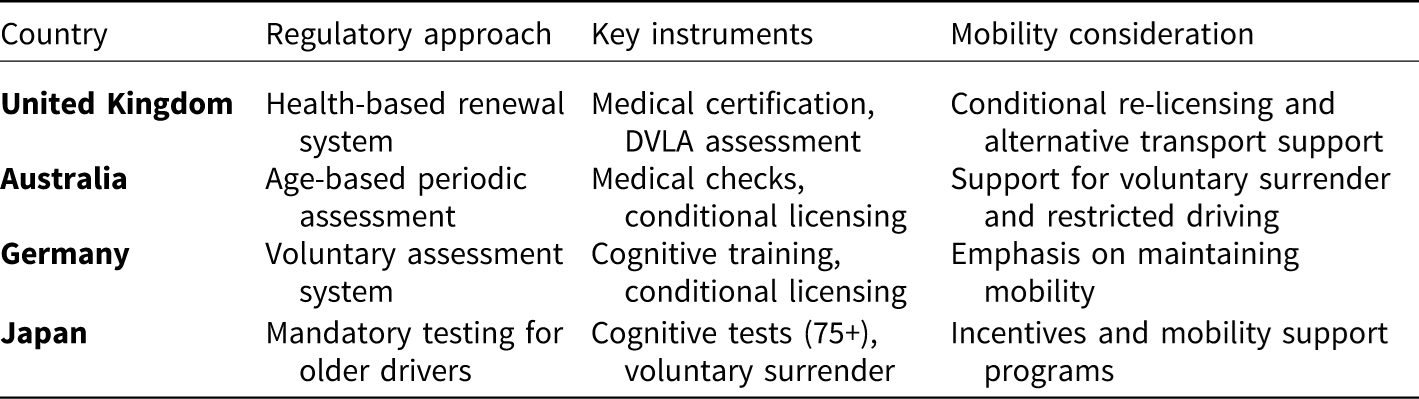
Table 4. Long description
A table comparing regulatory approaches, key instruments, and mobility considerations for older drivers across four countries. The table has four rows and four columns. The columns are labeled Country, Regulatory approach, Key instruments, and Mobility consideration. The rows are labeled with the names of the countries and their respective regulatory approaches, key instruments, and mobility considerations. Row 1: United Kingdom, Health-based renewal system, Medical certification, DVLA assessment. Row 2: Australia, Age-based periodic assessment, Medical checks, conditional licensing, Support for voluntary surrender and restricted driving. Row 3: Germany, Voluntary assessment system, Cognitive training, conditional licensing, Emphasis on maintaining mobility. Row 4: Japan, Mandatory testing for older drivers, Cognitive tests (75+), voluntary surrender, Incentives and mobility support programs.
Source: Adapted from Senior Driver License Management Systems in Other Countries and Policy Implications.
The introduction of such systems has faced resistance from older drivers, but this resistance can be mitigated through targeted traffic safety education. These programs focus on self-assessment of cognitive function, the physiological effects of aging, and the impact of medication on driving ability, helping older drivers develop a more objective understanding of their own competence. Since 2019, participation in such programs has been linked to insurance incentives, although further customization based on driving ability and age group characteristics remains necessary to improve effectiveness and acceptance.
Recent survey data reveal limitations in existing aptitude tests. A substantial proportion of respondents consider current assessments insufficient, particularly because they rely heavily on vision tests, basic physical ability, and simplified cognitive screening. Supporting this critique, prior research indicates that cognitive screening alone does not significantly reduce accident rates and may produce unintended consequences, such as discouraging driving without improving overall safety outcomes.
Public opinion also indicates strong support for improving evaluation systems. Respondents favor enhanced cognitive and attention-based testing, the inclusion of practical driving assessments, and shorter reassessment intervals. These findings suggest a growing demand for more comprehensive and accurate evaluation frameworks.
In parallel, legislative efforts have been made to introduce technological safety measures. Recent proposals have included subsidies for installing sudden acceleration suppression devices. While these initiatives aim to reduce accident risks and increase policy participation, concerns remain regarding fiscal burden and policy equity, necessitating a phased and carefully monitored implementation. The detailed information is presented in Table 5.
Comparison of proposed amendments to the road traffic act by members of the national assembly
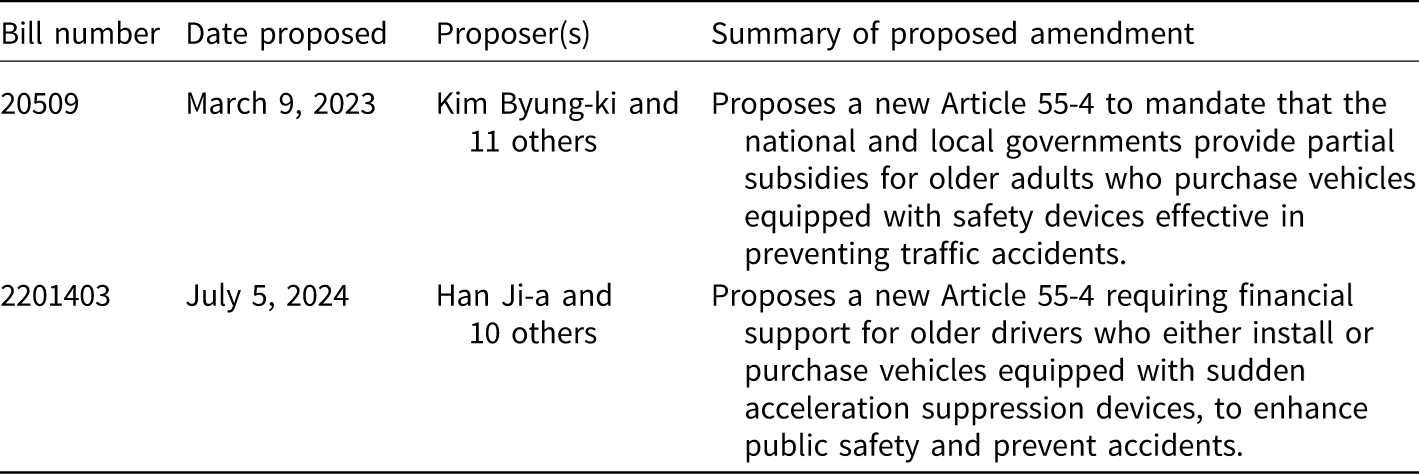
Table 5. Long description
A table comparing proposed amendments to the road traffic act by members of the national assembly. The table has two rows and four columns. The columns are labeled Bill number, Date proposed, Proposer(s), and Summary of proposed amendment. Row 1: Bill number, 20509; Date proposed, March 9, 2023; Proposer(s), Kim Byung-ki and 11 others; Summary of proposed amendment, Proposes a new Article 55-4 to mandate that the national and local governments provide partial subsidies for older adults who purchase vehicles equipped with safety devices effective in preventing traffic accidents. Row 2: Bill number, 2201403; Date proposed, July 5, 2024; Proposer(s), Han Ji-a and 10 others; Summary of proposed amendment, Proposes a new Article 55-4 requiring financial support for older drivers who either install or purchase vehicles equipped with sudden acceleration suppression devices, to enhance public safety and prevent accidents.
Source: Author’s compilation based on National Assembly bill records.
Japan’s “Support Car” program provides a relevant example, offering subsidies for vehicles equipped with advanced safety features. Similar technological developments are emerging in South Korea. However, adoption among older drivers remains limited, partly due to behavioral tendencies such as resistance to change and loss aversion. In this context, targeted subsidies can reduce psychological barriers and promote the diffusion of safety technologies.
As South Korea enters a super-aged society, the number of older drivers is expected to increase substantially, highlighting the growing need for comprehensive institutional and policy responses. Beyond regulatory and technological interventions, improvements to transportation infrastructure will also be essential. Age-friendly road design, such as clearer road signs, longer traffic signal times, and safer intersection design, can help reduce risks associated with age-related functional decline.
Ultimately, policies for older drivers should move beyond a narrow emphasis on age-based restrictions or voluntary license surrender. Instead, a comprehensive policy framework should integrate competency-based licensing, enhanced driver assessment systems, tailored education and training, technological support, and age-friendly infrastructure. Such an integrated approach can achieve a more appropriate balance between traffic safety and the protection of older adults’ mobility rights while enhancing the long-term sustainability and public acceptability of the policy.
Conclusion and future research
This study demonstrates that the development of South Korea’s voluntary license surrender policy for older drivers did not follow the pattern of continuous decline in public attention described by Downs’ issue-attention cycle. Contrary to the trajectory proposed by Downs, public attention in this case was reactivated even after the costs of policy implementation had become apparent. To explain this pattern, this study conceptualizes issue rekindling as a complementary extension of Downs’ issue-attention cycle. Issue rekindling should not be regarded as an exceptional phenomenon limited to a particular case in a particular country, but rather as a recurring pattern that can emerge from the interaction between structural conditions and actor strategies. Public attention increased again when persistent structural pressures, such as demographic change, recurring risk events or focusing events, and strategic responses by policy actors occurred together.
This study contributes to the existing literature in four respects. First, by empirically applying Downs’ issue-attention cycle to older-driver policy, it demonstrates the explanatory relevance of the model in the context of aging and mobility governance. Second, it identifies the non-linear reactivation of issue attention and conceptualizes this pattern as issue rekindling, thereby extending and refining Downs’ theoretical framework. Third, it provides an actor-centered analysis of interactions among government, legislative institutions, law enforcement agencies, and civil society actors during the diffusion and reactivation of the policy. Fourth, it proposes policy alternatives that address traffic safety within a broader framework encompassing mobility rights and other fundamental rights, welfare, and public safety.
The continued expansion of the voluntary license surrender program reflects a policy response to the growing number of traffic accidents involving older drivers. However, ensuring the sustainability of the policy requires addressing the limitations of the current voluntary approach. In particular, an ability-based assessment system capable of identifying individual differences in driving competence should be introduced and accompanied by stronger regulatory measures based on the results of such assessments.
The findings also have implications for external validity, as issue rekindling is likely to occur in other policy domains characterized by demographic change, recurring risks, and persistent tensions between public safety and individual rights. By identifying the mechanisms through which policy attention is sustained or reactivated, this study can contribute to a more developed understanding of both policy agenda dynamics and policy implementation processes.
Although the empirical analysis focuses on South Korea, the theoretical framework has the potential for broader application and generalization across countries and policy domains where recurring focusing events, sustained structural pressures, and adaptive institutional responses coexist. In this respect, the concept of issue rekindling offers potential for both theoretical generalization and further extension.
Despite these contributions, several limitations should be acknowledged. First, although this study draws on multiple sources of data, it does not incorporate all potentially relevant forms of evidence. In particular, incorporating data from social media and digital platforms would allow for a more comprehensive and convincing analysis of public attention to policy issues.
Second, while the issue-attention cycle provides a useful explanation of changes in public attention, it does not in itself provide a complete framework for specific policy design. This study explains the processes and conditions associated with issue rekindling and derives corresponding policy alternatives and implications. Future research should continue to examine more directly the causal effects of changes in public attention on subsequent changes in policy, law, and institutional arrangements.
Third, this study classifies policy actors into relatively broad categories, including government and police, legislative institutions, and civil society. However, it does not fully identify the specific roles of local governments and older drivers in individual cases. Future research should examine the division of responsibilities and accountability relationships between local government officials and the police and should incorporate more extensive data on both ordinary older drivers and older drivers involved in traffic accidents.
Fourth, important regional differences exist in the voluntary license surrender policy. Local governments vary in eligibility criteria, incentive structures, age thresholds, availability of alternative transportation, and road conditions. Such regional inconsistencies may reduce surrender rates and constrain policy effectiveness. Therefore, assessment and education systems that can be applied consistently to all drivers and thereby achieve broader public acceptance need to be systematically developed and implemented. In particular, because the police are expected to play an important role in policy management and design, sustained institutional preparation is required to support policy development and continuous improvement.
Finally, further cross-national comparative research is needed. As this study illustrates through comparisons with cases from Japan, Australia, and the Netherlands, a broader examination of alternative approaches is necessary to identify ways of balancing traffic safety with fundamental rights. More systematic analysis of policy agendas emerging under the structural conditions of aging societies can contribute to a more refined understanding of policy processes.
Data availability statement
This study does not employ statistical methods and no replication materials are available.
Acknowledgements
The authors received no specific funding or external support for this research.
Competing interests
The authors declare that they have no conflict of interest.
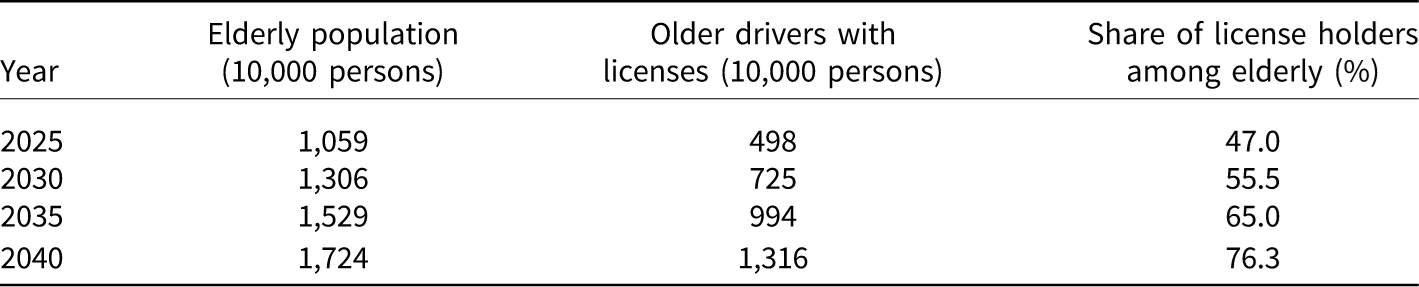
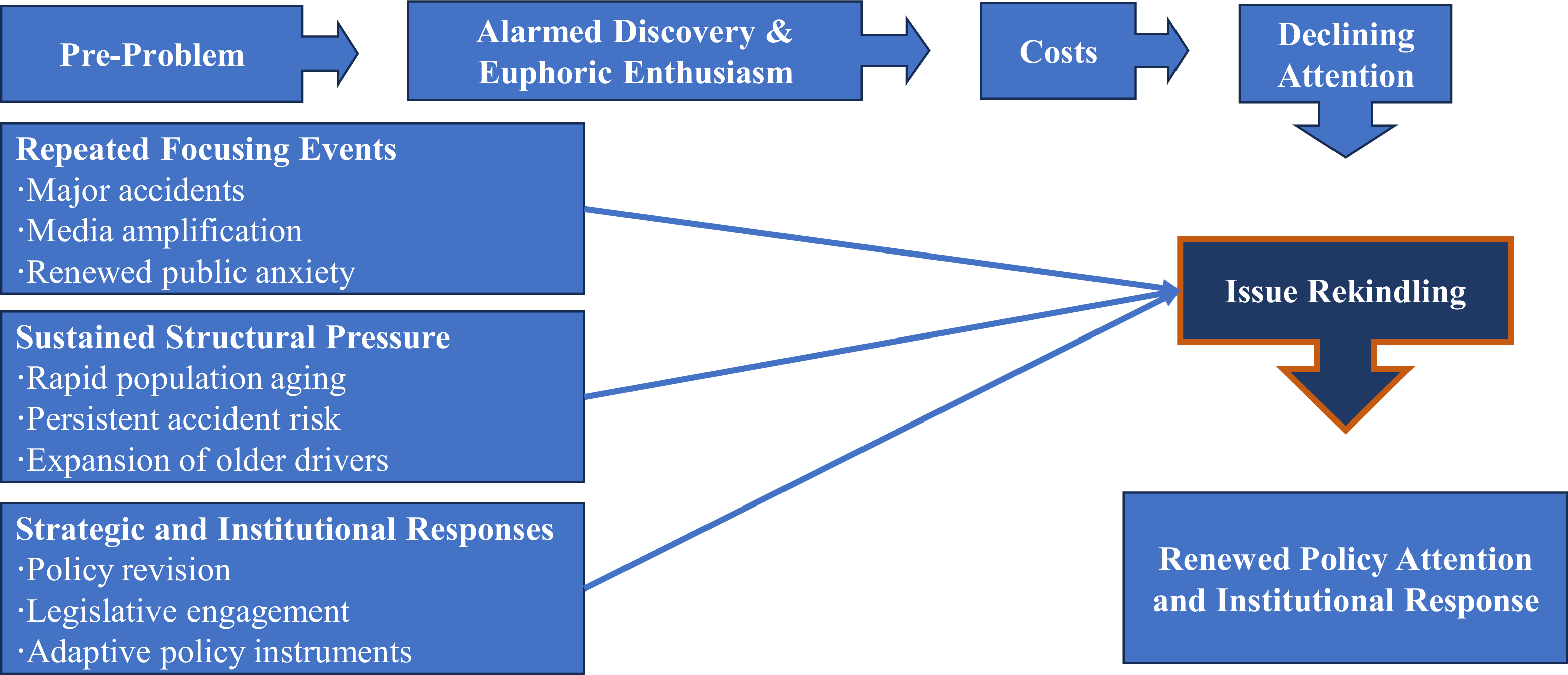
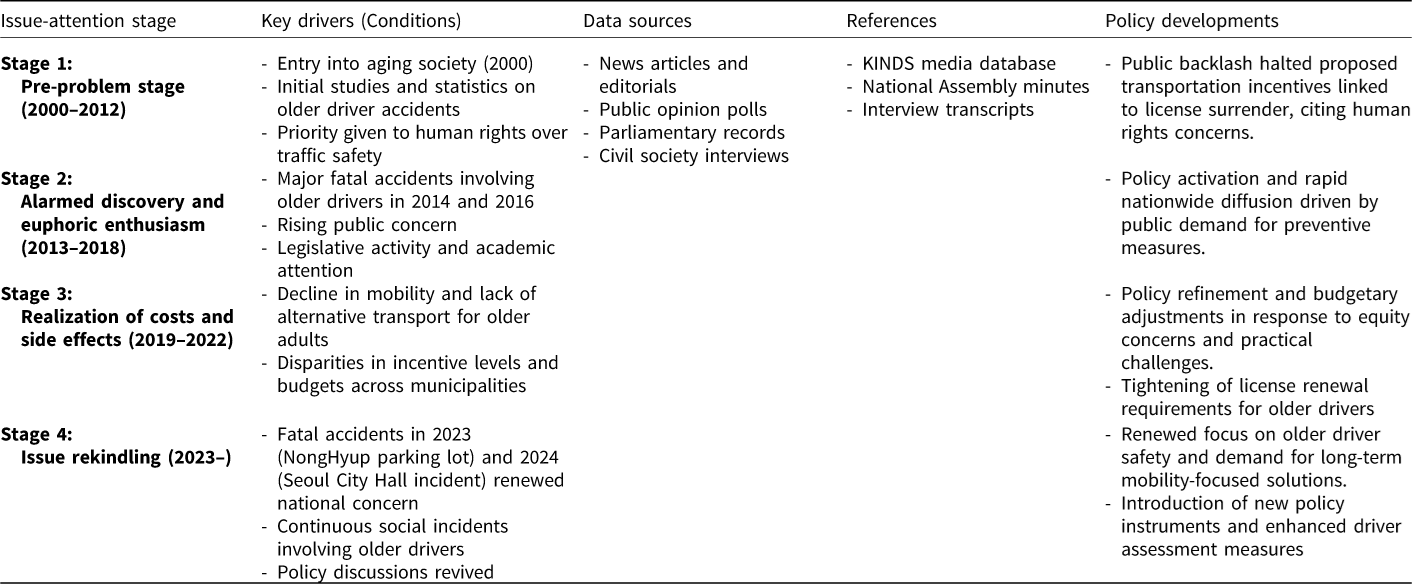
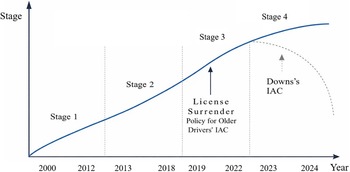
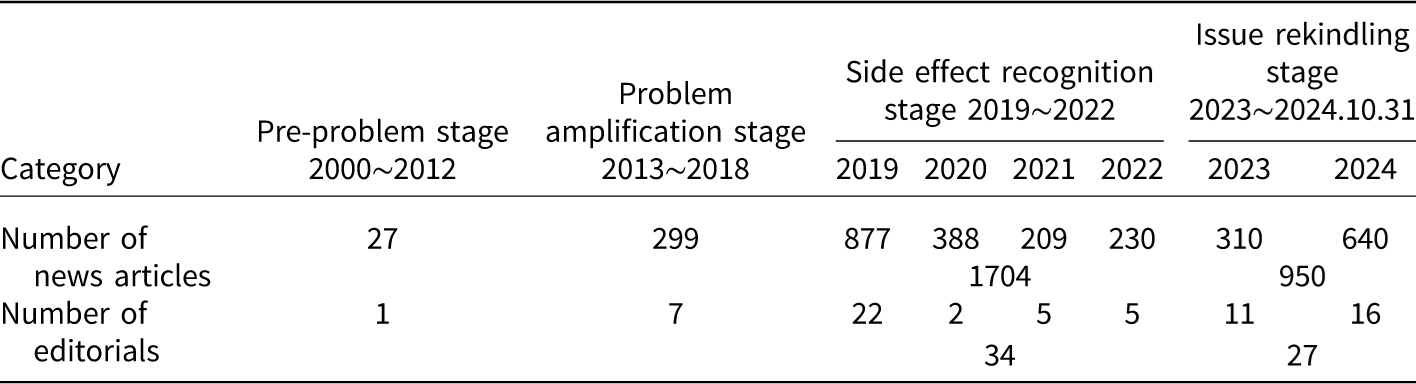
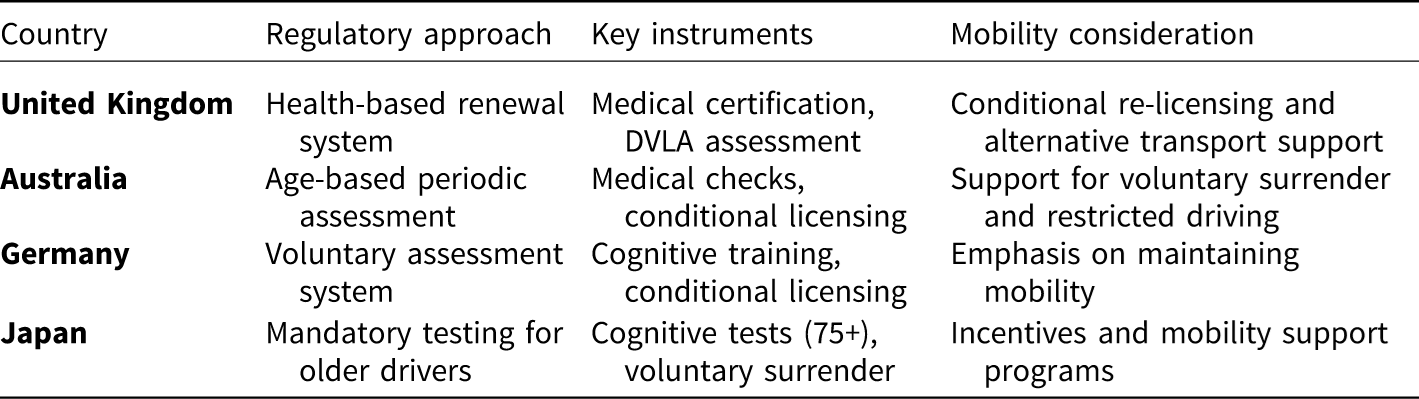
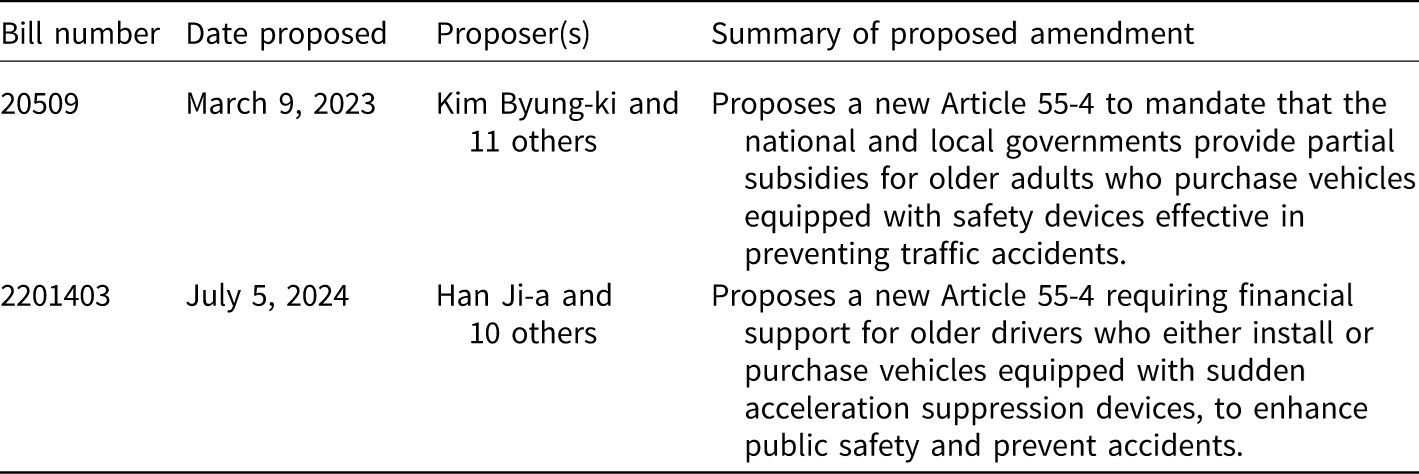

 Open access

