Introduction
Historically, small scale poultry production virtually disappeared in the United States as a viable commercial poultry mainstream enterprise over a century ago as the industry consolidated vertically rather than horizontally (Ollinger et al., Reference OLLINGER, MACDONALD and MADISON2005; Kemper et al., Reference KEMPER, POPP, GOODWIN, MILLER and DOEKSEN2006). However, small production units still remain a very important economic component of the poultry industry in developing countries (McLeod et al., Reference MCLEOD, THIEME and MACK2009). This is changing in developed countries such as the United States. Suddenly, the small farmer-based agriculture systems have once again emerged in the commercial public sector as interest has increased in locally grown food markets. Consequently, backyard flocks, range grown chickens, and pasture raised poultry have transitioned from mostly a personal hobby to a commercial entity with equipment and other accessories devoted to the cottage industry associated with these types of growers and operations (Hilimire, Reference HILIMIRE2012; Van Loo et al., Reference VAN LOO, ALALI, WELANDER, O'BRYAN, CRANDALL and RICKE2013a). However, in some regions of the United States the production capabilities have grown much faster than the capacity to effectively process such birds for consistent retail sales (Van Loo et al., Reference VAN LOO, ALALI, WELANDER, O'BRYAN, CRANDALL and RICKE2013b). Part of the issue is the lack of accessible information and research to develop economic strategies that are applicable for this sector of farmers. Most aspects of food safety research, economics and environmental impacts have been extensively examined in the scientific literature on other emerging poultry trends in developed countries such as organic poultry production and processing (Castellini et al., Reference CASTELLINI, BASTIANONI, GRANAI, DAL BOSCO and BRUNETTI2006; O'Bryan et al., Reference O'BRYAN, CRANDALL and RICKE2008; Crandall et al., Reference CRANDALL, SEIDEMAN, RICKE, O'BRYAN, FANATICO and RAINEY2009; Sirsat et al., Reference SIRSAT, MUTHAIYAN and RICKE2009; Boggia et al., Reference BOGGIA, PAOLOTTI and CASTELLINI2010; Gifford and Bernard, Reference GIFFORD and BERNARD2011; Petkar et al., Reference PETKAR, ALALI, HARRISON and BEUCHAT2011; Ricke et al., Reference RICKE, VAN LOO, JOHNSON and O'BRYAN2012; Van Loo et al., Reference VAN LOO, ALALI and RICKE2012a; Reference VAN LOO, CAPUTO, CANAVARI and RICKE2012b; Reference VAN LOO, MELENDEZ, HANNING JARQUIN and RICKE2012c). Likewise, small grower systems and their contributions to developing countries have been reviewed previously (McLeod et al., Reference MCLEOD, THIEME and MACK2009). However, very little research or scientific literature has been devoted to the needs of commercial small growers in developed countries such as the United States, where they may encounter issues that are quite unlikely to be the same as those seen in countries with developing economies. This review will explore the economics and regulatory aspects of poultry processing for small growers in the United States and practical solutions to meet the market demands for the birds grown in these systems.
Developments in U.S. poultry processing and limitations in currently available operations
There is a lack of processing options available to many small-scale poultry farmers (with annual sales ranging from $10,000 to $499,999) in rural, suburban, and peri-urban areas of the United States, due to their displacement by large scale poultry companies who have offered much more affordable prices for their products by taking advantage of technological changes (Ollinger et al., Reference OLLINGER, MACDONALD and MADISON2005; APHIS/USDA, 2011). The major stages of early commercial poultry production in the U.S. during the 1940s and 1950s were initially all separate businesses, and were dominated by independent feed mills, hatcheries, farms and processors. During the 1960s, larger poultry companies began implementing an integrated approach to capture profits from every stage in the poultry production, processing and wholesale marketing chain. Over the past 50 years poultry integrators combined these various stages of production, resulting in vertically integrated firms, and consequently reducing the number of small processing plants (Ollinger et al., Reference OLLINGER, MACDONALD and MADISON2005). In the early 1970s large scale producers began offering cut-up poultry parts as a convenience to consumers as well as other processed meat options (Ollinger et al., Reference OLLINGER, MACDONALD and MADISON2005). More recently, Jekayinfa (Reference JEKAYINFA2007) demonstrated that the least mechanised poultry processing facilities are the least energy efficient, giving further cause for the integrators to expand their processing facilities. Ollinger et al. (Reference OLLINGER, MACDONALD and MADISON2005) suggest that economies of scale were the ultimate driver in the structural changes of the meat industry and that consolidation is likely to continue, especially if demand growth, where output expands in response to an increase in the level of effective demand, diminishes. Data suggests that technological advances played a dominant role in the structural changes that contributed to hundreds of small processing facilities going out of business as a result of the consolidation in the meat industry. Many of the remaining small facilities in operation were often simply too far away (several hundreds of miles) to make it economically feasible for small-scale farmers to transport their birds to a centralised facility for processing (Ollinger et al., Reference OLLINGER, MACDONALD and MADISON2005).
However, in more recent times this trend has reversed itself as the number of small-scale livestock farmers has actually increased by 108,000 or 5% in the past five years, whereas the number of slaughterhouses in the U.S. continued to decline by over 23% between 1992 and 2008 (Zezima, Reference ZEZIMA2010). One of the principal hurdles many small flock producers face is not primarily finding a market to sell the birds but rather finding an economically viable way to convert their live birds into a processed food product that can be sold to consumers and restaurants. The United States Department of Agriculture (USDA) has depicted the locations of both small farms and processing facilities, county by county, across the U.S. (USDA/FSIS, 2010a). This map identifies the gaps in meeting small farmers’ processing needs, and supports the need for more affordable processing options. Even though a poultry processing plant may be nearby, often these facilities are owned by larger poultry companies making them off limits to the small-scale producers. As a result of increased consolidation of poultry processing facilities, many small-scale poultry farmers have been forced to seek alternative processing strategies as a means to continue to produce and process locally grown birds. According to the New England Small Farm Institute, Mobile Poultry Processing Unit (MPPU) technology serves as a bridge between small flock producers and consumers (New England Small Farm Institute, 2013).
All poultry sold in interstate commerce in the U.S. must be slaughtered and processed under continuous USDA inspection; in states with state inspection programs the poultry may be offered for retail sale only within the state (Johnson et al., Reference JOHNSON, MARTI and GWIN2012). All slaughter facilities, whether State or Federally inspected have in common that these slaughter operations must have a Hazard Analysis Critical Control Points (HACCP) plan. There are many on-line information sources available on HACCP principles (Keener, Reference KEENER2007; Cornell Small Farms Program, 2014; USDA, 2014).
In 2010, more than 99% of all poultry slaughter was done under federal inspection (USDA/NASS, 2011). The majority of the poultry slaughter plants in the U. S. process thousands of chickens every day in highly automated operations and are almost exclusively federally inspected (Johnson et al., Reference JOHNSON, MARTI and GWIN2012). If small flocks are slaughtered and processed under state or federal inspection, the meat can be sold as conventional meat, packaged as retail cuts, at farmers’ markets or at on-farm roadside stands, and in retail cuts to restaurants, retailers, and food service operations.
The USDA Food Safety Inspection Service (FSIS) and most states allow an exemption from inspection for poultry farmers who raise and slaughter less than 1,000 birds per year for direct sale to consumers within their state (USDA, 2006). USDA-FSIS also has a federal exemption from inspection for poultry producers to slaughter and sell up to 20,000 birds per year to be sold within the state where the birds were grown (USDA, 2006), but many states do not allow this exemption. For instance, Georgia abolished the 20,000 bird exemption with the intention to establish a Georgia poultry inspection program, but later failed to establish the program; consequently poultry producers of between 1,000 and 20,000 birds in Georgia must apply for USDA inspection in order to be able to sell their birds (Georgia Organics, 2011; Van Loo et al., Reference VAN LOO, ALALI, WELANDER, O'BRYAN, CRANDALL and RICKE2013a). However, the use of an MPPU may allow state and/or USDA inspection and help small processors reach larger markets. The USDA requires mobile slaughter units to meet many of the same guidelines as fixed facilities (USDA/FSIS, 2010b).
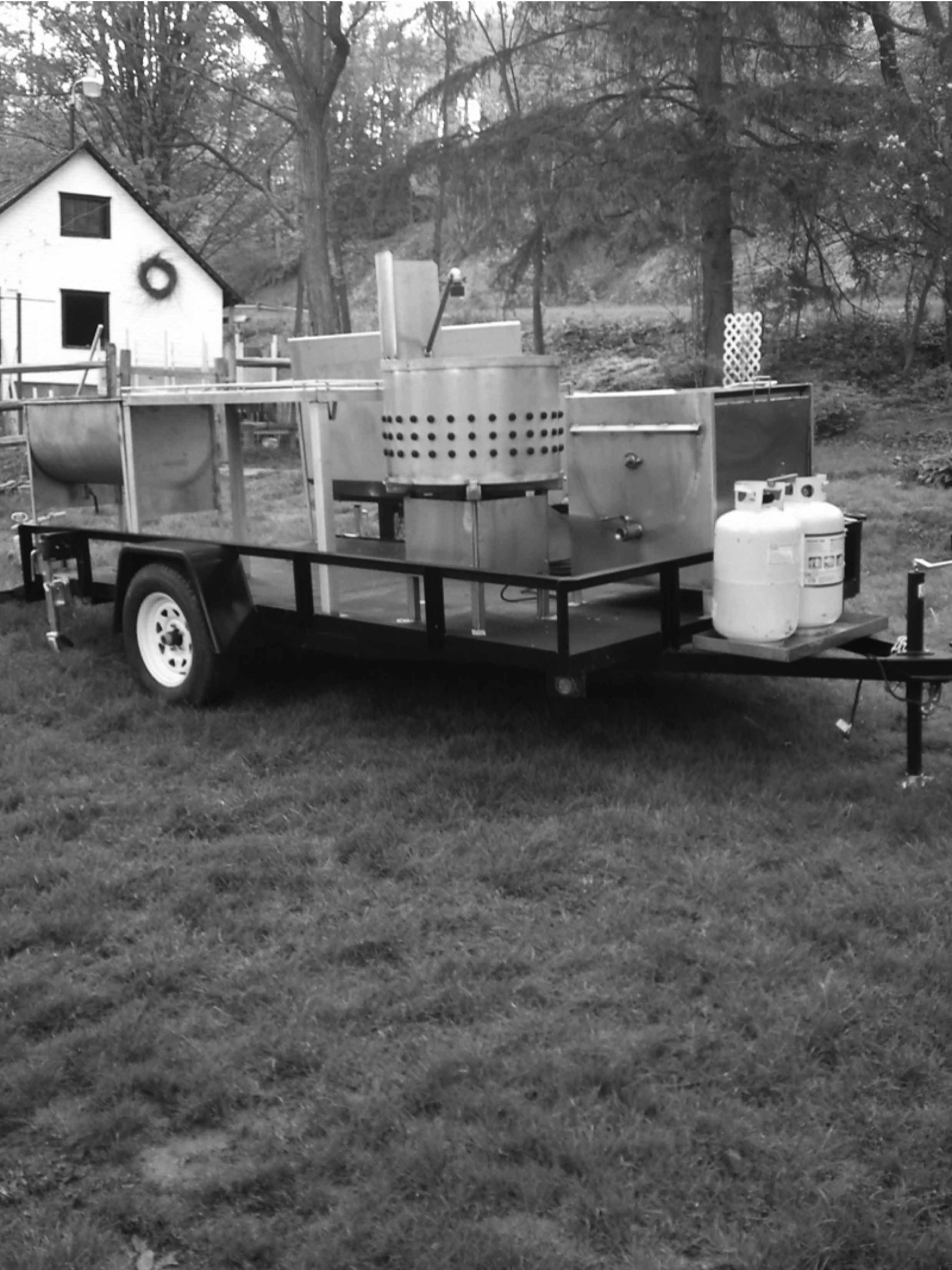
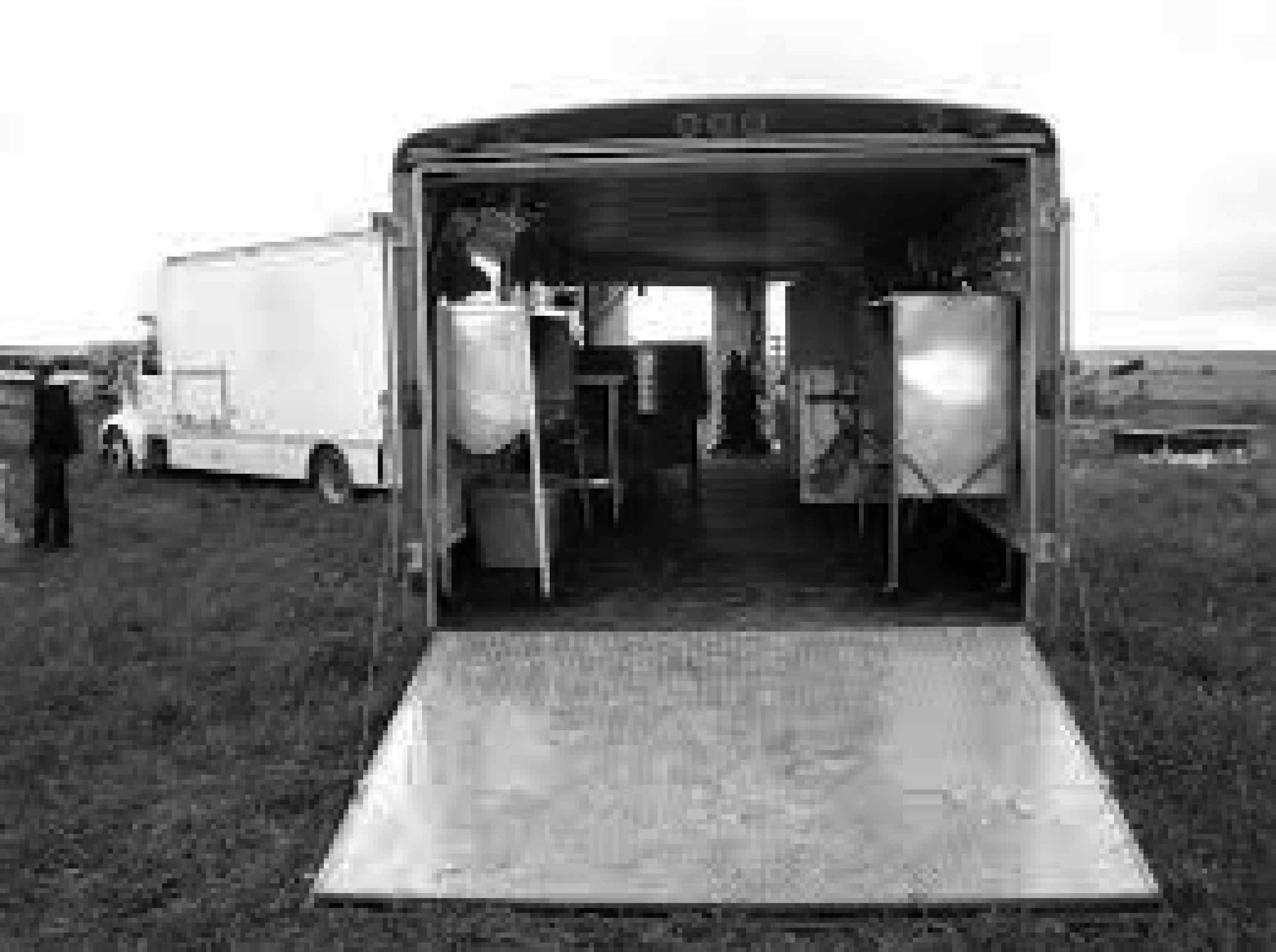
According to the New Entry Sustainable Farming Project (2012), the base for any MPPU is a trailer to carry the equipment; current MPPU trailers range from 18’ to 36’ long. The floor of the trailer needs to be designed to meet any state and/or local regulations; for instance in some states, a slotted wood floor might be allowed while in others, an impermeable sanitary surface, such as aluminium plating might be required. A means to transport a fully constructed MPPU unit should be matched with the final size and weight of the completed MPPU. Some standard pieces of equipment required in an MPPU include kill cones, a scalder, picker, eviscerating table, chill tanks and hand washing sinks. An electrical stunning knife is optional. Birds are placed upside down in the cones for killing and bleeding. Stunning of birds, while not a requirement, is believed by many experts to be more humane and aids in more complete bleeding process. Underneath the cones should be a trough for catching the blood and funnelling it to a collection container. After the bird is properly bled it is sent to a hot water scalder, which can be a dunk type or a rotary scalder; both types immerse and remove the birds from the heated scalder water several times before they go to the picker. There are two main types of pickers, a table top version which does only one bird at a time and is relatively small compared to the second type, a tub version that can do several birds at once but takes up more space. After picking, the birds are transferred from the kill side of the MPPU to the evisceration area where the internal organs are removed. Heads and feet are removed and the carcass is then eviscerated by hand on a surface that can be easily cleaned and sanitised, usually stainless steel. The carcasses are then rinsed with potable water and placed in the chill tank, which can be as simple as a plastic barrel with water and ice. A MPPU can be as simple as hauling equipment on a trailer (Figure 1) or as sophisticated as a completely enclosed unit (Figure 2). Producers may also purchase or rent equipment for use on their farm.
Farmers who wish to process birds with the MPPU must be trained. Supervisors must keep records of their employees’ training, which includes documenting information about, demonstrations of and opportunities for supervised practice, and documented proficiency of employees in the following areas: personnel hygiene, safe and humane poultry processing and handling, proper cleaning and sanitizing protocols, safe and effective processing waste management, and all aspects of standard operating procedures/sanitation standard operating procedures/ and hazard analysis and critical control points (HACCP) (USDA/FSIS, 2010b). The HACCP program training must include implementation, including recordkeeping (USDA/FSIS, 2010b). Training is available at the HACCP University sites listed. It is suggested that a grower interested in purchasing or leasing a MPPU visit one in operation. Currently, extension lists nine MPPUs operating throughout the U.S., although there are many more operating throughout the U.S. (Cooperative Extension System, 2012). The construction of MPPUs continues to increase as they appear to serve as an appropriate solution to the consolidation issues presented by the USDA.
Open air mobile poultry processing unit.

Based on MPPU startup assistance information provided by the USDA, the primary hurdles that need to be addressed are a clear understanding of regulatory, financial, and permitting issues. The USDA recommends the following resources to assist entrepreneurs in understanding of these issues: The Niche Meat Processor Assistance Network, USDA-FSIS ‘Mobile Slaughter Compliance Guide,’ and the USDA Rural Development office (USDA/FSIS, 2010b). In addition, the National Center for Appropriate Technology (NCAT) Toolbox may serve as a guide for the development of various types of on farm poultry processing options (Fanatico, Reference FANATICO2002).
The overall purpose of this paper is to review the viability of MPPUs to add value within the U.S. as an option to provide small-scale poultry growers with economically feasible and safe options for processing. The remainder of this review will focus primarily on providing available information relevant to mobile poultry processing market forces, entrepreneurial opportunities, economic feasibility, and regulatory considerations.
Pastured poultry farming or organic poultry
The results of a survey conducted by Berlin et al. (Reference BERLIN, LOCKERETZ and BELLA2009) indicate that consumers tend to be slightly more interested in purchasing locally grown poultry as compared to that grown by small farmers or grown organically. There is no federally mandated definition of locally produced food which leaves retailers considerable leeway in using the term on their poultry products. Some retailers define local as food produced within the state, even if the state is the size of Texas, while others define local as being produced within 100 miles of the retailer (Lammers, Reference LAMMERS2011). Certified organic poultry must be grown under the regulations of the National Organic Program (USDA, 2013a). Considering the small-scale farmer (selling less than $250,000 per year in agricultural products) (USDA/ERS, 2012), pastured poultry may be an effective way to satisfy customers’ desire for all-natural, locally grown poultry without incurring the additional costs of complying with USDA certified organic farming. Pastured poultry have daily access to pasture and may return to a hen house to roost or lay eggs at night, or they may be placed in floorless movable shelters which are moved about the pasture on a regular basis. Most poultry cannot live on pasture alone and require additional grain, which may or may not be produced in accordance with organic standards for the pastured poultry flock (Fanatico et al., Reference FANATICO, PILLAI, EMMERT and OWENS2007). Although the market may yield a larger price for organic poultry to offset increased production costs, the up-front out-of-pocket money is significantly higher for organically grown poultry (Conner, Reference CONNER2010). Additional costs associated with certified organic poultry include the 100% organic feed requirement and annual organic certification fees (Conner, Reference CONNER2010). According to Conner (Reference CONNER2010), based on raising 1,250 chickens, it is common for producers to average profits of only $0.73 per certified organically grown chicken as compared to $1.91 per pastured poultry, representing more than twice the profit.
Enclosed mobile poultry processing unit.
Crandall et al. (Reference CRANDALL, SEIDEMAN, RICKE, O'BRYAN, FANATICO and RAINEY2009; Reference CRANDALL, FRIEDLY, PATTON, O'BRYAN, GURUBARAMURUGESHAN, SEIDEMAN, RICKE and RAINEY2010) suggest that the niche market for organic poultry continues to expand; they reported that approximately 74% of attendees at Farmers’ Markets in Fayetteville, Springdale and Eureka Springs, Arkansas are potential organic consumers. Laux (Reference LAUX2012) reported that organic foods represent a $22 billion dollar industry. Other studies suggest that consumers are willing to pay a premium for organic chicken breast and that regular organic buyers will pay as much as a 244% premium (Van Loo et al., Reference VAN LOO, CAPUTO, NAYGA, MEULLENET and RICKE2011). Females and the elderly are most willing to pay a premium for organic foods based primarily on food safety and health concerns which are market drivers for these groups (Van Loo et al., Reference VAN LOO, CAPUTO, CANAVARI and RICKE2012b). Given the monetary incentives to raise pastured poultry or Certified Organic poultry, affordable and sustainable options for slaughter are also needed by these small farmers.
MPPU (enclosed or unenclosed) compared to other processing options
Hudson Valley Poultry Processing, Inc. owns and operates a MPPU in the state of New York. According to Hudson Valley, small-scale farmers must process the birds themselves rather than having the operator of the MPPU do the processing in order to make the MPPU cost effective (Cooperative Extension System, 2010). The owner of Hudson Valley Poultry Processing, Inc. suggests that having the operator of the MPPU process the birds for the small farmers may be almost as expensive ($3 to $4 per bird) as having the birds processed at a small batch processing facility, not including transportation of the birds to the facility (Cooperative Extension System, 2010). This is just one example of the many challenges faced by the small flock grower that must be investigated before beginning operation.
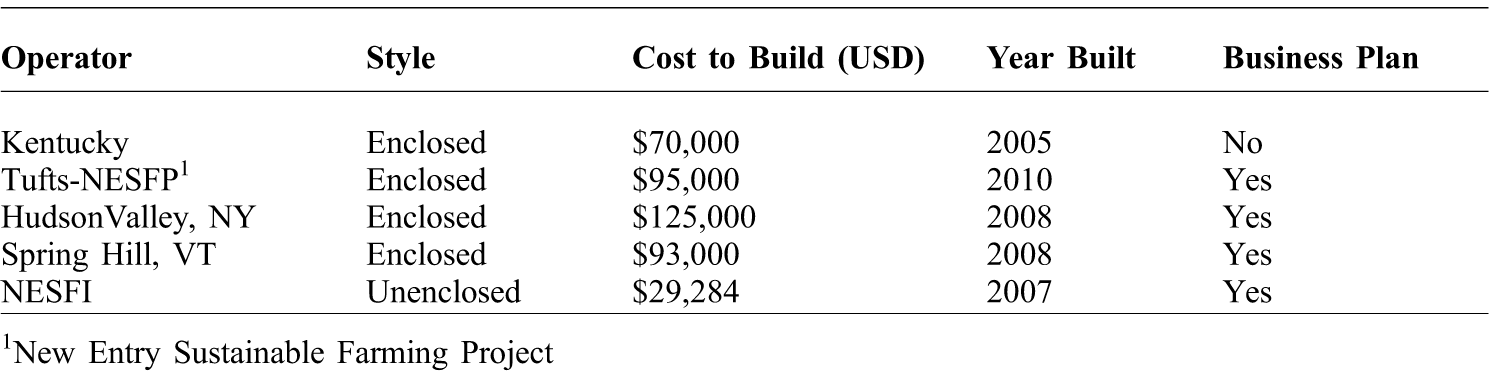
Table 1 illustrates estimated costs associated with building and operating currently existing MPPUs. The greatest advantage of the MPPU that is contained in an enclosed trailer is that it may operate during adverse weather conditions. One of the disadvantages of the enclosed unit is that it is on average almost three times as expensive as an unenclosed unit, where equipment is simply placed on an open trailer and some of it is off-loaded to the ground at the farm (Table 1). There are several homemade versions of the MPPU that are not on the same level of efficiency or aesthetic appeal as the ones that we have selected for comparison; indeed, these may not qualify as a MPPU since the equipment is usually in a shed or other area on the farm and is not truly mobile. This review does not include homemade versions of the MPPU since an increase in mechanical safety issues are likely to exist with some ‘owner-built’ units. Also, there is a lack of commercially manufactured unenclosed units in production; to our knowledge, there is only one commercially manufactured unenclosed unit (Table 1) currently being operated (built no earlier than 2005).
MPPU: Cost to build unit existing mobile poultry processing units.
1New Entry Sustainable Farming Project
Cost–effective processing options
An unenclosed unit is approximately a third of the cost of the enclosed (Table 1) and may be the most appropriate for the beginning entrepreneur. Wolfe suggests that a break-even analysis should be performed prior to building a business plan to determine economic feasibility (Cooperative Extension Service, 2010). The break-even point is calculated by dividing fixed costs by price, minus variable (operating) costs, and yields the number of units that must be sold to break even (Wolfe, Reference WOLFE2008). The majority of current MPPU operators have a business plan in place (Table 1); however, it is unclear whether these owners completed a break-even analysis as part of the business plan. When comparing the cost to build a brick-and-mortar processing facility (ranging in price from less than $500,000 for a small facility and approximately $25,000,000 for a large facility) with the cost to build a MPPU (Table 1), there is such a large disparity in price that it becomes logical to seriously consider the economic benefits associated with owning and/or leasing a MPPU (Fanatico, Reference FANATICO2002; Reference FANATICO2003). Additionally the MPPU may be more easily sold to another producer with greater ease as the farm's business goals change.
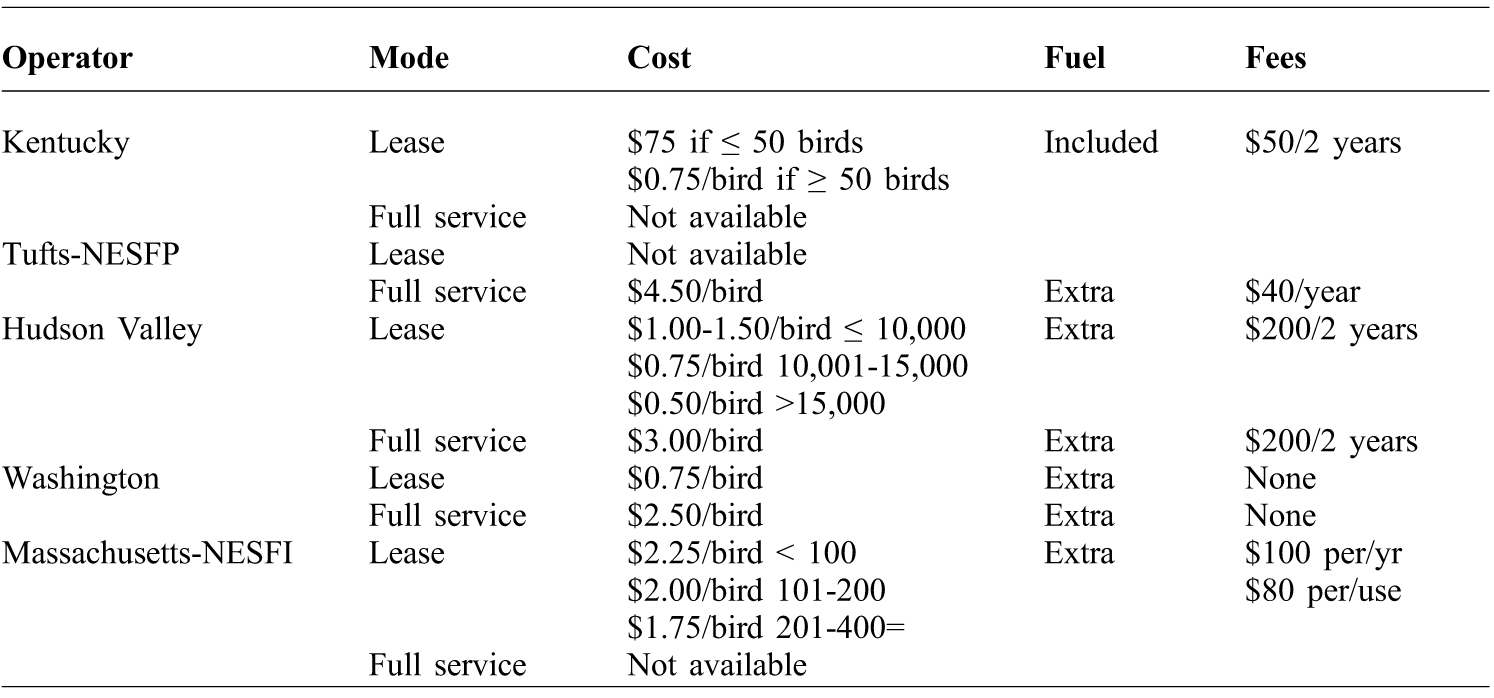
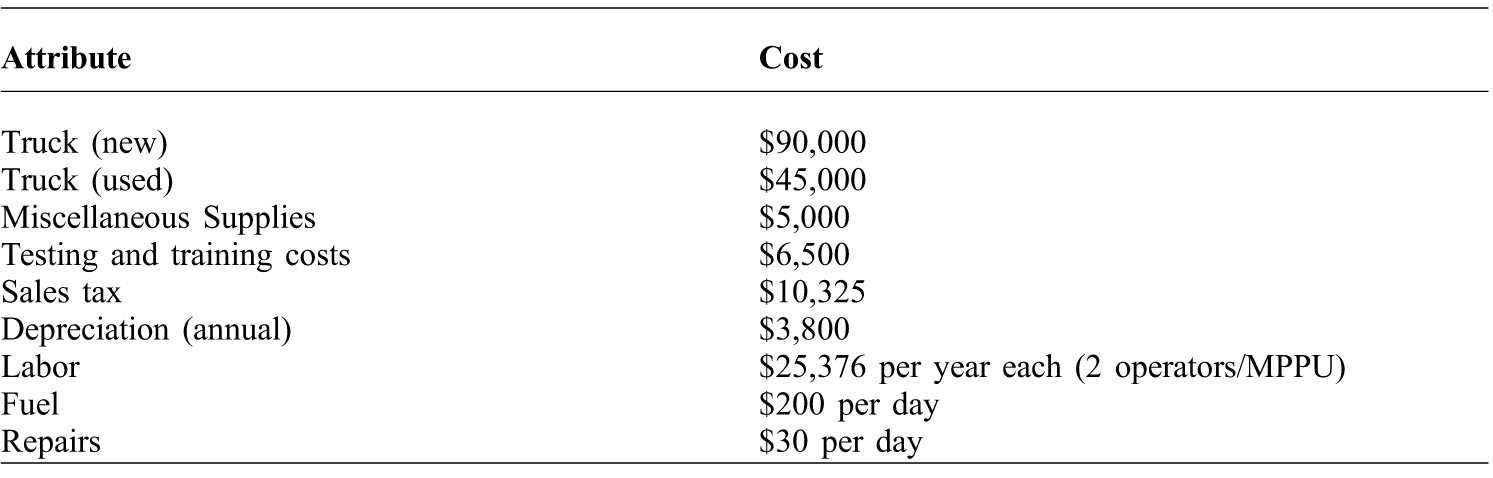
According to Wolfe only the essential costs should be included in a startup budget (Wolfe, Reference WOLFE2008). The primary advantage to owning an MPPU as compared to building a small on-farm processing facility is that one can gain additional profits by leasing the unit to other small poultry growers. On-site processing using a processing crew that arrives with the MPPU may prove more costly when compared to the costs of use of the MPPU by the farmer rather than the MPPU operator/owner (Table 2). Additional costs for operation of a MPPU are included in Table 3.
Processing costs for existing MPPU.
Operating costs in addition to building a mobile poultry processing unit.

Recovering the costs of MPPUs on three scales
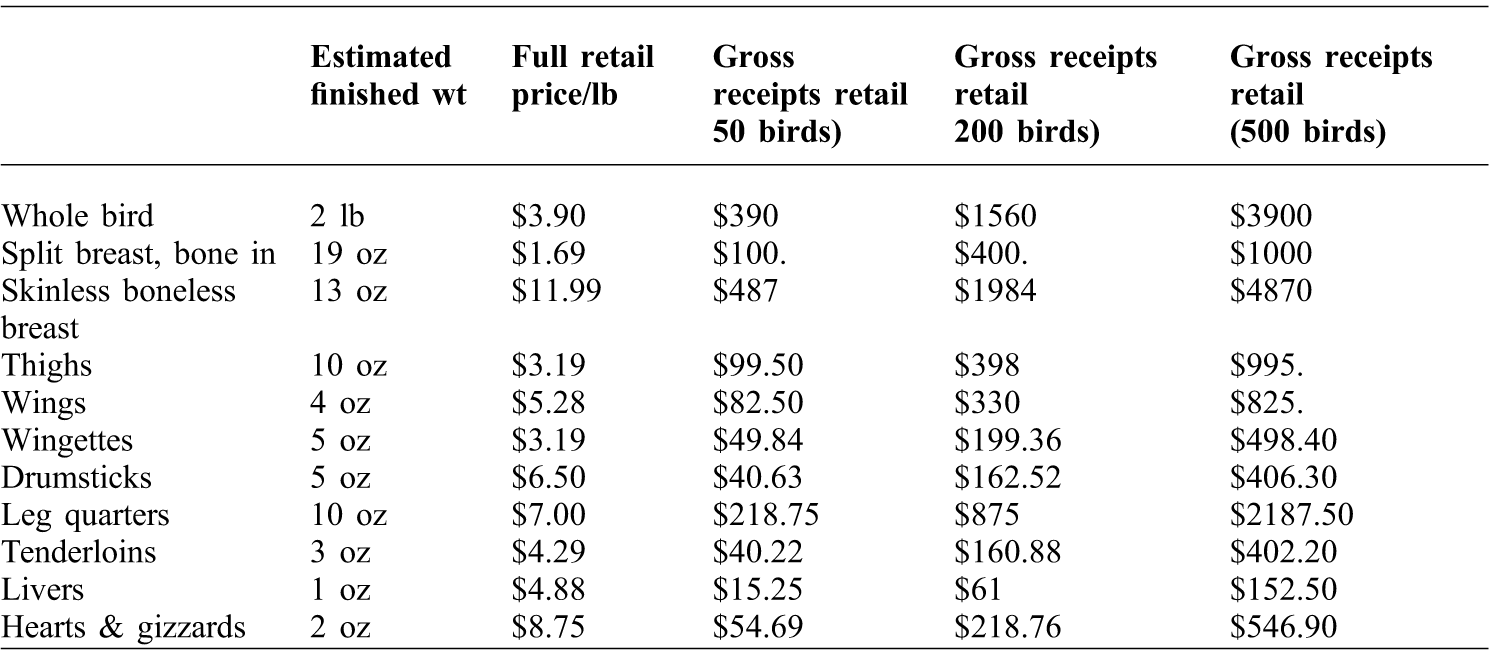
Estimating an income stream is a vital first step in determining what scale MPPU a producer can afford. We have collected data on poultry processing operations at three scales (Table 4): the smallest using family employees is based on selling six flocks of birds per year with 50 birds in each flock; the next largest is the ‘friends’ option where the production times are kept the same, however the size of the flocks are increased four-fold to 200 birds / flock for six flocks per year. For the third operation, the Volume Operation we assumed using a MPPU operating six days / month during the growing season processing 500 birds / day. For these projections we used the production season in Arkansas and mid-South from March through November, and we assumed we would be able to produce six flocks with a seven to eight week production cycle.
Income stream per flock for three options: family employees (50 birds), friends (200 birds) and volume (500 birds). Retail prices represent an average of United States retail prices for pastured poultry.
Marketing overview
Small processors have two broad marketing options: direct sales to their final consumer –termed a retail operation and secondly, a wholesale or food broker marketing approach. Farmers selling to their final consumer can maximize their profits per bird because they are able to capture the traditional profits made by wholesalers and retailers. These costs typically constitute 50% of the final selling price. However, there is a time cost associated with this maximum profit per bird, retailing can involve many long hours, setting-up, manning a farmers’ market booth, disposal of unsold product among others. This option should be a part of most business plans but one that can be ramped up or minimised depending on individual farmers’ needs.
Training and certification
Most farmers who process poultry under exemption from inspection status need formal training. The MPPU presents an ideal opportunity to educate some of these farmers who participate in a MPPU lease program. Training is a requirement for all MPPU users, and each of the MPPU operators listed in Tables 1 and 2 offer training programs. Higher education institutions such as Tufts University (Medford, MA) have designed training and certification programs to equip those who plan to operate the MPPU. The Tufts training document contains both federal and Massachusetts state rules and regulations, making some of the MPPU training and certification inapplicable to those who reside outside of the state of Massachusetts. The Tufts training program provides information on how to apply for a slaughter license, as well as local approval, practical skills training, mentoring by a skilled MPPU user, and a handbook that is a specific guide to understanding the basic requirements for the MPPU based on Massachusetts poultry processing guidelines.
Sanitizers and antimicrobials
The adoption of an appropriate HACCP protocol is recommended for processing with the MPPU, and the USDA recommends the USDA-FSIS Mobile Slaughter Compliance Guide for detailed instruction (USDA/FSIS, 2010b). According to Bauermeister et al. (Reference BAUERMEISTER, BOWERS, TOWNSEND and MCKEE2008) Salmonella and Campylobacter continue to be the most prominent bacteria of concern during poultry processing and with respect to the microbial quality of the final product. Van Loo et al. (Reference VAN LOO, ALALI and RICKE2012a; Reference VAN LOO, MELENDEZ, HANNING JARQUIN and RICKE2012c) concluded that the literature shows inconsistencies in the prevalence of Salmonella contaminated pasture flocks. According to a study by Melendez et al. (Reference MELENDEZ, HANNING, HAN, NAYAK, CLEMENT, WOOMING, HERERRA, JONES, FOLEY and RICKE2010) pastured poultry may harbour Salmonella that are antibiotic resistant. It has also been reported that 98% of the chicken flocks in the U. S. are colonised by Campylobacter jejuni (Stern et al., Reference STERN, FEDORKA-CRAY, BAILEY, COX, CRAVEN, HIETT, MUSGROVE, LADELY, COSBY and MEAD2001), and Hanning et al. (Reference HANNING, BISWAS, HERRERA, ROESLER and RICKE2010) reported that C. jejuni is also prevalent in pastured poultry flocks. When Trimble et al. (Reference TRIMBLE, ALALI, GIBSON, RICKE, CRANDALL and BERRANG2013a) compared carcasses from pasture-raised broilers processed on-farm, in a small USDA- Inspected slaughter facility, and in a Mobile Processing Unit (MPU) pilot plant, they observed similar levels of Campylobacter for all three processing systems. Trimble et al. (Reference TRIMBLE, ALALI, GIBSON, RICKE, CRANDALL, JARONI, BERRANG and HABTESELASSIE2013b) also noted that poultry processing untreated wastes from small-scale pastured broiler farms may need to be addressed to avoid environmental issues associated with foodborne pathogens.
As with all poultry processing methods, the MPPU requires the application of acceptable antimicrobial agents. Chlorine is still the most widely used sanitizer in conventional poultry processing because of its efficacy, affordability, and availability (Northcutt and Jones, Reference NORTHCUTT and JONES2004). While conventional poultry processors have many other choices available including acidified sodium chlorite, chlorine dioxide, peroxyacetic acid, trisodium phosphate, and electrolysed water the choices are more limited for nonconventional processing systems (Ricke, Reference RICKE2003; Ricke et al., Reference RICKE, KUNDINGER, MILLER and KEETON2005; Sirsat et al., Reference SIRSAT, MUTHAIYAN and RICKE2009; Finstad et al., Reference FINSTAD, O'BRYAN, MARCY, CRANDALL and RICKE2012). The USDA National Organic Program National List of Allowed and Prohibited Substances includes a list of approved sanitizers for use in organic poultry processing (USDA, 2013b). Acidified sodium chlorite is an acceptable spray and is often applied directly to the carcass during processing (Bauermeister et al., Reference BAUERMEISTER, BOWERS, TOWNSEND and MCKEE2008).
Some poultry processing studies suggest the efficacy of natural antimicrobial agents that may have appeal as alternatives for both organic and pastured poultry producers. For example, Killinger et al. (Reference KILLINGER, KANNAN, BARY and COGGER2010) reported that poultry carcasses processed by a mobile slaughter unit exhibited a greater reduction in aerobic and coliform plate counts when rinsed with 2% lactic acid compared to carcasses rinsed with 50 ppm chlorine. Additionally, Bauermeister et al. (Reference BAUERMEISTER, BOWERS, TOWNSEND and MCKEE2008) suggested that the combination of peracetic acid and hydrogen peroxide may be effectively incorporated into poultry chillers to reduce the numbers of Salmonella spp. and Campylobacter spp. on carcasses post chill. Although some studies suggest the efficacy of natural antimicrobial agents, further validation is necessary to be considered for use in the MPPU. Midkiff (Reference MIDKIFF2004) suggested that because mobile processing is typically a low volume operation compared to most other processing methods, it may be easier to track and identify food safety issues within the processing supply chain. According to Tufts University the MPPU training and certification programs may help reduce the risk of foodborne illness by increasing compliance with regulatory guidelines (Tufts University, 2011).
Regulation of mobile poultry processing units
The USDA-FSIS Mobile Slaughter Unit Compliance Guide provides all the necessary federal regulatory guidelines for the MPPU user. For state by state processing rules the grower can consult the State Poultry Processing Regulations provided by the Niche Meat Processor Assistance Network (2012). According to the USDA, in the event that a producer/grower is not regulated under state laws, he or she will be under the jurisdiction of federal law. For example, Arkansas is a state without a State inspection program and is therefore regulated under USDA inspection. Oklahoma however does have a state regulated program and is regulated under state law rather than federal law. Also, if state regulations in any given state are not as strict as federal regulations, federal regulations will prevail.
According to the USDA's Poultry Products Inspection Act, a producer/grower may qualify for an exemption to process with no more than 20,000 birds per year on the premises. State regulation varies, for example, in New York there is a custom-exempt processing exemption which allows for the processing of 1,000 chickens to be sold from the farm and at farmers’ markets only. Also, other criteria must be met under the New York custom-exempt processing exemption including but not limited to only processing birds that belong to the producer/grower (Tufts University, 2011). To be under federal regulation, the following steps must be taken: submit an application for inspection, meet performance criteria, label and brand approval, a letter approving the water source, a letter approving the sewage system, a written sanitation operating protocol, and a written HACCP and Hazard Analysis plan (USDA/FSIS, 2010b). All MPPU users must operate under the Code of Federal Regulations (9-CFR Part 381) which includes the following: good commercial practices for slaughtering, generic Escherichia coli testing, and proper handling and denaturing of inedible products.
Processing by-product disposal options
The National Center for Appropriate Technology provides a valuable publication on small scale poultry processing, both on farm and in small plants (National Center for Appropriate Technology, 2011). According to this guide, composting is the most practiced method for disposal of solid wastes resulting from small scale processing, including MPPU processing. Composted poultry waste is often used on agricultural land because of its high nutrient content (Turan, Reference TURAN2009). Incineration is an additional solid waste management option (Fanatico, Reference FANATICO2003).
A liquid waste management option is to dispose of waste held in a holding tank at a treatment facility (O'Bryan et al., Reference O'BRYAN, GIBSON, CRANDALL and RICKE2012). For example, Kentucky's MPPU holding tank is a 1,500 gallon septic tank with a float sensor and alarm to indicate when the tank is full and needs to be discharged at a waste water treatment facility (Zezima, Reference ZEZIMA2010). Some MPPUs are equipped with holding tanks and will discharge waste water at MPPU docking stations (USDA/FSIS, 2010b). With the state health department's permission, blood and waste water may also be dispersed on private land away from any stream or drainage. Waste processing water is most often applied to gardens on the farm for enhanced fertilisation (Fanatico, Reference FANATICO2003). The normal protocol is to recover as much of the blood as possible prior to disposal, due to the high biochemical oxygen demand (BOD) pollution potential associated with blood (Turan, Reference TURAN2009). A BOD of 1 to 2 mg/L for waste water is considered to be very good (ReVelle and ReVelle, Reference REVELLE and REVELLE1988). Blood makes up about 8% of the live weight of a broiler and is considered the greatest single pollutant in a poultry processing plant (Kiepper et al., Reference KIEPPER, MERKA and FLETCHER2008). The BOD value of chicken blood has been reported to be between 90,000 and 100,000 mg/L (Kiepper et al., Reference KIEPPER, MERKA and FLETCHER2008) mg/L. So it is vitally important to screen out the solids, fats and blood to minimize the BOD of the waste water needing treatment. In order to reduce the amount of rinse water necessary for processing, Arrit et al. (Reference ARRITT, EIFERT, PIERSON and SUMNER2002) suggests that commercial antimicrobial sprays not only conserve water but may effectively reduce Campylobacter spp. on raw carcasses. Fanatico (Reference FANATICO2003) also reported that small-scale farmers have taken an interest in marketing waste as natural pet food.
Research opportunities in mobile poultry processing
A minimal amount of research has been conducted regarding MPPUs. Therefore, many opportunities exist that are related but not limited to: mechanical improvements through prototype production, statistics related to efficiency of processing, evaluation of natural antimicrobials, comparison of HACCP protocols, additional cost models and market analysis and/or comprehensive business plans, further economic feasibility studies, marketing, and animal welfare.
Conclusions
The lack of locally available and affordable processing options makes the MPPU an attractive alternative for many small-farm entrepreneurs. After searching the literature for poultry processing data, the numbers suggest that the MPPU may be the most efficient and economically feasible solution for many small-scale farmers to add-value to their small flock production. Based on the cost comparisons between brick-and-mortar facilities and MPPUs, even the most elaborate enclosed MPPU may be a more cost effective option relative to any other small and/or large brick-and-mortar processing option. Because of the minimal startup costs, the equipment lease program appears to be the most cost effective strategy to be employed by the small-scale farmer. The USDA's presentation ‘Slaughter Availability to Small Livestock and Poultry Producers-Maps’ makes it easier for the MPPU entrepreneur to choose his or her target market. However, it is important to prepare and follow a detailed business plan, as it is for any type of business. Based on MPPU startup assistance information provided by the USDA, the primary hurdles that need to be addressed are regulatory, financial, and permitting issues. The USDA recommends the following resources to address the issues: The Niche Meat Processor Assistance Network, USDA-FSIS Mobile Slaughter Compliance Guide, and the USDA Rural Development office. Considering all of the facts included in the review, it appears that the MPPU may provide a viable solution to meet the needs of the small-scale poultry producer. The bottom line is that many small-scale farmers do not have access to poultry processing facilities and that the MPPU is a potential solution that warrants careful evaluation. It appears that the MPPU may be a viable solution to the consolidation issues, but profitability will vary on a case by case basis.
Acknowledgements
This review was funded by SARE grant LS11-245 to authors Alali, Kostadini, Gibson, Ricke, Jaroni, and Crandall.