In the European Union, people aged 65 and older comprise 18.9 percent of the population, as of 2015, a 0.4 percent increase from 2014 and a 2.3 percent increase from 10 years earlier (1). Older adults account for 21.7 percent of the population in Italy, 21.0 percent in Germany and 20.9 percent in Greece (1). In Norway, adults aged 67–79 years make up 10.4 percent of the population, and those 80 years and older 4.2 percent as of February 2017 (Reference sentralbyrå2). The population projection in Norway predicts that in 2060, 19 percent of the population will be 70 and older, compared with the current 11 percent in 2016. These population trends are expected to continue (Reference Sentralbyrå3) in the European Free Trade Association countries (EFTA: Iceland, Liechtenstein, Norway, and Switzerland), candidate countries (Croatia, Мacedonia, and Turkey), United States, China, and Japan (1;Reference Chan, Estève, Escriba and Campo4).
In Norway, 38.5 percent of households aged 65 and over consist of people living alone (Reference Sentralbyrå3;5). As the older-adult population grows, so does the need for solutions to elderly housing. Smart houses can support those who desire to live in their own homes as long as they can care for themselves and, therefore, may be beneficial for older adults and people with disabilities (Reference Chan, Estève, Escriba and Campo4).
Smart house commonly refers to any living or working environment carefully designed to assist residents in carrying out daily activities and to promote independent lifestyles (Reference Chan, Estève, Escriba and Campo4). A smart house allows control of its functions and interacts with residents through voice, movement sensors, hand gestures, touch panels, and other options. A smart house usually adapts the house functions to the residents’ preferences (Reference Chan, Estève, Escriba and Campo4). The technologies used in the University College of Southeast Norway's (USN) smart house project include movement detectors, sonar, temperature sensors, weather stations, door and window switches.
A health technology assessment (HTA) is the systematic study of the consequences of technology use in a particular context (Reference Hofmann6). As health technology is intended to help people in everyday life, an HTA should also consider the moral issues affecting the people who use the technology in addition to issues more commonly assessed, as, for example, outcome and cost. As a response to the rather ad hoc assessments of the moral issues and ethical implications of health technology, Hofmann (Reference Hofmann6) developed a 33-point checklist for assessing ethical issues in a HTA. This collection of questions is eclectic and is not based on a particular moral theory and so has shortcomings. To the authors’ knowledge, the ethical and moral implications of implementing smart house technology for older adults have not been systematically evaluated.
METHODS
Aim
The study aim is to describe the ethical challenges when implementing smart house welfare technology for older adults.
Design
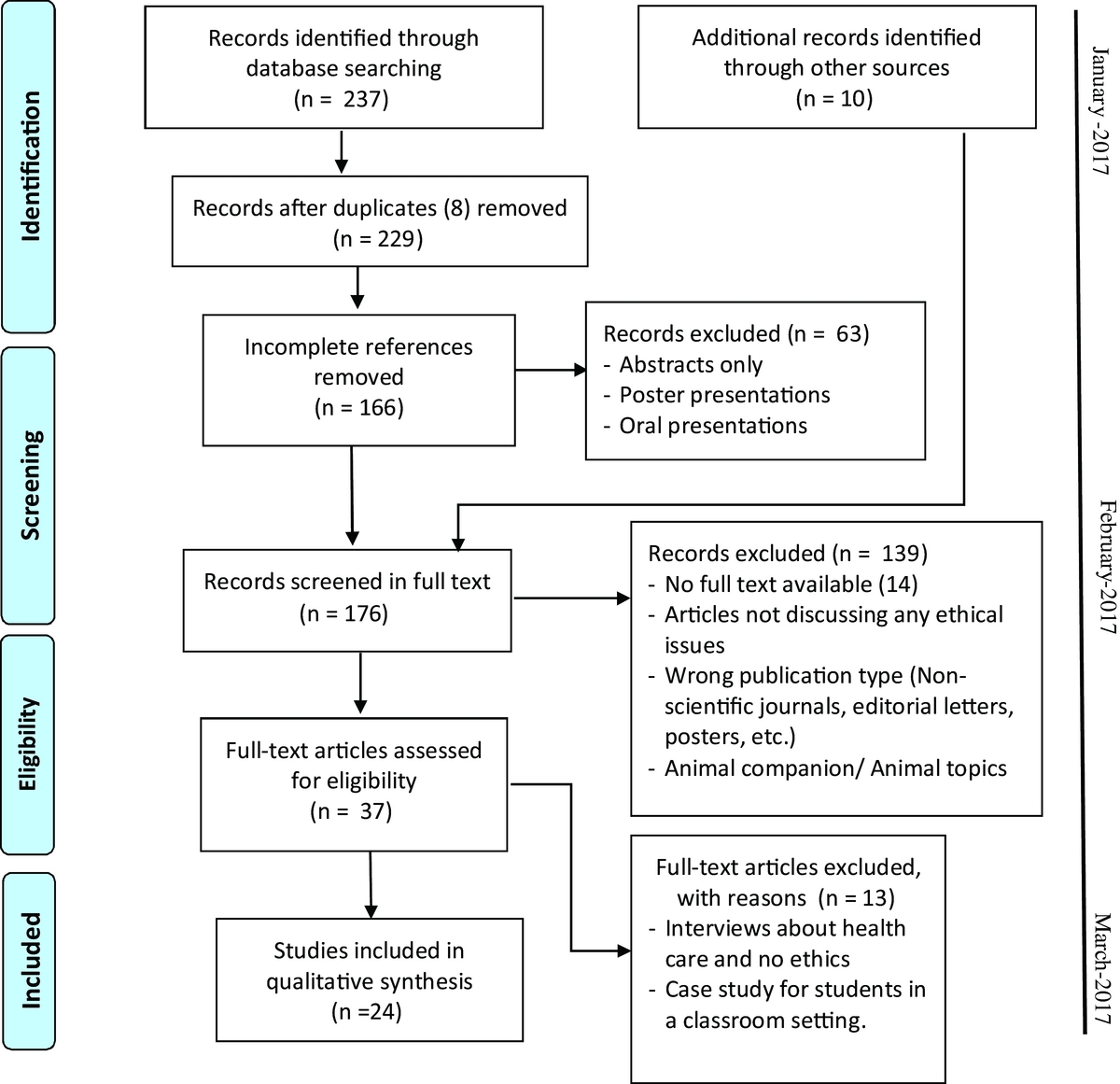
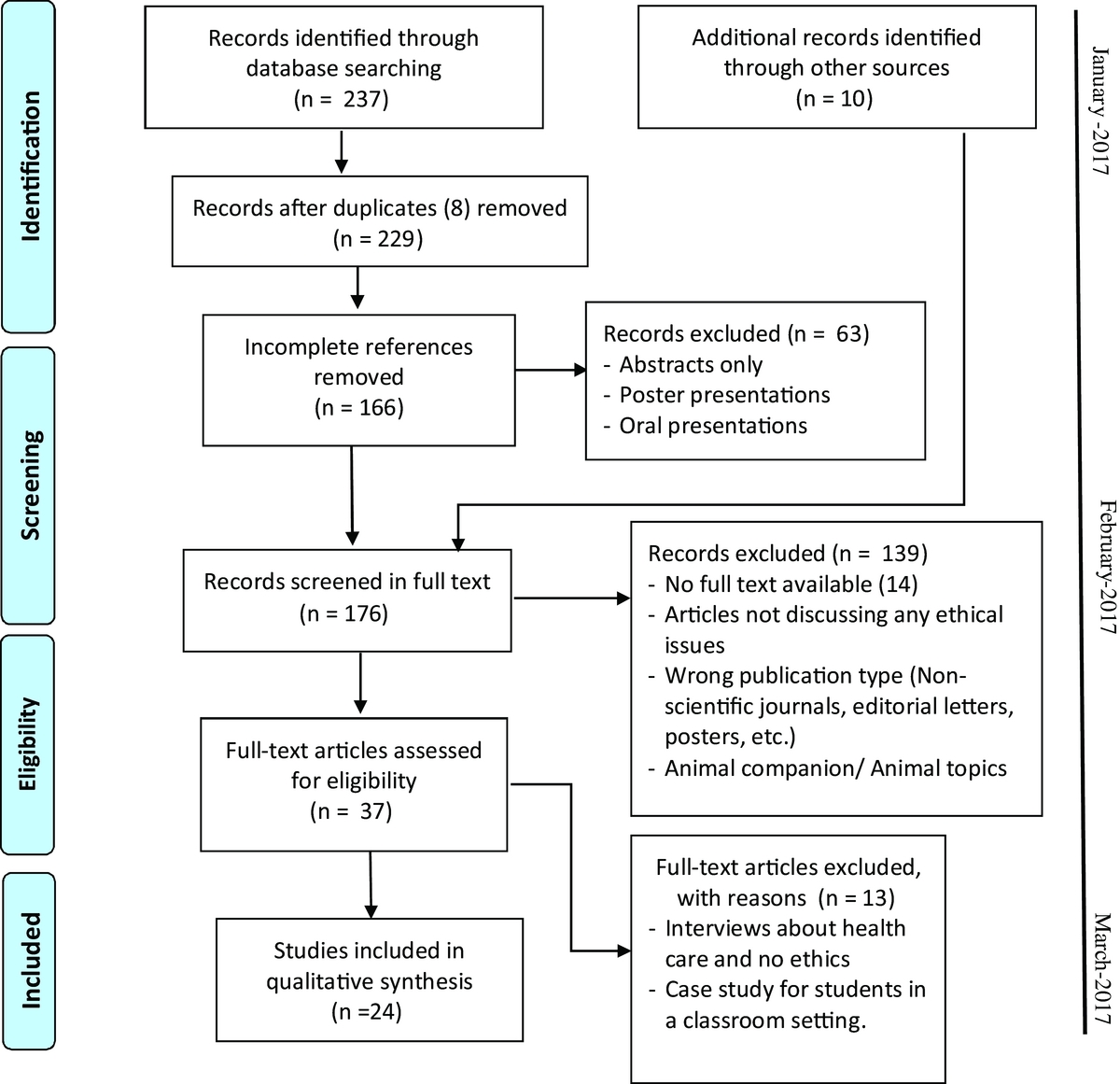
This study is a literature review reported according to the Preferred Reporting Items for Systematic Reviews and Meta-Analyses (PRISMA) guidelines (Reference Liberati, Altman, Tetzlaff, Mulrow, Gøtzsche and Ioannidis7). The PRISMA flow diagram is used to present the selected articles (Figure 1). The design of this review follows Hofmann's six steps for assessing ethical issues on Health Technology Assessment (Reference Hofmann6;Reference Hofmann8).
PRISMA 2009 flow diagram of the selection process.
Search Process
The Academic Search Premier EBSCO, Medline, PubMed, Science Direct, and CINAHL databases were searched in January 2017 for peer-reviewed articles in English, French, Spanish, or Norwegian. Journal articles and conference proceedings were chosen. We used the following search terms: Smart home, smart house, assisted living, elderly, older adult, welfare technology, and ethic to identify all relevant papers. See Appendix 1.
Data Selection
The sample included papers that met the following criteria: (i) literature reviews on ethical challenges related to welfare technology; (ii) project assessments, including smart houses, assisted living and assisted housing; (iii) surveys describing user satisfaction with smart houses or assisted living equipment; (iv) articles on older adults; (v) articles in English, French, Spanish, and Norwegian.
The following exclusion criteria were applied: (i) duplicated studies, (ii) articles not discussing any ethical issues, (iii) wrong publication type (nonscientific journals, editorial letters, posters, etc).
Data Analysis
Among the various HTA approaches to ethical issues (Reference Assasi, Schwartz, Tarride, Campbell and Goeree9), Hofmann's checklist (Reference Hofmann6) is used in this study to assess the moral and the ethical issues related to the use of smart house technology. Hofmann's checklist is an axiological question-based (Socratic) approach to ethics in HTA, and was chosen as it is well known in the literature on ethical issues (Reference Hofmann10). The researchers considered the following questions: (i) Which of the thirty-three questions in Hofmann's list do the articles address? (ii) Which issues addressed in these questions are raised throughout the literature? (iii) Which of the thirty-three questions in Hofmann's list does the literature reviewed not address?
Using Hofmann's questions checklist enables an explicit and systematic approach to the identification of relevant ethical issues found in the published literature. Hofmann's normative framework answers moral issues regarding stakeholders, technology, methodological choices, and technology assessment. The articles selected according to the inclusion criteria were appraised with a pragmatic approach. The articles were included if they presented results concerning the ethical considerations regarding smart houses for older adults and were published in scientific journals.
The identification of ethical issues were first done by the main author, but on several occasions corroborated with the other authors to achieve consensus.
RESULTS
Study Selection Results
The literature search identified 237 potentially relevant hits (Figure 1). After the first and second author screened all 237 titles, 8 duplicate articles, and 63 articles with incomplete references were discarded. The first author systematically read in full the remaining 166 articles, identified 27 potential references and read them thoroughly. Articles that clearly did not meet the inclusion criteria were discarded, leaving fourteen articles. Ten other records were found through other sources: article references, Spanish-language journals, and colleagues’ recommendations. Finally, twenty-four studies were carefully read for findings concerning the research questions (Figure 1).
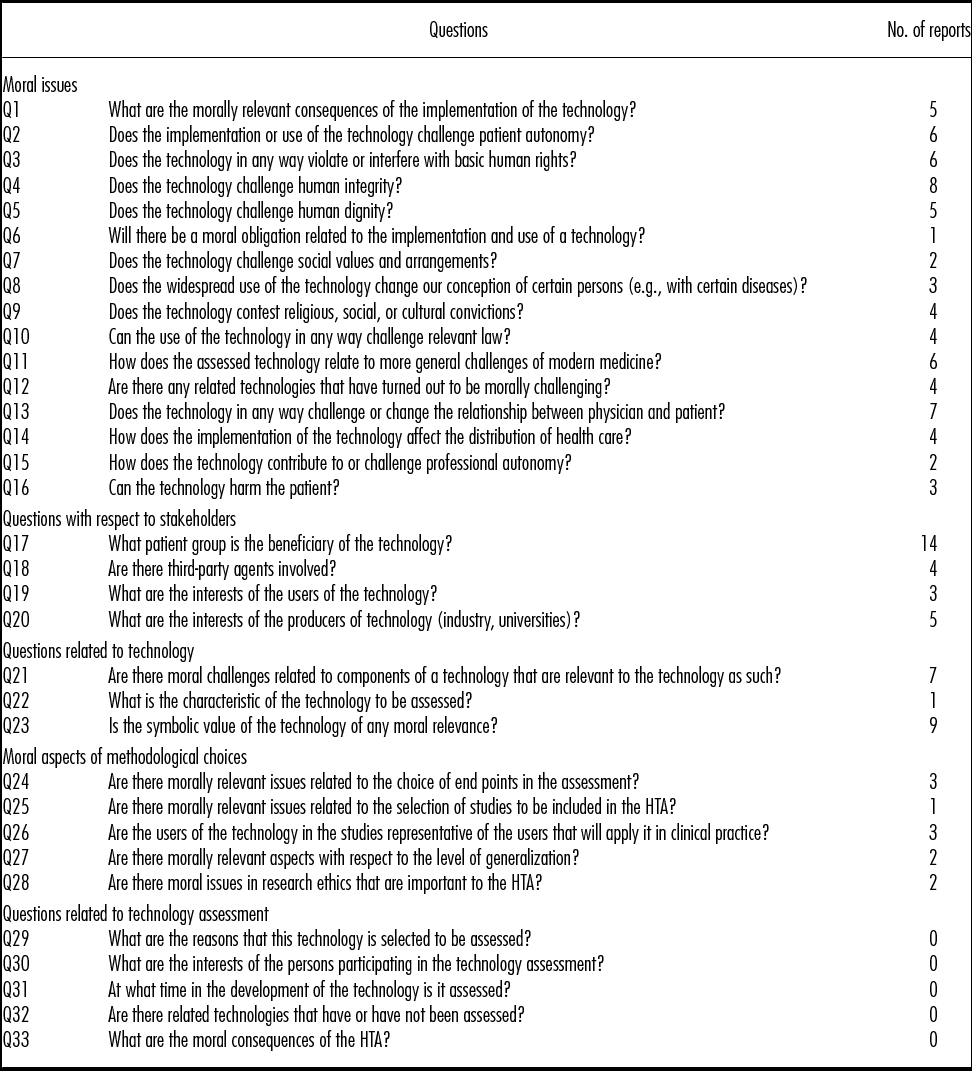
The selected articles were synthesized by answering each of Hofmann's questions (Reference Hofmann6). Thirty-one questions were answered, while the published literature offered no data for two questions. The authors answered Q29–Q31 as they referred to the authors’ interests in conducting this review and could not be answered from the literature analysis. Table 1 shows the number of publications related to Hofmann's questions.
Number of Publications Related to Hofmann's Questions

Note. The number on the right refers to the total number of publications found for each question. The publications were identified by assessing ethical issues related to Hofmann's question list.
Moral Issues (Q1–Q16)
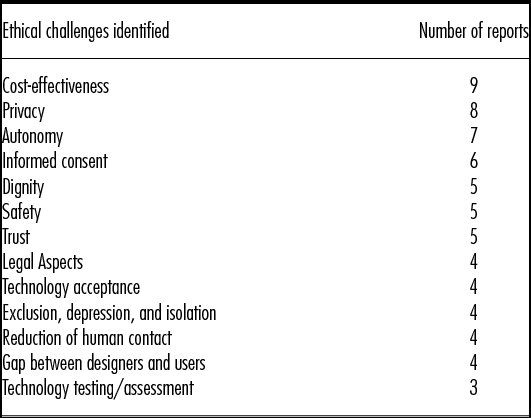
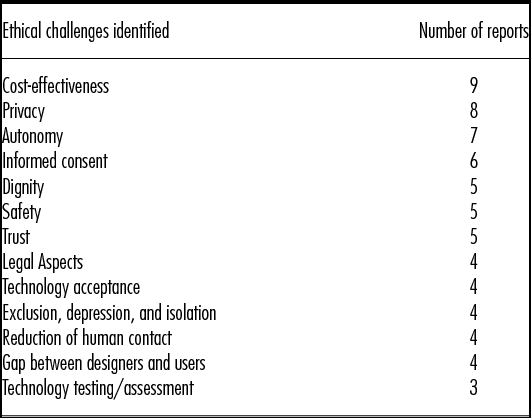
Q1. Smart houses raise ethical consequences concerning, privacy, autonomy, informed consent, dignity, safety, trust, legal obligations, and technology acceptance, among others (Table 2) (Reference Sadri11–Reference Rozo15).
Number of Publications Related to the Main Ethical Challenges
Q2. Loss of autonomy is a recurrent concern regarding smart house technology (Reference Detweiler and Hindriks12;Reference Rozo15;Reference Demiris and Hensel16). In smart houses, the “potential dependence on the technology may ultimately result in patients and caregivers” reliance on automation (Reference Demiris and Hensel16). However, the alternative of receiving care in nursing facilities might also entail giving up independence, resulting in similar loss of autonomy (Reference Roberts and Mort17).
Another issue is sharing control in the cases of persons with disabilities (Reference Sadri11). The question becomes who controls whom. (Reference Rozo15). Too much support (Reference Detweiler and Hindriks12) or dependence on technology may reduce individuals’ ability to control their environment (Reference Sadri11;Reference Powers18). If the system changes individuals’ daily lives or limits their freedom of choice in any way, then their independence and autonomy are restricted. Autonomy also entails willingness to use devices (Reference Rozo15), including smart houses. Informed consent from participants can indicate willingness.
Q3. Smart houses can be subject to criminal use, and as such, may pose a threat to basic rights of integrity and safety (Reference Sadri11). For example, unauthorized access to smart house data can enable blackmail and extortion.
Information about older adults’ activities in their homes is powerful, and confidentiality must be ensured so that no third party can intercept individuals’ data (Reference Chan, Estève, Escriba and Campo4). The information includes patterns such as when a person gets out of bed, goes to sleep, cooks, eats and leaves the house alone (Reference Chan, Estève, Escriba and Campo4;Reference Ding, Cooper, Pasquina and Fici-Pasquina13). All this information is sensitive and can lead to misuse in the wrong hands. Poorly protected smart house systems can allow unauthorized third-party access, increasing the risk for identity theft and robbery (Reference Friedewald, Vildjiounaite, Punie and Wright14). The network layer, communication protocols, and physical data storage, therefore, need to be secured.
Control over personal information is a right, and the European human rights framework promises “autonomy in the construction of one's identity” (Reference Sadri11), but data leaks from smart houses can compromise these rights. The sensors installed throughout homes can also raise fear of surveillance, preventing older adults from engaging in some activities (Reference Detweiler and Hindriks12;Reference Rozo15).
Q4 and Q5. Privacy is a central topic in smart house development (Reference Detweiler and Hindriks12;Reference Ding, Cooper, Pasquina and Fici-Pasquina13;Reference Rozo15). Several smart house welfare systems use cameras to support aging in place, detect where residents are and ensure safety by detecting falls (Reference Chan, Estève, Escriba and Campo4). However, residents might have the sensation of being watched all the time and having no privacy. Older adults might “trade privacy for autonomy” (Reference Berridge19). Thus, privacy can be compromised for persons in need of support (Reference Powers18;Reference Berridge19).
The sensors used in smart house technology, including cameras, can transfer large quantities of sensitive information (Reference Sadri11), creating tension between privacy and safety (Reference Berridge19). People with higher risk of harm often require intense surveillance to avoid unsafe situations (Reference Powers18). Privacy can be increased by ensuring the anonymity of the collected data (Reference Detweiler and Hindriks12) and by obtaining informed consent and voluntary use (Reference Rozo15;Reference Berridge19). It is worth noting that informed consent should be regarded as an on-going process and not a singular event (Reference Demiris and Hensel16).
Another issue is individual independence, or living in one's own home and self-reliant from caregivers or nursing facilities (Reference Detweiler and Hindriks12). Definitions of independence may vary among individuals. Tracking technologies can create more secure environments for people with cognitive disabilities and reduce the distress of their families and caregivers (Reference Essén20). However, tracking may undermine older adults’ independence, giving rise to ethical questions: when is such technology helpful, and when does it violate older adults’ dignity (Reference Mahoney, Purtilo, Webbe, Alwan, Bharucha and Adlam21)?
The smart house context can also challenge individuals’ freedom to do as they wish (Reference Powers18). Forced care for the older adult and the wish to safely care for them (using smart houses) can produce tension. Older adults may become passive regarding the technology, which can be mistaken for acceptance (Reference Powers18). There is a difference between doing tasks for the older adult instead of with them (or helping them to do the task). Doing tasks for them can violate their physical independence and control over their environment (Reference Powers18). This may result in passive acceptance and autonomy loss (Q2).
Technology dependency especially affects people with disabilities, who might believe that their existence is no longer the same and that their functions are restricted by the technology (Reference Rozo15). Furthermore, healthcare personnel and smart house designers act as experts on individuals’ needs, disregarding their autonomy (Reference Rozo15).
Q6. Smart houses carry the risk of failure, particularly in system maintenance and false alarms. Delegation of control, therefore, is a moral obligation (Reference Sadri11). Who will deal with false alarms should be decided when deploying a smart house. The party responsible for false alarms should be a person capable of giving informed consent.
Q7, Q8, and Q9. Overall, smart houses should bring peace of mind to older adults and their families. Smart houses provide a safer environment, reduce risks, avoid harm (e.g., falling or fire) and decrease utility costs, among other benefits (Reference Hofmann22). For some older adults, smart houses may offer more privacy than cared from relatives. For instance, one older adult expresses that she prefers a monitoring system, rather than her son knowing all her “business” (Reference Berridge19).
Many prospective users, however, perceive smart house technology negatively due to cultural beliefs (Reference Rozo15;Reference Mahoney, Purtilo, Webbe, Alwan, Bharucha and Adlam21) (Q9) and social barriers to assistive technology. Some older adults might fear that their relatives’ or caregivers’ perceptions will change if they start using assistive technology (Reference Mahoney, Purtilo, Webbe, Alwan, Bharucha and Adlam21). For example, technology should improve older adults’ safety by preventing and detecting falls (Reference Detweiler and Hindriks12). However, the need to look after older adults is reduced, so safety could be compromised if the system fails to detect a fall. Moreover, marginalization of older adults can increase due to tracking or alternative communication which highlights their disabilities (Reference Rozo15). This marginalization may result from negative cultural beliefs or stereotypes. Finally, a shift from a patient-centered to a family-centered approach occurs, and the impact of home monitoring on family caregivers has not yet been fully studied (Reference Mahoney, Purtilo, Webbe, Alwan, Bharucha and Adlam21).
Cost-effectiveness is a challenge for smart houses whose high costs tend to be unaffordable for prospective users (Reference Sadri11). Designers, therefore, should keep in mind costs to allow more people to benefit from the technology (Reference Mahoney, Purtilo, Webbe, Alwan, Bharucha and Adlam21). Cultural differences and backgrounds also play significant roles in the acceptance of smart houses and implementation phase (Reference Novitzky, Smeaton, Chen, Irving, Jacquemard and O'Brolcháin23). In some cultures, household heads make decisions, even for individuals capable of consenting (Reference Rozo15;Reference Mahoney, Purtilo, Webbe, Alwan, Bharucha and Adlam21). As well, the ethical framework applied to the design, evaluation, and implementation of smart houses varies by country (Reference Mahoney, Purtilo, Webbe, Alwan, Bharucha and Adlam21). Legal and regulatory environments have national differences. A smart house designed in a specific country, therefore, should not be used as-is in another country but should undergo testing for any cultural and social issues that might arise (Reference Mahoney, Purtilo, Webbe, Alwan, Bharucha and Adlam21).
Q10. Legal frameworks view the home as a private space, but smart house systems which collect personal data threaten privacy (Reference Berridge19). Controls on data collection by smart houses should be in place and stipulate how long and in what form data about residents may be stored (Reference Sadri11). Another issue is potential legal liability for fewer nurse and doctor visits to older adult (Reference Sadri11;Reference Detweiler and Hindriks12). Legal responsibilities, therefore, are a concern. French norms hold that home-support technology needs to be subject to standards and principles of quality. In addition, French law and the Council of European Communities regulate responsibility for making defective home-support devices (Reference Noury, Virone, Ye, Rialle and Demongeot24).
Q11 and Q12. Despite the original purpose of smart-home technology, the technology has been demonstrated to lead to exclusion, depression (Reference Sadri11;Reference Rozo15;Reference Rozo Reyes25), the feeling of losing control over one's own life (Q13) (Reference Rauhala and Topo26), and loss of autonomy (Q2) (Reference Detweiler and Hindriks12;Reference Rozo15;Reference Demiris and Hensel16). Some technology devices, such as tracking devices and cameras, have already been introduced in the field of elderly care (Reference Rauhala and Topo26). Surveillance cameras are perceived as obtrusive and violating individual privacy (Q4) (Reference Chan, Estève, Escriba and Campo4). Older adults prefer less intrusive cameras that do not identify people, such as cameras with fuzzy silhouettes (Reference Ding, Cooper, Pasquina and Fici-Pasquina13). As well, the introduction of technology to older adults does not always proceed smoothly, as in the case of Internet access (Reference Mahoney, Purtilo, Webbe, Alwan, Bharucha and Adlam21). If Internet safety is not taught, older adults run the risk of falling prey to scams, phishing, and other security issues.
Q13. The impact of human interaction on individuals’ life is another ethical challenge. Technology may replace or diminish older adults’ human contact, leaving them with 24-hour, sensor-based technology and reducing their opportunities for meaningful social engagement (Reference Chan, Estève, Escriba and Campo4;Reference Roberts and Mort17). It is important to ensure that technology does not replace human contact and result in isolation (Reference Sadri11;Reference Rozo15). Social isolation is regarded as detrimental to older adults’ social well-being and should be avoided (Reference Detweiler and Hindriks12).
Smart houses might eliminate the need for doctors and relatives to constantly check in on older adults, who also might not need regular doctors’ visits (Reference Chan, Estève, Escriba and Campo4;Reference Demiris and Hensel16). Monitoring of older adults in their own homes can provide constant data about their activities for doctors and caregivers, increasing older adults’ feeling of safety (Reference Mahoney, Purtilo, Webbe, Alwan, Bharucha and Adlam21). Nevertheless, technology should not replace physicians (Reference Mahoney, Purtilo, Webbe, Alwan, Bharucha and Adlam21). Reduced communication between doctors and patients can result in negative health consequences.
Q14. The growth of the older-adult population will create greater “need for nursing home beds or an adapted dwelling” (Reference sentralbyrå27), pressure on healthcare cost, dependency among older adults and caregiver shortages (Reference Rashidi and Mihailidis28). In 2012, Norway saw increased investments in care services in preparation for the upsurge in the older population (Reference sentralbyrå27). In 2016, Norway had 40,708 beds available for older adults, while 232,350 people used home help, home nursing or other home-based serviced (Reference sentralbyrå27). Smart houses with monitoring (Reference Berridge19) can allow older adults to remain at home instead of moving into nursing homes as “institution beds have been getting replaced by dwellings with full-time home services for many years” (Reference sentralbyrå27). Smart houses can also decrease the number of healthcare personnel needed by patients. From the perspective of the healthcare system and personnel costs, smart houses are important investments but are available only in highly developed countries (Reference Rozo15).
Q15. Smart house technology involves professionals in several fields, including social, technical and clinical fields. At one time, doctors even feared that machines would replace them (Reference Mahoney, Purtilo, Webbe, Alwan, Bharucha and Adlam21). In the design phase, engineers aim to create smart houses that make decisions and ease users’ lives, healthcare personnel expect the technology to support them (Reference Rozo15), and physicians make decisions and assess patients based on technology-generated data. In this scenario, the professional's autonomy dominates, and the patient's autonomy is reduced, especially for individuals with disabilities (Reference Rozo15).
Q16. Technology is not neutral, and risk and harms can occur when using smart house technology. The harms include undetected falls, navigation problems (while using tracking), unattended events and other issues that compromise older adults’ safety (Reference Detweiler and Hindriks12). Smart houses, though, are intended to improve older adults’ quality of life so that they tend to feel safer, to see themselves as “in good hands” and to not need caregivers to the same extent (Reference Mahoney, Purtilo, Webbe, Alwan, Bharucha and Adlam21). This feeling can be beneficial or detrimental to safety depending on the person. Confidence in the smart house to care for the older adult can make the caregiver think that the patient has no need for the caregiver. This is a major problem in smart houses designed for people with Alzheimer's, who can encounter dangerous situations (Reference Mahoney, Purtilo, Webbe, Alwan, Bharucha and Adlam21). Another possible harm is frustration generated by technology use, such as a frequent need to change batteries or reset the system (Reference Mahoney, Purtilo, Webbe, Alwan, Bharucha and Adlam21). A smart house designed for older adults should be kept simple, and special attention should be given to training and support (Reference Rashidi and Mihailidis28).
Questions with Respect to Stakeholders (Q17–Q20)
Q17. Some smart houses are aimed at the third-age population (Reference Chan, Estève, Escriba and Campo4;Reference Detweiler and Hindriks12;Reference Ding, Cooper, Pasquina and Fici-Pasquina13;Reference Rozo15–Reference Mahoney, Purtilo, Webbe, Alwan, Bharucha and Adlam21;Reference Novitzky, Smeaton, Chen, Irving, Jacquemard and O'Brolcháin23;Reference Noury, Virone, Ye, Rialle and Demongeot24;Reference Rauhala and Topo26), retired persons who are alert and in full possession of their physical and mental capacities (Reference Saranummi, Kivisaari, Särkikoski and Graafmans29). Other smart houses are intended for the fourth-age population, the elderly who have reduced functional autonomy and depend on external resources to ensure good living conditions (Reference Saranummi, Kivisaari, Särkikoski and Graafmans29). The role of smart houses in the third-age population has not yet been established. However, older people have specific needs that can be challenges in technological development. Older adults should have the right to live independently at home for as long as possible and have access to assistance services (Reference Saranummi, Kivisaari, Särkikoski and Graafmans29).
Q18. Identifying the direct and the indirect stakeholders and “all [the] parties from whom consent must be sought” is important (Reference Demiris and Hensel16). Smart house systems handle sensitive information (Q6) (Reference Chan, Estève, Escriba and Campo4) which should be encrypted throughout the system to prevent access by third parties (Reference Friedewald, Vildjiounaite, Punie and Wright14). It is, therefore, important to ensure that those with access to the information protect confidentiality (Reference Chan, Estève, Escriba and Campo4), fully understand the situation, and cannot misuse the information (Reference Friedewald, Vildjiounaite, Punie and Wright14).
Older adults can decide with whom to share the information collected by the system (Reference Friedewald, Vildjiounaite, Punie and Wright14). They have been found to be willing to share the system information with relatives but concerned about how their relatives will perceive their behaviors, such as “erroneous but explainable behavior” (Reference Ding, Cooper, Pasquina and Fici-Pasquina13). Who may access sensitive personal information and who may make decisions regarding the information content should, therefore, be determined.
Q19. Some older adults prefer to have an “infrastructure-sensing technology” (Reference Ding, Cooper, Pasquina and Fici-Pasquina13) rather than move into nursing homes or have constant checks from caregivers (Reference Chan, Estève, Escriba and Campo4;Reference Demiris and Hensel16). A possible explanation for this preference is that the technology is not completely visible and thus not a persistent reminder of adults’ frailty (Reference Ding, Cooper, Pasquina and Fici-Pasquina13).
Q20. The Norwegian government has invested in the development of smart houses for older people (Reference Finken and Mörtberg30) based on the view that “care of older people is a public responsibility” (Reference Trydegård31). Moreover, care workers are “increasingly subjected to time pressures” and do not have sufficient time to deliver high-quality care to older adults (Reference Trydegård31). Care workers experience frustration when they cannot provide proper, essential care to older adults (Reference Trydegård31).
Norway's national policy is “to support older home care for as long as possible” to reduce national healthcare expenditures (Reference Fjelltun, Henriksen, Norberg, Gilje and Normann32). The government supports nursing homes but requires older adults to pay 75–85 percent of their income for nursing care, creating an economic burden for families. Living at home rather than in nursing facilities, therefore, saves costs (Reference Chan, Estève, Escriba and Campo4). In addition, the report by Fjelltun et al. (Reference Fjelltun, Henriksen, Norberg, Gilje and Normann32) describes the ethical issues and problems involving decisions on nursing home placement and availability. Regarding the interests of the technology producers, it is important to be transparent and to “disclose all sources of commercial and public research funding” to avoid bias in the findings (Reference Mahoney, Purtilo, Webbe, Alwan, Bharucha and Adlam21).
Questions Related to Technology (Q21–23)
Q21, Q22, and Q23. In general, smart houses should learn from residents’ activities and behavior and adapt to their needs (Reference Chan, Estève, Escriba and Campo4). This enables detecting anomalies, which refers to finding patterns in data that do not follow normal or expected individual behavior (Reference Rashidi and Mihailidis28). However, the system designers rather than the users establish anomaly detection, leading to data interpretation from the designers’ perspective and limiting individuals’ privacy and freedom of choice (Reference Sadri11;Reference Rozo15). In addition, the designers set the functions of smart houses (Reference Detweiler and Hindriks12).
Consequently, the designers play a key role in the development of smart houses that can affect users positively or negatively. The designers must take into account who the consumers are and what they need and understand their cognitive impairments and disabilities (Reference Mahoney, Purtilo, Webbe, Alwan, Bharucha and Adlam21). A gap, however, exists between the designers’ values and the ethical implications of designing smart houses for older adults (Reference Detweiler and Hindriks12), giving rise to ethical issues such as privacy, autonomy, dignity, integrity, and cost effectiveness (Reference Chan, Estève, Escriba and Campo4;Reference Sadri11–Reference Rozo15;Reference Mahoney, Purtilo, Webbe, Alwan, Bharucha and Adlam21). User feedback should be sought during the research and development (R&D) stage to reduce possible errors in the product (Reference Novitzky, Smeaton, Chen, Irving, Jacquemard and O'Brolcháin23). Potential users not involved in the R&D phase might reject new technology (Reference Rozo15) (Q7). Designers, therefore, should consider that older people face many age-related problems, such as limited physical activities, hearing, vision, and cognitive decline (Reference Rashidi and Mihailidis28). A study on fifteen older adults’ perceptions and concerns about smart homes suggested various benefits (Reference Demiris, Rantz, Aud, Marek, Tyrer and Skubic33): emergency help, stove and oven safety control, property security, intruder alarms, automatic lighting, assistance with hearing and visual impairments, prevention and detection of falls, temperature and physiological parameters monitoring (e.g., blood pressure and glucose levels), reminder system for upcoming appointments or events, and timely, accurate information on adverse drug events, and contraindications.
Moral Aspects of Methodological Choices (Q24–Q28)
Q24 and Q25. Smart houses are generally assessed for older adults and people with disabilities and cognitive impairments. Q25, Q26, Q27, and Q28 address testing of technology and the associated ethical challenges (Reference Rozo15;Reference Mahoney, Purtilo, Webbe, Alwan, Bharucha and Adlam21;Reference Rauhala and Topo26). Smart house technology falls within the field of information and communication technology (ICT), not medical technology. Consequently, smart houses and devices (e.g., tracking devices, cameras, and alarms) to support independent living are not always tested to the same standards as clinical medical research involving humans (Reference Rauhala and Topo26). This lack of ethical research procedures raises ethical challenges that need to be considered before fully implementing smart houses (Reference Rauhala and Topo26).
Q26 and Q 27. The articles found suggest that the technology users are representative of the final users. The articles on technology testing, however, urge checking cultural differences (Q9) (Reference Mahoney, Purtilo, Webbe, Alwan, Bharucha and Adlam21). The participants (testing and final consumers) should be informed that the benefits of technology might vary between individuals (Reference Rauhala and Topo26) (Q27). A review of the guidelines for trials of older-adult care stipulate that when trials of elderly home care involve persons with disabilities or older persons at risk, the participants should be informed that they might not derive any personal benefit from the research (Reference Rauhala and Topo26). The participants in testing are not always “fully informed about the purpose of the work” (Reference Rauhala and Topo26). It is, therefore, suggested that the participants and their relatives be informed about the costs and recommended use of assistive technology (Reference Rozo15). Finally, when testing with people with cognitive impairments, the participants and their families should not be given false hope. Instead, the researchers should inform them of the study limitations and possible results (Reference Mahoney, Purtilo, Webbe, Alwan, Bharucha and Adlam21).
Q28. Several elderly home-care projects target people with cognitive impairments, who constitute a special case when testing ICT devices in the home (Reference Rauhala and Topo26). Obtaining informed consent from them can be difficult but should not be overlooked. An “appropriate surrogate” can provide informed consent (Reference Mahoney, Purtilo, Webbe, Alwan, Bharucha and Adlam21). In addition, the researcher in charge of smart house testing should ensure that the participants’ autonomy and respect are protected, not dismissed (Reference Mahoney, Purtilo, Webbe, Alwan, Bharucha and Adlam21).
Another challenge is that testing technology can go wrong, but no standards on how to deal with expenses or compensation to participants exist (Reference Rauhala and Topo26). However, if testing assistive technology proves to be beneficial to the participants, it can be ethically challenging to stop the trial and return the participants “to the[ir] original state” (Reference Rauhala and Topo26).
Questions Related to Technology Assessment (Q29–Q31)
Q29, Q30, and Q31. Smart houses offer a promising way to improve access to home care for older adults and people with disabilities. Given the importance of this project, it is essential to study its ethical impacts on users and the population in general. The authors’ motivation for conducting this review is an on-going project at the USN. Other smart house technology projects have been undertaken, but most do not assess the ethical challenges presented by this technology. The authors decided to assess smart house ethical challenges during the development phase. Acknowledging and understanding these issues will help designers reduce their negative impacts.
DISCUSSION
The ethical challenges that arise when developing and implementing smart house technology need to be addressed before deployment. To identify these issues, Hofmann's normative framework of thirty-three questions was answered by synthesizing data in the published literature. Two questions could not be answered due to a lack of information (Table 1).
The published literature does not always directly mention smart houses but uses terms such as assisted living and monitoring for older adults. Nevertheless, the ethical challenges identified are related to similar technologies (e.g., cameras, tracking devices, and assistive devices). The recurrent ethical challenges include cost effectiveness, privacy, autonomy, informed consent, dignity, safety, and trust (Table 2).
Some of these challenges may be difficult to overcome. Increased autonomy is among the most persistent promises concerning technology designed for people with cognitive and physical disabilities. The benefits of smart houses, however, could also diminish personal autonomy. The literature suggests that in some cases, obtaining informed consent can overcome this challenge. Nevertheless, it should be acknowledged that solving this ethical challenge is difficult as there is a fine line between improving and limiting individuals’ lives.
Another issue is the interests of the technology producers. Governments, designers, healthcare systems and consumers share a common goal to offer older adults opportunities to live at home more independently. However, the stakeholders might have different views on how to achieve this goal. Consequently, the dignity and the integrity of the individual are sometimes overlooked.
In addition, older adults’ privacy can be compromised, and their freedom limited. Privacy-management policy is very important to address in smart house development due to the invasive nature of surveillance in homes. If older adults are to accept these systems, it is crucial to mitigate the invasion of privacy. Encrypting databases and securing the systems’ communications can help provide privacy. Cameras can also use fuzzy silhouettes to avoid identifying persons.
Regarding the legal framework, countries have different laws regulating aspects of smart house technology. A review describes the legal challenges regarding data privacy, data management, stakeholders’ interests, and informed consent in the Norwegian context (Reference Sanchez and Pfeiffer34). However, the standardization, research and assessment of the legal aspects of smart houses need to be addressed in an international perspective.
Finally, this review attempts to address the moral issues found in the literature using Hofmann's question list. The selection of moral issues presented in this review is meant to be impartial. The authors’ interest is to understand these ethical challenges and consider them during the development phase of USN's smart house project.
Limitations
The main limitation of this literature review is that the methodological quality of the selected articles is not completely clear. Several of the articles do not report the research methodology, possibly because technology articles do not always report details of the research methodology.
Conclusion
The older population is growing in Norway, as well as other European countries. Demand and supply of nursing-care homes present a near-future challenge. Smart house technology offers a solution and could meet demand by allowing older people to remain in their homes for as long as possible. Nevertheless, ethical challenges demand consideration to ensure safe, dignified lives for older adults and people with disabilities.
Acknowledging the ethical challenges identified in this review is important for developing and implementing smart-house technology. Minimizing their impacts could boost acceptance of smart houses among older adults. However, smart-house designers and users should be mindful that this technology cannot solve all the problems or meet all the needs of older adults but can help them achieve more comfortable lifestyles. This systematic HTA of smart houses is intended to support universities and other technology producers by providing a comprehensive study on the relevant moral issues.
SUPPLEMENTARY MATERIAL
Supplementary Appendix: https://doi.org/10.1017/S0266462317000964
CONFLICTS OF INTEREST
The authors have nothing to disclose.