E-sports (ES) is defined by the International Esports Federation as ‘a competitive sport where gamers use their physical and mental abilities to compete in various games in a virtual, electronic environment’(Reference de Zoeten and Könecke1). In recent years, the number of esports players (ESp) in Türkiye has risen significantly, mirroring global trends. To establish regulations for ES, the Turkish E-Sports Federation, under the jurisdiction of the Turkish Ministry of Youth and Sports, was founded in 2018(2). Prolonged sitting during gameplay, extended training hours and limited social interaction are commonly identified characteristics of ES participation(Reference Almuhtadi and Alageel3).
Esports players predominantly belong to younger age groups. Studies have reported a relatively high prevalence of ES participation among university students(Reference Feng4,Reference Teixeira, Mendes and Garcia-Fernandez5) . As the interest of ES has been rapidly expanded, research in this field has grown accordingly. The literature has seen a proliferation of studies examining the psychology, mental health, cognitive performance, physical activity and habits of ESp. It has been reported that ES significantly influences individuals’ lifestyles. The sedentary lifestyle, insufficient physical activity, unhealthy eating habits, supplement use and disrupted sleep patterns associated with prolonged exposure to screen-emitted blue light might collectively contribute to adverse cardiovascular, psychological and metabolic health outcomes(Reference Franks, King and Bodine6,Reference Chan, Huo and Kelly7) . A recent study revealed that ESp exhibited insufficient consumption of food groups including fruits, vegetables, whole grains, dairy products, fish, legumes and nuts(Reference Paulina, Monika and Agata8). Indeed, it has been reported that ESp consume energy drinks and alcohol more frequently than non-gamers(Reference Long, Maksi and Frias9). However, researchers emphasise that assessing overall dietary patterns, rather than focusing on individual foods or nutrients, provides a more accurate means of evaluating food consumption(Reference English, Raghavan and Obbagy10). The literature demonstrates that adherence to the Mediterranean diet is a common focus in research evaluating dietary patterns(Reference Obeid, Gubbels and Jaalouk11). Evidence from both observational and intervention studies indicates that adherence to the Mediterranean diet is beneficial in the prevention of various chronic diseases. The Mediterranean diet is associated with improved cognitive functions and reduced risk of CVD(Reference Guasch-Ferre and Willett12). Findings from studies on university students suggest that adherence to the Mediterranean diet ranges from 29·3 to 59 %(Reference Karam, Bibiloni and Serhan13–Reference Tomas-Gallego, Dalmau-Torres and Jimenez-Boraita15). Understanding the dietary habits of ESp is crucial for developing effective interventions aimed at improving their overall health. Research on the dietary habits and adherence to the Mediterranean diet among ESp university students in Türkiye is currently scarce.
This study aimed to evaluate and compare the dietary habits, adherence to the Mediterranean diet and sleep duration of ESp and nESp university students in Türkiye. It is hypothesised that the dietary habits of these individuals may be adversely affected due to prolonged screen time. The differences in meal frequency, sleep duration and preferred snacks are anticipated when compared with individuals who are non-eSports players (nESp).
Methods
Study design and participants
The study was designed as a cross-sectional analysis, with a sample comprising university students aged 18–24 years residing in Türkiye. The research was conducted between December 2023 and March 2024. To collect data for the study, the provincial youth centres of the Ministry of Youth and Sports of the Republic of Türkiye were contacted, and surveys, prepared using the Google Forms application, were distributed to students who are ESp. Additionally, surveys were disseminated online to university students who are nESp. The sample size was determined using the G * Power 3·1·9·2 software(Reference Faul, Erdfelder and Lang16). Assuming an equal distribution of students who participate in ESp and nESp, it was calculated that each group would consist of a minimum of 105 participants, based on an effect size of d = 0·5, a significance level of α = 0·05 and a statistical power of 0·90.
Questionnaire form
The online survey form consisted of five sections. The first section contained questions regarding the students’ general characteristics, including sex, age, place of accommodation, body weight, height, presence of chronic diseases, sleep duration, exercising regularly and smoking and alcohol use. In the second part, questions regarding e-sports were administered to ESp, focusing on their performance status, duration of involvement in ES and gaming period and duration. The third section comprised questions regarding individuals’ dietary habits, including water intake, meal and snack consumption, skipping meal, the most frequently consumed foods and beverages during e-sports and snacks, the use of dietary supplements, frequently preferred types of oil and cooking methods and general dietary patterns. In the fourth part of the survey, a FQ was applied. In the last part of the survey, there was the Mediterranean Diet Adherence Scale. The Mediterranean Diet Adherence Scale was develop by Martínez-González et al.,(Reference Martinez-Gonzalez, Garcia-Arellano and Toledo17). which uses fourteen questions to assess the frequency of food consumption and eating habits. Each question is scored 0 or 1, enabling classification into categories of low or high adherence. The validity and reliability of the Turkish version of the Mediterranean Diet Adherence Scale were established by Ozkan-Pehlivanoglu et al. (Reference Özkan Pehlivanoğlu, Balcıoğlu and Ünlüoğlu18). Participants with a score of 7 or higher were classified as adherent, while those with a score below 7 were classified as non-adherent.
Statistical analysis
The data were analysed using the SPSS version 22.0 software package(19). Given that the quantitative data followed a normal distribution, the mean (X̄) and sd were reported. The comparison of quantitative data between the two groups was conducted using Student’s t test. The number and percentage tables of qualitative data were presented. The comparison of qualitative data between the two groups was conducted using Pearson χ 2 test and Fisher-Freeman Halton test. The P value < 0·05 was considered to be statistically significant(Reference Alpar20).
Results
General characteristics of the students
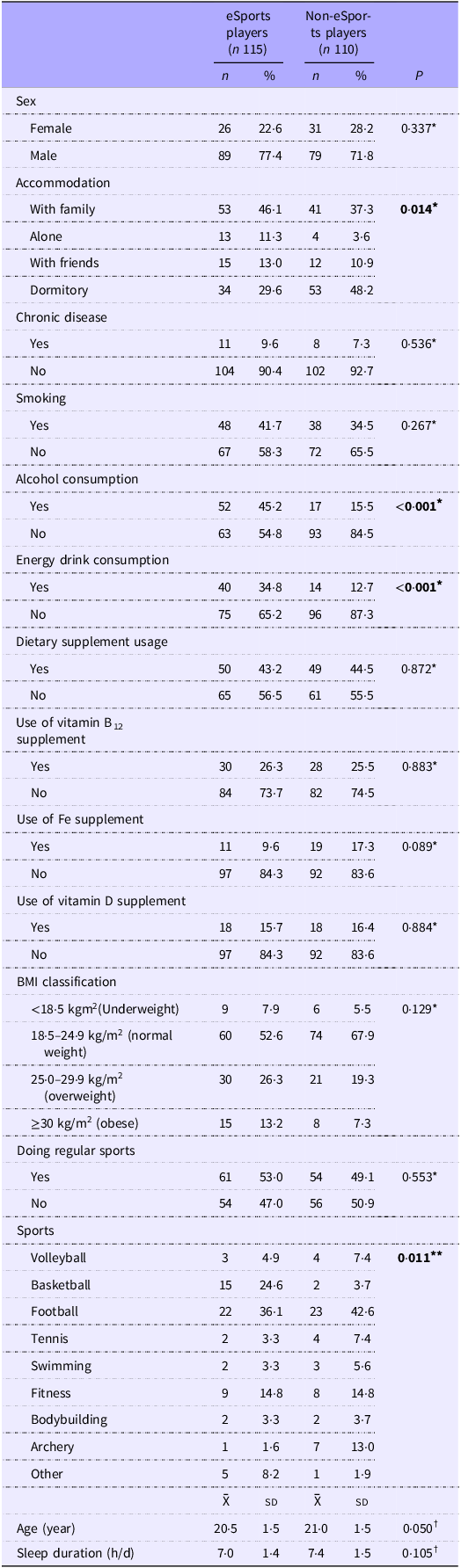
The study comprised 115 ESp participants (mean age: 20·5 (sd 1·5) years) and 110 nESp participants (mean age: 21·0 (sd 1·5) years), with most of both groups being male students (77·4 % and 71·8 %, respectively). Family support and loans/scholarships were the primary sources of income for approximately half of the students in both groups. The proportion of ESp participants residing with their families (46·1 %) was significantly higher than that of the nESp group (37·3 %) (P = 0·014). The prevalence of smoking was 41·7 % in the ESp group and 34·5 % in the nESp group, with no statistically significant difference between the two groups. However, the ESp group exhibited a significantly higher rate of alcohol consumption (45·2 %) compared with the nESp group (15·5 %) (P < 0·001). Additionally, energy drink consumption was more prevalent in the ESp group (34·8 %) than in the nESp group (12·7 %) (P < 0·001). Dietary supplement usage was reported by 43·2 % of the ESp group and 44·5 % of the nESp group, with vitamin B12 being the most preferred supplement in both groups. According to BMI assessments, 52·6 % of the ESp group were classified as having a normal weight, 26·3 % as overweight, and 13·2 % as obese. In contrast, 67·9 % of the nESp group was classified as having a normal weight, 19·3 % as overweight, and 7·3 % as obese. Although the ESp group exhibited higher rates of overweight and obesity, the difference was not statistically significant (P = 0·129). The prevalence of students who engaged in regular sports activities was similar between the two groups (53·0 % and 49·1 %, P = 0·553). However, the proportion of football players in the nESp group (42·6 %) was significantly higher than in the ESp group (P = 0·011). Daily sleep duration was found to be statistically similar between the two groups (7·0 (sd 1·4) h/d for the ESp group and 7·4 (sd 1·5) h/d for the nESp group) (P = 0·105) (Table 1).
Comparative analysis of the general characteristics of students (Numbers and percentages; mean values and standard deviations)

*Pearson χ 2 test, **Fisher-Freeman Halton test, †Student’s t test.
The bold font indicates statistical significance (P < 0.05).
E-sports habits of the students
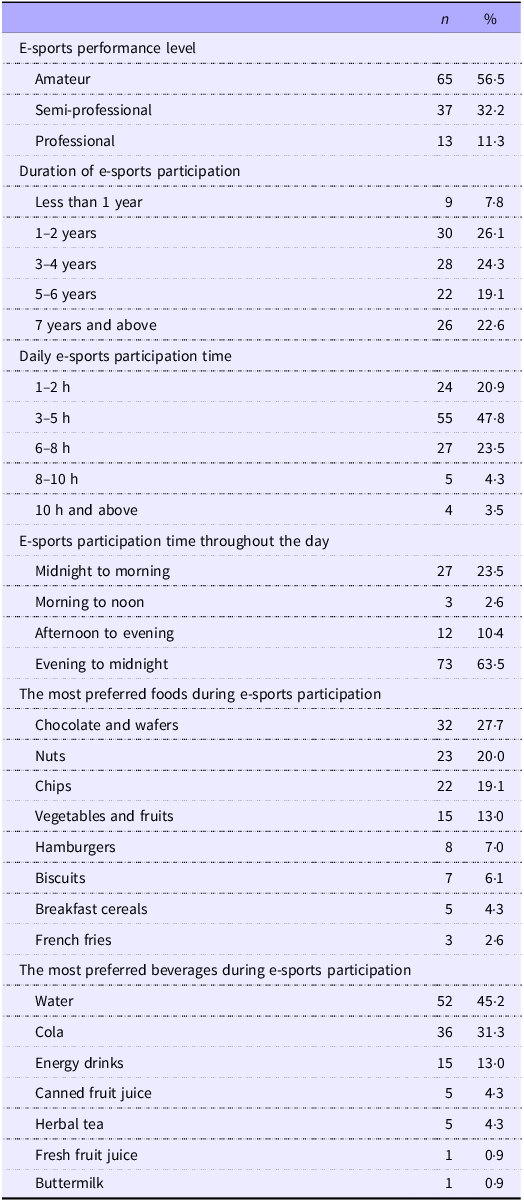
In the ESp group, 56·5 % identified themselves as amateur players. Additionally, 7·8 % reported having played e-sports for less than one year, while 22·6 % indicated they have been engaged in e-sports for seven years or more. The findings also revealed that 47·8 % of these students spend 3–5 h per day playing e-sports. Furthermore, 63·5 % of the ESp group stated that they typically play e-sports during the evening-to-night hours. The most consumed food and beverage while playing e-sports were chocolate-wafers (27·7 %) and water (45·2 %) (Table 2).
General characteristics of university students participating in e-sports (Numbers and percentages)

Dietary habits of the students
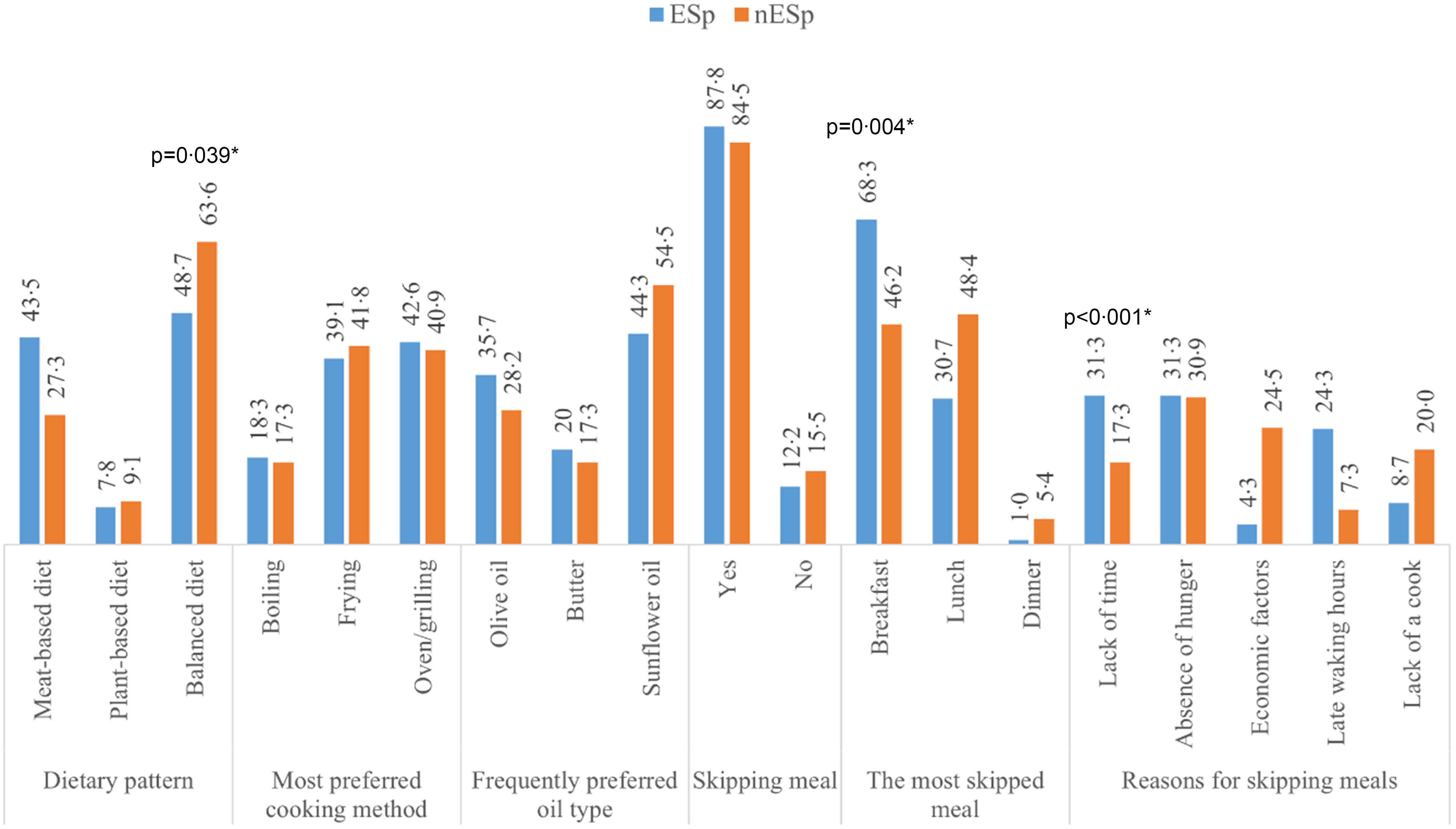
The proportion of nESp participants who consumed a balanced diet (63·6 %) was statistically higher than that of ESp participants (48·7 %) (P = 0·039). Among the ESp group, the most frequently preferred cooking method was oven/grill (42·6 %), whereas frying was most chosen by the nESp group (41·8 %). Both groups predominantly used sunflower oil, with usage rates of 44·5 % and 54·5 %, respectively. There was no significant difference between the two groups regarding their preferred cooking methods or oil types. The rates of meal skipping were 87·8 % and 84·5 % for ESp and nESp, respectively. However, the proportion of ESp participants who skipped breakfast (68·3 %) was significantly higher than that of nESp participants (46·2 %) (P = 0·004). When asked about the reasons for skipping main meals, a significantly higher percentage of ESp participants (31·3 %) cited lack of time compared with nESp participants (17·3 %) (P < 0·001) (Figure 1).
Comparison of dietary habits of eSports players and non-eSports players.

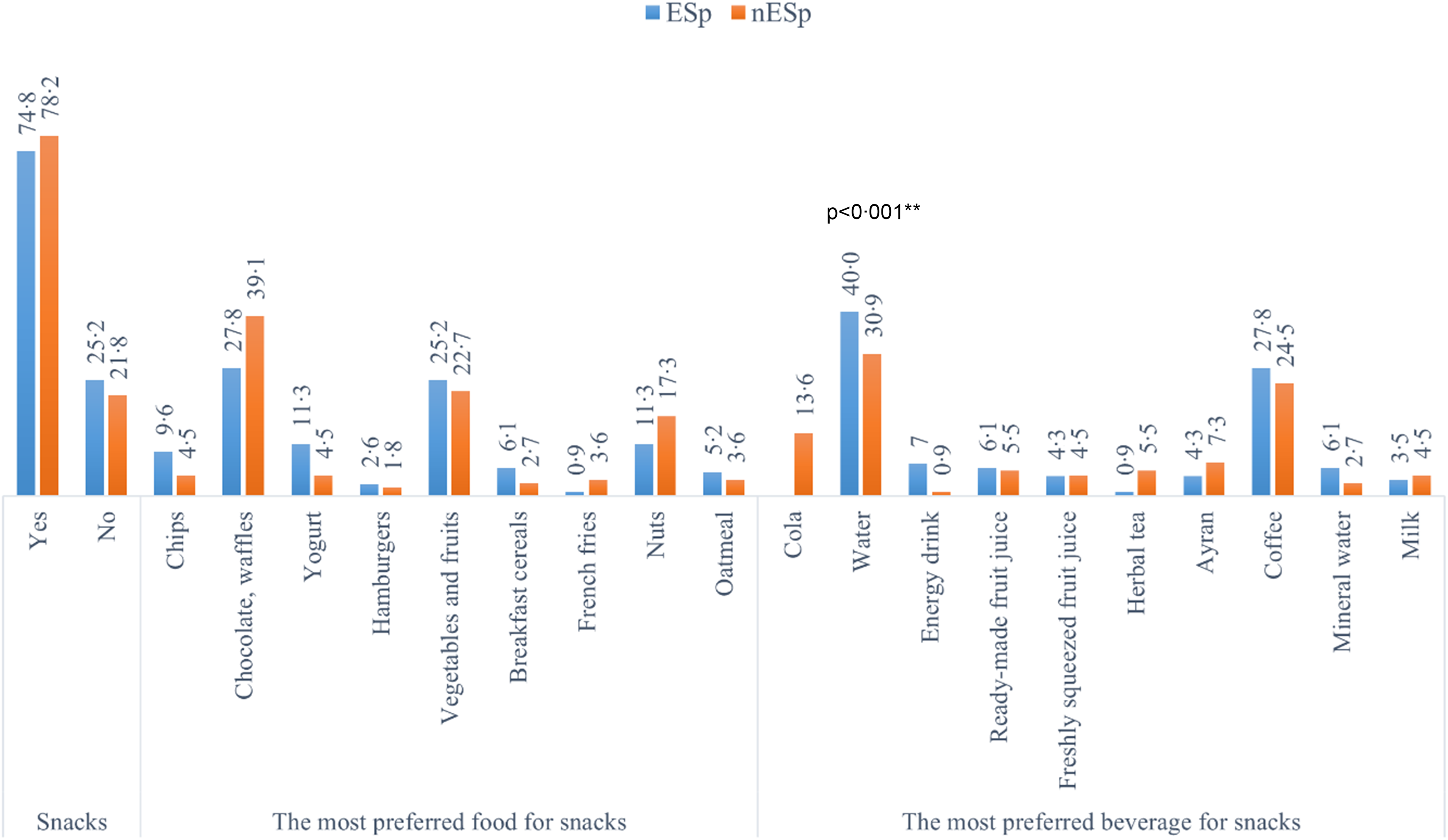
The proportion of participants who consumed snacks was 74·8 % and 78·2 % for each group, respectively. Chocolate/wafers were identified as the most preferred snack food in both groups, with consumption rates of 27·8 and 39·1 %, respectively. Furthermore, water was determined to be the most preferred beverage during snack times in both groups. The proportion of ESp who consumed water as a snack beverage (40·0 %) was statistically higher than that of nESp (30·9 %), with a significance level of P < 0·001 (Figure 2).
Comparison of snacking habits of eSports players and non-eSports players.

Mediterranean diet adherence of the students
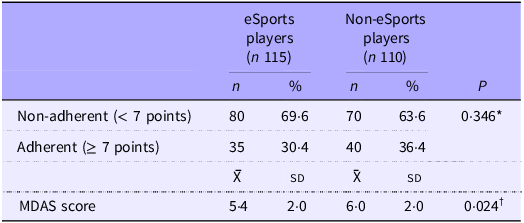
The mean score on the Mediterranean Diet Adherence Scale was significantly higher among students who were nESp (6·0 (sd 2·0)) compared with those who were ESp (5·4 (sd 2·0)) (P = 0·024). Additionally, it was observed that 30·4 % of ESp and 36·4 % of nESp demonstrated adherence to the Mediterranean diet, although the difference between the two groups was not statistically significant (P = 0·346) (Table 3).
Comparison of students’ adherence to the Mediterranean diet (Numbers and percentages; mean values and standard deviations)

*Pearson χ 2 test, †Student’s t test, MDAS, Mediterranean Diet Adherence Scale.
Food consumption frequency of the students
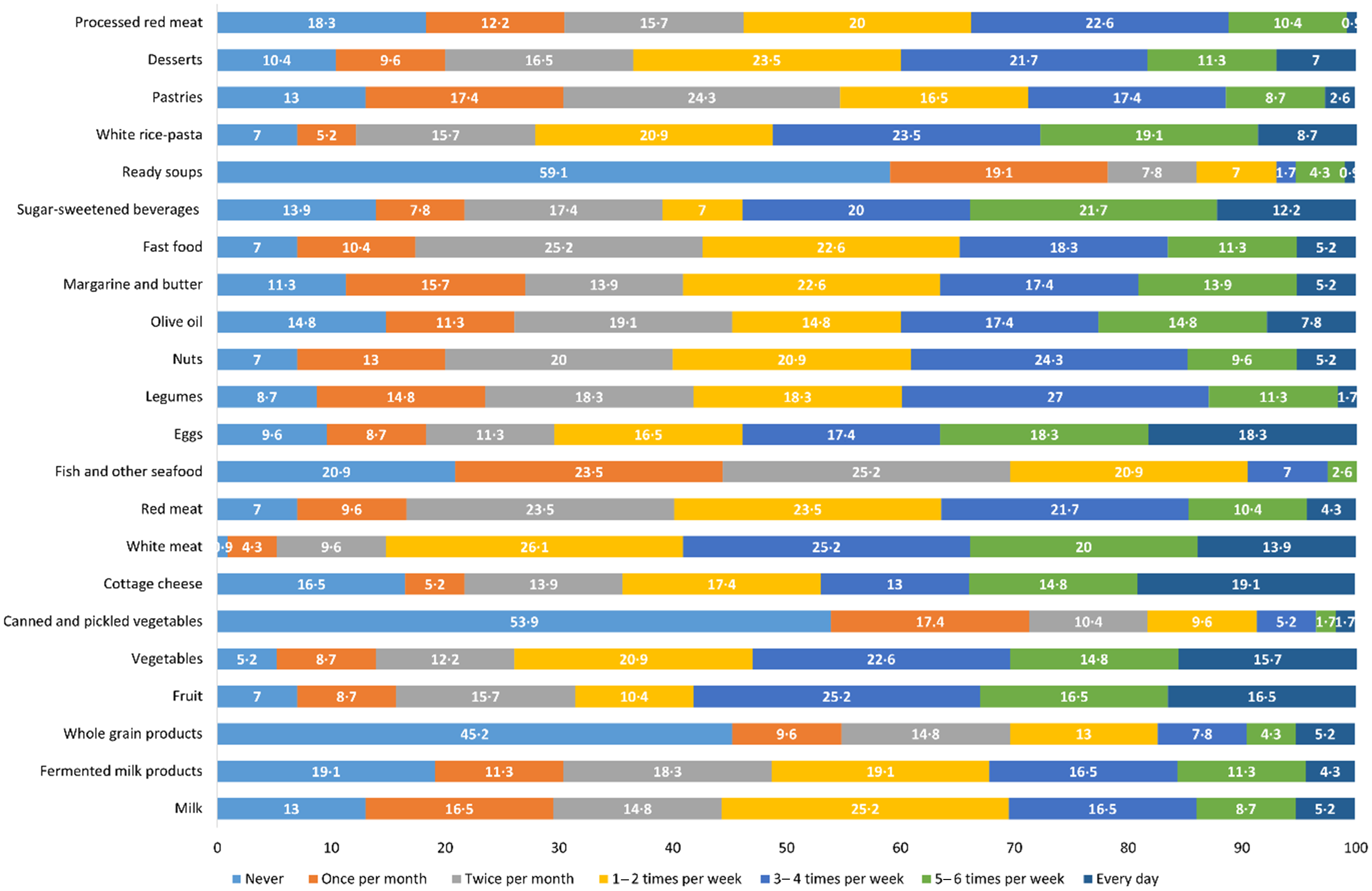
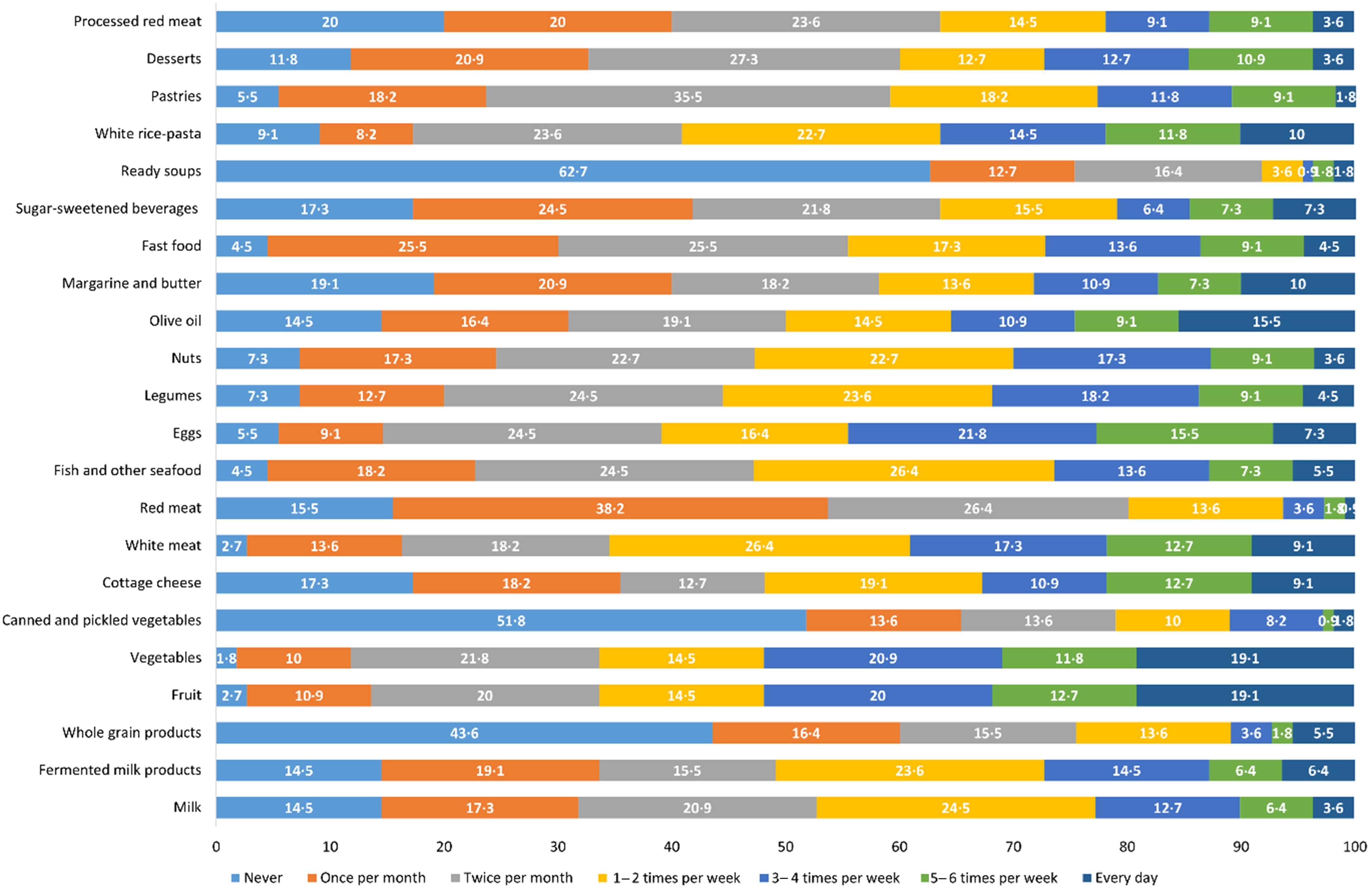
The consumption frequencies of various foods among students were compared. The proportion of ESp who consume cottage cheese daily (19·1 %) was significantly higher than that of the nESp group (9·1 %) (P = 0·048). Similarly, the proportion of ESp consuming white meat 3–4 times per week (25·2 %) was statistically greater than that of the other group (17·3 %) (P = 0·028). A higher proportion of ESp consumed red meat 3–4 times per week (21·7 %) compared with the nESp group (3·6 %) (P < 0·001). Conversely, nESp exhibited a higher frequency of consuming fish and other seafood 1–2 times per week (26·4 %) than ESp (20·9 %) (P < 0·001). The daily consumption of eggs was more common among ESp (18·3 %) than in the nESp group (7·3 %) (P = 0·045). E-sports players also showed a higher frequency of consuming sugar-sweetened beverages 5–6 times per week (21·7 %) compared with the nESp group (7·3 %) (P < 0·001), as well as sweets and candies 1–2 times per week (23·5 % v. 12·7 %; P = 0·018). Additionally, the proportion of ESp consuming processed red meat products 3–4 times per week (22·6 %) was significantly higher than that of the nESp group (9·1 %) (P = 0·036) (Figures 3 and 4).
Food consumption frequency of eSports players.

Food consumption frequency of non-eSports players.

Discussion
This study compared the dietary habits, adherence to the Mediterranean diet and food consumption frequencies of university students who are either ESp or nESp. Significant differences were observed between the two groups with respect to energy drink and alcohol consumption, dietary habits and the consumption frequencies of certain foods.
Most participants were male students engaged in ES. In general, ES games are more popular among males than among females. This trend could be attributed to the fact that females often have more negative experiences in the ES environment, such as anti-social behaviour, feelings of loneliness and insomnia(Reference Overa, Bakken and Hyggen21). It was determined that more ESp participants lived with their families than nESp participants. Living in a family household might enhance students’ access to the internet and offer a conducive environment for ES.
The ESp group had significantly higher rates of alcohol (45·2 %) and energy drink (34·8 %) consumption compared with nESp. Similarly, a recent study conducted in Türkiye found that 41·5 % of e-sports players reported alcohol consumption(Reference Arslan, Atan and Sahin22). In Germany, alcohol consumption was observed among 75 % of video gamers and esports players(Reference Soffner, Bickmann and Tholl23). It has been reported that problematic alcohol consumption, high smoking habits or caffeine addiction are not generally observed among ESp(Reference Monteiro Pereira, Costa and Verhagen24). On the other hand, alcohol consumption, both acute and chronic, has been associated with reduced retinal blood flow and altered neurotransmitter levels, potentially contributing to optic nerve ischaemia, visual field loss and decreased visual acuity. It has also been linked to ocular disorders such as dry eye syndrome and retinal degeneration(Reference Chaiwiang and Koo-Akarakul25). The evidence suggests that alcohol consumption might be a considerable risk factor for the ocular health of esports players. It should be argued that alcohol and energy drink-linked sponsorships and endorsement agreements between the industry and esports teams or professional players might contribute to the increased prevalence of alcohol and energy drink consumption among ESp(Reference Frias26,Reference Kelly and Van der Leij27) .
The ESp group demonstrated higher rates of overweight (26·3 %) and obesity (13·2 %) relative to the nESp group (19·3 % and 7·3 %, respectively); however, the difference was not statistically significant (P = 0·129). In a Brazilian study, 20·4 % of esports players aged 18–24 years were classified as overweight and 18·3 % as obese, with obesity rates appearing higher than those observed in the general population(Reference Ribeiro, Teixeira and Poinhos28). An inverse relationship between physical activity level and BMI has been reported in esports players(Reference Basoglu29). Another study reported similar BMI values in ESp and nESp; however, body fat percentages, measured using dual-energy X-ray absorptiometry, were significantly higher in the Esp group. It was concluded that BMI alone might not constitute a reliable measure of health in ESp(Reference DiFrancisco-Donoghue, Werner and Douris30).
The sedentary routines that are common in ES practice have the potential to have a significant impact on the physical health of players(Reference Brevers, King and Billieux31). The prevalence of students who engaged in regular sports activities was similar while the proportion of football players in the nESp group was significantly higher than in the ESp group. Traditionally, e-sports and video games have been associated with sedentary behaviour and poor dietary habits. However, it is stated that with the professionalisation of the e-sports sector, physical activity has become a part of their lives(Reference Monteiro Pereira, Costa and Verhagen24). In the study conducted by Lee et al. (Reference Lee, Bonnar and Roane32), sleep durations of e-sports gamers (n 17) were evaluated with a wrist activity monitor for 7–14 d and the median value of sleep duration was found to be 6·8 h. In this study, sleep duration was found 7·0 (sd 1·4) h/d for the ESp group and similar with the nESp group (7·4 (sd 1·5) h/d). However, 63·5 % of the ESp group have played e-sports during the evening-to-night hours. The similarity in sleep duration between the two groups might not necessarily indicate comparable sleep quality. A recently published systematic review concluded that engaging in video game play before bedtime extends sleep onset latency and diminish sleep efficiency(Reference De Rosa, Baker and Barresi33). Moreover, consumption of energy drinks and alcohol might impair sleep efficiency in ESp group.
Similar to physical activity and sleep, nutrition constitutes one of the lifestyle factors influencing esports performance(Reference Goulart, Aitken and Siddiqui34). nESp group had a significantly higher rate of balanced diet consumption compared with ESp group. Likewise, a study conducted in Germany revealed that individuals who are nESp tend to have healthier and more balanced dietary habits than ESp(Reference Huth35). In this study, high rates of meal skipping were observed in both groups. However, the proportion of ESp group (68·3 %) who skipped breakfast was significantly higher than that of nESp group (46·2 %). And the primary reason for skipping main meals was a lack of time. A study conducted by Ribeiro et al. (Reference Ribeiro, Teixeira and Poinhos28) reported that approximately 50 % of Portuguese and Brazilian esports players (n 579) omitted breakfast at least 3 days per week.
The most preferred snack among ESp, both during play and as a general snack, was chocolate/wafers. However, contrary to expectations, their most frequently chosen beverage was water. Notably, the proportion of ESp who consumed water alongside snacks was found to be significantly higher than that of the nESp. Likewise, a study conducted in Poland revealed that ESp consume adequate fluids, with water being their preferred choice(Reference Szot, Fraczek and Tyrala36). Maintaining adequate hydration is crucial for optimising cognitive performance and may confer significant benefits to individuals, particularly in competitive settings(Reference Marino37).
The Mediterranean diet is regarded as a lifestyle encompassing more than just healthy eating(Reference Dixon, Michelsen and Carpenter38). It is frequently utilised in research as a framework for dietary evaluation. The mean Mediterranean Diet Adherence Scale score of the nESp group was significantly higher; however, the proportion of two groups adhering to the Mediterranean diet was similar (ESp: 30·4 % and nESp: 36·4 %). In research conducted in Brazil and Portugal, 46·7 % of ESp were found to adhere to the Mediterranean diet(Reference Ribeiro, Teixeira and Poinhos28). Several barriers to adherence to the Mediterranean diet have been identified including limited economic and physical access to healthy foods, as well as challenges associated with food preparation(Reference Biggi, Biasini and Ogrinc39).
The ESp group exhibited a significantly higher frequency of consumption of white meat, red meat, processed red meat products, sweets and candies and sugar-sweetened beverages. This indicates that ESp group may have a higher intake of saturated fatty acids and simple sugars. Similarly, a study conducted in Poland reported that ESp had unhealthy eating habits(Reference Szot and Frączek40). Evidence suggests that a high dietary intake of added/free sugars is associated with an increased risk of obesity and dyslipidaemia(Reference Turck and Bohn41). Although the debate regarding saturated fatty acids persists, a general evaluation of the evidence supports recommendations to limit their dietary intake (<10 % of total daily energy)(Reference Maki, Dicklin and Kirkpatrick42).
Strengths and limits
This study has strengths. To the best of our knowledge, this study is among the first to compare the lifestyles and dietary habits of university students in Türkiye who are ESp and nESp. The data obtained provide significant insights for defining the scope of research and training programs designed for university students who participate in ES.
The study has also some limitations. The data were collected through online survey. Therefore, body weight and height data were based on self-reports provided by the participants and were not directly measured by the researchers. It is recommended that future studies incorporate face-to-face anthropometric assessments, including body composition and circumference measurements. Qualitative food consumption frequency was utilsed to assess the nutritional habits of participants. Thus, energy, macronutrients and micronutrients intakes could not be calculated. Future studies should consider collecting food consumption records over a minimum of 3 days to enable a quantitative evaluation of dietary intake.
Conclusion
The frequency of physical activity, sleep duration and adherence to the Mediterranean diet in the ESp group were similar to the nESp group. However, ESp reported higher consumption of energy drinks, alcohol, red and processed meats, desserts, candies and sugar-sweetened beverages compared with non-players. Such dietary patterns may increase the long-term risk of obesity and related metabolic disorders. These findings emphasise the need for targeted nutritional education and health promotion initiatives tailored to ESp. Universities and health professionals should consider implementing structured interventions – such as dietary counselling, workshops and awareness campaigns – to foster healthier eating behaviours and mitigate future health risks in this growing population.
Acknowledgements
This study was supported by The Scientific and Technological Research Council of Türkiye (TUBITAK) 2209-A Projects Funding Program (Approval number: 1919B012311021).
Ş. B. A., K. A. and H. K. designed the study and formulated the research question. K. A. and H. K. received funding and collected the data. Ş. B. A. conducted statistical analyses. Ş. B. A., K. A. and H. K. interpreted the findings. Ş. B. A. drafted the manuscript. Ş. B. A., K. A. and H. K. critically reviewed the manuscript and approved its final version
The authors have no conflicts of interest to disclose.
Ethics committee approval for the study was granted by the Necmettin Erbakan University Health Sciences Scientific Research Ethics Committee (Approval Date: 1 November 2023; Decision No.: 2023/564). The study was conducted in accordance with the principle of the Declaration of Helsinki. Online informed consent form was obtained from all participants.
Data availability: Data will be made available on request.