





Impact statement
Bede (“river gypsy”) communities in Bangladesh live on or beside rivers, where flooding, erosion and forced moves are routine. This study shows that mental distress in these communities is not only about single “disasters,” but about three interacting processes: repeated loss of shelter, assets and income; unsafe, damp and insecure sleeping conditions that create chronic exhaustion; and structural exclusion from water, relief, social protection and health care because of stigma and lack of fixed address. These mechanisms suggest that mental health protection for mobile, climate-vulnerable groups must go beyond short-term counselling. Disaster and health planners should prioritise safe dry sleeping spaces, basic lighting, food and secure storage at temporary sites; create portable ID and flexible registration so mobile families can access state support; embed low-threshold, co-designed mental health and psychosocial support in outreach primary care; and reduce stigma at initial point of contact across services.
Introduction
Bangladesh’s riverine geography exposes large segments of its population to recurrent hydro-climatic stressors such as seasonal flooding, riverbank erosion, and displacement intensified by climate variability and change (Wahid et al., Reference Wahid, Raza, Mahmud and Kohrt2023). In parallel, mental disorders constitute a substantial and under-addressed public health burden: the national system remains characterised by low service availability, a high treatment gap, and limited integration of psychosocial care into primary services (Hasan et al., Reference Hasan, Hossain, Safa, Anjum, Uddin, Hossain, Sikder and Potenza2021a). Although a growing evidence base links disaster exposure to elevated risks of post-traumatic stress, depressive symptoms, and anxiety (Fernandez et al., Reference Fernandez, Black, Jones, Wilson, Salvador-Carulla, Astell-Burt and Black2015; Golitaleb et al., Reference Golitaleb, Mazaheri, Bonyadi, Mousavi, Jokar and Hosseinzadeh2022), there is comparatively less qualitative knowledge of how these environmental stressors intersect with social marginalisation to shape the lived experience of psychological distress in highly excluded mobile communities. In particular, communities often labelled “river gypsies” Bede communities (also spelled Bedey), with notable concentrations along the Jamuna River in Sirajganj, are historically itinerant, economically precarious, and frequently excluded from routine public services. Studies of their health access show structural and practical barriers compounded by mobility, stigma, and mistrust of formal care (Lasker et al., Reference Lasker, Siddikaa and Rahman2019; Yoshimura et al., Reference Yoshimura, Shafi, Mamun and Okamoto2023). Understanding mental health among such communities therefore requires an approach that centres everyday meanings, constraints, and coping as experienced by community members themselves.
The mental health consequences of flooding and erosion are not merely acute, event-bound phenomena; meta-analytic and mapping reviews demonstrate persistent elevations in post-traumatic stress and depressive symptoms well beyond the immediate aftermath of disasters (Fernandez et al., Reference Fernandez, Black, Jones, Wilson, Salvador-Carulla, Astell-Burt and Black2015; Golitaleb et al., Reference Golitaleb, Mazaheri, Bonyadi, Mousavi, Jokar and Hosseinzadeh2022). Recent Bangladesh-based work similarly documents substantial psychological morbidity following major flood events, including recent episodes, while highlighting heterogeneity by locality and social position (Mahmud et al., Reference Mahmud, Ahmed and Tuya2021; Rahman et al., Reference Rahman, Shobuj, Alam, Sadia, Khanam, Hossain and Alam2025a). These findings resonate with broader evidence that climate-related shocks exacerbate pre-existing social gradients in health and strain already under-resourced care systems, reinforcing the need for locally grounded inquiry (Hasan et al., Reference Hasan, Hossain, Safa, Anjum, Uddin, Hossain, Sikder and Potenza2021a; Wahid et al., Reference Wahid, Raza, Mahmud and Kohrt2023). Yet environmental hardship is only one axis of vulnerability for Bede communities. Social exclusion manifested through discriminatory policies, spatial segregation, and routine service denial operates as “structural stigma,” a multilevel driver of health inequities that constrains access, shapes help-seeking, and amplifies stress exposures (Marmot, Reference Marmot2005; Hatzenbuehler, Reference Hatzenbuehler2016; Eschliman et al., Reference Eschliman, Pérez Jolles, Mitchell and Edmonds2024). In Bangladesh, empirical studies document pervasive stigma surrounding mental illness and large gaps in care utilisation even in non-nomadic populations, underscoring how stigma and weak service reach interact to delay or deter treatment (Hasan et al., Reference Hasan, Hossain, Safa, Anjum, Uddin, Hossain, Sikder and Potenza2021a; Breuer et al., Reference Breuer, Morris, Blanke, Pearsall, Rodriguez, Miller, Naslund, Saxena, Balsari and Patel2023). For Bede communities specifically, qualitative work on health-seeking (e.g. for snakebite) reveals logistic, financial, and sociocultural barriers to timely biomedical care, likely to generalise to mental health contexts when compounded by mobility and precarious livelihoods (Lasker et al., Reference Lasker, Siddikaa and Rahman2019; Yoshimura et al., Reference Yoshimura, Shafi, Mamun and Okamoto2023). Drawing on Conservation of Resources (COR) theory, structural stigma frameworks and patient-centred access models, these hydro-climatic shocks and exclusions can be conceptualised as cumulative resource losses and gatekeeping processes that jointly generate sustained psychological distress and impede care (Hobfoll, Reference Hobfoll2001; Levesque et al., Reference Levesque, Harris and Russell2013; Hatzenbuehler, Reference Hatzenbuehler2016).
By contrast, Bede/Bedey (“river gypsy”) communities – highly mobile and historically stigmatised – remain largely absent from mental health scholarship. Existing work has emphasised livelihood strategies, social identity and environmental vulnerability (Lasker et al., Reference Lasker, Siddikaa and Rahman2019), as well as barriers to biomedical care and help-seeking in the context of mobility and marginalisation (Yoshimura et al., Reference Yoshimura, Shafi, Mamun and Okamoto2023). However, little is known about how Bede individuals themselves make sense of distress and how environmental hazards and social exclusion interact in everyday life to shape mental health trajectories.
Emerging Bangladeshi evidence suggests that marginalised minority groups may face disproportionate psychological distress due to compounded exposure to discrimination, insecurity, and constrained access to culturally safe services. Studies among Indigenous communities report elevated anxiety and depression alongside barriers rooted in social exclusion and geographic marginality (Faruk et al., Reference Faruk, Nijhum, Khatun and Powell2021; Faruk and Hasan, Reference Faruk and Hasan2022). Research with forcibly displaced Rohingya populations similarly underscores culturally specific idioms of distress and the need for context-sensitive engagement and service design (Trang et al., Reference Trang, Ham, Bui, Vu, Sar, Kohrt and Jordans2024).
Within Bangladesh, mental disorders contribute substantially to morbidity, yet mental health-care coverage remains constrained by workforce scarcity, uneven service distribution, and low help-seeking; stigma and discriminatory norms further suppress disclosure and access (Hasan et al., Reference Hasan, Anwar, Christopher, Hossain, Hossain, Koly, Saif-Ur-Rahman, Ahmed, Arman and Hossain2021b, Reference Hasan, Anwar, Christopher, Hossain, Hossain, Koly, Saif-Ur-Rahman, Ahmed, Arman and Hossain2021c; Breuer et al., Reference Breuer, Morris, Blanke, Pearsall, Rodriguez, Miller, Naslund, Saxena, Balsari and Patel2023). These structural barriers mirror global patterns in which stigma operates across interpersonal, institutional and policy levels, intensifying inequalities in mental health (Thornicroft et al., Reference Thornicroft, Sunkel, Alikhon Aliev, Baker, Brohan, el Chammay, Davies, Demissie, Duncan, Fekadu, Gronholm, Guerrero, Gurung, Habtamu, Hanlon, Heim, Henderson, Hijazi, Hoffman, Hosny, Huang, Kline, Kohrt, Lempp, Li, London, Ma, Mak, Makhmud, Maulik, Milenova, Morales Cano, Ouali, Parry, Rangaswamy, Rüsch, Sabri, Sartorius, Schulze, Stuart, Taylor Salisbury, Vera San Juan, Votruba and Winkler2022).
Building on these gaps, this hermeneutic phenomenological study examines how Bede adults in northern Bangladesh experience and interpret mental distress at the intersection of environmental hazards (e.g., flooding, riverbank erosion, exposure) and structural social exclusion (e.g., discrimination, policing, documentation barriers). Distinct from prior work that has often examined climate exposure or minority status in isolation, our contribution is to (i) map experiential pathways through which ‘double exposure’ is felt and narrated, (ii) identify culturally situated coping and meaning-making practices within a mobile livelihood, and (iii) specify concrete service-access mechanisms (registration, outreach, trust, discrimination) that can inform inclusive, low-threshold mental health responses for mobile minorities.
Theoretical framework
This study is informed by three complementary frameworks: COR theory, structural stigma theory and a patient-centred access model. COR theory posits that individuals strive to obtain, retain and protect valued resources (e.g. shelter, income, social ties), and that stress arises when resources are threatened, lost or insufficient to meet demands (Hobfoll, Reference Hobfoll2001). In the context of riverine mobile communities, recurrent flooding, riverbank erosion and livelihood disruption can therefore be understood as cumulative resource losses that generate chronic insecurity, sleep disruption and psychological distress.
Structural stigma theory highlights how devalued social labels and discriminatory institutional practices produce and maintain health inequities (Hatzenbuehler, Reference Hatzenbuehler2016). For Bede communities, often externally labelled as “river gypsies” stigma operates through exclusionary rules, humiliating encounters and routine denial of services. This framework sensitises the analysis to the ways in which institutional logics and everyday interactions jointly shape participants’ experiences of shame, fear and demoralisation.
To examine how these processes translate into concrete barriers to care, the study draws on Levesque et al.’s (Reference Levesque, Harris and Russell2013) patient-centred access framework, which conceptualises access as an interaction between five dimensions of services (approachability, acceptability, availability and accommodation, affordability, appropriateness) and five corresponding “abilities” of users (to perceive, seek, reach, pay and engage). Together, these frameworks guide the study objectives and analysis by linking hydro-climatic shocks and social exclusion to resource loss, stigma, access barriers and the coping strategies that participants describe.
Methodology
Study design and analytic strategy
This study employed a qualitative, phenomenological design to explore how environmental hazards and social exclusion shape the mental health of river gypsies (Bede/Bedey) in Bangladesh. Hermeneutic phenomenology guided the inquiry to centre participants’ lived meanings and everyday sense-making in relation to flooding, displacement, stigma and coping (van Manen, Reference van Manen2016; Neubauer et al., Reference Neubauer, Witkop and Varpio2019). Reflexive thematic analysis (RTA) was used to interpret the data in a way that accommodates both semantic and latent meanings and allows close engagement with the study’s theoretical lenses: COR theory, structural stigma frameworks and patient-centred access models (Braun and Clarke, Reference Braun and Clarke2006, Reference Braun and Clarke2019, Reference Braun and Clarke2021) .
Setting, participants and recruitment
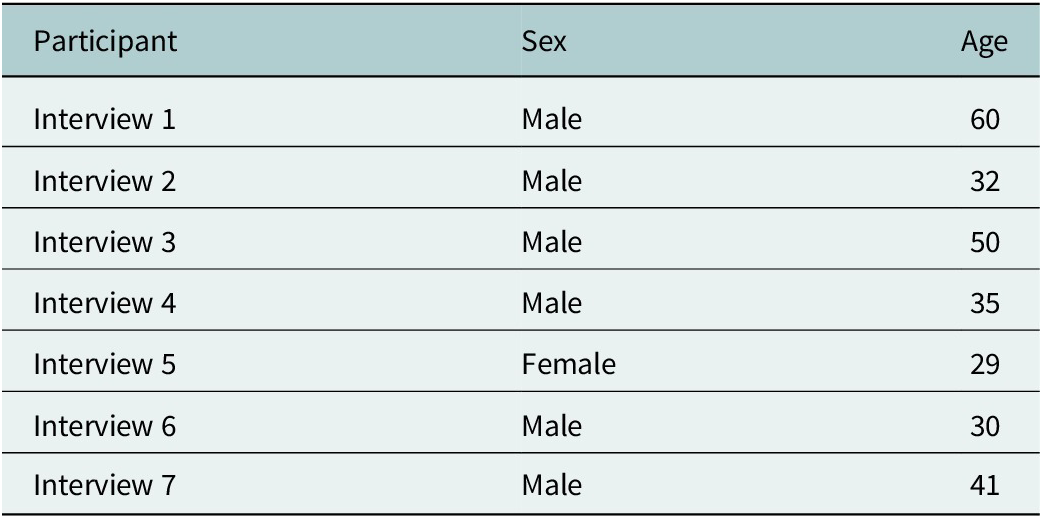
Participants were adult river gypsies residing on boats or along the banks of the Jamuna River in Sirajganj, northern Bangladesh. These mobile settlements consist of boats and temporary riverside encampments that are highly exposed to flooding and erosion. A purposive strategy recruited individuals with direct experiences of flooding/erosion and/or social exclusion relevant to the study aims. To minimise gatekeeper bias and avoid over-recruitment of socially dominant voices, participants were identified through multiple entry points: initial contacts via community members known to the field team, snowball referrals from those initial contacts, and direct approach of individuals encountered at different locations along the riverbank. The research team explicitly sought participants who varied in age, mobility pattern, and livelihood activity, and made concerted efforts to recruit women, although gendered barriers to participation (discussed below) limited female representation. Seven (n = 7) in-depth interviews (IDIs) and one focus group discussion (FGD) were completed. The IDI participants (six men and one woman, aged 29–60 years; Tables 1 and 2) were selected to capture variation in age and life-course stage within this relatively homogeneous community. The low representation of women (one of seven IDI participants) reflects structural gendered barriers to participation: cultural norms within the Bede community restrict women’s engagement with outside (particularly male) researchers, and women’s domestic and caregiving responsibilities during fieldwork hours further constrained availability. A female field assistant accompanied the interviewer during the sole female IDI to create a safer, more comfortable environment. The gender imbalance is acknowledged as a substantive limitation that may have attenuated capture of women’s distinct experiences of flood exposure, domestic labour burdens, and stigma; the Discussion reflects on how this shapes interpretation.
Classification of the interviewees

Table 1. Long description
The table consists of three columns titled Participant, Sex, and Age, with seven data rows.
* Interview 1: Male, 60.
* Interview 2: Male, 32.
* Interview 3: Male, 50.
* Interview 4: Male, 35.
* Interview 5: Female, 29.
* Interview 6: Male, 30.
* Interview 7: Male, 41.
Supporting quotes for the developed themes

Table 2. Long description
The table is organized into three columns: Domain/outcome, Theme/subtheme, and Illustrative excerpt.
* Environmental shocks and resource loss: Includes themes of Climate shock exposure (quotes regarding flooding and rain), Displacement and housing precarity (quotes about moving repeatedly and rebuilding), and Material loss and food insecurity (quotes about theft and surviving on one meal a day).
* Sleep Disruption and persistent arousal: Includes Night-time vigilance (quotes on how lack of sleep affects mental state) and Anticipatory fear of future floods (quotes about worrying for children’s future and sleepless nights).
* Gatekeeping and structural exclusion: Includes Identity-based stigmatisation (quotes about being mocked as ‘snake charmers’) and Administrative and resource denial (quotes regarding exclusion due to lack of permanent address and refusal of water access).
* Coping repertoires and collective strategies: Includes Individual and spiritual coping (quotes about prayer to Allah), Family and community support (quotes about sharing problems with friends), and Formal and traditional help-seeking (quotes mentioning doctors, hospitals, cupping therapy, and herbal medicine).
The sample size was prospectively justified using the concept of information power given the narrow aim, specificity of the sample, strong established theory and dialogic depth of interviews; fewer participants were required (Malterud et al., Reference Malterud, Siersma and Guassora2016) and empirical guidance on saturation in homogeneous qualitative samples (Guest et al., Reference Guest, Bunce and Johnson2006). During fieldwork, no substantively new themes emerged in later interviews, supporting this justification.
Data collection, instruments, and data management
Data were generated through semi-structured, face-to-face IDIs lasting approximately 30–45 min and an FGD of 45–60 min, conducted in the local language (Bangla) by trained interviewers familiar with the community context. Interviews were transcribed verbatim in Bangla and subsequently translated into English by a bilingual member of the research team with expertise in both languages and familiarity with the community context. To ensure meaning retention, translated transcripts were reviewed by a second bilingual team member, with discrepancies resolved through discussion and consensus; back-translation of selected excerpts was performed to verify fidelity. The FGD brought together adult Bede/Bedey community members from the same riverbank area and was used to explore shared experiences and to corroborate or nuance patterns arising in the IDIs. Analytically, IDI and FGD data were coded together within the same thematic framework; FGD data were additionally used for triangulation, serving to confirm, extend, or challenge patterns identified in the individual interviews. Where FGD accounts diverged from IDI accounts, divergences were treated as analytic leverage rather than discrepancies and examined in reflexive memos.
Prior to each interview or discussion, voluntary informed consent was obtained, confidentiality was assured, and (where permitted) audio recording was initiated to ensure accuracy; recordings were used solely for transcription and then destroyed per protocol. These procedures, voluntary participation, anonymity, the right to withdraw at any time, and permissioned audio-recording were embedded in the approved interview guide and informed-consent script. Ensuring confidentiality in physically open, mobile riverbank settings presented practical challenges, given the absence of private enclosed spaces. To address this, interviews were conducted in the most secluded available location – typically away from communal gathering areas, near the edges of encampments or on boats with minimal foot traffic – and at times when foot traffic was low. The interviewer spoke in low tones, and the audio recorder was positioned close to the participant rather than placed conspicuously. Where complete privacy could not be assured, participants were reminded of their right to skip any question or to pause the recording.
The interview guide comprised five domains: (1) personal and household context; (2) environmental challenges (flooding, erosion, storms) and their impacts; (3) social exclusion and discrimination in public services; (4) emotional well-being and mental health experiences; and (5) coping strategies and support needs. Prompts addressed access barriers (e.g. healthcare, education, government support), idioms of distress, and culturally embedded responses (e.g. spiritual and traditional practices).
The guide was developed iteratively based on the study objectives, the underlying theoretical framework (COR, structural stigma and patient-centred access), and prior literature on Bede/Bedey communities and disaster-related mental health in Bangladesh (Lasker et al., Reference Lasker, Siddikaa and Rahman2019; Hossain et al., Reference Hossain, Alam and Haque2021; Yoshimura et al., Reference Yoshimura, Shafi, Mamun and Okamoto2023). It was used flexibly to allow probing and emergent topics while ensuring coverage of the study objectives.
With participant permission, interviews and the FGD were audio-recorded, transcribed verbatim, and anonymised by removing names and other identifiers; a simple alphanumeric code replaced identities. Transcripts, fieldnotes, and consent forms were stored separately on encrypted drives with access limited to the research team. These practices reflect the confidentiality and recording provisions contained in the instrument and the IRB application.
We used RTA to interpret the interview corpus (Braun and Clarke, Reference Braun and Clarke2006, Reference Braun and Clarke2019, Reference Braun and Clarke2021). The analytic sequence comprised:
-
1. familiarisation through repeated reading of transcripts and fieldnotes, accompanied by memoing;
-
2. systematic, inductive coding of meaning units relevant to environmental stressors, social exclusion, mental health impacts and coping;
-
3. generating candidate themes by grouping conceptually related codes;
-
4. reviewing themes against coded extracts and the full dataset;
-
5. defining and naming themes to crystallise their analytic centrality; and
-
6. producing the narrative with vivid, anonymised extracts that connect themes to the study objectives and theoretical framework.
Coding was conducted manually (spreadsheet-based) with an audit trail of code decisions, theme maps, and reflexive memos. After an initial inductive phase, the research team read emerging themes in dialogue with COR theory, structural stigma theory, and patient-centred access models to illuminate mechanisms linking resource loss, exclusionary practices, access barriers and mental distress (Hobfoll, Reference Hobfoll2001; Levesque et al., Reference Levesque, Harris and Russell2013; Hatzenbuehler, Reference Hatzenbuehler2016). This RTA orientation privileges researcher reflexivity over codebook reliability testing and treats themes as analytic outputs rather than simple data aggregates. The theoretical frameworks (COR theory, structural stigma theory, and the patient-centred access model) were introduced iteratively: the initial coding phase was conducted inductively, with the research team generating codes and candidate themes directly from participant accounts. The theoretical lenses were applied in a second analytical pass, during which emerging themes were read in dialogue with the frameworks to illuminate mechanisms and deepen interpretation. This iterative, post-inductive integration ensured that theory illuminated rather than predetermined the analytic outcomes. No structured psychiatric diagnostic interviews or symptom scales were administered; this reflects the study’s focus on lived experience rather than prevalence estimation, and the implications are considered in the Limitations.
Rigour, reflexivity and reporting standards
Given the interpretive paradigm, the team engaged in ongoing reflexivity, documenting positionality, assumptions and power relations that could shape questioning and interpretation. The lead researcher is a male academic affiliated with a national university, occupying an outsider position relative to the Bede community in terms of class, institutional status, and residential stability, yet an insider in terms of cultural and linguistic familiarity with Bangladesh. Field interviewers were trained male Bangla-speaking researchers familiar with riverine communities. This gender and class positioning likely shaped rapport and disclosure during IDIs; in particular, the single female participant was interviewed with a female field assistant present to facilitate comfort and safety. These positionality considerations were documented in reflexive memos and drawn upon during analysis to interrogate how researcher identity may have shaped interpretation. Bracketing (epoché) was practised to hold prior assumptions in abeyance during data generation and early analysis, while analytic memos captured reflexive insights and decision points (Finlay, Reference Finlay2002).
Methodological rigour was enhanced through (1) triangulation of sources (IDI and FGD data plus fieldnotes), (2) peer debriefing within the team to interrogate theme coherence and negative cases and (3) a transparent audit trail of coding and theme development (Lincoln and Guba, Reference Lincoln and Guba1985). Given that RTA does not employ inter-coder reliability metrics, the research team managed analytic disagreements through structured discussion: where team members held divergent interpretations of a theme or code, the disagreement was logged in reflexive memos, the relevant transcripts were re-read collectively, and consensus was reached through reasoned deliberation. Persistent divergences were retained as analytic tensions and, where substantive, are reflected in the nuanced presentation of findings. Reporting follows COREQ to ensure comprehensive disclosure of context, participants, researcher characteristics, and analysis procedures, complemented by SRQR guidance (Tong et al., Reference Tong, Sainsbury and Craig2007; O’Brien et al., Reference O’Brien, Harris, Beckman, Reed and Cook2014).
To substantiate adequacy of the small-N design, we prospectively applied the concept of ‘information power’ (Malterud et al., Reference Malterud, Siersma and Guassora2016), given a narrow aim, a highly specific and hard-to-reach population, the use of established theory (intersectionality and structural stigma), and an in-depth analytic strategy. During analysis, we monitored thematic density and redundancy across interviews and the focus group, and we treated discrepant cases (e.g., gendered mobility constraints and differential exposure to river policing) as analytic leverage rather than exceptions. Transferability is supported through thick description of riverine living conditions, mobility patterns, and service encounters, enabling readers to judge contextual fit.
Ethical considerations
The IRB application specified qualitative IDIs and an FGD with river gypsies, purposive sampling, the use of an informed-consent script, permissioned audio-recording, anonymisation, secure data handling, the right to withdraw without penalty and signposting to support services for any distress arising during interviews. All procedures in the field adhered to these provisions.
Findings
The findings are organised into four interconnected thematic domains that reflect the study’s theoretical framework: (1) environmental shocks and resource loss, (2) sleep disruption and persistent arousal, (3) gatekeeping and structural exclusion and (4) coping repertoires and collective strategies. Each theme is illustrated with verbatim excerpts and interpreted through COR theory, structural stigma, and patient-centred access concepts.
Environmental shocks and resource loss
Participants describe flooding and erosion along the Jamuna as recurrent events that structure everyday life rather than isolated disasters. Rising water forces sudden evacuations, often at night, as families move children, bedding and possessions to temporary higher ground. Shelters must be erected, dismantled and rebuilt multiple times within a season. These cycles of rebuilding consume labour and materials while rarely producing a sense of stability.
From a COR perspective, such experiences exemplify ongoing resource loss, not only of physical structures but also of time, energy and hope that efforts will yield security. Small but critical assets such as mobile phones, solar batteries, cooking pots and children’s school supplies are frequently stolen or damaged during these displacements. Participants emphasise that losing a phone or battery means losing a means of communication, warning and coordination; losing cooking utensils disrupts the ability to prepare meals. Repeated losses accumulate into what COR theory terms a loss spiral, where each new event further depletes already scarce resources and narrows options for recovery.
Food insecurity is tightly woven into this pattern. Several participants describe days with only one meal, explicitly linking hunger to irritability, sadness and a sense of reduced tolerance for stress. Damp, cold sleeping conditions, inadequate food and constant fear of further flooding reinforce one another to erode physical and psychological resilience. These accounts are consistent with evidence from other Bangladeshi flood settings where housing instability and basic-needs deprivation are associated with sustained anxiety and depressive symptoms. Here, environmental shocks act as triggers that set off broader cascades of material, social and emotional resource depletion.
Sleep disruption and persistent arousal
A distinctive mechanism through which environmental shocks translate into psychological distress is sleep disruption. Participants describe nights of broken sleep, lying awake listening to the river, getting up repeatedly to check water levels or shift belongings to drier spots. Bedding and floors remain damp, and children often wake cold and frightened.
These narratives depict a state of persistent arousal, where the body “learns” to anticipate danger even when water levels are temporarily low. People report difficulty falling asleep, frequent awakenings, restlessness and early morning fatigue. They also link poor sleep directly to mood changes, short temper, frustration, low energy and a sense of being unable to cope. In COR terms, sleep can be understood as a core personal resource that restores depleted energy; when it is repeatedly disrupted by hazard exposure and worry, the capacity to protect other resources (income, relationships, caregiving roles) is undermined.
Anticipatory fear further sustains this arousal. Participants express constant worry that “next time” the water may rise even faster, that shelters may collapse or that they will not manage to move children and belongings in time. Concerns about children’s schooling and prospects add a cognitive load to physical exhaustion. This convergence of nocturnal vigilance, anticipatory anxiety and concern for dependants illustrates how environmental shocks embed themselves into daily rhythms and internal states, long after specific flood events have passed.
Here, the findings echo broader disaster-mental health literature but add a mechanism-focused, phenomenological account from a highly excluded mobile community. Sleep disturbance is not merely a symptom; it is a pathway through which ongoing environmental instability becomes embodied as chronic stress and emotional suffering.
Gatekeeping and structural exclusion
Alongside environmental hardship, participants experience a dense layer of social and institutional exclusion. A first element is identity-based stigmatisation. Community members are repeatedly labelled as “snake charmers” or “river gypsies” even when they no longer practise those occupations. The label is used to mock or devalue them in nearby villages and new settlements. One participant explains that he may feel “like a king at home, but like a beggar outside,” capturing the emotional toll of being treated as inferior in public spaces.
Structural stigma theory helps to situate these experiences in a broader system of disadvantage. The stereotypes and insults directed at Bede communities are not only interpersonal; they also underpin patterns of institutional disregard. Participants report being excluded from government assistance because they lack a fixed address or formal documentation. They describe survey teams promising support that never materialises and feel that their mobility is used as a justification for non-inclusion. In structural-stigma terms, these are manifestations of organisational rules and practices that systematically de-prioritise a devalued group.
Access to basic resources such as water is also governed by gatekeeping. When river gypsies arrive at a new location, they must negotiate permission not only to stay but also to use tube wells or other water sources. Sometimes access is refused; sometimes it is granted for a limited period. Before they can think about education, income or health care, families must repeatedly secure these elemental needs.
Viewed through Levesque et al.’s patient-centred access framework, these patterns illustrate how service characteristics (local norms, administrative requirements, informal rules) intersect with people’s ability to reach and engage with services. Even when community members perceive a need for help (ability to perceive), their ability to seek and reach care is constrained by fear of humiliation, past experiences of being turned away, and the absence of recognised addresses (Access: ability to reach/engage). Participants’ narratives suggest that this combination of labelling, administrative exclusion, and resource denial heightens frustration, shame, and hopelessness, and undermines trust in institutions that might otherwise offer psychosocial or material support.
In sum, social exclusion functions as more than a background condition; it is an active mechanism that converts environmental hardship into cumulative psychological burden by constricting access to resources and care while reinforcing internalised feelings of inferiority.
Coping repertoires and collective strategies
Despite intersecting environmental and social pressures, participants describe a range of coping strategies that help them endure daily stress and episodic crises. These repertoires operate at individual, family and community levels and involve both formal and traditional help-seeking.
At the individual level, people emphasise spiritual and reflective practices: sitting alone in quiet spaces, reciting prayers and “handing over” uncontrollable events to Allah. These practices help to regulate emotions, provide meaning in the face of repeated loss and create brief psychological distance from conflict and worry. In COR terms, such activities can be interpreted as efforts to conserve remaining emotional and spiritual resources and to rebuild a sense of inner control.
Family-level support is described as crucial. Spouses and relatives talk through worries about income, illness and children’s education, and pool money when someone is sick. Even when resources are extremely limited, there is a strong norm of trying to arrange treatment by borrowing or selling small assets. This mutual pooling reflects a social strategy to prevent further resource loss and protect valued roles such as caregiver and provider.
At the community level, group activities – such as sitting together, sharing stories, singing and informal gatherings – are used to “lighten the burden.” Sharing problems with “five or six friends” is experienced as making worries feel smaller and more manageable. Community members also lend small sums of money with the expectation of later repayment. These practices reinforce belonging and provide emotional support that partially buffers the psychological impact of environmental shocks and discrimination. However, participants also recognise that when everyone is facing scarcity, the capacity of such informal systems to absorb repeated shocks is limited.
Finally, participants describe formal and traditional help-seeking as parallel, sometimes overlapping pathways. In acute crises, some families contact doctors or go to hospitals, while others seek relief through cupping, herbal remedies or spiritual healers. Choices are shaped by cost, distance, and expectations of how they will be treated. Within the access framework, these patterns reveal that while the “ability to perceive” distress and the desire for help are present, the ability to reach and engage with formal services is constrained by economic barriers, mobility, documentation requirements and anticipated stigma (Access: ability to reach/engage). Traditional and community-based options, therefore, become more accessible, even if they do not explicitly address mental health.
Taken together, these coping repertoires show that river gypsies actively work to conserve and reconfigure resources in the face of ongoing loss through faith, relationships and selective use of available services. Yet the durability of this resilience is fragile because it operates within an environment of recurrent environmental shocks and structural exclusion. Relatively small additional losses, such as another theft, denial of water, or forced move, can quickly overwhelm available coping capacity, illustrating again how resource loss, stigma, and constrained access to care interact to shape mental distress in this community. Across the four domains, some variation and contrast merit acknowledgement. Younger male participants (aged 29–35) tended to describe more active, instrumental coping – including direct approaches to doctors and attempts to navigate government schemes – while older participants were more likely to foreground spiritual and community-based responses. The sole female participant described heightened domestic caregiving burdens during flood events, including managing children’s safety and meals on boats, alongside restricted mobility compared to male participants. In the gatekeeping domain, one participant recalled a moderately positive encounter with a local health worker who visited the encampment without demanding documentation, illustrating that service experiences are not uniformly negative and that outreach modalities can partially circumvent structural barriers. These variations, together with the tensions between willingness to seek formal care and fear of humiliation, underscore the need to avoid homogenising Bede experience and to attend to age, gender, and mobility differences when designing responsive services.
Discussion
This study makes a distinctive contribution by centring the lived mental health experiences of Bede (river gypsy) communities – a highly mobile, socially excluded group largely absent from Bangladesh’s growing climate-mental health literature – and by using hermeneutic phenomenology to illuminate three interlocking mechanisms: cumulative resource loss, sleep disruption as an embodied pathway, and structural gatekeeping. Unlike prior survey-based studies that document symptom prevalence, this research reveals the experiential processes through which environmental hazards and social exclusion combine to generate and sustain psychological distress in a mobile minority. The findings also extend existing work on Bede health barriers (Lasker et al., Reference Lasker, Siddikaa and Rahman2019; Yoshimura et al., Reference Yoshimura, Shafi, Mamun and Okamoto2023) into the domain of mental health, demonstrating how nomadic mobility, documentation deficits, and stigma operate jointly to restrict help-seeking. This phenomenological study reveals how environmental shocks, chronic resource loss, sleep disruption, and institutional gatekeeping converge to shape mental distress among Bede (river gypsy) communities living along the Jamuna River. The observed pattern aligns with the growing body of climate mental health research in Bangladesh, which associates climate-related shocks with heightened symptoms of depression and anxiety, particularly among socio-economically marginal groups (Wahid et al., Reference Wahid, Raza, Mahmud and Kohrt2023; Karim et al., Reference Karim, Al-Mamun, Azad and Das2024). In contrast to the majority of quantitative surveys that focus on sedentary rural or peri-urban populations, this study foregrounds a mobile, stigmatised minority whose legal precarity and systemic exclusion from services intensify the psychological toll of recurrent hazards.
From a COR perspective, participants’ descriptions of boats, shelters, nets, utensils, phones, and school supplies being damaged, stolen, or sold under duress illustrate a textbook resource loss spiral (Hobfoll, Reference Hobfoll2001). Comparable losses of housing, assets, and income have been empirically linked to depression, anxiety, and trauma following the 2022 Sylhet and 2024 Feni flash floods (Rahman et al., Reference Rahman, Shobuj, Hossain, Tasnim and Alam2023, Reference Rahman, Shobuj, Alam, Sadia, Khanam, Hossain and Alam2025a, Reference Rahman, Alam, Shobuj, Santo, Hossain, Rahman, Alam and Islam2025b). For Bede families, however, displacement is not episodic but chronic: they are compelled to rebuild on unstable riverbanks with little chance of attaining secure tenure. This experience parallels that of “char” (river island) dwellers, where climate-driven erosion and inundation progressively undermine livelihoods, social cohesion, and perceived control (Hossain et al., Reference Hossain, Shi, Ajiang, Sarker, Sohel, Sun and Yang2022; Hossain et al., Reference Hossain, Chowdhury, Mahbub, Khan, Rahman, Sharif, Hijazi and Alameddine2024). Resource depletion, therefore, is cumulative, and Bede communities appear to inhabit the end of this continuum.
By centring lived experience rather than symptom prevalence, this research demonstrates that environmental hardship and social exclusion operate as intertwined processes rather than separate stressors. Resource loss precipitates discriminatory encounters and bureaucratic gatekeeping, reinforcing anticipatory fear, mistrust, and avoidance. This mechanism helps explain persistent distress that survey-based disaster mental health studies in Bangladesh often leave implicit (Wahid et al., Reference Wahid, Raza, Mahmud and Kohrt2023; Karim et al., Reference Karim, Al-Mamun, Azad and Das2024; Rahman et al., Reference Rahman, Shobuj, Alam, Sadia, Khanam, Hossain and Alam2025a, Reference Rahman, Alam, Shobuj, Santo, Hossain, Rahman, Alam and Islam2025b;) and complements evidence on minority mental health among Indigenous and Rohingya groups (Faruk et al., Reference Faruk, Nijhum, Khatun and Powell2021; Faruk and Hasan, Reference Faruk and Hasan2022; Trang et al., Reference Trang, Ham, Bui, Vu, Sar, Kohrt and Jordans2024).
Participants’ narratives also clarify how nomadic mobility intersects with administrative requirements, including fixed addresses, identity documents, and residence registration, to restrict access to formal care. These structural constraints, reinforced by interpersonal discrimination, extend earlier findings about biomedical service barriers among Bede communities (Yoshimura et al., Reference Yoshimura, Shafi, Mamun and Okamoto2023) into the domain of mental health help seeking, trust, and confidentiality. Moreover, the prominence of sleep disruption and chronic hypervigilance signals a concrete entry point for intervention: for mobile riverine minorities, effective psychosocial support must be coupled with secure shelter and safety provisions.
A distinctive contribution of this study is the identification of sleep disruption as a core mechanism linking resource loss and psychological distress. Participants vividly describe nights of broken sleep on damp boats or makeshift tents, remaining alert to theft, eviction, or rising water, and awakening fatigued and irritable. Meta-analyses confirm that disasters strongly predict insomnia and sleep disturbance, which in turn mediate post-traumatic stress and depressive symptoms (Golitaleb et al., Reference Golitaleb, Mazaheri, Bonyadi, Mousavi, Jokar and Hosseinzadeh2022). Likewise, qualitative work with adolescents affected by the 2022 Sylhet floods documents lingering sleep problems and anxiety months after displacement (Siddik et al., Reference Siddik, Munmun, Ahmed, Nabil and Mubin2024). Our findings extend this evidence by showing that for a mobile, river-dependent population, the sleeping environment itself, unstable moorings, wet bedding, poor lighting, constitutes an enduring hazard. Within COR theory, the loss of a safe, dry sleeping space is a pivotal personal resource loss that erodes one’s capacity to preserve other resources such as income, caregiving roles, and children’s education (Hobfoll, Reference Hobfoll2001; Berry et al., Reference Berry, Bowen and Kjellstrom2010).
Equally significant is how structural stigma and institutional gatekeeping transform environmental adversity into enduring psychological strain. Respondents recount being mocked as “snake charmers,” denied access to clean water, and excluded from social protection due to the absence of a fixed address. These experiences typify structural stigma, social rules and administrative practices that systematically disadvantage a devalued group (Hatzenbuehler, Reference Hatzenbuehler2016). Recent reviews of post-disaster mental health in Bangladesh note that discrimination, dismissive provider behaviour, and mistrust contribute to symptom persistence (Karim et al., Reference Karim, Al-Mamun, Azad and Das2024). Studies from coastal and riverine zones further confirm that disrespectful care, bureaucratic obstacles, and remoteness limit access to both physical and mental health services (Bangladesh Health Watch, 2023; Goudet et al., Reference Goudet, Binte Arif, Owais, Ahmed and Ridde2024; Hossain et al., Reference Hossain, Chowdhury, Mahbub, Khan, Rahman, Sharif, Hijazi and Alameddine2024; Sohel et al., Reference Sohel, Jamil, Obaidullah, Hossain, Ali, Hossen, Uddin, Ahsan and Eva2024). Our findings reflect this structural pattern while adding an ethnic occupational dimension: stigma follows Bede households into every new settlement and health facility they approach.
Levesque’s patient-centred access framework provides an organising lens for these results (Levesque et al., Reference Levesque, Harris and Russell2013). Service-side barriers include low approachability (no active outreach to itinerant groups), poorly aligned availability and accommodation, and limited appropriateness due to discontinuity and lack of cultural safety. On the user side, Bede individuals may recognise distress (ability to perceive need), yet their ability to seek, reach, and engage with care is undermined by shame, anticipated discrimination, documentation deficits, and frequent relocation. This complements national evidence of wide treatment gaps and pervasive stigma in the general population (Hasan et al., Reference Hasan, Hossain, Safa, Anjum, Uddin, Hossain, Sikder and Potenza2021a; Breuer et al., Reference Breuer, Morris, Blanke, Pearsall, Rodriguez, Miller, Naslund, Saxena, Balsari and Patel2023) and suggests that climate-related distress among Bede communities remains not only untreated but structurally invisible.
Nevertheless, participants’ testimonies also reveal coping repertoires and fragile forms of resilience. Prayer, quiet reflection, and acceptance supply meaning and emotional balance; kin networks share money and comfort during crises; and humour, collective discussion, and mutual aid serve as social regulation mechanisms. These practices mirror adaptive strategies reported among other riverine and coastal groups, where faith, informal loans, and solidarity buffer the psychological toll of environmental shocks (Hossain et al., Reference Hossain, Shi, Ajiang, Sarker, Sohel, Sun and Yang2022, Reference Hossain, Chowdhury, Mahbub, Khan, Rahman, Sharif, Hijazi and Alameddine2024; Goudet et al., Reference Goudet, Binte Arif, Owais, Ahmed and Ridde2024). In COR terms, these constitute attempts to assemble “resource caravans” of social, spiritual, and material assets (Hobfoll, Reference Hobfoll2001). Yet such caravans are fragile: each new flood, theft, or episode of bureaucratic exclusion requires renewed borrowing or sacrifice, deepening debt and exhaustion. Traditional healers and local physicians provide limited, informal support, but pervasive stigma and logistical barriers mean that formal mental health care is typically sought only in extreme crisis, if at all.
While the thick description of riverine living conditions, mobility patterns, and service encounters supports contextual understanding, a brief statement on transferability is warranted. The mechanisms identified – cumulative resource loss, sleep disruption as an embodied pathway, and structural gatekeeping through documentation and stigma – are not unique to the Bede of northern Bangladesh. Nomadic, semi-nomadic, or mobile minority communities across South Asia share structurally analogous conditions: seasonal or permanent displacement, absence of fixed address, exclusion from state registration systems, and compounded stigma. The findings are therefore likely to resonate with, and be adapted for, populations such as river-dwelling communities in India, fishing communities in Myanmar, and mobile pastoralist groups in Nepal and Pakistan – wherever itinerant minorities encounter climate-related hazards alongside administrative exclusion. Readers should exercise judgement about contextual fit, particularly regarding the specific religious and cultural coping repertoires identified, which reflect Bangladeshi Muslim community norms. These insights must be considered alongside the study’s strengths and constraints. A principal strength lies in its focus on a highly marginalised, mobile community seldom represented in Bangladesh’s fast-growing climate mental health literature (Wahid et al., Reference Wahid, Raza, Mahmud and Kohrt2023; Karim et al., Reference Karim, Al-Mamun, Azad and Das2024). The phenomenological approach and RTA enable reconstruction of causal processes often obscured in quantitative data. Nonetheless, the small sample (seven in-depth interviews and one FGD involving six men and one woman) cannot capture the full heterogeneity of Bede experience. The gender imbalance warrants substantive reflection: women in the Bede community face distinct exposures to flood risk – heavier domestic and caregiving loads during flood events, greater restrictions on independent mobility when seeking help, and specific vulnerabilities to gendered violence in displacement contexts – that our predominantly male sample likely underrepresented. Findings on coping repertoires and help-seeking in particular should be interpreted with this caveat in mind. Future research should intentionally recruit more women and deploy female interviewers to access these experiences fully. Adolescent perspectives and variation across river systems beyond the Jamuna also remain underexplored. The use of comparative evidence from Sylhet, Feni, Cumilla, coastal belts and char regions is therefore analytic rather than statistical, intended to illuminate structurally similar pathways of resource loss, marginalisation, and service exclusion within differing ecologies.
Finally, the mechanisms identified have direct policy and practice relevance. If resource loss and sleep disruption are principal drivers of distress, disaster risk reduction must prioritise safe, dry sleeping spaces, lighting, food security and asset protection for mobile groups, echoing evidence from Sylhet and Feni that improved shelters and livelihood supports mitigate psychological harm (Rahman et al., Reference Rahman, Shobuj, Hossain, Tasnim and Alam2023, Reference Rahman, Shobuj, Alam, Sadia, Khanam, Hossain and Alam2025a, Reference Rahman, Alam, Shobuj, Santo, Hossain, Rahman, Alam and Islam2025b). Administrative reforms introducing portable identification, flexible registration, and explicit inclusion of nomadic households in social protection schemes would reduce bureaucratic exclusion. Low-threshold, co-designed mental health and psychosocial support integrated into mobile primary care (boat clinics, riverbank outreach, trained community mediators) could enhance continuity for itinerant families. Simultaneously, stigma reduction initiatives at frontline institutions (health centres, local governments, and police) are essential so that Bede individuals encounter recognition rather than suspicion. Collectively, these measures address the three theoretical pillars of this analysis: interrupting COR loss spirals, dismantling structural stigma, and expanding dignified, continuous access to care for climate vulnerable, mobile populations.
Conclusion
This study examined how environmental hazards, social exclusion and constrained access to care shape mental health among Bede communities living along the Jamuna River. Using a phenomenological, theory-informed approach, it identified three interlocking mechanisms: cumulative resource loss, sleep disruption and structural gatekeeping. Recurrent floods and erosion repeatedly stripped households of material and social resources, creating loss spirals that eroded control and hope. Unstable, damp and insecure sleeping conditions turned nights into sites of vigilance and exhaustion, embedding hazard exposure in the body as chronic arousal. Structural stigma and administrative exclusion, in turn, narrowed the practical and symbolic space for help-seeking, so that distress was often endured silently or managed within precarious informal networks.
Policy and practice responses must therefore move beyond narrow, post-disaster counselling models. For mobile, climate-vulnerable groups such as the Bede, mental health protection requires securing safe dry sleeping spaces, lighting, food and small assets; creating portable identification and flexible registration mechanisms; embedding low-threshold, co-designed mental health and psychosocial support in outreach primary care; and reducing stigma at first contact points within health and administrative systems. Future research should integrate larger, more gender-balanced samples and mixed-methods designs to examine how these mechanisms operate across different mobile and non-mobile communities in Bangladesh.
Open peer review
To view the open peer review materials for this article, please visit http://doi.org/10.1017/gmh.2026.10292.
Supplementary material
The supplementary material for this article can be found at http://doi.org/10.1017/gmh.2026.10292.
Data availability statement
This is a qualitative study involving sensitive narratives from a small, identifiable community. De-identified excerpts supporting the findings are included within the article and its Supplementary Files. Full interview transcripts and audio files are not publicly available to protect participant privacy but may be shared upon reasonable request to the corresponding author, subject to IRB approval and community confidentiality safeguards. The interview guide, coding framework, and analytic memo template are available as Supplementary Materials.
Author contribution
Conceptualisation: M.M.I., N.M., A.D., S.B., M.K.S., E.D., C.P., S.I.S.; Data curation & transcription: N.M., E.D.; Formal analysis (coding, thematic synthesis): M.M.I., N.M., A.D., S.B.; Investigation (fieldwork/interviews in Sirajganj, Jamuna riverbank): M.M.I., N.M.; Methodology: M.M.I., N.M., A.D., S.B., M.K.S.; Project administration: M.M.I.; Supervision: M.M.I.; Validation (theme verification, negative-case analysis): M.M.I., M.K.S.; Visualisation (tables/figures): N.M., A.D.; Writing – original draft: M.M.I., N.M.; Writing – review & editing: M.M.I., N.M., A.D., S.B., M.K.S., E.D., C.P., S.I.S. All authors approved the final manuscript and agree to be accountable for all aspects of the work.
Funding statement
This research received no specific grant from any funding agency, commercial or not-for-profit sectors.
Competing interest
The authors declare no conflicts of interest.
Ethics and approvals
All participants provided informed consent (written or witnessed verbal, as appropriate). Given the vulnerability of river-dwelling Bede/Bedey communities in Sirajganj (Jamuna riverbank), procedures included strict anonymisation, secure storage of audio/transcripts, and the right to withdraw without consequence. The study complied with the Declaration of Helsinki and relevant national ethics guidelines. Ethical approval was granted by the NextStep Social and Public Health Research Society Institutional Review Board (IRB approval no. 548695–2026).


 Open access


Comments
No accompanying comment.