




No CrossRef data available.
Article contents
A study of congenital cardiac disease in a neonatal population – the validity of echocardiography undertaken by a neonatologist
Published online by Cambridge University Press: 21 January 2005
Abstract
Objectives: To estimate the incidence of, and profile the spread of, congenital cardiac defects, and to assess the accuracy of the echocardiographic diagnosis as performed by a neonatologist. Design: Hospital-based study. Methods: All neonates meeting our criterions, specifically those with a persistent murmur 48 hours after birth, underwent an echocardiographic examination to exclude an underlying congenital cardiac defect. All scans performed by the neonatologist were videotaped and reviewed by a paediatric cardiologist. We assessed concordance according to inter-rater agreement. Results: Out of 11,085 live births, there were 83 infants with a congenital cardiac defect, giving an incidence of 7.49 per 1000 live births, with 95% confidence interval from 5.88 to 9.09. Of the infants with a murmur persisting at or greater than 48 hours after birth, who had a median age of 4.5 days, 75% had a congenital heart defect, with ventricular septal defect being the commonest, encountered in 56.7% of cases. Concordance between the neonatologist and the cardiologist was good, with Cohen's Kappa coefficient being calculated at 0.68, and 95% confidence interval from 0.51 to 0.85. Conclusion: The incidence of congenital cardiac malformations as determined in our hospital-based study in the United Arab Emirates is similar to that described in the Gulf region and worldwide. A persistent murmur at or greater than 48 hours after birth is strongly suggestive of an underlying congenital cardiac malformation. Our experience shows that a neonatologist appropriately trained in echocardiography can perform as well as a paediatric cardiologist. Where specialist resources are limited, this allows for early diagnosis, earlier referral if necessary, and early institution of appropriate therapy.
Information
- Type
- Original Article
- Information
- Copyright
- © 2004 Cambridge University Press
The calculated incidence of congenital cardiac malformations after birth varies between 4 and 12 per 1000 live births.1–5 While there are published data from certain Gulf Regions in the Middle East including Oman,4 Saudi Arabia,6 and Qatar,7 there is no published information characterizing congenital cardiac malformations as seen in the United Arab Emirates. The United Arab Emirates is an oil-rich enclave made up of 7 emirates, or states. The largest is Abu Dhabi, which hosts the capital city.
The Al Corniche Hospital is one of three maternity units in the emirate of Abu Dhabi. It is the largest maternity hospital, with an annual delivery rate of 10,000 to 12,000, accounting for approximately two-thirds of the deliveries in the emirate. The population it serves is heterogeneous, only one-third being emirate nationals. The expatriate population is from a host of countries in Asia, Europe, and Africa. Obstetrical care within the emirate is characterized by a notable absence of home and polyclinic deliveries, which occur within a hospital setting irrespective of risk. While most paediatric subspecialties are in the proximity of the hospital, the Neonatal Intensive Care Unit is disadvantaged by its distance from the facility for Paediatric Cardiology, which is housed at the Al Mafraq Hospital, approximately 40 kilometres away. Obtaining an urgent cardiologic consultation has, therefore, been problematic and consequently potentially detrimental to the immediate management of an infant with a major congenital cardiac lesion. Furthermore, with the recent trend to early discharge of neonates at 24 to 48 hours of age, infants with an underlying cardiac malformation may be missed at the initial clinical examination. Consequently, early identification of such infants would allow for early referral.
Over the past few years, neonatologists have been gradually assuming the responsibility for ultrasonography in the Neonatal Intensive Care Unit, as exemplified by the routine cranial sonogram. A natural progression has been a greater amount of interest in other forms of sonography, including echocardiography.8 The recent appointment of a neonatologist with an interest in neonatal echocardiography (GS) gave the staff of the Neonatal Intensive Care Unit an opportunity to address a number of clinical issues, which form the crucible of this study. The aims were twofold: first, to estimate the incidence of, and profile the spread of, congenital cardiac malformations at the Al Corniche Hospital and, second, to assess the accuracy of the echocardiographic diagnoses as performed by the specialist in neonatal medicine.
Materials and methods
This prospective study, designed to assess the experience over one calendar year, was conducted in the period 11th March, 2001 to 10th March, 2002. We included in our study all those infants, born at or before term, who
- Showed evidence of dysmorphology and/or other major congenital malformations
- Were born to diabetic mothers and had a history of tachypnoea, cyanosis, or the presence of a murmur.
- Exhibited an arrhythmia
- Were admitted to the Neonatal Intensive Care Unit with a history of dusky episodes, cyanosis, and respiratory distress with or without a murmur
- Had a family history of congenital heart disease or cot death
- Were asymptomatic but who, on the initial postnatal examination, usually at the age 24 hours, had a cardiac murmur.
These infants were not discharged, but re-examined at age 48 hours. If the murmur was still present, and all pulses were present and equal, and the patient was asymptomatic, an appointment was made for an echocardiographic study within the first 2 weeks after birth. This was performed by either the neonatologist (GS) or, in his absence, the patient was referred to the paediatric cardiologist (SK). In order to maximize ascertainment of cases, the paediatric cardiologist was assigned the responsibility for the capture of all infants presenting at the cardiac centre who were born at the Al Corniche Hospital, but who were asymptomatic, that is, not having aroused clinical suspicion of an underlying cardiac lesion during the examination prior to their discharge.
We excluded from the study those babies born prior to term with arterial ducts, and those with an echocardiographic diagnosis of persistent pulmonary hypertension of the newborn. Data collected in each case included gestational age, weight at birth, the presence or absence of dysmorphology and/or congenital malformations, symptoms and signs other than the murmur, including respiratory distress, tachypnoea and cyanosis, dusky spells, a family history of congenital cardiac disease and a maternal history of diabetes mellitus. Mothers with diabetes mellitus were categorized into three broad groups of gestational diabetes on diet, gestational diabetes on insulin, and insulin-dependent diabetes mellitus.
The echocardiographic study was performed using a Hewlett Packard 4500 Sonos machine coupled with a 5/7.5 megahertz transducer. All scans performed by the neonatologist were recorded on a VHS videocassette recorder for independent review by the cardiologist, who was blinded to the diagnosis stated by the neonatal consultant. We used standard echocardiographic imaging and Doppler techniques.9 The cardiologist viewed the taped images weekly, thus ensuring timely recall of patients if this was deemed necessary, and recorded his diagnosis.
Statistical analysis
The t-test was used to compare continuous variables. Significance was set at p value less than 0.05. Concordance in diagnosis was sought by analysis of the agreement between the raters. Both proportions of overall and specific agreements, and a Kappa coefficient of agreement as suggested by Cohen, were computed. The value of Kappa, and its strength of agreement are that less than 0.20 is poor, from 0.21 to 0.40 is fair, from 0.41 to 0.60 is moderate, from 0.61 to 0.80 is good, and from 0.81 to 1.00 is very good.10
Results
Incidence and profile of congenital cardiac malformations
We found 165 infants who met our criterions for entry, and these were enrolled in the study. The cohort comprised of 36.9% national Arabs, 40.6% other Arab nationalities, and 20% Asians. The remainder was a mixture of other nationalities. During the period of study, 11,085 infants had been live-born. We discovered major congenital cardiac malformations in 83 infants, giving an incidence of 7.49 per 1000 live births, with 95% confidence intervals ranging from 5.88 to 9.09. Of these, 36 (43.4%) were nationals of the United Arab Emirates. None of the lesions had been detected on a fetal anomaly scan. Of the babies, 31 (37.3%) were conceived of a consanguineous marriage. While the incidence of congenital cardiac disease was similar to that reported from Oman,4 at 7.1 per 1000, it was lower than the figure of 10.7 per 1000 for Saudi Arabia,6 and 12.2 per 1000 for Qatar.7 The frequency and profile of the cardiac malformations are depicted in Table 1. As expected, ventricular and atrial septal defects were dominant. Other major structural anomalies, nonetheless, such as atrioventricular septal defects with common atrioventricular valve, coarctation of the aorta, and hypoplasia of the left heart, contributed significantly, with incidences of 0.45, 0.45 and 0.36 per 1000, respectively. The congenital cardiac lesions were distributed over a number of different categories. Of the cohort of 165, there were 44 dysmorphic infants, 18 infants of diabetic mothers, 11 infants with arrhythmias, and a miscellaneous group of 92. In this latter group, there were 68 infants who were asymptomatic with a murmur; 18 symptomatic infants presenting with tachypnoea with or without cyanosis, of whom 11 had a murmur and 7 did not, with 6 also having a positive family history of congenital cardiac disease, 3 had femoral pulses deemed to be of poor volume on examination, and 3 infants who were asymptomatic with a positive family history of congenital heart disease, this being a cot death in one instance.
Table 1. Profile and percentage distribution of congenital heart defects.

Dysmorphology
In this group of 44 infants, 28 had a cardiac defect. Furthermore, 25 of the 44 had a chromosomal disorder, specifically Down's syndrome in 23, and Turner's syndrome and Patau's syndrome in one each. Of the 28 infants with a cardiac defect, 18 had Down's syndrome, while the remaining 10 with their associated cardiac abnormalities are depicted in Table 2.
Table 2. Dysmorphic infants and the associated cardiac lesions (excluding Down's syndrome).

Down's syndrome represented the most common congenital anomaly, with an incidence of 2.07 per 1000 live births, with 95% confidence intervals ranging from 1.38 to 3.11. The median age of the mothers delivering of an infant with Down's syndrome was 36.0 years, with an interquartile range from 30.0 to 40.0 years. The median age at the time of the sonogram was 3, with an interquartile range of 2 to 6 days. We discovered that 18 infants (78.3%) had cardiac malformations, specifically atrioventricular septal defects with common atrioventricular valve in 27.8%, ventricular septal defects in isolation or associated with an atrial septal defect in 38.9%, and atrial septal defects in isolation or associated with patency of the arterial duct in 33.3%. Of these babies, 13 (72.2%) were asymptomatic at the time of the sonogram, including the 5 infants with atrioventricular septal defect and common atrioventricular valvar orifice.
Infants of diabetic mothers
Of the 127 infants of diabetic mothers admitted to the Intensive Care Unit, 18 met our criterions for inclusion in the study. The remainder were a clinically heterogeneous group admitted for a variety of reasons including prematurity, low weight at birth, and hypoglycaemia. The mean birth weight and gestational age of the population studied was 3752 grams and 38.9 weeks, with standard deviations of 883 grams and 2.0 weeks, respectively. Of the 18, 16 infants were scanned, while 2 did not return for follow-up. Of these 16 neonates, 3 were born to mothers with gestational diabetes on diet, 9 to those with gestational diabetes on insulin, and 4 to mothers with insulin-dependent diabetes. Of the 16, therefore, 13 (81.3%) were born to mothers requiring insulin. One-quarter of the sixteen had a cardiac defect, specifically an atrial septal defect in 2 infants, combined atrial and ventricular septal defects in 1, and hypertrophic cardiomyopathy together with an atrial septal defect in the other. In addition, 2 infants had hypertrophic cardiomyopathy, 8 infants had mild-to-moderate myocardial hypertrophy, and 2 had normal scans. None of those with a diagnosis of hypertrophic cardiomyopathy required therapy. Infants born to mothers on insulin were at a greater risk of exhibiting a cardiac or hypertrophic cardiomyopathy, with a relative risk of 4.33, and 95% confidence intervals ranging from 1.52 to 12.34, compared to infants born to non-insulin dependent diabetic mothers (p equal to 0.0001).
We followed all the infants of diabetic mothers routinely in our high-risk clinic to a minimum age of 6 months. None of the 109 asymptomatic infants presented at follow-up with any clinical evidence of cardiac disease.
Arrhythmias
We admitted and scanned 11 infants, 1 per 1000 live births, to our Intensive Care Unit with a disturbance of rhythm. The arrhythmias included premature atrial and ventricular beats in 8 (72.7%), supraventricular tachycardia in 2 (18.2%), and congenital heart block in the other (9.1%). All the infants with premature beats were asymptomatic, and had normal scans. Of the two infants with a supraventricular tachycardia, one presented as hydrops fetalis, and responded well to treatment prenatally with digoxin, and postnatal treatment with adenosine and digoxin, while the other was associated with severe hypoxic ischaemic encephalopathy and responded to direct current conversion following failure with cold compression and adenosine. The scan revealed that both had structurally normal hearts. The infant with congenital heart block was born to an asymptomatic mother who was anti Ro and La antibody positive. The scan showed the presence of mitral and tricuspid regurgitation, persistent patency of the arterial duct, and a small atrial septal defect.
Miscellaneous group
Of the 18 symptomatic infants, 14 (77.8%) had a cardiac defect. These were hypoplasia of the left heart in 3, discordant ventriculo-arterial connections in 3, coarctation of the aorta in 2, common arterial trunk in 1, atrial septal defect plus a ventricular septal defect in 2, right-sided heart plus a patent arterial duct in 1, tricuspid atresia in 1, and critical aortic stenosis in the other. Of the 3 asymptomatic infants with a family history of congenital heart disease, 2 were free of disease, and one infant had coarctation of the aorta together with double outlet right ventricle. This infant had one sibling born in a foreign country who had died at the age of 5 days, the cause being unknown, and a second sibling who was diagnosed as having a complex defect associated with double outlet right ventricle. None of the babies with poorly palpable femoral pulses had an underlying defect.
Of the 68 asymptomatic infants with a murmur, all of which were systolic in nature, 59 were referred from the postnatal wards with a persistent murmur on re-examination 48 hours after birth. The remaining 9 babies, all of whom were scanned by the cardiologist, were referred, at different ages, from the outpatient paediatric clinic, with 6 having a cardiac defect, a ventricular septal defect in 5, and an atrial septal defect in 1. In 3, there was no underlying structural lesion, and the murmurs were considered to be innocent. In the cohort of 59 infants there were 38 females and 21 males. The mean birth weight and gestational age were 3473 grams and 38.7 weeks, with standard deviations of 641 grams and 1.4 weeks, respectively. The cohort could be subdivided into 2 categories based on the presence of the murmur at the time of the sonogram. In 19 of the 59 infants (32.2%), there was no murmur audible at the time of the scan. In these, the median age at scanning was 4 days, with a range from 2 to 10 days. None of these infants had an underlying defect. In the other 40 infants, 67.8%, the murmur was still present at the time of scanning. The median age at scanning was 4.5 days with a range from 2 to 19 days. Of these, three-quarters (30) babies had a cardiac defect, with a ventricular septal defect found in 17 (56.7%), of which 12 were in the muscular septum, and 5 were perimembranous. An atrial septal defect was discovered in 7, patency of the arterial duct in 1, valvar pulmonary stenosis in 3, aortic coarctation in 1, and acyanotic tetralogy of Fallot in the other. The 10 babies not found to have lesions at the initial scan were re-evaluated 3 month 5, the murmur had disappeared, and the repeat scan showed no lesions. In the other 5 infants, the murmur was still present, being a soft ejection systolic murmur localized to the mid-to-upper left sternal border. The sonograms, nonetheless, were all normal. The clinical characteristics were suggestive of an innocent murmur.
Diagnostic concordance between the neonatologist and the cardiologist
Of the 165 infants enrolled, 122 (73.9%) were scanned and videotaped by the neonatologist. The remaining 43 (26.1%) were not scanned by the neonatologist, who was absent for varying lengths of time for a total of 8 weeks during the period of study. No infants were recalled during the weekly reviews of the videotapes. For analysis of inter-rater agreement, a 2 × 2 contingency table was constructed, with Cardiologist (columns) and Neonatologist (rows) (Table 3). The following calculations were computed:
Table 3. Inter-rater agreement analysis of echocardiographic images.

- The proportion of overall agreement {a + c/a + b + c + d} was 0.84.
- The proportions of specific agreement for positive {2a/2a + b + d} and negative {2c/2c + b + d} agreements, that is concordance in the presence and absence of disease, were 0.85 and 0.82 respectively.
- Cohen's Kappa coefficient of inter-rater agreement was calculated at 0.68, with 95% confidence intervals ranging from 0.51 to 0.85.
Where there was disagreement in the interpretation of the echocardiographic images between cardiologist and neonatologist, this is depicted in Table 4. Notably, though the neonatologist described the presence of an abnormality in 10 images, specifically numbers 11 to 20, the diagnoses did not strictly agree with that of the cardiologist (“the gold standard”). We presumed this to represent a lack of inter-rater agreement. Of the 20 cases, two were diagnosed as being present by the neonatologist, but absent by the cardiologist (denoted by “d” in the 2 × 2 table). In the remaining 18 cases, denoted by “b” in the 2 × 2 table, 10 images (numbers 1 to 10) were interpreted as normal by the neonatologist, and therefore regarded as absence of a congenital heart defect, while in the remaining 8 cases, numbers 13 to 20, though the neonatologist noted the presence of pathology, the strict interpretation thereof was incorrect.
Table 4. Discordance in echocardiographic diagnoses between cardiologist and neonatologist.

Discussion
Incidence and profile of congenital cardiac malformations
The incidence of congenital cardiac disease as detected in our hospital-based study is similar to that reported from Oman,4 but lower than that reported from the Kingdom of Saudi Arabia6 and Qatar.7 This data is the first to be reported from the emirate of Abu Dhabi, and from the United Arab Emirates. Given the heterogeneity of our population, this incidence cannot be extrapolated to the national population, as only just over one-third of those studies were local infants. The overall incidence may still be significantly underestimated, in that there was no data available on those infants discharged in the first 24 to 48 hours of life who were asymptomatic, and who had no clinical signs of cardiac disease. If routine neonatal examination fails to detect more than half of cardiac defects,2 then the expectation was that those infants not presenting in the neonatal period would present postnatally in the first 6 months to 1 year of life. No such cases came to attention, however, or were reported to the investigators. It is possible that these infants may have become symptomatic and treated elsewhere in the United Arab Emirates, or that the patients presented at the Al Mafraq hospital but were not identified as according to our protocol. Unfortunately, in the emirate of Abu Dhabi, there are 3 health authorities providing medical care independently of each other. Consequently, the different systems for admission and identification of patients make it difficult to trace these infants. We cannot predict, therefore, the extent to which we have underestimated the incidence of cardiovascular malformations. Robida et al.,7 from Qatar, reported a high incidence of 12.23 per 1000 live births in their study. Reasons for this finding included the early detection of lesions, the proximity of the cardiology service to the obstetric and neonatal services, and referral to and follow up by a single group of cardiologists, all of which optimises the ascertainment of cases.
Septal defects were dominant in their population. This profile is similar to that described elsewhere in the Gulf region,4, 6, 7 and worldwide.11 Comparative patterns of frequency in this and other studies are depicted in Table 5. Left-sided obstructive lesions contributed significantly both to the overall incidence, with a frequency of 10.8%, and to the mortality. Hoffman,11 in his detailed critique on the postnatal incidence of congenital cardiac malformations worldwide, drew attention to both the similarities and differences in the pattern of cardiac disease in different regions of the world. Notably, left-sided obstructive lesions appear to be less common among black children compared to white children. Earlier reports from Japan, Korea and Thailand suggested a similar finding in Asian infants, although subsequent studies contradicted these findings.11 Implicit in these reports is that genetic influences may play a role in the observed differences. As left-sided obstructive lesions presented themselves only among Arab babies in this study, and not among the Asian infants, it is tempting to speculate that this pattern of malformation may have a higher incidence among infants of Arab origin. Against this, neither Subramanyan et al.4 in Oman nor Alabdulgader6 in Saudi Arabia observed a higher frequency of left-sided lesions in the Arab populations they studied.
Table 5. Frequency pattern of congenital cardiac lesions in Gulf region and in different countries.

Dysmorphic infants
As expected, Down's syndrome represented the most common dysmorphic group. The incidence of about 2 per 1000 live births is higher than figure generally reported of 0.96 to 1.5 per 1000 live births.12–15 Higher rates, nonetheless, have been published from the Middle East,16–18 and conception at advanced maternal age has been proposed as the major contributory factor to this higher incidence. The median age of a mother delivering of an infant with Down's syndrome in our study was 36 years, lending strength to this hypothesis. A congenital cardiac lesion is a common major malformation in Down's syndrome, with a reported postnatal incidence of approximately two-fifths.15 In our study, more than seven-tenths of the infants had a cardiac defect, with ventricular septal defects and atrial septal defects in the oval fossa being the most common malformations. Furthermore, more than seven-tenths of the infants were asymptomatic at the time of the scan, including those with an atrioventricular septal defect. The incidence of congenital cardiac disease in this study is much higher compared to those reported in earlier studies.12–14 The Atlanta Down Syndrome Project,12 the largest population-based study of congenital cardiac disease in the setting of Down's syndrome, reported an incidence of 44% which included 45% with atrioventricular septal defects, 35% with ventricular septal defects, and 8% with atrial septal defects in the oval fossa. Several other studies have reported similar incidence rates and lesion profiles.13, 14, 19, 20 Torfs and Christianson21 from the California Birth Defects Monitoring Program, however, reported an incidence of 56%, of which atrial septal defects in the oval fossa comprised 31.6%, ventricular septal defects 16.9%, and atrioventricular septal defects 15.6%. In a report from Oman22 cardiac defects were detected in three-fifths of infants with Down's syndrome, comprised of atrial septal defects in one-third, atrioventricular septal defects in 27.8%, and ventricular septal defects in one-quarter, a profile similar to that observed in our study.
The higher incidence of cardiac disease in our study could possibly be explained by the age of the initial scan, the natural history of certain lesions, and their propensity to spontaneous closure. Compared to earlier studies, ours is characterized by the early age of the first scan. Freeman et al.,12 in their elegant Atlanta Down Syndrome Project, did not provide information on the age of the echocardiogram, while the ages of the cohort in the study from India was between 6 days and 12 years, with a mean of 2.16 years.14 In the Belfast study,13 of the 81 babies, 61 were examined echocardiographically in the first 2 weeks of life. It seems reasonable to assume that very early scans are more likely to detect lesions that will close spontaneously with time, such as ventricular septal defects23 and small atrial septal defects.24 Thus, later scans could theoretically underestimate the true incidence of heart defects in Down's syndrome. It is our policy currently to perform an echocardiogram on all infants with Down's syndrome prior to discharge to allow for early referral and management in an attempt to minimize the risk of pulmonary vascular disease.13
Infants of diabetic mothers
The risk of a major congenital malformation in an infant born to a mother with pre-existing diabetes is 4 to 5 fold higher than in the general population.25 Published studies are in agreement that risks for malformations in general are greater for infants of mothers with insulin dependent diabetes in contrast to those with gestational diabetes and non-diabetic mothers.25–27 In the population-based Atlanta Birth Defects Case–Control study, Becerra et al.28 reported a 7.9 relative risk for a major malformation among infants born to mothers with insulin dependent diabetes compared with infants of nondiabetic mothers. Furthermore, newborns of mothers with gestational diabetes who required insulin in the last trimester of pregnancy were 20 times more likely to have a major cardiovascular defect. Wren et al.,29 in a recent population-based study, reported a frequency of cardiovascular malformations of 3.6% in infants born to mothers with pre-existing diabetes mellitus. In our study, infants of diabetic mothers comprised a cohort of infants with risk factors for a cardiovascular malformation. Only 18 met the criterions for inclusion, permitting the inference that our criterions were too stringent. Consequently, determining a crude estimate of the incidence of disease was not possible. No patient studied had a major malformation commonly associated with an infant of a diabetic mother.29, 30 Septal defects were the major lesions present.
Neonatal arrhythmias
The reported incidence of fetal and neonatal arrhythmias is from 1 to 2%,31, 32 the majority of whom present with premature contractions, this having a benign outcome and not being associated with congenital cardiac disease. In contrast, tachy- and bradyarrhythmias, in particular congenital heart block, can be associated with an adverse outcome.33, 34 Our incidence was one tenth of that reported in the literature. This is probably an underestimation of the true incidence, partly explained by the fact that many arrhythmias, in particular those characterized by ectopic beats, are often not detected on routine clinical examination. In their study of neonatal arrhythmias Southhall et al.31 reported a frequency of about 1% based on a routine 10-second electrocardiogram prior to discharge.
In our small series, only one infant with congenital heart block had a cardiac defect, specifically patency of the arterial duct and an atrial septal defect. All the infants with ectopic beats had a normal electrolytic profile and a normal scan. This pattern is consistent with published reports.32–34 Though it is our current policy to perform an echocardiogram on all infants with a disturbance of rhythm, in the absence of a neonatal echocardiographer, we can reassure the parents that the presence of ectopic beats on an electrocardiogram is usually a benign phenomenon not associated with structural defects.
Miscellaneous group
In recent years, there has been an increasing trend to early discharge of newborns. This is driven, partly, by pressure for beds, and financial considerations of parents and hospital management. Medical and nursing personnel have, therefore, a greater responsibility to ensure that disorders with a potential for an adverse outcome are detected and managed expeditiously. Early clinical detection and follow up become imperative. Cardiac murmurs are common in full term infants in the early neonatal period, with an incidence ranging from 8.435 to 13.836 per 1000 live births. Importantly, recent reports35, 37 concur that the presence of a murmur in the immediate neonatal period carries a high risk for an underlying cardiac defect. As the majority of our infants in the postnatal wards are discharged within 24 hours, and taking into consideration the lack of immediate paediatric cardiologic backup, we decided to perform a clinical re-evaluation at age 48 hours, and to arrange a cardiac sonogram if the murmur persisted. Of the 59 infants, 19 had no murmur and no lesion at the time of scanning at a median age of 4 days. In the remaining 40 infants, three-quarters had a cardiac defect, one of which was a life-threatening lesion, namely, aortic coarctation. Our incidence, though still representing a significant proportion of cardiac pathology, is lower than that reported by Du et al. (84%)37 and Rein et al. (86%).35 It is possible that the small size of our population studied compared to the studies of Du et al.37 and Rein et al.35 may have contributed to the lower incidence.
Our study corroborates the findings of these other studies,35, 37 namely, that the presence of a neonatal murmur signifies a high risk for an underlying cardiac defect. In addition in our setting a re-evaluation at age 48 hours of an asymptomatic infant is mandatory and persistence of a murmur at this time warrants an early echocardiographic study.
Echocardiography by a neonatologist
The role of the neonatologist as echocardiographer has generated a flurry of heated debate, with antagonists38, 39 and protagonists40–43 providing closing arguments. The study of Ward and Purdie38 was disconcerting in its exposure of a net error rate of more than two-fifths, of which one quarter were major anomalies, in echocardiographic diagnoses when performed by specialists other than paediatric cardiologists. Furthermore, the neonatal population was identified as the group at most risk for erroneous evaluations. In contrast, the survey conducted by Evans41 showed that a majority of neonatologists have expressed a distinct desire to develop skills in echocardiography. The question is, therefore, whether we can establish and manage a harmonious marriage between those who believe we should not have and those who believe we should have neonatal echocardiographers? We believe the answer is yes, and the driving force and prime determinant should be the availability of resources. Our Intensive Care Unit, attached to the largest maternity hospital in Abu Dhabi, is disadvantaged by its distance from the facility providing Paediatric Cardiac services, and therefore by the quality of the service with which our colleagues are able to provide us. Our study has shown a fairly high concordance in diagnosis between neonatologist and cardiologist, with an inter-rater agreement coefficient of 0.68. More specifically, most of the major and life threatening anomalies including transposed arterial trunks, hypoplasia of the left heart, and aortic coarctation (Table 1) were expeditiously diagnosed and managed. Likewise, Moss et al.,42 in their prospective study, also reported a high degree of concordance, and similarly were able to effect early and appropriate management to the benefit of the patient.
As noted in Table 4, nonetheless, a number of disorders were also misdiagnosed, though only 3 could be considered life-threatening, and in each case a paediatric cardiac consultation was urgently sought. The rest were followed up at our High Risk Clinic for a repeat clinical evaluation at age 4 to 6 weeks. In the early part of the study, the neonatologist, interpreting the patent oval foramen as a normal fetal channel, reported the scan as normal instead of noting and documenting the presence of patency of the oval foramen. Consequently, the discrepancies in interpretation of the scanning images between neonatologist and paediatric cardiologist are magnified by this oversight. But it does demonstrate the fine line needed to distinguish between patency of the oval foramen and a small atrial septal defect. This is underlined by the fact that an inter-atrial shunt through a patent oval foramen can persist into early infancy44 and into adulthood.45 Arlettaz et al.44 used a cut-off of greater than 2 millimetre diameter to define a significant from an insignificant interatrial shunt. Evans46 cites 3 millimetres as the defining diameter between a small and a large inter-atrial shunt in the preterm infant. We believe that it can be safely assumed that a defect in the oval fossa of less than 2 millimetres is benign, and does not warrant further follow-up.
Ward and Purdie38 are correct to express their concern for what can potentially be a clinical and medico-legal minefield. It is for this reason that safeguards need to be put in place. And these safeguards have been eloquently enunciated by all involved in the debate, including an intense and structured programme for training and accreditation, and the development of appropriate guidelines for referral.39–41 Acknowledging that the ultimate management of an infant with a cardiovascular malformation is the domain of the paediatric cardiologist, this study has given us the confidence to continue with the present system cognizant of the current debate.
Neonatal medicine has become an autonomous and self-contained subspeciality, and neonatologists will usually attempt to perform most practical procedures short of major surgery. It would, therefore, appear that, in certain regions, where an immediate cardiac consultation is not possible, neonatal echocardiography, like cranial sonography, will become a permanent feature of the Neonatal Intensive Care Unit. This can only work effectively with the full support of the team providing paediatric cardiac services.
References
Khalil A, Aggarwal R, Thirupuram S, Arora R. Incidence of congenital heart disease among hospital live births in India. Indian Pediatr 1994; 31: 519–527.Google Scholar
Wren C, Richmond S, Donaldson L. Presentation of congenital heart disease in infancy: implications for routine examination. Arch Dis Child Fetal Neonatal Ed 1999; 80: F44–F53.Google Scholar
Fixler DE, Pastor P, Chamberlin M, Sigman E, Eifler CW. Trends in congenital heart disease in Dallas county births 1971–1984. Circulation 1990; 81: 137–142.Google Scholar
Subramanyan R, Joy J, Venugopalan P, Sapru A, Al Khusaiby SM. Incidence and spectrum of congenital heart disease in Oman. Ann Trop Pediatr 2000; 20: 337–341.Google Scholar
Bower C, Ramsay JM. Congenital heart disease: a 10 year cohort. J Pediatr Child Health 1994; 30: 414–418.Google Scholar
Alabdulgader AAA. Congenital heart disease in 740 subjects: epidemiological aspects. Ann Trop Pediatr 2001; 21: 111–118.Google Scholar
Robida A, Folger GM, Hajar HA. Incidence of congenital heart disease in Qatari children. Int J Cardiol 1997; 60: 19–22.Google Scholar
Evans N. Echocardiography on neonatal intensive care units in Australia and New Zealand. J Paediatr Child Health 2000; 36: 169–171.Google Scholar
Skinner J, Alverson D, Hunter S (eds). Echocardiography for the Neonatologist. Churchill Livingstone, London, 2000.
Altman DG. Practical Statistics for Medical Research. Chapman and Hall, London, 1991.
Hoffman JIE. Incidence of congenital heart disease: I. Postnatal Incidence. Pediatr Cardiol 1995; 16: 103–113.Google Scholar
Freeman SB, Taft LF, Dooley KJ, et al. Population-based study of congenital heart disease in Down syndrome. Am J Med Gen 1998; 80: 213–217.Google Scholar
Tubman TR, Shields MD, Craig BG, Mulholland HC, Nevin NC. Congenital heart disease in Down's syndrome: two year prospective early screening study. BMJ 1991; 302: 1425–1427.Google Scholar
Bhatia S, Verma IC, Shrivastava S. Congenital heart disease in Down Syndrome: an echocardiographic study. Indian Pediatr 1992; 29: 1113–1115.Google Scholar
Jones KL. Smith's Recognizable Patterns of Human Malformation, 5th edn. WB Saunders Co., 1997.
Al-Jawad ST, Shubbar AI, Khafaji NA, Kholeif SA, Lane SM, Moore DK. A survey of serious congenital morphological abnormalities in Abu Dhabi. Ann Trop Pediatr 1988; 8: 76–79.Google Scholar
Niazi MA, Al-Mazyad AS, Al-Husain MA, et al. Down's syndrome in Saudi Arabia: incidence and cytogenetics. Hum Hered 1995; 45: 65–69.Google Scholar
Verma IC, Mathews AR, Faquth A, el-Zouki AA, Malik GR, Mohammed F. Cytogenetic analysis of Down syndrome in Libya. Indian J Pediatr 1990; 57: 245–248.Google Scholar
Stoll C, Alembik Y, Dott B, Roth MP. Epidemiology of Down syndrome in 118,265 consecutive births. Am J Med Gen 1990; 7: 79–83.Google Scholar
Wells GL, Barker SE, Finley SC, Colvin EV, Finley WH. Congenital heart disease in infants with Down's syndrome. South Med J 1994; 87: 724–727.Google Scholar
Torfs CP, Christianson RE. Maternal risk factors and major associated defects in infants with Down syndrome. Epidemiology 1999; 10: 264–270.Google Scholar
Venugopalan P, Agarwal AK. Spectrum of congenital heart defects associated with Down syndrome in high consanguineous Omani population. Indian Pediatr 2003; 40: 398–403.Google Scholar
Lin MH, Wang NK, Hung KL, Shen CT. Spontaneous closure of ventricular septal defects in the first year of life. J Formos Med Assoc 2001; 100: 539–542.Google Scholar
McMahon CJ, Feltes TF, Fraley JK, et al. Natural history of growth of secundum atrial septal defects and implications for transcatheter closure. Heart 2002: 87; 256–259.Google Scholar
Mironiuk M, Kietlinska Z, Jezierska-Kasprzyk K, Piekosz-Orzechowska B. A class of diabetes in mother, glycemic control in early pregnancy and occurrence of congenital malformations in newborn infants. Clin Exp Obstet Gynecol 1997; 24: 193–197.Google Scholar
Janssen PA, Rothman I, Schwartz SM. Congenital malformations in newborns of woman with established and gestational diabetes in Washington State, 1984–91. Paediatr Perinat Epidemiol 1996; 10: 52–63.Google Scholar
Loffredo CA, Wilson PD, Ferencz C. Maternal diabetes: an independent risk factor for major cardiovascular malformations with increased mortality of affected infants. Teratology 2001; 64: 98–106.Google Scholar
Becerra JE, Khoury MJ, Cordero JF, Erickson JD. Diabetes mellitus during pregnancy and the risks for specific birth defects: a population-based case–control study. Pediatrics 1990; 85: 1–9.Google Scholar
Wren C, Birrell G, Hawthorne G. Cardiovascular malformations in infants of diabetic mothers. Heart 2003; 89: 1217–1220.Google Scholar
Ferencz C, Rubin JD, McCarter RJ, Clark EB. Maternal diabetes and cardiovascular malformations: predominance of double outlet right ventricle and truncus arteriosus. Teratology 1990; 41: 319–326.Google Scholar
Southall DP, Johnson AM, Shinebourn EA, Johnston PG, Vulliamy DG. Frequency and outcome of disorders of cardiac rhythm and conduction in a population of newborn infants. Pediatrics 1981; 68: 58–66.Google Scholar
Calvin SE, Gaziona EP, Bendel RP, Knox GE, Brandt DG. Evaluation of fetal cardiac arrythmias. Ultrasound findings and neonatal outcome. Minn Med 1992; 75: 29–31.Google Scholar
Eronin M, Siren MK, Ekblad H, Tikanoja T, Julkunen H, Paavilainen T. Short- and long-term outcome of children with congenital complete heart block diagnosed in utero or as a newborn. Pediatrics 2000; 106: 86–91.Google Scholar
Tanel RE, Rhodes LA. Fetal and neonatal arrhythmias. Clin Perinatol 2001; 28: 187–207.Google Scholar
Rein AJJT, Omokhodion SI, Nir A. Significance of a cardiac murmur as the sole clinical sign in the newborn. Clin Pediatr 2000; 39: 511–520.Google Scholar
Farrer KFM, Rennie JM. Neonatal murmurs: are senior house officers good enough? Arch Dis Child Fetal Neonatal Ed 2003; 88: F147–F151.Google Scholar
Du Z-D, Roguin N, Barak M. Clinical and echocardiographic evaluation of neonates with heart murmurs. Acta Paediatr 1997; 86: 752–756.Google Scholar
Ward CJB, Purdie J. Diagnostic accuracy of paediatric echocardiograms interpreted by individuals other than paediatric cardiologists. J Paediatr Child Health 2001; 37: 331–336.Google Scholar
Scholler G. Echocardiography in congenital heart disease: Diagnosis, misdiagnosis and ownership. J Paediatr Child Health 2001; 37: 321–322.Google Scholar
Skinner JR. Echocardiography on the neonatal unit. A job for the neonatologist or the cardiologist. Arch Dis Child 1998; 78: 401–402.Google Scholar
Evans N. Echocardiography on neonatal intensive care units in Australia and New Zealand. J Paediatr Child Health 2000; 36: 169–171.Google Scholar
Moss S, Kitchener DJ, Yoxall CW, Subhedar NV. Evaluation of echocardiography on the neonatal unit. Arch Dis Child Fetal Neonatal Ed 2003; 88: F287–F291.Google Scholar
Whitehall J. Echocardiography by a neonatologist (Letter). Arch Dis Child 1999; 80: 579.Google Scholar
Arlettaz R, Archer N, Wilkinson AR. Natural history of innocent murmurs in newborn babies: controlled echocardiographic study. Arch Dis Child Fetal Neonatal Ed 1998; 78: F166–F170.Google Scholar
Fisher DC, Fisher EA, Budd JH, Rosen ES, Goldman ME. The incidence of patent foramen ovale in 1000 consecutive patients. Chest 1995; 107: 1504–1509.Google Scholar
Evans N. Assessment of interatrial shunting. In: Skinner J, Alverson D, Hunter S (eds). Echocardiography for the Neonatologist. Churchill Livingstone, London, 2000.

Table 1.
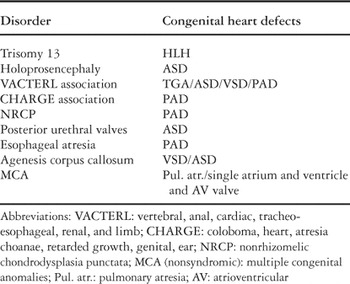
Table 2.
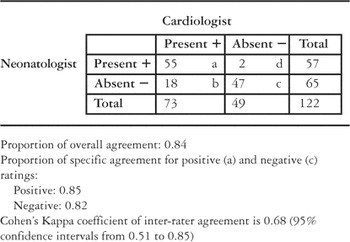
Table 3.

Table 4.
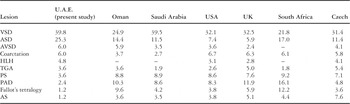
Table 5.
 You have
Access
- 22
- Cited by