


A central objective of many state builders is to restructure social orders to better align with their political principles.Footnote 1 Social orders consist of ties between people and institutions and reflect the principles and priorities of governing authorities. For state builders, reshaping social orders is normatively important and strategically valuable, potentially transforming collective behaviors. While existing work illustrates how violence, institution building, literacy through public schooling, or elite co-optation reshape social orders to better align with state builders’ governing principles, this article identifies a new and complementary mechanism: the strong enforcement of symbolic programs.Footnote 2
Symbolic programs refer to policies that introduce representations of new state-builder principles and priorities, which serve as focal points for social engagement. They intertwine state-builder priorities with daily life, often manifesting as new rituals, ceremonies, art, festivals, holidays, new social clubs or organizations (like women’s or workers’ organizations), or calendars. Symbolic programs typically do not require literacy, rely on violence, or directly transfer material resources.
When symbolic programs are more intensely enforced at the local level, they are more likely to succeed at transforming the social order. Under these conditions, symbolic programs more cleanly break rivalrous, pre-existing relationships, more effectively constitute new bonds, and more deeply socialize individuals into the state-builder principles and priorities underlying these new bonds. Symbolic programs can also be laxly enforced. When officials enforce symbolic programs less intensely, they reduce the rupture and reforging of bonds and dilute socialization. Thus when intensely enforced, symbolic programs are more likely to transform social orders by fostering new social ties while conveying state builders’ principles and priorities.
I evaluate this argument using the case of the Republican calendar in revolutionary France. Introduced from 1793 to 1806, the Republican calendar replaced the Gregorian calendar (still in use today). The Gregorian calendar reflected and reinforced the principles and priorities of the Catholic Church, with Sundays, holidays, and feast days as sacred days of rest (some of which were locally determined). The Republican calendar disrupted Sundays as a day of spiritual reflection, creating new holidays and rest days centered on political activity and the revolutionary state. Rest was no longer a spiritual duty but a political-economic issue regulated by the state. According to Cohen,Footnote 3 whereas the Gregorian calendar fostered hierarchical ties with the church and God and reinforced the notion of rest as a duty to God, the Republican calendar fostered ties among citizens, and these connections were grounded in a political and economic conception of labor and rest.Footnote 4
Though the Republican calendar was a national-level program, local-level government officials enjoyed wide latitude in enforcing it, leading to significant heterogeneity in enforcement intensity. When local officials more intensely enforced the Republican calendar, they more easily broke pre-existing relationships between Catholic laypersons and the church, while easing the formation of social ties through interactions during work days, markets, and civic festivals or holidays. People were also more deeply socialized into politicized understandings of time, labor, and rest that were regulated by the state, and thus politically contestable by interest groups (such as different classes or occupations). When the calendar was laxly enforced, people’s schedules varied, reducing social bonding and coordination. Socialization was also more limited, with rest and labor reflecting religious obligations regulated by the church rather than political-economic constructs.
Social bonds and the principles underlying them are difficult to observe. I evaluate the effect of varying levels of enforcement of the Republican calendar, a symbolic program, by identifying an observable behavioral implication related to the content of bonds forged by its enforcement: the onset of labor conflicts. Although the revolutionary French state was not trying to increase labor conflicts and strikes, labor conflicts nevertheless require strong bonds to facilitate local mobilization, and labor conflicts reflect ideas about labor and rest as political and economic, as opposed to religious and sacred—ideas the Republican calendar sought to inculcate. In France at the time, strikes and labor unrest were often geographically coordinated, not sectoral.Footnote 5 More intense enforcement deepened socialization around political understandings of time, labor, and rest, helping articulate shared grievances in political terms, while strong social bonds reduced organizing costs. Relative to places without these ideas or bonds, we should observe a greater likelihood of labor conflict onset in places where the Republican calendar was more intensely enforced.
Empirical tests of the relationship between the Republican calendar’s enforcement and labor conflict onset rely on original data from each department’s prefecture’s birth and death records in civil registers (état civil). Because the civil register is consistently (sometimes daily) updated by local officials recording these events, these documents provide a useful guide to how quickly and consistently local officials relied on the Republican calendar for documentation. I use the speed of adoption of the Republican calendar as a measure of the intensity of enforcement. With these data and historical counts of labor conflicts and strikes, in addition to other covariates, I use a difference-in-difference design and other modeling techniques to estimate the relationship between more intensely enforcing the Republican calendar on subsequent labor conflicts and strikes. Consistent with expectations, I find that locations that more intensely enforced the calendar experienced more strikes and conflicts decades after the Republican calendar fell out of use. These results are robust to multiple specification checks, accounting for alternative mechanisms and different data sets.
These results have several implications for research on state building and revolution. First, whereas work on symbolic politics has underscored how symbols and rituals maintain political orders, this article introduces a theory for how, when, and why the introduction of new symbols is most likely to change social orders, and then tests the effects of symbolic programs more broadly.Footnote 6 Second, this article complements and expands research on the politicization of time and its policy implications.Footnote 7 Third, revolutionary France is a canonical case of both state building and revolution upon which many theories of the onset and implications thereof are premised. If it is an ideal-typical case, then programs essential to these processes are also ideal-typical and, indeed, an inspiration to other state builders and revolutionaries (for example, Russia, Italy).
State Building and Social Orders
For state builders, reconstituting a social order can be both a strategic and ideological imperative. Social orders consist of ties between people and organizations, and these ties and the interactions they facilitate reflect the principles and priorities of those orders.Footnote 8 For state builders, social orders have both intrinsic normative and potential strategic value, as they can facilitate a wide array of collective behaviors, sometimes desired by the state.Footnote 9
To change social orders, state builders use a variety of tools. One of the most common and powerful is violence. War justifies mobilizing populations, creating new institutions, and levying new taxes.Footnote 10 Violence differentiates who belongs to the social order and who does not,Footnote 11 fosters ties with and clarifies the final sovereign authority,Footnote 12 and shapes expectations about the nature of bonds, especially with respect to reciprocity and equality.Footnote 13
A second social ordering tool at state builders’ disposal is new institutions.Footnote 14 New institutions restructure social orders by shaping the nature of bonds through the distribution of economic, political, and social power. The distribution of power reflects state builders’ principles and priorities, and affects the nature of bonds between people.
A third state-building tool is public schools through which literacy campaigns are introduced.Footnote 15 Mass literacy and language programs inculcate loyalty and a sense of national identity. Shared language also increases state legibility, another mechanism by which literacy and education connect society and the state.Footnote 16
Finally, state builders could also rely on elite co-optation to enforce new social orders.Footnote 17 Existing elites (for example, religious or traditional authorities) enjoy a degree of legitimacy among their local communities. By enticing elite collaboration on state-building projects, state builders gain legitimacy. The added legitimacy facilitates bonds between society and the state-building authority, while also tacitly or explicitly reinforcing state-builder principles that underlie existing or nascent social bonds.
Yet state builders’ efforts to restructure social orders have often extended beyond violence, institution building, public schooling, literacy, and elite co-optation. For example, the Chinese Communist Party (CCP) sought to reshape social orders during the Chinese Civil War. While it introduced a basic literacy campaign wherever teachers were available, it also initiated the highly successful program of “speaking bitterness.” Speaking bitterness entailed repeated community meetings where individuals shared their experiences of exploitation at the hands of the landlord class. The campaign aimed to break long-standing social ties between landlord and tenants, to build connections between tenants, and then to inculcate the CCP’s political beliefs of antagonism against even popular landlords.Footnote 18 Likewise, the Revolutionary Front for an Independent East Timor (FRETILIN) established women’s organizations to counter patriarchal patterns of women’s exclusion from political engagement, expand women’s sociopolitical networks, and promote FRETILIN’s beliefs about the importance of women’s participation in politics.Footnote 19 The Nazi Party used coercion alongside spectacle, symbols, practices, and radio to transform Germany from a country of highly articulate partisans to one of “believers and conformists.”Footnote 20 During major transformations from the Soviet Union to Fascist Italy, leaders also introduced new calendars.
These initiatives are examples of symbolic programs. Symbolic programs are state-builder initiatives designed to be a new focal point for social coordination, or a representation of idealized social coordination, while simultaneously conveying the state builder’s principles and unique priorities. Across space and time, state builders’ typical arsenal of symbolic programs has included new clubs and organizations for targeted constituencies within society (mass organizations, women’s organizations, youth wings, or labor organizations), encouraging specific forms of and topics for artistic expression while prohibiting others, and introducing new holidays, calendars, or civic rituals.Footnote 21
Symbolic programs differ from mass literacy and public education: these campaigns focus on language and literacy acquisition, convey basic information, and present a shared history. They are typically delivered to children through the institution of state schools. Symbolic programs, by contrast, do not require literacy, and their purview also extends beyond children and classroom settings. Symbolic programs are also distinct from institution building or other social policies as they do not directly distribute material resources.
While symbolic programs differ from other state-building tools, they nevertheless complement and enhance them.Footnote 22 For instance, violence might be necessary to create the conditions for a state builder to introduce a symbolic program, or a symbolic program introduced among soldiers fighting on behalf of a state builder could deepen bonds and inculcate shared principles. Institutions constructed by state builders reinforce symbolic programs by serving as meeting spaces to facilitate shared connections or distributing economic, political, and social power in ways that reinforce the principles propagated through these programs. A symbolic program might also be embedded in school curricula or dictate schedules: a school could be organized around the holidays of a new calendar, practice new civic rituals, or include state-builder approved forms of artistic expression or stories.Footnote 23
Symbolic programs can also exert an independent effect on state builders’ ability to change the social order. Symbols and rituals are essential to political processes.Footnote 24 Yet while research on state building has documented the existence of such programs,Footnote 25 and work on symbolic politics shows how symbols contribute to regime durability, we still know little about whether, when, and why they can transform social orders.Footnote 26 I argue that when state builders strongly enforce symbolic programs, they can reconfigure social ties and embed new principles, thereby reshaping the social order itself.
Intense enforcement is more likely to succeed in establishing new social orders that align with state-building principles for three reasons. First, intense enforcement more easily coordinates regular and desired social interactions, and better coordination facilitates the formation of new social bonds. State builders’ symbolic programs can increase interactions directly by creating or encouraging spaces for engagements such as regular meetings and discussions, festivals, rituals, or public gatherings.Footnote 27 Symbolic programs can also indirectly coordinate society by explaining, illustrating, or demonstrating increased interactions between two salient social groups through various media and performances. These artistic depictions represent and explicitly encourage idealized interactions that ought to occur, as well as the social bonds that might be built from them.
Furthermore, because intensely enforced symbolic programs better coordinate social interactions, nonconformity with these programs is more easily identifiable.Footnote 28 Identification facilitates punishment through social sanction, peer pressure, or by law, which in turn raises the costs of noncompliance.Footnote 29 As a result, individuals may still participate in symbolic programs even if they personally do not like or agree with them, thereby increasing the formation of social bonds between people who disagree with the state builders’ objectives.Footnote 30
Second, more intense enforcement of symbolic programs increases socialization about state builders’ principles and priorities and how they are reflected in the content of new bonds.Footnote 31 Intense enforcement means that individuals consistently receive the same, repeated messages about state builders’ principles.Footnote 32 Even relatively brief interactions, such as a single visit to a museum, can shape opinions about political events and experiences.Footnote 33 When state builders consistently repeat information about their principles and priorities in meetings, lectures, at rituals or ceremonies, or through art and media, individuals are more likely to internalize this information. Deeper internalization means the nature and content of social bonds become self-evident and taken for granted, and it becomes difficult to conceive of society being structured in any other way.Footnote 34
Third, intense enforcement of symbolic programs is also more likely to disrupt pre-existing social orders, especially when they rival or challenge the state builders’ own. If intense enforcement facilitates state builders’ desired interactions while making noncompliance more difficult, pre-existing social ties that require noncompliance will also be more challenging to maintain. For instance, if a pre-existing social order involved married women who held ties exclusively with family members, and state builders intensely enforced a symbolic program of women’s organizations, complying with state builders’ symbolic programs would make maintaining the pre-existing social order more difficult. At the same time, if intense enforcement of symbolic programs increases socialization into state-builder priorities and principles, individuals are less likely to receive countermessages about alternatives to the state builders’ social orders. If state builders strictly enforced a symbolic program that promoted only depictions of certain types of people and principles, exposure to pre-existing art forms featuring different depictions would be more difficult.
The social order that emerges from the intense enforcement of symbolic programs can be sticky and endure over time. When behaviors are adopted by a critical mass of people or groups within a community, these behaviors and norms can spread to the rest of the community.Footnote 35 As more people form new social bonds predicated upon specific ideas, these bonds become self-reinforcing and self-perpetuating,Footnote 36 persisting over time.Footnote 37 When individual principles align with principles found within broader communities, they are more likely to persist and become taken-for-granted, almost self-evident truths.Footnote 38 Both parentalFootnote 39 and community-levelFootnote 40 socialization can also ensure intergenerational transmission of political beliefs and behaviors.Footnote 41 These long-lasting consequences are especially pronounced when peer principles and behaviors are more homogenous.Footnote 42 Because pre-existing social orders are more likely to have been eroded and new principles more deeply socialized where symbolic programs are intensely enforced, homogeneity in beliefs and interactions is more likely.
By contrast, the lax enforcement of symbolic programs does not facilitate social coordination, reducing interactions and limiting people’s ability to forge new social bonds. Lax enforcement reduces socialization so individuals receive fewer messages about state-builder principles and priorities. Consequently, state builders are less effective at disrupting pre-existing social orders: competing social ties are more likely to remain intact, and individuals are more likely to be exposed to sets of principles that differ from the state builder. In short, lax enforcement reduces the formation of new social bonds and the understanding of the principles underlying them, while pre-existing social orders remain largely intact.
To summarize, state builders seek to transform the social order and use violence, institution building, elite co-optation, or education to achieve these ends. An additional, complementary pathway to restructuring social orders is through symbolic programs. When local officials enforce symbolic programs more intensely, they more fully break pre-existing bonds, produce new communal bonds that align with state-building principles, and socialize individuals into the content of these bonds. These new social orders are sticky, enduring, and can persist over time.Footnote 43 Lax enforcement, however, limits the rupture from pre-existing modes of social organization, reduces coordination and the ability to form new bonds, and weakly socializes individuals.
Scope Conditions
Although symbolic programs can exert an independent effect on changes to the social order when they are intensely enforced, there are important limitations to this theory. The first is that symbolic programs are more likely to be effective when they directly foster social ties by convening individuals in person. Individuals may be told about the importance of bonds between themselves and other groups of people, but without physical interactions, these ties are less likely to form. The second scope condition is that a symbolic program must seek to unify segments or all of society. If a symbolic program seeks to inculcate atomization and separateness, then social bonds are unlikely to form. Third, a symbolic program cannot operate unless people have a reasonably safe ability to meet, interact, or consume and reflect upon information given to them. For instance, if violence or repression is so intense that no one can interact with one another, no social bonds can be formed. Finally, symbolic programs are more likely to be introduced by transformative state builders, such as revolutionaries or extreme reactionaries.
Case Selection: The Republican Calendar
I evaluate the argument by focusing on the enforcement of the Republican calendar during the French Revolution. The Republican calendar is a quintessential example of a symbolic program. Revolutionaries introduced the calendar to inculcate the principle that labor, rest, and time were political-economic concepts, and as such, should be regulated by the state. This principle stood in contrast to the prevailing governing authority: labor and rest were religious functions organized around Catholicism and regulated by the church. Calendars are also potent social organizational tools that both forge connections while conveying specific ideas.Footnote 44
Beyond being a quintessential symbolic program, the Republican calendar is a good case for reasons related to both internal and external validity. In terms of internal validity, the case helps address concerns that variation in enforcement is due to pre-existing political preferences. At this time in France, many local officials came from the same political organization: the Jacobins. Because of the power of the Jacobin political party at the point of the calendar’s enforcement, “where [Jacobin] clubs functioned, it was the norm for public officials to be on membership rolls.”Footnote 45 At least 1,500 communes had Jacobin Clubs,Footnote 46 and all departments for which there are data had at least four Jacobin Clubs.Footnote 47 Variation in leaders’ political preferences was largely constrained to a single political party.
The case also helps account for the explanation of elite co-optation. The French Republican calendar directly challenged the power of the French church, and so pre-existing religious elites, as well as their aristocratic allies, were unlikely to support it, making co-optation a real challenge for French state-building revolutionaries.
Likewise, the Republican calendar case also helps account for the influence of formal education. While public schools were required to enforce the calendar,Footnote 48 FriglgliettiFootnote 49 explains that “the instruction of the young was neglected or left to religious institutions,” mainly due to the state’s inability to finance institutions and train teachers.Footnote 50 Formal education was largely in the hands of those opposed to the Republican calendar.
Regarding external validity, the French Revolution is a canonical example of transformative state building, and the Republican calendar is a hallmark symbolic program within this case. The symbolic program of the Republican calendar was so influential that other state builders similarly sought to mimic it or aspects thereof. For instance, as part of state-building efforts conducted by the Bolsheviks during the Russian Revolution, the revolutionary state builders introduced a new calendar with a five-day week that staggered the days of rest for part of the population.Footnote 51 Irish revolutionary state builders realized the power of time as a symbol and coordinated acts of rebellion with critical days.Footnote 52 Explicitly inspired by the French Republican calendar, Benito Mussolini introduced the Fascist Era year-counting system, with Year One beginning when Mussolini became prime ministerFootnote 53 and eliminated weekday holidays.Footnote 54
Background
Before the French Revolution, France operated on the Gregorian calendar (used commonly today). The Gregorian calendar organized and congregated Catholics around important days for the Catholic Church—the Sunday Sabbath, holidays, and feast days (which varied occasionally in accordance with local customs). Markets, important social and economic instruments, were also organized around Catholic temporal rhythms. Non-Catholics abided, but did not necessarily participate in, these events. The Gregorian calendar also reflected Catholic principles and priorities. Most importantly, it reflected the idea that time, labor, and rest were sacred obligations, rightfully regulated by religious authorities, and one needed to obey them despite personal costs. Indeed, because of the frequency of holidays, and because many laborers could not work during these holidays (often spending money during them), a significant number of nonworking days reduced “poorer workers’ ability to support their families.”Footnote 55 Members of the third estate (non-nobles and nonclergy) lodged complaints regarding the imposition of religious observances on economic well-being to the cahiers de doleances (a list of grievances).Footnote 56
When the French Revolutionaries seized power in 1789, they established a committee to replace the Gregorian calendar with a new one. After several years and revisions, the revolutionaries ultimately produced the Republican calendar. They understood the Republican calendar to be a tool to transform the social order: “[e]rasing [the Gregorian] calendar would be as close as they could come to effacing the past itself. Memories of all the inequities of traditional society would be lost as the old book of time was closed and the new revolutionary calendar was launched, signaling the new world order they hoped to implement.”Footnote 57 The calendar had significant power to coordinate French society. Rather than fifty-two seven-day weeks with rest occurring on Sunday, the Republican calendar introduced thirty-six ten-day weeks with at least one day of rest necessarily falling on the tenth day (the decadi). Instead of religious holidays occurring throughout the year, there were five or six civic festival days (the sans-culottides, or complementary days) at the end of the year (now occurring around late September). Likewise, markets, fairs, and “organized recreation” were reorganized around the ten-day cycle, and public and private institutions were required to close on the decadis.Footnote 58
The calendar’s construction also reflected revolutionary state builders’ principles of time as political and economic,Footnote 59 with the state as its rightful regulator, charged with coordinating the behaviors of citizens, Catholic and non-Catholic alike.Footnote 60 Officials considering how to enforce the Republican calendar explicitly discussed how the calendar shaped economic productivity and labor: pamphlets from the time reveal that some officials even advocated for compelling everyone to work every day except for federal holidays and the decadi, rather than requiring rest on the decadi with other days optional for rest.Footnote 61 Its creators publicly debated whether to increase rest days for the benefit of those engaging in manual labor, once again underscoring the relationship between labor and rest.Footnote 62
The final version of the Republican calendar was approved on 24 October 1793,Footnote 63 and by 23 November 1793 (4 Frimaire II), all government officials at every administrative level needed to use it.Footnote 64 The National Convention in Paris provided little guidance on how to enforce it, however, resulting in significant and well-known spatial heterogeneity in the intensity of the calendrical reform’s enforcement.Footnote 65
When the calendar was intensely enforced locally, it synchronized social engagement and coordinated labor and rest. In some places with strong enforcement, Jacobin clubs declared people who rested on Sundays suspects, even imprisoning them for crimes.Footnote 66 In other places, such as Sarthe, police surveilled individuals to ensure they complied with the rest required of the decadi.Footnote 67 Other locations required permits to work on the decadi.Footnote 68 In these places, working on a decadi or resting on a Sunday could be discovered and punished.
Beyond facilitating coordination around labor and rest, the Republican calendar also facilitated economic and recreational activity. The most crucial aspect of the new Republican calendar was the regulation of markets and fairs.Footnote 69 According to Shaw, “markets were the great ‘moments of sociability,’ and they were vital to the pride of any self-respecting town or village. Indeed, their importance may have equaled or even outstripped that of the church as a social nexus in many parts of France. Hence, markets were integral to, if not the defining characteristic of, many communities.”Footnote 70 Not only did the state’s enforcement of the calendar affect fairs and markets, which correspondingly affected the schedules of merchants and farmers who would attend, but it also facilitated other, nonstate social and economic organizations to better align with the new calendar’s schedule.Footnote 71 For instance, fishing cooperatives in Marseille similarly adopted the Republican calendar’s schedule when coordinating and scheduling meeting times.Footnote 72 By regulating fairs and markets through the new Republican calendar, administrators coordinated social activity and facilitated social and economic interactions.
Furthermore, during decadal rest days, individuals in locations where the Republican calendar was strongly enforced were enjoined to attend civic festivals.Footnote 73 Some departments strongly prioritized attendance, requiring one person per family to attend weekly decadi festivities.Footnote 74 In Besançon where the calendar was strongly enforced, authorities escorted individuals to festivals on the decadi rest day.Footnote 75
Not only did the Republican calendar coordinate social interaction, but it also implicitly and explicitly socialized individuals into the revolutionary principle that time, labor, and rest were not divine, but rather political and economic. As a political-economic construct, time and its implications for labor and rest ought to be regulated by civil authorities, not religious ones. The calendar socialized individuals by setting dates for communal events and using these events to explicitly or implicitly propagate revolutionary principles. A common communal event was public lectures or festivals, typically held on the decadi. The purpose of these civic engagements was to socialize individuals, including about the calendar and politicized labor, rest, and time.Footnote 76 Though markets, another communal event set by the Republican calendar, lacked public lectures, it nevertheless forged an implicit linkage between the calendar, time, labor, and commerce.
When the Republican calendar was intensely enforced, officials increased exposure and socialization into the revolutionary principles of politicized time, labor, and rest, and the state as their rightful regulator. Exposure typically increased because officials might compel attendance at these civic festivals oriented around the new calendar. Officials organized the festivals and elected to use the decadal gathering to proselytize the calendar’s principles. For instance, in Nantes, where the calendar was intensely enforced, local officials publicly linked it to labor and labor as being for the good of the republic.Footnote 77 In Amiens, another location where it was intensely enforced, administrators publicly expressed their belief that the calendar could inspire a value of labor for the patrie.Footnote 78 Other officials tied the Republic calendar to labor, claimed that it was tied to labor and labor was for the good of the Republic, and advocated that the calendar could inspire others to understand labor as a virtue for the state during civic festivals.Footnote 79 Likewise, when officials intensely enforced the markets by more closely and more quickly tying them to the Republican calendar, the implicit linkage between the calendar, commerce, labor, and rest was stronger.
The Republican calendar still retained a symbolic relationship with time, labor, and rest as political and economic concepts long after it was abandoned in 1806. It was especially popular among progressives, leftists, and socialists and was reproduced by them. For instance, Auguste Comte drew inspiration from the Republican calendar when creating his own in the mid-nineteenth century, the leaders of the Paris Commune resurrected it in 1871, and it was ensconced in socialist almanacs throughout the nineteenth and early twentieth centuries.Footnote 80 Even in 1889, author Émile Zola remarked that aspects of the calendar invoked the idea of workers and the effort that workers made, underscoring the resonance of the calendar’s principles nearly a century later.Footnote 81
In other places, however, local officials and Jacobin clubs were far less zealous in enforcing the calendar.Footnote 82 In some departments, Jacobins believed that people should be able to rest on Sundays if they chose and interpreted the calendar as applying only to state officials.Footnote 83 Other Jacobin clubs scheduled meetings on Sundays because they expected citizens to rest then, so their members would be free to convene.Footnote 84 Some places wanted to generate compliance with resting on the decadi rather than Sunday, but only did so by limiting the sale of alcohol or dances on Sundays to make leisure less enjoyable.Footnote 85 In places where the calendar was weakly enforced, markets were slow to change and, at best, “generally observed.”Footnote 86 When it came to socializing individuals into the principles encapsulated by the Republican calendar, weak enforcement locations again fell short. Administrators responsible for enforcing the calendar resented their positions,Footnote 87 and did not enjoy or deeply invest in decadal celebrations, given the lower turnout and mood of the local community.Footnote 88
The consequences of lax enforcement were social discoordination and an uneven transmission of Republican principles. Schedules varied between individuals and organizations, with some observing state schedules and others observing religious ones. The uneven enforcement of the calendar led to “disagreements between individuals and towns” within and outside France.Footnote 89 On a personal level, “those that observed the decadi were undermined by their neighbors who could be lax, even counter-revolutionary in such matters.”Footnote 90
This pattern of intense and lax enforcement continued into the nineteenth century. Eventually, Napoleon Bonaparte agreed to abandon the Republican calendar on 1 January 1806, a little less than thirteen years after its creation. While it persisted in the collective memory of many, was briefly resurrected for a few weeks during the Paris Commune, and inspired other state builders over a century later, the Republican calendar was never again used and enforced to the same extent in France.
Expectations
The theory argues that the intense enforcement of symbolic programs can reshape social orders by forging and reforging social bonds while socializing individuals into state-builder principles. The Republican calendar was a symbolic program. When enforced intensely, it helped foster “horizontal relationships” within their communities, while reinforcing that time, labor, and rest were political and economic constructs to be regulated by civil, not religious authorities.Footnote 91 Because individuals operated on the same schedule, they more easily formed shared bonds, coordinated with one another, and encountered revolutionary notions of labor and rest. By contrast, in localities where the calendar was less intensely enforced, social coordination was more challenging as people’s schedules aligned with different calendars (the Gregorian or Republican), and people were differentially socialized into political-economic conceptions of time, labor, and rest.
Though critical to many state builders’ ultimate success, the bonds forged by the more intense enforcement of the Republican calendar are difficult to observe and measure. Instead, I use labor conflicts as an observable implication. Labor conflicts are a useful measure in lieu of the relatively harder-to-observe social bonds of a new social order. Collective action requires opportunity structures that favor mobilization, as well as grievances to galvanize participation. The intense enforcement of the Republican calendar affected both, making labor conflicts more likely. Indeed, like the intensity of the Republican calendar’s enforcement, many strikes and labor conflicts in France were geographic rather than sectoral, meaning that social coordination was contained to an area rather than coordination across space but within the same sector.Footnote 92
When strongly enforced, the Republican calendar created more favorable opportunity structures for strikes by facilitating greater social bonds. More and more robust social ties enhanced social coordination, making mobilization for a labor conflict easier. Socialization under the Republican calendar was also deeper. Socialization entailed enforcing the principles that time, labor, and rest were political, and that state officials were their rightful regulators. The shared politicization of time, labor, and rest derived from the calendar also persisted into at least the twentieth century.Footnote 93 These shared understandings provide the vocabulary and frameworks for shared grievances that serve to mobilize individuals for a labor conflict were more likely to persist over time.
Of course, merely because individuals accepted the principles that time, labor, and rest were political and the state was its rightful regulator did not mean they shared preferences for how it ought to be regulated. By moving these constructs into the political-economic domain, they became susceptible to contestation by different interest groups, such as employers and employees, who held differing preferences about state-regulated, politicized time: the forty-hour work week, hourly minimum wage, maternity leave, guaranteed vacation days, sick pay, and weekends are continued contentions around state-regulated, politicized time.Footnote 94
Thus the bonds forged under the strong enforcement of the Republican calendar would have increased opportunity structures. The Republican calendar also homogenized a shared understanding of politicized labor, rest, and time, placing the state as the rightful regulator. In so doing, the regulation of time, labor, and rest could become focal points of contention between different interest groups, such as employers and employees, who may have divergent preferences about how the state ought to regulate these concepts. With wider opportunity structures, shared understanding of the principles of politicized time and the state as time’s regulator, and greater opportunity for contention over these principles, labor conflicts were more likely in places with the strong enforcement of the Republican calendar, and these effects should persist over time, in the absence of major interventions to disrupt existing social orders.
By contrast, in places where the Republican calendar was less intensely enforced, both opportunity structures were narrower and the ability to mobilize along grievances were more challenging, making the observance of labor conflicts less likely. Lax enforcement caused discoordination, making the formation of social bonds more challenging and limited. Lax enforcement also reduced shared consensus around the principle of a politicized time, labor, and rest. Time, labor, and rest were religious constructs, regulated by religious officials. The vast majority (nearly 98 percent) of French people were Catholic, and the Catholic Church was geographically organized, meaning that entire communities may have attended the same church.Footnote 95 As a result, disagreements over the religious regulation of time were less likely to emerge and less likely to be susceptible to mobilization. Places that remained entirely on the Gregorian calendar, which might retain some social connections, would not be socialized into state builder principles. Both the opportunity structures and widespread grievances necessary for labor strikes would be less likely to emerge in places where the Republican calendar was weakly enforced: strong and widespread social bonds necessary to create the opportunity structures for strikes were less likely to be present and a shared understanding of time, labor, and rest as political and economic ideas would complicate articulating grievances around and mobilizing along these concepts.
Notably, secular trends also influence the propensity for labor conflicts in both high- and low-enforcement areas. Conflicts and violence of all kinds declined precipitously after the revolution.Footnote 96 The Republican calendar was also introduced about two years after the Chapelier Law of 1791. The Chapelier Law sought to dismantle guilds, effectively limiting labor action until it was rescinded in 1864.Footnote 97 At the same time, socialism and communism did not exist and become widespread until the mid-to-late nineteenth century. This means that, across all departments, labor conflicts should be lower after the revolution compared to before the revolution. Labor conflicts should then gradually increase across all departments as communism and socialist ideologies, and the labor organizing motivated by these ideologies, become increasingly prevalent.
As a result, I anticipate a secular decline in labor activism after the revolution due to the Chapelier Law. Once the Republican calendar is lifted, however, I anticipate observing more strikes and labor conflicts in places where the Republican calendar is strongly enforced, due to the presence of strong social bonds and shared understandings of time, labor, and rest that facilitate opportunity structures and mobilization around grievances. By contrast, places that weakly enforced the Republican calendar should be less likely to experience labor conflicts and strikes due to weaker social bonds and a lack of shared understandings, which close opportunity structures and limit mobilization along shared grievances. Even if enforcement was so weak that all people (even government officials who were willing to break the law) remained entirely on the Gregorian calendar, labor conflicts would still be less likely: the Chapelier Law would have weakened guilds and social coordination around forms of labor, individuals would not be exposed to the principles the Republican calendar sought to inculcate—that labor, rest, and time as political and economic—and coherent political ideologies that might substitute for the Republican calendar, such as socialism or communism, were not existent or nascent. Because social bonds and socialization are sticky, self-reinforcing equilibria, and because the principles and priorities of the Republican calendar were repeatedly introduced among progressives, leftists, and socialists, these trends are likely to persist over time. More formally, I hypothesize that:
H1 If a department intensely enforced the Republican calendar, it was more likely to experience strikes after 1805 when enforcement of the Republican calendar ended.
Selection: What Drove Intense Enforcement?
Key to estimating how the Republican calendar affected the social order is understanding why some departments strongly enforced the Republican calendar while others did not. Particularly troubling is whether some factor systematically explains the strong enforcement of the Republican calendar as well as a greater incidence of labor conflicts. The historical literature does not identify a conclusive reason that some departments strongly enforced the Republican calendar, but others did not. Indeed, according to Shaw, this variation arose due to a variety of factors, including “simple chance and contingency (such as access to a printing press or stock of paper).”Footnote 98 Additional statistical tests also do not indicate that three of the biggest potential sources of bias—the political positions of local officials, pre-existing state capacity, and the presence of a representative en mission—account for selection into strong enforcement (supplementary Table A.5 in the appendix), but these factors are nevertheless worth considering and accounting for in subsequent tests.
One potential selection issue is that elected local officials were responsible for enforcing the Republican calendar, and the departments that elected them were both predisposed to labor conflicts and sought these officials. At this time, Jacobins had reached the pinnacle of their political power and had a footprint in every department across France, with most officials or active lobbyists associated with the party.Footnote 99 Variation in the underlying political preferences of officials was relatively constrained to different factions within the same party. Furthermore, the observance of the Republican calendar was not always popular with citizens, and neither was strongly enforcing such observance.Footnote 100 Indeed, as Shusterman explains,“only a republican would observe the republican calendar, not all republicans would do so.”Footnote 101 Local Jacobin officials might have strategic incentives for not strongly enforcing the calendar.
As an additional statistical test, I examine whether the enforcement of the Republican calendar was systematically associated with one of two factions within the Jacobin party—either the Girondists or Montagnards. While Jacobins had consolidated political control across most departments, they were internally divided between these two factions. Appendix Tables A.1 and A.2 use data from Hanson to investigate the association between Girondists or Montagnard departments and the intense enforcement of the Republican calendar.Footnote 102 Montagnard and Girondist departments both intensely enforce the Republican calendar at relatively equal rates, with no statistically significant differences between them.
Additionally, it was highly unlikely that local officials moved where they were likely to be elected because of their preferences for the Republican calendar. Elections for the officials who would be responsible for enforcing the calendar were held in 1792, about a year before the National Convention approved the Republican calendar.Footnote 103 To be eligible to vote, one of the requirements was that a man had to live in the canton (subdepartment administrative unit) for twelve months.Footnote 104 Becoming a candidate also stipulated that a man needed to vote, in addition to meeting other requirements, so candidates also had to live in the canton for twelve months.Footnote 105 Finally, department-level administrators were indirectly elected through a body of electors. These electors typically selected individuals from among themselves to hold departmental offices, and there was a strong preference for localism.Footnote 106 To vote and be a candidate in 1792, individuals had to live in a department in 1791, years before the Republican calendar ever existed.
A second issue could be underlying state capacity. However, at this time in France, local officials were not working within long-standing administrative units with particular institutional legacies: revolutionaries abolished old administrative units of the Ancien Régime, the provinces, in 1790. In their place, revolutionaries created départements (departments). These departments were created to be roughly the same population size and geographic area while accounting for access, geographic, and shared bonds between people.Footnote 107 Within departments, a chef-lieu, or prefecture, was selected. Several of these prefectures were selected through quasi-random processes, as explained by Chambru, Henry, and Marx.Footnote 108 I examine whether departments that had long-standing administrative hubs which became prefectures were more likely to strongly enforce the Republican calendar relative to departments whose prefectures were selected through the quasi-random list processes described by Chambru, Henry, and Marx.Footnote 109 There are no systematic differences in enforcement between these departments, as Table A.3 in the appendix reports.
A third explanation is that the Republican calendar was strongly enforced in places with representatives en mission.Footnote 110 Representatives were responsible for managing and providing logistics for the army and logistics, addressing structural problems, and responding to crisis situations.Footnote 111 They collaborated with military and local officials, serving as a liaison between them and the national government in Paris. Representatives were also bestowed with judicial power, and they could make legal judgments based on the performance and behavior of officials and people.Footnote 112 Local officials may have been incentivized to strongly enforce the Republican calendar because representatives would be using it in their correspondence with the national government and when coordinating the army, so using the Republican calendar would simplify their correspondence and coordination between levels of government.Footnote 113 Representatives also had the power to punish perceived or actual noncompliance,Footnote 114 so local and military officials could have been incentivized to enforce the calendar to avoid reprimands.Footnote 115
Although representatives en mission have been cited by some historians as a reason for the strong enforcement of the Republican calendar, an analysis of the data here indicates that in departments where there were a large number of missions, only about 44 percent were intense enforcers, while about 56 percent of weak enforcers had several representatives (supplementary Table A.4 in the appendix). These differences are not statistically significant. Furthermore, results from a logistic regression model estimating the determinants of strong enforcement of the Republican calendar indicate a positive but not statistically significant association between representatives and the intense enforcement of the Republican calendar (supplementary Table A.5 in the appendix).
In short, while a full analysis of the cause of variation in the enforcement of the Republican calendar is outside the scope of this article, the strong enforcement of the calendar does not appear to be driven by pre-calendar political preferences or opportunistic politicians, pre-existing state capacity, or representatives en mission. Nevertheless, I account for these explanations in the modeling decisions across all subsequent tests and as placebos to investigate whether these explanations produce similar effects on labor conflicts as the Republican calendar.
Research Design
I test my theory using new and original subnational panel data of French department-years from 1770 to 1859.Footnote 116 One notable exception is Paris which is missing due to the loss of archives from the 1871 Franco–Prussian War. The exclusion of Paris, however, likely biases against my arguments: Paris would have been likely to quickly implement and enforce the Republican calendar, and it also experienced the most labor conflicts during this study’s period.
No research design relying on observational data will be perfect with respect to identification. Instead, this article relies on case selection and modeling techniques to mitigate threats to inference. In terms of case selection, focusing on the Republican calendar has many merits. One of these merits is that the case helps account for rival mechanisms. As discussed earlier, French revolutionaries often had difficulty relying on pre-existing religious elites to enforce the Calendar because it posed a direct threat to their power, while the public educational system was weak. Furthermore, there does not appear to be a single systematic process driving selection into intense or lax enforcement, and the research design allows me to mitigate concerns of selection bias.
In terms of modeling, the article’s primary analysis relies on a classic “2
 $ \times $
2” difference-in-difference (DID) research design with unit fixed effects and time trends, inverse probability weighting, and clustered standard errors at the department level. The decision behind each component of the design has been weighed carefully against alternative approaches which I describe here.
The classic DID design compares two groups, a “treated” and “untreated” group, and compares differences in the changes between these groups before and after treatment (creating the 2
 $\times$
2), if all units in the “treated” group experienced the “treatment” at the same time. In the analysis, the explanatory variable is binary, creating two groups necessary for the study design (see part 1 of the the third section). Although all units eventually enforced the Republican calendar, the binary measure used here is most similar to well-validated epidemiological and medical approaches, which measure high- and low-dose treatments/indices/exposures between patients and subjects, but there is significant and meaningful variation in the “dosage” of this treatment.Footnote 117 In this case, I consider some departments as experiencing a meaningfully more intense enforcement of the Republican calendar (a higher “dose” of the Republican calendar), relative to lax enforcement (a lower “dose” of the Republican calendar). Furthermore, annual information about labor conflicts is available before and after the enforcement of the Republican calendar, allowing us to compare variation over time. Finally, units experienced the intense enforcement of the Republican calendar from 1793 to 1806, so all units were treated at the same time. The data structure is, therefore, appropriate for a classic DID design. Other related designs, such as an event study, are not appropriate because there is not enough information about the outcome measure.
Notably, the DID design has several assumptions. The most important assumption for identification in DID designs is that trends in the outcome variable between treated and control units are parallel. The parallel trends assumption requires that the outcomes of treated and control units follow the same path in the absence of treatment. DID designs also assume that there are no anticipation effects, meaning that units (in this case, departments) do not change their behavior in anticipation of “treatment” (in this case, the creation of the “Republican calendar”). Later, I provide evidence that both of these assumptions are reasonable.
The primary model also includes department-level fixed effects with a time trend rather than time-invariant covariates. The inclusion of department-level fixed effects in the model means that unit-level time-invariant covariates will not be reported. Nevertheless, including unit-level fixed effects and a time trend is preferable to the inclusion of time-invariant covariates because under certain conditions that pertain to this design, the inclusion of these measures helps account for unobserved time-invariant geographic as well as unobserved temporal variation.Footnote 118
While I cannot include time-invariant covariates in the model, I can use these measures to generate inverse probability weights (IPW). The parallel trends assumption may be implausible if pre-treatment covariates between intense enforcers (“treated”) and lax enforcers (“untreated”) of the Republican calendar are very different.Footnote 119 IPW can improve the covariate balance between these groups.Footnote 120 The third part of this section describes the covariates included in the weights, and the next section presents the model used to generate probabilities used to calculate them. In Appendix F, I present the kernel density plots of “treated” and “untreated” departments with and without IPW to investigate whether these weights improve balance. For most (but not all) covariates, especially the most unbalanced, IPW does improve the relative balance between treated and untreated units. All models are presented with and without weights.
Finally, because conventional standard errors often understate the standard deviation of estimators within DID designs, clustering standard errors at the department level help prevent over-rejecting the null hypothesis.Footnote 121
I use each of these design and modeling choices to estimate the relationship between the enforcement of the Republican calendar and the onset of a labor conflict in a department in a given year. After presenting the main results, I further explore internal validity in three ways. First, I provide empirical evidence that many of the assumptions about the internal validity of the model are reasonable. Second, I explore whether selection bias or alternative mechanisms are associated with the onset of a labor conflict. I find no evidence of either. Third, I present several different robustness checks, all of which generally lend support for my argument. Finally, I extend my analysis to a later time period and use a different data source with a similar outcome measure. Results are consistent using new samples and data.
Data and Measures
Key explanatory variable: Intensity of calendar enforcement
The explanatory concept is whether local officials intensely enforced the Republican calendar. To measure the intensity of the calendar’s enforcement locally, I use the speed with which local officials adopted the Republican calendar after its passage. Faster adoption corresponds to more intense enforcement, while slower adoption corresponds to more lax enforcement.
The speed of adoption is a good measure of enforcement for both theoretical and empirical reasons. On a theoretical level, speed is one dimension of enforcement intensity. Speed reflects the local prioritization of the Republican calendar as a symbolic program: of the many political activities taking place at the time, local administrators decided to invest time and energy to quickly change to the Republican calendar. Speed also hastened the formation of new social bonds and socialization into the Republican calendar. According to Shaw, administrators “were encouraged ‘to follow the law promptly’ so that the citizens could enjoy the benefits that would accrue from ‘an augmentation in the number of days that public functionaries work.”’Footnote 122 Implementing the calendar more quickly could have similarly hastened the adjustment of fairs, markets, and festivals, which played a significant role in coordinating community social life and exposure to the principles and priorities the calendar represented.Footnote 123
On an empirical level, speed is more consistent and complete relative to plausible alternatives. The records used to identify the Republican calendar’s adoption speed are available for most departments, and the causes of missingness are relatively well known. Other dimensions related to the Republican calendar’s enforcement, such as surveillance or fines, are not available for all departments, and the causes of missingness are not necessarily known. These records are also relatively consistent indicators (a birth is the same across all departments), whereas other measures of enforcement may not be consistent across departments (punishments for noncompliance).
As an additional check, in Appendix G, I draw on primary source documents to present additional qualitative evidence validating the concept-measurement match between enforcement intensity and speed. This qualitative evidence aligns with the measure used here.
I identified the speed of adoption by examining the birth and death registers of each prefecture of all French departments. These registers begin in 1792 and are called the état civil. The état civil contains records of births, deaths, and marriages, documented by a government official within a particular geographic space. Because births and deaths are relatively consistent occurrences, longer adoption periods are unlikely to be caused by the absence of births or deaths.
I consider the French Republican calendar to be adopted when the birth and death acts of prefecture registers first exclusively use the complete Republican date, including the correct day, name of the month (for example, Vendemiaire, etc.) and Republican year (for example, a II). Republican dates must be listed in the text of the acts and not in the margins to ensure that a later audit did not retroactively correct past mistakes. Appendix H presents examples of the records used to create this variable.
The data collection process produced two values: the adoption date of the Republican calendar in the birth records and the death records. From these two values, I calculated the difference in the number of days from the first possible day of adoption, 24 October 1793, or 3 Brumaire II. Figure 1 provides a visual overview of the data on the adoption times of the Republican calendar. The majority of departments introduced the calendar within a month of its passage, but in some departments, the average time to adoption was far longer.
Overview of data on Republican calendar adoption

From these data, I used the continuous average (mean) of days to implement the republican calendar to generate the two binary variables that serve as the key explanatory measures. The first binary measure codes all observations as “1” if officials implemented the calendar within 1.5 weeks by the new Republican calendar (fifteen days, about one-third of all observations), while all other observations take on a 0. The second binary variable takes on a 1 if the observation was among the top 25 percent of fastest adopters. All other observations are coded as a 0.
I use the binary measures for several reasons. Nonbinary measures are more likely to produce negative weights, which could bias estimates.Footnote 124 The “twowayfewweights” package in Stata finds no negative weights with the binary measures. Interpretation and model assumptions are also more challenging to meet with continuous measures. Finally, the use of weights is not straightforward with continuous measures and would significantly change the sample size across all models.
Dependent variable measures
The outcome measures the onset of a labor conflict in a department-year from 1770 to 1859. I exclude 1793 to 1805 to reduce endogeneity because the calendar was being enforced during this time. Observations are coded as 1 if at least one labor conflict began in that department-year and coded as 0 if not. The data for this measure are from the Historical Social Conflict Database (HiSCoD) data set, which contains information on the location and nature of conflicts from before and after the adoption of the Republican calendar.Footnote 125
Like many other data sets, HiSCoD aggregates information from multiple sources, and the authors of the data set deconflict and supplement this information in the data aggregation process. The HiSCoD data set’s primary source for pre-Revolutionary conflicts is Nicolas, which ends in 1789.Footnote 126 The authors then use other sources to identify conflicts after this time. To account for changes in the underlying sources used to collect the data, in the fifth section I use the same department sample but focus on only the post-Republican calendar period (1806 to 1859).
Additionally, I use data from Tilly and Jordan to generate department-year counts of strikes and strikes about hours from 1864 (when strikes were legalized) to 1935.Footnote 127 Data from Tilly and Jordan begin in the nineteenth century, so I cannot use these data for the primary analysis.Footnote 128 However, these data can be used to validate patterns detected using HiSCoD and test the association in enforcement and labor strikes with a different temporal and geographic sample.
Additional measures for probability weights
Across the models presented, I use four sets of measures to generate inverse probability weights, or to include as covariates in the extension models that focus solely on the postrevolutionary period. Because these measures are time-invariant, they would drop out of a model with unit-level fixed effects. These measures relate to factors that could be associated with labor conflicts and more intense calendar enforcement (the most important of which were discussed earlier): support for revolutionary policies, state capacity, pre-revolution religiosity, pre-revolution economic activity, and geographic factors.
Support for revolutionary policies. One alternative explanation is that attitudes toward or experiences with revolutionary policies could explain both the enforcement of the Republican calendar and postrevolutionary behavior: if people in a location were predisposed to support the revolutionary leaders at the time of the calendar’s enforcement, they might be predisposed to strongly enforcing the calendar and engaging in more labor conflicts. I use three indicators to account for this explanation.
The first measures capture departmental support for two Jacobin factions: the Montagnards or the Girondists. As discussed before, while most departments already had Jacobin leadership, by the time the calendar was implemented in 1793, French departments were divided in their support for each faction. To capture departmental attitudes toward different Jacobin factions just months before the implementation of the Republican calendar, I construct binary measures about whether a department supported the Montagnards or Girondists from Hanson.Footnote 129
The next measure is a count of pre-Republican calendar conflict activity (1770 to 1792) using data from Chambru and Maneuvrier-Hervieu.Footnote 130 This measure helps ensure that officials were not rapidly introducing or postponing the Republican calendar due to pre-existing conflict rates.
Another measure is whether a department had a higher number of representatives en mission, which, as discussed earlier, some historians have suggested may have been a possible cause of intense enforcement. To account for this possibility, I use data from Biard.Footnote 131 Biard presents departments as having fewer than ten missions, and those with more than ten, and I use this information to construct a binary variable with a 1 indicating more than ten representatives.
State capacity. One potential explanation is that state capacity determines the enforcement level of the Republican calendar and the number of labor conflicts. To address this potential confounding factor, I include a binary variable indicating whether multiple cities were considered for the prefecture of a department and selected from quasi-random processes, or if a long-standing administrative hub became the prefecture during the administrative restructuring of 1790.Footnote 132 Departments with long-standing hubs can be considered high capacity (coded as “0”) while those prefectures selected from candidates lack the same institutional history and are considered low capacity (coded as “1”).
Pre-Revolutionary religiosity. The Republican calendar aimed to strip away the Catholic Church’s ability to regulate time. To account for anti-state religious activity, especially activity that might hinder the implementation of the Republican calendar or make other conflict activity more likely, I include a measure of share refractory clergy from Squicciarini.Footnote 133 This department-level measure accounts for clergy who refused to provide an oath of allegiance to the state.
Pre-Revolutionary economic activity. One potential alternative explanation is that places with long-standing economic grievances or large-scale industrial activity introduced the calendar more quickly to address underlying grievances or long-standing worker needs and that these grievances or needs were more likely to manifest as labor conflicts over time. To address this explanation, I include a measure of proto-industrial activity before the revolution from Squicciarini.Footnote 134
I also include a measure for the number of nobles in 1750 in a department using data from Squicciarini because nobles would have been less likely to engage in strikes and likely slower to implement the Republican calendar.Footnote 135
Geographic factors. The geographic features and location of a particular place could predispose inhabitants to specific jobs, practices, or attitudes that might, in turn, affect the implementation of the Republican calendar and behavior relating to strikes. To account for these factors, I include a measure about the distance to paris (logged) from the prefecture, as places farther away may be less influenced by politics in the capital and may take longer to implement rules and regulations promulgated there. I also include the 1750 population size in the department because a large population size could lead to more conflict. Both measures are from Squicciarini.Footnote 136
Model Specifications and Results
To calculate probabilities for the inverse probability weights, I use the logistic regression model below (Equation 1) to estimate the probability a department is an intense enforcer of the Republican calendar (the observation receives “treatment”). From these probabilities, I then calculate the inverse probability weights used in the main model specification (2).
 $P(IntenseEnforcement = 1|X) = logi{t^{ - 1}}({\beta _0} + {\beta _c}{X_i} + {\epsilon _i})$
Because these weights should help account for imbalances in assignment to treatment, the outcome measure for this model is the key explanatory measure of our primary model: intense enforcement.
 $\beta_{c}X_{i}$
is a vector of the time-invariant, pre-treatment covariates discussed earlier, all of which are measured at the department level.
I then use these weights to estimate the primary model with a DID design. This main model is relatively straightforward:
 $\begin{array}{*{20}{c}}
{P(LaborConflic{t_{it}} = 1|X) = logi{t^{ - 1}}({\alpha _i} + {\gamma _t}} \\
{ + {\beta _1}IntenseEnforcemen{t_i} + {\beta _2}PostEnforcemen{t_t}} \\
{ + {\beta _3}(IntenseEnforcemen{t_i} \,\cdot\, PostEnforcemen{t_t})} \\
{ + {\beta _4}NonLaborConflict{s_{it}} + {_{it}})} \\
\end{array} $
In this model,
 $P(Labor Conflict_{it}=1)$
is the probability of a labor conflict in department i at year t.
 $\alpha_i$
is department fixed effects and
 $\gamma_t$
is a time trend.
 $\beta_1 Intense Enforcement_i$
is a binary variable indicating whether unit i experienced intense implementation.
 $\beta_2 Post Enforcement_t$
is a binary variable indicating whether the observation was made after the Republican calendar ended (after 1805). The coefficient of interest is
 $\beta_3 (Intense Enforcement \cdot Post Enforcement)_{it}$
, and
 $\beta_4 NonLabor Conflicts_{it}$
is the number of nonlabor conflicts in a given department-year.
 $\beta_1 Intense Enforcement_i$
drops out of all models due to department-level fixed effects. Because most covariates are time-invariant, Equation 2 is estimated both with and without IPW calculated in Equation 1.
Table 1 presents the results of Equation 2. Model 1 uses a binary indicator of whether a department enforced the Republican calendar more intensely, defined as adoption within 1.5 weeks. In model 2, I present the same model without weights. In model 3, I use the stricter definition of intense enforcement (twenty-fifth percentile). Model 4 replicates model 3 without weights.
Predicting labor conflict onset

Table 1 Long description
A table comparing labor conflict onset predictions across different models. The table has four columns and six rows, including headers. Column headers are labeled as (1), (2), (3), and (4). Row labels include INTENSE (1.5 weeks), INTENSE (top 25 percent), POST-RC, TIME TREND, NONLABOR CONFLICTS, Observations, Department fixed effects, and Weights. Row 1: INTENSE (1.5 weeks), Column 1: 1.937**, Column 2: 1.592*, Column 3: , Column 4: . Row 2: INTENSE (top 25 percent), Column 1: , Column 2: , Column 3: 1.582**, Column 4: 1.590*. Row 3: POST-RC, Column 1: -4.377***, Column 2: -3.825***, Column 3: -4.675***, Column 4: -3.753***. Row 4: TIME TREND, Column 1: 0.020***, Column 2: 0.013+, Column 3: 0.027**, Column 4: 0.013+. Row 5: NONLABOR CONFLICTS, Column 1: 0.033**, Column 2: 0.026*, Column 3: 0.022*, Column 4: 0.027*. Row 6: Observations, Column 1: 3,311, Column 2: 3,311, Column 3: 3,311, Column 4: 3,311. Row 7: Department fixed effects, Column 1: X, Column 2: X, Column 3: X, Column 4: X. Row 8: Weights, Column 1: X, Column 2: , Column 3: , Column 4: . The table presents the results of different models predicting labor conflict onset, with various indicators and definitions of intense enforcement. Each model uses different definitions and weights to predict the onset of labor conflicts.
Notes: The dependent variable is the onset of a labor conflict. Logistic regression coefficients are reported in models. Positive coefficients for enforcement indicate that the intensity of the enforcement of the Republican calendar was associated with a higher probability of labor conflicts. Standard errors clustered at the department level in parentheses. +p < 0.15; *p <.10; **p < .05; ***p < .01.
Results are consistent with expectations. Labor conflict onset in any given department-year was always relatively low. However, the probability of onset was higher in the pre-Republican calendar period, but both strong and lax enforcers were about equally likely to experience a labor conflict. After the Republican calendar was no longer used, however, strong enforcement places were more likely to experience a labor conflict relative to lax enforcement places. Figure 2 presents the aggregated results across periods, and Figure 3 presents these results over time. In places with intense enforcement after 1806, labor conflict onset was up to three times more likely than in other places, and this difference was statistically significant.
Estimated probability of the onset of a labor conflict
Notes: Presented are the difference-in-difference estimates aggregated over the pre- and post-Republican calendar period. The probability of a labor conflict at any time is low, but higher for both strong and weak enforcers in the pre-Republican calendar period. The overlapping confidence intervals indicate that the differences between enforcement types is not statistically significant. While the probability of a labor conflict declines for both groups in the post-Republican calendar period, it is higher for strong enforcers than lax enforcers. In this period, the confidence intervals separate, indicating that the differences between strong and lax enforcers are statistically significant.

Probability of labor conflict onset over time
Notes: This figure presents the difference-in-difference estimates across the pre- and post-Republican calendar period. The probability of a labor conflict at any time is low, but higher for both strong and weak enforcers in the pre-Republican calendar period. The overlapping confidence intervals indicate that the differences between enforcement types are not statistically significant. While the probability of a labor conflict declines for both groups in the post-Republican calendar period, it is higher for strong enforcers than lax enforcers. In this period, the confidence intervals separate, indicating that the differences between strong and lax enforcers is statistically significant.

Evaluating Assumptions
Parallel trends
A key assumption of DID is that trends in labor conflict onset between departments that intensely enforced the calendar are not systematically different from trends in labor conflict onset among those that did not. I explore this assumption in several ways.
First, Figure 4 presents the balance between these two groups of departments across all covariates. Of these, only two variables are statistically significantly different between more and less intense enforcers: distance from Paris and proto-industrial activity. Intense enforcers in the sample are closer to Paris and have slightly less proto-industrial activity relative to lax enforcers.
Balance of covariates
Notes: This figure presents the balance in covariates between departments that implemented the Republican calendar more intensely than others. The only statistically significant differences between these groups are their distance from Paris and proto-industrial activity.

These differences are slight, but suggest some imbalances between intense and lax enforcers that inverse probability weighting may help address. IPW improves covariate balance by generating a probability for how likely an observation is to be treated, and weights observations based on whether that unit was, in fact, treated relative to its probability of receiving treatment. The success of these weights in achieving covariate balance is typically determined in two ways: the average of the weights should sum to about 2 and kernel density plots of weighted observations should reveal greater overlap between treated and untreated units. The average of the weights is 2.15. Appendix F presents kernel density plots between treated and untreated units with and without weights. For the two most unbalanced measures, balance improves with weights. For most other measures, balance remains similar. Balance slightly declines for the measures of refractory clergy and nobles. As a result, I present results using with and without weights. The results are largely similar to one another, reflecting the relative balance between covariates.
Second, in Figure 5, I present a simple scatterplot of the number of departments that experienced a labor conflict by department-level enforcement of the Republican calendar. To better visualize the pattern of labor conflicts of both strong and lax-enforcing departments, I also include a lowess line. As Figure 5 demonstrates, before the Republican calendar was implemented, both lax and intense enforcement departments trended similarly in the onset of labor conflicts, with lax enforcers experiencing slightly more labor conflicts in the pre-revolutionary period. After the Republican calendar was enforced and then lifted in 1806, however, departments that more intensely enforced the calendar were more likely to experience the onset of a labor conflict.
Onset of labor conflicts by year
Notes: Presented is a scatterplot of the total labor conflicts over the pre- and post-Republican calendar period by intense and lax enforcers, excluding the period of the Republican calendar’s enforcement. Lowess lines by enforcement type better illuminate these trends.

Next, I estimate whether more intense enforcers of the Republican calendar were more likely to experience labor conflicts in the pre-calendar period. If this were the case, it would suggest that intense enforcers were always systematically more prone to labor conflicts than lax enforcers. Appendix Table B.1 reports the results, which suggest that there are no statistically significant differences in the onset of a labor conflict before 1793 between intense and lax enforcers.
Finally, following guidance from Hassel and Holbein, I re-estimate the DID results interacting the time trend with department-level fixed effects to account for longitudinal differences between intense and lax-enforcing departments.Footnote 137 Results remain robust or close to statistical significance and similar in effect size, indicating that the relationship between the calendar’s implementation and subsequent labor conflicts holds when accounting for department-level trends over time. Table B.2 in the appendix reports the results.
Anticipation effects
The second central assumption of DID designs is that there are no anticipation effects, meaning that organizations or individuals do not change their behavior in anticipation of receiving the “treatment.” This assumption is unlikely to be violated: changing behavior prior to implementation would be costly, as individuals would be on a completely different schedule than everyone else.
Empirically, I evaluate this assumption by comparing differences in departments that would go on to enforce the calendar intensely relative to those that did not after the revolution began in 1789. If organizations began to behave differently in anticipation of calendar reform, we should observe changes in behavior around the time of the Revolution when the development of the Republican calendar was ongoing, and reform was imminent, but before the calendar was announced in 1793. Appendix Table B.3 reports the results, which indicate no statistically significant differences in the behavior of lax and intense enforcers during this time.
Selection Checks
While I included several possible factors that could drive both selection into intense enforcement as well as increase labor conflicts in the IPW used in the primary analysis, in this section, I re-estimate the main model specification but replace the measure for intense enforcement of the Republican calendar with alternative measures that might drive selection. The intuition behind these tests is that if some underlying variable predicted both the enforcement of the Republican calendar and the outcome of labor conflicts over the same period, then we should observe similar results to our primary analysis when replacing the measure of strong enforcement with these alternatives.
I focus on three potential factors that could drive selection, two of which are discussed in depth earlier: state capacity, representatives en mission, and pre-existing social ties. The measures for the first two factors are the same measures I use for IPW and covariates: state capacity is whether a department had a chef-lieu selected from a candidate city (weak capacity) or not (strong capacity), and whether a department had ten or more representatives. For the measure of social ties, social ties could take many forms, but one of the most potent is between soldiers who build solidarity in the context of war, may become radicalized during and after war, and might also be more likely to support the revolution and engage in a labor conflict. I use data from Squicciarinito to construct an indicator of whether a department had above-average numbers of soldiers in 1750.Footnote 138
Tables C.1, C.2, and C.3 in the appendix report the results of whether state capacity, representatives, or social ties generate a similar relationship to labor conflicts as the enforcement of the Republican calendar over the same period. I find no consistent associations between any of these measures and labor conflicts.
Alternative Mechanisms
Existing work points to four alternative mechanisms driving how state builders shape society: violence, institution building, elite co-optation, and education. Though the case design already accounts for the explanation of education, in this section, I test whether the remaining alternative mechanisms may be associated with the observed patterns in labor conflicts.
To test whether violence against the church was driving the results, I collected original department-level dechristianization data using Cobb.Footnote 139 Dechristianization campaigns involved the violent destruction of church property and violence against clergy. In Appendix Table C.4, I re-estimate the main specification in Equation 2 but replace the measure of intense enforcement with a binary measure of whether any dechristianization campaign took place, with and without inverse probability weights (columns 1 and 2, respectively), and also the count of dechristianization campaigns (column 3). I find no association between dechristianization campaigns and labor conflicts. These results are unsurprising: while dechristianization campaigns would have eliminated the church as the focal point of social coordination, without the intense enforcement of the calendar, there would be no similar symbolic program to reconstruct social bonds and socialize individuals.
As an additional measure of violence, I collected new data on department-level executions during the Reign of Terror from Greer.Footnote 140 I replace the measure of intense enforcement with both a binary measure of above-average executions as well as a count of total executions and re-estimate my results in Appendix Table C.5 (column 1 uses inverse probability weighting and column 2 does not), and a continuous measure of executions (column 3). Total executions do not appear to be associated with more labor conflicts.Footnote 141
To test whether the co-optation of existing elites could alternatively explain results, I use department-level data on the count of executions of people from various classes from Greer.Footnote 142 More executions of clergy and high- and middle-class persons could correspond to greater elite resistance to revolutionary efforts and a failure of co-optation. Appendix Table C.7 tests this insight with three measures: a binary indicator of whether the log of executions clergy, high-class, and middle-class persons was above the median using (column 1 uses inverse probability weighting and column 2 does not), and a continuous measure of elite executions (column 3). There is no association between executions during the Reign of Terror and labor conflict onset.
A third mechanism relates to institution building. A department could be more bureaucratically and institutionally complex, and these departments were slower to respond to population needs, which could increase labor conflicts. To test the complexity mechanism, I count the number of birth and death registers a prefecture used during the implementation of the Republican calendar. Most prefectures used two registers, with thirty-two being the most. From this count, I construct a binary indicator of whether a prefecture had more than two registers as an indicator of complexity. I then re-estimate my primary models (Table 1) and replace indicators of intense enforcement with indicators of institutional complexity. Appendix Table C.8 reports the results, which indicate that there is no consistent relationship between institutional complexity and labor conflict onset.
As a final hard test, I re-estimate my main model, including all variables that measure rival mechanisms and possible selection confounders, interacted with the time variable (supplementary Table C.9 in the appendix). The coefficient of interest for intense enforcement
 $\times$
post-rc remains statistically significant and positive, suggesting that while simultaneously accounting for other mechanisms and selection confounders, results remain robust.
Robustness Checks
To assess the robustness of the DID results, in Appendix Table D.1 I re-estimate the models in Table 1, but I include indicators for the different political regimes of that period: the First French Empire, the Bourbon Restoration, the July Monarchy, the Second Republic and the Second Empire. In Appendix Table D.2, I also include squared and cubed measures for the time trend to account for temporal nonlinearity. Results are robust.
Next, I consider the possibility of reporting bias by excluding all agricultural labor conflicts, which are more likely to occur in rural areas where records of conflicts may be scarce. Appendix Table D.3 reports these results, which remain robust.
Third, to ensure that all units are similar in terms of their bureaucratic capacity, I omit all departments where the prefecture city was selected from a slate of candidates. Results are presented in Appendix Table D.4 and remain robust.
Fourth, the Vendée department rebelled against the revolutionary government for religious reasons before the creation of the Republican calendar and the Republican calendar was slowly adopted there. Because of the endogeneity in this unit, I re-estimate the results excluding it from my analysis and present the results in Appendix Table D.5. Results remain robust.
Limitations and Extensions
Like many conflict data sets, HiSCoD relies on a variety of sources to generate the data set, and the authors harmonize them. One of the primary data sources the HiSCoD authors use to identify conflicts from before the French Revolution ends in 1789, so the authors must rely on alternative sources for the postrevolutionary period. To assess whether the results are driven solely by different outcome measures across different time periods, I use the same sample of departments from the DID models but focus only on the post-Republican calendar period (1806).
I estimate the following model on the same sample of departments used for the primary analysis, but truncate the period to after 1806:
 $\begin{array}{*{20}{c}}
{P(LaborConflic{t_{it}} = 1|X) = logi{t^{ - 1}}({\beta _1}IntenseEnforcemen{t_i}} \\
{ + {\beta _2}NonLaborConflict{s_{it}} + {\gamma _t} + {\beta _c}{X_i} + {_{it}})} \\
\end{array} $
In this model,
 $P(Labor Conflict_{it}=1)$
is the probability of a labor conflict in department i at year t.
 $\beta_1 Intense Enforcement_i$
is the primary explanatory variable constructed as a binary variable indicating whether unit i experienced intense implementation.
 $\beta_2 NonLaborConflicts_{it}$
is a count of nonlabor conflicts unit i experienced in year t.
 $\beta_{c}X_{i}$
is the same vector of covariates described in the third section.
 $\gamma_t$
is a time trend.
Because the key explanatory variable is time-invariant, I cannot estimate the equation with unit fixed effects. However, when estimating a random-effects logistic regression model,
 $\rho$
approaches zero, indicating that the pooled and panel estimators are not different. Appendix Table E.1 reports the results, which are positive and reach or approach statistical significance.
I also conduct a completely separate analysis using a second data source from Tilly and Jordan, which includes information on strikes, strikes about working hours, and strikers, but covers a later time period.Footnote 143 Tilly and Jordan also have comprehensive data on strikes and strikes about working hours for each department, but these data begin after the revolution and run until 1935.Footnote 144 With these data, I create two new outcome measures: the count of strikes and the count of strikes about hours in a department-year and focus on the time period of 1864 (when strikes were permitted) until 1935. The strikes about hours are particularly useful because they most directly correspond to the politicization of time, especially labor and rest as political-economic constructs.
I use negative binomial regression, including the same explanatory variable and most covariates as in the main results (Table 1) to simplify comparisons across all tests. Standard errors of all models are clustered at the department level.
Results are consistent: the intense enforcement coefficient is positive and is significant or approaches significance across models. Substantively interpreted, the results of models 1 and 3 in Appendix Table E.2 indicate that intense enforcers are about twice as likely to experience an additional strike or a strike about hours in a department-year, relative to lax enforcers.
Additionally, in Appendix Table E.3, I test whether the enforcement of the Republican calendar is also associated with larger strikes, which would indicate more widespread social ties. In Appendix Table E.4, I also include a measure of whether the department had a candidate city as a prefecture, and in Appendix Table E.5 I condition my sample on departments with no candidate city (all high capacity). Across all models, results are positive. Most models indicate a statistically significant relationship between intense enforcement and strikes or strike size, or approach significance.
Conclusion
In this article, I argue that when intensely enforced at the local level, symbolic programs are central to some state builders’ successful attempts to change a sticky and enduring social order. In so doing, this work builds a conceptualization of symbolic programs as a central component of state building that complements and extends existing research on how violence, elite co-optation, institution building, or formal education have facilitated state builders’ political goals.Footnote 145
Additionally, the article raises questions about functionalist explanations for state building that future research might explore. While revolutionaries used the Republican calendar to socialize people into the principle that time, labor, and rest were political and economic constructs and that the state should regulate them, to strip the church of its power, and to coordinate society, they did not intend to cause more labor conflicts. By politicizing these constructs, however, they generated contestation based on individuals’ interests, leading to divergent preferences among social groups. Although state builders’ programs first-order goals may succeed, they may later produce unforeseen consequences.
Data Availability Statement
Replication files for this article may be found at <https://doi.org/10.7910/DVN/CFOXPW>.
Supplementary Material
Supplementary material for this article is available at <https://doi.org/10.1017/S0020818326101453>.
Acknowledgments
I am tremendously indebted to Jeffrey Friedman, Michael Poznansky, Kanisha Bond, Devorah Manekin, Erik Lin-Greenberg, Abigail Post, William Wohlforth, Daniel Slater, Jenna Bednar, Catie Hausman, Yussuf Neggers, Kathy Michelmore, Ragnhild Nordas, William Reno, Anne Degrave, Victor Gay, Charlotte Cavaille, Htet Thiha Zaw, David Peterson, Jeongmin Park, Jean Lachapelle, Matthew Shaw, the Ford School of Public Policy, and the Conflict and Peace, Research, and Development program participants for their insights and comments that greatly improved the article. Ozan Ahmet Cetin provided significant research support for which I am deeply grateful. Matthew Shaw and Noah Shusterman graciously provided their expertise, thoughts, and comments, which hugely improved the work.
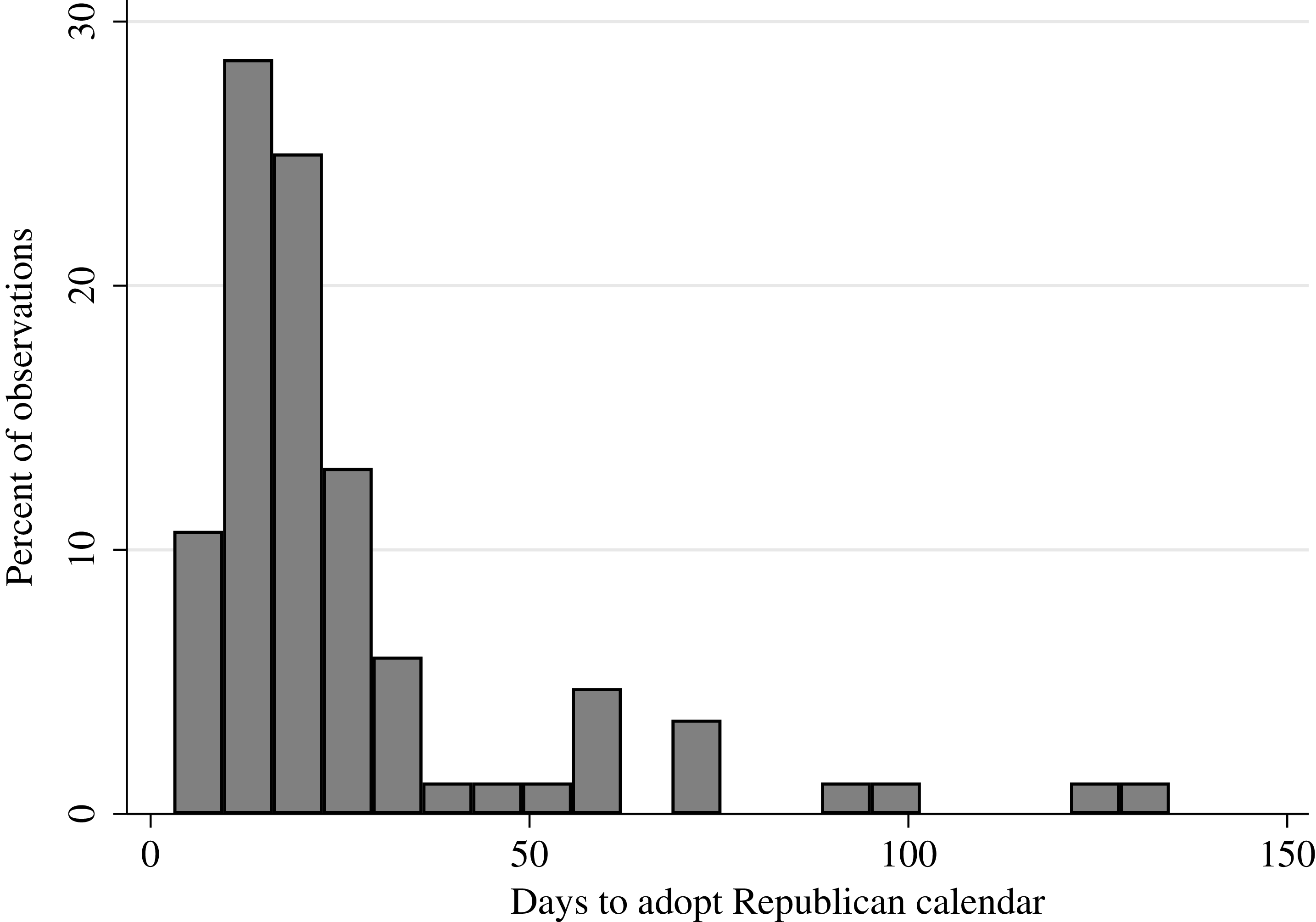
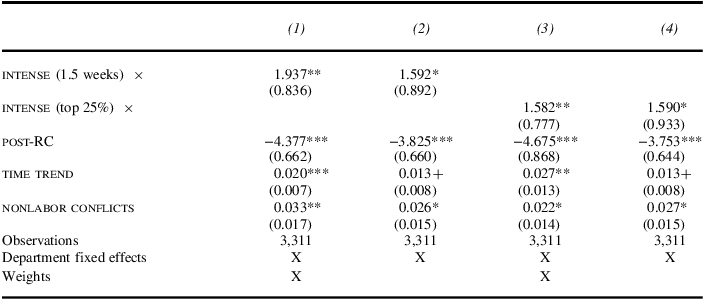
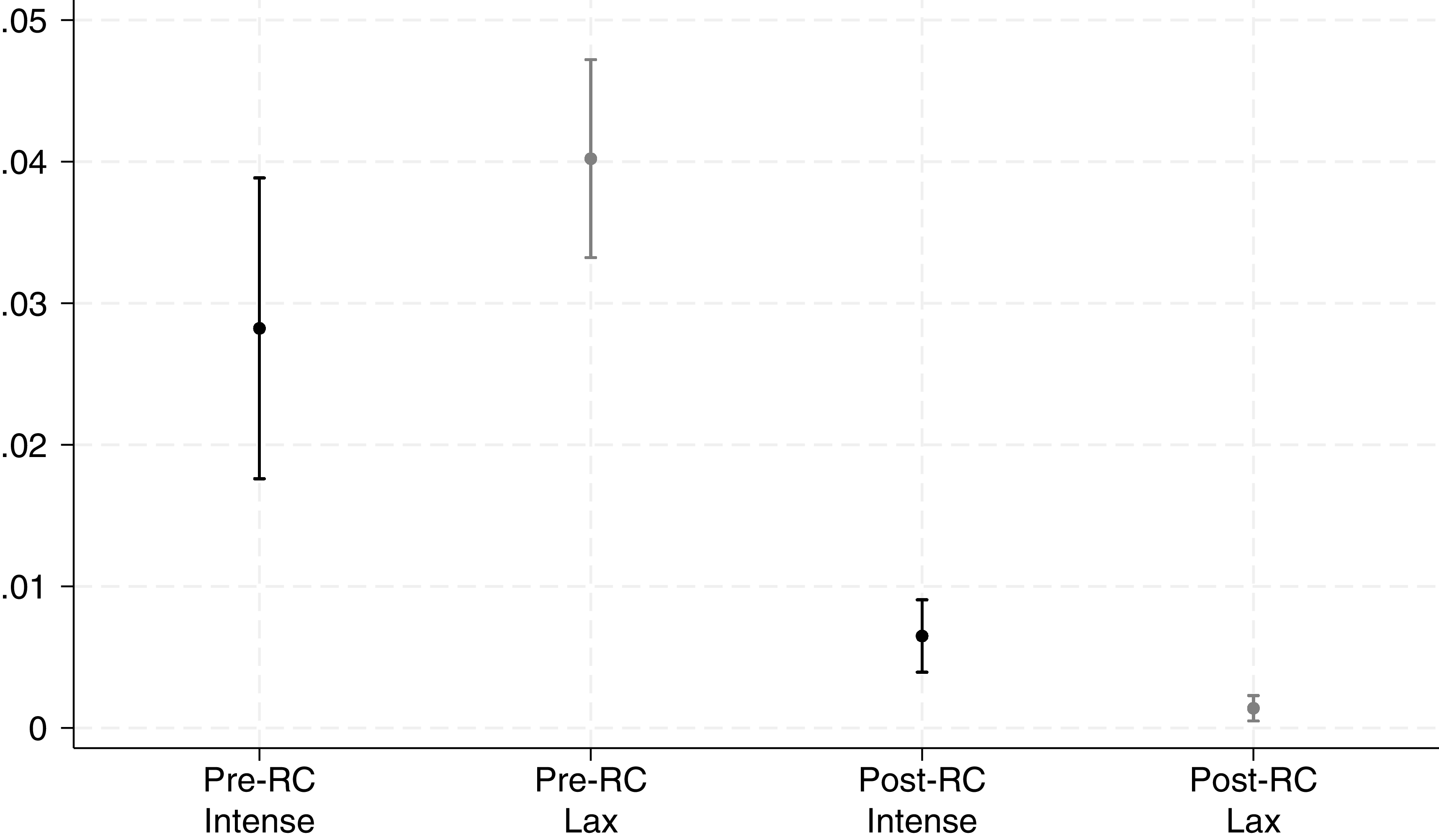
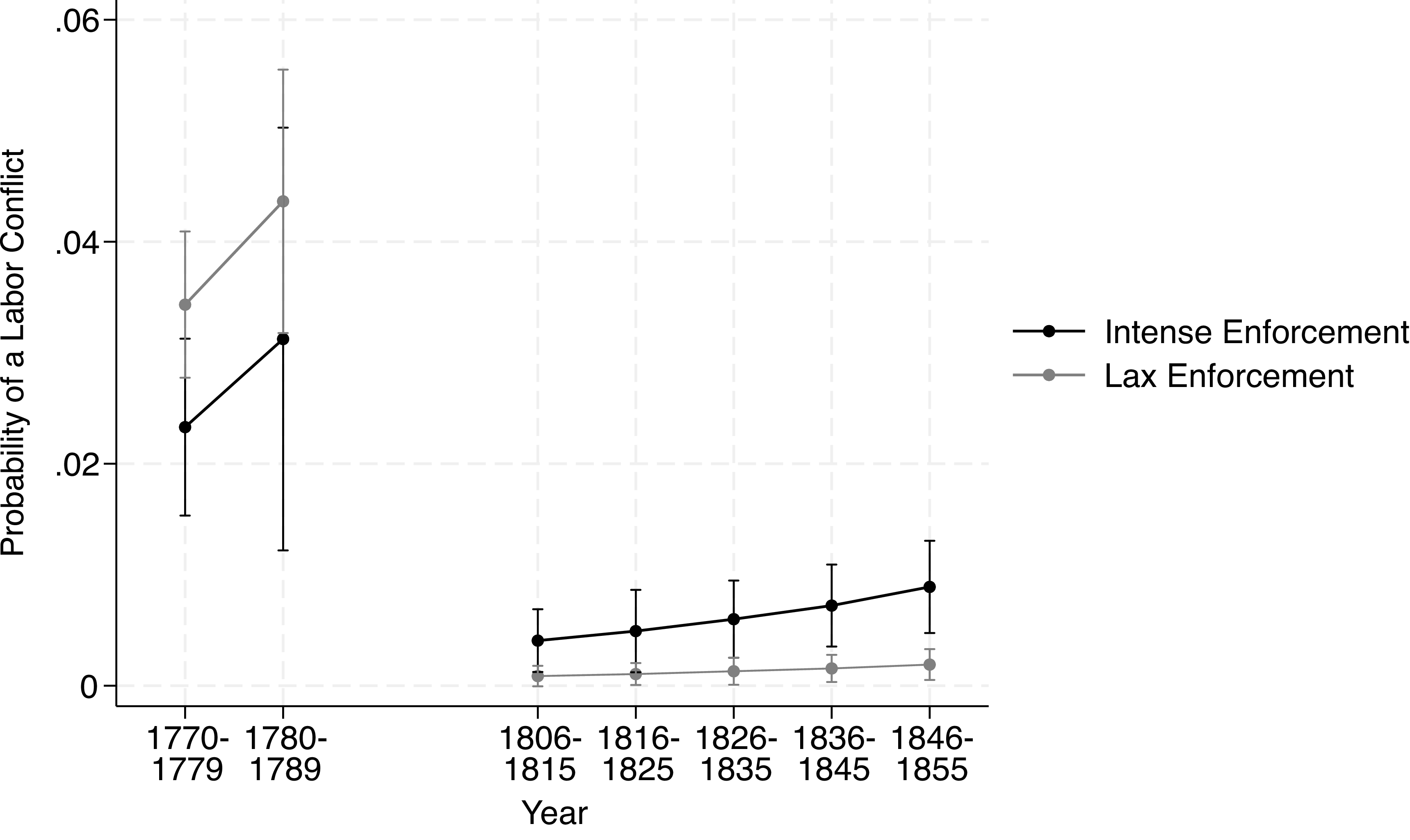
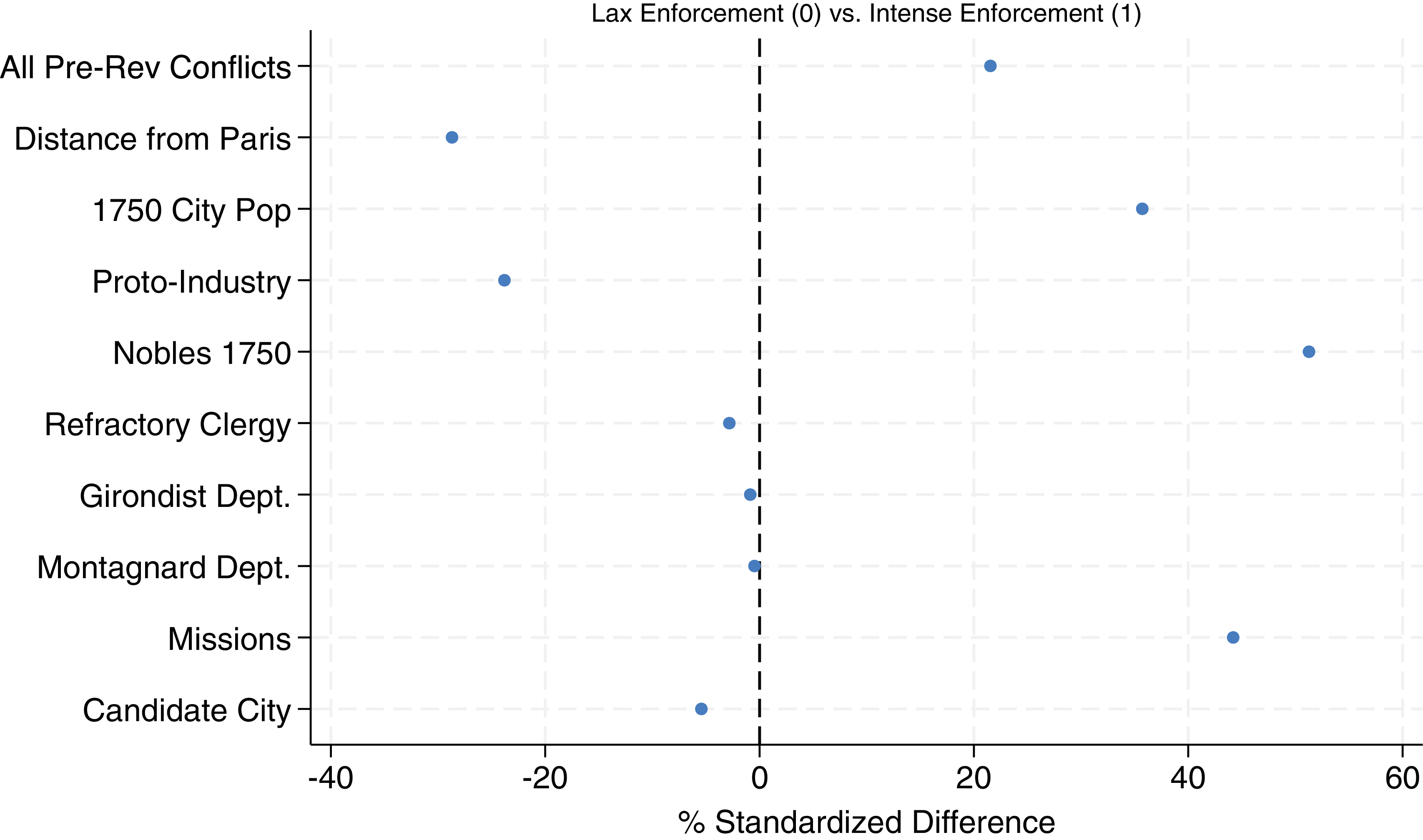
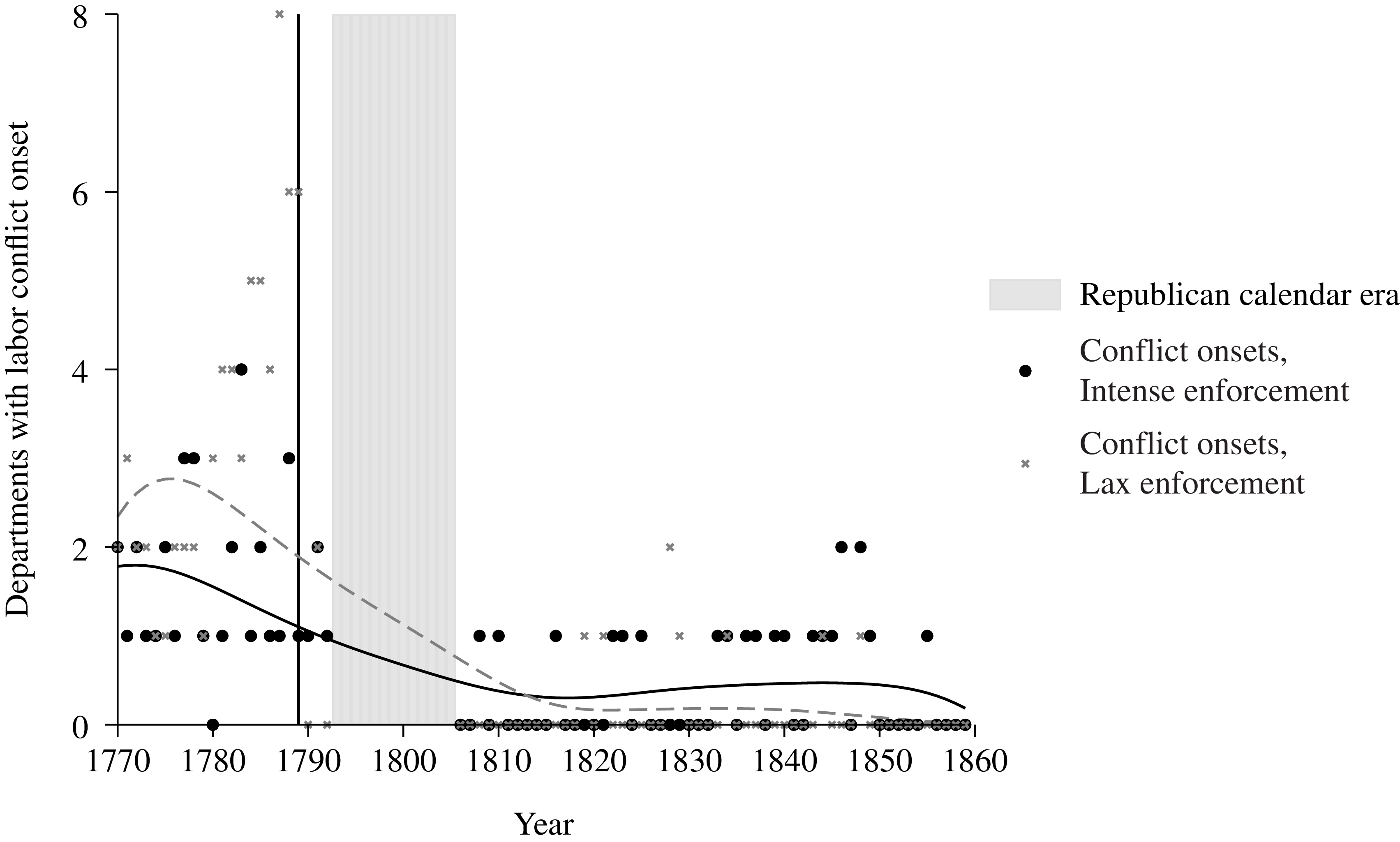


 Open access

