While short-term surgical follow-up following congenital cardiac surgery is usually quite thorough, long-term follow-up is often lacking. This is especially true for patients who have simpler cardiac surgeries (atrial septal defect repairs, ventricular septal defect repairs, etc) and for patients who are not from the local area as the hospital at which the surgery was performed. Short-term follow-up is standard: patients usually have an incision site check around 1–2 weeks post-discharge and visits their cardiologist and/or primary care provider in the first 2–6 weeks post-discharge. Reference Kane1 Beyond the initial clinic visits, it can be difficult to keep in touch with patients/families post-discharge, especially if they are out of state or region, or international.
In order to improve contact with families post-operatively not only at 30 days but also at 1 year, we investigated the possibility of an electronic solution (instead of the standard follow-up which involves either a clinic visit or a phone call) that was brief, non-intrusive and flexible to meet the time constraints of busy parents/patients. Discharge Communication (DisCo) is a programme that allows for electronic follow-up with patients post-discharge. This programme involves two short surveys that are sent at 30 days and 1 year post-discharge. It is designed to identify patients who may need additional follow-up.
As the system offers a health insurance portability and accountability act compliant link to the survey through both e-mail and text, it is easier to communicate with our regional, national and international patients. The purpose of this study was to determine the efficacy of this electronic solution to patient follow-up and determine if the parent/patient responses could identify a pattern of concerns regarding health status.
Methods
Survey description
At 30 days and 1 year post-discharge following cardiac surgery at our centre (a large volume tertiary care congenital cardiac centre), a link to a short survey is sent to patients and their families. The survey links are sent out via text and e-mail, and patients/families can complete the surveys at a time that is convenient for them. The survey at 30 days asks if the patient has seen their cardiologist and/or primary care physician and approximate dates for those visits. It also asks for a current height and weight. In addition, there is a question regarding readmission to the hospital and details about the readmission. There is also a question regarding overall health status since surgery: better, same, recovering or other. Parents are also asked if they have concerns about their child’s learning, development or behaviour, and if their child is receiving any services to help with this. Pain control during the hospital stay is also evaluated: always, usually, sometimes or never. Finally, there is a free text box for the patient/family to express any questions or concerns that they may have. Surveys sent at 1 year post-discharge have the same questions (except for the question related to pain control), as well as three additional questions regarding cardiac catheterisations, cardiac surgery or other surgery post-discharge. This study describes data from 30-day and 1-year surveys for the period between October 2016 and June 2020.
Survey follow-up
If families have not responded within a week of the initial survey being sent, they are sent a reminder via e-mail and text. After two reminder attempts, the patient experience coordinator calls the patient/family to complete the survey over the phone. If this is not successful after two attempts, then a phone call is made to the patient’s cardiologist and/or primary care physician. An e-mail may also be sent to the patient/family; any e-mail responses are uploaded to the electronic medical record. Finally, if no response is obtained, a chart review may be performed to fill out as much of the survey as possible.
Survey responses are reviewed by the patient experience coordinator on a daily basis. Some responses trigger a phone call by the patient experience coordinator to the patient/family for clarification. If there are any concerning responses, these are reported to the appropriate cardiac surgeon, cardiologist and/or the neurodevelopmental programme coordinator. Responses are marked as ‘reviewed’ in the system after they have been read and may be marked ‘reviewed as important’ if further action is needed. Finally, there is an option to post the response to the electronic medical record, where the response can be viewed by all caregivers.
In order to ensure that the families of patients who have passed away do not receive a survey, there is feature in DisCo that allows us to inactivate patients who have died. The patient experience coordinator is informed via e-mail if the cardiologists or cardiac surgeons are notified that a patient has passed away and they are moved to the inactive list. The DisCo system also performs an internal check for vital status prior to sending out the survey and automatically moves any patient with a vital status of deceased to the inactive list.
Statistical methods
All responses since initiation of this system on 10 October, 2016 to 19 June, 2020 were included in the initial analysis. Percentages for response rates (adult and paediatric responses) and responses to specific questions were derived. Additional univariate and multi-variable analysis using logistic regression was performed to determine the association between response rates and (a) age categories – paediatrics versus adults, (b) gender, (c) presence of non-cardiac anomalies, (d) case complexity as defined by Society of Thoracic Surgeons and European Association of Cardio Thoracic Surgery Reference O’Brien, Clarke and Jacobs2 Mortality Category, (e) referral patterns – local, state, regional, national, international and (f) severity of residual lesions at discharge as measured by Technical Performance Score. Reference Nathan and Karamichalis3-Reference Nathan, Karamichalis and Liu5 All analysis was performed using the International Business Machines Corporation Statistical Package for the Social Sciences Statistics for Windows, Version 23.0. Armonk, NY: International Business Machines Corporation.
Results
Between the start of the DisCo program in October, 2016 and June, 2020, 3345 30-day surveys and 2563 1-year surveys have been sent to patients/families.
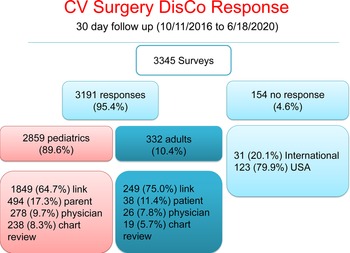
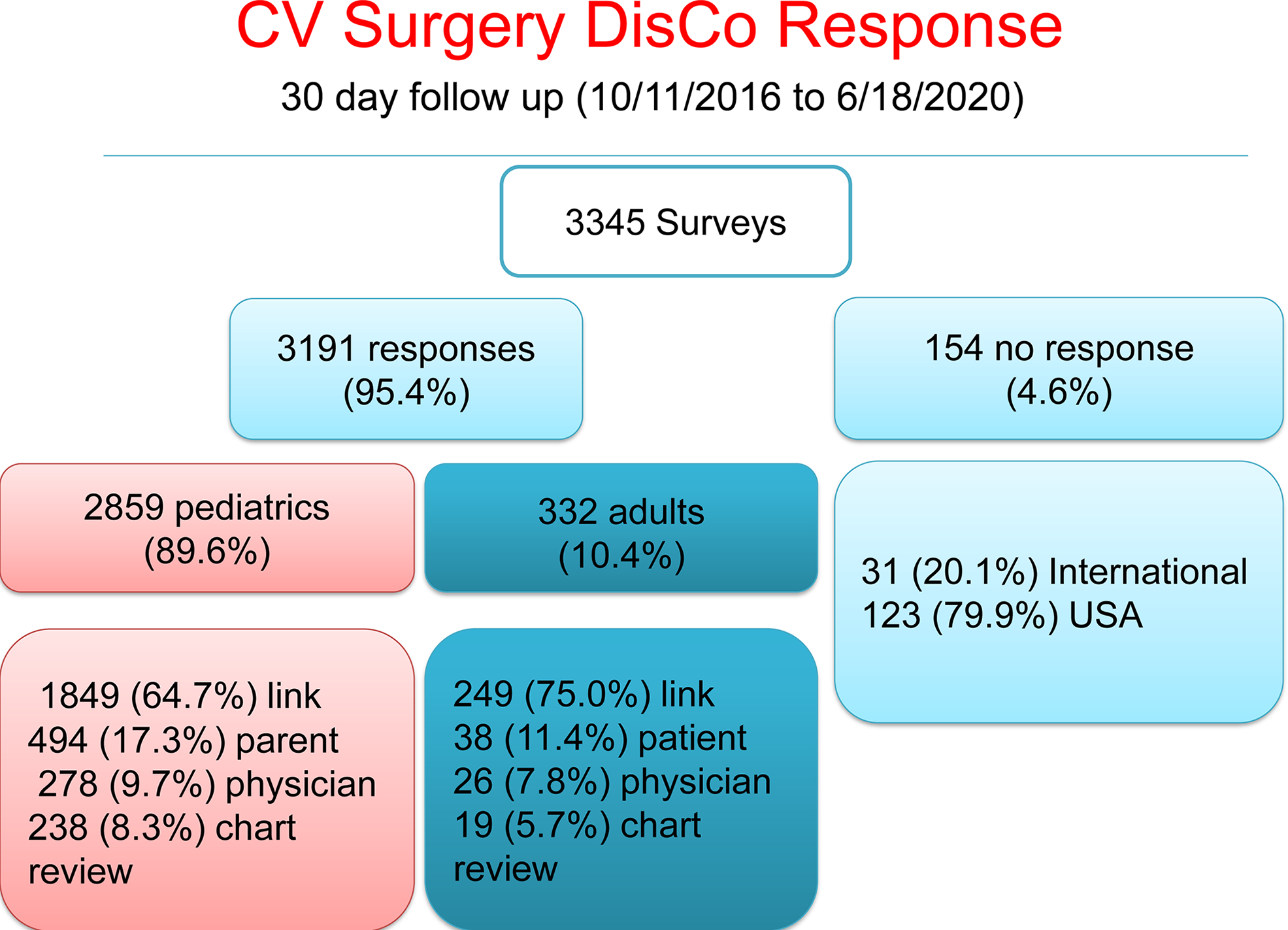
The overall response rate for the 30day surveys was 95% (3191/3345) (Figure 1). Of those patients/families who responded, 90% (2859) were paediatric patients and 10% (332) were adults. A total of 65% (1849) of the families of paediatric patients responded directly to the follow-up survey, while 75% (249) of the adult patients responded directly to the survey. There was a total of 5% (154) of patients/families who did not respond to the survey and could not be contacted by our usual follow-up methodology.
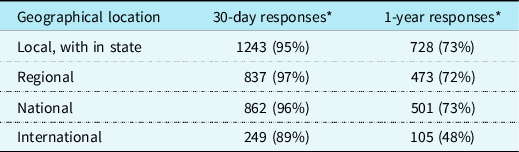
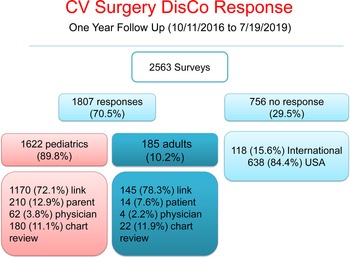
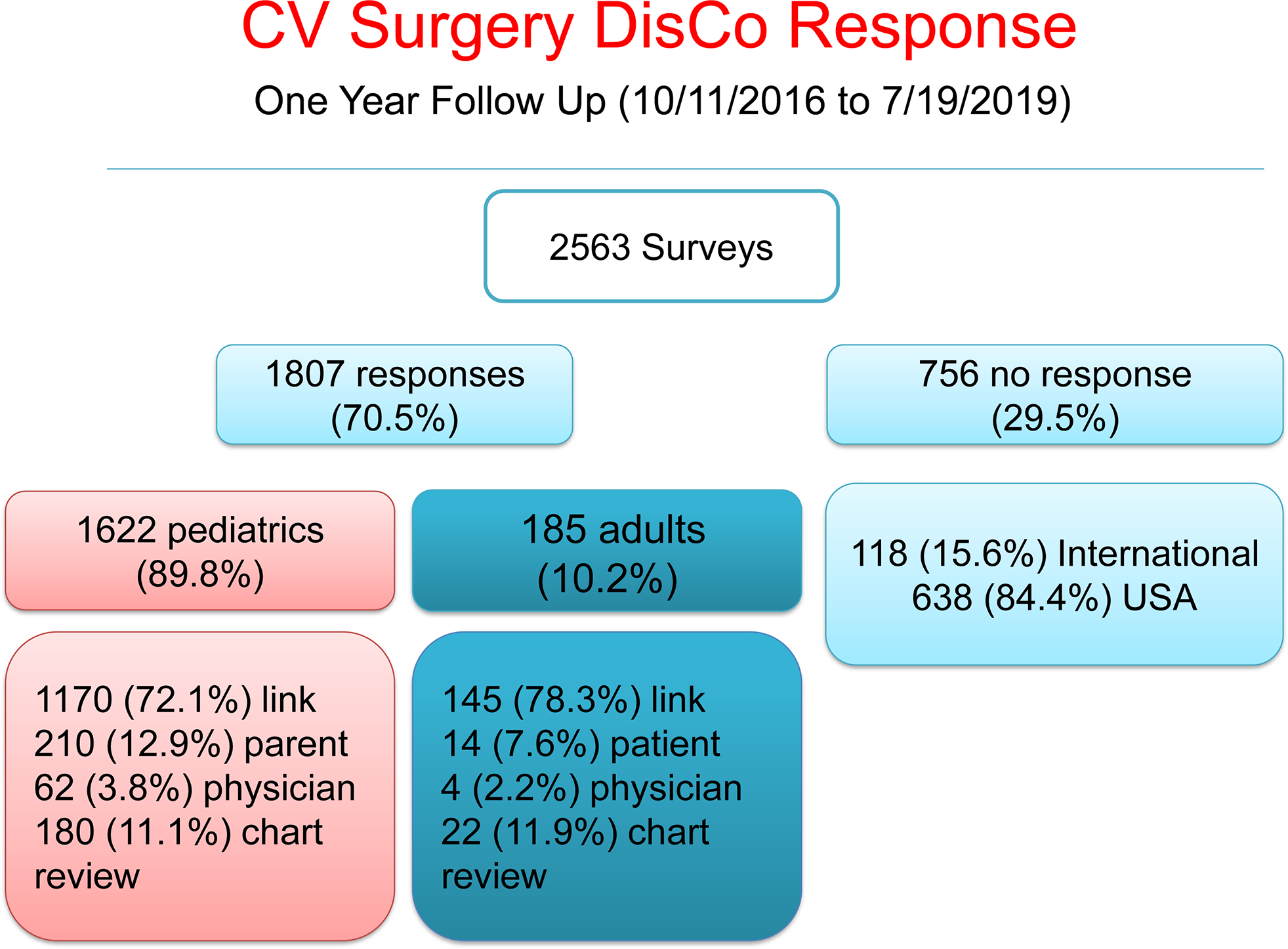
The overall response rate for 1-year surveys was 71% (1807) (Figure 2). Of those patients/families who responded to the 1-year surveys, 90% (1622) were paediatric patients and 10% (185) were adult patients. The percentage of adults who responded directly to the survey was higher than the families of our paediatric patients [78% (145) versus 72% (1170)]. Details regarding response rates based on geographical location are provided in Table 1.
Response rates based on geographical location
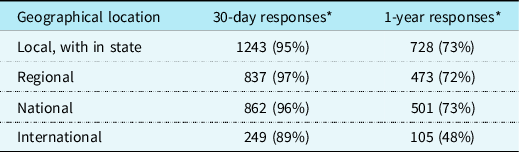
* n represents number of responses received and percentage represents percentage of total number of surveys sent.
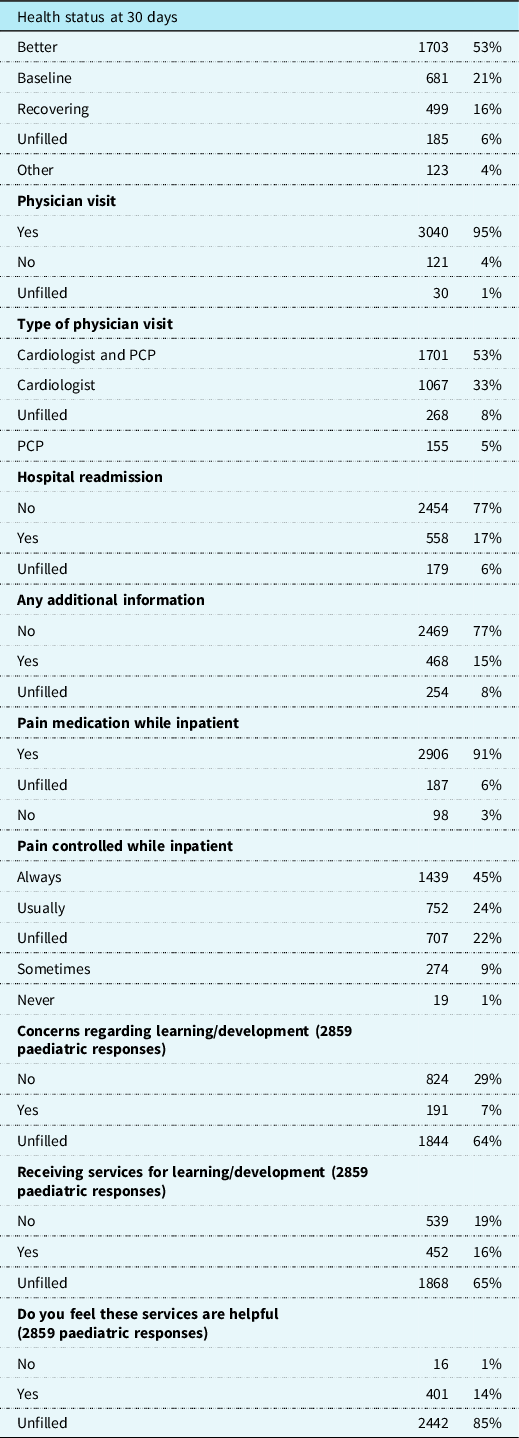
Considering the responses at 30 days post-discharge, 53% (1703) of the responses indicated that the patient was better than before surgery. Regarding clinic visits, 95% (3040) of the patients had seen a physician since their surgery. When evaluating readmission to the hospital, 17% (558) of patients/families reported that they had been readmitted; the most common reasons were symptoms of infection (41/558, 7%), pericardial or pleural effusions (41/558, 7%), viral infections (39/558, 7%), feeding issues (39/558, 7%) and respiratory issues/infection (37/558, 7%). Concerns regarding learning, development or behaviour were reported by 7% (191) of families and 16% (452) of families reported that the patient was receiving services for learning, development or behaviour; 14% (401) of families felt these services were helpful. Additional questions or concerns were reported by 15% (468) of patients/families; these were most often related to the incision site (47/468, 10%), feeding issues/trouble gaining weight (36/468, 8%), gastrointestinal issues (26/468, 6%), how well the patient was doing (25/268, 5%) and pain concerns (22/468, 5%). For pain control while in the hospital, 45% (1439) of the patients/families reported that the patient’s pain was always controlled (Table 2).
Responses of 3191 DisCo surveys sent at 30 days post-discharge
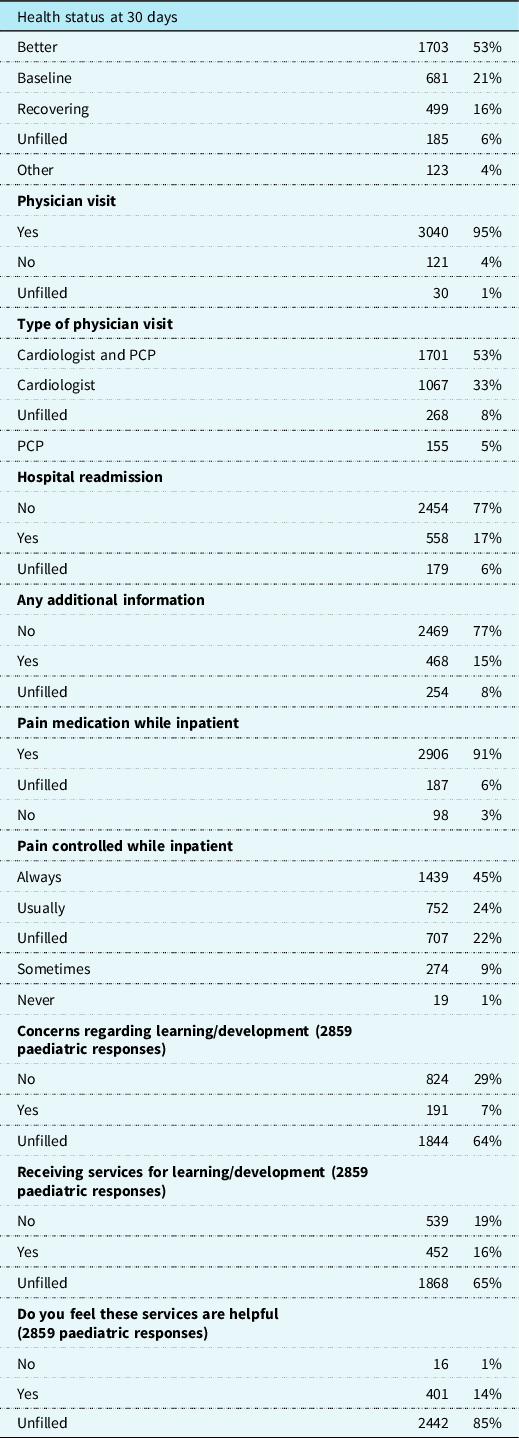
DisCo = discharge communication; PCP = primary care physician.
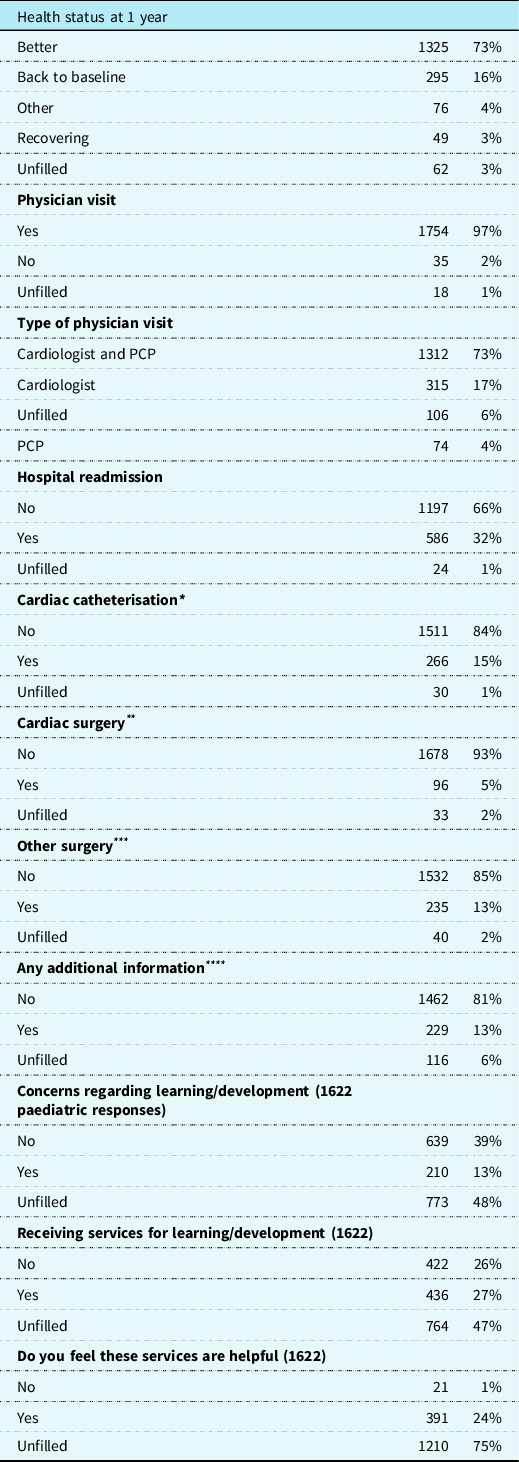
At 1 year post-discharge, 73% (1325) of the patients/families felt that the patient was better than before surgery. For follow-up visits to physicians, 97% (1754) reported having seen a physician. When evaluating hospital readmissions, 32% (586) of patients/families reported that the patient had been readmitted to the hospital; most common reasons were viral illness (56/586, 10%), non-cardiac surgery (48/586, 8%), cardiac catheterisation (40/586, 7%), cardiac surgery (37/586, 6%), pneumonia (26/586, 4%) and both cardiac catheterisation and surgery (25/586, 4%). When considering procedures, 15% (266) reported a cardiac catheterisation since discharge, 5% (96) reported additional cardiac surgery following discharge and 13% (235) reported surgery other than cardiac surgery; details regarding these comments can be found in Table 3. Concerns regarding learning, development or behaviour were reported for 13% (210) of patients and 27% (436) of families reported that the patients were receiving services for learning, development or behaviour; these services were felt to be helpful for 24% (391) of patients. A low number of surveys, 13% (229), reported additional information, which can be found in Table 3.
Responses of 1807 DisCo surveys sent at 1 year post-discharge
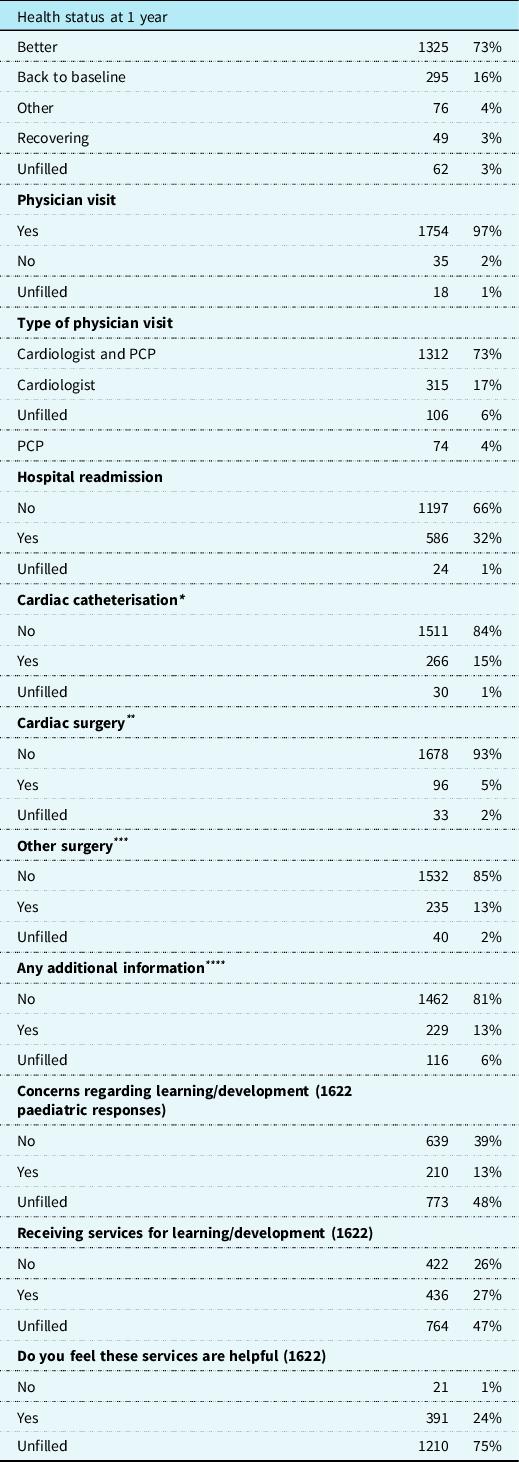
* Most commonly reported reasons for cardiac catheterisation were monitoring (55/266, 20.7%), pre/post-surgery (21/266, 7.9%), interventions or evaluation of the left pulmonary artery or right pulmonary artery (20/266, 7.5%) or unspecified pulmonary artery (19/266, 7.1%) and interventions or evaluation of the pulmonary veins (17/266, 6.4%).
** Most commonly reported reasons for additional cardiac surgery were a Glenn procedure (20/96, 21.5%), surgery involving the mitral valve (11/96, 11.5%), surgery involving the pulmonary vein or pulmonary artery (8/96, 8.3%), pacemaker procedure (5/96, 5.2%) and surgery involving the aortic valve or aorta (6/96, 6.3%).
*** Most commonly reported other surgeries involved the gastrointestinal system (40/235, 17%), otolaryngology (39/235, 16.6%), the genitourinary system (28/235, 11.9%), abdominal surgery (25/235, 10.6%) and orthopaedic surgery (18/235, 7.7%).
**** Most additional comments were regarding the patient’s overall health (47/229, 20.5%), ongoing cardiac concerns (23/229, 10%), respiratory concerns (13/229, 5.7%), issues regarding nutrition and growth (12/229, 5.2%) or neurodevelopmental concerns (12/229, 5.2%).
DisCo = discharge communication; PCP = primary care physician.
Univariate analysis
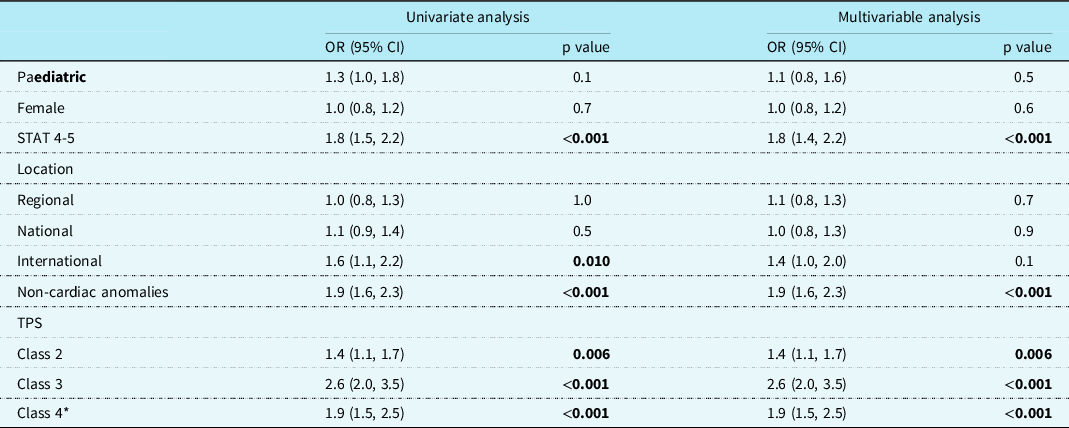
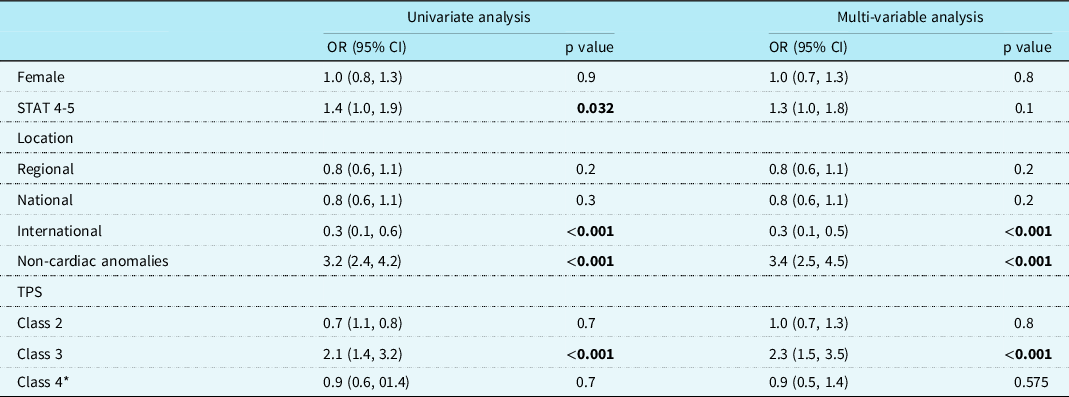
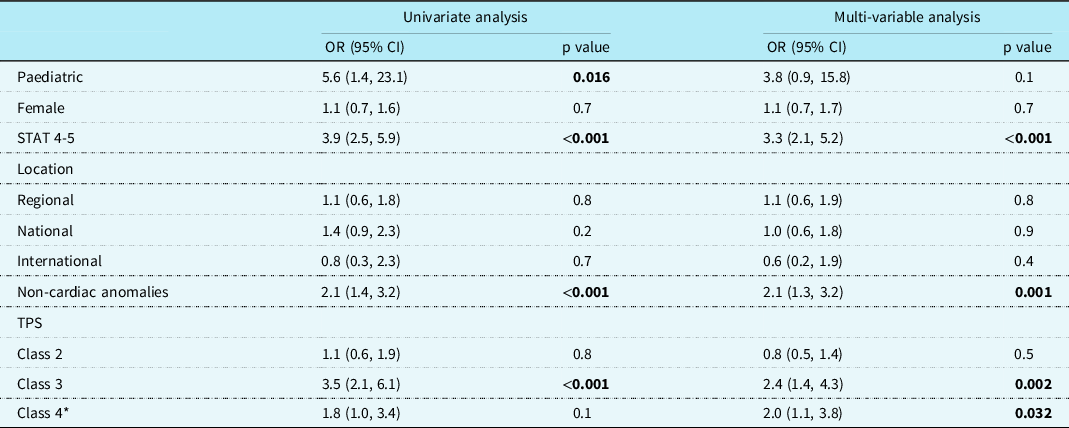
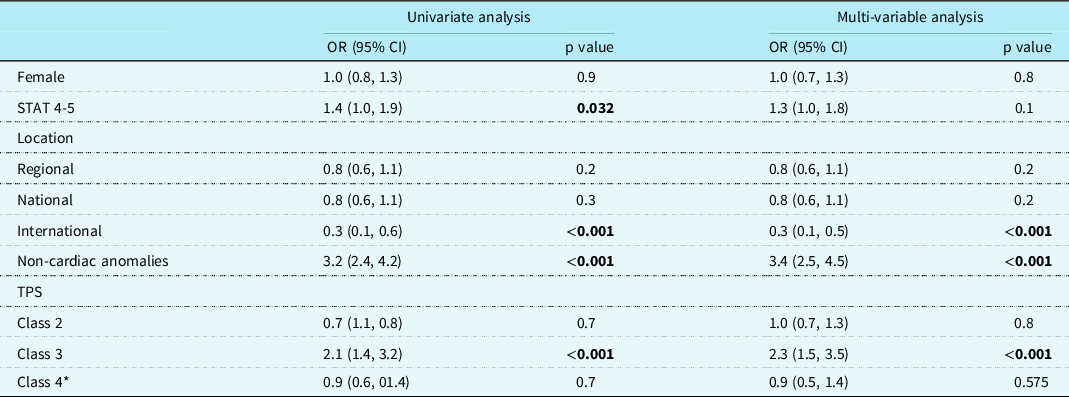
For the 30-day surveys, those patients with non-cardiac anomalies (OR 1.9, 95% CI 1.6–2.3, p < 0.001), Society of Thoracic Surgeons and European Association of Cardio Thoracic Surgery Category 4 or 5 (OR 1.8, 95% CI 1.5–2.2, p < 0.001), Technical Performance Score of 2 (OR 1.4, 95% CI 1.1–1.7, p = 0.01), Technical Performance Score of 3 (OR 2.6, 95% CI 2.0–3.5, p < 0.001), Technical Performance Score of 4 (OR 1.9, 95% CI 1.5–2.5, p < 0.001) and international patients (OR 1.6, 95% CI 1.1–2.2, p = 0.01) were more likely to have been readmitted to the hospital (Table 4). Families of paediatric patients with a Society of Thoracic Surgeons and European Association of Cardio Thoracic Surgery Category 4 or 5 (OR 1.4, 95% CI 1.0–1.9, p = 0.03), non-cardiac anomalies (OR 3.2, 95% CI 2.4–2.2, p < 0.001) and Technical Performance Score of 3 (OR 2.1, 95% CI 1.4–3.2, p < 0.001) were more likely to respond that the child was receiving services for learning, development or behaviour, whereas families of international patients were less likely to respond that the child was receiving these services (OR 0.3, 95% CI 0.1–0.6, p < 0.001) (Table 5).
Response was “No” to “Was your child/Were you readmitted to any hospital for any reason since discharge from the hospital after heart surgery?” at 30 days
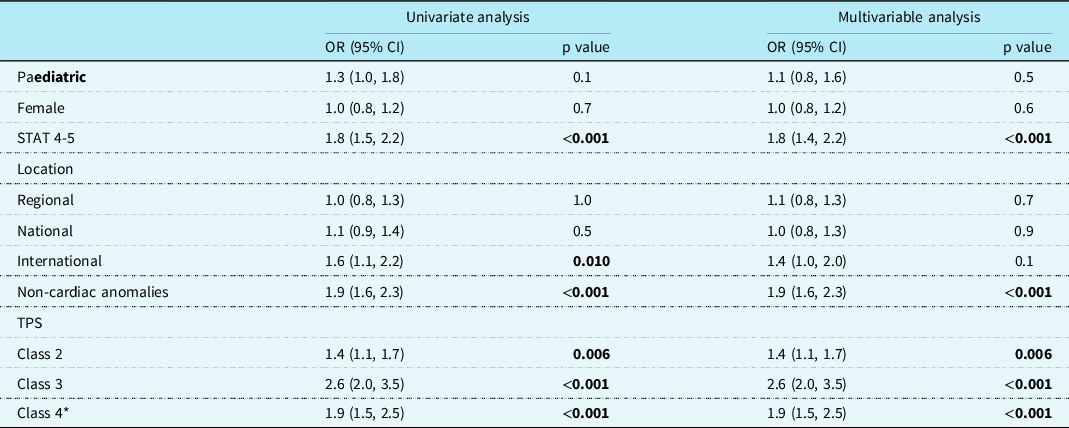
* TPS Class 4 represents a diverse group of patients in whom TPS could not be assigned because of incomplete/no echocardiograms available to assign TPS, or the operative procedures do not have a TPS. TPS Class 1 (no or trivial residual lesions) was used as reference; TPS Class 2 indicates minor residual lesions, TPS Class 3 indicated major residual lesions or re-intervention for major residual lesion prior to hospital discharge.
CI = confidence interval; STAT = Society of Thoracic Surgeons and the European Association for Cardio-thoracic Surgery Mortality categories; TPS = Technical Performance Score.
Response was ‘Yes’ to ‘Is your child receiving services/therapy to support their development, behaviour or learning either through their school system, Early Intervention (EI), or privately (such as PT, OT, speech, learning, mental health counsellor?)’ at 30 days?
* TPS Class 4 represents a diverse group of patients in whom TPS could not be assigned because of incomplete/no echocardiograms available to assign TPS, or the operative procedures do not have a TPS.
CI = confidence interval; STAT = Society of Thoracic Surgeons and the European Association for Cardio-thoracic Surgery Mortality categories; TPS = Technical Performance Score.
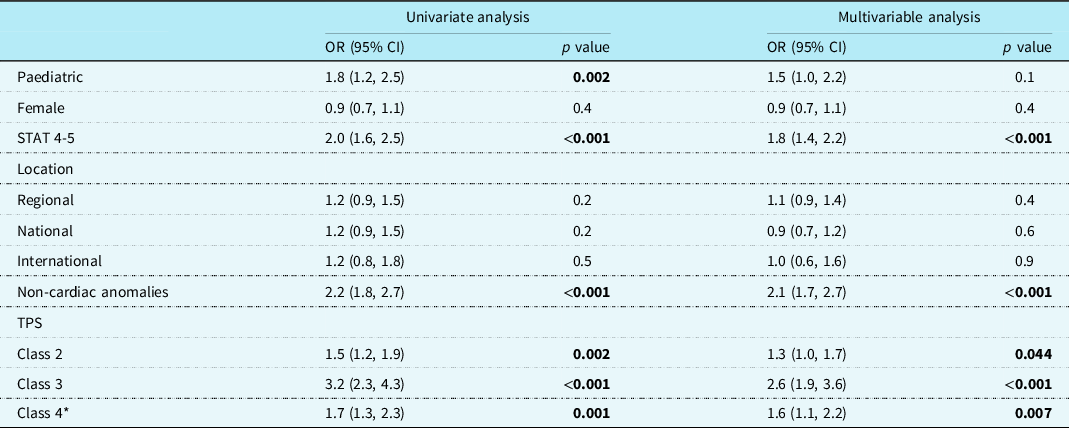
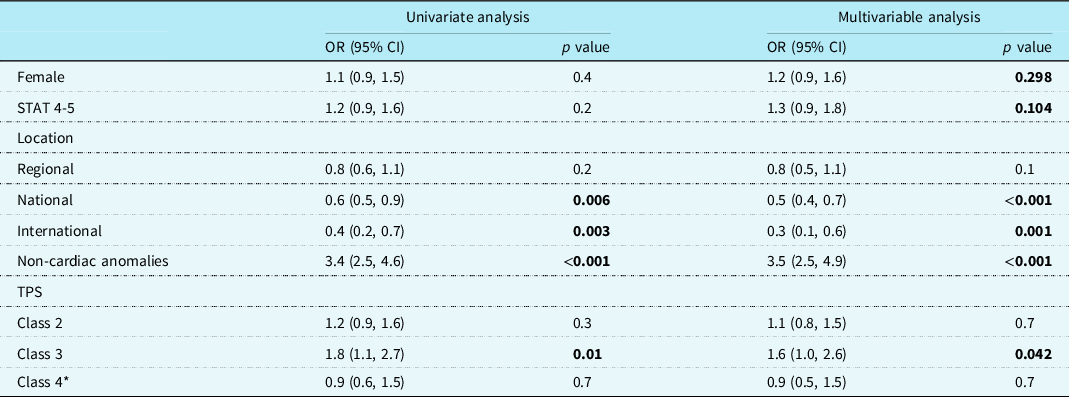
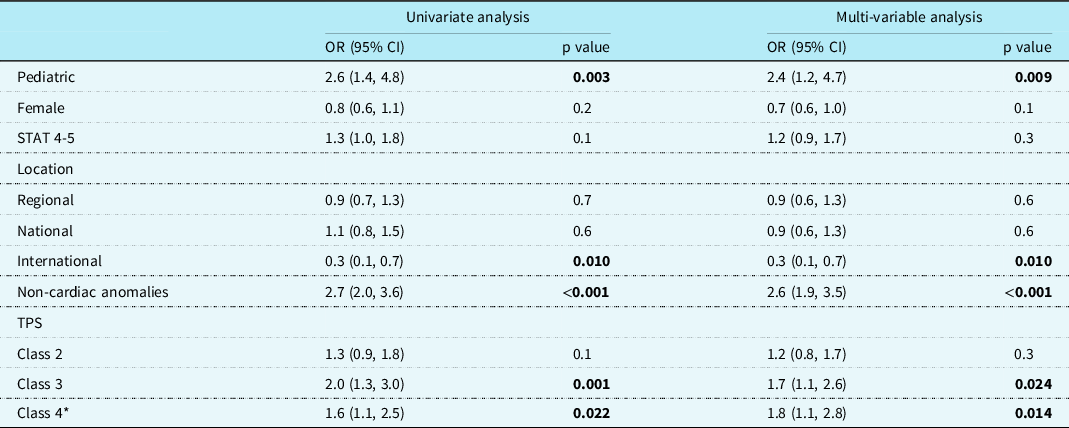
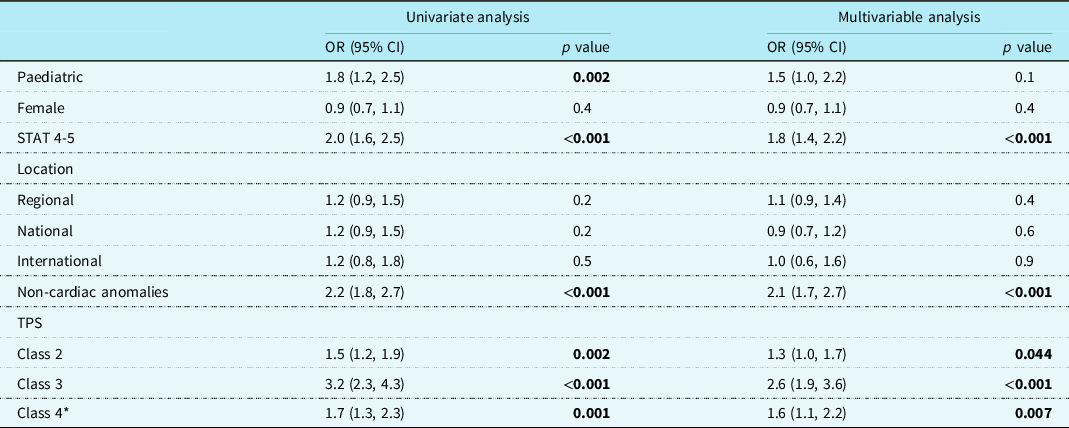
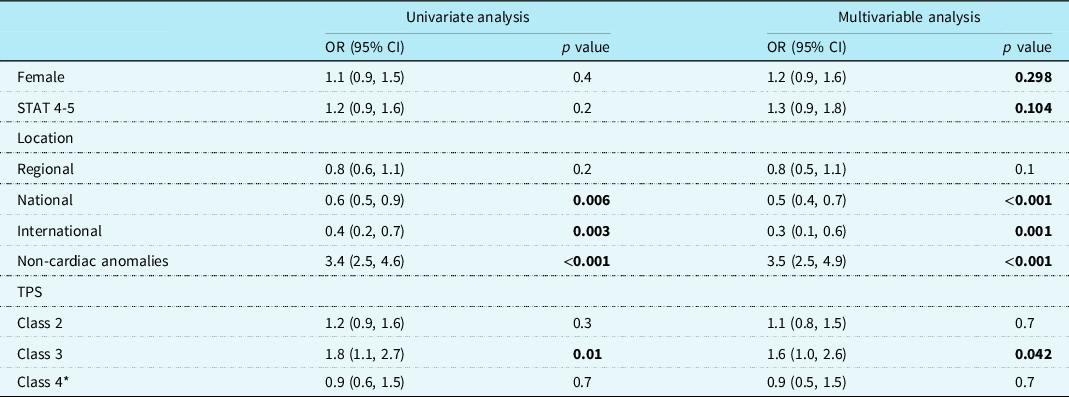
Regarding the 1-year surveys patients with a Technical Performance Score of 2 (OR 1.5, 95% CI 1.2–1.9, p = 0.002), Technical Performance Score of 3 (OR 3.2, 95% CI 2.3–4.3, p < 0.001), Technical Performance Score of 4 (OR 1.7, 95% CI 1.3–2.3, p = 0.001), Society of Thoracic Surgeons and European Association of Cardio Thoracic Surgery Category 4 or 5 (OR 2.0, 95% CI 1.6–2.5, p < 0.001), patients with non-cardiac anomalies (OR 2.2, 95% CI 1.8–2.7, p < 0.001) and paediatric patients (OR 1.8, 95% CI 1.2–2.5, p = 0.002) were more likely to have been readmitted to the hospital (Table 6). Families of paediatric patients were more likely to respond that the child was receiving services for learning, development or behaviour if they had a Technical Performance Score of 3 (OR 1.8, 95% CI 1.1–2.7, p = 0.01) or non-cardiac anomalies (OR 3.4, 95% CI 2.5–4.6, p < 0.001) and they were less likely to respond that they were receiving these services if the patients were national (OR 0.6, 95% CI 0.5–0.9, p = 0.006) or international (OR 0.4, 95% CI 0.2–0.7, p = 0.003) (Table 7). Analysis regarding cardiac catheterisations, additional cardiac surgery and other surgery can be found in Tables 8–10.
Response was ‘Yes’ to ‘Was your child/Were you readmitted to any hospital for any reason since discharge from the hospital after heart surgery?’ at 1 year
* TPS Class 4 represents a diverse group of patients in whom TPS could not be assigned because of incomplete/no echocardiograms available to assign TPS, or the operative procedures do not have a TPS.
CI = confidence interval; STAT = Society of Thoracic Surgeons and the European Association for Cardio-thoracic Surgery Mortality categories; TPS = Technical Performance Score.
Response was ‘Yes’ to ‘Is your child receiving services/therapy to support their development, behaviour or learning either through their school system, Early Intervention (EI), or privately (such as PT, OT, speech, learning, mental health counsellor?)’ at 1 year
* TPS Class 4 represents a diverse group of patients in whom TPS could not be assigned because of incomplete/no echocardiograms available to assign TPS, or the operative procedures do not have a TPS.
CI = confidence interval; STAT = Society of Thoracic Surgeons and the European Association for Cardio-thoracic Surgery Mortality categories; TPS = Technical Performance Score.
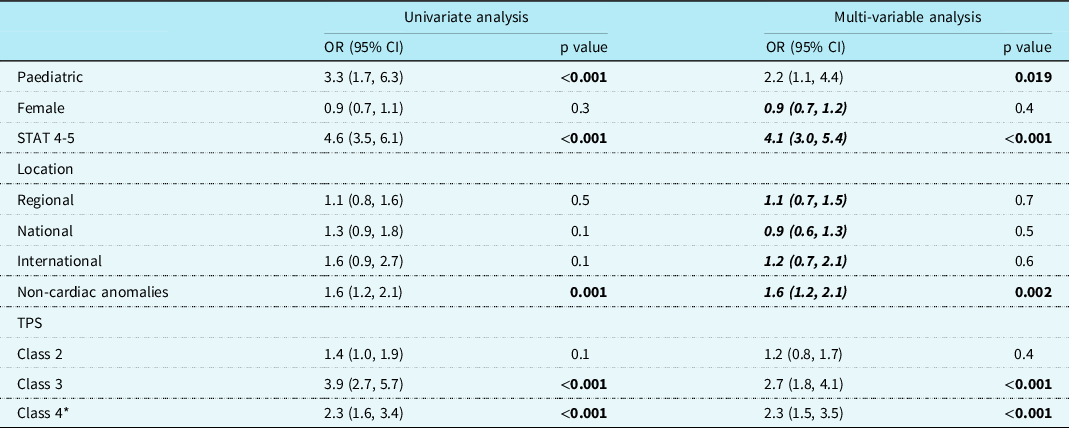
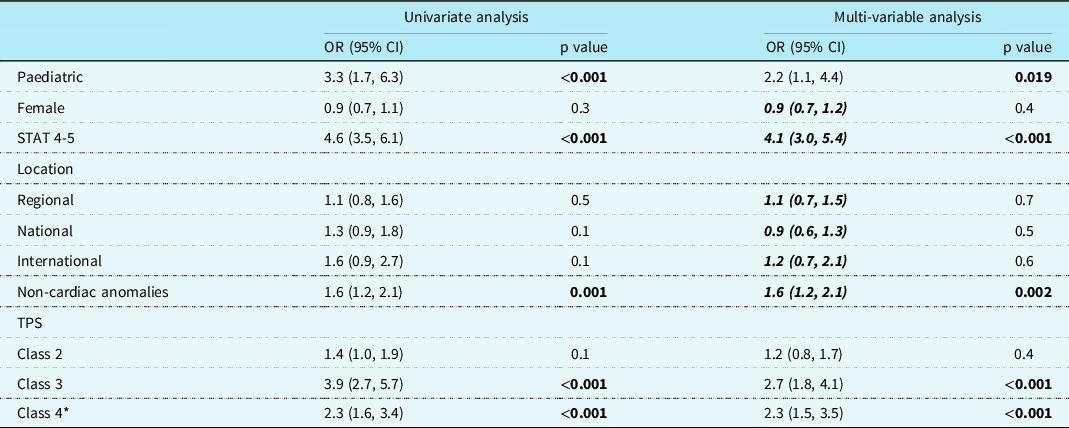
Response was ‘Yes’ to ‘Has your child/Have you had any cardiac catheterizations since discharge from the hospital after heart surgery?’ at 1 year
* TPS Class 4 represents a diverse group of patients in whom TPS could not be assigned because of incomplete/no echocardiograms available to assign TPS, or the operative procedures do not have a TPS.
CI = confidence interval; STAT = Society of Thoracic Surgeons and the European Association for Cardio-thoracic Surgery Mortality categories; TPS = Technical Performance Score.
Response was ‘Yes’ to ‘Has your child/Have you had any further cardiac surgery since discharge from the hospital after heart surgery?’ at 1 year
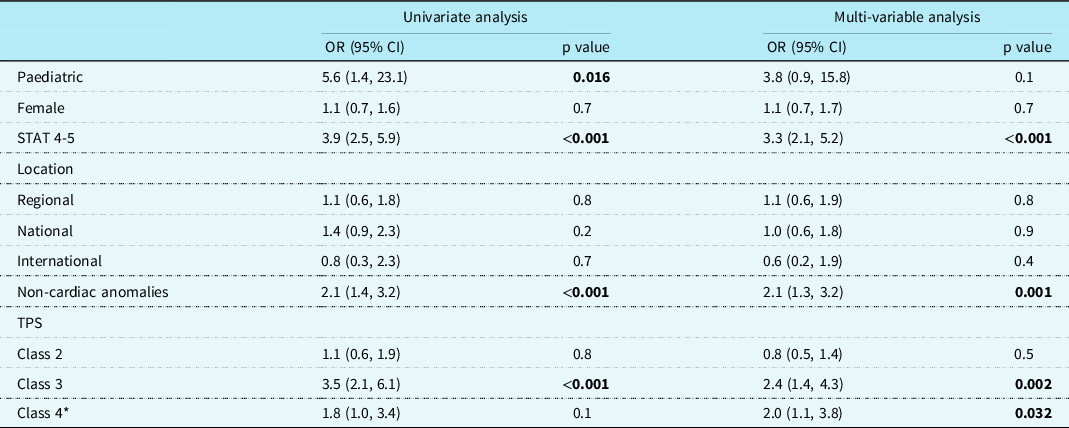
* TPS Class 4 represents a diverse group of patients in whom TPS could not be assigned because of incomplete/no echocardiograms available to assign TPS, or the operative procedures do not have a TPS.
CI = confidence interval; STAT = Society of Thoracic Surgeons and the European Association for Cardio-thoracic Surgery Mortality categories; TPS = Technical Performance Score.
Response was ‘Yes’ to ‘Has your child had any other surgery since discharge from hospital after heart surgery?’ at 1 year
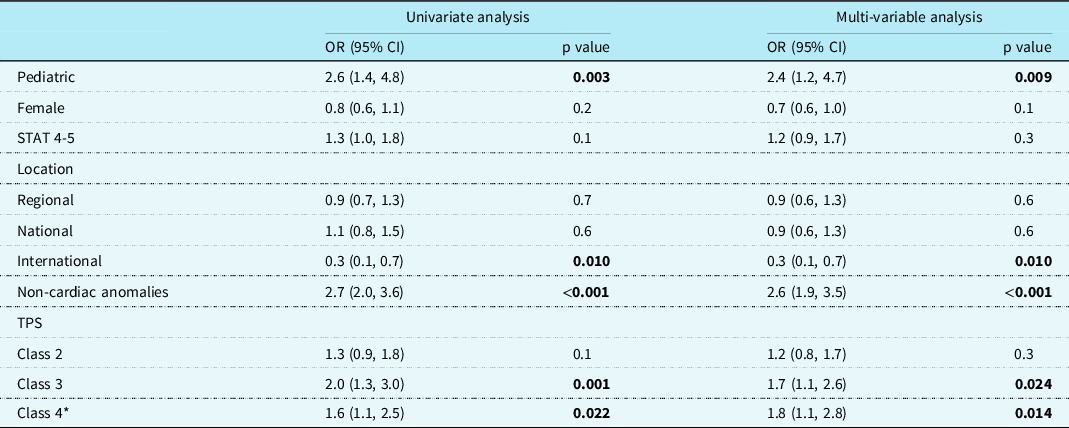
* TPS Class 4 represents a diverse group of patients in whom TPS could not be assigned because of incomplete/no echocardiograms available to assign TPS, or the operative procedures do not have a TPS.
CI = confidence interval; STAT = Society of Thoracic Surgeons and the European Association for Cardio-thoracic Surgery Mortality categories; TPS = Technical Performance Score.
Considering neonates specifically, families were more likely to respond that the patient had been readmitted to the hospital within 30 days of discharge if they had a Technical Performance Score of 4 (OR 2.3, 95% CI 1.0–5.5, p = 0.049) or non-cardiac anomalies (OR 2.2, 95% CI 1.3–3.8, p = 0.003). Neonates were less likely to be receiving services for learning, development or behaviour at 30 days if they were national (OR 0.3, 95% CI 0.1–1.0, p = 0.052). Neonates were more likely to have been readmitted by 1 year post-discharge if they had a Technical Performance Score of 3 (OR 4.9, 95% CI 2.0–11.9, p < 0.001), Society of Thoracic Surgeons and European Association of Cardio Thoracic Surgery Category 4 or 5 (OR 2.0, 95% CI 1.1–3.4, p = 0.017), non-cardiac anomalies (OR 4.0, 95% CI 1.9–8.1, p < 0.001) or they were from the northeast region of the United States (OR 2.0, 95% CI 1.1–3.6, p = 0.024). Neonates were less likely to be receiving services for learning, development or behaviour at 1 year if they were from the northeast region (OR 0.4, 95% CI 0.2–1.0, p = 0.042).
For patients less than 1 year at the time of surgery, there were not any significant differences for responses at 30 days. At 1 year, these patients were more likely to have been readmitted to the hospital if they had a Technical Performance Score score of 2 (OR 1.7, 95% CI 1.2–2.5, p = 0.003), a Technical Performance Score score of 3 (OR 3.7, 95% CI 2.3–6.0, p < 0.001), Society of Thoracic Surgeons and European Association of Cardio Thoracic Surgery Category 4 or 5 (OR 2.3, 95% CI 1.7–3.2, p < 0.001) or non-cardiac anomalies (OR 2.2, 95% CI 1.6–3.1, p < 0.001). They were more likely to be receiving services for learning, development or behaviour if they had non-cardiac anomalies (OR 4.4, 95% CI 2.6–7.5, p < 0.001) and less likely to be receiving these services if they were international (OR 0.3, 95% CI 0.1–0.9, p = 0.038). Families were more likely to respond that they felt these services were not helpful if the patient was national (OR 5.0, 95% CI 0.9-28.2, p = 0.070) or international (OR 17.8, 95% CI 1.2–255.1, p = 0.034).
Multi-variable analysis
Multi-variable analysis of the 30-day survey responses showed that patients were more likely to be readmitted to the hospital if they had a Society of Thoracic Surgeons and European Association of Cardio Thoracic Surgery Category 4 or 5 (OR 1.8, 95% CI 1.4–2.2, p < 0.001), non-cardiac anomalies (OR 1.0, 95% CI 1.5–2.3, p < 0.001) or a Technical Performance Score of 2, 3 or 4 (OR 1.4, 95% CI 1.1–1.7, p = 0.006 and OR 2.6, 95% CI 2.0–3.5, p < 0.001 and OR 1.9, 95% CI 1.5–2.5, p < 0.001, respectively) (Table 4). Families were more likely to respond that the child was receiving services for learning, development or behaviour if the child had non-cardiac anomalies (OR 3.4, 95% CI 2.5–4.5, p < 0.002) or a Technical Performance Score of 3 (OR 2.3, 95% CI 1.5–3.5, p < 0.001). International patients were less likely to be receiving these services (OR 0.3, 95% CI 0.1–0.5, p < 0.001) (Table 5).
For 1 year surveys, multi-variable analysis showed that patients were more likely to have been readmitted if they had a Society of Thoracic Surgeons and European Association of Cardio Thoracic Surgery Category 4 or 5 (OR 1.8, 95% CI 1.4–2.2, p < 0.001), non-cardiac anomalies (OR 2.1, 95% CI 1.7–2.7, p < 0.001) or a Technical Performance Score of 2, 3 or 4 (OR 1.3, 95% CI 1.0–1.7, p = 0.044 and OR 2.6, 95% CI 1.9–3.6, p < 0.001 and OR 1.6, 95% CI 1.1–2.2, p = 0.007, respectively) (Table 6). Patients were more likely to be receiving services for learning, development or behaviour if they had non-cardiac anomalies (OR 3.5, 95% CI 2.5–4.9, p < 0.001) or a Technical Performance Score of 3 (OR 1.6, 95% CI 1.0–2.6, p = 0.042). They were less likely to be receiving these services if they were national or international (OR 0.5, 95% CI 0.4–0.7, p < 0.001 and OR 0.3, 95% CI 0.1–0.6, p = 0.001, respectively) (Table 7). Multi-variable analysis regarding cardiac catheterisations, additional cardiac surgery and other surgery can be found in Tables 8–10.
Comparison between reported readmissions on 30-day DisCo surveys and readmissions reported in our internal database used for submission to the Society of Thoracic Surgeons Congenital Heart Surgery Database revealed that DisCo had a higher percentage of readmissions for four consecutive years: 19 versus 9% for 2017, 17 versus 8% for 2018, 15 versus 9% for 2019 and 13 versus 8% for 2020.
Discussion
DisCo has proven to be a useful method for post-discharge follow-up at 30 days and 1 year after congenital cardiac surgery in children and adults. We are able to determine how our patients are recovering after surgery, if they have seen a physician since surgery, if they have been readmitted to the hospital, if they have had any additional procedures and if there are any concerns regarding neurodevelopment.
Overall, adults responded to the electronic surveys more frequently than the families of paediatric patients. The surveys at 1 year post-discharge reported a larger percentage of patients who were better than before surgery compared to the surveys at 30 days (73 versus 53%, respectively), which is expected given the longer time frame for recovery. The number of surveys that reported a physician visit at 30 days and 1 year was similar (95 and 97%, respectively). The reported hospital re-admission rate was higher at 1 year compared to 30 days (32 versus 17%), which is also expected given the longer follow-up time. International patients had a lower response rate overall to both the 30-day and 1-year surveys, which may be in part due to the surveys only being offered in English and Spanish.
Considering specific factors, those patients with a minor or major residual lesion (Technical Performance Score of 2 and 3, respectively), Society of Thoracic Surgeons and European Association of Cardio Thoracic Surgery Category 4 or 5 or non-cardiac anomalies were more likely to have been readmitted to the hospital at both 30 days and 1 year post-discharge; this is expected as they are higher risk patients. Those patients with a Technical Performance Score of 3 and patients with non-cardiac anomalies were more likely to be receiving services for learning and development at 30 days and 1 year post-discharge and international patients were less likely to be receiving services at those same time points. This suggests that it would be helpful to develop criteria for identifying a subset of patients who would benefit from specific therapies prior to and post-discharge, and warrant greater surveillance. Possible criteria include case complexity, severity of residual lesions as measured by Technical Performance Score, presence of non-cardiac anomalies, geographic location, presence of feeding difficulties and other factors. Prior work from our centre Reference Ubeda Tikkanen, Nathan and Sleeper6 has identified several of these risk factors as predictors for in-hospital rehabilitation therapy needs after congenital cardiac surgery.
DisCo had a higher percentage of readmissions than data submitted to Society of Thoracic Surgeons Congenital Heart Surgery Database, which may be attributed to several different factors. When patients are readmitted to an outside facility, we are not routinely notified, but the parents/families indicate these readmissions on the follow-up surveys and this makes the DisCo data more complete. However, there are instances where readmissions are incorrectly reported: emergency department visits and transfers to continuing care at acute or chronic care facilities have been reported as readmissions by patients/families in some cases. Also, planned procedures are not counted as readmissions in our internal database, whereas they are reported as readmissions by patients/families on the DisCo surveys. Overall, DisCo provides a more comprehensive approach to capturing readmissions, but consideration must be given to those readmissions that are reported inaccurately. We have been working to decrease the discrepancy between DisCo and our internal database by adding the reported readmissions on the DisCo surveys to our internal database: this is reflected by a decrease in the difference between the readmission percentages in 2017 (10%) and 2020 (4%).
Several electronic follow-up programmes have previously been developed. These studies focused on high-risk adult cardiac surgery patients, Reference Kauw, Koole and Winter7 patients who underwent anterior cruciate ligament reconstruction, Reference Higgins, Semple, Murnaghan, Sharpe and Theodoropoulos8 patients who underwent major abdominal surgery due to cancer Reference Avery, Richards and Portal9 and premature infants following discharge from the neonatal intensive care unit. Reference Litt, Agni and Jacobi-Polishook10 Our programme is tailored to patients undergoing congenital cardiac surgery and it differs from these studies in regards to specific questions and timing of the surveys. Previous studies have compared minimal effort versus maximal to obtain follow-up information Reference Pronk, Pilot, Brinkman, van Heerwaarden and van der Weegen11 as well as conventional (paper) versus electronic follow-up. Reference Kinnula, Renko, Tapiainen, Pokka and Uhari12 Electronic follow-up and persistence have helped us to obtain important information.
Responses at 30 days post-discharge. Percentages for method of response represent percentage for the way in which the survey response was obtained and not the overall response rate.
Responses at 1 year post-discharge. Percentages for method of response represent percentage for the way in which the survey response was obtained and not the overall response rate.
DisCo provides an efficient way to keep in touch with our patients and families. Our centre is a tertiary care centre with a majority of patients outside the local area, and long-term follow-up is often incomplete as most of their care is provided locally. This is particularly true for the simpler congenital cardiac procedures. With the DisCo programme, we are able to follow all of our patients, including international patients, and this is beneficial for their long-term care.
Based on this study, we have established a system for identifying high-risk patients who are referred for additional outpatient services and follow-up with the cardiac rehabilitation services and the cardiac neurodevelopmental programme. Additionally, any concerns raised in the surveys immediately allows us to notify the appropriate care providers of the patients/parents’ needs. In the future, we would like to increase the number of patients/families who respond directly to the survey. We are attempting to do this by having the patient experience coordinator explain the programme to the patient/family in person prior to discharge. Currently, the surveys are only available in English and Spanish. We would like to expand this to include other languages to make the system more accessible for our international patients. In addition, we may consider adding annual surveys for high-risk patients and surveys at 5 years post-discharge that assess neurodevelopment.
Our study has several limitations. First, this is a retrospective analysis of prospectively collected data. Also, we do not have a 100% survey response rate, which could affect the overall percentages for responses to the individual questions on the surveys. In addition, the surveys are only offered in English and Spanish, which makes it harder for many of the international patients to respond to all of the questions of the surveys, and may affect the overall responses to individual questions. Finally, this study is a single centre study, and it would be helpful to include more centres for validation.
Conclusion
In conclusion, as the focus of health outcomes shifts from mortality to long-term morbidity and quality of life, this novel electronic system allows for more complete follow-up post-congenital cardiac surgery. The 30-day survey provides useful information on recovery in the short-term and allows us to identify at risk subjects that need additional traditional follow-up in the form of a clinic visit or additional services and rehabilitation therapies. The 1-year survey enables longitudinal follow-up which may often be difficult to obtain, particularly in less complex procedures and in patients not routinely followed at our centre.
Acknowledgements
None.
Financial support
This research received no specific grant from any funding agency, commercial or not-for-profit sectors.
Conflicts of interest
None.