Introduction
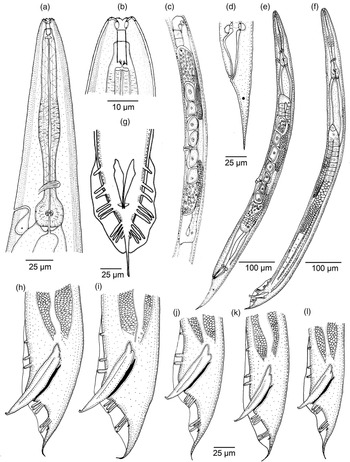
The genus Oscheius was established by Andrássy (Reference Andrássy1976) and comprises free-living nematodes which feed on bacteria, some of them reported to display entomopathogenic (Liu et al., Reference Liu, Mráček, Zhang, Půža and Dong2012; Pervez et al., Reference Pervez, Eapen, Devasahayam and Jacob2013) or scavenging behaviour (Campos-Herrera et al., Reference Campos-Herrera, Jaffuel, Chiriboga, Blanco-Peréz, Fesselet, Půža, Mascher and Turlings2015; Zhang et al., Reference Zhang, Baiocchi, Lu, Chang and Dillman2019). Owing to potential entomopathogenicity, this genus received increased attention from the scientific community in recent years. Furthermore, Oscheius species display a remarkable phylogenetic pattern in mode of reproduction, gonad development, body size and vulva formation. This genus was revised recently by Abolafia & Peña-Santiago (Reference Abolafia and Peña-Santiago2019), and includes two subgenera, Oscheius Andrássy, Reference Andrássy1976, containing 26 species, and Dolichorhabditis Andrássy, Reference Andrássy1983, containing 16 species, several of them with doubtful identity. Some of these doubtful species is the group composed of six species described by Tabassum et al. (Reference Tabassum, Shahina, Nasira and Erum2016) from Pakistan: Oscheius citri, O. cobbi, O. cynodonti, O. esculentus, O. punctatus and O. sacchari. These Pakistani species were described as having very similar morphology and with overlapping measurements. Unfortunately, line illustrations are inaccurate while LM illustrations lack the quality to distinguish these species correctly from each other. Furthermore, molecular support for these species is not satisfactory with only internal transcribed spacer (ITS) sequences of quite low quality being presented.
In the present study, during a survey carried out in agricultural fields of Meerut district, Uttar Pradesh, India, a white grub cadaver was recovered from sugarcane field from which one species of the genus Oscheius was isolated by White trap method (White, Reference White1927). Morphological, morphometrical and molecular studies on this species showed important similarity with all of these six species described by Tabassum et al. (Reference Tabassum, Shahina, Nasira and Erum2016). Now, detailed redescription of this species based on morphological, morphometrical and molecular (18S, 28S and ITS rDNA gene sequences) data are provided including line, LM and SEM illustrations.
Materials and methods
Nematode source
During a survey of soil samples in different agricultural fields of district Meerut (28°98′N, 77°71′E, and elevation of 225 m asl) of western Uttar Pradesh, India, a dead larva of white grub (Holotrichia sp.) was recovered from sugarcane fields (Saccharum officinarum L.). The cadaver was brought to the laboratory, washed with ddH2O, disinfected with 1% NaOCl (Bhat et al., Reference Bhat, Istkhar, Chaubey, Půža and San-Blas2017), placed in White's traps (White, Reference White1927) and kept at 27°C till emergence of the juveniles. The emerged nematodes from the White's trap method were harvested, disinfected and finally stored in 250-ml culture flasks in the biological oxygen demand (BOD) incubator at 15°C as described by Bhat et al. (Reference Bhat, Chaubey, Shokoohi and Mashela2019a).
Morphological and morphometrical characterization
For light microscopy and morphometric measurements, nematodes were reared on last instar larvae of Galleria mellonella. A total of ten larvae of G. mellonella were injected with sterilized third-stage juveniles (>2000) in sterile Petri plates using a 1-ml insulin syringe, which died within 36 to 48 h (Rana et al., Reference Rana, Bhat, Chaubey, Suman and Abolafia2020; Bhat et al., Reference Bhat, Rana, Chaubey, Machado and Abolafia2020). Adult generation (males and females) and freshly emerged third-stage juveniles were recovered from white traps within 7–10 days (Suman et al., Reference Suman, Bhat, Aasha, Chaubey and Abolafia2020). These were killed in hot water (60°C), fixed in triethanolamine formaline (TAF) (7 ml formalin, 2 ml triethanolamine, 91 ml distilled water) (Courtney et al., Reference Courtney, Polley and Miller1955), processed to glycerine (Seinhorst, Reference Seinhorst1959) and mounted into a small drop of glycerine with extra amount of paraffin wax to prevent flattening of nematodes (Bhat et al., Reference Bhat, Chaubey and Půža2019b).
Observations and measurements were performed with the help of inbuilt software (Nikon DS-L1) of phase contrast microscope (Nikon Eclipse 50i) in micrometres. The best-preserved specimens were also photographed using a Nikon Eclipse 80i (Nikon, Tokyo, Japan) light microscope provided with differential interference contrast optics (DIC) and a Nikon Digital Sight DS-U1 camera. Micrographs were edited using Adobe® Photoshop® CS. The terminology used for the morphology of stoma and spicules follows the proposals by De Ley et al. (Reference De Ley, van de Velde, Mounport, Baujard and Coomans1995) and Abolafia & Peña-Santiago (Reference Abolafia and Peña-Santiago2017), respectively.
Scanning electron microscopy
For the scanning electron microscopy (SEM), specimens preserved in glycerine were selected for observation under SEM according to the Abolafia's (Reference Abolafia2015) protocol. The nematodes were hydrated in distilled water, dehydrated in a graded ethanol–acetone series, critical point dried with liquid carbon dioxide, mounted on SEM stubs, coated with gold and observed with a Zeiss Merlin microscope (5 kV) (Zeiss, Oberkochen, Germany).
Molecular characterization
DNA was extracted both from single females and from the pool of infective juveniles (IJs) (n >500). In first case, each female was transferred into a sterile Eppendorf tube (500 μl) with 10 μl of extraction buffer (8.85 μl of ddH2O, 1 μl of 10 × polymerase chain reaction (PCR) buffer, 0.1 μl of 1% Tween and 0.05 μl of proteinase K). Buffer and nematode were frozen at ‒20°C for 20 min and then immediately incubated at 65°C for 1 h, followed by 10 min at 95°C. The lysates were cooled on ice, centrifuged (2 min, 9000 g) and 1 μl of supernatant was used for PCR (Bharti et al., Reference Bharti, Bhat, Chaubey and Abolafia2020; Bhat et al., Reference Bhat, Chaubey, Hartmann, Nermuť and Půža2021a). The DNA from the IJs was extracted via Qiagen Blood and Tissue Analysis Kit (Hilden, Germany) following the manufacturer's protocol. For each fragment amplified (see below) the DNA extracts from five females and from pool of IJs were used. A fragment of rDNA containing the internal transcribed spacer regions (ITS1, 5.8S, ITS2) was amplified using primers 18S: 5′-TTGATTACGTCCCTGCCCTTT-3′ (forward), and 28S: 5′-TTTCACTCGCCGTTACTAAGG-3′ (reverse) (Vrain et al., Reference Vrain, Wakarchuk, Levesque and Hamilton1992). The other fragment containing D2-D3 expansion segments of the 28S rDNA gene was amplified using primers D2F: 5′-CCTTAGTAACGGCGAGTGAAA-3′ (forward) and 536: 5′-CAGCTATCCTGAGGAAAC-3′ (reverse) (Nguyen, Reference Nguyen, Nguyen and Hunt2007) and fragment containing 18S rDNA using two pairs of primers 18S-F: 5′-GATACCGCCCTAGTTCTGACC-3′ and 18S-R: 5′-ACCAACTAAGAACGGCCATG-3′ (Liu et al., Reference Liu, Berry and Moldenke1997) and G18S4: 5′-GCTTGTCTCAAAGATTAAGCC-3′ and 18P: 5′-TGATCCWMCRGCAGGTTCAC-3′ (Blaxter et al., Reference Blaxter, De Ley and Garey1998).
The PCR master mix consisted of ddH2O 7.25 μl, 10 × PCR buffer 1.25 μl, dNTPs 1 μl, 0.75 μl of each forward and reverse primers, polymerase 0.1 μl and 1 μl of DNA extract. The PCR profiles were used as follows for ITS: one cycle of 94°C for 7 min followed by 35 cycles of 94°C for 60 s, 50°C for 60 s, 72°C for 60 s and a final extension at 72°C for 7 min (Nguyen, Reference Nguyen, Nguyen and Hunt2007); for 28S rDNA: one cycle of 94°C for 7 min followed by 35 cycles of 94°C for 60 s, 55°C for 60 s, 72°C for 60 s and a final extension at 72°C for 10 min (Mráček et al., Reference Mráček, Půža and Nermuť2014); and for 18S rDNA: one cycle of 94°C for 5 min followed by 37 cycles of 94°C for 60 s, 55°C for 90 s, 72°C for 2 min and a final extension at 72°C for 10 min (De Ley & Blaxter, Reference De Ley, Blaxter and Lee2002). PCR was followed by electrophoresis (45 min, 120 V) of 2 μl of PCR product in a 1% Tris-acetate-EDTA buffered agarose gel stained with ethidium bromide (20 μl per 100 ml of gel) (Bhat et al., Reference Bhat, Chaubey, Shokoohi and Machado2021b). For each fragment, five PCR products were sequenced by Eurofins Genomics (Ebersberg, Germany) and one by Bioserve PVT Ltd (Hyderabad, India). No variability was present among the product for each marker and one sequence for each fragment was deposited in GenBank under accession numbers MN137988 (ITS sequences), MK932087 (28S sequence) and MK932670 (18S sequence).
Sequence alignment and phylogenetic analyses
The sequences were edited and compared with those present in GenBank by means of a Basic Local Alignment Search Tool (BLAST) of the National Centre for Biotechnology Information (NCBI) (Altschul et al., Reference Altschul, Gish, Miller, Myers and Lipman1990). An alignment of our samples with sequences of other Oscheius species was produced for each amplified rDNA region (ITS, SSU and LSU) using default ClustalW parameters in MEGA 7.0 (Kumar et al., Reference Kumar, Stecher and Tamura2016) and optimized manually in BioEdit (Hall, Reference Hall1999). In order to compare ITS region of the selected Oscheius species from the ‘insectivorus’ group, pairwise distances were computed using MEGA 7.0 (Kumar et al., Reference Kumar, Stecher and Tamura2016). Codon positions included were 1st + 2nd + 3rd + Noncoding.
The phylogenetic trees were inferred from the datasets using Bayesian inference (BI). All characters were treated as equally weighted and gaps as missing data. Heterorhabditis downesi, H. bacteriophora and H. zealandica were used as outgroup taxa. Bayesian phylogenetic reconstructions were performed using MrBayes 3.2.7 (Ronquist et al., Reference Ronquist, Teslenko and Van Der Mark2012). The best fit model was identified as the GTR + G model test using the MrModeltest 2.0 program (Nylander, Reference Nylander2004). Metropolis-coupled Markov chain Monte Carlo (MCMCMC) generations were run for 1 × 10⁷ cycles and one tree was retained every 1000 generations.
Results
Systematics
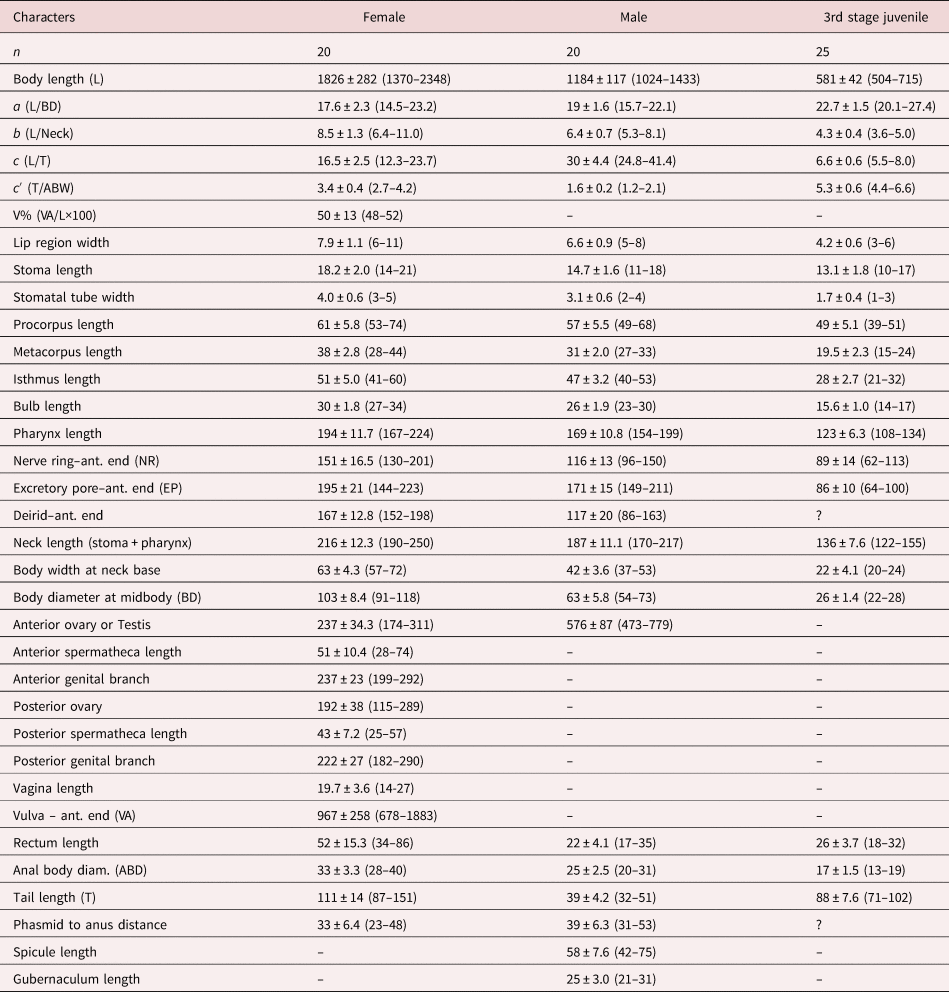
Oscheius citri Tabassum, Shahina, Nasira and Erum, Reference Tabassum, Shahina, Nasira and Erum2016 (figs 1–4, tables 1–4)
Oscheius citri Tabassum, Shahina, Nasira and Erum, 2016 (line drawing). (a) neck; (b) anterior end; (c) female reproductive system; (d) female posterior end; (e) entire female; (f) entire male; (g) male posterior end at ventral view; (h–l) male posterior end at lateral views showing spicule variability.

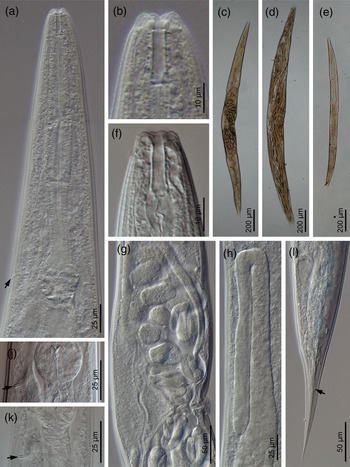
Oscheius citri Tabassum, Shahina, Nasira and Erum, Reference Tabassum, Shahina, Nasira and Erum2016 (light microscopy). (a) neck (arrow pointing the excretory pore); (b, f) anterior end; (c) young female; (d) Old female; (e) male; (g) uterine eggs; (h) testis; (i female posterior end (arrow pointing the phasmid); (j, k) excretory pore (arrow).

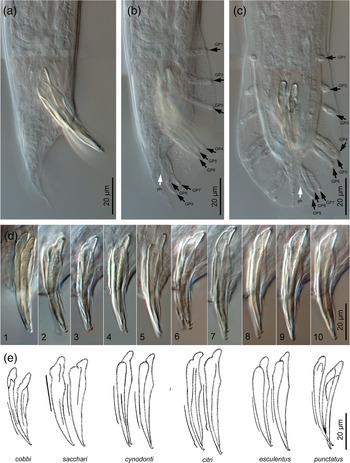
Oscheius citri Tabassum, Shahina, Nasira and Erum, Reference Tabassum, Shahina, Nasira and Erum2016 (light microscopy). (a, b) male posterior end at lateral view at spicules level and bursa level, respectively; (c) male posterior end at ventral view (black arrows pointing the genital papillae, GP, white arrow pointing the phasmid, ph). (d) spicules variability. (e) facsimile reproduction of the spicules of the six Pakistani species (obtained from Tabassum et al., Reference Tabassum, Shahina, Nasira and Erum2016).

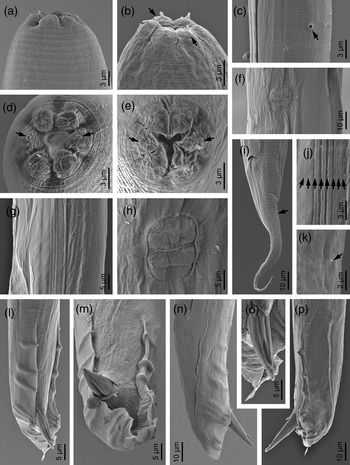
Oscheius citri Tabassum, Shahina, Nasira and Erum, Reference Tabassum, Shahina, Nasira and Erum2016 (scanning electron microscopy). (a, b, d, e) Lip region in lateral (a, b) and frontal (d, e) views (arrows pointing the amphids); (c) excretory pore (arrow); (f, h) vulva; (g, j) lateral field (arrows pointing the longitudinal incisures); (i) female posterior end (arrow pointing the phasmid); (k) female phasmid (arrow); (l, m, n, p) male posterior end in subventral, ventral, right lateral and left lateral views, respectively; (o) spicules tip.

Morphometrics of Oscheius citri Tabassum, Shahina, Nasira and Erum, 2016 from India.

All measurements are in μm (except n, ratios and percentages) and in the form: mean ± SD (range).
?, Measurement unknown; –, Character absent.
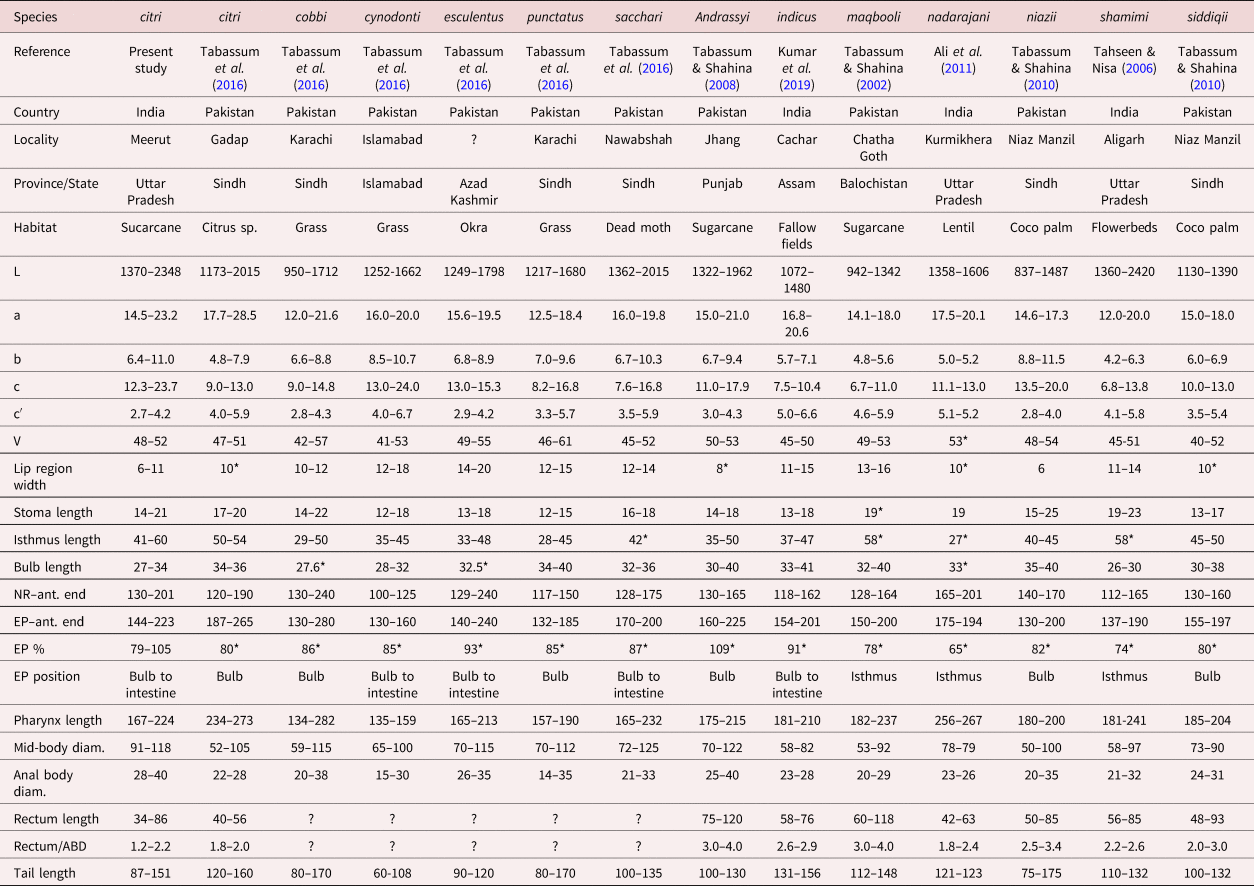
Comparative morphometrics of females of Oscheius citri Tabassum, Shahina, Nasira and Erum, 2016 from India and its related species.

All measurements are in μm (except ratios and percentages) and in the form of range.
*Measurements taken from line drawings; ?, measurements not known.
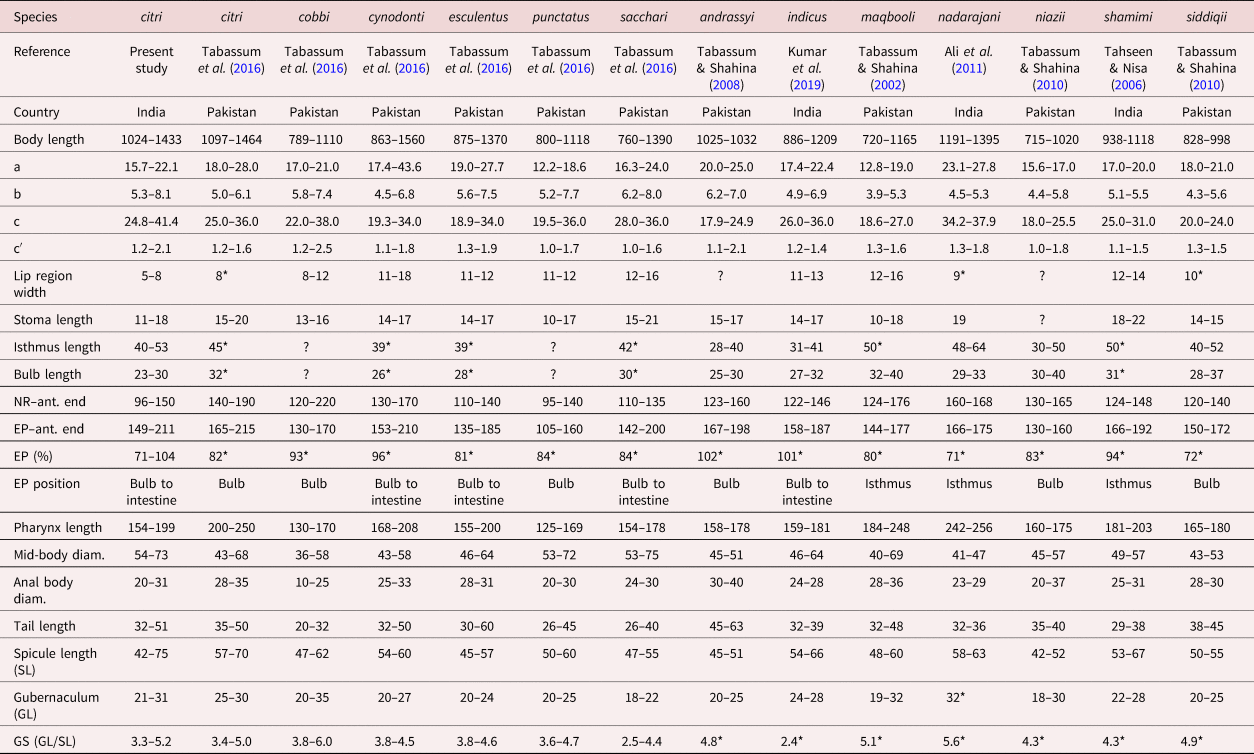
Comparative morphometrics of males of Oscheius citri Tabassum, Shahina, Nasira and Erum, Reference Tabassum, Shahina, Nasira and Erum2016 from India and its related species.

All measurements are in μm (except ratio and percentage) and in the form of range.
*Measurements taken from line drawings; ?, measurements not known.
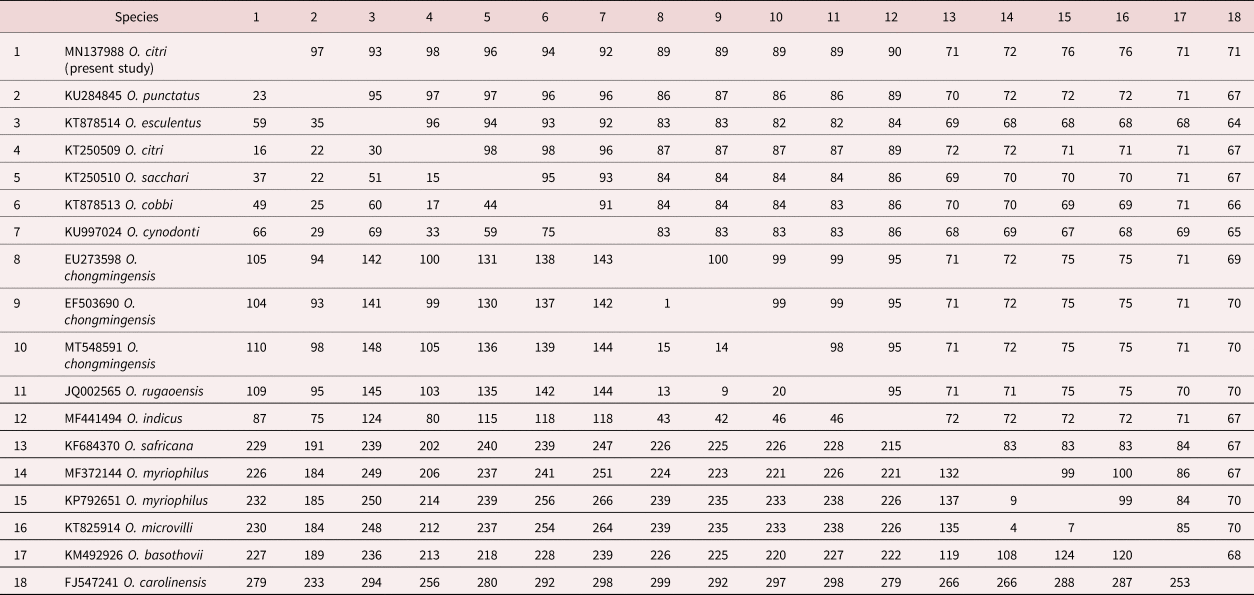
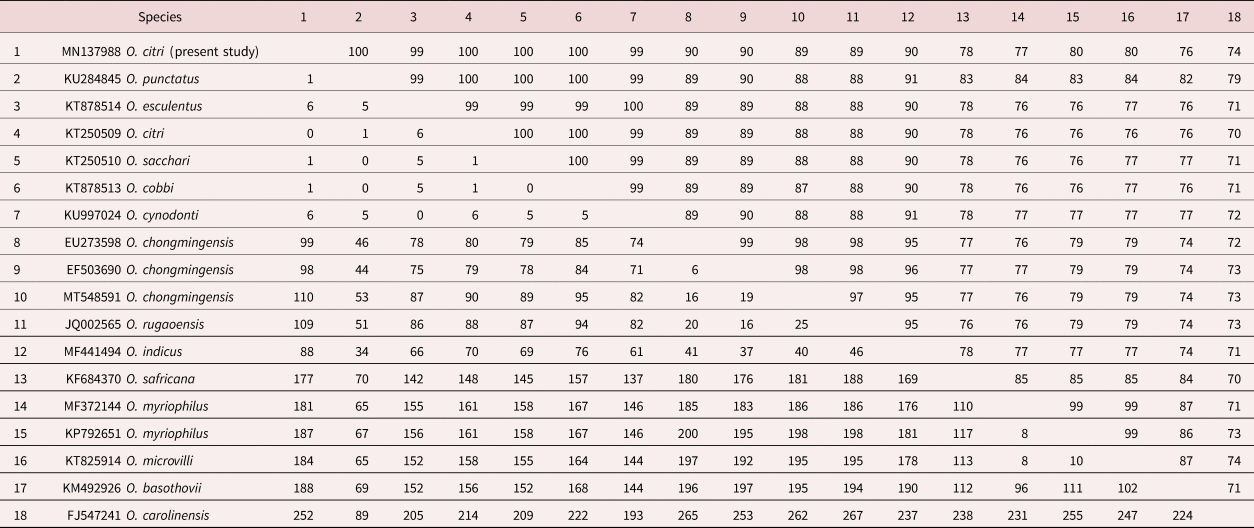
Pairwise distances of the internal transcribed spacer ((ITS1-5.8S-ITS2)) region of the rDNA among species of the ‘insectivorus’ group.

Below diagonal: total character differences, above diagonal: percentage similarity.
Material examined: 20 females, 20 males and 20 L3 juveniles (obtained from Galleria specimens from agricultural soils).
Description
Adults: Body fusiform, 1.37–2.35 mm long in females and 1.02–1.43 mm long in males, straight to slightly arcuate tapering at both the ends. Cuticle somewhat transversely annulated. Lateral fields with eight distinct longitudinal incisures at the middle of the body, the more lateral scarcely deep. Lip region with six separate lips, bearing six inner labial papillae and four outer cephalic papillae; primary and secondary axils deep, with similar morphology. Amphidial openings reduced, ovoid, located frontally. Stoma rhabditoid, 4.2–4.6 times longer than wide or 1.6–3.3 times longer than the lip region wide, with tubular part slightly wider posteriorly; cheilostom conspicuous, with ovoid rhabdia that is poorly cuticularized; gymnostom cuticularized, straight; pro-mesostegostom with refringent rhabdia; metastegostom with isomorphic glottoid apparatus with each bearing two minute warts, telostegostom short, connected to pharyngeal lumen. Pharyngeal collar surrounding the stegostom, 25–39% of the stomatal tube length. Pharynx rhabditoid: pharyngeal corpus differentiated into cylindrical procorpus and robust cylindroid metacorpus, 1.7–2.0 times the procorpus length; isthmus robust, well differentiated from metacorpus, basal bulb spheroid to ovoid with conspicuous valvular apparatus. Nerve ring encircling isthmus usually in posterior half, at 61–81% of the neck length. Excretory pore located at the level of basal bulb or slightly posterior, at 84–104% of the neck length. Deirids located at the level of isthmus-bulb junction at 69–80% of the neck length. Cardia short conoid. Intestine without differentiation but having thinner walls at cardiac part.
Female: Reproductive system didelphic, amphidelphic. Ovaries well developed, dorsally reflexed often extending beyond vulva. Oviducts dilated, connected to sperm filled spermathecae. Uteri 9.3–17.4 times the corresponding body diameter, containing eggs in different stages of embryonation, 40–56 × 22–39 μm, ranging up to 23–56, in young females and numerous larvae in old females which develop endotokia matricida. Vagina short, straight, 0.2 times the corresponding body diameter. Vulva transversal, laterally limited by reduced epygtigma. Rectum elongate, 1.1–2.2 times the anal body width. Anus a crescent-shaped slit. Tail conoid, dorsally almost straight and ventrally slightly concaved posterior to anus, with pointed tip. Phasmids located 26–32% of tail length from anus.
Male: General morphology similar to female except smaller size. Reproductive system monorchic with testis ventrally reflexed anteriorly, located on the left side of intestine. Bursa present, leptoderan. Genital papillae nine pairs (1 + 2/3 + 3 + ph), three pairs pre-cloacal (GP1 and GP2 more spaced) and six pairs post-cloacal appearing three pairs at cloaca level and three pairs posteriorly. Phasmids well observed, located posterior to GP9. Spicules elongate, with variable morphology at proximal end, 2.0–2.4 times the gubernaculum length, with manubrium conoid and scarcely ventrally bent, calamus very short and lamina with dorsal hump variable in size, poorly developed ventral velum and very finely hooked tip. Gubernaculum slender, 0.4–0.5 times the spicules length, with manubrium ventrally arcuate and almost straight corpus.
Juvenile: J3 juvenile 0.50–0.72 μm long. Body straight, elongate, cuticle almost smooth, lip region similar to adult specimens. All morphological features were similar to adults except the absent reproductive system. Stoma tubular, 2.3–3.0 times the lip region width and 6.8–11 times longer than wide. Tail ending at a hyaline part, 22–31 μm long or 26–34% of tail length.
Molecular characterization
The Oscheius species examined in present study is molecularly characterized by the sequences of three genes, 18S rDNA (1661 bp), ITS1-5.8S-ITS2 rDNA (1036 bp) and the D2-D3 fragment of 28S rDNA (869 bp). The Blastn analysis of the ITS1-5.8S-ITS2 rDNA sequences of our sample showed the highest similarity with six ITS1-5.8S-ITS2 rDNA sequences of Oscheius (KT250509 O. citri; KT878513 O. cobbi; KT250510 O. sacchari; KU997024 O. cynodonti; KT878514 O. esculentus and KU284845 O. punctatus) from Pakistan described by Tabassum et al. (Reference Tabassum, Shahina, Nasira and Erum2016). The pairwise distances analysis have shown that the similarity ranges from 93% to 98% (table 4); however, the vast majority of the differences were present close to the 3′ and 5′ ends of the sequences, whereas in the middle part, the sequences are almost identical to the sequence of the Oscheius species examined now. It is thus likely that the sequences of the Pakistani species are inadequately edited or were not even edited at all before submission to the GenBank database. After deleting the c. 100 bp segment from both 3′ and 5′ ends of the Pakistani sequences and trimming the whole alignment accordingly, pairwise distance analysis shows 99–100% similarity of Pakistani sequences with each other and with the Oscheius species studied now, but the distances among other species remained very prominent (table 5). This clearly demonstrates that a vast majority of differences that were found in Pakistani sequences are present in the conservative parts of the sequences and thus are most likely the result of inadequate sequence editing.
Pairwise distances of the internal transcribed spacer ((ITS1-5.8S-ITS2)) region of the rDNA among species of the ‘insectivorus’ group with the trimmed 3′ and 5′ ends.

Below diagonal: total character differences, above diagonal: percentage similarity.
There is no record of 18S rDNA and D2-D3 fragments of 28S rDNA of these six Pakistani species. The Blastn analysis of 18S rDNA and D2-D3 fragment of 28S rDNA sequences of present specimens showed the highest 98.4% and 97% similarity, respectively, with the 18S rDNA (EF503692, MT548590, MT548589, MT548588, EU273597, JQ002566) and D2-D3 fragment of 28S rDNA (EU273599, MT548594-MT548600) sequences of O. chongmingensis (Zhang et al., Reference Zhang, Liu and Xu2008) Ye et al., Reference Ye, Torres-Barragan and Cardoza2010 from China.
Diagnosis (based on the Indian and Pakistani populations)
Oscheius citri from India is characterized by having 1.37–2.35 mm long females and 1.02–1.43 mm long males, cuticle with very fine transverse striation, lateral field with eight distinct lines, lip region bearing six separate lips, pharynx with metacorpus cylindroid, nerve ring surrounding isthmus posteriorly, excretory pore located at basal bulb level, female reproductive system didelphic-amphidelphic, rectum 34–86 μm long or 1.2–2.2 times the anal body width, female tail conical (60–170 μm long, c = 7.6–24.0, c′ = 2.7–6.7) with hooked tip, male reproductive system monorchid, tail conoid (20–60 μm long, c = 18.9–41.4, c′ = 1.0–2.5), bursa peloderan bearing nine pairs of genital papillae (1 + 2/3 + 3 + ph) and phasmids posterior to 9GP, spicules 42–75 μm long with variable morphology and gubernaculum 18–35 μm long.
Phylogenetic analysis
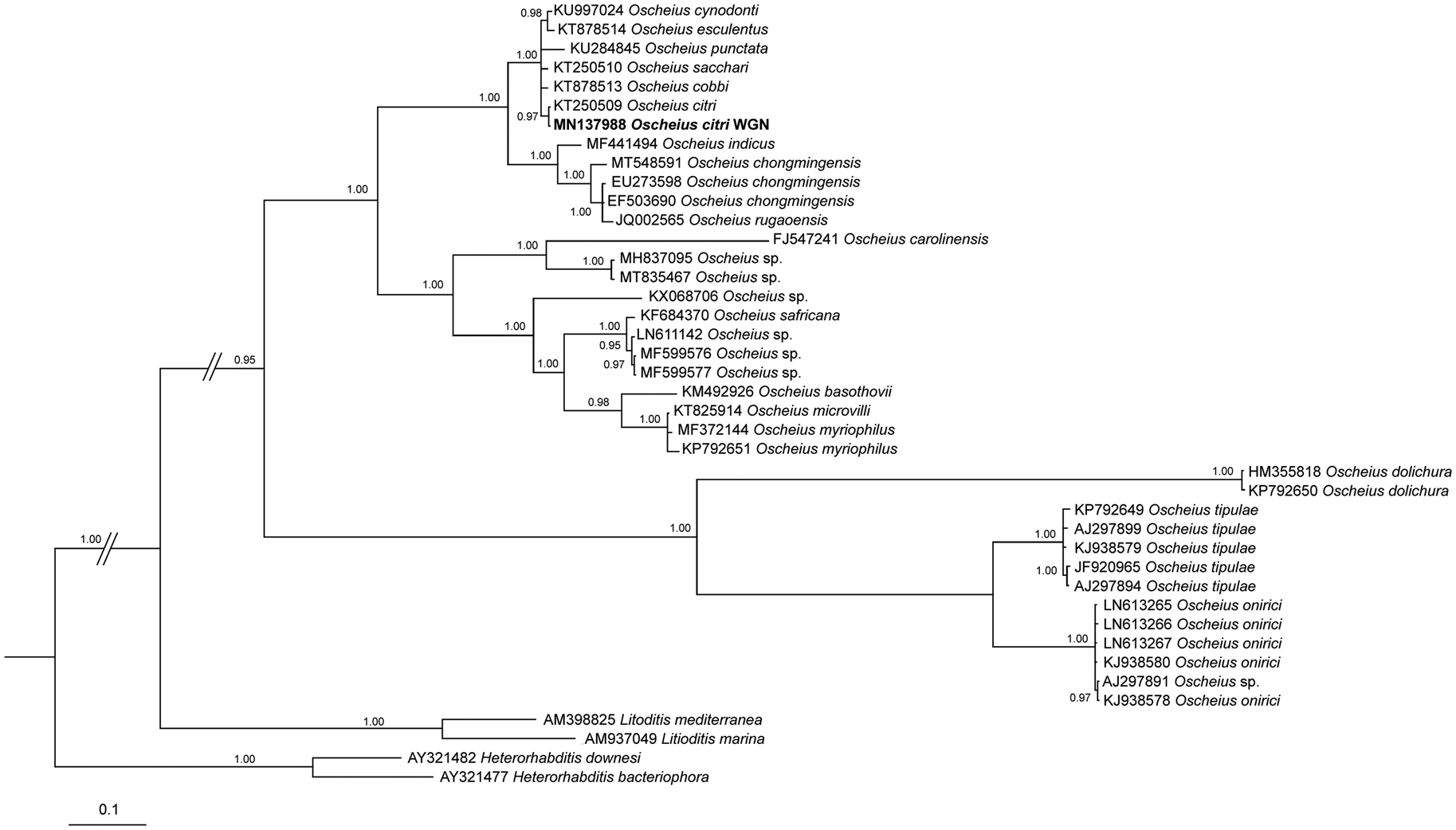
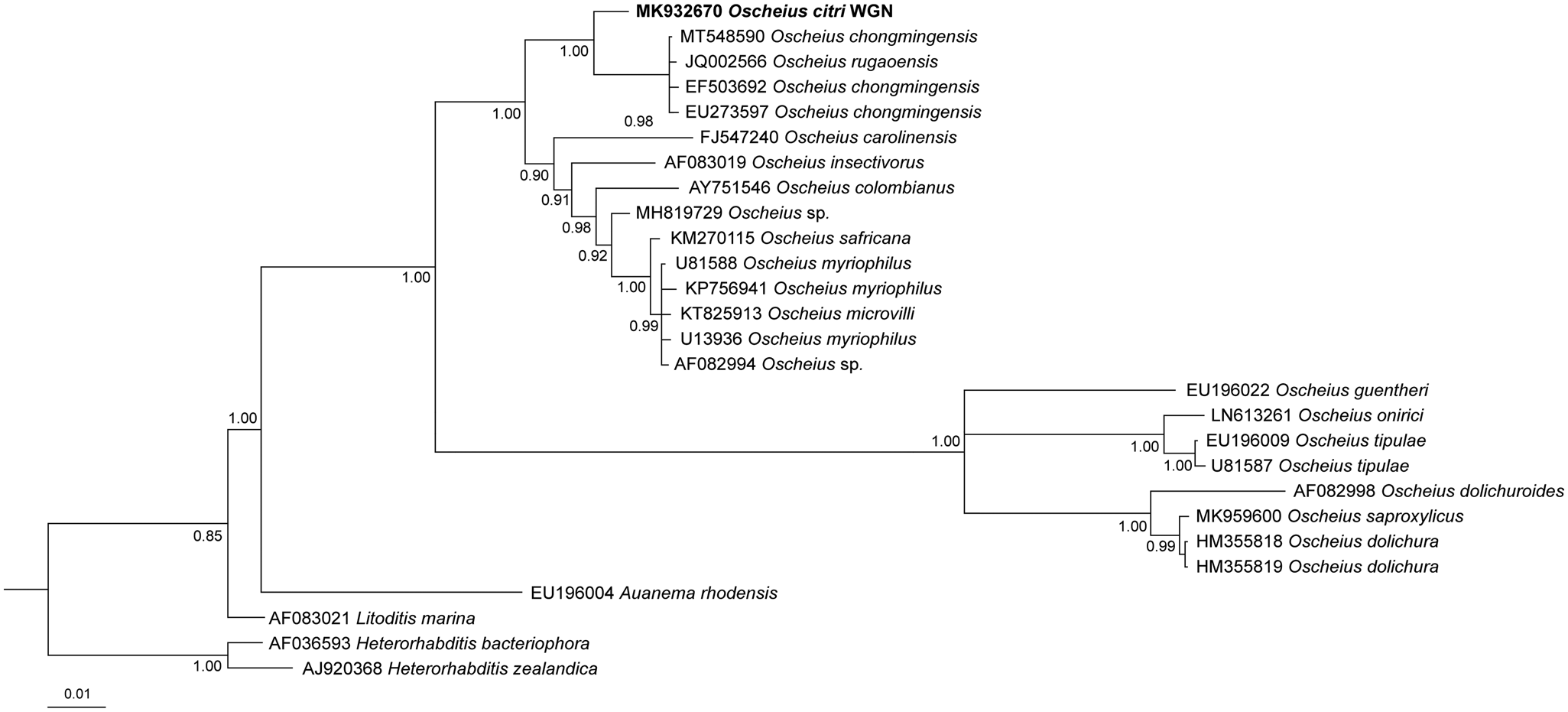
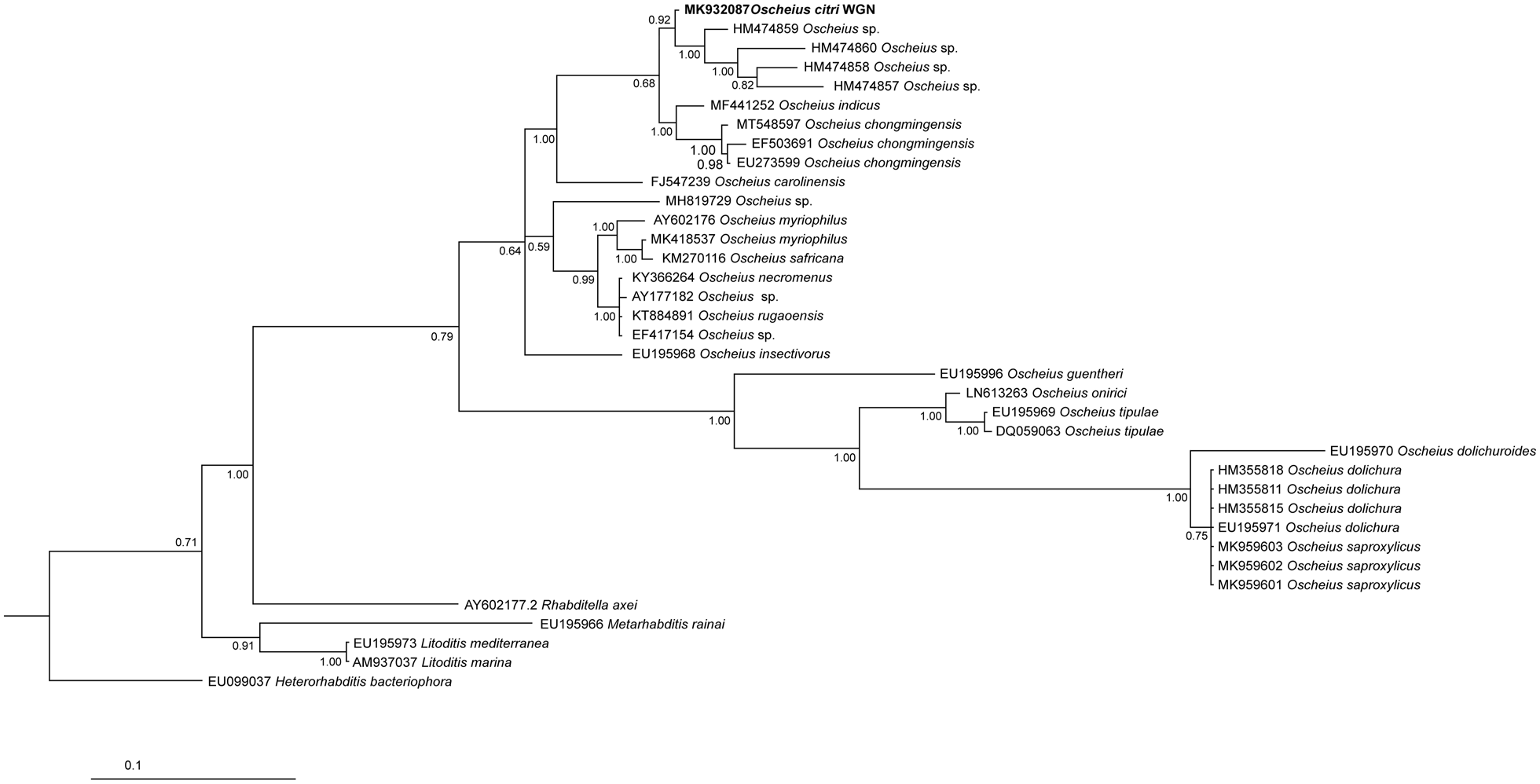
The phylogenetic analysis based on the ITS region of the rDNA (fig. 5) shows the Oscheius species studied now as a member of a well-supported clade with O. citri, O. cobbi, O. sacchari, O. cynodonti, O. esculentus and O. punctatus from Pakistan (Tabassum et al., Reference Tabassum, Shahina, Nasira and Erum2016). This further supports conspecificity of these nematodes, and therefore, the members of this clade most likely represent the Pakistani and Indian strains of a single species O. citri. All phylogenetic analyses based on ITS (fig. 5), 18S (fig. 6) and 28S (fig. 7) rDNA fragments show O. citri as a sister group to the clade formed by O. chongmingensis, O. rugaoensis (Zhang et al., 2012) Darsouei, Karimi & Shokoohi, Reference Darsouei, Karimi and Shokoohi2014 and O. indicus Kumar, Jamal, Somvanshi, Chauban & Mumtaz, Reference Kumar, Jamal, Somvanshi, Chauban and Mumtaz2019.
Phylogenetic relationships of the Indian and Pakistani strains of Oscheius citri and other closely related species as inferred from Bayesian analysis of sequences of the Internal Transcribed Spacer (ITS1-5.8S-ITS2) rDNA region. Bayesian posterior probabilities (%) equal to or more than 60% are given for appropriate clades. The scale bar shows the number of substitutions per site.

Phylogenetic relationships of the Indian strain of Oscheius citri and other closely related species as inferred from Bayesian analysis of sequences of the small subunit (18S) of rDNA region. Bayesian posterior probabilities (%) equal to or more than 60% are given for each appropriate clade. The scale bar shows the number of substitutions per site.

Phylogenetic relationships of the Indian strain of Oscheius citri and other closely related species as inferred from Bayesian analysis of sequences of the D2-D3 domain of large subunit (28S) of rDNA region. Bayesian posterior probabilities (%) equal to or more than 60% are given for each appropriate clade. The scale bar shows the number of substitutions per site.

Discussion
The Oscheius species examined now from India agrees very well with the six species described (O. citri, O. cynodonti, O. cobbi, O. esculentus, O. punctatus and O. sacchari) by Tabassum et al. (Reference Tabassum, Shahina, Nasira and Erum2016) from Pakistan. Unfortunately, despite several attempts, we were unable to obtain paratypes of the Pakistani species to re-examine their morphology and to confirm their identity.
Morphologically, the Oscheius species described now from India resembles O. citri in the shape of spicules at proximal end (fig. 3d; 6, 7), presence of six separate lips in lip region, presence of phasmids posterior to anus, shape of gubernaculum, tail conical with a small part protruding beyond bursa, bursa leptoderan bearing nine pairs of genital papillae of different lengths with GP1 and GP2 more spaced than GP2 and GP3. Morphometrically, most important morphometric measurements including body length, ratios and percentages were in close vicinity to each other or have overlapping measurements except pharynx length in females (167–224 vs. 234–273 μm) and males (154–199 vs. 200–250 μm) (tables 2 and 3). Molecularly, ITS sequence of WGN does not show any nucleotide difference with the relevant part of the sequence of O. citri (table 5), however, gaps and nucleotide differences are observed at 5′ end only which may be due to inadequate editing of the sequence.
With respect to O. cynodonti, it resembles in shape of spicules bearing hooked tips with rounded spicule head (fig. 3d; 4, 5), boat shaped gubernaculum, bursa leptoderan type with a short part of tail protruding beyond bursa, nine pairs of genital papillae with GP1 and GP2 more spaced than GP2 and GP3, same reproductive system in males and females. Most of the important morphometric measurements including ratios and percentages were in close proximity to each other and some have overlapping measurements, except variation in body length in adults and in characters like lip region width in males (5–8 vs. 11–18 μm) and females (6–11 vs. 12–18 μm); anal body width (28–40 vs. 15–30 μm), pharynx length (167–224 vs. 135–159 μm) and nerve ring to anterior end (130–201 vs. 100–125 μm) in females (tables 2 and 3). Molecularly, ITS rRNA sequence of the Indian Oscheius showed six nucleotide differences (table 5) and three gaps with O. cynodonti in the middle of the sequence. Large gaps and nucleotide differences at 3′ and 5′ prime ends are obviously a result of sequencing errors and inadequate sequence editing.
With O. cobbi, it resembles lip region bearing six rounded lips, metastegostom bearing small denticles, position of nerve ring and excretory pore, reproductive system in adults, shape of the spicules bearing hooked tips and rounded head (fig. 3d; 1), boat shaped gubernaculum, bursa leptoderan type with a short part of tail protruding beyond bursa, nine pairs of bursal papillae at different lengths with GP1 and GP2 more spaced than GP2 and GP3, juvenile tail elongate conical tapering to a hyaline part. Morphometric measurements of adults including demanian indexes and percentages were in close similitude to each other or show overlapping morphometry; however, variations were observed in their body length and tail length (32–51 vs. 20–32 μm) and lip region (5–8 vs. 8–12 μm) width in males. The alignment file of ITS rDNA sequence of the Indian species with O. cobbi showed 1 nucleotide difference (table 5), 2 ambiguous positions and 3 gaps in the middle part of the sequences, however, at 3′ and 5′ ends large gaps and nucleotide differences are observed which are obviously a result of sequencing errors and inadequate sequence editing.
Compared with O. esculentus, it shows similar lip shape having six rounded lips, finely cuticularized cheilostom, metastegostom with small denticles, reproductive system in adults, position of vulva, shape of the spicules and gubernaculum (fig. 3d; 8, 9), bursa leptoderan type, nine pairs of bursal papillae of different lengths with more spacing between GP1 and GP2 than GP2 and GP3, juvenile tail elongate conical tapering to a hyaline part. Further, most important morphometric measurements including body length, percentages and ratios show overlapping morphometry or were quite close to each other except lip region width in females (6–11 vs. 14–20 μm) and males (5–8 vs. 11–12 μm). The alignment file ITS rDNA sequence of WGN with O. esculentus showed 6 nucleotide differences (table 5) and 2 gaps in the middle part of the sequences, however, at 3′ and 5′ ends large gaps and nucleotide differences are observed which are obviously a result of sequencing errors and inadequate sequence editing.
When compared with O. punctatus, it shares same morphology like lip region continuous with six rounded lips, finely cuticularized cheilostom, short gymnostom, metastegostom with small denticles, amphimictic reproduction, reproductive system in adults, spicule shape with hooked tips and rounded head (fig. 3d; 10), boat shaped gubernaculum, bursa leptoderan type, nine pairs of bursal papillae of different lengths with more spacing between GP1 and GP2 than GP2 and GP3, juvenile tail elongate and conical tapering to a hyaline part. The important morphometric measurements, percentages and ratios of the two are in close range to each other or with somewhat overlapping morphometry except lip region width (6–11 vs. 12–15 μm) and stoma length (14–21 vs. 12–15 μm) in females and lip region width (5–8 vs. 11–12 μm) in males. Molecularly, ITS rDNA sequence of WGN showed one nucleotide difference (table 5), one ambiguous sequence and ten gaps with O. punctatus in the middle of the alignment file, however, more gaps and nucleotide differences are observed at 3′ and 5′ ends only which are obviously a result of sequencing errors and inadequate sequence editing.
With O. sacchari also, it showed similar morphology as with above Pakistani strains like shape of spicules and gubernaculum (fig. 3d; 2, 3), amphimictic reproduction, nine pairs of genital papillae, juvenile tail elongate, conical and tapering to a hyaline part. Here also, most morphometric parameters, percentages and ratios were in close proximity to each other or display overlapping morphometry except lip region width in females (6–11 vs. 12–14 μm) and males (5–8 vs. 11–16 μm). The alignment file ITS rDNA sequence of WGN with O. sacchari showed one nucleotide difference (table 5) and three gaps in the middle part of the sequences, however, at 3′ and 5′ ends 13 gaps and 2 nucleotide differences are observed which are obviously a result of sequencing errors and inadequate sequence editing.
Other very similar species, also described from India and Pakistan, are O. andrassyi Tabassum & Shahina, 2008, O. maqbooli Tabassum & Shahina, 2002, O. nadarajani Ali, Asif & Shaheen, 201Reference Abolafia1, O. niazii Tabassum & Shahina, 2010, O. shamimi Tahseen & Nisa, 2006 and O. siddiqii Tabassum & Shahina, 2010. These species show morphological and morphometric similarity (tables 2 and 3), existing the probability that some of them is/are synonym(s) of O. citri. However, O. magbooli, O. nadarajani and O. shamimi have more anterior excretory pore, at isthmus level, while in O. citri it appears at basal bulb or more posterior, and additionally O. magbooli presents visibly shorter female rectum (slightly longer than anal body width according the light microscopy picture of the fig. 2d). O. andrassyi, O. indicus, O. niazii and O. siddiqii are very similar each other, distinguishing of the O. citri from India by having narrower stomatal tube, while of the O. citri from Pakistan and its synonyms show similar stomatal morphology. Between them, O. andrassyi, O. niazii and O. siddiqii presents shorter female rectum than O. indicus (ca. 2 vs. 3 times anal body diam.). Unfortunately, the most of these species lacks molecular data to confirm their relationship, except for O. indicus which show slightly differences at its rDNA sequences with respect to O. citri from India and Pakistan.
Thus, based on similar morphology and overlapping morphometrics the Indian material and the six Pakistani species described by Tabassum et al. (Reference Tabassum, Shahina, Nasira and Erum2016) agree very well each other, being found two of them (O. cobbi and O. punctatus) in the same sample. Additionally, based on molecular data, all the six above mentioned Pakistani species and the material examined now from India do not differ each other. According to this, the Indian material and the six Pakistani species are conspecific taxa. With respect to the valid name, according to International Code of Zoological Nomenclature (ICZN), O. citri was described the first in the paper published by Tabassum et al. (Reference Tabassum, Shahina, Nasira and Erum2016) being the type population, while the rest of the five species should be considered as their junior synonyms.
Acknowledgements
The authors thank the head of the Department of Zoology, Chaudhary Charan Singh University for providing necessary lab facilities. SEM pictures were obtained with the assistance of technical staff (Amparo Martínez-Morales) and equipment of the ‘Centro de Instrumentación Científico-Técnica (CICT)’ at the University of Jaén. The authors are thankful to Dr. Matiyaar Rahmaan Khan, IARI, New Delhi to provide for necessary lab facilities.
Financial support
The authors thank the Department of Science and Technology (DST), New Delhi, India, for providing financial assistance through DST WOS-A (SR/WOS-A/LS-1083/2014) to Dr. Aasha Rana and DST INSPIRE Fellowship/2014/76 to Dr. Aashaq Hussain Bhat. The authors thank the University of Jaén, Spain, for financial support received for the Research Support Plan ‘PAIUJA 2019/2020: EI_RNM02_2019’.
Conflicts of interest
The authors declare that they have no conflict of interest.