


Introduction
In Mexico, although there have been advances in rights over the past three decades, the right against rights (RagR) has not mobilized to the same extent as in the other countries studied in the project The Rise of the Right Against Rights and Global (Dis) Order in Latin America and Beyond (RAGLA): Argentina, Chile, Brazil, Colombia, El Salvador, and Honduras. Through a systematic search process, we identified 43 groups, 88 percent of which focus on opposing the gender and/or LGBTIQ+ agenda. Compared to the other countries, we observed not only a lower incidence of these groups but also a notable absence of opposition to other rights agendas. This distribution is central to our argument because this article’s explanation rests on the comparison of variation across rights agendas within the Mexican context.
Based on the analysis of this case, in which the RagR is comparatively weaker and unevenly distributed across rights agendas, this study seeks to refine the theory proposed by Payne, Zulver, and Escoffier (Reference Payne, Zulver and Escoffier2023), who argue that the increase in collective action by the RagR is a response to advances in the rights of disadvantaged groups in Latin America when these are perceived as credible threats.Footnote 1 The specification proposes that the threat is a necessary but not sufficient condition for the mobilization of right-wing anti-rights groups.
The credibility of the threat, we argue, depends not only on the strength of pro-rights movements or favorable policies—which act as triggers—but also on two additional conditions: the pre-existing organizational resources of right-wing anti-rights groups and the existence of actors and agencies that function as suppressors of these rights. The first condition relates to the agendas for which right-wing anti-rights groups mobilize against rights. The second relates to the concrete operation of functional suppressors—official and unofficial actors who, in practice, suppress rights advances, whether due to institutional orientation or particular interests.
This specification highlights that rights advances (and opposition) do not occur in a single space or according to a single logic, nor do they affect all rights uniformly. The rights of migrants can be recognized in court and suppressed in detention centers; legal abortion can be enacted in one state while the right to life from conception is constitutionalized in another. In other words, the operation of functional suppressors and pre-existing organizational resources determines whether a credible threat translates into collective action.
Both of these conditions are present in Mexico. The historical weakness of the right-wing anti-rights groups can be explained by the configuration of the country’s hegemonic party system and the nature of its relationship with the Catholic Church, which fragments the Church’s social influence and limits its political influence. This results in the formation of religiously based organizations committed to preserving traditional values, which are unevenly distributed across the national territory and visible in the anti-gender and anti-sexual diversity agenda. The operation of functional suppressors in other agendas—especially migration and Indigenous territorial rights—renders RagR collective action around those agendas superfluous. The existence of these two conditions, even with significant advances in rights, would explain why in Mexico RagR organized groups are few and are structured around agendas linked to traditional conservative agendas, such as the Unión Nacional de Padres de Familia, founded a century ago.Footnote 2
Why do we consider Mexico relevant for testing and refining Payne et al.’s (Reference Payne, Zulver and Escoffier2023) explanation of RagR? Because what Mahoney and Goertz termed the “principle of possibility” is at work—that is, the conditions for the theorized relationships to operate are present, yet the expected outcome does not materialize (Mahoney and Goertz Reference Mahoney and Goertz2004). As Payne et al. postulate, Mexico has seen significant advances in rights over the past 30 years: gender equality and sexual diversity, as well as the rights of Indigenous peoples, people of African descent, and migrants. These rights have been enshrined in law, institutionalized, and supported by policies; therefore, we would expect them to function as credible threats and to trigger significant mobilization by right-wing anti-rights groups. However, this occurs with much less intensity than in other cases in the region and unevenly across rights agendas.
To demonstrate the plausibility of these conditions, we conducted a sequential mixed-methods research design in three phases: the first involved quantitative analysis using descriptive statistics to examine the characteristics of right-wing anti-rights groups in Mexico compared to other Latin American countries. The second involved a qualitative analysis of the main characteristics of the advances in rights in order to identify their legal, institutional, and symbolic implications through the consultation of documentary sources. The third evaluated the operation of the proposed conditions through in-depth case studies based on newspaper archives and secondary data.
The article is organized as follows. First, we present a discussion of the factors that could limit the emergence of anti-rights groups. Second, we outline the methodological design. Third, we analyze the characteristics of the RagR in Mexico in comparison with six other countries in the region. Fourth, we describe the advances in rights for four disadvantaged groups. Fifth, we evaluate the operation of the additional conditions posited. Finally, we draw conclusions.
Specifying Advances in Rights as Threats to the Anti-rights RIGHT
We agree with Payne et al. that the right against rights (RagR) is defined as: “collective extra-institutional and institutional mobilization to check, roll back, or reverse specific rights promoted by previously marginalized groups and communities (i.e., gender and sexuality, ethnicity, race, environment, accountability for crimes against humanity) and to restore, promote, or advance a status quo ante of traditional political, social, economic, and cultural rights” (Payne et al. Reference Payne, Zulver and Escoffier2023, 3).
RagR is characterized by mobilization to limit or roll back rights that transform the situation of structurally disadvantaged groups. These mobilizations do not necessarily endure over time; many are short-lived and involve a variety of actors and groups distinct from right-wing parties or interest groups historically linked to the right (such as business elites), though close ties with them are not uncommon. In short, the RagR operates within civil society and organizes to reverse, block, or undermine the advancement of rights.
The conceptual framework proposed by Payne et al. (Reference Payne, Zulver and Escoffier2023) develops a typology to characterize the groups that make up the RagR based on the type of actions they undertake (counter-movements, uncivil movements, or radical neoliberal movements). This typology challenges the widespread characterization that treats all these groups indiscriminately as counter-movements. But they also suggest an explanation for the emergence of the RagR: the existence of advances in rights for historically disadvantaged groups that are perceived as credible threats due to constitutional and legal recognition, the development of public policies, and their judicialization in the region following the transitions to democracy (Gargarella Reference Gargarella2015).
The existence of advances in rights and their perception as a credible threat constitute, in the words of Payne et al. (Reference Payne, Zulver and Escoffier2023), the necessary condition for the emergence of RagR. This notion of threat is consistent with the literature on social movements, which identifies threats-defined as perceived negative conditions that will worsen if collective action is not taken as one of the main triggers of mobilization (Almeida Reference Almeida, Snow, Soule, Kriesi and McCammon2019; Tilly Reference Tilly1978). In that literature, threats acquire their mobilizing capacity when they are collectively perceived as real harms, not merely potential ones, and when actors have the organizational resources to respond to them (Almeida Reference Almeida, Snow, Soule, Kriesi and McCammon2019). Applied to the RagR, the logic is symmetrical: advances in rights constitute a credible threat to conservative actors when they are constitutionalized, judicialized, or translated into public policies, and not merely as discursive or symbolic changes. This specification of credibility is what Payne et al. identify as a central condition for the emergence of the RagR, and it is what this article takes as its starting point.
The contribution proposed here is to show that even when such credibility is present, the translation of the threat into anti-rights collective action is mediated by additional conditions that the theory does not specify. Based on the case of Mexico, we observe that this condition—the credible threat- is necessary but not sufficient: substantive advances across multiple rights agendas driven by pro-rights coalitions coexist with sparse anti-rights mobilization, whose concentration in some agendas and absence in others must be explained within the same national context.
The starting point for the specification we propose is the existence of advances in rights, or what Payne et al. (Reference Payne, Zulver and Escoffier2023) characterize as rights revolutions. While there is no clear consensus on the scope of this concept, a foundational reference in the literature is the work of Charles Epp (Epp Reference Epp1998), who defines it as the ability of citizens to bring claims before the courts. In this article, when we refer to these advances, we do so in a broader sense, taking into account the Latin American context in which judicialization was not the only avenue; rather, they took shape through constitutional, legal, and discursive recognition and the development of public policies (Sieder et al. Reference Sieder, Ansolabehere and Alfonso Sierra2019) driven by mobilization processes.
The first condition we identify is the operation of functional suppressors of rights. Functional suppressors are state and non-state actors who, due to their institutional mandates or interests, in practice selectively suppress, block, or undermine the exercise of rights by disadvantaged groups. This condition is consistent with the mechanism of demobilization by substitution identified by Almeida to explain Latin American cases in which, although threats exist, there is no collective action because powerful actors absorb or neutralize the problem that could drive mobilization (Almeida Reference Almeida, Snow, Soule, Kriesi and McCammon2019). Although Almeida’s research focuses on pro-rights social movements, we extend this logic to anti-rights mobilization.
This condition refines the theory by drawing attention to the role of actors who substitute for those who would otherwise mobilize against disadvantaged groups. Given the actions of other official and non-official actors with the resources and capacity for direct and concrete action to limit, diminish, and even eliminate members of groups favored by advances in rights, right-wing anti-rights groups would have no incentive to mobilize because, in practice, the grievance would not function as such. These functional suppressors of rights, in a sense, render collective action by these groups redundant. This does not require potential anti-rights actors to ignore rights advances; rather, it requires only the perception that these advances will ultimately be neutralized. This perception may be based on knowledge of how these suppressors operate, on the visibility of their actions, or on the confidence that in many cases the status quo will prevail. A quote from a participant in an anti-migrant march in Tijuana in 2018—“if the government can’t handle this, crime and the cartels will take care of it” (FRANCE 24 Español 2018)—illustrates precisely this logic: the perception that suppressors will act reduces the incentive to organize a sustained collective response. Based on this characterization, it is important to clarify that functional suppressors are not part of RagR but rather actors who, due to their institutional position, existing public policy frameworks, or their economic and political interests, fulfill this function.
The second condition emphasizes the availability of pre-existing organizational resources. Social movement theory has highlighted the importance of this factor for collective action. In recent years, in the study of social movements in Latin America, Paul Almeida (Almeida Reference Almeida, Snow, Soule, Kriesi and McCammon2019) argues that the capacity for mobilization in the face of a threat is related to prior organizational resources and that, in the absence of resources, a threat can lead to demobilization. This brings us to the trajectories of right-wing anti-rights civil-society actors: their characteristics, institutionalization, and their relationship with the state (Svampa Reference Svampa, Chaguaceda and Duno-Gottberg2020; Álvarez-Benavides and Toscano Reference Álvarez-Benavides and Toscano2021). In the case of Mexico, this condition is reflected in the historical weakness of the right due to its neutralization by the presidential regime of the hegemonic party through co-optation or repression and its focus on defending traditional values with religious ties and roots (Meyer Reference Meyer1973). As Kloppe-Santamaría suggests, the right-wing civil-society sector (la derecha social) in Mexico had a fragmented character, with strong local roots, and operated through forms of control disseminated via informal networks rather than through the institutionalization of groups, due to its conflictual relationship with the state (Kloppe-Santamaría Reference Kloppe-Santamaría2023). This platform has undergone transformations over time, primarily with the country’s political transition in 2000 and the two successive governments of the right-wing National Action Party (PAN). As Zaremberg (Reference Zaremberg2020) points out, this configuration is not static, and one of its most recent changes is the rise of evangelical groups promoting an anti-gender agenda in the country.
Attention to this condition clarifies the theory in two ways: it draws attention to the intensity of the RagR and its focus on anti-gender equality and anti-sexual diversity agendas, where their prior organizational resources are concentrated. Building on the distinction made by O’Brien and Walsh (Reference O’Brien and Drysdale Walsh2020), we would observe a combination of traditional opposition by conservative organizations to advances in the rights of women and the LGBTIQ+ community alongside the emergence of new groups seeking to roll back the rights achieved (opposition + backlash), which coordinate with one another but focus on the traditional agenda.Footnote 3
Both conditions—functional suppressors and prior organizational resources—determine whether a threat translates into anti-rights collective action. These conditions operate in tandem. In this regard, we can postulate that the threat of rights advances is a necessary but not sufficient condition for RagR: what triggers it is sustained pro-rights mobilization and shifts in the position of disadvantaged groups. However, whether this results in anti-rights collective action depends on the weakness or absence of functional suppressors capable of neutralizing these transformations and on the presence of pre-existing organizational resources among right-wing anti-rights groups in the relevant agenda. The analysis of the case of Mexico illustrates the plausibility of this specification, since the 1990s have seen significant advances in rights linked to various historically disadvantaged groups through sustained mobilization processes: the rights of women, the LGBTIQ+ community, migrants, and indigenous peoples, among others, and the two posited conditions are present or absent in accordance with theoretical expectations.
Methodological Design
In order to characterize the RagR in Mexico, we focused on the right-wing anti-rights groups and actors that comprise it across four agendas involving structurally disadvantaged groups: women’s reproductive rights, sexual diversity, the rights of irregular migrants, and the rights of indigenous peoples to their territory. This focus, in accordance with the definition developed in the previous section, explicitly excluded political parties and interest groups that may support the RagR. This decision aimed to highlight the distinctiveness of these groups, although we are aware that they are not necessarily isolated and form part of flexible networks in which, as recent research shows, members of the right-wing elite are embedded (Zaremberg Reference Zaremberg2024).
The identification of the right-wing anti-rights groups was based on the RAGLA project’s selection criteria and involved searches across various sources that were cross-referenced to identify recurring patterns and add groups, thereby controlling for inclusion and exclusion errors. The first step was a Google search using keywords related to the rights under attack. The initial results yielded news articles in digital media, so the groups mentioned in these were searched directly to confirm they were active and also to detect new groups participating in the reported activities. Subsequently, a search was conducted for the identified groups on social media to identify others linked to them through their followers and to identify new keywords. Additionally, the websites of the groups that had them were reviewed (it is important to remember that many of these groups are not formalized).
In a subsequent stage, the CLUNI database—the Mexican registry of civil-society organizations- was searched using keywords to identify formally established groups included in this source. This process was also carried out using the Tax Administration Service’s registry of authorized grantees. In addition, reports from pro-rights organizations and those studying the far-right were reviewed to supplement the previous searches. Finally, reports on the human rights situation produced by state agencies were reviewed, interviews were conducted with key informants who are experts on the rights of interest, and lists of lobbyists registered with the Congress of the Union and legislative debates regarding the expansion of indigenous peoples’ rights were examined.
From the universe of identified right-wing anti-rights groups, we excluded criminal and paramilitary groups, political parties, churches as institutions, groups inactive for more than a year, groups that only shared memes on their pages, and business associations that, although they participated in events with identified groups, do not fit the RagR definition. These decisions regarding the search, inclusion, and exclusion of groups have limitations that we consider important to highlight, although we sought to mitigate them. The most significant limitation is the reliance on social media searches, which would overrepresent groups with a digital presence and exclude those not active on these platforms. To counter this, we consulted Mexico’s registry of civil-society organizations, secondary sources, and key informants. The coding of these groups in the database followed the criteria established by the RARS database, 2025.
To assess the empirical plausibility of the operation of the two conditions that specify the threat as a trigger for anti-rights collective action, we analyzed their operation in Mexico across four rights groups. Two in which RagR, despite its comparatively lower intensity, has a greater presence (reproductive rights and sexual diversity) and two in which its organization is practically nonexistent, although significant advances have been made (rights of irregular migrants and asylum and refugee seekers, and indigenous peoples’ rights to their territory). The available evidence is consistent with the expectations derived from both conditions operating when rights advances generate RagR.
For the evaluation, we used a sequential mixed-methods strategy (Schoonenboom and Johnson 2017) in three steps:
-
1. A quantitative analysis of RagR in Mexico and the other countries studied using descriptive statistical techniques based on the original RAGLA project database. Through this analysis, we demonstrated the lower intensity and uneven mobilization of RagR in Mexico and described its basic characteristics.
-
2. A description, based on secondary data, of the characteristics of advancements in rights among the four disadvantaged groups we refer to: women’s reproductive health, sexual diversity, irregular migrants and asylum seekers, and the territorial autonomy of indigenous peoples. This step allowed us to determine the existence of the condition of possibility proposed by Payne et al. (Reference Payne, Zulver and Escoffier2023). In line with the aforementioned definition of rights advances, we tracked constitutional and legal changes, judicial rulings, and the development of public policy programs, as well as the characteristics of the mobilization that drove them.
-
3. The empirical evaluation of the presence and operation of the two proposed conditions in the case of Mexico is based on theoretical expectations regarding the specification of the RagR theory. In the following table, we outline the theoretical expectations regarding the operation of each condition and the expected empirical indicators.
The table below presents the theoretical expectations and empirical indicators for each condition.
One of the main challenges of the methodological design was the study of a negative case, or rather a case like Mexico’s, where the intensity of the RagR is comparatively lower than in other cases in the region. For this purpose, we adopted the logic of the principle of possibility proposed by Mahoney and Goertz (Reference Mahoney and Goertz2004) for the selection of negative cases in qualitative studies in the social sciences. According to this principle, to select negative cases of a phenomenon—in this case, RagR—the fundamental starting point is that the conditions of possibility for this to occur must exist. That is, according to Payne et al. (Reference Payne, Zulver and Escoffier2023), the existence of advancements in the recognition of the rights of disadvantaged groups constitutes credible threats. In Mexico, we identified substantial advances in the rights of the aforementioned groups, as will be seen below.
The assessment of the plausibility of each condition follows the logic of analyzing evidence consistent with theoretical expectations. For each condition, we identify what should be observed if the condition holds—the expected evidence in Table 1—and compare that expectation with the available evidence. Plausibility is established when the evidence is consistent with the expected evidence and there is no evidence that systematically contradicts it. In the case of functional suppressors, evidence that falsifies the hypothesis would be the existence of organized and sustained RagR in areas where the suppressors operate effectively; that is, finding consolidated anti-migrant or anti-indigenous mobilization despite the operation of the National Institute of Migration (INM), the National Guard, or criminal groups. In the case of organizational resources, the falsifying evidence would be finding sustained RagR in contexts where the right-wing anti-rights groups have no pre-existing organizational history—that is, anti-migrant or anti-indigenous groups with the density and continuity of the FNF.
Expectations and Empirical Indicators of the Proposed Conditions

Table 1. Long description
A table with three rows and three columns. The columns are labeled Condition, Expectation, and Expected Indicators. The rows are labeled Operation of Functional Suppressors, Pre-existing Organizational Resources among Right-wing anti-Rights Groups, and Combined effect: Operation of Functional Suppressors + Organizational Resources. Row 1: Condition, Operation of Functional Suppressors; Expectation, In political contexts where there are weak or absent actors capable of effectively neutralizing the exercise of rights, the threat perceived by right-wing anti-rights groups is credible and actionable, creating incentives for organized mobilization. In agendas where functional suppressors do operate—whether state or non-state, coercive or institutional—the threat is neutralized in practice, rendering anti-rights mobilization superfluous, regardless of the ideological intent of those actors.; Expected Indicators, Presence of organized right-wing anti-rights groups in agendas where functional suppressors are weak or marginal (gender and sexual diversity). Absence or scarcity of groups in agendas where coercive functional suppressors operate at the local level (indigenous peoples) or simultaneously at the local and national levels (irregular migrants or asylum seekers and refugees). Row 2: Condition, Pre-existing Organizational Resources among Right-wing anti-Rights Groups; Expectation, Anti-rights groups are scarce at the national level and are concentrated in agendas where right-wing anti-rights groups have a prior organizational track record, with local roots and religious ties. The historical weakness of these actors in Mexico, fragmented by its conflictive relationship with the state during the era of the hegemonic party, limits its ability to mobilize around new agendas or those without a consolidated organizational tradition.; Expected Indicators, Predominance of groups with an agenda to restrict women’s reproductive rights and sexual diversity, operating at the local level, with Catholic and Evangelical religious ties, founded mostly after the political transition of 2000 but with organic links to pre-existing religious structures. Scarcity or absence of organized right-wing anti-rights groups on migration and Indigenous-rights agendas where right-wing anti-rights groups have weak or absent pre-existing organizational track records. Row 3: Condition, Combined effect: Operation of Functional Suppressors + Organizational Resources; Expectation, When functional suppressors are weak or absent and pre-existing organizational resources are available, right-wing anti-rights mobilization is observed. When functional suppressors are strong and/or such resources are weak or absent, mobilization is minimal or nonexistent.; Expected Indicators, Almost exclusive concentration of right-wing anti-rights groups on the gender and sexual-diversity agenda, which is the only agenda where functional suppressors are weak and right-wing anti-rights groups have pre-existing organizational resources. The total number of groups is significantly lower when suppressors are strong and/or organizational resources are absent.
Source: own elaboration.
Analysis
In the following section, we outline the different stages of the proposed methodological design.
RagR in Mexico
RagR in Mexico is less intense than in the other Latin American countries studied. Following a search guided by the criteria described in the previous section, 43 active groups were identified as of October 31, 2025. The distribution is described in the table below. The data confirm that Mexico ranks lowest among all countries, both in absolute and relative terms. This position could be explained by its large population, which might be expected to dilute the rate. However, Brazil’s case shows the contrary, as it has a large population and a higher rate than Mexico.
In addition to its lower intensity, anti-rights activism in Mexico focuses almost exclusively on attacks on women’s rights, particularly their reproductive rights, and the rights of the LGBTIQ+ community. As Figure 1 shows, even when the overlap is taken into consideration, Mexico has only four groups that are in opposition to the rights of migrants, two of which are against socioeconomic rights and one of which is against BIPOCFootnote 4 rights. While in most countries groups opposing women’s and LGBTIQ+ rights agendas stand out, there is a significant presence of groups targeting other rights, such as environmental, socioeconomic, or migrant rights. In this regard, Mexico is immersed in anti-rights mobilization strategies comparable only to those in Colombia. This raises the question of why, apart from a few groups, anti-rights mobilization is largely absent in other areas.
Distribution of Anti-rights Groups by Country and Rights Targeted.
Source: Author’s own analysis based on the RARS database, 2025.
Note: There are groups that target more than one right at a time, which is why the number of registered groups is higher than the total identified for the country.

In the same vein, 36 of the 43 groups were classified as counter-movements—organizations that seek to block advances in rights in order to protect more traditional rights: the right to life from conception, the right of parents to educate their children, religious freedom, and so on.
On the other hand, nine groups were found to have been operating in Mexico since the twentieth century. The two oldest date back to 1917 and 1953, respectively. However, 63 percent of the groups were founded in 2016 or later. It is also worth noting that there was a wave of group formations in the early 2000s that conducted media campaigns and public demonstrations, although they did not endure over time; therefore, they were not included due to the inclusion criterion of exclusively considering groups that had at least one activity in the year prior to the search.
Given the nature of the rights that anti-rights groups are targeting, it is clear why 2016 marks a turning point in the Mexican case. On May 17, President Enrique Peña Nieto introduced initiatives to constitutionalize same-sex marriage, reform the Federal Civil Code, recognize adoption by same-sex couples, and advance protections related to gender identity and non-discrimination. This was one of the actions taken on the matter by the Mexican authorities during that time. In 2014, the national day against homophobia was declared, and the Supreme Court handed down a judgment about the restrictions on same-sex marriage. Two years later, the Supreme Court established legal precedent for the adoption of children by same-sex couples (Pedroza et al. Reference Pedroza Gallegos, López and Velázquez Lacoste2021; Aldaz and Fosado Reference Aldaz, Fosado, Bárcenas Barajas and Molina2021).
These initiatives did not create conservative religious activism from scratch, but they provided a focal event around which pre-existing Catholic, evangelical, parental-rights, and pro-family organizations could coordinate nationally. The Frente Nacional por la Familia emerged in this context, framing the initiatives as a threat to the “natural family,” parental authority and children’s education, and revitalizing and strengthening conservative mobilization. A closer look reveals that organizations such as the Unión Nacional de Padres de Familia, founded in 1917, participated in the foundation of the Frente Nacional por la Familia, as well as other organizations such as Red Familia (Pedroza et al. Reference Pedroza Gallegos, López and Velázquez Lacoste2021). In this regard, the establishment of new organizations facilitated a rebranding process for the existing ones which took advantage of the conjuncture.
Transnational anti-gender networks, including organizations such as CitizenGO/HazteOír, were also relevant in this post-2016 cycle (Patiño Reference Patiño2024). Their role, however, was less to create mobilization from outside than to provide frames, digital repertoires, and campaign strategies that could be appropriated by domestic right-wing anti-rights civil-society actors with pre-existing organizational resources. One example is the freedom bus campaign made in 2017 by this Spanish group and brought to Mexico by Juan Dabdoub, president of Consejo Mexicano de la Familia (ConFamilia) and spokesman of the Frente Nacional por la Familia at the time (Vera Balanzario Reference Vera Balanzario, Bárcenas Barajas and Molina2021; Beauregard Reference Beauregard2017). This does not mean that Mexico was exceptional in absolute terms. Rather, the post-2016 pattern reflects both a domestic cycle of feminist and sexual-rights mobilization and a broader regional and transnational cycle of anti-gender mobilization. Mexico becomes analytically distinctive because, within the same national context, anti-rights mobilization clustered around gender and sexuality while remaining much weaker around other rights agendas.
Having described the characteristics of the RagR in Mexico, in the following section, we trace the advancements made since the 1990sFootnote 5 regarding the rights of the four disadvantaged groups under analysis.
Advances in Rights across Multiple Arenas and Levels
We identify significant advancements in the recognition of the rights of various disadvantaged groups: women’s reproductive rights, the rights of the LGBTIQ+ community, the rights of indigenous peoples, and the rights of migrants. These advances result from mobilization processes and demands by various types of coalitions of individuals, groups, and organizations, and of course have not been without reactions that oppose them, impose barriers, or even use violence to limit them, as we will see later. Nevertheless, in each of these areas, a pattern of recognition emerged that encompassed constitutionalization, legalization, judicialization, and the development of public policies across various federal and local government agencies.
Women’s Rights
In Mexico, legal equality between women and men was incorporated into the constitution in the 1970s and subsequently led to advancements in various areas over more than five decades. However, it was at the beginning of this century that constitutional and legal changes, as well as court rulings, took place with the most significant impact on gender equality: the expansion of legal grounds for pregnancy termination in Mexico City in 2000, the General Law on Women’s Access to a Life Free of Violence in 2006, and the constitutionalization of gender parity in elected offices in 2014 and all public offices in 2019. Each of these steps resulted from intense mobilization by broad coalitions comprising feminist organizations, political parties, academia, public officials, and international organizations (Lamas Reference Lamas2009; Vázquez Correa and Patiño Fierro Reference Vázquez Correa and Patiño Fierro2020).
Among the various issues related to gender equality, the most contested arena has been sexual and reproductive rights. The feminist agenda for the decriminalization of abortion dates back to the 1970s, but a fundamental milestone was the expansion of grounds for legal abortion in Mexico City in 2000—contested by an anti-rights coalition led by the Attorney General’s Office but upheld by the Supreme Court in 2003 and clarified through an administrative regulation requiring health institutions to provide termination services in cases of rape (Norma Oficial Mexicana NOM-046-SSA2-2005 2009). A second milestone followed in 2007, when Mexico City decriminalized abortion up to the twelfth week of gestation and established free medical care mechanisms, a measure again challenged legally and again upheld by the Supreme Court in 2008 (Ansolabehere Reference Ansolabehere2009).Footnote 6
Starting in 2010, strategic litigation became a central avenue for advancing these rights, led by civil-society organizations and state actors (Méndez Díaz Reference Méndez Díaz2024). In 2018, the Supreme Court recognized that prohibiting termination in cases of rape was unconstitutional; in 2019, it established abortion as a medical service when pregnancy poses a health risk; and in 2023, it decriminalized abortion at the federal level, requiring federal public health institutions to provide the service (GIRE 2025). In two and a half decades, Mexico moved from a near-total ban on voluntary termination of pregnancy to its recognition as a constitutional right and public health service. Of course, this process was intensely contested, as will be discussed later, through multiple strategies and at different levels.
Sexual and Gender Diversity
The early years of the twenty-first century also mark a turning point for the agenda of recognizing sexual and gender diversity. A milestone in the recognition of sexual diversity was the passage of the Federal Law to Prevent and Eliminate Discrimination (Ley Federal para Prevenir y Eliminar la Discriminación 2003), which recognized sexual orientation as a ground for discrimination, followed by the legalization of same-sex marriage. As for gender diversity, a turning point was the right to change one’s gender on official documents through self-identification.
In 2006, Mexico City was once again the first jurisdiction to recognize same-sex legal unions with the passage of the Civil Partnership Act. In 2009, this jurisdiction legalized same-sex marriage, and a year later, the Supreme Court of Justice of the Nation [SCJN] upheld the constitutional validity of the reform (Suprema Corte de Justicia de la Nación [SCJN] 2010), paving the way for the nationwide recognition of same-sex marriage and for the subsequent extension of social security rights to same-sex spouses and partners (Robledo Reference Robledo2022). Following this process, all jurisdictions in the Republic currently permit same-sex marriage (Altavoz LGBT+ 2024).Footnote 7 A particularly contentious aspect of its recognition concerned adoption by same-sex couples. This right was first recognized in Mexico City and Coahuila. Its constitutionality was challenged before the Supreme Court by the Attorney General’s Office, but the court once again upheld the constitutionality of the legislation in 2010.
This agenda was spearheaded by a broad coalition organized around the initiative Society United for the Right to Same-Sex Marriage, bringing together organizations with a track record in reproductive rights advocacy, sexual health and sexuality associations, international human rights bodies such as Amnesty International, elected officials, and members of the Mexico City government (Diez Reference Diez2011).
By the second decade of the century, gender identity had become a central agenda. Mexico City was the first jurisdiction to recognize gender change for administrative purposes in 2015, followed by other jurisdictions, and in 2019 the Supreme Court ruled that all transgender people could rectify their name and gender on birth certificates nationwide (Freitez Reference Freitez Diez2019; Alma 2024). Since 2021, affirmative actions have expanded LGBTIQ+ political participation through self-identified gender recognition (De la Mata and Bustillo Marín Reference De la Mata Pizaña and Bustillo Marin2021), and in 2024 conversion therapies were banned (López-Castro Reference López-Castro2024). This agenda was driven by a coalition centered on transgender organizations—organized through the T47 coalition—alongside Mexico City officials and elected female representatives (Freitez Reference Freitez Diez2019).
By the second decade of the century, gender identity had become a key issue. Mexico City was once again the first jurisdiction to recognize and incorporate it in 2015 for administrative procedures, a move later followed by other jurisdictions (Freitez Reference Freitez Diez2019).
Over two decades, the arc of recognition in these agendas was substantial: from the non-recognition of same-sex unions to full marriage equality, from the invisibility of gender identity diversity to its legal recognition through self-identification, and from the tolerance of conversion therapies to their nationwide prohibition.
Rights of Irregular Migrants and Asylum and Refugee Seekers
Given that the border between Mexico and the United States has been one of the busiest migration corridors in recent decades, it is not surprising that there has been widespread national and transnational mobilization to recognize migrants as rights-holders, and within this group, the most vulnerable: irregular migrants.
Since the early years of this century, legislative advances have been made in recognizing the rights of people in situations of mobility, with special attention to the protection of children, as well as immigration regulation programs (between 2000 and 2008 and in 2016). In 2008, the status of irregular migrant was decriminalized. In 2011, the Migration Law (Ley de Migración 2011) was passed, adopting a human rights-based approach, along with the Law on Refugees, Complementary Protection, and Political Asylum (Meili Reference Meili2022). In 2014, special protection for children was incorporated into the Migration Law, and the Commission for Refugee Assistance (COMAR) was strengthened (COLMEX 2019). In 2020, the Migration Law was amended to prohibit the detention of children and adolescents in immigration detention centers and to provide for the provisional regularization of children in situations of mobility (UNICEF 2020).
These legislative changes were driven by a broad coalition of civil-society organizations, international agencies, and state actors with complementary advocacy strategies. The coalition brought together organizations specializing in strategic litigation and legal counsel—such as the Instituto para las Mujeres en la Migración A.C. (IMUMI) and Sin Fronteras IAP—with international agencies like UNHCR and the National Human Rights Commission (CNDH), and with political coordination networks such as the Grupo de Trabajo Sobre Política Migratoria (GTPM), active since 2010 and bringing together more than 20 civil-society organizations with a presence at various points along the migration corridor (Grupo de Trabajo sobre Política Migratoria (GTPM) 2010). This coalition operates through three simultaneous channels: legislative advocacy to incorporate international standards into national regulatory frameworks, strategic litigation before the SCJN to establish precedents in cases of violated rights, and direct assistance to migrants that generates evidence regarding the conditions under which the law is applied (Meili Reference Meili2022). Its concrete achievements include access to education for migrant children without Mexican documents, recognition of minors born in the United States who reside in Mexico, compensation for families affected by arbitrary detentions, and judicial precedents against racial profiling by the National Institute of Migration.
However, these changes were not without tensions and were the subject of legal disputes that were resolved in favor of migrants’ rights. These disputes centered on several issues: local authority to establish immigration regulations (2017), maximum detention periods in immigration detention centers (2022, 2023), the guarantee of the rights to equality and non-discrimination that placed limits on the INM’s profiling practices (2023), access to health services regardless of immigration status (2021), the rights of asylum and refugee applicants (2019, 2021), conditions in immigration detention centers, the right to the truth for families of missing migrants (2016), and the recognition of the crime of migrant trafficking (2011) (González Carvallo et al. Reference González Carvallo, Barrón, Rodríguez and Molotla Santo2023).
The spectrum of recognition in this agenda ranges from treating irregular migration as a crime to recognizing migrants as rights-holders with specific protections based on their status, age, and vulnerability.
Rights of Indigenous Peoples
The recognition of this group’s rights dates back to the 1990s and is the result of a broad social mobilization process, one of whose most significant expressions was the uprising of the Ejército Zapatista de Liberación Nacional (EZLN) in 1994, which brought the injustices suffered by these groups in Mexico to the forefront of national and international public discourse (Inclán Reference Inclán2018). In 1991, ILO Convention 169 entered into force in Mexico, establishing the government’s obligation to protect and guarantee the rights of these peoples. In 1992, meanwhile, recognition of the multicultural composition of the Mexican nation—with specific mention of indigenous peoples—was incorporated for the first time into the Political Constitution of the United Mexican States (Constitución Política de los Estados Unidos Mexicanos, 2026).
The recognition of Indigenous rights took various forms, but two have been central: the recognition of their cultural and linguistic identity in education and access to justice, and the recognition of their systems of government and justice and autonomy over their territory, which includes the obligation of prior and informed consultation for the development of projects—a provision that gained particular relevance in light of the expansion of extractivism (Torres-Wong and Jimenez-Sandoval Reference Torres-Wong and Jimenez-Sandoval2022).
In 2001, as a partial response to the demands of the Zapatista movement (insofar as not all the San Andrés agreements were incorporated), Article 2 of the Political Constitution recognized Mexico as a pluricultural nation, whose peoples enjoy self-determination (INALI 2025a). In 2003, with the passage of the aforementioned Federal Law to Prevent and Eliminate Discrimination, being Indigenous was included as a ground for discrimination. That same year, the General Law on the Linguistic Rights of Indigenous Peoples was also enacted (INALI 2025b).
The judicial arena has been an active space for consolidating the recognition of this group’s rights since 2011. In this arena, disputes were resolved regarding self-government and territory; free, prior, and informed consultation; natural resources; and access to justice (Centro de Estudios Constitucionales de la Suprema Corte de Justicia de la Nación 2023, 2024; Heredia Juárez and Centro de Estudios Constitucionales de la Suprema Corte de Justicia de la Nación Reference Heredia Juárez2024).
These various advances were driven by a diverse coalition of actors with complementary strategies. The Congreso Nacional Indígena (CNI), founded in 1996 at the initiative of the EZLN as a forum for coordination among communities and peoples across the country, has been the most consistent actor in political mobilization, playing a central role in the push for constitutional recognition—most visibly expressed in the 2001 March for Indigenous Dignity. However, the CNI operates from a logic of radical autonomy from the state, which deliberately keeps it removed from the institutional channels—legislative and judicial—through which formal rights advances occur.
Strategic litigation has fallen to other actors: the Centro Mexicano de Derecho Ambiental (CEMDA), the Colectivo Emancipaciones, and organizations such as Litiga OLE, which support communities in specific cases before the SCJN and the IACHR. The CNDH has also acted as a petitioner in unconstitutionality actions against legislation passed without prior consultation. Unlike the coalitions that advanced reproductive and sexual-diversity rights—organized around bodies with a sustained presence in federal legislative and judicial spaces—the indigenous coalition is more dispersed and territorially fragmented, lacking a national coordinating body equivalent to the GTPM on migration issues. This structural difference partly accounts for the coalition’s greater reliance on judicial rather than legislative channels (Aragón Andrade Reference Aragón Andrade2018; Inclán Reference Inclán2018).
The trajectory in this case is characterized by a shift from recognizing the multicultural nature of the Mexican nation to recognizing the autonomy of communities and their rights to free and informed consultation on matters that affect them, such as the development of large-scale extractive projects.
Operation of Conditions: Functional Suppressors and Organizational Resources
The previous section described the advancements made regarding the rights of multiple structurally disadvantaged groups. We observed that the changes in their recognition were substantive, involving different arenas—legislative, judicial, and public policy—and scales—local, federal, and international. Furthermore, in line with research on the subject, we found the threat generated by rights advances to be necessary but not sufficient for RagR emergence—which motivates our theoretical refinement of Payne et al. (Reference Payne, Zulver and Escoffier2023) based on the case of Mexico. In what follows, we assess whether the operation of these conditions would qualify the sufficiency of the threat in Mexico. Table 3 summarizes the results of the analysis.
Distribution of Groups by Country and Transnational Groups

Table 2. Long description
A table with three columns and ten rows. The columns are labeled Country, Groups, and Rate Per-Million Inhabitants. The row labels are Argentina, Brazil, Colombia, Chile, Honduras, El Salvador, Mexico, and Transnational groups. The values in the table are as follows: Row 1: Argentina, 143, 3.12. Row 2: Brazil, 97, 0.46. Row 3: Colombia, 107, 2.00. Row 4: Chile, 192, 9.67. Row 5: Honduras, 109, 9.90. Row 6: El Salvador, 91, 14.30. Row 7: Mexico, 43, 0.33. Row 8: Transnational groups, 21, -.
Source: Author’s own analysis based on the RARS database, 2025.2
1 Population data used to calculate the rate of groups were obtained from the World Bank (2025).
2 This database was developed as part of the project The Rise of the Right-against-Rights and Global (Dis)Order in Latin America and Beyond (2023–25), funded by the British Academy and led by the University of Oxford in partnership with Universidad del Rosario (Colombia), Universidad de Tucumán (Argentina), Universidade Federal de Juiz de Fora (Brazil), and Universidad Católica de Chile. The identification of RagR actors was carried out through interviews with key informants and a review of primary and secondary sources, including news, social media posts, online news publications, human rights reports, and secondary literature.
Summary of The Operation of the Conditions Specifying the Possibility of RagR’s Emergence

Table 3. Long description
A table with four rows and five columns summarizing the operation of conditions specifying the possibility of RagR’s emergence for different groups. The columns are labeled Groups, Advances, Functional Suppressors, Organizational Resources, and RagR. The rows are labeled Gender Equality, Sexual and Gender Diversity, Migrants, and Indigenous Peoples. Each row contains data on the presence or absence of advancements, functional suppressors, organizational resources, and the possibility of RagR for each group. For Gender Equality and Sexual and Gender Diversity, advancements and organizational resources are present, functional suppressors are weak/marginal, and RagR is present. For Migrants and Indigenous Peoples, advancements and functional suppressors are present, organizational resources are absent, and RagR is weak or nonexistent.
Source: Authors’ own elaboration.
Functional Suppressors
The expectation regarding the operation of this condition is that the presence and strength of functional suppressors shape the incentives for RagR mobilization. When functional suppressors are weak or absent, rights advances are more likely to be perceived as credible threats, and we therefore expect a greater presence of the RagR on these agendas. As previously mentioned, functional suppressors are official or unofficial actors who, through institutionalized or non-institutionalized actions, limit, block, coerce, or eliminate the new status of disadvantaged groups. These suppressors do not close the political opportunities available to the RagR; rather, through their own operations, they make RagR mobilization less necessary.
Although in practice the results of these actors’ operations hinder or block advances, they are not part of the RagR but act based on other logics: they implement restrictive policies (such as immigration bureaucracy) or defend economic interests (such as criminal groups that displace indigenous peoples to exploit their natural resources).
Evidence of how this dynamic operates confirms expectations in line with the four areas of rights advances reviewed. The weakness or absence of this type of actor is consistent with the increased anti-rights mobilization targeting women and the LGBTIQ+ community.
For example: the recognition of legal abortion is reflected in public health policy and in the issuance of regulations to govern the provision of these health services, or gender identity change is achieved through self-identification and a simple administrative procedure. While these advances and their translation into public services are not without resistance—such as conscientious objection or undue delays—the operation of functional suppressors is marginal. Mobilization around the decriminalization of abortion in Mexico followed different strategies over time. In a first stage, the pro-rights coalition pursued legal mobilization at the level of local legislatures, particularly in Mexico City, where a favorable political coalition made reform possible (Beer Reference Beer2017). Subsequently, the strategy shifted toward litigation, and courts became the central arena (Sieder and Espinosa Reference Sieder and Espinosa2021). During this process, the pro-rights coalition did not simply move from legislative advocacy to litigation; it also diversified in terms of actors, repertoires, and arenas of intervention. This shift in strategy cannot be dissociated from the processes of countermobilization articulated by the RagR and its political allies in executive and legislative arenas, which materialized at the subnational level in the constitutional reforms recognizing life from conception mentioned above (Reuterswärd Reference Reuterswärd2021; Sieder and Espinosa Reference Sieder and Espinosa2021). The RagR focuses on opposing advances in women’s reproductive rights, defending traditional conceptions of marriage, and rejecting the recognition of the diversity of sexual and gender identities.
In light of this dynamic, the abortion case allows us to refine our understanding of the role of functional suppressors. We do not argue that suppressors were nonexistent in this case, but rather that their operation was weak. The countermobilization around abortion is better understood as a backlash strategy by the RagR and its allies against the scope of rights advances (Biroli and Caminotti Reference Biroli and Caminotti2020), rather than as the operation of institutional or non-institutional actors who, without necessarily being part of the RagR, neutralize recognized rights through policies, programs, plans of action, economic interests, or practices that are inconsistent with their legal recognition.
On the other hand, when functional suppressors are at work—because there are official and unofficial actors who have the power and resources to limit, disregard, or violate recognized rights—what we observe is a reduced presence of the RagR, as these actors effectively suppress the threat in practice. According to our analysis, this is the case regarding irregular migrants, asylum seekers, and refugees, as well as indigenous peoples fighting for their territory.
We next analyze in depth paradigmatic cases that illustrate the operation of these functional suppressors.
Functional Suppressors in the Rights of Irregular Migrants and Asylum Seekers
One of the cases illustrating how functional suppressors—specifically state agents—operate with irregular migrants is the fire at the immigration station in Ciudad Juárez, Chihuahua, on the border with the United States. According to a report in the newspaper La Verdad Juárez (La Verdad Juárez et al. Reference Juárez, Matters and Reports2024), on the night of March 27, 2023, a fire broke out at a National Institute of Migration detention center after a group of migrants set fire to mattresses in protest against detention conditions. The toll of this fire was the deaths of 40 men from Guatemala, El Salvador, Honduras, Venezuela, and Colombia, and 27 people left with lifelong injuries. The cause of this tragedy was not only the fire itself but also what it reveals about the actions of immigration authorities: the lack of response protocols, the lack of adequate infrastructure such as fire extinguishers and sprinklers, and deliberate negligence on the part of station staff, who failed to allow evacuation and left them locked inFootnote 8 once the fire had already started (La Verdad Juárez et al. Reference Juárez, Matters and Reports2024).
It is worth noting that, among the testimonies collected, it is mentioned that agents uttered racist and xenophobic remarks during that day (Fundación para la Justicia y el Estado Democrático de Derecho [FJEDD] et al. 2024). In this regard, advances in rights in this area do not apply equally to all people in situations of mobility. The securitization approach to immigration policy, strongly influenced by US foreign policy,Footnote 9 is a factor that cannot be overlooked in relation to irregular migration. As a result of this bilateral relationship, since 2019 the National Guard has been integrated into the inspection of immigration documents alongside the National Institute of Migration (INM) and into the security of immigration detention centers (Ley de la Guardia Nacional 2019, Art. 9, Secciones XXXIV y XXXV).
In addition to the de facto detention of irregular migrants, there are reports of recurring acts of violence committed against them by public officials. Documentation on the situation of irregular migrants produced by civil-society organizations, independent government agencies, and international organizations agrees not only on the vulnerability of people in this situation but also on the abuses committed by immigration or security officials as well as by private actors of which they are victims. For example, Defensoras de Migrantes (Redodem 2023) prepared a report based on information obtained through questionnaires administered to migrants at shelters partnered with the organization. According to this research, violence against an irregular migrant is 50 percent more likely to be perpetrated by immigration authorities than by organized crime, and among the authorities, police and immigration officials are the most common perpetrators of extortion and physical or verbal assaults. Similarly, the United Nations (ONU 2009) found that private security forces, tasked with patrolling the train tracks that cross the country, have engaged in illegal detentions and mistreatment of this population, subsequently handing the victims over to the National Institute of Migration (INM).
According to the National Human Rights Commission (CNDH 2019) following the increase in irregular migration beginning in 2016, the INM set up makeshift accommodation facilities (temporary stations) where the rights of those detained there are violated: 1) they are not provided with complete information about their rights within these facilities, 2) they lack facilities to make phone calls and receive visitors, and 3) there are reports of differences in treatment based on nationality.
For their part, organized crime groups have turned forced recruitment and trafficking of migrants into a mechanism for economic gain and territorial disputes. Upon entering the country, migrants seek out less-traveled areas and routes to avoid checkpoints set up by immigration or security authorities at all costs; as a result, they are more vulnerable to becoming victims of crimes such as robbery, kidnapping, sexual violence, or human trafficking in any of its forms.
A landmark case of this type of practice was the disappearance and murder of 72 migrants in San Fernando, Tamaulipas, perpetrated by the Zetas criminal group. The official account was that the migrants were kidnapped and, upon refusing to work for organized crime, murdered. However, investigations suggest that it may have been an act of sabotage against the Gulf Cartel—a rival of the Zetas—due to the migrants’ crossing into the United States (A dónde van los desaparecidos 2025).
Immigration and security agents in particular—state agencies such as the INM and the National Guard, and organized crime groups (with the participation or acquiescence of the former)—function as de facto suppressors of the rights of irregular migrants. This would explain why, although collective actions against these groups are recorded, they are sporadic and isolated. In our research, we identified two groups that, as of the date of this analysis, are no longer active. The first organized in the Verónica Anzures neighborhood of Mexico City to oppose the opening of an office of the Mexican Commission for Refugee Assistance (COMAR) because it would lead to the emergence of migrant camps in the neighborhood. The second group demanded that the relevant authorities remove the migrant camp that had been set up in Plaza Giordano Bruno in Mexico City’s Cuauhtémoc borough under the slogan “The street is not a shelter.” In both cases, the authorities complied with the requests, and these groups have not mobilized again. Similarly, given the increase in irregular migration from Central and South America, cities such as Tapachula and Tijuana have seen protests during periods of high migratory flow, such as during the so-called migrant caravans. As mentioned earlier, in an interview with a woman during the march against what was called “the migrant invasion” in 2018 in Tijuana (on the border with San Diego, California), she stated that “We don’t care who takes care of them, but they need to take care of them” (FRANCE 24 Español 2018).
These various events reveal the presence of official and unofficial functional suppressors who, through the implementation of policies or economic motivations, control, criminalize, and commodify irregular migrants. The marginal organization of anti-migrant groups and the central role of federal and local administrative authorities, the existence of a restrictive policy of securitizing irregular migration, and the actions of criminal groups are evidence consistent with the expectations associated with functional suppressors.
Functional Suppressors Regarding Indigenous Rights
Something similar is observed in relation to the rights of indigenous peoples. Article 2 of the Constitution grants them autonomy to preserve their biocultural identity and the integrity of their lands, as well as the preferential use and enjoyment of the natural resources of the areas they inhabit (Constitución Política de los Estados Unidos Mexicanos 2026, art. 2(A)(VIII)–(IX)). Specifically, these developments turn indigenous territories rich in natural resources into battlegrounds for various legal and illegal economic and political actors linked to extractive activities, such as those involved in mining or forestry. In this case, repressive practices are not limited to non-compliance with regulations, the implementation of restrictive policies, or human trafficking; rather, one of their most striking manifestations is the forced displacement of populations and the disappearance and death of territorial defenders. Territorial conflicts in the Sierra Tarahumara in Chihuahua are an example of this type of repression.
The Sierra Tarahumara is an indigenous territory rich in natural resources (forests, gold, silver, copper, and zinc) (Almanza Reference Almanza Alcalde and Sandoval Palacios2025). It is home to the Rarámuri, Tepehuan, and Warijó peoples, as well as a mestizo or Chabochi population (Vera et al. Reference Vera, Reyes, Bustillos, Suárez, Reyes and Pintó2019, 225). Its wealth has made it a site of interest for companies and organized crime groups, which have diversified their activities and economic gains through illegal logging and mining. Unlike other parts of the country, there is no community-based, sustainable forest management; instead, exploitation is carried out by private actors outside the communities without respecting the communities’ right to prior and informed consultation regarding the projects. In general, the communities in the area have little say in decision-making regarding the exploitation of natural resources in their territories (Almanza Reference Almanza Alcalde and Sandoval Palacios2025).
Since 2024, residents of various communities in the municipality of Guadalupe y Calvo in the region reported that they were being threatened by armed individuals, who, in some cases, forced them from their homes. Following the population’s request, the armed forces were deployed, though this was insufficient to protect and assist the displaced persons in their relocation without bringing the situation under control (Red TDT 2024).
The latest report from the Center for Economic and Social Information (CIES) confirms that this municipality accounts for the largest share of mining production in Chihuahua, at 22.3 percent of the total (CIES 2025). Its economic importance contrasts with the wave of violence that has occurred in recent months. In July 2025, armed clashes were documented between a criminal group belonging to the Juárez Cartel, in alliance with the Jalisco New Generation Cartel, and armed factions of the Sinaloa Cartel (Villalpando Reference Villalpando2025). At the same time, the mining company Advance Metals acquired 100 percent of the shares in the Guadalupe y Calvo gold and silver project, previously owned by Endeavour Silver (Mundo Minero 2025).
In summary, a predominantly Indigenous municipality has been the victim of forced displacement due to violence generated by organized crime groups interested in the area’s economic activities, while new companies are establishing themselves in the region. According to the Chihuahua Human Rights Commission, between January and February 2025, at least 150 families were displaced from their homes and sought refuge in surrounding areas (Barrón Reference Barrón2025). The significance of these suppressors’ operations is evident in several dimensions: direct violence, the authorities’ ineffective response, their silence, and the absence of dialogue with the victims (Mayorga Reference Mayorga2025; Reyes Reference Reyes2025). Other cases have been documented in which active suppressors have murdered and disappeared Indigenous defenders of the territory.Footnote 10
The two cases analyzed illustrate different forms of functional suppression. In the case of migrants, suppression is predominantly state-led and targets a population in transit with no territorial or organizational roots in Mexico (with the exception of the support coalitions already mentioned) through mechanisms of bureaucratic control, detention, and institutional or private violence. In the indigenous case, suppression combines state acquiescence with the actions of private and criminal actors against communities with decades of political and territorial organization, and operates primarily through forced displacement and violence against territorial defenders. These differences do not invalidate the analytical category but rather demonstrate that functional suppressors can take diverse forms depending on the nature of the disadvantaged group, the type of rights in dispute, and the economic or political interests involved. What they have in common—and what matters for the argument—is that in both cases, de facto suppression reduces the incentives for the organization of sustained RagR. The sufficiency of this condition can be assessed by comparing it to contexts where these suppressors do not operate with the same intensity regarding the sexual and reproductive rights of women or those of the LGBTIQ+ community.
Organizational Resources
The second condition refers to the organizational resources of the RagR. According to social movement theory, the construction of a threat is more likely to generate mobilization when prior material and symbolic organizational resources (organizations, infrastructure, legitimacy, networks) exist. In our case, the logic is the same. We would expect greater mobilization when prior organizational resources such as infrastructure, social legitimacy, or networks of relationships exist. The evidence supports this expectation. The RagR in Mexico focuses on agendas defending traditional values (De la Torre et al. Reference De la Torre, García Ugarte and Manuel Ramírez Sáiz2005), which are the ones with the most pre-existing organizational resources due to their ties to Catholic and Evangelical Church networks, allied political parties, and long-standing organizations working on this agenda—entities that, despite their differences, share an identity based on these values (Tilly Reference Tilly1978). In contrast, RagR regarding migration or indigenous peoples is practically nonexistent; there is no record of prior organizational or identity-based resources, and even in these cases, the organizational and identity-based resources of the churches support rights protection of these disadvantaged groups.
The rights claimed by the documented groups reflect the centrality of this orientation toward traditional values: the right to life is the one most frequently invoked, followed by the right of the family as a defense of its traditional model (composed of a mother and father) and the assertion of parental authority to define their children’s values-based education (Figure 2).
Number of Groups by the Rights They Defend.
Source: Authors’ own analysis based on the RARS database, 2025.

The significance of religious networks as spaces for organization and identity is rooted in the nature of the relationship between the Church and the political order of post-revolutionary Mexico: the neutralization of the Church’s power and its fragmentation at the local level, where the dissemination of conservative values was not only driven by elites but also took root among the populace (Meyer Reference Meyer1973). The resources of religious networks were complemented by the occupation of a space in institutionalized politics with the founding of the National Action Party (PAN) in 1939 (still in operation), which championed Christian principles and the social doctrine of the Church and expressed opposition to Cardenista policies (Hernández Vicencio Reference Hernández Vicencio2021).
These particularities of the political and social organization of anti-rights agendas in Mexico—specifically their neutralization and co-optation by the hegemonic party regime—could explain the relatively smaller number of groups and their concentration on the agenda of family values and opposition to reproductive rights. The rise in the electoral strength of the National Action Party (PAN) beginning in the 1990s and especially since 2000 expanded concrete opportunities for the RagR to use the party’s institutional resources as a channel for collective action. Anti-rights groups—with their own organizational resources rooted in religious networks and long-standing organizations—found in the PAN’s party structure and its governments an institutionalized avenue to translate their demands into public policy and strategic litigation. The constitutional challenge filed with the Supreme Court against the decriminalization of abortion in Mexico City by the Attorney General’s Office during the administration of Felipe Calderón (2006–12) illustrates this mechanism precisely: the Attorney General’s Office mobilized institutional resources from the PAN government to legally challenge a policy advance that they had been unable to block through legislative channels (Ansolabehere Reference Ansolabehere2009).
Another expression of the importance of prior organizational resources is the role played by long-standing groups in creating new organizations to remain relevant. For example, the Unión Nacional de Padres de Familia, founded in 1917, together with the Consejo Mexicano de la Familia, and Red Familia, founded in 1999, created the Frente Nacional por la Familia in 2016 (Rivera Reference Rivera2017). The latter emerged at a specific juncture, when constitutional changes were made that, according to its website, undermined marriage between a woman and a man and included content recognizing sexual diversity in educational materials (Frente Nacional por la Familia 2025). This front gained visibility in the media and became a hub connecting with other groups such as Juntos por México, which brings together movements, institutions, and secular Catholic associations at the national level (Juntos por México 2025).
An in-depth review of these groups’ interactions revealed that their leaders and other members participate in gathering spaces where the aim is not to promote an anti-rights agenda or discuss these threats, but rather to build a community with shared values. Examples of this include the Congreso Internacional de las Familias México (CIFAM), which seeks to affirm, celebrate, and strengthen the family as a fundamental environment for building sustainable societies. In addition to being organized by RagR groups such as Red Familia, this initiative reflects the existence of coalitions with other associations not previously mentioned, such as Colmenares, a group of Christian-oriented educational institutions (CIFAM 2025; Grupo Colmenares 2025).
As we anticipated, and according to our review, the anti-indigenous or anti-migrant rights agenda did not have equivalent prior organizational resources. Rather, in these agendas, churches have a presence in indigenous communities and form networks that are key to the protection and assistance of migrants through shelter networks. This could explain, for example, why many organizations of this nature even accompany the pro-rights mobilizations of these groups and why the absence of resources leads to a lack of mobilization.
Final Reflections
The Mexican case allows us to refine the theory of Payne, Zulver, and Escoffier (Reference Payne, Zulver and Escoffier2023) by posing a question the case illuminates with particular clarity: why, in Mexico, despite substantial advances in the recognition of the rights of multiple disadvantaged groups, the RagR is less intense than in other countries in the region and focuses almost exclusively on the gender and sexual-diversity agenda?
The answer proposed by this article is that the credible threat arising from the advancement of rights—a central condition in the theory of Payne et al. (Reference Payne, Zulver and Escoffier2023)—is a necessary but not sufficient condition for the mobilization of the RagR. Its translation into collective action is mediated by two additional conditions that this case allows us to identify.
The first is the operation of functional suppressors. When official or unofficial actors—bureaucratic agencies, security forces, criminal groups—practically limit the effective redistribution of power enabled by legal advances, the credible threat is diluted before it can become an incentive for anti-rights mobilization. This is the pattern we observe in the migration and indigenous agendas: the advances are significant, but the INM, the National Guard, and criminal groups operate as suppressors that minimize the effective redistribution of power, rendering the organization of a RagR redundant. In the gender and sexual-diversity agendas, however, functional suppressors are marginal; advances translate into concrete changes in the distribution of power and accessible services, and the threat fully materializes.
The analysis of asymmetries in RagR mobilization across rights agendas in Mexico highlights the role of functional suppressors as one condition shaping whether rights advances become credible threats. However, the suppressor framework does not exhaust the explanation. This article does not offer a systematic account of pro-rights mobilization or countermobilization, and other mechanisms—such as political opportunity structures, partisan alignments, transnational networks, and the characteristics of institutionalization of rights through laws, policies, and programs—may also be at work. Moreover, the literature on anti-gender and anti-rights backlash rightly shows that anti-rights mobilization often emerges as a reaction to prior rights gains. The specific contribution of the suppressor framework is to identify actors, policies, programs, plans of action, and practices that limit the redistributive effects of rights advances without necessarily changing the legal framework or taking the form of explicit backlash.
The second condition pertains to pre-existing organizational resources. The RagR is more likely to mobilize when it can activate organizational infrastructure, relational networks, social legitimacy, and cultural frameworks accumulated over time. In Mexico, these resources were historically contained and largely confined to a local scale by the post-revolutionary political order. They are rooted in traditional values agendas—articulated from the Cristiada through religious networks, the Unión Nacional de Padres de Familia, and the PAN, and, more recently, through transnational anti-gender networks—but are practically nonexistent in the migration and Indigenous agendas, where the Church and other religious organizations, paradoxically, participate on the pro-rights side.
The combination of these two conditions explains the Mexican pattern: RagR mobilizes where functional suppressors do not operate and where prior organizational resources exist; it remains latent or absent where both conditions fail simultaneously. In the simultaneous presence of functional suppressors and the absence of organizational resources—as in the migration and indigenous agendas—incentives for anti-rights collective action are minimized even when legal advances are substantial.
This specification has implications for the comparative agenda. This is particularly salient given that, as the literature on anti-gender politics shows, opposition to gender and sexual-diversity agendas has become the principal organizing focus of the global anti-rights right (Patiño Reference Patiño2024). If the two identified conditions operate with systematic variation across the countries in the study—Argentina, Brazil, Chile, Colombia, El Salvador, and Honduras—their analysis will allow us to assess whether the Mexican pattern is an extreme case on a continuum or whether it represents a qualitatively distinct configuration. That is the open question this article leaves for future research.
Supplementary Material
To view supplementary material for this article, please visit https://doi.org/10.1017/lap.2026.10073
Acknowledgments
Karina Ansolabehere gratefully acknowledges the support provided by the Programa de Apoyos para la Superación del Personal Académico of the Universidad Nacional Autónoma de México (PASPA-UNAM) for the sabbatical research stay that contributed to the preparation of this article.
The identification of RagR actors draws on a database developed as part of the project “The Rise of the Right against Rights and Global (Dis)Order in Latin America and Beyond” (2023–25), funded by the British Academy and led by the University of Oxford in partnership with Universidad del Rosario (Colombia), Universidad de Tucumán (Argentina), Universidade Federal de Juiz de Fora (Brazil), and Universidad Católica de Chile.
The authors are grateful for the generous comments provided by the reviewers of this article and by participants in the seminar The Right against Rights in Latin America, held at Universidad Torcuato Di Tella in Buenos Aires in July 2025.
Competing interests
The authors declare no conflict of interest.
Artificial Intelligence Use Statement
During the preparation and revision of this manuscript, the authors used an AI-based writing assistant (Claude, Anthropic) for editorial support tasks, including checking that revisions made in response to the reviewer and editors’ comments were adequately reflected in the text, drafting and inserting specific textual edits directed by the authors under tracked changes, translating short passages from Spanish to English, and preparing ancillary submission materials such as this title page). The AI tool was not used to generate research findings, collect or analyze data, conduct literature searches, or produce original scholarly claims or citations. The authors reviewed, edited, and take full responsibility for all content in the manuscript.
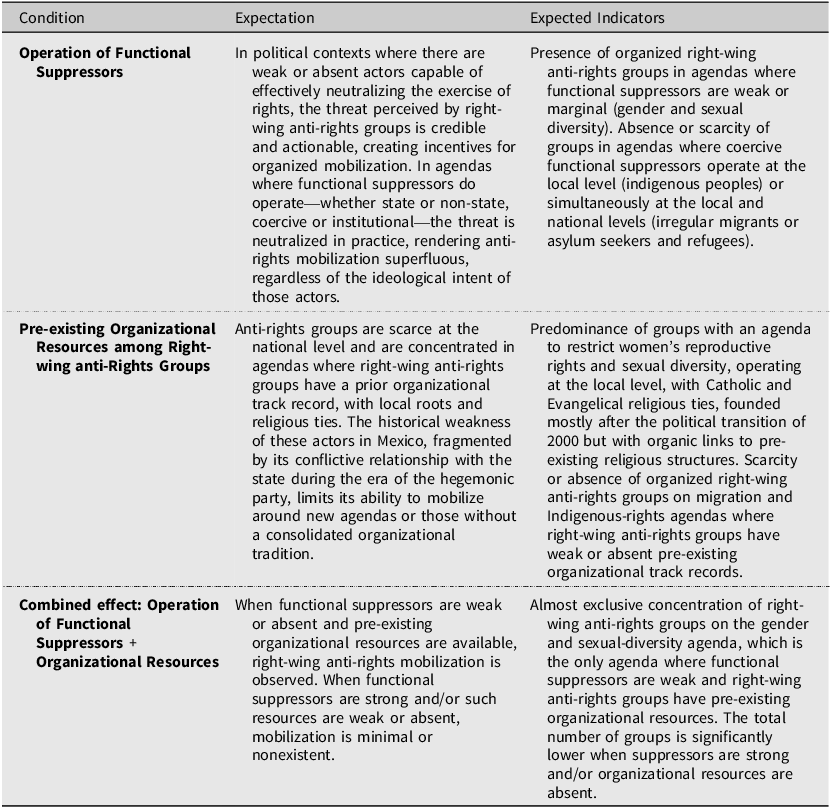

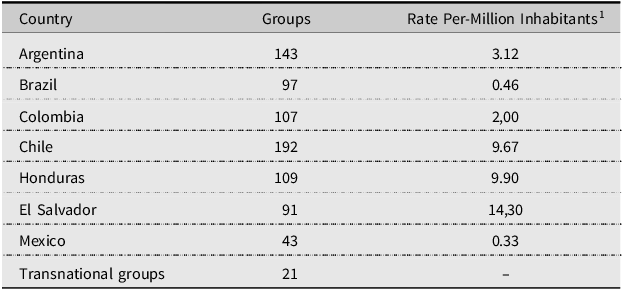



 Open access

