Introduction
Critical care is a relatively low-volume, high-cost clinical area that is fundamental to the provision of quality care for the sickest patients in any hospital organization. It accounts for 1–10% of all in-patient beds in developed countries.Reference Fan and Ferguson1 There has been a demographic shift in the age of the population in most industrialized countries, which profoundly impacts upon all areas of healthcare. Critical care is no exception. There is an increased risk of developing critical illness with age.Reference Millibrandt, Eldadah and Nayfield2 This has been attributed to life-long accumulation of cellular and molecular damage culminating in decreased physiological reserve and reduced capacity to maintain homeostasis during periods of intercurrent illness. Coupled with this is an increase in the prevalence of conditions requiring intensive care support, such as severe sepsis and high-risk surgery.
As the proportion of elderly people in the general population increases, so does the number admitted to intensive care.Reference Nguyen, Angus and Boumendil3 In caring for an older patient, the intensive care clinician has to balance the complexities of an acute illness, pre-existing co-morbidities and patient preference for life-sustaining treatment with the chances of survival, quality of life after critical illness and rationing of expensive, limited resources.Reference Wilson, Thurston and Lichlyter4
This paper looks at the epidemiology of critical illness in older people and will highlight some of the outcome data in this population with reference to predictors of good outcome and triage decision making. Consideration will be given to conditions frequently precipitating critical care admission relevant to the older patient. Quality of life issues are also discussed and special emphasis is placed on rehabilitation after critical illness. Practical issues related to treatment limitation and end-of-life care are also highlighted.
Epidemiology of critical illness in the older patient
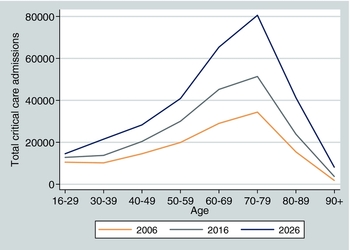
Sixty years ago only 8% of the population was aged 60 or more. By 2005, this figure reached 10% and it is projected to hit 22% by 2050.Reference Boumendil, Somme and Garrouste-Orgeas5 Without expansion of services or modification of admission policies, critical care is likely to be overwhelmed by the ageing population. Figure 1 shows the projected increase in critical care admissions in the UK from 2006 to 2026 courtesy of the Intensive Care National Audit and Research Centre (ICNARC).
Projected increase in critical care admissions 2006–2026 stratified according to age (with kind permission from Intensive Care National Audit and Research Centre)

With the current financial constraints placed upon healthcare provision, simply increasing the number of critical care beds is not a practical option. Therefore, the most logical solution is to identify those patients that will benefit most from intensive care irrespective of age.Reference Nguyen, Angus and Boumendil3
Recent studies suggest that patients aged 80 years or older who require critical care after an elective surgical procedure have reasonable long-term outcomes. In a large multi-centre cohort study based in Australasia, the authors found that intenstive care unit (ICU) and hospital mortality were 12 and 25%, respectively. Of great significance was the fact that 72% of survivors were discharged home.Reference Bagshaw, Webb and Delaney6 A similar Dutch study reported a survival rate of 57% post-elective surgery and critical care admission with three-quarters of patients returning home.Reference de Rooij, Govers and Korevaar7
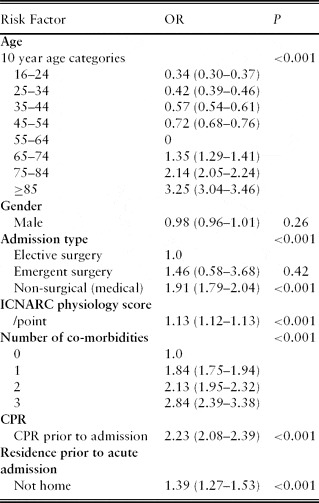
In contrast, elderly patients admitted to critical care for medical reasons or following emergency surgery have much poorer outcomes. Reported ICU mortality rates vary from 38 to 64%, with hospital mortality rates from 45 to 55%.Reference Lerolle, Trinquart and Bornstein8–Reference Tabah, Philippart and Timsit10 Factors predicting poor outcome in medical or emergency surgical elderly populations are difficult to clearly identify (Table 1).
Predictors of intensive care unit mortality using multivariable analysis for adult patients admitted in 2009/2010 to critical care units participating in the Intensive Care National Audit and Research Centre Case Mix Programme Database

A. Jones, A. Belotti, D. Harrison et al., unpublished observations.
Advanced age alone does not preclude good outcome after critical illness.Reference de Rooij, Govers and Korevaar7, Reference Nathanson, Higgins and Brennan11 However, there is some evidence to suggest that, after the age of 75, age becomes a significant independent risk factor for death.Reference Fuchs, Chronaki and Park12 Equally, there are several studies that have failed to demonstrate any influence of age upon outcome. As with the general population, the risk of death is highest during the ICU admission period but persists after hospital discharge. Another factor to consider is the intensity of treatment of the older patient within critical care. Limited use of renal replacement therapy and mechanical ventilation has been demonstrated in older patients, suggesting that physician-determined treatment limitations may impact upon mortality.Reference Fuchs, Chronaki and Park12, Reference Boumendil, Aegerter and Guidet13
Severity of the acute illness is recognized as a predictor of outcome in all age groups of critically ill patients, and this holds true for the older patient.Reference Roch, Wiramus and Pauly9
Advanced age is associated with presence of co-morbid conditions that limit physiological reserve and can impact upon the capacity of the older patient to withstand superimposed critical illness.
Heart failure, valvular heart disease and cardiac dysrhythmias are more prevalent in the elderly ICU population.Reference Fuchs, Chronaki and Park12 On the other hand, some co-morbidities are significantly decreased with age: diabetes and its complications, chronic obstructive pulmonary disease (COPD), liver failure, alcohol and drug abuse, metastatic cancer and psychosis. Despite the inference that co-morbidity is an important factor in determining outcome in the elderly critically ill patient, there is a paucity of evidence.
The prevalence of pre-existing cognitive dysfunction in critically ill patients over 65 years has been reported as 37%, with the admitting intensive care physician being aware of this in only 50% of cases.Reference Pisani, Redlich and McNicholl14 It is now well recognized that cognitive dysfunction is an independent risk factor for ICU delirium which is associated with increased ICU mortality.Reference Girard, Pandharipande and Ely15
Frailty of old age is another important factor to consider when deciding on the merits of critical care for the older patient.
Frailty may be defined as the presence of at least three of the following:
• decreased grip strength on the dominant side;
• self-reported exhaustion;
• slow walking speed;
• unintentional weight loss;
• low physical activity.
Frailty is associated with several adverse outcomes including falls, increased functional impairment, prolonged hospitalization and death.Reference Bo, Massaia and Raspo16 Assessment of frailty in the context of critical illness is extremely difficult, making triage decisions more complex. Assessment of functional status and ability to perform activities of daily living is often easier to perform. Long-term survival after admission to medical ICU has been shown to depend upon the severity of the acute illness and chronic co-morbidities, the presence of cognitive impairment and pre-morbid functional status.Reference Bo, Massaia and Raspo16 Mortality rates have been reported as 30% in functionally dependent patients compared with 7.8% in functionally independent patients. Severe cognitive impairment is also associated with an increased mortality rate (55.9% compared with 8.2% in those with normal cognitive function). Other factors contributing to increased mortality are low body mass index, presence of decubitus ulcers and a history of confinement to bed.
Triage – who should be admitted to critical care?
Decisions to admit to ICU are rarely evidence based and often vary depending upon the prognostic optimism or pessimism of the triaging doctors.Reference Sprung, Artigas and Kesecioglu17 The Eldicus study demonstrated marked variability in triage decisions in European intensive care units, which could not be explained by severity of illness alone. This study also showed that elderly patients were rejected from ICU more than younger patients. Although older people have a higher mortality when admitted to ICU, the mortality benefit appears greatest for old, suggesting that intensivists need to reconsider their triage practices particularly for older patients deemed ‘too well’ for intensive care. The French ICE-CUB study group reported wide variations in decision making from centre to centre, with ICU admission rates varying from 1 in 3, to 1 in 18 elderly patients. Decisions to admit were based on severity of acute physiological deterioration, relative lack of co-morbidity, lack of cognitive dysfunction and functional impairment. The several-fold difference did not reflect significant differences in patient or hospital characteristics, suggesting that selection variability was more a reflection of physicians’ beliefs.Reference Boumendil, Angus and Guitonneau18
It is clear that the decision to admit the older patient to critical care is fraught with difficulty. Currently, it is impossible to define evidence-based recommendations for ICU admission of the elderly. Further studies are required to carefully review not only the triage process but long-term outcomes and quality of life issues.Reference Boumendil, Somme and Garrouste-Orgeas5 Use of predictive models has been suggested as a means of reliably identifying subgroups of the very elderly population at high risk of dying.Reference de Rooij, Abu-Hanna and Levi19 Currently, such predictive scoring systems are not widely used.
In summary, it is essential that each individual is considered on his/her own merits and that information regarding severity of the presenting illness, presence of co-morbid conditions and evidence of cognitive or functional impairment should be sought as promptly as possible. Decision-making should take into account the patient's wishes as far as is practical.
Conditions frequently requiring critical care admission
Severe sepsis
Severe sepsis, acute organ dysfunction secondary to infection, is a frequently encountered problem associated with substantial mortality and significant consumption of healthcare resources. Up to 60% of patients who develop severe sepsis are ≥65 years old and the incidence of sepsis in this population is steadily rising. It is estimated that, by the year 2020, the number of sepsis cases in the USA will reach 1 million per year.Reference Angus, Linde-Zwirble and Lidicker20 With the number of octogenarians expected to double by the year 2030, severe sepsis in older patients is a major public health concern.Reference Girard, Opal and Ely21
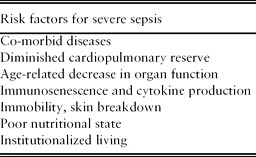
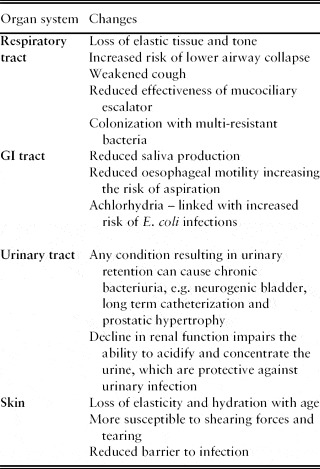
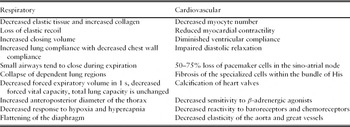
There are multiple recognized risk factors for severe sepsis in the older population. (Table 2). Age-related anatomical and physiological changes may also contribute (Table 3).
Predisposing factors for severe sepsis in the older patient

Age-related anatomical and physiological changes which predispose to infections

Age-related respiratory and cardiovascular changes

Sepsis is a complex disease process that involves both inflammatory and anti-inflammatory responses, with disturbances in homeostatic mechanisms and thrombosis. Primary cellular injury may result directly from infection, but more commonly occurs when a microbial stimulus initiates a deleterious host immune response. The activated inflammatory cascade promotes endothelial damage, which in turn leads to activation of the clotting cascade and formation of thrombin. Sepsis is a time-sensitive disease process that requires prompt recognition and early management. Failure to do so can culminate in rapid progression to the development of diffuse endovascular injury, microvascular thrombosis, organ ischaemia, organ failure and death.Reference Desterac and Ely22
Fever and the cardinal manifestations of infection may be absent or blunted in the older patient.Reference Gavazzi and Krause23 Diagnosis of sepsis may be delayed because of vague symptoms or an atypical presentation. Sudden onset of confusion, behavioural disturbance, lethargy or falls may be the only clinical manifestations even in severe, life-threatening infections.Reference Norman24 The triad of leucocytosis, neutrophilia and left shift lacks sensitivity in older people.Reference Bellmann-Weiler and Weiss25 Serum C-reative protein is a useful and sensitive marker of infection, but lacks specificity in the older population. Alternative diagnostic biomarkers such as procalciton have been used in the critical care setting with good effect.Reference Scheutz, Christ-Crain and Muller26 Additional diagnostic difficulties are frequently encountered with older patients who are cognitively impaired, unco-operative, dehydrated and debilitated. Acquisition of blood samples, positioning for chest radiography or safe transfer to the radiology department for imaging can be extremely challenging.
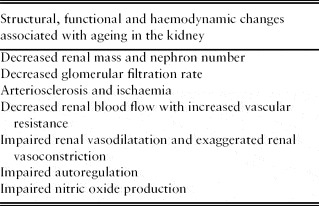
Major factors associated with ageing in the kidney

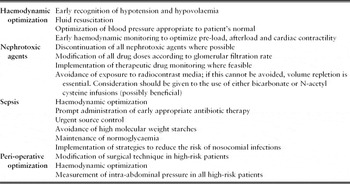
Strategies to prevent acute kidney injury in the elderly critically ill

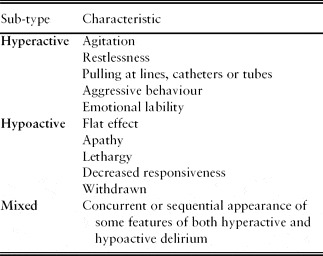
Delirium subtypes

In elderly patients, the most common site of infection is the respiratory tract followed by infections of the genito-urinary tract.Reference Martin, Mannino and Moss27 Compared with younger counterparts, patients over 65 years have an increased risk of Gram-negative infections.
Management of severe sepsis and septic shock should be performed in accordance with the Surviving Sepsis Guidelines.Reference Dellinger, Levy and Carlet28 Although the fundamental principles of management are not age specific, there are a few important considerations for the older patient.
Early goal-directed therapy is the mainstay of resuscitation to optimize oxygen delivery to the tissues.Reference Rivers, Nguyen and Havstad29 Fear of overzealous fluid administration in older people is a common problem. This may be justifiable in patients with age-related diastolic dysfunction but under-resuscitation is more likely because of increased capacitance of the vasculature in the older population. Vasopressor therapy may be required if fluid resuscitation fails to restore adequate tissue perfusion. The use of hydrocortisone should be reserved for refractory shock only.Reference Dellinger, Levy and Carlet28
Administration of appropriate empirical antibiotics should be achieved within 1 h of recognition of sepsis, ideally after acquisition of blood and any other relevant specimens for microbiological investigation. Selection of an appropriate antibiotic may be more complex in the older population. Age-related physiological decline in renal and hepatic function coupled with shock-induced pathological changes in organ blood flow may decrease the rate of excretion of numerous antibiotics. This increases the risk of side-effects and complicates drug dosing. The older patient may also have repeated exposure to antibiotics, particularly those with repeated admissions to hospital or those in long-term residential care. This increases the risk of multi-drug resistant bacteria, making choice of empirical antibiotic more difficult. Treatment duration should be confined to accepted practice guidelines. When a specific pathogen is isolated and sensitivities are available, de-escalation from a broad spectrum to a narrow-spectrum agent is recommended.Reference Dellinger, Levy and Carlet28
Source control involves physical measures to control the focus of infection. Such measures include debridement of infected necrotic tissue, drainage of an abscess or empyema, removal of potentially infected devices or definitive control to remove a source of ongoing microbial contamination. Diagnostic tests directed towards identifying the source of infection should be performed promptly.
A significant number of patients with severe sepsis require intubation and ventilation. In all age groups, a lung protective ventilatory strategy is advocated. Use of low tidal volumes (6 ml/kg predicted body weight) resulted in a significant reduction in mortality in patients with acute lung injury or acute respiratory distress syndrome.Reference Ranieri, Thompson and Barie31 In addition, plateau pressures should be less than 30 cmH2O, hypercapnia should be tolerated and positive end-expiratory pressure applied to prevent alveolar collapse at the end of expiration.Reference Dellinger, Levy and Carlet28
The role of tight glycaemic control in critically ill patients with sepsis is much debated. The Surviving Sepsis Campaign recommends use of intravenous insulin to control hyperglycaemia, aiming to keep blood glucose less than 8.3 mmol/l.Reference Martin, Mannino and Moss27 Avoidance of hypoglycaemia is essential, as there is an associated increase in mortality.
Activated protein C plays an essential role in inflammation by inhibiting thrombin generation and maintaining the permeability of blood vessel walls. Despite initial promising evidence, use of activated protein C (drotrecogin alpha activated) is no longer recommended as the PROWESS-Shock study failed to show any survival benefit at 28 days for patients with septic shock.Reference Ranieri, Thompson and Barie31 The drug was subsequently withdrawn from the market in October 2011.
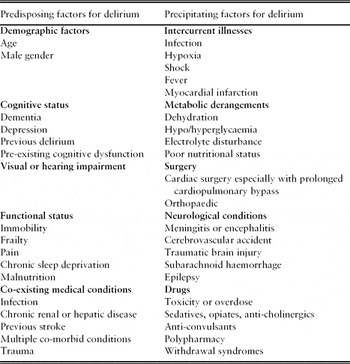
Risk factors for delirium

Acute respiratory failure
The incidence of acute respiratory failure (ARF) increases almost exponentially with age with the incidence in the 65–84 year age group, almost twice that of the 55–64 year age group.Reference Behrendt32 In a single-centre study, the commonest causes of ARF in patients older than 80 years presenting to the Emergency Department were cardiogenic pulmonary oedema (43%), community-acquired pneumonia (35%), exacerbation of COPD (32%), and pulmonary embolus (18%). Less frequent causes (<5%) were pneumothorax, lung cancer and acute asthma.Reference Ray, Birolieau and Lefort33 Ely et al. reported that the causes of ARF in elderly patients requiring mechanical ventilation were congestive heart failure (16%), community-acquired pneumonia (16%), COPD (14%) and sepsis (10%).Reference Ely, Wheeler and Thompson34
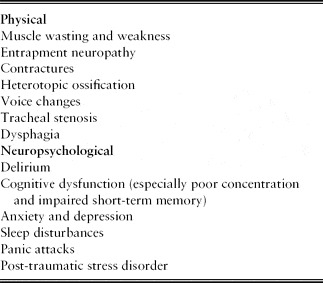
Long-term physical and neuropsychological manifestations of critical illness

Age-related respiratory physiological changes include alterations in lung and chest wall compliance with resultant increased work of breathing, changes in closing capacity in relation to functional residual capacity, decreased diffusing capacity and impaired mucociliary clearance. Because of an age-related decreased sensitivity of respiratory centres to hypoxia and hypercapnia, perception of dyspnoea may be diminished. These changes have the overall effect of decreasing physiological reserve and placing the older patient at increased risk of respiratory failure related to any insult. Diagnosis of ARF can be more complex in older patients because of co-existing cardiac and respiratory disease. Atypical presentations such as cardiac wheeze and non-specific features of pneumonia contribute to the diagnostic difficulty. Acute delirium or pre-existing cognitive impairment can confound the situation.Reference Delerme and Ray35 These factors may contribute to late presentation and diagnosis with an associated increase in mortality.Reference Ray, Birolieau and Lefort33
In the EPIDASA study, 29% of patients presenting to the Emergency Department with ARF were admitted to ICU. The five variables associated with death were inappropriate initial treatment, hypercapnia PCO2>6 kPa, creatinine clearance <50 ml/min, elevated B-natiuretic peptide and clinical signs of respiratory distress such as use of accessory muscles. In this study there was no correlation between age and survival.Reference Ray, Birolieau and Lefort33
The decision to admit elderly patients with ARF to critical care needs to be prompt and based on all available information at the time. It can be very difficult to distinguish acute reversible pathology from chronic life-limiting disease. Given the multifactorial causation of acute respiratory failure, it is inappropriate to use age alone to determine the patient's suitability for mechanical ventilation.
Use of non-invasive ventilation (NIV) may be beneficial, particularly in the management of cardiogenic pulmonary oedema and acute exacerbations of COPD.Reference Masip, Roque and Sánchez37, Reference Plant, Owen and Elliott38 There is increasing evidence of favourable outcomes in patients with community-acquired pneumonia and ARF treated with NIV with reduced need for intubation and ventilation.Reference Confalonieri, Potena and Carbone39 NIV improves pulmonary mechanics by augmenting alveolar ventilation and improving oxygenation. It helps to unload the respiratory muscles and reset the respiratory centre ventilator responses to PaCO2. It is advantageous in avoiding the complications of invasive mechanical ventilation such as tracheal injury, ventilator-associated pneumonia and side-effects of sedative agents to facilitate endotracheal tube tolerance. Preservation of airway reflexes and the ability to cough and clear secretions is beneficial. Unfortunately, patients who have cardiovascular instability, copious respiratory secretions, severe agitation or who are intolerant of the NIV mask or hood will not be suitable candidates for NIV. If NIV is the first-line treatment for management of ARF, a decision should be made as to the appropriateness of invasive ventilation in the event of treatment failure. For some with severe pre-existing cardiorespiratory disease, NIV may constitute an appropriate ceiling of respiratory support. It is imperative that such decisions are made early by senior clinicians in conjunction with the patient or surrogate decision maker.
For older patients requiring intubation, there appears to be an increased susceptibility to injurious mechanical ventilation.Reference Niu, Lorente and De Paula40 Currently, it is uncertain whether lung-protective ventilator strategies and other interventions to reduce the risk of ventilator associated pneumonia are as effective in older compared with younger populations. In acute lung injury/acute respiratory distress syndrome (ALI/ARDS), patients aged 70 years or over are twice as likely to die of ALI compared with younger counterparts.Reference Ely, Wheeler and Thompson34 Older survivors of ALI/ARDS recover from respiratory failure and achieve spontaneous breathing at the same rate as younger counterparts. but have more protracted weaning from ventilatory support. They have fewer ventilator-free days and longer lengths of stay in ICU. By 6 months, lung volume and spirometric measurements have largely normalized but extrapulmonary functional disability, cognitive dysfunction and psychological sequelae persist beyond a year.Reference Herridge, Cheung and Tansey41
Use of a daily ‘wake up and breathe’ protocol that couples daily interruption to sedation with a spontaneous breathing trial has been shown to improve outcome in mechanically ventilated patients.Reference Herridge, Cheung and Tansey41 Specific evidence in the older age groups is lacking, but this practice has been widely adopted by intensive care physicians for all stable mechanically ventilated patients.
Long-term outcomes of prolonged mechanical ventilation have demonstrated an important relationship between pre-morbid physical condition and outcome.Reference Chelluri, Im and Belle43 Severity of illness on admission to critical care and pre-hospital functional status had a significant association with short-term mortality rate. Age and co-morbidities were related to long-term mortality. Of note, 57% of survivors required caregiver assistance at 1 year post-discharge.
Acute kidney injury
Acute kidney injury (AKI), a precipitous decline in glomerular filtration rate with impaired clearance of fluid and toxic metabolites, is a common condition in critical care. Most studies support the fact that elderly patients are at increased risk. The incidence of AKI in intensive care has been reported as ranging from 28.5 to 35.5%, with a quarter of the patients over 75 years of age.Reference Joannidis, Metnitz and Bauer44
The susceptibility of the kidneys to injury may be explained by multiple age-related phenomena. The kidney undergoes age-dependent structural and functional changes that culminate in loss of renal mass, decrease in numbers of functioning nephrons and also a deterioration in baseline kidney function. With renal senescence, there is a variable reduction in glomerular filtration rate, which can be increased by conditions affecting renal function. Effective renal blood flow decreases by 10% per decade. Renal vasoconstriction appears to be more pronounced while renal vasodilatation is decreased. There is impaired ability to concentrate urine, rendering the older patient at risk of dehydration. Moreover, cellular proliferation that occurs in response to acute injury declines with age.Reference Chronopoulos, Rosner and Cruz45
In older people, AKI is often multi-factorial and iatrogenic. Older patients have the same causes of AKI as the general population. However, specific differences in incidence and clinical presentation make the elderly an important sub-group. The increased susceptibility of the older patient to AKI can also be attributed to the increased incidence of co-morbidities and the fact that they are more likely to receive multiple concurrent insults. One of the most commonly occurring, reversible causes of AKI affecting the older age groups is prostatic disease. It has been reported that up to 35% of cases of AKI in older people in the community are caused by prostatic obstruction.Reference Feest, Round and Hamad46 In a multi-national period prevalence study of AKI in critically ill patients, the major reason for admission to ICU was medical in 58.9% and surgical in the remaining 41.1%.Reference Uchino, Kellum and Bellomo47 Cardiovascular surgery was the commonest cause for admission followed by medical respiratory, medical cardiovascular and surgical gastrointestinal causes. When considering contributory factors, septic shock was the most common feature (47.5%), followed by major surgery, cardiogenic shock, hypovolaemia and drug-induced AKI. Obstructive uropathy was a contributing factor in only 2.6% of cases. In this study, hospital mortality was reported as 60.3%, and 13.8% of survivors were still dependent upon renal replacement therapy at hospital discharge. Independent risk factors for hospital mortality included use of vasopressors, mechanical ventilation, septic shock, cardiogenic shock and hepato-renal syndrome.
Given the associated morbidity and mortality associated with AKI in older people, preventative strategies are very important.Reference Rosner48 Early recognition and management of those with high risk is essential. These measures are valid for all critically ill patients with AKI and not limited to older patients. The optimal blood pressure target for prevention of AKI remains unclear. The European Society of Intensive Care Medicine working group recommends a target mean arterial pressure (MAP) of 60–65 mmHg to prevent AKI.Reference Joannidis, Druml and Forni49 They also suggest that target MAP may have to be individually tailored for those at higher risk. This mirrors the guidance of the Surviving Sepsis Campaign.Reference Dellinger, Levy and Carlet28 Previously, it was believed that vasopressor agents caused intra-renal vasoconstriction that could contribute to AKI. Recent animal studies have demonstrated that norepinephrine actually induces renal vasodilatation and increases renal blood flow, probably by increasing systemic blood pressure and decreasing renal sympathetic tone.Reference Bellomo, Wan and May50 Use of goal-directed haemodynamic optimization has demonstrated improved outcomes in patients with severe sepsis and reductions in post-operative complications and length of stay in those undergoing high-risk surgery.Reference Rivers, Nguyen and Havstad29, Reference Pearse, Dawson and Fawcett51 Currently, there is no consensus on which resuscitation fluid to use. Increasingly, intensivists opt for balanced solutions such as Hartmann's solution to avoid hyperchloraemic metabolic acidosis, promote better gastric mucosal perfusion and improve acid–base status. In critically ill patients, there was no difference in mortality between patients resuscitated with 6% hydroxyethyl starch (HES) solution or saline, but more patients receiving HES resuscitation required renal replacement therapy.Reference Myburgh, Finfer and Bellomo52
Renal replacement therapy in older patients is safe, efficient and reasonably well tolerated, though they are more prone to episodes of haemodynamic instability, bleeding and neurological complications secondary to changes of osmolality and electrolytes. These complications can be attributed to decreased cardiac reserve, autonomic dysfunction, increased predisposition to delirium and the impact of pre-existing co-morbidities. Use of continuous renal replacement techniques are more costly, increase bleeding risk and complicate drug dosing, but can potentially benefit the older patient by improving the haemodynamic profile and reducing the risk of neurological complications associated with disequilibrium syndrome.Reference Chronopoulos, Rosner and Cruz45
Outcome data for elderly critically ill patients are at best conflicting. This can be attributed to differences in the studies related to the definitions of AKI and advanced age, differences in treatment intensity and the length of follow-up. Reported mortality for older people requiring renal replacement therapy varies from 31 to 80%. The BEST kidney study demonstrated that advanced age was independently associated with increased hospital mortality.Reference Uchino, Kellum and Bellomo47 This evidence is supported by an Australasian study that found an association between advanced age and increased 1-year mortality in critically ill patients with AKI.Reference Bagshaw, Laupland and Doid53
Recovery after AKI is 28% less likely to happen if the patient is greater than 65 years of age.Reference Girard, Pandharipande and Ely54 The reason for this is uncertain but could be attributed to the effects of advanced age upon the kidney, limited capacity for renal repair or the increased number of co-morbidities, including pre-existing chronic kidney disease (CKD). Long-term recovery is also less likely and it is postulated that AKI in older people more often results in CKD.Reference Rosner48 This makes the prevention of AKI vitally important.
Delirium in the elderly critically ill
Delirium is characterized by the acute onset of mental status changes or fluctuating mental status with inattention, and either disorganized thinking or altered level of consciousness. Delirium occurs in up to 60% of older hospitalized patients and may be present in up to 80% of critically ill patients. Despite such high prevalence rates, it may go unrecognized in at least two-thirds of cases. Frequently it is misdiagnosed as depression, dementia or ‘ICU syndrome’ (previously considered a common, inconsequential complication of critical illness).Reference Girard, Pandharipande and Ely54 It is considered one of the six leading causes of preventable injury in patients over 65 years.Reference Pun and Ely55 Even after controlling for pre-existing co-morbidities, severity of illness, coma and use of sedative agents, patients with ICU delirium have more than a 3-fold increased risk of 6-month mortality compared with those who do not have delirium.Reference Ely, Shintani and Truman56 In medical and cardiac intensive care units, delirium is also an independent predictor of prolonged ICU and hospital length of stay.Reference Ely, Gautam and Margolin57 In addition, delirium during critical illness may predispose survivors to longer-term neuropsychological sequelae.Reference Hopkins and Jackson58
The exact pathophysiological mechanism involved in the development and progression of delirium remains unknown. However, it is postulated that there is an imbalance in neurotransmitter levels, which modulates cognitive function, behaviour and mood. There are subtypes of delirium that can be categorized according to alertness and level of psychomotor activity.Reference Girard, Pandharipande and Ely54 The clinical subtypes are hyperactive, hypoactive and mixed. Hypoactive delirium is difficult to recognize and is often misinterpreted as depression. The mixed subtype is due to the fluctuating nature of delirium. A typical example would be a patient with hyperactive delirium given sedative agents to allow him to settle and then emerge in a hypoactive delirious state.
Risk factors for delirium may be divided into predisposing factors and precipitating factors. The former are difficult to alter, while the latter represent areas of risk that are potentially modifiable by preventive or therapeutic intervention.
The guidelines of the Society of Critical Care Medicine recommend that all critically ill patients are simultaneously monitored for level of sedation and delirium. The Confusion Assessment Method for ICU (CAM-ICU) has been validated as a serial assessment tool for delirium in the critical care setting.Reference Ely, Inouye and Bernard59 It is a simple, quick, reproducible bed-side test that requires minimal staff training. It is essential to establish the patient's normal baseline mental function before proceeding.
Treatment of delirium should begin with the basics. Simple non-pharmacological interventions such as ensuring that spectacles are worn and hearing aids are working are important. Repetitive reorientation by nursing and medical staff is suggested and communication with family should be encouraged. Implementing strategies to improve the quality of sleep and performing daily exercises with early mobilization can help to reduce the incidence of delirium. New onset delirium should be managed promptly. Correction of hypoxia and metabolic disturbances with screening for/treatment of suspected infections should be an early consideration. Potentially deliriogenic drugs such as benzodiazepines or anti-cholinergics should be stopped wherever possible. Pain should be assessed regularly and analgesic requirements adjusted appropriately.
The most commonly used drug to treat delirium is haloperidol. It acts by blocking D2 dopamine receptors, resulting in amelioration of hallucinations and delusions. Other atypical anti-psychotic medications such as risperidone, quetiepine and olanzepine have also been used. Notable side-effects include dystonia, extrapyramidal effects, QTc prolongation, unexplained fever or drug-induced muscle rigidity. It should be emphasized that the pharmacological approach to delirium management should not be used in isolation. It should prompt a search for the cause and a review of all modifiable factors. Every critical care unit should institute routine monitoring for delirium, aim to reduce the impact of risk factors where possible, and use appropriate pharmacological intervention where necessary.Reference Pun and Ely55
Rehabilitation after critical illness in the older patient
Critically ill older patients represent a vulnerable patient sub-group in terms of physical and psychological disability sustained as a consequence of critical illness. To merely survive critical illness is inadequate; the quality of survival is a much better metric. Frequently, long-term consequences of critical illness are unrecognized and unmanaged, leaving older patients to endure distressing symptoms, loss of functional independence and social isolation. The impact upon family and other caregivers also requires careful consideration. The healthcare cost burden can be substantial.
There are a wide variety of serious, debilitating conditions that can affect survivors of critical illness, irrespective of age. From a physical perspective, the commonest problems are weakness and severe fatigue. Critically ill patients can lose up to 2% of muscle mass per day as a consequence of primary muscle catabolism and atrophy secondary to neuropathic degeneration.Reference Griffiths and Jones60 Other significant contributory factors identified include entrapment neuropathies, heterotopic ossification and intrinsic pulmonary co-morbidity.Reference Griffiths, Gager and Waldmann61
It has been shown that survivors of ARDS have persistent functional limitation 1 year after ICU discharge as a result of muscle wasting and weakness.Reference Herridge, Cheung and Tansey41 There do not appear to be age-related differences in recovery of pulmonary function after severe ARDS, but physical function in these patients varies across the age strata, with older patients having a slower recovery rate. Persistent exercise limitation and reduction in physical quality of life have been shown to persist up to 5 years after ICU discharge in ARDS survivors.Reference Herridge, Tansey and Matté62 Elderly patients with pre-existing poor functional status or underlying sarcopenia are extremely vulnerable to the superimposed effects of intensive care-acquired weakness.
Long-term psychological sequelae of critical illness problems are well recognized. Cognitive dysfunction has been demonstrated in 73% of ARDS survivors at hospital discharge. Although improvements were demonstrated, 46% of survivors still had global impairment at 1 year, and 47% at 2 years.Reference Hopkins, Weaver and Collingridge63 Symptoms of anxiety and depression post-ICU discharge are very common. Patients may experience distressing delusions, hallucinations and nightmares after ICU discharge. The presence and duration of delirium is a strong predictor of length of hospital stay after correcting for severity of illness. It can be precipitated by acute illness and exacerbated by interventions on ICU. ICU-related post-traumatic stress disorder (PTSD) has also been described in survivors. There is increasing evidence that admission and treatment in critical care is an independent risk factor for the development of PTSD.Reference O'Donnell, Creamer and Holmes64
Although intensive care aftercare still requires refinement, there is a greater appreciation of the longer term sequelae of critical illness. There are a large number of factors that can be modified to improve the quality of outcome for survivors of critical illness. There is increasing evidence that early rehabilitation of patients while in ICU may improve physical and psychological outcomes. Seamless delivery of quality care from ICU to out-patients is essential. This is a massive challenge to the intensivist and should involve close collaboration with rehabilitation and psychological services to ensure provision of patient-centred, cost-effective care.
Conflicts of interest
The author has no conflicts of interest to declare.