Introduction
Globally, mortality from preventable pregnancy-related complications remains exceptionally high, with 300,000 maternal deaths reported for 2015 (Yaya et al., Reference Yaya, Bishwajit, Ekholuenetale, Shah, Kadio and Udenigwe2017b). The importance of promoting the utilization of maternal health care services to reduce maternal mortality rates (MMRs) appears regularly in the public health promotion and national and international development agenda. One of the Millennium Development Goals (MDG-5) was dedicated to improving maternal health with the target of ‘reducing by three-quarters, between 1990 and 2015, the maternal mortality ratio’ (Target 5.A), and ‘achieving, by 2015, universal access to reproductive health care services’ (Target 5.B).
According to post-MDG estimates, worldwide the MMR dropped by about 44% over the past 25 years. The majority of countries failed to meet the goals, but made appreciable progress in reducing the burden of maternal mortality and increasing the rate of utilization of essential reproductive health care services such as prenatal care, skilled birth delivery and postnatal care. Analysis of the achievement of MDG-5 revealed that progress was uneven for different regions and countries, sometimes with significant intra-country variation. As such, reducing the MMR remains an unmet global agenda, and was highlighted again in Sustainable Development Goal 3.1 (SDG-3.1), which called for a reduction in the global MMR to less than 70 per 100,000 live births by 2030.
So far, global efforts to minimize MMR have produced varying results and face criticisms due to the expanding inequality in the distribution of the maternal mortality burden. In high-income countries very few women die in childbirth, whereas low- and middle-income countries (LMICs) continue to account for almost all cases of maternal mortality (99%) (Yaya et al., Reference Yaya, Bishwajit and Ekholuenetale2017a). As of 2015, the MMR in high-income countries was 12 per 100,000 live births compared with 239 in LMICs (Lan & Tavrow, Reference Lan and Tavrow2017). Thus, the situation is particularly worrisome for countries in sub-Saharan Africa, which are sharing an increasingly proportion of global maternal mortality.
Between 1990 and 2008, the contribution of the South Asian region to global MMR fell from 43% to 39%, while that of sub-Saharan Africa rose from 36% to 57% (Zureick-Brown et al., Reference Zureick-Brown, Newby, Chou, Mizoguchi, Say, Suzuki and Wilmoth2013). This huge discrepancy in MMR is accompanied by a huge gap in the rate of utilization of essential maternal health care services (MHSs). In contrast to the 98% antenatal care (ANC) attendance rate in developed countries, about half of all women in LMICs are deprived of adequate ANC (Yaya et al., Reference Yaya, Bishwajit and Ekholuenetale2017a). As of 2008, the prevalence rates of at least one ANC contact and birth by skilled attendant in sub-Saharan Africa were, respectively, about 76% and 46% (Zureick-Brown et al., Reference Zureick-Brown, Newby, Chou, Mizoguchi, Say, Suzuki and Wilmoth2013).
Among the non-financial and geographical barriers to promoting MHS utilization, one that is especially challenging for intervention programmes is individual health care seeking behaviour. Health care seeking behaviour is a complex psychosocial construct that is a product of various socio-cultural and environmental factors, which themselves are shaped by factors such as individual perception of health, self-efficacy and belief systems (Sarker et al., Reference Sarker, Ahmed, Islam and Khan2013; Atekyereza & Mubiru, Reference Atekyereza and Mubiru2014; Morris et al., Reference Morris, Short, Robson and Andriatsihosena2014). Over the course of the past 1–2 decades, health awareness and behavioural modification research has shown the positive role played by mass media as a health information and awareness building tool that enables communities to shape their health beliefs and perceptions, and correct practices based on unscientific backgrounds (Asp et al., Reference Asp, Pettersson, Sandberg, Kabakyenga and Agardh2014; Bou-Karroum et al., Reference Bou-Karroum, El-Jardali, Hemadi, Faraj, Ojha and Shahrour2017).
Similar evidence is emerging in the field of maternal and childcare, that health communication through mass media is helping communities make better health decisions by informing about the risk factors, preventive actions and availability of professional services (Ankomah et al., Reference Ankomah, Adebayo, Arogundade, Anyanti, Nwokolo and Inyang2014; Asp et al., Reference Asp, Pettersson, Sandberg, Kabakyenga and Agardh2014; Zamawe et al., Reference Zamawe, Banda and Dube2016). However, population-based studies in this context of maternal health care seeking are relatively scarce, especially in the case of Nigeria. While some previous studies at the sub-national level have focused on assessing the relationship between mass media exposure and utilization of MHS, evidence based on nationally representative sample is limited (Asp et al., Reference Asp, Pettersson, Sandberg, Kabakyenga and Agardh2014; Schiavo, Reference Schiavo2016). To this end, this study used data from the 2014 Nigeria Demographic and Health Surveys (NDHSs) to measure the prevalence of adequate ANC attendance according the new WHO guidelines and investigate whether women’s exposure to mass media had any beneficial role in the utilization of ANC and professional birthing services.
Methods
Surveys and sampling design
NDHS in Nigeria are implemented by the National Population Commission (NPC) with the financial and technical assistance of ICF International, provisioned by the USAID-funded MEASURE DHS programme. The DHS surveys are nationally representative and collect information on a wide range of public health related anthropometric, demographic, socioeconomic, family planning and domestic violence topics, to name a few. These surveys covered men and women aged between 15 and 49 years and under-5 children residing in non-institutional settings. For sampling, a three-staged stratified cluster design was employed which was based on a list of enumeration areas (EAs) from the 2006 Population Census of the Federal Republic of Nigeria. The EAs were systematically selected units from the localities, which constituted the local government areas (LGAs). The LGAs are subdivisions of each of the 36 administrative states (including the Federal Capital Territory, Abuja) and classified under six developmental zones in the country. The EAs were used to form the survey clusters called primary sampling units. A detailed description of the survey can be found elsewhere (NPC/Nigeria, 2014).
Study sample
The study sample included all survey women aged 15–49 years with a history of a live birth during the 5 years preceding the survey, having complete information on the study outcome and main independent variables. Respondents were included regardless of current pregnancy and marital status. In total, 41,938 observations from the last three rounds of the surveys met these criteria and were included in the analysis (4484 respondents from 2003 DHS, 21,762 respondents from 2008 DHS, and 20,438 from 2013 DHS).
Dependent variables
The dependent variables were: 1) utilization of adequate ANC (<8 vs ≥8), and 2) use of health facility for delivery (health facility, home delivery) for the most recent birth during the 5 years preceding each survey. The variables were measured by self-reported information from respondents to the questions: Have you ever received antenatal care? How many times [have you] received antenatal care? Where was the last child delivered? As recommended by the WHO, at least 8 ANC visits was used as the cut-off for adequate ANC (<8 vs ≥8). Place of delivery was categorized as ‘hospital’ and ‘home delivery’.
Explanatory variables
The explanatory (independent) variables were related to exposure to family planning (FP) information through mass media (radio, television or newspapers) or contact with a health facility/FP worker. The respondents were asked whether or not they had encountered any family planning (FP) related information via the radio, TV or newspapers, and whether or not they had been visited by a FP worker or visited a health facility during the last 12 months. Family planning workers and health facilities were considered possible sources of FP/maternal health communication on the grounds that they are likely to involve a consultation about gestational health. So, in total there were five explanatory variables: 1) FP information received via the radio; 2) FP information received via TV; 3) FP information received from reading newspapers; 3) respondent visited by a FP worker in the previous 12 months; and 4) respondent visited a health facility in the previous 12 months.
Control variables
The following control variables were included as they are likely to be correlated with ANC utilization and facility delivery: age group (15–24, 25–29 30–34, 35–49 years), place of residence (rural, urban), region (North Central, North East, North West, South East, South South, South West), religion (Christian, Islam, Other), education (none, primary, secondary, higher), Wealth Index (poorest, poorer, middle, richer, richest), employed (no, yes), covered by health insurance (no, yes) and husband’s education (none, primary, secondary/higher).
Statistical analysis
Data were analysed using SPSS Version 24. First, the datasets were checked for missing values and outliers and then merged for pooled analysis. Owing to the clustered structure of DHS data, a complex survey design method was used for all analyses. The rates of media exposure to FP messages, ANC utilization and facility delivery and basic socio-demographic variables were described by percentages with 95% CIs. Chi-squared bivariate tests were then performed to examine group differences (<8 vs ≥8 ANC visits; home vs facility delivery) for all independent variables. The variables that showed significance at p≤0.25 in the bivariate tests were retained for the final regression analysis. The associations between the outcome variables and five independent variables of interest were measured by binary logistic regression while controlling for the potentially confounding variables. Two separate regression models were run for each of the outcome variables. Model fitness was verified using Nagelkerke statistics after the regression analyses. All tests were two-tailed and significance was considered at p<0.05.
Results
Descriptive statistics
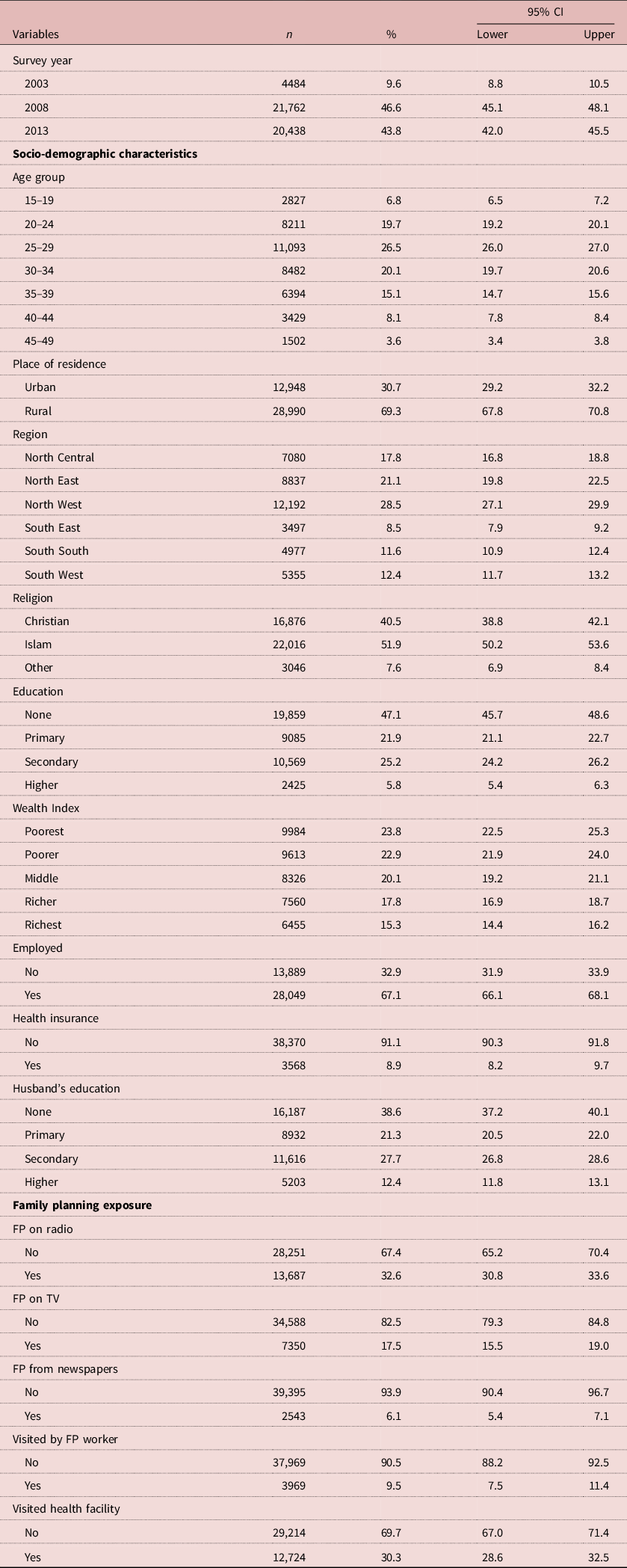
Table 1 summarizes the socio-demographic characteristics of the respondents. The majority were below the age of 30, with a mean of 29.39 years (SD 7.37). Most were rural residents, living in the North region, followers of Islam and with no formal education. More than two-fifths were from the poorest–poorer households, and about two-third were employed. Fewer than one in ten women were covered by health insurance. Overall, the rate of literacy appeared be higher for husbands compared with the respondents, with 47.1% of the women reporting not having any formal education compared with 38.6% of husbands.
Description of study women aged 15–49 with a live birth in the 5 years before the survey, NDHS 2003–13, N=41,938
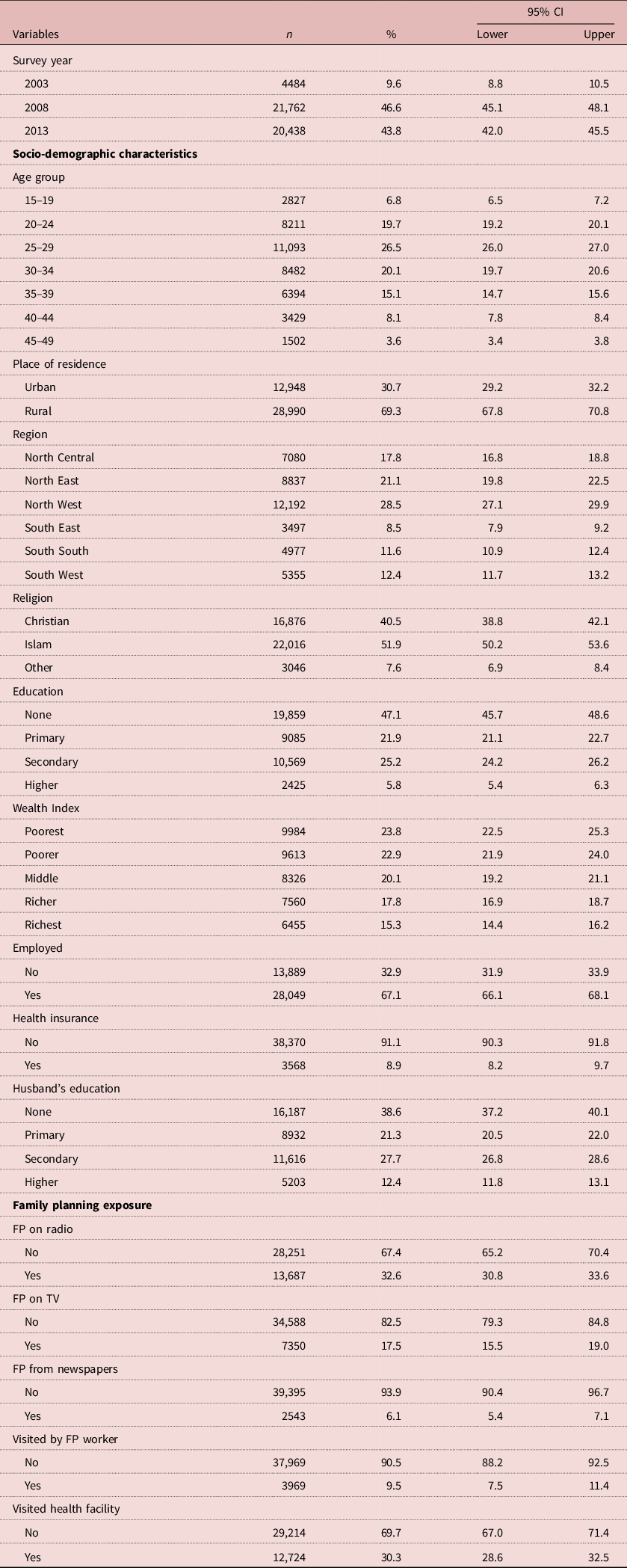
Table 1 also shows the distribution of the respondents by reported exposure to FP information. Radio stood out as the most popular source of information, with 32.6% of respondents reporting that they had ever received FP information through this medium. The corresponding figures for TV and newspapers were 17.5% and 6.1%, respectively, whereas 9.5% reported being contacted by a family planning worker and 30.3% visited a health facility during the past year.
Prevalence of MHS utilization
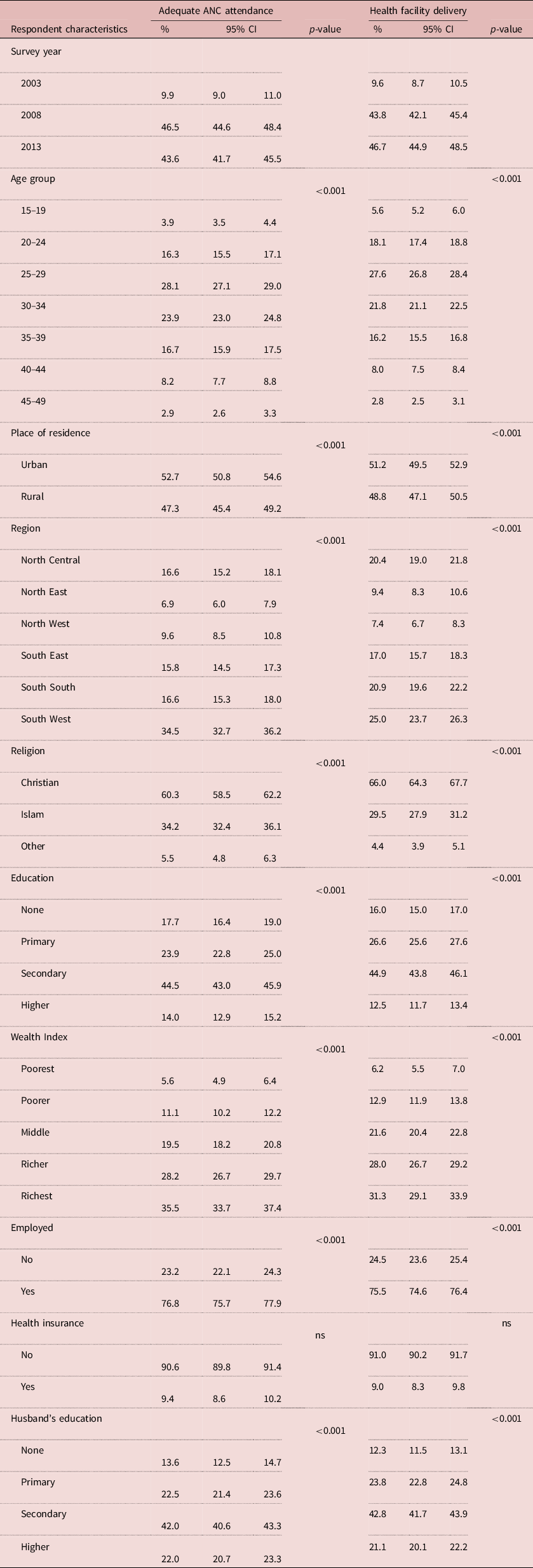
Table 2 shows the variations in adequate ANC attendance (at least 8 ANC visits) and facility delivery across demographic and socioeconomic variables. The overall prevalence of adequate ANC attendance was 43.5% (95% CI=42.2–44.8) and that of facility delivery was 27.5% (95% CI=26.6–28.5). The prevalence rates of both adequate ANC attendance and facility delivery differed significantly for all variables except insurance coverage. The highest percentages of adequate ANC attendance and facility delivery were observed among respondents aged 25–29 years, urban residents, those living in the South South region, those with secondary level education, those in the higher wealth quintile, the employed and respondents with husbands having secondary level education. Only wealth status showed a linear relationship with adequate ANC attendance and facility delivery.
Prevalence of adequate ANC attendance (at least 8 ANC visits) and facility delivery among study women, NDHS 2003–13, N=41,938
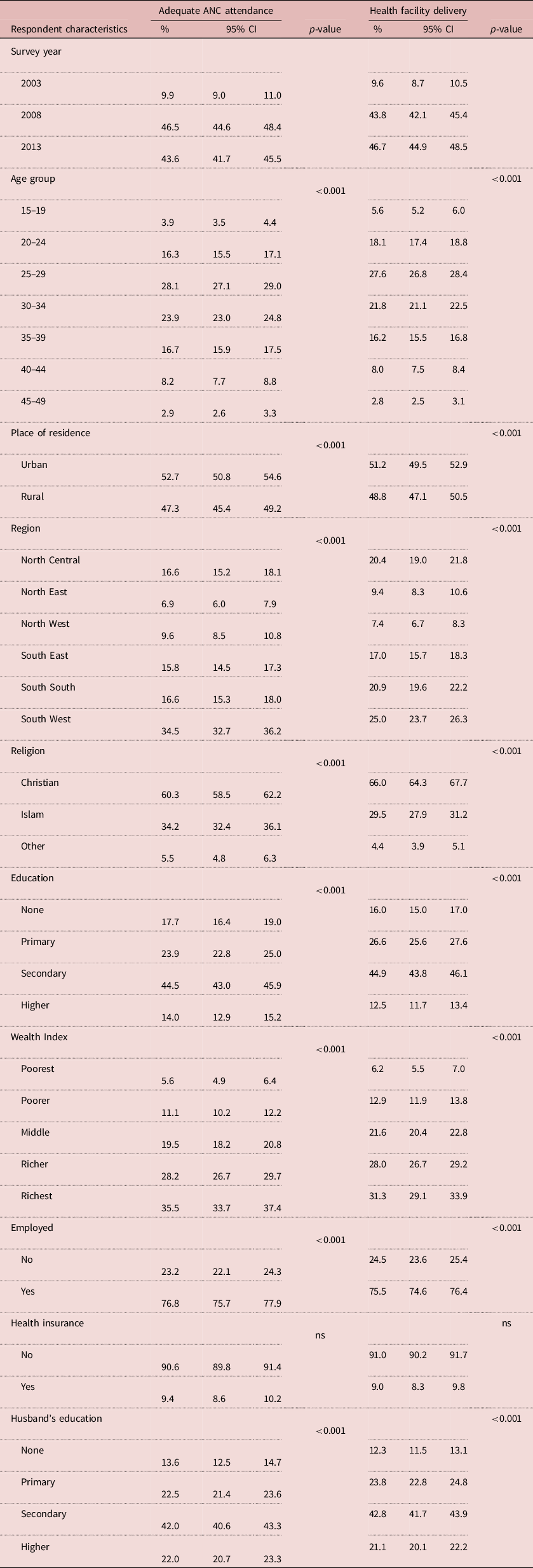
ns=not significant (p>0.05).
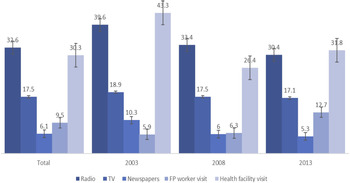
Figure 1 shows that of the three different types of media, radio was the most commonly reported source of FP information, with TV being the second most commonly reported and newspapers was the least popular. On average, about one-third of respondents visited a health facility and less than one-tenth were visited by a FP worker in the last 12 months.
Reported exposure to potential sources of family planning communication by respondents, Nigeria, 2003–13.
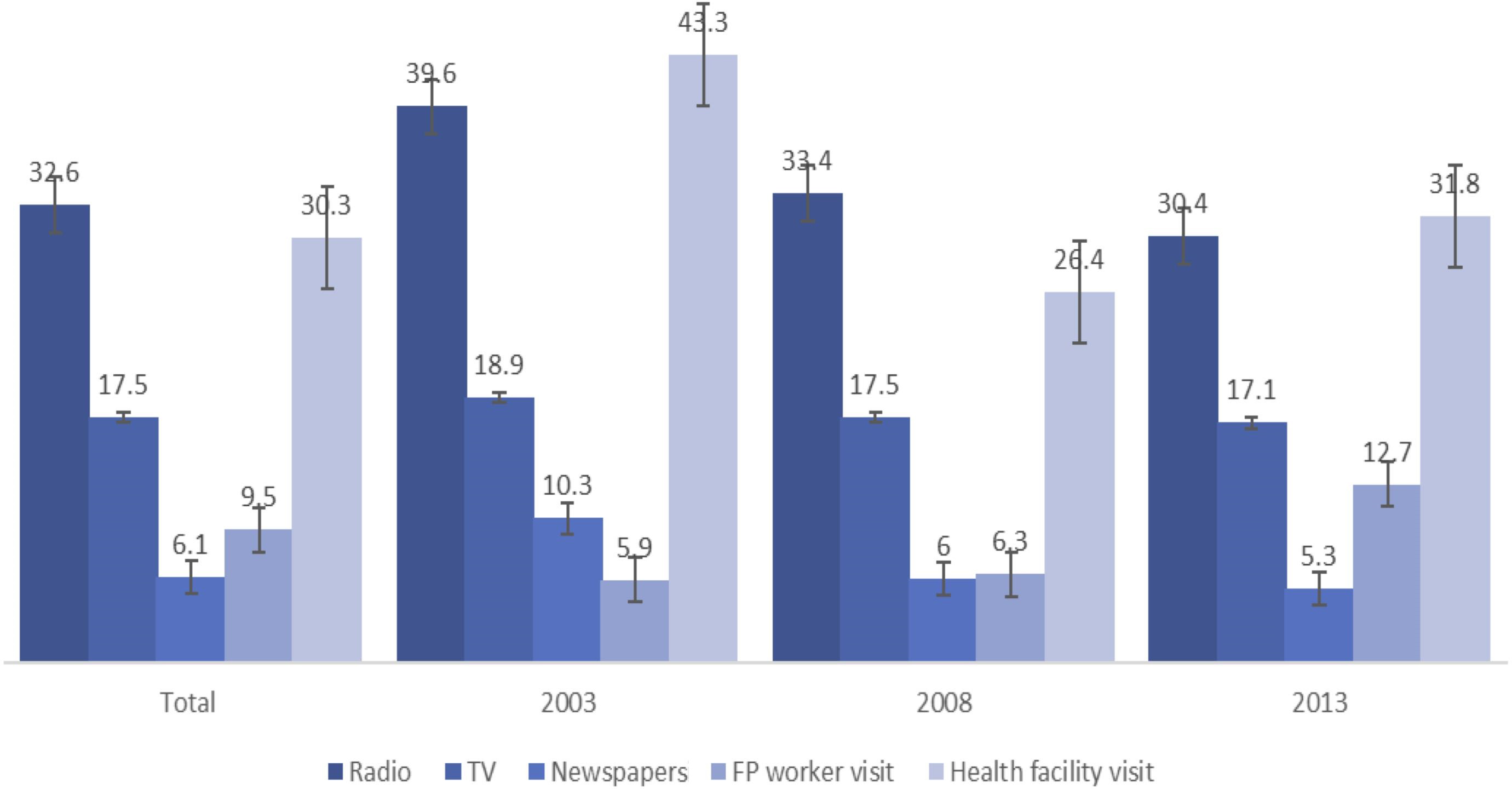
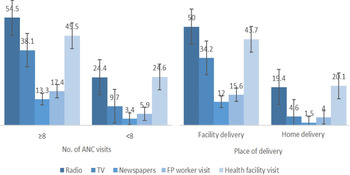
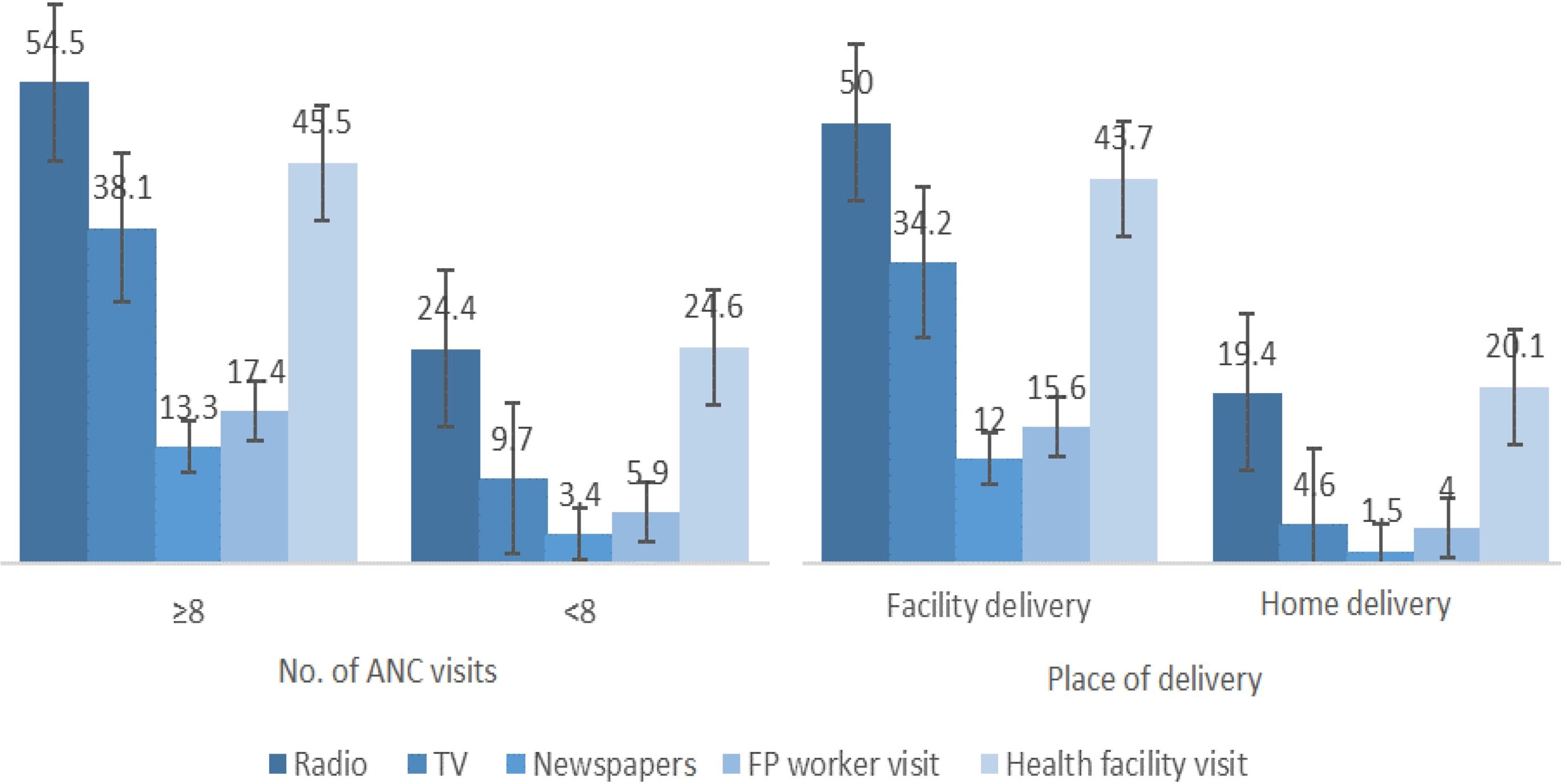
Figure 2 shows the prevalence rates of adequate ANC attendance and place of delivery by receiving FP message from radio, TV, newspapers or a FP worker and visiting a health facility in last 12 months. This comparison supports a positive association between FP communication through mass media and the utilization of maternal health care services.
Prevalence of ANC visits and home/facility delivery by respondent receiving family planning (FP) messages from mass media and visits to health facilities in Nigeria, 2003–13.
Multivariable analysis
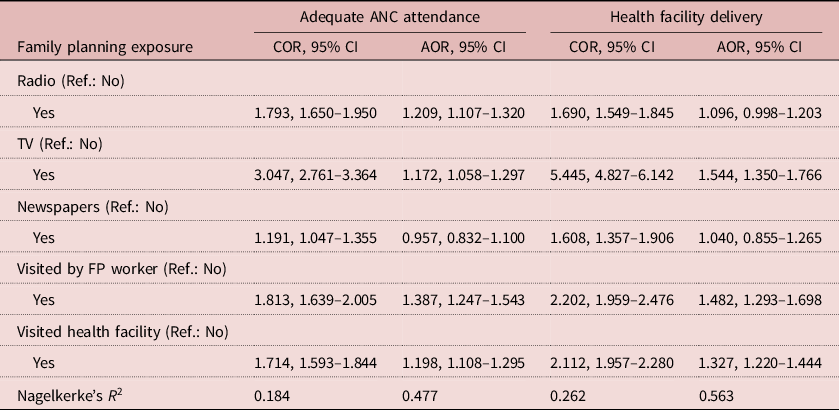
Table 3 summarizes the results of the multivariable association between media exposure to FP messages and adequate ANC attendance (≥8 ANC visits) and facility delivery. Respondents who reported getting family planning messages through the radio (AOR=1.209, 95% CI=1.107–1.320), TV (AOR=1.172, 95% CI=1.058–1.297), a FP worker (AOR=1.387, 95% CI=1.247–1.543) and visiting a health facility (AOR=1.198, 95% CI=1.108–1.295) had significantly higher odds of making at least 8 ANC visits. Reading a newspaper did not appear to be a significant predictor of utilization of any of the services. Similarly, the associations were significant for facility delivery as well, except for that with FP worker.
Association between media use and adequate ANC attendance (at least 8 ANC visits) and health facility delivery, NDHS 2003–13, N=41,938
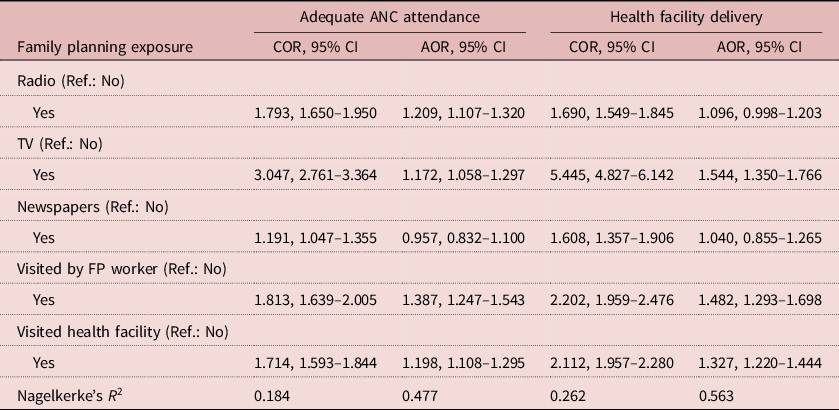
Ref. = reference category; COR = Crude Odds Ratio, AOR = Adjusted Odds Ratio.
Model was adjusted for: year, age group, place of residence, region, religion, respondent’s education, Wealth Index, employment status, health insurance and husband’s education.
Discussion
Overall, the study findings support the hypothesis that, be it through mass media or a family planning worker, or by visiting a health facility in person, family planning communication plays a positive role in increasing maternal health service utilization in Nigeria. Of the three different types of media considered, radio was most commonly reported as a source of family planning information, whereas newspapers were the least reported. The low rate of reporting of newspapers as a source of FP information is probably the result of the high rate of illiteracy among the respondents. While about a third of women reported hearing about FP on the radio, the corresponding rate for TV ranged from 17.1% to 18.9% and that for newspapers from 5.3% to 6.3%. These changing trends might be because traditional electronic media such as the TV and radio are increasingly being replaced by more modern sources of entertainment based on personal computers and the internet, which are proving to be crucial instruments for health communication. At this point, it is well worth mentioning that family planning promotion programmes should rethink their strategies for health communication based on the evolving values and preferences of the population. This study could not adjust the analysis for computer and internet usage as these variables were not available in the NDHS datasets. However, the findings enrich the current literature regarding the role of media use on communicating family planning messages.
Another important finding was that in the more recent surveys, the prevalence of both at least 8 ANC contacts and facility delivery increased significantly from their 2003 levels, but remained far from universal. In previous studies that used a cut-off of 4 ANC visits, the prevalence rates of MHS utilization were found to vary significantly across different demographic, socio-cultural and socioeconomic groups. In addition, the findings revealed the potential role of education, employment and household wealth status on MHS utilization in Nigeria. In the bivariate analysis, the educational status of both the respondent and her spouse appeared to be equally significant for uptake of ANC and delivery service care. The rate of both adequate ANC and facility delivery increased linearly with wealth quintiles. The educational and wealth gap in the utilization of MHS is further demonstrated by the urban–rural and North–South disparities. While the urban–rural divide in health care access is not unique to Nigeria, the North–South divide has been the subject of intense speculation and policy discussion.
As the wider distribution and scope of the determinants and risk factors of health are being understood, it is important that health policy leaders strengthen their efforts by taking an integrative approach that addresses the direct and indirect causes of underutilization of MHS in the country. The current findings suggest that maternal health service promotion programmes in Nigeria could benefit greatly from the use of mass media and other community-based health communication campaigns. To achieve the maximum benefit from mass media, campaigns should incorporate locally tailored strategies so that messages are culturally relevant and aligned with the values of community members. Community involvement in such public health mass media interventions would also help promote self-motivation, encourage the use of locally available resources and address priority health needs (Zamawe et al., Reference Zamawe, Banda and Dube2016). Also, policymakers and researchers should focus on interaction between media special interest groups and health care organizations. Media companies may not be accustomed to regarding themselves as part of, or contributing to, the public health system (Institute of Medicine et al., 2002; Shahabuddin et al., Reference Shahabuddin, Nöstlinger, Delvaux, Sarker, Delamou and Bardají2017), so improved coordination between media outlets and health researchers could improve the way health messages are disseminated to the population (Hornik & McAnany, Reference Hornik and McAnany2001; Wakefield et al., Reference Wakefield, Loken and Hornik2010).
To the authors’ knowledge, this is the first study to demonstrate the relationship between family planning exposure on mass media, contact with family planning workers and health facilities and maternal health care service utilization in an African country. The sample size was large and drawn from nationally representative surveys conducted since 2003. Data were analysed using appropriate statistical methods and were presented in line with the STROBE guidelines. One important feature of the present study is that it is perhaps the first to use the prevalence of making at least 8 ANC visits instead of the previously recommended threshold of 4 ANC contacts. However, the findings need to be interpreted in light of several important limitations. Firstly, the study was cross-sectional and hence the findings represent association but not causation. Second, there was no information on the types of FP messages respondents received. Moreover, media exposure alone may not necessarily translate into the beneficial outcomes considered, or if it does, the degree of benefit might vary depending on an individual’s trust in the particular media and their ability to put the communicated knowledge into action. As the datasets were secondary, the study had no control over the measurement and selection of the variables. Thus, it is very likely that some relevant variables were not adjusted for in the analysis. For instance, it is quite possible that respondents who did not use radio, TV or newspapers had alternative sources for acquisition of health knowledge such as mobile phones and personal computers. Lastly, most of the variables were measured subjectively, and so were susceptible to reporting/recall bias.
In conclusion, the study findings indicate that family planning communication through mass media, FP workers and personal facility visits could be beneficial for maternal health care utilization in Nigeria. It appears that the degree of exposure to FP message from mass media has been changing slowly, which calls for making changes to policy frameworks to better meet the evolving needs and preferences of the population. It is recommended that maternal health programmes in Nigeria develop more innovative approaches to incorporate mass media exposure to deliver maternal health information to communities. Special strategies are required to improve the comprehensibility of the messages for a population with low educational qualifications. For this purpose, more in-depth studies should be carried out on community-led mass media intervention programmes. There is currently insufficient evidence on the effectiveness on media use on the uptake of MHS in Nigeria, and further studies are required focusing on the effectiveness of media communication and maternal health care seeking using a more diverse range of mass media.
Acknowledgments
The authors are grateful to the DHS for the generous provision of the datasets that made this study possible. All data used in this study are available through the website of DHS programme.
Funding
This research received no specific grant from any funding agency, commercial entity or not-for-profit organization.
Conflicts of Interest
The authors have no conflicts of interest to declare.
Ethical Approval
Ethical approval was not necessary for this study as the data were secondary and are available in the public domain in anonymized form.