



INTRODUCTION
Malaria continues to be the most prevalent parasitological diseases across the world, representing a global public health problem with approximately 300 million cases and 0·6 million deaths annually (World Health Organization, 2014). Although efforts to develop vaccine against the disease are yet to be translated to clinics, malaria can be effectively cured by chemotherapy. Unfortunately there was extensive resistance of malaria parasite to most of the available antimalarials including chloroquine, mefloquine, amodiaquine, pyrimethamine, sulfadoxine, atovaquone or their combinations thereof in specific areas. As a result, new antimalarials representing artemisinin or its derivatives, which kill the parasite rapidly became the drug of choice. However, artemisinin monotherapy has been banned to prevent the origin of resistance and only combination therapy is recommended, which also reduce transmission (White, Reference White2008a , Reference White b ). However, there are now evidences that parasite has developed resistance against artemisinin in Cambodia, the Lao People's Democratic Republic, Myanmar, Thailand and Viet Nam (Noedl et al. Reference Noedl, Se, Schaecher, Smith, Socheat and Fukuda2008; Okombo et al. Reference Okombo, Kamau, Marsh, Sutherland and Ochola-Oyier2014; Wells et al. Reference Wells, Hooft van and Van Voorhis2015; WHO, 2016). Continued use of antimalarials with high level of resistance as the partner drug in artemisinin-based combination therapy (ACT) may enhance the chances of further drug resistance thereby increasing the malaria mortality rate (Bloland, Reference Bloland2001; White, Reference White2008a , Reference White b ). Therefore, development of new antimalarial agents directed towards potential and safe targets and their effectiveness in combination therapy could be a successful way forward in curing the malaria infection (Fong et al. Reference Fong, Sandlin and Wright2015).
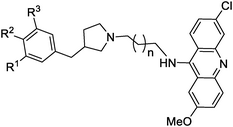
The acridine core is a privileged unit in medicinal chemistry as it is represented in several analogues endowed with diverse biological activities including antileishmanial, antitrypanosomal (Gamage et al. Reference Gamage, Tepsiri, Wilairat, Wojcik, Figgitt, Ralph and Denny1994), antitumour, (Baguley et al. Reference Baguley, Denny, Atwell and Cain1981), antiprion (May et al. Reference May, Witkop, Sherrill, Anderson, Madrid, Zorn, Prusiner, Cohen and Guy2006) and anti-Alzheimer (Fang et al. Reference Fang, Appenroth, Decker, Kiehntopf, Roegler, Deufel, Fleck, Peng, Zhang and Lehmann2008). In context of their antimalarial activity, different modes of action of acridine derivatives have been proposed viz. DNA intercalation (Chen et al. Reference Chen, Fico and Canellakis1978), haem-binding (Dorn et al. Reference Dorn, Vippagunta, Matile, Jaquet, Vennerstrom and Ridley1998) and inhibition of topoisomerase II (Gamage et al. Reference Gamage, Tepsiri, Wilairat, Wojcik, Figgitt, Ralph and Denny1994). An acridine-based antimalarial pyronaridine, was demonstrated to be effective against chloroquine resistant strain of Plasmodium falciparum (P. falciparum) (Chang et al. Reference Chang, Lin-Hua and Jantanavivat1992). Later, we and other independent groups also reported the antimalarial effect of pyronaridine against multidrug resistant (MDR) malaria parasite (Looareesuwan et al. Reference Looareesuwan, Kyle, Viravan, Vanijanonta, Wilairatana and Wernsdorfer1996; Ringwald et al. Reference Ringwald, Bickii and Basco1996; Dutta et al. Reference Dutta, Puri, Awasthi, Mishra and Tripathi2000; Tripathi et al. Reference Tripathi, Umesh, Mishra, Puri and Dutta2000). Recently pyronaridine-artesunate combination had been shown to be effective and safe for uncomplicated malaria in different clinical trials (Duparc et al. Reference Duparc, Borghini-Fuhrer, Craft, Arbe-Barnes, Miller, Shin and Fleckenstein2013) and this has been commercialized as Pyramax®. In a separate study it was reported that pyrrolidinoaminoalkane class of compounds show effectiveness as CQ-resistance reversers (De et al. Reference De, Bhaduri and Milhous1993; Walter et al. Reference Walter, Seth and Bhaduri1993; Batra and Bhaduri, Reference Batra and Bhaduri1997). We anticipated that covalently linking the pyrrolidinoaminoalkane to acridine would offer a new series of hybrid compounds, which may display antimalarial effect. It may be noted that literature include reports of antimalarial effect of hybrid compounds wherein the 9-aminoacridine is covalently linked to polyarylmethyl group III & IV (Gemma et al. Reference Gemma, Campiani, Butini, Joshi, Kukreja, Coccone, Bernetti, Persico, Nacci, Fiorini, Novellino, Taramelli, Basilico, Parapini, Yardley, Croft, Keller-Maerki, Rottmann, Brun, Coletta, Marini, Guiso, Caccia and Fattorusso2009), imidazole group V (Fattorusso et al. Reference Fattorusso, Campiani, Kukreja, Persico, Butini, Romano, Altarelli, Ros, Brindisi, Savini, Novellino, Nacci, Fattorusso, Parapini, Basilico, Taramelli, Yardley, Croft, Borriello and Gemma2008), artemisinin VI & VII (Jones, Reference Jones2009) or quinoline VIII (Kumar et al. Reference Kumar, Srivastava, Raja Kumar, Puri and Chauhan2010) (Fig. 1A). In this context we prepared a series of hybrid compounds belonging to prototype IX in which the pyrrolidinoaminoalkane subunit is tethered to 6-chloro-2-methoxyacridine at 9-position and investigated their antimalarial activity (Fig. 1B). The most active compound of the series was further examined for its potential as partner to artemisinin derivatives for the ACT. The drug interaction, pharmacodynamics and toxicological parameters of the hybrid compound and artemether (AM) were studied to assess the dose and regimen.
(A) Structure of acridine-based hybrid compounds, (B) proposed structure of acridine tethered pyrrolidino aminoalkane.

MATERIALS AND METHODS
Chemicals
AlbumaxII, Sybr Green-I, were purchased from Invitrogen. RPMI-1640, hypoxanthine and saponin were bought from Sigma Aldrich. Tween-20 and Giemsa's stain were procured from Merck, India. The chemicals used in the synthesis were either procured from Sigma-Aldrich or Spectrochem, India whereas the solvents were procured from Spectrochem, India, Central Drug House, India or Merck, India.
Animals
Outbred Swiss mice of 6–8 weeks (20–22 g and either sex) were procured from National Laboratory Animal Centre, CSIR-Central Drug Research Institute, Lucknow, India. Animals were housed in polypropylene cages (~100 cm2 areas per mouse) on paddy husk saw dust with proper ventilation, 12 h light/dark cycle and food water ad libitum. Housing temperature was maintained at 22–24 °C and humidity was controlled to 45–60%. All studies were conducted under approved protocol by the Institutional Animal Ethics Committee of CSIR-Central Drug Research Institute, Lucknow, India.
Chemistry
General Procedure for the synthesis of N-(2-(3-benzylpyrrolidin-1-yl)alkyl)-6-chloro-2-methoxyacridin-9-amines 13a-e-15a-e as exemplified for 6-chloro-N-(4-(3-(3,4-dimethoxybenzyl)pyrrolidin-1-yl)butyl)-2-methoxyacridin-9-amine 15c
To a solution of 12c (1·0 g, 3·42 mmol) in acetonitrile (20 mL) were added Et3N (1·75 mL, 13·7 mmol) and 6,9-dichloro-2-methoxyacridine (0·95 g, 3·42 mmol). The reaction mixture was heated at reflux and after completion as monitored by thin layer chromatography (TLC), the solvent was removed under vacuum. The residue was extracted with CHCl3 (3 mL × 50 mL) and water (50 mL) and the organic phases were combined, dried over Na2SO4 and concentrated in vacuum to obtain the crude product. Purification of the crude product by column chromatography over basic alumina using MeOH/CHCl3 (1:99, v/v) as eluent afforded 1·26 g (69%) of 15c as yellow oil.
6-Chloro-N-(4-(3-(3,4-dimethoxybenzyl)pyrrolidin-1-yl)butyl)-2-methoxyacridin-9-amine (15c)
R f = 0·53 (MeOH/CHCl3, 10:90, v/v); IR (Neat) ν max = 3321 (NH) cm−1; 1H NMR (300 MHz, CDCl3) δ = 1·65–1·72 (m, 2H, CH2), 1·80–1·84 (m, 5H, 2 × CH2 and CHH), 2·13–2·18 (m, 1H, CHH), 2·45–2·56 (m, 4H, 2 × CH2), 2·59–2·76 (m, 3H, CH2 and CH), 3·72–3·77 (m, 2H, CH2), 3·84 (s, 3H, OCH3), 3·85 (s, 3H, OCH3), 3·95 (s, 3H, OCH3), 6·67–6·78 (m, 3H, ArH), 7·26–7·28 (m, 2H, ArH), 7·41 (dd, 1H, J 1 = 2·6 Hz, J 2 = 9·4 Hz, ArH), 7·98–8·05 (m, 3H, ArH); 13C NMR (75 MHz, CDCl3) δ = 26·6, 29·7, 30·5, 39·2, 41·2, 50·8, 53·5, 54·2, 55·7, 56·0, 56·1, 60·2, 100·2, 111·3, 112·1, 115·7, 117·8, 120·5, 124·3, 128·1, 131·3, 133·8, 134·9, 146·8, 147·4, 148·4, 148·9, 150·3, 155·8; ESI-MS m/z = 534·3 [M + H]+; ESI-HR-MS m/z = 534·2518, calcd. for C31H36ClN3O3 [MH]+ 534·2523.
In vitro antimalarial evaluation
The compounds were evaluated for antimalarial activity against 3D7 (CQ-sensitive) as well as K1 (CQ-resistant) strains of P. falciparum using Malaria SYBR Green I nucleic acid staining dye based fluorescence (MSF) assay as mentioned by Singh et al. (Reference Singh, Srivastava, Srivastava, Puri and Srivastava2011). Experiments were performed in triplicates and repeated at least three times.
Cytotoxicity assay
Cytotoxicity of the compounds was carried out using Vero cell line (C1008; Monkey kidney fibroblast) following the method as mentioned in Sharma et al. (Reference Sharma, Chauhan, Srivastava, Singh, Srivastava, Saxena, Puri and Chauhan2014). The cells were incubated with compound-dilutions for 72 h and MTT ((3-(4,5-dimethylthiazol-2-yl)-2,5-diphenyltetrazolium bromide) was used as reagent for detection of cytotoxicity. Fifty per cent cytotoxic concentration (CC50) was determined using nonlinear regression analysis of dose response curves using pre-programmed Excel spreadsheet. Selectivity index (SI) was calculated as
 $${\rm SI}\, = \,{\rm C}{{\rm C}_{50}}/{\rm I}{{\rm C}_{50}}$$
In vitro combinations assay
In vitro interaction of newly synthesised compound (15c) and antimalarials arteether (AE), AM and artesunate (AS) were determined according to Pandey et al. (Reference Pandey, Dwivedi, Singh, Siddiqui and Tripathi2013). Experiments were performed in triplicates and repeated at least three times. Fractional inhibitory concentration (FIC) was interpreted by the following formula and subsequent isobologram were plotted.
FIC = Conc. of drug in combination to produce IC50/Conc. of drug alone require to produce IC50.
The sum FIC (ΣFIC) value for each of the preparations determined by the following formula was used to classify the drug–drug interaction.
 $$\eqalign{& \Sigma {\rm FIC} = \displaystyle{{{\rm I}{\rm C}_{{\rm 50}}\,\hbox{of drug A in combination}} \over {{\rm IC}_{50}\,\hbox{of drug A alone}}}\, \cr & \quad \quad \quad + \,\displaystyle{{{\rm I}{\rm C}_{{\rm 50}}\,\hbox{of drug B in combination}} \over {{\rm I}{\rm C}_{{\rm 50}}\,\hbox{of drug B alone}}}}$$
ΣFIC < 1 represents synergism, ΣFIC = 1 represents additive interaction while >1 was considered as antagonistic (Bell, Reference Bell2005; Kelly et al. Reference Kelly, Smilkstein, Brun, Wittlin, Cooper, Lane, Janowsky, Johnson, Dodean, Winter, Hinrichs and Riscoe2009). Mean ΣFIC for all the tested ratios were used to classify the overall trend of the interaction.
In vivo -day 4 parasitaemia suppression test
For in vivo evaluation, drugs were administered orally as Tween 80-water formulation. Different groups of Swiss mice (5 mice/group) were inoculated with 5 × 10⁵ Plasmodium yoelii nigeriensis MDR infected erythrocytes obtained in anticoagulant through cardiac puncture from infected mice. After 2–4 h of infection, these groups were treated with daily oral doses for 4 days (0, 1, 2, and 3) at 100 mg kg−1 day−1. Mice in the control group were injected with parasites only and treated with vehicle. Parasitaemia was monitored on day 4 by Giemsa stained thin blood smears and suppression was determined relative to the control group.
Determination of antimalarial response of the lead combinations against P. yoelii nigeriensis MDR
Different groups of Swiss mice (10 mice per group) were inoculated with 5 × 10⁵ P. yoelli nigeriensis MDR -infected erythrocytes. For simultaneous drug response assessment, these groups were treated with daily oral doses of alone partners (AM or 15c) and their combinations at 2–4 h after infection whereas treatment was done after observation of parasitaemia in the blood of infected mice (5 mice per group) for the evaluation of therapeutic antimalarial response. Mice in the control group were injected with parasites only and treated with vehicle.
Parasitaemia was monitored by Giemsa stained thin blood smears on pre-determined days and survival of the mice was duly recorded (Tripathi et al. Reference Tripathi, Pandey and Rizvi2011).
Determination of pharmacodynamic properties
The pharmacodynamic properties (parasite reduction ratio (PRR), parasite clearance time (PCT), recrudescence studies etc.) were explored according to the protocol defined by White (Reference White1997) with some modifications. Briefly, a calculated amount of parasites was administered intraperitonially to a group of 5 Swiss mice and parasitaemia was determined on the successive days. Upon appearance of parasitaemia in the blood, single dose of the different combinations as well as individual drugs were given. Giemsa's stained thin blood smears were examined under 100X objective (oil immersion). The PRR was calculated as per the formula
 $$\tau \, = \,{P_0}/{P_2}$$
P 0 is parasite burden per micro litre (μL) at the time of drug treatment.
P 2 is parasite burden μL after 24 h of drug treatment.
The parasite burden was calculated as follows:
Parasite burden (P) per μL = 4 × 10⁶ × parasitaemia 100−1 (The Swiss mice have 4 × 10⁶ RBCs per μL of blood).
The PCT (T) was determined with the following assumption: if the blood volume of an average mouse of 20–22 g is assumed to be 2·0 mL and P is the parasite count per μL, then the total parasite burden (B) is given by:
 $$B\, = \,2 \times {10^3}\, \times \,P\, = \,2P\, \times \,{10^3}$$
Therefore,
 $${\rm lo}{{\rm g}_e}B\, = \,{\rm lo}{{\rm g}_e}P\, + \,7 \cdot 6$$
If τ = P0/P 2 , then the time (T) in days for which parasites are present in the body (with an asexual cycle of ~1 day) is given by:
 $$T\, = \,({\rm lo}{{\rm g}_e}P + \,7 \cdot 6)/{\rm lo}{{\rm g}_e}\tau $$
T is the time for which therapeutic concentration of an antimalarial drug must be present in the host plasma, P is the parasite burden per μL and τ is parasite reduction ratio.
Determination of median lethal dose
Median lethal dose (LD50) was determined according to the method of Srivastava et al. (Reference Srivastava, Kattan, Zou, Li, Zhang, Wallenstein, Goldfarb, Sampson and Li2005) with some modifications. Briefly, higher oral doses of test compound was given to four groups of 5 Swiss mice (20–22 g) and housed according to ethical guidelines. Mice were observed for 2 days and mortality was duly recorded. On the basis of mortality in the different groups, LD50 was calculated with the help of Prism software.
Biochemical evaluation of liver, kidney and blood parameters
Four groups of Swiss mice (5 mice per group) were treated with alone partners (200 mg kg−1 day−1 15c or 60 mg kg−1 day−1 AM) or their combinations for 4 days. Blood was withdrawn by cardiac puncture and allowed to stand undisturbed for 30 min. Serum was separated and levels of urea, blood urea nitrogen, total bilirubin, creatinine, alanine transaminase, aspartate aminotransferase and alkaline phosphatase were estimated using fully automated biochemical analyser (Merck-selectra junior).
Assessment of haem bio-mineralization inhibition
Haem biomineralization inhibition in the extract of P. yoelii-infected erythrocytes was assayed by a method described by Agrawal et al. (Reference Agrawal, Tripathi, Tekwani, Jain, Dutta and Shukla2002) and the quantification of hemozoin was done using an extinction coefficient of 91 mm −1 cm−1 at 400 nm.
Statistical analysis
Logit regression analysis of dose response curves using pre-programmed Excel spreadsheet (a kind gift from Drugs for Neglected Diseases Initiative-Geneva) was done for IC50 assessment. Mean, s.d. and s.e.m. were also calculated using Excel spreadsheet. Two tailed student t-test was performed for significance.
RESULTS
Chemistry
The synthesis of the title compounds is outlined in the Supplementary Material (Scheme 1). The dimesylates 6a-e were prepared from substituted benzaldehyde and γ-butyrolactone via the reported procedure (Batra et al. Reference Batra, Srivastava, Roy, Pandey and Bhaduri2000). Reaction of 6a-e with several mono-Boc protected diamines afforded the Boc-protected pyrrolidinoaminoalkanes 7a-e-9a-e. Deprotecting the Boc-group in 7–9 with 4 N aq. HCl gave the free amines 10a-e-12a-e. Treating these free amines with 6,9-dichloro acridine in the presence of Et3N in MeCN as medium produced the final products 13a-e-15a-e in moderate to good yields. All prepared compounds were investigated for their in vitro and in vivo antimalarial efficacy.
In vitro antimalarial activity and cytotoxicity
The compounds 13a-e-15a-e were subjected to in vitro antimalarial assay against CQ-sensitive (3D7) as well as CQ resistant (K1) strains of P. falciparum. The antimalarial activity (IC50, nm) was quantified as 50% inhibition of parasite growth and the results are reported in Table 1. The two points of variations were the phenyl ring and the alkane spacer. The five substitutions on the phenyl ring in compounds of 13a-e-15a-e, included hydrogen, 4-methoxy, 3,4-dimethoxy, 3,4,5-trimethoxy and 3,4-methylenedioxy, whereas the three variations in the alkane spacer included n = 0, 1, 2. As illustrated in Table 1, out of 15 compounds from the series, 8 compounds displayed antimalarial efficacy between 1·7 and 54 nm against 3D7 strain of P. falciparum. In general compounds (15) having butyl spacer displayed relatively potent activity as compared with the compounds bearing propyl (14) or ethyl spacer (13). On the other hand compounds bearing substitutions on the phenyl ring displayed better antimalarial effect as compared to the compounds with unsubstituted phenyl ring (13a, 14a, 15a). All compounds from 13a-e-15a-e besides having potent antimalarial efficacy displayed good SI. Compound 14d, which displayed the activity with IC50 = 3·7 nm showed SI of 2829, which was considered to be safe. Similarly 15d was also found to be safe having also good SI value of 19 011.
In vitro antimalarial activity of pyrrolidinoaminoalkane derivatives of acridine against CQsensitive(3D7) strain and CQ resistant (K1) strain of P. falciparum. Experiments were performed in triplicates and repeated 3 times.

Next the antimalarial effect of these compounds against CQ-resistant (K1) strain of P. falciparum was investigated. The IC50 of CQ for this strain was observed to be 253 nm. Compounds 14c-d and 15b-e displayed IC50, which was several folds better as compared with CQ. Interestingly compound 15e, which had better efficacy than CQ against CQS strain was found to be relatively less potent as compared with other analogues. Nevertheless compounds 14d and 15d bearing trimethoxy substitution on the phenyl ring in the pyrrolidine moiety elicited potent antimalarial effect with IC50 of 9·53 and 5·2 nm, respectively. Compound 15d also had a good SI of 3400 as compared with 495 of CQ. However, several of these compounds (13d-e, 14a-b, 14b, 15a and 15e) were less efficacious in K1 when compared with their activity in 3D7. Interestingly, 15c was found to have more potent antimalarial activity in CQ-resistant K1 strain.
Day 4 Parasitaemia suppression
Based on the results of the in vitro assays of these compounds, a few of them were examined for their in vivo antimalarial activity against MDR strain P. yoelii nigeriensis in outbred Swiss mice at a dose of 100 mg kg−1 day−1 × 4 days via oral route and the results are presented in Fig. 2. It was observed that all compounds at a dose of 100 mg kg−1 × 4 days dose showed >90% suppression of parasitaemia on day 4. However, compound 15c having dimethoxy substitution on the phenyl ring and 4-carbon spacer could make survival of 3 out of 5 mice beyond 28 days of observation period.
Antimalarial potential of selected 3-(substituted benzyl)-pyrrolidino-aminoalkanes (A) Parasitaemia suppression on day4 at 100 mg kg−1 × 4 doses against P.yoelii nigeriensis multidrug resistant (MDR) infected Swiss mice. (B) Mice survival graph.

Mode of action and in vitro antimalarial interaction of 15c with artemisinin derivatives
In an attempt to investigate the possible mode of action of 15c, the haem bio-mineralization inhibition assay was performed wherein 15c showed a dose dependent haem bio-mineralisation inhibitory activity against P. yoelii nigeriensis (Fig. 3). Antimalarial activity of 15c in combination with artemisinin derivatives AM, AE and AS was investigated against 3D7 strain of P. falciparum. Interaction of 15c with AM and AE were found to be slightly synergistic (mean ΣFIC 0·68 ± 0·16 and 0·80 ± 0·15, respectively) whereas it was slightly antagonistic with AS (mean ΣFIC 1·43 ± 0·31). From the results it was concluded that the differences between the interactions of 15c with the 3 artemisinins were minor. These interactions were supported by the isobolograms representing the interactions between the partner drugs (Fig. 4).
Dose dependent inhibitory activity of 15c on haem bio-mineralization. Error bars represent mean ± standard deviation.

Isobologram representing antimalarial interaction of 15c with artemisinin derivatives with (A) artemether, (B) arteether, (C) artesunate. Diagonal lines presents the boundaries of synergy (<1), additivity (1) and antagonism (>1).

In vivo antimalarial potential of 15c with AM against MDR rodent malaria parasite
Antimalarial potential of oral 15c with AM, was evaluated against MDR P. yoelii nigeriensis in random-bred Swiss mice. Compound 15c individually and its different combinations with AM were administered orally to different groups of mice. 15c at 100 mg kg−1 day−1 and AM at 12·5 mg kg−1 day−1 separately for 4 days could produce only 10, and 20% cure, respectively, while the combination of lower doses of 15c (50 mg kg−1 day−1) and AM (6·25 mg kg−1 day−1) for 4 days, produced 100% cure. Additionally, the mean survival time for alone drugs at higher concentrations (100 mg kg−1 15c or 12·5 mg kg−1 AM) were also short (~20 days) in comparison with the combination at lower doses (50 mg kg−1 15c with 6·25 mg kg−1 AM; >28 days) (Table 2).
Antimalarial potential (prophylactic) of 15c with artemether against P. yoelii nigeriensis multidrug resistant in Swiss mice.

In vivo Pharmacodynamics of 15c with AM
Pharmacodynamic study showed a gradual decrease in parasitaemia with the single dose of 30 and 60 mg kg−1 AM alone and its combination with 200 mg kg−1 15c while a gradual increase was observed in 15c group after 12 h of dosing, After 24 h, there was negligible parasitaemia in the AM alone and combination group whereas in 15c alone group, all the mice possess significant parasitaemia in their blood (Table 3). Divided doses of 15c 100 mg kg−1 at every 12 h could not produce any significant improvements in the results (data not shown).
In vivo pharmacodynamics of 15c with artemether.

PCT, parasite clearance time; PRR, parasite reduction ratio.
a Parasitaemia not reduced.
On the basis of above observations, pharmacodynamic properties, i.e. PRR and PCT were calculated (Table 3). The PCT was much lower and PRR was higher in the combination groups (200 + 60) compared with alone groups. PRR for 30 and 60 mg kg−1 AM alone were 12 and 17·3, respectively, while 15c could not reduce the parasite load. Combination of 30 mg kg−1 of AM with 200 mg kg−1 of 15c was not found as much pharmacodynamically favourable over alone treatment with a PRR value of 14. On the other hand, combination of 200 mg kg−1 15c with 60 mg kg−1 AM had reduced the parasite load significantly having the PRR value 880. The calculated PCT in the most potent combination 60 mg kg−1 AM + 200 mg kg−1 15c is found to be much lower than AM alone (2·8 vs 6·5 days).
Therapeutic antimalarial potential of 15c with AM against MDR rodent malaria parasite
15c and AM combinations were also evaluated and optimized against established infection of P. yoelii nigeriensis in Swiss mice. The combination (200 mg kg−1 15c + 60 mg kg−1 AM) was having the lowest PCT (2·8 days) and highest PRR (880) was found as most appropriate combination.
When 200 mg kg−1 15c + 60 mg kg−1 AM was given to infected Swiss mice for 4 days, no parasitaemia was observed throughout the study and all the mice in the group survived beyond the observation period of 28 days. While the combination having higher PCT of 7·05 (200 mg kg−1 15c + 30 mg kg−1 AM) when given for 4 days, recrudescence occurred on day 24 and cure rate was also reduced to 80%. In alone groups maximum 20% cure was observed and mean survival time was also lower than the combination groups (>28 vs <20 days), which further indicated the strong antimalarial potential of 15c with AM (Table 4).
Therapeutic antimalarial potential of 15c with artemether against P. yoelii nigeriensis multidrug resistant in Swiss mice.

In vivo toxicity of 15c in combination with AM
On the basis of mortality in the different groups of treated mice, LD50 of newly synthesized compound 15c was calculated and it was 10 times higher than its curative dose in combination (data not shown).
The potent antimalarial combination (200 mg kg−1 15c + 60 mg kg−1 AM) had no significant effect on key parameters of liver and kidney. All the liver and kidney parameters were found to be normal for both the combinations (data not shown).
DISCUSSION
The increase of resistance by the parasite to common antimalarial chemotherapy was the major reason for WHO advocating the use of ACT as the first-line of drugs in endemic areas. Unfortunately, there are now reports that the malaria parasite has developed resistance to artemisinin derivatives too (Noedl et al. Reference Noedl, Se, Schaecher, Smith, Socheat and Fukuda2008; Wells et al. Reference Wells, Hooft van and Van Voorhis2015). Furthermore, the continued application of ineffective antimalarial as a partner drug in ACT may increase the chances of drug resistance thereby leading to rise in malaria mortality. Therefore, ACT with a new partner drug directed towards safer target might be effective and well tolerated (Bloland, Reference Bloland2001; White, Reference White2008a , Reference White b ). The present study concerns with exploration of pyrrolidinoaminoalkane-acridine hybrids as a partner in ACT and its pharmacodynamic studies.
The antimalarial potential of mepacrine (quinacrine), an acridine derivative was reported 80 years ago. It had been demonstrated to not only inhibit the asexual stages of malaria parasite but also display inhibitory effect on gametocytes. Notably, it is found to be effective against chloroquine and pyrimethamine resistant malaria parasite (Chavalitshewinkoon-Petmitr et al. Reference Chavalitshewinkoon-Petmitr, Pongvilairat, Ralph, Denny and Wilairat2001; Schlitzer, Reference Schlitzer2007). More recently, pyronaridine another acridine derivative incorporating the pyrrolidine unit in combination with AS is being used in clinics as Pyramax® and is considered to be a promising ACT for uncomplicated falciparum malaria (Croft et al. Reference Croft, Duparc, Arbe-Barnes, Craft, Shin, Fleckenstein, Borghini-Fuhrer and Rim2012). Acridine derivatives show wide spectrum effect on malaria parasite metabolic pathways such as inhibition of hemozoin (β-hematin) formation, mitochondrial bc 1 complex and DNA topoisomerase II and interaction with DNA (Ramharter et al. Reference Ramharter, Kurth, Schreier, Nemeth, Von Glasenapp, Bélard, Schlie, Kammer, Koumba, Cisse, Mordmüller, Lell, Issifou, Oeuvray, Fleckenstein and Kremsner2008; Valdés, Reference Valdés2011; Padmanaban et al. Reference Padmanaban, Arun Nagaraj and Rangarajan2012). Therefore we envisaged to prepare a new series of acridine hybrid, which carried the pyrrolidine unit, which in itself had shown the potential as CQ-resistance reverser. We found that all the compounds displayed potent antimalarial activity in vitro. Among the series, compound 15c displayed the best in vivo antimalarial potential. As a consequence compound 15c was selected to examine the in vitro as well as in vivo antimalarial efficacy in combination with the three most active and widely used artemisinine derivatives viz. AM, AE and AS. It is known that if the combination of two drugs has ΣFIC of <1, then the combination is termed as synergistic whereas if it is 1 it is considered to be additive. During the assessment of the combinations it was found that mean ΣFIC value for the 15c + AM was 0·68 whereas it was 0·80 for 15c + AE thereby indicating the overall slight synergistic antimalarial potential of 15c in combination with AM or AE in vitro. The ΣFIC value for 15c + AS combination was found to be >1 suggesting a marginal trend towards antagonism. This might be due to higher in vitro antimalarial activity of AS than AM or AE (~2 times; our unpublished data) and 15c failed to enhance the activity of AS above that level.
The synergistic in vitro interaction of 15c with AM invoked us to combine 15c with AM for its antimalarial response in vivo against MDR malaria parasite. It was encouraging to discover that the combination of 15c with AM enhanced the antimalarial response of both the partners. Compound 15c could cure only 10% of the Swiss mice infected with P. yoelii nigeriensis MDR at 100 mg kg−1 × 4 days and AM at its 12·5 mg kg−1 × 4 days dose produced only 20% cure. Interestingly, a combination with lower doses of same partners (50 mg kg−1 × 4 days 15c with 6·25 mg kg−1 × 4 days AM) potentiate the curative effect up to 100% and also enhanced the mean survival time.
The inappropriate treatment strategies with antimalarials induce the problems of recrudescence, toxicity of a particular drug and its improper therapeutic response. Therefore the pharmacokinetic-pharmacodynamic (PK-PD) properties (curative doses, maximum effect produced by the drug, parasite multiplication rate, parasite reduction ratio, PCT and recrudescence study) of the drug should be explored appropriately before its application in the patients. As a consequence, to determine a proper dose and regimen, the pharmacodynamic studies of the combination of 15c + AM were carried out and the pharmacodynamic parameters were found to be favourable in the group treated with 200 mg kg−1 15c in combination with 60 mg kg−1 AM in comparison with alone treatment. The PCT was lower in the combination group (2·8 days in combination vs 6·5 days in alone group) while PRR was higher (880 in combination vs 17·3 in alone group). However, combination of 200 mg kg−1 15c with 30 mg kg−1 AM could not show any improvement in pharmacodynamics properties over alone treatment. Low PCT and high PRR values indicate the combination to be pharmacological as well as pharmacodynemic worth pursuing (White, Reference White1997).
Our in vivo screening data for established infection also validated the pharmacodynamic studies. When 200 mg kg−1 15c + 60 mg kg−1 AM was given for 4 consecutive days all the infected mice were cured and no parasitaemia was observed till the end of the experiment, while 200 mg kg−1 15c + 30 mg kg−1 AM (required PCT 7·05 days) when given for 4 days there was only 80% cure. However, both the combinations were better than their individual effects. Moreover, low PCT and high PRR value may be considered helpful in reducing the chances of drug resistance (White, Reference White1997).
Most of the acridine derivatives are associated with toxicity. For example, Loiseau and Nguyen (Reference Loiseau and Nguyen1996) reported that a new series of acridine derivatives, which possess potent antimalarial activity against murine malaria model showed a high level of toxicity. Moreover, single oral dose toxicology studies with Pyramax in the rat displayed toxicity characteristically reflected by decreased body weight gain, diarrhoea and soft stools at ⩾1000 mg kg−1 and chromaturia at 2000 mg kg−1. These observations were in line with the inherent acute toxicity expressed by pyronaridine alone (Croft et al. Reference Croft, Duparc, Arbe-Barnes, Craft, Shin, Fleckenstein, Borghini-Fuhrer and Rim2012). Interestingly, compound 15c has not shown hepatotoxicity or nephrotoxicity and displayed acceptable safety index, both in vitro and in vivo (LD50 ~ 2000 mg kg−1 alone and safety index of ~10 in combination).
In summary, we have synthesized and investigated the antimalarial efficacy of a new series of acridine-based hybrids. The compounds displayed oral efficacy against MDR P. yoelii nigeriensis in mice. Further it was shown that one of the derivatives (15c) serves as good partner in ACT in particular with AM. However, detailed absorption-distribution-metabolism-excretion and clinical safety studies are required to utilize this combination for further development.
SUPPLEMENTARY MATERIAL
The supplementary material for this article can be found at http://dx.doi.org/10.1017/S0031182016000937.
ACKNOWLEDGEMENTS
S. K. P., S. G. and S. B. are thankful to CSIR for Senior Research Fellowship. S. K. S. is thankful to ICMR for Senior Research Fellowship. B. S. is thankful to UGC.
CDRI communication number: 224/RT/2015
FINANCIAL SUPPORT
This work was supported by a financial Grant from ICMR, New Delhi to S. B. vide Ref-58/6/2008-BMS.



