


To find a bandit, I would quietly gather information and appear at his door at two or three at night, shake his hand, and say hello. After such a visit, this bandit would disappear. With three or four more operations, everyone would be clear on everything.
—Akhmed Kadyrov, April 2002, in Politkovskaya Reference Politkovskaya2003, 142Does ethnicity matter for explaining patterns of violence during civil wars? To date, the empirical record remains mixed at best. Ethnicity has, for example, been invoked to account for numerous wartime dynamics, including insurgent recruitment and distinctive patterns of civilian victimization (Humphreys and Weinstein Reference Humphreys and Weinstein2006; Weinstein Reference Weinstein2007); the durability and alliance patterns of rebel organizations (Sinno Reference Sinno2008); and the location and intensity of fighting along ethnic faultlines (Kaufmann Reference Kaufmann1996; Petersen Reference Petersen2001; Slack and Doyon Reference Slack and Doyon2001; Toft Reference Toft2003; Weidmann Reference Weidmann2009).Footnote 1 Yet ethnicity's purported causal effects have also been challenged in light of a historical record littered with examples of individuals “defecting” to fight against their own coethnics (Kalyvas Reference Kalyvas2008), “ethnic” alliances that were little more than temporary marriages of convenience (Christia Reference Christia2008), and identities that shifted endogenously under wartime pressures (Kalyvas Reference Kalyvas2006; Wood Reference Wood2008).
Answering the question of how and why ethnicity shapes patterns of wartime violence is important because a substantial portion of civil wars are believed to be “ethnic” in nature. By one count, more than two thirds of the 127 civil wars fought since 1945 have been fought entirely or partially between, and sometimes within, warring ethnic groups (Fearon and Laitin Reference Fearon and Laitin2003; see also Sambanis Reference Sambanis2001, 269). Similarly, about 40% of the 286 insurgencies fought since 1800 have featured external intervention by a state that differed ethnically from the local population (Lyall and Wilson Reference Lyall2009).
An enduring feature of most, if not all, of these wars has been the creation of state-sponsored auxiliary forces drawn from the same ethnic population that is fighting the state. Here, too, the debate over the impact of these militia is divided. Existing research has staked out two contradictory claims. Counterinsurgency theorists and practitioners, for example, often laud the value of these forces because they possess local knowledge and language skills, rendering them more effective than non-coethnic forces (Byman Reference Byman2006, 87–8; Felter Reference Felter2005; Galula Reference Galula2006; Gompert Reference Gompert2008; Gwynn Reference Gwynn1934). These local allies are also valuable, it is argued, for legitimating the actions of the external occupier or government by creating a “loyalist” faction that undercuts insurgent claims to represent the sole voice of the targeted minority. Others, however, suggest that such militia are typically plagued by chronic defection and rebel subversion. These militia may also use their coercive abilities to pursue their own agendas, including score settling and ethnic cleansing, that may set in motion an escalatory logic of retaliation within the ethnic group or against other ethnic rivals (Kalyvas Reference Kalyvas2006, 107–9; Mason and krane Reference Mason and Krane1989, 185; Stoll Reference Stoll1993, 98–103; Stubbs Reference Stubbs1989, 70–2).
Although seemingly a relatively narrow issue, the widespread creation of coethnic militia in civil wars offers one empirical strategy for addressing the broader question of ethnicity's impact on patterns of violence. In this article, I exploit variation in the ethnicity of soldiers conducting so-called sweep operations (zachistka, plural zachistki) during part of the Second Chechen War (2000–5) to test whether insurgent responses are conditional on soldier identity. More specifically, the large-scale defection of Chechen rebels to the Russian side enables us to compare changes in patterns of insurgent violence after Russian-only, pro-Russian Chechen only, and joint operations. While ethnicity cannot be directly manipulated, these sweeps are matched in a bid to isolate ethnicity's causal effects by controlling for observable pre sweep differences.
I find substantial evidence to support the claim that insurgent violence is in fact conditional on the ethnicity of the sweeping soldiers. Three findings stand out. First, there is nearly a 40% average decrease in the number of insurgent attacks following Chechen-only sweeps compared with similar Russian-only operations. Second, Chechen insurgents display markedly different timing in their attacks conditional on identity of sweepers, with Russian sweeps being met by much swifter retaliation. Finally, the frequency and timing of insurgent attacks after joint Russian-Chechen operations resembles those observed after Russian-only, not pro-Russian Chechen-only, operations, suggesting that coethnics' informational advantages are not readily transferred across ethnic divisions.
I proceed as follows. I first detail the Second Chechen War, the empirical strategy, and the data and matching procedures used. Next, I present the main findings from comparison of matched Russian-only, Chechen-only, and joint operations for the 2000–5 time period. I then explore the possible channels through which ethnicity may, and may not, account for observed changes in insurgent behavior. A final section concludes with suggestions for future research on the link between ethnicity and action during civil wars.
ETHNICITY, VIOLENCE, AND THE SECOND CHECHEN WAR
As with many civil wars, the seeds of the Second Chechen War (August 1999–ongoing) were sown by its predecessor's ambiguous conclusion. The first Chechen War witnessed a clumsy Russian attempt to squash Chechnya's secessionist bid in December 1994 that quickly degenerated into a grinding counterinsurgency campaign that stretched until August 1996. Highly unpopular on the homefront, the war was brought to some semblance of a conclusion when vastly outnumbered Chechen insurgents staged a surprise attack that not only wrestled Chechnya's capital, Groznyy, from Russian hands but also forced a stunned and embattled Kremlin to the negotiation table (Lyall Reference Lyall2006). The resulting Khasavyurt Accords (signed August 30, 1996) mandated the withdrawal of all federal military units but deferred a final decision on Chechnya's constitutional status until 2001. In the meantime, however, the war bequeathed to the quasi-independent Chechen republic a shattered economy, still-armed rebel leaders with few job prospects or skills, endemic corruption, and a ravaged population that had suffered an estimated 35,000 to 50,000 war-related deaths—nearly 5% of Chechnya's prewar population. Persecution of remaining Russians led to their outmigration by 1998, further lending an air of crisis to the now monoethnic republic (Dunlop Reference Dunlop1998; Evangelista Reference Evangelista2002; Lieven Reference Lieven1998; Tishkov Reference Tishkov2004).
The second war thus broke as an unwelcome, but not wholly unexpected, storm. In August 1999, Shamil Basayev, a prominent rebel commander, led a 2,000-strong formation into neighboring Dagestan in a bid to carve out a regional “Islamic Khanate.” Set against the backdrop of exploding apartment buildings in three Russian cities in September—blamed on Chechen rebels, although never proven conclusively—Basayev's raid led the still unknown Prime Minister Vladimir Putin to counsel an overwhelming military response to the “Chechen problem.” After withering aerial bombardment once again sent Chechens fleeing for neighboring Ingushetia, Russian armed columns moved into Chechnya from the north in October (Evangelista Reference Evangelista2002; Kramer Reference Kramer2005/2006; Souleimanov Reference Souleimanov2007).
The ensuing war would be marked by two distinct military phases. First, Russian forces battled with an estimated 5,000 to 7,500 Chechen insurgents in a series of fixed battles in key cities (October–March) in an ultimately futile attempt to stem the steady southward march of federal forces. With the fall of their last redoubt at Komsomolskoye (Saadi-Kotar) in March 2000, Chechen insurgents, now badly bloodied, shifted to a guerilla war campaign characterized by near-daily hit-and-run attacks on Russian forces. Split into nationalist and Islamic factions, the insurgency was bitterly torn over tactics, with Islamic units under Basayev favoring the use of suicide bombing and mass hostage taking (both inside and beyond Chechnya) that nationalists largely abjured (Hughes Reference Hughes2007; Souleimanov Reference Souleimanov2007; Wilhelmsen Reference Wilhelmsen2005).
Despite inflicting substantial losses on Russian and pro-Russian Chechen forces—at least 5,500 soldiers were killed between 1999 and 2008—insurgent ranks slowly dwindled (Zürcher Reference Zürcher2007, 100). By 2008, remaining rebels, probably fewer than 500, were pinned largely in Chechnya's mountainous south, and a state of uneasy normalcy had returned to most of Chechnya as reconstruction funds poured into the war-ravaged republic. In April 2009, Vladimir Putin declared the war officially over, though the months after his statement were punctuated with continued insurgent attacks and, even more alarmingly, a return to once abandoned suicide bombing tactics.
Scholars have often cited the second Chechen War as an archetypal “ethnic” civil war (Fearon and Laitin Reference Fearon and Laitin2003; Sambanis Reference Sambanis2000, 499; Toft Reference Toft2003, 127–48). These characteristics include a marginalized ethnic minority with a distinct sense of, and desire for, its own national homeland; a lengthy history—some 200 years—of struggle for this homeland (Gammer Reference Gammer2006; Gapurov, Izraiilov, and Tovsultanov Reference Gapurov, Izraiilov and Tovsultanov2007); territorial concentration in a peripheral section of a federal state dominated by a different ethnic group (Buhaug Cederman, and Rod Reference Buhaug, Cederman and Rod2008); and clear ascriptive, linguistic, and religious differences between Orthodox Russians and Sufi Chechens.
Yet the fact that so many Chechens crossed “ethnic lines” to collaborate with Russian forces should give us pause about blanket statements concerning the war's “ethnic” nature. In fact, the centerpiece of the Russian counterinsurgency campaign was “Chechenization,” the calculated devolution of political power to approved Chechen officials who supported the Kremlin's efforts to keep Chechnya within Russia's legal fold (Russell Reference Russell2008; Sokirianskaia Reference Sokirianskaia and Gammer2007). Steps included a referendum on Chechnya's constitutional status (March 2003) and partly free presidential and parliamentary elections in October 2003 and November 2005, respectively. Substantial political power was first vested in the figure of Akhmed Kadyrov, an ambitious mufti who had fought against Russian forces in the First (but not Second) Chechen War, and subsequently in his son Ramzan's hands after the elder Kadyrov's assassination by rebels while watching a Victory Day parade in a Groznyy stadium in May 2004.
EMPIRICAL STRATEGY
The second pillar of Chechenization was the creation of Chechen-only combat formations to conduct sweep operations. Until early 2003, Russian military units had borne the brunt of the counterinsurgency campaign. Seeking to stamp a Chechen face on these counterinsurgency efforts, Russians first experimented by conducting joint patrols with Chechen police formations in 2002 before training and equipping dedicated Chechen-only Ministry of Defense units—Special Battalions Vostok and Zapad—in early 2003.Footnote 2 The Kadyrovs also took the opportunity to construct their own irregular formations, collectively known as the kadyrovtsy, who were also tasked with conducting sweep operations against suspected rebels and their supporters.Footnote 3
While ethnicity cannot be directly manipulated, these sweep operations offer one empirical strategy for exploiting variation in soldier identity to test how ethnicity shapes subsequent insurgent violence. In addition, the concurrent nature of Russian-only, Chechen-only, and joint operations permit comparison across these sweep operations while holding a variety of background factors, including the war's own temporal dynamics, constant.
But what exactly is a “sweep operation?” Long a staple of counterinsurgency, sweep operations consist of armed house-by-house identification checks to sift insurgents from noncombatants once a targeted neighborhood, village, or city has been blockaded by soldiers. To “attack an enemy who is invisible, fluid, uncatchable,” a noted French counterinsurgency theorist argued, “we have no alternative but to throw a net of fine mesh over the entire area in which the bands move” (Trinquier Reference Trinquier2006, 74). By controlling all entry and egress points, soldiers restrict insurgent movement, facilitating their discovery while potentially uncovering new sources of intelligence or weapon caches.
In Chechnya, sweeps typically involved several hundred soldiers and lasted between three and five days on average, although on rare occasions a few unfortunate villages were “swept” for as long as four weeks.Footnote 4 Despite their putative military utility, it should be noted these operations have also been driven by motives other than strict utilitarian logic. These operations have become synonymous with excesses by both Russian forces and, later, their pro-Russian Chechen allies. Human Rights Watch, the European Court of Human Rights, and local nongovernmental organizations (NGOs) have issued a stream of reports decrying the use of indiscriminate violence, forced disappearances (about 5,000 since 1999), and extrajudicial killings (Human Rights Watch 2001, 2002a, 2002b, 2006) in these operations. Theft, torture, kidnapping, and sheer wanton destruction, especially of items such as automobiles that soldiers could not readily steal, have been reported as well.
On the Russian side, sweeps were conducted by soldiers drawn from either the Ministry of Defense or the Interior Ministry, with representatives of at least six additional security agencies also present. Sweep operations were often staffed by a mixture of 18- and 19-year-old conscripts and older short-term contract-based volunteers (the so-called kontraktniki) who, despite their much better (and more regular) pay, were often cited as the least disciplined by local inhabitants.
Who joined the pro-Russian Chechen units is a more difficult question to answer given existing data limitations. We do know, however, that Zapad was staffed principally by Chechens who had not taken up arms against Russian forces; Vostok, on the other hand, was comprised mostly of former insurgents who were recruited for a variety of motives, including monetary payments, fear of retaliation against relatives, and disillusionment at prospects of victory. The various kadyrovtsy also drew heavily from insurgent ranks and, by 2008, would encompass at least 10,000 men.
In total, about 20,000 Chechens had joined Vostok, Zapad, or a Kadyrov-affiliated organization by the end of 2005, when large-scale sweep operations were phased out as Ramzan Kadyrov consolidated power.Footnote 5 Since his ascent to power in 2006, Ramzan Kadyrov has carefully cultivated a climate of fear through selective disappearances, targeted assassination of regime critics, and the nighttime burning of suspected insurgents' homes (Human Rights Watch 2009a; Russell Reference Russell2008).
DATA
The data set consists of known Russian, Chechen, and joint sweep operations that occurred in Chechnya between January 2000 and December 2005. In total, 680 sweep operations were identified (Table 1). A sweep operation was defined as an operation that seeks to separate insurgents from the noncombatant population by (1) isolating a specific location, typically by surrounding it with armed forces that control points of entry and egress; and then (2) by detaining, killing, or forcing the withdrawal of suspected insurgents through armed patrols, identification checks, and the searching of local residences. Such operations were staffed by >10 soldiers (drawn from Russian, Chechen, or joint units) and may or may not involve the physical destruction of specific individuals or sites within the targeted population.Footnote 6
Sweep Operations in Chechnya, 2000–5, by Soldier Identity

Data were drawn from nearly 35 Russian, English, and French language sources, including human rights organizations (Memorial, Human Rights Watch, Demos, Amnesty International, and Prima News Agency); the European Court of Human Rights; official Russian press releases (including the Ministry of Defense and Interior Ministry); rebel websites; and local, national, and international newspapers.Footnote 7 Using these same sources, a second data set was constructed that recorded nearly 3,500 insurgent attacks at the village level in Chechnya (1999–2005). The two data sets were then merged into a new geographic information systems (GIS) map of 409 village, town, and city locations. Of these known settlements, 119 experienced at least one sweep operation during 2000–5 (Figure 1).
Frequency of Sweep Operations in Chechnya by Village, 2000–5

In total, the data set recorded 22,253 abuses inflicted during these sweep operations. This figure should be viewed as the floor, not the ceiling, of abuse estimates.Footnote 8 All reported abuses required at least two independent sources to be included in the data set. In cases of discrepant reporting, we adopted the lower of the two estimates. Eleven categories of abuse were coded: extrajudicial killing or wounding of an individual; forced disappearance; kidnapping for ransom; forced detention at the site of the sweep operation; sexual assault; torture; forced displacement; property damage; farm damage; and theft.
One key facet of the identification strategy requires some elaboration. Sweep operations are only a valid instrument insofar as the identity of the soldiers involved can be clearly established for both the researcher and the swept population. Can we assume that the operations are correctly coded and perceived, especially in the face of soldiers' efforts to mask, often literally if haphazardly, their own identities?
In point of fact, Chechen human rights activists and the general populace are readily able to distinguish between Russian and Chechen soldiers. Two important clues are commonly cited in reports and testimonials as clearly demarcating Russian-staffed sweeps from comparable Chechen ones.
First, since few Russian soldiers speak Chechen, and so many Chechens speak Russian with an accent, observers were consistently able to sort identity types based on the demonstrated proficiency of the language spoken. Second, local populations proved remarkably adept at identifying contextual clues that specified whether a unit was Russian or Chechen staffed. Indeed, although sweeps often used comparable numbers of soldiers, there was clear variation in the type of equipment employed. Better-equipped Russian units relied on armored vehicles (BTRs and BMPs), for example, whereas Chechen units, especially the kadyrovtsy, made due with heavy-duty Niva jeeps and trucks. Human rights spotters were especially attuned to these differences: in some cases, they managed to record the serial numbers painted on vehicle sides with such accuracy that individual military units can be identified. It is a reasonable assumption, then, that the identity of sweeping soldiers was common knowledge among targeted populations.Footnote 9
VARIABLES
The dependent variable, Insurgent Violence, is defined as insurgent-initiated attacks against Russian and pro-Russian Chechen military units, government officials, civilians, and infrastructure in or near populated settlements in Chechnya. Insurgent violence is operationalized in two ways. First, the difference between the number of insurgent attacks 90 days after and before a sweep operation in a given populated settlement is used to capture the change in the amount of insurgent violence. Second, the timing of insurgent attacks is operationalized as the lag in days between the sweep operation and the first insurgent attack from that populated settlement in the initial 90 days following the military operation.
I adopted 90-day treatment windows for two reasons. First, prevailing theories assume a tight temporal link between action and reaction, suggesting these windows are sufficient to capture treatment effects (Berrebi and Lakdawalla Reference Berrebi and Lakdawalla2007; Lyall Reference Lyall and Wilson2009). Second, difference-in-difference estimates of treatment effects are most reliable in the short-to-medium term (Duflo, Glennerster, and Kremer Reference Duflo, Glennerster and Kremer2007, 17). As the length between treatment and observed response increases, confidence in our estimates is diminished since (unobserved) events are increasingly likely to intervene. A 90-day pretreatment window also smoothes “spikes” in presweep insurgent violence that may be the immediate reason for the operation in the first place. These windows represent a pragmatic compromise: long enough to establish treatment effects, but not so long that causal claims become tenuous.
The independent variable, Treatment, is a binary variable that denotes whether a sweep operation was conducted by Russian or Chechen military units. As a supplemental analysis, I also use a binary Russian-only/joint patrol treatment variable as a finer-grained test of whether sweeper ethnicity shapes insurgent violence. Russian-only zachistki are coded as the “control” observations for each version of Treatment.
Sixteen demographic, spatial, and conflict-related covariates are also considered here. In most cases, covariates were measured well before the creation of Chechen-only battalions, ensuring that these covariates are not confounded with the treatment itself.
Population is the log of a settlement's estimated population in 2000. Population estimates were provided by the Danish Refugee Council (DRC), which conducted a Household Economic Survey in March–April 2000 (DRC 2002). Missing values were imputed from World Health Organization (WHO) estimates of prewar ambulatory facilities and expected caseloads of regional clinics and, in rare cases, from the size of wheat shipments by humanitarian organizations (WHO 2003). Wartime population estimates, although often unreliable, are important to include because insurgent violence is often positively correlated with population size: the larger the population, the greater the potential pool of insurgent recruits, and the greater the ability of insurgents to blend into the broader (noncombatant) population.Footnote 10
Second, while Chechnya's population is overwhelmingly Sufi Muslim, it is nonetheless divided internally into two brotherhoods (or Tariqa), the Naqshbandiyya and the Qadiriyya, that have their own historical experiences with Russia. Naqshbandiyya teachings were first introduced into Dagestan and Chechnya in the early 1800s and quickly became the basis for anti-Russian resistance. The 1864 defeat of its most famous adherent, Shamil of Gimry, created an opening for the spread of pacifist Qadiriyya teachings that had been circulating since the 1840s. Its pro-coexistence stance was quickly abandoned in the 1870s, however, in the face of Russian repression of leading Qadiriyya leaders. Now Qadiriyya adherents assumed the anti-Russian mantle, with Naqshbandi populations favoring collaboration. By the 1890s, the Qadiri had replaced the Naqshbandi in most, but not all, regions of Chechnya. These roles have remained mostly, although not entirely, stable across the ensuing decades and wars (Gammer Reference Gammer1994, 39–46; Reference Gammer2006, 45–52, 68–81; Zelkina Reference Zelkina2000, 121–35, 169–85).
At present, it is estimated that the Naqshbandi represent 10% of Chechnya's population. They are geographically concentrated in Chechnya's northern districts and have sizable populations in two large towns, Urus-Martan and Tolstoy-Yurt. Using these historical settlement patterns, as well as known Naqshbandi shrine locations, I created Tariqa, a binary variable that records whether a populated place is dominated by Naqshbandi.
Third, it is likely that the willingness of inhabitants to consider taking up arms is positively correlated with poverty levels. To capture relative poverty levels, I draw on the DRC's Household Economic Survey, which recorded the daily caloric intake of a large portion of the population (N = 228,021) (Bonke Reference Bonke2003, 3, 67–9). Following the council's codings, I created Poverty, a threefold variable that classifies a settlement's need of humanitarian assistance from none (“1”) to moderate (“2”) to severe (“3”).
Spatial characteristics might also influence insurgent attack patterns. Most studies of insurgency, for example, conclude that rough terrain facilitates guerrilla warfare (Collier and Hoeffler Reference Collier and Hoeffler2004; Fearon and Laitin Reference Fearon and Laitin2003; Galula Reference Galula2006, 23–5). As a result, Elevation records the settlement's elevation in meters (logged). Isolation measures the number of settlements that are found within five kilometers of the swept or control village. This captures the belief held among practitioners that isolated villages are easier to suppress because insurgents have few or no options when seeking to escape (U.S. Army Field Manual No. 3-24 2007, 185). The size and symbolic importance of the capital city, Groznyy, may also generate different dynamics than in Chechnya's plains or mountains. I therefore include a dummy variable for sweeps that occur in one of its four districts (Groznyy).
War-induced dynamics may also condition the nature of insurgent violence. Refugee centers, for example, arise endogenously from wartime violence but can shape subsequent attack patterns if they serve as incubators for a continued insurgent presence (Lischer Reference Lischer2005; Salehyan and Gleditsch Reference Salehyan and Gleditsch2006). A binary variable, TAC, therefore records whether a populated settlement hosted a UNHCR-sponsored temporary accommodation center sponsored by the United Nations High Commissioner for Refugees (UNHCR), by April 2000. Similarly, the location of military garrisons can either deter subsequent attacks or incite them by providing insurgents with a fixed target of symbolic and military importance. As a result, I draw on published reports and satellite imagery to record the location of military bases and/or interrogation facilities (Garrison) as of March–April 2000 (Human Rights Watch 2006; Memorial and Demos Center 2007). Finally, the insurgents themselves were divided in the 2000–5 time period between Shamil Basayev's radical Islam-inspired groups and the more nationalist forces of Doku Umarov. Because it is plausible that rebel organizations respond differently to state violence, I code whether the swept settlement was located in a district (raion) controlled by Basayev (Rebel).
ADDRESSING SELECTION EFFECTS
Given the observational nature of these data, we must take care to guard against mistaken inferences that might arise from selection bias given the nonrandom nature of these sweep operations. Indeed, the issue of treatment assignment looms large here because we are clearly not privy to the private information that guided how these soldiers chose which villages to cordon and search. Perhaps, for example, Russian and Chechen units identified villages according to different criteria—Russian units may concentrate on only the most violent locations, for exampleFootnote 11—thus creating selection bias since these units are not sweeping comparable settlements.
Concern over selection effects is mitigated, however, by the nature of Russian and pro-Russian Chechen military deployments in Chechnya. Vostok (East) and Zapad (West), as their names imply, did have their own areas of responsibility in Eastern and Western Chechnya, areas that together encompassed the bulk of the Chechen population. The kadyrovtsy also possessed bases and detention centers that spanned much of Chechnya, whereas Russian forces were garrisoned throughout Chechnya. As a result, populated settlements in Chechnya were at risk of being swept by Russian, pro-Russian Chechen, and joint patrols because no villages fell within an exclusive “Russian” or “Chechen” zone. Unsurprisingly, many villages in the sample were swept by all three types of military units, indicating that they were not necessarily chosen according to unit-specific selection criteria (or, alternatively, that these units had similar selection criteria).
We cannot, of course, exclude entirely the possibility that villages are being targeted for sweep operations due to private information yielded by an unobserved covariate. We can, however, reduce the possibility of selection bias arising from three different observable sources. First, it is possible that presweep levels of insurgent violence condition the type of unit that is tasked with “sweeping” particular villages. Second, sweeping units may have heterogenous motives for choosing sweep locations that are conditional on soldier ethnicity, meaning that targeted populations experience different types of sweep operations. Third, sweep operations may be conditional on the past responses of targeted villages, suggesting that Russian and pro-Russian Chechen units may be assigned differently given expectations about anticipated insurgent behavior.
To control for selection bias arising from differential presweep levels of insurgent violence, I recorded the presweep number of insurgent attacks against Russian and Chechen forces, civilians, and infrastructure in a given settlement during the 90 days preceding the sweep operation (Prior attacks). This creates identical 90-day treatment windows before and after the sweep operation, permitting difference-in-difference estimation of treatment effects when similar swept and nonswept villages are paired.
The second, perhaps more subtle, form of potential selection bias stemming from heterogenous motives is more challenging to address. Indeed, Russian soldiers, often bereft of proper provisions (especially in the war's early years) and military discipline, are believed to use sweeps to engage periodically in large-scale looting and to inflict vengeance on populations for lost comrades (Human Rights Watch 2001, 7–20; 2002a, 13–18; Politkovskaya Reference Politkovskaya2003, 116–19). There is ample evidence for these claims. Organized theft by Russian soldiers—ranging from small household appliances to automobiles—was reported in nearly 18% of all Russian sweeps (82/458) but occurred in only 3.4% of Chechen-only operations (5/145). Similarly, at least one citizen was killed during 25% of total Russian sweeps (113/458), a level of extrajudicial killing not matched by the 11.7% recorded during Chechen-only operations (17/145).
The question of sweeper motivation poses a difficult methodological challenge since we do not possess an ex ante measure of motives (or, more broadly, the information available to the soldiers), and can therefore only impute them from revealed behavior. Moreover, it is apparent that in at least some cases, the sweep operations had only a tangential relationship to events in the targeted villages. “Zachistkas often take place at the whim of tactical [local] group commanders,” Emil Souleimanov has argued, “who can justify their actions with intelligence reports, whether real or falsified” (Souleimanov Reference Souleimanov2007, 176).
I address this potential selection problem by creating two dummy variables—Killing and Large-Scale Theft—that record whether at least one individual was extrajudicially killed and whether organized theft encompassing at least 10 residences occurred during the sweep operation. The addition of these covariates helps ensure that insurgents are responding to the same class of events. At the same time, subsequent matching on these proxies for motives poses an additional hurdle for demonstrating ethnicity's independent effects if Chechen soldiers kill and steal at lower rates because of their ethnic identity.Footnote 12
In addition, the level of abuse inflicted by Russian and Chechen forces may also condition the subsequent nature of insurgent violence. I therefore created Abuse, which is the logged estimated number of individuals abused during a sweep operation. “Abuse” refers to an act directed against a specific individual rather than a more diffuse sense of collective punishment. A village of 500 individuals may be collectively swept, for example, but it is only the acts attached to individuals—say, an extrajudicial killing or three disappearances—that are recorded as abuses. This restrictive coding rule likely underestimates the true extent of the abuses suffered by a population, but has the advantage of being verifiable while avoiding the assumption that all inhabitants of a settlement are abused uniformly during a sweep.Footnote 13
Finally, because it is likely that past patterns of state and insurgent violence may condition both the selection of sweep locations and the subsequent insurgent response (Wood Reference Wood2003, 237–9), I created History, which records the number of sweeps a village has endured prior to the current sweep operation. Nearly all civil war studies have concluded that an incumbent's use of indiscriminate repression fosters grievances among the victimized population that translate into greater insurgent violence (i.e., Azam and Hoeffler Reference Azam and Hoeffler2002; Kalyvas Reference Kalyvas2006, 146–72; Tse-tung Reference Tse-tung2000, 93; Valentino Huth, and Balch-Lindsay Reference Valentino, Huth and Balch-Lindsay2004; but see Lyall Reference Lyall and Wilson2009). As a result, we might expect that insurgent violence increases with the number of sweeps a population has already experienced.
MATCHING
Matching is a method of data preprocessing in which treated cases are paired with similar, if not identical, control cases to separate treatment effects from shared background covariates (Ho et al. Reference Ho, Imai, King and Stuart2007; Morgan and Winship Reference Morgan and Winship2007; Rubin Reference Rubin2006). By squeezing out variance among possibly confounding covariates across groups, matching simultaneously reduces bias in our estimates of treatment effects and model dependency because it removes “extreme counterfactuals,” that is, control observations with no analogue among the treated cases (King and Zeng Reference King and Zeng2006). Pairs were first identified using MatchIt (Ho et al. Reference Ho, Imai, King and Stuart2006) and 1:1 nearest neighbor matching with replacement, creating 145 pairs of control and treated observations from the original sample of 603 Russian- and Chechen-staffed zachistki. I then matched manually within these results to reduce reliance on any one control observation—none was used more than four times—and to privilege certain variables, including Prior Attacks, Killing, and Large-Scale Theft, where concern over selection effects makes it imperative to remove imbalance across groups.
Table 2 reports the closeness of the matched groups using three different balance tests.Footnote 14 Standardized bias is the difference in means of the treated and control groups, divided by the standard deviation of the treated group. A value of ≤0.25—signifying that the remaining difference between groups is less than one fourth of a standard deviation apart is considered a “good match” (Ho et al. Reference Ho, Imai, King and Stuart2007, 23fn15). Wilcoxon rank-sum test values are also provided to determine if we can reject the null hypothesis of equal population medians. Finally, Kolmogorov-Smirnov equality of distribution tests are also generated for continuous variables; values ≤.1 suggest that the distribution of means is highly dissimilar, whereas values approaching 1 signify increasing similar distributions (Sekhon Reference Sekhon2006).
Balance Summary Statistics and Tests: Russian and Chechen Sweeps

Notes: 145 matched pairs. Matching with replacement.
As Table 2 confirms, these pairs are closely matched, meeting or exceeding every standard for variance across all three balance tests. Closeness of fit between groups is especially important for two clusters of covariates, namely, those dealing with why the sweep was conducted (treatment assignment) and the level of violence inflicted by the sweeping soldiers. Prior attacks, for example, are almost identical across groups, removing the concern that Russian and Chechen units are selecting into different threat environments.Footnote 15 Russian and Chechen operations are also characterized by similar reported levels of large-scale theft and deaths among the targeted populations, thereby controlling, if only partially, for the possibility that these operations were driven by different motives.
We must also ensure that these pairs are closely matched on the level of abuse inflicted by sweeping soldiers if we are to separate the effects of ethnicity from the magnitude of violence visited on the targeted populations. Here, too, the control and treated groups are highly similar. For example, the average number of individuals abused per sweep is comparable across units, with Russians abusing 10 individuals, and Chechens 11, during each operation. Moreover, Chechen-swept villages had been the site of 7.72 prior operations on average, whereas Russian-swept villages had similarly been “swept” an average of 8.7 times in the past. Remaining differences in sociodemographic and spatial variables are negligible: Russian-swept villages are .44 meters higher on average than Chechen-swept counterparts, for example, and possess an average of 136 more individuals.Footnote 16
Finally, these observations were also matched on identical 90 day pre- and posttreatment windows within the same year to control for maturation effects or any potential bias created by a common trend not produced by the treatment itself. In actuality, the paired sweeps are occurring about two weeks apart in time.Footnote 17 This close temporal matching has the added advantage of controlling for variation in climatic conditions. Although typically overlooked, climatic and seasonal variance can affect the military operations of both insurgents and incumbents, creating nonrandom changes in their behavior. In Chechnya, for example, the combination of unpaved roads and rainfall can blunt sweep operations that rely on heavy mechanized formations for movement. Similarly, heavy snowfall can force rebels to winter in towns, whereas verdant summers can enhance insurgent mobility by providing cover. By matching on time, however, we control for these nonrandom biases.Footnote 18
FINDINGS
The empirical analysis unfolds over two stages. First, difference-in-difference estimation is used to assess the impact of sweeper ethnicity on insurgent attacks in paired settlements.Footnote 19 Second, hazard models are adopted to estimate how sweeper ethnicity affects the timing and conditional probability of observing the initial postsweep insurgent attack.
Patterns of Insurgent Violence
Do we observe a difference in postsweep levels of insurgent violence after Russian- and Chechen-only operations? As Table 3 illustrates, the answer is clearly yes. While beginning from nearly identical presweep levels of insurgent attacks, these settlements exhibit sharply different post-sweep levels of violence, conditional on the identity of the sweeping soldiers. Insurgent attacks increase by about 7% in the 90 days following a Russian sweep; such attacks decrease by nearly 33% after Chechen-staffed zachistki. Using difference-in-difference estimation, the treatment effect of shifting sweeper ethnicity from Russian to Chechen is a 1.22 decrease in the mean number of attacks in the 90 days postsweep treatment window. Put differently, there is nearly a 40% decrease in the mean number of insurgent attacks when shifting from Russian to Chechen soldiers. Taking the 452 cumulative attacks that preceded Russian sweeps as our baseline, we would find only 273 postsweep attacks (or between 345 and 205 attacks with a 95% confidence interval) if Chechens, not Russians, had conducted these operations.
Impact of Sweeper Ethnicity: Difference-in-Difference Estimation

Notes: 145 matched pairs.
Table 4 reports ordinary least squares (OLS) regression estimates of Treatment's effects both alone (Model 1) and with all 16 covariates added as control variables (Model 2). In each case, the decrease in mean attacks when shifting from Russian- to Chechen-staffed sweeps is substantively large and statistically significant at the p = .0001 level. We might worry, however, that this effect is driven largely by dynamics specific to Groznyy, Chechnya's much contested and highly symbolic capital city, thus obscuring broader patterns in the remaining populated settlements. I therefore reestimated Models 1 and 2 without observations from Groznyy's four districts (Models 3 and 4). Once again, Treatment remains both highly significant and substantively important, with a less than 10% attenuation in ethnicity's effect being reported in either model.Footnote 20
Treatment Effects: OLS Regression

Notes: Robust standard errors clustered on individual populated settlements are listed in parentheses. **p < .01, ***p < .001.
Although the average treatment effect provides a useful summary measure, it is plausible that ethnicity's causal impact actually varies over time. That is, although the treated and control groups are matched on similar time windows to control for common temporal trends, it is plausible that ethnicity has a different impact in 2002 than, say, 2005, owing to endogenous developments in the war itself. I therefore reestimated differences in mean insurgent attacks for Russian and Chechen sweeps at six-month intervals for 2004 and 2005, a time period that encompasses 83% of all recorded Chechen-only sweeps. As Figure 2 illustrates, there is some variation in the mean number of postsweep attacks, but the overall trend remains remarkably consistent by sweeper ethnicity across time. A small increase in mean insurgent attacks is consistently noted after Russian sweeps, for example, while Chechen sweeps are uniformly marked by a decrease in mean insurgent attacks. In short, sweeper ethnicity has causal effects on insurgent violence at both the aggregate level (2000–5) and within finer-grained increments of time (2004–5).
Difference in Mean Postsweep Attacks, by Sweeper Identity, 2004–5

Timing of Insurgent Attacks: Estimating Hazard Rates
A second empirical strategy for estimating ethnicity's causal effects involves examining the timing of the insurgents' first postsweep attack. To date, the temporal dynamics of civil wars have largely been ignored. Yet we may uncover clues about the impact of ethnicity if we discover that the timing, and not simply the amount, of insurgent violence is conditional on the identity of the sweeping soldiers.
Do we observe differences in the timing of the first insurgent attack after Russian and Chechen sweeps? Simple Kaplan-Meier failure estimates reveal that the timing of attacks does in fact hinge on sweeper ethnicity. Insurgents are, for example, much more likely to attack after a Russian operation. At least one attack was recorded after 79% of Russian sweeps (115/145), whereas only 62% (90/145) of Chechen sweeps were followed by an insurgent attack.Footnote 21 As Figure 3's left panel illustrates, insurgent response times also vary considerably by soldier ethnicity. Insurgents typically attack much more quickly after Russian operations: it takes only three days for 25% of Russian-swept villages to record an attack, compared with nearly 13 days after Chechen operations to reach the same 25% “failure” rate. Similarly, half of all Russian-swept villages record at least one attack only 17 days after these operations; Chechen-swept villages, by contrast, take nearly 44 days to reach the same level. After 57 days, a full 75% of all Russian-swept villages have been the site of an insurgent attack, a failure rate never equaled by Chechen-swept villages.
Timing and Hazard of First Postsweep Insurgent Attack

We can also test the relationship between sweeper ethnicity and the “hazard” rate of observing an insurgent attack using parametric survival regression. Weibull regression was chosen because it provides the smallest Akaike Information Criterion value, meaning that Weibull offers the most efficient estimation. All regressions were run with shared frailty terms centered on individual populated settlements to capture residual heterogeneity among subgroups where repeated observations are the norm. Essentially a form of random effects for duration models, the frailty function is particularly useful in the absence of randomization because it accounts for unobserved heterogeneity that may lead certain settlements to “fail” at rates systematically higher than other locations (Box-Steffensmeier and Jones Reference Box-Steffensmeier and Jones2004, 146–8). In these models, coefficients should be interpreted as the hazard ratio associated with a particular variable, with a 1 signifying no impact on the “hazard” of observing an insurgent attack and coefficients greater than or less than 1 indicating an increase or decrease in likelihood of an attack, respectively.
As Table 5 details, Treatment is associated with a substantial decrease in the odds of observing a postsweep attack. More specifically, a shift from Russian to Chechen soldiers is associated with a 60% decrease in the likelihood of a postsweep attack (or between 72% and 42% with a 95% confidence interval) in Model 6. Dropping Groznyy-specific observations leaves the estimated hazard rate largely changed at about a 55% decrease (or between 70% and 32% with a 95% confidence interval). Figure 3's right panel graphically illustrates the sharp variance in estimated hazard rates by sweeper ethnicity, with the most dramatic difference occurring in the initial three weeks after the sweep occurs.
Treatment and Insurgent Attack Hazard: 90-Day Treatment Windows

Notes: Weibull regression with gamma frailty terms centered on individual villages (standard errors in parentheses). ***p < .001.
Note that these findings are not artifacts of the decision to adopt 90-day treatment windows. As a robustness check, I reestimated Models 5 to 8 with treatment windows shortened to 14 and 30 days. Treatment continues to be highly significant and associated with a marked decrease in the probability of observing an insurgent attack. Model 6, for example, returns a hazard coefficient of 0.366 (p = .001) at the 14-day mark and 0.418 (p = .001) at the 30-day mark, suggesting a decrease in insurgent attack hazard rates of about 73% and 58%, respectively, when moving from Russian to Chechen soldiers.Footnote 22
Additional Evidence: Joint Sweeps
We might wonder, however, what happens when Russian and Chechen units are paired together during the same operation. It is plausible, for example, that these combined units outperform their monoethnic counterparts because they combine Russian military power with Chechen linguistic skills and local knowledge (Felter Reference Felter2005). Ethnicity, in this view, plays only a secondary role in explaining insurgent violence, with greater weight placed on unit characteristics and their internal dynamics. Yet if the advantages of coethnicity are non-transferrable or, alternatively, are degraded by the presence of non-coethnics, then we are likely to observe joint units at or near Russian-only units' performance. This comparison helps locate ethnicity's causal effects by testing whether coethnic advantages are a function of specific Chechen soldier attributes or arise instead from interaction between soldiers and the population, in which case coethnic advantages may actually be attenuated by overt cooperation with non-coethnic forces.
Do insurgent attack patterns after joint sweeps resemble those of Russian-only sweeps? To answer this question, I repeated the matching procedure outlined previously using joint patrols as the treatment and Russian-only sweeps as control observations. Nearest neighbor matching with replacement was adopted, and no control village was used more than twice. Particular emphasis was placed on exact matching with covariates (Prior Attacks, Large-Scale Theft, and Killing) that might condition village selection by sweeping forces.
As Table 6 reveals, the balance across all covariates is excellent regardless of the specific equality of distribution test—standardized bias, Wilcoxon rank-sum, or Kolmogorov-Smirnov—employed. We are therefore left with 77 joint operations matched with Russian-only sweeps.Footnote 23
Balance Summary Statistics and Tests: Russian and Joint Sweeps

Notes: 77 matched pairs.
This matching yields a surprising (non)finding: difference-in-difference estimation indicates that the treatment effect associated with a shift from Russian-only to joint operations is not statistically significant (Table 7). Although a modest reduction in the mean number of postsweep insurgent attacks is recorded, this difference fails to reach conventional levels of significance in any of the models estimated (Models 9–12). This finding is robust to both the inclusion of the full set of matched covariates and the dropping of all Groznyy-specific observations. Thus, while some improvement over Russian-only operations is observed, the magnitude of the estimated treatment effect pales when compared with the change associated with shifting from Russian-only to Chechen-only operations.
Treatment Effects, Joint Patrols: OLS Regression

Notes: Robust standard errors clustered on individual populated settlements are listed in parentheses. ***p < .001.
We can also estimate the impact of Treatment on hazard rates of insurgents' first attack in the 90 days following a sweep operation. No difference is observed in insurgent response rate using Kaplan-Meier failure estimates. We observe 55 attacks (failures) after the 77 Russian-only operations, whereas 63 are recorded for the 77 joint sweeps.Footnote 24 A full 25% of swept villages experience an attack in the first four days following both Russian and joint operations, with the first divergence between failure rates coming at the 50% failure mark: it takes 18 days for Russian-swept villages to reach 50% failure versus 24 days for joint-swept villages. Roughly two months after the initial sweep, 75% of all joint-swept villages have experienced at least one attack. Russian-swept matches, by contrast, never reach this failure mark.
Repeating the survival analysis, Table 8 reports hazard estimates for Treatment using Weibull regression with gamma frailty terms clustered on individual villages. These reports are useful for underscoring a largely negative conclusion: the shift from Russian-only to joint operations is associated with a modest decrease in the hazard of observing an insurgent attack, but none of these coefficients reach conventional levels of statistical significance. Resetting the treatment windows at 14 and 30 days as a robustness check yields the same negative conclusion, namely, that the hazard rates associated with Russian and joint sweeps are broadly similar regardless of the length of the treatment windows.
Treatment and Insurgent Attack Hazard, Joint Sweeps: 90-Day Treatment Windows

Notes: Weibull regression with gamma frailty terms centered on individual villages (standard errors in parentheses). ***p < .001.
Simply put, joint operations are triggering broadly similar insurgent reactions as Russian-only sweeps. To be sure, there is a modest decrease in insurgent violence after joint sweeps relative to Russian-only operations. Yet rather than creating an ideal pairing of Chechen intelligence and Russian military might, these joint operations failed to match the performance of Chechen-only operations. It appears that the presence of Russian forces is sufficient to dissipate most of the advantages that accrue to Chechen soldiers.
CONDITIONAL EFFECTS OF VIOLENCE: IDENTIFYING THE MECHANISM(S) AT WORK
Substantial evidence thus exists to suggest that patterns of insurgent violence are at least partly conditional on soldier identity. Explaining why this particular relationship is observed is difficult, however. Indeed, there is no shortage of plausible mechanisms at work, a problem compounded by the fact that these mechanisms typically generate equivalent expectations about insurgent behavior. Although we cannot definitely rule in favor of a specific mechanism with available data, the following sections begin the task of eliminating some mechanisms while also providing limited evidence in favor of others.
Ethnic Affinity
These differential patterns of insurgent violence may result from a sense of affinity that arises from shared ethnicity. Coethnics may, for example, care more about the welfare of their own “in-group” than outsiders and are more likely to share preferences over outcomes as well as the process by which they are reached (Habyarimana et al. Reference Habyarimana, Humphreys, Posner and Weinstein2009, 7–9; Horowitz Reference Horowitz1985; Tajfel et al. Reference Tajfel, Billig, Bundy and Flament1971). Chechens may therefore be more apt to cooperate with pro-Russian Chechen soldiers than their Russian counterparts, whereas insurgents may be less willing to strike back at their own coethnics who staff these militia.
Ethnic affinity makes an unlikely mechanism, however, for three reasons. First, this purported affinity did little to stem the tide of abuses inflicted by Chechen soldiers on their own coethnics, as recounted previously. Second, while public opinion data on attitudes toward these soldiers is nonexistent, it is telling that Chechens have braved threats and worse to demonstrate against these units while also (futilely) lodging formal complaints with both local authorities and, increasingly, the European Court of Human Rights at Strasbourg (Human Rights Watch 2009a, 2009b). Finally, insurgents routinely castigate defectors as “hypocrites” (munafiqan) and have shown little reluctance to target them, whether collectively in ambushes or individually via an extensive assassination campaign.Footnote 25
Counterinsurgency Tactics
Practitioners might argue that observed differences in post sweep insurgent violence are due to variation in the tactics employed by Russian and Chechen military units. According to this logic, Chechen soldiers have identified a set of war-fighting practices that, while independent of their ethnic identity, are more effective than Russian practices.
There are, in fact, some differences in soldier behavior during sweeps. Chechens soldiers are much more selective in their efforts, even after Abuse, Killing, and Large-Scale Theft are held constant across sweep operations. Russian sweeps are marked by nearly double the number of detained and disappeared individuals as comparable Chechen sweeps, suggesting that Russians are using these operations to generate, rather than act on, intelligence by sifting through the local population to identify rebels.Footnote 26 Similarly, the unmatched data set indicates that Russians typically kill and disappear far more individuals on average than Chechen sweeps.Footnote 27
By contrast, Chechen-only sweeps are distinctive for the mean number of individuals kidnapped and the frequency with which such tactics are observed. Fully one fourth of all Chechen-only sweeps (37/145) witnessed the kidnapping of at least one individual from the targeted location, a proportion far in excess of the 5% (7/145) observed during Russian-only sweeps.Footnote 28 The difference in mean number of individuals kidnapped per sweep is also statistically significant in both the matched and unmatched data sets.Footnote 29
Indeed, in a form of reverse vouchering, Chechen units have extended their practice of kidnapping to the relatives of suspected insurgents. This “pinpoint collective punishment”(New York Times, February 1, 2009) has aided pro-Russian Chechen soldiers unravel insurgent networks by exerting tremendous pressure on rebels to quit the insurgency out of fear that family members will be tortured—an all-too-common result—or worse. In 2004, Ramzan Kadyrov himself publicly announced his policy: “We will punish their relatives according to law. . . . They say that they help their relatives, their brothers and sisters. No, they help bandits. We will punish them. . . . Otherwise, the war in the Chechen Republic will never end” (Memorial 2005, 4). As Umar Israilov, a onetime insurgent turned kadyrovtsy member, noted, “Ramzan himself said that the best way to get boyeviki [fighters] out of the forest was to do it through relatives. . . . It was basically his slogan” (New York Times, February 1, 2009).Footnote 30
Yet this mechanism is also problematic. It seems implausible, for example, that these stable patterns of tactics and abuse are divorced from soldier identity. Moreover, while these sweeps were nearly identical in terms of frequency of extrajudicial killings and large-scale theft, postsweep insurgent behavior varied remarkably. Indeed, the coefficient for Killing was highly significant and negatively associated with insurgent violence after Chechen-only sweeps but was insignificant and positively correlated with insurgent attacks after Russian-only sweeps. Similarly, Theft was positively associated with insurgent violence after Chechen-only sweeps (although missing conventional significance levels) but was highly significant and negatively correlated with postsweep attacks after Russian-only operations.
Why we observe variable responses to similar tactics also presents a puzzle for this mechanism. This emphasis on tactical differences elides the broader question of why these tactics were chosen, why Russian units have failed to update to Chechen “best practices,” and why, if ethnicity is unimportant, these practices elicit such different postsweep patterns of violence. In short, while tactics may play a minor role, we are forced to look elsewhere if we are to account for both the selection of tactics and the varied responses to them.
Ethnicity and Uncertainty in Wartime Settings
One possible explanation for the patterns of insurgent violence observed in Chechnya hinges on how ethnicity conditions an individual's choice of strategy by reducing uncertainty over the risks and benefits of different courses of action. By relaxing the assumption that all individuals face equal levels of uncertainty in wartime settings, space is opened for investigating how coethnicity can mitigate information asymmetries.
More specifically, coethnicity reduces uncertainty and thus conditions strategic selection in two ways: (1) it enables coethnic soldiers to access existing local networks more readily than non-coethnics, in turn allowing these soldiers to wield violence more selectively; and (2) it provides the population with a visible signpost for gauging expected soldier behavior and the credibility of threatened sanction for noncooperation.Footnote 31
First, coethnicity helps attenuate the “identification problem” (Kalyvas Reference Kalyvas2006 89–91) that all counterinsurgents confront, namely, how to identify the insurgents who hide among the broader civilian population. By virtue of their shared ethnic attributes, including language skills, coethnic soldiers possess greater “reachability” skills (Habyarimana et al. Reference Habyarimana, Humphreys, Posner and Weinstein2009, 10–11)— that is, the ability to access information-rich local networks that are closed to outsiders—than their non-coethnic counterparts (Deutsch Reference Deutsch1966; Hardin Reference Hardin1995). Armed with greater awareness of their cultural context, coethnic soldiers face lower levels of uncertainty over who the insurgents are, allowing them to be more precise in their application of either persuasion or coercion toward these individuals.
Take, for example, the preceding discussion of Chechen reliance on kidnapping as a counterinsurgency tool. Kidnapping is an information-intensive form of abuse since it requires not only accurate knowledge of the targeted individual and his family, but also his whereabouts. While Chechen units can draw on these networks to identify and then coerce individuals, Russian units, lacking these ties, are much less likely to choose this strategy or to implement it effectively. As Tatyana Lokshina, Chair of Demos, a local NGO, noted, “The kadyrovtsy are much more dangerous for local residents in terms of persecuting entire families or kidnapping individual relatives. . . . The federal [Russian] troops simply don't have such complete information about the local residents” (“Kadyrovtsy Are Chechnya's Main Problem,” Jamestown North Caucasus Weekly Vol. 6, 2005).
Civilians, far from powerless agents, also condition their responses to soldier strategies on ethnic cues. If all individuals are guided by a “social radar,” in Henry Hale's (Reference Hale2008, 34) felicitous phrase, then coethnicity offers a non-ignorable reference point that reveals significant information about appropriate responses during interactions with the state's soldiers.
In particular, ethnicity acts as a kind of shorthand that allows individuals to quickly assess the nature of these soldiers' current and future conduct based on prior interaction, whether directly experienced or diffused as rumors through coethnic networks. Here, reputations for past conduct cohere in soldier ethnicity, conveying information about often unobservable characteristics, notably the credibility of threats and assurances for (non)compliance with soldier demands. Coethnic status can thus be drawn on to facilitate risk management by allowing individuals to mitigate wartime uncertainty by attaching probabilities, if only quickly and crudely, to the expected consequences of different courses of action.Footnote 32
Shared ties also shift the interaction with coethnic soldiers from a one-time event to a (threatened) repeated one (Horowitz Reference Horowitz1985, 147). Since coethnic soldiers possess superior “reachability” skills, they can muster a more credible deterrent threat because they can more precisely calibrate their coercion (or rewards) to specific individuals. This credible threat in turn shapes an individual's choice of strategy. For example, individuals will be more likely to denounce insurgents to coethnic soldiers not out of affinity but because the threat of retribution for withholding information is more credible than those issued by non-coethnic soldiers. By contrast, individuals may prove more willing to run risks on behalf of the insurgency if they judge the probability of being punished for doing so to be lower. Note, too, that there is more uncertainty surrounding the benefits of denunciation when dealing with non-coethnics since these soldiers must credibly promise to protect would-be denouncers from insurgents who also possess superior “reach.”
The combination of lowered uncertainty regarding the identity of insurgents (for soldiers) and the risks of noncooperation (for the population) suggests that coethnic militia will possess superior counterinsurgency skills. Certainly this was the belief of most Great Powers during nineteenth-century African wars, where recruitment from within or near restive populations was viewed as a routine, indeed necessary, task (Vandervort Reference Vandervort1998). More recently, wars in locations as diverse as the Philippines, Algeria, and Kenya all witnessed efforts by states—in these cases, the United States, France, and Britain—to create auxiliary forces drawn from populations that nominally supported the insurgency (Anderson Reference Anderson2005; Horne Reference Horne1977; Linn Reference Linn2002).Footnote 33 The advantages of coethnicity in war settings therefore appears to find empirical support both within Chechnya and across multiple cases and historical eras.
To Catch a Thief: The Role of Defectors
A second mechanism may also account for these findings: prior participation in the insurgency itself. In this view, their past status as insurgents enables members of the (now) pro-Russian militia to identify, convert, or, if necessary, kill remaining fighters and their supporters with greater efficacy than Russian soldiers. Coethnicity may, of course, help explain why individuals became rebels in the first place. Yet what ultimately matters most in this account is variation in information, not ethnicity. Not all state militia are therefore equal, and in the spirit of “set a thief to catch a thief,” ex-rebel staffed units should outperform those of loyalists without prior insurgent experience.
Although theoretical discussions of rebel defection are curiously few in the existing literature (but see Kalyvas Reference Kalyvas2008), it is clear that defection has deleterious effects on rebel organizations. Most obviously, defection shrinks an insurgency's size, reducing its ability to conduct attacks, especially if defection occurs en masse. If unchecked, a trickle can become a flood of defectors that shifts battlefield fortunes by bolstering a state's power relative to the now hollowed-out insurgency.
Especially damaging for a rebel organization is the leakage of information to the state. Defectors, particularly those fleeing posts with command responsibilities, can reveal a variety of different types of sensitive information, including the size of the group, the identity and whereabouts of its leadership, its morale, and the location of its physical infrastructure such as bases and weapons caches. In turn, the state and its local representatives can use this information to improve its counterinsurgency campaign, placing more pressure on the insurgency's ability to retain its fighters, let alone recruit new ones.Footnote 34
Moreover, the prospect of defection leads rebel organizations to divert resources to deter or punish would-be turncoats. Terrorist organizations, for example, have employed varied measures to raise barriers to defection and factionalism (Bueno de Mesquita Reference Bueno de Mesquita2008). These include the adoption of member-only costly social practices to create “club” goods (Berman and Laitin Reference Berman and Laitin2008), extensive bureaucratization to facilitate surveillance of the rank and file (Siegel and Shapiro Reference Siegel and Shapiro2007; Weinstein Reference Weinstein2007, 127–61), and extensive counterpropaganda. Similar practices are reflected in most rebel organizations: the Vietcong, for example, relied on extensive surveillance, public “self-criticism” meetings, and, on occasion, hostage taking among rebel families to ward off desertion (Kellen Reference Kellen1969, 40–8). Despite these institutional practices, the Vietcong still lost an estimated 194,000 “ralliers” who managed to defect during the 1963–72 “Open Arms” amnesty program (Koch Reference Koch1973, iii).
Unlike informants, however, the damaged caused by turned rebels stems in part from the public nature of their defection. Large-scale defection signals that the state is capable of winning over its opponents, creating the perception that the insurgency is losing regardless of its actual relative position. These ex-insurgents, if reconstituted as a prostate milia, signal that they are committed to destroying the insurgency since their public pledge of fealty reduces their ability to “exit” by rejoining the rebels (on signaling, see Fearon Reference Fearon1997; Schultz Reference Schultz1998).Footnote 35 That ex-rebels are not only safe under such arrangements, but also visibly profit from them also helps convince fence-sitting insurgents that the government has credibly committed to avoiding retribution for past activities.
This mechanism of prior participation as a rebel finds additional support outside the Chechen context. A closer look at the Mau Mau rebellion reveals that the British-created and loyalist-staffed Kikuyu Home Guards were really a “rag bag” army whose usefulness was limited by a tendency to engage in private feuds. By contrast, the Special Branch's “pseudogangs,” comprised of former rebels, “proved to be the most potent weapon tracking down the Mau Mau” (Anderson Reference Anderson2005, 241–3, 285). Similarly, Soviet efforts to construct a loyal Interior Ministry paramilitary force (the Sarandoy) from “reliable” Afghans was a dismal failure. The KGB-led State Information Services (KHaD) was, on the other hand, widely feared, due largely to its ability to cultivate informants within multiple rebel organizations (Rubin Reference Rubin2002, 132–4).
To be sure, the historical record also possesses numerous examples of rebel-based state militias that engaged in vicious score settling or that double-crossed the state after receiving payment and arms. This pattern was most recently on display with National Congress of the People's Defense (CNDP) rebels who, after pledging their allegiance to the government of the Democratic Republic of the Congo, rejoined remaining rebels in September 2009 after failing to receive timely payments for their services (“Former Congolese Rebels Desert DRC Army,” Voice of America, 10 September 2009). Still, there are sufficient cases to suggest that prior participation in an insurgency, and not ethnicity per se, is at work in explaining patterns of insurgent response to state coercion.
Competing Mechanisms? An Initial Test
It remains an open question whether the proposed ethnicity- and defection-related mechanisms necessarily offer competing accounts of insurgent violence. After all, Chechen units staffed by former insurgents may outperform those comprised of loyalists, whereas all Chechen formations may prove more adept than Russian-only units because of coethnic advantages.
Moreover, assigning causal priority to either mechanism is made especially difficult by both general data limitations and the specific nature of the Second Chechen War. First, and perhaps most important, all defectors are by definition Chechen, and so ethnicity and defector categories almost completely overlap.Footnote 36 Second, we lack fine-grained measures of both the information that these various units could collect and their relative levels of accuracy in correctly identifying insurgents from within the broader population (see, for example, Kalyvas and Kocher Reference Kalyvas and Kocher2007). Third, systematic data on ex-rebels is exceedingly hard to obtain. As a result, we cannot exactly specify the internal composition of pro-Russian units (i.e., the defector/loyalist ratio) nor can we pin down whether these individuals are operating within their “home” areas or have been deliberately stationed outside them.Footnote 37 Finally, data on public attitudes toward the defectors, loyalists, and the insurgents themselves are absent, as are measures of the public's willingness to cooperate with these armed groups.
These issues notwithstanding, two empirical strategies can be employed to probe for clues about each mechanism's explanatory leverage. First, if the defection mechanism is at work, we should observe Zapad, the nondefector unit, performing at similar levels as Russian-only units in reducing violence since they both lack prior experiences of participation in the insurgency. Second, we can exploit the fact that, although all defectors are Chechen, not all Chechens are defectors, to compare levels of postsweep insurgent violence between (nondefector) Zapad and (mostly defector) Vostok and kadyrovtsy operations. The kadyrovtsy are something of a wild card in this latter comparison, for these forces retained bases in or near both Zapad's and Vostok's dedicated areas of operation.Footnote 38 As a result, if kadyrovtsy were operating in Zapad's area, then our estimates of the impact of the defector/loyalist distinction will be somewhat confounded.
To facilitate the comparison between Zapad-led and Russian-only operations, I created a new variable, Non-Defector, which was a dummy variable that denoted whether a sweep was conducted by Zapad. I then reestimated Models 1 and 2 using all Russian-only sweeps as controls and with the time period restricted to 2004–5. Non-Defector was highly significant and in the predicted negative direction in simple bivariate regressions. Repeating these models with the full complement of covariates once again reveals that Non-Defector retains its predicted negative relationship with insurgent violence but narrowly misses conventional levels of statistical significance (p = .136). In short, we can tentatively conclude that Zapad operations are followed by a marked reduction in insurgent violence relative to Russian-only sweeps.
By contrast, Non-Defector is not significant in either Model 1 or Model 2 when we reset the reference group as other defector-staffed Chechen units.Footnote 39 Again, although this test is a limited one, there appears to be no meaningful difference between units that recruited from within insurgent ranks and those that were drawn from loyalist members of the population. These tests tentatively suggest that ethnicity's impact on strategy selection outweighs prior participation in the insurgency in explaining patterns of insurgent violence.
CONCLUSION
Evidence from Chechnya suggests that the patterns of insurgent violence are conditional on the identity of soldiers who “swept” these villages. Notably, the sharp differences between reactions to Russian-only and pro-Russian Chechen operations faded when joint operations were compared with Russian-only sweeps, indicating that the advantages of coethnicity are not necessarily transferrable. While data limitations and the behavior equivalence of proposed mechanisms raise important caveats, the existing data support the claim that observed variation in insurgent violence is most likely attributable to ethnicity's role in strategy selection or to prior experience as an insurgent. Other mechanisms, such as coethnic affinity and variation in tactics, find little empirical support.
What do these findings imply for our understanding of the Second Chechen War? Put briefly, these sweep operations have propelled the conflict's evolution from open Russian-Chechen war of secession to a muted, but still deadly, intra-Chechen struggle. It would be a mistake to characterize the current war as simply another turn of the wheel that has yoked together Chechen nationalism and Russian tyranny in an intractable war spanning centuries. Instead, now Chechens are mostly pitted against fellow Chechens, a state of affairs due largely to the rise of, and Kadyrov's continued reliance on, these militia.
To be sure, the insurgency has largely, though not entirely, been crushed, and dissenting voices against Kadyrov's rule have mostly been silenced. Given the decisiveness of Kadyrov's victory, we might imagine that the probability of a future recurrence of conflict is low (Fortna Reference Fortna2008, 116–18).
Yet sources of potential instability abound. First, Kadyrov still faces the difficult task of integrating ex-militia members into society now that Vostok and Zapad have been disbanded and their leaders politically sidelined or murdered under mysterious circumstances.Footnote 40 Second, an important subset of still active insurgents remains committed to a radical Islamic agenda that calls for the violent removal of the key impediment to a greater Chechnya, namely, the Kadyrov regime. Owing to the autocratic and highly personalized nature of Kadyrov's rule, renewed factionalism is also distinct possibility if Kadyrov is removed from the scene or if Moscow's protective hand is withdrawn. Moreover, the absence of the rule of law or a creditable judiciary means that redress for abuses inflicted by Chechens on other Chechens is not a realistic option, possibly setting the stage for future score settling.
Although there are limits to what can be learned from a single case, the empirical strategy adopted here—namely, exploiting variation in soldier ethnicity—should be generalizable to most, if not all, ethnic civil wars. Future research could draw on this approach to engage a host of related issues, including when proxy forces are recruited, the conditions under which ethnic defection actually occurs, and the impact that these militia have on conflict intensity, duration, and settlement. One added benefit of including direct measures of ethnicity into our studies of state militaries would be the movement away from crude indices of capacity such as per capita income that neither truly measure capacity nor acknowledge that who inflicts violence on whom is as important as how much coercive power a state can generate.Footnote 41
Placing the identity of perpetrators and victims at the center of our studies would open several new avenues of research. Indeed, perhaps the article's most general lesson is that the effects of violence are often tied intimately to questions of identity. Violence—and, importantly, responses to it—can be viewed as expressions of identity that, if not accounted for, are likely to lead to mistaken inferences if we do not test the assumption that violence has uniform effects across populations. Salient cleavages are undoubtedly conflict specific: class, religion, ethnicity, ideology, and even the simple state/insurgent dichotomy may all be relevant in shaping the meaning behind violent acts. For example, insurgent and state-directed violence may be perceived differently by a targeted population despite similar levels of abuse being inflicted. In turn, these perceptions may shape how blame is apportioned for these acts; how control by the state or insurgents is understood; and whether these attempts at control should be welcomed, tolerated, or resisted—all central questions in understanding the dynamics of violence in civil wars.
Finally, these findings suggest that scholars seeking to understand the link between ethnicity and action may need to shift from identifying causal effects to testing the underlying mechanisms. Doing so will require purpose-built research designs that focus less, if at all, on demonstrating ethnicity's effects and instead specify ex ante indicators that are each unique to the proposed mechanisms. Despite the difficulties involved in such a task—and they are formidable, especially in conflict settings—mechanism-centered designs will hopefully resolve some of the ambiguity surrounding the channels by which ethnicity does, and does not, exert its influence over behavior in civil wars and beyond.
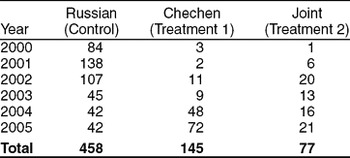
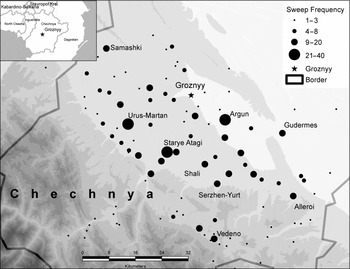
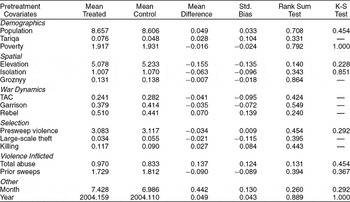

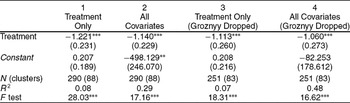
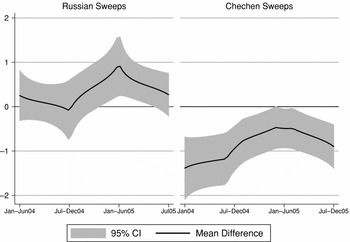
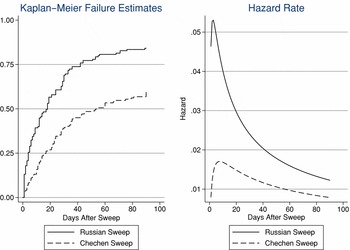
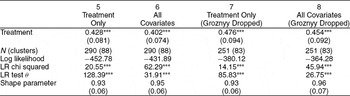
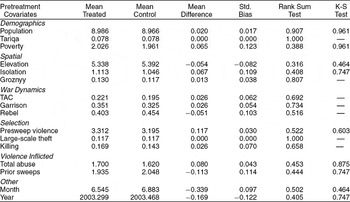
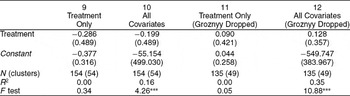
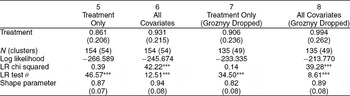



Comments
No Comments have been published for this article.