1.0 Introduction
The manufacturing industry has been driven by the evolution of processes, techniques and technologies, marked by the different industrial revolutions [Reference Perez, Rodriguez-Jimenez, Rodriguez, Usamentiaga, García and Wang1]. To remain competitive, companies continuously seek to increase efficiency, reduce costs and boost productivity. Their production systems are now seamlessly integrated throughout the value chain, allowing for rapid reconfiguration to readily adapt to fluctuations in market demand [Reference Salunkhe, Stensota, Akerman, Berglund and Alveflo2].
Collaborative robotics has emerged as one of the key enabling technologies of Industry 4.0, in which collaborative robots (or cobots) have been conceived as the new generation of robots designed with safety systems that allow them to share the same workspace with humans without any physical barriers [Reference Chowdhury, Ahtinen, Pieters and Vaananen3]. Furthermore, many authors in recent literature have highlighted this technology as shaping the Industry 5.0 revolution, the next transformative paradigm in which human experience is prioritised, and around which Industry 4.0 technologies must adapt [Reference Doyle-Kent and Kopacek4].
One of the most important improvements that can be achieved through the application of collaborative robots is the worker’s stress and fatigue reduction, which is possible considering that the cobot may be used to perform non-ergonomic tasks, including carrying heavy loads, doing repetitive tasks and achieving awkward positions [Reference Palomba, Gualtieri, Rojas, Rauch, Vidoni and Ghedin5]. Furthermore, considering the characteristics of the robot, like repetitiveness, an improvement in process and product quality can be achieved [Reference Zanella, Cisi, Costantino, Pardo, Pasquettaz and Vivo6].
According to Villani et al. [Reference Villani, Pini, Leali and Secchi7] the main advantage brought by cobots is the possibility to combine the advantages of robots with the flexibility and cognitive skills of human workers. This combination brings the opportunity to increase the level of automation of some processes that until then were not possible to be automated. According to Bloss [Reference Bloss8], logistics and assembly tasks are the most benefited areas, with a forecast of almost 100 million new possible tasks to be automated.
Considering this context, this article presents a comprehensive analysis to explain how collaborative robots have been applied in assembly tasks in the manufacturing industry, with particular interest in the aeronautical industry. Through the identification of the environment, motivation, characteristics and results of the main applications, this research aims to identify assembly applications where the deployment of collaborative robots still requires further investigation. Furthermore, it seeks to foster new uses to solve current challenges in the industry, such as those foreseen in the final assembly processes of aircraft. To this end, a systematic literature review (SLR) was structured, allowing for the objective extraction of facts and data from a selected set of applications in industry and academia.
The remainder of this paper is structured as follows: Section 2 presents related works and their contribution to the research topic. Section 3 presents the methods used in the SLR to collect and analyse the data. In Section 4, all the collected data are compiled to answer the research questions formulated in Section 3. Finally, Section 5 presents some final remarks, indicating current viable applications and proposing future research topics required to allow the expansion of cobots for assembly activities that have not been deeply addressed.
2.0 Relate work: similar reviews
The use of collaborative robots has been motivating several reviews in the last eight years, assessing aspects such as human robot collaboration (HRC), communication interfaces, task allocation and collaborative work cell design. Therefore, to identify reviews concerning cobots applications in manufacturing environments, a search in IEEE Xplore, Scopus, Science Direct and Springer Link libraries was performed, where related works were found.
In 2017, Lasota published a survey related to the characterisation of current applications focusing on aspects to facilitate human–robot interaction. The research aimed to identify methods that could be used to make the human–robot interaction safer. Lasota’s work presented different methodologies to allow a safe human–robot interaction into four technological groups: control, motion planning, prediction and psychological consideration. For each group, several solutions and studies were discussed; however, the paper doesn’t present discussions over existing applications.
Villani et al. [Reference Villani, Pini, Leali and Secchi7] presented a survey of human–robot collaboration in an industrial environment, focusing on issues related to physical and cognitive interaction. The work presented the identified main challenges in HRC, which were grouped into three main pillars: safe interaction, encompassing safety standards and operating modes; intuitive interfaces, related to programming approaches, input modes and reality enhancement; and design methods, related to task planning and allocation, control laws and sensors. For each of the pillars, the author presented an extensive review of the state-of-the-art possibilities presented in the literature, highlighting open issues that still need to be addressed. However, it is important to highlight that the paper did not present the methodology used in the survey process. Furthermore, the paper exploited the defined pillars’ possible solutions but did not link to the current applications, which were presented in a separate section.
Matheson et al. [Reference Matheson, Minto, Zampieri, Faccio and Rosati9] presented a survey related to human–robot collaboration applications in manufacturing. In this report a clear methodology was presented, which resulted in the analysis of 41 papers, where the following parameters were studied: the robot used, control system, application, objectives, key findings and suggested future work. Considering this information, the work presented an analysis of the studies leading to identified trends for applications. First, the work indicates that the use of cobots for collaborative applications is dominating the use of industrial ones. For the control system, position control was only used for industrial robots, while, due to the inherent compliance of cobots, impedance control was more commonly chosen for cobots, with vision systems being the prevalent sensor used in HRC studies. Additionally, regarding operation modes, it was verified that early studies focused on speed and separation monitoring (SSM) and power and force limiting (PFL), while an increase in hand guiding (HG) methods is prevalent in recent studies.
Regarding the activities performed by the robots, assembly tasks, such as collaborative drilling in aeronautical industry, were the most studied topic, followed by human assistance, quality control and machine trending. Also, considering the goals in each of the identified studies, most of them relate to productivity and safety issues. According to Matheson et al. [Reference Matheson, Minto, Zampieri, Faccio and Rosati9], future studies must focus on having a better understanding of the scene and increasing the level of awareness of human operators and robots, through technologies such as object recognition, sensors and artificial intelligence. Notwithstanding, the authors did not present a characterisation of current application scenarios, only identifying part of the elements.
Petrodi (2020) also published a work related to the investigation of human–robot collaboration in a manufacturing environment but focusing on operations management. According to the work, operations management relies on guaranteeing responsiveness and productivity for the company, which brings specific requirements and challenges when implementing a collaborative work cell. The authors identified ergonomics and safety, productivity, completion time, flexibility and reconfigurability as the main challenges to be studied for cobots deployment, considering the operations management point of view. They highlight that reconfigurability is a topic that has not been sufficiently considered in the literature, requiring more studies to integrate this element in designing a collaborative workspace. However, their paper does not present a clear search methodology and does not analyse topics based on use cases.
Segura et al. [Reference Segura, Lobato-Calleros, Ramírez-Serrano and Soria10] presented a survey for identifying the basic components of a human–robot collaborative system design, for manufacturing applications. Upon the analysis of 50 cases, the work identifies characteristics of current applications and proposes a set of structural components that should be considered for a collaborative application. The paper conceptualises structural components as the organisational and technological alternatives necessary to fulfill the basic requirements and functionalities of human–robot collaborative systems. The authors suggest that all collaborative workspace designs should consider four structural components: interaction levels (independent, sequential, simultaneous or supportive), work roles (supervisor, peer or subordinate), communication interfaces (body gesture, voice commands, haptic features) and safety control modes (safely monitored stop, speed and separation monitoring, power and force limiting and hand guiding). According to the authors, considering the identified studies, for the interaction levels it was observed that supportive interaction levels are the most used, followed by sequential ones. For the works roles, 86% of the consulted cases belong to peer work roles while the remaining cases were accounted in the supervisor role (played by the human operator). Regarding communication interfaces, traditional ones are the most common, with an advance verified in body gesture communication. Finally, safe monitored stop (SMS) was identified to be the most used operating mode, followed by speed and separation monitoring, power and force limiting and hand guiding. In addition to the analysis of the current applications in manufacturing, their work suggests for each type of manufacturing activity (assembly, material manipulation, among others) the solution indicated for each type of structural component.
Despite the contribution of these related works, further research focused on characterising assembly operations in manufacturing is still needed, since all the works presented concentrated on the level of detail of manufacturing. Furthermore, none of the identified works included an analysis of applications in the aeronautical industry, which is of interest to this article.
3.0 Review methodology
The research method to conduct the SLR was adopted by combining the guidelines proposed by Brereton and Budgen [Reference Budgen and Brereton11, Reference Brereton, Budgen, Kitchenham, Turner, Bailey and Linkman12] and Kitchenham [Reference Kitchenham13]. The process comprises the following main phases:
-
• Planning phase: In this phase, the review protocol was performed, with the definition of the research questions and review procedures.
-
• Conducting phase: Based on the review protocol defined, in this phase the research is performed, including the identification and selection of studies, as well as performing data extraction and summarisation.
-
• Reporting phase: In the last phase, report the collected data and main related analyses.
3.1 SLR planning
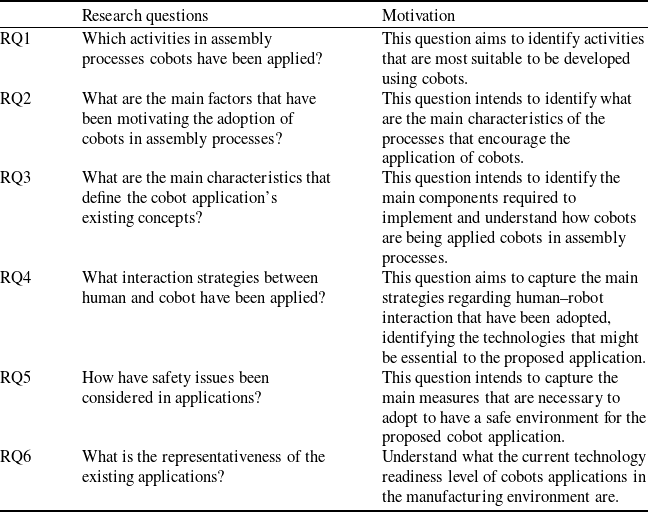
In this stage, the review protocol is defined stating research questions and procedures. The main purpose of this review is to understand how collaborative robots have been used in assembly processes, mainly towards the aircraft manufacturing industry. To comply with this objective this study aims to identify the main activities in which cobots have been used, working concepts, target key performance indicators (KPIs) and main challenges motivating applications. Considering this, Table 1 presents the research questions used and their respective motivation.
Research questions and their motivations for the SLR

3.1.1 Search strategy
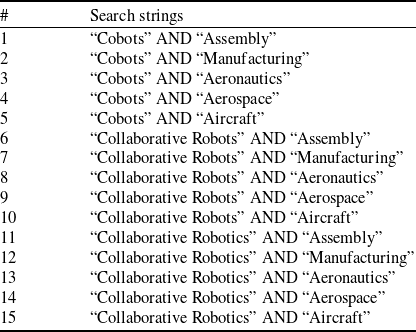
Based on the research questions identified, the next step in the planning phase was the definition of the search strings. The search terms were defined as a combination of collaborative robots (also with word ‘cobots’) and the application (assembly, manufacturing).
To map applications in the aeronautics industry, special search strings were added. The resulting search strings used in the SLR are presented in Table 2.
Search strings for SLR

Based on the defined search terms and to assure the quality level of the research studies, the identification of the papers was performed using the Scopus academic database. Using the Scopus search engine, titles and abstracts were searched for the previously mentioned strings.
3.1.2 Inclusion and exclusion criteria
The research in Scopus database was delimited according to defined inclusion and exclusion criteria. In this case, only documents written in English and published between 2010 and 2022 are firstly considered. This period has been defined considering that the last 10–12 years were the most relevant for cobots studies. Also, this first literature screening is defined to allow the identification of the evolution of academic publications in the beginning of the 2020 decade. We are going to give special treatment to the years 2023, 2024 and 2025 in Section 5, where we state the emergent research topic on smart robotics.
Additional exclusion criteria were used during the paper selection phase, such as studies irrelevant to the research (considering research objectives and questions), non-academic publications (commercial literature, reports posters) and duplicated works.
3.1.3 Selection procedure
The selection of the applicable studies for this research was based on the Preferred Reporting Items for Systematic Review and Meta-Analyses (PRISMA) guidelines. The first pool based on the database and search terms resulted in a universe of 399 papers. As presented in Fig. 1, the exclusion of duplicates, titles with no documents available, and non-academic publications composed the first filter, resulting in 363 remaining publications.
Search protocol. Adapted from PRISMA.

The second filter was performed by examining the titles and abstracts and removing the studies without focusing on manufacturing/industrial environments (games industry, agriculture, medicine, among others), where 323 papers remained in the scope. The third filter removed documents without focusing on assembly operations, resulting in 253 papers still applicable.
Considering the objectives of this work, the fourth filter was performed to select only publications with a focus on the application (i.e. the study focus is the design process or results of a cobot application for an existing process). With this filter, 103 works were removed, resulting in 150 papers remaining. Finally, the last cut was considering the quality of the application, removing documents without a well-defined use case (detailed case study). Both the fourth and last filter required a deeper analysis of the papers to be performed.
As a result of the selection process performed, a final set of 48 publications with 50 applications were defined as the scope for the data collection and further steps of the SLR. The selected papers are included in the references [Reference Bauer, Bender, Braun, Rally and Scholtz14–Reference Saenz63] in the end of this paper.
3.2 Conducting phase
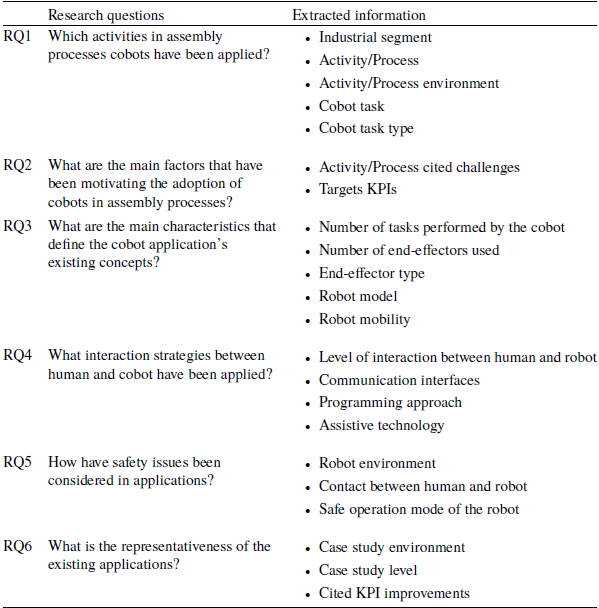
A deep review is performed based on the protocol defined in the previous subsection, including the identification and selection of studies, as well as performing data extraction and summarisation. Different parameters were defined to allow gathering the required information for answering each of the research questions defined, as presented in Table 3.
Research questions and the extracted information

3.3 Conducting phase
Based on the protocol defined in the previous subsection, a deep review is performed, including the identification and selection of studies, as well as performing data extraction and summarisation. Different parameters were defined to allow gathering the required information for answering each of the research questions defined, as presented in Table 3.
To finish, the last step of the research is the reporting phase, comprising the data reduction and summarisation to report the collected findings and conclusions. Addressing each research question is the full realisation of the SLR, which is presented in detail in the next section.
4.0 Results and discussions
4.1 Bibliometrics
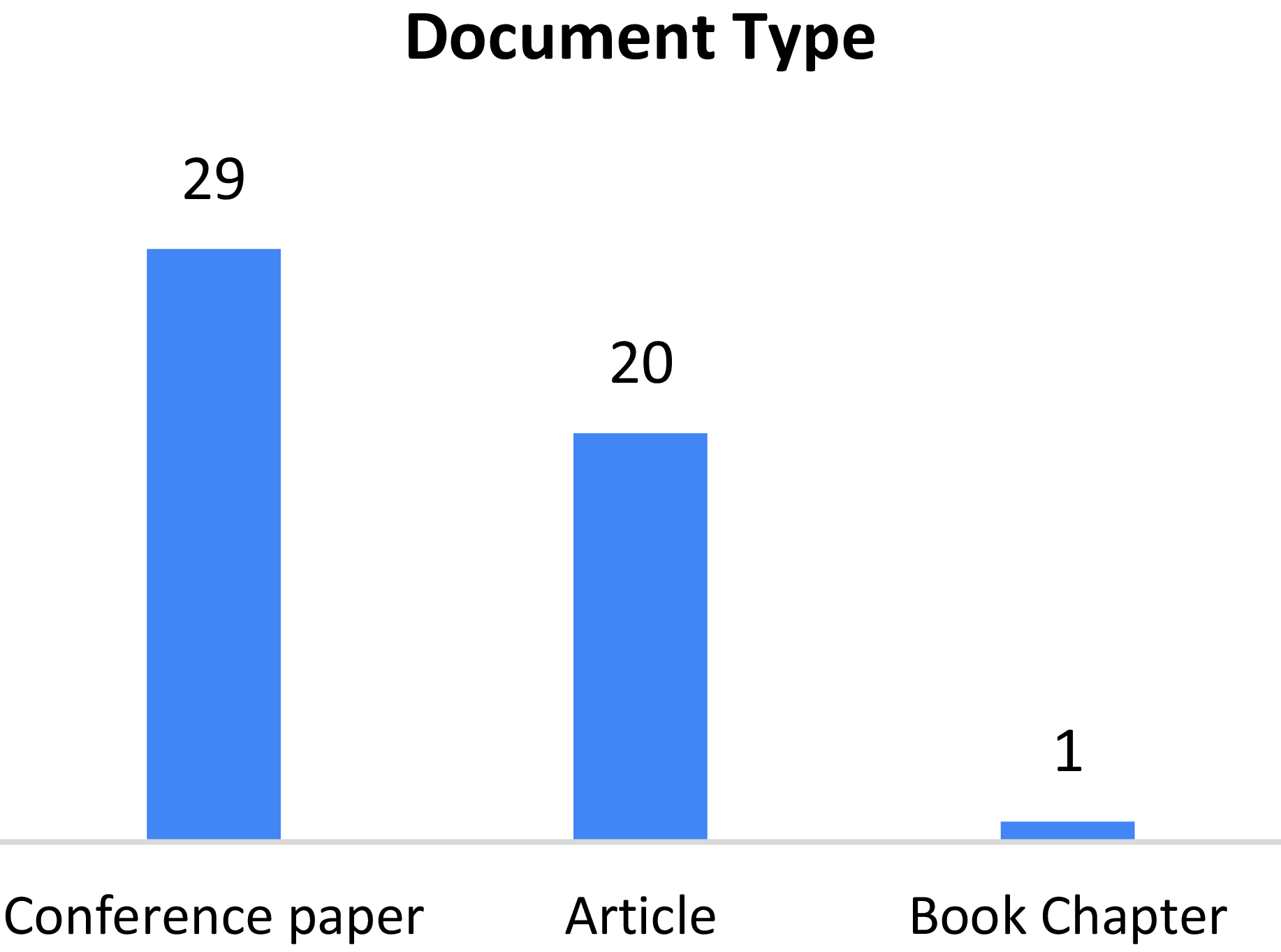
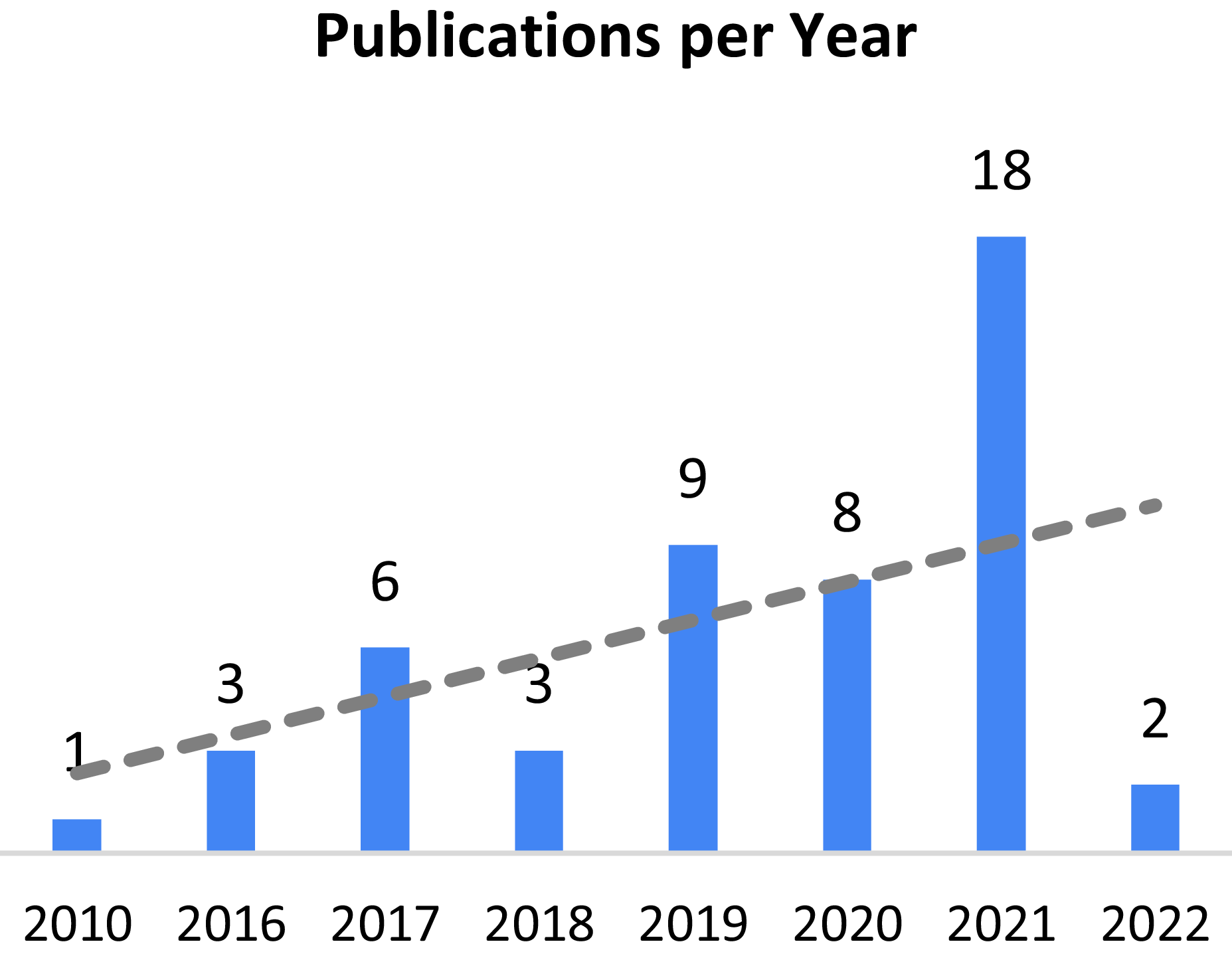
The 48 publications encompassed 50 applications of collaborative robots in manufacturing assembly processes. Considering the document type, as shown in Fig. 2, most of the publications are conference papers or articles (∼60% and ∼40%, respectively), as expected, considering the search database. In addition, the number of publications is increasing over the years as depicted in Fig. 3.
Publications document type.

Publications over the years.

There is a visible high rate of increase over the last few years, with 2021 being the year with the highest percentage of the selected publications (36%), showing that the application of cobots in assembly processes is a relevant research topic, and according to the identified papers, it is a reflex of the industry’s demand. The main output regarding the period from the last three years (second period of 2022 up to first period of 2025) is going to be discussed in a special section at the end of this paper.
Figure 4 compares the origin of the studies, as can be verified in most of the applications identified are from Europe, 82%, while North America contributed with 14% and Asia with the remaining 4%. No primary studies were found to originate from Africa and South America.
Map of papers per origin.

Italy appears as the country with the highest number of articles (9), followed by Sweden (6), the United States (6) and Germany (5). These four countries alone account for more than 50% of the identified works. This geographical analysis reveals an interesting initial finding regarding the concentration of locations where knowledge on this topic is generated. This can be explained by the fact that, in the regions examined, mainly in Europe and the United States, both manufacturers of collaborative robots and industries interested in their implementation coexist. This finding suggests the importance of industries as drivers of the development of this field of study.
4.2 RQ1: Which activities in assembly processes cobots have been applied?
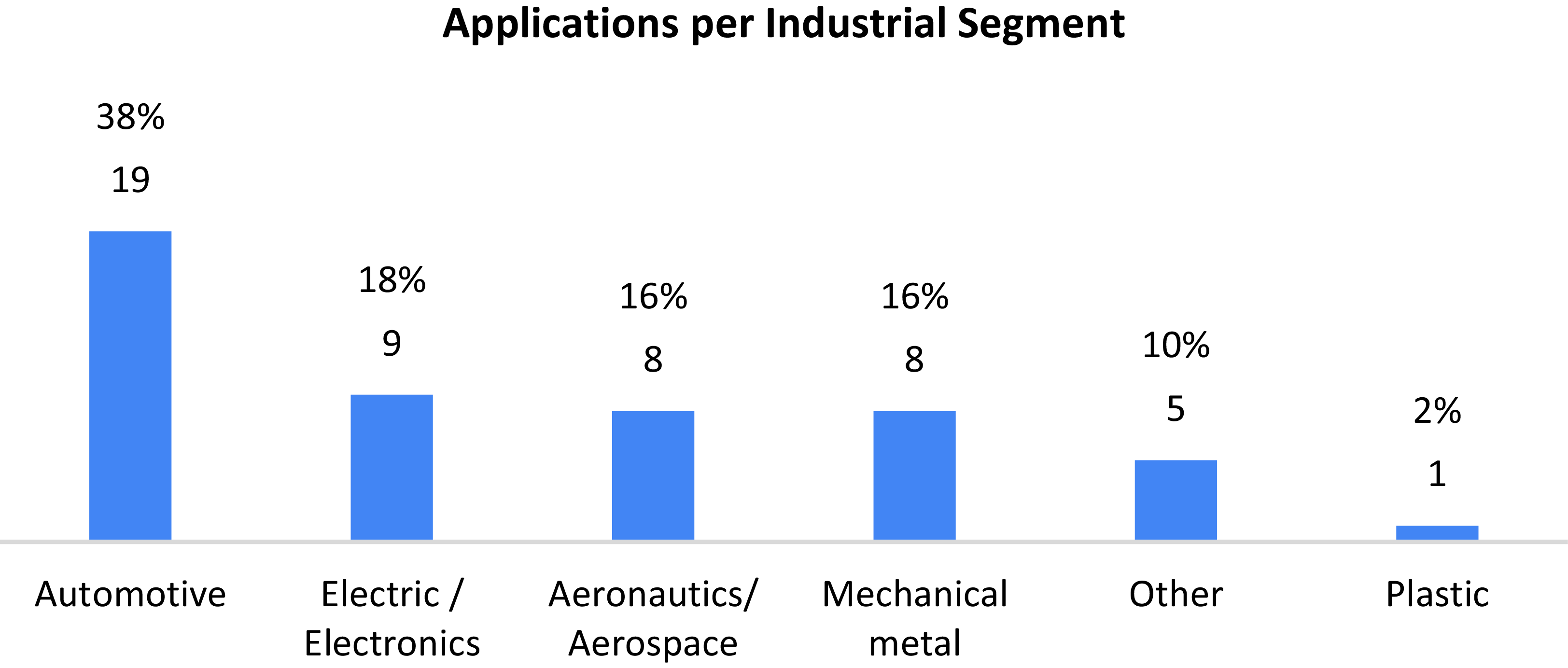
To answer the first research question, the applications were analysed by collecting information to characterise the activities where cobots have been applied. Following the same tendency of the industrial robots’ applications, the automotive industry represents most of the research publications related to cobots, with almost 40%. This industry was the first to implement industrial robots and, considering the advantages of cobots, is now leading the studies to apply cobots for assembly applications.
As presented by the International Federation of Robotics [64, Reference Robotics65], the electric/electronics segment is increasing the number of applications using collaborative robots. The electric/electronic segment is the second with the greatest number of applications, as presented in Fig. 5. Aeronautics and metal mechanics segments appear in the sequence with 16% of the publications each.
Cobots applications per industrial segment.

In the automotive sector, the most frequently identified applications – accounting for 42% – are related to engine and gearbox assembly. This trend is largely driven by the need to handle heavy components, a major ergonomic challenge that has contributed to the growing adoption of automation. Additionally, applications involving component tightening, particularly the fastening of nuts, represent a significant portion of the mapped use cases (16%). This is expected, as such tasks are highly repetitive, posing yet another critical ergonomic issue to be addressed through automation.
When analysing the applications identified in the electric/electronic segment, no application tendency was verified. A wide range of applications was identified, such as wire harness assembly, electronic products (e.g. TV, smartphone), actuator assembly and others. One of the reasons is that electronic components nowadays have a wide range of applications, and it is interesting that analysing the universe of studies identified, several applications are feasible for the application of cobots.
Regarding metal/mechanics applications, almost all applications identified were related to some type of mechanical mount on a bench. In this case, the highlight is related to the pneumatic cylinder application, which represented 38% of the applications. With respect to aeronautics applications, all applications identified are related to structural assembly processes. Most of the applications are related to fuselage assembly (38%) and sealant application (25%).
Aircraft manufacturing is a complex process composed of several stages in which the level of automation of each stage is different. Structural assembly stages in the aeronautical industry already present a high level of automation, mainly in the drilling and riveting activities, making use of large C-frame machines or industrial robots [Reference Sarh, Buttrick, Munk and Bossi66]. Also as identified in this study structural assembly operations are the most common applications for cobots in the aeronautical industry.
In the final assembly stage of aircraft production, however, the level of automation is very limited, and according to Salunkhe et al. [Reference Salunkhe, Stensota, Akerman, Berglund and Alveflo2] humans do over 90% of the activities. Consequently, human operators must use hand tools or advanced assembly systems to perform activities that combined with space restrictions of the aircraft cabin or cargo areas, lead to non-ergonomic conditions [Reference Ottogalli, Rosquete, Rojo, Amundarain, Rodr´Iguez and Borro67, Reference Roveda, Ghidoni, Cotecchia, Pagello and Pedrocchi68].
For these reasons, one of the goals of the aeronautics industry should be to increase the level of automation of the final assembly. In this case, considering the characteristics of the final assembly process, collaborative robots are one of the main technologies that can play an important role in this transition to a more automated process stage to reduce manufacturing times and costs, and improve ergonomics [Reference Ottogalli, Rosquete, Rojo, Amundarain, Rodr´Iguez and Borro67].
Considering the industrial segments, another interesting application identified is related to the furniture industry, which presented two applications. In this case, the cobots have been applied to perform parts of activities in furniture assembly, such as glue application. As will be discussed in further sections, this industry’s main motivation is reducing repetitive tasks that compromise operators’ ergonomics.
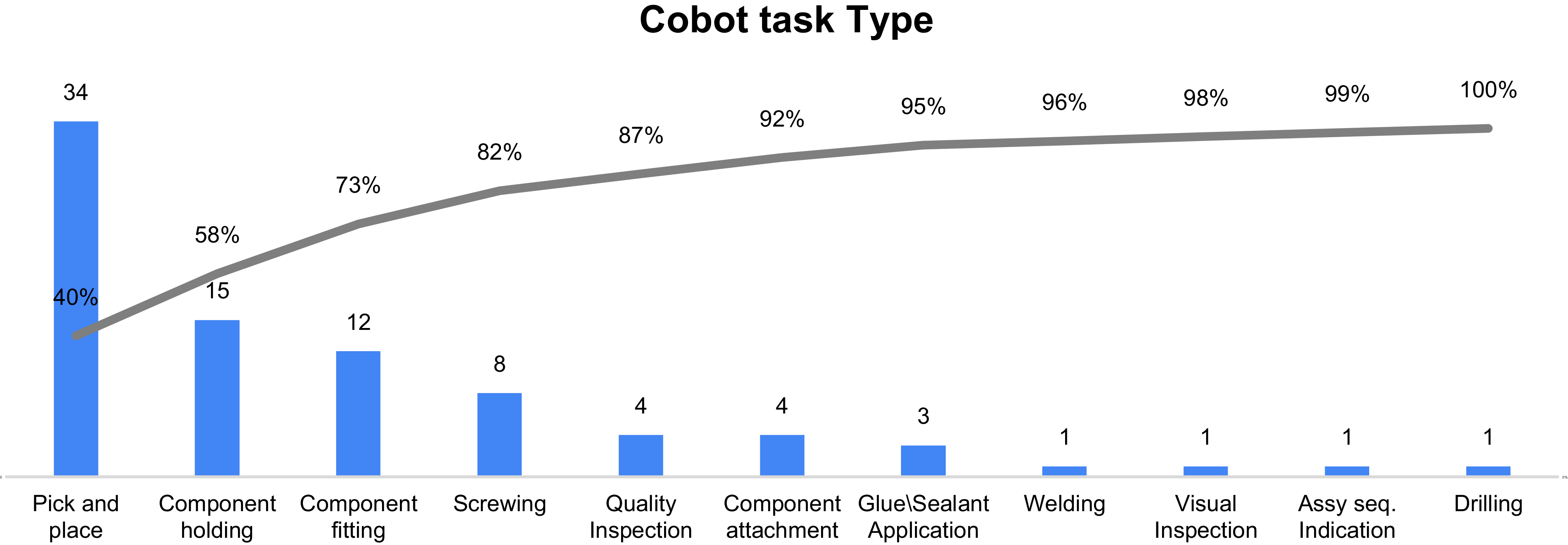
Despite the different application cases for each industrial segment, a common tendency is verified when analysing the type of activities in which cobots have been applied. As presented in Fig. 6, 40% of the identified applications applies the cobots for pick-and-place activities. Furthermore, 80% of the total applications are related to four main activities types: pick and place, component holding, component fitting, and screwing.
Cobots task type identified in applications.

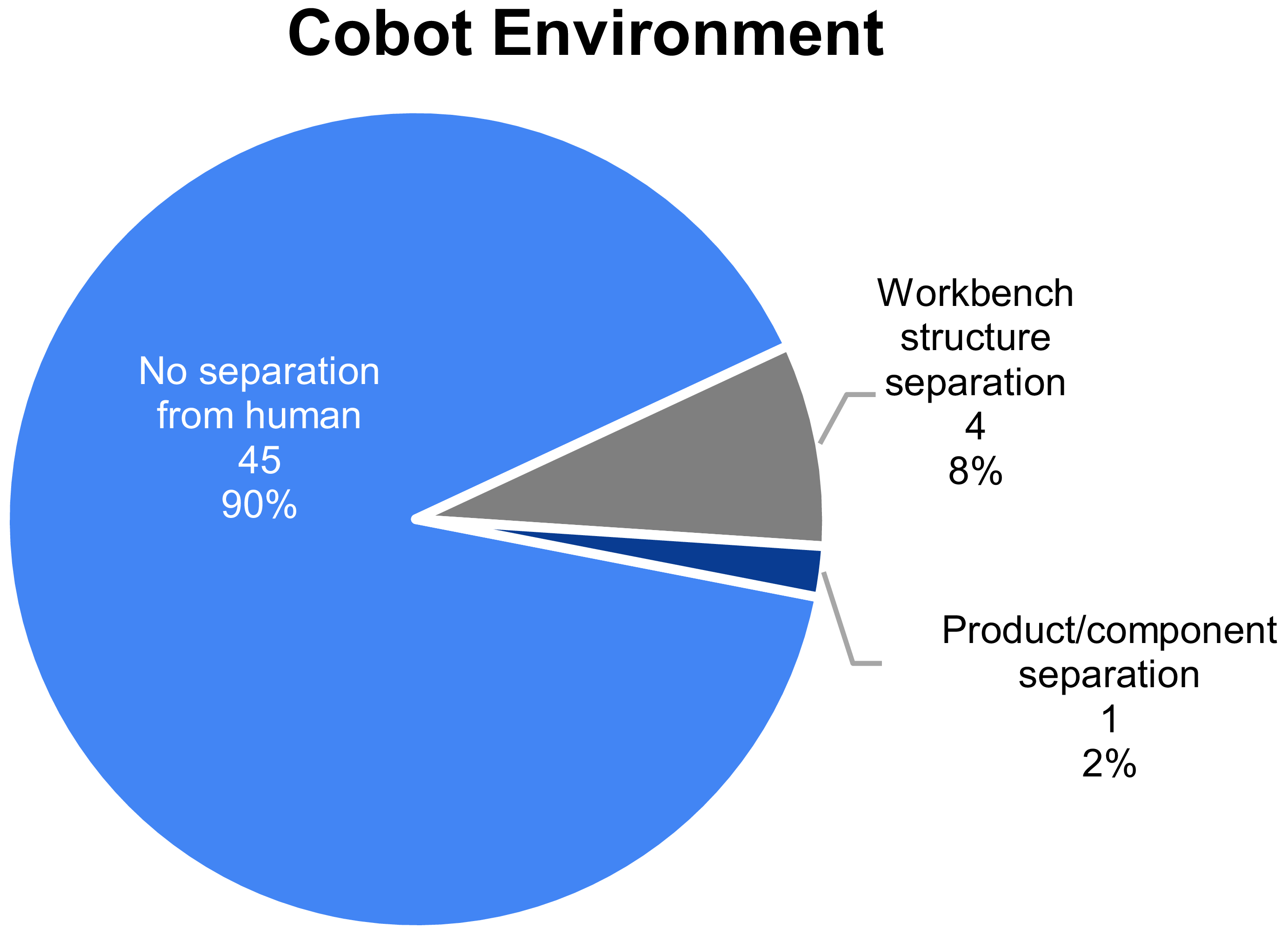
Finally, when examining the environments where cobots have been deployed, 90% of the applications integrate collaborative robots without physical separation from humans (Fig. 7). These findings align with the anticipated trend of enhancing flexibility in industrial processes, one of the key advantages of cobots. Their ability to enable automation without requiring separation structures makes them particularly valuable. Consequently, research and publications are increasingly focused on these complex environments, aiming to advance the necessary technologies for seamless integration into production lines.
Cobot environment characteristic.

4.3 RQ2: What are the main factors that have been motivating the adoption of cobots in assembly processes?
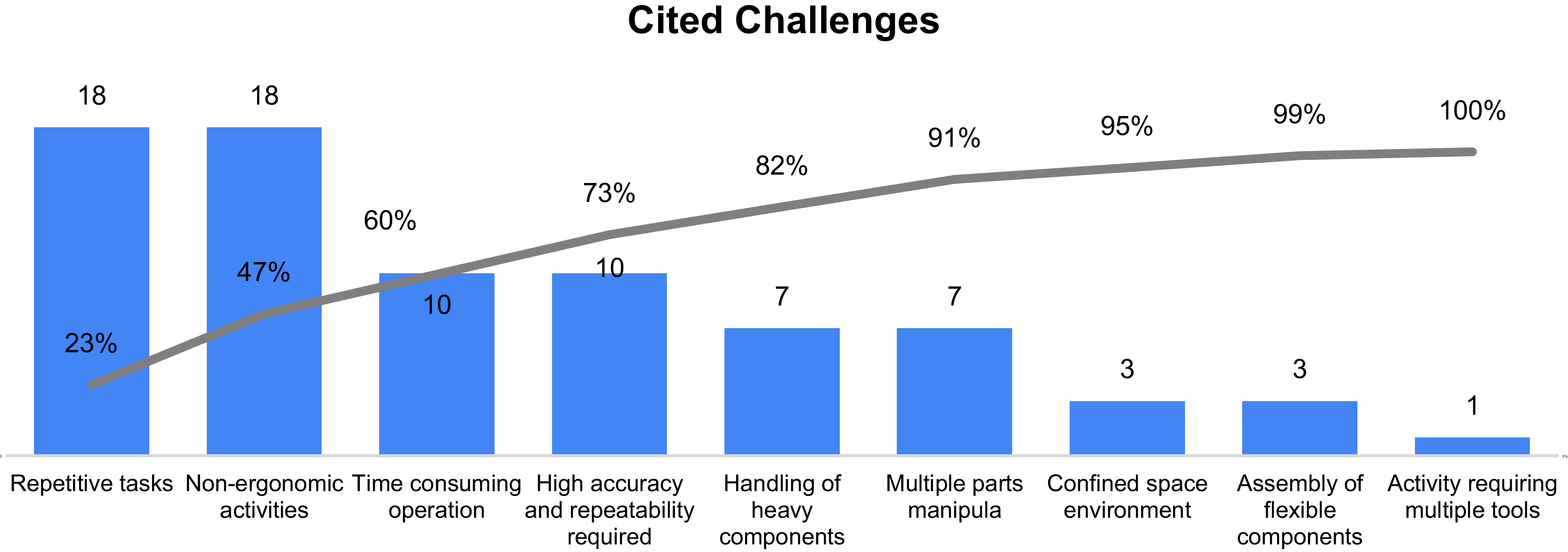
Another important aspect of understanding the current applications of cobots is the main motivations that generate each application scenario. This feature is stratified in Fig. 8. It is verified that the main challenges in the current processes are related to ergonomics aspects. Repetitive tasks and non-ergonomic activities sum up almost 50% of cited challenges reported in the identified applications. Also, handling of heavy loads accounted for the ergonomics difficulties related to 9% of cases. Besides the ergonomics aspects, other relevant cited challenges are related to time-consuming operations and high accuracy and repeatability required, both with 13% of the cases.
Identified challenges for the assembly processes.

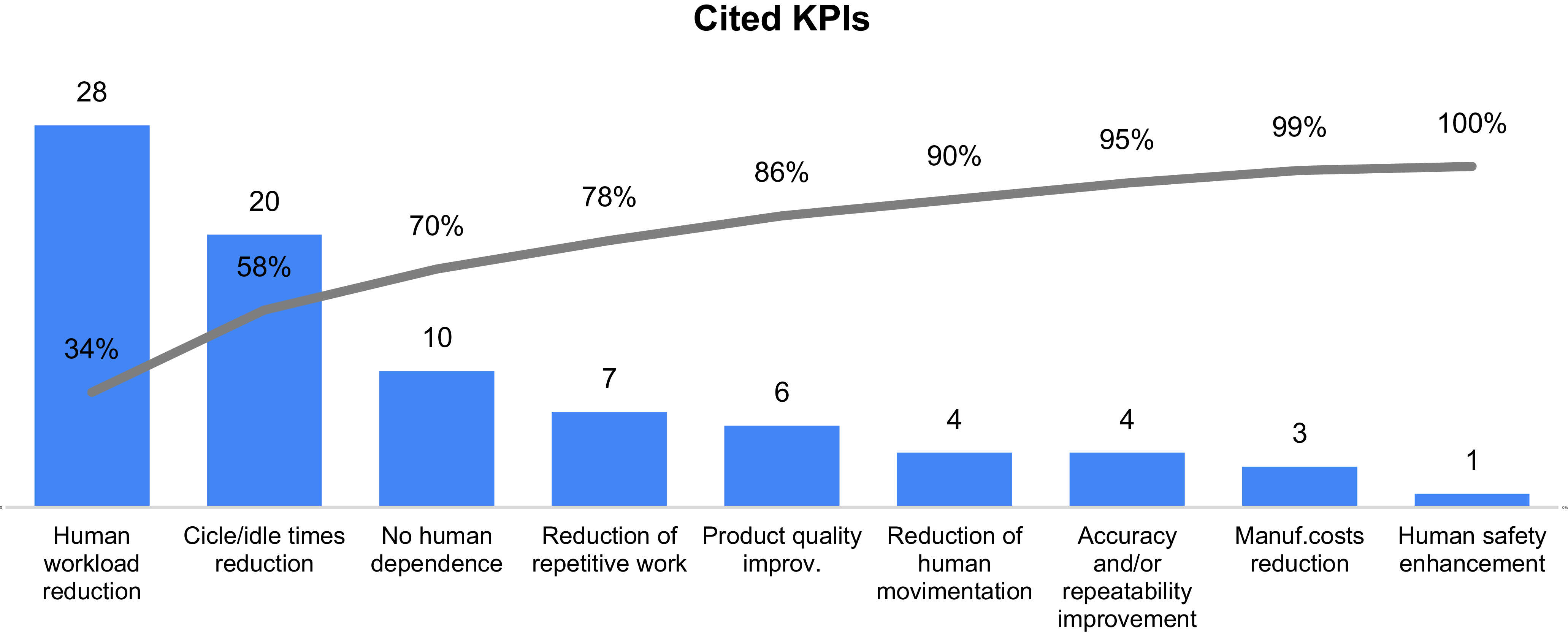
From Fig. 9, the analysis of the identified papers showed that most of the KPIs for the application of cobots are related to ergonomics, such as human workload reduction, and reduction of repetitive tasks.
KPIs for cobots deployment.

This is an expected result considering the identified processes’ challenges indicated by each application, in accordance with the information from previous work [Reference Villani, Pini, Leali and Secchi7]. Another relevant KPI identified is related to cycles or idle times reduction. This is an important aspect, which shows that besides the human factors, productivity is an important driver for the implementation of cobots.
Finally, it is interesting to notice that, despite the applications being placed in different industrial scenarios, the challenges and KPIs for the deployment of cobots are common. In summary, activities with ergonomics issues and time-consuming activities are the most suitable for the application of cobots, aiming for the reduction of human workload and cycle or idle times reduction, leading to a safer and more productive work cell.
4.4 RQ3: What are the main characteristics that define the cobot application existing concepts?
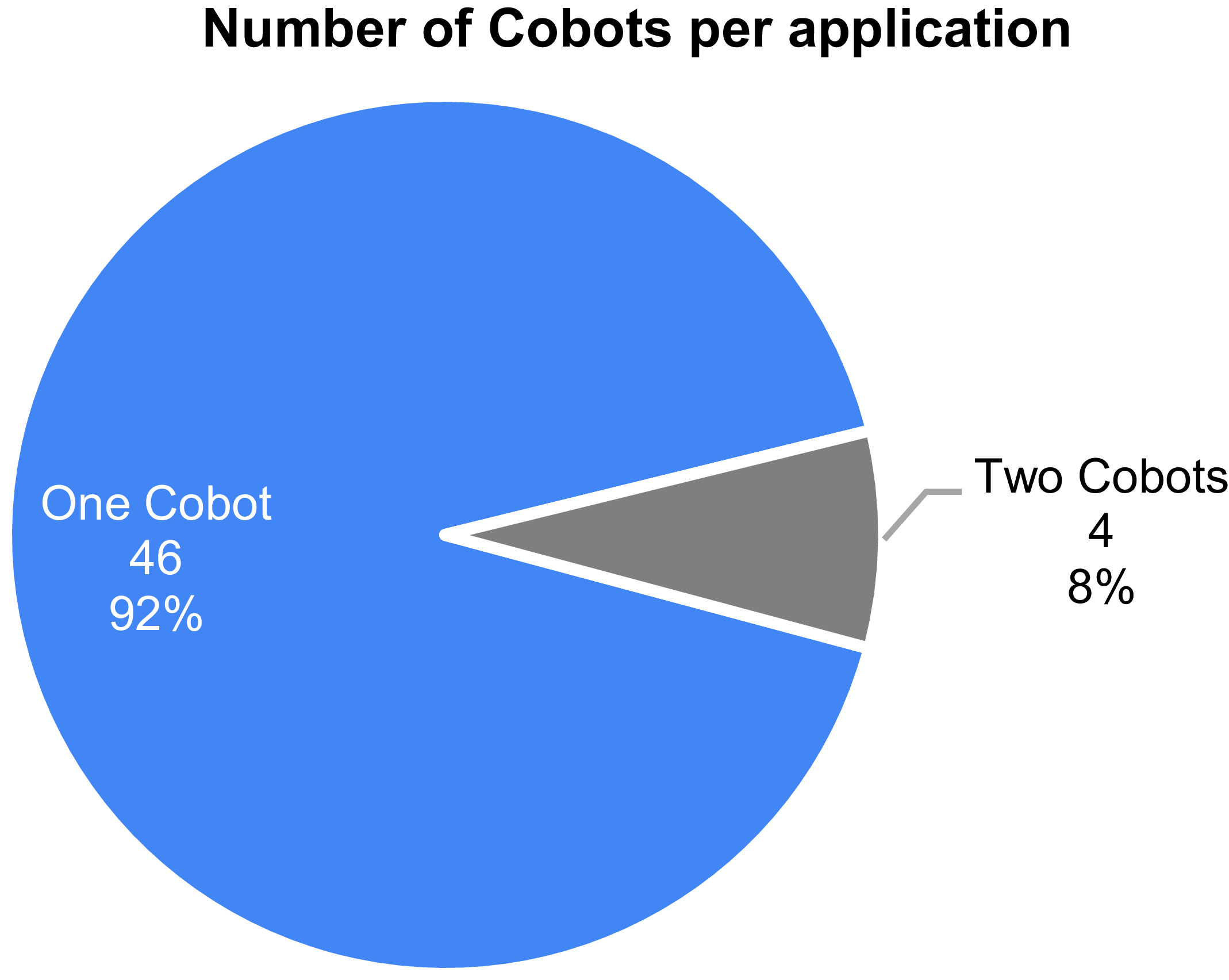
There are several aspects that compose each application scenario, including devices, area, etc., which were mapped to answer the third research question. As verified in Fig. 10, most of the applications considered the implementation of only one collaborative robot, which can be understood by several factors. First, as the number of cobots increases, the implementation costs increase, making it harder to obtain a satisfactory return on investment (ROI) in an acceptable payback time.
Number of cobots per application identified.

Beyond economic considerations, applications featuring multiple cobots within the same work cell primarily aim to enable independent operation without human intervention. This trend is evident in the findings of this research, where three out of four applications involving multiple cobots were designed to operate autonomously.
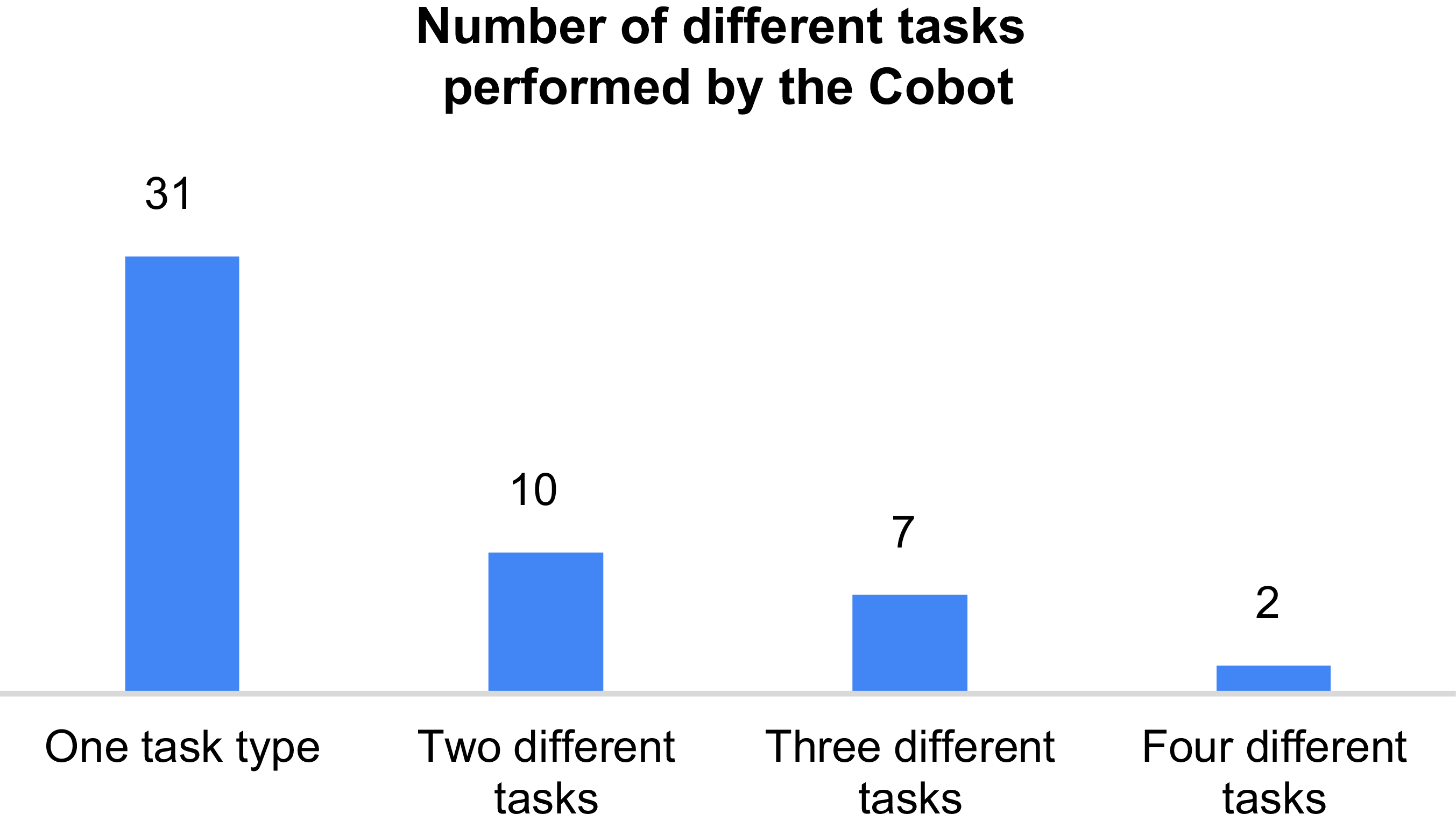
An alternative approach to deploying multiple cobots is assigning a single cobot to perform multiple types of tasks. While more than 60% of the applications analysed employed cobots for only one specific task, over 30% integrated cobots capable of executing two or three distinct tasks, as illustrated in Fig. 11.
Number of task types performed by the cobots.

However, this strategy introduces greater programming complexity, as additional scenarios must be anticipated during system configuration. Consequently, companies must carefully weigh the trade-off between increasing the number of cobots versus assigning a single cobot multiple roles when designing a collaborative work cell. While minimising the number of cobots generally reduces investment costs, each case must be assessed individually. The complexity of setup and end-effector requirements for cobots performing multiple tasks can significantly elevate expenses. Furthermore, this decision depends on the company’s strategy and long-term vision, which may enable synergies across different processes and manufacturing stages, influencing the trade-off analysis.
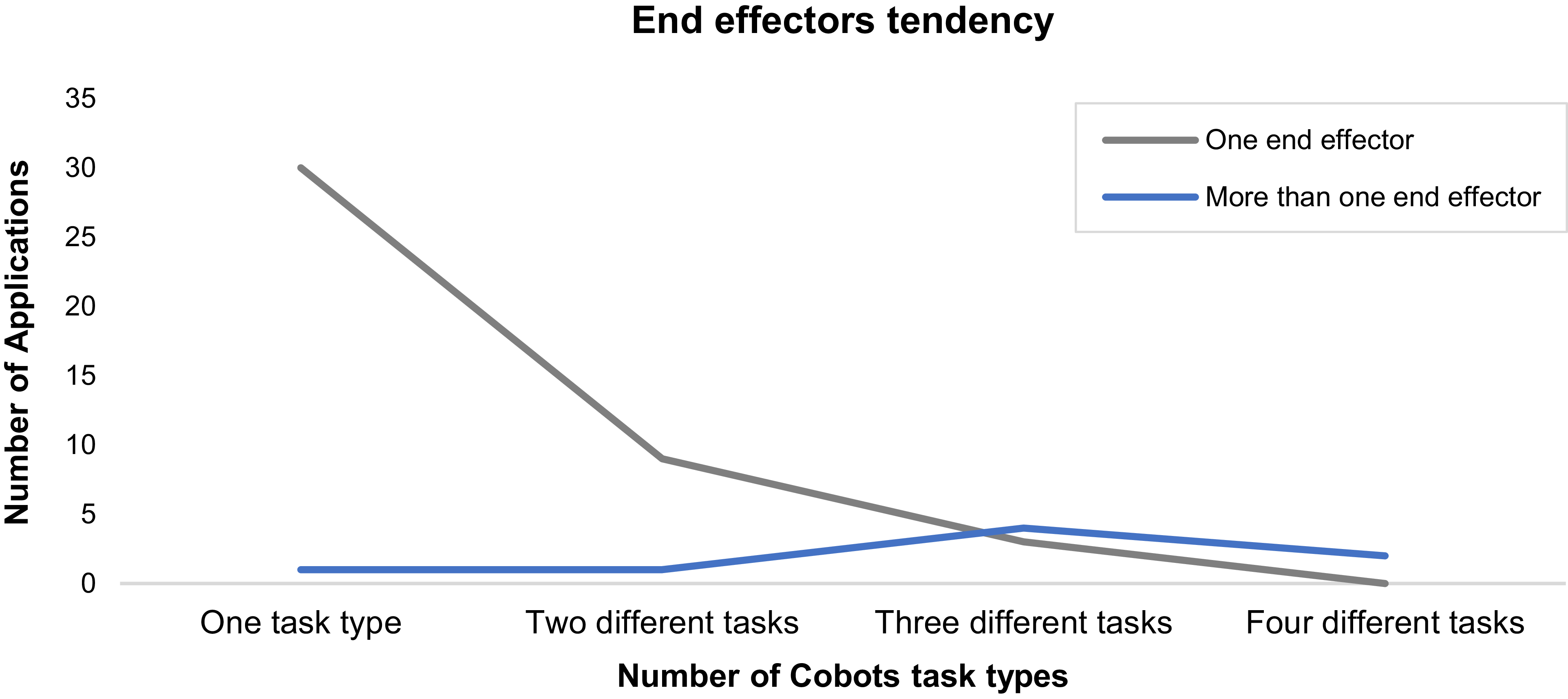
Deploying a cobot for multiple tasks may necessitate various end effectors. Figure 12 highlights a tendency for an increased number of end effectors as task diversity rises. Despite this, 84% of identified applications used only one end effector, suggesting that, whenever possible, selecting an end effector suitable for multiple tasks is recommended. Nevertheless, employing multiple types of end effectors introduces substantial system complexity in both design and operation, ultimately driving up implementation costs.
Comparison between the number of end effectors by the number of different tasks performed by cobots.

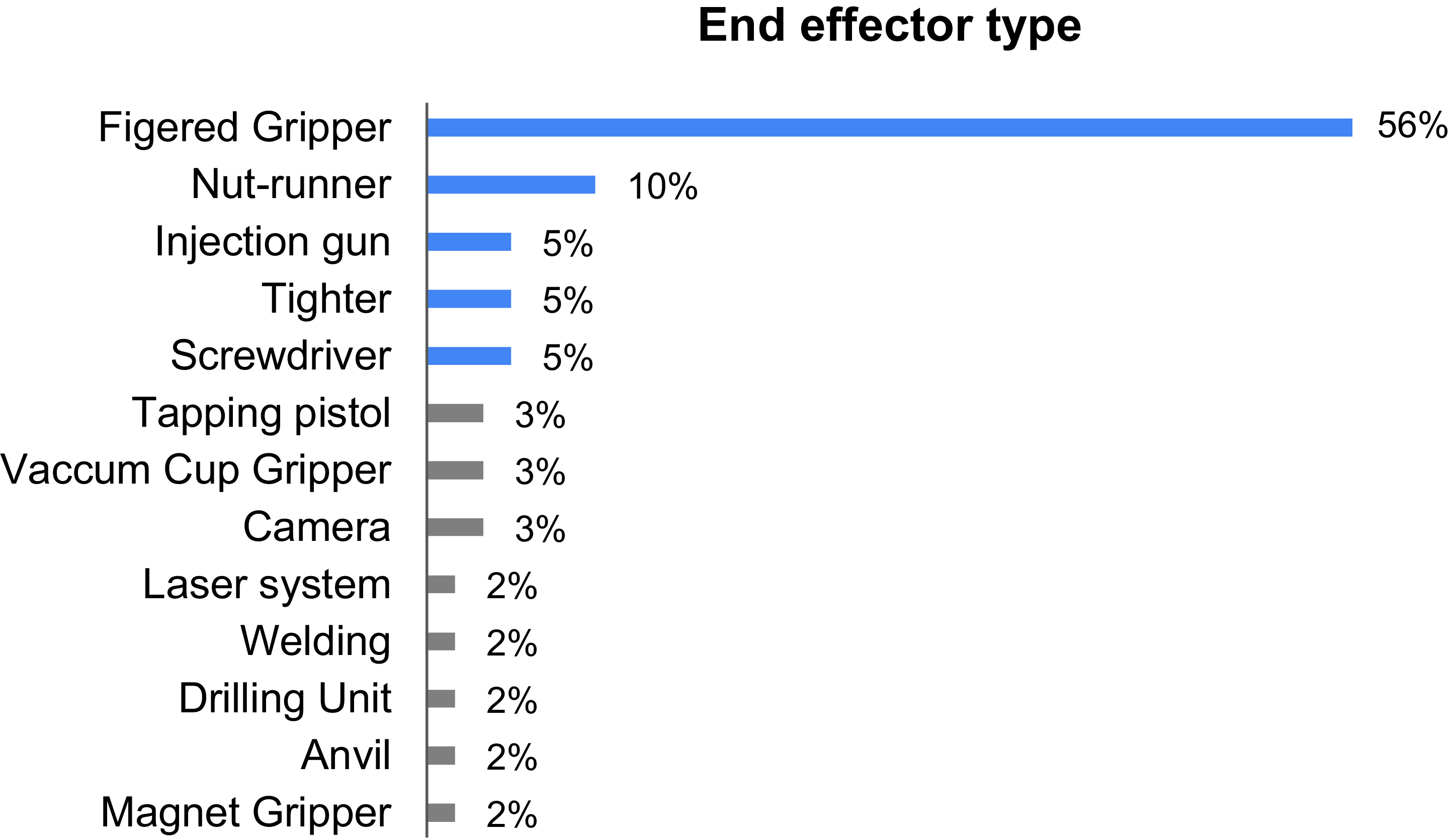
In this context, Fig. 13 reveals that nearly 60% of observed applications utilised fingered-end effectors, followed by nut-runners and screwdrivers. Other end-effector models – such as vacuum cups, injection guns and fasteners – were also present but in smaller proportions. This result aligns with expectations, given that over 70% of mapped cobot activities involve pick-and-place operations, component handling, and assembly tasks, where fingered-end effectors are most effective.
End effector types used in mapped applications.

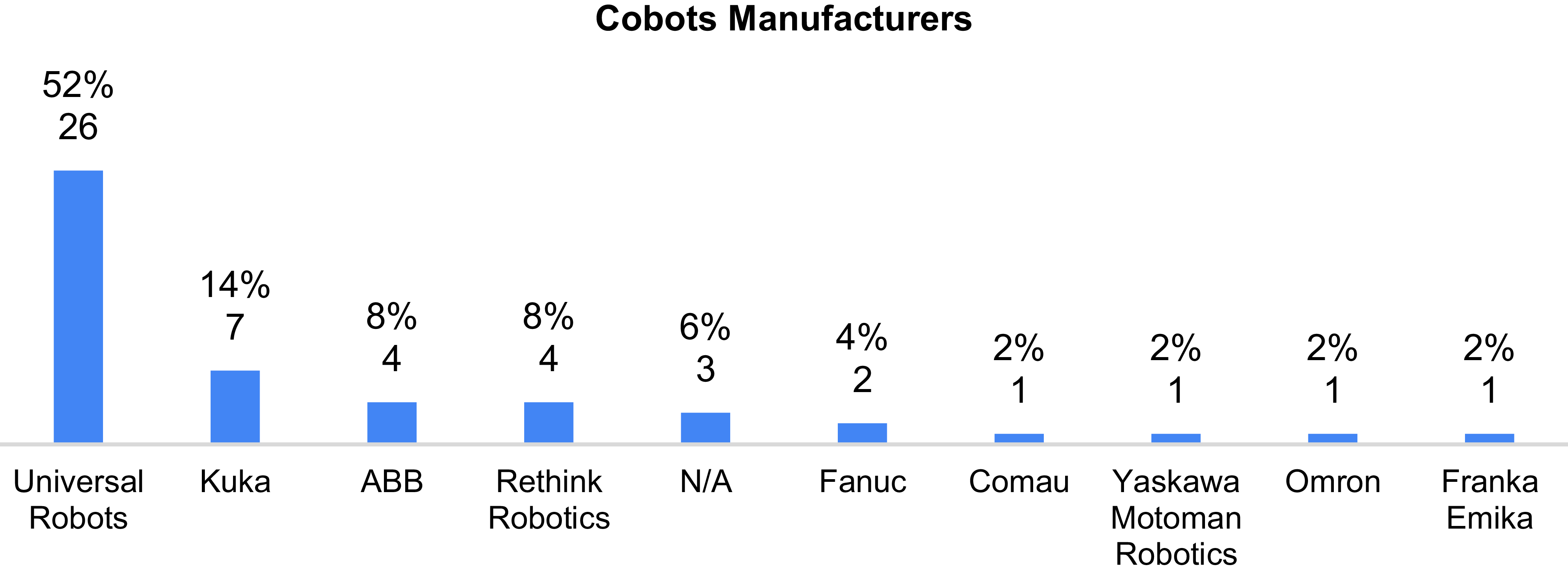
Finally, the last aspect verified to comprehend applications scenarios is the cobot model used in the application. As can be seen in Fig. 14, more than 50% of the applications mapped used the cobots from Universal Robots, followed by KUKA and ABB, which were the pioneers of collaborative robots.
Cobots manufacturers in the mapped applications.

When analysing cobot characteristics, robots with higher payload capacities are the most used, as they must accommodate both the end-effector’s weight and the required payload range. Additionally, when acquiring a cobot, companies often prioritise flexibility, opting for higher payload models that can be repurposed across multiple applications, enhancing operational adaptability.
In summary, applications featuring a single cobot were the most prevalent, typically utilising a single end effector capable of performing all assigned tasks. However, when an application involves significantly varied tasks, a careful trade-off must be considered: either increasing the number of cobots dedicated to single tasks or equipping a single cobot with multiple end effectors. Ultimately, cobots with higher payload capacities remain the preferred choice, as they offer greater versatility.
4.5 RQ4: What interaction strategies between human and cobot have been applied?
The categorisation of the interaction level between humans and cobots have been defined through different frameworks. Terms such as coexistence, cooperation and collaboration have been used to characterise different interactions between humans and robots, with no consensus [Reference Colim, Faria, Cunha, Oliveira, Sousa and Rocha69]. Nonetheless, CESTA et al. [Reference Cesta, Orlandini, Bernardi and Umbrico70] have already proposed a framework with four levels of interaction, based on time and space separation, as follows:
-
• Independent: Human operators and robots work on separate workpieces and are detached from each other.
-
• Sequential: Human operators and robots work on consecutive processes at the same workpiece at a separate time.
-
• Simultaneous: Human operators and robots work on separate processes at the same workpiece at the same time.
-
• Supportive: Human operators and robots work synchronously to complete a common process at the same workpiece.
This classification was used in other works such as shown in Refs [Reference Segura, Lobato-Calleros, Ramírez-Serrano and Soria10, Reference Colim, Faria, Cunha, Oliveira, Sousa and Rocha69, Reference Colim71, Reference El Zaatari, Marei, Li and Usman72], and was adopted for this literature review once was considered adequate to help answer the research questions defined. Figure 15 illustrates the four interaction levels considered.
Levels of interaction between human and cobot. Adapted from Colim, 2021.

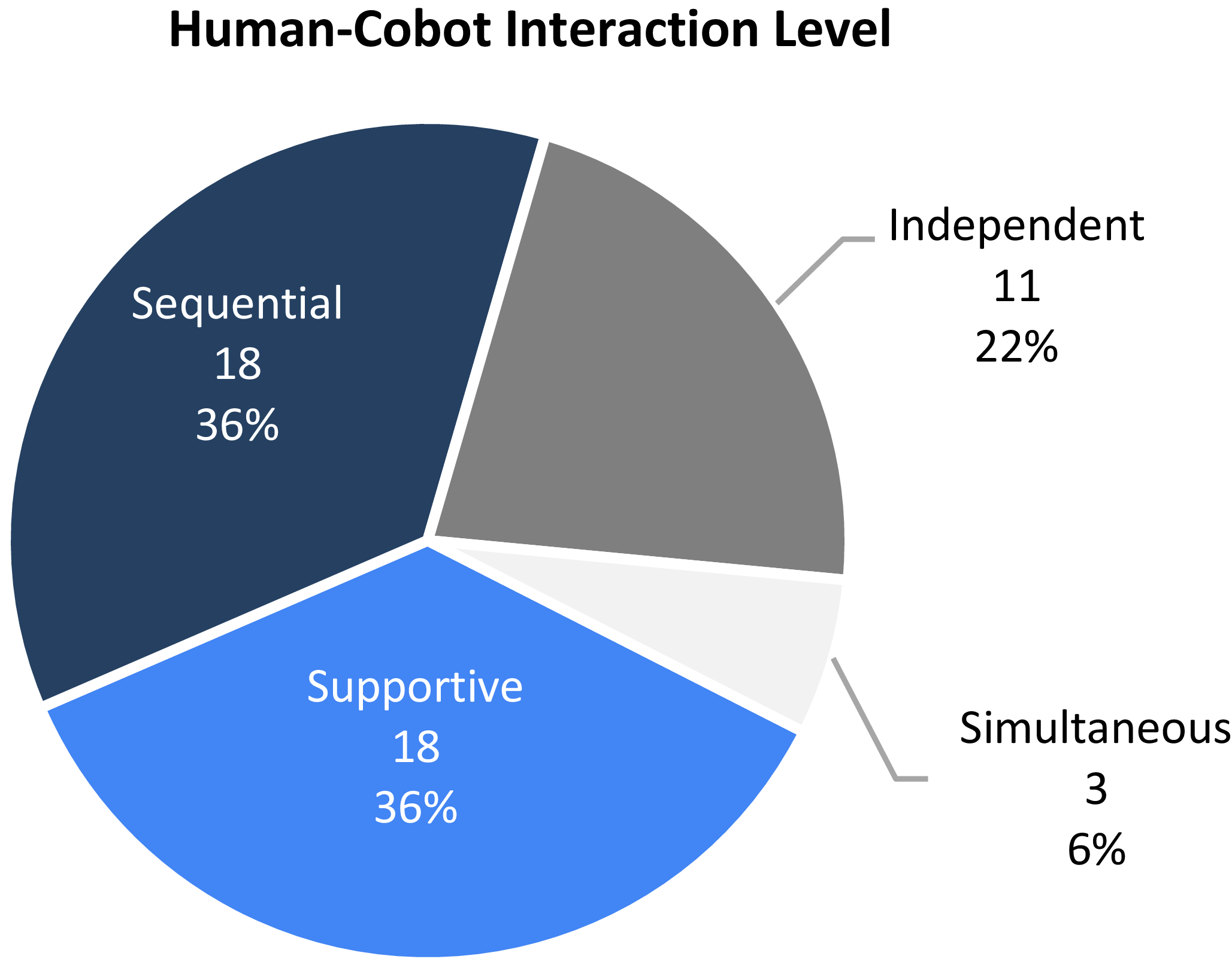
Considering this classification, Fig. 16 shows that in most of applications, the cobot and human operator work sequentially to complete a common assembly process.
Interaction levels for applications identified.

One of the key reasons for deploying collaborative robots (cobots) in assembly processes is their ability to handle repetitive tasks or operations performed in awkward positions. Several studies, including those by Henrichs et al. [Reference Henrichs, Zhao and Mutlu73], Schröter et al. [Reference Schröter74], Quenehen et al. [Reference Quenehen, Pocachard, Klement, Lionel and Gibaru75], Gualtieri et al. [Reference Gualtieri76], Colim et al. [Reference Colim, Faria, Cunha, Oliveira, Sousa and Rocha69] and Fast-Berglund et al. [Reference Fast-Berglund77], highlight this common application. Additionally, cobots are frequently introduced to optimise operations that are time-consuming, reducing both cycle times and idle periods, as evidenced in research by Merati [Reference Merati78], Papanagiotou et al. [Reference Papanagiotou, Senteri and Manitsaris79] and Palomba et al. [Reference Palomba, Gualtieri, Rojas, Rauch, Vidoni and Ghedin5]. Moreover, a significant portion of applications (36%) involves cobots working collaboratively with human operators. In these cases, cobots complement human efforts, assisting in tasks designed to alleviate physical strain, such as handling heavy loads. Studies by Hanna et al. [Reference Hanna, Per-Lage, Ekström and Bengtsson80], Dombrowski et al. [Reference Dombrowski, Stefanak and Perret81] and Bruno and Antonelli [Reference Bruno and Antonelli82] demonstrate the effectiveness of cobots in reducing human workload.
A lower number of applications considered the independent level of interaction. In this case, the cobot is used to perform segregated activities, with a lower interaction with the human operator. This is the case of assembly activities in which tasks can be segregated and performed in parallel. Simultaneous applications only account for 6% of applications, mainly because it is a situation with specific applications where human and cobot may work on a separate process in the same workpiece.
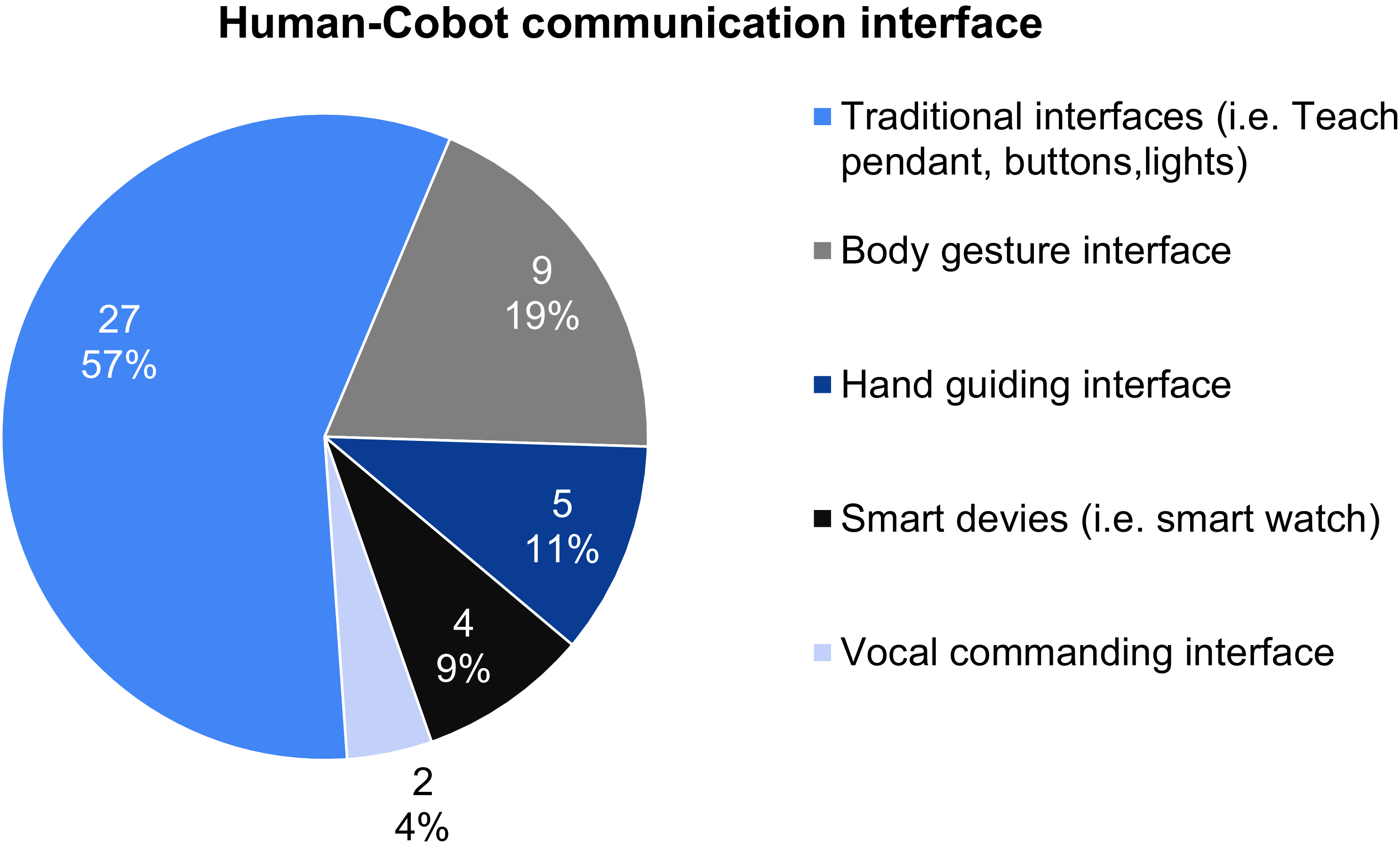
Communication interfaces also help to characterise the interaction between humans and robots. As presented in Fig. 17, almost 60% of the applications consider the use of traditional interfaces of communication, such as teach pedants, buttons and lights. This is the simplest communication option, which requires the lowest systems and infrastructure investments.
Communication interfaces in identified applications.

An increasing interest in alternative interaction and communication interfaces has been observed, with body gestures (17%), hand guiding (11%), and smart devices (9%) gaining traction. This trend aligns with VILLANI [Reference Villani, Pini, Leali and Secchi7], who highlight that more interactive methods for robot interaction and programming are crucial for driving the adoption of this technology in industrial environments. Additionally, communication via vocal commands accounted for only 4% of identified applications. This limited adoption is largely due to the nature of industrial settings, where high noise levels pose significant challenges for implementing effective voice recognition systems
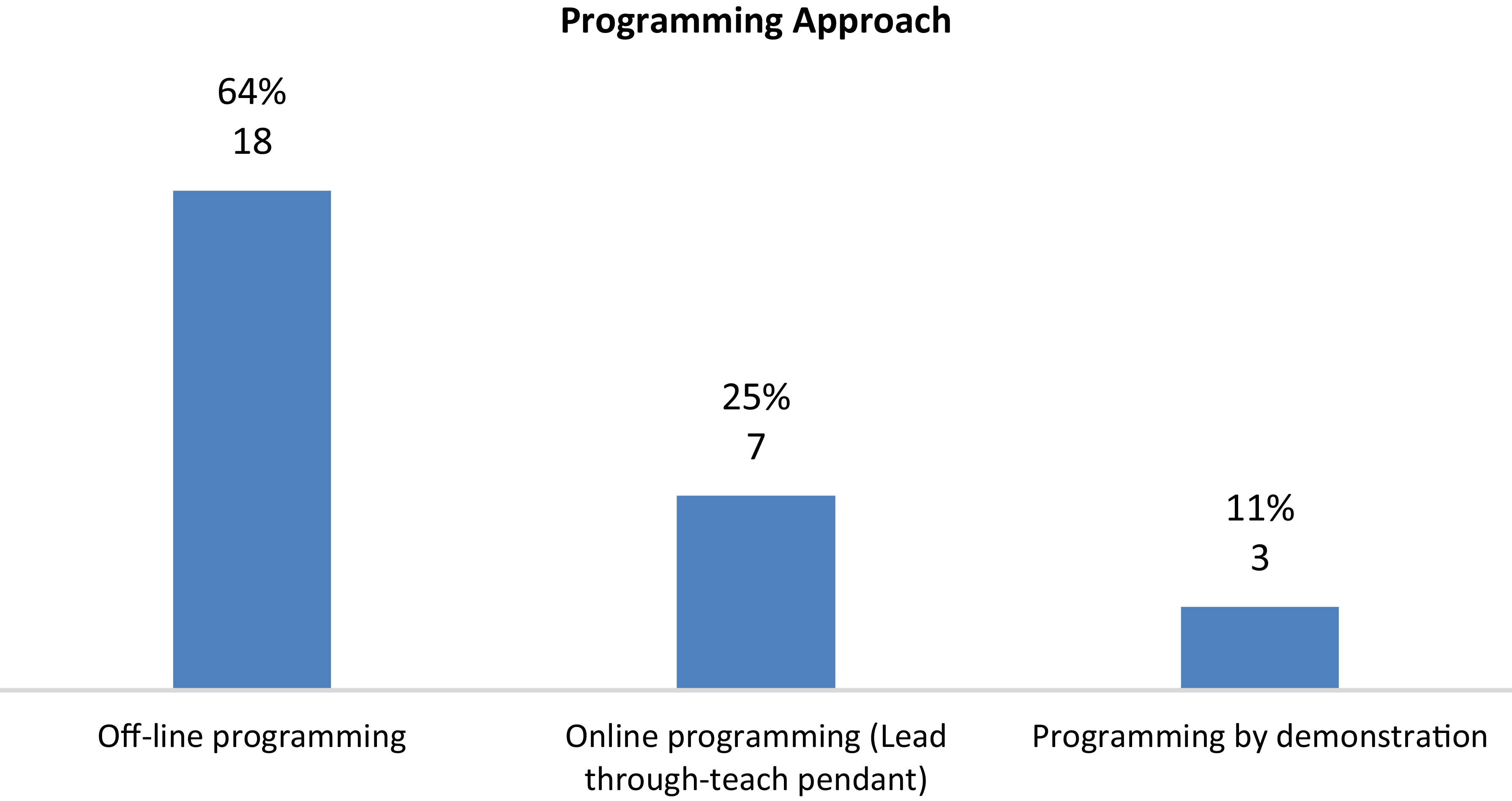
Aligned with the interaction level, the programming approach is a very important aspect of characterising the interaction between humans and cobots, as depicted in Fig. 18.
Programming approach considered by each application identified.

Considering the identified applications, the programming approach was, however, challenging information to collect, since a considerable number of applications did not present in an explicit way the approach used in programming the cobot. Notwithstanding, considering the collected universe of applications, it can be verified that most of the applications still consider the offline programming approach.
Offline programming consists of using software to program cobot trajectories out of the cobot physical environment, and further insert the program in cobot, while online programming uses the cobot resources to program its trajectory in the real workspace [Reference Pan83]. This approach has been widely used since it can generate flexible robot programs for complex robot paths, allowing the virtual commissioning of the solution before testing in the real scenario. Additionally, it allows reuse codes, flexibility for modification, and less system downtime during the programming stage [Reference Pan83]. Finally, it is aligned with the previous results, compatible with the traditional communications interfaces.
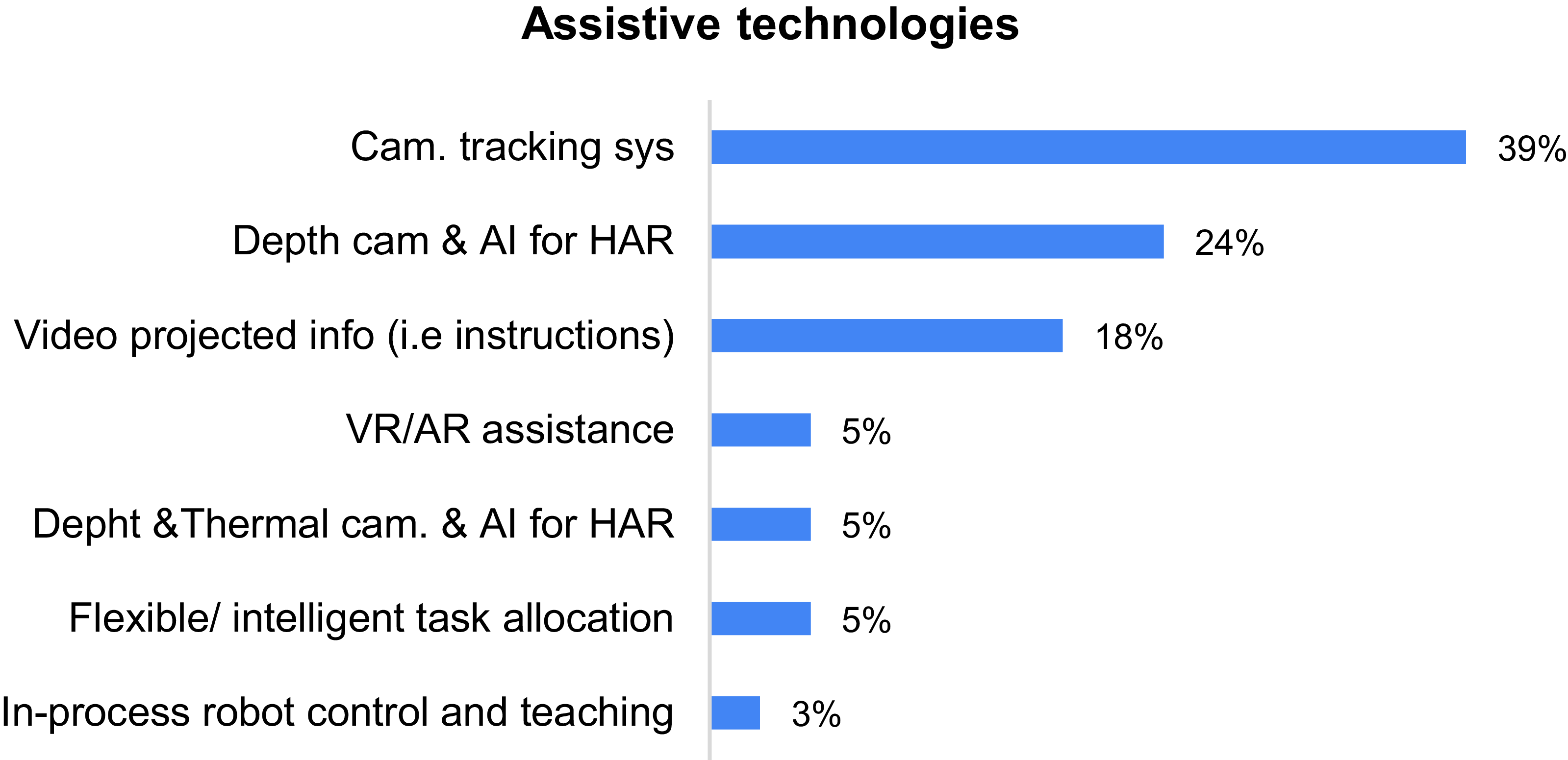
Composing the characterisation of the interaction strategies, the use of assistive technologies was also mapped, as depicted in Fig. 19.
Assistive technologies used in mapped applications.

The main technologies identified were related to camera systems, aiming to enable better interaction between human and robot. From identified applications, 39% considered the use of a camera tracking system communications, in most cases, to track human movement and predict collisions or replan the cobot trajectories. Tunstel et al. [Reference Tunstel84] presented the use of a camera tracking system connected to software that allows the identification of external information (e.g. movements in the work cell), and dynamic motion planning according to the information collected. Dahl et al. [Reference Dahl, Bengtsson and Falkman85] also consider the application of a camera that identifies the position of the human, and the human body elements such as arms, and uses this information in the control system to reprogram the sequence of the activities performed by the robot if necessary. Similar uses are presented by Cherubini et al. [Reference Cherubini, Passama, Crosnier, Lasnier and Fraisse86] and Hanna et al. [Reference Hanna, Per-Lage, Ekström and Bengtsson80], focusing on reducing collisions risks.
Another verified application of camera tracking systems was to allow cobot to identify the position of pieces and objects. This is the case of the studies presented by Johnson et al. [Reference Johnson87], Karaulova et al. [Reference Karaulova, Andronnikov, Mahmood, Karaulova, Andronnikov, Mahmood and Shevtshenko88], Wedin et al. [Reference Wedin89], Salunkhe et al. [Reference Salunkhe, Stensota, Akerman, Berglund and Alveflo2] and Li et al. [Reference Li90]. More sophisticated camera systems were also identified to represent a high percentage of applications, including applications with the use of depth and thermal cameras in conjunction with artificial intelligence to allow human action recognition. In this case, this technology aims to identify and predict human operator’s movement to avoid collisions and increase the operational efficiency, once the cobots can automatically adapt its trajectory to comply the assembly tasks. In the aeronautical industry this would be a useful aspect to be considered in a fully physical coordinated subpart assembly, where the robot may assume the load of a clumsy part (e.g. a rib) while the operator performs rib in restricted spaces.
The use of these advanced cameras is presented in several papers as De Gea Fernández et al. [Reference De Gea Fernández91], in which, three RGB-D cameras monitor the common human–robot shared workspace to ensure real-time collision-free robot movements. Another presented use is reported by Papanagiotou et al. [Reference Papanagiotou, Senteri and Manitsaris79], where two RGB-D cameras are used to record different points of view of gestures and poses of the operator, to build an external perception layer for the robot that facilitates spatiotemporal adaptation, in accordance with the human’s behaviour. Similar applications are also presented by papers Dahl et al. [Reference Dahl, Bengtsson and Falkman85], Paniti et al. [Reference Paniti92] and El Makrini et al. [Reference El Makrini93]. It is also interesting to notice that all applications that consider other communications interfaces such as body gesture require the use of assistive technologies like camera tracking systems to allow their operation.
Finally, the use of other assistive technologies such as intelligent task allocation, and virtual/augmented reality showed to be in a lower level of importance for this type of application. The exception is related to video-projected information which presents an interesting aspect that has to be addressed in the design of a collaborative scenario, that consists of keeping not only the cobot aware of the human operator’s movements but inform the human operator about important aspects of the operation. This technology was adopted in applications such as Mueller et al. [Reference Mueller94], Palomba et al. [Reference Palomba, Gualtieri, Rojas, Rauch, Vidoni and Ghedin5], Hanna [Reference Hanna, Per-Lage, Ekström and Bengtsson80], Henrichs et al. [Reference Henrichs, Zhao and Mutlu73], Costanzo et al. [Reference Costanzo95], Gualtieri et al. [Reference Gualtieri76] and Gjeldum et al. [Reference Gjeldum96].
Based on the findings presented, the human–cobot interface stands out as one of the most critical factors in designing a successful collaborative application. This perspective aligns with Villani et al. [Reference Villani, Pini, Leali and Secchi7], who emphasise the importance of interaction methodologies in industrial environments. In the context of manufacturing assembly activities, research indicates a prevailing tendency toward traditional communication interfaces combined with offline programming. However, applications incorporating body gesture-based interaction, alongside assistive technologies such as camera tracking systems and artificial intelligence, show significant potential and should be explored further for their benefits in enhancing human–robot collaboration. Despite these advancements, the development of assistive technologies to facilitate deployment remains a challenge and presents an opportunity for future research. With 70% of industrial applications still relying on conventional interfaces, addressing this gap will be essential for optimising cobot integration and interaction.
4.6 RQ5: How have safety issues been considered in applications?
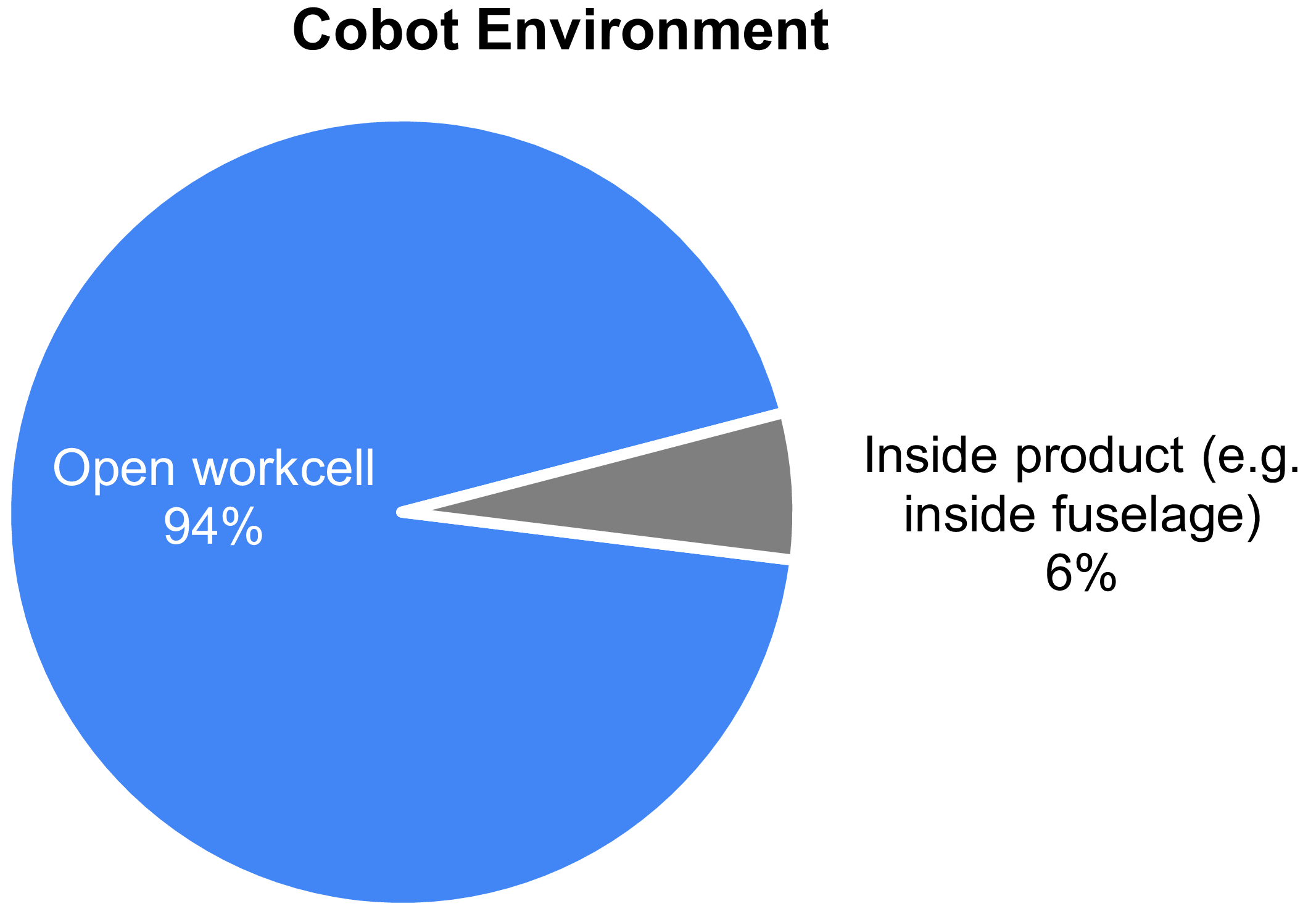
One of the key advantages of cobots is their ability to integrate automation into manufacturing processes without requiring physical separation from human workers. Consequently, none of the identified applications incorporated barriers between cobots and humans. Moreover, over 90% of the applications involved deploying cobots within fully open work cells, as illustrated in Fig. 20. A notable exception is found in aeronautics, where cobots are implemented within confined spaces. This divergence is specific to the aerospace industry, as aircraft size provides sufficient space for cobots to operate internally, making it a distinct case compared to other industrial sectors.
Environment where cobots were deployed.

It is important to highlight that the insertion of cobot inside of aircraft’s fuselage is a great advance in increasing the level of automation in aeronautical manufacturing. The aircraft assembly encompasses several stages that are mostly performed manually by human operators, where activities inside the fuselage are performed in parallel. In this case, industrial robots are not suitable once would require the segregation of the area from humans, limiting the number of activities to be performed inside the aircraft. However, as cobots can work sharing the same workspace of humans, applications for assembly operations inside aircraft fuselage now can be explored.
Safety is a fundamental aspect to be considered in the design of an automation solution, especially a collaborative application where humans and robots works side by side [Reference Villani, Pini, Leali and Secchi7]. Safety aspects for collaborative robots’ applications follow the ISO technical standards, including ISO 12100 (basic safety standards for machinery), ISO 13849-1 and ISO13850 (related to safeguarding) and the specific technical standards for industrial robots – ISO 10218, 10218-1 and 10218-2. Considering the insertion of collaborative robots, ISO TS 15066 was developed in addition to ISO 10218, defining guidance on cobots operations [Reference Villani, Pini, Leali and Secchi7]. According to these specified standards, four possible operative modes for cobots were defined, as follows:
-
• Safe monitored stop (SMS): The cobot only moves if the human operator is outside of the collaborative workspace. The workspace generally is marked by laser sensors that detect objects, and when the human operator enters to perform any tasks, the cobot’s motion stops until the operator leaves.
-
• Speed and separation monitoring (SSM): Human operators are allowed to enter the collaborative workspace. In this case, the robot motion speed decreases/increases according to the distance between the human and the robot, with a distance limiting where cobot stops.
-
• Hand guiding (HG): This mode goes a step further in collaboration. In this case, contact between human and robot is allowed, once the operator is able to guide the robot by moving it by hand.
-
• Power and force limiting (PFL): This mode follows a complete collaborative workspace, dealing with the possibility of unpredicted collisions between human and robots. In this case, the maximum forces allowed to contact each part of the human body are defined, and this information enters as a restriction for the robot, limiting the torque allowed in each of the robot joints.
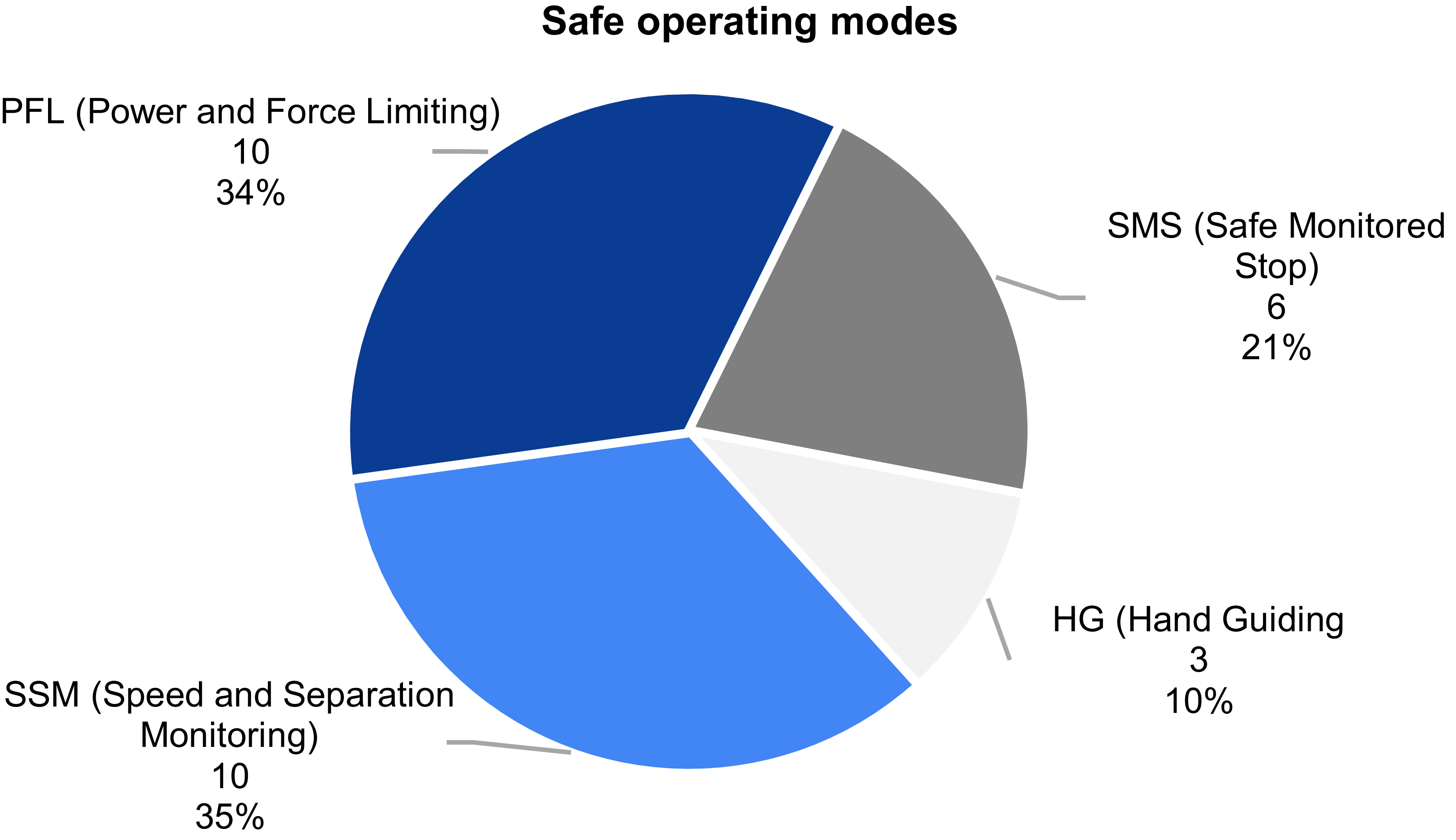
According to the identified applications (Fig. 21), SSM and PFL were the operating modes most used, representing almost 70% of the applications. The use of each operating mode depends on several aspects, mainly on the desired level of interaction between human and robot. It was verified, as expected, that almost all applications using power and force limiting collaborative mode consider the highest interaction levels (supportive and simultaneous). On the other hand, applications using speed and separation mode are related, in many cases, to independent and sequential applications, which include a lowest level of interaction.
Collaborative operating modes identified.

The hand guiding operating mode represented the lowest percentage of applications identified (10%). All applications consider the highest interaction level between human and robot, where both works synchronously to complete the assembly process, where contact between both is expected. As verified by the identified applications Dombrowski et al. [Reference Dombrowski, Stefanak and Perret81], Dahl et al. [Reference Dahl, Bengtsson and Falkman85] and Johnson et al. [Reference Johnson87], one great advantage of this operating mode is the flexibility of applications aligned with the lowest investments, since it doesn’t require investments on cameras or other systems for localisation and identification. However, in this case the human operator still needs to perform assembly movements, which requires a detailed analysis of the operating scenario to ensure that ergonomics challenges will be solved.
Finally, the SMS operating mode presented a considerable number of applications (21%). As presented before, this operating mode allows the lowest level of collaboration, once limits the operation of the cobot only when a human operator is outside the collaborative workspace. Although, this mode is the simplest to implement considering safety aspects, which can turn into an alternative depending on the application characteristics and interaction levels required. However, with the increase of technologies that allows a safe collaborative interaction between humans and cobots, this operating mode turns less appropriate because it limits the mutual operations between human and cobot, reducing the productivity and the benefits expected by the collaborative usage [Reference Yuschenko97].
Considering all aspects presented, it can be verified that the cobots have been deployed in scenarios that can exploit their maximum benefits: work cells without any separation from humans, operating in modes with a high level of collaboration.
4.7 RQ6: What is the representativeness of the existing applications?
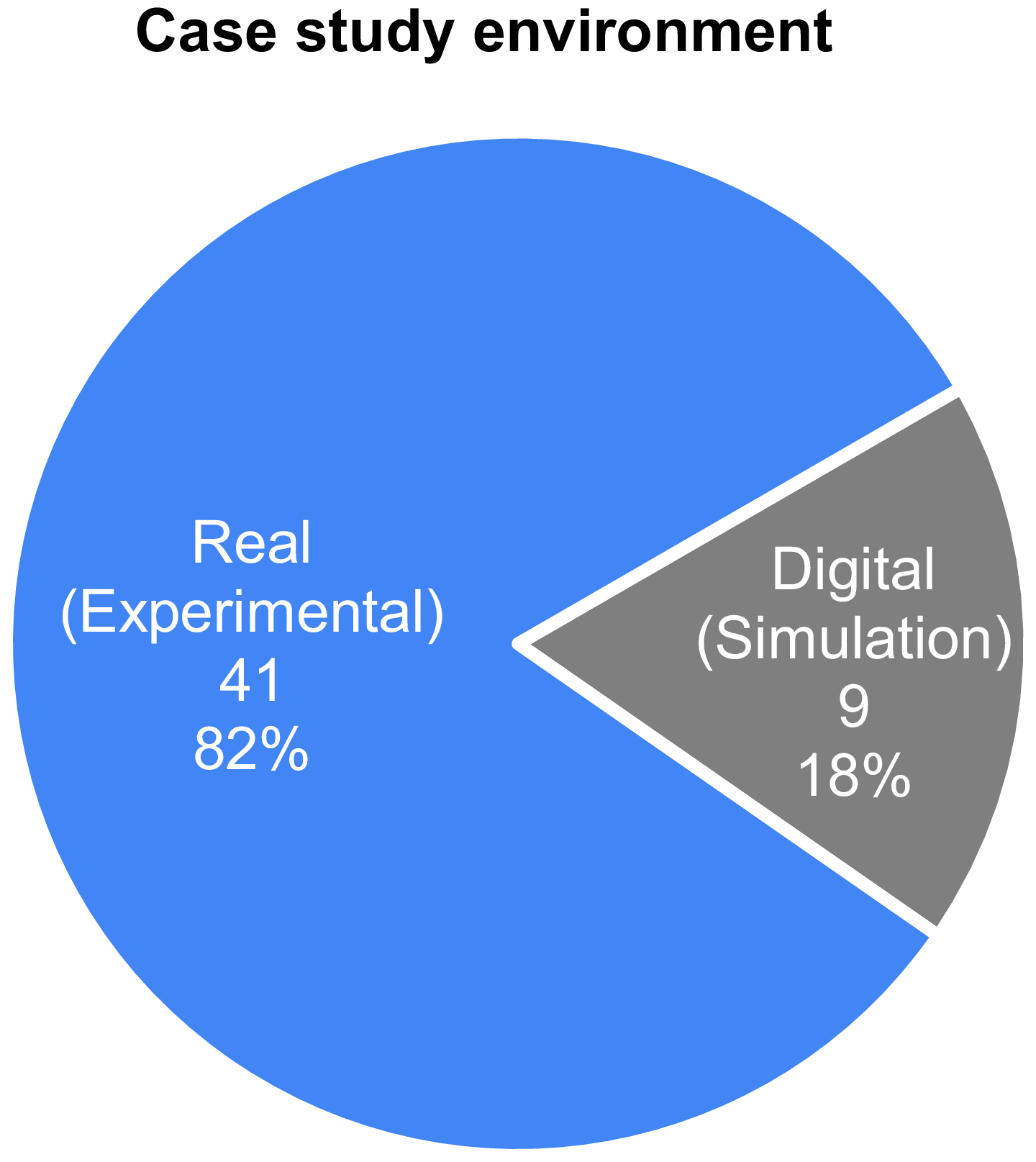
An important aspect of mapping the deployment of collaborative robots in assembly operations is the technological readiness of the applications. In this sense, Fig. 22 depicts the first aspect analysed: the environment of the studies.
Identified applications’ environment.

Figure 22 highlights that over 80% of the studies were conducted in real-world environments, while 20% utilised digital simulations. The adoption of digital simulations, including digital twins, is increasingly shaping the development of new processes. As Baskaran [Reference Baskaran98] suggests, simulation serves as a crucial preliminary step before real-world deployment, enabling the early identification of potential challenges and constraints. By generating multiple solution configurations and scenarios, simulations significantly enhance planning accuracy and improve decision-making processes.
However, even with the high level of details a model can achieve in digital simulations, applications in a digital environment tend to lack representativeness. To understand how the current technological representativeness of applications is, a classification scale with four levels is defined herein:
-
• Digital mockup: Solution purely implemented in simulation environment.
-
• Laboratory demonstrator: System representing part of the functionalities and/or in laboratory environment.
-
• Full-scale prototype: System containing full functionalities and with representative environment.
-
• Industrial system: System applied in industrial environment.
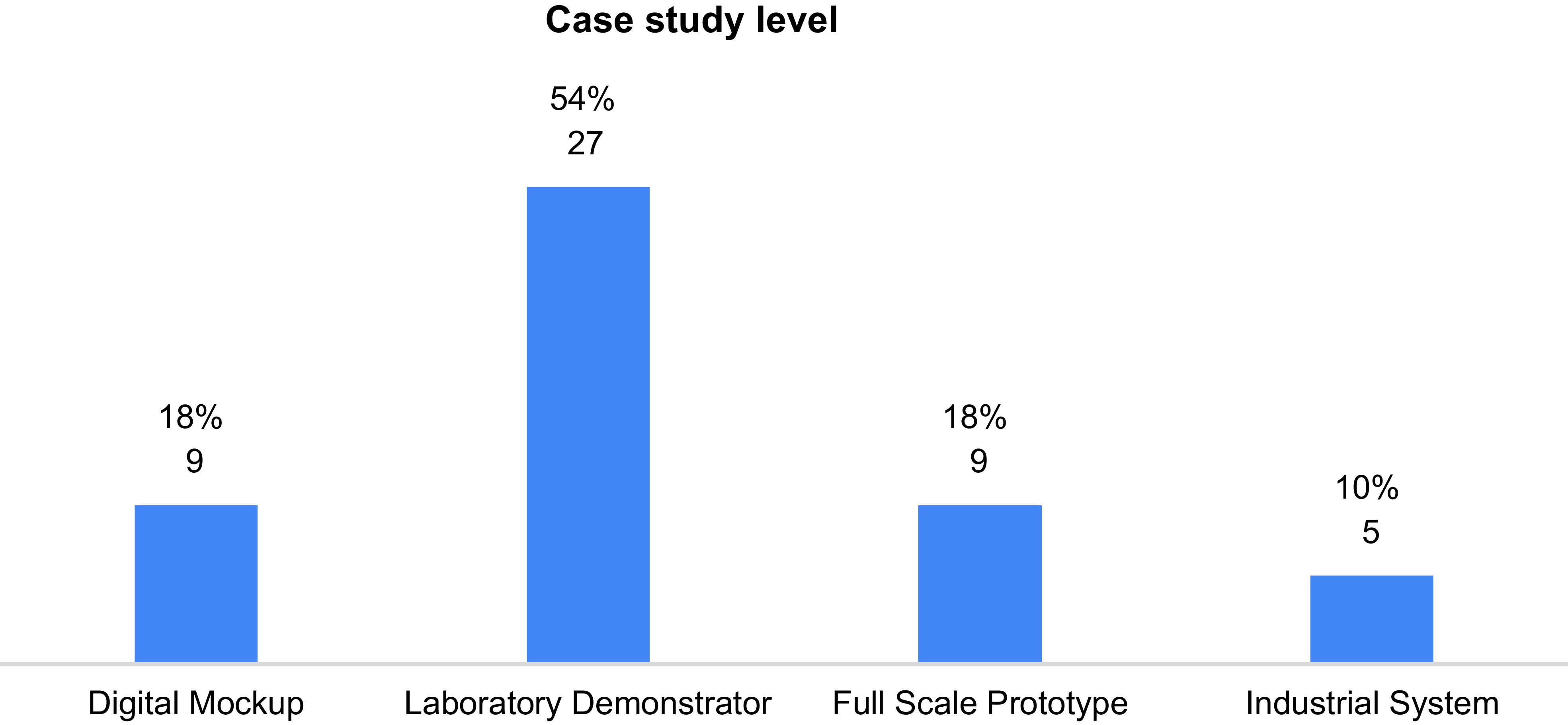
We call this classification scale because both it defines relevant common aspects the applications share and reflects the fact that from a ‘digital mockup’ to a final ‘industrial system’ there exists a reasonable amount of resources to be apported on applied research. Figure 23 shows this excerpt view of identified applications.
Applications’ representativeness level.

From Fig. 23: Applications’ representativeness level, one can notice more than 70% of selected applications still in a low level of representativeness, as they are performed in a digital environment or at a laboratory demonstrator level. A common characteristic of these applications is to use these environments to perform tests, verify functionalities, design solutions or compare scenarios.
However, an interesting finding is that almost 20% of identified studies are already using a full-scale prototype applied to a representative environment, being related to a TRL near to the required for deployment in a real environment. Furthermore, 10% of identified studies are already at an industrial system level, implemented in the real manufacturing environment.
4.8 Summing up systematic literature review
Figure 24 summarises the main characteristics of the industrial applications analysed in the first part of this work.
Collaborative assembly concept tendency and opportunities identified in the research.

It brings trends and opportunities to collaborative robotics according to the different aspects analysed in this systematic literature review. Two applications are related to aeronautics assembly processes, implemented at GKN industries. Another application is related to the automotive industry, where the solution was implemented in an Audi assembly plant. Another implemented industrial system is related to a specific application, related to medication storage unit assembly, which is used in the pharmaceutic industry. One interesting point to be mentioned is that the last three applications identified related to furniture assembly. This point suggests a potential industrial segment to be enhanced by HRC, aiming at the reduction of human workload, representing a potential application for aircraft final assembly.
5.0 Research and development trends – towards smart robots in industry
This section begins reviewing the newest patents issued on collaborative robotics in processes of the aircraft manufacturing industry. Then, it brings the most recent research line vented by the robotics research community: the industrial smart robotics. The discussion is structured to show novel techniques and challenges that need to be addressed by the R&D community in the next years to make technology reliable for industry in the next five years.
5.1 Patents and innovations on cobots and aircraft assembly
Having the keywords defined in Table 2 and some of the insights drawn in the previous section as index terms in the Google patents base, an initial priority study is performed in this section to provide an overview of the state of the technique on systems integration and collaborative robotics applied to the problem of aircraft final assembly.
For instance, a search for index 10 from Table 2 (‘Collaborative Robots’ AND ‘Aircraft Assembly’) returned to just seven results from 2016 until 2023, as depicted in Fig. 25.
Summary of Google Patents results for search of index 10 from Table 2. Source: Google Patents base search results.

It is interesting to observe that among these results, four patents were assigned by Boeing Co (two of them, JP6668395B2 and JP7050502B2, being granted in 2020 and 2022, respectively). The applications from Boeing seem to be snipping parts of a broader solution for fuselage structural assembly. The Boeing solution does not deal directly with the aircraft final assembly. It is a device for supporting four collaborative robots and the human operator within a narrow working envelope while performing the structural assembly of the rear/tail and nose of the fuselage. No additional info is provided regarding the specific activities and functions performed by the robot end-effector, being the base platform and the work platform with their mechanical aspects mostly claimed by the inventors to provide a collaborative workspace for the robot and the human within the fuselage assembly.
A more interesting result to be mentioned among those summarised in Fig. 25 is the patent US20230185288A1, recently (Dec. 14, 2022) applied by Airbus SAS. It comprises a system for cognitive assistance in aircraft assembly, including a system to monitor the assembly process and acquire physical and physiological data on a human worker performing assembly operations. The solution from Airbus is directed to aircraft interior assembly, especially equipment and system installation and cabin assembly. However, recognising nature as largely manual, little automated and therefore very personnel intensive of these activities, the inventors diminish the importance automated tasks by collaborative robotics due to the high degree of customer-specific product variants and their perception that the interaction and collaboration between human and digital co-workers in assembly operations may tend to be insufficient and error- and/or accident-prone. Therefore, it is an object of the patent to find solutions for aircraft assembly and quality control with increased efficiency and flexibility and enhanced automation potential. The claims of their invention are a cognitive model of the human worker on a data-processing device that is coupled to the monitoring system to receive acquired physical and physiological data of the human worker, the cognitive model configured to provide state information on the human worker and prognostic data on expected behaviour of the human worker during the aircraft assembly process. The state information and the prognostic data are continuously updated during the aircraft assembly process. A system control is coupled to the monitoring system and the cognitive model to assess current state of the aircraft assembly process based on the monitored aircraft assembly process. The information provided can be used by the system control for adaptation and updating the programmed assistance tasks, e.g. by changing the sequence or assignment of activities in the collaborative assembly scenario (e.g. taking the task to provide material and/or tools initially assigned to the human co-worker).
First search results coming from the use of each search index from Table 2 are depicted in the following. The call for index 1 and index 2 returned 186 and 182 results, respectively (Fig. 26), from 1983 to 2024/2025, being just 2 from Boeing. The call for index 3 returned just 2 old results (prior 2014, both abandoned or withdrawn). The call for index 4 returned 11 results, being just 2 from Boeing (the same that were previously returned for search of index 1 and index 2). The call for index 5 returned 41 results, one of them being assigned to Airbus Operations Gmbh (less related to the aimed process) and two of them to Boeing (the same that were previously returned for search of index 1 and index 2). The call for index 6 returned 636 results (Fig. 27) from 2016 to 2024/25, 14 coming from Boeing. The search for index 7 returned to 703 results (Fig. 27) from 2019 to 2024/25, with 13 coming from BAE Systems. The call for index 8 returned just 2 results from 2019 to 2024/25, being 1 from Safran Nacelles and 1 from Mind SRL for composite processing. The call for index 9 returned 52 results (Fig. 27) from 2013 to 2022/25, 12 coming from Boeing (already obtained from previous search) and 1 from SAAB Ab (less related, a solution for profile manufacturing tool assembly). The call for index 11 returned 70 results, 7 of them interestingly coming from Elementary Robotics Inc. The call for index 12 returned 67 results. The call for index 13 returned just 1 result from Augean Robotics Inc. The call for index 14 returned 11 results (mostly the same as Boeing). The call for index 15 returned coincidently 15 results (the same already gathered previously).
Summary of Google Patents results for search from Table 1: of: (a) index 1; and (b) index 2; (c) index 5.

Summary of Google Patents results for search from Table 1: of: (a) index 6; and (b) index 7; (c) index 9.

The initial relevant aspects drawn from this priority study are:
-
(1) Patents on collaborative robotics and aircraft assembly have been increasing especially since 2019, which suggests a good technological trend in this direction.
-
(2) The main applicants have been companies from the aeronautical/aerospace sector, such as Boeing and Airbus, although the presence of other systems integrators from this sector is becoming apparent (e.g. BAE Systems).
-
(3) The specific subject of the aircraft final assembly aided by means of collaborative robotics within the restricted workspace defined by the interior of the product is relatively new and, as pointed by the detailed review of the patent US20230185288A1, from Airbus (2022), regarded as extremely complex and therefore subjected to more opportunities for innovation.
5.2 Smart robotics
The systematic literature review outlined in the previous section highlights several significant challenges that continue to damp the advancement of collaborative robotics in industry, particularly within final assembly operations in the aeronautics sector. This complex context, characterised by unstructured and confined environments, demands not only the integration of cobots but also the incorporation of complementary technologies (such as advanced communication interfaces and various collaborative mobile platforms) and methods (including intelligent system models). These enhancements are crucial to boost autonomy through improved decision-making and real-time trajectory generation.
Demanding research for smart robotics. Built by authors from different sources.

Because of that, current R&D claims for industrial smart robotics, in which we expect industrial robot systems to ‘have the capabilities of intelligent sensing, sustainable learning, smart decision-making, dexterous manipulation, and precise control so that they are able to adapt to complex manufacturing environments and perform complicated manufacturing operations’ [Reference Liu, Liu, Xu, Wang and Zhou99, Reference Liu, Wang, Makris and Krüger100]. A conceptual map defining this vision, postulating some research topics for the next five years, is illustrated in Fig. 28.
As depicted in Fig. 28, future advancements must go beyond ensuring the safety of human–robot collaboration. Academia and industrial development should prioritise significant efforts in areas such as robot learning, path planning and online trajectory generation, as well as digitalisation and intelligent sensing. These developments will enable robot systems not only to perform inspections but also to adapt dynamically to ongoing processes. This vision aligns with the need for more interactive methods of interacting with and programming robots raised by our SLR (Section 4). Besides that, it resonates with the specific demands of final assembly operations in the aeronautic industry, where a complex environment requires more autonomy.
6.0 Conclusions
The systematic literature review presented in this paper has shown how collaborative robots have been applied for assembly tasks in the manufacturing industry. The main motivation for the deployment of cobots in assembly operations relies on the reduction of human workload and cycle or idle times reduction. To perform these activities, human operators and robots must work in a collaborative space, without any separation. Most applications considered operating modes with a high level of collaboration, having power and force limiting safety-laws. In addition, hand-guiding mode is found as a key technique to achieve high level of flexibility, which raises importance of efficient impedance and admittance control and online trajectory generation strategies.
A special interest in the aeronautics industry is posed in this paper. Some important remarks and findings obtained for this industrial segment are:
-
• The aeronautics industry also has been found to be a fertile field to define collaborative applications, mainly in final assembly operations, where the cobot could be used inside the aircraft cabin, working alongside humans, improving ergonomics and process quality control.
-
• The use of collaborative robots in the furniture industry seems to have the potential for reducing human workload in repetitive tasks, while increasing productivity.
Finally, from the review on prospective research subjects on smart robotics, the roadmap suggested for industry and academy is:
-
• Perform novel developments incorporating a sort of reinforcement learning and path planning optimisation techniques to allow not only more interactive ways to interact and program robots but also enhanced autonomy and decision-making.
-
• Successful human–robot collaboration is dependent on the interaction and communication interfaces. For identified applications a tendency to use traditional communications interfaces aligned with online programming is verified. However, applications considering body gesture communication interface, aligned with assistive technologies such as camera tracking systems and artificial intelligence must be considered for further application. Thus, studies to develop these technologies are recommended in the aeronautical industrial scenarios.
Data availability statement
All data generated or analysed during this study are included in this published article.
Acknowledgements
The São Paulo Research Foundation (FAPESP), by means of FLYMOV (Process No. 2021/11258-5), Coordination for the Improvement of Higher Education Personnel (CAPES), and the Brazilian Financier of Studies and Projects (FINEP), by means of the Project CAPTAER III (No. 01.22.0313.00).
Authors contributions
Conceptualisation, Felipe Miotto; Data curation, Felipe Miotto and Wesley Oliveira; Funding acquisition, Emília Villani and João Mello; Investigation, Felipe Miotto and Wesley Oliveira; Methodology, Felipe Miotto; Supervision, Emília Villani and Joao Mello; Writing – original draft, Felipe Miotto and Wesley Oliveira; Writing – review and editing, Felipe Miotto, Wesley Oliveira, João Marcos Mello, and Emília Villani.
Competing interests
The authors declare that they have no known competing personal relationships that could have appeared to influence the work. The authors have no relevant financial or non-financial interests to disclose.