Introduction
The notion and evidence that different individuals show a wide heterogeneity in the response to psychotropic compounds is not new, as the first paper on this topic was already published about 40 years ago,Reference Lawson 1 while leading to the conceptualization of transcultural psychopharmacology as a branch of transcultural psychiatry.Reference Pi and Simpson 2 Transcultural psychiatry (TP), defined by Prof. Murphy as: “the study of the relations between mental disorders and the psychological characteristics which differentiate nations, peoples or cultures,” had already become a section of the World Health Organization in 1982.Reference Corin and Bibeau 3 Transcultural psychopharmacology complements TP, as its aim is to explore the existence and origin of possible differential pharmacokinetics and pharmacodynamics among various ethnic groups.Reference Pi and Simpson 2 , Reference Corin and Bibeau 3
The increasing economic, social, and political problems that different ethnic communities have to face nowadays, coupled with climate changes determining a progressive desertification in several developing countries, are provoking migration fluxes of large numbers of individuals toward wealthier countries of the northern hemisphere.Reference Kirmayer, Narasiah and Munoz 4 , Reference Jensen, Norredam, Priebe and Krasnik 5 This factor and the recent advancements in clinical pharmacology and pharmacogenetics further reinforce the need of individualized treatments that involve all health providers and even mental health providers, especially, but not only when operating in emergency situations.Reference Pi and Simpson 2 , Reference Corin and Bibeau 3
For this reason, the topic of transcultural psychopharmacology appears “hot” and timely, and not only suitable for limited psychiatric reflections, given the deep social implications. Not surprisingly, recently a special commission on the future of psychiatry has been created while putting together the converging efforts of both the World Psychiatric Association and The Lancet Psychiatry. 6 – 8 Indeed, although it deserves to be more thoroughly deepened, it is strongly suggested that the emerging and constant knowledge deriving from this research domain should be immediately transferred to the bedside, and inform as soon as possible the clinical practice with novel and appropriate instruments.
Unfortunately, we are still far from this ideal situation, because the response to a given psychotropic drug is the result of a multiplicity of different individual intrinsic factors, such as genetic predisposition, sex, age, and extrinsic variables related to cultural environment, climate, pollution, psychiatrist’s prescribing patterns, psychosocial and/or familial supports, mental health policies, concomitant medications, and life style habits, such as diet, tobacco consumption, and use of illicit drugs.Reference Brakoulias, Starcevic and Belloch 9 , Reference Marazziti, Stahl and Simoncini 10 Last, but not least, even ethnicity and race should be included among the main factors influencing psychopharmacological response, as already underlined in 2002.Reference Smedley, Stith and Nelson 11 However, the information in this field is very limited because the concepts of race and ethnicity are controversial and difficult to be defined, and also because in the past they were used to nurture the unfounded notion of racial inferiority/superiority.Reference Marazziti, Stahl and Simoncini 10 Indeed, the terms race and ethnicity are not overlapping, although sometimes erroneously used in this way in psychopharmacology. If both include also social constructs, the first is used to define populations based on typical physical features, while the second is a broader concept encompassing groups with a common sense of identity, historical, and cultural backgrounds and, often but not always, geography. Again, some authors considered useless to carry out specific studies in this field given the intra-racial genetic variability,Reference Wilson, Weale and Smith 12 , Reference Evans and McLeod 13 while other more correctly underlined how race and ethnicity are not a simple consequence of genetic, and two individuals with a similar genetic profile may show a differential ethnicity for cultural, social or diets leading to a different psychopharmacological response.Reference Doyle 14 As a result of these controversies, the racial/ethnic impact on psychopharmacology has been almost ignored by both researchers and clinicians for too long.Reference Goodman 15 , Reference Bamshad, Wooding, Salisbury and Stephens 16 Currently, this neglecting approach is no longer tenable for the increasing demand of psychiatric interventions from individuals coming from poor countries or escaping from local conflicts, and requiring personalized therapeutic strategies.Reference Burroughs, Maxey and Levy 17 However, it should be immediately underlined that, if some ethnic-related differences have been described in some parameters, the majority of data about psychopharmacology, side effects, and treatment response have been gathered in research or studies carried out in Europe and United States,Reference Mallinger and Lamberti 18 and extended tout court to other populations that in this way are exposed to risky reactions.Reference Miskimen, Marin and Escobar 19 It is perhaps the ripe time to move a step forward in the direction of a psychopharmacology that is really tailored and respectful of ethnic-related differences: it is a great challenge that must unavoidably be accepted and quickly resolved.
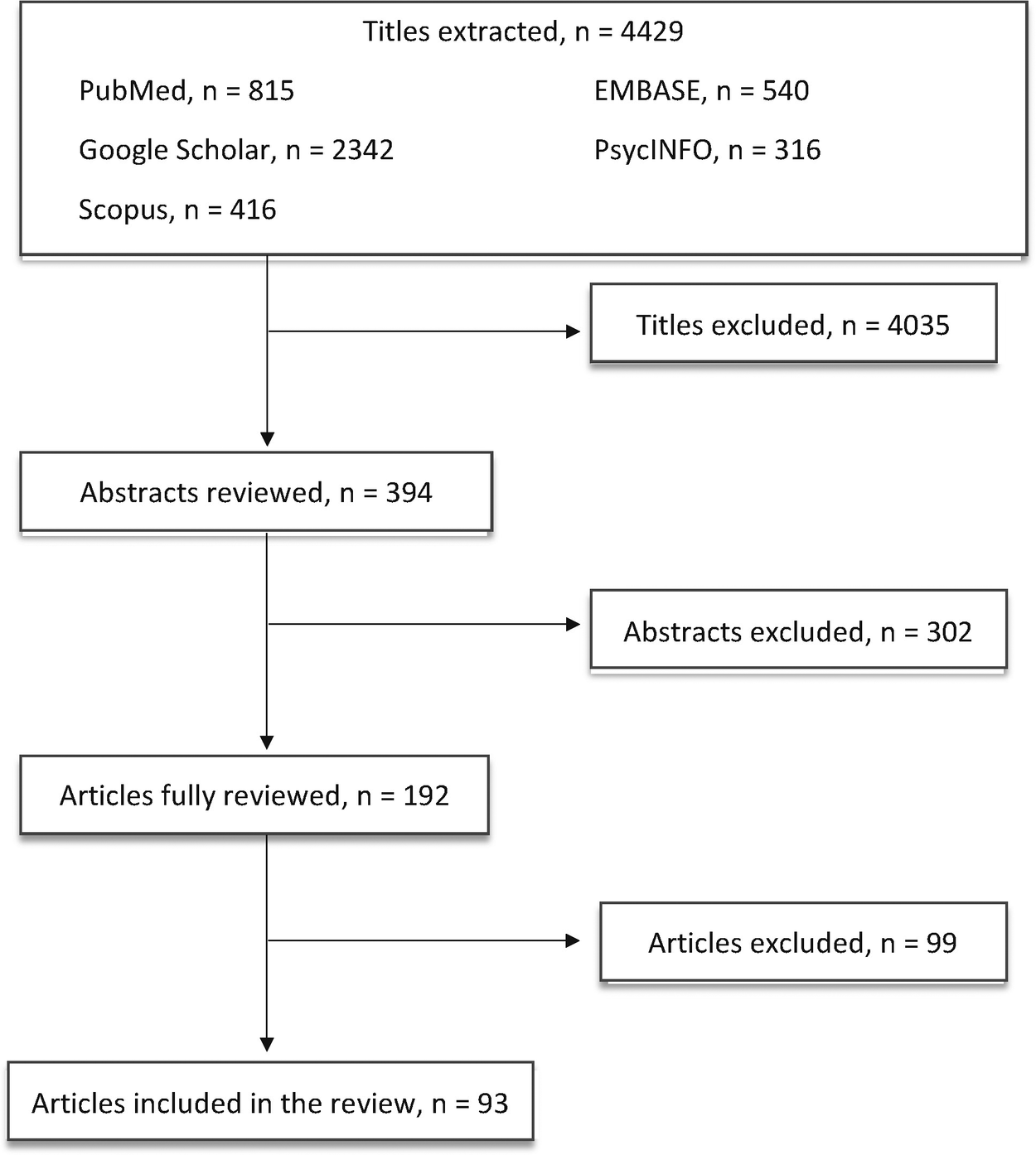
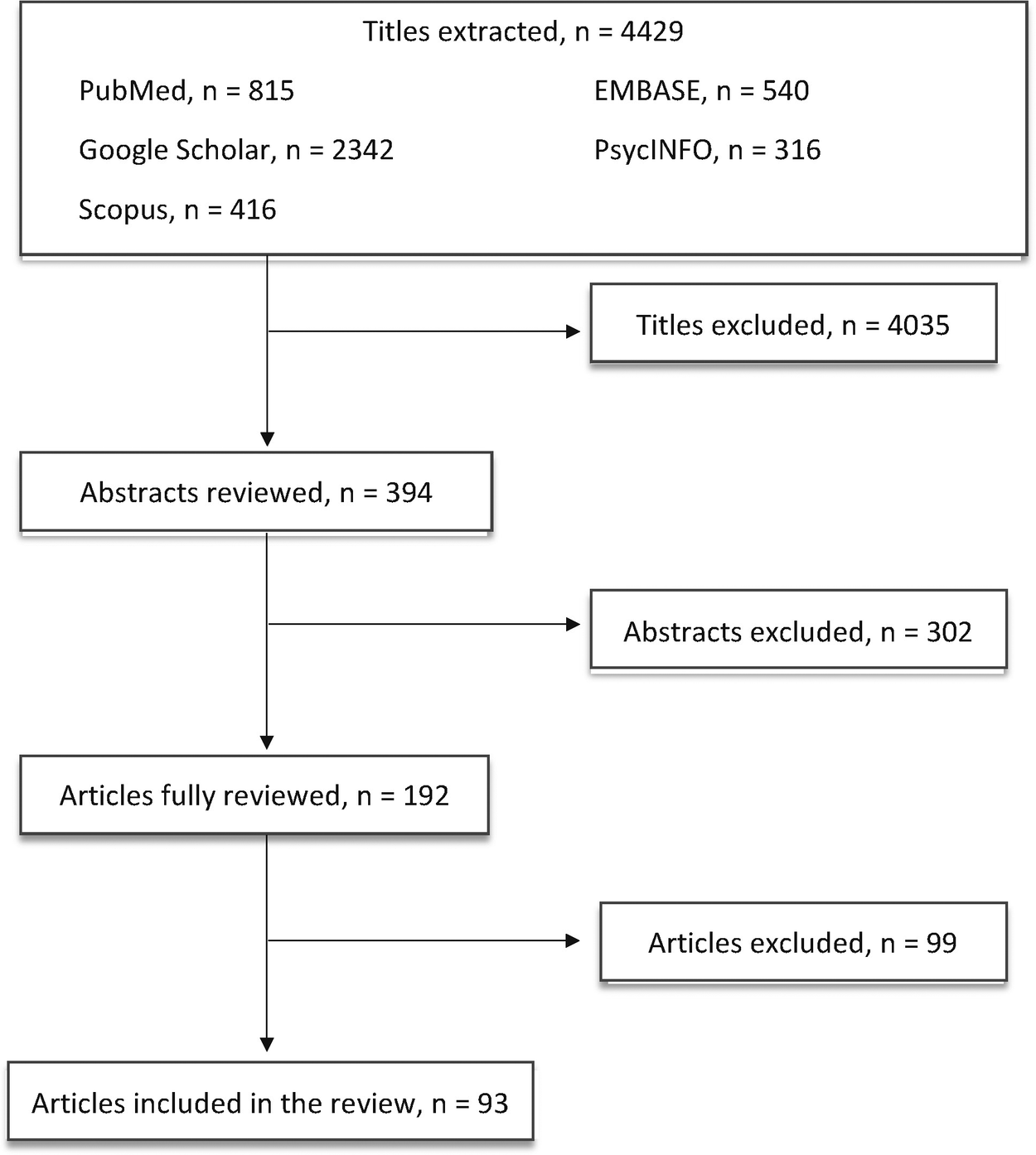
The present paper aims at reviewing the available literature highlighting the possible effect of ethnic factors on different variables within the psychopharmacological domains, such as rate of prescriptions, clinical response, side effects, and compliance, as well as on biological parameters influencing pharmacokinetics or pharmacodynamics of psychotropic compounds. According to the PRISMA guidelines,Reference Moher, Altman, Liberati and Tetzlaff 20 the databases of PubMed, Scopus, Embase, PsycINFO, and Google Scholar were accessed in order to research and collect English language papers published between January 1, 1970 and August 31, 2019. Free text terms and MeSH headings for the topics of psychiatric disorders, ethnicity, and psychopharmacology were combined as it follows: “(ethnicity AND psychiatry) AND (cytochromes OR antidepressants OR antipsychotics OR benzodiazepines OR mood stabilizers OR neurobiology OR treatment).” All the authors agreed to include in the review conference abstracts, posters, and case reports if published in indexed journals. The following inclusion criteria were adopted: studies carried out in clinical sample of adults and children/adolescents; reliable diagnosis of psychiatric disorders according to structured interviews and standardized criteria; and reliable assessment of outcome measures. All the authors equally contributed in identifying potential information specific to this topic among the titles and abstracts of the publications. The first selection excluded 4035 titles because: (a) duplicates; (b) not concerning the scope of the paper; and (c) not informative enough. The second selection excluded 202 abstracts after being read and reviewed, as the information reported did not fulfill the scope of our paper and/or the presented information did not seem relevant to the discussed topic. Subsequently, 99 publications were excluded after being completely read and evaluated, as they did not provide enough information and/or resulted sufficiently in line with our review. Finally, 93 papers were included in the present review (figure 1).
Article selection flow chart.
Body
Rate of prescriptions
The rate of prescriptions of psychotropic drugs in different populations is influenced by several variables: the education and culture of psychiatrists that may favor one diagnosis over another, the availability of medications, the mental health politics, and the licensed indications in each country. Last but not least, cultural factors play a pivotal role, as they include the patient’s beliefs and awareness to suffer from an illness that can be treated by doctors, rather than by magicians or by means of medical tools instead of potions or other alternative practices. Again, cultural factors may strongly affect the clinical presentations of psychiatric symptoms among various ethnicities and influence diagnoses.
Some data show that Africans, African-Americans, and African-Caribbeans seem not only more at risk for, but they are also overdiagnosed as suffering from psychotic disorders.Reference Fearon, Kirkbride and Morgan 21 , Reference Selten, Cantor-Graae and Kahn 22 On the contrary, globally, Caucasians undergo more visits (ie, as outpatients or inpatients) than Africans, Hispanics, and Asians, as well as being more likely to be treated for all psychiatric disorders (including bipolar, anxiety and substance use disorders).Reference Cook, Creedon and Wang 23
According to a meta-analysis, Caucasians are the principal utilizers of antidepressants (ADs), as well as having the highest AD expenditures. By contrast, African-Americans show the lowest rate of psychotropic drug prescriptions, while being more prone to use generic and older drugs, and Hispanics showing the lowest drug utilization.Reference Chen and Rizzo 24 Indeed, although prescription rates of ADs doubled from the end of 1990s to first half of 2000s in U.S. population, increasing from 5.84% to 10.12%, they were still significantly lower in African-Americans (3.61% vs 4.51%, in 1996 and 2005, respectively) and Hispanics (3.72% vs 5.21%).Reference Olfson and Marcus 25 This trend was confirmed subsequently by another study on American adult population (aged 20-79 years), which reported an increase in depression rates between 1992-1993 and 2007-2008 in non-Hispanic Caucasians (10.9% vs 14.0%; P < .001), African-Americans (4.2% vs 6.5%; P < .001), and Hispanics (4.8% vs 6.6%; P < .001) and, consequently, in ADs prescription rates (6.5% vs 10.8%; P < .001; 2.6% vs 4.4%; P < .001; 3.0% vs 4.1%; P < .001, respectively). However, ethnic differences were not reported by 2003-2004 with regard to a selective serotonin (5-HT) reuptake inhibitor (SSRI) or a 5-HT-norepinephrine reuptake inhibitor (SNRI).Reference Sclar, Robison, Schmidt, Bowen, Castillo and Oganov 26 In general, ethnicity is considered as a predictor of early adherence to AD treatments. In particular, a multicenter study on 177,469 patients diagnosed with depression, highlighted that minority groups were more likely to discontinue pharmacological treatment.Reference Rossom, Shortreed and Coleman 27
African-Americans seem more likely to be prescribed higher-than-recommended doses of oral antipsychotics, receive more depot formulations,Reference Walkup, McAlpine, Olfson, Labay, Boyer and Hansell 28 as well as, being up to six times less likely to be treated with second-generation antipsychotics.Reference Mallinger, Fisher, Brown and Lamberti 29 As an example, clozapine is as half as less prescribed in this population, being a possible explanation the lower ranges of white blood cell counts, known as benign ethnic neutropenia, in this group.Reference Kelly, Kreyenbuhl, Dixon, Love, Medoff and Conley 30 Some authors reviewed the prescription of clozapine in 17 countries and reported its rate ranging between 10 patients/100 000 to 180/100 000 and variable according to the patients’ age. The highest use was found in Lithuania mainly in middle age patients and the lowest in Japan. Interestingly the prescription in Columbia was restricted to individual over 80 years of age.Reference Nielsen, Young and Ifteni 31
Compared with Africans, Hispanics, and Asians, Caucasians are more prescribed with BDZ, who are older, and show a higher tendency to receive more than one BDZ (47%, 45%, 42%, and 51%, respectively). Indeed, they are more likely than other groups to receive 18 or more prescription during a three-year period, as well as being more likely to develop BDZ dependence. Even gender differences were reported in BDZ prescriptions, with Asians being more likely to be male, compared with other ethnic groups.Reference Cook, Creedon and Wang 23 These disparities may be explained also by psychiatrist’s bias around race/ethnicity, and their perception that Black patients are more severe, less compliant to treatment, more prone to substance abuse, more aggressive and with less social support to adhere adequately to drug recommendations.Reference van Ryn and Burke 32 On the contrary, Asian patients show a better compliance and outcome that Caucasians, given their stronger family bonding.Reference Birchwood, Cochrane, Macmillan, Copestake, Kucharska and Carriss 33
With regard to young populations, compared with Caucasians, Africans show a lower income and poorer parent mental and physical health, while Hispanics tend to less suffer from psychiatric disorders.Reference Cook, Carson and Kafali 34 As a consequence, Africans and Hispanics are less likely to be prescribed with psychotropic drugs (5.0% and 3.4% vs 8.1%).Reference Cook, Carson and Kafali 34 Interestingly, after the Food and Drugs Administration’s 2004 ADs warning, there was a decrease in prescription rates of ADs among young patients. In particular, in Caucasians the total amount of ADs prescriptions decreased double than in Hispanics and Africans, although being higher in the former during the pre-warning era, with the single exception of fluoxetine, that was the only AD approved for depression in adolescents at that time. This phenomenon may be the result of a slow spread of information among minorities.Reference Cook, Carson and Kafali 34
To summarize, available data, although interesting, are scattered and just a few, mostly based on studies on small-size samples and carried out in countries with prevalent Caucasian populations. Therefore, the information on prescription rate among different populations cannot be considered exhaustive ad requires to be deepened in future studies.
Clinical Response and Side Effects
Antidepressants
Data on the clinical response to ADs among various ethnicities are controversial. A clinical trial on HIV-positive depressed patients found that Africans (n = 22) tended to show a lower response to fluoxetine, compared with Caucasians (n = 79), being more likely to be non-responders.Reference Wagner, Maguen and Rabkin 35 These findings were partially confirmed by the “Sequenced Treatment Alternatives to Relieve Depression Study” (STAR*D), that reported an association between genetic African ancestry and a low response to ADs. In particular, a 10-week trial demostrated that Africans (n = 299) showed a poorer clinical response to citalopram than Caucasians (n = 1464) and other or mixed ethnicities (n = 114). Furthermore, this difference did not seem to be related to socio-economic or clinical features.Reference Murphy, Hou and Maher 36 With regard to triciclics antidepressants (TCAs), Africans, Asians, and Hispanics seem to require lower doses than Caucasians,Reference Okuma 37 –Reference Varner, Ruiz and Small 39 while this relation was not reported for SSRIs.Reference Varner, Ruiz and Small 39 By contrast, other studies did not found ethnic differences in the clinical response to ADs. An eight-week, open-label clinical trial on patients diagnosed with major depression treated with citalopram, did not report differences in both clinical response and side effects between African-Americans (n = 169) and Caucasians (n = 132), with remission rates of around 50% in both the groups.Reference Lesser, Myers and Lin 40 Similarly, no impact of race was reported in patients treated with duloxetine and paroxetine.Reference Howland, Wilson and Kornstein 41 , Reference Lesser, Smith, Wohl, Mena, Mehringer and Lin 42 However, irrespective from response to treatment, African-Americans tend to show poorer outcomes than Caucasians.Reference Brown, Schulberg, Sacco, Perel and Houck 43
Antipsychotics
Asians seem to require lower doses of clozapine, compared with Caucasians. In a study in different patients with schizophrenia (SCZ) or schizoaffective disorder who were treated with clozapine, Korean-Americans (n = 17) seemed to improve more than Caucasians (n = 17), as shown by their higher total scores of the eight-item Brief Psychiatric Rating Scale, and in spite of their significantly lower daily doses (t = 2.48; P < .025). Additionally, mean clozapine plasma levels were significantly lower in Asians than in Caucasians, being the former more prone to develop adverse drug reactions (ADRs).Reference Matsuda, Cho, Lin, Smith, Young and Adams 44 Similarly, a study on Caucasians (n = 20) and Asian (n = 20) patients with SCZ found similar clozapine plasma levels in both groups, although Asians were treated with lower clozapine doses than Caucasians (176 mg/day vs 433 mg/day, P < .001). This finding was not related to gender, body mass index, cigarette, alcohol, and caffeine use. By contrast, clozapine plasma metabolites (desmethylclozapine and clozapine N-oxide) were significantly higher (P < .01) in Caucasians.Reference Ng, Chong and Lambert 45 According to these findings, Asians should be treated with lower doses of clozapine than Caucasians. As for African-Americans, they are usually less prescribed with clozapine than Caucasians for their benign ethnic neutropenia that was already mentioned above. Indeed, a study on 1875 schizophrenic patients treated with clozapine, found that proportion of African-Americans discontinuing clozapine consequently to leucopenia was higher than that of Caucasians (5.3% vs 2.4%, P < .001). However, 0.62% of Caucasians underwent agranulocytosis, while no African-Americans experienced such a condition.Reference Kelly, Kreyenbuhl, Dixon, Love, Medoff and Conley 30
African-Americans seem to be more prone than Caucasians to gain weight when treated with antipsychotics. In particular, self-reported African-American ethnicity seems to be more predictive than genetic ancestry, since environmental factors may play a significant role in addition to genetic background.Reference Chan, Zai and Monda 46
Since Asians, Hispanics, and African-Americans show a higher predisposition to develop diabetes, compared with Caucasians, the use of antipsychotics may precipitate, such a disorder in these populations. Furthermore, due to inadequate care, higher rates of diabetes-induced mortality and complications are reported as well in these populations.Reference Ananth, Kolli, Gunatilake and Brown 47 However, the role of antipsychotics in the onset of diabetes remains controversial, as only a weak association has been described.Reference Citrome 48 , Reference Holt and Peveler 49
Benzodiazepines
The information on possible ethnic-related differences in the response to diazepam and other benzodiazepines is scant. Generally, Asians seem to require lower doses of diazepam than Caucasians.Reference Poolsup, Li Wan Po and Knight 50 Indeed, compared to Caucasians, Asians show a longer time to reach the maximum serum concentration (T max) and a reduced volume of distribution, probably due to differences in body fat, since diazepam is a lipid-soluble drug.Reference Kumana, Lauder, Chan, Ko and Lin 51
Mood stabilizers
Some evidence suggests that the response to lithium varies among different populations. In a randomized controlled trial on patients in treatment with lithium, African-Americans seemed to improve more than Caucasians on depressive symptoms (P = .04), as well as to show a lower tendency to discontinue the drug (P = .11). No significant differences in manic symptoms and global clinical outcomes were reported between different ethnic groups.Reference Gonzalez Arnold, Salcedo and Ketter 52 With regard to pharmacokinetics, no significant differences were found between Caucasians, Asians and African-Americans.Reference Wing, Chan, Chan, Lee and Shek 53 –Reference Strickland, Lin, Fu, Anderson and Zheng 56
As for side effects, controversial data are available. According to a study on 34 bipolar patients, African-Americans (n = 22) tend to report more adverse reactions than Caucasians (n = 12; P < .05).Reference Strickland, Lin, Fu, Anderson and Zheng 56 A possible explanation for this phenomenon may lie in the lower function of the red blood cell (RBC) counter transport pathway in African-Americans, compared with Caucasians, resulting in a higher RBC/plasma lithium ratio (LR),Reference Okpaku, Frazer and Mendels 57 that was associated with an increased neurotoxicity.Reference Elizur, Shopsin, Gershon and Ehlenberger 58 Conversely, no significant differences in side effect between the two populations were also described.Reference Shelley 55 Even the Iranian population seems to be characterized by higher LR ratios than Caucasians; however, the clinical impact of such a result remains unknown.Reference Hashemi, Kheirabadi and Movahedian 59
HLA alleles play a role in determining carbamazepine adverse reactions, with some ethnic differences. A meta-analysis reported that carbamazepine-induced cutaneous effects in Asians were associated with HLA-B*1502 and HLAB*1511 alleles, while the HLAA*2402 and HLA-B*4001 ones seemed to be protective. By contrast, no significant differences emerged between Asians and Caucasians for the association between HLA-A*3101 and hypersensitivity syndromes, although bullous lesions and maculopapular exanthema tend to be more frequent in Caucasians.Reference Grover and Kukreti 60 Other adverse effects are actually due to its metabolite carbamazepine-epoxide (CBZ-E) CBZ, which is turned into an inactive metabolite by the microsomal epoxide hydrolase, encoded by the EPHX1 gene. A 29 single nucleotide polymorphism in EPHX1 gene was associated with increased CBZ-E levels and more side effects in Japanese populations.Reference Nakajima, Saito and Shiseki 61
No impact of ethnicity on lamotrigine daily dose and plasma levels was reported in a study on 187 patients discharged from the hospital and taking lamotrigine.Reference Douglas-Hall, Dzahini, Gaughran, Bile and Taylor 62
Compliance
In general, a poor compliance to psychotropic medications was reported in Hispanics and African-Americans, compared with Caucasians, being adherence rates 77%, 68%, and 90%, respectively.Reference Diaz, Woods and Rosenheck 63 As already noted, different studies reported a poor compliance to antipsychotics in African-Americans. According to a study based on the National Psychosis Registry, African-American patients, diagnosed with SCZ or schizoaffective disorders, tend to show a poorer adherence, compared with Caucasians, Hispanic, Asians, and Native Americans.Reference Valenstein, Blow and Copeland 64 Another study on depressed patients prescribed with citalopram found a significant poor adherence in non-Caucasian participants than in Caucasians.Reference Bogner, Lin and Morales 65
Neurobiology
General biological factors, such as age and sex, are obviously involved in the response to a given drug. However, several studies show that inherited genetic makeup is among the most important factors influencing pharmacological parameters, atypical outcomes, unexpected side effects, and poor or no effectiveness. Indeed, genetics may alter both pharmacokinetic characteristics, such as absorption, distribution, metabolism and excretion, and pharmacodynamics of a compound while modifying its targets. Genetic polymorphisms are naturally-occurring genetic variations that are stable within different populations, and are functional up to the point of changing the effect of gene products, that is to say, enzymes involved in metabolism, proteins that play a role in a drug response, or receptors. At clinical level, polymorphisms may alter the effect of drug, and require a careful dose adjustment in different populations. Pharmacogenetics is the branch of pharmacology studying polymorphisms of single genes, while the most recent pharmacogenomic techniques permit to study the effects of several genes on drug response. Sometimes the two terms are used in the same way, but it should be distinguished how the focus of pharmacogenetics is on single drug interactions, while pharmacogenomics include both genomic and epigenetic effects on drug response.
Although theoretically, other pathways of elimination, such as glucuronidation, biliary clearance, or renal clearance, might be influenced by ethnicity, no data are yet available to substantiate this notion. Therefore, the most consistent findings remain those concerning polymorphisms of cytochromes, the major enzymes metabolizing several compounds, and those of the 5-HT transporter (5-HTT or SERT) and of some neuroreceptors and drug targets, and will be reviewed herein.
Cytochromes
Cytochrome P450 (CYP), mainly found in the liver, is a family of iron-containing hemoproteins, consisting in 18 families and 44 subfamilies, involved in the metabolism and biotransformation of several drugs. The speed of their catalytic reactions and the consequent rate of metabolism are due to genetics. Globally, 57 putative genes and 58 pseudogenes for P450 proteins are encoded throughout the human genome. The main isozymes involved in the metabolism of psychotropic drugs are the following: CYP2D6, CYP2C9, CYP2C19, CYP1A2, and CYP3A4.Reference Danielson 66 As a whole CYP metabolizers are classified as ultrarapid (UMs), extensive (EMs), intermediate (IMs), and poor metabolizers (PMs).Reference Zhou 67 While PMs are more prone to develop side effects after intake of standard doses and show a lower efficacy, UMs show an increase in elimination rate, require higher doses and tend not to respond to treatment.Reference Parker, Rowe, Mehta and Kumar 68 , Reference McGraw and Waller 69
Cytochrome P2D6
The CYP2D6 gene, situated in chromosome 22,Reference Eichelbaum, Baur and Dengler 70 show more than 74 allelic variants and sub-variants, including fully functional (CYP2D6*1, *2, *9, *10, and *17), increased functional (*2XN), reduced-function or non-functional alleles (*10A, *10B, *10C, *10D, *10X2, *17, *18, *29, *2A, *2D,*2C, *2E, *2F, *2G, *2H, *2 K, *2 L, *2 M, *2XN, *35X2, *41, *5, *59, *9) (http://bioinformatics.charite.de/supercyp/index.php?site=cyp_snp#cyp=2D6). CYP2D6 PMs show different prevalence according to racial groups (Asians 1%, Caucasians 5%-10%, African ancestry 0%-19%).Reference Xie, Kim, Wood and Stein 71 , Reference Sistonen, Fuselli, Palo, Chauhan, Padh and Sajantila 72
TCAs, SSRIs, and several antipsychotics are mainly metabolized by CYP2D6, therefore, UMs may show no clinical response at the commonly prescribed doses, and PMs are at risk for elevated blood levels and side effects. On the contrary, African or middle-eastern patients may show reduced drug efficacy and require higher doses.Reference McGraw and Waller 69 PMs have been suggested to respond better to fluoxetine than other SSRIs.Reference Mancama and Kerwin 73
Cytochrome P2C9
The gene of CYP2C9, located in chromosome 10, displays various allelic variants associated with a decreased functional activity (*5, *6, *8, *10, *11, *12, *13, *14, *16, *17, *19, *26, *28, *2A, *2B, *2C, *30, *3A, *3B) (http://bioinformatics.charite.de/supercyp/index.php?site=cyp_snp#cyp=2C9).Reference Romkes, Faletto, Blaisdell, Raucy and Goldstein 74 Depending on their genotype individuals are grouped as EMs (ie, *1/*1), IMs (ie, *1/*2 and *1/*3), and PMs (ie, *2/*2, *2/*3, *3/*3). CYP2C9*2 allelic variants show a high prevalence in Caucasian (8%-12%),Reference Lee, Goldstein and Pieper 75 intermediate in African-Americans (1%-3.6%) and Africans (4.3%), while they are extremely rare among Asians. Similarly, CYP2C9*3 polymorphism is common in Asians (8%) and Caucasians (3.3%-17%) and less frequent in Africans (0.5%-2.3%) and East Asians (1.1%-6.8%).Reference Scordo, Caputi, D’Arrigo, Fava and Spina 76 , Reference Garcia-Martin, Martinez, Ladero and Agundez 77 CYP2C9*4 variants have been found only in the Japanese population, while CYP2C9*5 and *6 in African-Americans (0.017% and 0.006%, respectively).Reference Schwarz 78 Although carriers of low-function variant alleles may provoke an increased risk for side effects, no variations in plasma levels of second-generation ADs were found in PMs, since CYP2C9 has a minor role in metabolism of ADs.Reference Grasmader, Verwohlt and Rietschel 79
Cytochrome P2C19
The CYP2C19 gene, located in chromosome 10,Reference Romkes, Faletto, Blaisdell, Raucy and Goldstein 74 shows a different metabolizing activity depending on allelic variants (increased for *17, decreased for *10, *2A, *3A, *5A, *8, *9) (http://bioinformatics.charite.de/supercyp/index.php?site=cyp_snp#cyp=2C19), although the most considerable variations in enzymatic activity are CYP2C19*2, CYP2C19*3 and CYP2C*8, and CYP2C19*17 polymorphisms. Thus, CYP2C19 metabolizers can be divided in UMs, (ie,*1/*17,*17/*17), EMs (ie, *1/*1), IMs (ie, *1/*2, *1/*3), and PMs (ie, *2/*2, *2/*3, *3/*3).Reference Sim and Ingelman-Sundberg 80 A higher prevalence of CYP2C19 PMs was reported in Asians (15%-20%), compared with Caucasians (3%-5%): indeed, higher blood levels of clomipramine or nortriptyline were reported in Indians/Pakistanis and Japanese, respectively, than in American-Caucasians.Reference Desta, Zhao, Shin and Flockhart 81 CYP2C19*17 polymorphism is more common in Caucasians and Africans (20%) and rare in Asians (0.3%-4%).Reference Sim and Ingelman-Sundberg 80 –Reference Pedersen, Brasch-Andersen and Sim 83 A correlation between CYP2C19 phenotypes and AD treatment response has been found in this population.Reference Koran, Cain, Dominguez, Rush and Thiemann 84 The CYP2C19 polymorphism affects also the metabolism of diazepam, but there is no information in different populations, except that in Asians who require lower doses of diazepam.Reference Xie, Kim, Wood and Stein 71 Interestingly, PMs would show more side effects with sertraline and citalopram.Reference Fabbri, Tansey and Perlis 85 Furthermore, they experience both a significantly better improvement and higher remission rates (P = .00025), compared with EMs.Reference Fabbri, Tansey and Perlis 85
Cytochrome P1A2
Cytochrome 1A2 gene, mapped on chromosome 15,Reference Jaiswal, Nebert, McBride and Gonzalez 86 exhibits a decreased activity for different allelic variants (*1C, *1D, *1 K, *7, *8, *11) (http://bioinformatics.charite.de/supercyp/index.php?site=cyp_snp#cyp=1A2), being CYP1A2 metabolizers classified as EM (ie, *1A/*1A), IM (ie, *1A/*1C, *1A/*K, *1C/*3) and PM (ie, *1C/*1C, *3/*3).Reference Al-Ahmad, Amir and Dhanasekaran 87 Generally, CYP1A2 activity is lower in Africans, compared with Caucasians.Reference Zhou 67 Ethnic differences were reported in the prevalence of CYP1A2 PMs (Japanese 14%, Australian and Chinese 5%, and Middle-East populations 1.4%).Reference Al-Ahmad, Amir and Dhanasekaran 87 , Reference Ou-Yang, Huang and Wang 88 This cytochrome is involved in the metabolism of clozapine and olanzapine. Therefore, Asians and Africans, who are PMs, may require decreased doses and may undergo an increased risk for side effects with these two antipsychotics.Reference Ghotbi, Christensen, Roh, Ingelman-Sundberg, Aklillu and Bertilsson 89
Cytochrome P3A4
Cytochrome 3A4, situated in chromosome 7,Reference Inoue, Inazawa and Nakagawa 90 presents considerable allelic variants showing a decreased (*1B, *11*12*13, *16 A, *16B, *17,*20), or an increased functional activity (*18A, *18B) (http://bioinformatics.charite.de/supercyp/index.php?site=cyp_snp#cyp=3A4), although allelic variants seems to have only a limited impact on CYP3A-mediated drug metabolism in vivo.Reference Dai, Tang and Rose 91 CYP3A4*1B polymorphism is widespread among African-Americans (35-67%), less frequent in Hispanic Americans (2%-9.6%) and Caucasians (9.3%-11%), and absent in Chinese and Taiwanese populations.Reference Lakhman, Ma and Morse 92 Similarly, the prevalence of CYP3A4*20, a non-functional variant, vary according to ethnicity (Caucasian, 6%; African American, 26%; Chinese, 22%).Reference Westlind-Johnsson, Hermann and Huennemeyer 93 The benzodiazepine alprazolam is metabolized by the CYP3A4 enzymes: one study only would indicate a high clearance in Caucasians, as compared with Asians.Reference Xie, Kim, Wood and Stein 71 In a study on reboxetine, an AD metabolized by CYP3A4, differences in pharmacokinetics were reported among Caucasians, Africans and Asians. Mean S,S(+) reboxetine enantiomer plasma concentration was higher in Africans, compared with the other ethnicities, while mean S,S(+) reboxetine free fractions were significantly lower in Caucasians. Asians showed the lowest S,S(+) reboxetine unbound clearance (CLu) and the highest area under the curve (AUC). However, no differences in tolerability were reported among the three populations.Reference Hendershot, Fleishaker, Lin, Nuccio and Poland 94
Drug Targets
The 5-HTT is the primary target of SSRIs and TCAs, which is involved in the regulation of serotonergic system, through its peculiar function of recapturing the neurotransmitter once released in the synaptic cleft. In particular, two polymorphisms in the promoter region of the 5-HT transporter gene (5-HTTLPR) on chromosome 17, where a 44-base-pair region may be present or absent, leads to two different allelic variants, the short (S) and long (L) alleles,Reference Nakamura, Ueno, Sano and Tanabe 95 which show a reduced and an increased activity, respectively. The 5-HTTLPR polymorphisms have been related to different psychiatric symptoms/disorders and to an overall vulnerability toward psychopathology.Reference Nakamura, Ueno, Sano and Tanabe 95 Moreover, a single nucleotide polymorphism (rs25531) in the same region brings about to different L allele variants, LA (adenine) and LG (guanine) alleles, with LA exhibiting an increased expression and activity compared with LG or S alleles,Reference MacKenzie and Quinn 96 and a faster AD response.Reference Zanardi, Benedetti, Di Bella, Catalano and Smeraldi 97 Ethnic differences in the prevalence of these allelic variants have been associated with different response to ADs. In particular, L/L genotype is associated with higher response and remission rates in Caucasians,Reference Pollock, Ferrell and Mulsant 98 – 100 whereas S/S genotype seems to be predictive of response in Japanese and Korean patients.Reference Myung, Kim and Lim 101 Indeed, while a Japanese study reported an association between the S allele and a high response rate to fluvoxamine,Reference Yoshida, Ito and Sato 102 an Italian study found the opposite result.Reference Smeraldi, Zanardi, Benedetti, Di Bella, Perez and Catalano 103 With regard to ADRs, S and LG alleles were related to more side effects, compared with LA. In a sample of 1131 White non-Hispanic subjects who were treated with citalopram, those with S or LG variants showed more ADRs, compared with subjects with the LA allele.Reference Hu, Rush and Charney 104 Another study on 44 Caucasian patients taking SSRIs or TCAs found that subjects with the S/S genotype were more prone to suffer from ADRs (50.0%) than those with the L/S (40.0%) and L/L genotypes (0%) (P = .002).Reference Popp, Leucht, Heres and Steimer 105 Differences in the metabolism of 5-HT were reported among different ethnicities. Indeed, Africans with S/S genotype show higher 5-hydroxyindoleatic acid (5-HIAA), the major 5-HT metabolite, and cerebrospinal fluid (CSF) levels, compared with Caucasians.Reference Williams, Marchuk and Gadde 106 However, since different frequencies of the S allele are present among Asians and Caucasians (50% vs 75%, respectively),Reference Gelernter, Cubells, Kidd, Pakstis and Kidd 107 these findings may not be considered conclusive.Reference Binder and Holsboer 108 Furthermore, other studies failed to report an association between S or LG genotypes and side effects.Reference Perlis, Mischoulon and Smoller 109 , Reference Maron, Tammiste and Kallassalu 110 The homozygosis of the S allele is associated with higher CSF 5-HIAA levels in African-Americans and lower in Caucasians.Reference Williams, Marchuk and Gadde 106 These findings would suggest a different response to drugs acting on the 5-HT system. Recently, a study reported an increased density of the platelet 5-HTT in a group of men from Senegal, as compared with a similar group of Italian men.Reference Marazziti, Stahl and Simoncini 10 According to the authors, this finding might provide an explanation of the different response to ADs in these two ethnic groups. Incidentally, Senegalese men showed increased plasma levels of oxytocin, a non-peptide possibly involved in the modulation of stress response, social skills and different psychiatric disorders.Reference Marazziti, Stahl and Simoncini 10
Besides the 5-HTT, there is a series of intriguing information on some neuroreceptors. A comprehensive review on pharmacogenetics exploring the influence of gene variants on antipsychotic treatment response highlighted relationships between several gene polymorphisms and symptom improvement/side effects. Polymorphism of 5-HT2A, 5-HT2C, and 5-HT6 receptors were associated with a positive response to clozapine and risperidone. Dopamine D3 receptors resulted related to efficacy of clozapine and olanzapine, and their variants to that of risperidone.Reference Arranz, Rivera and Munro 111 A more recent study showed that the African genetic ancestry seems to represent a negative predictor of striatal D2 receptor availability, while European genetic ancestry would be a positive predictor.Reference Wiers, Towb and Hodgkinson 112 Although this finding requires replication, as already highlighted by the authors themselves, nevertheless it may be important for those drugs targeting D2 receptors. Interestingly, a polymorphism of AKT1, gene acting downstream of D2 receptors, has been associated with tardive dyskinesia in African-Americans only.Reference Zai, Romano-Silva and Hwang 113 An imaging study carried out in 28 first-episode schizophrenic patients, as compared with control subjects, underlined how ethnicity strengthened the relationship between glutamate concentrations and striatal dopamine synthesis capacity, or positive symptoms.Reference Jauhar, McCutcheon and Borgan 114 However, ethnicity did not affect glutamate levels in the anterior cingulate cortex of 46 drug-free first-episode psychotic patients.Reference Borgan, Jauhar and McCutcheon 115 As 5-HT is involved in the control of feeding behavior, not surprisingly, a 5-HT2C receptor variant has been related to weight gain. The same is true for a leptin gene polymorphism. Clozapine-induced agranulocytosis has been associated with at least six polymorphisms in the major histocompatibility complex gene (HLA9) that would explain the high incidence of this severe side effect in Ashkenazi Jews.Reference Arranz, Rivera and Munro 111 Similarly even the response to olanzapine was associated to six different gene polymorphisms.
Unfortunately, the interpretations of these findings are complicated by the evidence that the cohorts examined were quite different in terms of ethnicity, contexts, and clinical characteristics, so that their clinical impact is meager, as it is that of a recent genome-wide association study.Reference Yu, Yan and Wang 116
Biological Factors Unrelated to Genetics
As already mentioned, the metabolism of psychotropic drugs is not influenced by genetics only, but also by intrinsic patient’s characteristics, such as sex and age, comorbid disorders and nutritional status. Again, contextual variables can play an important role, such as those related to physical or cultural environments, such as, respectively, climate or pollution, and psychiatrist’s prescribing patterns, psychosocial and/or familial supports, mental health politics, personal beliefs, and expectations. In addition, it is well known that even lifestyle habits, such as tobacco consumption, diet, illicit drugs can modify the psychopharmacology response. Data are available that cigarette smoking can decrease the concentrations of ADs and antipsychotics by 50%, with smoking withdrawal increasing drug toxicity.Reference Derenne and Baldessarini 117 , Reference Marazziti, Palego and Betti 118
Diet is another important factor influencing pharmacokinetics. Indeed, different plant alkaloids, cabbage, high-protein diets, xanthine compounds (caffeine and theophylline), and grapefruit juice have been shown to modify drug metabolisms. A high consumption of cabbage, broccoli, and Brussels sprouts may increase the activity of CYP1A2, while decreasing the blood levels of several ADs and antipsychotics.Reference Jefferson 119 Grapefruit fruit inhibits both CYP1A2 and CYP3A4 with consequent increased concentrations of TCAs, SSRIs, clozapine and lamotrigine.Reference Bailey, Malcolm, Arnold and Spence 120
Finally, a study on ethnic differences in the plasma protein binding to two proteins, namely alpha1-acid glycoprotein (AGP9) and albumin, highlighted how Caucasians show higher binding than Chinese population, that means lower free fractions (the only one crossing the blood-brain barrier).Reference Zhou, Adedoyin and Wilkinson 121
Conclusions
Despite the controversies surrounding the concept of race and ethnicity, it is undoubted that there is heterogeneity in the response to psychotropic drugs among different individuals. Many discrepancies may be attributed to different rate of prescriptions that depends on psychiatrists’ cultural background that may favor one diagnosis over another, the availability of medications, the mental health politics and the licensed indications in each country, but also on patients’ beliefs and use of traditional or alternative remedies. However, if we consider ethnicity a blending of both a common genetics and shared context and culture, it is evident that it plays a role in influencing the clinical pictures, psychotropic drug response and side effect profile. The impact of genetic factors is supported by different data, and pharmacogenomic genome-wide investigations are providing interesting data, although they have failed to replicate the most robust findings of candidate gene studies and are limited by the sample size. Heterogeneity in clinical, demographic and environmental characteristics of the cohorts studied has added substantial complexity to the interpretation of the positive and negative findings of many studies that show some weakness in replication. The weakness of genetics studies relies also on the imperfect knowledge of the pathophysiology of psychiatric disorders and mode of actions of psychotropic drugs. The latest information of novel targets for pharmacogenomics is important and constitutes another source of variability that cannot be eliminated yet.
In addition, the high costs and difficult availability of pharmacogenomics tests still limits its wide application in the short time. However, the pressure of immigrants from developing countries poses clinical and treatment problems that must be resolved soon. Therefore, it is fundamental that clinical trials recruit subjects of different ethnicity, in its broader sense, in order to achieve a tailored response and to avoid severe side effects or unwanted reactions. This is an urgent question that cannot be postponed any longer.
Our opinion is that that a psychopharmacological approach taking into account unavoidable human differences, instead of neglecting them, promises to be respectful of each patient’s dignity and, as such, really ethical.
Disclosures
Donatella Marazziti, Federico Mucci, Maria Teresa Avella, Laura Palagini, Marly Simoncini, and Liliana Dell’Osso do not have any disclosures, and they do not have any affiliation with or financial interest in any organization that might pose a conflict of interest.