Introduction
Granular myringitis is a chronic inflammatory disorder characterised by de-epithelialisation and granulation of the affected part of the tympanic membrane, in the absence of middle ear disease.Reference Ling, Lim, Mohd Damanhuri Shah and Devesahayam1 Patients with granular myringitis present with recurrent painless otorrhoea. Initial treatment is traditionally with topical antibiotic ear drops; however, recurrence of symptoms is common with conservative treatment using topical agents. Untreated disease may lead to complications such as external auditory canal atresia or stenosis.Reference Devaraja2 Currently, there are a plethora of treatment modalities which include topical antibiotics and/or steroid ear drops, cauterisation of granulations and surgical debridement. Laser resurfacing with CO2 laser or KTP (potassium titanyl phosphate) laser is an emerging alternative treatment modality for refractory chronic myringitis with a documented high cure rate.Reference Ghedia, Sutton, Hogan, Seymour and Wareing3, Reference Jang, Kim, Cho and Wang4 However, there is insufficient high-quality evidence to support any particular treatment protocol for patients suffering from granular myringitis.Reference Chung, Lee and Kim5 This study aims to explore the efficacy of laser surface tympanoplasty for the treatment and prevention of refractory chronic myringitis.
Materials and methods
Study design and participants
This is a single-centre, case series with a comparison cohort conducted at a regional hospital in Hong Kong. We compare KTP laser therapy to dextracin ear drops for the treatment of refractory chronic myringitis. Study recruitment commenced in March 2023 and concluded in June 2024. The study protocol was approved by the Kowloon West Cluster Ethics Committee (Ref.: KW/EX-22-067(175-06)).
Eligibility/inclusion criteria
Patients with chronic myringitis who had failed prior treatment with topical antibiotics and steroid therapy for at least three months were assessed for eligibility. Patients who were adults aged 18 years or older with refractory chronic myringitis unresponsive to three months or more of topical dextracin ear drops were recruited. Patients who had computerised tomography (CT) scan findings suggestive of middle ear disease were excluded.
Eligible patients were offered either KTP laser therapy or a further trial of treatment with dextracin eardrops. Subjects were thus assigned to either the laser therapy group or the dextracin eardrops treatment group. Demographic information was recorded, including age, duration of symptoms and previous otological surgery. Chronic Ear Survey (CES) score, endoscopic photographs and pure tone audiogram (PTA) were documented at first visit and at the three months follow-up visit. The laser treatment group underwent a third visit at six months to evaluate long-term outcomes. CT scan was performed for patients with a type B tympanogram to rule out middle ear disease.
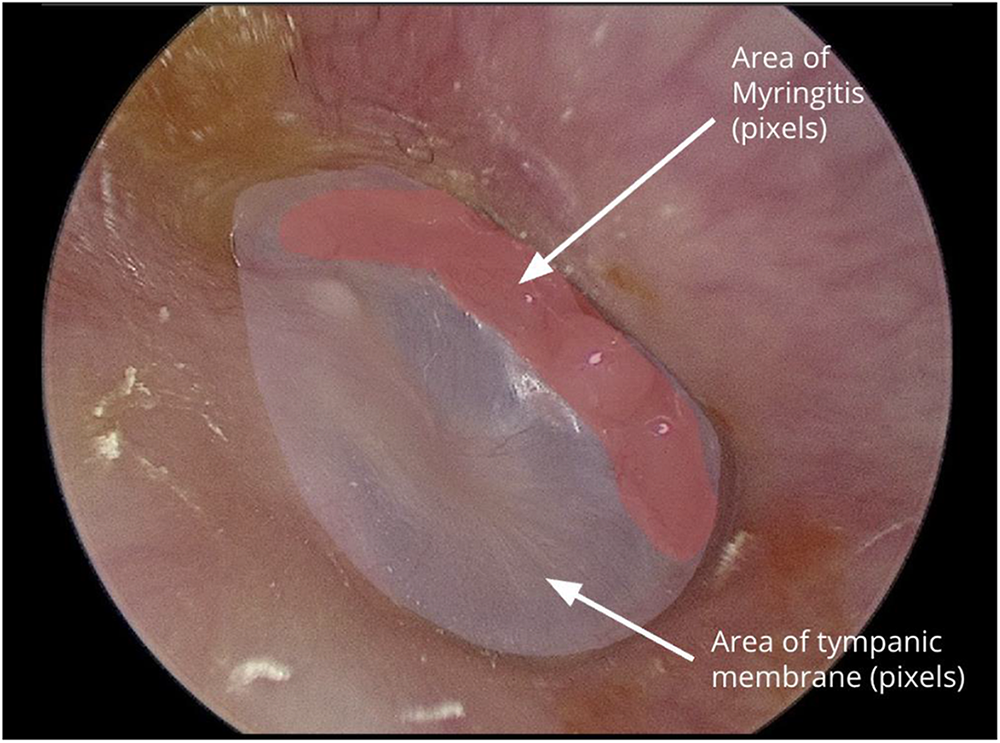
Endoscopic photographs were taken at each visit. Area of myringitis, marginal involvement and a presence of an anterior bony overhang were documented. Images were analysed with Adobe Photoshop Software. The size of the tympanic membrane and the myringitis area were determined using the lasso tool on the computer software and was represented in pixels. The percentage of myringitis was calculated by dividing the area of myringitis (pixels) by area of tympanic membrane (pixels) to allow for comparison at different follow-up time points (Figure 1).
Area calculation using Adobe Photoshop lasso tool.

The primary outcomes were resolution of otorrhoea, improvement in CES scores (symptoms, medical resource usage and total) and endoscopic resolution (photographic documentation) at zero and three months. Secondary outcomes were hearing outcomes which was determined by PTA and air bone gap (ABG) and the presence of complications such as tympanic membrane perforation. Non-parametric tests (Mann–Whitney U, Wilcoxon signed-rank and Fisher’s exact) were used for skewed data. Analyses were performed in SPSS v28 (p < 0.05 significant).
Study interventions
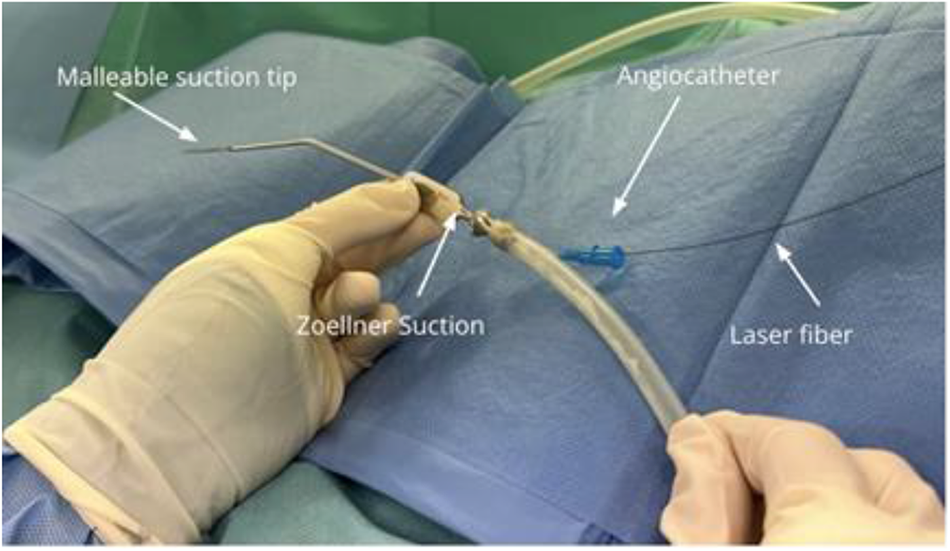
Laser treatment was performed by a single surgeon, and the procedures were performed under local anesthesia. Topical 10 per cent xylocaine spray was administered and 2 per cent xylocaine with 1:200,000 adrenaline was infiltrated prior to the surgical procedure. An endoscopic approach was used in all cases. The KTP laser fiber was passed through a Zollener suction with a micro suction tip attached for laser delivery (Figure 2). Both pulsed and continuous mode KTP laser settings were used. Pulsed mode settings were 0.8 W, duration 40 ms, interval 200 ms. Continuous was 1 W. All patients were given a one-week course of treatment with dextracin ear drops post-operatively. Patients were seen at one month to assess for any post-operative perforations. Patients who declined laser treatment were given further trial of topical dextracin as required for three months. Standard aural toileting was performed at each follow-up visit.
Set up.

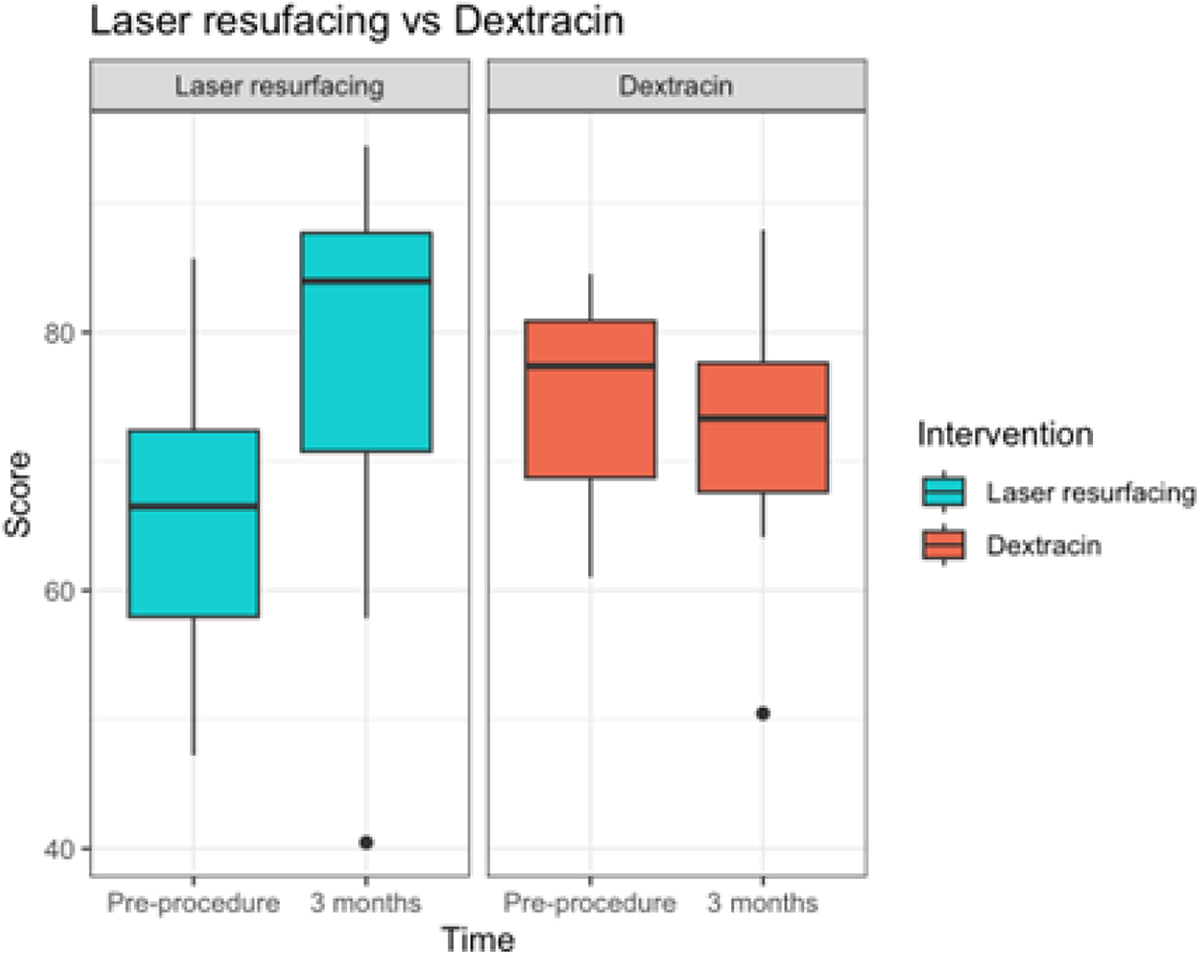
Total Chronic Ear Survey (CES) score box plot.

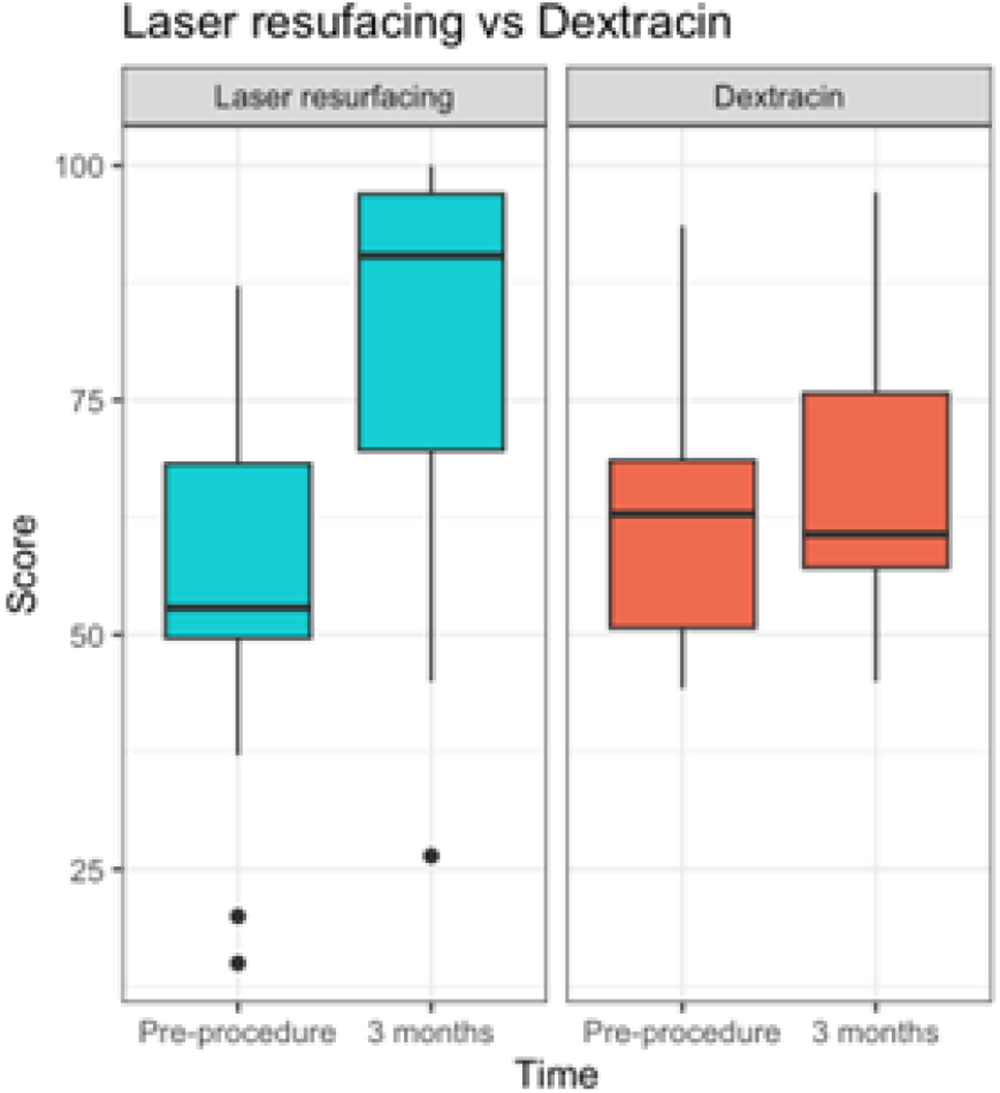
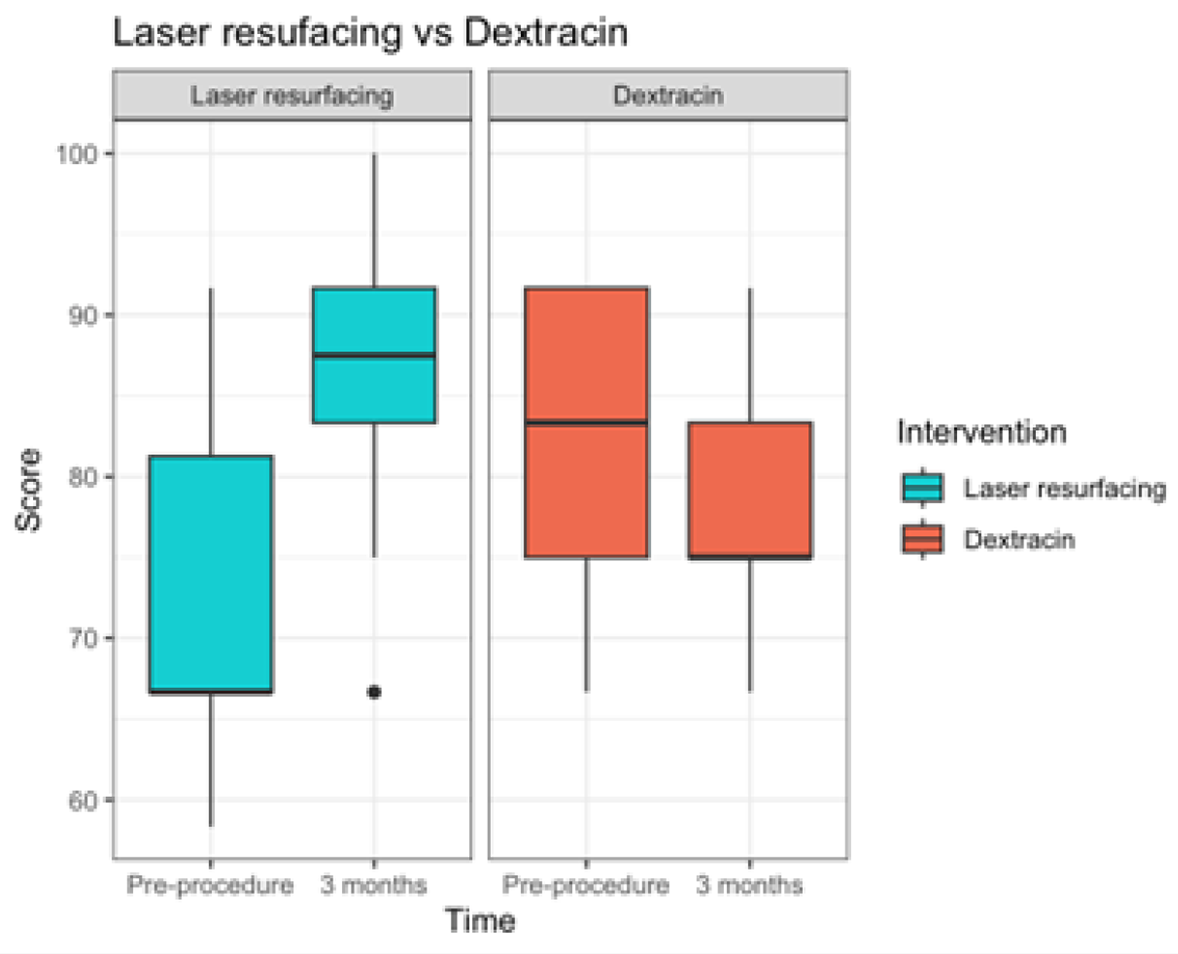
Chronic Ear Survey (CES) symptoms score box plot.

Results and analysis
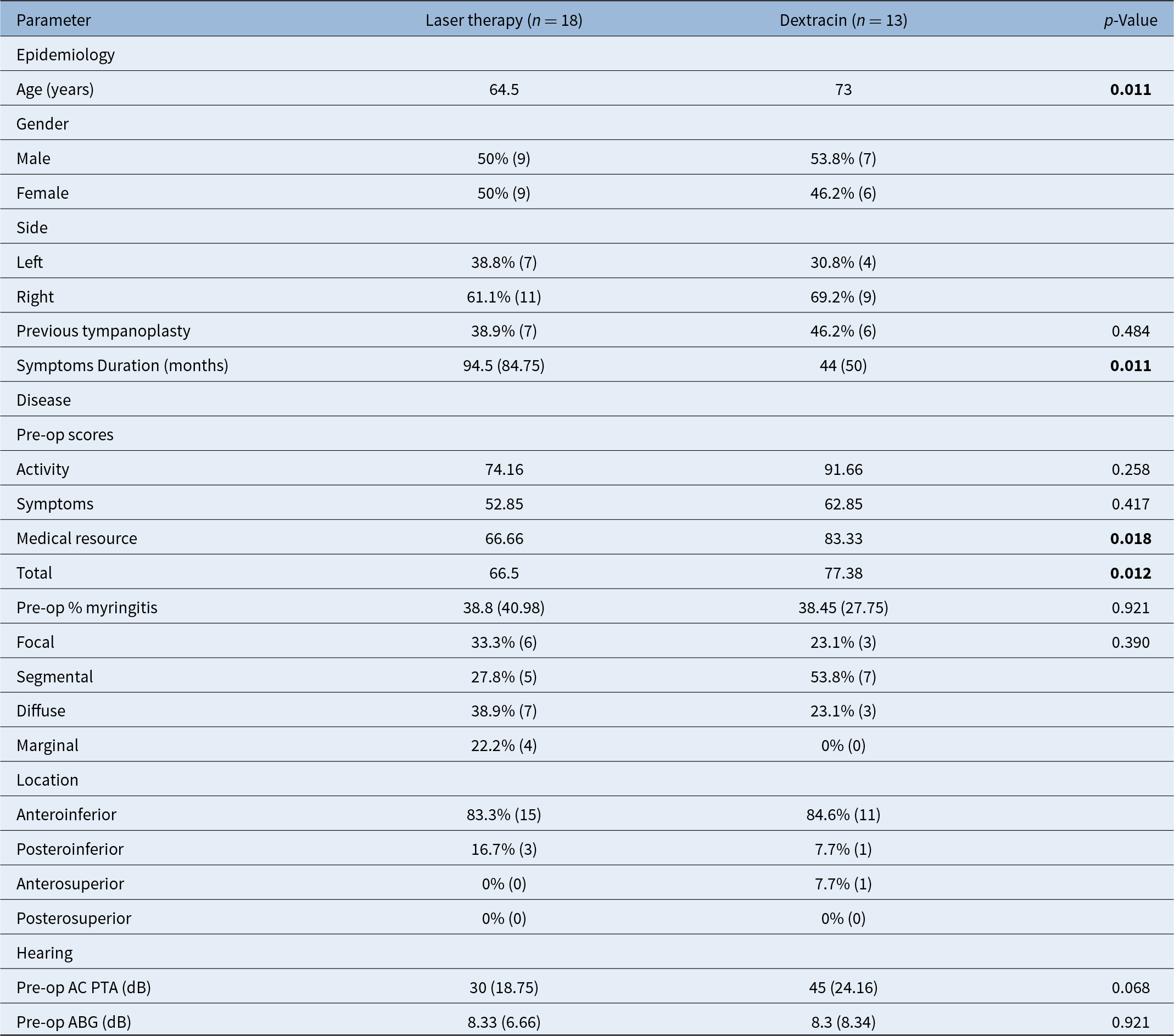
A total of 32 patients were eligible for selection. One patient was excluded because of CT findings suggestive of middle ear disease. Patients who agreed for treatment were assigned to the laser therapy group (n = 18), and patients who declined laser treatment were assigned to the dextracin group (n = 13) as a comparison cohort. Patients in the laser therapy group were found to be of a younger age (mean age 64.5; p = 0.011), with a longer duration of symptoms (94 months; p = 0.011) and worse initial CES total score (66.6; p = 0.018) and medical resource score (66.5; p = 0.012). There were no significant differences between the initial CES activity score, symptom score and percentage of myringitis.
Primary outcome
Resolution of otorrhoea
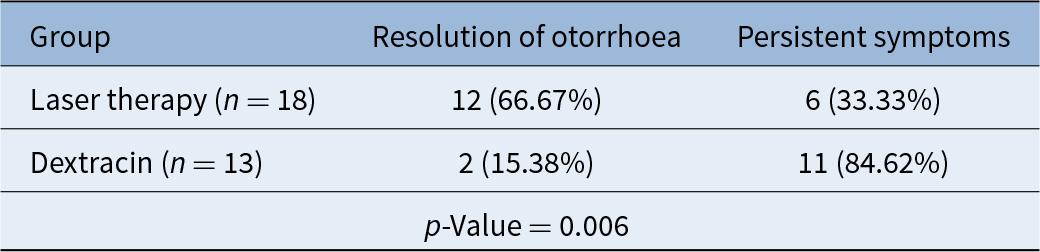
Patients in the laser therapy group had a significantly higher rate of otorrhoea resolution 66.67 per cent (n = 12) versus 15.38 per cent (n = 2) in the dextracin group (p = 0.006) (Table 1). All patients in the laser therapy group had a further follow-up visit at six months post-op. One patient had disease recurrence, and one other patient had delayed resolution identified at six months. Otorrhoea resolution rate at six months in the laser therapy group was 66.67 per cent.
Chronic Ear Survey (CES) medical resource score box plot.

Outcomes

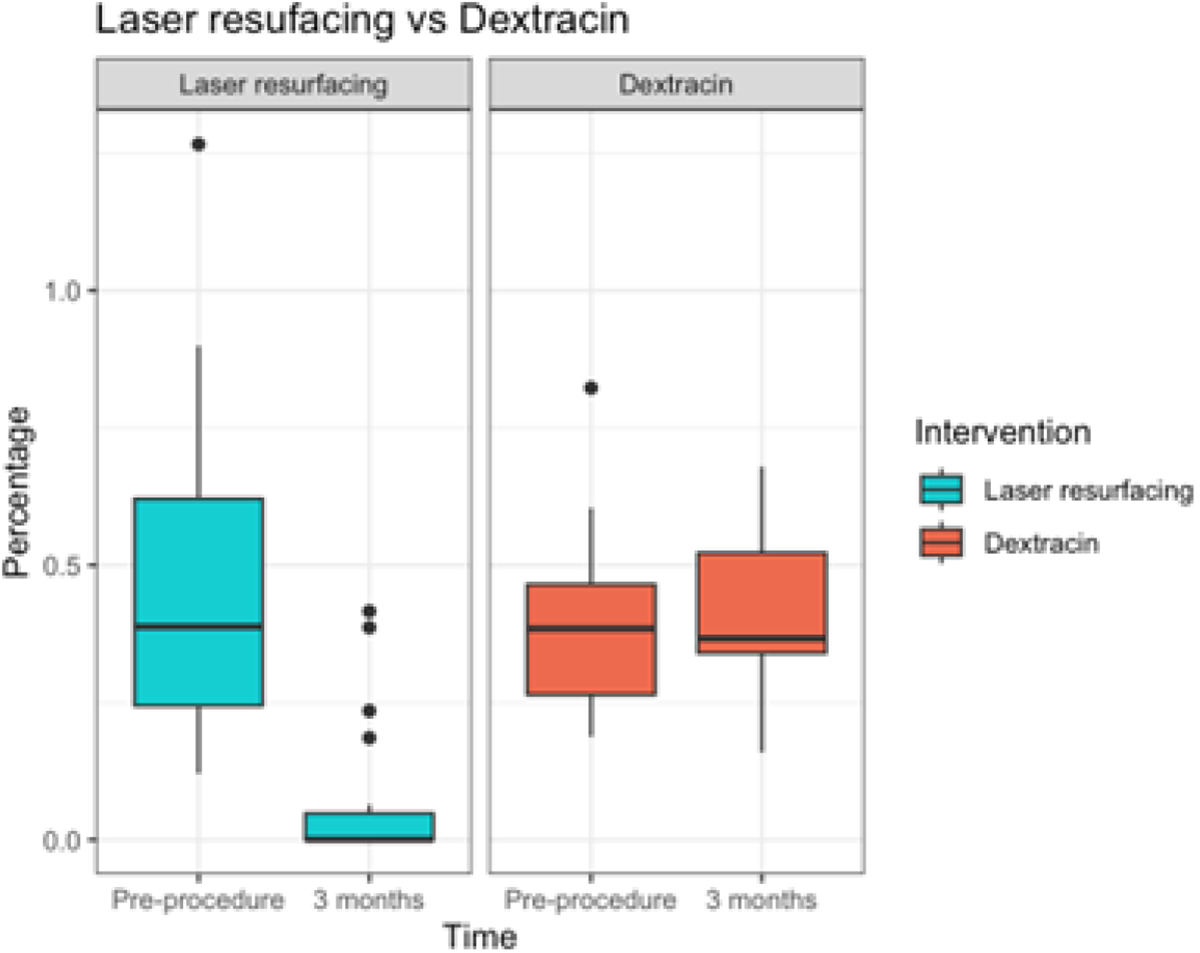
Myringitis area box plot.

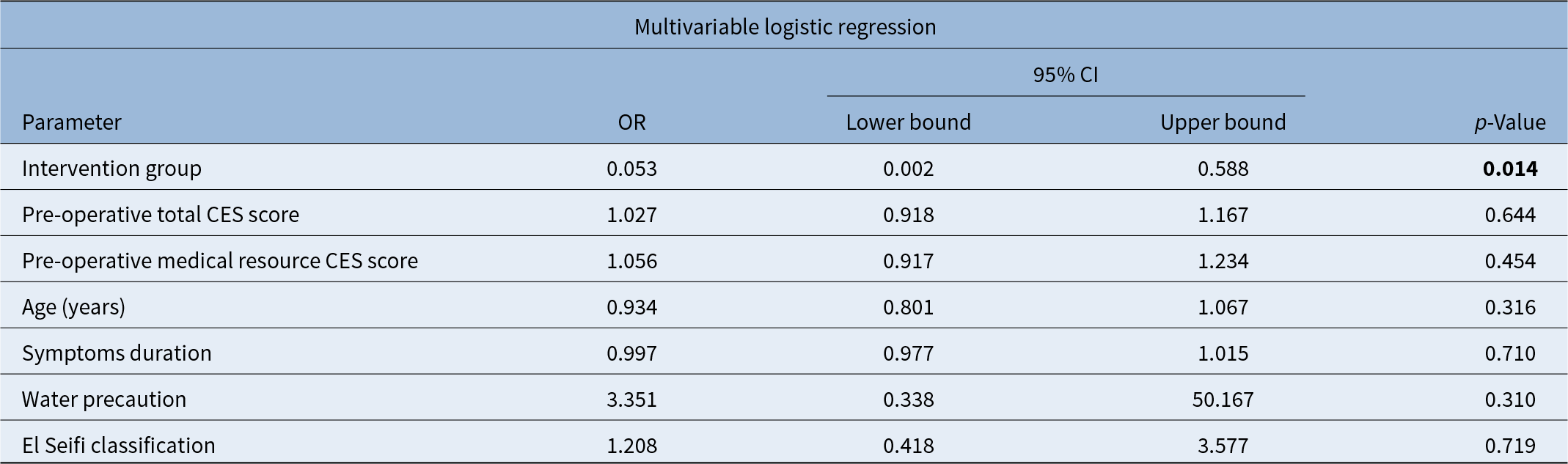
In view of the differences in baseline characteristics identified between the two treatment groups, a multivariable regression analysis was performed to identify the impact of these differences on the primary outcome of otorrhoea resolution (Table 3). All of the above-mentioned differences including the initial total CES score, medical resource score, age and symptoms duration had no association with otorrhoea resolution at three months. Only intervention grouping was found to have had a strong association in the achievement of otorrhoea resolution (p = 0.014; odds ratio [OR] 0.053; confidence interval [CI] 0.002-0.588). Interestingly, the use of water precautions, age, pre-operative myringitis area and myringitis classification (focal, segmental and diffuse) all had no significant association with otorrhoea resolution.
Demographics

Note: p-Values in boldface are statistically significant.
ABG = air bone gap; AC = air conduction; PTA = pure tone audiogram.
Multivariable logistic regression

Note: The p-value in boldface is statistically significant.
CES = Chronic Ear Survey; CI = confidence interval; OR = odds ratio.
CES scores
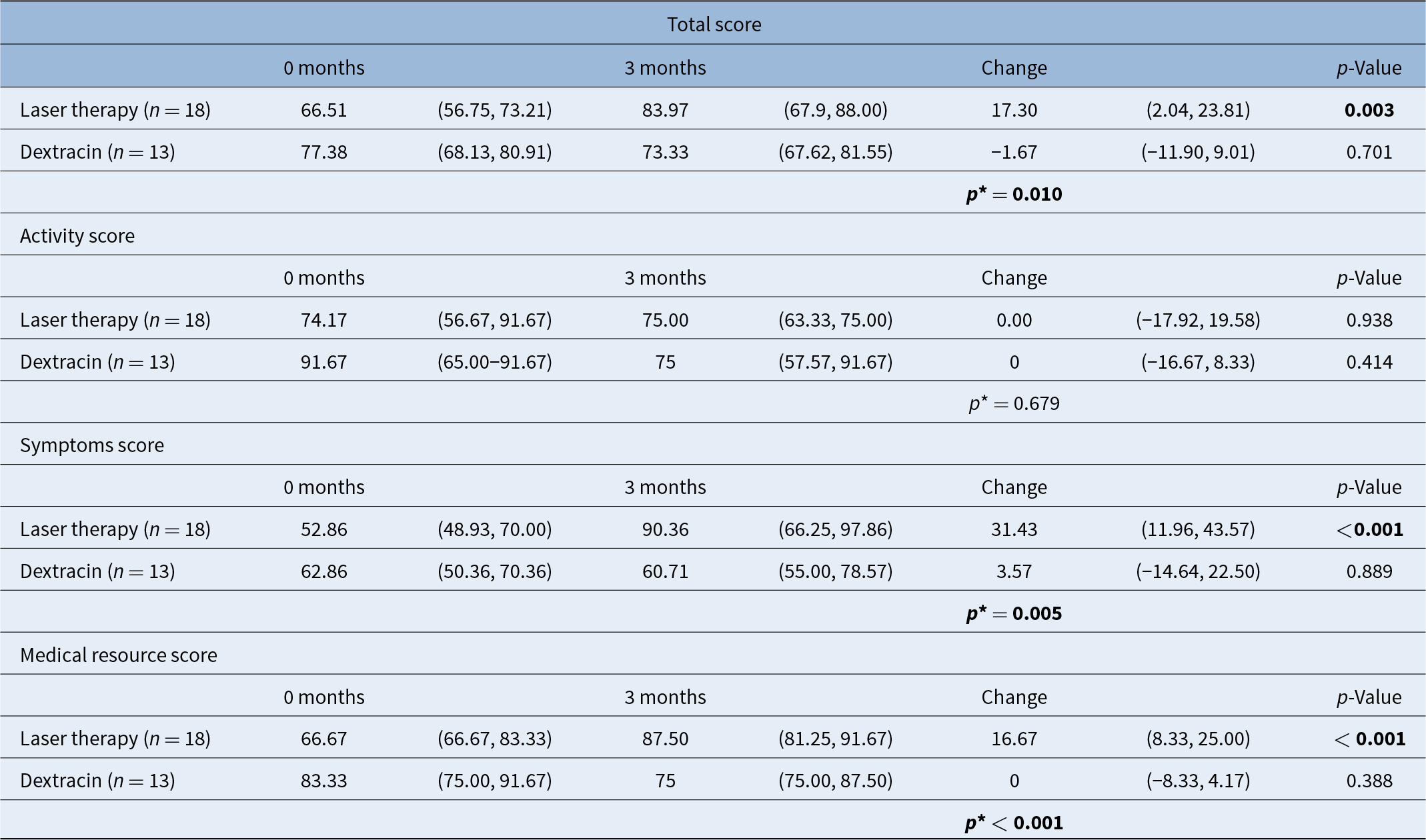
The laser therapy group showed significant improvements in symptom scores (p < 0.001), medical resource score (p < 0.001) and total scores (p = 0.003) at three months. There was no significant change across all subsets of CES scores in the dextracin group (Table 4).
CES scores

Note: p-Values calculated by the Wilcoxon signed rank test; p*-values calculated by the Mann–Whitney U test. Values in boldface are statistically significant.
CES = Chronic Ear Survey.
Endoscopic evaluation
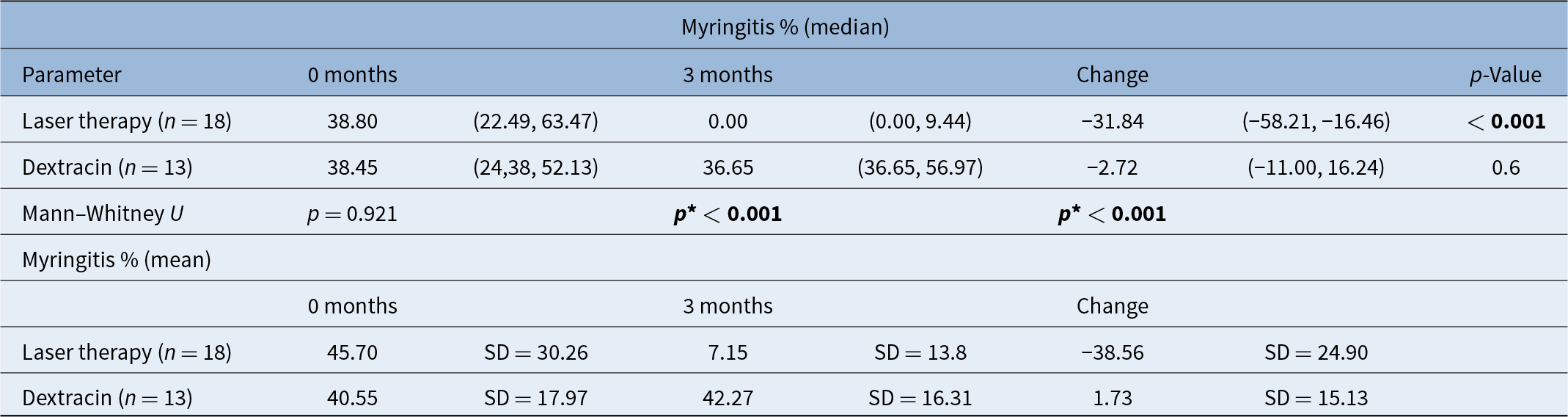
The laser therapy group had a significant median myringitis area reduction of 31.84 per cent (p < 0.001) (Table 5), whereas the dextracin group had no significant change in the area reduction (p = 0.6). Potential risk factors for poor outcome, including presence of an anterior bony overhang and marginal disease, were also analysed in the endoscopic photos in the KTP group.
Endoscopic photo

Note: p-Values calculated by the Wilcoxon signed rank test; p*-values calculated by the Mann–Whitney U test. Values in boldface are statistically significant.
Presence of an anterior bony overhang was found to be a significant risk factor for persistent disease in the laser therapy group. Five patients were identified to have anterior bony overhang and 13 patients without. Patients without evidence of anterior bony overhang were significantly more likely to achieve resolution of otorrhoea (84.62 per cent; n = 11) compared to patients with anterior bony overhang (20 per cent; n = 1) (p = 0.022). There were no differences in otorrhoea resolution rates in patients with or without marginal involvement, and the pre-operative calculated myringitis area was also found not to impact otorrhoea resolution rate.
Secondary outcome
Hearing outcome
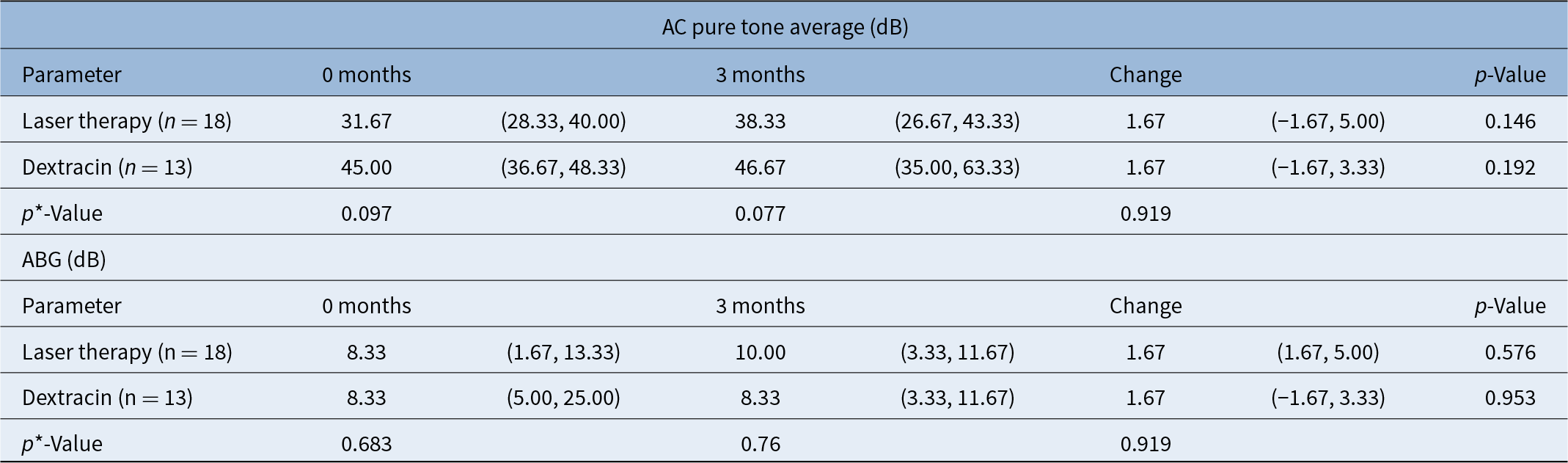
There was no significant difference in the hearing outcome measured by the air conduction pure tone averages and the ABG at three months in both groups (Table 6).
Hearing outcomes

Note: p-Values calculated by the Wilcoxon signed rank test; p*-values calculated by the Mann–Whitney U test.
ABG = air bone gap; AC = air conduction.
Safety
Two perforations occurred after KTP laser treatment and were detected at the first follow-up at one month. One resolved spontaneously; one persisted as pinhole-sized perforation, with a permanent perforation rate of 5.56 per cent.
Discussion
This case series demonstrates that KTP laser therapy offers a clinically meaningful and statistically significant advantage over topical dextracin ear drops in management of refractory chronic myringitis. The laser therapy group achieved superior outcomes across all measured domains, including resolution of otorrhoea, CES score improvement and medical resource utilisation, underscoring its potential as a first-line salvage therapy for this challenging condition. A total of 66.7 per cent of patients in the laser cohort achieved a resolution of otorrhoea. This aligns with prior studies of laser applications for treatment of chronic myringitis, quoted at 56.3 per cent.Reference Chung, Lee and Kim5 Notably, the magnitude of improvement in CES symptom scores (p < 0.001) and resource usage (p < 0.001) suggests that laser therapy not only addresses disease pathology but also reduces the long-term socioeconomic burden of chronic myringitis, including frequent clinic visits and antibiotic overuse.
The 532-nm wavelength KTP laser selectively targets granulation tissue while preserving surrounding healthy epithelium, promoting re-epithelialisation of the tympanic membrane. An objective observation of 31.84 per cent median reduction in myringitis size post-laser further supports its advantage over topical ear drops treatment.
Our study revealed a high rate of permanent post-operative tympanic membrane perforations 5.56 per cent (1/18). Although this finding aligns with the perforation rates of other laser modalities in previous studies (0–6.7 per cent),Reference Chung, Lee and Kim5 patients should be informed of such risk, and careful considerations should be undertaken before pursuing this treatment modality. Laser therapy may be most appropriate for cases where conservative measures have unequivocally failed and the risks of persistent disease outweigh procedural hazards.
Various different classification systems have been used in the past for chronic myringitis.Reference Wolf, Primov-Fever, Barshack, Polack-Charcon and Kronenberg6, Reference Kim7 The El Seifi classification (2000)Reference El-Seifi and Fouad8 is one of the most commonly used systems and divides chronic myringitis into focal, segmental and diffuse forms. Our study did not find any significant differences in the outcomes between these different forms. This may be partly due to our small sample size. This is the first study to use endoscopic photos with computer-generated objective area calculation analysis. Our study did not find any significant outcome differences for a larger pre-operative myringitis area size, nor marginal involvement. Anterior bony overhang was the only significant risk factor for persistent disease. This may be due to an increased difficulty in laser delivery in the presence of anterior bony overhang using a conventional straight laser delivery system. A potential solution to this problem would be to use a pre-bent micro suction tip that allows for targeted laser delivery to the diseased area behind the bony overhang.
• Patients with granular myringitis present with recurrent otorrhoea. After initial treatment with topical eardrops, many patients will go on to have a relapsing and remitting disease course.
• KTP (potassium titanyl phosphate) laser therapy offers a minimally invasive, single-intervention alternative to prolonged topical regimens, which are often frustrating for patients and providers alike.
• Our study has identified anterior bony overhang as a potential risk factor of laser treatment failure, which could help guide treatment selection and future development of this surgical approach.
• Our results have shown consistent advantages of KTP laser therapy over topical ear drops treatment.
• In this study, we have demonstrated the advantages of KTP laser therapy for the management of refractory chronic myringitis, including efficacy in symptom resolution and efficiency in medical resource utilisation.
Limitations
This study has several limitations. First, the non-randomised design introduces potential selection bias. There were significant differences in the baseline characteristics between the two cohort groups. Interestingly, the laser intervention group had significantly worse initial disease conditions, with a longer duration of symptoms and a worse baseline CES score. Secondly, the small sample size (n = 31) limits power to detect rare adverse events or subgroup differences. Thirdly, the six-month follow-up precludes assessment of long-term outcomes, such as recurrence rates or delayed complications. However, patients in both groups had a very long mean duration of symptoms prior to recruitment: 94.5 months in the laser therapy group and 44 months in the dextracin group.
Financial support
This research received no specific grant from any funding agency, commercial or not-for-profit sectors.
Competing interests
The authors declare none.
Ethical standards
The study was approved by the Kowloon West Cluster Ethics Committee. Informed consent was obtained from all individual participants included in the study. The participants have consented to the submission of this transcript to the journal. The authors assert that all procedures contributing to this work comply with the ethical standards of the relevant national and institutional guidelines on human experimentation, including with the International Council for Harmonisation of Technical Requirements for Pharmaceuticals for Human Use Guideline for Good Clinical Practice (“ICH-GCP Guideline”) and the Helsinki Declaration of 1975, as revised in 2008.