

Introduction
The Mahatma Gandhi National Rural Employment Guarantee ActFootnote 1 (NREGA) was enacted by the Indian Parliament in September 2005 and made effective in February 2006. It entitles every rural household to a minimum of 100 days of guaranteed paid work each year at minimum wage, though there are some provisions for higher pay to skilled workers. The legislation was based on two related goals: first to ensure the livelihood of rural populations and second to use the surplus labour existing in the countryside to promote economic growth in rural areas. The scheme is also meant to create durable assets for the benefit of rural communities. The NREGA is the largest public works programme in the world providing unskilled manual work to 57.8 million people, approximately 16.9 per cent of the rural labour force from 38.9 million poor rural households (ILO, 2016a).
There is wide agreement that, despite its shortcomings, the guaranteed work scheme has been a successful social programme (ILO, 2016a; Mohan, Reference Mohan2017; UNDP, 2011). The scheme has improved the living conditions of rural populations, including that of women, Dalits and tribes. Additionally, the scheme has been instrumental to the building and maintenance of infrastructure in sectors such as water management, rural connectivity and land irrigation. Lastly, the NREGA has worked to moderate rural–urban migration and to increase the bargaining power of rural workers (Ministry of Rural Development, 2017).
Latin American workers face some of the same economic and social problems that generate poor living conditions among the Indian population. On the one hand, a significant share of the Latin American workforce is subject to adverse working conditions under the guise of vulnerable, informal and precarious employment. On the other hand, Latin America shows deficits in the access of vulnerable populations to basic infrastructure in sectors such as sanitation, water management, energy and transport.
According to the International Labour Organisation (ILO, 2016a, p. 1) the NREGA can serve as a “South–South learning experience for other developing countries looking to design and implement public works programmes targeted at poor rural households and deliver the social protection floor.” However, the ILO has not yet presented analyses intended to support the prospect of establishing a work scheme modelled after the Indian scheme in other developing nations. Thus, this paper is intended as a preliminary feasibility study regarding the implementation of the NREGA in the Latin American region, a policy that possesses a great deal of potential to increase job opportunities and to procure investment in needed infrastructure for the promotion of economic and social development.
Given the aforementioned circumstances, it can be reasonably argued that the transfer of the NREGA to the Latin American area could greatly improve the living conditions of its rural population. Furthermore, such policy transfer could help fulfil objectives six and eight of the United Nations Sustainable Development Goals, that seek to provide by 2030 universal access to potable water, adequate sanitation and decent work for all (UNDP, 2016).
This article is divided into four sections. Section 1, offers an in-depth look at the design, operation and outcomes of the NREGA. The section pays special attention to the impact of the scheme on the living conditions of the Indian rural population. The section also looks at the administrative systems that are in place seeking to increase transparency in the operation of the programme. Finally, the section points to a number of shortcomings associated with the operation of the NREGA. Section 2 presents a general outline of the Latin American labour market, with special reference to unemployment and work undertaken under unfavourable conditions such as those associated to informal, vulnerable and precarious employment. Section three deals with Latin America’s deficits in the provision of infrastructure in areas such as water management (chiefly access to piped water and sewerage systems), transport and energy. The section emphasizes the potential benefits for social and economic development rising from investment in infrastructure. The conclusion summarizes the main arguments of the paper and restates the case for the implementation of a guaranteed work scheme in Latin America.
The Mahatma Gandhi National Rural Employment Guarantee Scheme: design, operation and outcomes
The Indian government has sponsored a number of public works schemes in the past, yet they lacked a rights-based approach and a guaranteed component; in other words, none of the previous employment programmes had given the legal right to work to the rural peoples of India (Mohan, Reference Mohan2017).
The main objectives of the NREGA are (Ministry of Rural Development, 2011):
• Providing not less than 100 days’ workFootnote 2 as guaranteed wage employment in a financial year to every household in rural areas.
• Creation of productive assets of prescribed quality and durability.
• Strengthening the livelihood resources base of the poor.
• Proactively ensuring social inclusion.
• Strengthening panchayat institutions.
In relation to the conditions of work, the scheme establishes that employment shall be provided within a radius of 5 km from the village where the claimant resides at the time of applying. Registration in the scheme occurs at the panchayat (Town Council) level. Following, the panchayat verifies the application and ensures that no discrimination is made in terms of caste, creed or gender. After the verification is complete, the beneficiary is issued a job card, which is the legal document that indicates his or her right to work under the NREGA. If work is not provided within 15 days of the application, the worker is entitled to receive a daily unemployment allowance. In case of serious injury, the state government arranges for the hospitalization and treatment of the affected worker. Every worksite must offer facilities such as drinking water, shade for children and periods of rest. Projects must provide one caretaker to look after five or more children below the age of six. The Act mandates that a minimum of one-third of the beneficiaries be women who have registered in the work scheme and have requested work. Wages are paid through bank or post office accounts, which are opened for the beneficiaries free of cost (The Gazette of India, 2005).
The Gram SabhaFootnote 3 plays an important role in the administration of the NREGA. The scheme authorizes local communities to recommend works to be taken up and to conduct social audits regarding the proper implementation of the scheme. The Gram Sabha also acts as a forum for sharing information about the scheme and help people enrol in the plan. For its part, the Gram PanchayatFootnote 4 is responsible for planning the works, registering households, issuing job cards, allocating employment and monitoring the implementation of projects at the village level (Ministry of Rural Development, n.d.).
The NREGA Act (The Gazette of India, 2005) outlines the kinds of works which are permissible under the scheme.
• Water conservation and water harvesting.
• Drought proofing.
• Irrigation canals.
• Provision of irrigation facility to land owned by households belonging to the Scheduled Castes and Scheduled Tribes or to land of beneficiaries of land reforms.
• Renovation of traditional water bodies, including desilting of tanks.
• Land development.
• Flood control.
• Rural connectivity to provide all-weather access.
• Any other work that may be notified by the central government in consultation with the state government.
Table 1 offers data regarding the categories of completed projects undertaken by the NREGA.
Number of completed NREGA projects by category (2008–2009 to 2015–2016).

Source: data.govIN. All India Level Physical Outcomes under MGNREGA from 2008–2009 to 2015–2016. Accessed 7 August 2018.
By 2016, over 12 million projects had been completed with ample potential to improve the living conditions of rural populations. Even though some of the projects do not neatly fall within the permissible work categories, the majority of them do meet the established guidelines (Ministry of Rural Development, 2011).
The funding of the NREGA is shared between the central government and the states. The central government bears the cost of the total wages of unskilled manual workers, 75 per cent of construction materials and the wages of skilled and semi-skilled workers. The central government also covers the salary and the allowances of the Programme Officers and their supporting staff, together with the expenses associated with the National Employment Guarantee Council. On the other hand, state governments cover 25 per cent of the cost of construction materials and the unemployment allowance payable when the local government cannot provide work on time. States cover the administrative expenses of the State Employment Guarantee Council (The Gazette of India, 2005).
The reasons that explain the rural base of the guarantee work scheme are varied, but all point to the adverse living conditions of India’s rural population. Indeed, in 2012, 25.7 per cent of the rural population, 216.7 million, was poor, against 13.7 per cent of the urban population (Central Statistics Office, 2018). The majority of the rural poor are landless wage labourers and casual workers. However, women, female-headed households and the elderly endure high levels of deprivation too (ILO, 2016b). A second issue affecting rural populations concerns the prevailing high unemployment rates existing in the countryside: the rate increased from 5.6 per cent in 1994 to 8 per cent in 2005 (Planning Commission, 2008). Nevertheless, due to the implementation of the NREGA beginning in 2005 the rate of rural unemployment has declined. The NREGA has offered work opportunities to 21 per cent of the Scheduled Tribe population, 39 per cent of the Scheduled Caste population and 54 per cent of rural women (Ministry of Rural Development, 2017).
The NREGA is also responsible for a share in the increase of rural wages. Such growth extends to all five agricultural operations: ploughing, sowing, weeding, transplanting and harvesting (ILO, 2016a). Kareemulla et al. (Reference Kareemulla, Sundaram, Kumar and Ramarao2013) research concerning the impact of the scheme in four Indian districts shows that the share in income of recipient households was in the range of 12–33 per cent across the four districts. This additional income was applied to necessities such as food, education of dependents, health care and debt repayment. Pankaj’s (Reference Pankaj2015) study of the impact of the guaranteed work programme in Bihar found that the scheme accounts for in between 7.9 and 21.23 per cent of women’s total income. Next to that, beneficiaries were found to spend most of the income derived from the scheme on food (71.31 per cent) and other basic supplies. Our own fieldwork (Rajasenan, De Venanzi & Rajeev, Reference Rajasenan, De Venanzi and Rajeev2019) regarding the living conditions of tribal populations in Kerala’s Western Ghats, revealed that the NREGA’s income represents a significant share of household earnings for tribal communities: 40 per cent of each rupee household income.
The Indian guaranteed work scheme has been instrumental in ensuring paid employment for women. For many married women, it is the first opportunity for paid work. Also, the NREGA has produced significant effects on women’s control over household decisions. Nonetheless, Pellissery and Jalan (Reference Pellissery and Jalan2011) contend that the scheme has an as yet unrealized potential for women's empowerment in the sense that it could afford them the opportunity to experience their collective strength, and possibly redefine relations with men. Narayanamoorthy and Bhattarai’s (Reference Narayanamoorthy and Bhattarai2013) investigation regarding the impact of NREGA on rural wages revealed that real wage rates have increased substantially during the post-NREGA period for both male and female agricultural labourers. In the scheme works, there is no wage differential across gender, and such gender parity stands in stark opposition to the situation in non-public rural work, where a large wage gap is observed across genders (Mehtabul, Reference Mehtabul2012). In a similar vein, Nagaraj et al. (Reference Nagaraj, Bantilan, Pandey and Roy2016) argue that the high male–female disparity in agricultural wages has declined, and that the compressed labour market is offering better bargaining power to agricultural labourers. Likewise, Narasimha, Amarender and Bantilan (Reference Narasimha, Amarender and Bantilan2014) contend that the guaranteed work plan is producing substantial transformative results for rural labourers such as increasing workers’ bargaining power in the labour market and lessening their dependency on high-caste employers.
The factors responsible for the growth in rural wages in India are diverse; other than the increase in labour opportunities we must point to the diversification of crops and the beneficial effects of infrastructure projects associated with the guaranteed work scheme. For instance, rural connectivity, improved irrigation and water conservation are important factors in determining agricultural output (Deininger, Nagajaran & Singh, Reference Deininger, Nagajaran and Singh2016; Kareemulla et al., Reference Kareemulla, Sundaram, Kumar and Ramarao2013). In the same vein, Haque (Reference Haque and Pankaj2016) indicates that the average cultivated area of a number of crops (paddy; chilly; maize; onion; tomato and others) has significantly increased due the irrigation works associated with the scheme.
The NREGA is a self-targeting or demand-driven scheme: It offers work to every person that expresses an interest in participating in the scheme under clear and regulated employment conditions. Suchlike feature should not be underestimated for in India employment figures can be deceiving: As things stand now, 75 per cent of employment in rural areas is informal, 85 per cent of rural workers have no job contract and 50 per cent of the rural workforce receives wages below the legal minimum (Bhorat, Reference Bhorat2014).
The guaranteed work plan has helped moderate the rural-urban migration rates typical of the slack season. Ahuja (Reference Ahuja2017) maintains that rural unemployment in India is triggered by two main factors. First, the small size of most landholdings implies that not all members of a family can be absorbed by the same land. Second, the seasonal nature of work. Considering seasonality Ahuja (Reference Ahuja2017) notes that a cultivator in India tends to remain unemployed for about four to six months in a year and that, therefore, a programme such as the NREGA offers these workers the opportunity to remain in rural employment. Kareemulla’s et al. (Reference Kareemulla, Sundaram, Kumar and Ramarao2013) study also shows that, due to the new opportunities for employment opened under the scheme, the seasonal migration of rural labourers has decreased. It follows that the NREGA is called to fulfil an important function by providing jobs to rural workers during the slack season.
The employment scheme relies on a number of administrative processes intended to enhance governance and avoid fraud (Ministry of Rural Development, 2018):
• Job card verification. The verification process helps identify bogus or duplicated job cards.
• Maintenance of case records and work files. Information on critical inputs, processes and outcomes are recorded. A record/work file is kept for every project.
• Open access to information: involves setting up citizen information boards. These boards act as a way of enhancing the visibility and transparency of all operations under the scheme. The boards also create widespread awareness about every project in progress or completed under the programme.
• All administrative processes are subject to stringent social and internal audits.
Regardless of these controls, allegations have been made about corruption and leakage in the programme. For instance, fake job cards have come to the notice of the authorities. One further allegation refers to the preparation of forged muster rolls. It has also been suggested that some projects and project sites are selected on political – not technical – grounds. Yet, while corruption exists, it only affects a relatively small number of projects (Ahuja, Reference Ahuja2017; Mohan, Reference Mohan2017). Another criticism levelled at the NREGA relates to denial of work on demand and untimely wage payments. Local governments are charged with dealing with these problems which cause great distress to the workers enrolled in the scheme. Hence, guidelines have been introduced on compensation for late wage payment. Breitkreuz et al. (Reference Breitkreuz, Stanton, Brady, Pattison-Williams, King, Mishra and Swallow2017) found that the scheme has offered basic jobs to marginalized groups and produced a small but significant shift in labour relations. However, in their view, there is a need for better implementation of the scheme and more opportunities for work. On a different note, Chakraborty and Das (Reference Chakraborty and Das2014) claim that the technical quality of the projects undertaken under the NREGA is not always first-class. One final issue of concern yet to be explored is the declining number of completed projects and the decreasing participation level under the scheme (Desai, Vashishtha & Joshi, Reference Desai, Vashishtha and Joshi2015).
Notwithstanding its shortcomings, the NREGA emerges as a valuable scheme that has improved the living conditions of the Indian rural population. The scheme also meets many of the International Labour Organisation’s provisions under Recommendation No. 202 such as the universality of protection, respect for the dignity and the entitlement of benefits for people covered by a social security guarantee (ILO, 2016a).
The Latin American labour market: the need for increased work opportunities
The global financial crisis of 2008 is proving to be much stronger than anticipated, and it is possible that its effects on Latin America will last longer than originally thought. It ensued after a decade that witnessed the fastest rate of economic expansion in Latin America during the last 30 years, with an average growth rate of 5 per cent and after important goals had been achieved in the reduction of poverty and indigence (De Venanzi, Reference De Venanzi2015; Nudelsman, Reference Nudelsman2013; World Bank, 2003).
The financial crisis is having negative repercussions in Latin America, especially in those countries with the least financial resources. The effects have been felt in three ways: (1) reduced income due to fewer labour opportunities caused by a drop in demand and investment, particularly in infrastructure, (2) reductions in remittances from migrants and (3) reductions in social spending (ECLAC, 2017a). The drop in overseas demand for agricultural and mining products together with a decreasing demand from the textile sector, are some of the observed consequences of the crisis upon rural employment (Nudelsman, Reference Nudelsman2013; Weintraub, Reference Weintraub2009).
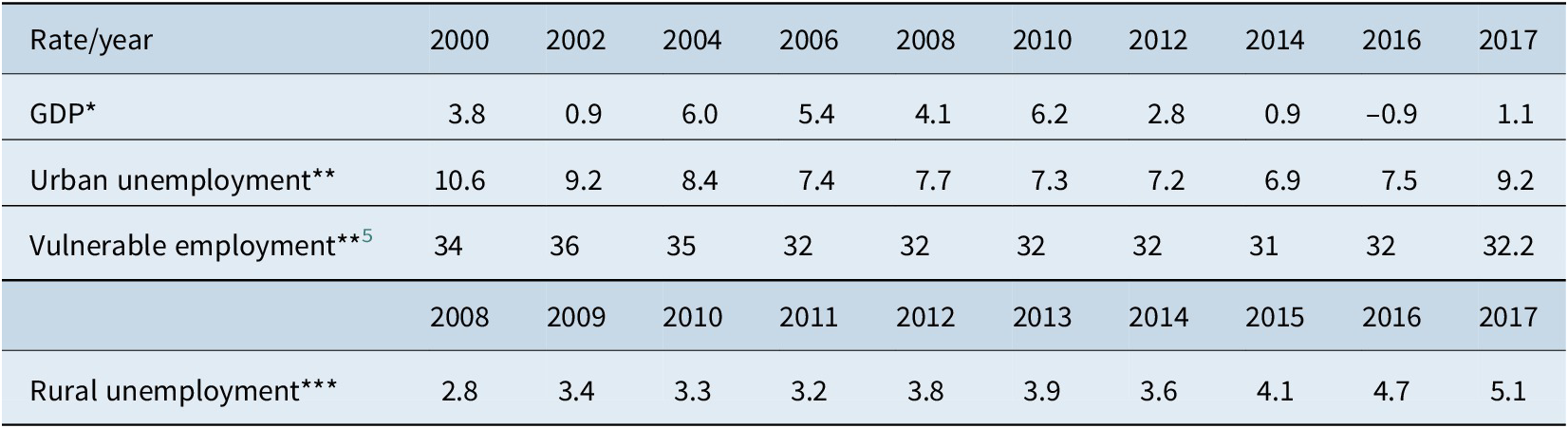
Table 2 shows that the Latin American job market has experienced a downward trend that continued to worsen in 2017. Indeed, both the urban and rural unemployment rates have increased: The urban rate of unemployment reached 9.2 per cent in 2017, whereas the rural rate reached 5.1 per cent (6,244,065 poor people out of a total rural population of 124,881,316) during the same year.
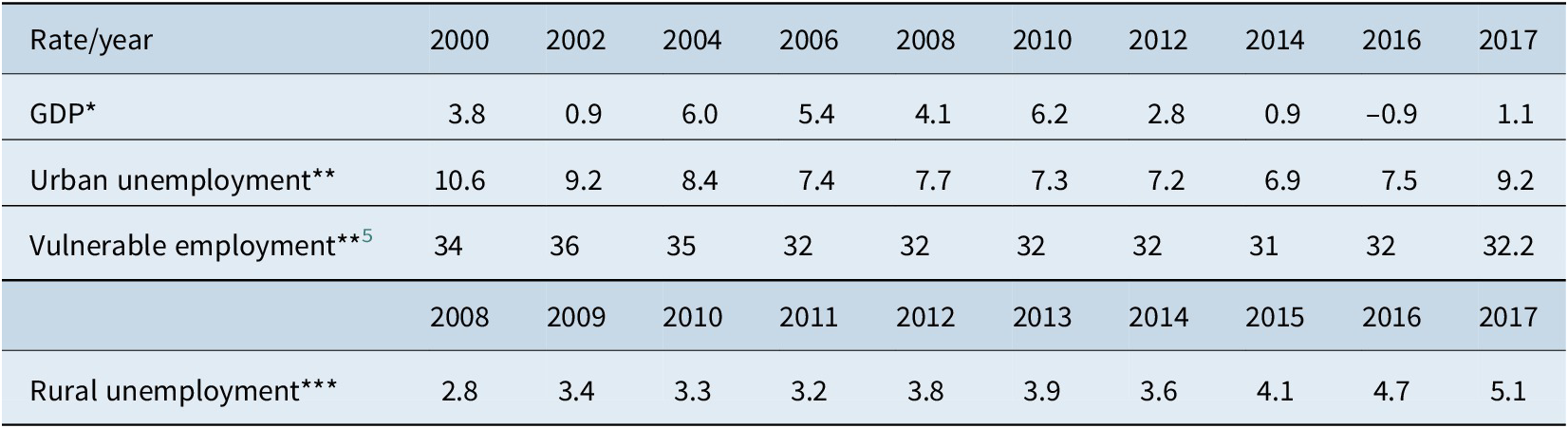
Table 2 also shows that there is a strong correlation between economic growth and employment rates, meaning that the slow growth of recent years has led to the creation of fewer jobs (ILO, 2018). Meanwhile, own-account work has continued to grow at a faster pace than wage employment in a number of countries, including Chile, Colombia, Costa Rica and Ecuador (ECLAC, 2017a).
For its part, the share of workers in vulnerable employment has risen for the third consecutive year, reaching 32.2 per cent in 2017, where it is expected to remain through to 2019. Projections speak of an increase in the number of workers in vulnerable employment from 87 million in 2014 to over 91 million in 2018. Moreover, the incidence of informal work in the region remains pervasive and is one of the highest in the world. According to ECLAC (2017a) in 2015, only 48 per cent of all salaried workers in Latin America and the Caribbean had a formal job contract, 51.1 per cent in urban areas and 27 per cent in rural areas. In some countries such as Mexico, Paraguay and to a lesser extent Brazil, the incidence of informal jobs is visible even within formal enterprises (ILO, 2018).
Table 2 further reveals that the unemployment rates in rural areas tend to be lower than in urban areas; notwithstanding, this trend can be deceiving for working conditions in agriculture – as is the case in India – are usually second-rate compared to those prevailing in urban areas. For instance, in 2014 rural wages were 68 per cent of that linked to urban wages. To add to that, only 22.2 per cent of the rural workforce is affiliated to a pension plan, against 54.7 per cent in urban areas (FAO, 2018). These adverse factors combined explain why in most Latin American countries the rates of poverty and indigence are highly concentrated in rural areas (ECLAC, 2017a; IFAD, 2016; ILO, 2016c).
When dealing with the problem of rural poverty in Latin America, we must point to the plight of a large group of households facing the risk of falling below the poverty line. These at-risk households are the product of limited access to public and private services, low levels of education among household members and lack of productive of assets. IFAD (2009) suggests a number of policies destined to stop these households from falling into poverty: the introduction of non-contributory pensions, increased public investment and the implementation of employment programmes.
Lastly, in developing countries, a significant amount of the available work is precarious. In the case of Latin America, a substantial share of the workforce earns less than the legal minimum. For example, in 2014, 32 per cent of the Costa Rican workforce earned less than the minimum wage; in Peru, the rate was 30 per cent; in Brazil, 20 per cent; in Mexico, 10 per cent and in Chile, 9 per cent (ECLAC, 2014; Ham, Reference Ham2015). A second indicator of employment precariousness is the hourly underemployment rate. This rate measures “the proportion of employed persons who work for fewer hours than the minimum established in their country for a normal working day, wish to work more hours and are available to do so.” The underemployment rate has increased in Brazil, Chile, Ecuador and Uruguay while holding steady in Paraguay (ECLAC, 2017b, p. 60).
FAO (2018) has recently expressed a great deal of concern with the worsening living conditions of rural populations in Latin America. The organization states that Latin America is undergoing an historic setback in the fight against rural poverty. Of equal concern is the large percentage of indigenous populations living in poverty: in 2017, 51.2 per cent of this population lived under the poverty line (ECLAC, 2018). Increasing poverty rates, together with insecurity and environmental vulnerability in the rural areas of Latin America are additionally provoking large-scale migrations demanding complex social and political answers. FAO (2018) recommends five key measures for improving the living conditions of Latin America’s rural population: (1) to create sustainable agricultural sectors; (2) to extend social protection programmes; (3) the proper management of natural resources; (4) the promotion of non-agricultural rural employment and (5) improving rural infrastructure. In our view, the implementation of a guarantee employment programme could be instrumental towards achieving some of the aforementioned goals. As previously stated, the NREGA has shown a great deal of capacity for creating rural employment, improving basic infrastructure and moderating rural/urban migration.
Latin America: the case for increased investment in basic infrastructure
The case to be made for investment in infrastructure is compelling. For instance, it has been estimated that for every one per cent of GDP spent in infrastructure, the economy could grow an average of 2.5 per cent in Brazil, 1.8 per cent in Argentina and 1.3 per cent in Mexico. Further, investment in infrastructure tends to have a positive impact on the rates of poverty and inequality (CAF, 2011; Calderon & Serven, Reference Calderon and Serven2009; World Bank, 2008).
Latin America’s public investment in infrastructure has been cyclic: in the early 1980s, governments sustained a relatively high level of investment in infrastructure, around 3 per cent of GDP. This took place despite the incidence of fiscal constraints, problems in accessing external financing and rising inflation. During the 1990s, the new role assigned to the market and the ensuing change in the role of the State, produced a general contraction in Latin American public investment in infrastructure (De Venanzi, Reference De Venanzi2015). The first significant push for private investment in infrastructure occurred in the late 1980s when due to privatizations and corporate take-overs, the private sector played a leading role in infrastructure investment. Consequently, private investment reached 1.4 per cent of GDP between 1996 and 2001 – much higher than the 0.6 per cent of GDP recorded in the early 1990s. Today, Latin American private investment in infrastructure is heavily concentrated in five countries: Brazil, Mexico, Colombia, Peru and Chile (IADB, 2018a, 2018b). It is significant that despite these developments, the level of private infrastructure investment in Latin America has not been enough to counterweigh the declining investment level of the public sector (ECLAC, 2011a, 2011b).
Table 3 shows that in Latin America investment in infrastructure declined in the 1980s, picking up slightly in 2012 and 2013 and decreasing in 2015. Such levels of investment are, however, hardly enough to maintain existing infrastructure. The IADB (2018b) estimates that in order to close the infrastructure gap Latin America needs to invest approximately US$ 150 billion more per year during the next 20 to 30 years. According to ECLAC (2011a, 2011b), the region needs to invest close to 6.2 per cent of GDP in order to satisfy infrastructural demands. In 2012, Costa Rica emerged as the Latin American country with the highest investment in infrastructure as percentage of GDP, followed by Uruguay and Nicaragua (ECLAC, 2017c).

Calderon and Serven (Reference Calderon and Serven2009) contend that in Latin America investment in infrastructure should go to five key sectors: telecommunications, power, land transportation and water and sanitation. However, telecommunications is not a relevant area for the purposes of the transfer of the NREGA, for it depends on the availability of a large pool of highly skilled personnel.
Regarding the generation of power, Latin America is behind East Asia, the rest of middle‐income economies and industrial countries. While industrial countries have installed four MW of capacity per 1000 workers, Latin America has installed only one MW capacity per 1000 workers. Total Latin American investment in electricity generation totalled 0.5 per cent of GDP in 2006 (Calderon & Serven, Reference Calderon and Serven2009). In most Latin American countries, primary energy consumption is generally growing slower than GDP. Such disparity between energy consumption and GDP growth is particularly extensive in El Salvador, Nicaragua and Dominican Republic (with a consumption increase of less than 1 per cent per year despite significant economic growth), and, to a lesser extent, in Mexico and Argentina with consumption growing at half the rate as GDP (ECLAC, 2016).
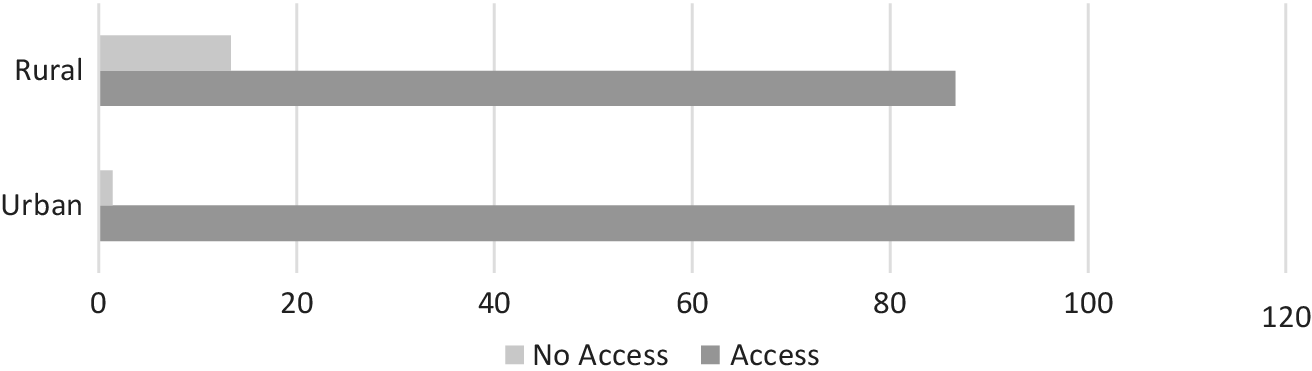
Figure 1 shows the percentage of urban and rural population with access and no access to electricity. Lack of access to electricity in rural areas is 12 times higher than in urban areas.
Latin America. Percentage of population with access/no access to electricity in urban and rural areas, 2016.

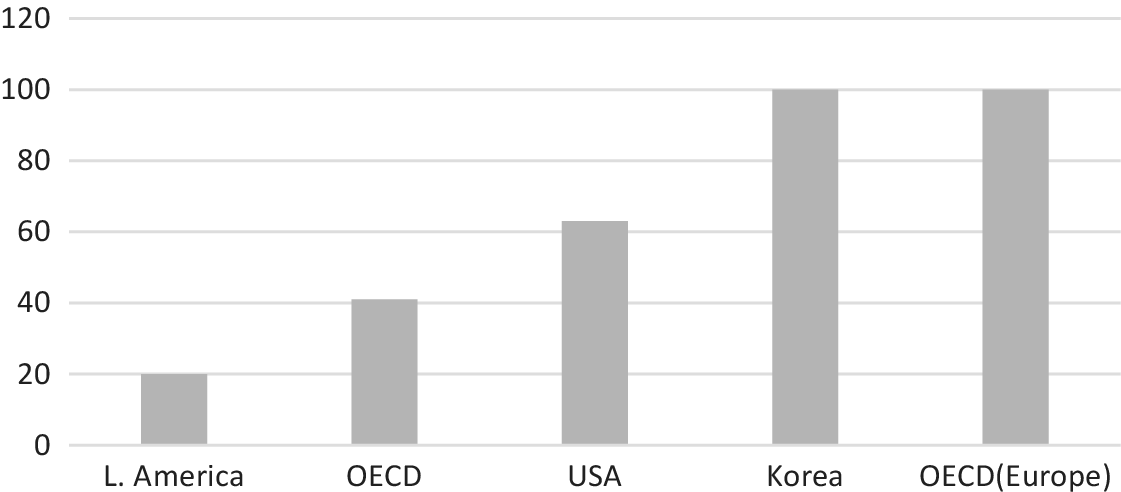
Total road density (Kilometres per 100 km2) 2014.
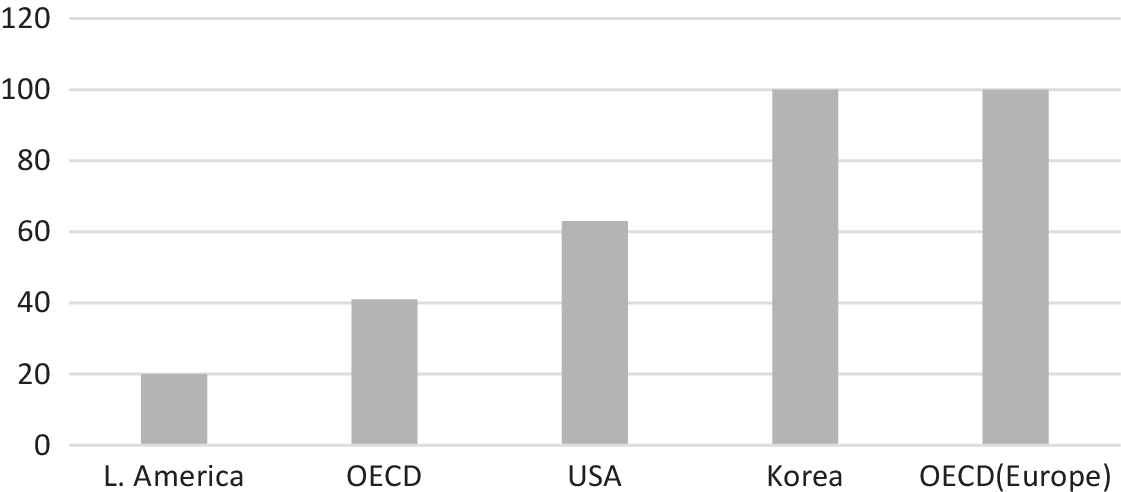
Calderon and Serven’s (Reference Calderon and Serven2009) examination of transport infrastructure shows that there is a vast gap between industrial and developing regions and that this disparity has widened since 1990. Yet, it must be noted that in the case of industrial countries, growth in road network density virtually stopped after 2000 most likely reflecting a near‐saturation point. In 1980, Latin America’s transport infrastructure was on par with that of medium income countries. Twenty-six years later, however, its road density has hardly grown resulting in a density that is significantly below that prevailing in developed nations and mid-income countries such as South Korea. In 2006, total Latin American investment in roads and railways totalled 0.6 per cent of GDP.
In 2006, only 25 per cent of the Latin American road network was paved, far behind the medium-income country norm of 64 per cent, and much behind that of East Asia, which by 2006 was closing the gap with the industrial country norm (Calderon & Serven, Reference Calderon and Serven2009). By 2016, the percentage of paved roads in Latin America had reached 20 per cent. Guatemala, Mexico and Panama are the countries with highest level of paved roads as proportion of their total road networks (ECLAC, 2017c).
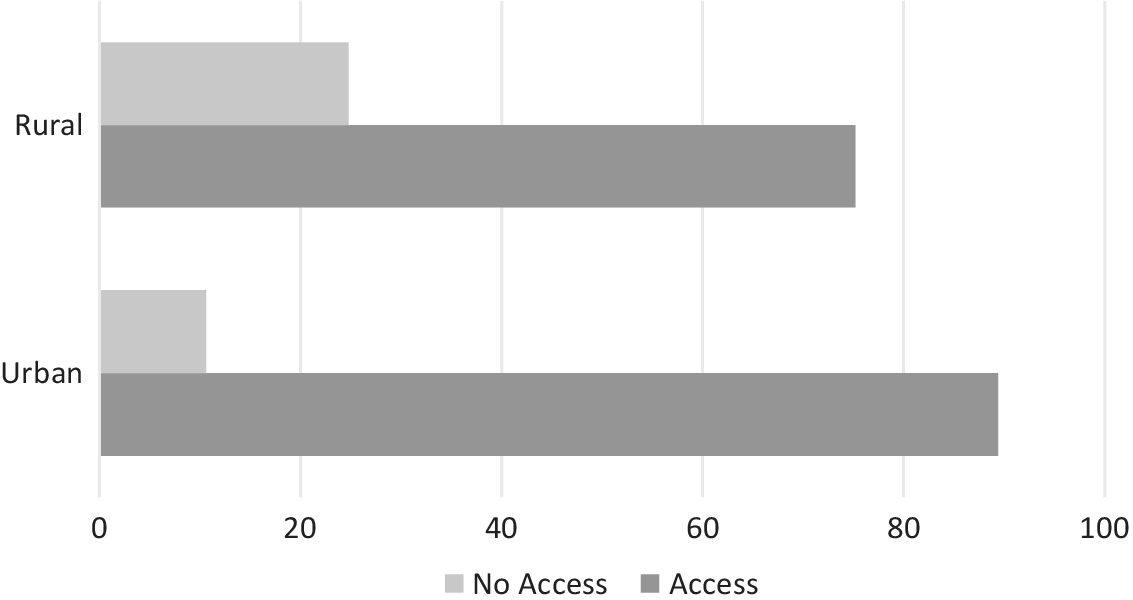
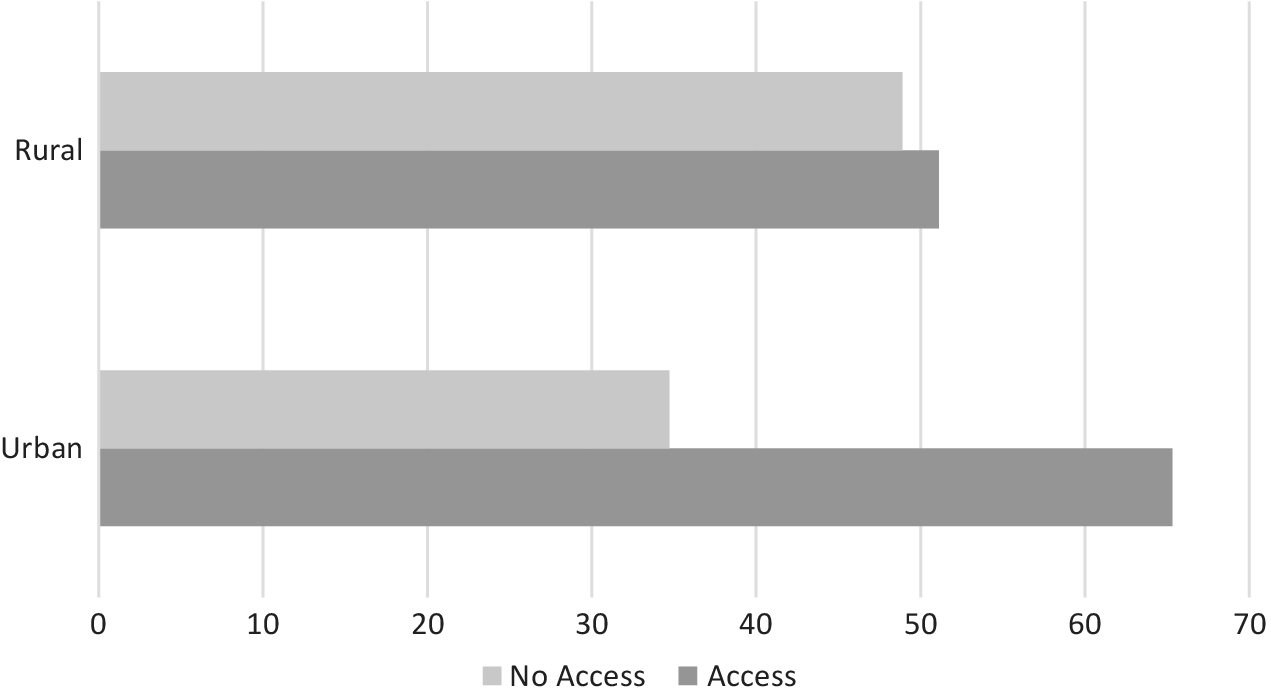
Improved access to water sources (piped water, public standpipe, borehole, protected dug well, protected spring and rainwater collection) and improved sanitation (connection to a public sewer, connection to septic system, pour‐flush latrine, simple pit latrine and ventilated improved pit latrine) are essential in order to improve the living conditions of poor populations. In turn, these types of infrastructure projects tend to offer many opportunities for job creation at the community level. Figure 3 shows the percentage of the Latin American population with access and no access to direct piped water in urban and rural areas.
Percentage of Latin American population with access/no access to direct piped water in home premises. Urban and rural areas 2016.
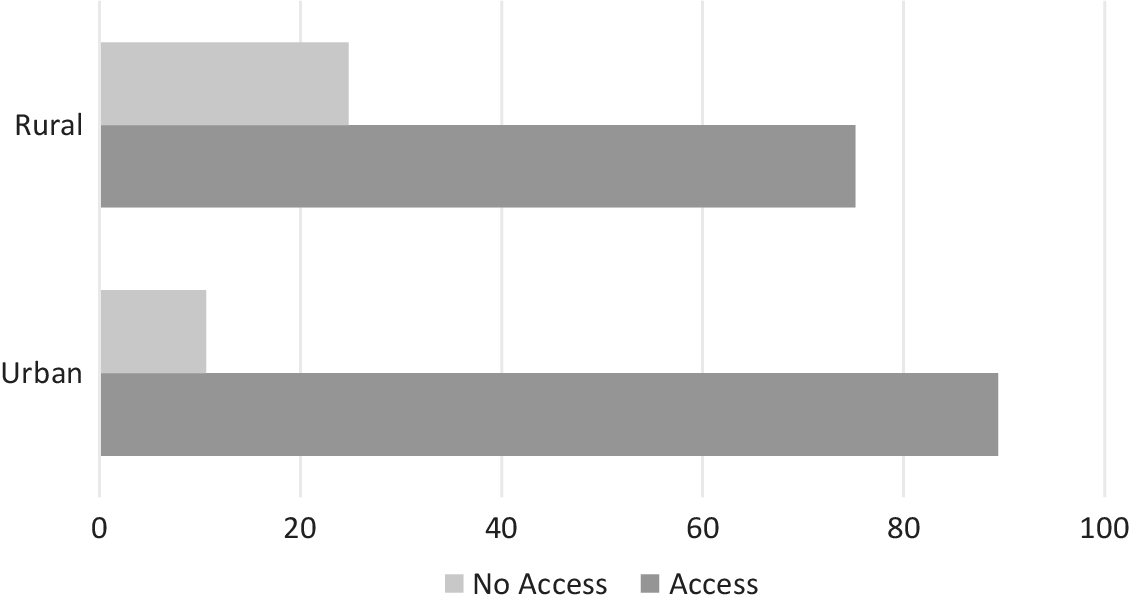
Figure 3 reveals the large percentage of rural population with no access to piped water.
It is noteworthy that a person without access to improved drinking water such as a protected borehole well or municipal piped supply is bound to rely on unclean surface water, contaminated wells, or acquiring water of unverifiable sources (United Nations, 2018). The Latin American countries most affected by lack of access to piped water are Mexico, Brazil, Peru, Haiti and Colombia (WHO/UNICEF, 2010).
Figure 4 shows the percentage of the Latin American urban and rural populations with access and no access to improved sewerage systems.
Percentage of Latin American population with access/no access to improved sewerage systems in urban and rural areas 2016.

It should be noted that despite some increase in the access to improved sewerage systems, 26.5 million Latin Americans still practice open defecation. The Latin American countries most affected by this practice are Brazil, Mexico, Colombia, Haiti, Peru and Bolivia (WHO/UNICEF, 2010).
Figures 1,2,3 and 4 all point to significant gaps regarding the access of rural populations to basic services such as roads, electricity, piped water and sewerage systems. Bridging these gaps offers vital opportunities for work creation in rural areas. Besides, the building and protection of wells, the safeguarding of spring water and the collection of rainwater work to minimize hardships caused by storms, floods and droughts. In Latin America, the number of persons affected by these natural disasters is considerable: During 2016, 2,521,320 persons were affected by storms, 4,216,507 were affected by floods and 4,265,000 were affected by droughts (ECLAC, 2017c). Hence, all infrastructure projects associated to water management should be considered to be a priority.
Lack of access to sewerage systems is critical and needs urgent attention. In India, for example, water sewerage is the leading polluter of water sources, producing a host of diseases, including diarrhoea, but also agricultural contamination and environmental degradation. In 2016, diarrhoea killed 18.6/100,000 Indian children under the age of five (WHO, 2018). In Latin America, the number of deaths due to diarrhoea is also a matter of concern. In 2016, 6.3/100,000 Guatemalan children under the age of five died from diarrhoea, in Bolivia the figure was 5.6/100,000 and in Honduras it was 3.6/100,000 (WHO, 2018). Hence, in view of the similarity of the problems afflicting their rural populations, both India and Latin American countries are experimenting with simple and decentralized alternative methods of treating sewage that seek to provide reliable, affordable and good quality desludging (Chaturvedi, Reference Chaturvedi2017; Hernandez-Padilla et al., Reference Hernandez-Padilla, Margni, Noyola, Guereca-Hernandez and Bulle2017; Noyola et al., Reference Noyola, Padilla‐Rivera, Morgan‐Sagastume, Güereca and Hernández‐Padilla2012). Latin America and India are also experimenting with local forms of energy production such as solar power and off grid/micro-grids technology (Lopez, Domenech & Marti, 2018; Phurailatpam et al., Reference Phurailatpam, Rajpurohit and Wang2018).
One factor that could increase the level of investment in infrastructure in Latin America is the gradual recovery of its economy. According to ECLAC (2019a), economic growth in Latin America could reach an average of +2 per cent in 2019 and of + 2.5 per cent in 2020. However, a trade war between the United States and China could bring disruptions to the Latin American Economy in various ways. The most important of these will be the decreasing price of commodities by 7 per cent overall (ECLAC, 2019b). International aid represents another source of funds for investment on infrastructure that could be applied to a guaranteed work programme. For instance, the IADB (2017) is currently financing 216 water and sanitation projects in Latin America at a cost of 9.37 Billion US Dollars. These projects are aimed at expanding access services to low-income and vulnerable populations. Countries such as the United States, England, France, Germany, Japan, Denmark, Norway, Holland, Norway and Sweden also provide aid destined to improve the quantity and quality of water and sanitation systems in Latin America (De Venanzi, Reference De Venanzi2015).
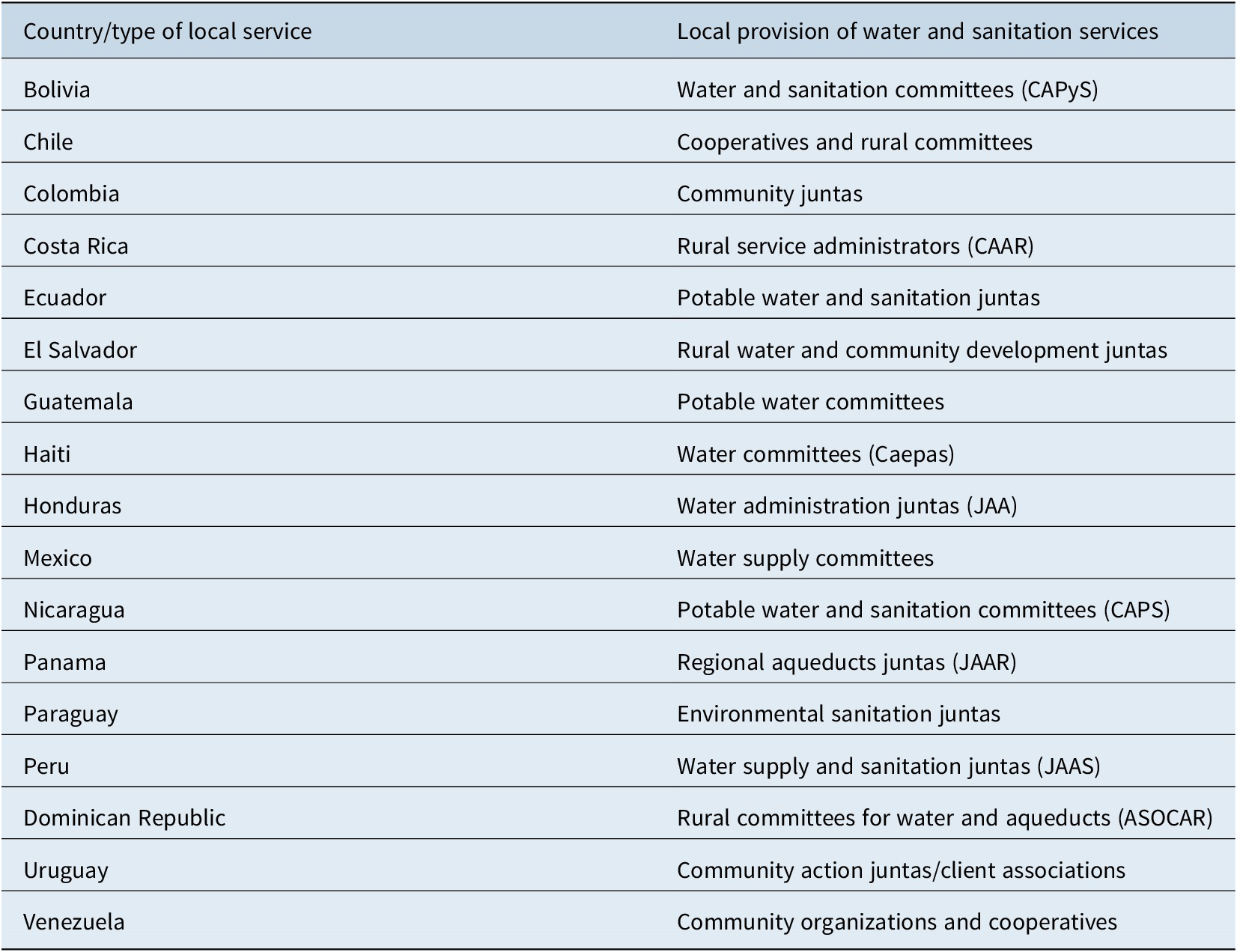
In Latin America, we find a number of experiences tied to the local management and operation of basic infrastructure that could readily incorporate elements of the NREGA model. Certainly, in Latin America, communities themselves are participating in the provision of water and sanitation services, and such participation is helping solve many of the problems involved in the implementation of central governments’ decisions at the local and regional levels. It is the case that regional authorities and communities are best positioned to develop policies that meet specific local conditions (Akhmouch, Reference Akhmouch2012; IADB, 2018b).
Table 4 points to the grass-roots decentralization of water and sanitation services in 17 Latin American countries. The local committees, cooperatives and juntas are elected by members of the community and, with the support of local governments and the private sector, build, repair, operate and administer water and sanitation systems. Such existing decentralization could play a fundamental role in the implementation of a guaranteed work scheme modelled after the NREGA. Besides taking care of the provision and maintenance of infrastructure as they do now, the local juntas and committees might operate as local bodies responsible for promoting the public discussion of infrastructure projects, together with the design and management of the day-to-day operations of the change program for programme: creating awareness of the programmes, worker enrolment, issuing and verifying job cards and keeping case records and work files. Moreover, local bodies could assume some of the scheme’s internal audits and participate in the budgeting process that, in the Latin American region, tends to be highly centralized (Akhmouch, Reference Akhmouch2012).
Latin America. Community-level provision of potable water and sanitation by 17 countries.
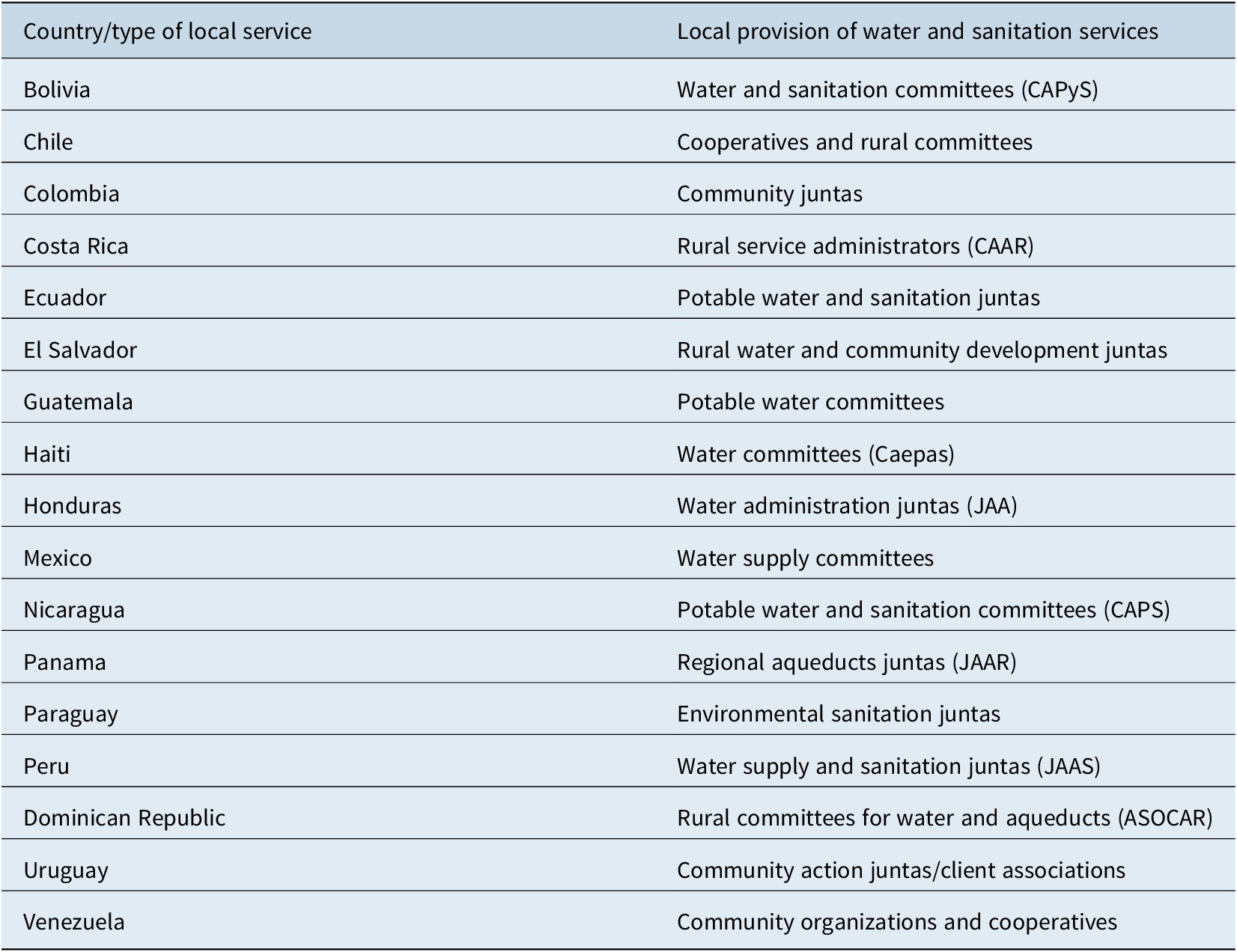
Source: IADB (2018d).
An additional aspect that could work to facilitate the transfer of the NREGA to Latin America is that all countries in this area (except Venezuela) have implemented conditional cash transfer (CCTs) programmes (de Britto, Reference De Britto, Barrientos and Hulme2008). This means that, as we speak, Latin America counts with a large banking network that could be used to pay workers enrolled in a guaranteed work plan. It is worth noting that, in India, the combination of CCTs and policies like the NREGA has produced a significant reduction in the poverty rate. While the CCTs work to enhance the consumption of basic goods and to engage targeted households in human capital formation, the guaranteed work plan offers needed income for millions of rural workers while creating basic labour skills and needed infrastructural assets (UNDP, 2009). Yet, Zepeda and Alarcon (Reference Zepeda, Alarcon and Pankaj2012) contend that, in the long run, employment programmes produce better results in the fight against poverty than CCTs. Nevertheless, the popularity of CCTs in Latin America points to the need of considering some type of policy blending, whereby the consolidation of benefits to households coming from several sources and in multiple forms helps improve the effectiveness of the social support safety net.
Beginning in 2016, Latin American governments and international donors have paid a great deal of attention to the issue of transparency in infrastructure investment. Indeed, corruption scandals in the region have called for stronger legal and regulatory frameworks regarding the infrastructure sector (IADB, 2019). Such a concern for transparency should be essential to the administration and operation of all future guaranteed work programs.
One option for increasing transparency is the Public–Private Partnership Model (PPP) that attempts to adopt best practices when disclosing project information. Information to be publicly disclosed includes (IADB, 2019):
• Project proposals.
• Feasibility studies.
• Contracts.
• Financial structure and deals.
• Performance reports.
• Financial information on the company involved with the project.
Seventeen Latin American countries have strengthened their institutional and regulatory framework by creating their own PPP units (IADB, 2019).
Section 3 provided, information regarding the basic infrastructure needs facing Latin American countries. We further argued, that existing local bodies such as water committees, juntas and cooperatives, are in a position to assume the day-to-day operations of a guaranteed work scheme, while the task of monitoring project advance could be shared by all stakeholders.
In closing, Latin America needs to commit more resources for the construction and maintenance of infrastructure in sectors such as water management, energy, transport, irrigation and other projects that are conducive to better living conditions for rural populations.
Conclusions
The present paper has argued for the potential benefits stemming from the implementation of a guaranteed work scheme in Latin American countries modelled after the NREGA. Such a scheme would offer new job opportunities for the large share of unemployed and under-employed population in the region and would prove instrumental to the building and maintenance of needed infrastructure. In essence, the NREGA is a social programme that entitles every rural household to a minimum of 100 days of guaranteed paid work each year at minimum wage. The programme seeks to improve the living conditions of rural populations, to employ the surplus labour existing in the countryside to promote economic growth in rural areas and to create enduring infrastructural assets. The overall success of the Indian guaranteed employment plan provides good reason to suggest that the implementation of an analogous programme could result in a number of positive outcomes for any country facing shortfalls in basic infrastructure and harbouring a sizable workforce affected by unemployment and different types of under-employment.
As stated previously, a significant percentage of the Latin American workforce in both urban and rural areas is subject to adverse working conditions: vulnerable employment, informal employment and precarious employment. These conditions include the conspicuous violation of labour laws, such as minimum wage violations and lack of formal job contracts. The Indian guaranteed work scheme has proven its capacity to uplift rural wages to the legal minimum. Additionally, it has contributed to enhancing the bargaining power of workers in the labour market and to moderate rural–urban migration. Almost as importantly, the NREGA employs a self-targeting mechanism which offers workers some degree of flexibility in choosing jobs. Moreover, a guaranteed work programme can be very advantageous to workers who are engaged in jobs of a cyclical nature.
Latin America exhibits important deficits regarding energy provision, transport and water management systems. Investment in these sectors would translate into better living conditions for the poor, while lessening the impact of natural disasters on vulnerable populations. It is understood that any attempt to transfer the NREGA outside India, must strive to avoid the shortcomings noted in its operation. Similarly, such a transfer needs to start by clearly defining its own local priorities and concerns: that is to say, policy makers must propose projects that are well suited to the region and advance projects which are technically sound and respond to community needs. Policymakers must also draw a wage structure capable of attracting manual workers and of securing the skilled personnel needed for the technical supervision of projects. One factor that should contribute towards the application of new investments on basic infrastructure is the gradual recovery of the Latin American economy. The profuse analyses available regarding the design and operation of the Indian employment guarantee scheme offer useful information that can be effectively employed by policymakers looking to put in place a guaranteed work programme.
It is significant that a number of multilateral organizations (United Nations, International Labour Office, Food and Agriculture Organisation of the United Nations and the International Fund for Agricultural Development), as noted earlier, are proposing as a matter of urgency the creation of rural employment programmes and the betterment of rural infrastructure as a way to improve the living conditions of the Latin American rural population.
With more than 10 years of operation, the NREGA has become the poster programme of succeeding Indian governments. The improvement of people’s life in the countryside can be easily appreciated and the same can be said of the numerous infrastructures that have been created under the scheme. The purchasing power brought about by the scheme has translated into the increased access of rural populations to essential supplies and the support of children’s education. Moreover, the scheme has had a positive impact on agricultural productivity through better infrastructure and the diversification of crops.
What emerges from our preliminary analysis is an argument in favour of the transfer of the NREGA to the Latin American region. Nevertheless, further studies are needed in order to clarify the role that institutional and financial factors may play in a policy transfer of the proposed type. Such studies will indicate with added precision whether the guaranteed work scheme initiative undertaken in the Indian sub-continent can provide the desired beneficial effects to Latin America’s rural populations.
Acknowledgements.
I would like to express my sincere appreciation to Professor D. Rajasenan for inviting me to conduct policy research at the Centre for the Study of Social Exclusion and Inclusive Policy, Cochin University of Science and Technology, Kerala, India. My appreciation goes also to Professor Mohan Rao who invited me to continue my research on Indian social policy at the Centre for the Study of Social Exclusion, Hyderabad University, India. Both stays proved to be truly enriching professional and personal experiences.
Disclosure statement.
No potential conflict of interest was reported by the author.
Funding.
This research did not receive any specific grant from funding agencies in the public, commercial, or not-for-profit sectors.
Augusto De Venanzi earned his BA in Sociology from the University of Kent (UK) and his PhD from the University of Surrey (UK). De Venanzi taught at Central University of Venezuela where he reached the Full professor position. He was also Director of the Doctoral Program in Social Science and Director of the Sociology School. De Venanzi’s publications revolve around issues of social development, social policy, marginalization and social exclusion. In 2005 De Venanzi accepted a position at Purdue University Fort Wayne where he keeps working on issues of comparative social policy. De Venanzi has been the recipient of a Fulbright Scholarship and other prestigious awards and has been an invited scholar at the London School of Economics, King Juan Carlos University in Madrid, at the Centre for the Study of Social Exclusion and Inclusive Policy, Cochin University of Science and Technology, Kerala, India, and at the School of Social Science University of Hyderabad, India.