


Civil wars are commonly associated with significant human suffering, particularly for noncombatant populations. A scourge of civil wars since 1945—roughly 127 in 73 different countries—has caused the deaths of more than 16.2 million people (Fearon and Laitin 2003). It is estimated that the indirect costs of internal conflict, through war-induced famine, disease, and economic disruption, are far greater (Ghobarah, Huth, and Russett 2003). Yet the extent of civilian suffering varies across conflicts, over time within a conflict, and across geographic regions in countries that experience violence. Six years of fighting in the jungles of eastern Congo killed nearly 100,000 people, whereas 40 years of violence in Colombia has resulted in less than 20,000 deaths (Lacina and Gleditsch 2005). Although 2001 brought the deaths of 643 civilians in the Nepalese civil war, 4,647 perished in the following year (INSEC 2005). Violence in Peru's Ayacucho province alone accounted for nearly 40% of the killings and disappearances reported to the country's Truth and Reconciliation Commission, while other parts of the country went largely unscathed (Comisión de la Verdad y Reconciliación [CVR] 2003).
Warring factions exhibit markedly different patterns of behavior in their interaction with noncombatant populations (Chesterman 2001). Parties fighting on behalf of government forces in Yugoslavia, Rwanda, and Sudan launched campaigns of ethnic cleansing in which individuals were forcibly displaced or exterminated (Mueller 2004; Prunier 1997, 2005). Insurgent groups in northern Uganda, Burma, and Colombia have forcibly abducted children to fill their fighting ranks (Coalition to Stop the Usage of Child Soldiers [CSUCH] 2005). Strategies employing amputation and rape have become all too characteristic of rebels and paramilitary forces in West Africa, Central Africa, and beyond (Human Rights Watch 2001; Human Rights Watch 2003). At the same time, insurgent groups such as the National Resistance Army (Uganda) and the Guerrilla Army of the Poor (Guatemala) perpetrated very low levels of violence and exhibited restraint in their relationships with noncombatants (Ball, Kobrak, and Spirer 1999, Weinstein 2005). Armies in Colombia, Sri Lanka, and beyond have set in place formal structures of command and control and accountability mechanisms that limit abuses committed against civilians. Other groups, such as the Tuareg insurgents in Mali, have engaged primarily with military targets during some periods and with civilian targets in others (Humphreys and ag Mohammed 2005).
Explaining variation in patterns of abuse across warring factions thus involves an examination of more than civilian deaths: it requires a careful analysis of a diverse set of strategies factions employ in their interactions with noncombatants. In exploring the logic of civilian abuse, our starting point is the fact that coercive tactics are potentially costly, as they undermine the civilian base of support for warring parties (Valentino, Huth, and Balch-Lindsay 2004). Insurgent groups often depend on civilian populations for the labor and resources needed to wage civil war, and counterinsurgent forces risk enabling the opposition when they utilize violent tactics that alienate civilians caught in the middle of fighting. The costly nature of violence, we argue, suggests an important empirical puzzle: why do some warring factions abuse noncombatants whereas others do not?
To answer this question, we begin with a simple model of combatant–civilian relations that captures the incentives facing fighting units that seek to extract resources from noncombatant populations. The likelihood of abuse, we argue, depends on three factors. First, it depends on whether sufficient incentives exist for armed groups to exercise restraint in the short run in anticipation of future rewards. Even if such incentives exist, two further factors—weak territorial control and poor internal cohesion—may inhibit groups from acting on these incentives. Competition for territorial control may affect the ability of groups to internalize the benefits of disciplined behavior. Within-group collective action problems can undermine the capacity of groups to negotiate and implement cooperative relationships with noncombatants.
A priori, it is reasonable to expect that any of these three factors might account for variation in abuse in a given conflict. Drawing on data from a systematic survey of perpetrators representing the five warring factions in Sierra Leone, this article demonstrates that abusiveness is best predicted by the third factor, the internal characteristics of a fighting unit. Units composed of members with private goals, which organize into ethnically heterogeneous groupings and lack internal mechanisms to discipline behavior, exhibit relationships with noncombatants characterized by coercion and abuse. Units whose members share common goals, organize into homogenous units, and set in place disciplinary structures are far less abusive toward civilians and are more likely to establish constructive relationships. These internal characteristics of distinct fighting units emerge as important predictors of abusiveness even after introducing controls for the national-level faction with which combatants were aligned.
After controlling for confounding factors, we find no support for the idea that social ties between communities and fighting groups are a primary determinant of variation in abusiveness. Although shared ethnic, religious, or regional backgrounds may make it possible for combatant groups to activate norms of reciprocity that render abusiveness unnecessary (Taylor 1988), rival logics that we identify in the case of Sierra Leone reveal community ties to be less important than theory would suggest. We also find little support for the idea that abusiveness is a function of the degree of control and contestation in a particular geographic zone. After controlling for the characteristics of warring groups, we find little empirical evidence that groups condition their behavior on their relative strength in a region.
Although its key contribution is in providing empirical evidence in support of a new explanation for the abuse of civilians in internal conflict, this article also demonstrates the utility of survey methods for understanding the local-level dynamics of civil conflict. By asking about the determinants of combatant behavior within conflict, it shifts attention from the macro to the micro, complementing and building on recent research on conflict onset and duration (Collier and Hoeffler 2004; Collier and Sambanis 2005; Fearon and Laitin 2003). Moreover, it highlights the potential for systematic research on violence itself, a phenomenon that motivates academic and policy interest in civil war but is poorly captured by the dummy variables used to represent conflict at the country-level (Kalyvas 2006).
THEORIES OF CIVILIAN ABUSE
Across civil wars, armed groups face a strategic challenge: in building, maintaining, and deploying their fighting units, they must solicit material resources and logistical support from noncombatants. To explain why some groups abuse noncombatants whereas others do not, one needs to understand the conditions that favor cooperation between combatants and civilians in this process of extraction. We offer an informal model that describes the situation facing combatants as they seek to obtain the resources they need to finance the conflict.1
A formal version of the model can be found at http://www.columbia.edu/~mh2245/papers1/apsr2006
When fighters engage civilians, they can employ coercive tactics to obtain resources and support directly. Coercive behavior can include the forced extraction of food and labor, the theft of property, rape, and sometimes the killing and maiming of civilians. These tactics are often effective in securing resources for an organization. They may also have direct or indirect military benefits, by signaling the resolve of groups or undermining the support base of opposition groups. But they come at a cost. In the long term, a group's abusiveness may destroy the human and physical base of the local economy on which armed groups often depend. If violence can be used to extract benefits from civilian populations, the optimal levels of extraction may obtain when the wielders of violence desist from extracting too much and thereby killing the goose that lays the golden egg (Bates, Greif, and Singh 2003). Too much violence might lead civilians to flee, undermining a group's ability to obtain the support it needs to survive.
Another strategy, then, is to exercise restraint in the use of violence against civilian populations—or even to act positively to provide local public goods (Lichbach 1995; Wickham-Crowley 1992)—in exchange for some level of community support. But arriving at a cooperative arrangement in which civilians offer support to fighting units and soldiers desist from abuse is sometimes difficult. Much scholarly attention has focused on the collective action problems inherent in the decision to participate as an insurgent (Lichbach 1995; Olson 1965; Popkin 1979) or to provide support to a rebellion (Goodwin and Skocpol 1989; Kuran 1989; Skocpol 1982). These collective-action problems may impede a group's ability to solicit voluntary contributions. Although they have received less attention in the literature, other collective-action problems that obtain between fighting groups—when units fail to internalize the returns to their actions with respect to civilian populations (Keen 1998)—and within fighting groups—when actions that benefit individual fighters conflict with a group's overall objectives (Wilson 1989)—also undermine the potential for cooperation between combatants and the local population.
To further examine the logic, consider a situation in which one or more armed groups have partial control over a territory in which civilians engage in production. When individual combatants encounter civilians, they can choose to extract some share of the income generated by noncombatants. Coercive tactics are always opprobrious; in the context of our model, however, extraction is termed abusive if it is so extreme that it removes a civilian's ability to survive. In practice, abuse might occur through starvation or killing, the destruction of capital, or forced displacement. More broadly, abusive behavior can be thought of as actions—including transfers of material goods but also maiming, sexual assault, and other degrading and damaging practices—that render civilians unable to produce or that provoke them to flee an area. We consider now three factors that can determine when and where groups are more likely to engage in such behavior.
Incentives for Restraint
A situation of repeated interaction can facilitate collective action if the future discounted returns to cooperation sufficiently outweigh the gains that can be achieved from defection in a given period. For civilians living in subsistence economies with low growth rates, local differences in productivity can determine whether a cooperative arrangement that maintains peasant production along with a regular transfer of surplus is sufficiently attractive to an armed group that it will refrain from abusive behavior. The condition for restraint is that the returns to civilian labor are such that there exists a surplus of income, over and above civilian subsistence requirements, that makes it worthwhile to refrain from total extraction, in anticipation of future gains from extraction. Such conditions, we expect, are more easily met in wealthy areas. This logic gives rise to our first hypothesis:
H1: Abuse levels are likely to be higher in poorer areas.
The logic is somewhat altered when there are nonpecuniary costs (or benefits) to abusive behavior. In environments where coercive behavior is costly, cooperative relations may be maintained even if the discounted future returns to restraint do not outweigh the immediate material returns that can be achieved through abuse. This intuition is consistent with a rich literature in political science that emphasizes how dense community ties ease the resolution of collective action problems and allow for the sanctioning of misbehavior. Classical studies of revolution identified the autonomy of peasant communities and the strength of horizontal networks as necessary conditions for mobilization (Moore 1966; Skocpol 1979). A more recent variant identifies three key aspects of community as essential for helping groups to overcome collective action problems (Taylor 1988). Individuals embedded in dense social networks experience repeated interaction with one another, they enjoy greater facility in monitoring the behavior of others (Fafchamps and Minten 2002; Ghosh and Ray 1996), and they can employ a rich array of positive and negative sanctions to police contributions. Taken together, community ties create a situation in which conditional cooperation is possible and generalized reciprocity emerges as a norm. Individual members of fighting units thus may face higher costs if they employ abusive tactics in their own communities. These considerations give rise to our second hypothesis:
H2: Lower levels of abusiveness should be apparent in geographic zones in which warring factions are fighting in their home communities.
The role of community ties in achieving collective action has also been emphasized in the study of mobilization and cooperation within ethnic groups (Fearon and Laitin 1996). Ethnic identities often link individuals to a host of informal institutions and networks that may facilitate trust by promoting the flow of information about reputations, enabling sanctioning, and generating expectations that cooperative overtures will be reciprocated (Ostrom and Ahn 2002). This generates our third hypothesis:
H3: Lower levels of abusiveness should be apparent in geographic zones in which warring factions are predominantly of the same ethnic group as members of the local community.2
It is worth noting that a theory of abuse rooted in ethnic “antipathy” would generate identical predictions about geographic variation in combatant behavior (Horowitz 1985; Posen 1993). Conflicts organized along ethnic lines are seen as particularly conducive to high levels of violence (Brown 1993). Because we interpret abusiveness as reflective of a broad range of coercive tactics groups employ, we prefer a framing that draws on the logic of collective action rather than on ethnic hatred.
Again, we note that these two hypotheses are not uncontested. Azam (2006), for example, argues that warlords have particular incentives to wreak havoc in their own communities. By making it costly for civilians to produce, it becomes more attractive for them to join the warlord's armed group as combatants. The abuse of one's own community depresses the wages that have to be paid to fighters. Other logics link violence to even more micro-level processes: violence by armed groups may be oriented largely toward settling private scores (Kalyvas 2003), a dynamic that may be more likely to occur within communities or within ethnic groups than across them.
Contestation
Whether the benefits to restraint are sufficient to translate into less abusive behavior depends on a set of between-group strategic considerations that arise whenever authority over territory is fragmented into zones of insurgent control, government control, and areas where control is contested (Tilly 1978). Although there are many different ways of interpreting the notion of control, we consider only two.
Consider first a situation in which in each period groups of different sizes encounter citizens in the same zone probabilistically. Here control can be taken as a measure of the likelihood with which a civilian encounters a given group. In such cases, the greater the control a group has over a given territory, the more confident its leaders can be that they (and not others) will benefit in future periods from restraint they exercise today. Groups that control a particular territory can expect to benefit from discipline, even in situations where smaller groups elect to engage in abusive actions in the same area. Greater levels of control then are associated with lower levels of abuse. This argument, we note, is consistent with a number of theories in the literature. Kalyvas (2006) suggests that by protecting individuals from other warring parties, by giving rise to a socialization process, by rendering threats of punishment credible, and by facilitating monitoring and the collection of information, uncontested sovereignty reduces the need to resort to coercion and abuse. Hultman (2005) offers a different argument that also produces predictions consistent with ours: where and when they are weak, abusive tactics, she suggests, are used by rebel groups to send signals of their resolve, thereby improving their position at the negotiating table.
Consider next a situation in which civilians may encounter multiple groups in a given period, but possibly with different frequencies for different groups. Here the relative frequency of contact with different groups can be taken as a measure of their control. In such cases, and unlike in the previous case, a cooperative arrangement depends on the ability of groups to engage in implicit collusion. For collusion to be compatible with the incentives of fighters from different groups, however, there must be a sufficiently large margin between the quantity of extractable resources and the subsistence requirements of civilians such that each group, after taking some share for themselves, can still leave enough on the table that future groups have an incentive to refrain from abusive behavior. Sustaining cooperative relationships with civilians under such conditions becomes more difficult as the number of groups increases. This feature of competition and collusion in coercive environment is somewhat surprising if compared with standard economic logics of competition. Whereas in market contexts, more competition among potential consumers for access to a producer's output leads to greater returns for producers, the logic is reversed in coercive environments. When armed groups can apply violence in turn, competition among them limits rather than enhances the scope for cooperative agreements with civilians. As developed here, the logic implies a form of tacit coordination across rival groups, a phenomenon reported often in accounts of “new wars” (Kaldor 1999). These arguments suggest a clear relationship between the degree of control a given group exercises over territory and its propensity to engage in abusive behavior and give rise to our fourth hypothesis:
H4: Greater levels of contestation will be associated with higher levels of abuse.
But as before, this hypothesis is contested. Other arguments that emerge from models that allow greater agency to civilians than does ours suggest that levels of violence may be particularly low when control is contested. Gates (2002), for example, argues that rebel groups do not attempt to recruit soldiers from contested zones; because such recruits can more easily defect to the other side, they become too expensive to maintain. In a study of drug gang behavior, Levitt and Venkatesh (2000) find that gangs treat civilian populations better in periods of high contestation (by pricing drugs below cost) in a bid to bind consumers to their side. The logic, supported by theory in industrial organization (Klemperer 1995), depends on the freedom of civilians to choose the side which they want to benefit. Finally, for the special case of selective violence, Kalyvas (2006) examines a game in which civilians can use denunciation strategies to provide armed groups with the information they need to punish defectors. In a logic similar to that underpinning mutually assured destruction during the Cold War, he argues that lower levels of selective violence are observed in the most hotly contested zones because civilians, fearing retribution, do not provide information to fighting groups that can be used as a basis for selective violence.
Internal Structures of the Factions
Within-group collective action failures may also contribute to abusiveness. If the social rewards to restraint (for members of a fighting group) outweigh the private gains from abuse, then levels of abusive behavior committed by a unit will depend on the ability of the group's members to resolve this collective action problem. In such cases, a unit's aggregate returns depend on the group's ability to ensure that individual members do not overemploy violence for their individual gain.
The logic of the argument is similar to that supporting our claim about the advantages of monopoly power. We argued earlier that tacit collusion across groups can result in cooperative arrangements, but only if the number of groups is not too large. By the same logic, internally divided groups in which individual fighters extract benefits for themselves can collectively achieve cooperative relationships, but only if their numbers are sufficiently small relative to the level of wealth of noncombatants. In contrast, if a group is cohesive, in the sense that it operates like a unitary actor, maximizing the sum of its members' utilities, then nonabusive behavior can be optimal even in situations in which tacit collusion cannot be achieved by noncohesive groups.
In practice, a diversity of group characteristics and formal structures may affect the ability of a group to coordinate and police the actions of its membership. Examples include the existence of common goals, preexisting social networks, ethnic ties, and formal codes of discipline (Gates 2002; Sambanis 2001). Miller (1992) emphasizes the importance of common goals—whose achievement depends on the success of collective action rather than on the pursuit of private material gains—in explaining variation in the success of private organizations. Case studies of effective military organizations where ideology is paramount often identify similar group characteristics as essential for motivating and sustaining participation (e.g., Elliot 2002). However, across civil wars, there can be considerable variation in the extent to which fighters are motivated by collective rather than private goals. This logic motivates our fifth hypothesis:
H5: Warring factions that recruit combatants using offers of private benefits are more likely to exhibit high levels of civilian abuse.
Other arguments focus less on goals and more on the role of community ties (Taylor 1988). Insurgent groups will have more effective systems to police defection if they are built on the foundation of preexisting social networks or powerful ethnic ties that facilitate monitoring and punishment (Weinstein forthcoming; Wood 2004). Analogous to our second and third hypotheses, we then have:
H6: Warring factions with more dense social structures have lower levels of abuse.
H7: More ethnically homogenous factions should exhibit lower levels of civilian abuse.
Finally, theorists of collective action have identified formal, internal mechanisms that promote compliance and control as essential for ensuring group solidarity including clear rules, procedures, and avenues for punishing indiscipline (Hechter 1987). Such considerations motivate our final hypothesis:
H8: Factions with tight disciplinary structures are likely to be less abusive of civilian populations.
The logic linking abusiveness to within-group cohesion depends on two critical assumptions. One relates to the returns to violence: our model assumes that abusive behavior produces private rewards, but at a social cost to the group. The literature on genocide and mass killing offers a compelling alternative view. Valentino (2004), for example, argues that mass killing is an intentional tactic employed by political and military leaders in pursuit of their strategic objectives. In such cases, the benefits to abuse may accrue to the group rather than to the individual. Indeed, if it is also the case that the cost of committing abuse is applied to the individual rather than to the group, the logic of our argument is reversed: mechanisms of discipline and group solidarity would then enable, rather than restrain, the abuse of noncombatant populations. From this perspective, an organization that functions effectively in pursuit of its overall objectives can thus serve to increase abusiveness if its leaders are motivated by a desire to kill or destroy particular groups of civilians. The second assumption relates to the nature and goals of a fighting group. Our logic assumes that if a group is cohesive, then its goals will reflect the interests of its individual members. This assumption—which can be derived, for example, from a rational actor model in which players have full information and quasilinear utility—may be difficult to maintain in a context where leaders have considerable control but are ignorant or deaf to the interests of the rank and file. In such cases, the fact that restraint may collectively benefit the members of a cohesive group may not be sufficient to induce restraint.
EXPLAINING PATTERNS OF VIOLENCE AGAINST CIVILIANS
Testing these hypotheses requires accurate and credible micro-level data on the behavior of combatants during wartime. Such data are difficult to obtain: victims are often reluctant to speak, perpetrators may have incentives to misrepresent their experiences, and data-gathering mechanisms operative in times of peace tend to break down during war. In this article, drawing on unique survey data gathered in the immediate aftermath of war, we test our hypotheses with micro-level data on the structures, tactics, and strategies of the five warring factions in Sierra Leone's civil war.
Violence in Sierra Leone
The conflict in Sierra Leone was known around the world for the vicious treatment of its civilian population by combatant factions (for a recent history of the war in Sierra Leone, see Keen 2005). Human Rights Watch issued a series of reports describing these atrocities: sexual violence against women, the forcible recruitment of child soldiers, and campaigns of killing, amputation, and pillaging perpetrated by the different groups (Human Rights Watch 1998, 2001, 2003). Although estimates range widely, Human Rights Watch asserts that the war left over 50,000 civilians dead and more than 50% of the population displaced from their homes. The horrors of the war have been widely reported in international media, and shock at the extent of the massacres, amputation, and pillaging led to the organization of an international war crimes tribunal based in Freetown.
But despite the uniform image of abuse described in journalistic accounts, there was significant variation in how civilians were treated in different parts of the country. Rates of death and displacement varied dramatically, with displacement rates close to zero in some chiefdoms and rising to 80% in others. Even before the massive displacements of the late 1990s, there was significant variation in how civilians experienced the conflict, both across factions and within the warring groups in different geographic zones. The most evident differences in violence are across the five factions. The Revolutionary United Front or RUF (the main insurgent group), the Armed Forces Revolutionary Council (AFRC), a military junta, and the smaller West Side Boys (WSB) group, have been associated with the highest levels of abuse. The Sierra Leone Army (SLA) is often believed to be responsible for lower levels of abuse, although in many areas their behavior was considered indistinguishable from that of the rebels they were fighting against. The Civil Defense Forces (CDF), an offensive paramilitary force significantly larger in number than the RUF, was also responsible for some violations throughout the country, but is commonly associated with significantly less abusive behavior.
But it is unsatisfactory to account for variation in the abuse of civilians simply by saying that the CDF acted one way while the RUF acted another. At best, this is description not explanation. As an account of the war, it is particularly unsatisfactory because the demographics of the membership of the RUF and CDF in particular, including age, ethnicity, regional origin, languages spoken, and livelihood, are not all that different (Humphreys and Weinstein 2004). In our analysis, we look inside the factions—to the level of the fighting units—to uncover the determinants of abusive behavior.
The Data
Analyses of violence in civil war typically draw on accounts provided by a small number of key informants. Often, this approach generates rich insights; in many cases, however, the representativeness of the information gathered can be easily called into question. We sought to collect more systematic information about the structures, tactics, and strategies of the warring factions using a nationally representative sample of ex-combatants. The survey was conducted between June and August 2003, slightly more than a year after the war came to an end. The study targeted a sample of 1,000 ex-combatants; a total of 1,043 surveys of ex-combatants were completed. The main method for gathering information was through the administration of a closed-ended questionnaire by an enumerator in the respondent's local language. Interviews were conducted at training program sites and in community centers around the country.3
An obvious concern with survey work on issues of violence is truth telling. Respondents may have strong incentives to misrepresent the facts. With the Special Court operative during the administration of the survey, some respondents might have been concerned that their answers could be used as evidence for the prosecution. In the training, a script was developed for enumerators to help allay these concerns. In addition teams administered the survey in private and under conditions of anonymity. Finally, the survey explicitly avoided questions whose answers could be incriminating for the individual.
To ensure as unbiased a sample as possible, the survey employed a number of levels of randomization. First, teams enumerated surveys in geographic locations and chiefdoms that were randomly selected, such that each combatant had an equal chance of being selected. Estimates of the population of ex-combatants presently residing in the chiefdoms were made based on data from the National Commission on Demobilization, Disarmament, and Reintegration (NCDDR) and the National Statistics Office. The estimates of the population distribution were used to draw 63 clusters of 17 subjects throughout the country, with each cluster drawn with an equal probability. These clusters fell within 45 chiefdoms or urban localities, and these 45 localities formed the basic enumeration unit.4
The data provided by NCDDR for the distribution of this highly mobile population of ex-combatants were incomplete. We have since received data made available by the Food and Agricultural Organization (FAO) that provide a more complete sample frame for ex-combatants in Sierra Leone. The newer sampling frame suggests a larger share of combatants in the South of the country and a lower share in the East relative to the distribution data we had available to us at the time of implementation.
Within each enumeration unit, sites were also randomly selected, with both urban and rural areas represented. For each enumeration unit, specific numerical targets were set for the major factions (including gender and age distributions), based on the randomization and the estimated national distribution of faction members. Within each enumeration unit, enumerators worked through both official (UN and government) contacts and local community leaders to develop lists of ex-combatants. Teams identified pools of candidates from more than one source: some from the town or village Chief, some from the village youth coordinator, some from various DDR and NCDDR skills training centers, and so on. In every case, the teams aimed to identify two to three times the targeted number of potential respondents and then to randomly select respondents using a variety of methods. In most instances, Chiefs and DDR staff asked a number of ex-combatants to meet at a public location and teams selected candidates randomly from that pool (by choosing every third person or selecting numbers from a hat). Although this method worked well in most parts of the country, in some areas less than twice the target population was identified. This challenge tended to arise in remote rural areas, enumeration units with small ex-combatant populations, and regions where communities remain highly polarized.
Capturing Variation in the Course of the Conflict
The war in Sierra Leone was long and complex. It lasted for over a decade and involved five primary factions, numerous subfactions, and various external actors. Over the course of the conflict, the government changed hands four times and two peace accords were negotiated and failed. Individual experiences of the fighting were also complex. Some ex-combatants were involved in the conflict for short periods of time, whereas others entered early in the conflict and stayed to the end. Some changed subfaction or primary faction during the conflict, and almost all moved locations.
The survey asked detailed questions about characteristics of armed groups that varied among time periods, across factions, and in different locations. Asking questions about these aspects without making explicit reference to time periods would yield a set of “average” answers that would mask the temporal and geographic variation in the conflict. To ensure that the survey collected accurate information from specific time periods with particular factions, we developed randomization protocols within the survey.
Respondents were asked to map their involvement in the conflict by giving their location and faction membership for seven designated time periods, marked by major events in the history of the conflict. For each respondent, the survey recorded the number of periods in which the respondent was active and the enumerator selected one of these periods of activity using a randomization protocol. Enumerators were trained to remind the respondent throughout the survey that they were to answer questions about the specific time period selected by the randomization protocol.
The Unit of Analysis
A critical issue in evaluating various theories of violence is determining the appropriate unit of analysis. Data on the specific actions of individual combatants are sensitive and thus difficult to gather; as a result, the survey does not record an individual's acts of violence. Rather, it collects information about how the fighters in a respondent's unit behaved on a day-to-day basis. To assess the behavior of units within the fighting factions, we use detailed information gathered about the location of fighters at different points in time, as well as their factional and subfactional affiliations, to construct what we call “quasi-units.”5
As part of the temporal randomization protocol, we also asked respondents to describe the characteristics of the “smallest fighting unit” in which they participated—as they defined it. Interpretations of what constituted a unit varied in some cases, but about 70% of the sample answered in terms of groups less than 100 members. With thousands of possible units, difficult to distinguish from one another on the basis of respondent's own definitions, we opted to construct artificial units based on where people served, at what point in time, and with which faction.
Two types of quasi-units were constructed. In type FCH quasi-units, we group subjects from the same faction (F) and the same chiefdom (CH) at a given point in time. Type SFD quasi-units are based on more finely grained factional information but more general geographic information—grouping together individuals from the same subfaction (SF) operating in the same district (D). Typically, both methods result in groupings of between 5 and 15 respondents in a given quasi-unit at a given point in time. The existence of two distinct (although not independent) definitions of units allows us to check for the dependence of our results on any particular characterization of a unit.
With quasi-units as our unit of analysis, we generated variables to describe the characteristics of each quasi-unit based either on demographic information of the full set of members of the quasi-unit, or on statements made by individuals describing their own unit's behavior for the time period, faction, and region used to define membership in the quasi-unit.6
The ability of respondents to recall events in the past is obviously an issue of concern in the implementation of surveys. We minimize the potential error that arises from memory issues by asking respondents to describe patterns of behavior in their faction during one specific period of the fighting, randomly chosen but linked to a high profile and memorable event during the war.
Measuring the Extent of Civilian Abuse
The dependent variable is an index of everyday policies and practices employed by groups that reflect the extent to which these groups engaged in abusive or cooperative relations with civilian populations. Recall that in the context of our model, the decision to abuse is analogous to a choice between engaging with civilians in a way that does not adversely affect their productive capacity, or, predating on them to the extent that they flee or their ability to produce is otherwise destroyed. In bringing theory to data, we interpret the behaviors that correspond to these choices broadly, identifying features that capture restraint in relations with civilian populations both by the absence of permissive norms—such as the arbitrary use of sexual as well as nonsexual violence—and by the presence of policies that may be considered minimally supportive of communities. This broad interpretation, although consistent with our model, treats different forms of abuse as if they follow similar logics. We recognize that this approach may be contested, and therefore disaggregate our dependent variable in a subsequent section.
The index is created using factor analysis of respondents' answers to eight related questions in which they are asked to describe patterns of interaction with non-combatants (for question wording, see Appendix). The weights derived from the factor analysis were then used to create a single measure, the extent of civilian abuse, which ranges from 0 to 1. The measures used to construct the index include three distinct types of questions. First, we include questions about the ways in which food was collected, including whether food was taken forcibly from civilians, whether it could be collected peacefully on demand, and whether a system was in place whereby food would be delivered regularly in fixed amounts. Second, we add responses to questions that assess the likelihood that an individual in a fighting unit would be punished for stealing, amputating, or raping a civilian.7
We emphasize that this element of our proxy does not record actual violence committed by fighters during the war. Instead, it captures the strategies and behaviors of the warring factions as reported by the perpetrators—something likely to be correlated with actual levels of abuse. The responses capture levels of abuse or indiscipline not ordered by superiors. Although one can imagine a warring group in which all violence against noncombatants is expressly ordered by the commanding officers, but no other violence is permitted, or a situation in which abuse is permitted but does not in fact occur, evidence in the Sierra Leone case suggests that groups in which soldiers have license to commit abuses are also likely to be more abusive overall. One measure of actual abuse that can be drawn from our survey captures whether or not a group's first or last target in a particular period involved an unarmed village. Because of concerns about self-incrimination, we believe this measure is of low quality; indeed, in a war in which villages were a major target, less than 8% of combatants affirm that unarmed villages were a target. Nevertheless, this measure correlates strongly and positively with our measures of permissiveness: members of units that provide license to soldiers to abuse civilians are considerably more likely to report targeting unarmed villages.
Besides our theoretical rationale for thinking about abusiveness as a broader set of soldier–civilian interactions, we elected not to ask direct questions about violence because a war crimes tribunal and truth and reconciliation commission were just beginning their work. Although the tribunal promised to hold accountable only those who bore the greatest responsibility for atrocities, many former soldiers worried about the prospect of punitive action for their past behavior. Asking about the actions of specific individuals would have put our survey teams in a difficult position: respondents would have been reluctant to participate, incentives to lie would have been higher, and communities might have confused our work with investigative activities of the tribunal. So unlike event data, our measure is not intended to capture the magnitude or frequency of abuse—these depend on both the numbers of fighters and the number of civilians present in any location as well as the efficiency of organizations—but rather on the manner in which individual units interact with civilians, conditional on such interactions taking place.
The dependent variable displays substantial variation, both over time and across space (summary statistics for this and for all other variables used in the analysis are provided in Table 4). Average levels of abuse exhibit a gradual decline over the course of the conflict, with a slight rise following the AFRC/RUF attack on Freetown in 1998. However, there are sharp differences in temporal patterns across factions. The CDF employed less abusive strategies than the RUF overall, but its abusiveness remained fairly consistent over time even as its relative size increased. The RUF, on the other hand, after an initial spike at the start of the war and subsequent fall, exhibited a gradual increase in abusiveness as the war progressed after 1992.
Figure 1 displays the geographical variation of the index for each of the two major factions in the conflict (the RUF and the CDF). The figure on the left, which displays patterns of abusive behavior by the RUF, shows relatively low levels of abuse in the southwest of the country—where the conflict began—and in the diamond areas around Kono, and very high levels of abuse in the regions north of Freetown, from where the attacks on the capital were launched by a joint AFRC/RUF force. By contrast, the figure on the right, representing the behavior of the CDF, shows lower levels of abuse overall, with levels at their peak in the capital, Freetown, and in highly contested regions south of the capital.

Spatial Variation in Civilian Abuse
EMPIRICAL ANALYSIS
Our central hypotheses concern the importance of combatant–community ties, contestation, and group structure for understanding patterns of abusiveness in civil war. Several types of statistical analysis prove useful in exploring the evidence for or against each of the hypotheses described earlier. For each variable, we examine a simple bivariate relationship, the bivariate relationship after controlling for faction fixed effects, and the relationship after controlling for both fixed effects and other explanatory variables.
We begin with bivariate results because it is these relationships that are actually observed by analysts and scholars of conflict who employ qualitative methods (Table 1). For example, those who have tracked the war in Sierra Leone readily identify a relationship between local community ties and the behavior of factions (Keen 2005; Muana 1997), whether or not that relationship can be accounted for by other factors. By reporting simple, bivariate relationships first, we put specialists of the conflict in a position to evaluate the validity of our survey data as compared with perspectives on the conflict generated using other approaches, even if it turns out that these bivariate relationships do not survive in more complex models.

For each measure, we also examine the bivariate relationship after controlling for faction-level fixed effects (Table 1). Fixed effects enable us to account for important differences across the factions in patterns of abusiveness and in the groups' strategies and organizational approaches. If factions differ from one another, but we fail to account for these group characteristics in our models, the results we identify at the level of the quasi-unit may reflect global features of the factions rather than anything specific about the characteristics of the unit, its strategic situation, or the extent of its ties to civilians. To increase our confidence that the relationships we observe reflect micro-level dynamics of abuse rather than general characteristics of the major factions, we control for faction fixed effects: if we find that the relationships that obtain across factions also are present across quasi-units within the factions, the evidence in support or against a hypotheses is more compelling. We illustrate the substantive importance of exploring bivariate relationships with and without fixed effects in the discussion of one of our proxies for local community ties in the following section.
A third approach evaluates the effects of each of the explanatory variables using standard multivariate regression methods to account for potentially confounding factors (Table 2). A number of the variables collected correlate not only with faction membership but also with each other. To test the competing theories, we aim to identify measures that exhibit independent effects on the level of abuse. In each of the multivariate models, we employ specifications with and without fixed effects, for both SFD and FCH quasi-units, and we allow for the possibility of correlation across units operating in a single area. We also utilize Weighted Least Squares (WLS), introducing weights that are inversely proportional to the variance of an observation. In practice, because our data represent average responses by members of quasi-units, the weights we use are given by the number of individuals in the dataset whose responses are used to construct the measure for each quasi-unit. In addition to entering each of our measures independently, we include controls for two additional aspects of groups that could in principle have confounding effects: the average Age of soldiers and the share of Abductees in a unit.8
Both the average age of the unit and the share of abductees are measures that, though correlated with group structure, may be a result rather than a cause of abusive behavior.

Incentives for Restraint
We first examine the hypothesis that poorer regions suffer higher levels of abuse. To test this hypothesis, we employ district-level data on poverty levels in Sierra Leone that were collected by the Sierra Leone Central Statistics Office. Extracted from the 1989 Household Survey, completed before the war, our measure of Poverty represents the share of the population in each district living below a nationally defined poverty line. In the bivariate analysis, we find the expected positive correlation between poverty and abuse, but for neither type of quasi-unit is the relationship statistically significant. No discernible relationship exists either once fixed effects are introduced or once we control for other variables. We examine some possible reasons for these nonfindings in the concluding section.
The second hypothesis suggests that a group's abusiveness is negatively related to the strength of the preexisting ties that link combatants to community members. These ties, we argued, could facilitate voluntary exchange and make abusive behavior more costly. The survey instrument recorded the respondents' chiefdoms of origin as well as areas of operation; we constructed a variable Home, for each quasi-unit, indicating the proportion of combatants who originated from the region in which the group was operating. The left hand panel of Figure 2 reveals a statistically significant negative correlation between the Home effect and levels of abuse. The size of the circles in the graph indicates the number of members of each quasi-unit and serves as a weight that reflects our confidence in the estimates of the values calculated for each variable at the level of the quasi-unit.

Levels of Abuse When Units Fight in Their Own Neighborhood
Although the bivariate relationship is a strong one, the relationship between Home and levels of abuse is driven in large part by systematic differences between the two main factions, the RUF and CDF. As the right-hand panel of Figure 2 illustrates, CDF fighters were more likely (on average) to operate from a home base and also were less likely (on average) to commit acts of abuse against civilian populations. If the overall relationship is driven by this major division between the CDF and the RUF then, the strength of the bivariate relationship notwithstanding, being at home may be irrelevant for understanding patterns of abuse. Other features of the CDF, such as differences in command structure, ideology, or leadership, could be responsible for the observed differences in combatant behavior.
Indeed, as the second panel of Figure 2 demonstrates, the negative relationship is substantively weaker across quasi-units within a given faction and is largely driven by between faction variation.9
The figure shows separately estimated slopes for each faction; in the analyses that follow, however, we constrain slopes to be constant across groups but allow for group specific intercepts.
The third hypothesis focuses on shared ethnic identities as a constraint on abusive behavior, or alternatively, as a mechanism for generating collaboration without coercion. In the survey instrument, respondents were asked to report the principal ethnic group of their faction (if any) and the principal ethnicity of the civilians living near their base. To test this hypothesis, we created a dummy variable, Co-ethnicity, taking a value of 1 if these two groups are the same and a 0 otherwise. The bivariate analysis reveals a strong relationship between co-ethnicity and levels of abuse. Units that share ethnic ties with local civilians exhibit abuse levels approximately one standard deviation lower than those that do not. However, this characteristic of solider–civilian interaction is much more common in CDF units than in the RUF. As a result, when we try to discern an effect of co-ethnicity independent of faction-fixed effects, we find no evidence for this hypothesis. In the multivariate analysis, we again fail to reject the null of no effect when we control for the other explanatory variables. Thus support for the influence of local community ties, whether regional or ethnic, is weak. Although both relationships have face validity, once we account for other characteristics of factions, local community ties offer no additional explanatory power.
Contestation
Hypothesis 4 suggests that abusiveness is negatively related to the extent of a unit's control. Where one group is dominant, lower levels of abuse should be apparent. One challenge in testing this relationship involves defining “dominance,” because control is likely to depend on many unobservable features of the quasi-units as well as the prize they are fighting for. We adopt a simple and transparent approach; we measure the relative number of troops present in a given locality. By tracking the movements of a representative sample of fighters, we have good estimates of troop levels in the chiefdoms throughout the war. We develop a measure for each quasi-unit of the extent to which their group is dominant in a given area. The measure of Dominance records the estimated size of the quasi-unit relative to the estimated total number of troops in the zone.
For the more geographically precise quasi-unit—FCH—the bivariate relationship between dominance and the measure of abuse is strong and in the expected direction. The simple bivariate relationship is not statistically significant, however, for the less geographically precise measure. Strikingly, there is some evidence of the relationship in the fixed-effects bivariate analysis: it is observed in the less precise measure and enters just short of significance at the 10% level for the more precise measure, although in both cases the estimated magnitude of the coefficient is greatly reduced. But, as with the measures of community ties, we find that the results disappear in the multivariate context. The coefficient on Dominance is insignificant in each of the eight models presented in Table 2. It turns out that many of the cases of dominance and low levels of abuse occur in CDF factions, and their behavior can be accounted for by other characteristics shared by CDF units.
Internal Structures of the Factions
A final perspective focuses on the mechanisms factions can employ to punish defection within the group. It suggests that abuse is more likely when groups lack the tools they need to prevent individual combatants from committing abuses that are costly to the group. Our fifth hypothesis relates to recruitment practices: warring factions that recruit combatants with the promise of private benefits are more likely to exhibit high levels of civilian abuse. To test the hypothesis, we collected data on the incentives used to induce people to take part in a faction. Although many combatants, particularly within the RUF, were abducted and kept in through the use of force, private material enticements were also used. Using reports of promises of money and diamonds made to individual combatants, we constructed a measure of the propensity of each quasi-unit to be staffed with combatants that were recruited via Material Incentives.
The bivariate relationship between material incentives and our measure of abuse is large and significant. A one-standard deviation shift in the measure of material incentives is associated with an increase in abusiveness of approximately one full standard deviation. This effect is, in part, the result of differences across factions: the CDF were less likely to make offers of material gains to potential recruits. But the results with fixed effects demonstrate that this relationship also obtains within factions, a result driven particularly by variation across units within the RUF. In the multivariate analysis, the coefficient on material incentives is statistically significant across six of our eight models; significance is lost only in the models that include our measure of internal ethnic fragmentation.
A second aspect of the internal structure of groups is the Density of Social Ties within the unit. Hypothesis six suggests that groups with strong internal networks will be less likely to commit abuses against civilians because those social ties can be employed to prevent defection. To create a measure of social ties within the factions, we created an average, weighted by factor loadings, of three measures of social connectivity in the unit: the share of individuals in each quasi-unit that had friends in the unit at the time of entering, had family in the unit, or knew fellow community members who were participating. Factions that recruited by using force or by offering selective incentives are less likely to integrate or make use of preexisting network structures. As a result, they are also less likely to benefit from these networks as they attempt to resolve various collective action problems. We find a strong, negative relationship between the density of social ties within quasi-units and the level of abusiveness. However, this is explained mainly by the fact that recruits to the CDF were more likely to join factions in which they already had friends, family, or community members participating. In the multivariate analysis, we find no support for this measure of social ties.
Ethnic ties within the unit, represent another measure of the cohesiveness of a fighting group. The seventh hypothesis posits that ethnically heterogeneous units should exhibit lower levels of civilian abuse. To measure the heterogeneity of units, we created a standard measure of Ethnolinguistic Fragmentation. For every quasi-unit that had at least three members, we estimated the relative size of each ethnic group within the quasi-unit and then took the sum of squares of these shares. This provides a concentration index. The difference between this index and 1 is the index of fragmentation. The index takes a value of 0 if all members are from the same ethnic group, a value close to 1 if all members are from different ethnic groups, and values between 0 and 1 for less extreme structures. The distribution of the fragmentation index for each of the two major factions is striking. Although the CDF as a whole is no less heterogeneous than the RUF, its quasi-units were significantly more homogeneous. CDF fighting units appear to have formed along ethnic and regional lines; RUF units reflect the heterogeneity of the overall faction. The bivariate relationship between our measure of fragmentation and the abuse index is strong and positive, both without and with faction fixed effects. This relationship is also robust to the inclusion of additional explanatory variables in the multivariate analysis. There is also an effect on the variance of outcomes—less diverse units exhibit a predictably low level of abuse, with very few exceptions among the highly homogenous groupings. If we disaggregate, we find that, although much of the effect of ethnic fragmentation is accounted for by differences between the ways in which the CDF and the RUF organized their units, there is a strong, statistically significant effect within the RUF grouping alone. A one-standard deviation shift in RUF fragmentation levels increases the abuse rate by about 0.1 points, and this accounts for more than 20% of the variation between RUF units.
The final hypothesis proposes a positive relationship between a group's structures to maintain internal discipline and the degree to which it abuses civilians. To create a measure of Internal Discipline, we weighted a series of responses to questions about reported norms of behavior within the factions. We used information about the extent to which individuals would face disciplinary action, if, without the consent of a commander, they were drunk at the base, killed someone from their own group during combat, were drunk while in combat, killed someone from their own group at the base, stole from someone in their own unit, amputated someone in their own unit, and raped someone in their own unit. None of these measures of disciplinary action within units involves any information that relates directly to interaction with civilians. So, in theory, the measure is analytically (although not necessarily empirically) independent of our measure of civilian abuse.10
It may be that our respondents were unable to see the distinction between internal and external discipline. Both get at an underlying issue of the tactical control of commanders. However, our enumerators were well trained to help respondents understand the specific issues probed in the distinct questions.
The bivariate relationship between the index of internal discipline and our measure of abuse is strong and exists across both major factions. It indicates that the higher the level of indiscipline permitted inside the faction, the greater the abuses that were allowed outside of the faction. The relationship survives the inclusion of faction-fixed effects and emerges as a robust, significant predictor of abusiveness in all models presented in the multivariate analysis. These results suggest that internal factional attributes including the characteristics of a group's membership, how they were recruited, and how they relate to one another are key factors that help to explain variation in levels of abuse in the Sierra Leone conflict.
Robustness Tests
In this section, we explore the robustness of our findings by examining the extent to which our results depend on how the dependent variable is operationalized. In particular, we address three distinct concerns relating to the construction of our measure of abuse. The results of our investigation are presented in Table 3. Column I in Table 3 reproduces columns 2 and 4 from Table 2 as a baseline.


The first concern relates to the fact that the measure of abuse combines assessments of the presence of abusive behavior with assessments of the absence of constructive relations with noncombatants. In column II, we replicate the baseline with a version of the dependent variable that excludes all measures of positive, nonabusive behavior.11
Because inclusion of our measure of ethnolinguistic fragmentation substantially decreases our sample size, we exclude it in the models presented in Table 3.
A third concern is that one key independent variable—the measure of a unit's internal discipline—may be too closely related in the minds of our respondents to a component of the dependent variable, the use of disciplinary measures in response to abusive behavior towards civilians. In column V, we exclude all disciplinary measures from the index of abuse. Consistent with the results in columns II, III, and IV, our core findings related to in-group discipline are essentially unchanged, suggesting that the relationship between cohesion and abuse cannot simply be attributed to a conflation of group practices on the part of respondents. The relationship between material incentives and this measure of abuse is, however, somewhat weaker and fails to reach significance in one of the two models. One additional difference is noteworthy in the final model: the coefficient on dominance enters significantly in the equation employing FCH quasi-units; however, the effect is substantively small.
DISCUSSION AND CONCLUSION
The evidence suggests that it is possible to account for a large share of variation in the abusiveness of fighting groups both across factions and over time. Patterns of abuse in Sierra Leone, we find, are largely explained by characteristics of the fighting units themselves, rather than by the types of linkages that exist between combatants and communities or the degree of contestation between warring factions. We conclude by offering some interpretations of our findings in light of the accumulating qualitative accounts of the violence in Sierra Leone and by discussing the generalizability of our model and results.
Once we control for other confounding factors, we find no strong relationship between the extent of combatant–community ties and patterns of abuse. This finding may strike some as inconsistent with an up-close reading of the violence; the CDF, responsible for much lower levels of abuse (on average), was tightly linked to preexisting community structures (Muana 1997), whereas the RUF, which recruited mainly through abduction, was seen by many as an alien force, lacking the local ties required to mobilize civilian populations (Abdullah 1998). Importantly, the tests to which we subject these explanations are difficult ones—we look for evidence that these features account for variation independent of factors that are common to all fighting units in a given faction (such as strategy and leadership). However, a comparison of our results with and without faction fixed effects (Table 2) suggests that community ties have limited explanatory power even when fixed effects are not included. It is plausible that local community ties matter but are highly correlated with other characteristics of fighting factions, but we cannot reject the null that they do not matter at all. Other descriptions of the war can help us to make sense of this nonfinding. Some scholars argue that armed groups reacted especially violently against their own communities or ethnic groups in response to a perceived lack of support for their actions (Keen 2005; Richards 1996). Others describe how abuses committed against one's own community were employed as a strategy to ensure the commitment of members to the organization, by breaking combatants' ties to their communities (Shepler 2004). These diverse stories about the role of community ties in reducing (or increasing) levels of abuse suggest a more complicated relationship than the one that emerges from the model. They also point to the need to understand the origins of the fighting units, some of which employed community ties to solicit collaboration, and others that elected or were forced to use coercive tactics against their own communities.
The fact that wealth is not associated with abuse may also be surprising to students of the war in Sierra Leone. The simplest explanation from the point of view of our model is that there is insufficient variation in wealth across regions of Sierra Leone for this feature to explain differences in forms of violence. As with community ties, this indeterminate finding may also result from a variety of different logics operating simultaneously. Although our model predicts lower levels of abuse in wealthier areas, other accounts of the violence predict precisely the opposite result. Some commentators emphasize the significant underdevelopment of rural Sierra Leone and the inequalities that existed across regions before the war, suggesting a high likelihood of retributive violence against holders of wealth and beneficiaries of corruption (Keen 2005). Analysts concerned with the role of illicit natural resources in financing the war draw attention to high levels of contestation in diamond-producing areas and suggest that civilians suffered when warring factions competed for the wealthiest regions (Smilie, Gberie, and Hazelton 2000). Indeed, much of the heaviest fighting took place around diamond-mining areas, and both the government and private firms hired private security firms to protect the kimberlite diamond fields in Kono. Yet, measures of diamond wealth generally exhibit no relationship with levels of abuse when incorporated into the models described earlier. There are, however, more banal considerations: the most difficult challenge one faces in identifying a relationship between wealth and abuse relates to data availability, and that may also explain the nonfinding. Our wealth measure captures poverty rates at the district level, reducing substantially the precision with which we can capture relationships between a community's resources and combatant behavior.
We find only weak evidence for a positive relationship between contestation and abuse. As we noted earlier, other theories that provide more agency to noncombatant populations, suggest a nonmonotonic relationship, with especially low levels of abuse in highly contested areas (in contrast to our monotonic prediction). For example, Kalyvas (2006) emphasizes a useful distinction between selective and indiscriminate violence. Violence is selective if some individuals and not others are targeted based on some criterion—for example, based on information provided about their activities; otherwise, it is indiscriminate. As Kalyvas emphasizes, the power of selective violence is that it can be used to alter the calculations of citizens. He links the use of selective violence to the dynamics of territorial control, arguing that when there is rough parity, the risks are too great to make denunciations worthwhile and so factions have weak information to use as a basis for selective violence. We should then observe low levels of selective violence in highly contested zones.
Although our data do not distinguish between selective and indiscriminate violence, there are reasons to believe that these dynamics, if important, might nonetheless be discernible in our data. In practice and even in theory, the distinction between indiscriminate and selective violence is blurred. When information is imperfect, although armed groups cannot selectively target individuals perfectly, they can target imperfectly by exacting violence on villages or whole districts. If civilians expect groups to behave in such a manner, their incentives to defect will be altered. The logic suggests then that individual acts of defection may produce violence that, although it appears indiscriminate at the local level because there is no information that can be used to distinguish among potential victims, is in fact selective at a more macro-level. In the case of Sierra Leone, violence was often used selectively in this manner and sometimes reflected battlefield strength—some accounts note, for example, that as factions lost control of areas, fighting groups inferred that civilians had informed the other side and exacted retributions (Keen 2005). Given the plausibility of this and other arguments that emphasize ways in which competition among factions may constrain abuse, we checked for nonmonotonicities in the relationship between contestation and abuse, entering multiple fractional polynomials of dominance into our model. In the full model—with fixed effects and controlling for other independent variables—we continue to find no support for an impact of control. In some cases a nonmonotonicity can be discerned, resulting from an apparently sharp fall in abuse levels in areas of exceptionally weak control. But this nonmonotonicity, driven by a small number of data points, does not suggest a fall in abuse corresponding to high levels of contestation. Although logics of contestation may explain some individual incidents of abuse, especially under conditions of changing relations of control, there appears to be no evidence from Sierra Leone that such dynamics can explain day-to-day levels of abusive behavior.
Our evidence tells a strong and compelling story that the internal characteristics of fighting units are central to explaining patterns of abuse. As we noted earlier, this argument could be tantamount to description rather than to explanation: the RUF was abusive, and the CDF was not is a common refrain among scholars of Sierra Leone. However, by employing faction-fixed effects, we demonstrate that variation in the membership and structure of units within the factions can help to explain differences in combatant behavior within and across the five factions. Fighting units composed of individuals motivated by private goals, with high levels of ethnic diversity, and weak mechanisms to maintain internal discipline commit the highest levels of abuse. These findings are consistent with an explanation of abusiveness that emphasizes its origins in chaotic organizational structures, rather than in highly disciplined ones. This represents a challenge to the view that high levels of abuse and violence are observed where leaders retain tight control over an efficient killing machine that can be directed at will. Decisions may be made at the top and carried out below, but our approach, by investigating the behavior of quasi-units, succeeds in explaining a large share of variation without reference to such strategies. It is possible that elite-level strategies matter precisely because they can produce the variation in subfactional unit characteristics that we observe, but such an account is not necessary to explain the observed variation in outcomes.
In this article, we have offered one explanation for why disorganization increases abuse levels: the inability of groups to police their members reduces their ability to engage cooperatively with communities. This explanation, though supported in the data, is not the only mechanism that may underlie the relationship we observe. Other arguments generate similar predictions, and some suggest that the relationship may be in part endogenous. One rival explanation draws on the fact that groups with weak internal structures and high volatility in membership may lack common knowledge about the characteristics of their members. In such contexts, uncertainty over the relative status of different members within the organization may result in individuals performing violent acts to establish their position within the organization. This logic has been observed in the context of behavior among prison inmates (Gambetta 2006; Kaminski 2003) and is consistent with qualitative accounts of violence in Sierra Leone (Richards 1996). Two other arguments suggest that the relationships we observe may be in part endogenous or due to third factors. One, developed in Weinstein (forthcoming), suggests that groups that emerge in environments rich in the material resources needed to finance insurgency face competitive pressures to emerge quickly. As a result, they tend to recruit on the basis of material appeals rather than time-consuming ethnic and ideological mobilization, yielding a sorting of types across groups and conflicts: opportunistic joiners participate with private motivations, whereas activist recruits join organizations that develop nonmaterial appeals. Factions composed of these opportunistic types tend to lack the common purpose, homogeneity, or preexisting social ties needed to prevent individual defection; activist insurgencies, on the other hand, formalize norms of behavior rooted in the common goals they share and the tightly linked communities from which they emerge. According to this argument, characteristics of individual members may have implications for the form of organization that can be sustained and for the form of violence that is used. A second approach, that we have not seen in the literature but that appears a priori plausible, emphasizes the strategic incentives of leaders. In cases in which rebellion originates in the private desires of leaders, rather than in grievances articulated by communities, it may be difficult to mobilize individuals to participate voluntarily in a rebellion. Instead, leaders rely on coercive tactics of recruitment. Violence in such cases may be oriented toward predatory rather than communal goals. But this may in turn have implications for organization of fighting groups. In the absence of internal support from the membership, leaders may face a very different collective action problem to that emphasized by the recruitment literature: they need to prevent collective action among the individuals they force to participate. In such environments, the decision to construct fighting units where individuals are not connected by ethnicity or other shared ties may be a strategic choice, as it minimizes the risk of coordinated defection.
This discussion suggests that the linkages between organization and abuse that we observe so markedly in Sierra Leone are strong, but possibly multifaceted. Looking beyond Sierra Leone, it is natural to ask to what extent the dynamics we discover depend on particular features of this conflict. The question is pertinent because, in some accounts, the form that violence takes depends on the “type” of conflict; for example, whether war is fought by conventional or irregular means (Kalyvas 2005). However, such typologies, although useful as heuristic devices, depend on more fundamental relationships to generate explanatory power. For example, these approaches classify conflicts in terms of the number of sides, the relative strength or cohesion of groups, the technologies of violence available to each, and the motivations of fighters. Rather than conditioning our model on the type of conflict, we have sought to generate and test hypotheses that originate from a unified logic of extraction but depend on variation in these underlying explanatory variables. Although individual conflicts may take different values on any of these variables on average (thus allowing for some form of categorization), within-case variation (which makes taxonomies difficult to employ12
Classifying the Sierra Leone case within a simple taxonomy is difficult. The number of actors varied considerably over the course of the conflict. In some periods and places, guerrilla warfare was the norm, whereas at other times more conventional attacks, including attacks to take the capital city, were mounted. In some areas, there were clear front lines; in others, regions of control were less clearly demarcated. In some periods and places, canons and RPGs provided the basic technology; in others, machetes and traditional weapons provided the means of violence.
In closing, we consider an implication of our findings for processes of postconflict transitional justice. The logic of abuse that we propose and the empirical evidence we provide suggest a need for caution in rapidly embracing a model of top-down command and control. Rather than being orchestrated by well-oiled machines capable of committing systematic acts of violence, our results suggest that the abuse of civilians in Sierra Leone was more likely when organizations had relatively chaotic, disorganized internal structures that permitted misbehavior both within and outside units. If this is correct, then an appropriate application of the doctrine of command responsibility may depend less on the identification of instances in which commanders planned, instigated, ordered, or committed abuses—or failed to prevent actions or punish perpetrators when this was within their capacity—and more on an analysis of how this disorganization came about. It may be that this organizational design was chosen—and sustained—as part of a strategy by the leadership of the organization. It is plausible, as well, that organizations were built that spun out of control, giving way to abuse that was disorganized and driven, at the micro-level, by individual-level and local considerations. Distinguishing among these possible stories matters not simply for academic analysts of conflict, but also for those who wish to punish perpetrators and prevent such abuses from being committed in the future.
APPENDIX: VARIABLES AND SURVEY QUESTIONS

This research draws on a survey led by the authors together with the Post-conflict Reintegration Initiative for Development and Empowerment (PRIDE) in Freetown, Sierra Leone. Financial support was provided by the Earth Institute at Columbia University, and logistical support came from the Demobilization and Reintegration office at the United Nations Mission in Sierra Leone (UNAMSIL). We are particularly grateful to Alison Giffen and Richard Haselwood for their extensive work on this project; to Allan Quee, Patrick Amara, and Lawrence Sessay, our partners in the field at PRIDE; and to Desmond Molloy at UNAMSIL. We also wish to thank many people who provided comments on earlier versions of this article including Robert Bates, Christopher Blattman, James Fearon, Stathis Kalyvas, David Laitin, Daniel Posner, Cyrus Samii, Nicholas Sambanis, Gwen Taylor, Allen Weiner, Elisabeth Wood, participants in seminars at the Peace Research Institute of Oslo (PRIO), Stanford University, and the annual meeting of the American Political Science Association, along with three anonymous referees.
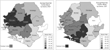
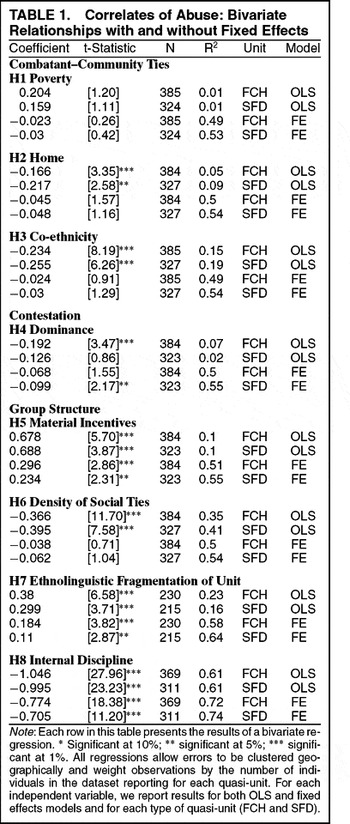
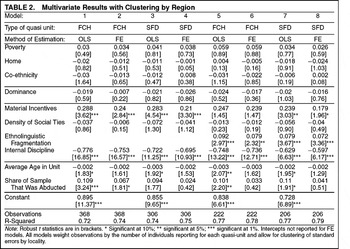
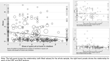
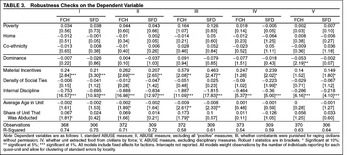
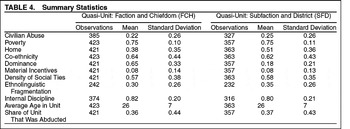
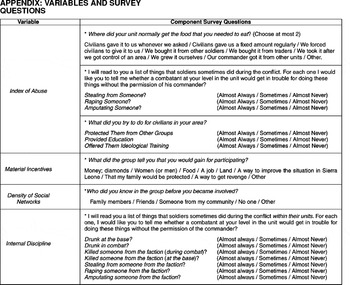



Comments
No Comments have been published for this article.