Introduction
The Northern Triangle of Central America—Guatemala, Honduras, and El Salvador—is routinely affected by natural disasters. Since 1902, disasters have caused over one-hundred-thousand deaths, affected millions of people, and caused tens of billions of dollars of damage. Reference Guha-Sapir, Below and Hoyois1 Several disasters standout for their severity of destruction: the 1976 earthquake in Guatemala killed 23,000 people and leveled much of Guatemala City; Reference Guha-Sapir, Below and Hoyois1 in 1998, Hurricane Mitch killed approximately 14,000 people in the region and caused damages of USD$2.1 billion. Reference Guha-Sapir, Below and Hoyois1 Additionally, there were multiple less-severe disasters each year that, taken together, caused more deaths and financial damages than any single disaster.
Climate change has disproportionately affected the Caribbean region compared to other regions of the world. Sea level rise in the Gulf of Mexico is higher than average, putting the Atlantic coastlines of Guatemala and Honduras at particular risk. Reference Chavarría, Cabezas and Escribano2 One report on climate change in the region notes: “Sea-level rise threatens the large portion of the Latin American and Caribbean population which lives in coastal areas – by contaminating freshwater aquifers, eroding shorelines, inundating low-lying areas, and increasing the risks of storm surges.” 3 The large portion of the population of the Northern Triangle that relies on subsistence farming for food and income is especially vulnerable to meteorologic disasters that destroy the agricultural basis of their livelihoods. This vulnerability leads to an increase in migration after major disasters as people seek relief from economic devastation. Reference Mbaye4,Reference Vox5 In just one example from 2020, Hurricanes Eta and Iota displaced 1.7 million people throughout the Caribbean region. Reference Lennard6
Compounding the destruction caused by natural forces is the long-standing social, political, and economic insecurity of the Northern Triangle. Each country is below the world-wide average for gross domestic product (GDP) per capita. 7 The World Bank (Washinton, DC USA) Worldwide Governance Indicators rank Guatemala, Honduras, and El Salvador in the 14th, 15th, and 21st percentiles, respectively, for rule of law world-wide. Reference Kaufmann, Kraay and Mastruzzi8 Transparency International’s (Berlin, Germany) Corruption Perceptions Index ranks all three countries in the bottom-half world-wide. El Salvador and Honduras rank in the top ten highest murder rates in the world; Guatemala is in the top twenty. 9 As a natural disaster is the combination of a natural hazard (eg, hurricane) and the human activities that are affected, the Northern Triangle is particularly vulnerable to catastrophe, as many of its civic institutions fail to ensure protection against hunger, violence, and exploitation on the best of days. In the aftermath of Hurricane Mitch in 1998, one commentator noted: “What turned Mitch from a natural hazard into a human disaster was a chain reaction of social vulnerabilities created by long-term climate change, environmental degradation, poverty, social inequality, population pressure, rapid urbanization, and international debt.” Reference Relief Web10 Natural disasters are frequently followed by an increase in violence, especially against women and girls, Reference Rezaeian11 and this violence contributes to migration out of the region. Reference Brenden, Campbell and Dotson12–Reference Peters, Dupar, Opitz-Stapleton, Lovell and Climate Change14
Another factor exacerbating disaster vulnerability is that many buildings in the Northern Triangle are not built in accordance with a building code. Single-family, residential houses constructed with unreinforced concrete brick masonry are the buildings most vulnerable to earthquakes. Reference Calderon15 Such buildings make up anywhere from nine percent to 42% of buildings in these countries, but account for the majority of projected financial damages in the case of an earthquake or hurricane. 16–18 Each country has building codes, but as one author concludes regarding El Salvador: “The effectiveness of the current code to reduce seismic risk in El Salvador is low, but not because of technical deficiencies in the requirements for structural design. The most serious deficiency is clearly defined as the complete lack of any effective mechanism for the enforcement of the code requirements for minimum levels of seismic resistance.” Reference Francisco Lopez, Bommer and Pinho19
After the acute phase, the long-term effects of a disaster—agricultural destruction and famine, economic ruin, failed states, or refugee crises—can frequently be orders of magnitude more catastrophic than immediate loss of life and property. These long-term consequences affect neighboring states, the international aid community, and international economies; thus, these entities also have an interest in disaster risk reduction in the region. Multiple United Nations (UN) agencies—World Health Organization (WHO; Geneva, Switzerland), 20 UN Office for Disaster Risk Reduction (UNDRR; Geneva, Switzerland), 21 UN Office on Drugs and Crime (UNODC; Vienna, Austria), 22 and World Meteorologic Organization (WMO; Geneva, Switzerland) 3 —and international economic institutions— International Monetary Fund (IMF; Washington, DC USA), Reference Carare, Koh and Yakhshilikov23 World Bank, 24 and Inter-American Development Bank (Washington, DC USA) 25 —all of whom have active projects in the Northern Triangle at the time of writing, have an interest in avoiding the destabilization of their economic and development goals. However, a 2012 analysis by the Organization for Economic Co-operation and Development (Paris, France) highlights that most international funding is directed at the disaster response phase rather than risk reduction. This report notes:
“Effective risk reduction serves as an important insurance strategy for development investments in these high-risk countries, and as a key mechanism for avoiding costly future emergency responses. The earthquake in Haiti set its development back by many years and destroyed significant prior investments in infrastructure and human capacity. It was also expensive: USD$9.9 billion was initially pledged to support post-earthquake reconstruction, more than three-times the total amount spent on Haiti’s development over the past ten years.” 26
One example of the variable effects of natural hazards between countries is the difference in loss of life following earthquakes in Haiti and Chile in 2010. The earthquake that struck Haiti on January 10 measured 7.0 on the moment magnitude scale (MMS; similar to the Richter scale) and killed over 222,000 people. In contrast, the earthquake that struck Chile approximately seven weeks later, on February 27, was over ten-times as powerful at 8.8 MMS, but killed only 562 people. Reference Olson27 As one author notes: “The difference between Chile and Haiti in responding to and recovering from their 2010 earthquakes is a stark example of the ways in which pre-existing poverty and disadvantage increase disaster vulnerability.” Reference Zack28
Seen through the lens of national or regional security in the conflict-ridden Northern Triangle, integrating climate-related disaster risk reduction into plans for regional security may lead to “environmental security” and a decrease in economic vulnerability, violence, and migration. Reference Peters, Mayhew and Borodyna29 In 2018, the UN founded the Climate Security Mechanism to address and arrest the deleterious interplay between climate-change-related natural disasters and violent conflict. 30
This study can provide governments and the international disaster relief community an understanding of the frequency, nature, and severity of disasters that strike this region, allowing for the improvement of mitigation and adaptation strategies across disparate stakeholders, so as to minimize the catastrophic sequelae of these events.
Methods
Data Collection
The study design is a descriptive analysis of the Emergency Events Database (EM-DAT), maintained by the Centre for Research on the Epidemiology of Disasters (CRED), part of the University of Louvain (UCLouvain; Brussels, Belgium). Simple counting and percent statistics are presented. There are no tests for statistical significance. The EM-DAT is available for download as an Excel document (Microsoft Corp.; Redmond, Washington USA). Data were downloaded from the EM-DAT on September 3, 2022. The inclusion criteria were any disaster affecting Guatemala, Honduras, or El Salvador from 1902 through 2022, which are the years for which the EM-DAT reports disasters. There were no exclusion criteria. Data were imported into an Excel spreadsheet from which they were analyzed by counting the number of outcomes (deaths, number of people affected, number of dollars of damages) and calculating the proportion of these outcomes by individual country and by the Northern Triangle region as a whole. In this manner, there was no process of data extraction or a need to validate the study dataset beyond the limitations inherent in the EM-DAT database that are discussed in the limitations section. The EM-DAT website does not describe the training or accuracy of their data entry personnel.
Population Demographics and Region Characteristics for Study Area
Table 1 shows population demographics for the countries of the Northern Triangle, and for the region as a whole. 31–33
Population Demographics of the Northern Triangle, 202031

The Northern Triangle countries are located in the Central American isthmus between -92° and -83° longitude and 16° and 12° latitude. This area is bordered by Mexico and Belize to the northwest and Nicaragua to the southeast. Honduras has an Atlantic coastline; El Salvador has a Pacific coastline; Guatemala has coastlines on both of these oceans. The lowest point in the region is sea-level; the highest point is the Tajumulco Volcano in Guatemala at 4,203 meters.
The region’s economies are based on agriculture, mining, manufacturing, textiles, and tourism. Though agriculture contributes only approximately 10% to each nation’s GDP, this sector employs approximately 40% of each nation’s workforce. Reference Kiprop34–Reference Sawe36
Transportation throughout the region is primarily road-based. Each country has a mix of formal and informal public transportation systems that rely on buses, minivans, and trucks. Railways are used to transport agricultural products, and each country has at least one international shipping port. Reference Brichetti37,38
EM-DAT Database
The EM-DAT inclusion criteria are events that cause one or more of the following: 10 or more deaths, 100 or more people affected, declaration of a state of emergency, or a call for international assistance. The exclusion criteria are any event that does not meet these criteria and armed conflicts, even though these conflicts might otherwise fit one or more criteria for inclusion. The EM-DAT website describes the source of its information:
“The database is compiled from various sources including UN, governmental, and non-governmental agencies, insurance companies, research institutes, and press agencies. … In the majority of cases, a disaster will only be entered into EM-DAT if at least two sources report the disaster’s occurrence in terms of deaths and/or affected persons. Some secondary criteria are also taken into account when figures are missing, such as Significant Disaster/Significant Damage (ie, ‘worst disasters in the decade’ and/or ‘it was the disaster with the heaviest damage for the country’).”
The EM-DAT provides the following definitions: (1) death: number of people who lost their life because the event happened; (2) affected: people requiring immediate assistance during a period of emergency (ie, requiring basic survival needs such as food, water, shelter, sanitation, and immediate medical assistance); and (3) total affected: sum of injured, made-homeless, and affected. Damages are described in terms of United States dollars (USD) adjusted for inflation. These definitions are provided by the CRED and were not chosen by the authors of this study. Reference Guha-Sapir, Below and Hoyois1
The EM-DAT defines disaster types in accordance with the Integrated Research on Disaster Risk Peril Classification and Hazard Glossary. 39 Some of these disaster types do not require clarification and others do: (1) mass movement is defined as: “any type of downslope movement of earth materials;” (2) a landslide includes: mudflows, rock avalanches, snow avalanches, along with other types of wet or dry movement of earth; and (3) an extreme temperature is defined as: “a general term for temperature variations above (extreme heat) or below (extreme cold) normal conditions” and is not defined by an absolute temperature range. 39
This study reports disasters by country, type of disaster, and number of people killed or affected, and the amount of dollars of damage. These data are graphed over time to demonstrate trends. The EM-DAT does not include complete information for each disaster. The authors of this study did not use any statistical tool to estimate missing data, as the original data itself are too incomplete to serve as a reliable foundation for extrapolation. Additionally, there is no evidence that the available data conform to a predictable distribution, further undermining the usefulness of generated data.
This study does not involve human subjects and does not require Institutional Review Board Ethics Committee review.
Results
Northern Triangle
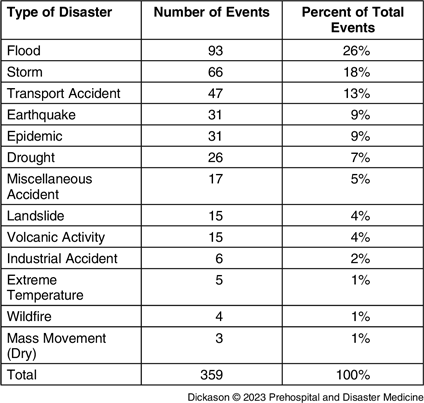
The EM-DAT recorded 359 disasters in the Northern Triangle from 1902 through 2022. Table 2 lists the number of each type of disaster. A total of 160 (45%) occurred in Guatemala, 113 (31%) occurred in Honduras, and 86 (24%) occurred in El Salvador.
Type of Disaster in the Northern Triangle, 1902-2022

Overall, meteorologic events were the most common cause of disasters. Region-wide, there were 93 (26%) floods and 66 (18%) storms. The third most common cause of disaster was transport accidents with 47 (13%).
When analyzed by severity of disaster, meteorologic disasters (storms, floods, and droughts) caused the greatest number of deaths: 72,854 (61%); affected the most people: 25,683,527 (71%); and caused the most damage: USD$21 billion (60%). Earthquakes were the next most severe type of disaster: 31,642 (26%) total deaths, 7,496,025 (21%) people affected, and total damages of USD$13 billion (38%). In contrast, transportation accidents, which were the third most common type of disaster, were one of the least severe, causing only 1,416 deaths (1%). There were insufficient data to report the total affected or the total damages of transportation accidents.
Burden of Disasters by Country
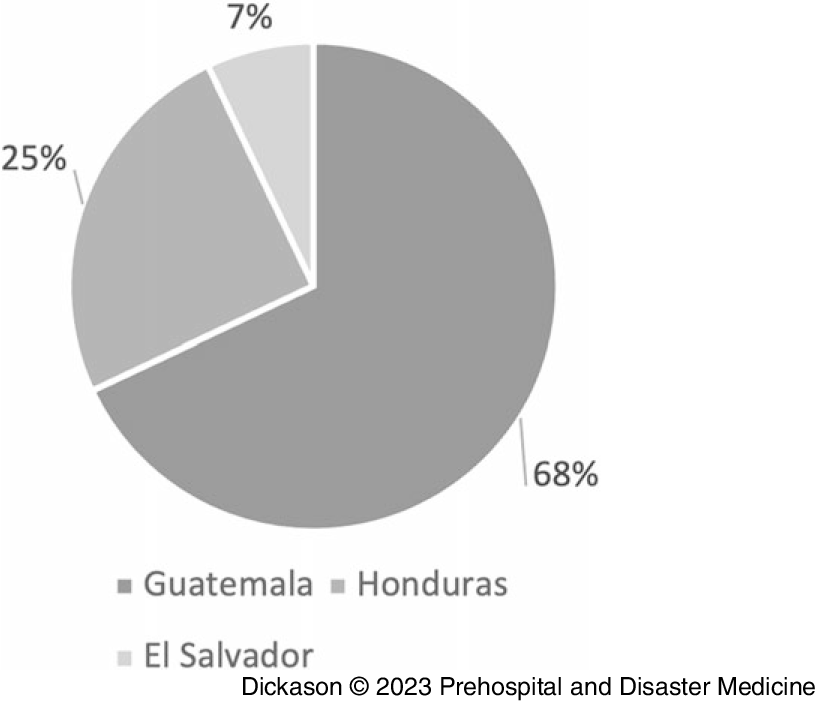
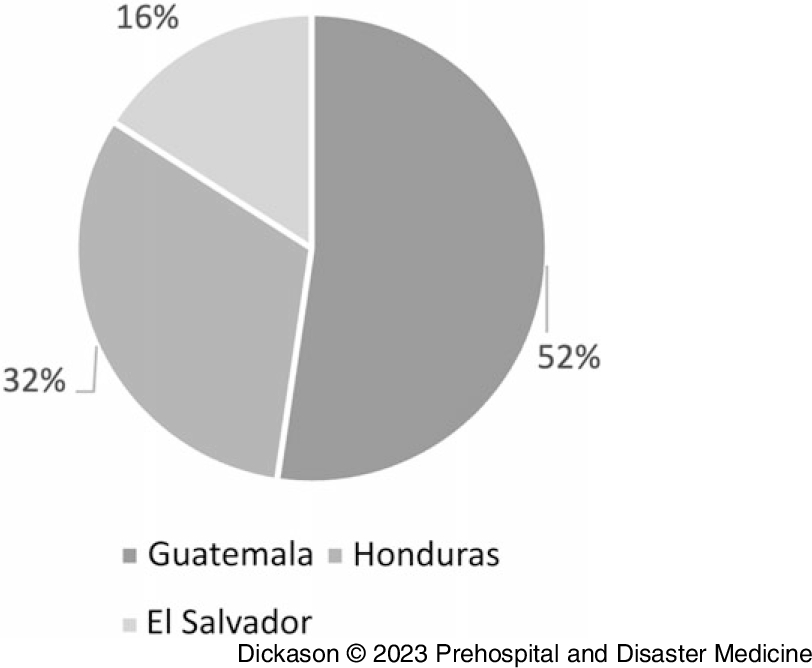
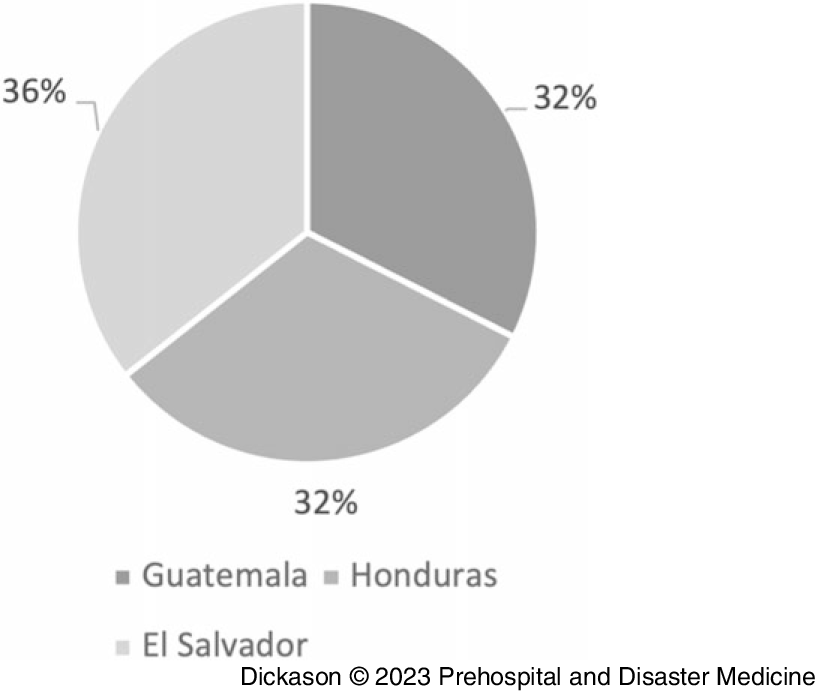
In 2020, the populations of Guatemala, Honduras, and El Salvador, if expressed as percentages of the population of the Northern Triangle, were 52%, 30%, and 18%, respectively. These proportions have not changed greatly over the past 120 years. By area, Guatemala is 45% of the Northern Triangle, Honduras is 46%, and El Salvador is nine percent. The number of disasters in each country correlates to some degree with the population and the area: Guatemala had the highest number of disasters (45%), followed by Honduras (31%), and El Salvador (24%). However, measures of severity—number of deaths, number of people affected, and financial costs of damages—correlate poorly with either population or area (Figure 1, Figure 2, Figure 3).
Percent of Deaths from Disasters by Country, 1900-2022.

Percent of Total People Affected from Disasters by Country, 1900-2022.

Percent of Financial Damages from Disasters by Country, 1900-2022.

Disasters by Country: Guatemala
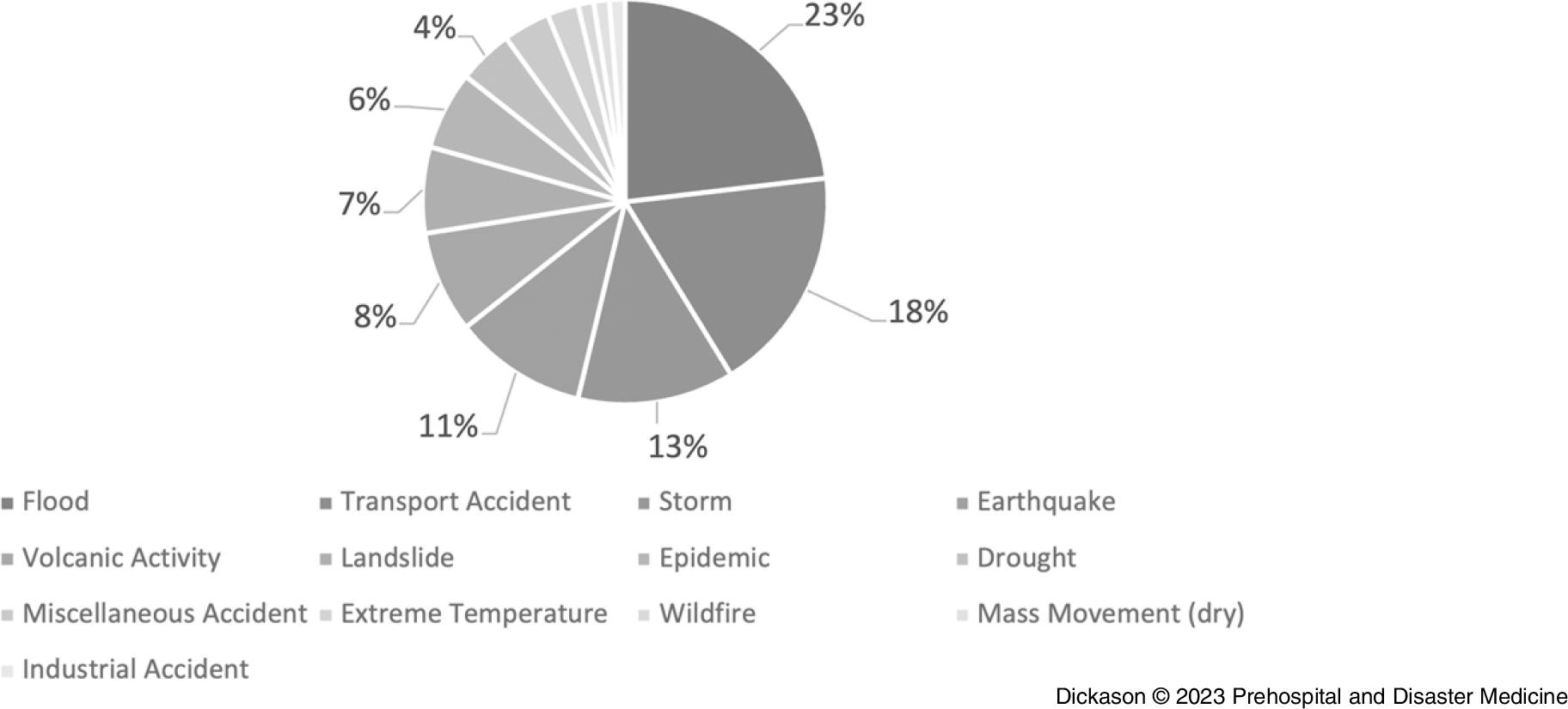
The most common types of disasters in Guatemala were floods (23%), transport accidents (18%), and storms (13%). The most deaths in Guatemala were caused by floods (50%). Earthquakes affected the greatest number of people (32%) and caused the greatest financial damages (52%); Figure 4.
Guatemala Disasters by Type, 1902-2022.

Disasters by Country: Honduras
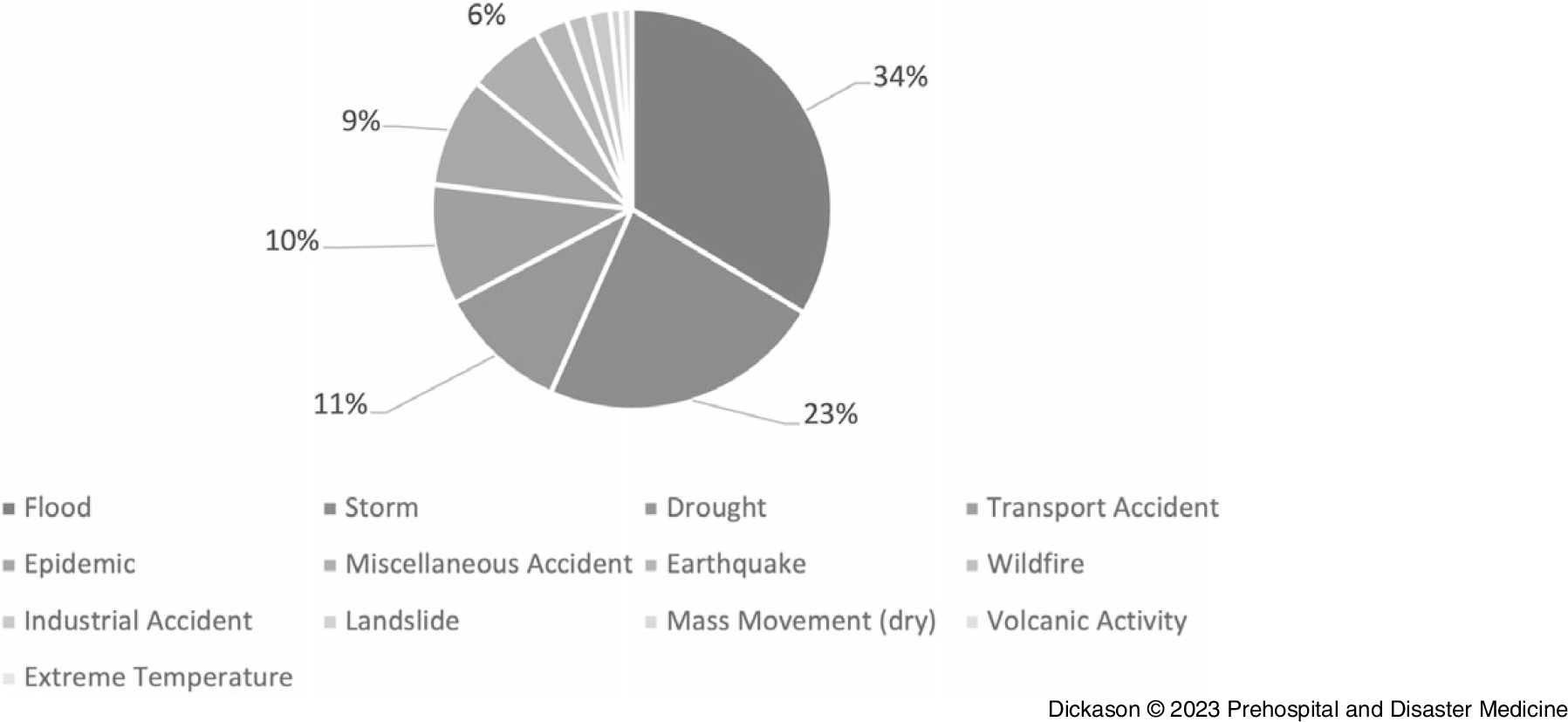
The most common types of disasters in Honduras were floods (34%), storms (23%), and droughts (11%). The most severe disasters in Honduras were storms, which accounted for 83% of deaths, 67% of persons affected, and 92% of financial damages (Figure 5).
Honduras Disasters by Type, 1902-2022.

Disasters by Country: El Salvador
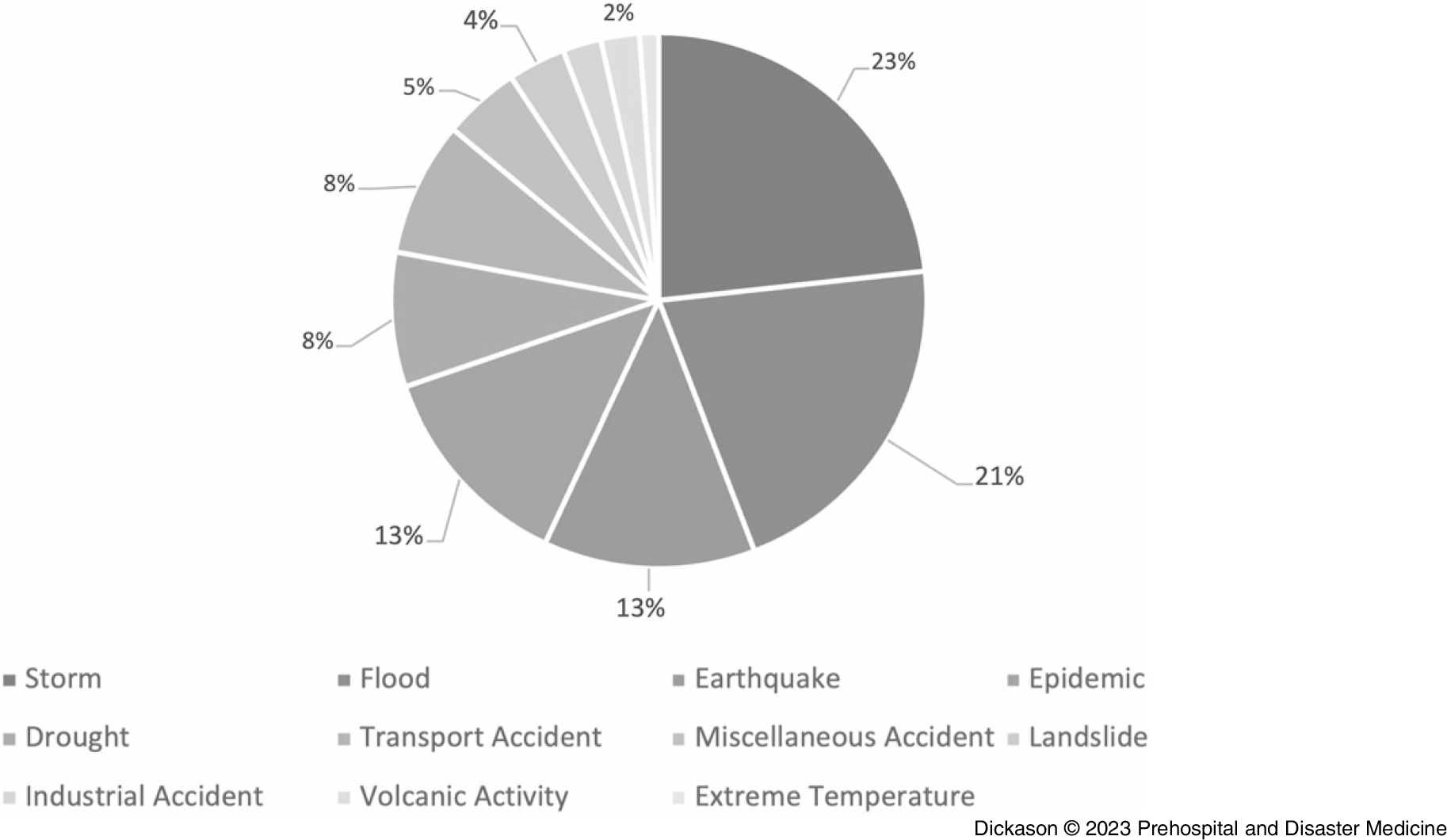
The most common types of disasters in El Salvador were storms (23%), floods (21%), and earthquakes (13%). The most severe disasters in El Salvador were earthquakes, which accounted for 46% of deaths, 42% of persons affected, and 58% of financial damages (Figure 6).
El Salvador Disasters by Type, 1902-2022.

Trends Over Time
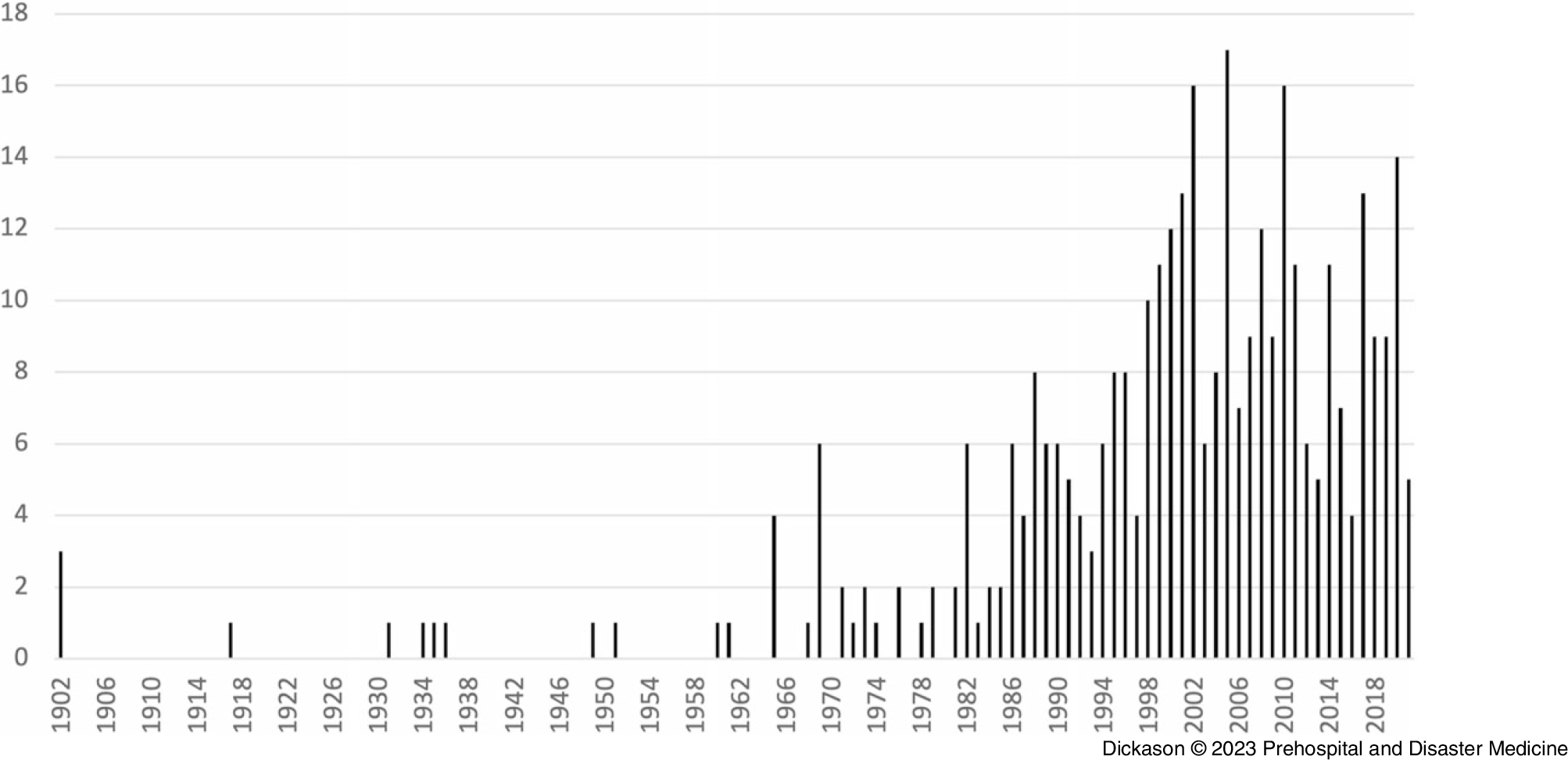
There were few disasters recorded in the EM-DAT in the Northern Triangle prior to 1965. Ninety percent of all disasters recorded in these countries occurred in 1980 or later. The years with the greatest number of disasters recorded were 2005 (17), and 2002 (16), and 2010 (16); Figure 7.
Disasters per Year in the Northern Triangle, 1902-2022.

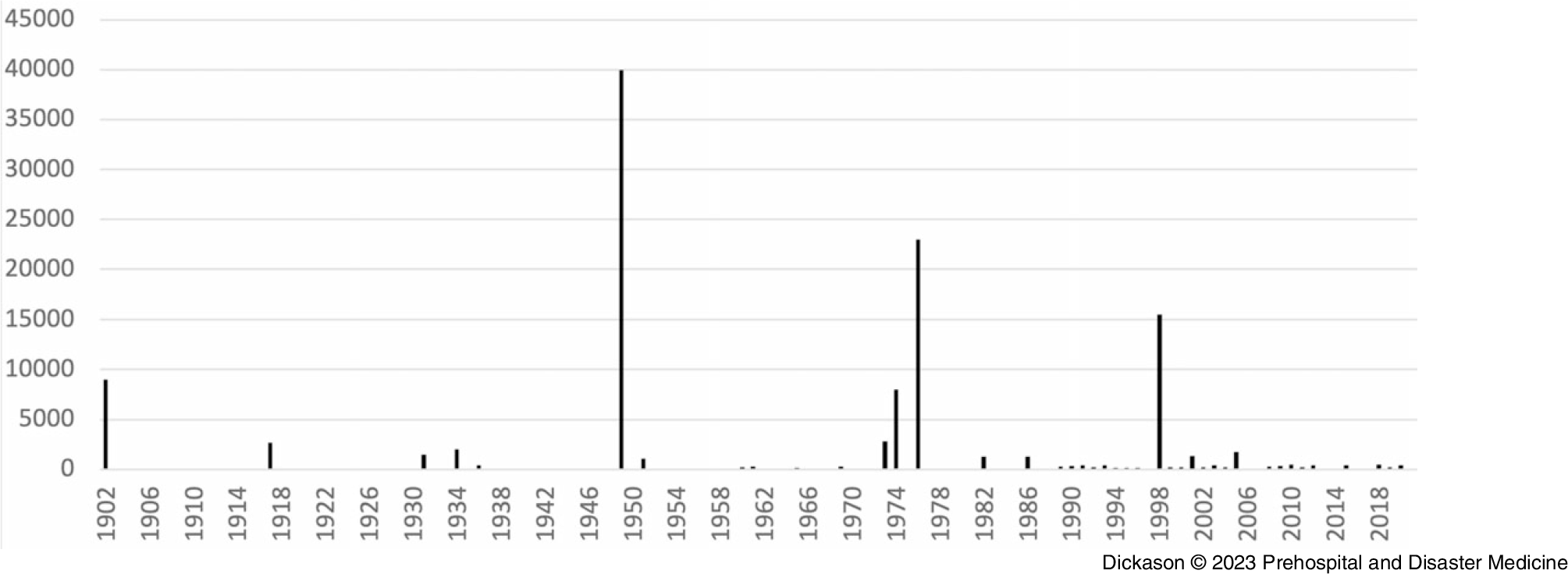
The years with the most deaths, together with the most-affected countries and the most severe events, were as follows: 1949 (40,000 deaths, Guatemala, flood); 1976 (23,020 deaths, Guatemala, earthquake); and 1998 (15,544 deaths, Honduras, Hurricane Mitch); Figure 8.
Deaths per Year in the Northern Triangle, 1902-2022.

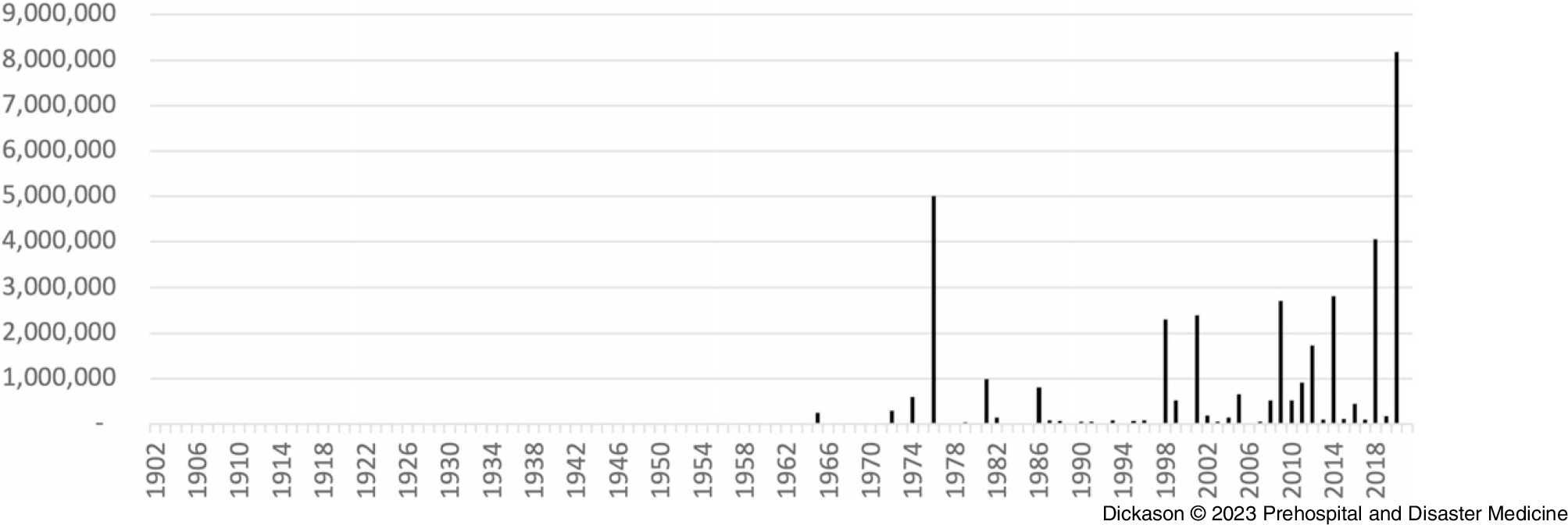
The number of people affected by disasters per year showed an increasing trend from 1960 to 2021. There are no data on the number of people affected prior to 1965. The years with the most people affected were 2020 (8,188,016, Guatemala and Honduras, Hurricanes Eta and Iota); 1976 (5,008,000, Guatemala, earthquake); and 2018 (4,054,515, region-wide drought); Figure 9.
Total Number of People Affected by Disasters per Year in the Northern Triangle, 1902-2022.

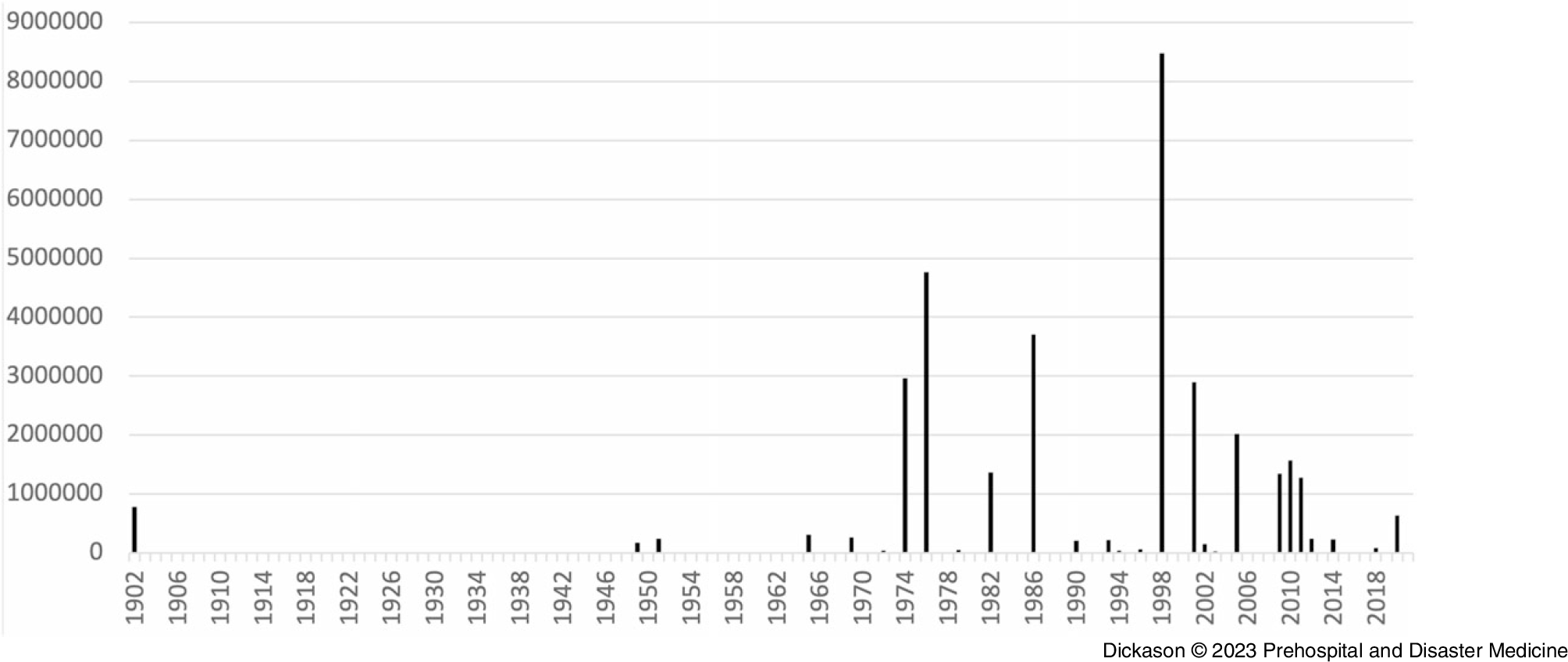
The first year of data on the financial cost of disasters was 1902, but then no further data were recorded until 1949. There were many later years with no data as well. The years with the most dollars of damage were 1998 (UDS$8.4 billion, Honduras, Hurricane Mitch); 1976 (USD$4.8 billion, Guatemala, earthquake); and 1986 (USD$3.7 billion, El Salvador, earthquake); Figure 10.
Dollars of Damages Per Year, Adjusted (Thousands of USD) 1902-2022.

Missing Data
Of the 359 disasters recorded, many had incomplete data. Only 53 (15%) disasters had complete data for all of the following categories: total deaths, total affected, and total damages. Additionally, 18 (5%) disasters had no data for any of these categories. The number of events and percent of events with missing data from each category were as follows: total deaths: 104 (29%); total affected: 140 (39%); and total damages: 285 (79%). Additionally, there were no disasters recorded at all for a total of 59 non-consecutive years (48%) from 1902-2022.
Discussion
The Northern Triangle mirrors the rest of the world, with meteorologic events as the most common cause of disasters and, together with earthquakes, the most severe disaster types. Reference Guha-Sapir, Below and Hoyois1 Meteorologic events caused over one-half of all deaths, people affected, and total financial damages. Reference Guha-Sapir, Below and Hoyois1
Correlations between the area or the population of the countries and the distribution or severity of disasters are mixed. While Guatemala contains 45% of the land area and has approximately 50% of the population of the Northern Triangle, it suffered 45% of disasters, which caused 68% of deaths, but only 32% of financial damages. On the other hand, El Salvador, the smallest of the three countries by both population and area, experienced only seven percent of deaths, but accounted for 36% of financial damages.
Guatemala stands alone as the only country in the Northern Triangle with transport accidents as one of the three most common types of disasters (18%). While transport accidents are relatively common in Guatemala, they are one of the least severe types, causing only approximately one percent of disaster-related deaths. On average, the 29 transport accidents reported in Guatemala caused approximately 28 deaths each, and none caused more than 100 deaths. In contrast, meteorologic and seismic events frequently caused deaths numbering in the tens of thousands. It is unclear from the EM-DAT data why Guatemala has a greater proportion of transport accidents than Honduras or El Salvador. This finding may be secondary to road conditions, the percentage of its population using public transit, the level of enforcement of seatbelt laws, differences in reporting, or myriad other factors.
It is interesting to note that Honduras is an outlier in that only three percent of its disasters were caused by earthquakes, compared to 11% in Guatemala and 13% in El Salvador. This may be because of its limited exposure to the seismic activity along Central America’s Pacific coast. Reference Styron, García-Pelaez and Pagani40 Conversely, El Salvador is the only Northern Triangle country without a Caribbean coastline, which limits its exposure to hurricanes.
Examining trends over time, there are more recorded disasters in the second-half of the study period (1960-2022); however, given the scant data on Northern Triangle disasters recorded in the EM-DAT prior to 1960, this likely does not represent an increase in disastrous events but rather an improvement in data collection. Since 1960, there has been a slight increase in the number of disasters per year, but there is no clear trend in the number of deaths, total people affected, or dollars of damage per year.
The variable nature and causes of the different types of disasters described in this study raise the question of where the most gains can be made to prepare for and mitigate catastrophe in the Northern Triangle. For example, transport accidents are frequent but not severe; however, their causes are diffuse over many roads and flight routes, and millions of drivers, passengers, and pedestrians. Improving transportation safety can decrease the frequency of transport disasters and has the potential to greatly decrease deaths and damages.
In contrast, meteorologic disasters are less frequent than transport accidents but can cause catastrophic society-wide effects. Fortunately, these events are usually predictable within several days; this time frame may allow deaths and damages to be avoided through Multi-Hazard Early Warning Systems (MHEWS) and evacuation. The MHEWS is one of the pillars of the Sendai Framework for Disaster Risk Reduction (Target G); 41 however, progress toward the Sendai targets has been incomplete. At the time of writing, the Sendai Framework Monitoring System 42 reports no data from either El Salvador or Honduras. Data from Guatemala show a mixed picture of both improvement and deterioration in preparedness for disasters and risk reduction since 2005.
Several projects are currently underway to strengthen disaster preparedness in the Northern Triangle: the Japan-World Bank Program for Mainstreaming Disaster Risk Management in Developing Countries 24 includes projects in all three Northern Triangle countries. The United States Agency for International Development (USAID; Washington, DC USA) is funding disaster mitigation projects in the region by working with local governments to bolster community resilience against natural disasters. 43 On-going monitoring will reveal the impact of these projects as meteorologic and seismic events continue to affect the region.
Limitations
One limitation to this study is the imprecise nature of defining disaster types. The disaster glossary used by the EM-DAT notes this limitation and gives the example that an avalanche might be classified as “mass movement (dry)/geophysical hazard” if triggered by an earthquake or a “landslide/hydrological hazard” if triggered by excessive snowfall. 39
Another limitation of this study is the large amount of data missing from the EM-DAT. There are statistical methods available to estimate missing data, though these methods are unlikely to increase the quality or the usefulness of this study. A previously conducted study of missing data in the EM-DAT demonstrates that economic data are more frequently missing than human-based data, such as total deaths. Reference Jones, Guha-Sapir and Tubeuf44 The present study, with total deaths missing from 29% of disasters and total damages missing from 79% of disasters, is in agreement with the previously conducted study’s finding. Reference Jones, Guha-Sapir and Tubeuf44
The potentially much larger body of missing data is events that are not reported at all. No disasters are recorded for one-half of the years of EM-DAT. Additionally, only three percent of recorded disasters occurred during the first-half of the study period. It is unlikely that such few disasters occurred during these years; instead, data are likely missing secondary to absent reporting and incomplete historical records.
Whether the missing data are randomly distributed is important to consider when interpreting the results of this study. For example, a political motivation to over- or under-report disasters would bias an interpretation of EM-DAT data. An analysis of the randomness of the missing data may be grounds for future research.
Another important limitation is that the EM-DAT is based upon convenience sampling methodology with references that were not validated for accuracy.
Conclusion
Meteorologic disasters are the most common and most severe type of disaster in the Northern Triangle. Earthquakes and transport accidents are also common. Earthquakes and storms are the most severe types of disasters. Guatemala had the greatest number of disasters and suffered the greatest loss of life. Missing data limit the conclusions of this study to general trends.
Conflicts of interest
The authors declare there are no potential conflicts of interest concerning the research, authorship, and/or publication of this article.