





Adolescents’ development is profoundly shaped by family socialization processes, and youth exposed to caring, supportive, and receptive family environments tend to exhibit more adaptive psychological functioning (Weymouth & Buehler, Reference Weymouth and Buehler2018). Among the diverse parenting practices, emotion socialization behaviors (Eisenberg, Reference Eisenberg2020) have been emphasized in the past decades for their profound impact on adolescents’ socioemotional development. One of the most emphasized parental emotion socialization behaviors during adolescence is parental responses to children’s negative emotions (Ding et al., Reference Ding, Liu, Luo and He2023c), which profoundly influence adolescents’ psychological well-being and social competence by shaping adolescents’ emotional experiences, deepening their understanding of emotions, and modeling adaptive regulation strategies (Byrd et al., Reference Byrd, Vine, Frigoletto, Vanwoerden and Stepp2022). Of note, in response to a child’s distress, parents often employ a diverse array of strategies rather than relying on a single, uniform approach. However, previous research on parental responses to adolescents’ negative emotions during adolescence predominantly utilizes variable-centered approaches, potentially obscuring the complex, co-occurring patterns of parental behaviors within families. Although a few studies have applied latent profile analysis (LPA) to identify distinct parental responses to adolescents’ negative emotions patterns, they have primarily focused on mothers, often overlooking fathers and without considering adolescent gender. Furthermore, most of these studies have been conducted in Western contexts, leaving non-Western populations largely understudied. To address these gaps, the present study employed LPA to explore patterns of parental responses at the family level, as well as how they predict male and female adolescents’ psychological outcomes over time and the underlying mediating mechanisms, in China.
Parental emotion socialization
Parental emotion socialization practices encompass both direct practices, such as offering comfort, validation, or guidance on children’s and adolescents’ emotional expression, and indirect practices, such as shaping the emotional climate within the family by expressing different types of emotions (Klimes-Dougan et al., Reference Klimes-Dougan, Brand, Zahn-Waxler, Usher, Hastings, Kendziora and Garside2007). Although parental emotion socialization in toddlerhood and childhood has long been emphasized, its role during adolescence remains relatively understudied, despite growing interest in recent years (Waslin et al., Reference Waslin, Kochendorfer, Blier, Brumariu and Kerns2023). During adolescence, emotions are experienced more frequently, intensely, and over longer durations than in other age periods, stemming from physiological, psychological, and social changes (Larson et al., Reference Larson, Moneta, Richards and Wilson2002). This emotional intensity presents a unique challenge for adolescents, particularly in managing negative emotions, and difficulties in regulating these emotions can increase the risk of developing emotional disorders and other psychological problems (Heshmati et al., Reference Heshmati, DavyRomano, Chow, Doan and Reynolds2023). Parental emotion socialization plays a crucial role in this process because it provides adolescents with guidance and feedback on how to interpret, respond to, and cope with their emotional experiences, creating a supportive environment that scaffolds their psychological development.
Parental responses to adolescents’ negative emotions: cross-cultural foundations and Chinese contextual features
Among diverse parental emotion socialization practices, parental responses to adolescents’ negative emotions have been emphasized for their significant impact on adolescents’ developmental outcomes (Choi & Kang, Reference Choi and Kang2021). Earlier frameworks describing different types of parental responses to adolescents’ negative emotions have been primarily developed based on observations of Western families. For example, Fabes et al. (Reference Fabes, Poulin, Eisenberg and Madden-Derdich2002) developed the widely used Coping with Children’s Negative Emotions (CCNES) framework, which categorizes parental responses into several types: expressive encouragement, emotion-focused responses, problem-focused responses, minimization, parental distress, and punitive responses (Fabes et al., Reference Fabes, Poulin, Eisenberg and Madden-Derdich2002). Despite being derived from Western family samples, these response types have also been identified in non-Western settings, including Asian countries such as China and India (Ding et al., Reference Ding, Liu, Luo and He2023c; Raval & Walker, Reference Raval and Walker2019). Nevertheless, culture should be emphasized when discussing parental responses to adolescents’ negative emotions because cultural norms shape how emotions are valued, expressed, and interpreted within families (Camras et al., Reference Camras, Shuster, Fraumeni and Hansen Lagattuta2013; Raval & Walker, Reference Raval and Walker2019).
This study places particular emphasis on Chinese families. In Chinese culture, much like in Western cultures, emotion-focused and problem-focused responses are generally considered supportive, predicting positive adolescent adjustment outcomes, whereas punitive responses and parental distress tend to be non-supportive, negatively affecting adolescents’ development (Ding et al., Reference Ding, Wu, Tang, Liu, Li and Ni2022; Ding et al., Reference Ding, Liu, Luo and He2023c; Shi & Wang, Reference Shi and Wang2021). Cultural variations also exist. To be specific, expressive encouragement tends to be regarded as supportive, while minimization is typically seen as non-supportive for Western White adolescents’ development (Breaux et al., Reference Breaux, Lewis, Cash, Shroff, Burkhouse and Kujawa2022). Yet in the context of Chinese culture, their beneficial or disruptive roles in adolescent development tend to be weakened (Ding et al., Reference Ding, Wang, Liu, He and Pan2023d; Yeo et al., Reference Yeo, Raval and Cheah2022). This may reflect the strong emphasis in Chinese culture on emotional regulation rather than on open emotional expression (Matsumoto & Hwang, Reference Matsumoto, Hwang and Keith2019). Consequently, adolescents in China may not view parental expressive encouragement as particularly beneficial, while minimization may not carry the same negative connotations of emotional invalidation as it does in Western cultures (Ding et al., Reference Ding, He, Liu, Yang, Qiu and Wang2023b). In addition, recent studies with Chinese families have divided minimization into two dimensions: person-oriented minimization, where parents undermine their children’s ability or performance in the face of emotions (e.g., “You’re overreacting”), and emotion-oriented minimization, where parents focus on the emotional event itself and help children reframe the situation rationally (e.g., “Things aren’t as bad as they seem”) (Ding et al., Reference Ding, He, Liu, Yang, Qiu and Wang2023b). Emotion-oriented minimization tends to be beneficial for Chinese adolescents’ development because it helps adolescents reframe stressful situations and regulate emotions; in contrast, person-oriented minimization tends to be non-supportive and predicts adolescents’ maladaptive outcomes because it targets the adolescent rather than the situation, making them feel criticized or invalidated (Ding et al., Reference Ding, He, Liu, Yang, Qiu and Wang2023b).
Furthermore, the didactic talk and teaching approach, which involves educating and lecturing the child by emphasizing rules, expectations, moral standards, and the importance of discipline, has been proposed as a core aspect of parental responses to adolescents’ negative emotions in Chinese culture (Ding et al., Reference Ding, Liu, Luo and He2023c). It may be grounded in the cultural belief that parents, as authority figures, are not only responsible for meeting their children’s needs but also for actively shaping their emotional and moral development, consistent with the concept of “Guan” or “Training” (Chao, Reference Chao2000). Although didactic talk and teaching are prevalent in Chinese families, they tend to show no significant associations with adolescents’ outcomes, such as depressive symptoms (Ding et al., Reference Ding, Liu, Luo and He2023c). Of note, parents may not rely on a single type of response when reacting to adolescents’ negative emotions. The combination of didactic talk and teaching with other parental responses may produce distinct developmental outcomes. For example, when didactic talk and teaching are used alongside supportive responses such as emotion-focused strategies, they may promote better emotional regulation and adjustment outcomes, but if used with punitive responses, they may increase adolescents’ problems. A person-centered approach is particularly useful to examine this hypothesis, as it allows to identify naturally occurring patterns or profiles of parental responses and examines how these combinations jointly link with adolescents’ psychological development.
Examining parental responses to adolescents’ negative emotions: variable-centered versus person-centered approaches
When studying the relationships between parental responses to adolescents’ negative emotions and adolescents’ outcomes, researchers have employed both variable-centered and person-centered approaches. Variable-centered approaches focus on associations among variables across the entire sample, assuming the population is homogeneous in how predictors predict outcomes; in contrast, person-centered approaches focus on identifying subgroups of individuals who share similar patterns of characteristics or relationships among variables, assuming the population is heterogeneous (Laursen & Hoff, Reference Laursen and Hoff2006).
Applying these approaches to parental emotion socialization, variable-centered methods allow researchers to examine the unique predictive role of specific parental responses (e.g., emotion-focused versus problem-focused responses) across the whole sample in relation to adolescents’ outcomes. However, different types of parental responses are frequently interrelated and used in combination rather than in isolation. To capture the intercorrelations among different types of parental responses to adolescents’ negative emotions, researchers utilizing variable-focused approaches typically group the related responses into higher-order constructs. For example, some studies classify parental responses to adolescents’ negative emotions into two major categories: supportive responses, which include expressive encouragement, emotion-focused responses, and problem-focused responses, and non-supportive responses, which encompass minimization, parental distress, and punitive responses in Western cultures (McQuade et al., Reference McQuade, Breaux, Cash, Horton, Azu and Delgado2023). However, this variable-centered approach has limitations because what is supportive or non-supportive is not universally applicable across different cultures and children’s characteristics, such as expressive encouragement and minimization (Ding et al., Reference Ding, Liu, Luo and He2023c; Raval & Walker, Reference Raval and Walker2019).
To capture the dynamic, integrated nature of parenting practices, researchers increasingly use person-centered approaches, such as LPA. In particular, prior studies using person-centered analyses of parental responses to adolescents’ negative emotions have mainly identified several profiles: one characterized by high supportive (e.g., emotion-and problem-focused responses) and low unsupportive responses (e.g., punitive responses and parental distress), another by high unsupportive and low supportive responses, a third by low levels of both supportive and non-supportive responses, and a fourth by moderate levels of both supportive and non-supportive responses (Edler et al., Reference Edler, Hoegler Dennis, Wang, Valentino, Davies and Cummings2025). While the exact four-profile structure has not been consistently replicated in all studies, each profile has been identified across diverse cultural contexts, including the United States, China, and Australia (Frogley et al., Reference Frogley, King and Westrupp2023; Howe & Zimmer-Gembeck, Reference Howe and Zimmer-Gembeck2023; Trevethan et al., Reference Trevethan, Lin, Raval, Li, Hu and Deo2021; Wang et al., Reference Wang, Liang, Zhou and Zou2019). Generally, compared with other profiles, parents characterized by highly supportive responses and fewer non-supportive responses tended to be associated with the fewest psychological problems in children. Nevertheless, the majority of research exploring the profiles of parental responses to adolescents’ negative emotions has been conducted within Western cultures. This gap provides an opportunity to expand research on parental response profiles and develop a culturally sensitive framework by incorporating culturally salient practices, such as didactic talk and teaching, emotion-minimization, and person-minimization in Chinese families.
In addition to the cross-cultural gap, other research gaps exist in person-centered approaches to parental emotion socialization. First, only a few studies have examined the longitudinal links between person-centered profiles of parental responses to adolescents’ negative emotions and youth psychopathology, most of which were conducted in Western cultures, yielding mixed results. For instance, McKee et al. (Reference McKee, DiMarzio, Parent, Dale, Acosta and O’Leary2022) and Edler et al. (Reference Edler, Hoegler Dennis, Wang, Valentino, Davies and Cummings2025) found that the emotion-dismissing profile predicted higher levels of internalizing and externalizing symptoms, while Howe and Zimmer-Gembeck (Reference Howe and Zimmer-Gembeck2023) found no longitudinal associations between the four identified profiles and children’s emotion regulation and internalizing symptoms one year later. These inconsistencies highlight the need for further research across different cultural contexts.
Another notable issue is that prior studies often focus on either maternal or paternal responses (Frogley et al., Reference Frogley, King and Westrupp2023; Wang et al., Reference Wang, Liang, Zhou and Zou2019), rather than considering both parents simultaneously. Yet for adolescents, the combined parenting they experience can jointly influence their development in ways that go beyond the impact of either parent alone (Kahn et al., Reference Kahn, Brandt and Whitaker2004). For example, one meta-analysis has found that children insecurely attached to one or both parents showed more serious internalizing problems than those securely attached to both (Dagan et al., Reference Dagan, Schuengel, Verhage, IJzendoorn, Sagi-Schwartz, Madigan, Duschinsky, Roisman, Bernard, Bakermans-Kranenburg, Bureau, Volling, Wong, Colonnesi, Brown, Eiden, Fearon, Oosterman, Aviezer and Cummings2021). The few existing studies that examined family-level profiles of both fathers’ and mothers’ responses to adolescents’ negative emotions have produced mixed results, revealing convergent profiles (i.e., mothers and fathers exhibit similar levels of supportive and unsupportive behaviors) in Western culture (Edler et al., Reference Edler, Hoegler Dennis, Wang, Valentino, Davies and Cummings2025) and divergent profiles (i.e., parents display different levels of behaviors, such as a father-dominant or mother-dominant profile) in China (Zhu & Dunsmore, Reference Zhu and Dunsmore2023). Thus, more research is needed to explore family-level parenting patterns and their combined impact on adolescents’ development across different cultures.
Lastly, adolescent gender has been largely under-considered when utilizing person-centered approaches to examine parental responses to negative emotions. Both the ways that parents typically engage in emotion socialization and the effects of these behaviors on adolescents may differ by adolescent gender. For instance, while adolescent girls and boys are generally socialized in similar ways, there are notable exceptions – such as boys being punished more than girls for expressing anger in Western cultures (Klimes‐Dougan et al., Reference Klimes-Dougan, Brand, Zahn-Waxler, Usher, Hastings, Kendziora and Garside2007). One study in China found that parental supportive responses were negatively associated with adolescents’ emotional problems only among females, but not males (Fan et al., Reference Fan, Ni, Wang and Qian2025). However, past research on gender differences in parental emotion socialization has been largely variable-centered. A person-oriented approach allows researchers to examine family-level patterns of parental emotion socialization separately for boys and girls, providing a more nuanced understanding of gender-specific parental behaviors within families.
Given these research limitations, this study aimed to explore the profiles of parental responses to adolescents’ negative emotions in China, considering both fathers’ and mothers’ responses simultaneously. To capture culturally salient parental emotion socialization profiles, we included responses such as didactic talk and teaching, emotion minimization, and person minimization, alongside supportive strategies (e.g., emotion-focused and problem-focused responses) and non-supportive strategies (e.g., punitive responses and parental distress) that are broadly recognized across cultures. A longitudinal design was employed to examine the temporal relationships between parental response profiles and adolescents’ psychological outcomes. Analyses were conducted separately for male and female adolescents to explore potential gender differences.
Underlying mediators between profiles of parental responses and adolescents’ diverse domains of psychological problems
The heuristic model of parental emotion socialization suggests that parental emotion socialization behaviors provide a direct learning and relational context that shapes children’s emotional competence and the quality of parent–child interactions – proximal mechanisms that are central to the development of broader psychological outcomes (Eisenberg et al., Reference Eisenberg, Cumberland and Spinrad1998). To be specific, parental responses to adolescents’ negative emotions may serve as learning experiences that help children identify, understand, and regulate their emotions, thereby shaping their emotion regulation abilities. Also, when parents respond to children’s negative emotions in a supportive and validating manner, children are more likely to feel understood and accepted, which fosters trust, emotional security, and closeness in the relationship. A robust body of evidence has supported that both adolescents’ emotional regulation and relationship quality are critical predictors of adolescents’ emotional and behavioral problems. For example, adolescents with poor emotion regulation skills, or high levels of regulation difficulties, are less able to manage stress and negative emotions and therefore exhibit higher levels of psychological problems (Ruan et al., Reference Ruan, Chen and Yan2023; Silk et al., Reference Silk, Steinberg and Morris2003). Similarly, poor relationships with parents – such as those marked by conflict or criticism – can undermine adolescents’ emotional security and limit opportunities to seek help and guidance from their parents, increasing emotional distress and elevating the risk of psychological difficulties (Branje et al., Reference Branje, Hale, Frijns and Meeus2010; Fanti et al., Reference Fanti, Henrich, Brookmeyer and Kuperminc2008). Thus, this study would examine how the profiles of parental responses to adolescents’ negative emotions predict psychological problems through the mediators of relationship quality with parents and adolescents’ emotion regulation abilities.
It is also worth noting that this study would examine multiple types of adolescents’ psychological problems, including internalizing, externalizing, and attentional difficulties. Internalizing problems refer to overly controlled behaviors and inwardly directed emotional difficulties that are not easily observable, such as depression and anxiety (Achenbach et al., Reference Achenbach, Ivanova, Rescorla, Turner and Althoff2016). Externalizing problems refer to outwardly directed behavioral difficulties – such as aggression, defiance, impulsivity, and rule-breaking (Achenbach et al., Reference Achenbach, Ivanova, Rescorla, Turner and Althoff2016). Theoretical accounts link emotion socialization to internalizing and externalizing problems by emphasizing underlying deficits in emotion processing and regulation (Brumariu et al., Reference Brumariu, Nair, Waslin, Rodrigues, Moore and Kerns2025; Johnson et al., Reference Johnson, Hawes, Eisenberg, Kohlhoff and Dudeney2017). Attentional problems involve deficits in the ability to maintain, direct, or regulate attention, which can manifest as distractibility, difficulty concentrating, and challenges in completing goal-directed tasks (Zentall, Reference Zentall2005). Emotions can profoundly influence cognitive processes (Pessoa, Reference Pessoa2008). Well-regulated emotional experiences may enhance cognitive control and information processing, whereas intense, poorly regulated, negative emotions can disrupt attention, impair working memory, and reduce the efficiency of goal-directed cognitive functioning (LeBlanc et al., Reference LeBlanc, McConnell and Monteiro2015). Although research on the relationship between parental emotion socialization and attentional problems is currently limited, they are likely related, for example, supportive responses may foster the development of effective self-regulation and attentional control, while nonsupportive responses may undermine these abilities and increase the risk of attentional difficulties.
Previous studies have documented that parenting relates differently to girls’ and boys’ adjustment but have reached inconsistent conclusions. For example, one study has shown that more psychological control predicted rank-order increases in internalizing problems for both boys and girls, but only predicted increases in girls’ externalizing problems (Lansford et al., Reference Lansford, Laird, Pettit, Bates and Dodge2014). Another study has shown that parental open communication of adolescents’ negative emotions predicted boys’ emotion regulation abilities, but not girls’, over time (Xu et al., Reference Xu, Qi, Su, Xu and Ding2025). Thus, the pathways linking parental emotion socialization to psychological maladjustment, as well as the mediating mechanisms, may vary by adolescent gender. This study would examine these gender differences, but not make specific hypotheses about the direction or strength of these relationships.
The current study
The current study aimed to explore the family-level profiles of parental responses to adolescents’ negative emotions in China. We paid particular attention to adolescent-perceived parental responses. Adolescents and parents often have different views on parenting behaviors (Hou et al., Reference Hou, Benner, Kim, Chen, Spitz, Shi and Beretvas2020). As adolescents seek more autonomy and develop their own perspectives, their interpretations and internalizations of parental behaviors play a crucial role in their emotional and psychological development (Pelegrina et al., Reference Pelegrina, García-Linares and Casanova2003). Moreover, this study focused on high school adolescents, providing an opportunity to explore how parental emotional socialization practices continue to influence adolescent development during a stage that is closer to adulthood. Based on past literature (Ding et al., Reference Ding, He, Liu, Yang, Qiu and Wang2023b; Ding et al., Reference Ding, Liu, Luo and He2023c; Jones et al., Reference Jones, Eisenberg, Fabes and MacKinnon2002), we comprehensively explored various parental responses prevalent in China, including emotion-focused responses, problem-focused responses, expressive encouragement, punitive responses, parental distress, emotion-minimization, person minimization, and didactic talk and teaching.
This study had three primary objectives. The first was to investigate adolescent-perceived family-level profiles of parental responses to adolescents’ negative emotions, considering the roles of both fathers and mothers. Although prior research on PRCEN has been somewhat inconsistent, studies generally identify several profiles: supportive/positive (high supportive responses, such as emotion-focused and problem-solving; low unsupportive responses, such as parental distress and punitive responses), unsupportive/negative (high unsupportive, low supportive), disengaged (low on both), and moderate/mixed (moderate on both supportive and nonsupportive). While the exact four-profile structure is not consistently replicated, these profiles have appeared across diverse cultural contexts (Frogley et al., Reference Frogley, King and Westrupp2023; Howe & Zimmer-Gembeck, Reference Howe and Zimmer-Gembeck2023; Trevethan et al., Reference Trevethan, Lin, Raval, Li, Hu and Deo2021; Wang et al., Reference Wang, Liang, Zhou and Zou2019). We thus hypothesized that LPA would reveal at least three to four profiles reflecting these patterns and would examine whether the profile structure differed for boys and girls in an exploratory manner.
The second was to examine the longitudinal associations between the identified profiles and adolescents’ various aspects of psychological outcomes, including internalizing and externalizing problems, as well as attention issues. We expected that profiles characterized by high supportive or positive responses – such as emotion-focused, problem-focused, or encouraging strategies – would be associated with more favorable psychological outcomes over time. In contrast, other profiles, such as those characterized by high unsupportive responses (e.g., punitive reactions or parental distress), or by low levels of both supportive and unsupportive responses (disengaged), were expected to be linked to poorer psychological outcomes over time. These associations were examined separately for boys and girls, without specific directional hypotheses.
The third one was to investigate the mediating roles of adolescents’ emotion regulation difficulties and their perceived relationship quality with parents in the link between family emotional socialization profiles and adolescent psychological outcomes. We expected that both emotion regulation difficulties and parent–adolescent relationship quality would partially mediate these associations between parenting profiles and adolescents’ outcomes. The conceptual model of mediation analysis is shown in Figure 1. All mediation pathways were tested separately for boys and girls in an exploratory way.
Conceptual model of the mediation analysis. Note. The model is an example that using adolescent internalizing problems as the outcome. F_edu = Educational attainment of fathers; M_edu = Educational attainment of mothers.

Method
Participants and procedure
In Time 1, 1,004 participants (53.5% female) from a high school in Shenzhen, Guangdong Province, China. Their age ranged from 14 to 17 years (M age = 15.25 years, SD age = 0.50). All participants were living with their parents at the time of data collection. Among the participants, 83.17% had siblings. For their parents’ educational attainment, about 23.80% of the fathers and 21.31% of the mothers had a bachelor’s degree or higher. Among the participants in Time 1, 951 participated in the survey at Time 2. For participants who completed the survey at both Time 1 and Time 2 and those who only participated at Time 1, no significant differences were found in age, gender, the presence of siblings, paternal and maternal responses, and adolescent psychological problems (ps > .05), except for a significant difference in the educational attainments of fathers and mothers (p < .05; see Table S1 in Supplemental Materials).
Participants completed an online survey using school computers at two time points, with an eight-month interval between the two assessments. Invitation letters and online surveys were distributed to participants through their psychological teachers at the school. Informed consents were obtained from both the adolescents and their parents. The study was approved by Sun Yat-sen University. For transparency and reproducibility, the study materials and analysis code are available on the Open Science Framework (OSF): https://osf.io/vf35e/overview?view_only=f36473c9485d42c49ec42210638d3ced.
Measures
Adolescents’ perceived paternal and maternal responses to children’s negative emotion (Time 1)
The Parental Varied Responses to Chinese Adolescents’ Negative Emotions scale (PVRCANE, Ding et al., Reference Ding, Liu, Luo and He2023c) was used to assess six types of adolescent-perceived parental responses to children’s negative emotions. They are expressive encouragement (4 items, e.g., “Encourage me to let my negative feelings out.”), emotion-focused responses (6 items, e.g., “Cheer me on and encourage me.”), problem-focused responses (4 items, e.g., “Discuss with me about how to solve the upsetting issue.”), parental distress (6 items, e.g., “Become very uneasy and avoid dealing with me.”), punitive responses (6 items, e.g., “Scold me for being so emotional.”), and didactic talk and teaching (5 items, e.g., “Let me reflect on what I didn’t do well.”). Another two types of parental responses, emotion-minimization (6 items, e.g., “Tell me it is not a big deal.”) and person-minimization (6 items, e.g., “Tell me I’m too fragile.”), were assessed using the scale from the research by Ding and colleagues (Ding et al., Reference Ding, He, Liu, Yang, Qiu and Wang2023b). Each item was rated from 1 (strongly disagree) to 7 (strongly agree). These two scales were developed using Chinese samples and demonstrated good psychometric properties (Ding et al., Reference Ding, He, Liu, Yang, Qiu and Wang2023b; Ding et al., Reference Ding, Liu, Luo and He2023c). In this study, the reliability (McDonald’s Omega) of each subscale ranged from 0.77 to 0.94. Eight composite scores for paternal responses and eight composite scores for maternal responses were computed by averaging the items within each subscale, with higher scores indicating a greater tendency for parents to exhibit the corresponding type of response to their children’s negative emotions.
Adolescent psychological problems (Time 1 and Time 2)
The Pediatric Symptom Checklist-Youth (PSC-Y, Bergmann et al., Reference Bergmann, Lucke, Nguyen, Jellinek and Murphy2018) was used to assess adolescents’ self-reported internalizing problems (5 items, e.g., “Feels sad, unhappy.”), externalizing problems (7 items, e.g., “Does not listen to rules.”), and attention problems (5 items, e.g., “Has trouble concentrating.”). Each item was rated on a 3-point Likert scale, ranging from 0 (Never) to 2 (Often). The Chinese Version of PSC-Y has been shown to have sound psychometric properties in China (Liu et al., Reference Liu, Ding, Gao, Bao, Hood and Ni2022). In this study, the reliability (McDonald’s Omega) of each subscale ranged from .77 to .83 at two time points. Three composite scores were computed for internalizing, externalizing, and attention problems by averaging the items within each subscale. Higher scores reflected greater severity of psychological symptoms in the corresponding domains.
Adolescent emotion regulation difficulties (Time 1)
The Difficulties in Emotion Regulation Scale-16 (DERS-16, Bjureberg et al., Reference Bjureberg, Ljótsson, Tull, Hedman, Sahlin, Lundh, Bjärehed, DiLillo, Messman-Moore, Gumpert and Gratz2016) was used to measure emotion regulation difficulties. The scale consists of 16 items (e.g., “I have difficulty making sense out of my feelings.”), with each item being rated from 1 (Strongly Disagree) to 5 (Strongly Agree). The DERS-16 has been shown to have good psychometric properties in China (Wang et al., Reference Wang, Guo and Shen2021). In this study, the reliability (McDonald’s Omega) was .97. One composite score was computed by averaging the items, with higher scores indicating greater severity of emotion regulation difficulties.
Adolescent perceived relationship quality with parents (Time 1)
The quality of the parent–child relationship was measured using the simplified version of the Inventory of Parental and Peer Attachment (IPPA-R, Raja et al., Reference Raja, McGee and Stanton1992). The scale comprises three subscales that assess communication (4 items, e.g., “I tell my parents about my problems and troubles.”), trust (4 items, e.g., “My parents respect my feelings.”), and alienation (4 items, e.g., “I don’t get much attention at home.”). Responses are rated on a 5-point Likert scale ranging from 1 (Strongly Disagree) to 5 (Strongly Agree). In this study, the reliability (McDonald’s Omega) of IPPA-R was 0.87. The composite score was calculated by averaging all items, with items from the alienation subscale being reversed-scored. Higher scores indicate a higher perceived quality of parent-child relationship.
Data analysis plan
Invalid data
Invalid data was identified based on participants’ responses to attention check questions (e.g., answering “Yes” to the question “Is your birthday February 30th?”). Of the 951 participants who participated in the survey at two time points, 7 failed the attention-check question (e.g., answering “Yes” to the question “Is your birthday February 30th?”). Thus, these participants were excluded, resulting in a final sample size of 944 for final data analysis. In the following analyses, we examined male and female adolescents separately.
Means, standardized deviations, and between-variable correlations
Descriptive statistics and correlation analyses were performed using SPSS 26.0. Binary variables (i.e., gender and the presence of siblings) were coded with sum contrast as −0.5 and 0.5 (Presence of siblings: 0.5, Absence of siblings: −0.5). For the correlations between continuous variables and continuous variables, the Pearson correlation coefficient was calculated. For the correlations between binary/ordinal categorical variables and continuous variables, as well as between ordinal categorical variables and binary variables, Spearman correlation was used.
Latent profile analysis (LPA)
Mplus 8.3 (Muthén & Muthén, Reference Muthén and Muthén2017) was used to conduct LPA. In LPA, we analyzed eight types of paternal responses and eight types of maternal responses. To better visualize the differences between scores and means across dimensions, Z-scores of the parental response dimensions were used as input variables (Wang et al., Reference Wang, Liang, Zhou and Zou2019), facilitating comparisons and assisting with the subsequent naming of profiles. Following past literature (Nylund et al., Reference Nylund, Asparouhov and Muthén2007), model selection was based on a comprehensive evaluation of fit indices, sample proportions within profiles, and theoretical interpretability. To be specific, for the selection of the model, we took into account several indices, including the Akaike Information Criterion (AIC), Bayesian Information Criterion (BIC), and the sample-size adjusted BIC, where smaller values indicate a better model fit; entropy, where higher values signify that the profiles are more distinct and separable; and the adjusted Lo–Mendell–Rubin (adjusted LMR) likelihood ratio test (LRT), where a significant p-value suggests that a model with k profiles fits considerably better than one with k-1 profiles. Additionally, if one of the model’s latent profiles contains fewer than 10% of the sample, it would make the model fit less preferable (Nylund et al., Reference Nylund, Asparouhov and Muthén2007), and such models would not be prioritized. Finally, we considered the theoretical interpretability of the model fit results, such as whether it aligns with relevant theories (Eisenberg, Reference Eisenberg2020; Eisenberg et al., Reference Eisenberg, Cumberland and Spinrad1998).
Longitudinal predicting effects and the mediation effects
The analyses were conducted using Mplus 8.3 (Muthén & Muthén, Reference Muthén and Muthén2017). For the longitudinal predictive effects, the response profile at Time 1 was set as the independent variable, and the adolescent psychological outcomes at Time 2 were used as the dependent variable. Three adolescent outcome variables – internalizing problems, externalizing problems, and attention problems – were included together in a single, joint model. Demographic variables, including age, the educational attainments of both parents, and adolescent psychological outcomes at Time 1, were set as the control variables. Then, we examined whether parental response profiles predicted adolescents’ psychological outcomes through emotion regulation difficulties and relationship quality with parents. The mediation analysis code was based on the supplementary materials provided by past literature (McLarnon & O’Neill, Reference McLarnon and O’Neill2018).
In LPA, individuals were assigned to latent profiles based on posterior probability estimates. However, uncertainty often exists in these assignments as individuals may not belong to a single profile with complete certainty. Instead of treating profile membership as a fixed categorical variable, we retained the Bolck-Croon-Hagenaars (BCH) weights, which reflect the probability of each individual being assigned to a specific profile, capturing classification uncertainty (Bolck et al., Reference Bolck, Croon and Hagenaars2004). The BCH method is considered one of the recommended approaches for handling continuous outcome variables, as it accounts for classification uncertainty without altering the original profile categories (Wang & Bi, Reference Wang and Bi2018).
In this study, the model included mediator variables and the demographic variables needed to be controlled, so we manually implemented the BCH weights within the Mplus code (Nylund-Gibson et al., Reference Nylund-Gibson, Grimm and Masyn2019). This involved retaining the BCH weights for each sample and incorporating them into the model to account for classification uncertainty, ensuring that mediator effects and demographic controls were properly included.
Sensitivity analysis
To enhance the robustness of the findings, missing data were first imputed using random forests (Stekhoven, Reference Stekhoven2022) to handle invalid entries, as well as the missing data from participants who only completed one or two time points. Random forests were conducted in R using the randomForest package (Stekhoven, Reference Stekhoven2022). The analyses, such as LPA and longitudinal predicting effects, were then repeated on the imputed dataset, and if the results were consistent with the original analyses, indicating the findings are robust to missing data.
Results
Means, standardized deviations, and between-variable correlations
The means and standard deviations of the variables are presented in Tables S2 and S3 of the Supplemental Materials. The detailed correlation coefficients between variables are shown in Tables S4 and S5 of the Supplementary Materials.
Overall, for both male and female adolescents, their internalizing, externalizing, and attention problems at two time points were significantly and positively correlated with maternal and paternal distress, punitive response, person-minimization, and parental didactic talk and teaching (ps < .05). Moreover, both male and female adolescents’ internalizing and externalizing tended to have significantly negative correlations with maternal and paternal expressive encouragement, as well as emotion-focused and problem-focused responses (ps < .05).
LPA and profile characteristics
For both male and female adolescents, as shown in Table 1 and Figure 2 (for boys) and Table 2 and Figure 3 (for girls), the fit indices improved substantially when moving from the two-profile to the three-profile solution, with marked decreases in AIC, BIC, and adjusted BIC, as well as high entropy (0.96 for boys and 0.92 for girls), indicating good classification accuracy. Although the information criteria continued to decrease for models with more profiles, the rate of improvement diminished after the three-profile solution. Moreover, the adjusted Lo–Mendell–Rubin likelihood ratio test (LMR) was significant for the three-profile model (p < .001), suggesting that it provided a significantly better fit than the two-profile model, whereas the LMR test was no longer significant for the five-profile solution. In addition, the four- and five-profile models included at least one latent profile with a small sample proportion (≤9%), which reduced their interpretability and practical utility. Taken together, considering model fit indices, entropy, class proportions, and theoretical interpretability, the three-profile solution was selected as the optimal model for both boys and girls.
Elbow plot of information criteria for latent profile analysis in boys (N = 445). Note. AIC = Akaike Information Criterion; BIC = Bayesian Information Criterion; aBIC = adjusted BIC.

Elbow plot of information criteria for latent profile analysis in girls (N = 499). Note. AIC = Akaike Information Criterion; BIC = Bayesian Information Criterion; aBIC = adjusted BIC.

Model fit statistics for latent profile analysis in boys (N = 445)

Table 1. Long description
A table comparing model fit statistics for latent profile analysis in boys. The table has 5 rows and 8 columns. The columns are labeled Number of profiles, AIC, BIC, aBIC, Entropy, LMR p-Value, BLRT p-Value, and Class proportions. The rows are labeled with the number of profiles ranging from 1 to 5. Row 1: Number of profiles, 1; AIC, 20253.67; BIC, 20384.81; aBIC, 20283.25; Entropy, /; LMR p-Value, /; BLRT p-Value, /; Class proportions, 1. Row 2: Number of profiles, 2; AIC, 18559.54; BIC, 18760.34; aBIC, 18604.84; Entropy, 0.94; LMR p-Value, 0.012; BLRT p-Value, <.0001; Class proportions, 0.20/0.80. Row 3: Number of profiles, 3; AIC, 16949.28; BIC, 17219.75; aBIC, 17010.30; Entropy, 0.96; LMR p-Value, <.001; BLRT p-Value, <.0001; Class proportions, 0.16/0.54/0.29. Row 4: Number of profiles, 4; AIC, 16324.86; BIC, 16664.00; aBIC, 16401.59; Entropy, 0.94; LMR p-Value, 0.022; BLRT p-Value, <.0001; Class proportions, 0.09/0.22/0.30/0.39. Row 5: Number of profiles, 5; AIC, 15867.67; BIC, 16277.48; aBIC, 15960.12; Entropy, 0.94; LMR p-Value, 0.336; BLRT p-Value, <.0001; Class proportions, 0.09/0.22/0.38/0.23/0.09.
Note. AIC = Akaike Information Criterion; BIC = Bayesian Information Criterion; aBIC = adjusted BIC.
Model fit statistics for latent profile analysis in girls (N = 499)
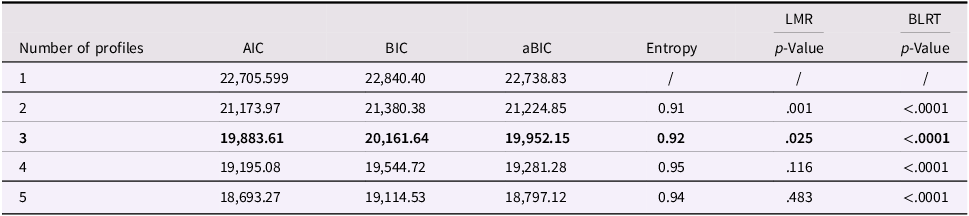
Table 2. Long description
A table comparing model fit statistics for latent profile analysis in girls. The table has six rows and seven columns. The columns are labeled Number of profiles, AIC, BIC, aBIC, Entropy, LMR p-Value, and BLRT p-Value. The rows are labeled with the number of profiles ranging from 1 to 5. Row 1: Number of profiles, 1; AIC, 22705.599; BIC, 22840.40; aBIC, 22738.83; Entropy, /; LMR p-Value, /; BLRT p-Value, /. Row 2: Number of profiles, 2; AIC, 21173.97; BIC, 21380.38; aBIC, 21224.85; Entropy, 0.91; LMR p-Value, 0.001; BLRT p-Value, <.0001. Row 3: Number of profiles, 3; AIC, 19883.61; BIC, 20161.64; aBIC, 19952.15; Entropy, 0.92; LMR p-Value, 0.025; BLRT p-Value, <.0001. Row 4: Number of profiles, 4; AIC, 19195.08; BIC, 19544.72; aBIC, 19281.28; Entropy, 0.95; LMR p-Value, 0.116; BLRT p-Value, <.0001. Row 5: Number of profiles, 5; AIC, 18693.27; BIC, 19114.53; aBIC, 18797.12; Entropy, 0.94; LMR p-Value, 0.483; BLRT p-Value, <.0001.
Note. AIC = Akaike Information Criterion; BIC = Bayesian Information Criterion; aBIC = adjusted BIC.
However, the proportions of individuals within each profile differed between boys and girls. The standardized scores of the three latent profiles across the 16 parental response indicators (eight paternal and eight maternal) are presented in Figure 4 for boys and Figure 5 for girls. Profile 1, comprising 16.74% of boys and 22.23% of girls, was characterized by uniformly low scores across all dimensions of paternal and maternal responses, reflecting minimal parental involvement. This profile was therefore labeled Disengaged. Profile 2, which included 54.33% of boys and 48.81% of girls, showed markedly elevated levels of both paternal and maternal non-supportive responses (i.e., parental distress, punitive responses, and person-minimization), alongside below-average levels of paternal and maternal supportive responses (i.e., expressive encouragement, emotion-focused responses, and problem-focused responses). In contrast, scores on paternal and maternal didactic talk and teaching dimensions were above average. Accordingly, this profile was labeled Harsh and Dogmatic. In addition, profile 3, accounting for 28.93% of boys and 28.89% of girls, displayed the opposite pattern, with paternal and maternal supportive responses scoring well above average and paternal and maternal non-supportive responses scoring well below average. In addition, above-average scores on paternal and maternal didactic talk and teaching dimension in profile 3 suggested a pattern of positive involvement and nurturance. This profile was therefore labeled Nurturing.
Z Scores for the sixteen indicators variables within the three-profile response in boys (N = 445). Note. F = Father; M = Mother; Pun = Punitive response; Dis = Parental distress; Pmin = Person-minimization; Talk = Didactic talk and Teaching; Emin = Emotion-minimization; Pfoc = Problem-focused response; Efoc = Emotion-focused response; Exp = Expressive encouragement.

Z Scores for the sixteen indicators variables within the three-profile response in girls (N = 499). Note. F = Father; M = Mother; Pun = Punitive response; Dis = Parental distress; Pmin = Person-minimization; Talk = Didactic talk and Teaching; Emin = Emotion-minimization; Pfoc = Problem-focused response; Efoc = Emotion-focused response; Exp = Expressive encouragement.

Longitudinal predicting effects
The results are shown in Table 3 (male adolescents) and Table 4 (female adolescents). Among male adolescents, the Harsh and Dogmatic profile had significantly higher scores on internalizing problems (B = 0.29, p = .004) and externalizing problems (B = 0.32, p = .002) than the Nurturing profile.
The results of regression analysis in boys (N = 445)

Table 3. Long description
A table comparing the effects of different parenting styles on internalizing, externalizing, and attention problems in boys. The table has three main sections: Disengaged vs. nurturing, Harsh and dogmatic vs. nurturing, and Disengaged vs. harsh and dogmatic. Each section includes columns for B, 95% CI, SE, t, and p-values. The table has three rows for internalizing problems, externalizing problems, and attention problems. Row 1: Disengaged vs. nurturing: Internalizing problems B 0.03, 95% CI [-0.23, 0.31], SE 0.14, t 0.24, p 0.814. Externalizing problems B 0.12, 95% CI [-0.13, 0.39], SE 0.14, t 0.88, p 0.379. Attention problems B -0.08, 95% CI [-0.35, 0.19], SE 0.14, t -0.60, p 0.548. Harsh and dogmatic vs. nurturing: Internalizing problems B 0.29, 95% CI [0.09, 0.48], SE 0.10, t 2.88, p 0.004. Externalizing problems B 0.32, 95% CI [0.12, 0.52], SE 0.10, t 3.08, p 0.002. Attention problems B 0.14, 95% CI [-0.07, 0.33], SE 0.10, t 1.38, p 0.166. Disengaged vs. harsh and dogmatic: Internalizing problems B 0.13, 95% CI [-0.05, 0.31], SE 0.13, t -1.91, p 0.057. Externalizing problems B 0.13, 95% CI [-0.07, 0.33], SE 0.13, t -1.55, p 0.122. Attention problems B 0.13, 95% CI [-0.05, 0.31], SE 0.13, t -1.72, p 0.086.
Note. Values represent standardized regression coefficients (B). CI = confidence interval. Significant results are presented in bold.
The results of regression analysis in girls (N = 499)

Table 4. Long description
A table comparing the effects of different parenting styles on internalizing, externalizing, and attention problems in girls. The table has three rows and three columns. The row labels are Internalizing problems, Externalizing problems, and Attention problems. The column headers are Disengaged vs. nurturing, Harsh and Dogmatic vs. nurturing, and Disengaged vs. harsh and dogmatic. Each column contains values for B, SE, t, and p. Row 1: Internalizing problems. Disengaged vs. nurturing: B 0.38, SE 0.11, t 3.38, p 0.001. Harsh and Dogmatic vs. nurturing: B 0.05, SE 0.10, t 0.46, p 0.643. Disengaged vs. harsh and dogmatic: B 0.33, SE 0.10, t 2.97, p 0.003. Row 2: Externalizing problems. Disengaged vs. nurturing: B 0.46, SE 0.13, t 3.68, p <0.001. Harsh and Dogmatic vs. nurturing: B 0.28, SE 0.10, t 2.92, p 0.003. Disengaged vs. harsh and dogmatic: B 0.18, SE 0.12, t 1.53, p 0.127. Row 3: Attention problems. Disengaged vs. nurturing: B 0.37, SE 0.12, t 2.97, p 0.003. Harsh and Dogmatic vs. nurturing: B 0.18, SE 0.10, t 1.83, p 0.067. Disengaged vs. harsh and dogmatic: B 0.19, SE 0.11, t 1.73, p 0.084.
Note. Values represent standardized regression coefficients (B). CI = confidence interval. Significant results are presented in bold.
Among female adolescents, the Disengaged profile had significantly higher scores on internalizing problems (B = .38, p = .001), externalizing problems (B = 0.46, p < .001), and attention problems (B = 0.37, p = .003) than the Nurturing profile. Consistent with the findings in males, the Harsh and Dogmatic profile had significantly higher scores on externalizing problems (B = 0.28, p = .003) than the Nurturing profile. Moreover, the Disengaged profile had significantly higher scores on internalizing problems (B = 0.33, p = .003) than the Harsh and Dogmatic profile.
The mediation effects
Internalizing problems. The results of mediation analysis with internalizing problems as the outcome variable are presented in Table 5 (male adolescents) and Table 6 (female adolescents). For male adolescents (Table 5), using Nurturing profile as the reference, the indirect effect of Disengaged profile via emotion regulation difficulties was significant (p < .05), indicating that males in the Disengaged profile tended to have higher levels of psychological problems through greater difficulties in emotion regulation. Using Nurturing profile as the reference, the indirect effect of Harsh and Dogmatic profile via both emotion regulation difficulties and relationship quality with parents were significant (ps < .05), suggesting that males in the Harsh and Dogmatic profile exhibited higher psychological problems due to both poorer emotion regulation and lower-quality parent–child relationships. Using Harsh and Dogmatic profile as the reference, the indirect effect of dogmatic profile via relationship quality with parents were significant (p < .05), indicating that adolescents in the Disengaged profile had lower psychological problems due to higher parent–child relationship quality compared with the Harsh and Dogmatic group. No significant direct effects were found between the links between profiles and boys’ internalizing problems.
Mediation results: adolescent internalizing, externalizing, and attention problems as the dependent variables in boys (N = 445)

Table 5. Long description
A table comparing the effects of different parenting profiles on adolescent internalizing, externalizing, and attention problems in boys. The table has 15 rows and 6 columns. The columns are labeled Effects, B [95% CI], SE, t, and p. The rows are grouped by dependent variables: internalizing problems, externalizing problems, and attention problems. Each group compares Disengaged vs. Nurturing, Harsh and dogmatic vs. Nurturing, and Disengaged vs. Harsh and dogmatic. For internalizing problems, the indirect effect of Disengaged profile via emotion regulation difficulty is significant with a B value of 0.06 and p value of 0.043. The indirect effect of Harsh and dogmatic profile via emotion regulation difficulty and relationship quality with parents is significant with B values of 0.04 and 0.15, and p values of 0.034 and 0.001 respectively. The indirect effect of Disengaged vs. Harsh and dogmatic profile via relationship quality with parents is significant with a B value of -0.13 and p value of 0.004. For externalizing problems, the indirect effect of Harsh and dogmatic profile via relationship quality with parents is significant with a B value of 0.10 and p value of 0.003. The indirect effect of Disengaged vs. Harsh and dogmatic profile via relationship quality with parents is significant with a B value of -0.09 and p value of 0.005. For attention problems, the indirect effect of Harsh and dogmatic vs. Nurturing profile via relationship quality with parents is significant with a B value of 0.07 and p value of 0.042.
Note. Values represent standardized regression coefficients (B). CI = confidence interval. Significant results are presented in bold.
Mediation results : adolescent internalizing, externalizing and attention problems as the dependent variables in girls (N = 499)

Table 6. Long description
A table comparing the effects of different parenting profiles on adolescent internalizing, externalizing, and attention problems in girls. The table has 15 rows and 5 columns. Column headers are Effects, B [95% CI], SE, and t. Row labels include different parenting profile comparisons: Disengaged vs. nurturing, Harsh and dogmatic vs. nurturing, and Disengaged vs. harsh and dogmatic. Each comparison is further divided into direct effect, indirect effects (emotion regulation difficulty and relationship quality with parents), total indirect effect, and total effect. The table presents values for B, 95% confidence intervals, standard error (SE), and t-values for each effect. Notable trends include significant direct and indirect effects of parenting profiles on adolescent problems, with varying impacts depending on the specific profile and type of problem.
Note. Values represent standardized regression coefficients (B). CI = confidence interval. Significant results are presented in bold.
Among female adolescents (Table 6), using Nurturing profile as the reference, the indirect effect of Disengaged profile via relationship quality with parents and emotion regulation difficulty was significant (p < .05), showing that females in the Disengaged profile experienced more serious psychological problems through lower parent–child relationship quality and more emotion regulation difficulty. Moreover, using Nurturing profile as the reference, the direct effect of Disengaged profile on girls’ internalizing problems was significant (p < .05). Using Nurturing profile as the reference, the indirect effect of Harsh and Dogmatic profile via relationship quality with parents was significant (p < .05), suggesting that females in this profile had more serious psychological problems due to lower-quality relationships with parents. Using the Harsh and Dogmatic profile as the reference, the indirect effect of the Disengaged profile on internalizing problems through relationship quality with parents was significant and negative (p < .05). This indicates that adolescents in the Disengaged profile experience lower levels of internalizing problems via better parent–child relationship quality compared to those in the Harsh and Dogmatic profile, suggesting that relationship quality serves as a protective pathway that partially mitigates internalizing symptoms. However, this protective indirect effect was counteracted by a significant positive direct effect of the Disengaged profile on internalizing problems (p < .05). As a result, the total effect remains positive and significant (p < .05), indicating that despite the buffering role of relationship quality, adolescents in the Disengaged profile exhibit overall higher levels of internalizing problems relative to those in the Harsh and Dogmatic profile.
Externalizing problems. The mediation analysis results with externalizing problems as the outcome variable are presented in Table 5 (male adolescents) and Table 6 (female adolescents). Among male adolescents (Table 5), using Nurturing profile as the reference, the indirect effect of Disengaged profile through emotion regulation difficulty and relationship quality with parents were both nonsignificant (ps > .05). Using Nurturing profile as the reference, the indirect effect of Harsh and Dogmatic profile via relationship quality with parents were significant (p < .05), suggesting higher externalizing problems due to lower-quality parent–child relationships. Using Harsh and Dogmatic profile as the reference, the indirect effect of Disengaged profile via relationship quality with parents was significant and negative (p < .05), indicating that adolescents in the Disengaged profile had fewer externalizing problems through better parent–child relationships compared with the Harsh and Dogmatic group. No significant direct effects were found between the links between profiles and boys’ externalizing problems.
Among female adolescents (Table 6), using Nurturing profile as the reference, the indirect effect of Disengaged profile via relationship quality with parents was significant (p < .05), indicating that females in the Disengaged profile had more serious externalizing problems due to lower parent–child relationship quality compared with the Nurturing group. The direct effect of Disengaged profile (compared with Nurturing profile) on girls’ externalizing effects was also significant (p < .05). Using Nurturing profile as the reference, the indirect effect of Harsh and Dogmatic profile via relationship quality with parents was significant (p < .05), suggesting that females in the Harsh and Dogmatic profile exhibited more serious externalizing problems through poorer parent–child relationships. The direct effect of Harsh and Dogmatic profile (compared with Nurturing profile) on girls’ externalizing effects was also significant (p < .05). Using Harsh and Dogmatic profile as the reference, the indirect effect of Disengaged profile via relationship quality with parents was significant and negative (p < .05), but the direct effect was positive (p < .05), resulting in an overall positive total effect on externalizing problems (p < .05).
Attentional problems. The mediation analysis results with attention problems as the outcome variable are presented in Table 5 (male adolescents) and Table 6 (female adolescents). Among male adolescents (Table 5), no significant indirect effect via relationship quality with parents or adolescents’ emotion regulation difficulty was found (ps > .05). Also, no significant direct effects were found (ps > .05).
Among female adolescents (Table 6), using Nurturing profile as the reference, the indirect effect of Disengaged profile via relationship quality with parents and but the direct effect was significant (ps < .05), indicating that females in the Disengaged profile had higher psychological problems due to relationship quality with parents and other variables. Using Nurturing profile as the reference, the indirect effect of Harsh and Dogmatic profile via relationship quality with parents was significant (p < .05), suggesting that females in the Harsh and Dogmatic profile exhibited more serious psychological problems through poorer parent–child relationships. Using Harsh and Dogmatic profile as the reference, the indirect effect of Harsh and Disengaged profile via relationship quality with parents was significant and negative (p < .05), but the direct effect was positive (p < .05), resulting in an overall positive total effect on externalizing problems (p < .05).
Sensitivity analysis
Table S6 in the Supplementary Materials presents the results of the regression analyses conducted on the dataset with missing values imputed using random forests. As shown, all regression coefficients were highly similar to those obtained from the primary analyses (Tables 3 and 4), with only minor differences, indicating that the results are robust to missing data.
Discussion
To our knowledge, this study is the first two-wave longitudinal investigation of how patterns of family-level (i.e., involving both parents) responses predict adolescents’ psychological outcomes in China, contributing to the field of adolescent emotional socialization in diverse cultural contexts. Our findings identified three distinct profiles of family response patterns for both male and female adolescents, each playing a different predictive role in adolescents’ psychological outcomes through different mediators.
Profiles of family-level parental responses to adolescents’ negative emotions
This study identified three distinct family-level parenting response profiles in both male and female adolescents: Disengaged, Harsh and Dogmatic, and Nurturing. Consistent with Edler et al. (Reference Edler, Hoegler Dennis, Wang, Valentino, Davies and Cummings2025), we identified a Disengaged profile, in which both parents exhibited low levels of responsiveness across all dimensions. Notably, fathers in disengaged families seemed to score lower than mothers across all dimensions, suggesting that fathers in these families were even less responsive to their children’s emotions. Overall, the proportion of disengaged families in this study (22.82% in girls and 16.71 % in boys) was higher than previous findings in Chinese samples (14.9%; Wang et al., Reference Wang, Liang, Zhou and Zou2019). The current study focused on late adolescents attending high school, whereas Wang et al. (Reference Wang, Liang, Zhou and Zou2019) examined early adolescents in middle school (i.e., junior secondary school). As family disengagement may become more pronounced as adolescents seek greater autonomy during later adolescence, higher levels of disengagement may be observed in older samples (i.e., late adolescence studied in this research). Studies conducted in Western contexts have typically reported comparable or even higher proportions of disengaged families (20%–30%; Edler et al., Reference Edler, Hoegler Dennis, Wang, Valentino, Davies and Cummings2025; King et al., Reference King, Macdonald, Greenwood, Kehoe, Dunsmore, Havighurst, Youssef, Berkowitz and Westrupp2023; McKee et al., Reference McKee, DiMarzio, Parent, Dale, Acosta and O’Leary2022). This pattern may reflect cultural differences in family values and interaction norms, as greater emphasis on autonomy in Western contexts may be associated with a higher likelihood of disengaged classifications.
In line with previous research (Edler et al., Reference Edler, Hoegler Dennis, Wang, Valentino, Davies and Cummings2025), our study also identified a Nurturing profile (28.73% in girls and 29.06% in boys), in which both mothers and fathers exhibited predominantly supportive responses such as emotion-focused and problem-focused responses, emotion-minimization, expressive encouragement, and didactic talk and teaching, as well as a Harsh and Dogmatic profile (48.45% in girls and 54.23% in boys), characterized by predominantly non-supportive responses such as punitive responses, parental distress, person-minimization, and didactic talk and teaching. By expanding prior research, the present study assessed more culturally sensitive dimensions by refining the minimization response of the CCNES scale (Fabes et al., Reference Fabes, Poulin, Eisenberg and Madden-Derdich2002), distinguishing between person-minimization and emotion-minimization, and incorporating an additional dimension: didactic talk and teaching. The cluster where emotion-minimization co-occurred with emotion-focused and problem-focused responses, along with expressive encouragement, and another cluster where person-minimization was linked to punitive responses and parental distress, suggests that minimization manifests in different forms. This finding supports past research suggesting that minimization can take different forms, with emotion-minimization functioning as a more supportive response than person-minimization (Ding et al., Reference Ding, He, Liu, Yang, Qiu and Wang2023b).
Moreover, in both the Nurturing and Harsh and Dogmatic profiles, didactic talk and teaching scores were above average, suggesting that directive and educational parenting approaches were prevalent across these groups despite differences in emotional supportiveness. This finding indicates that didactic talk and teaching are not inherently positive or negative, but rather, their impact may depend on how they are integrated within the broader emotional context of parent-child interactions. When combined with warmth and responsiveness, it may serve as a constructive guidance strategy, whereas in a less supportive emotional environment, it could be perceived as overly rigid or controlling. This underscores the importance of considering not only what parents say, but also how they say it and the emotional tone in which guidance is provided. Consistent with this perspective, Zubizarreta et al. (Reference Zubizarreta, Calvete and Hankin2019) have found that the damaging role of parental punishment on child depression was lower when parental warmth was higher, highlighting the buffering role of warmth in potentially harsh or directive parenting practices.
Overall, while previous studies have commonly used the labels “emotion coaching” versus “emotion dismissing’ to describe similar profiles (i.e., Nurturing vs. Harsh and Dogmatic; Edler et al., Reference Edler, Hoegler Dennis, Wang, Valentino, Davies and Cummings2025; King et al., Reference King, Macdonald, Greenwood, Kehoe, Dunsmore, Havighurst, Youssef, Berkowitz and Westrupp2023; McKee et al., Reference McKee, DiMarzio, Parent, Dale, Acosta and O’Leary2022), our modifications of including more types of parental responses to adolescents’ negative emotions led us to adopt different names. Despite the differences in terminology, the two profiles identified in this study share the same underlying nature as emotion coaching/dismissing in past literature, reflecting variations in parental emotional responsiveness and supportiveness. However, the proportions of these two profiles in our study differ from past literature, suggesting potential cultural or contextual influences on their prevalence. In this study, nearly half of the girls (48.45%) and over half of the boys (54.23%) were classified under the Harsh and Dogmatic profile. This proportion is substantially higher than those reported in previous Western research, in which the prevalence of similar profiles ranged from approximately 10% (King et al., Reference King, Macdonald, Greenwood, Kehoe, Dunsmore, Havighurst, Youssef, Berkowitz and Westrupp2023; McKee et al., Reference McKee, DiMarzio, Parent, Dale, Acosta and O’Leary2022) to a maximum of 30% (Edler et al., Reference Edler, Hoegler Dennis, Wang, Valentino, Davies and Cummings2025). Furthermore, this proportion also exceeds the findings concerning Chinese elementary school samples (Zhu & Dunsmore, Reference Zhu and Dunsmore2023).
The elevated proportion of Harsh and Dogmatic profile in this study may be attributed to the characteristics of our sample, particularly in two key aspects: age group and cultural background. Our study focused on Chinese high school students, who are in late adolescence. At this developmental stage, parents may place less emphasis on their children’s emotions or provide less emotional support than they would during childhood or early adolescence (Helsen et al., Reference Helsen, Vollebergh and Meeus2000). Instead, parents may expect their children to become more independent and develop self-regulation skills. As a result, when adolescents express negative emotions, parents may be more inclined to respond in a non-supportive manner. Moreover, previous cross-cultural studies have found that, compared to Western families, Chinese families exhibit more non-supportive responses to children’s negative emotions (Doan & Song, Reference Doan and Song2022; Yang et al., Reference Yang, Song, Doan and Wang2020; Yu et al., Reference Yu, Volling and Niu2015), which may originate from the Chinese cultural belief that expressing negative emotions can disrupt interpersonal relationships and lead to social distancing (Wang, Reference Wang2003). Indeed, the higher prevalence of the Harsh and Dogmatic profile observed in this study may partly reflect culturally shaped expectations for adolescents’ emotional regulation in China. During late adolescence, Chinese parents often expect their children to manage negative emotions independently and appropriately; when adolescents struggle to do so or express emotions in ways that parents perceive as inappropriate, parents may respond in more directive or harsh ways.
The longitudinal predicting roles of family-level parental responses to adolescents’ negative emotions profiles on adolescent psychological problems and the possible mediators
This study also explored how family-level parenting response profiles were linked to adolescents’ psychological outcomes, further clarifying the underlying mechanisms. This study showed that the Disengaged and Harsh and Dogmatic profiles were more likely to predict boys’ and girls’ psychological problems than the Nurturing profile. Previous studies have yielded similar findings, indicating that supportive parent-child interactions and high-quality parental performance enhance parent-child relationships and further promote children’s development, including self-esteem, as well as socio-emotional and cognitive growth (Li et al., Reference Li, Tan, Zhou, Xue, Gu and Xu2022; Vieira et al., Reference Vieira, Matias, Ferreira, Lopez and Matos2016; Zhang et al., Reference Zhang, Zhou and Cao2024). However, these prior studies have primarily focused on early and middle childhood. Our study extends the findings by elucidating the relationship between parent-child interactions and child outcomes in late adolescence. Prior longitudinal research in Western contexts has shown that emotion-dismissing parenting – conceptually similar to the Disengaged profile in this study – is associated with increased internalizing and externalizing symptoms over time (Edler et al., Reference Edler, Hoegler Dennis, Wang, Valentino, Davies and Cummings2025). Neglectful parenting is characterized by emotional detachment, lack of supervision, and minimal parental involvement (Straus & Kantor, Reference Straus and Kantor2005), which deprives children of warmth, validation, and emotional responsiveness, thereby increasing their risk of experiencing rejection, loneliness, anxiety, and depression (Ayhan & Beyazit, Reference Ayhan and Beyazit2021; Christ et al., Reference Christ, Kwak and Lu2017). Consequently, children exposed to neglect may struggle with emotional and behavioral regulation (Avdibegoviü & Brkiü, Reference Avdibegoviü and Brkiü2020; Beyazit et al., Reference Beyazit, Yurdakul and Ayhan2024), leading to either internalizing or externalizing problems depending on their coping styles (Spratt et al., Reference Spratt, Friedenberg, LaRosa, Bellis, Macias, Summer, Hulsey, Runyan and Brady2012). Likewise, harsh parenting involves punitive yet engaged interactions (Hinnant et al., Reference Hinnant, Erath and El-Sheikh2015). According to the Social Learning Theory of Bandura and Walters (Reference Bandura and Walters1977), children model behaviors they observe from their parents; thus, exposure to harsh discipline, yelling, or corporal punishment may lead them to internalize aggression as an acceptable response to conflict, increasing the likelihood of conduct problems (Patterson, Reference Patterson1982).
Of note, the total predicting effects of non-nurturing profiles on adolescent psychological problems differ by adolescent gender, with girls tending to be more sensitive to Disengaged parenting, while boys may be more affected by Harsh and Dogmatic parenting. Specifically, compared with the Nurturing profile, the Disengaged profile predicted higher levels of internalizing, externalizing, and attention problems, but these effects were observed only in girls, not in boys. Moreover, for girls, the Disengaged profile predicted more internalizing problems than the Harsh and Dogmatic profile, a pattern that was not evident in boys. These findings align with prior literature on childhood neglect, which suggests that girls tend to be particularly sensitive to emotional neglect (Zhou et al., Reference Zhou, Wang, Zheng, Li and Yang2025). For example, one study investigating childhood parenting experiences and adult outcomes found that vulnerable narcissism mediates the relationship between emotional neglect and love addiction exclusively in female participants, highlighting that females may be particularly sensitive to the long-term effects of emotional neglect on romantic behaviors (Carone et al., Reference Carone, Muzi, Benzi, Cacioppo, Parolin, Santona and Fontana2025). Another study has documented that sex moderated the associations between emotional abuse/neglect and difficulty in identifying feelings, such that emotional abuse and neglect were both more strongly associated with difficulty identifying feelings for females (Brown et al., Reference Brown, Fite, Stone, Richey and Bortolato2018). Taken together, these results indicate that, compared with Harsh parenting, Disengaged or emotionally unavailable parenting may be particularly predictive of girls’ psychological problems. It is therefore important for future research to investigate the mechanisms underlying this gender-specific vulnerability.
In addition, the mediation analyses revealed that the mechanisms through which non-nurturing parenting profiles (relative to the Nurturing profile) predict adolescents’ outcomes differ by adolescent gender. For boys, the effect of the Harsh and Dogmatic profile on psychological problems tended to be mediated by both parent–child relationship quality and emotion regulation difficulties, whereas the effect of the Disengaged profile on both internalizing and externalizing problems was mediated solely by emotion regulation difficulties. For girls, the effects of the Disengaged and Harsh and Dogmatic profiles (relative to the Nurturing profile) on internalizing, externalizing, and attention problems were mediated primarily by parent–child relationship quality. These findings imply that boys and girls may process non-nurturing parenting experiences differently. Boys are more likely to internalize such experiences as both deficits in emotion regulation skills and relational injuries, whereas girls tend to internalize them primarily as relational injuries. Moreover, after accounting for the measured variables – relationship quality with parents and emotion regulation difficulties – a significant portion of the link between non-nurturing parenting and psychological problems in girls remains unexplained. This suggests that additional mechanisms beyond relationship quality with parents and emotion regulation difficulties may exist and warrants further investigation.
Notably, the mediation analysis shows that, for both boys and girls, the links between Harsh and Dogmatic parenting (compared with Disengaged profile) and psychological problems were mediated by relationship quality with parent but not not mediated by emotion regulation difficulty. One plausible explanation is that Harsh and Dogmatic parenting – characterized by coercion, verbal hostility, and rigid control – directly erodes the warmth, trust, and emotional availability that define a secure parent–child relationship. As the relational foundation weakens, the child may lose a critical source of co-regulation and felt security, thereby becoming more vulnerable to psychological difficulties. It is noteworthy that this pathway was significant specifically in comparison to the Disengaged profile, suggesting that while emotionally distant parenting may deprive the child of involvement, the punitive and inflexible nature of Harsh/Dogmatic parenting may actively damage the relational bond, converting it into a direct conduit for distress.
Also, for girls, but not foy boys, Harsh and Dogmatic parenting (compared with Disengaged profile) had direct effects on psychological problems. These results mean that the emotional absence inherent in Disengaged profile (than Harsh and Dogmatic) directly predicted poorer psychological problems (e.g., anxiety, depression) in girls, independent of both parent–child relationship quality and emotion regulation difficulties. One possible explanation relates to early self-development. The concept of self begins to take shape in early childhood and is closely linked to the mirroring and responsiveness provided by caregivers (Winnicott, Reference Winnicott1971). When children experience emotional neglect, as in Disengaged parenting, they lack the essential support to develop a positive self-perception. Empirical research shows that childhood maltreatment, particularly neglect, is associated with negative self-concepts, including feelings of unworthiness and uselessness regarding one’s emotional needs (Topino & Gori, Reference opino and Gori2025). Over time, such negative self-perceptions can contribute to girls’ psychological problems, as the child internalizes a persistent sense of being unvalued or invisible. However, other mechanisms may also play a role and should be examined in future studies.
Theoretical importance and practical implications
This study enhances the understanding of family-level parenting response patterns and their impact on adolescents’ psychological problems, providing a culturally relevant perspective on family emotional socialization. Previous research on Chinese families has mainly used the CCNES (Fabes et al., Reference Fabes, Poulin, Eisenberg and Madden-Derdich2002), which was developed in Western contexts and overlooks unique Chinese parenting practices. By refining the minimization dimension and adding the didactic talk and teaching dimension, this study identified more ecologically valid family response profiles for Chinese families. It also showed that the relation between didactic talk and child development varies with the parenting environment, showing that similar parental responses can have different effects depending on the emotional and situational context, even within the same culture. This challenges the traditional view that parental responses have fixed effects (i.e., supportive or non-supportive). Moreover, although the types of parenting profiles identified in the Chinese context are broadly consistent with those found in Western samples, the proportion of exhibiting each profile differs substantially, highlighting the influence of cultural norms on parenting practices. Of particular note is the relatively high prevalence of the Harsh and Dogmatic profile in China, which warrants special attention given its potential impact on adolescent adjustment.
Further, the findings highlight gender differences in both the predictive effects of different parenting profiles on adolescents’ psychological problems and the mediating pathways underlying these associations. These results underscore the importance of considering gender when examining the effects of parental emotion socialization on adolescents’ psychological problems (Brody & Hall, Reference Brody, Hall, Chrisler and McCreary2010; Root & Denham, Reference Root and Denham2010). The practical implications of these findings suggest a need for gender-sensitive parenting interventions that address both emotional availability and discipline strategies. For both boys and girls, maintaining a Nurturing parenting profile is recommended, as it was associated with fewer psychological problems. However, interventions should also be tailored to address potential gender-specific vulnerabilities: for boys, reducing Harsh and Dogmatic parenting may be particularly important, while for girls, promoting parental engagement and emotional availability, in addition to reducing Harsh and Dogmatic parenting, is especially critical.
Limitations and future directions
Our study had several limitations. Firstly, the data relied primarily on adolescent self-reports, which may have been influenced by social desirability bias or memory recall issues. Future research could collect information from multiple reporters (e.g., parents and children) to enhance the reliability of the findings. Secondly, since our sample primarily consists of urban or suburban participants, the study may not fully capture the unique parenting dynamics and adolescent emotional regulation processes in rural settings, which have traditional parenting norms, economic constraints, and family structures (Ding et al., Reference Ding, Bi, Luo, Liu, Wang, He and Ni2023a). Thirdly, this study examined parental responses to adolescents’ negative emotions at the family level. However, the findings may not be generalizable to families in which the primary caregivers are not parents (e.g., grandparents). Fourthly, the study employed a two-time-point design, which, while capturing changes over time to some extent, limits the ability to distinguish between within-person effects and between-person effects. Future research should adopt more intensive longitudinal designs with a greater number of time points to better capture the dynamic nature of different variables. Fifthly, although mediation analyses were conducted, the mediators were measured only at Time 1, which limits our ability to conclude causal or predictive relationships. Future research should employ longitudinal mediation designs with repeated measurements of mediators to more rigorously test the temporal and causal processes underlying the associations between parenting profiles and adolescent psychological outcomes. Finally, this study relied entirely on questionnaire data. However, a study on emotion socialization found discrepancies between self-report and observational data (Baker et al., Reference Baker, Fenning and Crnic2011). Thus, incorporating observational methods in future studies could enhance the accuracy and depth of findings, particularly by capturing subtle, nonverbal emotional exchanges and culturally specific parenting practices that may not be fully reflected in self-reports.
Conclusion
This study identified adolescent-perceived family-level parenting profiles, with three profiles emerging for both boys and girls: Nurturing, Harsh and Dogmatic, and Disengaged. In general, adolescents exposed to non-nurturing parenting profiles were more likely to experience psychological problems compared with those in the Nurturing profile, with girls showing higher levels of psychological problems in the Disengaged profile and boys exhibiting higher levels of difficulties in the Harsh and Dogmatic profile. Both emotion regulation difficulties and parent–child relationship quality were observed to mediate the associations between parenting profiles and adolescent psychological outcomes, although the patterns of mediation varied by gender. These findings highlight the importance of employing a person-centered approach to examine the processes and mechanisms of emotion socialization within family systems, while also taking adolescent gender into consideration.
Supplementary material
The supplementary material for this article can be found at https://doi.org/10.1017/S0954579426101631.
Data availability statement
This study was not preregistered. For transparency and reproducibility, the study materials and analysis code are available on the Open Science Framework (OSF): https://osf.io/vf35e/overview?view_only=f36473c9485d42c49ec42210638d3ced.
The data that support the findings of this study are available on request from the corresponding author.
Acknowledgments
We acknowledge the participants for their valuable contributions to participate our research. This study adheres to Level 2 of the Transparency and Openness Promotion (TOP) Guidelines by providing relevant materials and data as described in the Data Availability section.
Funding statement
The study was funded by Young Scientists Fund of the National Natural Science Foundation of China (32300894) and the Young Doctoral Programs of Basic Research Programs of Guangzhou Municipality (2024A04J3493) awarded to Ruyi Ding.
Competing interests
The authors have no conflicts of interest.
Pre-registration statement
This study was not pre-registered because the analyses were conducted using existing datasets, and the hypotheses and analytic plan were developed after initial data examination.
GenAI use disclosure statement
This work was prepared with the assistance of generative AI (GenAI) tools, including ChatGPT and DeepSeek, to support language refinement. The author retains full responsibility for the accuracy, originality, and integrity of the work.

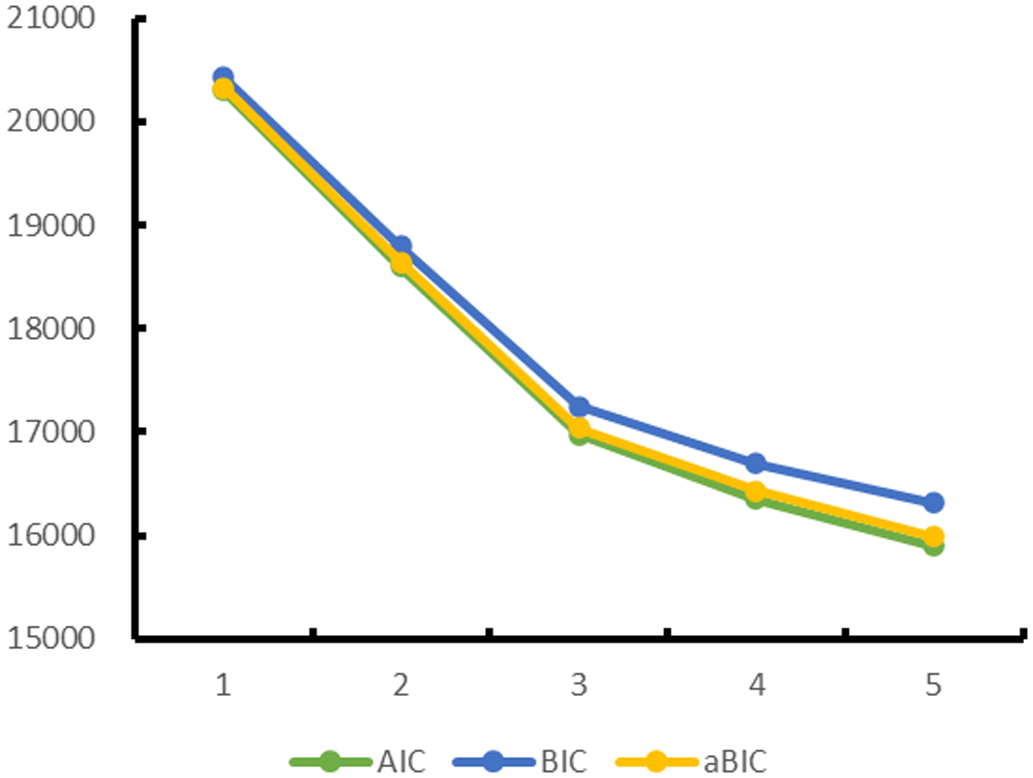
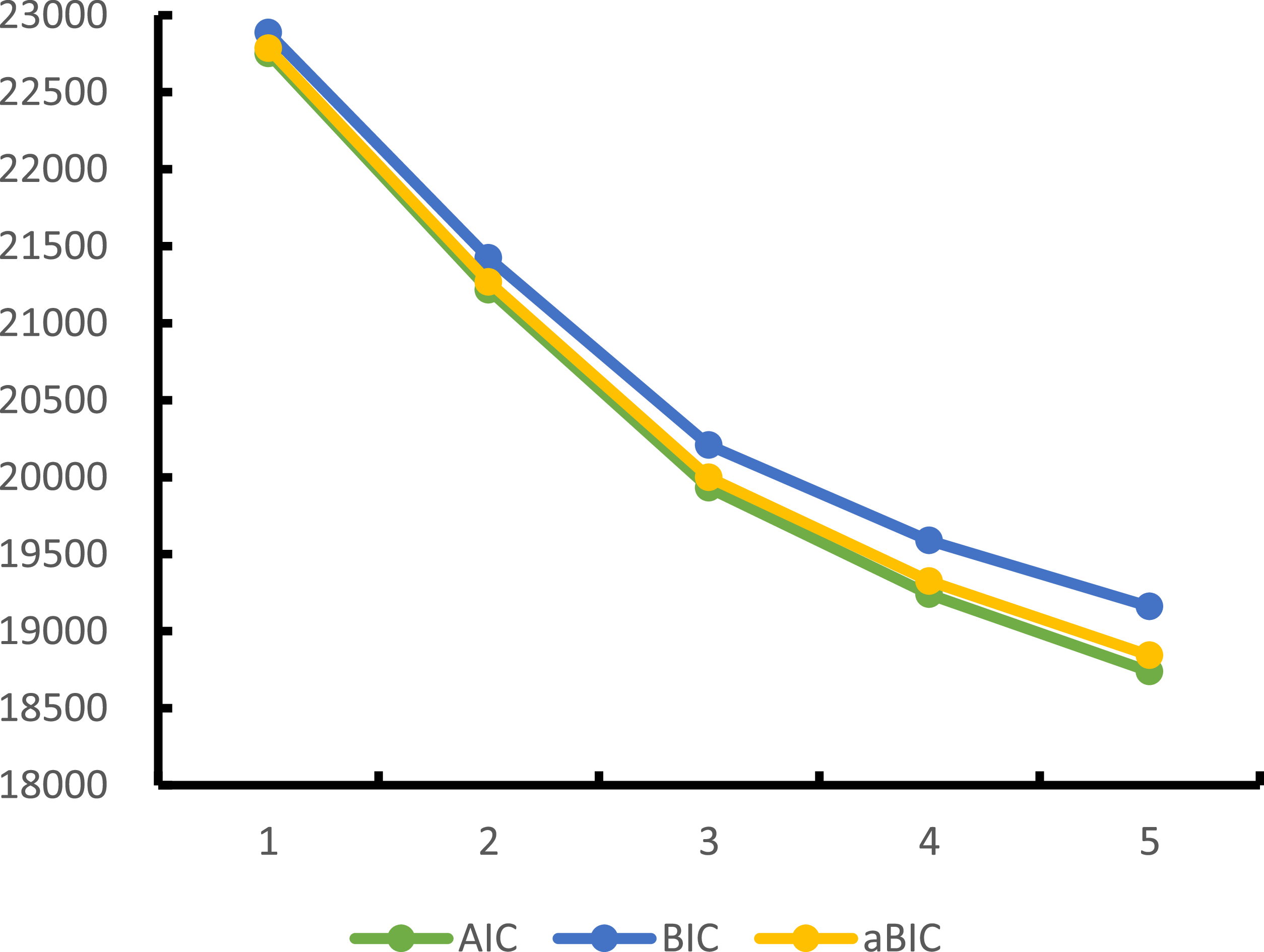
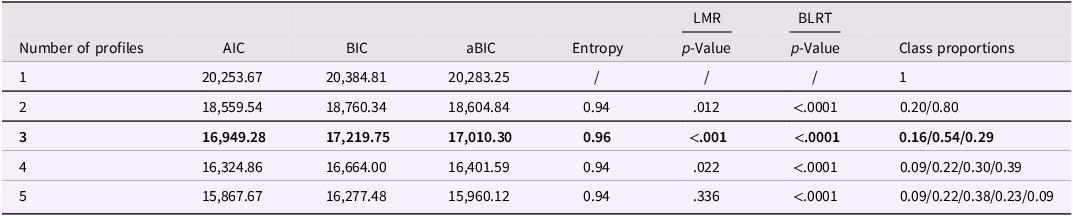
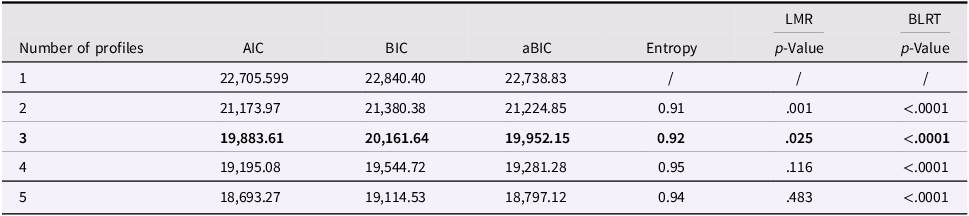


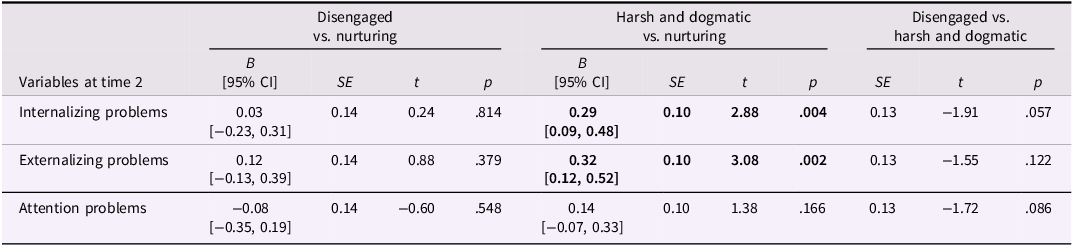
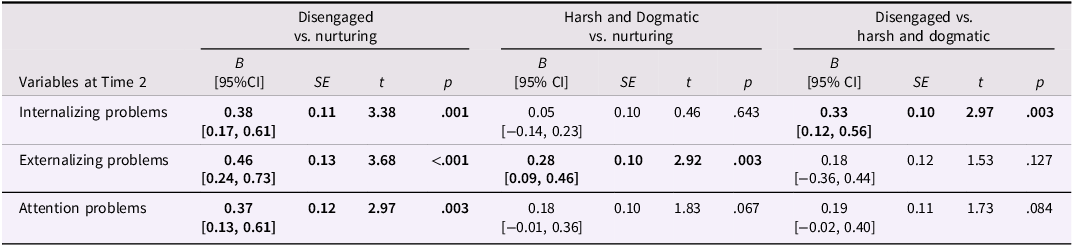
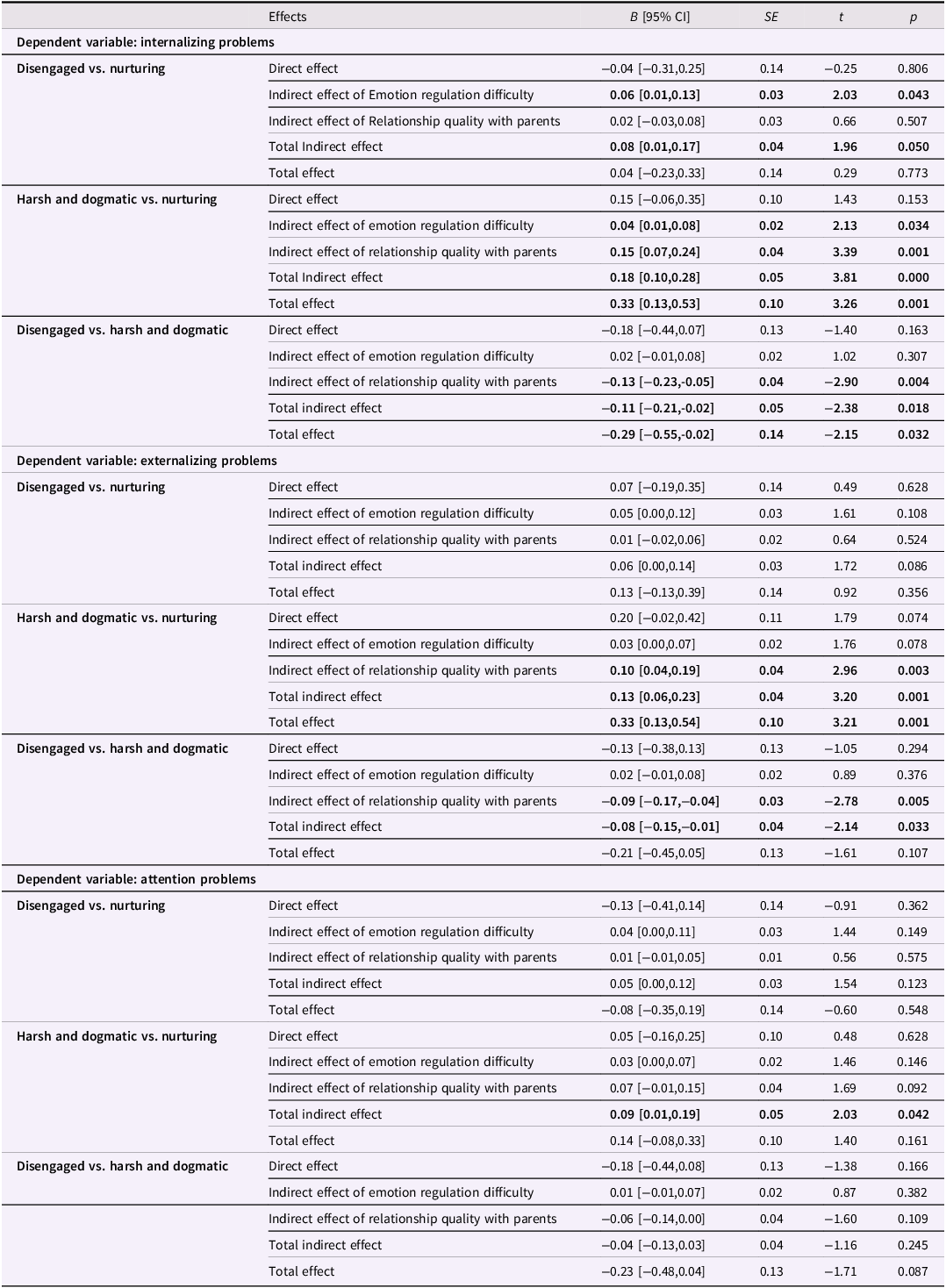
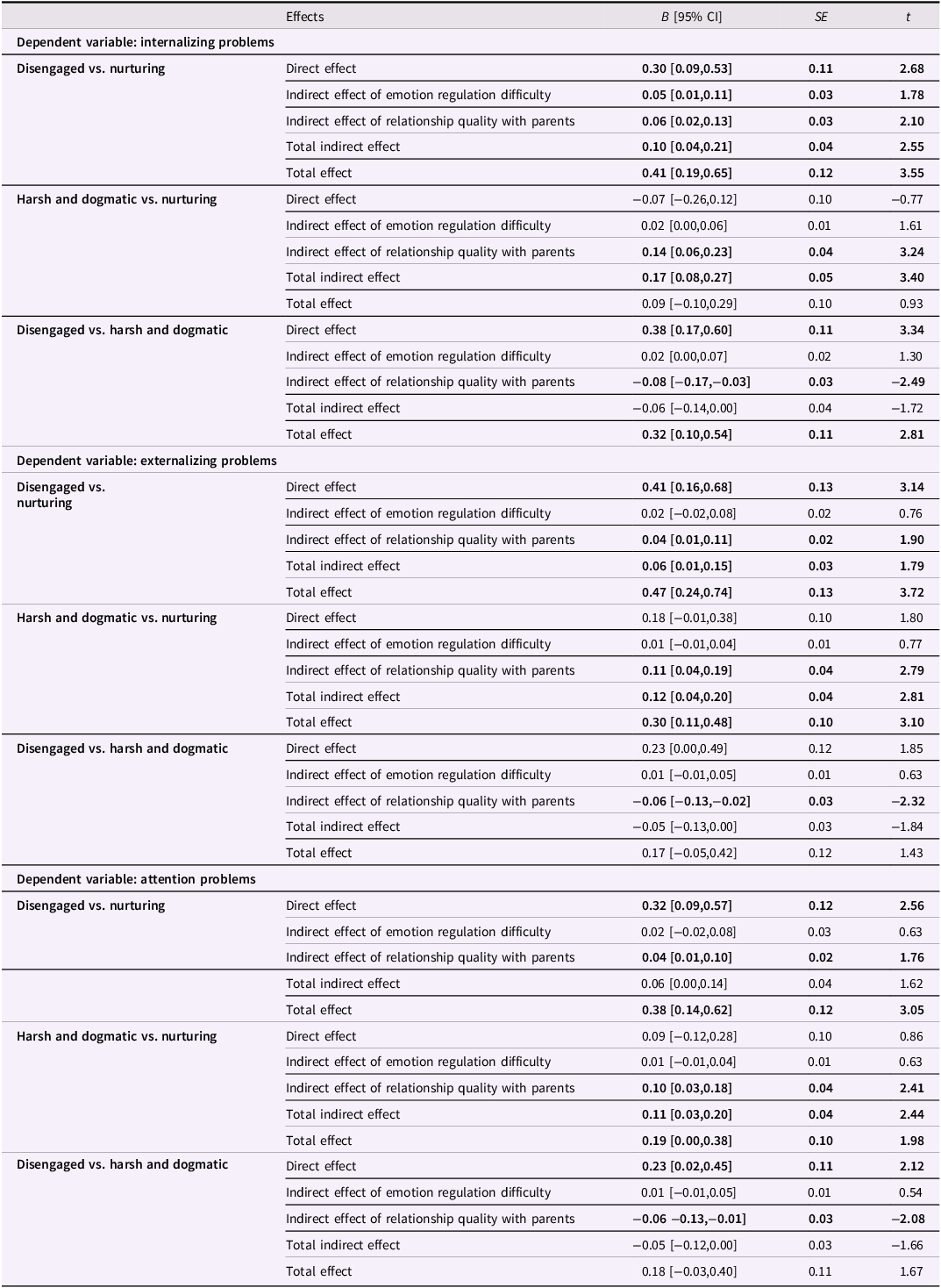


 Open access

