Introduction
Agricultural market developments have attracted considerable attention recently, due to increasing consumer food prices and sharp, short term price fluctuations in agricultural commodities. This medium term outlook provides a projection for major EU agricultural commodity markets and income until the year 2022, based on a set of coherent assumptions. Under these assumptions, commodity prices are expected to stay firm over the medium term, supported by factors such as the growth in global food demand, the development of the biofuel sector and a prolongation of the long term decline in food crop productivity. EU commodity markets are projected to remain balanced on average over the outlook period, without the need for market intervention. Prospects for agricultural income are expected to grow at EU level during the outlook period, resulting from a continuing decline in labour input rather than from income increases at sector level (European Commission, 2012).
The EU market is likely to be affected by the on-going economic downturn and historically high levels of unemployment, which tend to push EU demand towards cheaper meat options. The new animal welfare requirements in certain sectors are also expected to play an important role in the near future. As a consequence, total EU meat production, after having increased during both 2010 and 2011, will contract by 2% over the next two years. After this reduction, total meat production is projected to steadily recover over the ten year horizon to reach almost 45 million tons in 2022, approximately the same level recorded in 2011. Meat production is mainly driven by increasing poultry and pork meat consumption, as well as from firm external demands and higher prices. On a per capita basis, estimated EU meat consumption in 2022, at 82.6 kg per annum, is approximately the same level as it was in 2009 and 1% lower than in 2011, despite the improved macroeconomic prospects. Pig meat is expected to remain the preferred meat in the EU with 40.8 kg/capita consumption in 2022, compared to 24.1 kg for poultry, 15.7 kg for beef/veal and less than 2.0 kg for sheep and goat meat. The net trade position of the EU is projected to deteriorate over the outlook period, driven by an increase in meat imports (of beef/veal, sheep and goat and poultry meats) and a parallel decline in exports of poultry. Aggregate meat imports are expected to grow by 5.2% (2022 vs. 2011) and exports decline by 6.8%, leaving the EU, nevertheless, a net exporter of pig and poultry meats in 2022 (European Commission, 2012).
General meat market prospects
Nutritional habits regarding poultry meat and meat products have recently undergone some major changes. In the past, there has been an intensive process of concentration and consolidation in the operating activities of the world poultry meat industry, as well as the market being influenced by the outbreak of avian influenza (H5N1). This virus affected the entire European poultry meat industry and thus visibly marked the world trade in poultry meat in 2006.
In the continuation, this paper will focus on changes that have taken place in the European poultry meat market in the past few years, as well as the indications for development of the European poultry meat market in the coming years,
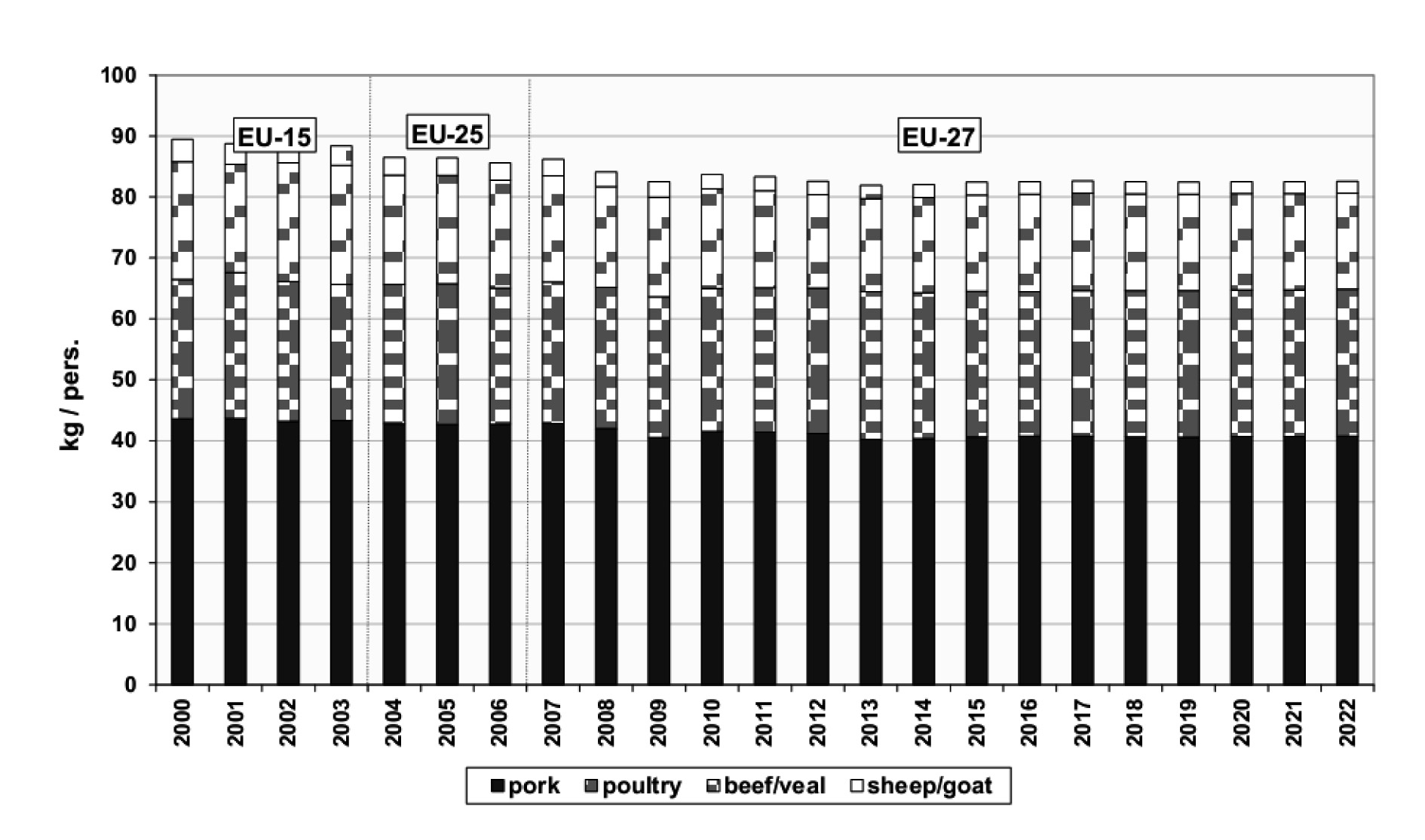
Meat production is mainly driven by increasing poultry and pork meat consumption, as well as by a firm external demands and higher prices. Although the average per capita consumption would be higher in the EU-15 than in the EU-N12 (85 kg/capita versus 73 kg/capita), the trends for 2011-2022 would be more favourable in the new Member States (+1.4% against -1.6% in the old Member States) (Figure 1) (European Commission, 2012).
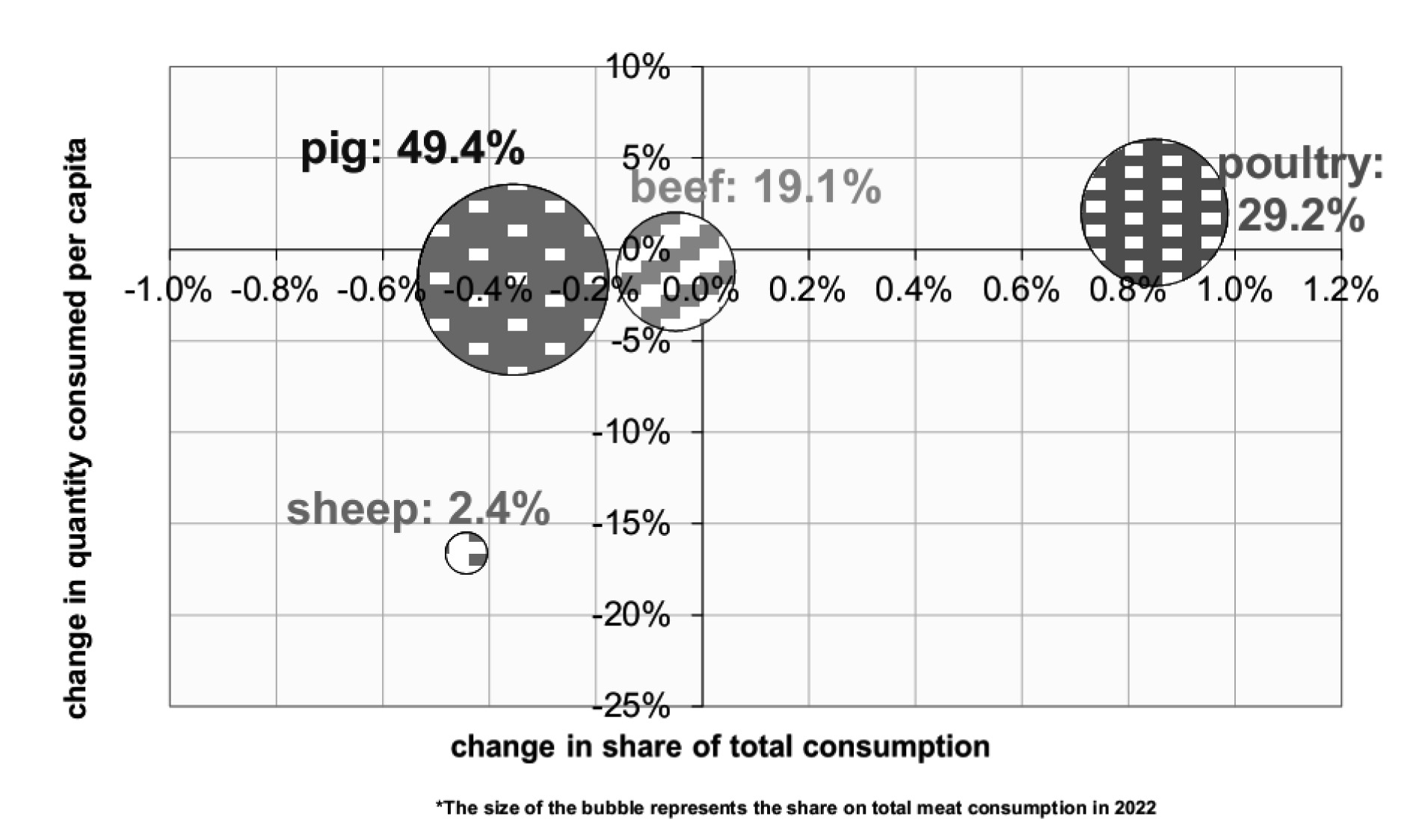
By 2022, poultry will be the only meat to record positive developments (Figure 2), both in share and quantity consumed. Beef would maintain its share in total consumption at the 2011 level, but overall consumption would decline. Pig meat is expected to remain the most consumed meat in the EU with 40.8 kg/capita, which represents roughly half of total meat consumption; nevertheless the graph illustrates a declining trend both in terms of share and consumption. Sheep meat continues the declining trend in both per capita consumption and share (European Commission, 2012).

Positive prospects for poultry meat
Higher EU demands for poultry in 2011 and its relative price competitiveness vis-à-vis other meat types triggered a 1.8% increase in production compared to 2010. This growth was expected to continue in 2012, thus partially compensating the declining availability of other meats. Over the outlook period, poultry meat would be the only meat with increased levels of production (+4.4% on aggregate compared to 2011), driven by higher global and domestic demand. In addition, increasing production reflects the capacity of poultry to adjust more rapidly to market changes, both on the demand and the supply side. EU broiler prices have been at very high levels during 2012, peaking in September (2 040 EUR/t), when they were 16% above the 2007-2011 average (European Commission, 2012).
Overall, poultry meat imports recorded a 3% decrease in the period between January and August 2012 compared to the same period last year, with lower imports from Brazil (-6%), the EU's main supplier, due to high prices and limited supply. On the other hand, imports from Thailand increased by 4%. In July 2012, Thailand regained access to the EU market with frozen salted poultry meat (TRQ of 92 000 tones) and, according to trade sources, is still building up capacity to fulfil its quota, although a higher uptake is expected in 2013. In contrast, for the same period, exports registered an increase of around 2%, due to higher demand from African countries (exports to South Africa showing a 74% increase), while exports to Russia and Asia decreased (-6% and -31% respectively) (European Commission, 2012).
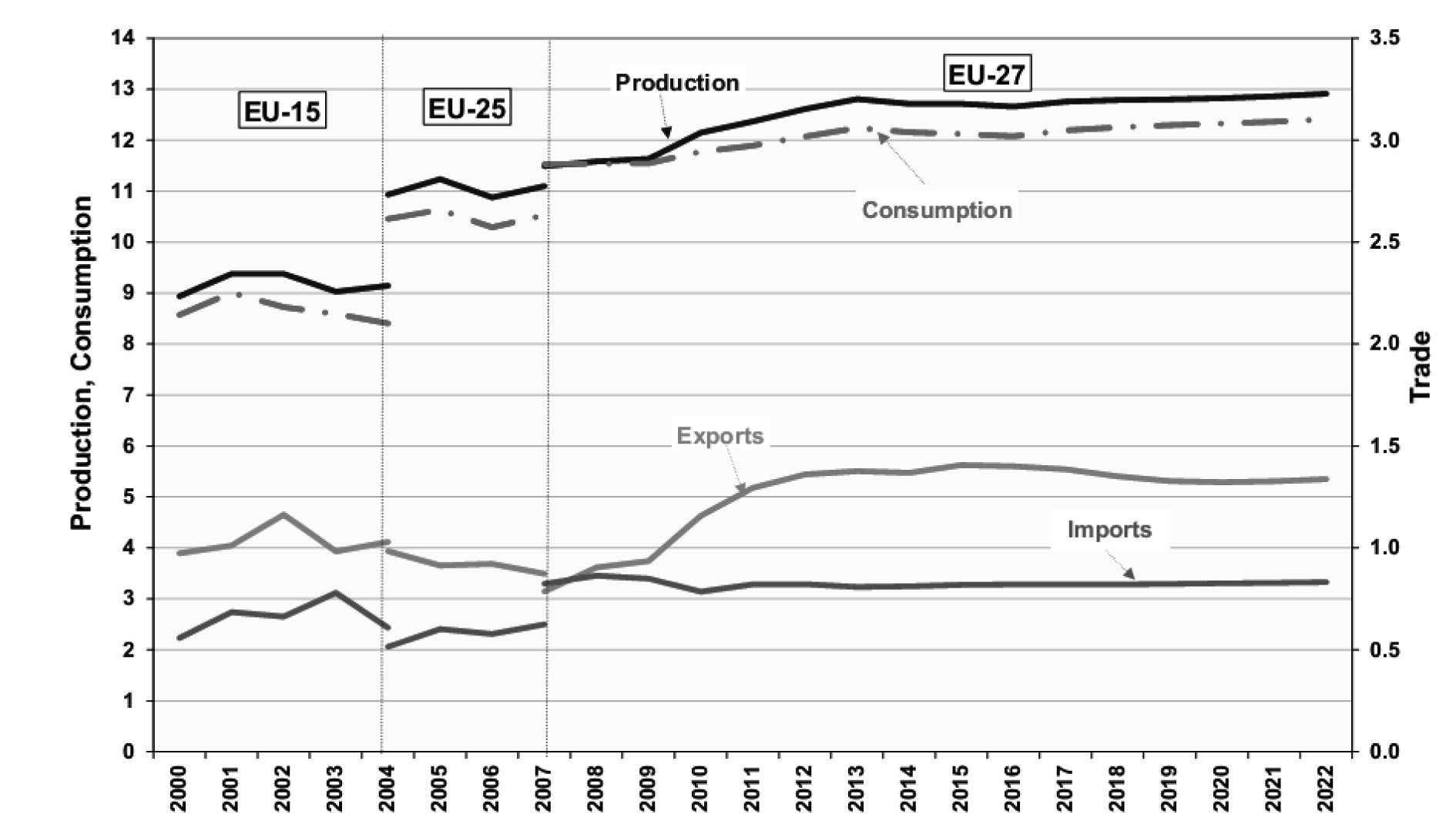
Over the medium term, EU exports are expected to remain strong (+3.2% in 2022 against 2011), due to growing world demand, especially in Asia, Africa and the Middle East. EU exports would be mainly concentrated on the lower-quality segment, i.e. the parts which do not find an outlet on the domestic market. Overall, imports of poultry meat into the EU would follow the same trend, but at a slower pace, increasing by 1.3%, thus settling at 831,000 tonnes by 2022. World consumption for poultry meat is projected to keep growing over the medium term (+25%), a trend from which EU exports can benefit (Figure 3) (European Commission, 2012).
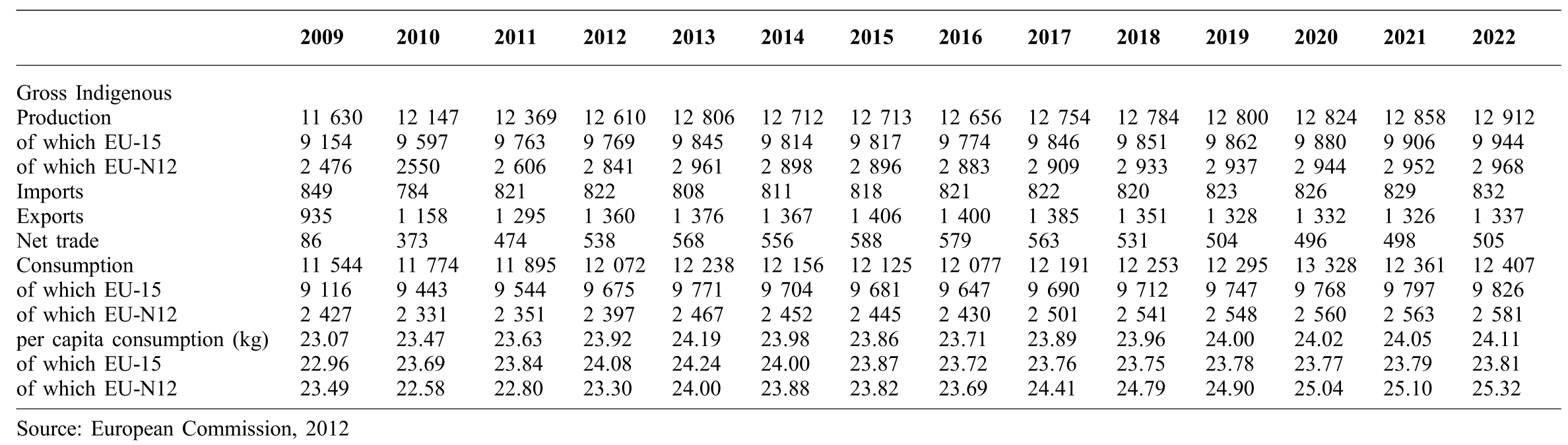
EU poultry meat consumption is expected to increase by 4.3% on average and reach 24.1 kg/capita by 2022, mainly driven by the increasing volumes consumed in the EU-N12. Projections on production and consumption of poultry meat, regardless the fluctuations in the previous year, are predicting a growth trend for the EU market (Table 1) (European Commission, 2012).
Based on the results of various analyses and trends in the meat processing industry, it has been determined that the poultry meat sector represents the market which is growing and highly dynamic. Poultry meat is one of the most favourite meat types. It is not only tasty, but also corresponds to the requirements of modern and balanced nutrition. In addition, it is quick and easy to prepare, healthy, safe, nourishing, and is versatile in terms of marinating etc. The causes for the change in meat consumption have been a much-debated issue in the agricultural economics literature (Vukasovič, Reference VUKASOVIČ2009; Reference VUKASOVIČ2010; Reference VUKASOVIČ2011; Aral et al. (Reference ARAL, AYDIN, DEMIR, AKIN, CEVGER, KAYA KUYULULU and ARIKAN2013).
Research design and sampling
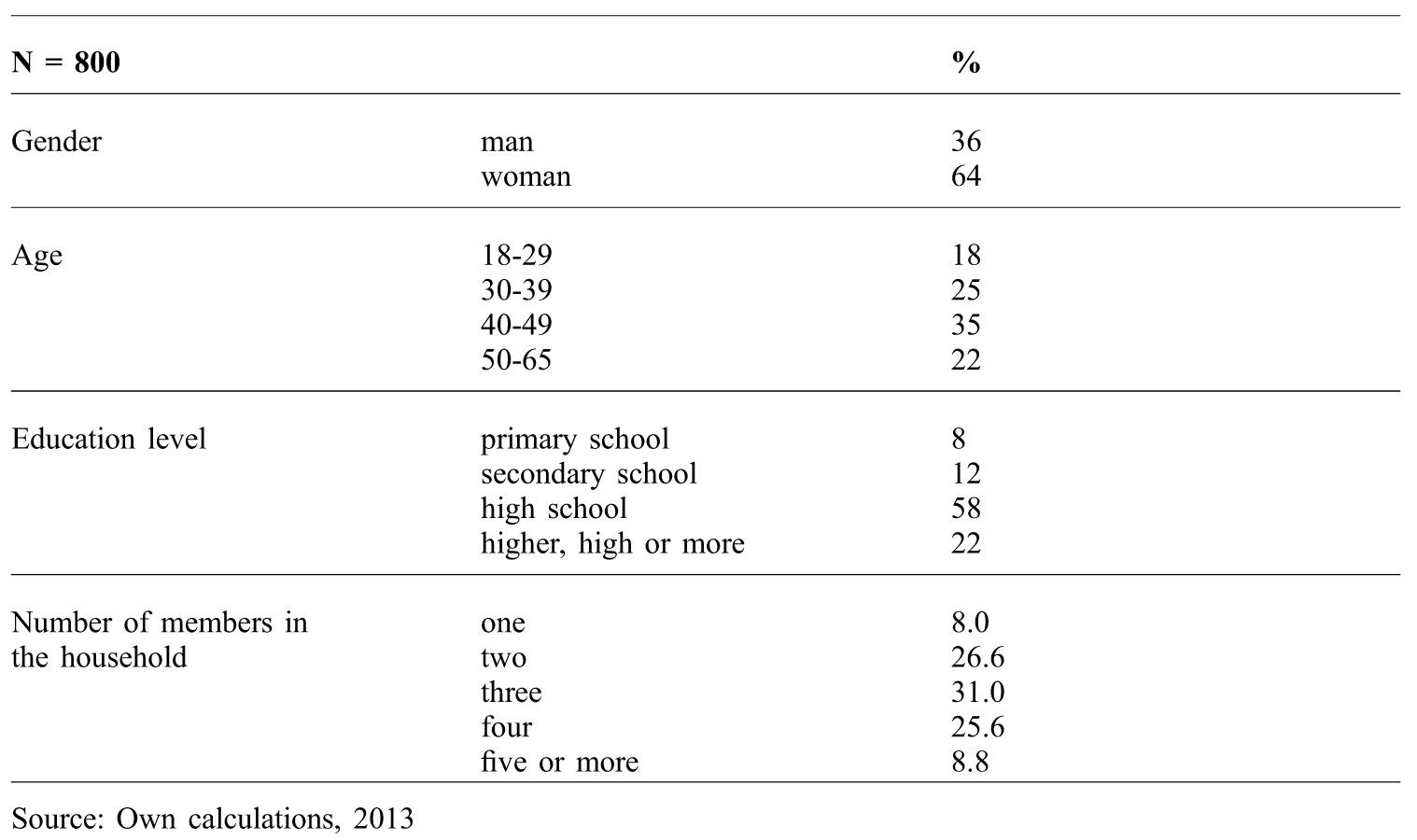
In order to investigate the buying habits of poultry meat consumers, a quantitative research on the sample of 800 poultry meat consumers was carried out in Slovenia. The research sample is representative according to age (between 18 and 65 years), gender, region, and the population settlement type in the selected country. Personal interviews aided by the use of a structured questionnaire were used for interviewing. Table 2 shows the socio-demographic properties of the respondents, who participated in the research.
Structure of the sample.
Source: Own calculations, 2013
The research took place from March to May 2013. The total sample can be characterised as representative with an error of 2%. The sampling method used was simple randomisation because it guarantees that every member of the population has a known and equal chance of being selected, with the resulting sample, no matter what the size, being a valid representation of the population (Schmidt and Hollensen, Reference SCHMIDT and HOLLENSEN2006).
Questionnaire
The introduction letter, reminder, and draft questionnaire were developed, and guidelines were used in order to give the questionnaire a certain appearance to ensure that respondents could progress quickly through it. All questionnaires carried a stamped number to enable the addition of factual consumers’ data. The survey examined various factors and determinants that influence the attitudes, perceptions and consumption of poultry meat,
Data were collected using a structured questionnaire administered on the field survey with the use of closed (questions with multiple choice answers) and open questions (questions that were not given the alternative answers). The questionnaire consisted of two main parts: the first part was related to general consumer behaviour and attitudes toward poultry meat; and included three sections (1) frequency, purchasing and place, (2) consumer attitudes to poultry meat, and (3) consumer perception of poultry meat attributes and meat origin. The second part consisted of socio-demographic questions. The consumer perception of poultry meat was measured by means of 5-point Likert scale, where 1 is the least safe and cheapest meat and 5 represents the safest and the most expensive meat respectively.
Data analysis
The results of statistical computations and their descriptions were gained by the software SPSS20. The data obtained from the survey were subject to univariate analysis in order to check distributions of frequencies and to detect possible errors occurring during the research and/or data entering. Univariate analysis was performed to examine the differences in buying behaviour and attitudes among respondents. The level of comparison was set at P<0.05. The data collected from the surveys was put through a validity assessment (KMO=0.867; Bartlett's Test sign = 0.000) thus revealing that the sample of the study was appropriate for factor analysis and that there is a strong relationship between the variables. The purpose of the validity is to ensure that the tools used can measure the desired properties and characteristics.
Validity is a term that refers to achieving the desired goals. The purpose of the validity test is to deal with the potential problems and ambiguities in the questions and structure of the questionnaire (Khaki, Reference KHAKI2003). After the preliminary design of the questionnaire, the questions were studied in several stages and in relation to intelligibility, relatedness of the purpose of the test and removing irrelevant queries. To this end, a number of marketing experts were surveyed and asked for comment, and any required changes were made.
The reliability of a measurement tool refers primarily to the accuracy of its results. Reliability determines the accuracy, trust ability, stability, or repeatability of test results (Momeni and Ghayomi, Reference MOMENI and GHAYOMI2012). In this study, Cronbach's alpha coefficient of reliability was used since it is the basis of measuring reliability in most marketing research. Cronbach's alpha coefficient is a method to determine the reliability of the test based on internal consistency. The reliability analysis of the research instrument yielded a Cronbach's Alpha value of 0.89 and a significance level of 0.000 which showed that the reliability of the questionnaire was acceptable.
Research hypotheses
The survey aimed to examine a number of research hypotheses, formulated based on the literature presented in introduction section. More specifically, the research hypotheses were:
H1: Poultry meat is very popular in Slovenia, which is reflected in the consumer's buying decision habits.
H2: More than 60% of consumers are buying poultry meat often or very often.
H3: Gender variable has an effect on the place of purchase of poultry meat,
H4: The most important reasons of purchasing poultry meat in Slovenia are related to health, safety, taste, and good quality.
H5: There is a significant relationship between a consumer's gender and poultry meat perception.
H6: There is a significant tendency towards purchasing fresh poultry meat of domestic origin.
Results and discussion
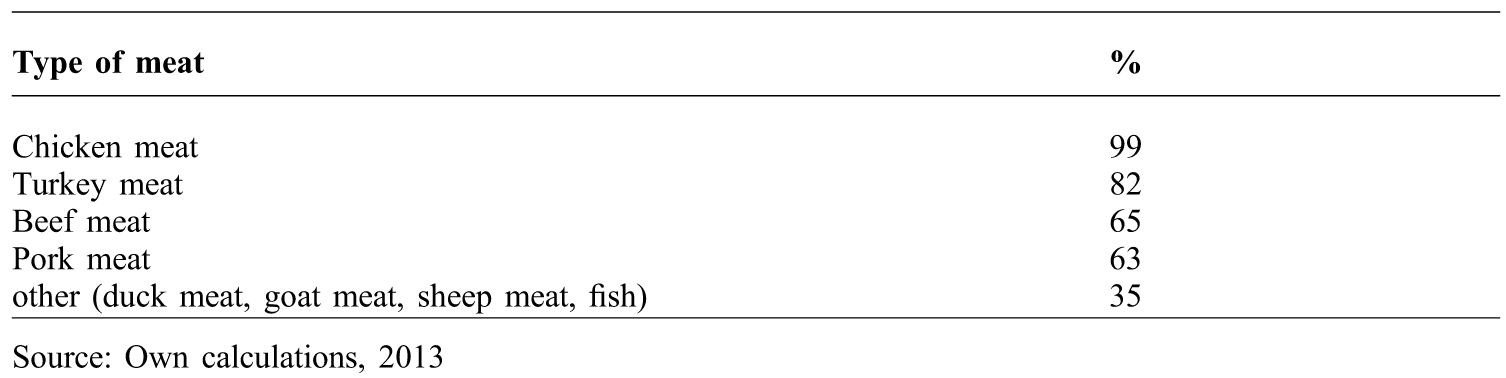
Below is a summary analysis of the buying habits and perceptions of poultry meat in Slovenia. Consumers consume mainly chicken (99%) and turkey (82%) followed by beef (65%) and pork meat (63%) (Table 3). Based on the results, hypothesis 1 was confirmed. Similar findings regarding consumer's meat consumption were obtained in a study of Central and South East Europe consumers by Vukasovič (Reference VUKASOVIČ2011), one on Greek consumers by Sismanoglou and Tzimitra-Kalogianni (Reference SISMANOGLOU and TZIMITRA-KALOGIANNI2011) and Turkish consumers by Aral et al. (Reference ARAL, AYDIN, DEMIR, AKIN, CEVGER, KAYA KUYULULU and ARIKAN2013).
Meat consumption (%).
Source: Own calculations, 2013
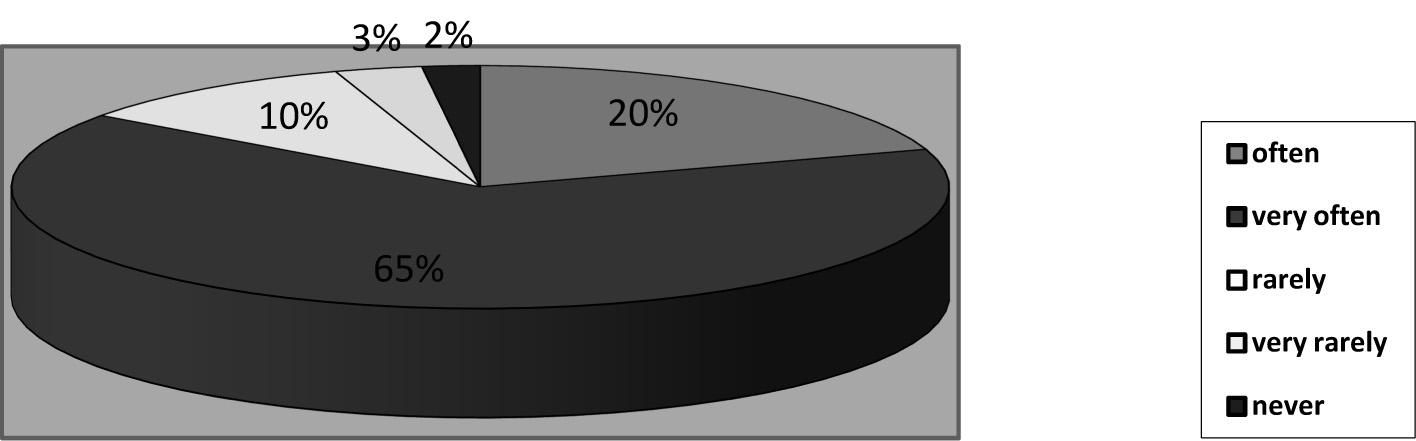
About 85% of respondents claimed to buy poultry meat either ‘often’ or ‘very often’. Only 10% buy such meat ‘rarely’, and 5% of respondents either did not buy or they bought poultry meat very rarely (Figure 4). Based on the presented results the hypothesis 2 was confirmed.
Frequency of the purchase of poultry meat.
Source: Own calculations, 2013.
Location of poultry meat purchase
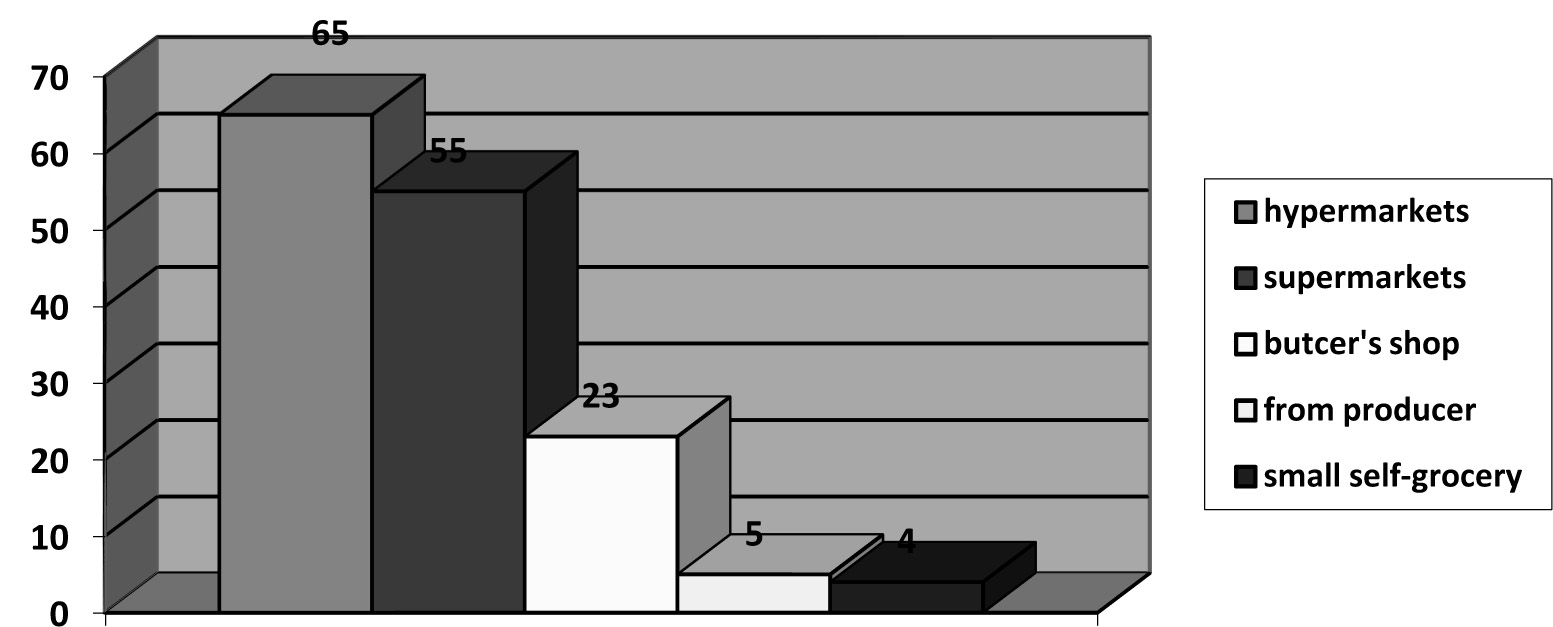
The main locations of poultry meat (chicken and turkey) purchases are hypermarkets (68%) and supermarkets (52%), followed by butcher's shops (21%), directly from producers (6%) and small self-grocery (3%). The results are shown in Figure 5. Similar results about consumer's location of poultry meat purchase were obtained in a study of German consumers by Becker et al., Reference BECKER, BENNER and GLITSCH2000, Central and South East Europe consumers by Vukasovič (Reference VUKASOVIČ2011) and in the study on Greek consumers by Sismanoglou and Tzimitra-Kalogianni (Reference SISMANOGLOU and TZIMITRA-KALOGIANNI2011). With the third hypothesis, we assessed whether gender variable has any effect on the purchase place of poultry meat. A T-test was performed on H3 and Levene's test results indicated equal variances between both male and female consumer groups (F = 0.978; p = 0.334). No significant differences could be detected, implying no support for H3 (p = 0221>0.05).
Usual purchase places for poultry meat (in %).
Source: Own calculations, 2013.
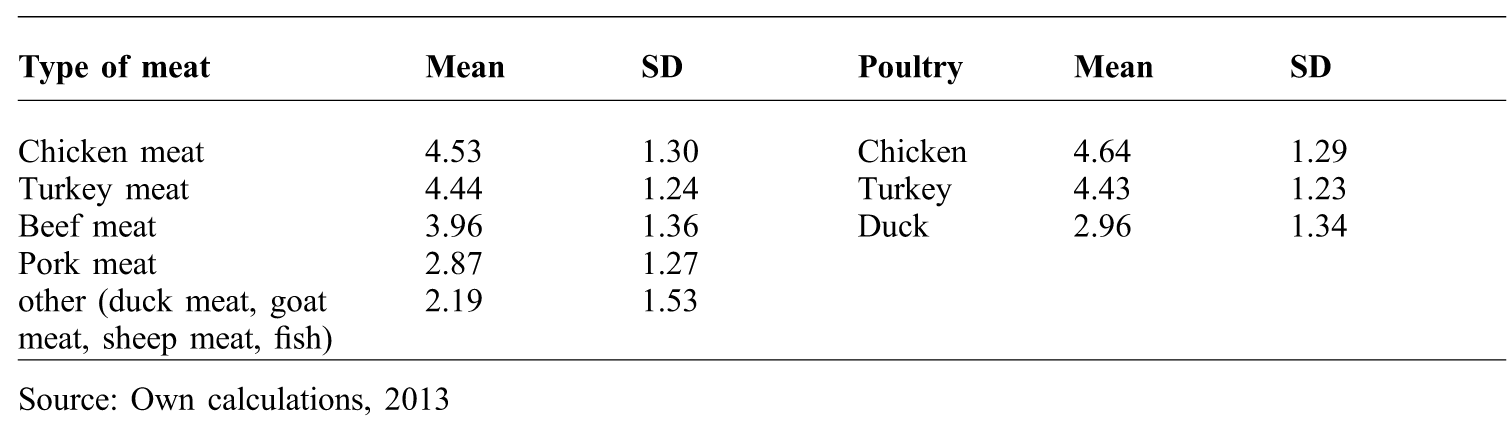
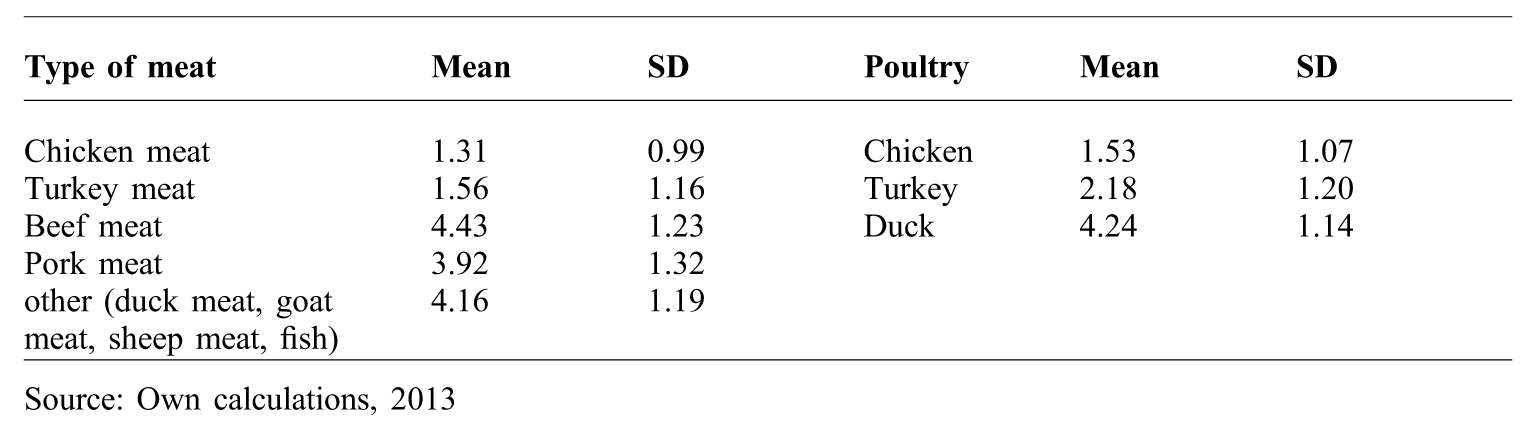
Since the beginning of the 1980s, certain trends in food consumption have become evident in Slovenia, including increased vegetables, fruit, cheese, meat and fish consumption, on the one hand, and decreased sugar consumption on the other. Reasons for these trends are increased health concerns and preferences for diet as well as lower demand for calorie intake. These trends were found in our quantitative research. Characteristics of poultry meat, prepared in advance were in the questionnaire in order to help the consumers express their points of view toward the relevant meat products. The average evaluations of the recounted characteristics were calculated based on the acquired evaluations and by that an image of views of consumers toward poultry meat was determined. Results showed that consumers perceive chicken and poultry as the safest choice amongst other meat types. They consider beef, pork and other type of meet as less safe (Table 4).
Consumer perception of meat safety.
Source: Own calculations, 2013
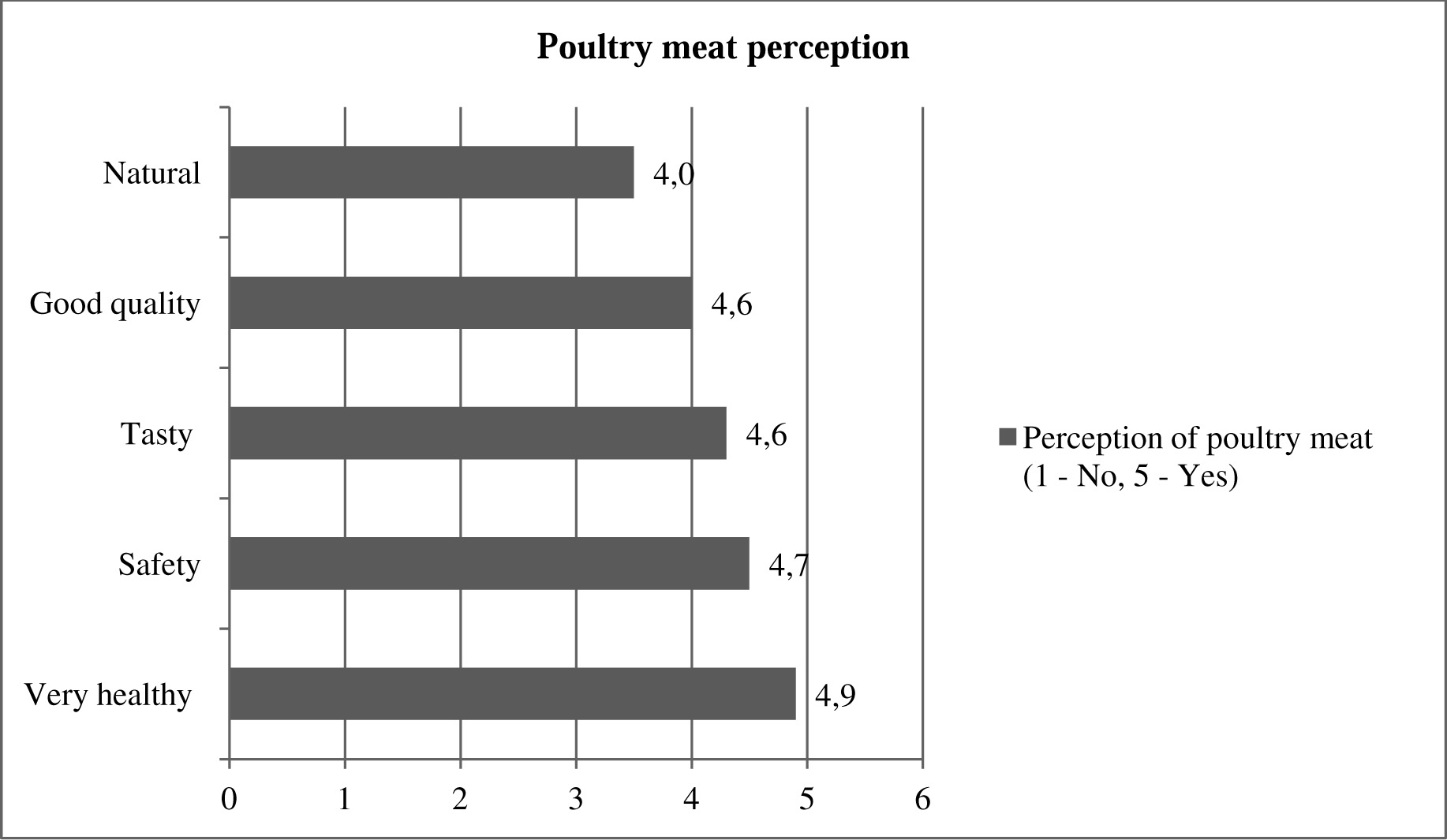
The data from the survey showed that consumers perceive poultry meat as very healthy, safety, tasty, and of good quality (Figure 6). Based on the presented results the hypothesis 4 was confirmed.
Poultry meat perception.
Source: Own calculations, 2013.
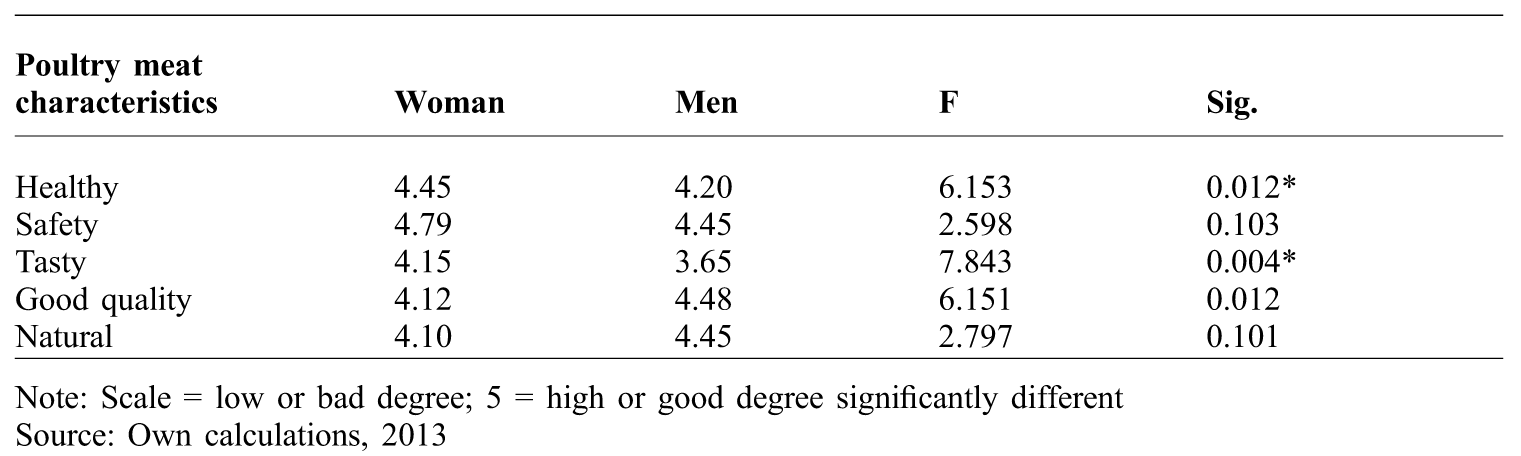
Certain socio-demographic characteristics and buying behaviours of consumers influence their perception of poultry meat. ANOVA showed that women considered poultry meat healthier and tastier than men did (Table 5). Based on the presented results the hypothesis 5 was confirmed.
Poultry meat perception and sex of respondents.
Note: Scale = low or bad degree; 5 = high or good degree significantly different
Source: Own calculations, 2013
Using the method ‘Chains benefits’ the advantages of poultry meat (rational reasons) with deeper benefits and poultry meat use motives (emotional reasons) were discovered. A deeper understanding of the attitude towards poultry meat is important for communication with consumers that must not be based upon product characteristics, but on its benefits for the consumer. The analysis of poultry meat use motives shows that the most powerful ones include are self-image (which comes from the less fat in poultry as well as savings and satisfaction that comes from preparing tasty food), health (less fat, easier for digestion) and enjoyment (tasty meals prepared in various manners). It was determined that the results of the research coincide with the trends that are characteristic for the consumers in the global poultry meat market,
Consumers perceive beef and pork as more expensive, while chicken and turkey are perceived to be cheaper (Table 6), with chicken being cheaper than turkey,
Consumer perception of price.
Source: Own calculations, 2013
Most respondents believe that the price reflects the nutritional value of poultry they buy and especially that of chicken. If the price of chicken increases, to some extent, consumers will continue to buy it. Similar results about consumer perception of price were obtained in a study of Greek consumers by Sismanoglou and Tzimitra-Kalogianni (Reference SISMANOGLOU and TZIMITRA-KALOGIANNI2011).
Attitude toward the origin of meat
Poultry meat is typically a distinctively generic product where a trade mark has no special importance when deciding whether to buy it or not. The trade mark is built on factors of the consumer's way of thinking, i.e. the image of the trade mark, familiarity of the name, perception of quality, fidelity, positive associations and other benefits (Aaker Reference AAKER1991, Keller Reference KELLER1998). An important segment of the research was the one where we tried to determine the importance of fresh meat origin in the purchase-decision-making process. The results showed that the 92% of those interviewed choose to buy meat available from domestic sources. The percentage of persons interviewed who buy both meat of domestic and foreign origin was 12%. This confirmed that there was a significant tendency towards purchasing fresh poultry meat of domestic origin. Based on these results, hypothesis 6 was confirmed. Similar results about attitude toward the origin of meat were obtained in a study of Strašek (Reference STRAŠEK2011) and Vukasovič (Reference VUKASOVIČ2012). The results confirm the importance of meat origin in consumer decision-making processes.
Conclusions
In the recent years, developments on the global poultry meat market, which were the result of the occurrence of avian influenza (H5N1), do not indicate a change in the average view of market development and poultry meat production, which remains positive due to two facts: competitive price of poultry meat in comparison with other types of meat, and a strong affection of consumers to poultry meat. This is mainly because of its numerous advantages over other types of meat, which contributes to its higher consumption. In a dynamic market situation, survival will be possible only for those food companies who will be able to invest large amounts of capital into new technologies, ecology, developing new products, marketing, and forming of an information system that will provide traceability of all production processes,
The meat industry is altering due to changes in lifestyle, reshaped nutritional habits and different needs of consumers. Many people are more aware of the meaning of a healthy and balanced diet. Health has become the most cherished value; hence producers are developing products which offer ever more benefits to the consumers' health – by promoting products with a high perceived impact on well-being. We, the consumers, have begun to carefully read the declarations on products, giving special importance to the origin of products, which leads to a greater importance of packaging where the content and properties of products are combined. The popularity of bio-products and functional foods has also increased. Trends including lite, safe, low fat, without preservatives and additives, additions of vitamins, minerals, dietary fibre and probiotics are increasingly valued,
This study provides interesting insights for the future developments in Slovenian market for poultry meat. These results are particularly useful for product marketing and future product development in the poultry meat market sector, as they provide an indication as how it can better reach and satisfy existing consumers. The review of the survey work gives the latest insight into buying behaviour and attitudes of Slovenian consumers. The results of the research could be used for planning further marketing activities.
Poultry meat market projections for the EU-27, 2009-2022 (‘000 t c.w.e.).
Source: European Commission, 2012