




No CrossRef data available.
Article contents
- Abstract
- THE CASE FOR VACCINES
- STAGES IN VACCINE DEVELOPMENT
- DEMONSTRATION OF THE FEASIBILITY OF VACCINATION
- IDENTIFICATION OF PROTECTIVE ANTIGENS
- DEVELOPMENT OF A RECOMBINANT VACCINE AGAINST B. MICROPLUS
- THE BIOLOGY OF VACCINE SUSCEPTIBILITY
- THE EFFECT OF VACCINATION ON THE TRANSMISSION OF VECTOR-BORNE DISEASE
- THE FUTURE OF ANTI-TICK VACCINES
- References
Anti-tick vaccines
Published online by Cambridge University Press: 19 April 2005
Article contents
- Abstract
- THE CASE FOR VACCINES
- STAGES IN VACCINE DEVELOPMENT
- DEMONSTRATION OF THE FEASIBILITY OF VACCINATION
- IDENTIFICATION OF PROTECTIVE ANTIGENS
- DEVELOPMENT OF A RECOMBINANT VACCINE AGAINST B. MICROPLUS
- THE BIOLOGY OF VACCINE SUSCEPTIBILITY
- THE EFFECT OF VACCINATION ON THE TRANSMISSION OF VECTOR-BORNE DISEASE
- THE FUTURE OF ANTI-TICK VACCINES
- References
Abstract
There is now abundant evidence that vaccination with defined protein antigens is able to induce significant immunity to tick infestation. In a limited number of cases, this immunity has been duplicated by vaccination with recombinant antigens, a critical step on the pathway to commercial vaccine production. The existence of two commercial vaccines has allowed a number of field studies showing that the existing products can make an important contribution to an integrated approach to the control of ticks in the field. Under most circumstances however, the use of a tick vaccine as the single, stand alone control technology is likely to require more efficacious vaccines than those currently available. Increases in efficacy are most likely to come through the discovery of additional, effective vaccine antigens. The number of antigens with demonstrated effect is increasing, though only slowly, while the number of potential antigens that remain to be evaluated is increasing more quickly. There is limited, though convincing, evidence that some of these antigens will show effective cross-species protection, though in a poorly understood and unpredictable way. The groundwork has been laid; the potential of the field is still to be effectively exploited.
Information
- Type
- Research Article
- Information
- Copyright
- © 2004 Cambridge University Press
THE CASE FOR VACCINES
The case for vaccination as a means of tick control has been made repeatedly and deserves only brief reiteration here. Currently, tick control, where it occurs at all, is heavily dependent on two approaches: the use of chemical pesticides and the use of tick-resistant animals. The use of chemical pesticides however is increasingly problematic for a number of reasons. Resistance to existing pesticides of many chemical classes is widespread and its incidence is increasing (see George et al. this Supplement). The speed with which it has appeared after the release of each new class of chemical is clearly a deterrent to the companies developing such means of parasite control. Secondly, there is increasing concern about the use of chemicals in all forms of agriculture, both for their potential environmental impact as well as for their presence in food products. Thirdly, it is a fact that newer classes of pesticide have tended to be significantly more expensive than their predecessors and this is also a deterrent to their application.
Genetically resistant animals, that is, animals which show a heritable ability to become immunologically resistant to tick infestation, are a vital component of many tick control strategies. They are particularly important in the control of Boophilus microplus on cattle. However, this approach too is not without its difficulties. For the hosts of many tick species, resistance may simply not develop. Even for the case of B. microplus on cattle it may be difficult to breed for tick resistance while preserving other desirable production characteristics, such as high milk yield in dairy cattle.
A vaccine by contrast has the potential to be a non-contaminating, sustainable and cheap technology, potentially applicable to a wide variety of hosts. There are potential limitations as well, first and foremost whether vaccines can be produced which achieve the desired level of efficacy under field conditions. Such issues will be discussed in this review. From a commercial perspective there is a number of other potential advantages of vaccines which are less frequently discussed. Briefly, a recombinant vaccine can potentially be produced very cheaply using a multi-purpose manufacturing facility i.e. fermenter. That is, dedicated facilities are not required. The cost of purpose-built manufacturing facilities and chemical synthesis are a critical barrier to the commercial development of many potential pesticides. Secondly, the registration cost of a new vaccine should be substantially less than that of a new pesticide. A significant part of the cost of the development and registration of a new pesticide is in the demonstration of safety towards target and non-target species, in particular, humans. It is highly likely that for a vaccine based on a defined protein antigen, the regulatory hurdles will be very significantly less. Thirdly, there are theoretical reasons for expecting that the development of resistance to a vaccine is less likely than for a pesticide. There are numerous examples where a single point mutation in the target molecule is sufficient to render a pesticide ineffective, while there is the expectation that such point mutations are likely to be of little relevance to most vaccines. With some limitations, this is the case for the current vaccines against B. microplus. This is because, in most cases, a vaccine is likely to target multiple epitopes on a single protein antigen. Finally, while the introduction of a tick vaccine for a farming community used to parasite control through pesticides might be initially difficult, in the longer term vaccines should be less subject to some of the serious patterns of misuse seen with pesticides.
Given these advantages, our scientific challenge is to produce truly efficacious vaccines able to provide tick control that is both practical and cost effective.
STAGES IN VACCINE DEVELOPMENT
The development and delivery of a recombinant vaccine can be conveniently broken into a number of consecutive stages: the identification and characterization of protective antigens; the production of antigens as immunologically effective, recombinant proteins in a commercially viable manner; the delivery of antigens in the context of the desired immunological response; the validation of the prototype vaccine in a field situation and, finally, its delivery to the market. The latter stages of this process will be accompanied by much commercial activity in both registration of the product and market identification and development. Each of these will be addressed in this chapter, though with a strong focus on the early, purely scientific phases.
DEMONSTRATION OF THE FEASIBILITY OF VACCINATION
It has been known for about 70 years that partial to strong immunity to tick infestation can be induced by vaccination with a variety of antigenic materials, including whole tick homogenates, salivary glands and salivary gland extracts, tick internal organs, including tick gut material, cement material and so on. This area has been reviewed a number of times (for example Willadsen, 1980, 1997; Willadsen & Billingsley, 1997; Pruett, 1999; Willadsen & Jongejan, 1999) and the efficacy of such materials is still regularly reported in the literature. This literature will not be reviewed again here. While such experiments do not prove that immunological control will be successful with all ticks, they at least show that immunological control is worthy of further exploration. They are, however, just an initial, very small step on the path to vaccine development. If proof of principle for vaccination is requested, the most compelling evidence to date is the existence of two related, recombinant vaccines against ticks which are now commercially available.
IDENTIFICATION OF PROTECTIVE ANTIGENS
There is no doubt that the current rate-limiting step in the development of anti-tick vaccines, as for most anti-parasite vaccines, lies in the identification of truly efficacious antigens and their expression as effective recombinants. In the past (Willadsen & Kemp, 1988) we have discussed tick antigens as belonging to one of two groups. The first of these includes the antigens involved in naturally acquired resistance to tick infestation, i.e. those immunogenic materials exposed to a host by the normal processes of tick attachment and feeding. The second group of antigens are the ‘concealed’ antigens, namely those antigens which are not part of the normal host–parasite interaction and which do not under normal circumstances stimulate an immunological response. It is possible to raise a response to these immunogenic molecules by vaccination and for that immunological response to subsequently damage the feeding tick. Typical examples of ‘concealed’ antigens are the immunogenic proteins located in the gut of the tick where, once an antibody to the protein is raised by vaccination, uptake of specific immunoglobulin during feeding leads to damage to the parasite.
The idea of ‘concealed’ antigens has two important implications, one positive, the other negative. Many host species fail to develop adequate immunity to a tick infesting them, even after prolonged exposure. The concealed antigen approach then had the positive aspect of offering an alternative approach that may circumvent the factors, whether immunological or physiological, which prevent the natural development of immunity. Even where some immunity does develop, as for B. microplus for example, then the concealed antigen vaccines, by operating in a different way and largely on a different stage of the life cycle, substantially enhance the total protective response. The negative aspect of the approach is that natural parasite exposure is unlikely to boost the immune response to concealed antigens, implying a need for continual boosting through vaccination.
Broadly, three approaches can be used to identify useful vaccine antigens. The first is to use the immunological response of an immune host. Typically, this has meant the study of antigens that elicit an antibody response. The second is to identify tick factors important for the parasite's function or survival and then evaluate these as potential vaccine antigens. The third is the pragmatic one of biochemical fractionation, evaluating progressively simpler protein mixtures by host vaccination and parasite challenge trials. All three approaches have strengths and weaknesses. The immunological approach is often misguided, since it depends on the assumption that the immunological reaction used to select antigens is the one that protects the host against infection or, at least, that the same antigens are responsible for both ‘analytical’ and ‘protective’ responses. This is usually not known. The second, the selection of critical tick factors for evaluation as vaccine candidates, fails simply because we understand so little of what is both really essential to a tick and accessible to the host's immune system. The third, the pragmatic approach, is laborious and time consuming, while the protective effect of crude parasite extracts can easily dissipate into a range of partially protective fractions as purification proceeds. Nevertheless, successes have been delivered with all three approaches. Examples given below include, for the immunological approach, the p29 antigen from Haemaphysalis longicornis, for the second approach the serpin HLS1 from H. longicornis and for the third, the pragmatic approach, the Bm86 antigen from B. microplus.
The rapid development of molecular technologies is now having an impact on the identification of antigens and potential antigens. Random sequencing of clones from a cDNA library made from the salivary gland of Amblyomma variegatum quickly gave a long, if still incomplete, catalogue of genes expressed in a target tissue (Nene et al. 2002). Even more relevant is the ability of RNAi to confirm the importance of a gene believed to be critical to a tick's success (Aljamali et al. 2003), while the pragmatic identification of antigens through the biochemical separation of protein mixtures has a parallel in the cDNA expression library immunization (Almazán et al. 2003). While these techniques are all powerful, the identification and characterization of effective antigens remains a significant challenge.
The difficulty and limited success of all approaches to antigen identification make it important that once a good antigen has been identified in one species of tick, it be exploited to its full potential. Evidence for cross-species efficacy of homologous antigens will be discussed.
While the classification of antigens as either natural or concealed remains broadly valid, particularly in the sense that the two different classes of antigen present different immunological problems in vaccine development, an instructive alternative is to characterize antigens in a more functional sense. The following discussion will be limited to protein antigens and potential antigens for which there has been substantial progress in their purification and physicochemical characterization. There is no reason why oligosaccharide or lipid immunogens could not be protective and in fact there is good evidence that some oligosaccharide antigens are very effective, for B. microplus at least (Lee & Opdebeeck, 1991; Lee, Jackson & Opdebeeck, 1991). The reason for restricting the discussion is the pragmatic one that neither the oligosaccharide- nor lipid-based immunogens have been characterized in any tick, while we have negligible ability to produce them in quantities sufficient for anything more than a small-scale experimental vaccination. There may be potential in peptide mimotopes for such antigens, but the realization is some way off (Monzavi-Karbassi et al. 2002).
Salivary gland proteins and cement constituents as antigens
Older literature on tick feeding and immunology focused almost exclusively on the tick attachment site and the host–parasite interactions taking place there as well as on the constituents of the cement cone that is to a greater or lesser extent vital for the physical maintenance of the tick attachment to the skin of the host itself (for example, see Willadsen, 1980). Then, with the focus on the ‘concealed antigen’ approach to vaccination, this area of research seemed to become neglected for a number of years, at least from an immunological viewpoint. This neglect is now being rectified.
It is becoming increasingly clear, thanks principally to work by Nuttall and colleagues, that the protein complement of the tick salivary gland shows individual to individual variation in addition to the expected species to species variation, as well as dynamic changes during the process of tick feeding. These differences are reflected in the antigenic profiles of the ticks (for example Wang & Nuttall, 1994a; Lawrie & Nuttall, 2001). Clearly, the salivary gland and saliva are likely to be the vehicles by which factors such as immunomodulators, proteolytic and other hydrolytic enzymes, enzyme inhibitors and modifiers of haemostasis all pass from the tick to the host. These factors are likely to show considerable temporal variability and will be discussed under separate headings.
There are other factors which do not fall into such groups, such as the structural components of cement. Mulenga et al. (1999) characterized p29, a 29 kDa salivary gland-associated protein from H. longicornis, by probing a cDNA library from partially fed adult ticks with sera of rabbits infested with ticks. The amino acid sequence coded for a 277 amino acid protein including a putative signal peptide. There was significant sequence homology with a number of glycine-rich extracellular matrix proteins or structural proteins. The protein was described as possessing the highly conserved structural domains of all vertebrate and invertebrate collagens. Vaccination with recombinant protein produced in E. coli led to a significant reduction in adult female engorgement weight and 40% and 56% mortality of larvae and nymphs post-engorgement, respectively. The group then went on to remove the anti-p29 immunoreactivity from the antiserum and re-screen a library. This procedure identified another two polypeptides, HL34 and HL35, only one of which has so far been expressed as a recombinant protein and tested in vaccination trials in rabbits. This protein, HL34, induced some nymphal and adult mortality (15% and 29%, respectively) and a small reduction in adult engorgement weight. The protein possessed a tyrosine-rich domain, followed by a proline-rich domain and appeared to be induced by feeding. Otherwise, its function remains unknown (Tsuda et al. 2001).
Trimnell, Hails & Nuttall (2002) have studied 64P, a protein from Rhipicephalus appendiculatus with a predicted molecular weight of 15 kDa, classified as a putative tick cement protein. Guinea pigs with acquired immunity to the tick fail to form antibody to it. However, expression of a series of truncated versions of the protein followed by vaccination of tick-naïve hosts showed several of the constructs were able to stimulate significant protection to nymphal and adult infestations. The effects included nymphal mortality as high as 48% and adult mortality up to 70%, with some effects on engorgement weight and egg masses as well. Boosting of antibody titres by tick infestation, coupled with evidence for cross-reactivity with a number of tick tissues, lead to the suggestion that this antigen combined the advantages of both ‘exposed’ and ‘concealed’ antigens. Curiously, the constructs most effective against nymphal stages had no effect on adults and vice versa though they were portions of the same protein. The protein contained a glycine-rich region with similarity to host keratins and collagen. The effect of the 64TRP in partially blocking the transmission of tick-borne encephalitis virus by Ixodes ricinus will be discussed later. A third salivary gland and cement cone protein (RIM36) has been characterized from R. appendiculatus. It too contains a number of glycine-rich repeat regions and a proline-rich C-terminal region. The protein induces a strong antibody response in tick-exposed cattle, though it is not clear whether the immunological response is protective at all (Bishop et al. 2002).
The number of salivary gland proteins that have been functionally characterized is small and most of them fall into one or other of the classes to be discussed below. One interesting protein is calreticulin, a calcium-binding protein that, in mammals, is normally located in the endoplasmic reticulum. The gene from Amblyomma americanum has been characterized, cloned and expressed and the protein has been shown to be secreted in saliva of both that tick and Dermacentor variabilis (Jaworski et al. 2002). A possible role in host immunosuppression or antihaemostasis has been suggested. Rabbits vaccinated with recombinant tick protein developed necrotic feeding lesions on tick challenge (Jaworski et al. 1995). Calreticulin from B. microplus has also been identified, sequenced and expressed. It was found to be poorly immunogenic in cattle (Ferreira et al. 2002).
Screening of an expression library from Ixodes scapularis salivary gland with sera from immune guinea pigs identified a number of antigens of interest, including putative anti-complement and histamine-binding (see below) proteins. Most studied was salp25D, an antioxidant protein (Das et al. 2001). The potential of these proteins as vaccine antigens, like the calreticulins, remains to be thoroughly explored.
Hydrolases and their inhibitors
The biochemical literature on hydrolytic enzymes is enormous, reflecting the ease with which they can be studied as much as their importance. The most studied group, the proteolytic enzymes, also possess a diverse and well characterized set of specific protein inhibitors. It is intuitively reasonable to think such enzymes would be key molecules in tick feeding and in both early and late events in the immune response. Nevertheless, relatively little work has been done to explore these proteins as vaccine antigens. The role of hydrolases and their inhibitors in tick biology has been the subject of some speculation. From a vaccine perspective, serine proteinases for example, are attractive because they are intimately involved not only in digestive processes, but also in complement activation, blood coagulation and many aspects of the immune system. As such, it is attractive to propose that an immune attack on them could be deleterious to a tick (see, for example, Mulenga et al. 2001, 2002). The disadvantage of proteinases as antigens is that they occur in very large numbers. For example, the Drosophilia genome contains approximately 400 serine proteinases and one imagines that in many circumstances there will be a high level of proteinase redundancy, potentially making vaccination with a small subset of them ineffective.
Although there have been attempts to vaccinate against proteinases in other parasites, there has been little experimentation with ticks. It has been shown that an aspartic proteinase precursor from B. microplus eggs can confer partial protection (da Silva Vaz et al. 1998). In experiments with expression library immunization using cDNA from I. scapularis, one of the two unique cDNAs with putative function which gave some protection was an endopeptidase (Almazán et al. 2003). The most intensively studied proteinase is a membrane-bound carboxydipeptidase from B. microplus (Bm91) with sequence similarity to the mammalian angiotensin-converting enzymes and even stronger similarities in biochemical specificity (Riding et al. 1994; Jarmey et al. 1995). The enzyme is located principally in the tick's salivary gland and in vaccination trials was effective as a native protein and, as a recombinant, in further increasing the efficacy of a recombinant Bm86 vaccine (see below) (Willadsen et al. 1996).
Attention has also focused on the inhibitors of proteinases. There has been a recent characterization of double-headed serine proteinase inhibitors from B. microplus (Tanaka et al. 1999) and these inhibitors appear to be very similar to proteinase inhibitors from the same tick species studied approximately 20 years ago (Willadsen & Riding, 1979, 1980; Willadsen & McKenna, 1983). There is experimental evidence that these offer some immunoprotection against B. microplus larvae (Andreotti et al. 1999, 2002). B. microplus trypsin inhibitors were isolated by affinity chromatography on trypsin-Sepharose and used to vaccinate Bos indicus cattle in Freund's adjuvant. Following larval challenge, vaccinated cattle showed a 68% reduction in the number of engorging female ticks and a corresponding reduction in the total egg weight. Interestingly, the weight of eggs per engorging female and the mean engorgement weight of the female adult ticks were not reduced significantly. As the authors point out, the effects of vaccination are different from those seen with the Bm86 vaccine (see below). The fact that tick numbers but not parameters like female engorgement weight are affected suggests that vaccination was having its effect on the early stages of larval development. If correct, this could make these inhibitors an ideal complement to the existing B. microplus vaccine. On SDS gel electrophoresis protein species of approximately 10 and 18 kDa predominated, while under non-reducing conditions bands of trypsin inhibitory activity, detected in-gel, were of somewhat higher molecular weight, between 18 and 29 kDa. Clearly the vaccination ‘antigen’ contained at least two protein species, as would be expected from older literature and, judging from the electrophoresis results shown in the paper, the mixture may have been more complex still. It is to be hoped the work continues to the assessment of individual inhibitors and, if successful, to the examination of recombinant proteins.
There has been speculation that a family of high molecular weight serine proteinase inhibitors, the serpins, could be potential target antigens (Mulenga et al. 2001). Recently a conserved serpin amino acid motif was used to clone and express a 378 amino acid polypeptide from H. longicornis that had high sequence similarity to several known serpins. Transcription was induced exclusively in tick midguts by feeding. Vaccination of rabbits with recombinant protein induced 44% and 11% mortality in feeding nymphs and adults, respectively (Sugino et al. 2003). Similarly, a number of serpin genes have been identified in R. appendiculatus (Mulenga et al. 2003). The repertoire of such inhibitors is likely to be large. Other proteolytic enzyme inhibitors have been described mostly as inhibitors of components of the blood coagulation pathway, and will be discussed below.
Only two non-proteolytic hydrolases have been investigated in any detail. Del Pino et al. (1998) reported that a polyclonal antibody against β-N-acetylhexosaminidase from larval extracts, when injected into fully engorged adult female B. microplus, inhibited oviposition by 26%. While interesting, the artificiality of the system and the relatively small effect makes the relevance of this observation to vaccine development questionable at the moment.
The 5′-nucleotidase from B. microplus has been characterized (Liyou et al. 1999) and been found localized to gut, ovary and, predominantly, on the luminal surface of the Malpighian tubules (Liyou et al. 2000) where a role in purine salvage is likely. It has been tested as a vaccine antigen only as an enzymatically inactive, truncated form expressed in E. coli where it appeared to slightly increase the efficacy of a Bm86-based vaccine when co-administered. The small size of both the effect and of the experimental cattle groups ensured that the effect was not statistically significant (Liyou, 1996). In experiments with expression library immunization using cDNA from I. scapularis cited above, one of the protective cDNAs was a putative nucleotidase (Almazán et al. 2003). Given this, more thorough evaluation of nucleotidases may be warranted.
Tick-induced host immunomodulation as a source of potential antigens
It is now well established that ticks modulate the immune system of their host in a variety of ways (see, for example, Barriga, 1999; Wikel, 1999; Wikel & Alarcon-Chaidez, 2001). This is covered in detail in the chapter in this Supplement by Brossard and Wikel. Typical examples from the more recent literature include the down regulation of NK cell activity (Kopecky & Kuthejlova, 1998), the inhibition of T-cell proliferation and IFN-γ induced macrophage activity (Ferreira & Silva, 1998) which was characterized by an increase in IL-10 and TGF-β and a reduction in IFN-γ and IL-12 (Ferreira & Silva, 1999), and again the inhibition of IFN-γ and up regulation of IL-10 (Kopecky, Kuthejlova & Pechova, 1999). In contrast, Hannier et al. (2003) have shown a suppression of IL-10 production in mitogen-stimulated mouse splenocytes, a hyporesponsiveness to mitogen in B- and T-cells and a direct B-cell inhibitory activity, all induced by salivary gland extract from I. ricinus. Consistent with this is a report by Gwakisa et al. (2001) showing that R. appendiculatus saliva and salivary gland extract suppressed the secretion of IL1-α, TNF-α and IL-10 from a macrophage-like cell line while also inhibiting nitric oxide production. Most of these observations and others which have been summarized recently (Wikel & Alarcon-Chaidez, 2001) have been made with crude salivary gland extracts or, on occasion, through direct tick infestation of the host.
If the inhibition or diversion of the host's immune response is critical to tick survival, then it is possible that the tick molecules responsible for such manipulation could themselves be vaccine targets. This has been suggested a number of times, but is still to be validated. The assumption here is either that the molecules are so critical to tick survival that their inhibition will lead to tick rejection or death, or that their inhibition by a vaccine-induced immunological response will ablate the parasite's own attempts at immune diversion, allowing the host to mount an effective rather than an ineffective immune response to the parasite. Before these two related hypotheses can be explored, the nature of the parasite's immunomodulatory molecules must first be clarified. Fortunately, recent work by a number of groups has identified a range of candidates, affecting the immune system at various stages between antigen presentation and the effector response.
A homologue of the pro-inflammatory cytokine macrophage migration inhibitory factor (MIF) has been identified in a cDNA library from A. americanum ticks. The tick MIF-like factor was expressed in both salivary glands and midgut tissues, and although the sequence identity with the mammalian MIF was relatively low, the arthropod and human factors inhibited the migration of human macrophages to comparable degrees in in vitro functional assays (Jaworski et al. 2001). It is very attractive to assume that this tick protein is a component of an immunomodulatory parasite system, perhaps affecting antigen presentation. Examples of the effects of MIF include the inhibition of antigen-specific responses of both IFN-γ and IL-4 producing T cells in mice (Kitaichi et al. 2000) as well as regulation of macrophage activity leading, in MIF deficient mice, to increased susceptibility to Leishmania major (Satoskar et al. 2001).
A number of papers have demonstrated the ability of ticks to manipulate the host's cytokine network. Hajnická et al. (2001) have shown that extracts of several Ixodes tick species are able to reduce the level of IL-8 and using a radio-label have made some progress in purifying the material from Dermacentor reticulatus which binds the cytokine. The availability of a convenient bioassay should mean that the molecular identification of this binding activity is quite feasible. Similarly, Gillespie et al. (2001) have shown that the saliva of I. scapularis contains an IL-2 binding protein that appears to be responsible for the inhibition of mitogen-stimulated T cell proliferation.
Iris, a protein from I. ricinus was, as a recombinant protein, able to inhibit the production of IFN-γ but not that of IL-5 and IL-10 in stimulated peripheral blood mononuclear cells (Leboulle et al. 2002). Iris was induced during tick feeding and also secreted into tick saliva. It has sequence similarity to the pig leucocyte elastase inhibitor. Such proteins are known to be secreted by human macrophages, monocytes and neutrophils as well as to be expressed during delayed type hypersensitivity reactions. The authors demonstrated the ability of antibody to relieve the inhibition of IFN-γ production by Iris but so far experiments on the direct use of recombinant Iris as a potential antigen have not been reported. In similar fashion, Bergman et al. (2000) purified and characterized a 36 kDa protein from the salivary glands of Dermacentor andersoni, Da-p36, which inhibited the stimulation of mouse splenocytes by ConA. The temporal expression of the protein was consistent with a role in immunosuppression during feeding.
Considerable work stemming initially from the laboratory of Nuttall has characterized an interesting group of proteins that specifically bind host immunoglobulin. For a review of early work, see Wang & Nuttall (1994b). It has been suggested that these proteins are involved in the specific secretion of ingested host immunoglobulin that has passed from tick gut to haemolymph as a way of avoiding the deleterious effect of anti-tick immunoglobulin that might be taken up with the blood meal. The situation would appear to be more complex than that. It has also been shown, at least in the case of A. americanum, that there is specific uptake of immunoglobulins into tick haemolymph during feeding (Jasinskas, Jaworski & Babour, 2000), while with both D. variabilis and I. scapularis, relatively complex patterns of immunoglobulin concentration in tick haemolymph were found. For example, when larval D. variabilis were fed on rats and then several months later as nymphs on rabbits as an alternative host, detectable rat IgG persisted over the extended period between larval engorgement and nymphal attachment but then, within two days of nymphal attachment, was totally replaced by immunoglobulin from the new host species. The presumption was that the old immunoglobulin acquired from the larval blood meal was retained until it was secreted via saliva into the new host (Vaughan, Sonenshine & Azad, 2002). Independent of these complexities, which are still not entirely understood, it has been suggested that these immunglobulin-binding proteins could be an appropriate target for vaccine development (Wang & Nuttall, 1999). Vaccination of guinea pigs with a recombinant form of one of these proteins, a male-specific protein from R. appendiculatus, had the effect of delaying female engorgement (Wang & Nuttall, 1999). The effects were thus small and indirect. It is interesting that a recent paper (Packila & Guilfoile, 2002) has shown the presence in I. scapularis of a related, male specific protein so they may be a general phenomenon.
The role of complement in protective immunity to ticks is unclear, most of the experimental work in this area having been carried out some time ago (Willadsen, 1980). It is an interesting reflection on the species specificity of the tick–host interaction as well as the probable importance of complement that there is specificity in the ability of salivary gland extracts of different tick species to inhibit host complement, that specificity correlating with host range (Lawrie, Randolph & Nuttall, 1999). Complement inhibition by B. microplus proteinase inhibitors has been demonstrated (Willadsen & Riding, 1980) as has the efficacy of these inhibitors in vaccination trials on cattle (Tanaka et al. 1999; Andreotti et al. 1999, 2002; see above). Valenzuela et al. (2000) have recently characterized another anti-complement protein from the saliva of I. scapularis. It was expressed as a biologically active protein in Cos cells. Interestingly, the sequence is without similarity to known proteins in the databases.
Another group of immunomodulatory proteins of interest are those connected to the effector arm of the immune response. Most interesting among these are the histamine-binding proteins identified in a number of species (Paesen et al. 1999, 2000). These proteins contain two histamine binding domains, one of low and one of high affinity. Variations are possible. For example, it has also been found that the equivalent molecule from D. reticulatus contains a histamine and a serotonin binding site (Sangamnatdej et al. 2002). These proteins, structurally closely related to the lipocalins, though showing little similarity at the level of primary amino acid sequence, are likely to be involved in subverting the allergic responses typical of many tick infestations. There is good circumstantial evidence from the older literature that such allergic responses, whether through cutaneous basophil hypersensitivity in guinea pigs as a model host or in more realistic host–parasite systems, can be responsible for tick rejection. This evidence is summarized in Willadsen (1980). Aljamali et al. (2003) provided direct evidence for the importance of these proteins. Injection of dsRNA coding for part of a putative A. americanum histamine binding protein reduced the histamine binding ability of isolated salivary glands as well as leading to an aberrant tick feeding. This is the first reported use of RNAi to explore the tick–host interaction. It would be fascinating to see whether vaccination of hosts with the lipocalins would lead to more efficacious naturally-acquired immune rejection.
Another group of proteins with immunomodulatory potential, either through a direct effect on the generation of an immune response, or through inhibition of effector function, are the proteinases and their inhibitors. These have been discussed already.
Other molecules of known function
There is now no doubt that not only salivary gland products and secreted antigens but also the surface of the tick gut are appropriate targets for a protective immune response. It is also increasingly clear that passage of immunoglobulin through the tick, from gut to haemolymph to salivary gland and host, is a common feature (for example, Wang & Nuttall, 1999). The list of potential protective antigens that might come into contact with host antibody would therefore seem to be enormous. The following lists just a few of the possibilities, where either some vaccination effect has been demonstrated, or molecular characterization of a protein has been coupled to the suggestion that it might be a useful antigen.
Haemostatic mechanisms used by the tick to ensure the success of its blood feeding have been suggested as possible targets for immune intervention (Mulenga et al. 2002). Protein anticoagulants, inhibitors of platelet aggregation such as apyrases and inhibitors of fibrinogen receptor function have all been described. Virtually none has been evaluated in vaccination trials. Most work has been done on tick anticoagulants, in part because of their potential biomedical applications. For example, a factor Xa inhibitor from the salivary glands of Ornithodoros savignyi has been isolated, characterized and expressed as a recombinant protein (Joubert et al. 1998). Factor Xa inhibitors have also been identified in R. appendiculatus, O. moubata and H. truncatum. Thrombin inhibitors have been described. Iwanga et al. (2003) for example have recently described two novel thrombin inhibitors from an H. longicornis salivary gland cDNA library. The list can be extended with less well characterized tick inhibitors, or inhibitors affecting other components of the haemostatic process. These include variabilin, a 47-residue platelet aggregation inhibitor from D. variabilis (Wang et al. 1996), disagregin, a fibrinogen receptor antagonist from O. moubata (Karczewski, Endris & Connolly, 1994) and savignygrin, an αIIbβ3 antagonist and platelet disaggregation factor (Mans, Louw & Neitz, 2002). However, what is needed most is an experimental demonstration that such proteins can be effective vaccine antigens.
As described previously, a 5′-nucleotidase from B. microplus with apyrase-like activity has been expressed as both an enzymatically inactive, truncated recombinant protein in E. coli and as a fully functional form in a bacculovirus expression system (Liyou et al. 1999). The ability of the E. coli product (Liyou, 1996; see above) to increase the efficacy of Bm86 in a two-antigen vaccine was assessed in vaccination trials. The effect, if any, was slight and, given the small animal numbers in the trial, not statistically significant.
There has been evidence for a long time that vaccination of a host with tick-derived vitellin could have some effects on ticks, though given the very high concentrations of the protein and its tendency to bind material non-specifically, it was hard to be completely confident that the effects were not due to small amounts of contaminating material. It has recently been shown that an 80 kDa glycoprotein purified from B. microplus larvae was able to reduce significantly the engorgement percentage, average engorgement weights and egg conversion ratios of adult ticks feeding on vaccinated sheep (Tellam et al. 2002). Similar results were obtained on vaccination with purified vitellin itself. This is a non-covalent complex of 6 glycopolypeptides of molecular weights ranging between 44 and 107 kDa. There is good evidence that the 80 kDa protein was a processed product of vitellogenin. It was further shown that a recombinant hexaHis form of the protein, that was both incorrectly folded and not glycosylated, had no significant effect as a vaccine antigen, leaving open the question whether the critical protective epitopes were associated with the tertiary structure of the protein or the immunogenic oligosaccharides attached to it in the natural situation. Why antibodies to a storage protein have a deleterious effect on ticks is not obvious, though it may simply relate to a direct effect on oogenesis. Alternatively, it is known that vitellin binds heme (Tellam et al. 2002) and that this may inhibit the toxicity of heme (Logullo et al. 2002). The toxicity of heme to insects and the importance of detoxification is established (Oliveira et al. 1999).
Antigens of unknown function
First and foremost, the Bm86 antigen from B. microplus, the basis of the two available recombinant vaccines against that tick, was identified through a series of fractionation and vaccination trials without reference to any function, either biochemical or immunological. Given the substantial research devoted to this protein over the last decade, it will be discussed separately.
Pragmatic fractionation of B. microplus extracts has also identified other antigens, antigen B (Willadsen, 2001) and a mucin-like protein BMA 7 (McKenna et al. 1998) neither of which have identified functions. Other antigens tested in reasonable purity include a 39 kDa antigen from Hyalomma anatolicum (Sharma et al. 2001) though no sequence information is available. From H. longicornis, Mulenga et al. (2000) isolated p84, an antigen inducing specific immediate hypersensitivity responses in immune rabbits, and obtained partial sequence information. Its protective efficacy however is unknown. Somewhat more speculatively, H. longicornis infecting mice that were producing monoclonal antibodies to a 76 kDa tick gut protein showed reduced hatching of eggs (Nakajima et al. 2003).
Summary
There are clearly a number of antigens worthy of further investigation and a larger number of candidates which would justify at least some evaluation. The biochemical categories into which these antigens fall are notable: principally proteins likely to be structural, simple hydrolytic enzymes and their inhibitors and, as potential though unproven antigens, modulators of the immune system. These antigens are summarized in Tables 1–3.


It is appropriate to ask whether these antigens truly represent the spectrum of potentially efficacious antigens. In principal, there is no obvious reason why drug and vaccine targets should belong to different biochemical classes. Specific targets may, because of their cellular or tissue location, be accessible to a drug but not the immune system. Acetylcholinesterase and acetylcholine receptors are likely to be one such example. In general, a target for one may well be a target for the other. It is notable therefore that two great classes of drug target, namely seven transmembrane segment receptors and ion channels, have not been investigated at all as vaccine antigens. This theme was explored in some detail by Sauer, McSwain & Essenberg (1994) who suggested a number of such targets worthy of study. If little has happened in the subsequent decade, this may reflect largely the experimental difficulty of such investigations.
DEVELOPMENT OF A RECOMBINANT VACCINE AGAINST B. MICROPLUS
Only once to date has the full sequence of activities necessary for the development of an anti-tick vaccine been carried out, from the initiation of feasibility studies and antigen isolation to the final marketing of a commercial, recombinant vaccine. This has been with the recombinant vaccines against B. microplus, based on the Bm86 molecule. The process began in 1981 and the registered vaccine was finally delivered to the market in 1994. It was released in Australia under the trade name TickGARD and subsequently TickGARD Plus, while the same antigen formed the basis of vaccines manufactured in Cuba as Gavac and Gavac Plus. Six years were consumed in the demonstration of the feasibility of the approach and for the isolation of a single and effective native antigen. Subsequent development and registration took about eight years. This is not long by the standards of pesticide or pharmaceutical development. While one can argue that components of the research could be circumvented or shortened today, this development remains a prototype for such vaccine projects. It will be discussed in that light.
All aspects of the development have been described in detail a number of times (Cobon & Willadsen, 1990; Tellam et al. 1992; Willadsen et al. 1995). They will therefore be summarized only briefly.
Cattle, on prolonged exposure to B. microplus, acquire an immunity that with Bos taurus animals is usually only partially protective, though with some breeds and in particular B. indicus cattle, the efficacy can be higher. The idea of developing a vaccine to mimic naturally acquired immunity was therefore unattractive; instead, work at CSIRO in the early 1980s investigated the tick's internal organs, in particular the gut, as a source of antigens. The idea was that vaccination with such antigens, followed by uptake of host immunoglobulin, complement and, to a limited extent, cellular components of the host's immune system might lead to damage to the tick. The idea followed on a number of earlier reports, particularly that of Allen & Humphreys (1979). Once the efficacy of vaccination with crude extracts of semi-engorged adult female ticks had been demonstrated (Kemp et al. 1986) the identification of the antigens responsible proceeded via a complex series of protein fractionations, antigenic efficacy being assessed after each step through vaccination trials in cattle. In 1986, this led to the identification of a key antigen, Bm86 (Willadsen, McKenna & Riding 1988; Willadsen et al. 1989). Subsequently, the complete sequence of the gene and the translated sequence of the protein were obtained (Rand et al. 1989). The effects of vaccination were measured by infesting cattle with known numbers of larval ticks, recovering engorged adult females approximately three weeks later and measuring their weight and ability to lay eggs. Vaccination with microgram amounts of the native antigen significantly reduced the number of ticks engorging, their weight and the conversion of engorged weight into eggs. Taken together, these effects reduced the yield of eggs resulting from a standard larval infestation by about 90% relative to infestations on control cattle. There were observable effects on the viability of larvae hatching from ‘vaccinated eggs’ which would further enhance the vaccine's efficacy, but these were rarely measured. Effects of vaccination were predominantly seen on the late stages of the life cycle, that is on adults and post-engorgement survival and egg laying, a fact that has consequences for the field application of the vaccine.
The Bm86 molecule
The translated sequence coded for a molecule of 650 amino acids, a predicted molecular weight of 71·7 kDa as an unprocessed protein, containing four potential N-linked glycosylation sites, a leader peptide suggestive of transport to the surface of the cell and a single transmembrane segment, located at the C-terminus. In the mature protein, this transmembrane sequence is replaced by a glycosylphosphatidyl inositol anchor (Richardson et al. 1993). The sequence also contained eight EGF-like domains (Tellam et al. 1992). Unfortunately, there is as yet no similar sequence in the protein databases that might suggest a potential function. Closest is a portion of the Xotch protein, the neurogenic locus Notch-like protein from Xenopus, where there is a 23% sequence identity and 32% sequence similarity over 620 amino acids. It has been shown that the antigen localizes to the surface of the tick gut digest cells (Gough & Kemp, 1993). The antigen is present throughout the life cycle, from pre-moulting eggs to the engorged adult (Willadsen & McKenna, unpublished). The fact that vaccine effects are largely confined to the adult ticks may be a consequence of the volume of blood ingested rather than the presence or absence of antigen.
Little has been done to define the protective epitopes in the molecule. Early expression of fragments of the antigen as β-galactosidase fusion proteins showed that several, non-overlapping but large fragments of the molecule could protect (Tellam et al. 1992). Efficacy was lower than for constructs produced subsequently or the native molecule, but this may have been due to poor protein folding. The site of at least one of the protective B-cell epitopes was better defined by work of Patarroyo et al. (2002). Three peptides ranging in length from 14 to 15 amino acids, covering amino acids 21–35, 132–145 and 398–411 of the Bm86 molecule, were synthesised as linked single peptides in three variant structures. In one of these the peptides were separated by KEK motifs, while in the others they were contiguous. These immunogens induced antibodies that in two out of three cases reacted strongly with tick gut epithelial cells, and provided protection in excess of 72%. This was claimed to be better than that of the Cuban recombinant vaccine (see below). The first of these peptides, namely residues 21–35, lies in a region of the molecule expressed as a recombinant protein and found to be ineffective (Tellam et al. 1992) suggesting the protective epitope(s) may be one of the other two peptides. It is possible, even likely, that the molecule possesses additional, uncharacterized B-cell epitopes.
Expression of recombinant antigens
The Bm86 protein in the tick is extensively glycosylated and the glycosylation induces a strong antibody response. Fortunately, there is considerable evidence that this has little or no protective effect (Willadsen & McKenna, 1991), as confirmed by the generation of recombinant proteins with efficacy very close or identical to that of the native antigen (see below). However, with 66 half-cystine residues in the molecule, its production in E. coli might be expected to be difficult. That is not the case, though there was a considerable improvement in efficacy between the original, un-refolded E. coli β-galactosidase fusion protein (Rand et al. 1989) and alternative constructs following a refolding procedure (Tellam et al. 1992). Little further increase in efficacy was observed with protein expressed in insect cells (Tellam et al. 1992). The antigen has also been expressed in three yeasts, Aspergillus nidulans, A. niger (Turnbull et al. 1990) and Pichia pastoris (Montesino et al. 1996; Canales et al. 1997). The expression and evaluation of the recombinant antigen has also been reported from Egypt where, with native cattle, a reduction of 78% in the number of ticks engorging and a reduction in weight of the survivors of 30·5% was found (Khalaf, 1999). This would suggest an efficacy even higher than that found elsewhere, though the source and nature of the recombinant antigen used in the experiments is not clear.
Immunology of the B. microplus vaccine
An understanding of the immunological basis of a vaccine is important for two reasons. Firstly and most obviously, it is likely that any recombinant vaccine will require some degree of immunological optimisation and knowledge of the desirable immunological response should make such optimization more efficient. Less obviously, registration of a vaccine in many countries will require a great deal of (expensive) data on efficacy under various circumstances. If a good immune correlate of protection can be found, it may be a cost-effective surrogate for more difficult or expensive forms of data collection. This was the case for the B. microplus vaccine.
Our current understanding of the mechanisms underlying vaccine-induced immunity has been summarized previously (Tellam et al. 1992) and no new knowledge has been added over recent years. As might be expected from the proposed mode of action of the vaccine, namely a direct effect of ingested blood on the structural integrity of the tick gut, the reaction is antibody dependent. The efficacy is a linear function of the log anti-Bm86 titre over a wide concentration range (Willadsen et al. 1995; Rodríguez et al. 1995b; de la Fuente et al. 1998). The effects of other immune components have been examined using an in vitro tick feeding assay, an imperfect model of the whole host–parasite interaction. Studies with antisera to complex mixtures of antigens show an absence of effect from blood leucocytes but an enhancement of gut damage in the presence of complement (Kemp et al. 1989). Antibody to Bm86 alone and in the absence of complement inhibits the endocytotic activity of gut digest cells, though this is unlikely to explain the vaccine's efficacy (Hamilton et al. 1991).
Variability in immunological response to vaccination in an outbred population of domestic animals is one of the critical issues in vaccine development. Sitte et al. (2002) studied the link between antibody responses to Bm86 and variation in two bovine MHC class II alleles. The effect of a homozygous deletion in one of the alleles was correlated with higher antibody responses. Epitope modelling and prediction of HLA antigen recognition sites together suggested that differential binding of the Bm86 epitopes to the products of the different alleles could explain the observed effect on antibody titres. It is difficult to gauge the size of the effect from the results presented, though it is clear that it explains only a small proportion of the total animal-to-animal variation in antibody response. In addition, this work was carried out with the version of the vaccine registered in 1994. An improved version of the vaccine was registered in 1995, the improvement relating principally to a change in adjuvant leading to a substantial reduction in animal-to-animal variation in antibody response. It would be interesting to see whether the same effect of the DRB3 allele was still found with the post-1995 vaccine.
The efficacy of the vaccine is directly linked to the issue of achieving and maintaining a strong antibody response. Except for detailed (unpublished) adjuvant trials in Australia, little has been done to achieve such sustained responses. These trials involved the testing of more than 40 different adjuvant formulations in cattle and over 50 in model animals, without identifying anything superior to a variant of a conventional oil formulation (Cobon, 1997). On the other hand, it has been claimed that the Bm86 molecule, expressed in Pichia pastoris, has immunostimulatory activity itself, increasing, for example, antibody responses to infectious rhinotracheitis virus in cattle (García-García et al. 1998). The potential of DNA vaccination with a Bm86-bearing plasmid alone and co-administered with GMCSF- and IL-1β-plasmids has been examined in sheep as a model, without striking results. The possibility of DNA prime and protein boost too was examined, though two vaccinations with recombinant protein remained the most effective schedule (de Rose et al. 1999).
Field application of the Bm86-based vaccines
The mode of action of the vaccine is critical to its on-farm application. From the earliest experiments it was obvious that there was relatively little or no effect on larvae, some effect on nymphs and a significant effect on adults. There was a reduction in the number of adults engorging to maturity, but also high levels of adult mortality post-engorgement and a significant effect on the egg laying capacity of the adult ticks which survived. There was also an effect on the numbers and viability of larvae which emerged from the egg batches of ticks from vaccinated cattle, though this effect has not been quantified accurately. In practical terms, this meant that although the first generation of ticks infecting vaccinated cattle would show some diminution of numbers, typically no more than 50% at best, the greatest effect of vaccination would not be seen until the second and subsequent generations when the impact of vaccination on reproductive performance was translated into reduced numbers of larvae in the field. In theory this mode of action is not a great disadvantage to a vaccine, since a vaccine is always intended to be used prophylactically. However, cattle producers used to controlling tick infestations with chemical acaricides typically treat reactively. They wait until the numbers of ticks infesting cattle (and typically again they only see adult ticks nearing engorgement) reach levels which the farmers find unacceptably high, and then they apply an acaricide. It was realised during the developing of the tick vaccine that under such circumstances it is almost inevitable that there will be a substantial population of fully engorged fertile adult ticks on pasture before the farmer reacts and that therefore a really significant effect of vaccination might not be seen for an unacceptably long time. In Australia therefore, the vaccine was released with the recommendation that it be combined with the strategic use of acaricides, should cattle be heavily tick infested at the time of primary or booster vaccination. Since it had been shown during the registration process that the time between primary and first booster vaccination could be varied from two weeks to one year with little impact on the antibody responses after booster vaccination, there was a standard recommendation that the primary vaccination should be given at a time of year when tick numbers were very low, typically during winter.
A simple vaccination schedule, operated in a closed system (that is, without the continual reintroduction of ticks from outside sources) was shown in the first field trials with the prototype of the commercial vaccine to achieve good tick control. This was in the face of heavy initial pasture infestation with larval ticks and in the absence of acaricide usage (Willadsen et al. 1995). In a more realistic field situation, Jonsson et al. (2000) subsequently showed that vaccination of Holstein cattle led to a 56% reduction in tick numbers in a field infestation in a single generation, a 72% reduction in reproductive efficiency of the ticks as measured in the laboratory, and a 18·6 kg higher live weight gain than unvaccinated cattle over a 6 month period. Curiously, the vaccinated cattle also tended to have lower somatic cell counts in the milk.
Given that under practical field conditions most farmers are likely to use some acaricide jointly with the vaccine, at least in the early years after vaccine adoption, a de facto measure of vaccine efficacy became the reduction in acaricide usage following the introduction of vaccination as a new control measure. The vaccine and acaricide then constitute a simple integrated tick management system. For example, in on-farm trials in 1996–1997 on 26 beef cattle properties, each booster vaccination saved on average 2·4 chemical treatments, while a quarter of the cattle properties found that after vaccination they needed no acaricide treatment at all. The combination of vaccine and acaricide, though more complex than traditional practice, was acceptable to 90% of farmers (Cobon, personal communication). It should have a number of long-term benefits, including a reduced probability of the development of acaricide resistance. Frequency of acaricide resistance correlates positively with frequency of treatment (Jonsson, Mayer & Green, 2000).
There has been a number of reports of the use of Bm86 vaccines in Central and South America. Early results using a Cuban vaccine appeared to be significant statistically, but not very striking in terms of actual impact on tick numbers (Rodríguez et al. 1995b). Somewhat similar results were obtained initially in Brazil (Rodríguez et al. 1995a) where there was approximately a 50% reduction in tick numbers across a number of cattle properties. Subsequent experience has seemed to show an improvement, with figures of 55–100% efficacy in the control of B. microplus infestations in grazing cattle for up to 36 weeks in controlled field trials in Cuba, Brazil, Argentina and Mexico (de la Fuente et al. 1998, 1999). Using the effect of the vaccine on the frequency with which cattle producers applied acaricide treatment as a de facto measure of efficacy, the same paper reports an increase in the time between acaricide treatments by an average of 32 days or a 60% reduction in the number of acaricide treatments, making the vaccine a very cost-effective treatment. Almost 100% effective control of B. microplus populations resistant to pyrethroids and organophosphates has also been reported using an integrated system of vaccination and amidine acaricide (Redondo et al. 1999). Simulation models for the effect of vaccine and for vaccine–acaricide combinations have been developed (Lodos et al. 1999; Lodos, Boue & de la Fuente, 2000). These results with the GAVAC vaccine are mirrored in more limited reports with the Australian vaccine TickGARD in South America. Hungerford et al. (1995) reported an 89% reduction in pasture contamination with ticks after one season of vaccinations and as a result a reduction in acaricide treatments in a combined programme. In Cuba, a retrospective study following six years of vaccine usage in over 500000 cattle found that the number of acaricide treatments per year needed to maintain tick control was reduced from an average of 15–17 per year to 2·8, the inter-treatment interval grew from 1–2 weeks to 12–25 and national acaricide consumption fell from 480 to 80 tonnes per year (Rodriguez, personal communication).
Sequence variation in Bm86
Given the history of pesticide resistance in B. microplus, the question immediately arises whether resistance to the vaccine will occur and, if so, how rapidly. It has certainly been the experience in both Australia and South America that some isolate-to-isolate differences in vaccine susceptibility occur, though at the time of writing there is no evidence for a decrease in efficacy under the selection pressure of vaccination. Allied to this question is the molecular question of how much sequence variation occurs in the Bm86 molecule of various tick isolates and whether this relates to vaccine susceptibility, both within a species like B. microplus and in heterologous protection across species.
As part of the registration process for the Bm86 vaccine in Australia, the efficacy of the vaccine, expressed from the Yeerongpilly or Y strain of B. microplus, was assessed against a number of tick isolates as described above. In parallel, a number of Bm86 genes were also sequenced by Biotech Australia. Unfortunately, these data are unpublished. It has been reported there are up to 17 amino acid substitutions in the 660 of the coding sequence (Cobon, 1997). These formed an apparently random pattern. Significant variation in vaccine efficacy (~70 to ~90%) was seen in Australian tick isolates but there was no evidence for a link between the degree of sequence divergence and vaccine efficacy, nor that a single substitution or set of substitutions led to a loss of efficacy. Bm86 from ticks sourced from both Mexico and Venezuela has also been sequenced (Cobon et al. 1996) as has an isolate from Argentina (García-García et al. 1999). The alignment of these three sequences is shown in Fig. 1. As can be seen, the sequences are very similar though showing some divergence from the Y sequence. Given the similarity of the Mexican, Venezuelan and Argentinean sequences it is at least a reasonable working hypothesis that in South America there may be less intra-continental variation than is seen in Australia. The exception is the strain from Cuba (presumably the Camcord strain) that formed the basis of the original GAVAC vaccine. This shows only three base changes from the published Y sequence and only one amino acid change (Rodríguez et al. 1994).

Fig. 1. Alignment of Bm86 sequences from B. microplus isolates from Australia (YEER, Yeerongpilly strain); Mexico (MEX); Venezuela (VENEZ) and the Bm95 sequence from Argentina (Bm95_ARG).
In South America it was found that, although Cuban and Mexican tick isolates showed efficacies ranging from 51% to 88%, a laboratory strain of tick from Argentina, the A strain, showed efficacy close to zero (de la Fuente et al. 1999; García-García et al. 1999). Sequencing the Bm86 from this isolate demonstrated 21 amino acid substitutions in the 610 of the mature protein (or, according to the deposited sequence, 10). A small segment of 107 bp, corresponding to 35 amino acids, was then sequenced from a number of isolates and a correlation between the degree of sequence variation and efficacy claimed (García-García et al. 1999). It was suggested that the sequence differences were probably responsible for the variation in vaccine efficacy. The suggestion received strong support when the Argentinian Bm86, renamed Bm95 by the Cuban group, was expressed and found not only to control the Argentinian laboratory and field strains but also the Camcord reference strain from Cuba (García-García et al. 2000). This latter experiment would seem to be convincing. However, it has also been reported that there are no significant differences in vaccine efficacy between Mexican and Yeerongpilly Bm86 molecules (Cobon, 1997) and the published sequence of Bm95 shows only two amino acid changes which are not found in the Mexican and Venezuelan sequences. Clearly more experimentation is needed. The use of a very short segment of the Bm86 molecule to correlate mutational frequency with efficacy, as in García-García et al. (1999), is far from ideal unless there is evidence that that segment codes for a critical protective epitope. There is no such evidence. The available, fragmentary information on sequence variation and regional vaccine efficacy is listed in Table 4 and it suggests that a simple link between vaccine efficacy and sequence variability may not exist. It must be borne in mind always that the efficacy of a vaccine depends on more than the primary amino acid sequence of the antigen.

Bm86 in other tick species and estimates of cross protection
A number of workers have assessed the efficacy of B. microplus Bm86-based vaccines on other tick species; that is, the degree of immunological cross-protection. Almost 100% efficacy in protection against B. annulatus has been reported with both Gavac (Fragoso et al. 1998) and TickGARD (Pipano et al. 2003). Against R. appendiculatus and A. variegatum the effects are slight or zero (de Vos et al. 2001). With H. anatolicum and H. dromedarii however, the effects, though tested with only a very limited number of cattle, seem very strong (de Vos et al. 2001). Once again, the information on sequence conservation in these species is exceedingly fragmentary. It is summarized in Table 5.

Even this limited information is sufficient to suggest that cross-protection against other tick species is not simply a function of the degree of sequence conservation. For explanation of this variation, we will have to search elsewhere. However, while the true efficacy of these antigens is still impossible to gauge, it is reasonable to assume that protection with the homologous form of Bm86 in each tick species will be better than that from the heterologous cross-protection measured to date.
Secondly, the results with cross-protection to Bm86 amply demonstrate that, although such cross-protection will not always occur, the probability of success is sufficiently high that investigation of cross-species efficacy of any antigen is justified and desirable.
Additivity and synergy: approaches to improved efficacy
As with any parasite control measure, it would be desirable to improve the efficacy of the existing vaccines against B. microplus. There is evidence that this might be achieved in either of two ways: through the incorporation of more than one antigen into the vaccine or by the joint use of vaccine and pesticide.
Vaccination of cattle with partially purified tick extract was much more efficacious than vaccination with Bm86 alone (Willadsen et al. 1988). This could be due to differences in adjuvant, to factors like glycosylation which are not replicated in recombinant proteins or to the presence of multiple antigens. Trials with both recombinant Bm91 and Bm86 in conjunction (Willadsen et al. 1996) or recombinant Bm86 and native BMA 7 (McKenna et al. 1998) have shown that increased efficacy is possible. There is weak evidence that recombinant tick 5′-nucleotidase together with Bm86 may show a similar effect (Liyou, 1996).
The interaction between vaccine and acaricide, used jointly in a field situation, has been described above. More interestingly, it has been found that some of the newer macrocyclic lactone acaricides, when applied on vaccinated cattle, seem to show a ten-fold or greater increase in efficacy (Kemp et al. 1999). This must reflect, in part, the additive effect of two independent control measures, but may also be a consequence of increased penetration of pesticide to its target as a result of damage to the tick's gut. This though is unproven.
THE BIOLOGY OF VACCINE SUSCEPTIBILITY
There is a great deal of evidence that the tick–host interaction is both complex and specific. There is every reason therefore to expect that the efficacy of a vaccine will depend on a number of biological variables that may differ for each antigen and each host. Experience with inter- and intra-species efficacy of the Bm86-derived vaccines is a likely example. Unfortunately, there are only fragmentary observations suggestive of this complexity, often qualitative and sometimes ‘unscientific’ in that they are not the result of controlled experimentation. Nevertheless, given the importance of understanding the factors which affect vaccine susceptibility, it is worthwhile to list some of these observations. Others have been described elsewhere in this chapter.
Sheep are a host for B. microplus, though not a good one. Anecdotal evidence suggests that even large larval infestations are likely to yield very few engorged adult ticks. They do, however, make a good host for adult ticks. Transfer of freshly moulted adults onto shaved or clipped sheep skin results in rapid attachment and the successful engorgement of a high proportion of ticks. Female engorgement weights and egg laying are normal (de Rose et al. 1999). If sheep are vaccinated with the Bm86 vaccine, the immunity can be estimated, as it is for cattle, by reductions in the number of ticks engorging, their engorgement weights and the conversion of the weight of engorged females into eggs. Vaccine efficacy in sheep trials is 99% or ten-fold better than with cattle (de Rose et al. 1999). This is unlikely to be attributable to antibody titre. It may be relevant that the species source of blood fed to B. microplus can have striking and still unexplained effects. It has long been known that, although adult female ticks will commence feeding on blood from a number of laboratory hosts in an in vitro feeding system, they feed less on the blood of rabbits, rats and guinea pigs, concentrate the blood meal to a lesser extent and oviposit poorly (Willadsen, Kemp & McKenna, 1984).
A number of trials of the TickGARD vaccine in Australia have given efficacies, measured against Yeerongpilly strain ticks, of close to 90%. A series of trials in Europe, admittedly on more limited numbers of animals, suggest an efficacy of closer to 70% with the same vaccine and Yeerongpilly ticks from the same source (Bonin, personal communication). While this is unexplained, it has been shown, using an in vitro membrane feeding system, that gut damage in young adult ticks feeding on a standard anti-Bm86 antiserum is increased by high environmental temperature and low humidity (Hamilton et al. 1991). That might be a partial explanation of the Australian–European differences. The European trials were conducted in temperature-controlled rooms which nevertheless may not match the rigours of the Australian situation. This though is highly speculative.
THE EFFECT OF VACCINATION ON THE TRANSMISSION OF VECTOR-BORNE DISEASE
In principle, tick vaccines could affect the transmission of disease in at least two ways. By affecting vector numbers, they could directly influence disease incidence. The effects might be positive or possibly, if vaccination against ticks prevented the achievement of endemic stability to tick-borne disease, deleterious. Secondly, since it is increasingly clear that disease transmission can involve complex interactions between host, vector and disease organism, it is possible that by disturbing the tick the vaccine also more subtly but more directly affects the disease.
Field data from Cuba have shown a very significant reduction in the incidence of babesiosis due to Babesia bovis and anaplasmosis following sustained use of the Bm86 vaccine Gavac. In a retrospective study, prolonged vaccine usage led to a decline in the incidence of tick-borne disease in some but not all areas (de la Fuente et al. 1998) but eventually to a reduction of 98%, a surprising but intriguing result (Rodriguez, personal communication). More strikingly, there is evidence, though on a smaller scale, that the use of the Australian vaccine in cattle infested with B. annulatus prevents the transmission of Babesia bigemina and reduces the frequency or severity of disease due to Babesia bovis (Pipano et al. 2003). Tentatively this may be attributed to the fact that with this tick species, in contrast to B. microplus, the engorgement of both larvae and nymphs, the stages that transmit these diseases, is severely affected by the vaccine.
Labuda et al. (2002) have recently reported a very striking result. The 64P protein from the salivary glands of R. appendiculatus was expressed as both a 51 amino acid fragment and a full length 133 amino acid protein. Mice vaccinated with these recombinants were challenged subsequently with tick-borne encephalitis virus-infected I. ricinus. They showed significantly increased survival, while co-feeding, uninfected nymphal ticks also showed a reduced infection rate, compared to nymphs feeding on non-immunized mice. The double effect of protection against lethal challenge, as well as blocking of virus transmission is both encouraging and surprising, considering the use of a heterologous antigen in the vaccination trials (Labuda et al. 2002).
THE FUTURE OF ANTI-TICK VACCINES
The development of tick vaccines has reached a curious stage. The field has long passed proof of concept. The existing vaccines remain the only examples of commercially available, recombinant vaccines against a parasite. There is adequate if still limited evidence that discoveries in the field are likely to have broad applicability across tick species. Yet progress since the first release of the recombinant vaccines in 1994 has been much less than one might have expected. One can suggest a number of reasons for this, both scientific and commercial.
Scientifically, although the number of proteins that might be of value as antigens continues to increase, quite rapidly over recent years, there are very few reports of their actual assessment in vaccination trials. The portfolio of demonstrably effective antigens therefore remains small. Of greater concern is the fact that, while a number of antigens show significant effects, few are highly efficacious on their own. This implies at the very least multi-antigen vaccines, unless some of the molecules still to be evaluated, or others as yet undiscovered, have greater efficacy. We understand very little of what constitutes a protective immunological response by the host. That is, we do not understand the biology of immunity. Our ability to generate and maintain the appropriate immunological response must be improved. This lack of rapid progress can be at least partially attributed to the fact that the number of scientists engaged in the field remains very small.
Commercial issues also play a major part. As our knowledge of both protective antigens and protective mechanisms increases, as they are sure to do, and as we become more aware of the generic potential of each new antigen, the cost and time taken in the research phase of vaccine development will decrease. The costs of development from the laboratory to the registered product will remain unchanged. These are sufficiently high to deter a company from developing a vaccine for any but the most lucrative markets, the ‘orphan vaccine’ phenomenon. This problem is in no way unique to anti-tick vaccines. It applies to the majority of anti-parasite vaccines and to much else besides. It is merely that the issue has become starkly apparent for tick vaccines, given their success in being the first such vaccines to make the full journey from laboratory to the farm. If vaccines for ‘minor’ but still economically important parasites are ever to reach the farmers of the world, creative science will need to be matched to creative commercial and regulatory solutions to the orphan issue.
References
REFERENCES
ALJAMALI, M. N., BIOR, A. D., SAUER, J. R. &
ESSENBERG, R. C. (
2003).
RNA interference in ticks: a study using histamine binding protein dsRNA in the female tick Amblyomma americanum.
Insect Molecular Biology
12, 299–305.CrossRefGoogle Scholar
ALLEN, J. R. &
HUMPHREYS, S. J. (
1979).
Immunisation of guinea pigs and cattle against ticks.
Nature (London)
280, 491–493.CrossRefGoogle Scholar
ALMAZÁN, C., KOCAN, K. M., BERGMAN, D. K., GARCÍA-GARCÍA, J. C., BLOUIN, E. F. & DE LA FUENTE, J. (2003).
Identification of protective antigens for the control of Ixodes scapularis infestations using cDNA expression library immunization.
Vaccine
21, 1492–1501.CrossRefGoogle Scholar
ANDREOTTI, R., GOMES, A., MALAVAZI-PIZA, K. C., SASAKI, S. D., SAMPAIO, C. A. M. &
TANAKA, A. S. (
2002).
BmTI antigens induce a bovine protective immune response against B. microplus tick.
International Immunopharmacology
2, 557–563.CrossRefGoogle Scholar
ANDREOTTI, R., SAMPAIO, C. A. M., GOMES, A. &
TANAKA, A. S. (
1999).
A serine proteinase inhibitor immunoprotection from B. microplus unfed larvae in calves. IV Seminario Internacional de Parasitologia Animal, 20–22 October, 1999, Puerto Vallarta, Jalisco, Mexico.
BARRIGA, O. O. (
1999).
Evidence and mechanisms of immunosuppression in tick infestations.
Genetic Analysis – Biomolecular Engineering
15, 139–142.CrossRefGoogle Scholar
BERGMAN, D. K., PALMER, M. J., CAIMANO, M. J., RADOLF, J. D. &
WIKEL, S. K. (
2000).
Isolation and molecular cloning of a secreted immunosuppressant protein from D. andersoni salivary gland.
Journal of Parasitology
86, 516–525.Google Scholar
BISHOP, R., LAMBSON, B., WELLS, C., PANDIT, P., OSASO, J., NKONGE, C., MORZARIA, S., MUSOKE, A. &
NENE, V. (
2002).
A cement protein of the tick Rhipicephalus appendiculatus, located in the secretory e cell granules of the type III salivary gland acini, induces strong antibody responses in cattle.
International Journal for Parasitology
32, 833–842.CrossRefGoogle Scholar
CANALES, M., ENRIQUEZ, A., RAMOS, E., CABRERA, D., DANDIE, H., SOTO, A., FALCON, V., RODRIGUEZ, M. &
DE LA FUENTE, J. (
1997).
Large-scale production in Pichia pastoris of the recombinant vaccine Gavac against the cattle tick.
Vaccine
15, 414–422.CrossRefGoogle Scholar
COBON, G. S. (
1997).
An anti-arthropod vaccine: TickGARD – a vaccine to prevent cattle tick infestations. In
New Generation Vaccines
(ed. Levine, M. M., Woodrow, G. C., Kaper, J. B. & Cobon, G. S.), pp.
1145–1151.
Marcel Dekker, Inc., New York, Basel, Hong Kong.
COBON, G. S., MOORE, J. T., JOHNSTON, L. A. Y., WILLADSEN, P., KEMP, D. H., SRISKANTHA, A., RIDING, G. A. &
RAND, K. N. (
1996).
DNA encoding a cell membrane glycoprotein of a tick gut. US Patent and Trademark Office Appl. No. 325 071 435/240.2.
COBON, G. S. &
WILLADSEN, P. (
1990).
Vaccines to prevent cattle tick infestations. In
New Generation Vaccines
(ed. Woodrow, G. C. & Levine, M. M.), pp.
901–917.
Marcel Dekker, Inc., New York and Basel.
DA SILVA VAZ Jr., I., LOGULLO, C., SORGINE, M., VELLOSO, F. F., ROSA, D. E., LIMA, M. F., GONZALES, J. C., MASUDA, H., OLIVEIRA, P. L. &
MASUDA, A. (
1998).
Immunization of bovines with an aspartic proteinase precursor isolated from B. microplus eggs.
Veterinary Immunology and Immunopathology
66, 331–341.CrossRefGoogle Scholar
DAS, S., BANERJEE, G., DEPONTE, K., MARCANTONIO, N., KANTOR, F. S. &
FIKRIG, E. (
2001).
Salp25D, an Ixodes scapularis antioxidant, is 1 of 14 immunodominant antigens in engorged tick salivary glands.
Journal of Infectious Diseases
184, 1056–1064.CrossRefGoogle Scholar
DE LA FUENTE, J., RODRIGUEZ, M., MONTERO, C., REDONDO, M., GARCÍA-GARCÍA, J. C., MENDEZ, L., SERRANO, E., VALDES, M., ENRIQUEZ, A., CANALES, M., RAMOS, E., BOUE, O., MACHADO, H. &
LLEONART, R. (
1999).
Vaccination against ticks (Boophilus spp.): the experience with the Bm86-based vaccine Gavac™.
Genetic Analysis – Biomolecular Engineering
15, 143–148.Google Scholar
DE LA FUENTE, J., RODRIGUEZ, M., REDONDO, M., MONTERO, C., GARCÍA-GARCÍA, J. C., MENDEZ, L., SERRANO, E., VALDES, M., ENRIQUEZ, A., CANALES, M., RAMOS, E., BOUE, O., MACHADO, H., LLEONART, R., DE ARMAS, C. A., REY, S., RODRIGUEZ, J. L., ARTILES, M. &
GARCIA, L. (
1998).
Field studies and cost-effectiveness of vaccination with Gavac against the cattle tick Boophilus microplus.
Vaccine
16, 366–373.Google Scholar
DE ROSE, R., McKENNA, R. V., COBON, G., TENNENT, J., ZAKRZEWSKI, H., GALE, K., WOOD, P. R., SCHEERLINCK, J.-P. Y. &
WILLADSEN, P. (
1999).
Bm86 antigen induces a protective immune response against B. microplus following DNA and protein vaccination in sheep.
Veterinary Immunology and Immunopathology
71, 151–160.Google Scholar
DE VOS, S., ZEINSTRA, L., TAOUFIK, O., WILLADSEN, P. &
JONGEJAN, F. (
2001).
Evidence for the utility of the Bm86 antigen from B. microplus in vaccination against other tick species.
Experimental and Applied Acarology
25, 245–261.Google Scholar
DEL PINO, F. A. B., BRANDELLI, A., GONZALES, J. C., HENRIQUES, J. A. P. &
DEWES, H. (
1998).
Effect of antibodies against β-N-acetylhexosaminidase on reproductive efficiency of the bovine tick B. microplus.
Veterinary Parasitology
79, 247–255.CrossRefGoogle Scholar
FERREIRA, C. A. S., DA SILVA VAZ Jr., I., DA SILVA, S. S., HAAG, K. L., VALENZUELA, J. G. &
MASUDA, A. (
2002).
Cloning and partial characterization of a Boophilus microplus (Acari: Ixodidae) calreticulin.
Experimental Parasitology
101, 25–34.CrossRefGoogle Scholar
FERREIRA, B. R. &
SILVA, J. S. (
1998).
Saliva of Rhipicephalus sanguineus tick impairs T cell proliferation and IFN-γ induced macrophage microbicidal activity.
Veterinary Immunology and Immunopathology
64, 279–293.CrossRefGoogle Scholar
FERREIRA, B. R. &
SILVA, J. S. (
1999).
Successive tick infestations selectively promote a T-helper 2 cytokine profile in mice.
Immunology
96, 434–439.CrossRefGoogle Scholar
FRAGOSO, H., HOSHMAN-RAD, P., ORTIZ, M., RODRIGUES, M., REDONDO, M., HERRERA, L. &
DE LA FUENTE, J. (
1998).
Protection against Boophilus annulatus infestations in cattle vaccinated with the B. microplus Bm86-containing vaccine Gavac.
Vaccine
16, 1990–1992.Google Scholar
GARCÍA-GARCÍA, J. C., GONZALEZ, I. L., GONZALEZ, D. M., VALDÉS, M., MENDEZ, L., LAMBERTI, J., D'AGOSTINO, B., CITRONI, D., FRAGOSO, H., ORTIZ, M., RODRIGUEZ, M. &
DE LA FUENTE, J. (
1999).
Sequence variations in the B. microplus Bm86 locus and implications for immunoprotection in cattle vaccinated with this antigen.
Experimental and Applied Acarology
11, 883–895.Google Scholar
GARCÍA-GARCÍA, J. C., MONTERO, C., REDONDO, M., VARGAS, M., CANALES, M., BOUE, O., RODRIGUEZ, M., JOGLAR, M., MACHADO, H., GONZALEZ, I. L., VALDÉS, M., MENDEZ, L. &
DE LA FUENTE, J. (
2000).
Control of ticks resistant to immunization with Bm86 in cattle vaccinated with the recombinant antigen Bm95 isolated from the cattle tick, B. microplus.
Vaccine
18, 2275–2287.CrossRefGoogle Scholar
GARCÍA-GARCÍA, J. C., SOTO, A., NIGRO, F., MAZZA, M., JOGLAR, M., HECHEVARRÍA, M., LAMBERTI, J. &
DE LA FUENTE, J. (
1998).
Adjuvant and immunostimulating properties of the recombinant Bm86 protein expressed in Pichia pastoris.
Vaccine
16, 1053–1055.CrossRefGoogle Scholar
GILLESPIE, R. D., DOLAN, M. C., PIESMAN, J. &
TITUS, R. G. (
2001).
Identification of an IL-2 binding protein in the saliva of the Lyme Disease vector tick, Ixodes scapularis.
Journal of Immunology
166, 4319–4326.CrossRefGoogle Scholar
GOUGH, J. M. &
KEMP, D. H. (
1993).
Localization of a low abundance membrane protein (Bm86) on the gut cells of the cattle tick B. microplus by immunogold labelling.
Journal of Parasitology
79, 900–907.Google Scholar
GWAKISA, P., YOSHIHARA, K., TO, T. L., GOTOH, H., AMANO, F. &
MOMOTANI, E. (
2001).
Salivary gland extract of Rhipicephalus appendiculatus ticks inhibits in vitro transcription and secretion of cytokines and production of nitric oxide by LPS-stimulated JA-4 cells.
Veterinary Parasitology
99, 53–61.CrossRefGoogle Scholar
HAJNICKÁ, V., KOCÁKOVÁ, P., SLÁVIKOVÁ, M., GAšPERÍK, J., FUCHSBERGER, N. &
NUTTALL, P. (
2001).
Anti-interleukin-8 activity of tick salivary gland extracts.
Parasite Immunology
23, 483–489.CrossRefGoogle Scholar
HAMILTON, S. E., KEMP, D. H., McKENNA, R. V. &
WILLADSEN, P. (
1991).
Gut cells of the tick B. microplus: the effect of vaccination on digest cells and experiments on blood meal absorption by these cells. In
Modern Acarology. Vol. 1
(ed. Dusbabek, F. & Bukva, V.), pp.
341–351.
SPB Academic Publishing, The Hague.
HANNIER, S., LIVERSIDGE, J., STERNBERG, J. M. &
BOWMAN, A. S. (
2003).
Ixodes ricinus tick salivary gland extract inhibits IL-10 secretion and CD69 expression by mitogen-stimulated murine splenocytes and induces hyporesponsiveness in B lymphocytes.
Parasite Immunology
25, 27–37.CrossRefGoogle Scholar
HUNGERFORD, J., PULGA, M., ZWTSCH, E. &
COBON, G. (
1995).
Efficacy of TickGARD™ in Brazil. “Resistencia Y Control en Garrapatas Y Moscas de Importancia Veterinaria”, Seminario Internacional de Parasitologia Animal, 11–13 October, 1995, Sagar Canifarma FAO IICA INIFAP, Acapulco.
IWANAGA, S., OKADA, M., ISAWA, H., MORITA, A., YUDA, M. &
CHINZEI, Y. (
2003).
Identification and characterization of novel salivary thrombin inhibitors from the Ixodidae tick, Haemaphysalis longicornis.
European Journal of Biochemistry
270, 1926–1934.CrossRefGoogle Scholar
JARMEY, J. M., RIDING, G. A., PEARSON, R. D., McKENNA, R. V. &
WILLADSEN, P. (
1995).
Carboxydipeptidase from B. microplus: a “concealed” antigen with similarity to angiotensin-converting enzyme.
Insect Biochemistry and Molecular Biology
25, 969–974.Google Scholar
JASINSKAS, A., JAWORSKI, D. C. &
BARBOUR, A. G. (
2000).
Amblyomma americanum: Specific uptake of immunoglobulins into tick hemolymph during feeding.
Experimental Parasitology
96, 213–221.CrossRefGoogle Scholar
JAWORSKI, D. C., JASINSKAS, A., METZ, C. N., BUCALA, R. &
BARBOUR, A. G. (
2001).
Identification and characterization of a homologue of the pro-inflammatory cytokine macrophage migration inhibitory factor in the tick, Amblyomma americanum.
Insect Molecular Biology
10, 323–331.CrossRefGoogle Scholar
JAWORSKI, D. C., SIMMEN, F. A., LAMOREAUX, W., COONS, L. B., MULLER, M. T. &
NEEDHAM, G. R. (
1995).
A secreted calreticulin protein in ixodid tick (Amblyomma americanum) saliva.
Journal of Insect Physiology
41, 369–375.CrossRefGoogle Scholar
JONSSON, N. N., MAYER, D. G. &
GREEN, P. E. (
2000).
Possible risk factors on Queensland dairy farms for acaricide resistance in cattle tick (B. microplus).
Veterinary Parasitology
88, 79–92.CrossRefGoogle Scholar
JONSSON, N. N., MATSCHOSS, A. L., PEPPER, P., GREEN, P. E., ALBRECHT, M. S., HUNTERFORD, J. &
ANSELL, J. (
2000).
Evaluation of TickGARD(PLUS), a novel vaccine against B. microplus, in lactating Holstein-Friesian cows.
Veterinary Parasitology
88, 275–285.Google Scholar
JOUBERT, A. M., LOUW, A. I., JOUBERT, F. &
NEITZ, A. W. H. (
1998).
Cloning, nucleotide sequence and expression of the gene encoding factor Xa inhibitor from the salivary glands of the tick, Ornithodoros savignyi.
Experimental and Applied Acarology
22, 603–619.CrossRefGoogle Scholar
KARCZEWSKI, J., ENDRIS, R. &
CONNOLLY, T. M. (
1994).
Disagregin is a fibrinogen receptor antagonist lacking the asp-gly-arg sequence from the tick, Ornithodoros moubata.
Journal of Biological Chemistry
269, 6702–6708.Google Scholar
KEMP, D. H., AGBEDE, R. I. S., JOHNSTON, L. A. Y. &
GOUGH, J. M. (
1986).
Immunization of cattle against B. microplus using extracts derived from adult female ticks. Feeding and survival of the parasite on vaccinated cattle.
International Journal for Parasitology
16, 115–120.Google Scholar
KEMP, D. H., McKENNA, R. V., THULLNER, R. &
WILLADSEN, P. (
1999).
Strategies for tick control in a world of acaricide resistance.
Proceedings of the IV Seminario Internacional de Parasitologia Animal, pp.
1–10.
Puerto Vallarta, Mexico October 20th–22nd, 1999.
KEMP, D. H., PEARSON, R. D., GOUGH, J. M. &
WILLADSEN, P. (
1989).
Vaccination against B. microplus: localization of antigens on tick gut cells and their interaction with the host immune system.
Experimental and Applied Acarology
7, 43–58.Google Scholar
KHALAF, A. S. S. (
1999).
Control of B. microplus ticks in cattle calves by immunization with a recombinant Bm86 glucoprotein antigen preparation.
Deutsche Tierärztliche Wochenschrift
106, 248–251.Google Scholar
KITAICHI, K. J., OGASAWARA, K., IWABUCHI, K., NISHIHIRA, J., NAMBA, K. I., ONOE, K., KONISHI, J., KOTAKE, S., MATSUDA, H. &
ONOE, K. (
2000).
Different influence of macrophage migration inhibitory factor (MIF) in signal transduction pathway of various T cell subsets.
Immunobiology
201, 356–367.CrossRefGoogle Scholar
KOPECKY, J. &
KUTHEJLOVA, M. (
1998).
Suppressive effect of I. ricinus salivary gland extract on mechanisms of natural immunity in vitro.
Parasite Immunology
20, 169–174.Google Scholar
KOPECKY, J., KUTHEJLOVA, M. &
PECHOVA, J. (
1999).
Salivary gland extract from I. ricinus ticks inhibits production of interferon-gamma by the upregulation of interleukin-10.
Parasite Immunology
21, 351–356.Google Scholar
LABUDA, M., TRIMNELL, A. R., LICKOVA, M., KAZIMIROVA, M., SLOVAK, M. &
NUTTALL, P. A. (
2002).
Recombinant tick salivary antigens (64TRP) as a TRANSBLOK vaccine against tick-borne encephalitis virus. Abstracts 4th International Conference on Ticks and Tick-Borne Pathogens, Banff, Canada, p. 51.
LAMBERTI, J., SIGNORINI, A., MATTOS, C., D'AGOSTINO, B., CITRONI, D., BACOS, E., RODRIGUEZ, M. &
DE LA FUENTE, J. (
1995).
Evaluation of the recombinant vaccine against Boophilus microplus in grazing cattle in Argentina. In
Recombinant Vaccines for the Control of the Cattle Tick (ed.
De la Fuente, J.), pp.
205–227.
Elfos Scientiae, La Habana, Cuba.
LAWRIE, C. H. &
NUTTALL, P. A. (
2001).
Antigenic profile of I. ricinus: effect of developmental stage, feeding time and the response of different host species.
Parasite Immunology
23, 549–556.Google Scholar
LAWRIE, C. H., RANDOLPH, S. E. &
NUTTALL, P. A. (
1999).
Ixodes ticks: Serum species sensitivity of anticomplement activity.
Experimental Parasitology
93, 207–214.CrossRefGoogle Scholar
LEBOULLE, G., CRIPPA, M., DECREM, Y., MEJRI, N., BROSSARD, M., BOLLEN, A. &
GODFROID, E. (
2002).
Characterization of a novel salivary immunosuppressive protein from I. ricinus ticks.
Journal of Biological Chemistry
277, 10083–10089.Google Scholar
LEE, R. P., JACKSON, L. A. &
OPDEBEECK, J. P. (
1991).
Immune responses of cattle to biochemically modified antigens from the midgut of the cattle tick, B. microplus.
Parasite Immunology
13, 661–672.CrossRefGoogle Scholar
LEE, R. P. &
OPDEBEECK, J. P. (
1991).
Isolation of protective antigens from the gut of B. microplus using monoclonal antibodies.
Immunology
72, 121–126.Google Scholar
LIYOU, N. (
1996).
An investigation of the 5′-nucleotidase from the cattle tick B. microplus. PhD thesis. University of Queensland, St. Lucia, Australia.
LIYOU, N., HAMILTON, S., ELVIN, C. &
WILLADSEN, P. (
1999).
Cloning and expression of ecto 5′-nucleotidase from the cattle tick B. microplus.
Insect Molecular Biology
8, 257–266.CrossRefGoogle Scholar
LIYOU, N., HAMILTON, S., McKENNA, R., ELVIN, C. &
WILLADSEN, P. (
2000).
Localisation and functional studies on the 5′-nucleotidase of the cattle tick B. microplus.
Experimental and Applied Acarology
24, 235–246.CrossRefGoogle Scholar
LODOS, J., BOUE, O. &
DE LA FUENTE, J. (
2000).
A model to simulate the effect of vaccination against Boophilus ticks on cattle.
Veterinary Parasitology
87, 315–326.CrossRefGoogle Scholar
LODOS, J., OCHAGAVIA, M. E., RODRIGUEZ, M. &
DE LA FUENTE, J. (
1999).
A simulation study of the effects of acaricides and vaccination on Boophilus cattle-tick populations.
Preventative Veterinary Medicine
38, 47–63.CrossRefGoogle Scholar
LOGULLO, C., MORAES, J., DANSA-PETRETSKI, M., VAZ Jr., I. S., MASUDA, A., SORGINE, M. H. F., BRAZ, G. R., MATSUDA, H. &
OLIVEIRA, P. L. (
2002).
Binding and storage of heme by vitellin from the cattle tick, B. microplus.
Insect Biochemistry and Molecular Biology
32, 1805–1811.CrossRefGoogle Scholar
MANS, B. J., LOUW, A. I. & NEITZ, A. W. H. (
2002).
Disaggregation of aggregated platelets by savignygrin, an αIIbβ3 antagonist from Ornithodoros savignyi.
Experimental and Applied Acarology
27, 231–239.CrossRefGoogle Scholar
McKENNA, R. V., RIDING, G. A., JARMEY, J. M., PEARSON, R. D. &
WILLADSEN, P. (
1998).
Vaccination of cattle against the tick B. microplus using a mucin-like membrane glycoprotein.
Parasite Immunology
20, 325–336.Google Scholar
MONTESINO, R., CREMATA, J., RODRIGUEZ, M., BESADA, V., FALCON, V. &
DE LA FUENTE, J. (
1996).
Biochemical characterization of the recombinant B. microplus Bm86 antigen expressed by transformed Pichia pastoris cells.
Biotechnology and Applied Biochemistry
23, 23–28.Google Scholar
MONZAVI-KARBASSI, B., CUNTO-AMESTY, G., LUO, P. &
KIEBER-EMMONS, T. (
2002).
Peptide momotopes as surrogate antigens of carbohydrates in vaccine discovery.
Trends in Biotechnology
20, 207–214.CrossRefGoogle Scholar
MULENGA, A., SUGINO, M., NAKAJIMA, M., SUGIMOTO, C. &
ONUMA, M. (
2001).
Tick-encoded serine proteinase inhibitors (Serpins); potential target antigens for tick vaccine development.
Journal of Veterinary Medical Science
63, 1063–1069.CrossRefGoogle Scholar
MULENGA, A., SUGIMOTO, C., SAKO, Y., OHASHI, K., MUSOKE, A., MOZARIA, S. &
ONUMA, M. (
1999).
Molecular characterization of a Haemaphysalis longicornis tick salivary gland-associated 29-kilodalton protein and its effect as a vaccine against tick infestation in rabbits.
Infection and Immunity
67, 1652–1658.Google Scholar
MULENGA, A., SUGIMOTO, C., OHASHI, K. &
ONUMA, M. (
2000).
Characterization of an 84 kDa protein inducing an immediate hypersensitivity reaction in rabbits sensitised to Haemaphysalis longicornis ticks.
Biochimica et Biophysica Acta-Molecular Basis of Disease
1501, 219–226.CrossRefGoogle Scholar
MULENGA, A., TSUDA, A., ONUMA, M. &
SUGIMOTO, C. (
2003).
Four serine proteinase inhibitors (serpin) from the brown ear tick, Rhipicephalus appendiculatus; cDNA cloning and preliminary characterization.
Insect Biochemistry and Molecular Biology
33, 267–276.CrossRefGoogle Scholar
MULENGA, A., TSUDA, A., SUGIMOTO, C. &
ONUMA, M. (
2002).
Blood meal acquisition by ticks; molecular advances and implications for vaccine development.
Japanese Journal of Veterinary Research
49, 261–272.Google Scholar
NAKAJIMA, M., YANASE, H., IWANAGA, T., KODAMA, M., OHASHI, K. &
ONUMA, M. (
2003).
Passive immunization with monoclonal antibodies: effects on Haemaphysalis longicornis tick infestation of BALB/c mice.
Japanese Journal of Veterinary Research
50, 157–163.Google Scholar
NENE, V., LEE, D., QUACKENBUSH, J., SKILTON, R., MWAURA, S., GARDNER, M. J. &
BISHOP, R. (
2002).
AvGI, an index of genes transcribed in the salivary glands of the ixodid tick Amblyomma variegatum.
International Journal for Parasitology
32, 1447–1456.CrossRefGoogle Scholar
OLIVEIRA, M. F., SILVA, J. R., DANSA-PETRETSKI, M., DE SOUZA, W., LINS, U., BRAGA, C. M. S., MASUDA, H. &
OLIVEIRA, P. (
1999).
Haem detoxification of by an insect.
Nature
400, 517–518.CrossRefGoogle Scholar
PACKILA, M. &
GUILFOILE, P. G. (
2002).
Mating, male Ixodes scapularis express several genes including those with sequence similarity to immunoglobulin-binding proteins and metalloproteases.
Experimental and Applied Acarology
27, 151–160.CrossRefGoogle Scholar
PAESEN, G. C., ADAMS, P. L., HARLOS, K., NUTTALL, P. A. &
STUART, D. I. (
1999).
Tick histamine-binding proteins: isolation cloning and three-dimensional structure.
Molecular Cell
3, 661–671.CrossRefGoogle Scholar
PAESEN, G. C., ADAMS, P. L., NUTTALL, P. A. &
STUART, D. I. (
2000).
Tick histamine-binding proteins: lipocalins with a second binding cavity.
Biochimica et Biophysica Acta
1482, 92–101.CrossRefGoogle Scholar
PATARROYO, J. H., PORTELA, R. W., DE CASTRO, R. O., COUTO PIMENTEL, J., GUZMAN, F., PATARROYO, M. E., VARGAS, M. I., PRAATES, A. A. &
DIAS MENDES, M. A. (
2002).
Immunization of cattle with synthetic peptides derived from the B. microplus gut protein (Bm86).
Veterinary Immunology and Immunopathology
88, 163–172.CrossRefGoogle Scholar
PIPANO, E., ALEKCEEV, E., GALKER, F., FISH, L., SAMISH, M. &
SHKAP, V. (
2003).
Immunity against Boophilus annulatus induced by the Bm86 (Tick-GARD) vaccine.
Experimental and Applied Acarology
29, 141–149.CrossRefGoogle Scholar
PRUETT, J. H. (
1999).
Immunological control of arthropod ectoparasites – a review.
International Journal for Parasitology
29, 25–32.CrossRefGoogle Scholar
RAND, K. N., MOORE, T., SRISKANTHA, A., SPRING, K., TELLAM, R., WILLADSEN, P. &
COBON, G. S. (
1989).
Cloning and expression of a protective antigen from the cattle tick B. microplus.
Proceedings of the National Academy of Sciences, USA
86, 9657–9661.CrossRefGoogle Scholar
REDONDO, M., FRAGOSO, H., ORTIZ, M., MONTERO, C., LONA, J., MEDELLIN, J. A., FRIA, R., HERNANDEZ, V., FRANCO, R., MACHADO, H., RODRÍGUEZ, M. &
DE LA FUENTA, J. (
1999).
Integrated control of acaricide-resistant B. microplus populations on grazing cattle in Mexico using vaccination with Gavac™ and amidine treatments.
Experimental and Applied Acarology
23, 841–849.Google Scholar
RICHARDSON, M. A., SMITH, D. R. J., KEMP, D. H. &
TELLAM, R. L. (
1993).
Native and baculovirus-expressed forms of the immunoprotective protein Bm86 from B. microplus are anchored to the cell membrane by a glycosylphosphatidyl inositol linkage.
Insect Molecular Biology
1, 139–147.Google Scholar
RIDING, G., JARMEY, J., McKENNA, R. V., PEARSON, R., COBON, G. S. &
WILLADSEN, P. (
1994).
A protective “concealed” antigen from B. microplus: purification, localization and possible function.
Journal of Immunology
153, 5158–5166.Google Scholar
RODRÍGUEZ, M., MASSARD, C. L., HENRIQUE DA FONSECA, A., RAMOS, N. F., MACHADO, H., LABARTA, V. &
DE LA FUENTE, J. (
1995 a).
Effect of a vaccination with a recombinant Bm86 antigen preparation on natural infestations of B. microplus in grazing dairy and beef pure and cross-bred cattle in Brazil.
Vaccine
13, 1804–1808.Google Scholar
RODRÍGUEZ, M., PENICHET, M. L., MOURIS, A. E., LABARTA, V., L., LORENZO LUACES, RUBIERA, R., CORDOVÉS, C., SÁNCHEZ, P. A., RAMOS, E., SOTO, A., CANALES, M., PALENZUELA, D., TRIIGUERO, A., LLEONART, R., HERRERA, L. &
DE LA FUENTE, J. (
1995 b).
Control of B. microplus populations in grazing cattle vaccinated with a recombinant Bm86 antigen preparation.
Veterinary Parasitology
57, 339–349.Google Scholar
RODRÍGUEZ, M., RUBIERA, R., PENICHET, M. L., MONTESINOS, R., CREMATA, J., FALCON, V., SÁNCHEZ, P. A., CORDOVÉS, C., VALDÉS, M., LLEONART, R., HERRERA, L. &
DE LA FUENTE, J. (
1994).
High level expression of the B. microplus Bm86 antigen in the yeast Pichia pastoris forming highly immunogenic particles for cattle.
Journal of Biotechnology
33, 135–146.Google Scholar
SANGAMNATDEJ, S., PAESEN, G. C., SLOVAK, M. &
NUTTALL, P. A. (
2002).
A high affinity seretonin- and histamine-binding lipocalin from tick saliva.
Insect Molecular Biology
11, 79–86.CrossRefGoogle Scholar
SATOSKAR, A. R., BOZZA, M., RODRIGUEZ, S. M., GUOSHING, L. &
DAVID, J. R. (
2001).
Migration-inhibitory factor gene-deficient mice are susceptible to cutaneous Leishmania major infection.
Infection and Immunity
69, 906–911.CrossRefGoogle Scholar
SAUER, J. R., McSWAIN, J. L. &
ESSENBERG, R. C. (
1994).
Cell membrane receptors and regulation of cell function in ticks and blood-sucking insects.
International Journal for Parasitology
24, 33–52.CrossRefGoogle Scholar
SHARMA, J. K., GHOSH, G., KHAN, M. H. &
DAS, G. (
2001).
Immunoprotective efficacy of a purified 39 kDa nymphal antigen of Hyalomma anatolicum anatolicum.
Tropical Animal Health and Production
33, 103–116.CrossRefGoogle Scholar
SITTE, K., BRINKWORTH, R., EAST, I. J. &
JAZWINSKA, E. C. (
2002).
A single amino acid deletion in the antigen binding site of BoLA-DRB3 is predicted to affect peptide binding.
Veterinary Immunology and Immunopathology
85, 129–135.CrossRefGoogle Scholar
SUGINO, M., IMAMURA, S., MULENGA, A., NAKAJIMA, M., TSUDA, A., OHASHI, K. &
ONUMA, M. (
2003).
A serine proteinase inhibitor (serpin) from the ixodid tick Haemaphysalis longicornis; cloning, and preliminary assessment of its suitability as a candidate for a tick vaccine.
Vaccine
21, 2844–2851.CrossRefGoogle Scholar
TANAKA, A. S., ANDREOTTI, R., GOMES, A., TORQUATO, R. J. S., SAMPAIO, M. U. &
SAMPAIO, C. A. M. (
1999).
A double headed serine proteinase inhibitor – human plasma kallikrein and elastase inhibitor – from B. microplus larvae.
Immunopharmacology
45, 171–177.CrossRefGoogle Scholar
TELLAM, R. L., KEMP, D., RIDING, G., BRISCOE, S., SMITH, P., SHARP, P., IRVING, D. &
WILLADSEN, P. (
2002).
Reduced oviposition of B. microplus feeding on sheep vaccinated with vitellin.
Veterinary Parasitology
103, 141–156.Google Scholar
TELLAM, R. L., SMITH, D., KEMP, D. H. &
WILLADSEN, P. (
1992).
Vaccination against ticks. In
Animal Parasite Control Utilizing Biotechnology
(ed. Yong, W. K.), pp.
303–331.
CRC Press, Boca Raton.
TRIMNELL, A. R., HAILS, R. S. &
NUTTALL, P. A. (
2002).
Dual action ectoparasite vaccine targeting ‘exposed’ and ‘concealed’ antigens.
Vaccine
20, 3360–3568.CrossRefGoogle Scholar
TSUDA, A., MULENGA, A., SUGIMOTO, C., NAKAJIMA, M., OHASHI, K. &
ONUMA, M. (
2001).
cDNA cloning, characterization and vaccine effect analysis of Haemaphysalis longicornis tick saliva proteins.
Vaccine
19, 4287–4296.CrossRefGoogle Scholar
TURNBULL, I. F., SMITH, D. R. J., SHARP, P. J., COBON, G. S. &
HYNES, M. J. (
1990).
Expression and secretion in Aspergillus nidulans and Aspergillus niger of a cell surface glycoprotein from the cattle tick B. microplus, by using the fungal amdS promoter system.
Applied and Environmental Microbiology
56, 2847–2852.Google Scholar
VALENZUELA, J. G., CHARLAB, R., MATHER, T. N. &
RIBEIRO, J. M. C. (
2000).
Purification, cloning, and expression of a novel salivary anticomplement protein from the tick, Ixodes scapularis.
Journal of Biological Chemistry
275, 18717–18723.CrossRefGoogle Scholar
VAUGHAN, J. A., SONENSHINE, D. E. &
AZAD, A. F. (
2002).
Kinetics of ingested host immunoglobulin G in hemolymph and whole body homogenates during nymphal development of Dermacentor variabilis and Ixodes scapularis ticks (Acari: Ixodidae).
Experimental and Applied Acarology
27, 329–340.CrossRefGoogle Scholar
WANG, H. &
NUTTALL, P. A. (
1994 a).
Comparison of the proteins in salivary glands, saliva and haemolymph of Rhipicephalus appendiculatus female ticks during feeding.
Parasitology
109, 517–523.Google Scholar
WANG, H. &
NUTTALL, P. A. (
1994 b).
Excretion of host immunoglobulin in tick saliva and detection of IgG-binding proteins in tick haemolymph and salivary glands.
Parasitology
109, 525–530.Google Scholar
WANG, H. &
NUTTALL, P. A. (
1999).
Immunoglobulin-binding proteins in ticks: new target for vaccine development against a blood-feeding parasite.
Cellular and Molecular Life Sciences
56, 286–295.CrossRefGoogle Scholar
WANG, X., COONS, L. B., TAYLOR, D. B., STEVENS, J. E. Jr. &
GARTNER, T. K. (
1996).
Variabilin, a novel RGD-containing antagonist of glycoprotein Iib-IIIa and platelet aggregation inhibitor from the hard tick Dermacentor variabilis.
Journal of Biological Chemistry
271, 17785–17790.CrossRefGoogle Scholar
WIKEL, S. (
1999).
Tick modulation of host immunity: an important factor in pathogen transmission.
International Journal for Parasitology
29, 851–859.CrossRefGoogle Scholar
WIKEL, S. K. &
ALARCON-CHAIDEZ, F. J. (
2001).
Progress toward molecular characterization of ectoparasite modulation of host immunity.
Veterinary Parasitology
101, 275–287.CrossRefGoogle Scholar
WILLADSEN, P. &
RIDING, G. A. (
1979).
Characterization of a proteolytic-enzyme inhibitor with allergenic activity. Multiple functions of a parasite-derived protein.
Biochemical Journal
177, 41–47.Google Scholar
WILLADSEN, P. (
1980).
Immunity to ticks.
Advances in Parasitology
18, 293–313.CrossRefGoogle Scholar
WILLADSEN, P. (
1997).
Novel vaccines for ectoparasites.
Veterinary Parasitology
71, 209–222.CrossRefGoogle Scholar
WILLADSEN, P. (
2001).
The molecular revolution in the development of vaccines against ectoparasites.
Veterinary Parasitology
101, 353–367.CrossRefGoogle Scholar
WILLADSEN, P. &
BILLINGSLEY, P. F. (
1997).
Immune intervention against blood-feeding insects. In
The Biology of the Insect Midgut
(ed. Lehane, M. J. & Billingsley, P. F.), pp.
323–343.
Chapman & Hall, London.
WILLADSEN, P., BIRD, P., COBON, G. S. &
HUNGERFORD, J. (
1995).
Commercialisation of a recombinant vaccine against B. microplus.
Parasitology
110, 43–50.CrossRefGoogle Scholar
WILLADSEN, P. &
JONGEJAN, F. (
1999).
Immunology of the tick–host interaction and the control of ticks and tick-borne diseases.
Parasitology Today
15, 258–262.CrossRefGoogle Scholar
WILLADSEN, P., KEMP, D. H. &
McKENNA, R. V. (
1984).
Bloodmeal ingestion and utilization as a component of host specificity in the tick, B. microplus.
Zeitschrift für Parasitenkunde
70, 415–420.CrossRefGoogle Scholar
WILLADSEN, P. &
KEMP, D. H. (
1988).
Vaccination with ‘concealed’ antigens for tick control.
Parasitology Today
4, 196–198.CrossRefGoogle Scholar
WILLADSEN, P. &
McKENNA, R. V. (
1983).
Trypsin chymotrypsin inhibitors from the parasitic tick.
Australian Journal of Experimental Biological and Medical Science
61, 231–238.CrossRefGoogle Scholar
WILLADSEN, P. &
McKENNA, R. V. (
1991).
Vaccination with ‘concealed’ antigens: myth or reality?
Parasite Immunology
13
605–616.Google Scholar
WILLADSEN, P., McKENNA, R. V. &
RIDING, G. A. (
1988).
Isolation from the cattle tick, B. microplus, of antigenic material capable of eliciting a protective immunological response in the bovine host.
International Journal for Parasitology
18, 183–189.Google Scholar
WILLADSEN, P. &
RIDING, G. A. (
1980).
On the biological role of a proteolytic-enzyme inhibitor from the ectoparasitic tick B. microplus.
Biochemical Journal
189, 295–303.Google Scholar
WILLADSEN, P., RIDING, G. A., McKENNA, R. V., KEMP, D. H., TELLAM, R. L., NIELSEN, J. N., LAHNSTEIN, J., COBON, G. S. &
GOUGH, J. M. (
1989).
Immunologic control of a parasitic arthropod. Identification of a protective antigen from B. microplus.
Journal of Immunology
143, 1346–1351.Google Scholar
WILLADSEN, P., SMITH, D., COBON, G. &
McKENNA, R. V. (
1996).
Comparative vaccination of cattle against B. microplus with recombinant antigen Bm86 alone or in combination with recombinant Bm91.
Parasite Immunology
18, 241–246.Google Scholar

Table 1. Examples of potential tick antigens: sequence available or easy to obtain
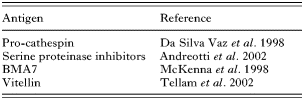
Table 2. Tick (B. microplus) antigens evaluated as native proteins
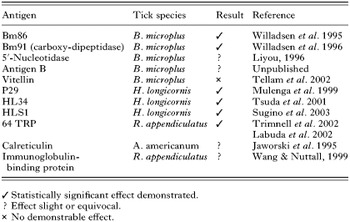
Table 3. Recombinant tick antigens
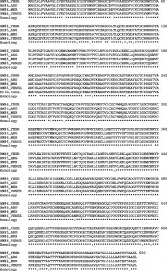
Fig. 1. Alignment of Bm86 sequences from B. microplus isolates from Australia (YEER, Yeerongpilly strain); Mexico (MEX); Venezuela (VENEZ) and the Bm95 sequence from Argentina (Bm95_ARG).
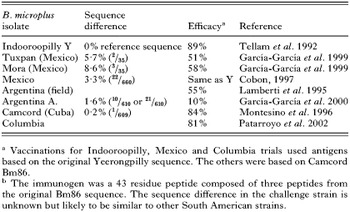
Table 4. Relationship between vaccine efficacy and Bm86 sequence, relative to Yeerongpilly (Camcord) Bm86
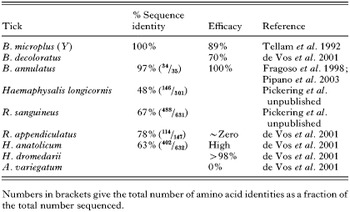
Table 5. Other tick species: sequence conservation and efficacy of vaccination with B. microplus Bm86
 You have
Access
- 216
- Cited by