This research project was commissioned by the (then) Department of Environment and Conservation (DEC) in an effort to understand why there was such little uptake of education for sustainability (EfS)Footnote 1 in secondary schools in Western Australia (WA), and how external providers could assist schools to engage more in EfS.
To date, there is a scarcity of literature that examines EfS in WA secondary schools. This article offers a contribution to the literature and the field by offering insights into what EfS means to WA educators, the extent to which students are meaningfully involved in EfS in secondary schools, and the differing quality in EfS programs offered by external providers in WA. These were three of the main issues related to EfS as identified by the participants in this study. The insights gained from this research and subsequently included in this article aim to bridge the gap that the educators in this study identified between government and scholarly language and discourse around EfS and practice in schools. It highlights some of the shortcomings of EfS in WA secondary schools and offers ideas, as identified by educators and students, regarding how EfS might be improved in order to engage a greater number of schools and more students in a more meaningful way. It also offers a contribution in the form of environmental education (EE) evaluation. Carleton-Hug and Hug (Reference Carleton-Hug and Hug2010) argue that EE would ‘benefit from greater attention to evaluation, both in practice, and in disseminating evaluation results to a broader audience through publication’ (p. 159). That is our aim with this publication.
Much has been made of what constitutes EfS and EE (see Hart, Reference Hart, Gonzalez-Gaudiano and Peters2008; Linke, Reference Linke1980; McKeown & Hopkins, Reference McKeown and Hopkins2007; Tilbury, Reference Tilbury, Corcoran and Wals2004a, Reference Tilbury2004b; Wals & Jickling, Reference Wals and Jickling2002). We argue that EE and EfS are not easily distinguishable, and dividing the field is not particularly useful. We do, however, acknowledge that EE is considered by some to focus more on solutions to environmental problems, whereas EfS is seen to be more focused on equipping people with the knowledge, skills and understanding necessary to make decisions based upon the full environmental, social and economic implications (Australian Research Institute for Environment and Sustainability [ARIES], 2009). The ARIES (2009) lists the components of EfS as follows: envisioning a better future, critical thinking and reflection, participation, partnerships for change, and systemic thinking. It is from this that the DEC and the authors of this article formed our interpretation and understanding of EfS. Wals and Jickling (Reference Wals and Jickling2002) argue that we must seek more, not less, diversity in the field of EE, and this will be achieved when we use less exclusive language to describe our educational activities. In addition to adding unnecessary debate to the field, the tussling over terms has provided for confusion and misunderstanding among teachers and practitioners, with little to no positive influence on how EE is being delivered (Campbell & Robottom, Reference Campbell, Robottom, Gonzalez-Gaudiano and Peters2008; Robottom, Reference Robottom, Stevenson, Brody, Dillon and Wals2013). While this research project used the term ‘EfS’ in documentation and reporting to the DEC, it was really concerned with environmental education or the environmental aspects of EfS. We used the term ‘education for sustainability’ as per the request of the DEC as this is the term that they favoured, but often had to substitute other terms (e.g., ‘environmental education’) so that participants could answer our questions, as some did not know what EfS was.
Background
As we face escalating environmental problems, education for sustainable development (ESD) is emerging as one of, if not the only, answer to a sustainable future. Like Jucker (Reference Jucker2002), we do not believe that ESD or EE or EfS is the answer, but it has the opportunity to contribute to positive change in school and the wider community. This article provides some rarely considered insights from teachers and students with particular focus on EfS in secondary schools and hence could play a role in helping to (re)build EfS in Western Australia.
While participation in some form of EfS is evident in many WA primary schools, it continues to be situated at the periphery of secondary school education and is often overlooked by teachers who feel pressure to focus on examinable subjects such as literacy and numeracy (Kuzich, Taylor, & Taylor, Reference Kuzich, Taylor and Taylor2015; Pepper & Wildy, Reference Pepper and Wildy2008). Hart (Reference Hart, Gonzalez-Gaudiano and Peters2008) argues that EE suffers a lack of legitimacy within the formal education sector and is marginalised. Although these issues of legitimacy and marginalisation are not limited to EE or EfS in secondary schools, they are magnified in secondary schools where there is an increased focus on examinations and results, leaving limited space for cross-curricular themes and the types of pedagogy favoured by EfS. Sustainability education is often viewed as competing for time and resources with other specialities and whole-school priorities within the schools, adding to the challenge (Kuzich et al., Reference Kuzich, Taylor and Taylor2015; Tilbury, Coleman, & Garlick, Reference Tilbury, Coleman and Garlick2005). Traditionally EE has been a non-mandatory component in secondary school education, and this positioning has no doubt contributed to its limited uptake in the upper school years. Where it has been embraced, it has largely been by passionate teachers and school leaders with a personal interest in the environment (Barrett, Hart, Nolan, & Sammel, Reference Barrett, Hart, Nolan, Sammel and Filho2005; Hart, Reference Hart, Jensen, Schnack and Simovska2000, Reference Hart2003). Many teachers who are teaching EfS have not trained in the area, which is one reason for the varied approaches (Borg, Gericke, Höglund, & Bergman, Reference Borg, Gericke, Höglund and Bergman2012; Kuzich et al., Reference Kuzich, Taylor and Taylor2015).
In addition to the practical difficulties of implementing EfS in secondary schools, there are some common inadequacies that have been identified in EfS in secondary schools internationally. These include: a lack of opportunity for students to carry out environmentally responsible behaviours at school as part of their environmental education program (Prabawa-Sear & Baudains, Reference Prabawa-Sear and Baudains2011); most science education focuses on education about the environment and fails to provide students a suitable opportunity to facilitate action or explore mechanisms for social change with regard to environmental issues and related behaviours (Jiang, Reference Jiang2004; Steele, Reference Steele2011); students feel disillusioned and uninterested in blame-based environmental education (Prabawa-Sear & Baudains, Reference Prabawa-Sear and Baudains2011; Steele, Reference Steele2011); EE is seldom a mandatory curriculum topic in secondary schools (Jiang, Reference Jiang2004; Tilbury et al., Reference Tilbury, Coleman and Garlick2005); and many educators continue to focus on content knowledge in secondary schools rather than developing capacities for change (Barrett et al., Reference Barrett, Hart, Nolan, Sammel and Filho2005; Steele, Reference Steele2011; Tilbury et al., Reference Tilbury, Coleman and Garlick2005).
While there is an abundance of research on EE/EfS, there is little research that explores teacher definitions or understandings of what EfS is.Footnote 2 This research project found that assumptions are often made about mutual understandings, definitions and the trickle-down from academic literature to practitioners, but in fact, understandings and definitions of EfS vary greatly in schools and between schools, program providers and academic literature. Jickling (Reference Jickling1997) argues that one of education's challenges lies in the realisation that EfS is itself a difficult idea that changes and develops over time and differs across contexts. Put simply, EfS does not always mean the same thing. To add to the complexity of the issue of understanding, EfS does not fit within traditional definitions of education, which teaches and assesses in discrete disciplines (Steele, Reference Steele2011), but instead focuses on relationships among people and the environment (Robottom & Sauvé, Reference Robottom and Sauvé2003).
Sustainability and the Australian Curriculum
As part of the United Nations Decade of Education for Sustainable Development (2005–2014) there was a strong push from UNESCO for all countries to embrace ESD, with a focus on integrating ESD across the curriculum. While Australia has been part of international endeavours in EfS since the field's inception, this is the first clear mandate for the integration of sustainability across all learning areas in Australian schools at the national level (Dyment, Hill, & Emery, Reference Dyment, Hill and Emery2015). The Australian Curriculum identifies three cross-curriculum priorities (CCP): Sustainability, Aboriginal and Torres Strait Islander Histories and Cultures, and Asia and Australia's Engagement with Asia. The CCP seeks to support students to develop ‘the knowledge, skills, values and world views necessary for people to act in ways that contribute to more sustainable patterns of living’ (Australian Curriculum Assessment and Reporting Authority, 2016).
While it is largely considered a positive development to have sustainability included formally in the Australian Curriculum, it is important to acknowledge that there are difficulties associated with cross-curricular integration of EfS, particularly in secondary schools (Dyment et al., Reference Dyment, Hill and Emery2015; Redman, Reference Redman2013). While there is a lack of uptake of EfS in secondary schools compared to primary schools, the extent to which it is being integrated is largely unknown (Dyment et al., Reference Dyment, Hill and Emery2015).
What EfS Means to Teachers
More than 20 years ago, Bob Jickling (Reference Jickling1997) brought to our attention the issue of definitions of EE. He was not concerned with the term so much as the educational dimensions, and called on us to stop thinking of definitions simply as products, but as processes in which teachers, administrators and scholars are all participants. We argue that definitions of EE/EfS/ESD still largely belong to scholars, UNESCO and government departments, and educators and learners continue to be excluded from the discourse for the most part. While we agree with Jickling's call for greater focus on the educational dimensions of EE/EfS/ESD, we found that work needs to be done on mutual understanding of definitions with educators.Footnote 3 Most of the teachers who participated in our research could not define EfS, and some could not even guess at what it was, echoing Jucker (Reference Jucker2002), Campbell and Robottom (Reference Campbell, Robottom, Gonzalez-Gaudiano and Peters2008), and Robottom (Reference Robottom, Stevenson, Brody, Dillon and Wals2013). For those who had an understanding of what EfS was, their definitions largely focused on the environmental activities, reflecting the findings by Hill et al. (Reference Hill, Emery, Nailon, Dyment, Getenet, McCrea and Davis2014) in their research into how adults who work with young children conceptualise sustainability.
The use of the term ‘education for sustainability’ in WA can be tracked back to the publications of The ARIES (2009) and the introduction of the (then) Australian Sustainable Schools Initiative WA (AuSSI WA) in 2005, which brought together external providers of EfS-related programs under the banner of AuSSI WA Alliance members. AuSSI WA (now named Sustainable Schools WA) facilitates partnerships between external providers and schools and offers a whole-school planning framework for EfS (Western Australia Department of Education, n.d.) that assists schools to take a more holistic approach to EfS (Lewis, Baudains, & Mansfield, Reference Lewis, Baudains and Mansfield2009). Despite the work being done by Sustainable Schools WA, there is still a lot of confusion around EfS, its history, and what external providers offer. Teachers’ understandings around these are presented in the findings section below.
In addition to the confusion around what EfS is, there is the issue of what EfS should be. In Western Australia, external providers from state government, local governments and non-governmental organisations (NGOs) contribute significantly to the EfS agenda and pedagogies in schools. Despite this, almost all EfS evaluation projects and literature focus on the schools, and the role of external providers is not addressed (Pepper & Wildy, Reference Pepper and Wildy2008; Prabawa-Sear & Baudains, Reference Prabawa-Sear and Baudains2011).Footnote 4
Meaningful Student Involvement
Meaningful student involvement in planning EfS actions and projects in schools was highlighted as an issue in this study. While it is easy for scholars to argue for critical thinking, action and empowerment in EfS, the structure of secondary schools is such that to achieve this, the school must challenge its own educational tradition and power relationships (Barrett et al., Reference Barrett, Hart, Nolan, Sammel and Filho2005; Sterling, Reference Sterling2015). This is an extremely difficult task in secondary schools.
The action element of EfS is multilayered. It provides many benefits that knowledge-focused education does not (Jensen & Schnack, Reference Jensen and Schnack2006; Mogensen & Schnack, Reference Mogensen and Schnack2010). It provides an opportunity for students to achieve environmental outcomes from their actions and in doing so experience the realities and difficulties associated with trying to bring about change that can help to combat the doom and gloom aspect of EE that has often been the focus in the past. However, action-oriented approaches to environmental and sustainability education should come with cautions. Barrett et al. (Reference Barrett, Hart, Nolan, Sammel and Filho2005) note the importance of practitioners attending to the difference between token and authentic participation, distinguishing between actions and behaviours, and refraining from limiting their focus to science, the natural environment, and lifestyle environmentalism. They suggest that failure to attend to these concerns means that action-oriented educational initiatives may actually undermine students’ sense of agency, support student passivity and simple solutions, and gloss over the complexity of causes of environmental problems, including their intersections with social and economic systems, and ultimately, politics and power (Barrett et al., Reference Barrett, Hart, Nolan, Sammel and Filho2005, p. 507).
There are varied arguments as to why student voice should be heard and considered in education. These arguments include issues of children's rights (Rudduck & Flutter Reference Rudduck and Flutter2000), student empowerment and political agency (O'Boyle, Reference O'Boyle2013; Rudduck, Reference Rudduck2002), the value of the student perspective in education evaluation and improvement (Cook-Sather, Reference Cook-Sather2002; Gough, Reference Gough1999; McIntyre, Pedder, & Rudduck, Reference McIntyre, Pedder and Rudduck2005), educational benefits for students (Busher, Reference Busher2012; Rudduck, Reference Rudduck2002), and student voice as a transformative agent (Beattie, Reference Beattie2012).
Hart (Reference Hart, Gonzalez-Gaudiano and Peters2008) describes an international program that strives for active participation in community-based social action and struggles for legitimacy within the educational system. He describes his frustration at ‘seeing students and teachers “caught” in traditional (inscribed) roles that perform teacher and student as a reflection of the authority of tradition, yet as contradictory storylines’ (Hart, Reference Hart, Gonzalez-Gaudiano and Peters2008, p. 26).
External Provision of EfS
Hart, Jickling, and Kool (Reference Hart, Jickling and Kool1999) argue that we need to articulate what we understand about what constitutes quality in relation to EfS and to invite others to articulate their own ideas. They point out that educational guidelines are often prescriptive documents that lay out a means by which teachers can plan programs, prepare lessons and develop learning materials without any necessity for examining their own educational philosophy. Hart et al. (Reference Hart, Jickling and Kool1999) suggest that this lack of engagement often translates into lack of ownership of the program and consequently lack of commitment. Some EfS providers in WA have gone to great lengths to assist (primary school) teachers by preparing such guidelines and documents. While these documents undoubtedly assist teachers and facilitate the introduction of the program in schools, external providers must question whether this is EfS and whether it is achieving what they are aiming for in EfS. Robottom and Sauvé (Reference Robottom and Sauvé2003, p. 126) argue that to claim to recognise and value localised, community-based, participatory environmental education while at the same time attempting to develop single-focus, highly visible, externally funded curriculum packages for universal implementation is to fail to see the big picture of the pervasive role of technocratic educational processes and structures. While we find this a valid point worthy of further consideration, we also acknowledge that this ‘curriculum package’ is exactly the thing that teachers in this project were asking for (see EfS providers section below).
As highlighted previously, most evaluation of EfS occurs at a school level and little evaluation of external providers is conducted (Carleton-Hug & Hug, Reference Carleton-Hug and Hug2010). From our experience working with external providers, we see various reasons for this lack of evaluation and conclude that it is often due to budget constraints (including insufficient and short-term funding), a lack of clear program objectives, and institutional resistance to evaluation or sharing of evaluation findings. While many external providers in WA offer professional development for teachers, they themselves are often limited in their access to professional learning opportunities and are largely excluded from scholarly discourses. Ideally, external providers of EfS should have access to scholarly discourses, funding, and time to attend conferences and professional learning opportunities. Unfortunately, access to these is limited for Western Australian EE professionals due to distance, which makes it expensive and time-consuming to travel east to attend the few opportunities for conferences and training. A lack of focus on EfS/EE in WA universities only exacerbates the issue.
In her North American study, Wade (Reference Wade1996) found that EE (and in-service training) was not considered a priority of educational agencies and was largely managed by natural resource agencies. In response to Wade's article, Jickling (Reference Jickling1997) raises the question of why educational agencies are not more interested in EE and why it more often than not falls to natural resource agencies to manage. This situation is reflected in WA where the bulk of EfS programs at the time of this research project were situated in the DEC and the Department of Education had only one full-time staff member working on EfS (the Sustainable Schools WA Project Manager). Having the bulk of EfS programs in one branch at one agency left EfS in a vulnerable position. When natural resource agencies are affected by funding cuts, education programs can be largely wiped out with the claim that education is not a core business function of the agency. This was demonstrated when the DEC's Community Education Branch was dismantled during an organisational restructure, and almost all of its EfS related programs disappeared, leaving a gaping hole in WA's EfS efforts.
Funding security is not the only reason why educational agencies should be involved in managing EfS programs. While natural resource agencies have expertise in environmental issues, it is important to note that their expertise is in science and not pedagogy (Wade, Reference Wade1996). By focusing on the science, it is easy to overlook the interconnectedness and complexity of the problems being addressed. This is particularly an issue in secondary schools where teachers are already more likely to focus on the ‘science’ of environmental issues rather than engaging in EfS.
Methodology
When designing this project, we aimed to employ and research multiple perspectives (Scott, Reference Scott2009) through broad consultation, and each stage of data collection and analysis influenced the questions considered at the subsequent stage. We used an integrative mixed-methodological approach (Hesse-Biber & Johnson, Reference Hesse-Biber and Johnson2015; Hesse-Biber, Johnson, Hall, & Preissle, Reference Hesse-Biber, Johnson, Hall and Preissle2015) that was guided by the data and aimed to produce broadly applicable findings as a result of the active participation of all types of stakeholders: program providers, educators, administrators, students, and experienced EfS specialists.
Forty-five schools participated in the research. Schools were selected based on their prior involvement in EfS activities with DEC programs and their willingness to participate. The representation of school types was as follows: 75% metropolitan, 48% government, 24% independent government, 17% Catholic and 11% independent. After a review of relevant literature, we conducted 12 semi-structured interviews with non-teaching EfS stakeholders in order to gather data on their experiences, views and challenges with EfS in WA secondary schools (Hesse-Biber et al., Reference Hesse-Biber, Johnson, Hall and Preissle2015). These stakeholders held a range of positions across varied organisations, including within EfS and education-related programs and as section managers from the DEC and Department of Education in WA; two academics and two PhD candidates from Murdoch University and University of Western Australia; program officers and a CEO from three WA-based EE NGOs; an EE consultant from Victoria; a representative of the Western Australian Secondary School Executives Association; and the Sustainable Schools coordinators from WA and Australian Capital Territory (ACT). These data were then used in the development of questionnaires. Questionnaires were piloted before links for the online questionnaire were sent by DEC to teachers and administrators. Students were asked to complete the online questionnaire in class by their teachers. In total, students, teachers and administrators completed 231 online questionnaires.
Questionnaire data were analysed and findings of interest for discussion were included in the three focus group discussions with teachers and administrators and 12 phone interviews with regional teachers. The key ideas, themes and trends of the research became the basis for the findings and recommendations in the final report, which was written by the consultants (and authors of this article).Footnote 5 Draft versions of the findings and recommendations were presented to an expert panel for discussion and were refined based on these discussions.Footnote 6
Online questionnaires were completed by students, teachers and school administrators at 29 WA secondary schools. Questionnaires were completed by 21 principals/administrators and 24 teachers. Student questionnaires were completed by 186 students from Years 7–12. The teacher/administrator questionnaires focused on if/how they were involved with EfS, whence they source resources and professional learning opportunities, what environmental activities were carried out, planning processes, and barriers and benefits of EfS at their school. Student questionnaires examined if/how students were involved in EE, how they felt about it, what environmental actions they would like to participate in, and whether they had participated in EE/EfS in primary school.
We conducted three focus group sessions for teachers and school administrators and eight phone interviews with regional teachers to discuss the questionnaire data and consider issues around EfS in secondary schools. These discussions allowed for a more in-depth consideration around the data and other matters regarding EfS (Hesse-Biber et al., Reference Hesse-Biber, Johnson, Hall and Preissle2015). Questions focused on defining EfS, barriers and benefits, familiarity with sustainability in the curriculum, how external providers can better support EfS in schools, how students are being actively engaged in EfS, and if not, why not. Semi-structured interviews and email questionnaires were completed by non-teaching stakeholders from Western Australia and interstate that focused on the current state, future directions and needs of EfS in secondary schools.
Data from questionnaires, focus group discussions and interviews were used to build a picture of the barriers and benefits to EfS in WA. We facilitated a two-hour workshop with an expert panel that included 12 representatives from the Department of Education, DEC, regional councils, NGOs, universities, Western Australian Secondary School Executives Association (WASSEA) and private consultants, and served as an opportunity for participants to actively participate and influence how the data would be used (Carleton-Hug & Hug, Reference Carleton-Hug and Hug2010). The key ideas, themes and trends of our findings and recommendations were presented to the expert panel for discussion. The panellists assisted in refining and crystallising the findings and recommendations put forward by the authors in the final report to the DEC. There were no significant changes to the findings and recommendations, but the inclusion of the expert panel provided many positive outcomes, including participation in discussions about EfS in secondary schools by a diverse and influential group of people from a range of agencies and institutions, a consensus on recommendations for EfS in secondary schools going forward, and acknowledgment and consideration of the need to address issues around language and understandings of EfS in WA both within schools and by EfS providers. The participation of students, educators and non-teaching stakeholders provided opportunity for triangulation of data, increased the credibility and trustworthiness of the data (Cresswell & Plano Clark, Reference Cresswell and Plano Clark2017) and findings, and provided for a more inclusive discussion around EfS in WA secondary schools.
Findings
The research project was large scale and cannot be covered sufficiently within the word limits of a journal article. Therefore, we focus on three main findings: confusion around what EfS is; a lack of meaningful student involvement in EfS in secondary schools; and issues related to external providers of EfS programs.
Are We Doing EE or EfS?Footnote 7
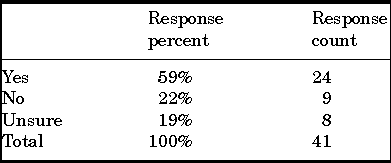
There was confusion among teachers and administrators as to whether they were involved in EfS. As displayed in Table 1, eight respondents were ‘unsure’ whether their school was involved in EfS when asked as part of the staff questionnaire.
Is Your School Currently Involved in Education for Sustainability? (Staff questionnaire)

Of the eight who responded ‘unsure’, seven were principals or school administrators — highlighting the fact that confusion around what EfS is and what it means to schools is not limited to teachers.Footnote 8
Forty-one percent of adult respondents who said they did not do EfS or were ‘unsure’ then cited at least one environmental activity occurring at their school. One respondent was ‘unsure’, yet listed 12 environmental activities that their school was doing. Another respondent said ‘no’ to doing EfS at school and gave nine examples. Two respondents (from different schools) said ‘no’, then listed eight environmental activities happening at their school. The average number of environmental activities listed for the ‘no/unsure’ group was five. This questionnaire data demonstrate that although the respondents were aware of many environmental activities happening at their schools, they did not consider these activities as a part of EfS. As a result of this apparent disparity between actions and definitions, a question on this issue was included in focus groups and interviews.
Focus group participants (teachers and administrators) were asked to explain what they understood EfS to be. Most participants mentioned environmental activities and listed examples such as recycling, composting and being Waterwise. A couple of participants were confused by the term and questioned whether it was about making sure education was sustainable (long lasting). One principal pointed out that it is easier to discuss sustainability using practical examples, but that EfS is more of a philosophy. There was also mention of stewardship, development of values, environmental, economic and social aspects, and acknowledgment that any activities undertaken need to be maintained and sustained. Several participants listed curriculum, activities and modelling to be aspects of EfS. When asked, most participants reported that they were aware of sustainability being a CCP but were not integrating it into lessons and were unsure how it fit in the curriculum.
When asked about extra-curricular EfS activities, the participants focused on environmental activities, but with prompting, some listed activities that were social and culturally focused such as NAIDOC and Harmony Day events, performing arts events, tutoring and homework clubs, and outdoor education and sports.Footnote 9 Participants also reported that EfS efforts were fragmented and vulnerable to changing school conditions. These findings reflected those of Pepper and Wildy (Reference Pepper and Wildy2008) and Campbell and Robottom (Reference Campbell, Robottom, Gonzalez-Gaudiano and Peters2008). Robottom (Reference Robottom, Stevenson, Brody, Dillon and Wals2013, p. 158) raises the issue where educators find themselves located within a changing context — namely the shift in dominant language from ‘environmental education’ (EE) to that of ESD (or in this case, EfS). He argues that this situation is marked by a lack of definition about how educational practice under the ‘new’ discourse of ESD may differ from educational practice established under the ‘old’ one of EE. Indeed, what our research project found was schools continuing to deliver EE programs, quite unaware of the shifting discourse occurring in scholarly circles and government departments. While this difference in discourse may not be problematic in most cases, when the DEC and other agencies are trying to engage schools, it is important that everyone involved is clear on what is expected, and the language used is vital to a shared understanding. Confusion around terminology (ESD, EfS, EE) in this study suggests that little ground has been gained in addressing this issue.
Engaging Students in EfS — Is Action Really Meaningful to Them?
As part of this research project we considered the questions of whether any involvement in EE is better than no involvement and what makes it meaningful for students. The short answer, we believe, is that any involvement is better than none, but we caution that not all efforts are equally meaningful or beneficial. When considering some of the predefined environmental activities at the schools, the environmental outcomes are obvious, but like Jickling (Reference Jickling1997), we question the degree to which the opportunity for learning and educational achievement has been utilised and how meaningful these activities have been for students. Jickling argues that educational achievement should enable individuals to act intelligently and with some measure of independent thinking, and that people will not think and act intelligently if they have been trained, conditioned, coerced, or otherwise manipulated to behave in a certain way (Jickling, Reference Jickling1997, p. 95).
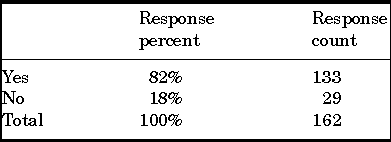
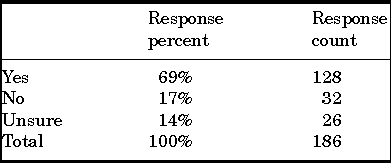
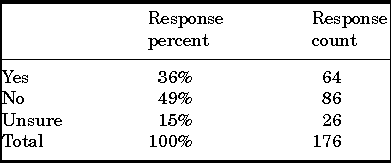
Participants were asked to articulate why they engage students in EfS/EE. Some were involved because they were asked to by school leaders and others had a passion for the environment. For most, the goal was environmental action (e.g. recycling, composting) and building a sense of responsibility in students. In order to explore how students viewed their participation in EfS activities, they were asked whether they were involved in ‘activities at school which help to make a difference to the environment’.Footnote 10 Only 36% of students reported that they were, suggesting that the current system is not providing adequate opportunity for students to engage in meaningful environmental activities as part of their secondary education. All students should be given the opportunity to be involved in EfS, particularly as it is a CCP. Involvement in EfS is especially important for students who have previously been involved in meaningful environmental projects. As demonstrated in Table 2, 82% of the students reported learning about the environment in primary school, whereas 69% reported currently learning about environmental issues (Table 3).
Students Who Learnt About the Environment in Primary School (Student Questionnaire)

Students currently learning about environmental problems or issues in school (Student questionnaire)

When comparing data for students who reported learning about the environment in primary school (Table 2), to students who report currently learning about environmental issues (Table 3), there is a decline from 82% to 69%. Only 36% of students reported doing environmental activities that help make a difference to the environment in secondary school (Table 4).
Students’ Current Involvement in Activities at School Which Help Make a Difference to the Environment (Student Questionnaire)

While it is encouraging that so many students are involved in EfS in primary school, the drop-off at the secondary school level is concerning. As demonstrated in Tables 2, 3 and 4, many students reported that they were learning about environmental issues but were not involved in activities aimed at making a difference toward these problems. Literature on this issue suggests that students who continue to be exposed to environmental issues and are not provided opportunity to work towards positive change are at risk of developing a learned sense of helplessness (Nagel, Reference Nagel2005) and are more likely to disengage from the issue or experience conceptual avoidance (Rickinson & Lundholm, Reference Rickinson, Lundholm, Stevenson and Dillon2010; Watts & Alsop, Reference Watts and Alsop1997). This project did not have the opportunity to explore this issue with students, but we feel it is an issue that should be investigated further. In addition to possible issues for environmentally concerned students, the lack of engagement in EfS in secondary schools suggests to students that EfS is not considered to be important enough to be a part of secondary schooling.
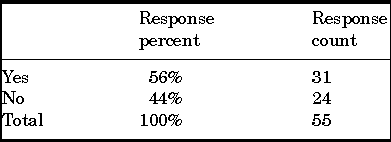
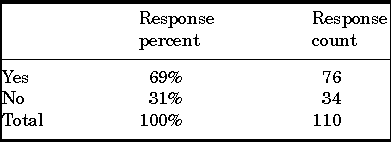
Students who reported that they were not learning about environmental issues or doing environmental activities were asked whether they would like to (Tables 5 and 6 below).
Student Responses to Whether They Would Like to Learn About Environmental Issues at School

Student Responses to Whether They Would Like to be Involved in Activities Which Make a Difference to the Environment

Sixty-nine percent of students who were not involved in environmental activities at school stated that they would like to be. There was a preference for activities (69%) over learning (56%), which supports calls for more hands-on, active learning, project-based work addressing authentic local issues as identified by students (Henderson & Tilbury, Reference Henderson and Tilbury2004; Prabawa-Sear & Baudains, Reference Prabawa-Sear and Baudains2011; Stevenson & Stirling, Reference Stevenson, Stirling, Stevenson and Dillon2010). Clearly, these two options are not mutually exclusive, and activities can be a learning process that includes holistic learning, critical reflective thinking, imaging futures, and participatory decision making (ARIES, 2009). While there was little evidence of such approaches to EfS in the schools in this project, teachers acknowledged the benefits of project-based EE/EfS: ‘When they see they are making a difference and it's actually going to matter, it's real, they're much more motivated’ (Secondary school teacher A, in focus group discussion).
When they described their EE programs in focus group discussions, teachers focused on defining environmental issues for students and having them carry out predefined actions, rather than actively engaging with them. For example, teachers would allocate students to a group that focused on recycling and the students’ job was to move the bins to an allocated place at an allocated time. Another example was light monitors. A selected number of students were allocated the task of walking around to check that all lights and fans were turned off during break times. Most teachers reported that they were not actively involving students in EfS and at most, some reported examples of students selecting their own topics for projects. One teacher explained that while student-driven learning can have wonderful outcomes, it is difficult, especially as students progress through the curriculum and need to cover more content. Participants noted that formal education is moving towards being more student-driven, but interpretations of what this means and how realistic it is varied greatly.
EfS Providers
While this project did not set out to evaluate the quality of external providers of EfS programs, teachers and administrators highlighted some areas relating to EfS providers that they felt needed to be addressed if EfS was to progress in secondary schools in WA. The suggestions by the teachers and administrators were pragmatic and offered necessary first steps for the development of EfS in WA secondary schools.
One of the most commonly raised concerns was a lack of secondary level educational resources. While most EfS providers offered primary school resources, very few offered secondary level resources. It is common for teachers in secondary schools to be told to modify or adapt the primary school resources to the appropriate level. Because EfS is a cross-curricular priority and not a subject, few teachers have received preservice training or possess expertise in the area, making adapting materials time consuming and challenging. Once the teachers have (theoretically) adapted the materials, they then also need to be able to integrate it into a very full curriculum, overcoming issues of (a lack of) time. For most secondary level subjects, the content must be linked to the curriculum and assessable, making it even more challenging for teachers. Teachers reported that if EfS providers want secondary schools to engage in their programs, they need to develop secondary level resources that meet the above-mentioned needs. As highlighted earlier, this ‘curriculum package’ approach does not meet definitions of what EfS should be. This issue highlights again the gap between the expectations of academics in the field, the aspirations of EfS in the literature, and the somewhat blunt realities of the secondary education system.
The second major concern voiced by educators and administrators was regarding the approach taken to EfS by external program providers. ‘The learning about sustainability is bitsy and ad hoc so students don't see the big picture’ (Secondary school teacher B in focus group discussion).
To date, programs offered by external providers in WA still tended to focus on single environmental issues.Footnote 11 While the programs on offer are of a high quality, they do not explicitly acknowledge or assist schools to focus on the interconnectedness or complexity of EfS issues. Most participants agreed that it would be better to have one combined program on offer to schools that addressed all aspects of EfS, rather than separate ‘competing’ ones. There are various reasons for preferring a combined program approach: it would offer a single simple access point to find out about the resources available; it would be easier to promote to the school; it would be easier to justify being involved in just one program; and because sustainability cannot be compartmentalised — it ‘just makes more sense’.
It appears unrealistic that all external EfS providers could be rolled into one program as providers are situated at multiple agencies (i.e., government and NGOs) with different structures, funding agreements and aims. Sustainable Schools WA partly addresses the issues of confusion and competition by providing an umbrella under which all the programs sit and a whole-school planning framework to help schools to map a multifaceted approach to EfS. Despite these efforts, there is still overlap in programs provided at state, regional and local levels of government, and by NGOs; gaps in what is being offered; and issues of the quality and approach of external program providers. We advocate for EfS program providers to acknowledge the interconnectedness of environmental issues, even when addressing a single issue as part of their program. We call on program providers to acknowledge the complex and inextricable social, cultural and political influences when advocating for environmental change and not to oversimplify the reality when engaging with secondary school students. We understand that issues related to EfS are value laden and argue that secondary school students are capable of exploring the role of values and the structural and economic barriers that are likely to present themselves in issues related to EfS.
Limitations and Future Research
This research project had various limitations set by the budget, timeframe and preferred methodologies of the DEC. We acknowledge that the research would have benefited from greater involvement of the main participants, through students’ contribution in the design, data collection and evaluation phases of the project. We agree with the work of Barratt Hacking, Cutter-Mackenzie, and Barratt (Reference Barratt Hacking, Cutter-Mackenzie, Barratt, Stevenson, Brody, Dillon and Wals2013) regarding student involvement in research, but were not able to convince our funders to take such an approach in this project. The reluctance to include more student voice in this project suggests that the value and benefits of this type of approach need to be publicised more to education providers and government departments.
In addition to the research project benefiting from wider involvement of students, all participants in this research (students, teachers, stakeholders) would have benefited from having increased opportunity to address the issues they identified (Barratt Hacking et al., Reference Barratt Hacking, Cutter-Mackenzie, Barratt, Stevenson, Brody, Dillon and Wals2013; Hart, Reference Hart, Gonzalez-Gaudiano and Peters2008; Prabawa-Sear & Baudains, Reference Prabawa-Sear and Baudains2011). As is the case with many externally funded research projects, funding, time and preference for traditional research methods were major factors in selecting research methods.
This research was conducted in the early years of the new curriculum. We believe it would be beneficial to revisit teachers’ understandings of EfS in coming years. We believe that conducting research with high school teachers who do not consider themselves environmentally concerned and unlikely to voluntarily include EfS in their teaching would also offer some valuable insights. There has been little research done in this area and a focus on this group could identify and clarify further issues around low levels of engagement and participation in EfS in secondary schools, and may offer ways forward for increasing participation.
The authors of this article are in the unique situation of having worked and continuing to work as external providers of sustainability education, as Sustainable Schools WA alliance members, as external consultants, as university researchers, and as stakeholders in the development of the (then) Australian Sustainable Schools Initiative in Western Australia. Because we are not currently teaching in WA schools, we considered this research project important for further development of our own understanding of the experiences of teachers in secondary schools and are appreciative of the generosity of the teachers in sharing their experiences.
Conclusion
This article has focused on three issues identified in the data that we consider important and underrepresented in discourses of EfS in Australia: lack of understanding about what constitutes EfS among educators; lack of meaningful student involvement in EfS in secondary schools in WA; and differing quality in EfS programs of external providers (government departments and NGOs).
If we want ESD to be more than a slogan, the challenge is to promote practice that is qualitatively different from established practices already conducted successfully within the discourse of environmental education (Robottom, Reference Robottom, Stevenson, Brody, Dillon and Wals2013). Our research found that although government departments were using the term ‘education for sustainability’, teachers and principals had little understanding of the term and the associated characteristics and pedagogies and therefore reported that there was no EfS at their school. Most, however, were comfortable with the term ‘environmental education’ and reported undertaking many activities associated with EE. With this lack of understanding of EfS came a lack of understanding of and engagement with the approaches of EfS. There was little evidence of envisioning a better future, critical thinking and reflection, participation, partnerships for change, and systemic thinking in both the school programs and programs offered by external providers. The issue of student involvement was explored, and teachers reported that students were not involved in planning or decision making in school EE/EfS activities. This was generally attributed to a lack of time and a content-heavy curriculum. The majority of students involved in this study reported wanting to be involved in environmental projects at school but not having the opportunity. With regard to resources and support available to teachers, the teachers reported that resources offered by external providers were most often written for primary school level students and unsuitable for secondary school classes. Teachers also found that almost all of the external program providers focused on a single environmental issue, making inclusion and integration of multiple environmental issues very difficult, and they did not include social or economic perspectives.
We argue that if WA secondary schools are to engage in EfS there needs to be a significant shift among teachers and program providers to recognise the value of student-led initiatives and student inclusion in planning and evaluation. While we acknowledge the difficulties associated with including EfS in a rigid secondary education system, we feel that where possible, programs and projects should not be predetermined (based on a singular environmental issue) and labelled as EfS programs. Where possible, students should be involved in developing concepts and activities within school subjects that meet curricular objectives. There also needs to be a more concerted effort on behalf of the external program providers to acknowledge the complexity of environmental and sustainability issues: the value-laden questions and the structural (social, political and economic) barriers that exist (Stevenson, Brody, Dillon, & Wals, Reference Stevenson, Brody, Dillon and Wals2013; Thomas, Reference Thomas2005), rather than focusing on single environmental issues as if they can be addressed in isolation.
This project highlighted the ongoing confusion about EfS and as a result, we urge the scholarly community to seek ways to work with EfS practitioners in government, NGOs and schools to broaden the discourse around what EfS is and the benefits of engaging in it. Perhaps the most basic starting point would be to offer seminars, discussion groups and professional development opportunities for teachers and practitioners who cannot attend conferences or access scholarly journals.