INTRODUCTION
Readers may remember the chorus from the familiar Scottish ballad Loch Lomond: “So ye'll take the high road and I'll take the low road, and I'll be in Scotland afore ye.” For many who have sung this ballad, the lyrics inspire a feeling of anticipation tinged with trepidation, arising from the critical choice that may impact the journey's success. Our pathway – the arduous and uncertain road to a malaria vaccine – likewise involves alternative routes to consider, with the fate of many depending on the speed and outcome of our journey. Fortunately, our vaccine pathway lacks the irony of the ballad, which was written with the awareness that there would be no reunions on the shores of Loch Lomond, on either high road or low road. In contrast, we have a realistic chance of a favourable outcome, but must carefully assess the pathway to follow. The difficulties that have been encountered in developing a malaria vaccine after more than twenty years of effort have brought us to a juncture of uncertainty, and literally millions of lives, and the future economic development of dozens of nations, are hanging in the balance (Guinovart et al. 2006).
The stakes couldn't be higher: Plasmodium falciparum, the most prevalent and pathogenic of the four malaria species infecting humans, causes more than 1 million deaths annually, mostly in sub-Saharan Africa, with primarily infants, young children and women experiencing their first pregnancy at greatest risk (WHO, 2005). In other parts of the world where transmission is less intense, resulting in reduced clinical immunity, all age-groups may commonly face severe disease and death. It is estimated that there were 2·2 billion people worldwide at risk of P. falciparum infection in 2002, with 515 million clinical cases (Snow et al. 2005). The World Health Organization estimates that in endemic countries in Africa, the disease may account for 25–35% of all outpatient visits, 20–45% of all hospital admissions and 15–35% of all hospital deaths (WHO, 2005).
P. vivax, the second most prevalent species worldwide, also exacts a heavy toll, primarily in South America, Asia and the Pacific region. Recent estimates indicate that the number of people potentially exposed to P. vivax worldwide in 2005 roughly equalled the number exposed to P. falciparum – on the order of 2·5 billion for each (Guerra, Snow and Hay, 2005). P. vivax contributes 70–80 million clinical cases annually to the toll of malaria (Mendis et al. 2001), and although it is usually viewed as a lesser menace because it is rarely lethal, frequent reports indicate that P. vivax can indeed cause life-threatening illness (Koh, Chew and Kiyu, 2004; Kochar et al. 2005; Lomar et al. 2006; Rodrigues-Morales et al. 2006). Without question, developing a vaccine against this species is likewise a priority.
Adding to the public health burden, the entrenched malaria parasite has been linked to the loss of more than a full percentage point in yearly per capita economic growth for affected African countries (Gallup and Sachs, 2001). Not only does the parasite tax health dollars, it derails local economic development projects, as shown by the historical association between malaria and thwarted economic ventures. Examples are provided by the construction of canals, such as the Panama Canal across the American isthmus, or the Rideau Canal across the farmlands and forests of Ontario (Desowitz, 1991). Investors remain reluctant to direct funds to capital projects in malarious areas, leading to suppressed enterprise and fallow markets. Even agricultural decisions may be affected, such as individual farmer's reluctance to plant labour-intensive cash crops over subsistence crops due to malaria's impact during the harvest season.
Travellers are at great risk of malaria infection: whether travelling locally within their own country from malaria-free capital cities to malaria-ridden rural sites, or arriving in endemic areas on international flights, they face this parasite as likely the greatest threat to their health, taking into account both the risk and severity of infection (Richie, 2004). Reluctance of travellers to visit endemic sites adds to the economic losses attributable to malaria. Clearly, the control and eradication of malaria constitute leading international health and economic priorities, and there is little question that an efficacious vaccine would represent a valuable and cost-effective intervention (Graves, 1998).
Researchers have spent decades trying to develop a vaccine to complement our anti-malarial armamentarium of drugs, vector control and environmental modification, relying primarily on the traditional subunit approach to vaccine formulation. However, there are still no licensed vaccines. It is noteworthy that just as we glimpse the possibility of licensing a modestly effective subunit vaccine within the next five to six years (Box 1, Fig. 1), a growing sense of frustration has lead to the pursuit of radically different approaches that focus on attenuated whole parasites, an enterprise that could eclipse the progress achieved using the subunit approach (Good, 2005b).
Box 1. RTS,S/AS02A: A pre-erythrocytic stage vaccine reduces morbidity in African children
A clinical trial conducted in Mozambique beginning in 2003 demonstrated that a recombinant protein subunit vaccine can provide significant, sustained protection against clinical malaria. This remarkable achievement followed more than twenty years of research and development by the Walter Reed Army Institute of Research (WRAIR) and GlaxoSmithKline Biologicals, Rixensart, Belgium (GSK). RTS,S consists of two recombinant proteins, each expressed in the yeast Saccharomyces, that self-assemble into virus-like particles, providing enhanced uptake by antigen presenting cells. Assemblage into virus-like particles reflects a natural property of the predominant protein, the surface antigen of hepatitis B virus (‘S’ antigen), which is combined in a 4[ratio ]1 ratio with the second protein (‘RTS’ antigen) harbouring the malarial antigen. RTS fuses two regions of the major protein coating the surface of P. falciparum sporozoites, the CS (or circumsporozite) antigen, with the N terminus of the S antigen, included to assist in particle assembly. The first region contains immunodominant Asn-Ala-Asn-Pro tetramer repeats from the CS protein (‘R’), while the second contains the flanking carboxy-terminus, known to harbour T cell epitopes (‘T’). In order to enhance immunogenicity, the vaccine is formulated in a proprietary oil-in-water emulsion (AS02A) containing the immunostimulants monophosphoryl lipid A and fraction 21 from the plant Quillaja saponaria (QS21). Without the adjuvant, RTS,S provides minimal protection against sporozoite challenge. With the adjuvant, it achieves, on average, 41% sterile protection following experimental challenge with infectious sporozoites (95% CI: 22–56%) (Kester et al. 2001), and many of those not completely protected demonstrate significant delays in the onset of parasitaemia.
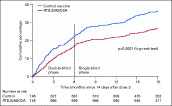
The Mozambique study was designed to look for reductions in the incidence of infection and clinical malaria in 1 to 4 year old children following immunization with three 25 μg doses of RTS,S. The study was performed at the Manhiça Health Research Center (CISM) in partnership with the University of Barcelona, with support from the Malaria Vaccine Initiative (MVI) and GSK. Two cohorts of vaccinees were followed for six months, cohort 1 via passive case detection to record incidence of clinical disease (1380 children completing the trial), cohort 2 via active case detection utilizing periodic blood smears, supplemented with passive case detection, to record the incidence of parasitaemia following drug cure administered two weeks prior to the final immunization (299 children completing trial). The adjusted efficacy of RTS,S for preventing first episodes of clinical malaria in cohort 1, as measured by person-years at risk, was 30% (95% confidence intervals [CI]: 11–45%), and for preventing severe disease, was 58% (CI 16–81%), relative to controls (Alonso, 2004). During an additional 12 months of observation, efficacy against clinical malaria and severe malaria were 30% (CI: 8–45%) and 49% (CI: 12–71%), respectively, indicating sustained benefits (Alonso et al. 2005) (Fig. 1).
Despite its significant impact on clinical malaria, the vaccine had less impressive effects on parasitaemia. The prevalence of malaria at the end of the six months observation period in vaccinees and controls in cohort 1 was 11·9% and 18·9%, and from cohort 2, 52·3% and 65·8%, respectively. Incidence of parasitaemia following drug cure was measured in cohort 2, and although the vaccine demonstrated a 45% reduction in parasitaemia as measured by person-years at risk (CI: 31–56%), the crude attack rate – the proportion of volunteers acquiring infection in six months – was similar in vaccinees and controls (83·1% and 93·3%, respectively). Thus, while RTS,S appears highly promising in terms of reducing clinical disease in children, its effect on preventing vaccine recipients from acquiring infection under conditions of sustained transmission appears to be relatively slight, and for this reason the vaccine is not being considered as a replacement for chemoprophylaxis in travelers to malaria endemic areas.
The clinical protection afforded by RTS,S proves that the subunit approach to vaccine development may succeed in countering the morbidity and mortality inflicted by malaria on populations in endemic areas. Funds have now been provided by the Bill and Melinda Gates Foundation, the Wellcome Trust and other contributors to support a carefully charted series of follow-on clinical trials, to include Phase 3 testing. If justified by the outcome of these studies, RTS,S is to be licensed for administration to infants and young children, with the expectations that the vaccine would be delivered in conjunction with the Expanded Program on Immunisation.

Fig. 1. Kaplan-Meier curves for the cumulative proportion of children with at least one episode of malaria. Protection against clinical malaria is sustained for eighteen months in 1–4 year old children living in Mozambique, following immunization with RTS,S/ASO2A. Reprinted with permission from The Lancet (Alonso et al. 2005).
Here is the critical juncture of uncertainty that we face: is it better to direct scarce resources to support the systematic evaluation of parasite biology, host-parasite molecular interactions, mechanisms of protective immunity, candidate antigen selection, rational antigen combination and vaccine platform optimization that has been the cornerstone of past and present research efforts, or is it more efficient to pursue empirical methods that involve the attenuation and testing of whole organisms, without knowledge of which antigens or protective mechanisms are involved? As with any purported dichotomy, the actual choice is not so black and white, but nevertheless differentiation of these two approaches – subunit vs attenuated organism – illustrates the current status of malaria vaccine development and provides a framework for considering the difficult prioritizations that we face. In essence, we now have travellers on both the high road and the low road, and it of great interest to discuss their likelihood of success, and the barriers ahead, for each approach.
THE CHALLENGE OF MAKING A MALARIA VACCINE
The multiple species in the genus Plasmodium have evolved with their hosts for millennia. Transmission occurs with uncertain timing, requiring a vector to bite the vertebrate host, imbibe gametocyte (sexual) stages of the parasite, survive for two weeks while the parasite undergoes obligatory development and then bite another, susceptible host (Fig. 2). The frequency with which this chain of events occurs is relatively low, creating a selection pressure favouring genotypes able to persist in the vertebrate host long enough for at least a few gametocytes to transition to a new host via this circuitous route. This period of time may be considerably longer than that required for development of an immune response to a foreign antigen. Natural selection has thus led to adaptations by the parasite to evade the host's innate and acquired defenses (Hisaeda, Yasutomo and Himeno, 2005), favouring any parasite strains able to position infectious gametocytes in the peripheral circulation over an extended period. Thus the chronicity of malaria infections can be viewed as an adaptation closely linked to the uncertainty of transmission. A recent calculation regarding the average duration of P. falciparum, which is the least persistent of the four species of malaria infecting humans, indicates that it lasts on the order of two years (Sama, Killeen and Smith, 2004).

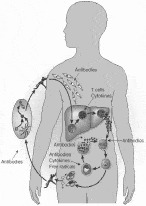
Fig. 2. Each stage of the Plasmodium life cycle represents, in effect, a different organism, as the morphology, mobility, host-cell specificities, patterns of protein expression and resulting immunological vulnerabilities alter from stage to stage. This means, for example, that the immunity induced by a pre-erythrocytic-stage vaccine may fail to inhibit the growth of blood-stage parasites, although, interestingly, some antigens are expressed by multiple stages (e.g. AMA1, PfEMP1) and for this reason could represent preferred targets. In addition, different forms of immunity are needed to destroy different parasite stages, with cell mediated immunity particularly important for liver-stage parasites, and antibodies for sporozoites and merozoites. The five days of incubation in the liver, when the parasites are immobile and sequestered within a fixed number of host cells, may provide the best window of opportunity for an effective immune response to abort the developing infection, and this has led vaccine developers to focus on vaccine delivery platforms that induce potent cell mediated immunity. The ideal vaccine will need to induce both antibody and cellular responses to multiple stages simultaneously. It is an open question whether or not this is possible. Reprinted with permission from Nature Medicine (Richie and Saul, 2002).
A corollary of malaria's chronicity is that natural infection rarely, if ever, induces sterilizing immunity: those who have experienced repeated infections throughout their lives, if cured through drug treatment, will quickly reacquire the parasite on re-exposure, as illustrated by cleared cohort studies (Hoffman et al. 1987). The ease with which the parasite can invade and survive long term in the human host, evading all arms of the immune response, begs the question: how can we possibly design an effective vaccine?
PROOF THAT A VACCINE IS FEASIBLE
Fortunately, there are at least two models of immunity that support the feasibility of protecting humans against malaria infection with a vaccine: immunization with irradiated sporozoites and natural exposure. In the first model, vaccination with irradiated sporozoites induces high-level protection against infection, while in the second, repeated exposure to malaria induces partial immunity to infection and high-level protection against its clinical manifestations.
Immunization with irradiated sporozoites
The ability to provide complete protection against experimental sporozoite challenge by immunizing with radiation-attenuated sporozoites has been demonstrated in rodents (Nussenzweig et al. 1967), including the natural rodent host (Chatterjee et al. 2001), non-human primates (Collins and Contacos, 1972) and humans (Clyde et al. 1973), building on initial work conducted in birds (Bennison and Coatney, 1949). In this model, infectious mosquitoes are subjected to 12–15000 cGy of X-irradiation and allowed to feed on susceptible hosts. The damaged sporozoites enter the vasculature, travel to the liver and undergo partial development (or alternatively, they may also enter the regional lymph nodes – the question of where immunity is generated is not yet resolved); however, because of radiation exposure, they are unable to complete liver-stage development to enter the blood stream as merozoites. While in this arrested state, the parasites induce an immune response in humans that provides high-level (95%) protection against challenge with intact sporozoites (Hoffman et al. 2002). This protection is thought to be mediated by CD8+ T cell responses recognizing as yet unspecified antigens (Schofield et al. 1987; Doolan and Hoffman, 2000; Krzyck and Schwenk, 2005; Doolan and Martinez-Alier, 2006), although the circumsporozoite protein which coats the sporozoite is likely an important target of immunity. Hosts immunized with irradiated sporozoites remain susceptible to blood-stage challenge, indicating that protective immunity targets pre-erythrocytic stages (Nussenzweig et al. 1969). Persistence of the attenuated sporozoite in the host may support the maintenance of protective immunity, although this remains controversial (Scheller and Azad, 1995). The long-term presence of antigen may induce continuous regeneration of effector memory CD8+ T cells, conscripted from a pool of central memory CD8+ T cells (Krzych and Schwenk, 2005). Importantly, limited human data suggest that immunization with irradiated sporozoites derived from one strain of P. falciparum confers protection against other strains as well (Hoffman et al. 2002). The attenuated sporozoite model thus holds promise that a vaccine based on one parasite strain might immunize successfully against diverse strains. Whether or not it is possible to achieve cross-species protection is currently unknown. In the single case in which a human volunteer immunized with P. falciparum was challenged with P. vivax in the absence of intervening challenges with P. falciparum, there was no protection (Hoffman et al. 2002). In summary, immunization with irradiated sporozoites delivered via mosquito bite proves that high-level protection mediated by immune responses directed against the pre-erythrocytic stages of the parasite can be achieved in humans.
Naturally acquired immunity
The second model is that of naturally acquired immunity (NAI). It has long been known that residents of endemic areas, after repeated infections with the parasite, are able to limit the density of parasitaemias as well the severity of clinical illness, even though they remain susceptible to infection (Baird, 1995; Schofield and Mueller, 2006). Immunoglobulin isolated from clinically immune African adults can decrease parasite density and ameliorate clinical symptoms when administered to parasitaemic children (Cohen, McGregoria and Carrington, 1961; Sabchareon, 1991). For this reason, it is believed that antibody responses recognizing blood-stage antigens, including malarial toxins (Schofield et al. 2002), underlie the protection associated with NAI, although antibody-dependent cellular inhibition (Oeuvray et al. 2000) and cell mediated immunity in the absence of antibody responses (Pombo et al. 2002) are also associated with protection against blood-stage infection in humans. In summary, the existence of NAI proves that a vaccine based on blood-stage antigens could limit disease and death in recipients, even if not preventing infection.
For both models, investigators believe that if the antigens and immune responses responsible for protection could be identified, it would be logical to include these antigens in a multivalent subunit vaccine using a vaccine delivery system that induced the protective immune responses (if these could be clearly discerned), and this rationale is used convincingly as a foundation for vaccine development.
SUBUNIT MALARIA VACCINES: A RATIONAL APPROACH
The interface between host and parasite involves complex molecular interactions, such as those associated with the recognition and invasion of host cells or the acquisition of nutrients from the cytoplasm or plasma milieu. Many of these key events are mediated by receptor-ligand interactions, such as the invasion of hepatocytes by sporozoites or erythrocytes by merozoites. The existence of well-defined, obligatory interactions between parasite and host provides a logical approach to vaccine development: select the parasite antigens involved at these molecular interfaces as vaccine candidates and induce immune responses capable of disrupting receptor-ligand binding. For example, antibodies directed at the parasite ligands binding to the surface of hepatocytes or erythrocytes could prevent host cell invasion, while cell mediated immune responses recognizing parasite proteins expressed on the surface of infected cells could potentiate the intracellular killing of the parasite through the release of immune mediators such as interferon-gamma (Ferreira et al. 1986) or by directly destroying the infected cell via cytotoxic T lymphocyte responses (Wizel et al. 1995; Lalvani et al. 1996; Franke, Corradin and Hoffman, 1997; Arevalo-Herrera et al. 2002; Ben Mohamed, Thomas and Druilhe, 2004).
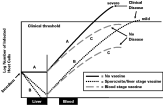
Ideally, a vaccine could combine several key antigens to interrupt multiple pathways essential to parasite survival. For example, a multi-stage vaccine could combine sporozoite/liver-stage antigens designed to induce immune responses limiting pre-erythrocytic stage development, with blood-stage antigens designed to induce immune responses suppressing the multiplication in the blood of parasites breaking past the pre-erythrocytic defence (Fig. 3). Multi-antigen multi-stage vaccine design has received support from protection studies in the rhesus monkey/P. knowlesi model, in which monkeys were immunized with a combination of pre-erythrocytic and erythrocytic stage antigens (Rogers et al. 2002).

Fig. 3. In this figure, the solid line (A) represents the development of the parasite in an unvaccinated host: hepatocytes are infected according to the size of the sporozoite inoculum, and rupture after five or more days, releasing merozoites into the blood. These multiply logarithmically, increasing in numbers roughly 10 fold every two days (P. falciparum), until there are enough parasites to cause clinical symptoms. A pre-erythrocytic-stage vaccine (dotted lines, B) will reduce liver-stage burden. If all parasites are killed, there will be no infection. If a few parasites get through this first tier of defence, the overall clinical severity of the infection may be reduced because the immune system, even if not primed by a blood-stage vaccine, has more time to respond to the blood-stage infection before the clinical threshold is reached, causing it to peak at a lower density. The beneficial impact of RTS,S, a pre-erythrocytic-stage vaccine, on reducing morbidity in the Mozambique trial (Box 1) appears to validate this concept. A blood-stage vaccine, on the other hand, should directly limit the parasite multiplication rate in the blood (dashed lines, C), preventing disease even if not the infection. As yet, no clinical trials of blood-stage vaccines have validated line C. The two tiered approach, in which vaccines proven effective against both the pre-erythrocytic stages and erythrocytic stages are combined, remains an important objective for the developers of subunit vaccines. Reprinted with permission from Chemical Immunology (Karger) (Kumar et al. 2002b).
This rational approach to vaccine design is satisfying, because it cleanly focuses on antigens with an identified functional role in parasite biology and avoids unidentified components that could possibly induce deleterious responses. In addition, the approach lends itself to further refinement. For example, epitope mapping of key protective antigens could allow the selection of an array of potentially protective epitopes with high binding affinity to the panoply of MCH alleles in the target population. Depending on the vaccine platform, synthetic peptides or polynucleotides or synthetic genes encoding them could be constructed to assure broad population coverage (Doolan et al. 1997). In this way, the extraneous portions of the protective antigens could be eliminated, resulting is a vaccine representing a true ‘distillation’ of rational design.
The era of subunit malaria vaccines began in earnest following the identification, cloning and structural analysis of the circumsporozoite (CS) protein of the simian parasite P. knowlesi (Ellis et al. 1983; Ozaki et al. 1983), followed by the cloning the of P. falciparum CS protein (Dame et al. 1984) and several blood-stage antigens (Kemp et al. 1983; Anders et al. 1985; Ardeshir, Flint and Reese, 1985). It was already known that antibodies to sporozoites could thwart sporozoite infectivity and precipitate the circumsporozoite reaction, in which the antibody-coated surface of the parasite is shed (McCarthy and Clyde, 1977). In addition, antibodies to CS protein could prevent the invasion of hepatocytes by sporozoites (Gysin et al. 1984; Hollingdale et al. 1984), and monoclonal antibodies could protect mice in passive transfer experiments (Yoshida et al. 1980). Recently, intravital microscopy has permitted visualization of sporozoite release into avascular tissue of the skin concurrent with mosquito probing, allowing the tracking of these sporozoites into blood vessels and the blocking of this process by antibodies (Vanderberg and Frevert, 2004).
Candidate antigens
Based on the general approach exemplified by the CS antigen, an enormous quantity of research has been conducted on many candidate antigens. Growing knowledge of parasite biology and the associated identification of antigens and their functions have led to testing in animal models of many prototype vaccines. Antigens have been validated by demonstrating protection against sporozoite or blood-stage challenge or through recognition by sera and peripheral blood mononuclear cells derived from semi-immune residents of endemic areas. In the majority of cases, candidate antigens have been expressed as recombinant proteins in bacterial, yeast or insect cells and formulated in adjuvant for testing in animal models and humans. More recently, alternative vaccine platforms have been extensively explored, including DNA vaccines and a variety of viral, bacterial and protozoal vectors. The impetus for DNA and vectored vaccines, which generate relatively strong cell mediated immunity, comes in part from the limited success achieved to date with protein-based vaccines, which are most effective for inducing antibody responses, and from the recognition that cell mediated immunity may be critical to protection against hepatic and possibly blood stages of the parasite (Tsuji and Zavala, 2003; Good et al. 2005; Doolan and Martinez-Alier, 2006). Recounting these efforts in detail is beyond the scope of this review and the reader is referred to several excellent publications (Mahanty, Saul and Miller, 2003; Ballou et al. 2004; Moorthy, Good and Hill, 2004a; Polley, McRobert and Sutherland, 2004; Engwerda and Good, 2005; Good, 2005a,b; Good et al. 2005; Targett, 2005; Todryk and Walther, 2005; Hill, 2006; Reed, Friede and Kieny, 2006; Walther et al. 2006). However, the general conclusion is clear: although enormous progress has been made, there are currently no candidate subunit vaccines with the potential for licensing in the next five to ten years that demonstrate more than marginal protection against naturally acquired malaria infection.
One of the reasons offered to explain this limited success is the paucity of antigens that have been assessed. The World Health Organization website lists 23 vaccines currently under clinical testing (WHO, 2006), but these vaccines include only 12 antigens. There has been optimism that this limited repertoire will expand, following the publication of the P. falciparum genome in 2002 (Gardner et al. 2002), which facilitates the systematic identification of all the antigens and epitopes that are potential targets of protective immunity. The annotated genomic sequence of P. falciparum, including more than 5300 putative proteins, is available in a centralized database called PlasmoDB (www.plasmodb.org), which also includes information on stage-specific protein expression (Florens et al. 2002; Lasonder et al. 2002), gene expression profiles (LeRoch et al. 2003) and bioinformatic software and predictive algorithms (Bahl et al. 2003).
This wealth of information, as well as new tools for studying protein expression and function (e.g. gene disruption), have led to progress in antigen identification (Doolan et al. 2003a,b; Duffy et al. 2005), although lack of reagents, particularly for liver-stage parasites (Grüner et al. 2003) and the difficulty expressing and poor immunogenicity of many malaria antigens (Aguiar et al. 2004) have hindered progress. So far, however, not a single novel antigen derived from the genome has been shown to induce a higher level of protection in animal models or in humans than the ‘traditional’ antigens. Moreover, among the traditional antigens, only the CS protein has consistently provided a significant degree of sterile protection in humans against experimental sporozoite challenge in the laboratory or against natural challenge in the field. While additional antigens have induced protective responses in non-human primates, this often requires formulation in adjuvants that cannot be transitioned to the clinic (e.g. Freunds complete or incomplete adjuvants). Also, there appears to be a ‘species barrier,’ meaning that it has proven relatively easy to achieve protection in laboratory mice using subunit vaccines consisting of a variety of antigens and platforms, including DNA-vectored vaccines, adenovirus-vectored vaccines, and prime-boost approaches, but to date, these successes have not been reproduced in clinical testing. This may be explained in part by the fact that the laboratory mouse is not the natural host of the Plasmodium species used in the murine model, and if it were to be studied, the natural host (African thicket rat) could prove as refractory to protection by immunization with subunit vaccines as humans, given that the adaptations enabling the parasite to evade the host immune response may be most effective in the natural host. In any case, no subunit vaccine has offered any greater level of protection against natural infection than that achieved by naturally acquired immunity. The conundrum regarding how to induce sterilizing immunity in a parasite able to evade the host immune response has yet to be resolved, at least for the subunit approach.
BARRIERS TO THE SUBUNIT APPROACH
There are several reasons why subunit vaccines have yet to fulfill their promise. In many cases, the barriers faced by subunit malaria vaccines are the same as have prevented subunit technologies from effecting a general revolution in vaccinology for a variety of infectious and non-infectious diseases. The five barriers discussed below are by no means the only important ones, but serve as a framework to discuss the efforts already undertaken and the many challenges ahead. Another approach to characterizing the barriers to malaria vaccine development is provided by the Malaria Vaccine Technology Roadmap (Malaria Vaccine Technology Roadmap, 2005).
Insufficient knowledge of host-parasite biology
The central premise supporting the design of subunit vaccines is that knowledge of biology begets strategies for intervention. Although there have been substantial gains in knowledge regarding host-parasite interactions, the depth and detail of what we have learned are not yet sufficient to enable the design of a check-mate strategy. Possibly the best example is provided by the invasion of erythrocytes by merozoites. New methodologies based on the availability of the full genomic sequence of P. falciparum have led to the identification of many if not most of the proteins involved in this process (Box 2, Fig. 4). However, information regarding both structure and function lags, and we do not yet know the key assemblages and sequences of molecular interactions that mediate progression through the stages of erythrocyte invasion. Genetic disruption of a protein under study is likely the best technique for elucidating function (gene knock-out), but the ability to dissect biological function is restricted if disruption halts development of the parasite (Sanders et al. 2006).
Box 2. Invasion of erythrocytes by merozoites: a challenge for subunit design
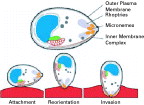
Merozoite invasion of erythrocytes is a critical step in the parasite life cycle (Fig. 4). The initial event is a low-affinity binding interaction between the surfaces of the two cells which appears to involve any region of the merozoite surface. This is followed by re-orientation of the parasite to achieve a juxtaposition of the parasite's apical end with the erythrocyte surface. A tight junction is formed at the apex, utilizing a different set of parasite proteins. This junction migrates circumferentially along the surface of the merozoite from apical to anti-apical end, powered by the parasite's actin-myosin motor, leading to invagination and shedding of the merozoite surface coat. The last step is the re-sealing of the erythrocyte membrane, forming the parasitophorous vacuole.
What is known about this critical parasite-host interaction is startlingly complex. In a recent review, Cowman and Crabb (2006) list 48 proteins associated with the merozoite surface and apical organelles: nine are GPI-anchored and are known or predicted to be located on the merozoite surface, including the major vaccine candidate antigen MSP1; all of these are potential erythrocyte ligands. Fifteen are peripheral surface proteins secreted into the parasitophorous vacuole prior to schizont rupture that become loosely associated with GPI-anchored proteins on the merozoite surface; some of these may share a role in the initial recognition and low affinity binding of merozoites to erythrocytes. Finally, there are 24 proteins associated with apical organelles (microneme, rhoptry and rhoptry neck proteins) that likely mediate a variety of functions including merozoite reorientation and high-affinity, irreversible binding between the merozoite apex and the surface of the erythrocyte. AMA1 is an important micronemal protein required for establishing the apical interaction and is a leading vaccine candidate (Triglia et al. 2000); another, the Duffy binding-like EBA175 protein, interacts with sialic acid residues on the surface of the erythrocyte and is thought to establish a high-affinity attachment (Orlandi, Klotz and Haynes, 1992).
Structural studies reveal that the binding domain of AMA1 resides in a highly conserved groove in the Region II that is surrounded by polymorphic residues presumably reflecting an evolutionary response to antibody-mediated selection (Bai et al. 2005, Tolia et al. 2005). While it is encouraging that the purported binding groove may have a conserved structure, it remains uncertain whether or not it will be possible to induce high titre antibody responses to antigenic determinants within the groove, due to the presence of multiple adjacent, polymorphic and possibly immunodominant epitopes.
This information challenges the idea that a simple subunit vaccine can be designed that will consistently block erythrocyte invasion. Single antigen approaches seem unlikely to afford high level protection, as the many antigens present on the merozoite surface appear to provide a level of redundancy regarding effective binding interactions. This supposition has been put to the test during 2006, when a key Phase 2b study of the blood-stage antigen MSP-1 conducted in Kenya by the Kenya Medical Research Institute (KEMRI) and the Walter Reed Army Institute of Research (WRAIR) was completed. The data from this trial, sponsored by United States Agency for International Development (USAID), MVI and GSK, have been unblinded and may be available by the time this review is published. If this leading blood-stage candidate antigen did not provide significant protection, a ‘second generation strategy’ will be required, based on what is known about the biology of erythrocyte invasion. Vaccine developers will be faced not only with the choice of which antigens to choose, but which potentially conformational epitopes will be essential to induce protective responses. The complexity of antigenic determinants, which can generate protective, neutral or anti-protective responses, has been eloquently demonstrated in the case of MSP-1 (Okech et al. 2004; Morgan et al. 2004).

Fig. 4. Reprinted with permission from Cell (Cowman and Crabb, 2006).
What has been learned does not necessarily bode well for vaccines. For example, many of the proteins involved in mediating the high affinity, irreversible binding between the merozoite apex and the erythrocyte surface are derived from the secretory organelles such as rhoptries or micronemes. Some of these proteins are not expressed on the merozoite surface in any quantity until apical reorientation has effectively created a zone of exclusion around the apical end. It may thus prove difficult for antibodies to access key parasite ligands exposed only within the protective barrier formed by the annealing of merozoite apex and erythrocyte surface, particularly as it may take less than a minute for the invasion process to be completed. The merozoite quickly escapes into the safe-haven of the parasitophorous vacuole, protected from the plasma behind the resealed erythrocyte membrane. This ‘just in time’ hypothesis of ligand exposure (Singh et al. 2006) casts doubt on the ability of vaccine-induced antibodies to exert anything more than a modest impact on high-affinity binding interactions underlying merozoite invasion, particularly if the vaccine is based on a single antigen. Because the evolutionary sculpting of the invasion process has been strongly affected by the danger to the parasite of exposure to antibodies in the extracellular milieu, it may prove extremely difficult to fully block the process via humoral responses. In sum, the more we learn about host-parasite biology, the more challenging the design of an effective intervention becomes.
A related barrier is the redundancy of receptor-ligand interactions. For a given malarial strain, one invasion ligand may be dominant (e.g. the reticulocyte binding-like homologue 2b, PfRh2b, in the 3D7 strain of P. falciparum), but if the pathway is blocked through gene disruption, the same strain shifts to an alternative invasion pathway that is normally available for use but not in evidence due to predominance of PfRh2b binding (Baum et al. 2005; Stubbs et al. 2005). This hierarchical arrangement of invasion pathways represents a potentially significant hurdle for the subunit approach. It is likely that molecular redundancy has evolved in response to both variant erythrocyte surface antigens (Miller et al. 2002) and the diversity of acquired immune responses exhibited by available hosts. It can be predicted that any vaccine that induces immune responses to only one among a number of alternate receptor-ligand interactions will achieve limited efficacy and select for parasite strains utilizing alternate pathways.
How to induce potent cell mediated immunity?
Vaccine developers have proven adept at inducing antibodies to neutralize key viral or bacterial molecules found in the extracellular compartment during the course of infection. Whether targeting capsid proteins, bacterial toxins or polysaccharides, a variety of methods are available to generate strong (even if not necessarily protective) humoral responses. The most common approaches are immunization with whole organisms, material isolated from whole organisms, or recombinant proteins formulated in adjuvant. In the case of malaria vaccines, RTS,S exemplifies the ability of recombinant protein plus adjuvant to induce high-titre antibody responses recognizing the target malarial protein, although it is important to note that antibody to the circumsporozoite protein, as measured by ELISA, may not be the primary determinant of the protective immunity afforded by RTS,S (Lalvani et al. 1999; Sun et al. 2003).
These various vaccine platforms have in common the delivery of pre-formed foreign protein into the interstitial space. The B lymphocyte receptor, immunoglobulin, recognizes linear or conformational epitopes, inducing B lymphocyte proliferation and differentiation leading to the production of antibodies. Humoral responses are generated with help from CD4+ T lymphocytes, which recognize epitopes bound by MHC class II molecules following endocytic uptake of the extracellular protein by antigen-presenting cells and its proteolytic fragmentation in the endosome/lysosomal compartment. T helper lymphocytes are particularly effective in supporting humoral immunity when differentiated into the TH2 phenotype, characterized by production of cytokines such as IL-4, IL-5, IL-6 and IL-10. Humoral responses, however, are unlikely to afford significant protection against the hepatic stages of the malaria parasite. As previously discussed, these stages are sequestered within the host cell and there is little evidence that neutralizing antibodies could have a significant protective effect.
In contrast, subunit vaccine technologies designed to induce the cell mediated immune responses for the clearance of intracellular parasites remain in the early stages of development, despite the recognition of their importance to malaria nearly twenty years ago (Egan et al. 1987). For example, although RTS,S does induce interferon gamma-secreting CD4+ (and to a lesser extent, CD8+ T lymphocytes) (Sun et al. 2003), the number of spot-forming cells in ELISpot assays is relatively low and the vaccine does not generate cytotoxic T lymphocyte responses (unless primed by DNA – see below). One approach to strengthening cell mediated immunity is to identify adjuvants that direct the immune responses engendered by recombinant proteins toward the induction of the TH1 rather than the TH2 CD4+ T cell phenotype. TH1 differentiated T helper cells produce IL-2, IFN-gamma, lymphotoxin and other cytokines that can be directly toxic for infected target cells, or can induce infected cells to destroy resident parasites, as in the case of interferon-mediated induction of nitric oxide. Recent studies by the Walter Reed Army Institute of Research (US Army) in collaboration with GlaxoSmithKline (GSK) have assessed the proprietary adjuvant system AS01B, which appears more potent for inducing interferon-gamma mediated (TH1-type) responses to RTS,S than AS02A (Pichyangkul et al. 2004). Studies are underway to compare the protective efficacy of RTS,S formulated in AS02A and AS01B in humans, and this approach of refining the adjuvant formulation for RTS,S may improve its protective efficacy against liver-stage parasites.
Also promising are approaches utilizing genetically coded antigens. With these technologies – exemplified by DNA plasmids, recombinant non-replicating poxviruses, adenoviruses and other viruses – the genetic material encoding the target protein is injected rather than the protein itself (Sedegah et al. 1994). For ‘naked’ DNA plasmids, this process is inefficient, with much of the injected material scavenged and likely destroyed by macrophages following inoculation into the interstitial spaces of the muscle (Dupuis et al. 2000); only a small proportion of the recombinant DNA molecules are taken up by host cells where the parasite proteins can be expressed. Viruses, on the other hand, have evolved to target host cells specifically, and when modified to serve as vaccine vectors, they can deliver genetic material into the host cell more efficiently than plasmids, although viral vectors have the drawback of diverting the immune response by simultaneously delivering genes encoding irrelevant viral proteins, and in fact may be neutralized by pre-existing antibody responses recognizing these viral proteins (Cohen, 2006).
All of these genetic strategies lead to the expression of malarial proteins within the host cell. Some of these undergo proteolysis within proteasomes, yielding short peptides (generally 9-mer) that are translocated into the rough endoplasmic reticulum, bound to MHC class I molecules, and brought to the cell surface for presentation to CD8+ T cells possessing the appropriate receptor. CD8+ T cells can differentiate into cytotoxic lymphocytes (CTLs) capable of lysing target cells that express the malarial antigen – exactly what is required to attack the intracellular hepatic stages of malaria. This non-phagocytic pathway for antigen presentation may be initiated via the direct transfection of antigen-presenting cells such as dendritic cells, or indirectly by transfection of muscle cells following intramuscular delivery of the genetic vaccine. In the latter case, muscle cells express the malarial antigen, enabling the cross-priming of professional antigen presenting cells.
As understanding of cell mediated immunity grows, it seems likely that technologies will be developed to adjuvant these genetic platforms; in fact, considerable progress has already been achieved. For example, the cellular uptake of DNA can be enhanced by formulating plasmids in cationic lipids such as Vaxfectin. Recent studies have shown that 0·008 μg of Vaxfectin-formulated DNA can induce interferon gamma responses to CS antigen, as measured by ELISpot assay, that are equally potent as those induced by 2 to 50 μg of unformulated DNA (Sedegah et al. 2006). Another approach is centred on providing ‘danger signals’ to the innate immune system, such as CpG oligonucleotides, that are recognized via toll-like receptors (TLRs; Hirunpetcharat et al. 2003; Kumar et al. 2004; Spirig et al. 2005; Mullen et al. 2006), or inflammatory cytokines (Weiss et al. 1998; Sedegah et al. 2000). TLR ligands can trigger molecular cascades that amplify and focus the incipient antigen-specific immune responses to both protein and genetic-based vaccines and hold promise for enhancing both antibody and cell mediated immunity, although their activation has also been associated with malaria pathogenesis (Adachi et al. 2001) and immunosuppression (Wilson et al. 2006). A major project lead by Professor Adrian Hill and supported by the Bill and Melinda Gates Foundation Grand Challenges in Global Health is underway at Oxford University and collaborating institutions in the UK and USA to systematically test a variety of molecular adjuvants that will be co-expressed with antigen in DNA, poxvirus and adenovirus vectors in an effort to increase the potency of these vaccines for inducing cell mediated immune responses (http://www.well.ox.ac.uk/hill/GCGH.shtml).
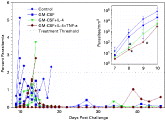
Perhaps most promising for inducing strong cell mediated immunity are heterologous prime-boost approaches, in which the identical antigen is delivered sequentially utilizing different vaccine platforms. For example, an initial series of immunizations with DNA plasmids encoding malarial antigens may be employed to prime the immune response; after a sufficient interval, the immune response is then boosted by a recombinant poxvirus encoding the same malarial antigens. This approach has achieved unprecedented levels of protection in murine (Schneider et al. 1998, 2001; Sedegah et al. 1998, 2002) and non-human primate (Rogers et al. 2002) models, and is now being extensively studied in humans. In the case of RTS,S/AS02A, which by itself induces primarily antibody and CD4+ T cell responses, priming with DNA increases the breadth of the immune response in humans to include the induction of CTL (Wang, R., Goschnick and Coppel, 2004). Possibly the most exciting results have been achieved in the rhesus monkey/P. knowlesi model, in which a DNA prime, poxvirus boost vaccine including two pre-erythrocytic and two erythrocytic stage antigens yielded 20% sterile protection and an additional 60% protection against severe disease and death, enabling the majority of monkeys to self-cure the normally rapidly lethal P. knowlesi infection (Fig. 5). Recent studies have confirmed this finding of high level efficacy, with 60% sterile protection achieved in one experiment (Jiang, unpublished).

Fig. 5. The Pk4 vaccine, developed to immunize rhesus monkeys against the highly virulent P. knowlesi, represents a model for the multi-antigen, multi-stage vaccine conceptually illustrated in Fig. 3. The vaccine consists of two antigens from the pre-erythrocytic stages of P. knowlesi, CSP and SSP2/TRAP, and two antigens from the erythrocytic stages, AMA1 and MSP1-42. Several versions of the vaccine have been tested in prime/boost combinations, including DNA plasmids, recombinant poxvirus-vectored constructs (using COPAK, a mammalian poxvirus derived from vaccinia), and recombinant adenovirus-vectored constructs. One regimen, DNA prime/COPAK boost, has been evaluated in multiple studies, and consistently shows protection against lethal sporozoite challenge (Rogers et al. 2002; Weiss, unpublished; Jiang, unpublished). The figure shows the parasitaemia curves for four immunized and eleven control monkeys following intravenous challenge with 100 P. knowlesi sporozoites. The vaccine regimen consisted of four injections with DNA followed by one with COPAK. Some of the animals received plasmids encoding inflammatory cytokines as part of the DNA immunizations. Following challenge, two out of eleven vaccinees were completely protected (flat curves), seven were able to self cure (82% protection overall), and only two required treatment (as did all five controls) to prevent death (Rogers et al. 2002). The inset graph shows parasitaemia curves averaged for animals in the control group and each of the three experimental groups, which differed in terms of the cytokines included in the DNA component of the vaccine. Statistically significant differences between the level of parasitaemia in vaccine groups and the controls are indicated by asterisks. These differences presumably indicate the effect of the pre-erthrocytic-stage components of the vaccine, which apparently reduced liver-stage burden and therefore the number of merozoites released from the liver (as predicted in Fig. 3). The ability to self-cure presumably reflects the protective effect of the erythrocytic stage components of the vaccine. DNA and recombinant poxvirus are not effective when used alone.
In a remarkable series of clinical studies, investigators at Oxford University have demonstrated the ability of heterologous prime-boost approaches to greatly reduce liver stage burden (by 87%) and, in a few cases, provide sterile protection following P. falciparum sporozoite challenge in humans (Dunachie and Hill, 2003; Gilbert et al. 2006; Webster et al. 2005; Dunachie et al. 2006). Volunteers were immunized with a variety of prime-boost regimens using vaccines encoding the pre-erythrocytic stage antigen TRAP/SSP2 fused to a multi-epitope (ME) string of linked T and B cell epitopes (ME-TRAP). DNA and fowlpox constructs were used for priming, and MVA constructs provided the most effective boost. In some (but not all) cases, the reduction in liver-stage burden achieved by vaccination, as measured by delay in the onset of parasitaemia, correlated more closely with cultured ELISpot responses than with ex vivo ELISpot responses, indicating central memory T lymphocyte populations present at the time of sporozoite challenge may be more important for maintaining protection that circulating effector T lymphocytes (Reece et al. 2004; Keating et al. 2005). Thus, although the prime-boost regimens studied at Oxford increase the magnitude of cell mediated responses five to ten fold relative to homologous regimens (McConkey et al. 2003), it has been difficult to identify precisely which T cell populations mediate protection. Interestingly, prime-boost regimens with CS protein as the antigen have not proven as protective as ME-TRAP (Dunachie et al. 2006; Walther et al. 2006), but this may reflect levels of expression and not necessarily intrinsic properties of the antigens.
DNA prime/MVA boost delivery of the Oxford ME-TRAP antigen was tested for protective efficacy in a Phase 2b study conducted in The Gambia in partnership with the Medical Research Council but, disappointingly, showed only 10·3% efficacy relative to controls, with wide confidence intervals (Moorthy et al. 2004b). A slightly altered regimen, fowlpox prime/MVA boost, has appeared more effective than DNA prime/MVA boost for inducing interferon-gamma responses (Vuola et al. 2005) and for affording protection against experimental challenge (Bejon et al. 2005), with two out of five volunteers sterilely protected in one study (Webster et al. 2005). This regimen has now been evaluated in Kenya for its ability to protect against clinical disease under conditions of natural challenge.
Given these encouraging results, it is likely only a matter of time before prime-boost regimens are optimized and higher levels of protection achieved. One of the most promising avenues is recombinant adenovirus vectors, which simultaneously induce strong humoral and cell mediated immunity, and which can protect after a single immunization and serve effectively as either the prime or the boost in heterologous regimens. These findings in animal models utilizing adenovirus alone or in prime-boost regimens (Bruna-Romero et al. 2001, 2004; Gilbert et al. 2002; Ophorst et al. 2006) have encouraged the development of vaccines for human testing. The US Navy in partnership with GenVec Inc., Gaithersburg, Maryland, has obtained allowance for the clinical evaluation of an adenovirus-vectored vaccine (serotype 5) encoding CS protein and AMA1 which will initially be tested in humans in one and two dose homologous regimens and subsequently in prime-boost combination with DNA. Another adenovirus vector encoding the CS protein, derived from a less common serotype (35), is likewise slated for clinical testing in 2006, sponsored by the National Institutes of Health in partnership with Crucell Inc., Leiden and Vanderbilt University in Nashville. A major effort is underway at Oxford University, led by Adrian Hill, to develop adenovectors based on serotypes that infect non-human primates, to further develop this powerful vaccine platform while avoiding the problem of pre-existing immunity to the viral backbone. This work complements other efforts to devise strategies for overcoming pre-existing immunity. Data from the HIV research community suggest that this problem may eventually be circumvented by a variety of approaches (Cohen, 2006), including the construction of chimeric viruses which combine the hexon structures from different serotypes (Roberts et al. 2006). Applying these techniques to adenovectored malaria vaccines, GenVec in partnership with the US Navy and with support from the Malaria Vaccine Initiative is testing a variety of vector architectures for their ability to induce protective immune responses in the face of pre-existing immunity.
In the years ahead, it is hoped that partnerships can be formed to facilitate the prime-boost combination of adenovirus and recombinant protein, which would combine the strongest platforms for generating cell mediated (Maeda et al. 2005) and humoral immunity, respectively. Studies in rhesus monkeys demonstrate that indeed such regimens can generate strong cell mediated immunity while at the same time maintaining the induction of high levels of antibody (Ann Stewart, personal communication). The combination of adenovirus and poxvirus also appears to be particularly effective in animal models (Bruna-Romero et al. 2001); as yet there are no published studies of this heterologous combination tested in humans, and the results of such studies are eagerly awaited.
Defining immunological correlates of protection
Malaria vaccine developers are fortunate to have at their disposal a human challenge model for measuring the protective efficacy of candidate vaccines. Volunteers are bitten by infectious mosquitoes in a controlled laboratory setting, and then followed closely for the development of parasitaemia. Although P. falciparum is a potentially lethal infection, it can be treated promptly as patent parasitaemia develops thereby avoiding significant risk to the volunteer, who may experience one or two days of flu-like illness but in most cases can continue routine daily activities (Church et al. 1997; Verhage et al. 2005). This challenge model is particularly useful for pre-erythrocytic stage vaccines, which, if highly effective, will prevent parasitaemia altogether and, if partially effective, will delay its onset by reducing the number of parasites emerging from the liver (Hermsen et al. 2004; Bejon et al. 2005). To study blood-stage vaccines, volunteers have been challenged directly with blood-stage parasites (Cheng et al. 1997), although the relevance of both sporozoite and blood-stage challenge for evaluating the protective efficacy of blood-stage vaccines is limited due to the fact that prompt treatment of volunteers prevents an assessment of clinical severity.
The primary drawbacks of the human challenge model are the time and expense required to manufacture the vaccine, test its safety in animals, obtain regulatory approval and conduct the clinical trial. These requirements would become prohibitive if all vaccine candidates were to be assessed in the clinic. In addition, a negative public perception develops if many candidate vaccines fail in a clinical setting, and this would be counter-productive. Therefore, in order to justify clinical testing, a great deal of pre-clinical work is required, including the establishment of go/no go criteria applied to the outcome of testing in animal models in order to restrict the number of candidates brought forward. In most instances, however, the limitations of animal models, which by and large require the use of animal malarias, make this a frustrating exercise as there are few cases where the behaviour of either parasites or the vaccines that target them reliably foreshadows what is later found to be true in humans.
This poor correspondence between animal and human malarias likely reflects the highly co-evolved biology of each host-parasite relationship. For example, orthologous antigens, if they exist at all, may not play precisely comparable roles in animal and human malarial species. Similarly, vaccine platforms, particularly if they involve ligand-receptor interactions such as the host-cell targeting of viral vaccine vectors, may not prove equally efficacious in different host species, or may not induce comparable types of immune responses. Adjuvants, or other immunostimulators such as inflammatory cytokines, may likewise have species-specific effects, as indicated by the markedly enhanced protection afforded by murine Granulocyte Macrophage-Colony Stimulating Factor (mGM-CSF) when combined with a DNA vaccine in mice and the absence of protection when the human orthologue (hGM-CSF) was studied with similar plasmids in humans (Wang et al. 2005). The field of animal models is muddied by the fact that almost no laboratories are studying matched host species pairings, either because the natural host is not readily available (e.g. African thicket rat), or because parasitaemias are chronic and low grade and thus difficult to study (e.g. P. knowlesi in the crab-eating macaque). The landscape may change, however, with recent publications describing the genetic modification of rodent hosts, enabling the establishment of human hepatocytes in their livers; these ‘humanized’ mice are able to support the development of P. falciparum hepatic stages (Morosan et al. 2006; Sacci et al. 2006), and may represent a significant step in the improvement of animal models for a variety of purposes.
The limitations of animal models emphasize the need for an immunological correlate of protection, in order to allow the definitive testing of a vaccine by measuring its immunogenicity without the need to study animal malarias or perform human challenge trials. While the lack of a correlate has been considered a major roadblock (Malaria Vaccine Technology Roadmap, 2005), there are many vaccines on the market providing excellent protection against a variety of infectious diseases for which the mechanism of protection has not been clearly elucidated; therefore identifying an immunological correlate of protection should not be considered a prerequisite to success. In addition, models of protection against malaria, such as the irradiated sporozoite model, suggest that high level protection may require the summed effect of multiple low level immune responses against a number of antigens and, in fact, the protective signature for each vaccine recipient protected by irradiated sporozoite immunization may be unique based on that individual's HLA haplotype. In this case, attempting to identify a correlate of protection would be futile. On the other hand, it would still be worthwhile to identify the mechanism of protection for subunit vaccines such as RTS,S. Such knowledge would help to direct efforts to improve this particular vaccine, permitting its optimization without resorting to clinical testing at every step. The need for such potency assays utilizing a surrogate for protection has been explicitly recognized by the malaria vaccine community (Giersing et al. 2006).
Unfortunately, identifying clear immunological correlates of protective efficacy has proven difficult. RTS,S serves as a good example. Some studies have shown a degree of association between antibody levels and protection (Ballou et al. 1987; Gordon et al. 1995; Stoute et al. 1997), but this finding has not been consistent. For example, formulation of RTS,S in the adjuvant AS02A resulted in significantly greater protective efficacy than formulation in a similar adjuvant lacking the immunostimulants monophosphoryl lipid A and QS21, but the anti-CS antibody titres were comparable for both vaccines (Stoute et al. 1997). Moreover, there was no association between antibody levels with protection when protected volunteers were re-challenged six months later (Stoute et al. 1998). As another example, in the Mozambique study described in Box 1, there was no association between antibody levels to the CS protein and protection against clinical illness (Alonso et al. 2004). Current evidence suggests that interferon-gamma responses induced in CD4+ (and possibly CD8+) T cells by RTS,S contribute significantly to both short- and long-term protection (Lalvani et al. 1999; Sun et al. 2003; Reece et al. 2004), and that the inclusion in the vaccine of the C-terminal flanking region which contains T cell epitopes is likely critical to the vaccine's ability to induce protective responses (Heppner et al. 2005). A tentative conclusion that can be drawn from these data is that both humoral and cell mediated immunity contribute to the protection afforded by RTS,S/AS02A, with their relative importance depending on the pre-existing immune status of the individual and also other, as yet unidentified, host-specific factors. Providing a ray of hope for establishing a clear correlate, immune assays emphasizing function may show tighter associations; for example, the titre of RTS,S-induced opsonizing antibodies provided a stronger correlate of protection than total antibody responses (Schwenk et al. 2003). There is general agreement that functional assays such as this one may prove most useful for predicting protective efficacy (Crabb and Beeson, 2005; Marsh and Kinyanjui, 2006).
A detailed analysis of gene expression profiles reflecting multiple immune parameters can now be conducted through the use of microarrays. There is a reasonable possibility that gene expression patterns measured following immunization will accurately predict whether or not a vaccine recipient has developed a protective immune response, and indeed such studies are being undertaken in conjunction with leading vaccines in an effort to correlate expression profiles with protection following sporozoite challenge. The expression patterns of hundreds of genes represent a considerably more complex variable than the simple antibody titre or ELISpot response sought as a surrogate marker for protection, and their usefulness has yet to be defined.
In summary, each protective vaccine that is developed will provide opportunities to search for the correlates of protection, and the identification of such a correlate would aid in the optimization of that particular vaccine. In contrast, the goal of identifying a universal correlate of protection may never be achieved for this complex, multistage parasite.
Parasite (and host) heterogeneity
Many parasite proteins exhibit polymorphism (Mahajan et al. 2005), based in some cases on the existence of multiple, non-synonymous copies of a single gene that are alternately expressed by a single parasite clone, and in other cases on the existence of multiple allelic variants located a single genetic locus. For example, P. falciparum contains approximately 50 different copies of the gene for the variable surface antigen PfEMP1 in each genome. During a chronic infection, successive waves of parasitaemia express variant PfEMP1s, enabling the parasite to multiply despite the antibody directed against the preceding parasitic wave (Saul, 1999; Kyes, Horrocks and Newbold, 2001). One the other hand, proteins such as MSP1 and AMA1 exist as single copy genes in each P. falciparum genome but occur as allelic variants that often differ from strain to strain. Thus a given parasite clone possesses a unique blueprint of variant antigens.
It is thought that this diversification of antigenic determinants contained within key molecules that interface with the host immune system is one of the evolved mechanisms enabling malarial parasites to evade host immunity. A given parasite strain expressing its own set of variant antigens should have improved fitness in a human host possessing a repertoire of acquired immune responses stemming from previous infections with other strains expressing different sets of variant antigens relative to the fitness it would have if the antigenic determinates on all strains were the same. The wide acceptance of this concept is reflected by the common assumption that the discovery of variant T cell and B cell epitopes in a parasite protein is prima face evidence of the effects of natural selection and therefore indicates the importance of that protein as a target antigen. This presents a second conundrum for vaccine developers: epitope diversity simultaneously conveys both the importance of the epitope and a lack of cross-protection (otherwise there would be no selection pressure to favour the persistence of the variant). Thus, the vaccine designer faces a quandary whether to attempt to include each variant in the vaccine formulation, or to settle for an imperfect vaccine that, if widely deployed in endemic areas, could select for the expansion of parasites with variant parasite proteins not included in the vaccine, leading to loss of efficacy.
Clinical trials conducted in endemic areas have shown exactly this type of effect. The vaccine Combo B, which contains three recombinant P. falciparum blood-stage proteins (ring–infected erythrocyte surface antigen and two merozoite surface proteins, MSP1 and MSP2) formulated in the oil-based adjuvant Montanide, was studied in a phase 1/2b double-blind, randomized, placebo-controlled trial in 120 five to nine year-old children in Papua New Guinea. In a subgroup not receiving pretreatment with sulfadoxine-pyrimethamine, there was a 62% (95% CI: 13–84%) reduction in parasite density which could be largely explained by a reduction in the number of infections carrying the vaccine strain (3D7) allelic form of MSP2. The increased proportion of non-vaccine strain (FC27) allelic forms in vaccine recipients and associated morbid episodes suggested that the vaccine exerted a selection pressure that immediately altered parasite population structure. This finding argues strongly in favour of developing vaccines comprising conserved antigens and/or multiple components covering all important allelic types (Genton et al. 2002).
In addition to improving parasite fitness in the face of naturally acquired immunity, variant antigens may expand the host range with regard to genetically determined host traits, many of which affect the clinical severity and presumably the transmissibility of the infection, such as sickle cell trait (Jones, 1997) or the genetic determinants of cytokine or toll-like receptor expression phenotypes (McGuire et al. 1994; Hill, 1999; Mockenhaupt et al. 2006).
An important component of this host diversity is represented by the major histocompatibility complex, a group of genetic loci responsible for the genetic restriction characterizing cell mediated immune responses and containing more allelic variants than any other loci in the human genome. Cell mediated immunity is essential for targeting hepatic stage parasites, as has been discussed, and may also be integral to protection against blood stages (Pombo et al. 2002). The diversity of class I and class II antigens encoded by the MHC means that the peptide sequences in a given parasite protein that successfully stimulate a cell mediated immune response for a given recipient will vary according to that person's HLA haplotype, and this contention is supported by evidence linking the presence of HLA class I alleles with resistance to severe malaria (Hill et al. 1992).
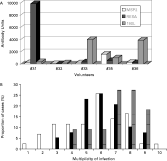
This combination of parasite and host diversity presents a formidable barrier. It is easy to ignore its looming importance when engaged in the early stages of vaccine testing, when any degree of protection, including against the parasite strain that is homologous with the vaccine strain, is viewed as a major success. In natural infections, however, when a single antigen is examined via PCR and restriction enzyme digestion, the multiplicity of infection (number of alleles present for a given antigen) may easily reach half a dozen or more (Henning et al. 2004; Jafari-Guemouri et al. 2005, 2006; Ana et al. 2006; Mwangi, Omar and Ranford-Cartwright, 2006; Fig. 6B). It is thus of great importance to test the efficacy of vaccines under natural conditions, where the challenge provided is highly diverse. In this light, the success of RTS,S in Mozambique is encouraging but, as yet, we cannot predict what will happen to the efficacy of this vaccine over the long term. It would appear likely that wide deployment in endemic areas would favour parasite strains with variant CS alleles. These issues are seen by some as almost insurmountable and, indeed, provide impetus for radically different approaches to vaccine design, particularly if it is proven in the years to come that extensive use of subunit vaccines leads to loss of efficacy.

Fig. 6. A. One barrier to subunit vaccines is the variation among individuals in their response to vaccine antigens. The figure provides antibody responses in five consecutive volunteers (volunteer 34 was a placebo recipient) receiving a mixture of 50 μg of each of three malaria antigens in Montanide ISA720 (the 190L fragment of MSP1, MSP2 and RESA), followed by a boost of 20 μg of each antigen. Similar diversity of responses was seen in volunteers who received antigens separately. This variability may reflect diverse genetic backgrounds. Reprinted with permission from Vaccine (Saul et al. 1999). B. A second barrier is presented by the variation among strains of malaria. The figure provides the number of parasite genotypes identified in Senegalese women at delivery (combining genotyping data from MSP1 and MSP2), as measured in peripheral (black), placental (white), and cord (hatched) blood samples. Whether or not a vaccine derived from one allele of either antigen will protect with equal potency against all the other alleles present in the same host is not known, but would appear to be unlikely, depending on the degree of antigenic variability among the alleles. Reprinted with permission from the Journal of Clinical Microbiology (Jafari-Guemouri et al. 2005).
There may however be a silver lining to this clouded horizon of parasite heterogeneity. One could take the contrary view regarding variant antigens: rather than deciding that variation indicates the importance of the antigen and then try to design a vaccine including all known variants, one could select invariant antigens that play critical roles in parasite biology, even if those with naturally acquired immunity show no recognition of these antigens. It could be, for example, that the binding of certain parasite ligands to host receptors on Kuppfer cells, hepatocytes, erythrocytes and other cell types etc. is so critical to parasite fitness that mechanisms have evolved to prevent entirely the presentation of these antigens to the immune system. This could be the case, for example, for apical merozoite proteins that are not expressed on the surface of an invading parasite until after relatively non-specific binding interactions have formed a seal between parasite and the host cell, excluding the access of lymphocytes or antibodies from any contact. Invariant, immunologically silent antigens might therefore be the ideal vaccine candidates. These considerations wave a flag of caution to those using sera or cells from naturally immune individuals as a screening tool for antigen selection. Antigens that these sera and cells do not recognize may be the best candidates.
How to combine antigens and maintain potency
Many of the considerations raised so far suggest that multivalent vaccines will be needed in order to achieve high level protection against malaria. These include: the theoretical advantages of a multi-antigen multi-stage design (Fig. 3); the anticipated need to block multiple processes in a targeted parasite-host interaction; the presence of heterogeneity in leading candidate antigens and the genetic restriction of cell mediated immunity.
A classic study by Doolan in inbred mice demonstrated the principle that antigen combinations can circumvent the problem of genetic restriction (Doolan et al. 1996). A particular antigen, for example, might induce protective responses in one inbred mouse strain but not in another, presumably because the former strain's T cell receptors can bind to an epitope present in the antigen while the latter strain's T cell receptors cannot. A different antigen, on the other hand, might protect the second mouse strain because it does contain suitable epitopes. If the two antigens are combined, protective immunity can be induced in both mouse strains simultaneously, due to additive protective effects derived from the two antigens. In the case of humans, this principle may explain the variable immunogenicity data typically obtained in vaccine trials. Fig. 6 shows the differential response of several vaccinees to a formulation of three antigens (Saul et al. 1999); it is evident from these data that in order to provide the possibility of protection to each individual, it was important to combine multiple antigens in the vaccine.
To date, it has proven difficult to identify additive or synergistic protection against malaria using antigen combinations in humans. RTS,S, for example, has been combined with the recombinant proteins SSP2/TRAP and MSP142, in two different experimental challenge trials, in an attempt to improve protective efficacy. In neither case was there evidence of enhanced protection against infection (Heppner, 2004; Heppner et al. 2005). The Combo B vaccine mentioned earlier, which consists of three recombinant proteins derived from MSP1, MSP2 and RESA, reduced parasite density by 62% in one vaccine group, but did not significantly reduce malaria prevalence or the incidence rates of parasitaemia or clinical episodes (Genton et al. 2002). Both the US Army and the Malaria Vaccine Development Branch (MVDB) at the National Institutes of Health are developing recombinant blood-stage antigens in which major antigenic variants (3D7, FVO) are produced separately with the intent to combine them into a single vaccine (Malkin et al. 2005b; Mullen et al. 2006); the efficacy of the combinations has not yet been assessed. The Second Military Medical University in Shanghai, China has developed a recombinant fusion protein consisting of portions of AMA1 and MSP1 and plans to combine this fusion protein with recombinant EBA175 in order to block multiple host-parasite binding interactions associated with erythrocyte invasion (Zhang and Pan, 2005). Combinations of short or long synthetic peptides have also been tested. These are easier to produce than recombinant proteins, but provide shorter sequences of amino acids and lack native conformation. SPf66, a vaccine combining three synthetic peptides absorbed on alum (Patarroyo et al. 1988) initially showed promising results when tested in areas of low endemicity in South America and in children in Tanzania, delaying the onset of clinical episodes, but demonstrated no efficacy in subsequent trials (Graves and Gelband, 2006). Several additional peptide-based vaccines for both P. falciparum and P. vivax are undergoing clinical testing (Lopez et al. 2001; Audran et al. 2005; Druilhe et al. 2005; Herrera et al. 2005). The US Centers for Disease Control and Prevention has developed a protein-based epitope string representing multiple antigens and multiple stages (FALVAC-1), but this construct showed only marginal protective efficacy following blood-stage challenge in the Aotus monkey model (Collins et al. 2005).
Recognition of the potential value of combining multiple antigens has contributed to the enthusiasm for genetic approaches to vaccine design, due to the fact that optimized manufacturing processes for a particular genetic vector usually remain unaffected by which transgene is inserted into the expression cassette, thereby reducing the expense and complexity of producing multiple constructs. The combination of DNA plasmids was pursued by the Naval Medical Research Center in partnership with Vical Inc. in a programme called MuStDO (Multi-Stage DNA vaccine Operation) (Doolan and Hoffman, 2001; Kumar et al. 2002a). The initial clinical trial testing the efficacy of a five plasmid mixture of pre-erythrocytic-stage antigens showed no protection, although the vaccine did provide effective priming, manifested by the boosting of immune responses recorded after vaccinees were exposed to malaria during experimental challenge (Wang et al. 2005). The multi-epitope string, another way to combine antigens using genetic approaches, has been tested clinically by Oxford as described above (ME-TRAP antigen), without much evidence that it adds to the protection afforded by the associated TRAP antigen. More refined multi-epitope constructs are now in development at the National Institutes of Health and the Chinese Academy of Medical Sciences (Cai et al. 2004). The NIH construct combines an array of T and B cell epitopes derived from several malarial antigens carefully selected for high binding affinity to major HLA supertypes, in order to assure broad population coverage for the vaccine. In addition, spacers have been placed between epitopes for optimal expression and immunogenicity (Sette et al. 2002). Multi-epitope strings can be used to incorporate variant alleles, thereby providing a strategy for addressing the problem of antigen heterogeneity. Lending support to this approach are data demonstrating the ability of multi-epitope combinations derived from DNA expression libraries to provide cross-strain protection in the murine/P. chabaudi adami model (Scorza et al. 2005).
Like DNA plasmids, viral vectors have been pooled. As described above, the Naval Medical Research Center is currently testing a combination of two adenovectors, one encoding CSP and the second AMA1, to test the principle of multistage vaccine design. Another promising approach is to utilize the full capacity of a single vector to encode and express multiple transgenes simultaneously. This promising approach was taken in a collaboration between the Walter Reed Army Institute of Research, Virogenetics and Connaught Laboratories with the NYVAC Pf7 vaccine, a single poxvirus encoding three pre-erythrocytic (CSP, TRAP/SSP2, LSA1), three blood-stage (MSP1/AMA1/SERA) and one sexual stage (Pfs25) antigens. This vaccine completely protected one out of 35 volunteers and significantly delayed the onset of parasitaemia in others (Ockenhouse et al. 1998). While this result led to dropping the vaccine from further development, it would be interesting to combine NYVAC Pf7 in heterologous prime-boost approaches with other platforms such as DNA, fowlpox or adenovirus, to see if immunogenicity and protection could be enhanced. Currently, the Naval Medical Research Center, in partnership with the Malaria Vaccine Initiative, is optimizing adenovirus vectors for the expression of multiple antigens, and it is hoped that with further development, vectored approaches such as these will allow the simultaneous delivery of multiple antigens and the induction of potent immune responses against each, particularly if prime-boost approaches are pursued.
Multi-cistronic constructs avoid the ‘automatic dose deduction’ that accompanies pooling plasmids, adenovectors or recombinant proteins. For example, the limiting concentration for DNA dissolved in one milliliter of phosphate buffered saline injectate is on the order of 2·5 to 3·0 mg. If five plasmids are included in a mixture, the dose per plasmid is cut by five, and this could significantly affect potency. The need to develop methods for improving potency in order to allow for the reduced doses associated with multi-construct vaccines underscores the importance of technologies such as cationic lipid formulation (Sedegah et al. 2006). An intriguing alternative possibility is the use of oral immunization, for which there are fewer constraints on the volume administered (Wang, L. et al. 2004).
One of the barriers facing antigen combinations is the issue of antigen compatibility. It has been demonstrated in murine models that the individual components of a plasmid cocktail may interfere with each other. A mixture may contain ‘bad actors’ that need to be identified and removed to enable the expression of the remaining constructs. Current approaches to assure compatibility utilize the experimental mouse model where the ability to conduct multi-armed studies with reasonable sample sizes allows the assessment of how each antigen affects the expression and immunogenicity of the others (Sedegah et al. 2004a,b). These studies emphasize the importance of optimizing antigen combinations prior to the manufacturing and testing for human use.
In summary, antigen mixtures are a good idea, but to date no multi-antigen vaccine tested in the clinic has been able to induce strong immune responses against each component simultaneously in more than a few volunteers; nor has any vaccine, single or multi, succeeded in simultaneously inducing levels of both antibody and cell mediated immunity in humans that equal the gold standards protein in adjuvant and prime-boost genetic vaccine combinations, respectively; nor has any multi-antigen vaccine yet provided significant protection in humans, despite promising results in non-human primates (Rogers et al. 2002).
TRANSMISSION BLOCKING SUBUNIT VACCINES
One of the most intriguing concepts for a malaria vaccine is to induce antibodies to malarial proteins that are newly expressed in the mosquito midgut; these antibodies are passively imbibed during the blood meal and act in the mosquito midgut to prevent transmission (Stowers and Carter, 2001; Kaslow, 2002; Tsuboi et al. 2003). This approach does not directly protect the vaccinee, but would be useful for malaria control or eradication. The intriguing aspect of this approach is that it bypasses the conundrum posed by host-parasite co-evolution and associated immune-evasion strategies: if the midgut antigens are never expressed in the human host, then no selection pressure has existed to avoid the human immune response; passively acquired antibodies thus might readily block receptor ligand interactions, such as those involved in the joining of micro and macrogametes. Transmission blocking vaccines can thus be viewed as the vaccine equivalent of catching the enemy with its pants down, and should prove highly effective. In addition to obviating concerns regarding immunoevasion, this approach circumvents the need to generate strong T cell immunity, since the parasites are free in the mosquito midgut and not protected within host cells. As with other subunit approaches, however, detailed knowledge of parasite biology and the combining of more than one antigen may be keys to success.
Immunization with candidate antigens expressed in the mosquito midgut does indeed induce transmission blocking immunity in animal models (Coban et al. 2004; Arevalo-Herrera et al. 2005; Arakawa et al. 2005; Collins et al. 2006), and clinical trials of leading candidates are now in progress (Malkin et al. 2005a). While some of these antigens have proven hard to express (Tsai et al. 2006), the field has benefited from the existence of a robust transmission blocking assay, in which antibodies to vaccine constructs generated in animals or humans can be added to gametocyte cultures and tested for their ability to inhibit transmission following membrane feeding by the mosquito vector (Sattabongkot et al. 2003; Van der Kolk et al. 2005). It is hoped that this assay will provide a predictive surrogate for the efficacy of transmission-blocking vaccines in the field.
ATTENUATED ORGANISM VACCINES: AN EMPIRICAL APPROACH
Attenuated organism vaccines are the most successful vaccines licensed to support human needs (Good, 2005a). In many cases, these vaccines have been licensed in many countries and been used for decades without a clear understanding of either the antigens or the immune mechanism responsible for protection. Scarification with vaccinia virus to protect against variola infection is a case in point. Vaccinia expresses hundreds of proteins, yet the antigenic targets and mechanisms of protective immunity are not clearly identified. Cell mediated immunity is believed critical to the clearance of primary infections, while antibody responses are thought to protect against subsequent re-infection (Belyakov et al. 2003). In a recent study, peripheral blood mononuclear cells donated by 31 recipients of Dryvax (vaccinia virus) responded in ex vivo interferon gamma ELISpot assays to 48 epitopes derived from 35 different vaccinia antigens, in the context of a variety of HLA alleles (Oseroff et al. 2005). It would appear likely that should these volunteers become infected with variola virus, each protected volunteer would clear their infection based on immune responses directed against a variety of epitopes and antigens, and that the protective immunological signature could possibly be unique for each individual. Vaccinologists are now striving to better understand the mechanism of protective immunity induced by vaccinia virus, but this is motivated not by a need for improved efficacy, but rather by the fact that the risk-benefit ratio for Dryvax is not currently favourable, and a safer (possibly subunit) vaccine would be more acceptable for mitigating the threat of purposeful or accidental variola virus release.
Of note, the origin of this highly successful vaccine – the observation that milkmaids were protected against variola following exposure to cowpox – requires almost no understanding of host biology, pathogen biology, immunology or vaccinology. The vaccine works, it is reasonably safe, and nothing more is required. The power of this alternative, empirical paradigm is immediately evident, leading to the question: can the same type of vaccination strategy be developed for malaria?
An attenuated organism vaccine for malaria would appear to circumvent most of the barriers facing subunit vaccines. First, if the vaccine were protective, there would be no requirement for additional knowledge regarding host or parasite biology, nor for understanding the mechanism of protective immunity. Second, we know from the highly protective irradiated sporozoite vaccine, which acts against the pre-erythrocytic (sporozoite and hepatic) stages of infection, that the potency of cell mediated immunity generated by an attenuated organism appears to be sufficient. Third, the outcome of cross-strain challenges suggests that the immunity induced by the irradiated sporozoite vaccine is cross-protective, circumventing the problem of antigen heterogeneity. Fourth, it is self-evident that multiple antigens are successfully combined in an attenuated organism, since it has the potential to present to the host immune system all or nearly all of the parasite proteins expressed by that particular stage, solving the problem of antigen combination. The presentation of multiple antigens should overcome the barrier presented by host and parasite heterogeneity, provide a reserve of protection for individuals of diverse HLA types, and mitigate against the evolution of resistance to the vaccine. Although we lack an immunological correlate of protection for the irradiated sporozoite vaccine, this is not a prerequisite to successful vaccine development, as has been pointed out. Finally, we have proof of principle that the vaccine works. The world's literature, although scant, is nevertheless impressive: of the fourteen individuals immunized with more than 1000 infectious bites and challenged within ten weeks of immunization, 13 (93%) were sterilely protected against first challenge and were subsequently protected against 20 of 21 (95%) additional challenges (Hoffman et al. 2002).
One of the outstanding questions regarding the irradiated sporozoite vaccine is the duration of protective immunity. In previous studies, all volunteers were first challenged within ten weeks of immunization. Although additional challenges were carried out at intervals of up to 42 weeks (in nearly all cases showing sterile protection), these were all second challenges. Thus it is not clear that a traveller, for example, who received an immunization with this vaccine but was not promptly exposed to the parasite, would be protected if the primary exposure took place several months later while on a trip to a malaria-endemic area. For residents of endemic areas, this uncertainty regarding the need for exposure in order to assure duration of immunity is less of a concern, especially in areas of high transmission, because vaccinees would be exposed to infectious sporozoites during immunization and promptly following immunization, and under these conditions the available evidence suggests that the vaccine would induce long-lasting immunity.
Other attenuated organism vaccines have also shown protection. In 2002, Pombo et al. reported protected against P. falciparum blood-stage challenge in humans following immunization with repeated low-level blood stage infections. This was achieved by providing small inocula of cryopreserved P. falciparum-infected erythrocytes followed by drug treatment. Interestingly, protection appeared to be mediated by cellular rather than humoral immunity (Pombo et al. 2002), as is likely the case with irradiated sporozoites. As a second example, intriguing new data from genetically disrupted rodent malaria sporozoites studied in mice indicate that genetic attenuation may also result in highly protective vaccines (see below). With mounting evidence that attenuated organisms may provide a viable strategy for vaccine development, what are the barriers faced by this approach? In the discussion that follows, radiation attenuated sporozoites are used as the example.
BARRIERS TO THE RADIATION-ATTENUATED SPOROZOITE VACCINE
Sanaria Inc., a biotechnology company located in Rockville, Maryland, is attempting to overcome the logistical challenges that until now have restricted the irradiated sporozoite vaccine to model status. Administered via the bites of mosquitoes, it had never been clear how sporozoites could be isolated in sufficient numbers from mosquito salivary glands, how they could be purified from salivary gland debris, how they could be quality controlled and how they could be stored in stable condition, in order to generate a licensable, commercially viable biopharmaceutical, particularly for use in developing countries where the challenges of cost and distribution could pose additional barriers. Moreover, the vaccine is delivered via mosquito bite, which could be intradermal, subcutaneous, or intra-capillary, or intravenously, in the case of rodent and simian models, and neither the intra-capillary nor intravenous routes is practical for human administration. How these technical barriers are being addressed at Sanaria is a fascinating story that challenges current assumptions regarding optimal vaccine design and development (Luke and Hoffman, 2003).
The barriers to developing an irradiated sporozoite vaccine are radically different than those confronting the developers of subunit vaccines, and would seem more familiar to a bioengineer than to a vaccinologist. The most prominent are listed below.
How to obtain sufficient quantities of sporozoites
Unlike many viral and bacterial pathogens, sporozoites cannot be grown in culture. While important progress has been made in developing in vitro systems for producing rodent malaria sporozoites (Al-Olayan et al. 2002), currently it is only possible to obtain P. falciparum sporozoites from the salivary glands of infected mosquitoes. Sanaria's approach has been to sterilize mosquito eggs and then grow the larvae, pupae and adults in sterile flasks. The sterile adults are allowed to feed through membranes on sterile P. falciparum blood-stage cultures containing infectious gametocytes (Campbell et al. 1982), are returned to sterile incubators for an additional fourteen days, and then hand-dissected in sterile hoods to obtain sporozoites. Initial batch productions suggest that adequate numbers of sporozoites can be produced to meet requirements for a pediatric vaccine for Africa (Box 3, Figure 7).
Box 3. The irradiated sporozoite vaccine does not need an insectary the size of Texas
The successful development of the irradiated sporozoite vaccine as a commercially viable product would require creative bioengineering more than it would traditional scientific investigation (Dr. Stephen L. Hoffman, personal communication). Proof of principle for the protective efficacy of the vaccine has already been established. There is a series of challenges for process development, including how to produce enough sporozoites to immunize millions of infants and children living in areas where malaria is endemic. What is required is outlined below and the calculations were performed as follows (Luke and Hoffman, 2003):
The anticipated dose of sporozoites was based on the knowledge that high level protection in adults could generally be induced only following the administration of over 1000 infectious mosquito bites, with each mosquito harbouring irradiated sporozoites (Hoffman et al. 2002). Previous work suggested that on average, only about 5 sporozoites are injected per bite, with a typical range of 1 to 25, and a 95th percentile upper limit of roughly 100 (Beier, 1991a,b). These data could be used to infer conservatively that an immunizing dose requires a maximum of 100 sporozoites per bite×1000 bites=100000 sporozoites. While most laboratories were producing on the order of 10000 sporozoites per mosquito, it was discovered that a number of modifications in the process including raising mosquitoes aseptically, in the absence of bacterial commensuals, increased their carrying capacity, so that it became relatively straightforward to produce 125000 sporozoites, or at least one adult immunization regimen, per mosquito. Four trained dissectors working in two biosafety hoods can each aseptically isolate sporozoites from at least 75 mosquitoes per dissector per hour, producing 1200 immunization regimens (3600 doses) if each immunization regimen comprises three doses of vaccine, far more than are needed for Phase 1 studies. It is assumed that infants will require half the dose of vaccine that adults require. With two shifts per day, and 310 work days per year, a small factory with 50 full time equivalent dissectors per shift could produce 110 million doses of vaccine per year.
It remains to be proven that that hand-dissected sporozoites, once purified, irradiated and cryopreserved, can be delivered to healthy volunteers via a realistic parenteral route in a realistic number of immunizations and provide high level protection against sporozoite challenge. Clinical trials testing the safety and protective efficacy of irradiated are planned for 2008.

Fig. 7. Mosquitoes are fed aseptically on sterile blood to become infected with P. falciparum gametocytes at Sanaria Inc. Photo credit Robert C. Thompson.
How to provide sporozoites with physical characteristics that meet regulatory requirements for sterility and purity
A live attenuated vaccine cannot be sterilized after production. Thus, Sanaria had to develop methods for manufacturing aseptic sporozoites for inclusion in the vaccine. This has been accomplished and, as mentioned, has required developing methods for producing aseptic mosquitoes. Assuring purity is usually relatively straightforward for recombinant protein, adenovirus-vectored or DNA plasmid vaccines. However, for hand-dissected sporozoites grown in living insects and heavily contaminated with mosquito parts and proteins, these requirements are far from routine. To achieve purity, Sanaria has developed a method that yields sporozoites of a purity comparable to other vaccines, as measured by an assay designed with assistance from another company, Protein Potential.
How to store (cryopreserve) the vaccine so as to retain potency
The requirement to keep attenuated organisms alive currently necessitates liquid nitrogen storage and cryprotectants that may be safely administered to humans (Orjih and Nussenzweig, 1980). As there is no industrial precedent for this capability, cryopreservation in liquid nitrogen represents another barrier facing attenuated sporozoite vaccines. The potency of radiation attenuated sporozoites is based on the concept that the attenuated vaccine is metabolically active (able to pass through the bloodstream, invade hepatocytes, partially develop and express new proteins) and non-replicating (never develops to the mature liver stage). Sanaria has developed an in vitro assay which assesses these characteristics of attenuated sporozoites.
How to administer the vaccine
It has yet to be proven that traditional parenteral routes of administration – intramuscular, subcutaneous, intradermal – will work in humans, although all three appear to be effective in mice (Hoffman, personal communication).
How to assure safety
A central concern for irradiated sporozoites is that under-attenuation could lead to blood-stage P. falciparum infection in vaccine recipients. While this has never happened with the standard radiation dose (15000±5% cGy), despite hundreds of immunization sessions performed on research volunteers, it might still occur as a rare adverse event. Sanaria has approached this from two perspectives: the company plans to use the highest doses of radiation possible without over-attenuating the vaccine, with an irradiator calibrated throughout the exposure field by the National Institute of Standards and Technology and continuously monitored using precise dosimetry. Secondly, Sanaria has developed an in vitro assay to assess safety. Nonetheless, as with any rare adverse event, the true frequency of breakthrough blood-stage infections (or the confidence with which it can be stated that the true frequency is below a certain acceptable threshold) will remain unknown until tens of thousands of vaccine recipients have been monitored.
GENETICALLY ATTENUATED ORGANISMS: WHERE BIOLOGY AND EMPIRICISM INTERSECT
The development of an attenuated sporozoite vaccine will require the successful production of large quantities of aseptic, purified, potent sporozoites. The prospect of achieving this milestone, as described above, has become even more exciting because of new findings regarding the possibility of developing genetically attenuated, as opposed to radiation attenuated, sporozoites. Recent studies demonstrate that immunization with genetically attenuated sporozoites induces high-level protection against sporozoite challenge in rodent models equal to that afforded by irradiated sporozoites, providing a strong impetus to assess this approach in humans. One leading endeavour, currently centered at the Seattle Biological Research Institute (SBRI), began with the identification of novel pre-erythrocytic stage antigens that could serve as traditional subunit vaccine candidates. Their identification was based on the premise that infectious sporozoites should contain transcripts encoding key proteins required for hepatocyte invasion and subsequent development in the liver (Mueller et al. 2005a). Using the P. berghei and P. yoelii models, cDNA libraries containing proteins specifically expressed in the infective sporozoite stage were generated by subtractive hybridization using cDNA derived from RNA transcripts of sporozoites and merozoites (Matuschewski et al. 2002; Kaiser et al. 2004). Comparing the cDNA clones in these subtraction libraries to sequence data from the P. yoelii genome, twelve putative proteins likely entering the parasite's secretory pathway (based on the presence of signal peptides) were selected as suitable vaccine candidates. Several of these have now been functionally characterized through targeted genetic disruption (gene knock-out). These antigens are denoted UIS, which stands for antigens that are upregulated in infective sporozoites.
Investigations into the roles of UIS3 and UIS4 have been particularly rewarding. P. berghei asexual blood stages lacking these genes multiply normally and generate infectious gametocytes in vivo. These parasites also develop normally in mosquitoes, differentiating into sporozoites able to invade hepatocytes on subsequent inoculation into the vertebrate host (Mueller et al. 2005a,b). However, the genetically disrupted UIS3- and UIS4-parasites are unable to complete liver-stage development; hepatic stages appear atrophic and no subsequent parasitaemia develops. Most intriguing, immunization of rodents with these attenuated organisms induces sterilizing immunity against subsequent challenge with intact sporozoites. This immunity is high grade (100%) and is maintained for at least four weeks for first challenge and eight weeks for repeat challenge (Mueller et al. 2005a). Experiments now in progress indicate that high-grade sterile protection against both first and repeat challenge may persist for many months (Kappe, personal communication).
This ground-breaking research has been complemented by work by investigators at Leiden University and several collaborating institutions, in which a different antigen, P36p, has been studied through genetic disruption (Van Dijk et al. 2005). Like UIS3 and 4, loss of this antigen does not appear to significantly affect development of the parasite in the blood or the mosquito, but halts liver-stage development, resulting in an increased rate of apoptosis of infected hepatocytes. As with the UIS antigens, mice immunized with P36p- parasites develop high level immunity against sporozoite challenge, and in this case, published data indicate that it lasts at least 120 days (Van Dijk et al. 2005).
The researchers at SBRI, headed by Stefan Kappe, working with investigators from several other institutions, are currently generating P. falciparum UIS3 and UIS4 knock-outs, and will test their ability to induce sterile protection in humans when administered by the bite of infected mosquitoes, in collaboration with the Walter Reed Army Institute of Research, relying on support provided by the Bill and Melinda Gates Foundation Grand Challenges in Global Health. In parallel, teams at Sanaria, Albert Einstein College of Medicine, and in the Netherlands are also working on producing genetically attenuated P. falciparum sporozoites. If successful, these efforts should converge on the common need to address the bioengineering challenges of how to produce large quantities of aseptic, purified, stably preserved sporozoites, and administer them by a clinically acceptable route.
If the various approaches to sporozoite attenuation uniformly provide high-level, sustained protection in humans, preference for one vaccine or the other may depend upon issues such as cost, stability, complexity of dosing regimens and safety. The latter will be especially critical, due to the concern regarding inadequate attenuation. At this point it is difficult to ascertain which technique will induce the most reliable attenuation: random damage to presumably hundreds of genes induced by radiation, or genetic knock-out. It is concerning that large doses of genetically attenuated parasites, such as UIS4- (Mueller et al. 2005b) and p36p- (Van Dijk et al. 2005) may result in patent parasitaemia in rodents. However, if multiple disruptions can be achieved in a single parasite, the resulting strain should prove extremely safe.
In summary, genetic attenuation provides elegant assessments of protein function that have already led to increased understanding of the molecular mechanisms underlying liver-stage development, while simultaneously providing an entirely empiric method for immunization, in which neither the protective antigens, nor the location where they are processed (i.e. lymph nodes, liver), nor the precise protective immune mechanisms that are induced, have been clearly defined.
THE FUTURE
This review has focused on scientific choices and barriers along the pathway to a malaria vaccine. The author's personal view is that both sub-unit and attenuated organism approaches should be pursued with vigour, and leaves any determination regarding which constitutes the ‘high road’ and which the ‘low road’ to the reader. The history of malaria research is filled with unexpected disappointments, and it is easy to underestimate the difficulties facing any intervention against this highly adaptable organism. It could turn out that combinations of sub-unit and whole organism approaches will be required, and indeed such combinations have been studied (Hafalla et al. 2006). Alternatively, multiple vaccines may be required, each with its specific indication and target population. It is probably accurate to state however that, at this juncture, the subunit and whole organism approaches stand in competition, and that scarce resources will necessitate difficult choices regarding which efforts to fund.
Assuming that one day we will achieve success, it is important to realize that the formulation of an effective malaria vaccine is only part of the journey. Years will be required to test the vaccine in a variety of field sites in order to establish its usefulness in various risk populations and in order to integrate vaccine administration into existing public health programmes, assuring effective distribution and compatibility with other vaccines. This process has recently been reviewed (Greenwood, 2005). Moreover, the economics of financing, marketing and distributing a biopharmaceutical targeting the economically disadvantaged populations of the tropical world, where the cost of one vaccine regimen could exceed the per capita health spending of the poorest countries, also represent a major challenge. Pharmaceutical firms are unlikely to invest the required resources in the absence of a market analysis indicating product profitability. One solution would be to develop a vaccine for travellers, including tourists, government officials, military personnel, businessmen, members of non-government organizations, pilgrims and others, in order to generate a profit margin able to subsidize distribution to developing countries. An interesting analysis comparing the traveller and developing country markets has recently been performed by the Boston Consulting Group (Boston Consulting Group, 2005). As another approach, philanthropic and government agencies could partner with pharmaceutical companies to support malaria vaccines, with the former providing financial incentives and the latter development, manufacturing and marketing expertise. This approach is exemplified by the collaboration between the Malaria Vaccine Initiative (supported by the Bill and Melinda Gates Foundation) and GSK for Phase 3 manufacturing and testing of the RTS,S vaccine. The lessons learned from financing the distribution of anti-retroviral therapies to patients in developing countries suffering from acquired immunodeficiency syndrome may provide some direction to these efforts.
ACKNOWLEDGMENTS
The author wishes to gratefully acknowledge the comments and suggestions of the following individuals, who were contacted to assure the accuracy of particular sections of this review: Ripley Ballou and Pedro Alonso for Box 1; Alan Cowman for Box 2; Stephen Hoffman for Box 3; and Adrian Hill and Stefan Kappe for their work on adenovectors and genetically attenuated sporozoites, respectively, that is supported by the Bill and Melinda Gates Foundation Grand Challenges in Global Health. Stephen Hoffman is thanked for the unpublished photo presented in Fig. 7, and the following first authors for their willingness to allow previously published material to be reproduced in this review: Pedro Alonso (Fig. 1), Alan Cowman (Fig. 4), Sayeh Jafari-Guemouri (Fig. 6B), Sanjai Kumar (Fig. 3), Bill Rogers (Fig. 5) and Allan Saul (Fig. 6A).
The studies reported herein that were conducted by the Naval Medical Research Center Malaria Program were conducted in accordance with US Navy regulations governing the protection of human subjects in medical research. All protocols involving human subjects were reviewed and approved by the Naval Medical Research Center's Institutional Review Board in accordance with the US Navy regulations (SECNAVINST 3900.39B) governing the use of human subjects in medical research. The opinions and assertions herein are the private ones of the author and are not to be construed as official or as reflecting the views of the US Navy or the Department of Defense. Work was supported by funds allocated to the Naval Medical Research Center by the US Army Medical Research Material Command (work units 61102A.S13.F.A0009 and 62787A.870.F.A0228).