


1. Introduction
Climate change stands as a pressing and imperative environmental concern, with the rise of extreme temperature events such as heavy rainfall, hurricanes, soaring temperatures and prolonged droughts emerging as one of the foremost challenges confronting the world today (Dessler and Parson, Reference Dessler and Parson2019). The escalating frequency of these events not only yields grave repercussions for the environment and natural systems but also exerts a profound impact across various facets of human society (Li et al., Reference Li, Gao, Hu, Jia and Wang2023b, Reference Li, Zhang, He, Zhang, Hong, Gao, Zhu and Wang2023c). This impact extends to agricultural production, economic growth, energy supply, social stability and even human health (Mendelsohn et al., Reference Mendelsohn, Nordhaus and Shaw1994; Deschenes, Reference Deschenes2014; Sesana et al., Reference Sesana, Gagnon, Ciantelli, Cassar and Hughes2021; Campagnolo and De Cian, Reference Campagnolo and De Cian2022). In this intricate and urgent context, a more profound comprehension of the socio-economic ramifications and plausible trajectories of climate change becomes indispensable for formulating optimal climate policies (Dell et al., Reference Dell, Jones and Olken2012).
Currently, numerous countries are facing a critical situation due to the double pressure of climate risks and high unemployment rates (Perrier and Quirion, Reference Perrier and Quirion2018). Fluctuations in the job market not only directly affect the economic situation of individuals and households but also have far-reaching effects on all aspects of society and the economy (Sulich and Rutkowska, Reference Sulich and Rutkowska2020). Consequently, maintaining a heightened focus on employment as a pivotal economic and social concern is imperative. Natural disaster shocks or structural transformation of the economy often leads to changes in the labour market (Burda, Reference Burda1993; Li et al., Reference Li, Wang and Wang2023d), while climate-exposed and heat-sensitive sectors are more vulnerable to damage from climate change (Dellink et al., Reference Dellink, Lanzi and Chateau2019). Escalating global temperatures and the increased frequency of extreme climatic events pose unprecedented challenges to employment in various sectors, including agriculture, mining, transportation and energy (Mendelsohn, Reference Mendelsohn2009; Sun et al., Reference Sun, Yang, Huang and Zou2020; Godil et al., Reference Godil, Yu, Sharif, Usman and Khan2021; Hong et al., Reference Hong, Cui and Hong2022). The meteorological uncertainties faced by agricultural workers, the disruption of normal operations in the mining industry due to natural disasters, the impediments to efficient transportation caused by extreme temperature and the volatility in the energy industry concerning renewable energy production underscore the need for more comprehensive research on this critical issue.
However, establishing empirical connections between climate change and employment has been challenging, given the intricate nature of these relationships (Taylor et al., Reference Taylor, Rezai and Foley2016; Huang et al., Reference Huang, Zhao, Huang, Wang and Findlay2020). Moreover, most extant studies discus the effect of climate change on employment from a macro perspective and lack an analysis at the firm level, which is the main body of the urban economy (Rosemberg, Reference Rosemberg2010). To fill this gap in knowledge, this study focuses on China as a case study, examining the repercussions of extreme climatic event shocks on employment in microenterprises, unravelling underlying mechanisms and elucidating the heterogeneity and consequences of these impacts. The choice of China for this study is driven by two considerations. First, China stands as a region vulnerable to global climate change, experiencing a warming rate significantly higher than the global average. The high temperature and drought risk index in 2022 reached its peak since 1961, signalling an escalating climate risk index. Figure 1 illustrates the trend of extreme climatic event shocks in China over time. Consequently, a comprehensive examination of climate change impacts becomes imperative for China to enhance climate governance and mitigate associated risks.
Trends in the spatial changes of China’s extreme climatic event shocks.

Table 1 Long description
Three maps depict the spatial distribution of extreme climatic event shocks in China for the years 2008, 2014 and 2020. Each map uses a legend with categories: 0-0.2, 0.2-0.4, 0.4-0.6, 0.6-0.8 and 0.8-1.0. In 2008, higher values (0.8-1.0) are concentrated in the northern and central regions, while lower values (0-0.2) are in the southern areas. By 2014, the pattern shifts slightly, with high values still in the north but expanding eastward. In 2020, the high values remain in the north, with a noticeable increase in the central regions. The maps illustrate a trend of increasing intensity of climatic shocks over time, particularly in northern and central China.
Second, employment serves as the linchpin of people’s livelihoods and social stability (Zhu et al., Reference Zhu, Jia and Zhou2021; Xu et al., Reference Xu, Dong, Xu and Bhattarai2022). Presently, China faces significant challenges in its employment landscape, with the National Bureau of Statistics of China reporting a 20.4 per cent surveyed unemployment rate for the labour force aged 16–24 in 2023. This underscores the heightened importance of preserving employment, with stabilizing growth and promoting employment emerging as the primary objectives in policy formulation. Given these considerations, investigating the relationship between climate change and employment through the lens of China is not only highly relevant but also crucial.
This study aims to systematically and thoroughly investigate the impact of extreme climatic event shocks on employment and its mechanism at the micro level through a systematic empirical analysis, using data from Chinese A-share listed companies from 2007–2021. This contributes to a more comprehensive assessment of the disruptive effects of extreme climatic event shocks, while bridging existing gaps in the realm of employment research. We also aim to answer the following questions: Do extreme climatic event shocks have a disruptive effect on firm employment? If so, what are the potential channels of this effect? Does the employment-destroying effect of extreme climatic event shocks vary by firm and industry characteristics? What are the consequences for firms of the employment-disrupting effects of extreme climatic event shocks?
This study seeks to advance the understanding of how extreme climatic events influence employment by addressing critical gaps in existing research. First, while the disruptive impacts of extreme climatic event shocks have attracted considerable attention, most studies focus on macroeconomic outcomes (Hertel, Reference Hertel2016; Heutel et al., Reference Heutel, Miller and Molitor2021; Wen et al., Reference Wen, Zhao, Fu and Chang2023). Similarly, employment-related analyses often centre on the effects of environmental regulatory policies (Ren et al., Reference Ren, Liu, Li, Wang and Chen2020; Liu et al., Reference Liu, Tan and Zhang2021), leaving an underexplored domain concerning the direct effects of extreme climatic event shocks on labour markets. By shifting the focus to the microeconomic level, this study enriches the discourse on the employment implications of extreme climatic events, specifically examining firm-level impacts. Second, while existing research predominantly investigates employment mechanisms from the demand-side perspective, this study adopts a broader approach. It integrates supply-side dynamics and examines the risk characteristics of extreme temperature shocks. By incorporating both corporate and employee perspectives, the analysis elucidates mechanisms such as the crowding-out effects of robot adoption and the constraints posed by restricted financial resources. This multifaceted approach aims to systematically uncover the pathways through which extreme climatic event shocks impacts enterprise employment. Third, the study explores the heterogeneous effects of extreme climatic event shocks on employment across geographic locations, industry sectors and firm characteristics. Additionally, it examines the moderating roles of supply chain concentration and government subsidies in shaping the relationship between climate shocks and employment. This nuanced analysis provides scenario-specific insights, offering practical evidence to inform targeted climate adaptation strategies. Finally, the study extends its scope beyond employment levels to investigate changes in employment structure within firms. By providing detailed empirical evidence on both the quantitative and qualitative aspects of employment dynamics, this work contributes to a more comprehensive understanding of how extreme climatic event shocks events reshape labour markets, offering critical insights for policymakers and stakeholders.
This paper is structured as follows. In the following section, we review the relevant research literature. Section 3 details the sample data and models. Section 4 empirically examines the impact of extreme climatic event shocks on employment and conducts a series of robustness tests. Section 5 sheds light on the potential channels of its impact on employment, while section 6 explores the heterogeneity of the impact of extreme climatic event shocks and the shocks caused by extreme climatic event shocks on firms from an employment destruction perspective. Finally, in section 7, we summarize the findings and propose policy responses to climate change and employment promotion.
2. Literature review
2.1. The impact of extreme climatic event shocks
Climate change profoundly affects ecosystems and the natural environment, influencing biomass crop yields, solar radiative forcing, wind energy patterns and the availability of renewable resources (Añel et al., Reference Añel, Fernández-González, Labandeira, López-Otero and De la Torre2017). Extreme climatic events also pose significant threats to economic activities, undermining national economies and overall output (Fu and Shen, Reference Fu and Shen2020; Kahn et al., Reference Kahn, Mohaddes, Ng, Pesaran, Raissi and Yang2021). In agriculture, high temperatures reduce productivity and food production (Chen et al., Reference Chen, Chen and Xu2016; Cui and Zhong, Reference Cui and Zhong2024), while altered precipitation patterns lead to frequent droughts or storms, complicating water resource management. Using atmospheric circulation models, Sharma et al. (Reference Sharma, Patel and Sharma2023) predict rising temperatures and green water flow coupled with declining green water storage from early 2024 through the 21st century. Extreme temperatures also disrupt urban infrastructure and transport, creating significant challenges for residents (Gabr et al., Reference Gabr, El Shorbagy and Faheem2022). Furthermore, adaptive measures to mitigate climatic shocks often increase energy consumption and pollution, hindering the development of sustainable, green economies in cities (Andersen et al., Reference Andersen, Dalgaard and Selaya2016).
Beyond macroeconomic impacts, an increasing body of research has focused on the effects of climate change at the micro-firm level, examining operations, labour productivity and performance (Bergmann et al., Reference Bergmann, Stechemesser and Guenther2016; Somanathan et al., Reference Somanathan, Somanathan, Sudarshan and Tewari2021). Pankratz et al. (Reference Pankratz, Bauer and Derwall2023) found that extreme climatic conditions reduce firm revenues, negatively impacting performance and expected returns. Both low and high temperature extremes escalate energy consumption, lowering energy efficiency (Zhang et al., Reference Zhang, Mohsin and Taghizadeh-Hesary2022a), with extreme heat particularly harming total factor productivity (TFP) and output (Zhang et al., Reference Zhang, Deschenes, Meng and Zhang2018).
Additionally, extreme weather events damage transportation infrastructure, decreasing efficiency and impacting business operations (Jia and Li, Reference Jia and Li2020), while increasing pressure on inventory management (He et al., Reference He, Xu and Shen2023). Using risk transfer and real options theory, Rao et al. (Reference Rao, Koirala, Thapa and Neupane2022) showed that extreme rainfall causes partial asset damage, underutilization of capacity and declines in sales and operational performance (Dessaint and Matray, Reference Dessaint and Matray2017; Huynh and Xia, Reference Huynh and Xia2023). Such shocks, coupled with poor performance and limited credit, can lead to cash flow shortages, increasing bankruptcy risk (Dong and Liu, Reference Dong and Liu2023). As a result, firms facing extreme climatic shocks are incentivized to adjust strategies, including heightened tax avoidance (Tang et al., Reference Tang, Yang and Duan2023). Ultimately, climate change presents unprecedented challenges to business development (Acharya et al., Reference Acharya, Berner, Engle, Jung, Stroebel, Zeng and Zhao2023).
2.2. Extreme climatic event shocks and employment
The impact of climatic event shocks on employment has gained increasing attention, particularly within the context of social economy dynamics. Existing studies generally explore climatic event shocks’ effects on employment from macroeconomic or adaptation strategy perspectives (Taylor et al., Reference Taylor, Rezai and Foley2016). Industries vary in their vulnerability to climate change, leading to labour mobility, particularly from agriculture to non-agricultural sectors (Huang et al., Reference Huang, Zhao, Huang, Wang and Findlay2020; Dasgupta et al., Reference Dasgupta, van Maanen, Gosling, Piontek, Otto and Schleussner2021; Feriga et al., Reference Feriga, Lozano Gracia and Serneels2025). Climatic event shocks may exacerbate urban unemployment and poverty, particularly if cities cannot absorb migrant populations (Huang et al., Reference Huang, Zhao, Huang, Wang and Findlay2020). Governments have introduced climate policies to mitigate these impacts, yet such policies may reduce employment in regulated sectors, particularly carbon-intensive industries (Hanoteau and Talbot, Reference Hanoteau and Talbot2019; Kono, Reference Kono2020). Conversely, low-carbon development models, as advocated by some climate policies, could generate employment opportunities and foster a green economy (Balta-Ozkan et al., Reference Balta-Ozkan, Watson and Mocca2015; Tian et al., Reference Tian, Yu, Xue, Zhuang and Shan2022). The employment effects of climate policies are influenced by their impact on sectoral output and innovation, with higher output often leading to increased labour demand, though technological advances can reduce labour needs despite higher productivity (Anger and Oberndorfer, Reference Anger and Oberndorfer2008; Bação et al., Reference Bação, Gaudêncio Lopes and Simões2023). As such, climate change and related policies generate complex employment outcomes by affecting both output and productivity.
Most studies have focused on the employment impacts of climate change and related policies at the macroeconomic sector level, with a predominant emphasis on policy analysis. However, given the complex interactions between climate change, climate policies and employment, consensus remains elusive. This paper aims to address this gap by examining the impact of climate change on employment at the microenterprise level. Through this micro-level analysis, we seek to provide new insights into the broader relationship between climate change and employment, complementing existing research in the field.
3. Data and methodology
3.1. Variable measurements
3.1.1. Explained variable
Employment serves as the primary dependent variable in this study. Following Gray et al. (Reference Gray, Shadbegian, Wang and Meral2014), we use the number of employees as a proxy for firm-level employment. Consistent with Cai et al. (Reference Cai, Du and Wang2021), we employ the natural logarithm of the employee count as the operational measure in our analysis. To capture the dynamic nature of employment trends, we incorporate the employment growth rate as an alternative measure in our robustness checks. Additionally, to gain a more granular understanding of employment changes, we introduce two supplementary indicators – job creation and job destruction – to specifically assess the trends of growth and contraction in employment (Zhao et al., Reference Zhao, Gao and Ren2024). Specifically, the employment growth rate is calculated as the annual change in the number of employees. Following the methodology of previous studies (Groizard et al., Reference Groizard, Ranjan and Rodriguez‐Lopez2015), job creation is defined as  $Job{\text{ }}Creatio{n_{i,t}} = max{\text{ }}\left( {\Delta Employmen{t_{i,t}},{\text{ }}0} \right),$ and job destruction is defined as
 $Job{\text{ }}Destructio{n_{i,t}} = max\left( { - \Delta Employmen{t_{i,t}},{\text{ }}0} \right).$
3.1.2. Explanatory variable
We define three distinct sets of variables to quantify extreme temperatures. The first set provides a broad categorization of temperature bins, which quantifies the number of days within a given year that fall outside the typical temperature range – either exceeding 35℃ or dropping below 0℃. This measure is subsequently referred to as ‘extreme temperature’ (Yu et al., Reference Yu, Zheng and Hu2023). To further refine our analysis, we categorize extreme temperature events into two distinct conditions: extreme heat and extreme cold. Specifically, extreme heat is defined as the number of days when temperatures exceed 35℃, while extreme cold is represented by the number of days when temperatures fall below 0℃ (Chen et al., Reference Chen, Sun, Chen and Qin2023). In the robustness analysis, we incorporate alternative metrics to assess anomalous temperature and the proportion of extreme temperature days relative to total days within a year. Specifically, temperatures are categorized as anomalous when they fall outside the range of 13℃–25℃, following the criteria established by Du et al. (Reference Du, Yu and Wei2020).
The second set of measures adopts a more granular approach by categorizing temperature into 5℃ intervals. Daily temperatures at the prefecture level within the exposure window are divided into 10 bins, spanning from below −12℃ to above 32℃. This approach allows for the modelling of nonlinear effects across the entire temperature range, offering greater flexibility in capturing the varied impacts of temperature extreme (Antonelli et al., Reference Antonelli, Coromaldi, Dasgupta, Emmerling and Shayegh2021).
The third set of measures focuses on seasonal temperature shocks as a proxy for potential climate adaptability. Temperature shocks improve causal identification, as businesses, having acclimatized to local climate conditions, are particularly unprepared for unusual temperature extremes. To quantify this, we constructed historical long-term averages and standard deviations from 1980 to 2006 for each location (Nübler et al., Reference Nübler, Austrian, Maluccio and Pinchoff2021). These measures were then used to generate standardized Z-scores for each location in subsequent years, beginning in 2006. Positive temperature shocks are identified based on the Z-score method, as
 \begin{equation*}Z_{c,t}^s = \frac{{\left( {T_{c,t}^s - \mu _c^s} \right)}}{{\delta _c^s}},\end{equation*}
where  $S$ indexes one of the four seasons (spring, summer, fall and winter), and we define December to February, March to May, June to August and September to November as spring, summer, fall and winter, respectively.
 $T_{c,t}^s$ denotes the seasonal-specific mean temperature for prefecture
 $c$ within the exposure window
 $t$.
 $T_{c,t}^s$ and
 $\mu _c^s$ are respectively the standard deviation and the long-term mean temperature of season
 $S$, which we derive using daily observations from 1980 to 2006.
3.1.3. Control variables
In line with previous research, we include a comprehensive set of control variables to account for firm-level, prefecture-level and weather-related factors. Firm-level controls encompass both firm-specific and city-specific characteristics. Following established methodologies (Wang et al., Reference Wang, Wang, Wu and Liu2023; Li et al., Reference Li, Qian, Wang, Wang and Wang2023a), we account for key variables such as debt-to-equity ratio, firm growth opportunities, proportion of independent directors, board size, dual board positions and years of listing. Recognizing that urban development can influence firm employment, we further incorporate city-level variables, including economic development, government intervention, total retail sales, industrial structure and population size (Gao, Reference Gao2023; Qi et al., Reference Qi, Shen, Long, Liu and Gao2023). Additionally, we include weather-related control variables, which encompass climate factors such as cumulative precipitation, sunshine duration and wind speed (Cui and Tang, Reference Cui and Tang2024). Specific information about measurements of variables is given in table A1. (Note that due to space limitations, all tables are presented in the online appendix.)
3.1.4. Instrumental variables
We employ geographic distance as the instrumental variable (IV) in this study, following the approach outlined by Yu et al. (Reference Yu, Zheng and Hu2023). Specifically, the IV is constructed as the product of the reciprocal of the distance (multiplied by 100) from the provincial capital city where the enterprise is located to the coastline, and the nominal exchange rate of the RMB against the US dollar for the period 2007–2021.
To provide a more refined explanation, we evaluate both the relevance and exogeneity of the employed IV. In terms of relevance, the distance from the provincial capital city to the coastline affects the intensity and frequency of extreme temperatures. The ocean has a moderating effect on climate, especially in temperate and tropical regions, by mitigating temperature fluctuations (Yao et al., Reference Yao, Luo, Huang and Wang2017).Footnote 1 As a result, coastal areas, particularly coastal cities, tend to experience milder temperature extremes, while inland regions, farther from the coast, are more vulnerable to pronounced temperature variations (Tjiputra et al., Reference Tjiputra, Couespel and Sanders2025). This strong correlation between the distance from provincial capitals to the coastline and the intensity of extreme temperatures justifies its use as an IV for predicting temperature variations. To further support this, we compare the average number of extreme hot and freezing temperature days between coastal and non-coastal regions, and find that seaside areas experience significantly fewer extreme temperature events. Regarding exogeneity, the distance to the coastline does not directly influence enterprise employment decisions; its impact on employment is primarily mediated through changes in extreme temperatures. Hence, it satisfies the exogeneity condition.
Recognizing the potential influence of proximity to the coastline on climate conditions, such as the moderating effects of the ocean on temperature, we have incorporated a dummy variable indicating whether the enterprise’s city is a coastal location. Following established practices in IV construction (Jiang et al., Reference Jiang, Yang, Wu, Yang and Yang2024b), we classify all cities along the coastline as coastal. This adjustment ensures that our IV robustly captures the geographic determinants of extreme temperature while accounting for possible interactions between climate dynamics and proximity to the coast.
3.1.5. Influential mechanism variables
To probe the underlying mechanisms linking climate exposure to firm behaviour, we consider two influential channels: climate-induced operational risk and corporate financial constraints. The first mechanism focuses on the operational risks stemming from climate change, such as disruptions caused by extreme weather, regulatory shifts and transition costs. To quantify this, we develop a Climate Value at Risk (VAR) index, drawing conceptually from Dietz et al. (Reference Dietz, Bowen, Dixon and Gradwell2016), who extended the financial sector’s traditional VAR model to assess climate-related asset risks. In our application, the Climate VAR index estimates the potential loss a firm may incur under projected climate scenarios, thus serving as a proxy for the degree to which climate variability endangers routine operations and long-term stability.
The second mechanism evaluates firms’ financial constraints − essentially, their ability to access and deploy capital in the face of external or internal shocks. We construct the Kaplan–Zingales index following the methodology outlined by Kaplan and Zingales (Reference Kaplan and Zingales1997). This involves assigning binary values to five key financial indicators: cash dividends (indicative of capital outflows), cash holdings (buffer capacity), operating cash flow (liquidity from operations), leverage (debt burden) and Tobin’s Q (market-based investment opportunity). Each indicator is set to 1 if it exceeds the cross-sectional average and 0 otherwise. These indicators are then aggregated, and an ordered logistic regression model is applied to derive firm-specific weights. The resulting Kaplan–Zingales index quantifies the severity of financial constraints, providing insight into a firm’s resilience or vulnerability when responding to climate-induced risks.
To further examine the potential mechanisms, we incorporate a series of firm-level indicators, including TFP, return on assets (ROA) and return on equity (ROE). Corporate productivity is assessed using TFP, following the methodology of Levinsohn and Petrin (Reference Levinsohn and Petrin2003). ROA and ROE are calculated as the ratio of net profit after tax to total assets, and the ratio of net profit to net assets, respectively.
In addition, we use economic value added (EVA) as a proxy for firms’ value creation capacity, evaluated through four specific measures (Schiessl et al., Reference Schiessl, Korelo and Cherobim2022). First,  $EV{A_1}$ is calculated as the balance of net profit after deducting the cost of capital, defined as:
 \begin{equation*}EV{A_{1,it}} = Net{\text{ }}Profi{t_{it}} - WAC{C_{it}} \times {C_{it}},\end{equation*}
where  $WAC{C_{it}}$ denotes the weighted average cost of capital, and
 ${C_{it}}$ is the average capital invested by the firm. This approach captures the surplus value available to shareholders after accounting for capital costs. The second measure is the ratio of
 $EV{A_1}$ to the number of employees.
Second, to isolate operational performance from financing decisions, we compute  $EV{A_2}$ based on net operating profit after taxes (NOPAT) and
 $EV{A_2}$ per person as the third and fourth proxy variables, expressed as
 \begin{equation*}EV{A_{1,it}} = NOPA{T_{it}} - WAC{C_{it}} \times {C_{it}}.\end{equation*}
3.1.6. Moderating variables
To further investigate the conditions under which extreme climate events inhibit firm-level employment, this study incorporates four moderating variables that may shape the strength and direction of these effects. Internally, we consider employee wages and robot penetration, while externally, we examine government subsidies and supply chain concentration. To capture employee compensation, we use the average wage per employee as a proxy for labour cost intensity. For robot penetration, we construct a firm-level index informed by established methodologies in the literature, reflecting the extent of automation within enterprises (Acemoglu and Restrepo, Reference Acemoglu and Restrepo2020). The construction idea is similar to the ‘Bartik instrument’ (Goldsmith-Pinkham et al., Reference Goldsmith-Pinkham, Sorkin and Swift2020). The specific construction steps are as follows. First, we calculate the robot penetration index at the industry level, by dividing the total inventory of industrial robots by the total number of employees in the industry. Second, we construct the firm-level robot penetration index based on the industry-level index following the formula as
 \begin{equation*}Robot{\text{ }}penetratio{n_{ijt}} = \frac{{INDE{M_{ijt = 2011}}}}{{INDUSE{M_{t = 2011}}}} \times \frac{{IR_{it}^{CHINA}}}{{EM_{it = 2010}^{CHINA}}},\end{equation*}
where 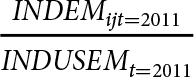 $\frac{{INDE{M_{ijt = 2011}}}}{{INDUSE{M_{t = 2011}}}}$ denotes the ratio of the proportion of employees in the production department of
 $i$ industry enterprises in 2011 (year 2011 as the base period) to the median proportion of employees in the production department of all industry enterprises in 2011.
 $IR_{it}^{CHINA}$ and
 $EM_{it = 2010}^{CHINA}$ denote the inventory of industrial robots and the number of employees respectively in year 2010 in China (2010 as the base year).
Externally, we consider government subsidies and supply chain concentration. Government subsidies are quantified based on the monetary amount received by enterprises for their regular business operations, scaled according to the size of the corporation. Supply chain concentration is assessed by integrating customer and supplier concentration, calculated as the average of the combined purchase and sales ratios attributed to the top five suppliers and customers.
3.2. Data sources and description
3.2.1. Data sources
We obtain firm-level data from the China Stock Market and Accounting Research Database (CSMAR),Footnote 2 Wind databaseFootnote 3 and Annual Reports of corporations for the period 2007–2021. To avoid the effect of anomalous sampling, we process the raw data as follows. First, we exclude the financial industry data due to the specificity of its asset-liability structure as well as regulatory policies. Second, we exclude the listing status of ‘ST’, ‘*ST’, ‘suspended’, ‘terminated’ and other listed companies with abnormal operating conditions. Third, we shrink the continuous variables and exclude samples with serious missing key variables.
The weather data including extreme temperature, sunshine, precipitation and wind speed come from the National Center for Environmental Information (NCEI),Footnote 4 a division of the National Oceanic and Atmospheric Administration. The raw data we downloaded from the NCEI website came from weather stations, each of which records daily meteorological indicators. Based on the latitude and longitude of the weather stations and the daily average temperature values of the weather stations, we interpolated – using the inverse distance weighting method of interpolation (Yu et al., Reference Yu, Lei and Wang2019) – to obtain the daily average temperature raster map for the whole country. Then, based on the administrative boundaries of prefecture-level cities and the temperature raster map, the daily average temperature value of each prefecture-level city is calculated. Based on the daily average temperature values, the monthly average temperature values and the annual average temperature values are calculated.
Other raw data for prefecture-level cities were obtained from the China City Statistical Yearbook, China Regional Economic Statistical Yearbook, IFR International Federation of RoboticsFootnote 5 and National Coastal Port Layout Plan. Finally, we match the firm-level data with prefecture-level data, according to the administrative code of the city where the enterprise is located, to obtain the final study sample. Specific information concerning the measurements and sources of variables is summarized in table A1.
3.2.2. Data description
The sample used in this study is an unbalanced panel dataset spanning from 2007 to 2021. Descriptive statistics for the key variables are provided in table A2. Panel A reveals considerable variation in both the number of employees and firm size, with firms also exhibiting diverse levels of financing constraints. Panel B highlights notable regional disparities in extreme temperature conditions. Additionally, the descriptive statistics for GDP, population and industrial structure indicate significant regional differences in terms of economic development and demographic characteristics. Panel C provides a comprehensive summary of the annual distribution of extreme temperature events, presenting the data using various indicators to offer a detailed depiction of their patterns over time.
3.3. Estimation method
The purpose of this study is to examine the impact of extreme climate on firm employment by setting up the following basic regression model:
 \begin{equation}Employe{e_{it}} = {\alpha _0} + {\alpha _1}E{T_{it}} + {\alpha _2}Contro{l_{it}} + Fir{m_i} + Yea{r_t} + Industry \times Yea{r_{c,t}} + {\varepsilon _{ict}},\end{equation}
where  $i$,
 $c$ and
 $t$ denote firm, industry and year respectively. The explained variable
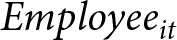 $Employe{e_{it}}$ denotes the number of employees of firm
 $i$ in year
 $t$, and
 $E{T_{it}}$ proxies for extreme climatic event shocks.
 $Fir{m_i}$,
 $Yea{r_t}$ and
 $Industry \times Yea{r_{c,t}}$ denote firm fixed effect, time fixed effect and industry-year interacting fixed effect respectively. These controls are essential to appropriately capture the individual effects of firms, account for industry-specific characteristics and capture any time-varying shocks that may affect particular industries across different years.
 ${\varepsilon _{ict{\text{ }}}}$ denotes the random disturbing factors.
Equation (1) provides a framework for evaluating the static effects of extreme temperature shocks on employment. However, employment dynamics within enterprises are influenced by multifaceted factors, including job satisfaction, peer pressure and the prevailing economic environment, suggesting a degree of inertia in employment levels (Blundell and Bond, Reference Blundell and Bond1998; Bond et al., Reference Bond, Hoeffler and Temple2001). In other words, past employment may exert a significant influence on current employment outcomes. To account for these dynamic interactions and mitigate potential endogeneity and omitted variable biases, we construct a dynamic panel model using the system Generalized Method of Moments (GMM) estimation approach (Wang et al., Reference Wang, Wang, Dong and Shahbaz2022). The model specification is
 \begin{equation*}Employe{e_{it}} = {\alpha _0} + {\alpha _1}Employe{e_{it - 1}} + {\alpha _2}E{T_{it}} + {\alpha _3}Contro{l_{it}} + Fir{m_i} + Yea{r_t} + {\varepsilon _{ict}},\end{equation*}
where 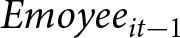 $Emoye{e_{it - 1}}$ denotes the number of employees in the last year.
To evaluate the extreme temperature effects on employment with temperature bins, we construct an estimation model as follows (Heilmann et al., Reference Heilmann, Kahn and Tang2021):
 \begin{align*}Employe{e_{it}} =& {\beta _0} + {\beta _1}Temperature{\text{ }}bin{s_{i,t}} + {\beta _2}Contro{l_{it}} + Fir{m_i} + Yea{r_t} + Industry\\
& \quad \times Yea{r_{c,t}} + {\varepsilon _{ict}},\end{align*}
where  $Temperature{\text{ }}bin{s_{i,t}}$ represents a series of temperature bins with 5℃ intervals, spanning from −12℃ to 33℃. To address potential multicollinearity, the reference group for comparison is the interval [13℃, 18℃), which is omitted from the regression analysis (Jiang et al., Reference Jiang, Yang, Wu and Zhang2024a). Consequently, the coefficient
 ${\beta _1}$ reflects the marginal effect of the number of days within each temperature bin on employment, relative to the [13℃, 18℃) reference group (Zhang et al., Reference Zhang, Guo, Smyth and Yao2022b). The model incorporates firm-level, prefecture-level and weather control variables, including second-order polynomials of cumulative precipitation, sunshine duration and wind speed, following the methodology outlined by Knittel et al. (Reference Knittel, Miller and Sanders2016).
To investigate how internal and external moderating factors – including employee wages, robot adoption, government subsidies and supply chain concentration – shape the relationship between extreme climate events and firm-level employment, we extend the baseline model by introducing interaction terms between the primary explanatory variable and each moderating factor:
 \begin{align*}Employe{e_{it}} =& {\gamma _0} + {\gamma _1}E{T_{it}} + {\gamma _2}E{T_{it}} \times Mo{d_{it}} + {\gamma _3}Mo{d_{it}} + Fir{m_i} + Yea{r_t} + Industry \\
& \quad \times Yea{r_{c,t}} + {\varepsilon _{ict}},\end{align*}
where  $Mo{d_{it}}$ denotes the moderating variables – specifically employee wages, robot penetration, government subsidies and supply chain concentration. The coefficient on the interaction term
 ${\gamma _2}$ captures the extent to which these factors moderate the impact of extreme climate events on firm-level employment.
4. Empirical results
4.1. Baseline regression results
The findings on the relationship between extreme temperature events and employment are detailed in table A3, which presents estimates under varying model specifications. Columns (1) and (2) present baseline results without control variables, using a two-way fixed effects model and the system GMM approach, respectively. Columns (3) and (4) incorporate a full set of controls under the same respective frameworks. Diagnostic statistics, including AR(2) and Sargan test p-values, support the validity of the model specifications. Notably, the results in column (3) reveal a statistically significant negative effect of extreme temperature shocks on firm-level employment, statistically significant at the 10 per cent level. Quantitatively, a one-standard-deviation increase in extreme temperatures exceeding 35℃ or below 0℃ corresponds to reductions in employment of 0.06 per cent. For the average firm employing 7.65 workers, these changes equate to a loss of approximately 0.00459 workers per firm. When aggregated across the entire sample, this translates to total employment reductions of 3.74 workers, underscoring the measurable impact of extreme temperatures on labour dynamics within firms.
To further disentangle the effects of extreme temperature events, we separately examine the impacts of extreme heat and extreme freezing on firm-level employment (able A4). Columns (1) and (2) present estimates for extreme heat, using two-way fixed effects and system GMM models, respectively, while columns (3) and (4) report analogous estimates for extreme freezing. The results reveal that extreme freezing exerts a significant negative effect on employment, whereas the influence of extreme heat is statistically insignificant. A one-standard-deviation increase in exposure to extreme freezing is associated with a 0.06 per cent reduction in employment. Given an average firm size of 7.65 workers, this corresponds to a loss of approximately 0.00459 workers per firm. When aggregated across the full sample, extreme freezing is estimated to result in total employment losses of around 3.74 workers.
Although the initial disaggregation between extreme heat and extreme freezing indicated a more substantial immediate impact of freezing events, a finer-grained temperature bin analysis reveals a contrasting pattern. To refine the analysis beyond the general temperature thresholds of 0℃ and 35℃, we examine the effects across specific temperature bins. The estimates are benchmarked against the reference category, defined as days with mean temperatures between 13℃ and 18℃. The results reveal a significant inhibitory effect of extreme heat on employment, while the effects of extreme freezing are statistically insignificant (able A5). Specifically, each additional day with a daily mean temperature in the ranges of [28℃, 33℃) and [33℃, +∞) corresponds to reductions of 0.0012 and 0.0025 in firm-level employment, respectively. Conversely, temperatures below –12℃ show no discernible impact. Translating these effects into real terms, extreme heat is associated with an average loss of 0.191 workers per firm, amounting to a total reduction of 15.565 workers across all firms in the dataset. These findings underscore the pronounced adverse impact of extreme heat on employment levels, whereas extreme freezing exerts negligible influence.
Further seasonal analysis corroborates these findings, showing that only extreme temperature shocks during summer months – characterized by intense heat – lead to significant employment reductions. Table A6 presents the results of seasonal-specific temperature shocks, accounting for variations in enterprises’ adaptability to climate change across seasons. The analysis reveals that only extreme temperature shocks during the summer months have a significant negative impact on employment. This finding aligns with earlier results, highlighting the disproportionately pronounced effects of extreme heat on employment outcomes (Jessoe et al., Reference Jessoe, Manning and Taylor2018).
4.2. Endogeneity corrected results
Extreme climate events are found to adversely affect firm-level employment; however, these conclusions may be subject to endogeneity concerns. To mitigate potential biases arising from dynamic trends and endogeneity, we re-examine the effect of extreme temperatures on firm employment using an IV approach, with geographical distance serving as the IV. Columns (1) and (2) of table A7 present the results from two-stage least squares (IV-2SLS) estimation. Diagnostic tests support the validity of the chosen instruments: the Kleibergen–Paap LM statistic, Anderson canonical correlation LM statistic and Sargan statistic reject the null hypotheses of under-identification, weak instruments and overidentification, respectively.
The coefficient in column (2) for ET-IV remains significantly negative, reinforcing the robustness of our primary findings. Specifically, a one-standard-deviation increase in extreme temperatures exceeding 35℃ or falling below 0℃ leads to a 0.8 per cent reduction in employment, equating to a total employment loss of 49.81 workers across the entire sample. Notably, the estimated coefficient obtained through the IV approach is larger than that from the baseline estimation, suggesting that fixed effects estimates may be subject to downward bias. These results provide strong evidence that extreme temperatures negatively impact firm employment, even after addressing potential endogeneity concerns.
4.3. Robustness tests
4.3.1. Alternative measurements of variables
To evaluate the robustness of our findings, we employ alternative measures for both the independent and dependent variables. For the dependent variables, we address potential biases arising from firm size by utilizing a relative measure of employment, defined as the ratio of the number of employees to firm assets (Tunyi et al., Reference Tunyi, Areneke, Tob-Ogu and Khalid2023). Furthermore, we construct three supplementary employment metrics: employment growth rate, job creation and job destruction (Zhao et al., Reference Zhao, Gao and Ren2024). The results derived from these alternative measures, estimated using two-way fixed effects models and dynamic panel models, are reported in columns (1)–(8) of table A8.
For the independent variable, we adopt alternative metrics for extreme temperature. Specifically, we redefine extreme temperature using thresholds of 13℃ and 25℃ and calculate the ratio of extreme temperature days to the total number of days in a given year to represent extreme climate conditions (Du et al., Reference Du, Yu and Wei2020). The estimation results for these alternative measures are presented in columns (1)–(4) of table A9. The coefficients for both the extreme temperature variable (ET) and the extreme temperature ratio (ET_ratio) remain significantly negative across all specifications. These results confirm the robustness of our core findings under varying definitions of the key variables.
4.3.2. Eliminating other interferences
Employment within firms is highly vulnerable to substantial external shocks, such as financial crises (Campello et al., Reference Campello, Graham and Harvey2010) and the emergence of novel infectious diseases, exemplified by the recent COVID-19 pandemic. A financial crisis can precipitate severe economic distress, impairing firms’ ability to meet initial personnel costs, thereby necessitating workforce reductions. Moreover, such crises often lead firms to delay or cancel planned expansions and projects, stymying potential employment growth. Similarly, the outbreak of an infectious disease, as demonstrated by the COVID-19 pandemic, can severely disrupt business operations, particularly in sectors like tourism and hospitality. During the pandemic, many businesses were forced to close or declare bankruptcy, resulting in substantial job losses. To mitigate the confounding effects of the global financial crisis of 2008 and the COVID-19 pandemic in 2020, we exclude data from these years in our regression analysis. As shown in table A10, columns (1) and (2), the coefficients for extreme temperature remain significantly negative, reaffirming the robustness and consistency of the results obtained from the baseline model.
Additionally, we exclude firms located in provinces where extreme temperature events are less frequent and where enterprises may exhibit greater resilience to such climatic shocks, including Shanghai, Jiangsu, Zhejiang, Fujian, Guangdong, Hainan and Yunnan. We also exclude municipalities directly under the central government – namely, Beijing, Shanghai, Tianjin and Chongqing – given that firms in these economically advanced regions may have superior adaptive capacities, owing to better infrastructure, enhanced resources and more diversified economic structures. This approach ensures a more accurate estimation of the employment impacts of extreme temperatures in regions where firms are more vulnerable to climatic extremes. As demonstrated in table A10, columns (3) and (4), the coefficients for extreme temperature remain significantly negative, further confirming the robustness and consistency of our findings relative to the baseline model.
4.3.3. Changing exposure window
In the baseline model, extreme climate is quantified by the number of days each year during which the average daily temperature deviates from the 0–35℃ range. Given that the impact of climate change on businesses may manifest over a prolonged period, we extend the exposure window by considering 2 years – namely, the current year and the previous year – and calculating the annual average number of deviation days (Cui et al., Reference Cui, Huang and Wang2023). The revised estimates based on this expanded exposure window are presented in table A11. The results continue to show negative and statistically significant coefficients, confirming the robustness of our findings.
4.3.4. Alternative standard error clustering
In the initial analyses, standard errors were not clustered. To account for potential intra-prefecture correlations among enterprises, we subsequently clustered standard errors at the prefecture level. As demonstrated in table A12, the results remain consistent under this adjustment, further strengthening the robustness of our findings.
5. Mechanism and moderating analyses
Building on the baseline findings, we further investigate the underlying mechanisms through which the inhibitory effects arise, and assess whether these effects are moderated by internal or external factors. This section first examines potential mediating pathways, followed by an analysis of moderating influences that may amplify or mitigate the observed outcomes.
5.1. Mechanism analyses
To further elucidate the pathways through which extreme climate events influence firm-level employment outcomes, we construct an analytical framework grounded in transaction cost theory (figure 2). This theoretical lens posits that heightened environmental uncertainty and rising transaction costs compel firms to adapt their organizational and employment structures. In particular, exposure to climate-related shocks – manifesting as elevated operational risks and constrained financing – can significantly undermine firms’ capacity and incentives to sustain or expand employment.
Research framework for mechanism and moderating analyses.

Table 2 Long description
It begins with ′Extreme climatic event shocks′ which include ′Extreme heat shocks′ and ′Extreme freezing shocks′. These lead to ′Influential mechanisms′ such as ′Operational risk′ and ′Financial constraints′. These mechanisms are analyzed through ′Transaction cost theory′. The diagram also shows ′Internal moderation′ factors like ′Employee wages′ and ′Robot penetration′ and ′External moderation′ factors such as ′Government subsidy′ and ′Supply chain concentration′. All these elements collectively influence ′Employment′.
From an operational risk perspective, extreme temperature shocks significantly elevate occupational hazards, especially for outdoor labourers (Marinaccio et al., Reference Marinaccio, Scortichini, Gariazzo, Leva, Bonafede, De’ Donato, Stafoggia, Viegi and Michelozzi2019). Intensifying climatic extremes pose acute physical and psychological threats to workers (Vielma et al., Reference Vielma, Achebak, Quijal-Zamorano, Lloyd, Chevance and Ballester2024). Elevated temperatures are linked to a rise in heat-related illnesses – such as heat exhaustion, dehydration and potentially fatal heatstroke (Fatima et al., Reference Fatima, Rothmore, Giles and Bi2022) – while prolonged exposure worsens cardiovascular and respiratory strain, accelerating fatigue, impairing cognition and diminishing both efficiency and accuracy (Xie, Reference Xie2024). Cold extremes, by contrast, increase the incidence of frostbite and hypothermia, particularly in peripheral regions like fingers and toes, posing risks to critical organs and the nervous system (Morabito et al., Reference Morabito, Iannuccilli, Crisci, Capecchi, Baldasseroni, Orlandini and Gensini2014). These health impacts undermine labour capacity and reduce the resilience of human capital in affected regions.
Beyond direct health threats, extreme climate events also disrupt supply chains via transportation and energy interruptions. Adverse weather frequently leads to road, rail, air and port closures, delaying the delivery of essential materials and derailing production schedules. To offset recurrent disruptions, firms often turn to costlier transport alternatives (e.g., air over land), thereby inflating operational expenses and straining supply chain efficiency. Inventory buffers may be increased to hedge against uncertainty, tying up working capital and deepening financial stress. On the energy front, disruptions to electricity, gas or thermal supply constrain routine production. Extreme heat or voltage instability accelerates equipment wear or induces failures, further derailing operations and altering labour deployment. Collectively, such compounding risks reduce firms’ capacity and willingness to sustain employment levels.
To further elucidate the financial constraints’ perspective, financial constraints emerge as a critical factor significantly influencing firms’ ability to recruit labour. Extreme climate conditions heighten risks for firms, leading financial institutions to adopt stricter risk assessments. This increased perception of risk may result in downgraded credit ratings, thereby restricting firms’ access to financing. Additionally, extreme climate events can cause asset depreciation, weakening firms’ overall financial standing and further constraining their ability to secure necessary funding (Kling et al., Reference Kling, Volz, Murinde and Ayas2021). Such events also amplify future uncertainties, undermining investor confidence and elevating financing costs (Onischka, Reference Onischka, Aravossis, Brebbia and Gomez2008). Firms facing financial constraints often struggle with liquidity shortages, which impede their capacity to expand or maintain employment levels (Yu and Wang, Reference Yu and Wang2022). Empirical evidence demonstrates that firms burdened with significant financial constraints are more likely to experience cash flow limitations, adversely affecting their financing and investment decisions. These constraints often compel firms to scale back investments in human capital, leading to reduced labour demand and smaller employment scales.
Beyond financial constraints, we investigate a range of firm-level mechanisms – operational productivity, profitability, investment-return ratios and value added – that may mediate the relationship between extreme climatic events and employment outcomes. Adverse weather conditions can disrupt operations by causing equipment malfunctions, work interruptions and declines in labour efficiency, undermining firms’ capacity to sustain stable employment. Profitability may similarly deteriorate as firms face rising costs associated with climate adaptation, infrastructure damage and insurance, thereby tightening the fiscal space available for workforce retention or expansion. In parallel, heightened investment risk under extreme weather conditions can delay projects, misallocate resources and depress investment-return ratios, diminishing firms’ incentives to hire. Moreover, extreme temperatures can erode value added by reducing production efficiency and profitability, which in turn transmits to the labour market through weakened demand for workers. Together, these pathways highlight the complex and multifaceted channels through which climate extremes may adversely affect firm-level employment.
Following the completion of our theoretical analysis, we will proceed to empirical testing. In the realm of channel analysis, researchers typically utilize the stepwise regression method to empirically test for mediation effects (Baron and Kenny, Reference Baron and Kenny1986; Tofighi and MacKinnon, Reference Tofighi and MacKinnon2011). Nevertheless, it is worth noting that some scholars have raised concerns about the applicability of such models, primarily derived from psychological studies, to empirical analyses in economics. There is an argument suggesting that these models might carry certain biases and may not be perfectly suited for the complexities inherent in economic empirical investigations (Gobena and Van Dijke, Reference Gobena and Van Dijke2016; Pons et al., Reference Pons, Giroux, Mourali and Zins2016; Jiang, Reference Jiang2022). To avoid these issues, we refer to the research methodology of previous literature and conduct mechanism analysis by examining the effects of core explanatory variables on mechanism variables (Chen et al., Reference Chen, Fan, Gu and Zhou2020; Baron, Reference Baron2022). The model is constructed as follows:
 \begin{equation*}ME{D_{it}} = {\varphi _0} + {\varphi _1}E{T_{it}} + {\varphi _2}Contro{l_{it}} + Fir{m_i} + Yea{r_t} + Industry \times Yea{r_{c,t}} + {\varepsilon _{it}},\end{equation*}
where ${\text{ }}ME{D_{it}}$ represents the variables employed in the mechanism analyses, encompassing operational risks, financial constraints, productivity, ROA, ROE and added values. Our primary focus is on the sign and significance of the coefficient of the core explanatory
 ${\varphi _1}$.
Table A13 presents the results of the mechanism analyses. Columns (1) and (2) reveal a statistically significant positive relationship (p < 0.05) between extreme temperature shocks and firms’ operational risk. This finding suggests that elevated climate exposure exacerbates production vulnerabilities, particularly through increased incidence of heat-related illness and diminished labour productivity – most acutely in labour-intensive or outdoor sectors – as well as disruptions to energy supply and transport infrastructure. Collectively, these factors impair firms’ operational continuity and may reduce their capacity or willingness to sustain employment under climate uncertainty.
Columns (3) and (4) examine the link between extreme temperature shocks and financial constraints, revealing that climate stressors intensify firms’ financing difficulties and elevate financial distress. Climate shocks likely exacerbate liquidity shortages, limit access to external financing and heighten default risk. In response, firms may reduce labour-related expenses as a short-term coping strategy, leading to employment contraction.
To further probe potential transmission channels, we assess firm-level productivity, ROA, ROE and EVA as mediating factors. Across these measures, no statistically significant associations with temperature shocks are observed (table A14), indicating that these variables are unlikely to constitute primary pathways. These results are consistent with prior findings suggesting that extreme climatic events do not substantially diminish corporate TFP (Li et al., Reference Li, Cong and Yin2021). Taken together, the evidence suggests that the employment effects of climate extremes are more closely linked to acute operational disruptions and immediate financial pressures rather than to deteriorations in longer-term firm performance.
5.2. Internal and external moderating effects
Having identified the intermediary mechanisms through which extreme temperature shocks impact firms, we next examine whether these adverse effects can be mitigated by moderating factors. Specifically, we investigate both firm-intrinsic characteristics and external environmental conditions that may buffer the impacts of climatic shocks. Operational risks – manifesting through deteriorating working conditions and reduced employee welfare – are conceptualized as intrinsic factors. In this context, higher employee wages are treated as a proxy for improved worker treatment, while greater adoption of automation (robot penetration) is considered a potential substitute for human labour under adverse thermal stress. Conversely, financial constraints – arising from abrupt supply chain disruptions and increased operating costs – are viewed as external pressures. To explore firm resilience under these conditions, we examine the role of government subsidies and supply chain concentration as potential mitigating influences.
Wages are a fundamental determinant of employment dynamics. Higher wages typically attract a larger pool of job seekers, thereby enhancing a firm’s competitive position in the labour market. Moreover, elevated wages serve to increase the motivation, job satisfaction and loyalty of existing employees, leading to reduced turnover rates (Jardim et al., Reference Jardim, Long, Plotnick, van Inwegen, Vigdor and Wething2022). By enabling employees to meet their basic needs and improve their quality of life, higher wages also encourage greater work engagement, thereby enhancing productivity and efficiency (Gopalan et al., Reference Gopalan, Hamilton, Kalda and Sovich2021). Under extreme temperature conditions, employees face elevated health risks and harsh working environments, which can reduce their willingness to work. Increasing wages can act as compensation, incentivizing employees to remain in their positions despite challenging environmental conditions. This compensation mechanism can alter employees’ perception of the work environment, helping them adapt more effectively to extreme weather conditions. As shown in column (1) of table A15, higher wages significantly bolster firm employment and mitigate the adverse effects of extreme climatic events on workforce levels.
Extreme temperature conditions pose significant physical risks to human workers, particularly in outdoor environments, where the demands of working under such conditions require substantial physical endurance. In contrast, robots offer a viable alternative in extreme climatic settings, particularly for tasks involving routine manual labour in manufacturing environments. Robots operate with enhanced efficiency and precision, unaffected by environmental stressors (Tang and He, Reference Tang and He2024). Moreover, they present a cost-effective solution as they do not require allowances, subsidies or additional support to function in harsh climates. As a result, firms are increasingly incentivized to substitute human labour with robotic solutions, thereby reducing employment opportunities and exacerbating job displacement in response to extreme climate events. This dual pathway – human vulnerability and the adoption of automation – emerges as a key mechanism through which extreme temperatures impact employment outcomes. However, as reported in column (2) of table A15, robot penetration does not exhibit a significant moderating effect. This may be attributed to the limitations of robot functionality and their high costs. Although automation technologies can replace certain types of human labour, they remain inadequate for roles requiring complex decision-making or interpersonal interactions. In particular, in labour-intensive industries or outdoor environments, the widespread application of robotics remains limited, and effective substitution is often unfeasible. Additionally, the implementation of robotic systems necessitates considerable initial investments in equipment, maintenance and training. For many businesses, particularly small and medium-sized enterprises, the financial burden of such technological transformation, especially under the short-term economic strain induced by extreme weather, may render automation adoption impractical.
The external environment in which firms operate is significantly shaped by government intervention, particularly in response to major shocks such as natural disasters or climate change. Governments often implement countermeasures, with subsidies being one of the most prominent forms of intervention (Schwartz and Clements, Reference Schwartz and Clements1999). Empirical research has demonstrated that government subsidies play a key role in job creation (Girma et al., Reference Girma, Görg, Strobl and Walsh2008), enhancing the competitiveness of subsidized firms and increasing their ability to attract talent (Söderblom et al., Reference Söderblom, Samuelsson, Wiklund and Sandberg2015). By alleviating the financial strain caused by extreme climatic events, subsidies enable firms to navigate operational challenges more effectively. Additionally, subsidized firms not only expand employment in response to external incentives but also signal positive outcomes to other firms, fostering a broader pattern of job creation. As shown in column (3) of table A15, government subsidies significantly bolster firm employment and mitigate the adverse impacts of extreme climate events on workforce levels.
Extreme temperature events are well-documented for their disruptive effects on supply chains, particularly through the impairment of production facilities’ operational capacity (Ghadge et al., Reference Ghadge, Wurtmann and Seuring2020). In response to climate change, optimizing supply chain structures and reducing concentration have become pivotal strategies to mitigate such risks (Xia et al., Reference Xia, Gao, Wei and Ding2022). A highly concentrated supply chain, in which a firm depends on a limited number of suppliers, exacerbates vulnerability to climatic disruptions such as heatwaves, floods or hurricanes. These disturbances can directly affect the production capacity of critical suppliers, initiating cascading disruptions throughout the supply chain and significantly impairing firm operations.
Our analysis explores the interaction between extreme temperature shocks and supply chain concentration. As presented in column (4) of table A15, the interaction term is not statistically significant, potentially reflecting the limitations of supply chain concentration as an indicator of a firm’s resilience to external shocks. While higher supply chain concentration – characterized by a firm’s reliance on a small number of suppliers – may facilitate resource concentration for risk management under certain circumstances, it also increases the firm’s dependency on specific suppliers. In the event of extreme weather, this concentrated structure can hinder access to necessary raw materials or products, exacerbating production disruptions (Biswas et al., Reference Biswas, Pagare, Tiwari and Choi2025). Furthermore, a highly centralized supply chain restricts a firm’s ability to diversify its risks during extreme weather events. If primary suppliers are situated in climate-vulnerable regions, disruptions in the supply chain can become more pronounced, potentially resulting in severe production stagnation.
6. Further analysis
6.1. Extreme climatic event shocks and employment function structure
To provide a more detailed and accurate reflection of changes in firms’ employment structures, this study categorizes employees into production, financial, sales and technical roles based on their job functions. The impact of extreme temperatures on these employment categories is analysed, with results presented in table A16. The estimated coefficients for extreme temperatures are significantly negative in column (1) and significantly positive in column (2), indicating that extreme temperatures substantially reduce the employment of production workers while increasing the demand for financial personnel.
A potential explanation lies in the financial constraints induced by extreme temperature events, which may compel firms to scale down operations due to limited budgets. Production roles, often characterized by routine and mechanical tasks, are particularly vulnerable as these functions can be efficiently performed by robots, which offer higher productivity and lower costs compared to human labour. Robots also eliminate the need for allowances and compensation for physical injuries caused by exposure to extreme heat, further reducing reliance on production workers.
Conversely, the heightened risks associated with extreme temperatures may drive firms to bolster their financial teams. Financial personnel play a critical role in managing risk, securing appropriate insurance and ensuring compliance with climate-related regulations. In response to regulatory pressures, firms may also expand their legal and finance departments to meet emerging financial and compliance standards. However, despite these sectoral shifts, the net effect of extreme temperatures on overall employment remains negative.
6.2. Extreme climatic event shocks and dynamics of employment
In order to explore the employment effects of extreme climatic event shocks in a deeper and more comprehensive way, this section further examines the impact of extreme climatic event shocks on firms’ net employment growth from the perspective of firms’ employment changes as employed in the robustness check. Specifically, following Groizard et al. (Reference Groizard, Ranjan and Rodriguez‐Lopez2015), net employment growth is defined as
 \begin{equation*}Ne{t_{it}} = \Delta emplo{y_{it}} = Creatio{n_{it}} - Destructio{n_{it}},\end{equation*}
where  $\Delta emplo{y_{it}} = lnemploye{e_{it}} - {\text{ }}lnemploye{e_{it - 1}}$ denotes the rate of employment change in firm
 $i$,
 $lnemploye{e_{it}}$ denotes the log of employment in firm
 $i$ in year
 $t$. Meanwhile, we decompose net employment growth into two dimensions: job creation and job destruction. Job creation at the firm level is
 $Creatio{n_{it}} = max\left( {\Delta emplo{y_{it}},0} \right)$, and job destruction is
 $Destructio{n_{it}} = max\left( { - \Delta emplo{y_{it}},0} \right)$.
The findings in column (1) of table A17 underscore that extreme temperature exerts a negative impact on the net employment growth of firms. Columns (2) and (3) present the results of extreme temperature on employment creation and employment destruction. In column (2), the coefficient of extreme temperatures is significantly negative, indicating that extreme temperature reduces net employment growth by curbing firms’ employment creation. This can be attributed to firms adopting a more cautious and risk-averse approach in response to uncertainties arising from climate change. Such strategic measures may involve downsizing initiatives, the deferral of expansion plans or the suspension of new projects, thereby leading to a reduction in job opportunities. Column (3) reveals a positive coefficient for extreme temperatures, which reflects the intensified job-destroying effect associated with extreme temperature. Unforeseen economic losses, additional costs and financial pressures induced by extreme temperature may expose firms to the risk of bankruptcy or closure, consequently resulting in a contraction of the labour force and a decline in overall employment levels.
7. Conclusions, implications and limitations
7.1. Conclusions
Drawing on data from Chinese A-share listed companies between 2007 and 2021, this study investigates the micro-level impacts of extreme temperature shocks on firm employment, alongside the underlying mechanisms. Employing three sets of temperature shock measures, we find that extreme climate conditions significantly reduce firm employment levels, a finding that remains robust across multiple sensitivity analyses. Notably, we find that a one-standard-deviation increase in exposure to extreme temperatures – defined as exceeding 35°C or falling below 0°C – reduces firm-level employment by 0.07 per cent, translating into workforce reductions of approximately 0.0054 workers per firm and total losses of 4.36 jobs when aggregated across the full sample. Further disaggregation reveals that extreme heat exerts a substantially larger impact on employment than extreme cold. A finer-grained analysis using temperature bins demonstrates that each additional day with an average temperature in the range of 28–33°C and above 33°C is associated with declines of 0.0012 and 0.0025 workers per firm, respectively. In contrast, temperatures below −12°C exhibit no statistically discernible effect on employment. Taken together, these results highlight the outsized role of extreme heat in driving employment losses, with an average reduction of 0.191 workers per firm and an aggregate impact of 15.565 jobs across the dataset.
Analyses of intermediate mechanisms reveal that extreme temperature shocks heighten firms’ operational risks and curtail financial investment, collectively contributing to reductions in employment. The study further explores internal and external moderating factors that may attenuate or amplify these effects. Internally, higher employee wages significantly buffer against the negative impact of temperature extremes on employment, whereas the moderating role of robot adoption appears statistically insignificant. Externally, government subsidies emerge as a critical mitigating factor, offsetting employment losses associated with extreme temperatures. Conversely, supply chain dependence does not exhibit a significant amplifying effect, suggesting limited relevance as a channel of vulnerability in this context.
We further explore heterogeneity in the employment effects of extreme temperature events across regional-, industrial- and firm-specific dimensions. Firms located in economically disadvantaged regions, jurisdictions with lower administrative ranks, and resource-dependent economies exhibit greater vulnerability to climate-induced employment losses. At the industry level, sectors such as mining, manufacturing, construction, retail trade and transportation bear a disproportionate share of the impact. Firm-level analysis reveals that non-state-owned enterprises and those with limited adaptive capacity experience more pronounced declines in employment. Moreover, extreme climatic conditions are found to suppress net employment growth by constraining job creation and intensifying job destruction, offering a holistic understanding of how temperature shocks restructure employment dynamics within firms.
7.2. Policy implications
Based on the results of this study, we put forward several policy implications.
First, as evidenced by baseline results, the inhibitory effects of extreme climatic events on employment highlight the urgent need for national and local governments to establish and rigorously enforce labour protection standards for high-temperature conditions. These regulations should ensure that workplaces meet safety requirements during extreme heat events. For instance, policies could mandate the reduction of working hours or require mandatory rest periods when temperatures exceed a certain threshold to mitigate the risks of overexertion and heatstroke. Additionally, for workers in high-temperature environments, especially those working outdoors, regular short breaks should be mandated, with a focus on more frequent and extended rest periods during peak heat. Enterprises should also implement robust health monitoring systems during the high-temperature season, particularly in work environments characterized by high labour intensity and prolonged exposure, to track real-time physiological data such as body temperature and heart rate. Furthermore, training and education on heat-related health risks should be prioritized, ensuring that workers are well-informed about the potential impacts of extreme heat and the protective measures they should adopt. To further address the negative effects of extreme heat on workers’ health and productivity, the government can encourage companies to establish heat-related subsidies to compensate workers for the added risks during extreme weather conditions.
Second, the intermediate mechanism analyses underscore the urgent need to enhance the climate risk assessment and early warning capabilities of enterprises. In response, the government has spearheaded the development of the Operation Manual for Enterprise Climate Risk Assessment, which guides firms in identifying climate-related risks through two primary dimensions: physical risks (e.g., extreme heat) and transition risks (e.g., rising carbon prices). Special emphasis is placed on encouraging labour-intensive industries to conduct targeted assessments. The government also promotes data sharing between meteorological agencies and relevant regulatory bodies, such as those overseeing industry, information technology and development. This collaboration facilitates the creation of a regional meteorological risk database and a platform for industry-enterprise coordination, enabling businesses to access real-time information on heat warnings, heat index levels and recommendations for production adaptation. Enterprises located in high climate-risk areas are required to develop comprehensive emergency response plans for extreme temperatures, including measures such as production adjustments, labour scheduling and employee health protection, with regular drills conducted to ensure preparedness. Third-party consulting firms may be employed to support these efforts. Furthermore, industry-specific climate risk training and the establishment of professional certifications for ‘enterprise climate managers’ should be regularly organized.
Third, the findings from the internal and external moderating analyses highlight several policy implications. Regarding the moderating effect of employee wages, the government can implement tax incentives or direct subsidies for companies that increase climate-adaptive wages through preferential tax policies. Such incentives would enable firms to manage short-term economic pressures without resorting to wage reductions during climate shocks. Enterprises should integrate environmental adaptability into their compensation strategies, such as offering climate adaptability bonuses or providing additional subsidies during extreme weather events. This is particularly important for outdoor and labour-intensive industries, where such measures would assist employees in managing climate-related challenges. For the moderating effect of robots, the government could establish dedicated funds or innovation subsidies to support corporate investments in robotics and automation technologies. Beyond supporting hardware investments, the government should also focus on enhancing robot technology training for companies, enabling employees to transition into technical management roles and improving labour market adaptability. With regards to government subsidies, financial support can be provided to businesses that maintain normal operations during extreme hot or cold seasons, helping to prevent large-scale layoffs or shutdowns due to adverse weather. Additionally, the government could facilitate the purchase of climate risk insurance by offering premium subsidies or tax incentives, thus reducing economic losses for businesses facing climate-related disruptions. In terms of the moderating effects of supply chain concentration, the government can encourage upstream enterprises within industrial chains to adopt a ‘climate resilience report’ mechanism. Enterprises that complete climate risk assessments and disclosures should be prioritized in procurement and bidding processes. Moreover, the government should foster a governance framework that promotes ‘risk transparency, information sharing and resilience co-construction’ across the entire supply chain, ensuring a collaborative approach to climate resilience.
Last, the heterogeneity analyses reveal that the inhibitory effects of extreme climate shocks are particularly pronounced in economically underdeveloped, resource-dependent and climate-vulnerable regions. These areas, characterized by limited industrial diversification and constrained public financial resources, face significant challenges in managing climate extremes, which increases the vulnerability of both enterprises and workers to falling into a cyclical pattern of ‘climate-induced economic employment’ disruptions. Therefore, there is an urgent need to implement an employment compensation mechanism that incorporates climate risk differentiation, aiming to promote more resilient regional development and climate adaptation. Specifically, the central government should spearhead the establishment of a ‘Climate Adaptation Employment Stability Fund,’ with provincial governments contributing proportionally to support enterprises and workers in high-risk areas in mitigating employment shocks. This initiative could include phased subsidies for social security payments, employment support and production recovery funds for affected businesses. Additionally, ‘temporary unemployment subsidies during extreme temperature periods’ could be introduced for workers, accompanied by reemployment services and vocational training vouchers. To ensure the effectiveness of these measures, a regional cascading review platform should be established to dynamically assess compensation efficiency and employment recovery. Furthermore, the integration of third-party evaluation agencies to conduct performance audits would enhance accountability and ensure the robustness of the compensation system.
7.3. Limitations and future research agenda
This study recognizes certain limitations that merit consideration for future improvements. First and foremost, our investigation concentrated solely on the measurement of extreme climatic event shocks through the lens of extreme temperatures. A more comprehensive approach in subsequent research endeavours could involve the incorporation of various weather phenomena, encompassing floods, hurricanes and droughts, to derive a more holistic assessment. Second, in scrutinizing the channels through which extreme climate influences firm employment, this study confines its focus to firm-level effects. To deepen our comprehension of this complex relationship, it is suggested that future research endeavours explore additional potential channels, especially at the city level, thereby expanding the breadth and depth of understanding in this domain. Finally, our study of the employment-destroying effects of extreme climate did not take into account the active migration behaviour of talent, which should be considered in future studies.
Supplementary material
The supplementary material for this article can be found at https://doi.org/10.1017/S1355770X25100144.
Competing interests
The authors declare none.



