


An old saw in political science, often attributed to E. E. Schattschneider (1935), holds that “new policies create a new politics.” It is an insight lost on few successful politicians. Like good chess players, lawmakers must often “think two moves ahead” when designing policy. As they gauge how a new policy will affect relevant social problems, strategic politicians also consider its potential to mobilize or mollify the opposition, create pressures for further action, appease or outrage the party faithful, redistribute political resources, change the terms of political debate, and so on. In the iterative game of politics, it pays to design policies in ways that yield advantages in the next round. As a result, policies must be analyzed, not only as efforts to achieve expressed social and economic goals but also as forms of political action designed to enhance particular actors' abilities to achieve long-term political goals. In this article, we analyze welfare reform as a political strategy designed to move public opinion in directions more conducive to liberal political goals. Specifically, we ask whether “ending welfare as we knew it” made the public more willing to help the poor and support the Democratic Party, and we use this case to theorize the conditions under which policy change can produce “mass feedback” in public opinion.
The idea that “new policies create a new politics” has drawn renewed attention in recent years, as students of policy feedback have sought to show more precisely how specific types of policies set particular political forces in motion (Pierson 1993; Skocpol 1992). In most of the empirical literature on this topic, the political effects examined have been largely unintended and have focused on either elites and organized interests (Hacker 2002) or the proximate targets of public policies (Campbell 2003; Mettler 2005). In this article, we address the use of policy design as a conscious political strategy and extend the study of feedback to elite efforts to alter the preferences, beliefs, and behaviors of broad mass publics.
In the 1990s, an influential group of political actors argued that, by reforming welfare and making aid recipients “play by the rules,” the Democratic Party could shed an electoral liability, free poverty politics from the crippling effects of racial resentment, and create a public opinion environment more favorable to anti-poverty efforts (DeParle and Holmes 2000). For advocates of liberal moderation at the centrist Democratic Leadership Council (DLC), these arguments reflected a long-term strategy to reposition the Democratic Party as well as a short-term strategy to reassure liberals who felt uneasy about restricting aid to the poor (Weaver 2000). The arguments, however, also had a close affinity with scholarship contending that policy designs could cultivate public support for social welfare efforts by following a “formula for success” (Skocpol 2000) that could navigate the “helping conundrums” posed by majority values (Ellwood 1988). Thus, our analysis seeks to bridge these two worlds by shedding light on policy feedback in mass publics as a practical political strategy and as a topic of political science theorizing. The practical stakes in this analysis begin with the success or failure of the particular strategy that underlay this effort to build public support for liberal anti-poverty goals. At stake in this analysis more broadly, however, are the questions of how and when we should expect governing elites to be capable of using policy actions to reshape beliefs and preferences in the citizenry.
THE PROMISE OF MASS FEEDBACK EFFECTS
For political liberals in the United States, the 1980s were hard times. The decades following the 1960s were marked by declining public support for the Democratic Party and for policies to help the disadvantaged. The Republican Party controlled the White House and was winning key votes from traditional Democratic identifiers in the white working-class and the South (Teixeira and Rogers 2000). Efforts to cut back social supports were gaining steam, and anti-welfare rhetoric seemed to resonate with the public (Block et al. 1987). Among liberals, these developments gave rise to intense self-reflection and, eventually, a reformist perspective that Harold Meyerson (1996) dubbed “progressive revisionism.”
Progressive revisionists argued that “Democratic doctrine went off track during the Johnson years [of the 1960s],” turning toward divisive policies that favored the very-poor and racial minorities over the working-class, white mainstream (Meyerson 1996). The new policies transformed the political landscape, generating a public backlash against taxes and programs for the disadvantaged and creating a set of wedge issues related to crime, welfare, and race that Republicans were using to win over decisive votes. Policy commitments symbolizing cultural and racial liberalism were now costing the Democrats at the polls and undercutting their more populist (and popular) economic agendas (Edsall with Edsall 1991).
A variety of prominent policy scholars made arguments that resonated with the progressive revisionist thesis. Well-known liberal social scientists argued that targeted social policies had “veered off course” (Skocpol 2000), become mired in “helping conundrums” (Ellwood 1988), and could never build “a bridge over the racial divide” (Wilson 1999). Conservative new paternalists argued that permissive welfare had undermined “progressive politics” based on questions of distributive justice and given rise to “dependency politics” based on questions of social behavior (Mead 1992). By rewarding irresponsibility, the Aid to Families with Dependent Children (AFDC) program had fueled racial stereotypes, bred pathology among the poor, undercut public support for anti-poverty efforts, and put liberals at an ongoing political disadvantage (Mead).
Looking back only to midcentury, liberals could recall a time when “welfare” was a positive term that signified a broad spectrum of public benefits and redounded to the advantage of the Democratic Party. “Who is against welfare?” the Saturday Evening Post asked in 1949: “Nobody…. Fighting an election by opposing welfare is on a par with taunting an opponent for having been born in a log cabin” (Katz and Thomas 1998). Indeed, from 1950 to 1965, blacks were largely absent from media stories on poverty (Gilens 1999), and racial attitudes were not significantly correlated with welfare policy preferences (r = .03, Kellstedt 2003). After 1965, blacks predominated in media coverage of poverty (Gilens); racial attitudes became closely aligned with welfare attitudes (r = .68, 1965–1996, Kellstedt); and “welfare” became a pejorative term (Katz and Thomas 1998). Against this backdrop, Meyerson (1996) suggests that it was not hard to understand why centrist liberals desired “to rewind the clock to the fateful years of 1964–1965 [in order to] steer the Great Society away from the political debacle of its emphasis on the poor and nonwhite toward a more politically sustainable universal program.”
The clock, of course, could not be turned back. But progressive revisionists suggested that these political legacies might be reversed if Democrats used policy proposals to signal renewed commitments to personal responsibility and the white working class. In a widely discussed 1986 article and 1992 book, Mickey Kaus succinctly expressed a view that was gathering momentum among “New Democrats.”
If voters are faced with a Democrat who wants to spend money to end welfare, they will open up their wallets—both for ending welfare and for other government projects…. To regain the taxpayers' confidence… Democrats must be ruthless in drawing the work/nonwork distinction…. Declaring that government benefit programs…will only help working families or those who can't work…neatly solves the political dilemma [Thomas] Edsall and others say the Democrats face: how to help the poor without seeming to underwrite the underclass. (Kaus 1992, 177–78)
Meyerson (1996) argues that variants of this thesis gained influence rapidly in the early 1990s and, by the time of the 1992 presidential campaign, candidate Clinton “was well on his way to mastering the progressive revisionist two-step.” As Weaver (2000) recounts, Clinton's pledge to “end welfare as we know it” did not reflect a detailed set of policy plans in 1992. Promoted by Bruce Reed and other advocates of a centrist strategy at the DLC, the pledge was deployed more as a move in “the grand strategic game of realigning the image of the Democratic Party on welfare issues” (Weaver 2002: 116).
As the push for reform heated up, the idea that welfare reform could move the public in a progressive direction gathered momentum, suggesting a reason why moderate Democrats should abandon the elite political standoff over AFDC and join a centrist coalition for reform (Teles 1996). Lawrence Mead (1992, 204) counseled that if AFDC could be reformed to raise work levels “politics probably would revert to progressive themes and shift to the left.” “If liberals genuinely accepted [behavioral expectations], they could parry the strongest weapon conservatives hold in the current dependency politics” (1992, 253). Moreover, they could deracialize poverty politics. “Opposition to welfare exacerbates racism…. To reform welfare and enforce work…would serve [blacks] by reducing black reliance on welfare, raising black work levels, and thus undercutting racism” (Mead 2001, 207–8).
With poverty politics widely viewed as a frustrating and politically costly quagmire, liberal versions of these arguments found an audience among Democrats looking for a way to change the political terrain. DeParle and Holmes (2000) report that such arguments enjoyed heavy trade at the White House. Many in the Clinton administration hoped to strike a legislative bargain, along the lines suggested by Ellwood (1988), in which liberals signed onto time limits and work requirements in exchange for conservatives signing onto substantial social investment. After Republicans took Congress in 1994, however, hopes for such a bargain gave way to discussions of a sequential political strategy. In the months leading up to the Personal Responsibility and Work Opportunity Reconciliation Act (PRWORA), presidential advisors argued that “the welfare restrictions—time limits and work requirements—would do more than revamp one discredited program. [They] would help create a political climate more favorable to the needy. Once taxpayers started viewing the poor as workers, not welfare cheats, a more generous era would ensue. Harmful stereotypes would fade. New benefits would flow. Members of minorities, being disproportionately poor, would disproportionately benefit” (DeParle and Holmes 2000).
Although Clinton considered some aspects of the Republican proposals too punitive (DeParle 1999; Weaver 2000), he came to see welfare reform “as an effort to quiet racial disputes about social supports for the vulnerable” (Theda Skocpol quoted in DeParle and Holmes 2000). His trusted pollster, Dick Morris, played a key role in promoting this view. “By ending welfare,” Morris advised, “Clinton wasn't rejecting liberalism; he was clearing the way for its rejuvenated influence over one of its central concerns, ghetto poverty” (Deparle). Progressive revisionists made similar arguments in public venues. Writing in The New Republic, Theda Skocpol (1996) urged liberals to “bury the corpse [of AFDC] and move on [to] work and family policies applicable to everyone, yet structured to give extra help to the least privileged working parents.” Writing in the New York Times as PRWORA awaited Clinton's signature, Mickey Kaus (1996) promised both electoral and policy payoffs: “AFDC has poisoned the public against all government spending. Republicans have skillfully used the program's unpopularity to taint all Democratic antipoverty efforts, indeed all government… But, with government cleansed of AFDC's taint… Democrats [will be] liberated to meet the public's legitimate, unfilled expectations of government. I suspect we will see the results clearly, if not in this election then the next.”
In the ensuing years, as Temporary Assistance for Needy Families (TANF) became viewed as a policy success and public spending shifted from cash aid to work supports, these sorts of predictions morphed into claims of actual opinion effects––sometimes cited to justify further New Democratic strategies. “The results so far have borne out the central New Democrat insight that inspired Clinton's promise to end welfare: The way to make U.S. social policy both more effective and more generous is to make it more morally demanding… [Welfare reform is] visibly restoring public confidence in government's ability to help the poor lift themselves up” (Marshall 2002). Far from being limited to party position-takers, the idea that welfare reform changed mass opinion has begun to take on the status of conventional wisdom. Thus, Hugh Heclo (2001, 197) concludes that “the more [welfare] offices become employment-focused centers, not centers administering welfare checks, the firmer the political base for doing more to help those in the nation's inner cities for whom ‘work’ may be only a small part of the problem.” Christopher Jencks (2005, 86) states that “welfare reform has at least reduced popular opposition to [government efforts to help poor single mothers]. Most Americans seem to share Clinton's view that ‘those who work shouldn't be poor,’ and they are now more likely to see single mothers as working mothers.” Lawrence Mead contends that “the more the welfare rolls have declined…the more social politics has shifted to the left” (2004, 274); “Democrats were freed from the need to defend traditional welfare. Rather than speaking for the dependent, they could now defend the working poor or working families, which was what many welfare cases had become. This was immensely more popular” (Mead 2005, 185). Mickey Kaus (2002) states simply that one of “welfare reform's achievements was to enable a new consensus in favor of helping poor Americans who work.”
It strikes us as unlikely that the desire to produce opinion change figured as a major cause of welfare reform, nor do we claim that it expressed political actors' sincere and guiding motivations, or even that it was a consensus Democratic Party position in the 1990s. What is important about the progressive revisionist thesis, for our purposes, is that prominent policy scholars, political scientists, and successful political actors advanced a common thesis (that welfare reform would reshape mass opinion); they offered coherent reasons for their expectations; their reasons were compatible with the evidence available at the time; and, most importantly, their logic was consistent with existing theories of policy feedback. The revisionists' political diagnosis hinged on the feedback effects of 1960s policies; their prescription for action hinged on the idea that welfare reform could set new opinion dynamics in motion.
The concept of policy feedback disrupts the linear causal flow emphasized in most conventional political studies. Rather than treating policies as the culminating “outputs” of a political process (Easton 1953), scholars analyze policies as political forces in their own right (Pierson 1993). Most models of democracy assume that policy actions can generate electoral reward or punishment (Fiorina 1981). The feedback concept, however, suggests a deeper interplay. In this view, policies do more than satisfy or dissatisfy; they change basic features of the political landscape. Policies can set political agendas and shape identities and interests. They can influence beliefs about what is possible, desirable, and normal. They can alter conceptions of citizenship and status. They can channel or constrain agency, define incentives, and redistribute resources. They can convey cues that define, arouse, or pacify constituencies.
By highlighting such possibilities, feedback theorists argue for a more balanced analytic stance in which scholars investigate how political processes and public policies shape each other over time. The key early works in this tradition focused on how policy designs influence the mobilization of organized interests and their interactions with elected officials (Lowi 1964; Wilson 1973). Important recent works have maintained this emphasis. Concepts such as “path dependency” have been elaborated to great effect, and causal mechanisms have been clarified, but most of what we know continues to focus on state actors and organized interests (e.g., Hacker 2002; Pierson 1994). Relative to mass publics, such elite actors tend to have more clearly defined goals and interests; they pay closer attention to policy incentives and cues; and they are often embedded in institutions that shift visibly as a result of policy change. Thus, it is not clear how much one should generalize from elite findings to predictions of mass feedback effects.
When researchers have considered effects on mass publics, they have usually done so by examining how policies affect the political attitudes and behaviors of policy “target populations.” Some policies, for example, directly restrict a target group's standing to participate in politics, as in the case of felony disenfranchisement laws (Uggen and Manza 2002). Others distribute important resources for political engagement, such as education or wealth (Hochschild and Scovronick 2004; Katznelson 2005). Program benefits may generate new bases for self-interest and political participation, as in the case of seniors who vigorously defend Social Security and Medicare (Campbell 2003). And personal experiences with public programs may have educative effects that influence political beliefs and participation (Mettler 2005; Soss 2000). These sorts of effects contribute to general patterns of mass behavior, but they tell us little about what policies communicate to people who are not target group members. We know less and confront greater analytic difficulties when we ask how policies affect broader mass publics.
There has been no shortage of claims asserting the existence of mass feedback effects. Scholars have argued that the symbolic cues conveyed by government policies are powerful determinants of mass arousal and quiescence (Edelman 1971) that also shape mass perceptions of target groups (Schneider and Ingram 1997). Likewise, the structures of “major welfare-state institutions” have been singled out as potent influences on “the formation of values, attitudes, and interest among citizens” (Korpi 2003, 598). Theda Skocpol (1992, 277–78, 532–33) argues that Civil War pensions encouraged the educated public to associate government programs with corruption and patronage and, as a result, fostered a class-based split in mass opinion that ultimately made it harder to pursue old-age pensions in the United States. Frances Fox Piven and Richard Cloward (1982, 65–66) emphasize “the growing role of state structures in shaping popular politics” and argue that “the welfare state has had a transforming effect on popular understandings of what politics is all about.” Most recently, Jacob Hacker and Paul Pierson (2005) have contended that policy design features such as “phase-ins, sunsets, and time bombs” have been crucial factors explaining the public's acceptance of tax cuts during the Bush administration.
Today, as Jacobs and Skocpol (2005, 226) note, “research on the mass political effects of social policies” has emerged as “a growing new area in which exciting challenges loom.” For all its progress, however, the study of mass feedback has produced few systematic analyses of survey data capable of testing predictions of policy-driven opinion change. Equally important, the field continues to lack explicit analytic frameworks capable of specifying the conditions under which mass feedback effects will occur.
Given this context, we see the case of welfare reform as a promising basis for advancing the field. The public opinion record on welfare is extensive, and there are a variety of reasons to see welfare reform as a “likely case” for mass feedback. Many observers have identified welfare as a potent symbol for Americans—a salient object of intense policy preferences for non-participating publics. Under AFDC, conflict over welfare largely followed party lines, which should have made it easier for publics to connect policy changes to broader political orientations. Participating political actors and observers considered mass feedback a likely outcome in this case. And finally, when policy reform occurred, it received extensive media coverage, and the resulting policy changes had large and widely reported effects.
In short, welfare reform offers a case in which predictions of mass feedback seem both plausible and amenable to testing. There is little in the existing literature on policy feedback that would cast doubt on such predictions. Thus, although positive evidence would affirm the theory in the context of a new and important case, the largely negative results reported in this article offer a stronger contrast to theoretical expectations and, hence, hold greater analytic value. Employing the limited effects of welfare reform as grist for theorizing, we attempt to specify the conditions under which mass feedbacks should occur.
SPECIFYING PREDICTIONS AND AN ANALYTIC APPROACH
To pursue a statistical analysis of the revisionist thesis, one must translate its narrative into a model with discrete, testable linkages. Figure 1 presents a path diagram, beginning with the initiating policy event: welfare reform. It distinguishes between two variants of the thesis based on the mechanism underlying expected effects. In the first, revisionists hoped to transform welfare into a program that would affirm majority values and present Americans with an anti-poverty program they could support (Path A). New Democrats, in this scenario, would move mass opinion by associating the poor with work, refusing to abet those who failed to “play by the rules,” and publicly claiming credit for it. By contrast, a second variant of the thesis implied that reform would move mass opinion by negating welfare, with all its pejorative meanings and heavy political baggage, from public discourse (Path B). The assumption underlying this mechanism was that welfare discourse had distorted public sentiment. “Welfare” distracted Americans from their real desires to reduce poverty and artificially suppressed support for the Democratic Party. By taking “welfare” off the table, reform would allow these underlying preferences to emerge. Thus, rather than focusing public attention on the positive qualities of a reformed program, this strategy sought the opposite: to move opinion by negating “welfare” from public consciousness.

Path Diagram of the Progressive Revisionist Thesis
For each variant, we can also distinguish a direct and indirect channel for effects. The direct channels are implied by the descriptions above. Under a logic of transformation, the public would become more willing to invest because public aid would now be conditioned on responsible behavior and beneficiaries would be associated with work. Likewise, the public would move back toward the Democratic Party because of its decisive rejection of permissive welfare in favor of a positive alternative (Path C). Alternatively, under a logic of negation, support for public aid and the Democratic Party would rise simply because these inclinations would no longer be suppressed by the specter of welfare (Path D). Each variant also suggests an indirect channel for effects: welfare reform would deracialize poverty politics, which would then redound to the advantage of both the poor and the Democratic Party. In the transformative variant, the image of a “handout to lazy blacks” would be neutralized by a design that clearly required work and responsible behavior (Path E). Under a logic of negation, removal of the racialized welfare issue would yield a similar outcome (Path F). Deracialization, in turn, would yield a more generous public and an electorate more favorable to the Democratic Party (Path G).
It is tempting to test these predictions by simply comparing opinion in the final years of AFDC to opinion after 1996. Pursuing this approach, scholars have found that negative welfare attitudes in the mid-1990s softened after 1996, a pattern that seems consistent with the progressive revisionist thesis (Dyck, Hussey, and Williams 2005; Hetling, McDermott, and Mapps 2006; Shaw and Shapiro 2002). For example, based on changes in spending preferences from 1994–1996 to 2000–2001, Robert Shapiro concludes that “the [positive] shift in public opinion on welfare spending seems due to the adoption of stricter eligibility guidelines and work requirements for welfare recipients” (in Devitt 2002). The problem is that such comparisons invite spurious conclusions by ignoring the heated reform campaign from 1992 to 1996—a period that saw a dramatic spike in media coverage of welfare (Schneider and Jacoby 2005) as well as in the mobilization and racialization of public anxieties over welfare policy (Soss and LeClair 2004).
Thus, analyses that use the 1992–1996 period as a baseline risk conflating the effects of policy designs (AFDC versus TANF) with the effects of communication streams (a major reform campaign versus a more normal period). As policy analysts often note, it is easy to be misled by a time series if one compares an artificially high baseline to a later post-measure (e.g., because of regression to the mean or cyclical trends; Cook and Campbell 1979). To obtain a more valid assessment of welfare reform's feedback effects, one must compare opinion at its steady state under AFDC (pre-1992) to opinion at its steady state under TANF (post-1997). In what follows, we treat the public opinion record as a simple interrupted time series (Cook and Campbell, 209–14). Because there is no reasonably comparable control series, we pursue standard alternatives to enhancing validity: we examine pre-post differences that discount the 1992–1996 period; we rely on a variety of outcome measures rather than basing conclusions on a single measure; and we examine key relationships both with and without control variables.
EMPIRICAL ANALYSIS
Mechanisms
Did welfare reform transform public aid in a way that improved public views of aid recipients, the poor, and welfare policy (Path A)? This prediction receives little support from the survey data. Here, it is important to return to the distinction between public satisfaction with a policy and feedback effects that yield changes in underlying political attitudes. In 2001, about 61% of those who knew about welfare reform said it was working well and, of these, 64% said the most important reason was that “the law requires people to go work” (NPR/Kaiser/Harvard). Beyond this satisfaction, however, we find considerable stability in perceptions of welfare, welfare recipients, and the poor. (Unless otherwise noted, results can be obtained from the cited polling organization and Bowman 2003.)
A work-promoting policy design does not seem to have allayed public anxieties about welfare dependency. In 1989, 64% of the public thought “welfare benefits make poor people dependent and encourage them to stay poor” (Gallup). We have no identical question for the TANF period, but available data do not suggest that reform banished negative beliefs about welfare dependency. In 2003, 71% of Americans agreed that “poor people have become too dependent on government assistance” (Pew). In 2001, 2002, and 2003, a steady 40% of women and 50% of men agreed with the hostile statement that “most welfare recipients are lazy cheats” (DDB Needham Worldwide). In 2002, 53% of Americans stated that “the current welfare system” makes things worse “by making able-bodied people too dependent on government aid” (Pew). Perhaps most remarkable in light of work-conditioned aid, 49% endorsed the statement that “poor people today do not have an incentive to work because they can get government benefits without doing anything in return” (Greenberg, Quinlan, Rosner).
Wording differences make it impossible to know how strongly these results indicate stability. But responses to questions with consistent wording offer corroborating evidence. For example, “In your opinion do you think most people who receive money from welfare could get along without it if they tried, or do you think most of them really need this help?” The “could get along without it” view was endorsed by 40% in 1986 (CBS/NYT), 44% in 1992 (NBC/WSJ), and 44% in 2001 (NPR/Kaiser/Harvard). Similarly, work requirements have not diminished the belief that lack of effort explains why poor people are poor. “In your opinion, which is more often to blame if a person is poor—lack of effort on his part, or circumstances beyond his control?” From 1988 to 1990, 35% to 40% of Americans endorsed “lack of effort,” whereas 37% to 45% endorsed “circumstances” (Gallup). Between 1998 and 2001, 40% to 48% chose “lack of effort,” whereas 38% to 45% chose “circumstances” (Gallup; CBS; NPR/Kaiser/Harvard). NES “feeling thermometer” scores also allow us to assess changes in Americans' feelings toward welfare recipients and the poor. For welfare recipients, the average score “warmed” from 50.7 (1980–1990) to 53.6 (1998–2004). By contrast, the score for the poor “cooled” from 72.5 (1980–1990) to 70 (1998–2004). These changes are statistically significant. But they are cross-cutting and, with standard deviations running in the 15 to 20-point range, they are not substantively large.
Did policy reform negate welfare as an object of public concern (Path B)? The National Election Studies (NES) time series contains two relevant measures. The first indicates the percentage of respondents each year who volunteered “welfare” when asked, “What do you think are the most important problems facing this country?” From 1976 to 1986, welfare was named by 8% to 12% of NES respondents (mean $=$ 9.2). In the political lull between the Family Support Act of 1988 and Clinton's pledge to end welfare, this number fell to 4.7 in both 1988 and 1990. The reform campaign produced a large spike, starting at 7% in 1992, rising to 16.8% in 1994, and then 26.6% in 1996. After reform, salience declined to 8% in 1998 and then 4.8% in 2000. The NES series for this item ends here. Thus, we are left to conclude only that welfare's salience in 2000 (95% C.I. = 3.4 to 6.2) was discernibly lower than in the 1976–1986 period and equivalent to the 1988–1990 period.
Fortunately, the NES series also allows us to follow the number of respondents each year who volunteered “welfare” in response to any variant of the question, “Is there anything in particular that you [like/dislike] about the [Democratic/Republican] party?” The observations here are slightly higher but follow a similar pattern. From 1976 to 1986, “welfare” was named as a basis of party evaluation by 7.3% to 17.7% of respondents (mean = 12.3). After remaining high at 17.1% in 1988, we see a dip in 1990 (11.9) and 1992 (11.4), followed by a spike in 1994 (23.2) and 1996 (19.6). In 2000, the percentage (10.4%; 95% C.I. = 8.5 to 11.6) falls below the AFDC-period norm and, in 2004, it falls to 4% (95% C.I. = 2.8 to 5.3), a level well below the low point under AFDC (7.3 in 1978).
Causal inference here is complicated by the possibility that welfare was pushed off the agenda after 2000 by other issues—most notably, national security and the Iraq War—rather than by the abolition of AFDC. Indeed, other domestic spending issues with little relation to PRWORA also declined in salience between 2000 and 2004. For example, although Social Security was a major domestic policy issue during this period, its salience dropped between 2000 and 2004 at a rate (7.8 to 2) almost identical to that of welfare (10.4 to 4). Thus, it seems plausible that agenda crowd-out accounted for some of welfare's declining visibility. Nevertheless, a variety of competing issues came and went in the pre-reform era, and none neutralized welfare's salience to this extent. Although outstanding causal questions remain, we consider these results consistent with the negation variant of the progressive revisionist thesis.
In sum, then, we find evidence of issue negation (Path B) but no transformation of views on welfare policy, welfare recipients, and the poor (Path A and, hence, Paths C and E). After 1996, welfare faded from the public agenda, but underlying images of welfare and policy-relevant groups shifted little.
The Indirect Channel: Deracialization
The General Social Survey (GSS) includes a number of measures that can be used to assess the prediction that welfare reform would deracialize poverty and welfare politics. Although this diversity precludes the satisfaction of a single definitive test, it allows us to avoid an overly tidy conclusion that hinges on the validity of a single measure.
We can begin by examining changes over time in the extent to which white preferences for spending on blacks are related to white preferences for spending on welfare and the poor. To control for demographic differences over time, we estimate the relationships with controls for age, sex, education, marital status, and family income. (For full models underlying all results reported in this paper, as well as supplemental analyses, please see http://www.polisci. wisc.edu/$\sim$soss/public_transformed.pdf) In the 1984–1991 period, whites who opposed efforts to “raise the living standards of blacks” were significantly more likely to oppose efforts to “raise the living standards of the poor” (b=.270, p=.00). This relationship grew stronger in the 1998-2004 period (b=.334, p=.00; test of difference t=3.4, p=.00). The relationship between preferences for “spending to assist blacks” and “spending to assist the poor” held steady across the 1984–1991 period (b=.278, p=.00) and the 1998-2004 period (b=.260, p=.00; test of difference t=-.84, p=.40). And finally, whites who opposed efforts to raise black living standards were significantly more likely to oppose welfare spending in both the 1984–1991 period (b=.168, p=.00) and the 1998–2004 period (b=.149, p=.00; test of difference t=-1.01, p=.34). Thus, white Americans' tendency to equate welfare and aid to the poor with forms of aid targeted to blacks seems not to have been disturbed by welfare reform.
In addition to policy associations, the GSS time series includes two measures that allow us to assess change in the relationship between stereotypes of black work effort and white preferences for spending on public aid. The first, available in every GSS from 1985 to 2004, asks respondents to agree or disagree that black-white economic disparities exist because “most blacks just don't have the motivation or will power to pull themselves up out of poverty.” The second, available in the GSS only between 1990 and 2004, asks respondents to place “most blacks” on a seven-point scale running from hardworking to lazy. We find that neither measure exhibits a significant change in trend related to the passage of welfare reform.
To test for changes in stereotype influence, we constructed multivariate models predicting white opposition to spending on welfare and aid to the poor. The models consist of (1) respondents' sex, age, education, family income, marital status, party identification, liberal-conservative identification, and support for individualism, (2) dummy indicators for the reform and postreform periods, with the pre-1992 era serving as the baseline, (3) one of the two stereotype measures, and (4) interactions between the period dummies and all included variables. In models that employ the laziness measure, our tests depend on an AFDC baseline that consists of only one pre-1992 year: 1990. The motivation measure, available for 6 years in the 1985–1991 period, offers a more substantial baseline for tests of pre-post differences.
Examining the sources of white welfare opposition, we find little evidence that stereotype effects weakened after welfare reform. Whites who believed that “blacks lack motivation” were significantly more likely to oppose welfare spending from 1985 to 1991 (b=.64, p=.00). The TANF Period interaction term indicates no change (b=-.02, p=.87), leaving the relationship intact in the 1998–2004 period (b=.61, p=.00). Our second specification also fails to produce evidence of deracialization. The effect of the “black laziness stereotype” is actually insignificant in 1990 (b=.11, p=.25) and increases slightly over time (b=.18, p=.11) to yield a statistically significant relationship in the postreform period (b=.29, p=.00).
Relative to “welfare,” “assistance to the poor” has historically drawn stronger public support and has been less central to racialized poverty discourses (Gilens 1999; Schram 1995). Even so, we find a significant relationship in the 1985–1991 period between white preferences for aid to the poor and the belief that “blacks lack motivation” (b=.51, p=.00). The TANF Period interaction is insignificant (b=-.07, p=.71), leaving this relationship substantially the same in the 1998–2004 period (b=.44, p=.00). By contrast, results using the “black laziness stereotype” suggest a pattern of change. In 1990, the only baseline year where we can observe it, this stereotype is a significant predictor of white opposition to assistance for the poor (b=.22, p=.03). This effect then weakens over time—not enough to make the relationship in 1998–2004 statistically distinct from the relationship in 1990 (b=-.14, p=.23), but enough to render the laziness stereotype statistically insignificant in the 1998–2004 period (b=.08, p=.19).
Because they pool years into periods, these pre-post tests benefit from larger samples in each time unit. Separate-year analyses force us to rely on samples that are smaller and more variable, but they also allow us to examine whether racialization has become less stable under the TANF program. Using this approach, we find little evidence that white welfare preferences have become less racialized. Counting results for both our GSS measures, we find that stereotypes of black effort are significant predictors in 5 of 6 separate-year analyses in the 1985–1991 period and 7 of 8 analyses in the 1998–2004 period.
For white opposition to spending on the poor, however, we find a more intriguing pattern. The Black Motivation Stereotype is significant in three of five models in the 1985–1991 period and two of four models in the 1998–2004 period. Notably, the insignificant results in the postreform period appear as the final two observations: 2002 and 2004. The samples available in 2002 (n=182) and 2004 (n=175) are small relative to earlier years, and the 2004 coefficient is comparable in size to the coefficient that is significant with a larger sample in 2000. But this weak indication of change is strengthened by results for the Black Laziness Stereotype. Significant in 1990 as a predictor of white opposition to spending on the poor, this measure yields significant results in only 1 of 4 years in the 1998–2004 period: 2000. Thus, it seems plausible that these stereotypes exerted less influence on preferences for aid to the poor after welfare reform. With similar samples, the GSS shows no similar disruption of stereotype effects for “welfare.”
In sum, we find mixed results for the deracialization hypothesis. The public remains as likely as earlier to equate welfare and generic aid to the poor with targeted efforts to assist blacks. Likewise, we find no reduction in the influence that black-effort stereotypes exert on white welfare preferences. By contrast, for aid to the poor, we find a mixed pattern: no discernible change in analyses that pool years into periods but evidence of weakening effects in separate-year analyses.
End Goals: Public Generosity and Partisan Advantage
Ultimately, the progressive revisionist thesis promised greater public support for efforts to help the disadvantaged and for the Democratic Party. One way reform might generate the first of these effects would be to strip the taint of “welfare” away from anti-poverty efforts. As we have seen, welfare retained negative connotations for large segments of the public in the postreform era: it remained associated with dependence, laziness, and aid to blacks. One critical question, then, is whether the quieting of welfare disputes weakened the relationship between disdain for welfare and resistance to helping the poor.
In the subsample of the GSS that contains the welfare preference question, two items measure willingness to help the poor: a 5-point scale indicating opposition to the idea that government “should do everything possible to improve the standard of living of all poor Americans” and a 7-point scale indicating opposition to the idea that government should “reduce the income differences between the rich and the poor, perhaps by raising the taxes of wealthy families or by giving income assistance to the poor.” To test whether these policy preferences have become less tied to welfare attitudes, we use a regression analysis that includes controls for respondents' sex, age, education, family income, marital status, party identification, liberal-conservative identification, and support for individualism. For the first measure, we find a significant relationship to welfare opposition in the 1984–1991 period (b=.307, p=.00) that, if anything, increases slightly in the 1998–2004 period (b=.345, p=00; test of difference: t=.71, p=.48). We find the same pattern using the second measure (1984–1991: b=.316, p=.00; 1998–2004: b=.388, p=.00; test of difference: t=.82, p=.41). Both results prove robust in analyses of subsamples restricted to white respondents and whites making below the median income.
Despite its lingering association with welfare, the public's willingness to invest in the poor could have risen as welfare became a less salient issue. Comparing means across periods, we find no evidence of such a shift. Opposition to improving “the standard of living of all poor Americans” actually increased significantly in the years after welfare reform (mean1984–91 = 2.81, mean1998–2004 = 2.98; t = 8.57, p = .00), as did opposition to reducing “income differences between the rich and the poor” (mean1984–91 = 3.57, mean1998–2004 = 3.83; t = 7.86, p = .00). For the key spending preferences, we find continuity. There was a negligible increase in opposition to spending on aid to the poor (mean1984–91 = 1.42, mean1998–2004 = 1.44; t = 1.68, p = .09). We observe no significant changes in preferences regarding aid to blacks (mean1984–91 = 1.93, mean1998–2004 = 1.93; t = .41, p = .68) and welfare (mean1984–91 = 2.29, mean1998–2004 = 2.21; t = -1.04, p = .30). All five results are robust in analyses of subsamples restricted to whites and to whites below the median income, and yearly observations corroborate the analyses based on periods.
Thus, in the postreform era, the tendency to attribute poverty to lack of effort has held steady, feelings toward the poor have grown slightly cooler, efforts to aid the poor have remained associated with “welfare,” and willingness to aid the poor has stayed the same or diminished. Finding little change in the public climate for policymaking, we turn to partisan and electoral dynamics. In the years leading up to welfare reform, revisionists argued that Democrats labored under unacceptable disadvantages as a result of their association with “permissive” welfare. By signing a tough reform bill, President Clinton would clear the way for Democrats to gain support among Americans who opposed permissive public assistance.
Figure 2 offers support for some aspects of this argument. The “balance” trend line for each party indicates the proportion of NES respondents in each year that cited welfare as a reason to like a specific party minus the proportion citing it as a reason to dislike that party. The bars represent welfare's salience to the public, as indicated by the NES “important problem” question. In most years from 1976 to 2004, the Republican Party shows a net positive evaluation on this issue; the Democratic Party shows a net negative. The changing distance between the lines clearly supports those who argued that Democrats suffered a substantial disadvantage on welfare in the late 1970s and early 1980s. At its widest in 1982, there was a 20.2-point gap favoring the Republicans. At the end of the 1980s, however, we see parallel shifts in partisan advantage and issue salience. In the wake of the Family Support Act, amid the much-discussed “new consensus” in welfare policy, public attention to welfare wanes and the Republican advantage on this issue evaporates. This state of affairs proved ephemeral, however. After Clinton reopened the issue with his 1992 campaign pledge, and Republicans responded, welfare reemerged on the public agenda and the Republican Party promptly reestablished its advantage. Indeed, the Republican issue advantage follows the trend in issue salience very closely. It reappears with Clinton's pledge in 1992; it expands markedly in 1994; it peaks in 1996; and then falls away in the years after reform.

Welfare as a Reason to Like vs. Dislike the Democratic and Republican Parties Comparison of Party Balances and Issue Salienceover Time
Several points merit note here. First, in periods of higher salience, the welfare issue redounded to the Republican Party's advantage, regardless of whether leading Democrats were defending welfare (pre-1988) or demanding its reform (1992–1996). Thus, contrary to the transformative variant of the revisionist thesis, if any party was in a position to claim credit for ending permissive welfare, it was the Republicans. Second, the periods that follow major legislative actions (1988–1990 and 2000–2004) are characterized by dissipation: public attention drops and the party balance measures drift toward each other at the neutral point on the scale. Third, public concern and Republican issue advantage were not constants under AFDC; they were variables tied to elite interaction. Fourth, whereas bipartisan legislative action neutralized the welfare issue briefly after 1988, it did not prevent the issue's resurgence or the reestablishment of partisan advantage. When elite conflict returned, so did the earlier patterns. Thus, just as the welfare issue can be taken off the table, it can be put back on. A key question, then, is whether PRWORA changed underlying political dynamics (or constrained political discourse) in a more fundamental and durable way.
The welfare issue became less salient after 1996, but did this change produce dividends for the Democrats? One way to interpret the progressive-revisionist strategy is to say that it aimed to make partisan competition less “about” the most divisive targets of social spending: blacks and welfare recipients. Success in this strategy would be indicated by an electorate in which preferences for welfare spending and assistance to blacks became less predictive of partisanship. Because opponents of such spending would feel more comfortable identifying as Democrats, the correlation between attitudes toward these “stigmatized” policies and party identification would diminish.
The GSS time series suggests no such pattern of change. Outside the South, the bivariate correlation between party identification and welfare preferences was r = .21 between 1980 and 1991, and it remained r = .21 in the 1998–2004 period. In the South, where conservatives were moving toward the Republican Party during this time, the correlation rises across the two periods from r = .18 to r = .24. A stronger version of the same patterns emerges for the relationship between party identification and preferences for spending on aid to blacks. Outside the South, the average bivariate correlation between these measures was r = .21 between 1980 and 1991; it rises to r = .26 in the period from 1998 to 2004. In the South, the correlation rises from r = .19 to r = .32. None of these patterns suggests that welfare reform helped the Democrats win over opponents of stigmatized public assistance.
Indeed, welfare opponents who lived outside the South identified with the Democratic Party at a rate that was 84% of the general electorate between 1980 and 1991 but only 77% of the electorate between 1998 and 2004. Democratic identification among welfare opponents in the South fell from 89% of the general electorate (1980–1991) to 73% of the general electorate (1998–2004). Outside the South, people who opposed aid to blacks identified as Democrats at a rate that was 79% of the general electorate in the AFDC era (1980–1991) but only 73% of the general electorate in the TANF era (1998–2004). Within the South, the rate of Democratic identification among those who opposed aid to blacks fell from 86% of the general electorate (1980–1991) to 63% (1998–2004). Thus, opponents of these two forms of spending remained just as numerous in the postreform era as they were before; survey data suggest that “welfare” symbolized the same things it had in the past to these opponents; and even if one isolates Americans outside the South, public aid opponents were at least as hesitant to identify with the Democratic Party after welfare reform as they had been before.
If we shift our attention from party identification to electoral choice, a similar story emerges. Because issues related to national security and the Iraq War dominated the election of 2004, diminishing the influence of domestic social policy issues in general, 2004 offers an uncertain basis for assessing relevant changes. Instead, we focus on the two presidential elections immediately prior to Clinton's welfare pledge (1984 and 1988) and the election four years after reform (2000). The 1984 election took place under AFDC, in a year when the welfare issue was salient and favored the Republican Party over Democrats. The 1988 election was also contested under AFDC, but in this year welfare was much less salient and the Democrats enjoyed parity on the party balance measures. The 2000 election was contested after welfare reform, in a period when welfare was once again low on the public agenda and the party balance measures were in parity. How did the Republican advantage among welfare-opposing voters shift across these elections? If we take (1) the Republican candidate's share of the two-party vote among welfare opponents, and divide it by (2) this candidate's share of the two-party vote among all voters, we obtain a ratio indicating how much better the Republican performed among welfare opponents than among the electorate as a whole. Outside the South, this ratio was 1.15 in 1984, 1.20 in 1988, and 1.19 in 2000. In the South, this ratio was 1.32 in 1984, 1.16 in 1988, and 1.21 in 2000. These patterns of stability hold even if we restrict our samples to white voters or to white voters below the median income.
In sum, we find that reform made welfare less salient as a basis for party evaluation, but decreased salience does not seem to have yielded broader political gains for the Democratic Party. Welfare opponents remained just as numerous after 1996 as in the AFDC era, and these individuals became no more likely to identify with the Democratic Party or vote for Democratic candidates.
DISCUSSION AND EXPLANATION
Progressive revisionists were right about many things. In the wake of political and policy changes in the 1960s, public majorities came to resent “welfare” in a way that far exceeded their opposition to helping the poor. Welfare became racialized and emerged as a salient basis for negative views of the Democratic Party. Pre-1996 majorities did indeed want to reform welfare, and post-1996 majorities took a positive view of work-oriented welfare reform. Despite these accurate premises, though, few of the mass feedback effects predicted by revisionists actually materialized.
Returning to Figure 1, we find no support for the transformative variant of the thesis. Work requirements and time limits may be popular, but they did not generate more positive images of poor people, welfare recipients, or welfare itself. Policy reform did not reduce the association of public aid with dependency or the association of poverty with lack of effort. Moreover, it did not allow the Democratic Party to successfully claim credit for designing a policy that affirms core American values. Thus, we find no support for Paths A, C, and E and no transformative contribution to Path G.
The only evidence we find for the thesis concerns the second mechanism of issue negation. Welfare became less salient to the public after 1996, both in its own right and as a basis for party evaluation (Path B). Perhaps as a result, we find some inklings of deracialization (Path F). After reform, there was some softening of the relationship between racial stereotypes and white preferences for aid to the poor. Welfare and aid to the poor, however, both continued to be associated with targeted aid to blacks, and white preferences for welfare spending remained tied to stereotypes regarding black effort.
Most strikingly, we find no evidence for the major outcomes sought by progressive revisionists (Paths D, G, and C). With “welfare” off the agenda, Americans did not become more willing to spend on the poor, on blacks, or on welfare, and public opposition to reducing inequality and raising living standards for the poor actually increased. Reform also seems not to have drawn welfare opponents over to the Democratic Party, either as identifiers or voters. Welfare has retained its negative connotations; welfare opposition has remained as prevalent as before; welfare opponents have not become more supportive of anti-poverty efforts; and Democratic disadvantages in this group have remained intact.
We cannot, of course, rule out the possibility that unmeasured differences between our time periods would have reduced public generosity further in the absence of reform. Moreover, our analysis extends only eight years after reform, and some effects could take longer to materialize. The nine-year-olds of 2006 have grown up in a polity largely devoid of welfare debate. Only time can tell whether welfare conflict will remain dormant and whether its low salience can create slow change at the individual level or through generational replacement. Our analysis also does not rule out, in any strict sense, the possibility that PRWORA created a window of opportunity that liberals failed to exploit. Perhaps a campaign for the working poor, emphasizing new work requirements, could have moved mass opinion in 1997. We find no evidence, however, of a post-reform spike in generosity. Consequently, one cannot argue that elites squandered an existing stock of opinion momentum created by reform. In the absence of such evidence, we remain skeptical of the “window of opportunity” counterfactual.
We believe the analysis presented above is based on an accurate rendering of the revisionist thesis, high quality time-series data, and a time period long enough to assess most key predictions. Our findings clearly cast doubt on recent claims that welfare reform has softened public opposition to anti-poverty efforts (e.g., Jencks 2005, 86; Marshall 2002; Mead 2004: 274). Prior to welfare reform, most Americans supported more generous spending on aid to the poor. Yet actual proposals to help the poor were easily tainted by negative, racialized images of welfare handouts. Our analysis suggests that this basic opinion configuration—this underlying set of political resources—remains in place.
Thus, one must ask: why did PRWORA have such limited effects on mass opinion, and what general lessons can be learned from this case? In light of historical evidence that policy developments have influenced mass opinion in the past—such as in the cases of Civil War pensions (Skocpol 1992), New Deal social programs (Piven and Cloward 1982; Skocpol 1995), and the policies of the War on Poverty and Great Society (Kellstedt 2003)—we see no reason to give this single case special weight or to conclude that policies cannot produce mass feedback. Rather, the weak effects revealed by our analysis underscore the need to determine how the case of welfare reform fits into a broader class of relevant cases. They invite an effort to explain how mass feedback processes should vary across policy types and to specify the conditions under which such effects should be seen as more or less likely.
To do so, we begin with Figure 3, which presents a framework for the analysis of mass feedback processes. The framework is based on two dimensions: visibility and proximity. The vertical dimension, visibility, is conventional in studies of policy feedback and concerns the degree to which a policy is salient to mass publics (Hacker 2002). As a policy moves from low to high, feedbacks capable of producing mass arousal will become more likely; feedbacks that sustain mass quiescence will come to depend less on a policy's obscurity than on the ways it visibly threatens or reassures (Edelman 1971).

A General Framework for the Analysis of Mass Feedback Processes: Policy Visibility and Proximity
The horizontal dimension, proximity, concerns the direct-versus-distant form in which a policy is encountered: the extent to which it exists as a tangible presence affecting people's lives in immediate, concrete ways versus existing as a distant object appraised for its effects elsewhere. “Distance” on this dimension may be tied to geography (as with some foreign policies), the patterning of social relations (as with an income-targeted policy in a class-segregated city), or time (as with policy effects that will be felt personally but only at some remote date). The proximity dimension has long been central to pragmatist and symbolic interactionist theories of democracy (Dewey 1927; Edelman 1971; Lippmann 1922). As one moves from left to right, publics experience policies more directly and gain greater ability to evaluate them based on “individual observation rather than mass response to others' cues” (Edelman, 51–52). Accordingly, mass feedbacks become more firmly rooted in a policy's material design and effects.
We propose that the two-way relationship between public policy and mass opinion will proceed according to different logics depending on a policy's location along these two continua for a particular public. As V. O. Key (1964) famously noted, policies are not encountered by “the public,” they are encountered in different ways by different publics. Thus, a policy that is visible and proximate to one may be invisible and distant to another. The foreign policies of the Iraq War are visible and meaningful to most Americans, but they have proximate effects for U.S. military personnel and their families in a way that differs sharply from Americans who encounter them only through media coverage of remote events. For clarity, the discussion that follows focuses on how public majorities encounter a given policy.
Policies at the lower left of Figure 3, where public awareness and proximate effects are both at their minima, will tend to maximize autonomy for state officials and relevant organized interests. Here one will find a host of foreign policies that escape public notice, relatively obscure domestic policies targeted at small, isolated constituencies (e.g, narrow tax provisions) or producing future-distant effects (e.g., permitting emissions that advance global warming). When policies have these traits, mass opinion is relatively unlikely to influence policy change, and policy change is relatively unlikely to move mass opinion. Mass feedback will emerge primarily from the ways that policy designs function to maintain or disrupt the status quo of public quiescence. That is, policy designs may affect the odds of a rightward or upward shift along the dimensions of Figure 3. In the absence of such movement, however, publics will remain largely unaware and unaffected; mass feedback and public accountability will both remain limited.
Policies to the lower right of Figure 3 have equally low salience for mass publics and, hence, are equally likely to exhibit such “subterranean” political dynamics (Hacker 2002, 41–44). In this quadrant, though, policy effects are experienced more directly by larger segments of the public. Here, for example, one finds the safety and health regulations that protect workers, consumers, and environments as well as the government regulations and subsidies that make up the “hidden welfare state” (Howard 1997). For such policies, we expect mass feedback to be closely tied to a policy's material design and operation$.$ We also expect two types of feedback to become more likely. First, although rarely noticed by citizens, policies of this type organize experience and structure social relations in daily life. As a result, their design and implementation are especially likely to shape broad patterns of belief, expectation, and behavior in the citizenry (Mettler and Soss 2004). These sorts of cultivation effects will often occur over the longue durée (Pierson 2004). Second, when a policy affects people's lives in tangible ways, policy failures and design changes will often draw public attention even though the policy itself is obscure. As a result, material changes to the policy will have greater potential to stimulate public accountability and to generate mass feedback effects than one would expect based on the policy's low salience alone.
Policies at the upper right of Figure 3 not only have tangible effects on citizens' lives; they exist as objects of conscious evaluation for mass publics. Examples of such policies might include Social Security and Medicare benefits, income taxes, and some large-scale foreign policies such as those related to World War II. Depending on their structures, such policies can offer the greatest potential for citizens to connect their “personal troubles of milieu” to “public issues of social structure” (Mills 1959), to test political rhetoric against experienced social conditions (Edelman 1971), and to participate effectively in the day-to-day operation of public policy (Fung 2005). Policies of this sort also exhibit the broadest range of potential mass feedback processes. In addition to producing effects by changing individuals' lives in tangible ways, these highly visible policies can produce feedback through the cues they convey to broader mass audiences (Edelman 1971; Schneider and Ingram 1997) and through their capacity to serve as object lessons encouraging or dissuading public support for analogous actions in the future (Khong 1992; Skocpol 1992). With multiple mechanisms available, feedback processes in this quadrant will be more likely and more complicated$. $What a policy comes to symbolize for mass publics can easily diverge from its effects on material life conditions (Edelman 1964). Thus, mass feedbacks may emerge from a policy's impacts on people's lives or from its symbolic meanings to diverse publics; such effects may coexist and reinforce each other or may work at cross-purposes to produce more complicated feedback dynamics.
Finally, in the upper-left quadrant of Figure 3, one finds highly visible policies that exist primarily as distant objects of perception for mass publics. Examples here might include foreign policies that receive heavy media coverage but affect small numbers of Americans or controversial domestic policies with small and/or socially isolated target populations. Such policies—addressing the humanitarian crisis in Darfur or medical marijuana for AIDS patients—function as spectacles for most mass publics (Edelman 1988). They have the potential to elicit rapt attention and powerful emotion, but their design features and material effects slip easily from public view because they lack concrete presence in most people's lives. Policies in this quadrant exist for publics as rumors about what the state is doing somewhere else. Assertions about them cannot easily be tested against experience and, as a result, will often remain viable despite contradictory facts known to experts. Mass publics are highly dependent on mediated constructions of such policies and, accordingly, elite and media frames are more likely to structure and condition mass feedback effects. In this quadrant, mass feedbacks work primarily through the expressive (symbolic) aspects of a policy. Thus, the feedbacks produced by material policy change cannot be predicted in the absence of information about accompanying political discourse.
In addition to allowing for typological theorizing about how mass feedback processes should operate (George and Bennett 2005, 233–62), this framework offers a more general basis for understanding two central findings in the policy feedback literature: (1) evidence that policy designs influence target-group beliefs and behaviors and (2) evidence that “universal” and “targeted” programs generate different political dynamics. In both cases, it is tempting to assume that participant status defines the scope of effect. Indeed, participant status may be necessary for some effects, such as cultivation of self-interest in the defense of benefits, experience-based political learning, and program-based group identity. For many effects, however, we suggest that participant status is only a particular form of a more general phenomenon: the experience of public policy as a visible and directly consequential factor in one's life.
Returning to the case at hand, we suggest that welfare reform offers a paradigmatic example of the distant-visible type: a policy that exists as a spectacle but does not directly affect many citizens' lives. As Hacker (2004a) points out, AFDC was “a fiscally tiny program with…a clientele that never exceeded 6 percent of the population,” yet it became “liberalism's symbolic beachhead and conservatives' poster child for everything wrong with American social policy.” Details of the AFDC policy design mattered greatly for recipients (Soss 2000) but not much in the lives of most Americans. “Welfare,” on the other hand, symbolized a deeply felt sense that government was giving special favors to a group of undeserving others. It was shorthand for a liberal social-policy regime that permitted and paid for irresponsibility among the underclass. It evoked an image of easy living on government largesse in contrast to the experiences of “normal, hard-working Americans.”
Locating the AFDC program within Figure 3, we suggest, is an essential first step toward understanding the limited opinion effects produced by reform. In what follows, we outline four general propositions regarding the conditions under which mass feedback effects should be viewed as more or less likely. These propositions offer general guidance to the study of mass feedback, focusing on processes relevant to the upper-left quadrant of our framework.
Proposition 1
When a policy exists as a potent but distant symbol for mass publics, the details of its material design will seldom anchor public understandings. Unaffected publics will rarely pay close attention to changing policy realities and, absent the introduction of new frames of understanding, new facts on the ground will rarely force the abandonment of old myths about the state. Accordingly, the potential for program-design change to produce significant opinion change will be quite low.
Progressive revisionists were right to see “welfare” as a potent symbol, but they overestimated the extent to which welfare's symbolism depended on the AFDC program's design features and material effects. Writing in 1995, Nathan Glazer was closer to the mark when he argued, “the issue has become what welfare symbolizes, not what it is. Welfare has come to stand for the rise of a permanent dependent population cut off from the mainstream of American life and expectations…[and] for the problems of the inner-city black poor…. Ending ‘welfare as we know it’ seems to promise some relief from these social disorders” (Glazer, 21). Indeed, in the era before reform, researchers repeatedly found that public perceptions of welfare had only the loosest relation to the AFDC program's actual features. A 1994 poll, for example, found that most Americans thought that AFDC—which, at its peak, cost less than 5% of Social Security—was one of the two largest items in the federal budget (Hacker 2004a). Under AFDC, most Americans held beliefs about welfare that were demonstrably at odds with policy facts; most tended to be confident about the accuracy of their beliefs; and most tended to resist correcting their beliefs when supplied with accurate information (Kuklinski and Quirk 2000).
In such a context, legislative reform can easily change a policy's design without creating a tighter bond between the design and the policy's image among unaffected publics. In the TANF era, evidence suggests that 40% to 50% of Americans have never had a firm cognitive grip on the material nature of welfare reform. In August 1996, as the drama surrounding PRWORA reached its apex, 44% of the public said they did not know enough about the legislation to say whether President Clinton did the right or wrong thing by signing it (Weaver 2000, 338). When asked in 2001 whether welfare had been reformed in any significant way over the past five years, 50% of respondents answered either “No” or “Don't Know” (NPR, Kaiser, Harvard). Despite heavy media coverage of falling caseloads, 42% of Americans reported in 2002 that they had not seen any stories indicating that the number of people on welfare had declined (authors' data). Moreover, the 8% of the public that answered “Don't Know” when asked whether “welfare reform has been a success” in February 2002 (Future of Children, Packard Foundation) swelled to a remarkable 32% only a month later when a separate poll asked whether “the current welfare system work[s] better or worse than the system in place before 1996” (Pew).
With unaffected publics paying little attention, old narratives soldiered on. Despite the new conditionality of aid, 49% of Americans in 2003 continued to endorse the view that “poor people today do not have an incentive to work because they can get government benefits without doing anything in return” (Greenberg, Quinlan, and Rosner). Interestingly, a 2001 poll found that people below the poverty line—a more directly affected minority—were actually the most aware of welfare reform, despite their lower levels of education and news attention (NPR, Kaiser, Harvard). Thus, one explanation for the limited effects of reform is that material policy changes drew little attention from unaffected publics and, hence, forced few Americans to abandon familiar beliefs about a mythic government activity.
Ironically, this explanation suggests that issue negation—seen by some revisionists as a potent feedback mechanism—may have actually made opinion effects less likely. Once the welfare issue was off the table, mass publics became less likely to encounter new narratives about the terms of welfare and the behaviors of recipients; liberal elites had fewer opportunities to engage in strategic priming of policy considerations. Many liberal elites were happy to see the negative discourse surrounding “welfare” fade from the public stage after 1996 (e.g., Marshall 2002). Erasure, however, is not the same as counter-argument. It leaves unaffected publics undisturbed in their beliefs. There is a general lesson to be learned here: when a policy is a familiar condensation symbol for mass publics but is distant from their daily lives, the quieting of elite political arguments will typically abet the ideational status quo.
Proposition 2
Mass publics will tend to value policies of the distant-visible type less for their tangible achievements than for what they affirm about “us.” Such policies function for unaffected publics as expressions of group values, independent of their effects on targets. The act of doing—of endorsing a principle as official government policy—is valued for what is says about who we are, what we stand for, and what we expect of one another. When such affirmations challenge traditional arrangements or take sides in an existing societal conflict, feedbacks producing mass arousal become more likely. By contrast, when a new policy affirms dominant, widely held values—rewarding individuals who live up to them, organizing practices to be consistent with them, justifying state actions by reference to them, forcing individuals to comply with them, punishing individuals who deviate from them, and so on—one should expect it to reinforce rather than disrupt existing patterns of mass opinion and behavior.
This proposition suggests two distinctions ignored by progressive revisionists: (1) the symbolism of a policy action versus the symbolism of its effects and (2) state actions that reinforce consensus versus those that disrupt consensus or take sides in conflict. By recovering these distinctions, one can identify key flaws in the promise that welfare reform would rehabilitate the image of public aid recipients by giving them a “work attachment” (Kaus 1992; Mead 1992). The prediction began from a sound premise: Americans do tend to value work and use it to evaluate deservingness. From here, however, the prediction relied on a more questionable narrative. By creating a work attachment, the TANF program would move aid recipients into the more positively valued group known as “workers.” Recipients would then qualify as full members of the deserving “us” who “play by the rules.” Greater public generosity would follow.
The problem with this account is that it trains attention on eventual changes in target-group behavior while ignoring welfare reform as an expressive action in its own right. The predicted symbolic effects flow entirely from the public's observation of rising work levels (a policy effect) and not at all from the act of reforming welfare itself (a policy action). Symbolic politics theory suggests that the reverse is more likely the case when policy actions are salient and effects are distant (Edelman 1964). Welfare reform mattered to Americans primarily in the act of doing—that is, as a state action that evoked and affirmed dominant societal values. Its subsequent effects on recipients' lives and behaviors occurred off in “other” communities and elicited little interest from unaffected publics.
By identifying welfare reform as an act affirming widely held values, we gain access to several insights that help explain opinion continuity in this case. If one asks how welfare reform affirmed work and personal responsibility, one cannot answer “by celebrating welfare recipients as exemplars of these values.” Quite the contrary, the dramaturgy of this event turned on images of recipients as violators of these values (Hancock 2004; Sparks 2003). State action affirmed commitments to work and responsibility by demanding accountability from those who deviated from norms and expectations.
This context provided the frame of reference that supplied work's meaning. “Work,” in this instance, was not a prior status indicating deservingness, nor was it a trait that could simply be attached to group members. It was the behavioral standard that had been violated, the value that demanded action to hold a problematic group accountable. In this sense, the revisionist language of a “work attachment” elided a crucial distinction between policies that reward work and policies that compel work as a condition of aid. Although the former honor freely chosen behavior, the latter imply that individuals must be forced to behave. Policy actions that make a show of requiring expected behavior will tend to reinforce the belief that bad individual behavior lies at the heart of the social problem (Edelman 1977, 149).
This point also helps to explain how revisionists could be right about the popularity of welfare reform but wrong to predict that reform would improve the image of aid recipients. When policy actions affirm majority values by holding violators accountable, they will tend to produce divergent public evaluations of the policy design (positive) and the target group (negative). Majorities may like it when legislators pass tough sentencing laws that hold criminals accountable, but such policies rarely lead publics to view criminals in a positive light. Work requirements followed a similar logic.
Finally, when policy actions function as affirmations of widely held values, their mass feedbacks, if any, will tend to reinforce orientations that already prevail. Indeed, one might go further. When mass publics value a policy action primarily as a sign that government stands behind some cherished principle, the policy action will not satisfy public desires for long, even if its effect is to bring target-group behavior in line with the principle. “The reassurance must be periodically renewed” by policy actions that in the doing convey that the state's value commitments have not flagged (Edelman 1964, 193).
Proposition 3
Symbols are, by definition, fungible goods. Although a shrug of the shoulders may convey the message, “I don't know,” a variety of other gestures can do the same in its absence. So long as there is a shared understanding that two objects signify the same thing, they will suffice as substitutes because the power of a symbol lies not in itself but rather in the underlying ideas it represents (Edelman 1964). As a result, symbolic effects are often asymmetric: although symbol X reliably evokes idea Y, the absence of symbol X offers no reliable basis for predicting whether idea Y will be communicated. This asymmetry is crucial for understanding the nature of mass feedbacks in cases involving distant-visible policies. Because such policies exist as symbols for mass publics, they are most likely to move opinion when they achieve prominence and cue considerations across a wide spectrum of mass audiences. Like the absence of a shrug, however, the withdrawal of a distant-visible policy will have highly contingent effects. It will produce mass feedback if and only if no alternative symbol is deployed as a substitute. Insofar as other acts, statements, and objects are available that can be used to evoke the same ideas, the removal or redesign of a distant-visible policy will be a highly unreliable source of mass feedback effects.
By recognizing this asymmetry, it is possible to further clarify why progressive-revisionist predictions did not pan out. Progressive revisionists were right to argue that after the 1960s welfare became the primary condensation symbol for a host of negative beliefs about poor people and programs designed to assist them. They were wrong to assume that these beliefs could be banished simply by “ending welfare as we knew it.” Images of the poor as idle and immoral flourished long before the AFDC program (Katz 1989), as did race- and gender-specific variants of these charges (Gordon 1994), as did the idea that public aid perversely encourages dysfunctional behavior (Somers and Block 2005). Across historical eras, these ideas have been symbolized in a diversity of ways through a variety of discursive vehicles (Handler and Hasenfeld 1991). This history suggests no shortage of symbolic devices that can be mobilized to evoke negative images of the poor. The underlying images exist as cultural resources. They can be, and at times have been, successfully contested with alternative images and discourses. But they cannot be negated by removing any single symbol—even one as potent as “welfare.”
The same asymmetric logic applies to the argument that welfare had become a debilitating distraction. “Welfare,” it was argued, distracted Americans from their true desires to reduce poverty and pursue Democratic economic goals. With welfare out of the way, revisionists predicted attention would shift to more fundamental questions of opportunity, compensation, insecurity, and inequality—away from irresponsible behavior to structural poverty and the working poor. Yet “tracing the eight years since welfare reform, one cannot help but be struck by the near silence [on economic disadvantage]” (Hacker 2004a). The explanation, we suggest, lies once again in the ready availability of functional substitutes.
For modern mass publics, politics exists as part of a rapid succession of mass-mediated events (Edelman 1988). Efforts to focus attention on chronic social problems must compete against an ever-changing spectacle of acute social crises, political scandals, celebrity stories, policy debates, natural disasters, national security threats, and so on. Dramatic, attention-focusing action can rise above this din, but the negation of any one distraction (even one as salient and relevant as “welfare”) cannot reliably focus attention on a favored social problem because the supply of alternative distractions runs so deep. Indeed, it is worth remembering that it was well before AFDC took center stage that Michael Harrington (1962, 11) lamented the “perennial reasons that make the other America [of the poor] an invisible land.”
Proposition 4
The material features of distant-visible policies do have consequences for mass opinion but not in a straightforward way. First, the opinion effects of distant policy designs are inevitably mediated: they depend on portrayals in elite rhetoric, mass media, social conversation, and so on. Second, two general classes of material features matter for mass perceptions of public policies: (1) a policy's internal characteristics and (2) its positioning within the larger structure of a policy regime.
Humans perceive objects, not only by examining their individual features, but also by ascertaining their location within meaningful categories and contrasts (McGarty 1999). Indeed, the balance of the two depends partly on the proximity of the object. At a distance, categorical contrasts are easily deployed: the differences between Serb and Croat communities, or between the English and Chemistry departments, are perceived more sharply than the internal workings of either. With direct experience, individuated features and complexities become more salient as complements to such categorical thinking. (This, of course, is why people tend to perceive their own in-groups as more heterogeneous and out-groups as more homogeneous; see Judd and Park 1988.) Applying this general cognitive principle to the question of mass feedback, we arrive at the expectation that more directly experienced policies will tend to be perceived on the basis of relevant political categories and internal design characteristics. As the distance between policy and public grows, internal design characteristics become less apparent, leaving perception more dependent on categorical location and contrast.
In this capacity, state institutions and the structures of policy regimes may be quite important. The establishment of “separate departments of government to deal with…supposedly distinct problems” presents the public with an organizing schema that helps to fix the meanings of particular social problems, social groups, and government activities (Edelman 1977, 26). The U.S. welfare state is a case in point. Its bifurcated structure provides an institutional contrast––“Social Security versus Welfare”––that is frequently cited as a basis for public distinctions between the deserving and the undeserving (Gordon 1994; Schneider and Ingram 1997). The symbolic oppositions conveyed by this contrast have been analyzed by many scholars: contract versus charity, independence versus dependence, white versus black, masculine versus feminine, universal versus particular (Gordon 1994; Schram 1995). Indeed, recent empirical research has underscored the extent to which this contrast maps onto and derives meaning from a racial contrast between black (Welfare) and white (Social Security) (Winter 2006).
Progressive revisionists traced negative views of welfare to the internal design of the AFDC program; they ignored its institutional and symbolic location vis-à-vis Social Security. Reform changed the design of welfare, but it did not displace or reconfigure this fundamental contrast in American social politics. For most Americans, changes within the TANF program have been far less salient than the contrast between this kind of program and the kind they might make use of themselves. Indeed, Social Security's positive image remains held in place today, not just by its own policy design, but also by the idea that it is “not welfare” and its contributing beneficiaries are in some sense “the opposite” of welfare recipients. Such categorical thinking is bolstered by a diversity of contrasts in political discourse and the policy regime itself (e.g., Medicare vs. Medicaid).
Thus, we suggest that material changes to distant-visible policies will be more likely to produce mass feedback effects to the extent that they (1) classify relevant objects in new ways or (2) significantly alter the contrasts made salient by a policy regime. This emphasis on a policy regime's classification system does not restrict effects to rare moments of wholesale institutional change. For example, new legislation may shift a salient group or problem from one side of a regime contrast to another, such as when policymakers moved the “widows and orphans” of deceased breadwinners to the social insurance side of the welfare state in 1939. Alternatively, the addition of new groups or problems to one side of a contrast may change the meaning of the contrast for mass publics, such as when the War on Poverty used public aid programs for controversial new purposes related to African Americans.
As these examples illustrate, “conversion” processes, in which “existing institutions are redirected to new purposes” (Thelen 2003), can have substantial implications for regime classifications. Alternatively, “layering” processes may add new institutional categories on top of old ones in ways that alter classification (Thelen). Or the salience of a classification scheme may change through “drift” if a static pattern of policy development renders old categories irrelevant to new problems (Hacker 2004b).
CONCLUSION
Setting aside the question of how welfare reform affected policymakers and organized interests, we have brought to light and then explained the minimal effects that welfare reform had on mass opinion. By proposing a general framework of analysis, we have sought to forestall an interpretation of this case as evidence that public sentiment related to social provision is immovable or that policies cannot produce mass feedbacks. Welfare reform failed to move mass opinion for reasons that that can be explained by a general set of propositions about the conditions under which mass feedbacks are more or less likely. The lesson for scholars and practitioners is that a policy's opinion effects will be highly contingent on its visibility and proximity for mass publics. Our ability to understand and predict such effects depends on a careful analysis of how feedback processes change and operate along these two dimensions.
For helpful comments and advice on earlier versions of this material, we thank Fred Block, Maria Cancian, David Canon, John Coleman, Scott Gehlbach, Jacob Hacker, Eric MacGilvray, Suzanne Mettler, Erin O'Brien, Frances Fox Piven, Gina Sapiro, Lee Sigelman, Kathy Cramer Walsh, David Weimer, participants at the conference, Making the Politics of Poverty and Inequality, and the anonymous reviewers of our manuscript.
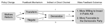

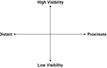



Comments
No Comments have been published for this article.