Case presentation
A 20-hour-old infant presented to the emergency department with the chief complaint of laboured breathing and a rattling noise in his chest. The newborn’s symptoms had resolved before arrival at the hospital. The parents otherwise had no concerns and felt the baby’s behaviour to be appropriate. The patient was born by water birth at home. Rupture of the membranes was spontaneous and prolonged. When delivered, the patient was reported to be blue, but pinked up very quickly. The mother had attempted breastfeeding at home, but felt that the baby had a poor latch. The mother had elected to have a lotus birth, where the placenta and umbilical cord were left attached to the newborn.
On review of maternal obstetric records, the mother received late prenatal care, but had an otherwise uneventful pregnancy including no treatment for prenatal infections or hospitalisations. Maternal laboratory test results, including group B Streptococcus status, were negative. On examination, the placenta and umbilical cord were still attached, but otherwise the physical examination was normal.
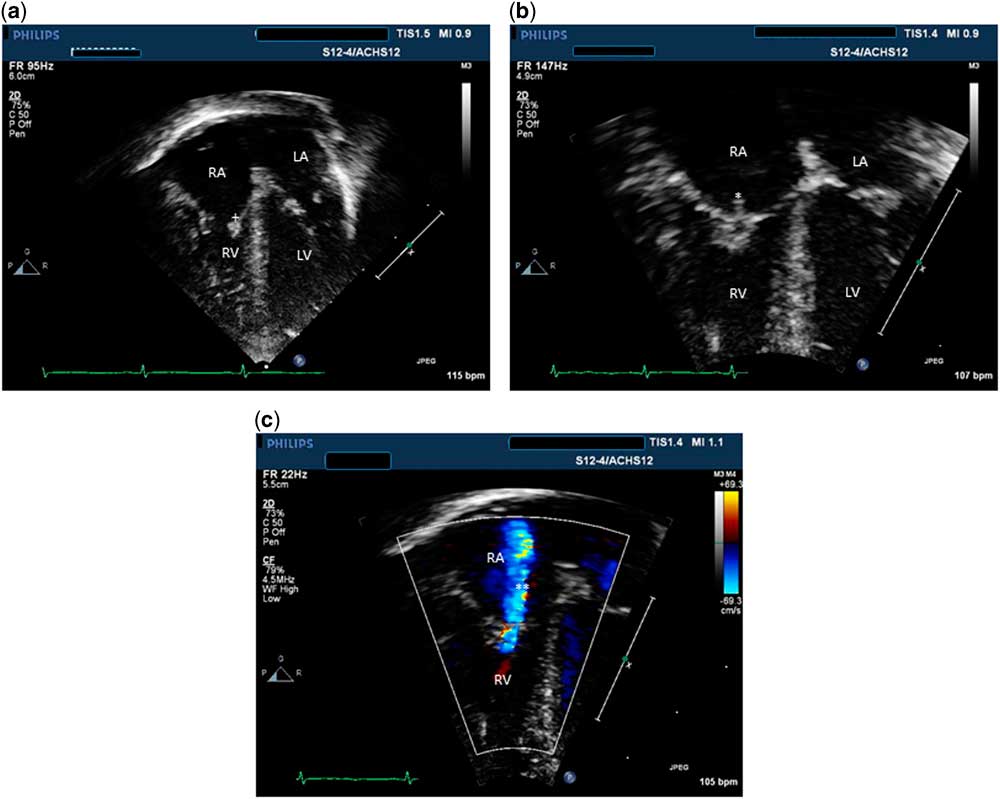
Laboratory analysis showed hypoglycaemia (30 mg/dl), polycythaemia (65.6%), and an elevated C reactive protein (CRP) (14 mg/L). Blood cultures were obtained. The patient was given a dextrose bolus with moderate improvement in his blood glucose level and was admitted to the neonatal ICU for concern for sepsis. Upon admission, the patient’s umbilical cord was cut and central lines were placed. The placenta was not examined by pathology or cultures. Ampicillin and gentamicin were started empirically. On day 2 of the infant’s hospitalisation, blood culture was positive for coagulase-negative staphylococcus. Repeat CRP trended upwards (55 mg/L); however, the complete blood count was unremarkable. Vancomycin was added to the antibiotic regimen. A lumbar puncture and repeat blood culture were performed. The lumbar puncture culture remained negative, whereas the second blood culture grew Staphylococcus lugdunensis with oxacillin sensitivity. Infectious disease was consulted at this time. Antibiotics were adjusted for appropriate coverage with vancomycin and nafcillin. Echocardiography was performed on hospital day 4 because of the association of S. lugdunenesis with endocarditis reported in older patients. The echocardiogram revealed tricuspid valve leaflet thickening and the presence of a vegetation (Fig 1). Vancomycin was discontinued after serial negative blood cultures, and the patient was treated for 6 weeks with IV nafcillin for the S. lugdunensis endocarditis. A follow-up echocardiogram after 1 month of treatment showed resolution of the endocarditis. The patient was discharged home after completing 6 weeks of antibiotics.
( a – c ) Echocardiogram showing tricuspid valve leaflet thickening, vegetation, and insufficiency. LA=left atrium; LV=left ventricle+thickened coaptation point of the tricuspid valve; RA=right atrium; RV=right ventricle. *Small vegetation attached to the chordal apparatus of the tricuspid valve with prolapse during systole; **mild tricuspid valve insufficiency.

Discussion
S. lugdunensis, first described in 1989, is a coagulase-negative staphylococcus and part of the natural skin flora.Reference Fleurette, Bes and Brun 1 Over the past three decades, S. lugdunensis has gained recognition as an uncommon, but significant, pathogen in the adult population.Reference Sabe, Shrestha, Gordon and Menov 2 S. lugdunensis has been known to cause soft tissue abscesses, infections of prosthetic joints, osteomyelitis, and endocarditis.Reference Klotchko, Wallace, Licitra and Sieger 3 Furthermore, S. lugdunensis has been found to cause endocarditis in 46% of patients with S. lugdunensis bacteraemia and was responsible for 1.1% of all cases of endocarditis in an adult population.Reference Zinkernagel, Zinkernagel and Elzi 4 , Reference Anguera, Del Río and Miró 5 S. lugdunensis behaves similarly to S. aureus, rather than its coagulase-negative counterparts, in that it causes large and destructive vegetations affecting native valves.Reference Sabe, Shrestha, Gordon and Menov 2 , Reference Liu, Huang and Tang 6
Staphylococcus lugduensis is an established pathogen in the adult population; however, its significance and prevalence in the paediatric and neonatal populations is less thoroughly understood. In one study performed in a paediatric hospital, 3.6% (10/277) of all cultures positive coagulase-negative Staphylococcus were S. lugdunensis. Of these, seven were considered clinically significant.Reference Sato, Kubota and Horiuchi 7 Speciation of all coagulase-negative Staphylococcus positive blood cultures is not performed at our institution, and therefore no data are available for comparison. Two reports have been made of S. lugdunensis infections in neonates. One was of a premature neonate with a catheter-related bloodstream infection, whereas the other was a term neonate diagnosed with a S. lugdunenesis urinary tract infection.Reference Tee, Soh, Lin and Loo 8 , Reference Hayakawa, Hataya and Yamanouchi 9
Although S. lugdunensis is an uncommon but established cause of destructive endocarditis in the adult population, there have not been large-scale studies on the significance of S. lugdunensis endocarditis in children. A review of literature revealed seven cases of S. lugdunensis endocarditis in this population. Of the seven (29%) children, two were previously healthy with no CHD. The remainder of the patients reported had either CHD (57%) or were immunocompromised (14%) at the time of infection. In total, six of these patients required heart surgery owing to complications of their infections, including valvular destruction and abscess formation. The youngest patient previously described was 2 years old.Reference Sotutu, Carapetis and Wilkinson 10 – Reference Murillo, McMahon and Starr 16
In this case, the patient underwent a lotus and water birth. Although unusual neonatal infections have been reported with water births in the past, including, among others, Legionella pneumonia and Haemophilus sepsis,Reference Franzin, Scolfaro and Cabodi 17 , Reference Kaushik, Bober and Eisenfeld 18 larger studies have shown that there is no significant increased risk of subsequent neonatal infections in newborns who underwent water births.Reference Thoeni, Zech and Moroder 19
Lotus birth is the practice of leaving the umbilical cord uncut, resulting in continued attachment of infant and placenta after delivery. The placenta is then placed in an absorbent material such as a diaper, cheese cloth, or placental bag. The placenta is patted dry and in some instances salted daily until the umbilical cord naturally separates from the infant.Reference Buckley 20 , Reference Weisberger 21 While studies have not been performed on the potential risk of this type of birthing practice, the Royal College of Obstetrics and Gynecology warned against infection-associated risk to the infant’s health. 22 In addition to this warning, a brief report of a neonate with idiopathic hepatitis following a lotus birth has been published.Reference Tricarico, Bianco and Di Biase 23
Conclusion
We describe the first reported case of S. lugdunensis sepsis and endocarditis in a term neonate following an unusual birthing practice. The prevalence of S. lugdunensis infections in the paediatric population is low, but when present this pathogen has the potential to cause serious infections, including endocarditis, in children and neonates. This case is unique not only because of the uncommon pathogen involved, but also because of the age, nature of infection, and the birth history of this patient.
Financial Support
This research received no specific grant from any funding agency, commercial or not-for-profit sectors.
Conflicts of Interest
None.
Ethical Standards
The authors assert that all procedures contributing to this work comply with the ethical standards of the relevant national guidelines on human experimentation Arkansas Children’s Hospital and with the Helsinki Declaration of 1975, as revised in 2008, and has been approved by the institutional committees.
Acknowledgements
The authors thank Michele Honeycutt, RN (ACH Epidemiology), and Laura Cantrell, BS MT (ASCP), ACH Microbiology/Virology Laboratory, for their assistance with preparation of this report.