Introduction
Tobacco is a known addictive consumer product and its use has been reported to be associated with several health problems. It is the leading cause of premature, preventable mortality worldwide and studiesReference Warren, Alberg and Kraft1–Reference Jha, Ramasundarahettige and Landsman3 have shown that the mortality rates among smokers are about three times higher than among people who have never smoked. Exposure to tobacco smoke and tobacco use is responsible for over 480,000 deaths per year in the United States, including more than 41,000 deaths resulting from second-hand smoke exposure.4 In Canada, it is estimated that approximately 4·6 million people are considered active smokers and nearly 45,000 die from tobacco-related diseases each year.5 Tobacco use is also responsible for more than 7 million deaths per year worldwide.Reference Warren, Alberg and Kraft1 Several studiesReference Warren, Alberg and Kraft1, Reference Shiels, Gibson and Sampson6–Reference Kassim, Osei and Cronin8 have shown that tobacco use is causally associated with several cancers including cancers of the lungs, oropharynx and larynx, esophagus, stomach, pancreas, kidneys and ureters, cervix and bladder as well as acute myeloid leukemia.
For patients undergoing cancer treatment, tobacco smoking can potentially compromise treatment efficacy, overall survival, disease-free survival, and quality of life.Reference Kassim, Osei and Cronin8 Furthermore, it poses a unique risk of increased disease recurrence, second primary tumors, surgical complications, increased toxicities after radiotherapy, increased length of hospital stay after surgery and increased cancer-specific mortality.Reference Jha, Ramasundarahettige and Landsman3, 5, Reference Kassim, Osei and Cronin8, Reference Toll, Brandon and Gritz9 However, there is sufficient evidence suggesting numerous benefits of smoking cessation interventions for cancer patients.Reference Kassim, Osei and Cronin8, Reference Gritz, Fingeret and Vidrine10–Reference Gritz12 The health benefits of smoking cessation for oncology patients include improved cancer prognosis, better response to therapy (i.e., surgery, radiotherapy, chemotherapy), reduced radio-toxicities, relatively faster healing after surgery, reduced surgical complications, low risk of recurrence and second cancers and reduction in overall and cancer-specific and premature mortalities.Reference Kassim, Osei and Cronin8, Reference McBride and Ostroff13, Reference Warren, Kasza and Reid14 According to the 2014 Surgeon General’s report,Reference Warren, Alberg and Kraft1 the risk of cancer patients dying from the disease could be reduced by about 30–40% if they quit smoking at the time of their diagnosis. It is therefore imperative to support patients who are identified as active smokers and undergoing cancer treatment with smoking cessation programs. Communicating the ongoing risks of smoking tobacco and the benefits of cessation to cancer patients and their families is an effective means to promote cessation and the rationale for several cancer programs to introduced smoking cessation programs to help patients quit smoking when diagnosed with cancer or undergoing cancer treatment.
When patients become knowledgeable of the various risks associated with continued smoking and are also informed of the benefits associated with cessation, they will more likely want to quit smoking, unfortunately, the habitual and addictive nature of smoking makes cessation difficult. The addictive nature of nicotine is manifested in the difficulty with which many smokers have to permanently quit tobacco use.15 Tobacco dependence is a chronic relapsing condition and abstinence is associated with withdrawal symptoms such as cravings, depression, anxiety, irritability, difficulty concentrating, increased appetite, restlessness and insomnia.15 Tobacco users who attempt to quit on their own efforts without any assistance may find it difficult to succeed, consequently, any attempt to quit often requires repeated interventions to be successful.15 According to Hughes et al.,Reference Hughes, Keely and Naud16 the abstinence rate for unaided cessation is typically less than 5%; however, Stead et al.Reference Stead, Buitrago and Preciado17 reported that simple advice from a physician or basic clinical cessation interventions can have a significant effect on a patient’s cessation. It has also been reported that the duration and frequency of contact with patients in a cessation program have significant impact on the abstinence rate.Reference Stead, Buitrago and Preciado17 Therefore, to achieve meaningful smoking abstinence rates in any oncology program requires the establishment of a well-structured sustainable cessation program that offers a comprehensive tobacco-dependence treatment such as behavioural counseling, pharmacotherapy and follow-up support for patients. Consequently, to optimise clinical outcomes, smoking cessation interventions should be an integral component of any standard oncologic care continuum from prevention of cancer through diagnosis, treatment, survivorship and palliative care. Comprehensive smoking cessation programs should be sustainably integrated into any oncology program and the information should be targeted to the specific benefits of cessation in cancer patients.
Aim of study
Considering the extensive evidence of the benefits of smoking cessation and to ensure the provision of optimal quality of care for cancer patients, Cancer Care Ontario (CCO) in September 2012, endorsed and provided funding for the implementation of smoking cessation intervention programs in all the 14 Regional Cancer Programs in Ontario, Canada. The implementation of the smoking cessation intervention program at the Grand River Regional Cancer Centre (GRRCC) began in late 2013 when a full-time Registered Nurse (RN) was employed to develop and manage a smoking cessation clinic. The nurse had the role of providing patients who smoke with evidence-based intensive smoking cessation intervention, ideally at the time of their initial consultation at the Cancer Centre. Therefore, the main aim of this study was to provide results of the initial evaluation of the smoking cessation intervention program implemented at GRRCC for patients undergoing treatment at our Cancer Center.
The GRRCC Smoking Cessation Intervention Program
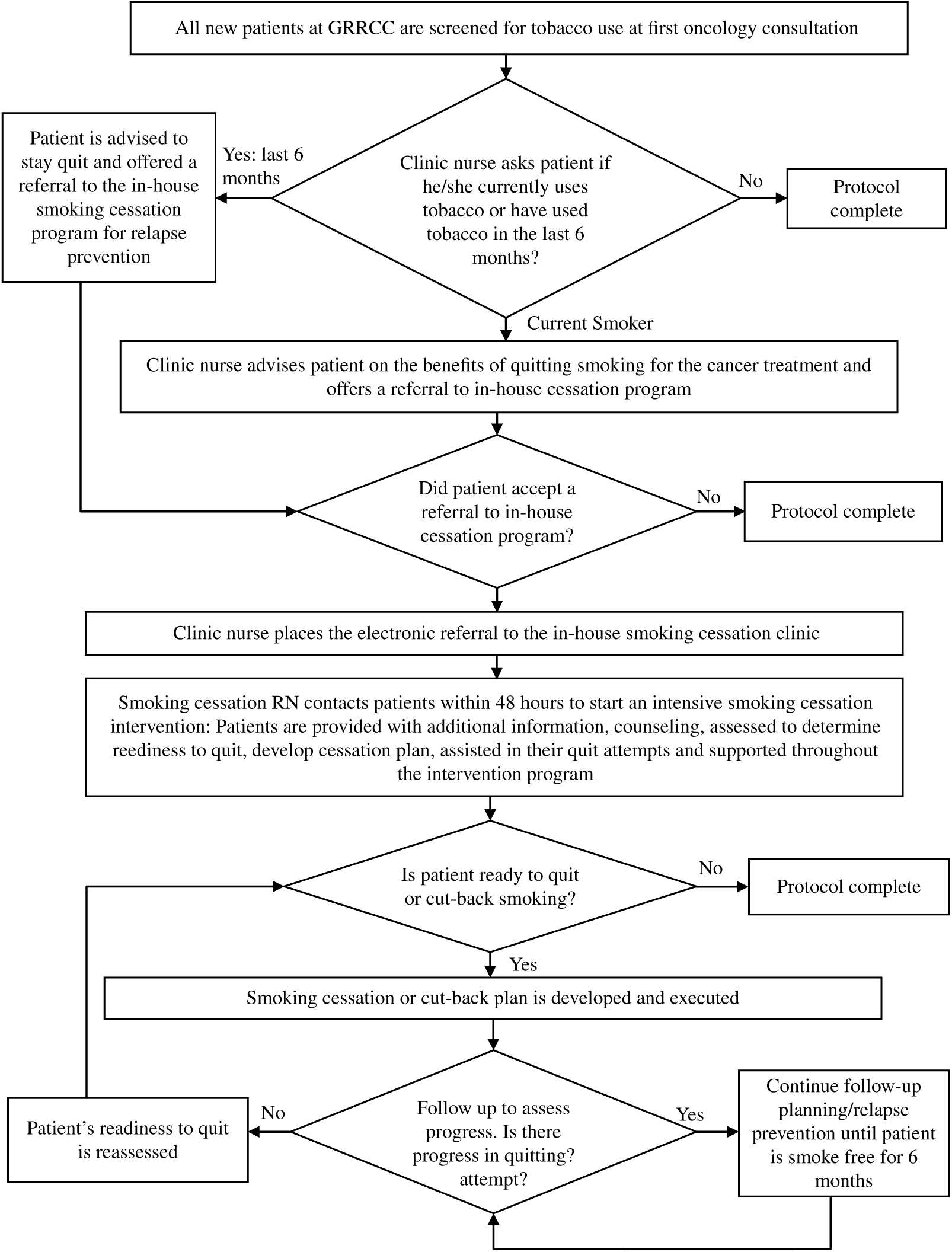
Figure 1 shows a flow chart of the smoking cessation intervention processes from patients’ first consultation at the cancer center to the time they complete the program, and the following sections explain in some detail the smoking cessation processes at GRRCC.
A flow chart of the smoking cessation intervention processes.

Patient permission or consent
GRRCC is committed to ensure patient confidentiality and informed consent at all times during the smoking cessation intervention process. During any engagement with patients, the smoking cessation clinic RN will first ask patient’s permission or consent before engaging in any conversation or sharing of information regarding smoking habits, the benefits of quitting smoking specific to their diagnosis, cessation plan and other comorbidities. The smoking cessation clinic RN will not proceed further with any conversation or intervention plan on smoking cessation with patients referred to the program without the patient’s permission or informed consent. Furthermore, at any moment during the cessation intervention process, if a patient refuses to continue with the program, their wishes are granted and the process ceases.
The referral process
Patients are referred to the smoking cessation clinic in one of the three ways: by an oncology nurse or radiation therapist who will then enter the electronic health record (EHR) referral, by direct referral from an oncologist, or by patient self-referral. Patients who self-refer into the cessation program do so by completing a self-referral form strategically located throughout the cancer center. GRRCC supports patients in the cessation program using the ‘3As model’ as described by the Ottawa model18 for smoking cessation, which includes (1) Ask: asking all new patients about their smoking status, (2) Advise: by providing personalised advice to patients about the benefits of smoking cessation and (3) Act: acting to assist patients in their cessation and arranging for follow-ups or to refer the patients to a smoking cessation program in their community.
Patients screening for tobacco use
All new ambulatory cancer patients entering the GRRCC oncology program for treatment are screened for their smoking status at the time of their initial consultation at the Cancer Center by an oncology clinic nurse or an oncologist by asking about their current or recent tobacco use. They will use standardised screening questions, such as ‘do you use tobacco?’ or ‘have you used tobacco in the past 6 months?’ Patients are identified as current smokers if they are currently using tobacco or have used tobacco in the past 6 months.
Initial personalised advice to patients
The clinic nurse who conducts the in-person screening of patients will briefly advise the patients identified as being recent or current smoker of the benefits and importance of smoking cessation, specifically with regard to the success of their cancer treatment. The patients are then offered a referral to the GRRCC in-house smoking cessation program to be assisted in smoking cessation attempts. Patients who accept a referral to the cessation clinic are contacted either in-person or by phone within 48 hours by the smoking cessation clinic registered nurse who will provide more detailed additional information, counseling and support to the patient.
Smoking cessation clinic registered nurse
A full-time Registered Nurse (RN) who is an employee at GRRCC runs the smoking cessation clinic in the oncology program. The smoking cessation clinic RN has the responsibility to assess patients to determine their readiness to quit smoking, assist motivated patients in their quit attempts and arrange follow-ups for those receiving assistance to quit. For patients who indicate that they are ready to quit smoking, the cessation clinic RN will assist with the planning and provision of information related to smoking cessation medications or nicotine replacement therapies (NRT) and discuss the pharmacotherapy options that are available to support smoking cessation.
Intensive smoking cessation intervention
All patients who are identified as current or recent smokers during the screening of tobacco use by the clinic nurse and who accept a referral to the smoking cessation program receives intensive evidence-based advice by the cessation clinic RN on the benefits of smoking cessation specifically with regard to the success of their cancer treatment and will also assist motivated patients in any cessation attempts. However, the patient’s permission is first sought by the RN to share the benefits of quitting smoking specific to their diagnosis, treatment plan and other comorbidities. They are then provided with a Quit Kit, which contains information from Cancer Care Ontario and the Ottawa Model18 for smoking cessation and outlines the evidence-based benefits of smoking cessation and the various options available to assist patients with the cessation whether they are having surgery, chemotherapy or radiation therapy for their treatment. At the initial intensive smoking cessation intervention contact, the smoking cessation RN will obtain information regarding patient’s smoking and cessation history and will assess their readiness to quit smoking. The assessments used in the intensive intervention include the Fagerstrom Test for Nicotine Dependence,19 the Readiness RulerReference Boudreaux, Sullivan and Abar20 to assess the importance to the patients of quitting, the confidence they feel in quitting, their readiness to quit smoking and their stage of change according to the Transtheoretical Model.Reference Prochaska and Velicer21 Additional assessment includes reviewing if the patient is exposed to secondhand smoke and if there is a history of mental illness that may be impacted by smoking cessation. All patients who further indicate their readiness to quit smoking are assisted by addressing a commitment to a method to achieve smoking cessation with regard to planning a quit attempt, and provision of information relating to smoking cessation medications or nicotine replacement therapies. The smoking cessation RN also provides patients with information related to local cessation support groups, and discussion of barriers, triggers, strategies, etc., related to smoking cessation. Furthermore, patients are asked about any prior use, or knowledge of any of the seven cessation aids (i.e., the five types of nicotine replacements such as patch, gum, lozenge, inhaler, spray and the two oral aids such as bupropion and varenicline).
Smoking cessation aids
There are several treatment options available for the patients in the smoking cessation program, including both pharmacologic and nonpharmacologic interventions; a combination of behavioural and pharmacologic therapy has been recommended in various studies.15, Reference Carrozzi, Pistelli and Viegi22, Reference Roberts, Kerr and Smith23, Reference Bondy, Diemert and Victor24 The pharmacologic interventions provided by the smoking cessation RN include using the nicotine replacement therapy, bupropion or varenicline therapy, with the most common of these interventions being the nicotine replacement therapy. Patients who are interested in using a smoking cessation aid to support their quit attempts are assessed for any contraindications to using any of the available cessation aids. The smoking cessation RN has completed a tobacco cessation Training Enhancement in Applied Cessation Counseling and Health (TEACH) program and is able to help patients select the type and dose of nicotine replacement therapy appropriate for their specific needs. However, one of the barriers to successful smoking cessation is access to cost-free cessation aids, and that this is one of the considerations in choosing pharmacotherapy. GRRCC recognises that patients undergoing cancer treatment already have costs associated with their treatment and so paying for smoking cessation aids can be a barrier for them. Therefore, GRRCC provides patients with a free 1 or 2 weeks compassionate supply of nicotine patches (courtesy of Johnson and Johnson), in addition to gum, lozenge, inhaler or spray. The opportunity to provide free nicotine replacement both facilitates the patient’s quit attempts as well as acknowledging that paying for smoking cessation aids can be a barrier to tobacco cessation.
The smoking cessation clinic RN will facilitate any prescription written by the oncologist for those patients interested in one of the prescription oral cessation aids, such as varenicline or bupropion and patients who have drug coverage for the oral cessation aids are among the most common group of patients who opt for the varenicline or bupropion. The smoking cessation clinic RN also educates patients about the correct use of the smoking cessation aids, the side effects, the signs of nicotine toxicity and what patients should do if the symptoms occur. Furthermore, patients education include the nature of tobacco addiction, the symptoms of nicotine withdrawal (i.e., cravings, irritability or anger, anxiety, poor concentration, depression, sleep disturbance, coughs, headache, lightheadedness etc.) and ways to help them manage any nicotine withdrawal both behaviourally and pathophysiologically.
Follow-ups
If patients have consented, they are followed up until they have been smoke free for up to 6 months and/or graduated from the cessation program. The smoking cessation clinic RN will follow-up with patients either in-person or via telephone a week after the patient starts using the nicotine replacement or oral smoking cessation aid to assess for symptoms of nicotine withdrawal. During each follow-up assessment, use of nicotine replacement therapy including type and frequency is noted as well as rating of withdrawal symptoms as low, medium or high and are monitored during each follow-up assessment. Based on the patient’s symptom(s) reporting, adjustments to the nicotine replacement therapy dosage are made to support the patient in their efforts to quit. The frequency of subsequent follow ups is tailored to the needs of the patient but generally occur at 2 weeks, 4 weeks and then monthly thereafter until the person has been able to quit for up to 6 months. During these one-on-one follow-ups, the cessation RN reviews mutually agreed upon strategies, as well as the smoking status, and the patient’s readiness to quit. If there has been no change in smoking status, the importance and their readiness to quit smoking is reassessed.
Additional Resources and Support
Smoking therapy for Ontario patients (STOP)
All patients are encouraged to participate in the Region of Waterloo Public Health Unit (which is one of the local resources) Smoking Therapy for Ontario Patients (STOP) workshops, which is offered once per month. Patients who qualify for the STOP study are eligible for 5 weeks of free nicotine patches after attending a one-time 2-hour workshop.
Local services
GRRCC has developed an inventory of smoking cessation services that are available in the Local Health Integration Network (LHIN) including Smokers’ Helpline, community pharmacists, family health teams and local public health units that offer smoking cessation services and any other local resources that patients can access in the community to help them quit smoking. Regional partnerships with these community smoking cessation services has been developed and encouraged so that patients can seamlessly be referred to community resources to support their quit attempts. Some community pharmacists also have the ability to prescribe the oral smoking cessation aids, namely bupropion and varenicline, so patients can be directed to speak with their pharmacist for a prescription as applicable.
Data collection
GRRCC uses a simple excel spreadsheet database to record and analyze various patient’s cessation data, which are updated with every patient follow-up visit. Information currently collected in this database includes the referral date, the origin of the referral (i.e., breast Diagnostic Assessment Program (DAP), lung DAP, etc.), the disease site, the patient’s initial goal related to smoking cessation (i.e., to quit, to reduce, undecided, etc.), the quit date, number of quit attempts (defined as at least 24 hours smoke free since last contact), type of contact (i.e., by phone or in person), the date the last contact was made, whether the patient has reduced or quit smoking and when patients leave the program. The data entry is recorded by the smoking cessation clinic RN after every follow-up and the analysis was completed by a student (MSc) as a part of his/her practicum at the GRRCC. We had previously not kept records of the treatment options or the type of cessation aid (i.e., nicotine replacement therapy, etc) offered to the patients; however, we have now revised our database and developed a process to start recording these treatment options. This information will be very useful in future data analyses and the evaluation of the efficacy of the nicotine replacement therapies or support strategies and potentially enable us to assess the clinical impact of the various interventions options offered to patients.
Results
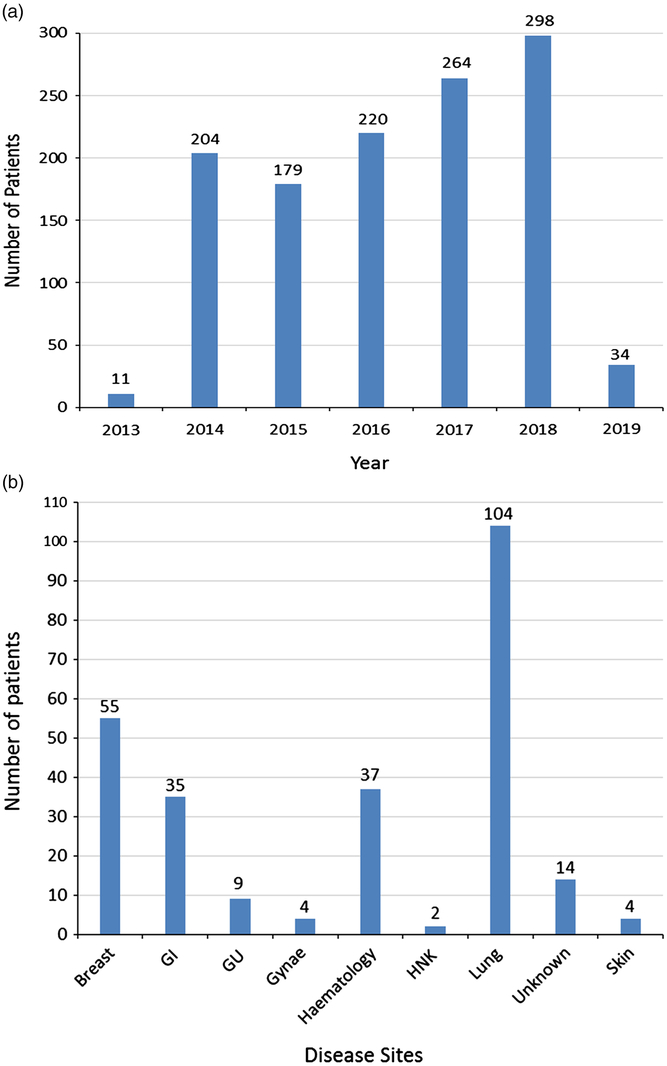
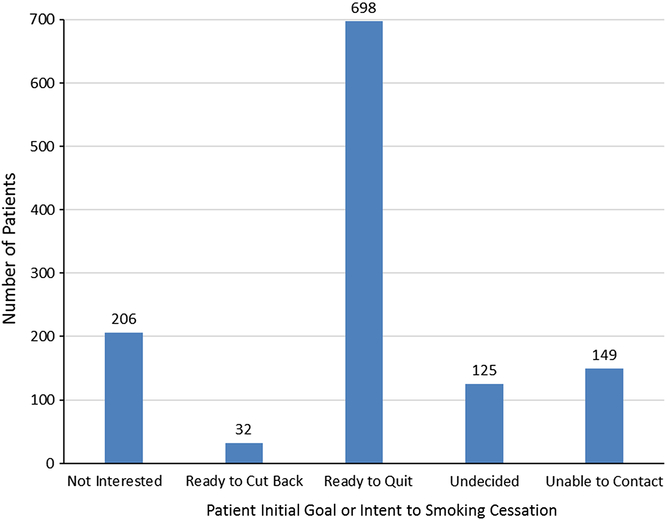
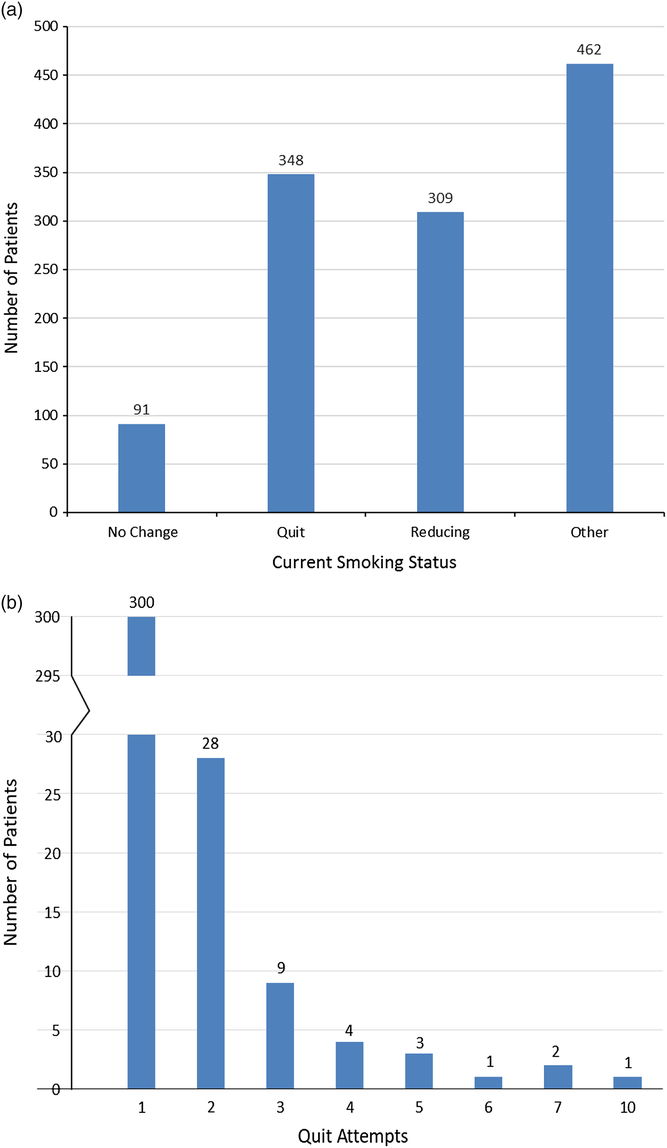
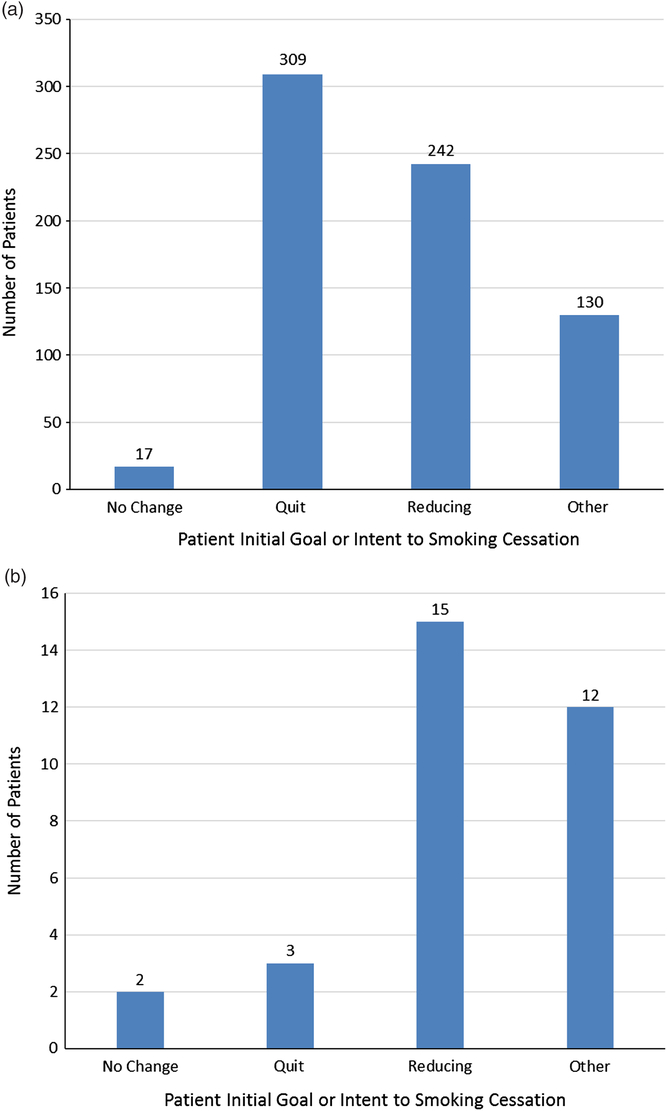
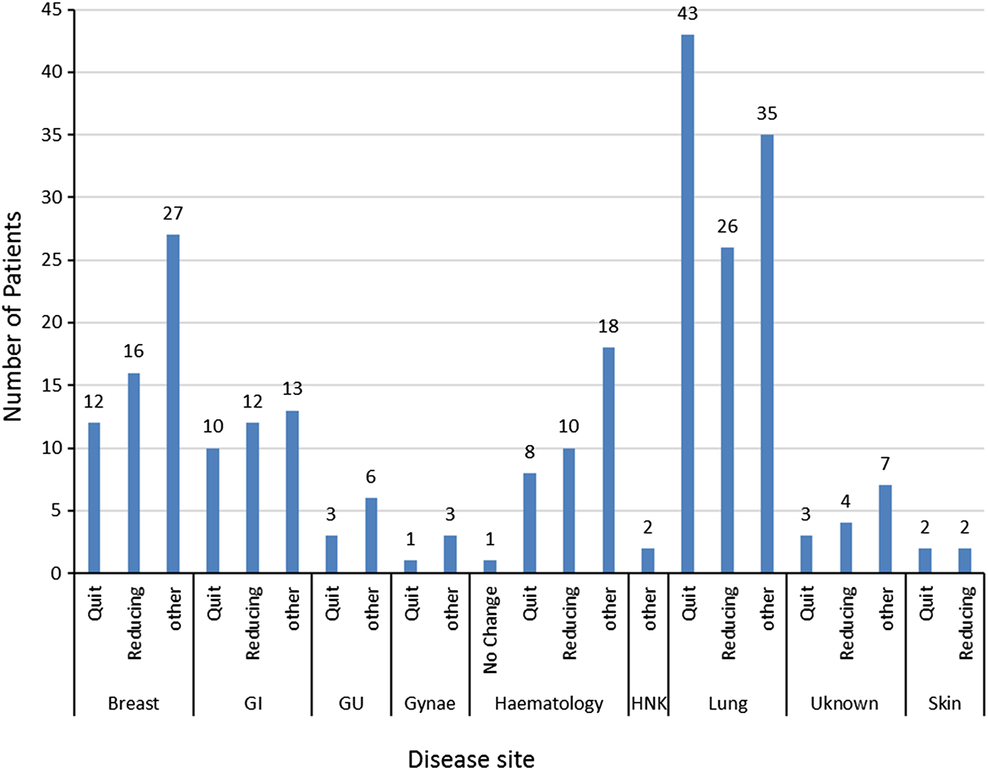
There are about 1,210 patients who were screened and accepted a referral into the cessation program, of which about 67% were contacted by phone and about 33% were contacted in person after the referral by the cessation clinic nurse to provide additional information, counseling and support. The trend of new patients screened for tobacco use and who accepted a referral to the smoking cessation program is shown in Figure 2a. Documentation of patient’s disease site as a part of the data records started in 2018 and Figure 2b shows the number of patients referred to the smoking cessation program since 2018 stratified into the various disease sites. Figure 3 shows the number of patients stratified into their initial indicated plan or goal to smoking cessation of ‘Ready to Quit’, ‘Ready to Cut Back’, ‘Not Interested’ and ‘Undecided’. The ‘Unable to Contact’ are those patients who accepted a referral, but the smoking cessation nurse was unable to make contact with them after several attempts. Figure 4a shows all patients referred to the smoking cessation program stratified into their current recorded smoking status and Figure 4b shows the 348 patients who were able to quit smoking in the program stratified by the number of quit attempts. Contact with a larger proportion (indicated by ‘other’ in Figure 4a) of the patients ceased for a combination of several reasons including; they indicated an initial plan or intent of ‘not interested’ or ‘undecided’, or the nurse was unable to make any contact after the referral, or they were no longer being followed at GRRCC (referred to another Cancer Center) or they decided to end our contact for their own reason(s). Figures 5a and 5b show the patients who indicated an initial plan or intent of ‘Ready to Quit’ and ‘Ready to Cut Back’, respectively, stratified into their current smoking status. Figure 6 shows the 264 patients since we started recording the patient’s disease site in our database in 2018 stratified by disease site and further grouped by their current smoking cessation status.
(a) The new patients’ referral pattern to the cancer center smoking cessation program since the program began in October 2013. The data for 2019 is from January to mid-February. (b) The number of patients referred to the smoking cessation program since 2018 stratified by disease site. Data were available for 264 patients since we started recording the patient’s disease site in our database in 2018.

The number of patients stratified into their initial indicated plan or goal to smoking cessation of ‘Ready to Quit’, ‘Ready to Cut Back’, ‘Not Interested’, ‘Undecided’. The ‘Unable to Contact’ are those patients who accepted a referral, but the smoking cessation nurse was unable to make contact with them after several attempts.

(a) The patients in the smoking cessation program stratified into their current smoking statuses. The ‘Other’ comprises of patients who indicated an initial plan or intent of ‘not interested’ or ‘undecided’, or the nurse was unable to make any contact after the referral, or they are no longer being followed at GRRCC (referred to another Cancer Center) and therefore contact with them ceased, or they decided to end our contact for their own reasons. Quit is defined as being able abstained from smoking for 6 months and therefore ‘graduated’ from the cessation program. (b) The 348 patients who were able to quit smoking in the program as a function of the number of quit attempts. Quit attempt is defined as abstaining from smoking tobacco for at least 24 hours.

(a) The stratification of the 698 patients who indicated their initial plan or goal of ‘Ready to Quit’ when they entered the program into their current smoking status (Quit, Reducing, No Change). (b) The stratification of the 32 patients who indicated their initial plan or goal of ‘Ready to Cut Back’ into their current smoking status (Quit, Reducing, No Change).

The patients stratified by disease and further grouped by their current smoking cessation status. Data were available for 264 patients since we started recording the patient’s disease site in our database in 2018. The ‘Other’ comprises of patients who indicated an initial plan or intent of ‘not interested’ or ‘undecided’, or the nurse was unable to make any contact after the referral, or they are no longer being followed at GRRCC (referred to another Cancer Center) and therefore contact with them ceased, or they decided to end our contact for their own reasons.

Discussion
The smoking cessation program at the GRRCC started in October 2013 to provide evidence-based intensive smoking cessation interventions for patients with cancer. The referral pattern (Figure 2a) shows a modest increase every year except 2015 where the data show a slight drop in the number of referrals. Among the 264 patients accepting referral to the cessation program who were stratified by disease site, most of them were observed to be lung cancer patients (39%) followed by those diagnosed with breast cancer (21%) (Figure 2b). During the initial smoking cessation intervention encounter with patients at the cessation clinic, they are assessed by the cessation clinic RN to determine their readiness to quit smoking by allowing them to indicate their initial goals to cessation. Overall, it was observed that most of the patients (about 58%) referred to the program indicated readiness to quit smoking and only about 17% who although accepted a referral to the cessation program indicated that they were not interested in quitting (Figure 3). Our data affirm that if patients and their families become aware of the various risks associated with smoking or if they are informed of the benefits associated with cessation with regard to their cancer treatment, they will more likely decide to quit. Papadakis et al.Reference Papadakis, Tulloch and Gharib25 conducted a survey in 49 primary care practices in Ontario on the prevalence of tobacco use. The patients were screen for smoking status at the time of their clinic appointment and their stage of readiness to quit smoking was also assessed. They reported that a total of 41·1% of the respondents reported that they were ready to quit smoking in the next 6 months and 30·1% reported their readiness to quit in the next 30 days. Little et al.Reference Little, Klesges and Bursac26 conducted a similar survey among 631 adult cancer survivors among which 112 were identified as current smokers, to evaluate their readiness to quit smoking. They reported that about 32·7% of the cancer survivors who were identified as current smokers indicated their readiness to make a cessation attempt within 1 month, another 32·7% indicted readiness to quit within 6 months, and about 34·6% of smokers reported they were not ready to quit smoking. Babb et al.Reference Babb, Malarcher and Schauer27 conducted a study on the prevalence of interest in quitting smoking among adult smokers aged ≥ 18 years in the United States during 2000–2015. They reported that about 68·8% of the adult smokers indicated their readiness to stop smoking cigarette and about 50% of the smokers reported receiving advice from a health professional to quit smoking and as a result made quit attempts.
All patients in the program are encouraged to attempt to abstain from smoking at least for a day and continue until they are able to completely quit smoking. We define a ‘quit attempt’ as the successful attempt to abstain from smoking for at least 24 hours and ‘quit’ as being able to abstain from smoking such that they are ‘graduated’ from the cessation program or after achieving up to 6 months smoke free. Although some patients made several quit attempts, most of those who quit (about 86%) were able to quit on the first quit attempt. Since we started recording quits attempts, about 431 patients made various attempts and out of that about 348 (29%) were able to completely quit, 71 (26%) patients cut back in smoking (Figure 4a) and only 12 (1%) patients made no change after various quit attempts. A total of 43 (41%) of the lung cancer patients out of the 104 were able to quit smoking, whereas 26 (25%) cut back in smoking (Figure 6). The data, although very modest, seem to suggest that cancer diagnosis (especially lung cancer) in adults may have a positive influence on smoking cessation. Burke et al.Reference Burke, Miller and Saad28 conducted an observational clinical study on smoking behaviours among cancer survivors and reported that about 44% of the respondents identified as smokers quit smoking after their cancer diagnosis and 62% reported having received smoking cessation counseling from their physicians. Blanchard et al.Reference Blanchard, Denniston and Baker29 completed a survey to examine changes in lifestyle behaviours after a cancer diagnosis in a cohort of 352 adult cancer survivors. They reported that 46% of the patients identified as smokers quit smoking since their cancer diagnosis. Our data further indicates that while about 309 (44%) of patients who indicated their initial intent of ‘Ready to Quit’ were able to quit, about 242 (35%) were rather able to cut back (Figure 5a). A total of 15 (about 47%) patients out of the 32 who indicated their initial intent of ‘Ready to Cut Back’ were able to cut back on smoking and three patients (about 9%) ended up quitting, although they indicated an initial goal of ‘Ready to Cut Back’ (Figure 5b). Although, very modest, the data demonstrate that the cessation program support can facilitate a goal change from ‘ready to cut back’ to quitting.
Cessation intervention treatment options
The GRRCC smoking cessation program offers patients evidence-based nicotine replacement therapy; including the long-acting nicotine patch (usually worn for 24 hours), nicotine gum, lozenge, inhaler or spray (which are rapid acting and usually used as needed for cravings and other symptoms of nicotine withdrawal), varenicline and bupropion. We offer them to patients to manage their cravings and other symptoms of nicotine withdrawal. Stead et al.Reference Stead, Perera and Bullen30 reported that these nicotine delivery forms are able to replace the nicotine-mediated neuropharmacological effects achieved by smoking. A report by the United States Public Health Service recommends that pharmacological smoking cessation aids should be used for all smokers who are trying to quit unless contraindicated,15 and Health Canada also recommends using the nicotine replacement therapy as a first-line smoking cessation treatment.Reference Bondy, Diemert and Victor24 There is also evidence suggesting that using the nicotine replacement therapy doubles the quit rates at 6 months compared to placebo.Reference Hartmann-Boyce, Chepkin and Ye31 Furthermore, Hartmann-Boyce et al.Reference Hartmann-Boyce, Chepkin and Ye31 reported that combining a long-acting nicotine patch with a short-acting nicotine replacement therapy can potentially triple quit rates at 6 months compared to placebo. Based on these evidence, the nicotine replacement therapy has been the most commonly used smoking cessation aid in our cessation program. However, we had previously not kept records of the type of treatments offered to patients. We have now revised our database to start recording these treatment options that will help with future data analyses and the evaluation of the efficacy of the nicotine replacement therapies or support strategies we offer. Stead et al.Reference Stead, Perera and Bullen30 indicated that regular tobacco users are usually addicted to the nicotine in tobacco and using the nicotine replacement therapy allows them to maintain stable nicotine levels in their bloodstream to reduce cravings and to avoid withdrawal symptoms when attempting smoking abstinence. When a person uses tobacco, the nicotine enters the bloodstream and results in the release of neurotransmitters in the brain, namely dopamine, which help regulate mood and behaviour and hence when the nicotine level in the blood decreases it results in withdrawal symptoms such as restlessness, increased appetite, inability to concentrate, irritability, dizziness and craving for nicotine will develop.Reference Stead, Perera and Bullen30 The nicotine addiction is perpetuated by the fact that nicotine reaches the brain within 7–10 seconds of inhaling from a cigarette32 and the symptoms may begin within a few hours after having the last use of tobacco and if not relieved by smoking, the withdrawal symptoms will increase in severity.Reference Stead, Perera and Bullen30
The smoking cessation clinic RN counsels patients on the use and the selection of the type of nicotine replacement therapy based on patient’s preference, types of triggers the patient may have, management of withdrawal symptoms and their previous experience with nicotine replacement therapy. The nicotine patch is simple to use and long acting, providing a steady release of nicotine over 24 hours and provides constant relief of nicotine withdrawal during usage. The nicotine patch can be used alone or in combination with one of the other short acting nicotine replacement therapies. While the nicotine gum is the most commonly used form of the short acting nicotine replacement therapy, it must be chewed correctly using the ‘bite, bite, park’ method of chewing. However, it is not suitable for people with poor dentition, dentures, or temporomandibular joint syndrome and other alternate form of short-acting nicotine replacement therapy such as lozenge, inhaler or spray may be offered to these patients. The nicotine lozenge is pharmacokinetically similar to the nicotine gum, and is a good alternative for people with chewing concerns. Using the nicotine inhaler provides the nicotine needed to address withdrawal symptoms while at the same time mimicking the hand to mouth behaviour associated with smoking. The nicotine mouth spray is the fastest acting therapy among all the short-acting nicotine replacement therapies and provides withdrawal relief within 60 seconds. The bupropion medication belongs to a group of atypical antidepressant drugs known as norepinephrine-dopamine reuptake inhibitors that block the reuptake of dopamine and norepinephrine and it is considered to be the mechanism behind its effect on smoking cessation.Reference Hays and Ebbert33 The bupropion alone or in combination with a nicotine patch has been found to significantly increase long-term cessation rates compared with the nicotine patch alone.Reference Hays and Ebbert33 The varenicline drug on the other hand is a selective nicotinic receptor partial agonist used to aid in smoking cessation by reducing withdrawal symptoms through an agonist effect and cravings.Reference Coe, Brooks and Vetelino34 It is the first partial agonist of the α4β2 nicotinic acetylcholine receptor to be developed and the dependency effects of nicotine are thought to be mediated at these receptors.Reference Coe, Brooks and Vetelino34 Varenicline works by stimulating dopamine that results in reduced cravings and withdrawal symptoms while simultaneously acting as a partial antagonist by blocking the binding and consequent reinforcing effects of smoked nicotine.Reference Coe, Brooks and Vetelino34
The evidence-basedReference Roberts, Kerr and Smith23, Reference Civljak, Stead and Hartmann-Boyce35–Reference Hiscock, Murray and Brose39 nonpharmacologic cessation strategies used in our program to aid smoking cessation include behavioural interventions (such as patient education and advice), behavioural therapy, self-help materials (printed and Web-based) and telephone counseling. The behavioural support interventions may include written materials containing advice on quitting or individual counseling sessions in person or by telephone. We currently do not offer multisession group therapy programs; however, patients are usually encouraged to join local cessation groups that may offer group therapies. Civljak et al.Reference Civljak, Stead and Hartmann-Boyce35 and Hartmann-Boyce et al.Reference Hartmann-Boyce, Lancaster and Stead36 reported that providing standard self–help materials alone have small effect on cessation success; however, there is evidence of a benefit of adding more intensive advice or counseling to the individually tailored self–help materials. According to Stead et al.,Reference Stead, Koilpillai and Fanshawe40 combining pharmacotherapy with counseling for smoking cessation is more effective than either medication or counseling alone, and multiple counseling sessions increases the likelihood of success. Furthermore, Stead et al.Reference Stead, Perera and Bullen30 reported that pharmacotherapy combined with counseling increases quit rates by 10–25% compared to pharmacotherapy alone. Behavioural support (such as brief advice and counseling) and medications (including varenicline, bupropion, and nicotine replacement therapies, e.g., patches or gum) has been reported to help people successfully quit smoking.Reference Stead, Koilpillai and Fanshawe40 Many guidelinesReference Stead, Koilpillai and Fanshawe40–Reference Macleod, Arnaldi and Adams43 recommend combining medication and behavioural support to help people stop smoking. For some patients, choosing a combination of pharmacotherapy and behavioural intervention will increase their ability to stop smoking and Stead et al.,Reference Stead, Koilpillai and Lancaster44 in a randomised study of patients receiving smoking cessation interventions, have reported that brief counseling combined with nicotine replacement therapy is more effective than counseling alone. In a randomszed study of telephone counseling combined with nicotine patch therapy, individuals who received both counseling and nicotine replacement therapy had significantly greater abstinence rates compared with those who received nicotine replacement therapy alone.Reference Macleod, Arnaldi and Adams43
Conclusions:
Tobacco use is associated with several health problems as well as the leading cause of premature, preventable mortality worldwide and adds significant burden on healthcare cost in developed countries. According to statistics Canada, healthcare spending related to smoking is estimated to account for between 6 and 15% of total annual healthcare costs in the country.Reference Janz45 Furthermore, for patients undergoing cancer treatment, tobacco smoking can potentially compromise treatment efficacy, increase risk of disease recurrence, increase risk of second primary tumors and increase risk of surgical complications that may result in increased length of hospital stay adding additional burden to healthcare cost. Smoking cessation in the general population is one of the most important interventions to prevent cancer and for patients diagnosed with cancer it is also essential that sustainable cessation intervention programs are available as a part of their treatment process to improve treatment outcomes and hence potentially lessen the financial burden on healthcare systems.
GRRCC smoking cessation program has provided evidence-based intensive smoking cessation interventions for patients with cancer since October 2013. We observed that most patients referred to the program indicated a readiness to quit smoking. This affirms that cancer patients who are active smokers at the time of a cancer diagnosis constitute a unique patient population who may have greater desire to quit smoking if they are educated on the various risks associated with continued smoking and are also informed of the benefits of cessation with regard to their treatment. This population has greater motivation to quit smoking, as smoking cessation can potentially improve their treatment outcomes. Our data further suggest that cancer diagnosis in adults may have a positive influence on smoking cessation and also demonstrates that cessation programs support can facilitate a goal change for some patients from ‘ready to cut back’ decision to quitting. Therefore, considering the numerous benefits of smoking cessation and to provide optimal quality of care for cancer patients, it is essential that smoking cessation intervention programs become a component of the cancer care continuum in oncology programs from prevention of cancer through diagnosis, treatment, survivorship and palliative care. Evidence-based smoking cessation intervention should be sustainably integrated into any comprehensive cancer program and the information should be targeted to the specific benefits of cessation in cancer patients.
One of the limitations of this study is that we relied on patients’ self-reports of smoking status, and according to Burke et al.,Reference Burke, Miller and Saad28 there is some indication that cancer survivors are more likely to under-report their tobacco status than the general population of smokers. Although smoking cessation interventions in our oncology program has been geared toward patients who are ready to quit, future interventions should be structured to address both cancer patients who are ready to quit as well as those who are not ready to quit, and the referral process should use an ‘opt-out’ approach rather than the current ‘opt-in’ approach. Richter and EllerbeckReference Richter and Ellerbeck46 suggested that the ‘opt-out’ approach would work well for oncology patients: thus, instead of asking patients if they are ready to quit and only offering intervention to those who indicate readiness, healthcare providers should provide the same intervention to all tobacco users, although, patients would be able to decline or ‘opt-out’.Reference Richter and Ellerbeck46, Reference Davidson, Boldt and Louie47 This will be a simple but effective way to increase referrals for smoking cessation interventions programs by providing interventions to all patients identified as smokers by default rather than asking them if they would like to be referred to the cessation program. The goal would be to have more if not all patients who are current smokers to the cessation program for the necessary intervention as a part of their routine cancer care.
Author ORCIDs
Ernest Osei 0000-0002-4114-3273
Conflict of Interest
The authors declare that the research was conducted in the absence of any commercial or financial relationships that could be construed as a potential conflict of interest.
Acknowledgments
The author Rahil Kassim would like to acknowledge with gratitude all the support given by the staff at the Medical Physics Department, Grand River Regional Cancer during the internship at the Department.