




No CrossRef data available.
Styles of coping and social support in a cohort of adults with congenital heart disease
Published online by Cambridge University Press: 20 January 2005
Abstract
Objective: To determine styles of coping, that is personal ways of dealing with problems, and social support, or support from the social environment, in a cohort of adults with congenital heart disease. Methods: We subjected 362 patients with congenital heart disease, aged from 20 to 46 years, belonging to five diagnostic groups, to extensive medical and psychological examination from 20 to 33 years after their first open heart surgical procedure. During psychological examination, 342 patients filled in questionnaires concerning styles of coping, specifically the Utrecht Coping List, and social support, using the Social Support List. Results: Overall, styles of coping in the total sample are comparable to those of peers in the general population, except for lower active problem solving, which can be attributed to female patients. Males with congenital heart disease showed more favourable styles of coping compared to their peers, such as higher seeking of social support, lower passive reaction patterns, and lower expression of negative emotions. Compared to the reference group, the total cohort of patients reported to receive less social support, but also to experience less discrepancies between desired and received social support, indicating feelings of independence in these adults. Females with congenital heart disease were found to seek and receive more social support compared to their male counterparts. Conclusion: Overall, few differences in styles of coping were found between the patients and their reference groups. Perceived social support in the sample of patients was favourable.
Information
- Type
- Original Article
- Information
- Copyright
- © 2004 Cambridge University Press
Over the last decades, major advances in surgical intervention for patients with congenital heart disease have lead to increasing rates of survival. Hence, an increasing population of adults with congenital heart disease is emerging today. Since these patients with congenital heart disease belong to the first generation of patients who has reached adulthood, they are also the first patients to face in adulthood the specific problems that result from their congenital cardiac malformations. These problems concern a wide range of aspects of adult life, such as employability and insurability,1–7 as well as sexuality and childbearing.6, 8–11 Emotional and social problems have also been reported.12–13
The way that parents of children with congenital heart disease deal with the illness of their children is well documented.14–19 Surprisingly, very little is known about how the patients themselves cope with the problems confronting them as they grow older. Overcompensation, and denial of problems associated with the congenital cardiac malformation, have been suggested as strategies used by adults coping with their congenital cardiac disease.20–22 Thus far, however, the styles of coping have not been examined explicitly. More knowledge about these styles of coping might be helpful in understanding how the adults experience the potential uncertainties and disabilities their disease brings along, since psychological and social consequences do not often seem to be related to the severity of the cardiac diagnosis.12, 21, 22
Research into the role of the social environment in the functioning of the patient with a congenital cardiac malformation has indicated parental anxiety, overprotection, and pampering22–25 as risk factors for developing long term psychosocial problems. The social environment of patients with congenital heart disease at an adult age, however, in which the role of parents is generally diminished, has not yet been explored. More knowledge about how adults with congenital heart disease feel they are dealt with by their social environment, and how it affects them, is required to understand their feelings and attitudes.
Since styles of coping in adults with congenital heart disease are likely to be connected to the social support in their present life, these aspects will be closely examined in this study. The aims of the present study are:
- To compare current styles of coping and social support of adults aged from 20 to 46 years, operated for congenital heart disease at a young age, with those of normative groups of similar age.
- To identify the role of sex, age, and cardiac diagnosis in styles of coping and social support in these patients.
- To examine the relationship between styles of coping and social support.
Materials and methods
Criterions for inclusion
During the first follow-up study in this cohort of patients, which took place over the period 1989 through 1991, all consecutive patients who underwent their first open heart surgery for congenital heart disease between 1968 and 1980 in the Erasmus Medical Centre, and who were younger than 15 years at the time of surgery, were eligible. This population is described in detail elsewhere.22, 26, 27 The target population for our second follow-up, conducted in 2000 and 2001, consisted of the 498 patients identified during the first follow-up. From the 498 patients, we excluded 61 patients who belonged to a miscellaneous diagnostic group, consisting of very small numbers of patients with a variety of congenital heart defects such as aortic stenosis, discrete subaortic stenosis, the “primum” type atrioventricular septal defect, atrioventricular septal defect with common atrioventricular valvar orifice, pulmonary atresia, tricuspid atresia, totally anomalous pulmonary venous connection, common arterial trunk, and further miscellaneous diagnoses. Each of these miscellaneous diagnoses contained fewer than 5 patients, so they were excluded, since the numbers were too small to allow statistical analyses, consequently making it impossible to draw conclusions representative for these diagnoses. We chose to include only the diagnoses with numbers of patients large enough to allow statistical analyses. We also excluded 11 patients who had died, 26 who could not be traced, and 1 patient who had undergone cardiac transplantation.
Sample of patients
Of the 399 eligible patients, 37 refused to participate. Among the remaining 362 patients, 17 mentally retarded patients and 1 patient with a language problem were not able to respond to the questionnaires, while 2 patients who preferred to fill in the questionnaires at home did not return these completely. The overall response rate, corrected for those who had died or were lost to follow-up, was 90.7%, resulting in usable questionnaires for this particular study for 85.7% of the eligible sample, specifically 342 patients of whom 185 were male and 157 were female, having a mean age of 30.3 years, with a range from 20 to 46 years.
The diagnostic groups comprised 92 patients who had undergone closure of atrial septal defect, 86 patients with closure of ventricular septal defect, 72 patients with corrective surgery for tetralogy of Fallot, 55 patients with the Mustard procedure for transposition, and 37 patients with surgery for pulmonary stenosis (Table 1). The medical history and physical condition of these patients at the time of the first follow-up are described elsewhere.28–32
Table 1. Numbers and ages of the patients in the different diagnostic groups.

Reference group
Normative data were derived from the published manuals of the questionnaires used. The male and female reference groups for the Utrecht Coping List33 consisted of employers of the Dutch railways and hospital nurses respectively, both combined with a random sample of the general population. The ranges of age for the 599 males and 542 females in the reference groups were from 19 to 45 years, and 18 to 45 years, respectively. The reference group for the Social Support List34 was derived from different studies among groups of the general population. The total group comprised 786 persons with a mean age of 34.3 years, of whom 307 were male and 479 female. Data were collected for 734 persons.
Instruments
Utrecht Coping List. The Utrecht Coping List is a reliable and standardised self-report of styles of coping.33 The respondent is asked to indicate how often he or she reacts to problems in a certain manner. The response categories are: seldom or never; sometimes; often; very often. Styles of coping are measured on 7 scales (see Table 2). Good reliability was reported for the Utrecht Coping List.33 For all scales, except for Expression of Emotions, which comprised only 3 items, Cronbach's Alpha's of 0.70 or higher were found.
Table 2. Scales of the Utrecht Coping List and the Social Support List.

Social Support List. The Social Support List34 measures the interactions and discrepancies that people experience in receiving social support from their direct environment. Interactions represent the subjective experience of frequency of receiving social support. The response categories are: seldom or never; sometimes; frequently; very often. Discrepancies represent the subjective experience of mismatches between the received and desired frequency of receiving social support. The response categories are: I miss it; I don't really miss it, but I prefer more; exactly the right amount; it happens too often. The focus of this study was on the perceived lack of social support, that is “I miss it”. The latter two categories for response, in other words “exactly right” and “too often”, were combined into one score. This standard procedure is dictated by the manual. Interactions as well as discrepancies are measured on 6 dimensions of social support, which are shown in Table 2. For a separate additional scale of negative reactions, only interactions were measured. A total score was calculated separately for interactions and discrepancies of social support. For some dimensions, shorter terms were used in the tables of this study. Overall, satisfying reliability was reported for the Social Support List.34 Reliability was somewhat lower for the scale Interactions of Informative Support (Chronbach's alpha 0.62). This scale, however, comprised only 4 items.
Assessment procedures
All patients were traced, approached uniformly, and signed an informed consent before participating in the study. During their visit to the Erasmus Medical Centre, patients were interviewed and tested by a psychologist (EvR), and medically examined by a cardiologist. Some patients could not visit the hospital for practical or emotional reasons. They filled in the questionnaires at home and returned them by mail.
Statistical analyses
One sample t-tests, based on 95% confidence intervals, were used to test differences between the patients and their reference groups on the Utrecht Coping List and Social Support List. To identify the role of gender, age, and cardiac diagnosis, univariate analyses of covariance, based on 95% confidence intervals, were performed on all scales of the Social Support List and Utrecht Coping List. The variables relationship, relationship or no relationship, and socioeconomic status, low, middle, and high, both showed significant main effects in analysis of variance of about half of the scales of the Utrecht Coping List and the Social Support List. For example, patients who did not have a relationship showed more palliative reactions (p = 0.002) and passive reaction patterns (p = 0.001) in response to problems, and reported more discrepancies between the received and desired social support (p = 0.001), compared to patients who did have a relationship. Higher social economic status was associated with higher active problem solving (p < 0.001), higher seeking of social support (p < 0.001) and more interactions of social support (p = 0.003). The variables relationship and socioeconomic status, therefore, were applied as covariates. In order to correct for multiple comparisons in the analyses mentioned above, we used Bonferroni corrections. Pearson correlations between the scales of the Utrecht Coping List and the Social Support List were calculated to examine the relationship between styles of coping and social support in the sample of patients.
Results
Styles of coping
Table 3 shows the mean scores for the patients and their controls on the Utrecht Coping List. For the total sample, only one significant difference was found after Bonferroni correction. The total sample, especially the female patients, showed lower active problem solving compared to the reference group. Males with congenital heart disease, compared to their peers, showed higher incidences of seeking social support, lower passive patterns of reaction, and lower expression of emotions. After Bonferroni correction, no further differences were found in styles of coping between the patients and their controls.
Table 3. Mean scores of the sample of patients with congenital heart disease (ConHD), and their reference group, on the Utrecht Coping List.

Social support
Table 4 shows the mean scores on the Social Support List for the patients and their reference group. The patients, compared to their controls, reported fewer interactions concerning problem-oriented emotional support, practical help, feedback on one's behaviour, and negative reactions. At the same time, the patients reported less discrepancies on emotional support in difficult situations, appreciation by others, and feedback on one's behaviour. The sample of patients also reported fewer total interactions, as well as fewer total discrepancies. Further analysis showed that both male and female patients experience significantly less discrepancies compared to their male and female controls, respectively (p < 0.001 and p = 0.002 respectively, data not shown).
Table 4. Mean scores of the sample of patients with congenital heart disease (ConHD), and their reference group, on the Social Support List.

Effects of sex, age, and cardiac diagnosis
After applying Bonferroni correction for 7 comparisons, we found that, using the scales on the Utrecht Coping List, male patients reported higher levels of active problem solving than did female patients (p < 0.001), whereas female patients reported higher levels of palliative reaction patterns (p = 0.007) and seeking of social support (p < 0.001) than male patients.
We could not find any effect for age or cardiac diagnosis using the scales on the Utrecht Coping List. A significant interactive effect for age combined with diagnosis was found on passive patterns of reaction (p = 0.006). Among patients with tetralogy of Fallot and pulmonary stenosis, the older patients, aged from 30 to 46 years, reported higher passive patterns of reaction compared to the younger patients aged from 20 to 29 years, whereas among patients with atrial septal defect, ventricular septal defect and transposition, the younger patients showed higher passive patterns of reaction compared to the older patients.
After applying Bonferroni correction for 11 comparisons, we found significant main effects for sex, all indicating higher scores for the female than for the male patients, on the interaction scales of the Social Support List for daily-oriented emotional support (p < 0.001), problem-oriented emotional support (p < 0.001), social companionship (p = 0.002), and total interactions (p = 0.001).
No significant main effect for age or cardiac diagnosis was found on the scales of the Social Support List. An interactive effect for age combined with gender was found for discrepancies in instrumental support (p = 0.002). Among the male patients, those who were older, from 30 to 46 years, reported more discrepancies than their younger counterparts aged from 20 to 29 years, whereas the older female patients reported less discrepancies compared to their younger counterparts.
Relation between styles of coping and social support
In order to examine the relationship between styles of coping and subjective experiences of social support, we calculated Pearson correlations between the scales of the Utrecht Coping and Social Support lists for total interactions, negative reactions, and total discrepancies. Except for 4 correlations, all correlations shown in Table 5 were significant at a level of 1% or 5%. All significant correlations were positive, except for the correlation between total discrepancies and active solving of problems, which was found to be negative.
Table 5. Pearson correlations between the Utrecht Coping List (UCL) and the Social Support List (SSL).

According to Cohen,35 correlations of 0.10 to 0.29 are considered small, correlations of 0.30 to 0.49 are considered medium, and correlations above 0.50 are considered large. Medium positive correlations were found between the total interactions of social support and the categories palliative reaction, seeking social support, and reassuring thoughts for styles of coping. The correlation between negative reactions and passive patterns of reaction as a style of coping, and the correlation for total discrepancies and this style of coping, were also medium.
Further correlation analyses between and all separate interaction- and discrepancy-scales and the styles of coping revealed positive correlations equal to or greater than 0.40 between interactions of esteem and active problem solving as a style of coping, between interactions of daily-oriented emotional support and seeking social support as a style of coping, and between discrepancies of daily-oriented emotional support, problem-oriented emotional support, and social companionship, and the style of coping consisting of passive patterns of reaction.
Discussion
Styles of coping
Overall, the styles of coping adopted by our group of patients are comparable to those of their peers in the general population, except for lower scores with regard to active problem solving, which can be attributed to the female patients. Males with congenital heart disease showed styles of coping which can be considered as favourable, since they reported that they seek social support by sharing their feelings more often, have less passive patterns of reactions, and express emotions of anger and annoyance less often compared to their reference group. Besides less favourable scores for active problem solving, females with congenital heart disease showed trends in a negative direction, since they reported to avoid problems or wait more often, seek social support less often, and more frequently exhibit passive patterns of reaction when compared to the reference group.
It is of interest that a previous study showed that mothers of children awaiting elective surgery for congenital cardiac malformations also had a less active style of solving problems, and a more passive pattern of reaction, than did reference females.14 It is possible, therefore, that mothers of patients with congenital heart disease, being the female role model, might transfer a less active and more passive style of coping to their daughters. In the earlier study, however, a different target sample was used. The negative influence of parental anxiety and coping on the development of children with congenital heart disease has also been described.36, 37 Unfortunately, no longitudinal study has yet been performed to examine the influence of parental styles of coping into the functioning of patients with congenital cardiac malformations in adulthood.
Another explanation for our findings could be that females deal with the stressful events of life using less adequate styles of coping than do males. In this same cohort, we also found increased levels of psychopathology (unpublished data). This finding was explained using the theoretical model of Cyranowski et al.,38 which states that females tend to display a strong preference for close emotional communication, intimacy, and responsiveness within interpersonal relationships, and are therefore more vulnerable to become depressed when faced with negative life events, especially those with interpersonal consequences. Disease-specific uncertainties concerning life events that are prominent in adulthood, such as relations and off-spring, might therefore strike female patients harder than male patients.
To put these results in perspective, it should be mentioned that the female reference group, besides a random sample of the general population, included hospital nurses, and may therefore be somewhat biased towards active problem solving.
Social support
Remarkably, our overall cohort of patients reported significantly fewer interactions of social support, but also significantly less experience of discrepancies between desired and received social support, compared to their normal peers. In other words, they reported receiving less social support, but also that they missed such support less often than did the reference group. These results might indicate that our patients with congenital heart disease feel rather independent. This is particularly the case for emotional support when facing problems, or when needing feedback on their behaviour. They do not seem to need too much support from their environment, or at least give the impression not to do so. This could possibly be a counteraction or overcompensation following the overprotection and pampering by the social environment that has been suggested to occur in patients with congenital cardiac disease.22–25 These results must be interpreted with care, since denial mechanisms concerning the negative consequences of congenital cardiac disease have previously been reported.22 and our unpublished data
Effects of gender, age, and cardiac diagnosis
Overall, the main effects of gender on styles of coping in our patients appeared to correspond with differences between males and females in the reference group, except for active solving of problems, which might be attributed to a possible bias in the reference group, especially on this scale. It remains unclear why, in contrast to other diagnostic categories, older patients with tetralogy of Fallot and pulmonary stenosis showed more passive patterns of reaction than did their younger counterparts. Female patients report to receive more emotional support in daily of problem situations and social companionship compared to male patients. The increased experience of discrepancy between desired and received instrumental support in older males with congenital heart disease might indicate a prolonged dependency on practical help, which young adults are more likely to receive than older adults.
Relation between styles of coping and social support
The more that patients with congenital heart disease cope with problems by seeking diversion, in other words by palliative reaction, by seeking social support, or by using reassuring thoughts, the more interactions of social support they are likely to experience. Passive patterns of reaction are associated with an increased experience of negative reactions, and discrepancies between desired and received social support. High coherence was found between active problem solving and appreciation by others, as well as between seeking social support and interactions of daily emotional support.
Since styles of coping in females with congenital heart disease are somewhat less favourable than in males, we would expect that female patients are more likely to have negative experiences concerning social support. Both males and females with congenital heart disease, however, reported less discrepancies in social support compared to their reference groups. As suggested earlier, these results might be influenced by the underreporting of discrepancies in social support, by overcompensation, or by mechanisms of denial. Another complication might be the use of different reference groups for styles of coping and social support, since normative data were derived from the manuals of the questionnaires. Also, styles of coping and social support might well be related to each other without resulting in less favourable social support in patients with congenital heart disease compared to the norm.
In comparison to reference groups, females with congenital heart disease show a trend to less favourable coping mechanisms compared to their male counterparts. These results are not in line with the study of Salzer-Muhar et al.,39 who found a negative self-concept in boys with congenital heart disease, assumed to be related to interference of reduced physical ability with peer relationships. It is likely that the negative consequences for social interactions might impede coping with the congenital heart disease. The difference in the range of ages of our patients, from 20 to 46 years, and that of Salzer-Muhar et al.,39 from 12 to 16 years, could explain the different findings. It is probable that the differences in limitations from congenital cardiac disease in different stages of life have different impacts on males and females. It is likely that, during adolescence, males with congenital heart disease are more hampered by restricted physical abilities in their peer relationships than are comparable females.39 In early adulthood, females with congenital heart disease might be troubled by disease-related uncertainties concerning relationships and off-spring more than males. This age-linked difference between genders is confirmed by Cyranowski et al.38 This group stated that, in preadolescence, boys are more likely to become depressed than girls, while girls are more likely than boys to become depressed thereafter, with gender-linked vulnerability to life events presumed to be the underlying cause.
The relationship between styles of coping and social support, should be considered as reciprocal rather than causal. Schmidt et al.,40 in a study of attachment and coping with chronic disease in adults, state that secure attachment might be considered as an important inner resource in the emotional adaptation to chronic diseases. Insecure attachment was assumed to be related to less flexible coping. Rietveld et al.41 found that negative thoughts in adults with congenital heart disease have a negative influence on their psychosocial adjustment.
Limitations
Our sample of patients contains a selection of five diagnostic categories, and may therefore not be completely representative of all congenital cardiac malformations. Furthermore, the styles of coping as measured in this study apply to problems in general, and might not represent specific mechanisms for coping used by adults dealing with congenital cardiac disease, for example denial of overcompensation. Social support was examined as experienced by the patients subjectively, as we believe subjective experiences are important for quality of life. The study was not meant to provide objective measures regarding the availability of social support.
Implications
The styles of coping observed in our patients are comparable to those of their peers in the general population, except for lower active problem solving, which was only found in our female patients. The results of social support indicate feelings of independence in these adult patients. According to their reports, they receive less social support, but at the same time are lacking in social support less often compared to their normal peers.
Overall, both in normative groups and in our sample of patients, females appear to seek and receive social support to a higher extent than males. Remarkably, females with congenital heart disease showed a trend towards less favourable styles of coping compared to their female peers, whereas males with congenital heart disease seem to have more favourable styles of coping than do their own controls. In contrast, females with congenital heart disease did not report less favourable social support than their normal counterparts. Styles of coping in patients with congenital heart disease, nonetheless, should be given special attention, since they are likely to determine the adaptation to congenital cardiac malformation.39–41 Intervention aimed at replacing passive styles of coping by more active ones might increase a sense of control in such patients.
Acknowledgements
We gratefully acknowledge the kind co-operation of all patients who participated in the study. Without them, this study would not have been possible. We also thank Mrs. W. van der Bent for her support in the collection of the data. This study was financially supported by the Netherlands Heart Foundation (No. 99.033).
Footnotes
Financial support: The Netherlands Heart foundation (No. 99.033)
References
Celermajer DS, Deanfield JE. Employment and insurance for young adults with congenital heart disease. Br Heart J 1993; 69: 539–543.Google Scholar
Gersony WM, Hayes CJ, Driscoll DJ, Keane JF, Kidd L, O'Fallon WM, Pieroni DR, Wolfe RR, Weidman WH. Second natural history study of congenital heart defects. Quality of life of patients with aortic stenosis, pulmonary stenosis, or ventricular septal defect. Circulation 1993; 87 (Suppl 2): I52–I65.Google Scholar
Hart EM, Garson A, Jr. Psychosocial concerns of adults with congenital heart disease. Employability and insurability. Cardiol Clin 1993; 11: 711–715.Google Scholar
Hellstedt LF. Insurability issues facing the adolescent and adult with congenital heart disease. Nurs Clin North Am 1994; 29: 331–343.Google Scholar
McGrath KA, Truesdell SC. Employability and career counseling for adolescents and adults with congenital heart disease. Nurs Clin North Am 1994; 29: 319–330.Google Scholar
Mahoney LT, Truesdell SC, Hamburgen M, Skorton DJ. Insurability, employability, and psychosocial considerations. In: Perloff JK, Child JS (eds). Congenital Heart Disease in Adults. W.B. Saunders Company, London, 1991, pp 178–189.
Allen HD, Gersony WM, Taubert KA. Insurability of the adolescent and young adult with heart disease. Report from the Fifth Conference on Insurability, October 3–4, 1991, Columbus, Ohio. Circulation 1992; 86: 703–710.Google Scholar
Somerville J. The Denolin Lecture: The woman with congenital heart disease. Eur Heart J 1998; 19: 1766–1775.Google Scholar
Tong E, Sparacino PS. Special management issues for adolescents and young adults with congenital heart disease. Crit Care Nurs Clin North Am 1994; 6: 199–214.Google Scholar
Gantt LT. Growing up heartsick: The experiences of young women with congenital heart disease. Health Care for Women International 1992; 13: 241–248.Google Scholar
Patton DE, Lee W, Cotton DB, Miller J, Carpenter RJ Jr, Huhta J, Hankins G. Cyanotic maternal heart disease in pregnancy. Obstet Gynecol Surv 1990; 45: 594–600.Google Scholar
Brandhagen DJ, Feldt RH, Williams DE. Long-term psychologic implications of congenital heart disease: a 25-year follow-up. Mayo Clin Proc 1991; 66: 474–479.Google Scholar
Shampaine EL, Nadelman L, Rosenthal A, Behrendt D, Sloan H. Longitudinal psychological assessment in tetralogy of Fallot. Pediatr Cardiol 1990; 10: 135–140.Google Scholar
Utens EM, Versluis-Den Bieman HJ, Verhulst FC, Witsenburg M, Bogers AJ, Hess J. Psychological distress and styles of coping in parents of children awaiting elective cardiac surgery. Cardiol Young 2000; 10: 239–244.Google Scholar
Utens EM, Versluis-Den Bieman HJ, Witsenburg M, Bogers AJJC, Hess J, Verhulst FC. Does age at the time of elective cardiac surgery or catheter intervention in children influence the longitudinal development of psychological distress and styles of coping of parents? Cardiol Young 2002; 12: 524–530.Google Scholar
Davis CC, Brown RT, Bakeman R, Campbell R. Psychological adaptation and adjustment of mothers of children with congenital heart disease: Stress, coping, and family functioning. J Pediatr Psychol 1998; 23: 219–228.Google Scholar
Gardner FV, Freeman NH, Black AM, Angelini GD. Disturbed mother-infant interaction in association with congenital heart disease. Heart 1996; 76: 56–59.Google Scholar
Stinson J, McKeever P. Mothers' information needs related to caring for infants at home following cardiac surgery. J Pediatr Nurs 1995; 10: 48–57.Google Scholar
Garson A, Benson RS, Ivler L, Patton C. Parental reactions to children with congenital heart disease. Child Psychiatry Hum Dev 1978; 9: 86–94.Google Scholar
Ternestedt BM, Wall K, Oddsson H, Riesenfeld T, Groth I, Schollin J. Quality of life 20 and 30 years after surgery in patients operated on for tetralogy of Fallot and for atrial septal defect. Pediatr Cardiol 2001; 22: 128–132.Google Scholar
Utens EMWJ, Verhulst FC, Erdman RAM, Meijboom FJ, Duivenvoorden HJ, Hess J. Psychosociaal functioneren van jeugdigen en jong-volwassenen 9 jaar en langer na operatieve behandeling van een aangeboren hartafwijking op de kinderleeftijd. Ned Tijdschr Geneeskd 1996; 140: 1126–1130.Google Scholar
Utens EMWJ, Verhulst FC, Erdman RAM, Meijboom FJ, Duivenvoorden HJ, Bos E, Roelandt JRTC, Hess J. Psychosocial functioning of young adults after surgical correction for congenital heart disease in childhood: A follow-up study. J Psychosom Res 1994; 38: 745–758.Google Scholar
Gupta S, Giuffre RM, Crawford S, Waters J. Covert fears, anxiety and depression in congenital heart disease. Cardiol Young 1998; 8: 491–499.Google Scholar
Kokkonen J, Paavilainen T. Social adaptation of young adults with congenital heart disease. Int J Cardiol 1992; 36: 23–29.Google Scholar
Linde LM, Rasof B, Dunn OJ, Rabb E. Attitudinal factors in congenital heart disease. Pediatrics 1966; 38: 92–101.Google Scholar
Utens EMWJ, Verhulst FC, Meijboom FJ, Duivenvoorden HJ, Erdman RAM, Bos E, Roelandt JTC, Hess J. Behavioural and emotional problems in children and adolescents with congenital heart disease. Psychol Med 1993; 23: 415–424.Google Scholar
Utens EM, Versluis- Den Bieman HJ, Verhulst FC, Meijboom FJ, Erdman RA, Hess J. Psychopathology in young adults with congenital heart disease. Follow-up results. Eur Heart J 1998; 19: 647–651.Google Scholar
Meijboom F, Hess J, Szatmari A, Utens EM, McGhie J, Deckers JW, Roelandt JR, Bos E. Long-term follow-up (9 to 20 years) after surgical closure of atrial septal defect at a young age. Am J Cardiol 1993; 72: 1431–1434.Google Scholar
Meijboom F, Szatmari A, Utens E, Deckers JW, Roelandt JR, Bos E, Hess J. Long-term follow-up after surgical closure of ventricular septal defect in infancy and childhood. J Am Coll Cardiol 1994; 24: 1358–1364.Google Scholar
Meijboom F, Szatmari A, Deckers JW, Utens EM, Roelandt JR, Bos E, Hess J. Cardiac status and health-related quality of life in the long term after surgical repair of tetralogy of Fallot in infancy and childhood. J Thorac Cardiovasc Surg 1995; 110: 883–891.Google Scholar
Meijboom F, Szatmari A, Deckers JW, Utens EM, Roelandt JR, Bos E, Hess J. Long-term follow-up (10 to 17 years) after Mustard repair for transposition of the great arteries. J Thorac Cardiovasc Surg 1996; 111: 1158–1168.Google Scholar
Roos-Hesselink JW, Meijboom FJ, Spitaels SE, van Domburg R, van Rijen EH, Utens EM, Bogers AJ, Simoons ML. Excellent survival and low incidence of arrhythmias, stroke and heart failure long-term after surgical ASD closure at young age. A prospective follow-up study of 21–33 years. Eur Heart J 2003; 24: 190–197.Google Scholar
Schreurs PJG, van de Willige G, Brosschot JF, Tellegen B, Graus GMH. De Utrechtse Coping Lijst: UCL, omgaan met problemen en gebeurtenissen, herziene handleiding 1993. Swets & Zeitlinger, Lisse, NL, 1993.
van Sonderen E. Het meten van sociale steun met de Sociale Steun Lijst – Interacties (SSL-I) en Sociale Steun Lijst – Discrepanties (SSL-D), een handleiding. Noordelijk Centrum voor Gezondheidsvraagstukken, Groningen, 1993.
Cohen JB. Statistical Power Analysis for the Behavioral Sciences, 2nd edn. Lawrence Erlbaum Associates, Hillsdale, 1988.
Masi G, Brovedani P. Adolescents with congenital heart disease: psychopathological implications. Adolescence 1999; 34: 185–191.Google Scholar
Utens EMWJ. Psychosocial aspects of congenital heart disease in children, adolescents and adults. In: Walter PJ (ed.). Quality of Life After Open Heart Surgery. Kluwer Academic Publishers, The Netherlands, 1992, pp 325–331.
Cyranowski JM, Frank E, Young E, Shear MK. Adolescent onset of the gender difference in lifetime rates of major depression: a theoretical model. Arch Gen Psychiatry 2000; 57: 21–27.Google Scholar
Salzer-Muhar U, Herle M, Floquet P, Freilinger M, Greber-Platzer S, Haller A, Leixnering W, Marx M, Wurst E, Schlemmer M. Self-concept in male and female adolescents with congenital heart disease. Clin Pediatr (Phila) 2002; 41: 17–24.Google Scholar
Schmidt S, Nachtigall C, Wuethrich-Martone O, Strauss B. Attachment and coping with chronic disease. J Psychosom Res 2002; 53: 763–773.Google Scholar
Rietveld S, Mulder BJ, van Beest I, Lubbers W, Prins PJ, Vioen S, Bennebroek-Evererz F, Vos A, Casteelen G, Karsdorp P. Negative thoughts in adults with congenital heart disease. Int J Cardiol 2002; 86: 19–26.Google Scholar
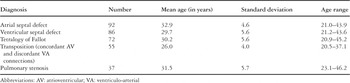
Table 1.
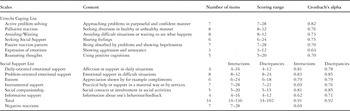
Table 2.
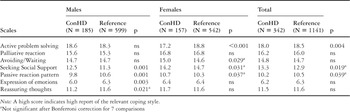
Table 3.
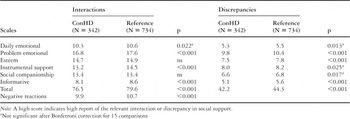
Table 4.
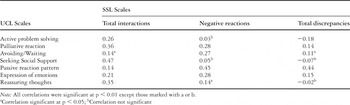
Table 5.
 You have
Access
- 16
- Cited by