Background
Congenital cardiac malformations are the most common types of birth defects. Congenital heart disease (CHD) is present in ∼10 out of every 1000 live births in the United States of America. 1 Before the introduction of current diagnostic modalities (including echocardiography), incidence figures ranged from five to eight per 1000 live births. With improved diagnostic modalities, many more patients with milder forms of CHD can now be identified, so that contemporary estimates range from eight to twelve per 1000 live births.Reference Hoffman and Kaplan 2 – Reference Hoffman 4 About 25% of babies with a congenital heart defect undergo surgery or catheter-directed intervention in their first year of life. 1 In the United States, 96–97% of all patients undergoing surgery for paediatric and congenital cardiac disease survive to discharge from the hospital,Reference Jacobs, Jacobs, Mavroudis, Tchervenkov and Pasquali 5 although survival to discharge is lower in neonates (9.6% operative mortality) and infants (3.0% operative mortality).Reference Jacobs, Jacobs, Mavroudis, Tchervenkov and Pasquali 5 Unfortunately, a subset of surviving patients will ultimately develop life-threatening heart failure, and additional children who are born with structurally normal hearts will also develop cardiac failure.
In the United States alone, ∼14,000 children are hospitalised annually with acute heart failure.Reference Rossano, Kim and Decker 6 Approximately 15–18 per 100,000 children are admitted each year for evaluation and management of heart failure, of which two-thirds have CHD. Infants represent slightly more than one-half of all such admissions, approximately one-quarter are between the ages of 1 and 12 years, and about 15% are adolescents. Insight into the scope of inpatient care of children with heart failure can be gained from review of data from a retrospective analysis of the Healthcare Cost and Utilization Project Kids’ Inpatient Database that was carried out for paediatric (age ⩽18 years) heart failure-related hospitalisations for the years 1997, 2000, 2003, and 2006.Reference Rossano, Kim and Decker 6 Hospitalisations for heart failure did not significantly increase over time, ranging from a low of 11,153 (95% confidence interval [CI] 8898–13,409) in 2003 to a high of 13,892 (95% CI 11,528–16,256) in 2006; however, hospital length of stay increased from 1997 (mean 13.8 days, 95% CI 12.5–15.2) to 2006 (mean 19.4 days, 95% CI 18.2–20.6). Hospital mortality was 7.3% (95% CI 6.9–8.0) and did not vary significantly between years; however, risk-adjusted mortality was less in 2006. The greatest risk of mortality occurred with extracorporeal membrane oxygenation, acute renal failure, and sepsis.Reference Rossano, Kim and Decker 6 Approximately one-third of children hospitalised with new-onset heart failure due to disease of the cardiac muscle died or underwent cardiac transplantation within 1 year.Reference Andrews, Fenton, Ridout and Burch 7
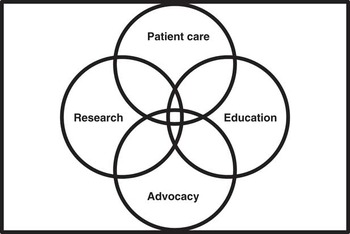
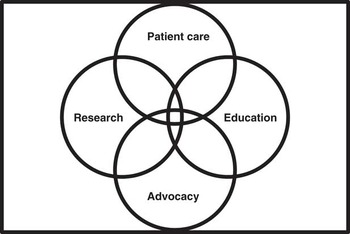
The International Pediatric Heart Failure Summit of Johns Hopkins All Children’s Heart Institute was held on February 4 and 5, 2015. The 2015 International Pediatric Heart Failure Summit of Johns Hopkins All Children’s Heart Institute was funded through the Andrews/Daicoff Cardiovascular Program Endowment, a philanthropic collaboration between All Children’s Hospital and the Morsani College of Medicine at the University of South Florida (USF). Sponsored by All Children’s Hospital Andrews/Daicoff Cardiovascular Program, the International Pediatric Heart Failure Summit assembled leaders in clinical and scientific disciplines related to paediatric heart failure and created a multi-disciplinary “think-tank” in order to accomplish the following objectives (Fig 1):
-
∙ Understand the “state of the art” in 2015 with respect to medical and surgical treatment of cardiac failure in children and in adults with CHD, and explore potential future advances in the care of these patients.
-
∙ Identify the frontiers of research for the next 20 years in the domain of paediatric cardiac failure.
-
∙ Educate future physicians in the science and humanity of paediatric cardiac failure.
-
∙ Explore opportunities related to advocacy for these patients and the institutions caring for them.
This figure depicts the intersecting domains of patient care, research, education, and advocacy. The objectives of the 2015 International Pediatric Heart Failure Summit of Johns Hopkins All Children’s Heart Institute relate to each of these domains.
The purpose of this manuscript is to summarise the lessons from the 2015 International Pediatric Heart Failure Summit of Johns Hopkins All Children’s Heart Institute, to describe the “state of the art” of the treatment of paediatric cardiac failure, and to discuss future directions for research in the domain of paediatric cardiac failure.
Definitions of heart failure
Many definitions of heart failure have been suggested, and most emphasise either or both of the following two features:
-
∙ abnormalities of the pumping function of the heart itself, and
-
∙ the physiological consequences of these abnormalities, which are expressed as a constellation of clinical symptoms and signs and may be associated with functional impairment and adverse events including premature death.
“Heart failure is a complex clinical syndrome of symptoms and signs that suggest impairment of the heart as a pump supporting physiological circulation. It is caused by structural or functional abnormalities of the heart. The demonstration of objective evidence of these cardiac abnormalities is necessary for the diagnosis of heart failure to be made.” 8
“Heart failure is a clinical syndrome characterised by systemic perfusion inadequate to meet the body’s metabolic demands as a result of impaired cardiac pump function. This may be further subdivided into systolic or diastolic heart failure. In systolic heart failure, there is reduced cardiac contractility, whereas in diastolic heart failure there is impaired cardiac relaxation and abnormal ventricular filling.” 9
Acute heart failure syndromes include acute decompensated heart failure and cardiogenic shock. The European Society of Cardiology defines acute decompensated heart failure as “the rapid onset of, or change in, symptoms or signs of heart failure. It is a life threatening condition that requires immediate medical attention and usually leads to urgent admission to the hospital”.Reference McMurray, Adamopoulos and Anker 10 Cardiogenic shock may be broadly defined as a state in which oxygen delivery to the tissues is inadequate relative to demands secondary to inadequate cardiac function. Hypotension and/or high systemic vascular resistance are typically present and ventricular end-diastolic pressures are elevated.
Nomenclature and systems of classification for cardiomyopathy in children
Since the first use of the term cardiomyopathy in 1957, there has been a progressive evolution in the systems of classification for cardiomyopathy, driven by scientific advances in the understanding of the disease. Clinical descriptions dominated during the 1960s, leading to a “Functional Pathology” classification in the early 1970s:
-
∙ Congestive (poor systolic function),
-
∙ Hypertrophic with or without obstruction (impaired diastolic function), and
-
∙ Obliterative.
During the following 30 years, dramatic improvements in imaging modalities, especially echocardiography and magnetic resonance imaging (MRI), and disease recognition led to refinement of this pathophysiological classification into terms that are familiar today:
-
∙ dilated cardiomyopathy,
-
∙ hypertrophic cardiomyopathy,
-
∙ restrictive cardiomyopathy, and
-
∙ arrhythmogenic right ventricular cardiomyopathy.
Endorsed by World Health Organization task forces in 1980 and 1995, these categories were subdivided into “idiopathic” entities (that is, heart failure of unknown cause) and a large number of disease-specific cardiomyopathies, united by the four common phenotypes.
The genetic advances that followed in the early 21st century added a new dimension as the former “idiopathic” phenotypes became increasingly linked to specific gene mutations. Unfortunately, many of the linkages exhibited highly variable or little genotype–phenotype correlation, confounded by age-dependent changes and varying penetrance, even within families. Two dominant classifications followed with distinct definitions for cardiomyopathy:Reference Maron, Towbin and Thiene 11 , Reference Elliott, Andersson and Arbustini 12
-
∙ American Heart Association (2006):Reference Maron, Towbin and Thiene 11 “A heterogeneous group of diseases of the myocardium associated with mechanical and/or electrical dysfunction that usually (but not invariably) exhibit inappropriate ventricular hypertrophy or dilatation and are due to a variety of causes that frequently are genetic.” The entity is subdivided to those predominantly involving the heart (Primary) and those with systemic involvement in other organ systems (Secondary). The former are further divided to those with known genetic etiology (including ion channel disorders), acquired diseases, and mixed (non-genetic with a few familial cases).
-
∙ European Society of Cardiology (2008):Reference Elliott, Andersson and Arbustini 12 “A myocardial disorder in which the heart muscle is structurally and functionally abnormal…sufficient to cause the observed myocardial abnormality”. The subdivision here is into familial and non-familial, excluding ion channelopathies, and then a split to specific disease subtypes and idiopathic.
These disharmonious classifications have generated much debate between proponents of either system; this debate is not geographically driven, as each system has advocates in both Europe and North America. For instance, in the system of the European Society of Cardiology, hypertrophic cardiomyopathy is defined as the presence of increased left ventricular wall thickness, irrespective of cause, that is not solely explained by abnormal loading conditions. In the structure of the American Heart Association, however, this definition is confined to those patients with isolated cardiac pathology, without evidence of systemic disease. Whichever high-level classification is used, the clinical reality, in fact, is phenotype driven. Clinical evaluation and standard diagnostic imaging dominate initial patient contact, and usually reveal diagnostic red flags, which in turn determine the direction of further specific tests. Genetic testing is now fundamental and is performed at an increasingly early stage. A novel recent attempt to harmonise these competing systems of nomenclature has been named the MOGE(S) system (Morphofunctional, Organ involvement, Genetic, Etiological, heart failure Stage).Reference Arbustini, Narula and Tavazzi 13 The MOGE(S) system uses a descriptive logical nosology, based on the “Tumor-Nodes-Metastases” (TNM) cancer structure, and currently remains unproven as a fully practical solution.
Knowledge gaps and directions for future research
Future directions for research related to nomenclature and systems of classification for cardiomyopathy include the following:
-
∙ Establishing the genetic basis for the various cardiomyopathies (that is, links between genotype and phenotype) possibly at a mutational level, which may provide the basis for a universally agreed system of classification. Such a universally accepted system of classification of cardiomyopathies will ideally go beyond the phenotype, especially for diseases seemingly restricted to the heart.
-
∙ Working with the MOGE(S) systemReference Arbustini, Narula and Tavazzi 13 to produce a simpler streamlined version, which may indeed bring about a degree of harmony using a broad descriptive methodology, while allowing different levels of detail depending on the needs of the individual user (linearisation).
Basic and translational science
Paediatric cardiomyopathy: importance of genetic and metabolic evaluation
Cardiomyopathy frequently has a genetic basis, especially in children. In adults, cardiomyopathy is frequently referred to as a disease of the sarcomere (hypertrophic cardiomyopathy) or cytoskeleton (dilated cardiomyopathy). Mutations in genes encoding components of the sarcomere or cytoskeleton are important causes of paediatric cardiomyopathy as well; however, ∼30% of children have an underlying metabolic, syndromic, or neuromuscular condition causing their cardiomyopathy, making the aetiologies more diverse in children as compared with adults. Although some children present with obvious signs or symptoms of metabolic, syndromic, or neuromuscular disease, other cases may be quite subtle, requiring a high level of suspicion in order to make the diagnosis. In general, the younger the child, the more extensive the differential diagnosis.
There are many advantages of identification of the underlying genetic cause of cardiomyopathy in the paediatric population:
-
∙ First, knowledge of the underlying genetic cause of cardiomyopathy confirms the diagnosis in many ambiguous cases.
-
∙ Second, knowledge of the underlying genetic cause of cardiomyopathy facilitates appropriate surveillance and management of both cardiac and extra-cardiac disease, and provides prognostic information.
-
∙ Third, knowledge of the underlying genetic cause of cardiomyopathy establishes the genetic basis in the family, allowing for the identification of relatives who are at risk, and the institution of appropriate familial screening.
For these reasons, genetic testing is increasingly recognised as standard of care, and guidelines have been establishedReference Ackerman, Priori and Willems 14 – Reference Miller, Wang and Ware 19 for
-
∙ genetic counselling,
-
∙ genetic testing, and
-
∙ family-based risk assessment.
Therapies aimed at treating specific genetic aetiologies of cardiomyopathy are emerging; such therapies are exciting new developments that require increasingly sophisticated approaches to diagnosis. As genetic testing capabilities continue to expand technically, important and challenging components of clinical care include the following:
-
∙ the interpretation of genetic testing,
-
∙ knowledgeable clinical utilisation, and
-
∙ appropriate dissemination of genetic information.
Knowledge gaps and directions for future research
The top two knowledge gaps related to genetic and metabolic evaluation of paediatric cardiomyopathy are interpretation of genetic results and incorporation of genetics into family-based care:
-
∙ Interpretation of genetic results
The human genome project involved the mapping of 3 billion base pairs of DNA and took ∼13 years to complete, eventually ending in 2003. The interpretation of the effect of variation in our genomes, as well as epigenetic effects, will require significantly more effort. Our technical capacity to interrogate the human genome has allowed substantial advances in identifying variation in DNA; however, to be clinically useful, the functional effect of this variation on a patient’s phenotype must be understood and applied in a manner that is clinically relevant. There has been great success in understanding the genetic basis of paediatric cardiomyopathy, and clinical testing for this disease has increased exponentially. Although initial genetic testing panels for cardiomyopathy included only two to five genes, panels of more than 80 genes are now clinically available for the same cost, and can be returned in the same amount of time. These larger gene panels increase the likelihood of identifying a specific molecular aetiology, especially in patients with mixed phenotypes. Of course, with larger gene panels, the likelihood of identifying variants of uncertain significance increases in direct proportion to the number of genes tested. This reality increases the complexity of the interpretation and the need for genetic assessment and counselling. Genetic testing results are probabilistic in nature and must be interpreted in the context of the medical and familial history of the patient. The range of expertise required for this clinical interpretation of molecular results is often best achieved through multi-disciplinary collaborative groups of professionals with knowledge about cardiovascular genetics.
-
∙ Incorporation of genetics into family-based care
The identification of a heritable disease affects not only the patient but also all first-degree relatives who now are identified:
-
∙ as being at risk for the development of the disease or
-
∙ as potential carriers of the genetic predisposition to the disease.
-
This creates a requirement for an important change in practice for physicians, who are now increasingly asked to incorporate genetics into family-based clinical care, and extend their recommendations beyond the patient to include cardiac surveillance for members of the family who may be at-risk. Guidelines are now in place that indicate the importance of cardiac imaging and genetic screening, when applicable, of first-degree relatives of patients with cardiomyopathy; however, the infrastructure to deliver this care frequently is lacking. Further, the combined expertise in genetics, cardiology, and genetic counselling required to provide appropriate assessment and management is scarce, making the training and education of clinical-care providers in these areas an important need.
Proteomics of paediatric heart failure: from traditional biomarkers to new discovery strategies
Heart failure in children is a complex clinical syndrome with multiple aetiologies. The underlying disorders that lead to heart failure in children differ significantly from those in adults. Biomarkers are defined as biochemical entities that are measurable in tissue, blood, or other body fluids and that may help understand the aetiology of a disease or predict the outcome or response to therapy. In fact, the National Cancer Institute at the National Institutes of Health (NIH) of the United States of America offers the following definition for biomarkers: 20
“A biological molecule found in blood, other body fluids, or tissues that is a sign of a normal or abnormal process, or of a condition or disease. A biomarker may be used to see how well the body responds to a treatment for a disease or condition. Also called molecular marker and signature molecule.”
The Institute of MedicineReference Micheel and Ball 21 defines Biomarker as follows:
“a characteristic that is objectively measured and evaluated as an indicator of normal biological processes, pathogenic processes, or pharmacologic responses to a[n]…intervention” (Biomarkers Definitions Working Group, 2001). Example: cholesterol level. The committee defines “objectively” to mean “reliably and accurately”.”
Proteomic discovery is the application of techniques that can broadly detect proteins or modifications of proteins associated with a disease state. Proteomic discovery can be applied directly to diseased tissue (examples include malignant tumours and cardiac tissue in a heart with cardiomyopathy) or applied to a body fluid that reflects acute or chronic changes in proteins in diseased tissue. The rationale for proteomic discovery, versus gene expression, microRNA, and non-coding RNA, is that modifications to native proteins are often involved in the disease and may be more informative about the state of disease or process of recovery. Furthermore, such modifications to native proteins may be more readily detected than the mutations or polymorphism causing the modification of the protein.
Some biomarkers for the status and prognosis of cardiac failure appear to be clinically useful in both adults and children. Measurements of troponin and natriuretic peptides have proven to be helpful in the assessment of paediatric heart failure, myocarditis, and severity of residual lesions after repair of CHD. In addition, as in adults, children with heart failure have been demonstrated to exhibit markers of neurohormonal activation.
Knowledge gaps and directions for future research
-
∙ Development of new biomarkers might influence management and define prognosis. Discovery of new biomarkers in paediatric heart failure may be achieved by application of hypothesis-based strategies or by unbiased profiling of tissues, blood, or other fluids for novel markers that correlate with clinical status or stage and/or correlate with outcome.
-
∙ Emerging technological approaches using mass spectrometry currently drive the discovery of novel protein biomarkers of disease. Rapid and powerful advances in the application of mass spectrometry have proven to be a disruptive strategy, resulting in rapid advances in proteomics. Although mass spectrometry is currently in use in a limited manner in standard clinical chemistry laboratories, this scenario will likely change substantially over the next decade, leading to the broader application of this emerging technology in the clinical arena.
Mitochondria and heart failure
The metabolic demands of the healthy heart are enormous – for example, the average adult heart beats 105 times per day to pump ∼10 tons of blood throughout the body. These demands are met by a highly efficient process within mitochondria that can take a variety of “fuel substrates” such as fats, sugars, and amino acids and convert them to energy by creating adenosine triphosphate. Cardiac mitochondria are estimated to cycle ∼6 kg of adenosine triphosphate per day to support the work of the heart. Most of this adenosine triphosphate (∼65%) is used in the process of contraction with the remainder (∼35%) used for the functioning of ion channels and pumps in cardiomyocytes. An estimated 95% of this adenosine triphosphate is generated by oxidative phosphorylation within mitochondria and the other 5% reflects non-oxidative glycolysis in the cytosol. The fuel source for the heart is primarily fatty acids because of their high energy density. However, after a meal, glucose becomes dominant as a fuel for a short period and fats are stored in tissues for times when nutritional intake is low. Mitochondria, therefore, have the ability to switch fuel substrates, and defects within the metabolic pathways of mitochondria that impair energy generation will have a significant impact on cardiac function. At rest, this dysfunction may not be apparent, but with stress, such as illness (no food intake / infection), or major surgery (no food intake / inflammation / cardiopulmonary bypass), cardiac function may suffer. Furthermore, even in the absence of inherited mitochondrial defects, mitochondrial dysfunction plays a role in the pathogenesis of acquired cardiovascular disease and cardiac failure. On an individual basis, mitochondrial defects are classified as rare diseases; however, as a group, mitochondrial diseases are common and share similar clinical and biochemical features. Thus, mitochondrial function has a significant impact on the health of society today.
Mitochondrial function is regulated by virtue of two separate genomes:
-
1. The first is contained entirely within the mitochondria, and in humans the mitochondrial genome (mtDNA) encodes 13 proteins and the 22 tRNAs required to translate them. It is hypothesised that mitochondria represent an ancient endosymbiotic event in which a bacterium became an organelle within the cytoplasm of the cell. Over time, the proto-mitochondria lost their native genome as these genes shifted to the nucleus of the new cell, and mitochondria retained only those genes that encode proteins possessing unusual characteristics that require their synthesis on-site. Defects in the mtDNA are well known to cause serious cardiac and multi-systemic disease. These mutations are typically maternally inherited and usually affect the function of the electron transport chain.
-
2. The other genome involved in mitochondrial function, of course, is the nuclear genome. This encodes the many hundreds of other proteins required for mitochondrial function, and inheritance of defects in these genes may be autosomal recessive or dominant, or sex linked, as in Barth syndrome. Defects in the nuclear genome may affect very specific elements of mitochondrial function, such as the b-oxidation of fatty acids (Medium-Chain Acyl-Coenzyme A Dehydrogenase [MCAD] Deficiency and Long Chain Acyl-Coenzyme A Dehydrogenase [LCAD] Deficiency), and result in sensitivity to fuel substrate, so that the cardiomyopathy only becomes apparent with stress or low nutritional intake. In contrast, other nuclear gene defects, such as those causing Friedreich’s ataxia, will simultaneously affect multiple key pathways within mitochondria; examples include the electron transport chain, β-oxidation of fatty acids, and the Krebs cycle, which may result in severe cardiomyopathy along with multi-system disease. In both cases, the cardiomyopathy may not be clinically apparent, especially early in the disease course, yet will pose significant risk to the patient with stressful events such as surgery for scoliosis in a patient with Friedreich’s ataxia. In these events, recognition of the impaired function of mitochondria in the heart can change clinical management – for example, simply providing an infusion of glucose during stress or surgery may help support mitochondrial function. This approach has been shown to be highly effective in MCAD and LCAD deficiency, in which mitochondria have defects within β-oxidation of fatty acids and cannot efficiently utilise fats. These clinical examples emphasise that understanding the unique biology of mitochondria and their role in maintaining cardiac function and health is crucial for the management of patients with heart disease.
Knowledge gaps and directions for future research
Limitations in the field of mitochondrial research reflect a deficit in basic and translational research:
-
∙ There is a lack of animal models with defects in the mitochondrial genome. At present, it is very difficult to engineer genetically altered mice expressing defects in the mitochondrial genome, due to the difficulty of transfecting genes across the relatively impermeable double mitochondrial membranes. In contrast, the nuclear membrane is easily penetrated by multiple vectors, allowing genetic manipulation of both the cell and the animal.
-
∙ There are currently no drugs or other therapies that are significantly effective for mitochondrial diseases, in part because the relatively impermeable double mitochondrial membrane blocks access of therapeutics to the mitochondrial matrix compartment. Although multiple approaches have been designed, the majority of them utilise a “work around” solution rather than a direct approach to the block. This is currently an area of rapid basic science research, and therefore development of therapies may be only a few years away.
Stem cell therapy for cardiac failure
Heart failure is a leading cause of death worldwide. Current therapies only delay progression of the cardiac disease or replace the diseased heart via cardiac transplantation. Stem cells represent a recently discovered novel approach to the treatment of cardiac failure that may facilitate the replacement of diseased cardiac tissue and subsequently lead to improved cardiac function and cardiac regeneration.Reference Kaushal, Jacobs and Gossett 22
A stem cell is defined as a cell with the properties of being clonogenic, self-renewing, and multipotent. In response to intercellular signalling or environmental stimuli, stem cells differentiate into cells derived from any of the three primary germ layers: ectoderm, endoderm, and mesoderm, a powerful advantage for regenerative therapies. Meanwhile, a cardiac progenitor cell is a multipotent cell that can differentiate into cells of any of the cardiac lineages, including endothelial cells and cardiomyocytes.
Stem cells can be classified into the following three categories:
-
(1) adult stem cells,
-
(2) embryonic stem cells, and
-
(3) induced pluripotential cells.
Adult stem cells have been identified in numerous organs and tissues in adults, including bone-marrow, skeletal muscle, adipose tissue, and, as was recently discovered, the heart. Embryonic stem cells are derived from the inner cell mass of the blastocyst stage of the developing embryo. Finally, through transcriptional re-programming, somatic cells such as fibroblasts can be converted into induced pluripotential cells that resemble embryonic stem cells.
The four classes of stem cells that may lead to cardiac regeneration are as follows:
-
∙ embryonic stem cells,
-
∙ bone marrow-derived stem cells,
-
∙ skeletal myoblasts, and
-
∙ cardiac stem cells and cardiac progenitor cells.
Embryonic stem cells are problematic because of several reasons:
-
(1) the formation of teratomas,
-
(2) the potential for cellular rejection,
-
(3) low efficiency of their differentiation into cardiomyocytes, typically 1% in culture, and
-
(4) ethical and political issues.
As of now, bone marrow-derived stem cells have not been proven to differentiate reproducibly and reliably into cardiomyocytes. Skeletal myoblasts have created in vivo myotubes but have not been electrically integrated with the myocardium. Cardiac stem cells and cardiac progenitor cells represent one of the most promising types of cellular therapy for children with heart failure.
Stem cell therapy provides a potential treatment for adults with heart failure by regenerating or recovering the injured myocardium. At present, there is no standardised stem cell type, protocol of delivery system, concentration of cells, targeted patient population, or unified measurement of efficacy. Despite these limitations, some preparations of stem cell therapies have shown modest success in adults with cardiac failure in early clinical studies. Among these different stem cell types, the resident cardiac stem cells may have the strongest efficacy results as seen in Phase I studies. Until the field of treatment with stem cells provides a unified approach, most of these issues for therapy with stem cells will be unclear and will need further clarification before the field may eventually become part of standardised care for patients with cardiac failure.
Knowledge gaps and directions for future research
When the first-generation trials of stem cell therapies are completed, many unanswered questions will remain. Fundamental to this field is to first define the critical end points of efficacy. How will the field define success of this therapy? Many investigators feel strongly that outcomes related to clinical status should define the success of this field and not whether, for instance, the left ventricular function has increased over baseline. It is possible that regeneration of the myocardium might not be the key feature for success or outcome. The field needs to unify and clarify this critical aspect of stem cell therapy.
Another major knowledge gap in the field of stem cell therapy is the lack of understanding of the mechanism of how stem cells recover or regenerate the myocardium. Many investigators have shown that transplanted stem cells are eliminated from the myocardium very soon after delivery. This finding has resulted in the theory that the dominant mechanism of recovery or regeneration of the myocardium is the paracrine effect of the stem cells. The exact constitution of the secretome that may modulate the myocardium and the surrounding environment of the infarcted myocardium needs further refinement and clarification. Once the mechanism is determined, this knowledge will allow for better formulated clinical trials that will unify the field and bring an improved stem cell therapy to adults with cardiac failure.
Stem cell therapy for paediatric cardiac failure
The emergence of stem cell therapy is now being tested in patients with congenital cardiac disease. Promising results have been reported for the first generation of stem cell therapies in adults with cardiac failure, but no standardised protocol has been created to unify the field. Originally, numerous case studies in a variety of children with cardiac failure demonstrated efficacy of different types of stem cells. At present, early Phase I clinical studies are being reported for patients with hypoplastic left heart syndrome, who have one of the highest rates of mortality among patients with CHD and who may benefit from improvement of right ventricular function. These clinical studies are using different types of stem cells as adjunctive therapy to the palliative surgical strategies used in these patients. Careful, well-planned studies will be critical to determine the outcome for this unique stem cell therapy, which may potentially be a game changer for these challenging children with cardiac failure.
Knowledge gaps and directions for future research
A major gap in the field of stem cells as applied to children with cardiac failure is that no animal model exists that displays all the features of cardiac failure. Unlike the ischaemic aetiology, which is present in the majority of adults with cardiac failure, a wide variety of aetiologies exist for children with cardiac failure, including pressure or volume overload, arrhythmias, metabolic causes, and genetic causes. To create an animal model to capture all these aetiologies would be difficult, but extremely helpful in order to clarify the efficacy of the different types of stem cells. In addition, equally important, this animal model would provide insight into the mechanism of how these stem cells may work in the injured myocardium of children with cardiac failure.
Patient care
Clinical management of patients with acute heart failure
Acute heart failure is a common and serious disease of childhood, with a rapid onset. Children admitted to the hospital with a diagnosis of heart failure have an over 20-fold increase in the risk of death compared with children without heart failure. Moreover, children with heart failure have significantly increased morbidity, mortality, and hospital charges compared with adults with heart failure.
Key components of the hospital admission include the following:
-
(1) maintenance of adequate perfusion,
-
(2) establishment of an underlying diagnosis,
-
(3) initiation of disease-specific therapy, if possible,
-
(4) education of the patient and family, and
-
(5) discharge of the patient to home in a stable condition with appropriate follow-up.
The pathway to discharge to home is quite variable, and patients may
-
∙ be stable on oral heart failure therapy,
-
∙ require inotropic support at home,
-
∙ require support with a ventricular assist device at home, or
-
∙ be discharged home after heart transplantation.
Knowledge gaps and directions for future research
Few data exist related to the optimal management strategies for children with acute heart failure.
-
∙ Research on treatment strategies is needed, including appropriate timing to initiate inotropic support, mechanical circulatory support, and listing for heart transplantation.
-
∙ Promising new heart failure medications such as serelaxin, ivabradine, and angiotensin– neprilysin inhibitors are available for adults with cardiac failure and should be studied in children with cardiac failure.
-
∙ Heart failure is a complex chronic disease that places tremendous stress on patients and their families. The optimal care model for these patients is debatable and should be evaluated.
Individual centres, even busy centres, have a limited number of patients with heart failure. Therefore, multi-institutional collaboration is crucial to understanding this disease. Several multi-institutional registries exist, such as Pediatric Heart Transplant Study, Pediatric Cardiomyopathy Registry, and PediMACS; however, no one registry encompasses all the aspects of the disease. Further collaboration between registries and the development of a true global registry of patients with cardiac failure would greatly increase our knowledge of this complex spectrum of disease.
Critical care for children with cardiac failure
The provision of critical care for children with acute decompensated heart failure is a challenging endeavour. Critical care for children with heart failure requires understanding of the pathophysiology, monitoring, and management of acute heart failure syndromes in children. A multi-disciplinary team is essential to optimise outcomes.Reference Fraisse, Le Bel, Mas and Macrae 23 Cardiac intensivists, experts in heart failure, and congenital heart surgeons provide leadership and key decision making for this team, but input from imaging experts, electrophysiologists, geneticists, metabolic experts, nutritionists, social workers, pharmacists, and other consultants is also essential.
An in-depth understanding of the cardiovascular physiological disturbances in this population of patients is essential to correctly interpret clinical symptoms, signs, and monitoring data, and to implement appropriate therapies. In this regard, the myocardial force–velocity relationship, Frank–Starling mechanism, and pressure–volume loops must all be completely understood.
A variety of monitoring modalities are used to provide insight into the haemodynamic state, clinical trajectory, and response to treatment.Reference Checchia and Laussen 24 Basic monitoring includes telemetry, continuous pulse oximetry, and non-invasive or invasive monitoring of systemic arterial pressure. Laboratory monitoring includes serial assessments of end organ function as well as lactate and brain natriuretic peptide levels. Near-infrared spectroscopy, central venous pressure, and venous oxygen saturation levels (SvO2, which measures the percentage of hemoglobin binding sites in the venous bloodstream occupied by oxygen) are commonly measured. Frequent assessment by physicians and nurses of mental status, work of breathing, perfusion, and tolerance of feedings are equally important.
Treatment of acute heart failure is based on the fundamental principles of optimising the delivery of oxygen and minimising metabolic demands.Reference Tibby and Murdoch 25 The former may be achieved by optimising systemic arterial oxygen content and the variables that determine cardiac output: heart rate and rhythm, pre-load, afterload, and contractility. Metabolic demands may be decreased by a number of means, including positive pressure ventilation, temperature control, and sedation.Reference Bronicki and Anas 26 Mechanical circulatory support should be considered for severe refractory cases.
In the near future, monitoring modalities may be improved by the capture and analysis of complex clinical data such as pressure waveforms and heart rate variability. Using streaming analytics – that is, continuous real-time analysis of data – and predictive modelling, these data may then be used to develop automated, real-time tools for clinical decision support. Given the barriers to conducting multi-centre randomised trials in this population of patients, the thoughtful analysis of data from multi-centre clinical registries and administrative databases will also likely have an impact on clinical practice.Reference Gaies, Cooper and Tabbutt 27
Knowledge gaps and directions for future research
-
∙ Refined criteria are needed regarding the timing of the initiation of mechanical circulatory support in children with acute heart failure, particularly those children weighing <5 kg and those children with functionally univentricular physiology.Reference Almond, Morales and Blackstone 28 , Reference Jaquiss and Bronicki 29
-
∙ In children with heart failure, the risks and benefits of continuing medical management versus those inherent with mechanical circulatory support need to be better understood.
-
∙ Predictive modelling and streaming analytics may facilitate the development of automated, real-time clinical decision-support tools for children with acute heart failure syndromes. Monitoring modalities may be improved by the capture and analysis of complex clinical data such as pressure waveforms and heart rate variability. Using streaming analytics – that is, continuous real-time analysis of data – and predictive modelling, these data may then be used to develop automated, real-time tools for clinical decision support.Reference Smith and Laussen 30
-
∙ Given the barriers to conducting multi-centre randomised trials in this population of patients, thoughtful analyses of data from multi-centre clinical registries and administrative databases are needed.Reference Gaies, Cooper and Tabbutt 27
Echocardiography for children with cardiac failure
Although echocardiography has a central role in diagnosing and characterising structural heart defects, its role in quantifying paediatric ventricular and valvar function is challenged by a profusion of available measurements. It can be difficult for the clinician to decide
-
∙ which measurements to make,
-
∙ how to make them, and,
-
∙ most importantly, what these measurements actually mean for the patient.
Dilated cardiomyopathy is the form of paediatric heart failure that has been studied most extensively from the standpoint of echocardiography. The predictive nature and reproducibility of echocardiographic measurements are best examined within the construct of either a registry, with strength in numbers through pooling of data, or a clinical trial, wherein the measurements are performed in a manner that is blinded to patient outcomes. The North American Pediatric Cardiomyopathy RegistryReference Grenier, Osganian and Cox 31 and the National Australian Childhood Cardiomyopathy StudyReference Nugent, Daubeney and Chondros 32 are important resources that have serial data from thousands of children with cardiomyopathy. Pediatric Cardiomyopathy Registry studies have identified lower left ventricular fractional shorteningReference Towbin, Lowe and Colan 33 and higher left ventricular end-diastolic dimensionReference Alvarez, Orav and Wilkinson 34 as predictors of subsequent need for transplantation,Reference Towbin, Lowe and Colan 33 , Reference Alvarez, Orav and Wilkinson 34 and, conversely, lower left ventricular end-diastolic dimension as a predictor of recovery without transplantation.Reference Everitt, Sleeper and Lu 35 The National Australian Childhood Cardiomyopathy Study identified lower left ventricular fractional shortening as an independent predictor of death or need for transplantation.Reference Alexander, Daubeney and Nugent 36 In both the Pediatric Cardiomyopathy Registry and the National Australian Childhood Cardiomyopathy Study, echocardiographic measurements were performed at local sites. In contrast, in the Ventricular Volume Variability study of the National Heart, Lung, and Blood Institute (NHLBI)-funded Pediatric Heart Network, echocardiographic measurements were interpreted in a core facility that was blinded to clinical outcomes.Reference Colan, Shirali and Margossian 37 A secondary analysis of data from the Ventricular Volume Variability evaluated 63 variables – 38 echocardiographic measurements and 25 clinical parameters – as potential predictors of disease progression.Reference Molina, Shrader and Colan 38 This study identified larger left ventricular end-diastolic dimension, lower left ventricular ejection fraction, colour M-mode flow propagation slope, and patient age as independent predictors of progression of dilated cardiomyopathy. In other words, left ventricular end-diastolic dimension directly correlated with progression of dilated cardiomyopathy, whereas left ventricular ejection fraction, colour M-mode flow propagation slope, and patient age inversely correlated with progression of dilated cardiomyopathy. The identification of left ventricular end-diastolic dimension and ejection-phase measures of systolic function – fractional shortening and ejection fraction – as consistent markers of prognosis laid the foundation for approaches to improve the reproducibility of those measurements. Since 2012, the Ventricular Volume Variability study has provided important insights into the impact of measurement type, beat averaging, and variability in reader, modality, and algorithm on the reproducibility of these measurements.
Strategies that help improve the reproducibility of measurements include the following:
-
∙ averaging measurements from three cardiac cycles, particularly in the most dilated and dysfunctional ventricles,
-
∙ having a single reader perform all measurements, and
-
∙ minimising the use of calculated measurements that involve multiple quantities.
The three two-dimensional algorithms for measuring left ventricular volume are not inter-changeable, and have varying reproducibility.Reference Margossian, Chen and Sleeper 39 The 5/6×area×length technique is more reproducible than the modified Simpson’s or the bi-apical Simpson’s algorithms. The bi-apical Simpson’s technique under-estimates left ventricular volumes and ejection fraction, and has worse reproducibility when compared with the 5/6×A×L technique. In order to make meaningful serial measurements, a single algorithm should be used consistently, and the measurements should be referenced to algorithm-specific nomograms. Similarly, although linear measurements of left ventricular dimension can be made by either two-dimensional echocardiography or M-mode, the two modalities do not yield identical measurements and should not be used interchangeably.
Nowadays, three-dimensional left ventricular volumetrics provide the ability to capture and assess entire cardiac chambers in a single data set,Reference Nanda, Kisslo and Lang 40 and the potential for automated measurement of volumes and advanced functional analysis.Reference Corsi, Lang and Veronesi 41 In echocardiography in adults, three-dimensional left ventricular volumetrics are recommended,Reference Lang, Badano and Mor-Avi 42 and in children, three-dimensional left ventricular volumetrics have been validated.Reference Friedberg, Su, Tworetzky, Soriano, Powell and Marx 43 Myocardial deformation imaging using speckle tracking enables the measurement of strain: a dimensionless index reflecting the deformation of ventricular myocardium during a cardiac cycle as a function of its initial length. Strain imaging has the potential to identify ventricular dyssynchrony, which may be a therapeutic target for re-synchronisation therapy.
Knowledge gaps and directions for future research
-
∙ Both three-dimensional echocardiography and speckle tracking are techniques that have promise. Conceivably, each of these modalities may have an important role in prognostication and in tailoring treatment; however, neither has been evaluated in a prospective long-term manner as a predictor of outcomes in children with heart failure. This gap in knowledge is not surprising, given their relatively recent emergence as viable modalities to quantify ventricular function. As the critical evaluation of a new modality is heavily dependent upon the power of the study, it is important that such evaluations be performed in a multi-centric setting, with measurements performed in a core laboratory that is blinded to clinical outcomes. Conceivably, registries such as Pediatric Cardiomyopathy Registry and National Australian Childhood Cardiomyopathy Study could be the platform for performing such evaluations.
-
∙ The inability to uniformly, consistently, and reproducibly assess right ventricular function remains an important gap in knowledge, particularly for heart failure due to CHD.
-
∙ The quantification of atrioventricular valvar regurgitation and the development of geometry-independent algorithms for measuring ventricular volumes remain elusive goals.
-
∙ The rationale and justification for the development and application of automated measurements to improve both the speed and reproducibility of echocardiographic measurements include the following:
-
∙ the high inter-reader variability in performing echocardiographic measurements, demonstrated by the Ventricular Volume Variability study,
-
∙ declining re-imbursements,
-
∙ increasing demands, and
-
∙ the rapid advances in automation and machine learning.
-
Diagnosis and treatment of foetal heart failure: foetal echocardiography and foetal hydrops
Foetal echocardiography has become useful in the diagnosis of many forms of CHD and the assessment of the prognosis of cardiac lesions based on their anatomy and presentation in utero. The definition of foetal congestive heart failure is similar to the definition applied after birth, namely, inadequate tissue perfusion. Inadequate cardiac output in the foetus results in a series of complex reflexes and adaptations to improve forward flow or to direct flow to vital organs. This state can be described as a deficiency of flow of blood to the tissues such that certain reflexes are triggered for the survival of the foetus.
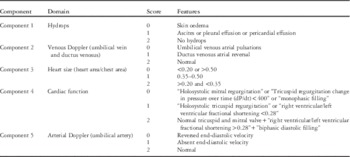
The Fetal Cardiovascular Profile Score (Table 1) is a straightforward method for the rapid evaluation of the foetus that may have a congestive heart with or without hydrops and for the differentiation of the pre-hydropic state from the normal. Foetal heart failure is commonly associated with foetal hydrops. Foetal hydrops, also known as hydrops foetalis, is a serious condition defined as abnormal accumulation of fluid in two or more foetal compartments; such accumulation of fluid may present as ascites, pleural effusion, pericardial effusion, and skin oedema. The Fetal Cardiovascular Profile Score is calculated by assigning two points for each of the five categories and using the score in serial studies to provide a method of uniform physiological assessment. By taking a multivariate approach, this type of multi-factorial score can combine assessment of direct and indirect markers of cardiovascular function.
The Fetal Cardiovascular Profile Score.
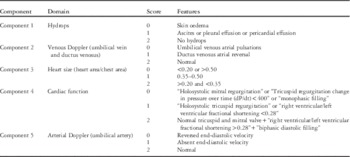
The presence of signs of foetal heart failure, such as cardiomegaly or valvar regurgitation, gives clues about the aetiology of hydrops. The assessment of the prognosis of hydrops foetalis can be difficult but can be aided by the use of the Fetal Cardiovascular Profile Score. The lower the score, the poorer the prognosis. Once identified, the neurohumoral effects of foetal heart failure can be ameliorated using transplacental digoxin if hydrops has not progressed.
Knowledge gaps and directions for future research
As the era of foetal intervention is advancing, structural and physiological measures, such as the Fetal Cardiovascular Profile Score, will be critical for the stratification of patients, planning, and prediction of outcomes of foetal intervention. The perinatologist must integrate foetal cardiac findings into the clinical management of the foetus with hydrops foetalis or foetal heart failure. The Fetal Cardiovascular Profile Score can be used by the perinatal cardiology team to assess the urgency of abnormalities, in terms of in utero therapy and timing of delivery, and the prognosis. Serial studies using the Fetal Cardiovascular Profile Score are necessary to obtain value from this test. Using the Fetal Cardiovascular Profile Score, uniform treatment strategies can be planned. Future advances in the management of foetal cardiac failure may be guided by the use of the Fetal Cardiovascular Profile Score.
Cardio-oncology
Successful treatment of cancer is determined by the balance between oncologic efficacy and the toxicity and late effects, as measured by quality of life of the patient and the family of the patient over a lifespan. Other than cancer relapse and secondary malignancies, cardiovascular complications are the leading cause of morbidity and mortality among survivors of childhood cancer – for example, anthracyclines, a commonly used class of chemotherapeutic agents, impose substantial risk of cardiotoxicity through several possible mechanisms.
Cardiotoxicity in survivors of childhood cancer is progressive and can take years to develop. Some patients initially present with an early, sub-clinical, dilated-type of cardiomyopathy; however, over time, this disease can become more of a restrictive-type cardiomyopathy. If left undetected or untreated, this sub-clinical cardiac damage can progress to cardiac failure years later, which highlights the need for the following:
-
∙ early detection through evidence-based surveillance,
-
∙ prevention, and
-
∙ treatment strategies.
Knowledge gaps and directions for future research
Knowledge gaps and directions for future research in the domain of cardio-oncology include the following:
-
∙ Establishment of evidence-based guidelines to detect cardiac damage at the earliest possible stage, when prevention and treatment are likely to be more successful.
-
∙ Identification of preventative and therapeutic strategies for cardiotoxicity.
-
∙ Development of strategies for long-term follow-up in order to determine the safety and efficacy of the preventative and therapeutic strategies.
-
∙ Development of strategies of long-term follow-up to obtain provisional evidence that can be used to create tailored follow-up and therapies, such as multi-agent pharmacotherapy.
Paediatric mechanical circulatory support
The state of the art of paediatric mechanical circulatory support in 2015 revolves around the following principles:
-
∙ Pediatric heart failure-related hospitalisations are increasing, whereas the supply of suitable donor hearts is static.
-
∙ The Berlin Heart EXCOR, the only long-term ventricular assist device approved by the United States Food and Drug Administration (FDA) for neonates, infants, and children <5 years of age, carries higher morbidity profiles than adult implantable devices.
-
∙ Ongoing device miniaturisation may permit the use of implantable devices in smaller children.
-
∙ Given the shortage of donor organs, goals of therapy must shift from “bridge to transplantation” to “bridge to recovery” if best outcomes are to be achieved.
In recent years, many changes have occurred in the field of paediatric cardiac transplantation. Although hospitalisations for end-stage heart failure in children have risen steadily, causing an increased demand for donor hearts, supply of suitable organs has remained static. The overall in-hospital mortality in this population approaches 11%. The advent of ventricular assist device support has had a significant impact on both adults and children with end-stage heart failure; however, the development of paediatric-specific ventricular assist devices has lagged significantly behind the adult world. Although several implantable ventricular assist devices are available for adults, the Berlin Heart EXCOR® is currently the only FDA-approved ventricular assist device designed for children as a bridge to transplantation. In other words, device options are limited for children, and indications for using them are not refined and vary between centres. The Berlin Heart, an extracorporeal pulsatile ventricular assist device, carries a higher risk of thrombotic and haemorrhagic complications in children, compared with implantable devices in adults. In the interest of circumventing this issue, there has been enthusiasm for using adult devices in the paediatric population. Evidence exists that miniaturised implantable ventricular assist devices – for example, HeartWare HVAD – can successfully be implanted in children with a body surface area as small as 0.6 m2. Ongoing miniaturisation, as exemplified by the Jarvik Infant ventricular assist device, may permit the use of implantable ventricular assist devices in even smaller children.
The demand for progressive miniaturisation of implantable devices, as well as developing devices intended for partial circulatory support in adults, may be of co-incidental benefit to children. Examples of such devices currently on the horizon include the HeartMate III, HeartMate X, HeartWare MVAD, and CircuLite. The use of implantable devices in children could change the outlook of support with ventricular assist devices in children. Owing to their lower morbidity profiles and greater durability, support duration with implantable ventricular assist devices can be substantially extended. Stable, long-term support will enable not only full physical recovery before transplantation but also provide the opportunity to assess fully the potential for cardiac recovery. Given the limited organ supply for cardiac transplantation, it is possible that shifting the emphasis from “bridge to transplantation” to “bridge to recovery” may improve outcomes. More aggressive use of implantable ventricular assist devices in children may facilitate this transition.
Knowledge gaps and directions for future research
Knowledge gaps and directions for future research in the domain of paediatric mechanical circulatory support include the following:
-
∙ Reduction in the morbidity associated with paediatric-specific ventricular assist devices, predominately embolic stroke.
-
∙ Miniaturisation of implantable paediatric-specific ventricular assist devices.
-
∙ Use of ventricular assist devices as a tool for bridge to recovery in children.
-
∙ Miniaturisation of the total artificial heart and application of the total artificial heart in children with severe biventricular failure.
Paediatric cardiac transplantation
Cardiac transplantation offers excellent survival benefit to children with end-stage heart failure.Reference Dipchand, Edwards and Kucheryavaya 44 However, the number of potential recipients continues to exceed the number of available donors. Ongoing challenges and areas of evolution include the following:
-
∙ Development of strategies to safely increase donor utilisation, which is crucial to decreasing wait-list mortality.
-
∙ New policies of paediatric cardiac allocation are set to be implemented in the United States of America, with the goal of prioritising the most urgent candidates on the waiting-list.
-
∙ Owing to the success of ABO-incompatible heart transplantation, the sickest infants will soon receive priority for heart offers, irrespective of blood group.Reference Webber and Rogers 45
-
∙ AllosensitisationReference Jacobs, Quintessenza and Boucek 46 , Reference Holt, Lublin and Phelan 47 , Reference Jacobs, Asante-Korang and O’Brien 48 , Reference Asante-Korang, Jacobs and Ringewald 49 , Reference Asante-Korang, Amankwah and Lopez-Cepero 50 poses unique challenges within the paediatric population such that transplantation across a positive donor-specific cross-match may be an optimal strategy;Reference Feingold, Webber and Bryce 51 ongoing multi-centre studies are poised to refine our understanding of the key risk factors and optimal treatment strategies.
-
∙ Biomarkers for acute cellular rejection, such as donor-specific cell-free DNA,Reference De Vlaminck, Valantine and Snyder 52 and cardiac allograft vasculopathy, such as VEGF-A,Reference Daly, Stack and Eisenga 53 may lead to a decreased need for invasive screening. Ultimately, well designed and executed randomised controlled trials of post-transplant immunosuppression are required to improve long-term outcomes after paediatric heart transplantation.
Knowledge gaps and directions for future research
Key areas for advancement in the domain of paediatric cardiac transplantation are as follows:
-
∙ Performing well designed and appropriately powered randomised clinical trials of maintenance immunosuppression.
-
∙ Improving the understanding of risk factors predictive of outcome in donor selection.
-
∙ Improving donor utilisation.
-
∙ Improving strategies to manage allosensitised patients before transplant and antibody-mediated rejection after transplant – improving strategies to manage immunosensitised patients with high panel reactive antibody.Reference Jacobs, Quintessenza and Boucek 46 , Reference Holt, Lublin and Phelan 47 , Reference Jacobs, Asante-Korang and O’Brien 48 , Reference Asante-Korang, Jacobs and Ringewald 49 , Reference Asante-Korang, Amankwah and Lopez-Cepero 50
-
∙ Demonstrating the safety and efficacy of protocols for non-invasive biomarker screening for rejection and cardiac allograft vasculopathy.
Cardiac re-synchronisation therapy in the failing heart
Cardiac re-synchronisation therapy is a well-established treatment option for selected symptomatic adults with heart failure refractory to pharmacotherapy. In patients with left ventricular dysfunction and dyssynchrony secondary to left bundle branch block, cardiac re-synchronisation therapy has produced both acute and chronic improvements in left ventricular myocardial performance, exercise endurance, and quality of life; however, extrapolating such results to children has been impeded by the heterogeneity of cardiomyopathies and CHD, as well as the fact that most children with heart failure have right bundle branch block as opposed to left bundle branch block that is most common in adults. In fact, right bundle branch block accounted for only 10% of adults in trials of cardiac re-synchronisation therapy. The absence of paediatric prospective blinded and cross-over studies makes it difficult to assess the true efficacy of cardiac re-synchronisation therapy in children. Nevertheless, despite these limitations, a number of investigators have recently suggested that cardiac re-synchronisation therapy is beneficial in selected children. Heart Rhythm Society, in partnership with the American College of Cardiology and American Heart Association, recently proposed recommendations for cardiac re-synchronisation therapy in adults with CHD. In addition, advanced imaging modalities have been gaining momentum as a way to identify patients with dyssynchrony and heart failure who may be suitable candidates for cardiac re-synchronisation therapy. Advancements in industry as well as creative implantation methodologies by electrophysiologists have expanded the number of patients who may receive such therapy; however, despite these advances, much remains unknown about the efficacy of cardiac re-synchronisation therapy in children.
Knowledge gaps and directions for future research
Trials of cardiac re-synchronisation therapy involving adults with heart failure and guidelines for cardiac re-synchronisation therapy involving adults with heart failure typically use a prolonged QRS duration as an indication for cardiac re-synchronisation therapy. On the other hand, some trials have shown that mechanical dyssynchrony itself may be more predictive of a positive response than QRS duration in isolation. The extrapolation of these same criteria to patients with paediatric or CHD has not been validated. Understanding the relative effects of electrical and mechanical dyssynchrony on myocardial performance and heart failure in a diverse paediatric population is critical to facilitate identification of paediatric candidates for cardiac re-synchronisation therapy.
Directions for future research in cardiac re-synchronisation therapy in paediatric cardiac failure include the following:
-
1. Establishing criteria for cardiac re-synchronisation therapy in patients with paediatric or CHD.
-
2. Understanding the contributory effects of electrical and mechanical dyssynchrony on myocardial performance and cardiac failure in patients with paediatric or congenital cardiac disease.
-
3. Identifying patients with heart failure and functionally univentricular hearts who may benefit from cardiac re-synchronisation therapy. The presence of both mechanical and electrical dyssynchrony may best identify responders. To date, the role of cardiac re-synchronisation therapy in patients with heart failure and functionally univentricular hearts is unclear and evolving.
-
4. Electrophysiologists and imagers will need to abandon traditional silos and approach these challenging patients in a collaborative and multi-disciplinary model.
-
5. Specialists caring for children with heart failure should consider prospective multi-centre registries to follow-up children who receive cardiac re-synchronisation therapy.
Databases and registries
Lessons from the Pediatric Heart Transplant Study Group
The Pediatric Heart Transplant Study was established in 1991, started collecting data in 1993, and published its first studies in 1997. With an international membership now reaching 51 centres, the registry has collected 6574 listings and 4985 transplants. It has also published 59 papers, 54 of which are original scientific studies. Through its publications, many of the characteristics and outcomes of patients on the waiting list and patients undergoing cardiac transplantation have been described, and risk factors have been identified. It is known that infants have a long waiting time and are at risk of death, particularly if they have CHD or symptoms caused by hypertrophic cardiomyopathy; one of the first large-scale mechanical circulatory assist studies came from the Pediatric Heart Transplant Study and demonstrated the feasibility of using mechanical circulatory support as a bridge to transplant. Benchmarks for short- and long-term survival after transplantation as well as the associated risk factors have been characterised. Importantly, although the very young are at the highest risk in the early transplantation phase, they are at less risk in the longer term, an important consideration in that their horizon is so much different than that of adults. Sensitisation to human leucocyte antigen before transplantationReference Jacobs, Quintessenza and Boucek 46 , Reference Holt, Lublin and Phelan 47 , Reference Jacobs, Asante-Korang and O’Brien 48 , Reference Asante-Korang, Jacobs and Ringewald 49 , Reference Asante-Korang, Amankwah and Lopez-Cepero 50 has been verified as a risk factor. In general, rejection is less common in the current era, but late and important rejection, associated with haemodynamic compromise, continues to influence outcome. Serious complications such as renal disease, cardiac allograft vasculopathy, and malignancy remain clinical challenges and are also identified targets for improvement.
Knowledge gaps and directions for future research
As old challenges have been addressed, new ones have been revealed. Now that the basic questions have been asked, the Pediatric Heart Transplant Study group has to continue its role as the vanguard of clinical research in the field of paediatric cardiac transplantation. Innovative strategies to address new questions include the following:
-
∙ revising and expanding the data collected,
-
∙ attempting more advanced analyses,
-
∙ linking to other databases such as the Society of Thoracic Surgeons Congenital Heart Surgery Database.
-
∙ performing registry-based clinical trials, and
-
∙ using PHTS as a consortium to conduct rigorous clinical trials.
Through its achievements, PHTS group is a de facto “professional society” for the field of paediatric heart transplantation, and these challenges are rightly meant for its membership and leaders to overcome.
Lessons from the Pediatric Cardiomyopathy Registry
The Pediatric Cardiomyopathy Registry has demonstrated the feasibility and importance of registry-based research as an essential tool for enhancing our knowledge about rare forms of cardiomyopathy. Highlights of the key findings include the following:
-
∙ The Pediatric Cardiomyopathy Registry has established the largest database of socio-demographic and clinical information concerning children diagnosed with cardiomyopathy at cardiology practices throughout the United States of America and Canada. The Pediatric Cardiomyopathy Registry demonstrates the feasibility of this type of co-operative effort and provides a foundation for many future studies.
-
∙ The estimated incidence of paediatric cardiomyopathy in two large regions of the United States is 1.13 cases per 100,000 children. There is a higher incidence among boys, blacks, Hispanics, and infants (infants were defined as <1 year of age).
-
∙ Findings from the Pediatric Cardiomyopathy Registry indicate that available diagnostic testing is being underused and could aid in identifying the cause for a greater proportion of these children, which may lead to improved outcomes and cause-specific treatments. At the time of diagnosis, only one out of three children with cardiomyopathy has a known cause, whereas the remaining two out of three cases are classified as idiopathic.
-
∙ Serial echocardiograms have greater predictive value than baseline echocardiograms for children with idiopathic dilated cardiomyopathy. Survivors at 12 months had reversal of left ventricular dilation, whereas non-survivors showed progressive left ventricular dilation. Survivors had a progressive increase in left ventricular thickness to dimension ratio with favourable left ventricular re-modelling.
-
∙ Despite marked left ventricular dilation at presentation, by 2 years after diagnosis, 22% of children with dilated cardiomyopathy have normalised left ventricular function.
-
∙ The incidence of sudden cardiac death in children with dilated cardiomyopathy is relatively low (3%); sudden cardiac deaths are less common in children with dilated cardiomyopathy compared with adults with dilated cardiomyopathy. Implantable cardioverter defibrillators are not indicated for all children with dilated cardiomyopathy. Patients with the highest risk for sudden cardiac death can be identified for placement of implantable cardioverter defibrillators.
-
∙ Idiopathic hypertrophic cardiomyopathy during infancy carries a worse prognosis. Children who survive beyond 1 year of age have similar survival rates (1% annual mortality), regardless of age at diagnosis.
-
∙ Moreover, three aetiology-specific risk factors at diagnosis can identify 50% of children with non-idiopathic hypertrophic cardiomyopathy at greater than 50% risk for death/transplant. Current risk analyses are not nearly as helpful in predicting outcomes for children with idiopathic hypertrophic cardiomyopathy greater than 1 year of age at diagnosis.
-
∙ Standard of care and real-world practice for the treatment of paediatric heart failure has changed little over the past several decades: diuretic therapy, angiotensin-converting enzyme inhibitor, and digoxin have been relied upon as mainstay therapies. (More recent advances include calcium channel blockers, milrinone, carvedilol, and levosimendan.)
-
∙ Children with Noonan syndrome and hypertrophic cardiomyopathy have worse survival (22% mortality at 1 year) compared with other children with hypertrophic cardiomyopathy. Younger age (<6 months) with Noonan syndrome and hypertrophic cardiomyopathy and heart failure predicts mortality. Infants with Noonan syndrome and hypertrophic cardiomyopathy and heart failure should be considered for listing for cardiac transplantation.
-
∙ Biopsy-confirmed myocarditis and clinically diagnosed myocarditis have similar outcomes.
-
∙ Results from a relatively large cohort of children with restrictive cardiomyopathy show that transplant-free survival is poor and less favourable than all other forms of paediatric cardiomyopathy. Survival did not differ between those with pure and mixed phenotypes, but transplant-free survival was inferior in the purely restrictive cardiomyopathy group.
-
∙ Left ventricular non-compaction is present in 5% of children with cardiomyopathy and may occur in isolation or with other cardiomyopathy phenotypes. Non-isolated left ventricular non-compaction phenotype predicts a worse risk of death/transplantation than isolated left ventricular non-compaction and differs by phenotype.
-
∙ Children with dilated cardiomyopathy have improved survival in the more recent era, despite stable overall incidence of transplantation. Death at 5 years after diagnosis decreased by 33% from the 1990s to the 2000s.
-
∙ Familial impact on the physical limitations placed on a child with cardiomyopathy is as strong as the impact on physical limitations placed on the child secondary to left ventricular dysfunction.
-
∙ Lower health-related quality of life and functional status scores predicted earlier death/transplant in children with dilated cardiomyopathy.
Knowledge gaps and directions for future research
The Pediatric Cardiomyopathy Registry is a potential platform for a variety of ancillary projects due to the continual collection of prospective follow-up data. With these data, researchers will be able to provide a more complete description of the clinical course of children with cardiomyopathy and the associated risk factors. These data should allow for a more thorough examination of previously identified risk factors and a better understanding of their long-term utility in the diagnosis, prognosis, and care of these children. Future directions of the registry include the identification of improved diagnostic strategies and aetiology-specific treatments, possibly using the following:
-
∙ next generation whole-exome sequencing – exome sequencing is a technique for sequencing all the genes in a genome that code for protein – and
-
∙ cardiac biomarkers.
International Society for Heart and Lung Transplantation (ISHLT): practice guidelines for the management of heart failure in children
The ISHLT paediatric heart failure guidelines were originally published in 2004 based on the concern that, given the significant differences between adults and children with heart failure, the adult heart failure guidelines might not be applicable to children. An updated version of these ISHLT guidelines was published in 2014. Perhaps the most significant observations from these guidelines are as follows;
-
∙ how limited the paediatric-specific data are concerning therapy of heart failure, and
-
∙ those data that do exist suggest that the response to therapy is not different from that reported for adults.
The evidence that practice guidelines actually improve care is limited to class A recommendations, and in the most recent ISHLT paediatric guidelines the utility of genetic testing and immunisations were the only areas that rose to this level; however, the most notable aspect of the paediatric heart failure guidelines is not the content but what is missing, both in terms of content – and perhaps more importantly – in terms of process.
Knowledge gaps and directions for future research
In 2014, a publication from the American College of Cardiology/American Heart Association (ACC/AHA) Task Force on Practice Guidelines summarised the ACC/AHA experience and noted a number of key issues related to the guideline process; it is worth noting several limitations of the ISHLT paediatric guidelines:
-
∙ The ACC/AHA document describes the need for annual reviews and issuance of timely updates, echoing the observation that the “survival half-time” for randomised clinical trials is only about 5 years. The failure of the paediatric guidelines to describe changes compared with previous versions and also to document those aspects of care that are different from the adult guidelines decreases their clinical utility.
-
∙ A key goal served by the clinical guidelines process is the identification of areas of uncertainty as targets for future study, but the ISHLT paediatric guidelines do not directly address this issue.
-
∙ Perhaps most troublesome is the failure to discuss published competing guidelines or to compare these “competing guidelines” with the ISHLT guidelines. This problem is by no means unique to the publication of guidelines by the ISHLT.
The ISHLT is well positioned to play a leadership role in overcoming these shortcomings. Adoption of the principles and processes that are described in the AHA/ACC review would go a long way in that direction. These include the following:
-
∙ annual review of new findings and regular publication of updates,
-
∙ specific documentation of changes and differences between versions and other heart failure guidelines.
Identification of areas in which research is needed is complicated by the existence of a large body of literature about cardiac failure in adults – for example, when survival benefit in response to a therapy in adult patients is already well documented, conducting placebo-controlled trials in children becomes nearly impossible from an ethical and practical standpoint because of loss of therapeutic equipoise. Therefore, identification of areas in which further studies are needed must take into account those situations in which there is reason to believe that the adult and paediatric states of disease have important differences, with reason to expect a differential pattern of disease manifestation or therapeutic response. Finally, the International nature of the ISHLT should enable it to obtain co-operation of the national cardiac societies to produce an integrated product with consolidation of effort across the various national professional organisations (AHA/ACC, Canadian Cardiovascular Society, European Society of Cardiology, etc.).
Can linking databases answer questions about paediatric heart failure?
Numerous data sets contain information about patients with paediatric and congenital cardiovascular disease, including heart failure and transplantation. Several methods are available for linking and integrating information across data sets, which may facilitate answering important questions concerning paediatric cardiac failure and transplantation that are not answerable with individual data sets or single-centre data alone.
Knowledge gaps and directions for future research
-
∙ Developing methodology to integrate data sets related to heart failure and cardiac transplantation may allow investigators to answer questions that individual data sets alone cannot answer.
-
∙ Developing strategies to facilitate collaboration across sites to use these data for quality improvement and research will lead to advances not possible with initiatives involving single institutions.
Research and heart failure in children
Research related to paediatric heart failure: role of the National Heart, Lung, and Blood Institute (NHLBI) of the National Institutes of Health (NIH)
-
∙ Support from the National Heart, Lung, and Blood Institute for research related to paediatric heart failure includes 107 funded grants over the past 20 years in basic, translational, and clinical research, technology development, and support of registries, with a broad diversity of scientific topics and approaches. The number of new grants per year has increased over time, and numerous grant mechanisms have been used to study paediatric heart failure.
-
∙ The National Heart, Lung, and Blood Institute also supports several initiatives for paediatric heart failure, including the Pediatric Circulatory Support Program, the Pumps for Kids, Infants, and Neonates (PumpKIN) Program, PediMACS, and the Pediatric Heart Network.
-
∙ The National Heart, Lung, and Blood Institute convened a Working Group on “New Mechanistic and Therapeutic Targets for Pediatric Heart Failure” to identify promising research targets related to the unique pathogenesis of paediatric heart failure. The group outlined a roadmap for paediatric heart failure research and identified areas of potentially high impact.
-
∙ Scientists interested in studying paediatric heart failure are encouraged to submit investigator-initiated grant applications to the National Heart, Lung, and Blood Institute for consideration of funding. Investigators are encouraged to focus efforts on the areas of interest identified by the Pediatric Heart Failure Working Group to leverage existing registries, databases, and networks, as well as to collaborate with industry, regulatory agencies, and patients and their families in their research.
Knowledge gaps and directions for future research
According to the National Heart, Lung, and Blood Institute, the top two areas of future advancement of research related to paediatric heart failure are as follows:
-
∙ Research focussed on the pathogenesis of paediatric heart failure that has the potential to lead to the development of more effective targeted diagnostic and therapeutic options.
-
∙ Efforts to integrate the many existing data sources that will allow for rapid amplification of knowledge about children with heart failure and will facilitate the design of important research studies to improve outcomes.
Characteristics of paediatric cardiovascular clinical trials registered on ClinicalTrials.gov.
Recent regulatory initiatives in the United States of America and Europe have transformed the landscape of paediatric clinical trials by significantly increasing capital investment and the number of paediatric trials. The website www.clinicaltrials.gov and the United States FDA “New” Pediatric Drug Labeling Database were analysed to evaluate the current status of paediatric cardiovascular clinical trials, with a specific focus on heart failure. Paediatric cardiovascular clinical trials represent only 4.2% of all “interventional” paediatric clinical trials registered on www.clinicaltrials.gov, substantially less than other major paediatric sub-specialties including the following:
-
∙ infectious diseases (23.4%),
-
∙ mental health (13.2%),
-
∙ endocrine/metabolism (9.9%),
-
∙ pulmonary (9.9%),
-
∙ gastroenterology (7.5%), and
-
∙ haematology–oncology (6.9%).
The most common areas of paediatric cardiovascular trial focus include the following:
-
∙ systemic arterial hypertension, 19% of all registered paediatric cardiovascular clinical trials,
-
∙ pulmonary arterial hypertension (12%), and
-
∙ dyslipidaemia (9%).
These areas of focus all represent priority “areas of paediatric therapeutic need” as defined by the National Institutes of Health of the United States of America and the Food and Drug Administration of the United States of America. In contrast, heart failure, heart transplantation, and cardiomyopathy have not been identified as therapeutic areas of need, and are relatively under-represented. Only 14 paediatric trials related to heart failure and/or heart transplantation were registered during a 10-year time period from 2005 to 2015, and only three of these have been published. Heart failure, cardiomyopathy, and heart transplantation represent high morbidity conditions that frequently require therapeutic intervention. Consideration should be given to including them on the list of priority areas of therapeutic need.
When analysing completed paediatric cardiovascular clinical trials, several important factors have been associated with the success and failure of the trial. This information can be applied to future trials to optimise trial design and improve the likelihood of successful and high impact trials:
-
∙ First, pilot data from children, and not adults, should be used to plan paediatric trials. Ideally pilot data should include pharmacokinetic (PK) data from the target patient population as well as pilot efficacy data for sample size calculations. For the latter objective, existing registry data can be leveraged, including registries such as the Society of Thoracic Surgeons Congenital Heart Surgery Database, the Pediatric Cardiomyopathy Registry, the United Network for Organ Sharing (UNOS) Database, and the registry of the Pediatric Heart Transplant Study Group.
-
∙ Second, future trials should avoid a focus on overly heterogeneous diagnostic sub-groups and age ranges. Trials that do enrol heterogeneous cohorts of patients and age ranges should be powered appropriately to allow stratified analysis.
-
∙ Third, trials enrolling children, particularly those trials with younger children, should use weight-based dosing strategies, wide ranges of doses, and liquid formulations.
-
∙ Finally, trials of long-term safety are critically important and should be carefully planned so that all relevant data are collected to effectively evaluate drug safety over time.
Knowledge gaps and directions for future research
Very few clinical trials have focussed on paediatric heart failure and/or paediatric heart transplantation. Consequently there is a paucity of evidence-based information to guide clinical practice, particularly with respect to drug therapy. Early phase PK and pharmacodynamic (PD) trials are needed to evaluate drug dosing and safety in these patients. Trials that consider and investigate pharmacogenomics in children with cardiac failure are also needed. In addition, late-phase efficacy and long-term safety extension trials are needed to establish evidence-based practice.
The two major previous obstacles to the design and conduct drug trials related to paediatric heart failure and/or paediatric heart transplantation have included the following:
-
∙ The rarity of these conditions, which increases accrual time and, therefore, cost of trials.
-
∙ Sub-optimal trial end points.
Strategies are needed to optimise efficacy end points and to reduce costs of trials. For the former, the global rank end pointReference Felker and Maisel 54 has been proposed as an end point for adult heart failure trials, and this concept might be useful in trials related to paediatric heart failure. For the latter, the “trial within a registry” concept might be considered.Reference Fröbert, Lagerqvist and Olivecrona 55 , Reference Lauer and D’Agostino 56
Summary
A list of directions for future research about paediatric heart failure is provided below. This list is based on the description of the state of the art and the assessment of knowledge gaps and directions for future research that is provided for each domain in this Summary Document. Thus, this Summary Document provides the scientific rationale and supporting references for this listing of directions for future research.
Directions for future research
-
I. Nomenclature and systems of classification for cardiomyopathy in children
-
∙ Establish the genetic basis for the various cardiomyopathies.
-
∙ Incorporate the genetic basis for the various cardiomyopathies into systems of classification.
-
∙ Develop a universally accepted system of nomenclature for cardiomyopathy based on links between genotype and phenotype.
-
-
II. Basic and translational science
-
A. Paediatric cardiomyopathy: Importance of genetic and metabolic evaluation
-
∙ Develop improved strategies for interpretation of genetic results.
-
∙ Incorporate genetics into family-based care and counselling.
-
-
B. Proteomics of paediatric heart failure: from traditional biomarkers to new discovery strategies
-
∙ Discover new biomarkers that might influence management and define prognosis.
-
∙ Apply emerging technological approaches such as mass spectrometry to drive the discovery of novel protein biomarkers.
-
-
C. Mitochondria and heart failure
-
∙ Develop animal models with defects in the mitochondrial genome.
-
∙ Discover drugs or other therapies that are effective for mitochondrial diseases.
-
∙ Investigate strategies to deliver drugs across the relatively impermeable double mitochondrial membrane that blocks access of therapeutics to the mitochondrial matrix compartment.
-
-
D. Stem cell therapy for cardiac failure
-
∙ Define the critical end points of efficacy of stem cell therapy of cardiac failure, which may be based on regeneration of the myocardium, improvement of ventricular function, or clinical status.
-
∙ Understand the mechanism of how stem cells stimulate, recover, or regenerate the myocardium.
-
∙ Continue and expand basic science research to determine the best type of stem cell for regenerating the heart.
-
-
E. Stem cell therapy for paediatric cardiac failure
-
∙ Develop animal models of paediatric cardiac failure that may be used to test stem cell therapy. Mostly, cardiac failure in adults is of ischaemic aetiology, whereas a wide variety of aetiologies exist for children with cardiac failure. Creation of an animal model to capture all these aetiologies would be difficult but extremely helpful in order to clarify the efficacy of the different types of therapy with stem cells and to provide insight into the mechanism of how these stem cells may work in the injured myocardium of children with cardiac failure.
-
-
-
III. Patient care
-
A. Clinical management of patients with acute heart failure
-
∙ Investigate the appropriate timing to initiate inotropic support, mechanical circulatory support, and listing for heart transplantation.
-
∙ Study the paediatric application of several promising new heart failure medications that are available for adults with heart failure, such as serelaxin, ivabradine, and angiotensin– neprilysin inhibitors.
-
∙ Evaluate the optimal care model for children with heart failure, because paediatric cardiac failure is a complex chronic disease that places tremendous stress on patients and their families.
-
∙ Promote further collaboration between multi-institutional registries and the development of a true global registry of patients with heart failure.
-
-
B. Critical care for children with cardiac failure
-
∙ Establish improved criteria for the initiation of mechanical circulatory support in children with acute heart failure, particular those weighing <5 kg and those with functionally univentricular physiology.
-
∙ Use predictive modelling and streaming analytics to develop automated, real-time clinical decision-support tools for children with acute heart failure.
-
-
C. Echocardiography for children with cardiac failure
-
∙ Evaluate both three-dimensional echocardiography and speckle tracking as tools for the quantification of ventricular function. Ideally, such evaluation should be multi-centric, with measurements performed in a core laboratory that is blinded to clinical outcomes.
-
∙ Develop improved echocardiographic strategies to uniformly, consistently, and reproducibly assess right ventricular function.
-
∙ Develop improved echocardiographic strategies to quantify atrioventricular valvar regurgitation.
-
∙ Develop geometry-independent algorithms for measuring ventricular volumes.
-
∙ Develop and apply automated measurements to improve both the speed and reproducibility of echocardiographic measurements.
-
-
D. Diagnosis and treatment of foetal heart failure: Foetal echocardiography and foetal hydrops
-
∙ Integrate foetal cardiac findings into the clinical management of the foetus with hydrops foetalis or foetal heart failure.
-
∙ Use the Fetal Cardiovascular Profile Score to assess the urgency of foetal cardiac abnormalities and their prognosis.
-
∙ Develop improved medical and possibly interventional strategies to treat foetal cardiac failure.
-
-
E. Cardio-oncology
-
∙ Establish evidence-based guidelines to detect cardiac damage at the earliest possible stage when prevention or treatment are likely to be more successful.
-
∙ Identify preventative and therapeutic strategies for cardiotoxicity.
-
∙ Develop strategies of long-term follow-up in order to determine the safety and efficacy of preventative and therapeutic strategies.
-
∙ Develop strategies of long-term follow-up to obtain provisional evidence that can be used to create tailored follow-up and therapies, such as multi-agent pharmacotherapy.
-
-
F. Paediatric mechanical circulatory support
-
∙ Reduce the morbidity associated with paediatric-specific ventricular assist devices, predominately embolic stroke.
-
∙ Identify the optimal devices for mechanical circulatory support for children of various ages and sizes.
-
∙ Miniaturise implantable paediatric-specific ventricular assist devices.
-
∙ Use ventricular assist devices as a tool for bridge to recovery in children.
-
∙ Miniaturise the total artificial heart.
-
∙ Apply the total artificial heart in children with severe biventricular failure.
-
∙ Develop new paediatric-specific ventricular assist devices and total artificial hearts.
-
-
G. Paediatric cardiac transplantation
-
∙ Perform well-designed and appropriately powered randomised clinical trials of maintenance immunosuppression.
-
∙ Improve the understanding of risk factors predictive of outcome in donor selection.
-
∙ Improve donor utilisation.
-
∙ Improve strategies to manage allosensitised patients before transplant and antibody-mediated rejection after transplant. Improve strategies to manage immunosensitised patients with high panel reactive antibody and/or donor-specific antibodies.
-
∙ Demonstrate safety and efficacy of protocols for non-invasive biomarker screening for rejection and cardiac allograft vasculopathy.
-
-
H. Cardiac re-synchronisation therapy in the failing heart
-
∙ Establish criteria for cardiac re-synchronisation therapy in patients with paediatric or CHD.
-
∙ Understand the contributory effects of electrical and mechanical dyssynchrony on myocardial performance and cardiac failure in patients with paediatric or CHD.
-
∙ Identify patients with heart failure and functionally univentricular hearts who may benefit from cardiac re-synchronisation therapy. The presence of both mechanical and electrical dyssynchrony may best identify responders.
-
∙ Operationalise a collaborative and multi-disciplinary model of care for children with cardiac failure involving electrophysiologists and imagers who abandon their traditional silos.
-
∙ Develop prospective multi-centre registries to follow-up children who receive cardiac re-synchronisation therapy.
-
-
-
IV. Databases and Registries
-
A. Lessons from the Pediatric Heart Transplant Study Group
-
∙ Revise and expand the data collected in PHTS.
-
∙ Attempt more advanced analyses with PHTS.
-
∙ Link PHTS to other databases such as the Society of Thoracic Surgeons Congenital Heart Surgery Database.
-
∙ Perform registry-based clinical trials with PHTS, and
-
∙ Use PHTS Group as a consortium to conduct rigorous clinical trials.
-
-
B. Lessons from the Pediatric Cardiomyopathy Registry
-
∙ Provide a more complete description of the clinical course of children with cardiomyopathy and the associated risk factors.
-
∙ Examine previously identified risk factors and understanding of their long-term utility in the diagnosis, prognosis, and care of children with cardiomyopathy.
-
∙ Identify improved diagnostic strategies and aetiology-specific treatments, possibly using cardiac biomarkers and exome sequencing.
-
-
C. International Society for Heart and Lung Transplantation (ISHLT): Practice guidelines for management of heart failure in children
-
∙ Develop strategies where paediatric guidelines undergo annual review to incorporate new findings and advancements in care.
-
∙ Develop strategies where paediatric guidelines are updated with regular publications based on these annual reviews that incorporate these new findings and advancements in care.
-
∙ Develop strategies where paediatric guidelines consistently describe changes in the guidelines compared with previous versions of the guidelines.
-
∙ Develop strategies where paediatric guidelines document those aspects of care that are different from the adult guidelines.
-
∙ Use the process of creation of clinical guidelines to identify areas of uncertainty as targets for future study.
-
∙ Develop strategies where paediatric guidelines consistently discuss published competing guidelines and compare the different competing guidelines.
-
∙ Develop strategies where paediatric guidelines specifically document differences from other guidelines.
-
∙ Capitalise on the international nature of the ISHLT to obtain co-operation of the national cardiac societies to produce an integrated global database with consolidation of effort across the various national professional organisations.
-
-
D. Can linking databases answer questions about paediatric heart failure?
-
∙ Develop methodology to integrate data sets related to heart failure and heart transplantation.
-
∙ Develop strategies to facilitate collaboration across sites to use these data for quality improvement and research.
-
-
-
V. Research and paediatric heart failure
-
A. Pediatric heart failure and the National Institutes of Health (NIH)
-
∙ Advance research focussed on the pathogenesis of paediatric heart failure that has the potential to lead to the development of more effective targeted diagnostic and therapeutic options.
-
∙ Integrate the many existing data sources in order to allow for rapid amplification of knowledge about children with heart failure and to facilitate the design of important research studies to improve outcomes.
-
-
B. Characteristics of paediatric cardiovascular clinical trials registered on ClinicalTrials.gov.
-
∙ Develop and operationalise early phase PK and PD trials to evaluate drug dosing and safety in children with heart failure.
-
∙ Develop trials that consider and investigate pharmacogenomics in children with heart failure.
-
∙ Develop and operationalise late phase efficacy and long-term safety extension trials to establish evidence-based practice.
-
∙ Evaluate the “trial within a registry” concept as a method to overcome the challenge of the rarity of these conditions, which increases accrual time and, therefore, the cost of trials.
-
-
As improved medical and surgical management has resulted in the survival of increasing numbers of patients with congenital and paediatric cardiac diseases, a growing number of children and adults with CHD will require treatment for heart failure. The challenge of caring for these patients represents a new and evolving frontier that necessitates excellence in patient care, research, education, and advocacy. Important advances will be developed through efforts in basic science, translational research, and clinical investigation. With these advances, the medical and surgical managements of children with cardiac failure will improve. Ongoing efforts should assure better prognosis for children with cardiac failure.
Acknowledgement
The 2015 International Pediatric Heart Failure Summit of Johns Hopkins All Children’s Heart Institute was funded through the Andrews/Daicoff Cardiovascular Program Endowment, a philanthropic collaboration between All Children’s Hospital and the Morsani College of Medicine at the University of South Florida (USF). The Andrews/Daicoff Endowment was established by Sarianne and Ed Andrews in honor of George Daicoff M.D., their longtime friend. Being an entrepreneur and inventor, Mr. Andrews, along with his wife, bequeathed a significant gift to All Children’s in support of Dr. Daicoff, founding Chief of Cardiovascular Surgery at All Children’s Hospital (ACH) and heart surgery program director for over 20 years. The generous bequest provided through the Andrews’ estate was gifted by ACH to USF for a 1:1 match by the State of Florida eminent scholars program. Each year income from this fund supports the enhancement and growth of cardiovascular research under Dr. Jeff Jacobs, director of the Andrews/Daicoff Cardiovascular Program at All Children’s Hospital Johns Hopkins Medicine.