





Non-technical Summary
The Bennettitales were a group of extinct seed plants that thrived during the age of dinosaurs. These plants looked like modern cycads, and were widespread during the Jurassic period (200 to ca. 145 million years ago), playing an important role in ancient ecosystems. Although scientists have found many Bennettitalean fossils around the world, we still know relatively little about how these plants adapted to different environments. Here, we looked at fossilized Bennettitales from southern Mexico, from Middle Jurassic rocks in the Otlaltepec Formation. We compared these fossils with those from two nearby regions that were all affected by the same large-scale geological event: the rifting of the Earth’s crust. We identified several species, including a new one that we named Zamites ambigua. By studying the morphology and distribution of these fossils, we discovered that some Bennettitales were found across all three regions and over long periods of time. Meanwhile others were limited to just one region or a specific moment in time, indicating that they were ‘specialists’ with narrower habitat needs. Our results show bennettitalean resilience, being able to persist through major environmental changes caused by tectonic activity.
Introduction
The fossil record of terrestrial ecosystems provides invaluable insights into how plants modify the environment (Boyce et al., Reference Boyce, Lee, Field, Brodribb and Zwieniecki2010), the early establishment of ecosystems (Edwards et al., Reference Edwards, Kenrick and Dolan2017), and how plant lineages may compete for ecological dominance under changing climates (Condamine et al., Reference Condamine, Silvestro, Koppelhus and Antonelli2020). Based on this record, we can recognize that, as in extant species, some extinct species have narrow environmental tolerances, restricting them to specific habitats to which they adapt well (known as ‘specialist’ species), while others have broader environmental tolerances, allowing them to thrive in a wide variety of habitats (referred to as ‘generalist’ species) (Büchi and Vuilleumier, Reference Büchi and Vuilleumier2014). Identifying which plant species fall into each category is valuable for reconstructing past environments, understanding controls on past plant distribution among similar lineages, and identifying factors in speciation processes.
To determine if a species is a generalist or specialist, a comprehensive synthesis of multiple explanatory factors is required, including climate, plate tectonics, and the relative stability of species’ niches during environmental changes, both biotic and abiotic (Stigall, Reference Stigall2012). However, finding suitable case studies for such analyses is often challenging due to the spatio-temporal separation of fossil localities. The Jurassic of Mexico presents a unique opportunity, particularly for the Bennettitales (a group of extinct gymnosperms) because several localities within three coeval rift basins offer a rare instance of spatio-temporal proximity (Fig. 1), providing an opportunity to understand how extinct lineages were affected by or responded to changes caused by the tectonic rifting.
Geographic and geological context of the study area. (1) A map of Mexico showing the geologic map of southern Mexico highlighted in a black square. (2) Geologic map of southern Mexico, showing the extent and location of the Jurassic sedimentary clastic successions and the major metamorphic and plutonic basement complexes. The red rectangle shows the area of the map in Figure 3.2. Modified from Martini et al. (2020) and Zepeda-Martínez et al. (Reference Zepeda-Martínez, Martini, Solari and Mendoza-Rosales2021).

Figure 1. Long description
Panel 1, located in the top-right, is a small-scale map of Mexico and the southern E U A. A black square in southern Mexico indicates the study area. Panel 2 is a large-scale geological map of southern Mexico. A red rectangle in the North-Central region marks the Study area Figure 3.2 near Otlaltepec. The map features six numbered Jurassic rift basins: 1 Otlaltepec Basin, 2 Ayuquila Basin, 3 Olinalá, 4 Tecomatlán, 5 Tezoatlán, and 6 Tlaxiaco. The latter three are grouped under the Tlaxiaco Basin. Major fault lines include the Caltepec Fault to the East and the R S A F (Río Salado-Axutla Fault) shown as a red dashed line crossing the center. Geological units are color-coded: light purple for Paleozoic metamorphic rocks (Acatlán Complex), dark purple for Upper Mesoproterozoic-lower Neoproterozoic granulite-facies rocks (Oaxacan Complex), green for Upper Jurassic-Lower Cretaceous sedimentary rocks, and blue for Lower-Middle Jurassic sedimentary rocks. A scale bar at the bottom-left indicates 20 km. Coordinate markers show 18 degrees North and 17 degrees 30 minutes North latitude, and 98 degrees 30 minutes West to 97 degrees 30 minutes West longitude.
These localities represent the southernmost latitudinal distribution of Jurassic floras from North America. Early paleobotanical studies were documented by Wieland (Reference Wieland1914–1916) on the Liassic flora of the Mixteca Alta, Oaxaca. This monograph laid the foundation for over a century of research in the area (e.g., Delevoryas and Gould, Reference Delevoryas and Gould1971, Reference Delevoryas and Gould1973; Silva-Pineda, Reference Silva-Pineda1978, Reference Silva-Pineda1984; Person and Delevoryas, Reference Person and Delevoryas1982; Silva-Pineda and González-Gallardo, Reference Silva-Pineda and González-Gallardo1988; Lozano-Carmona and Velasco de León, Reference Lozano-Carmona and Velasco-de León2016; Velasco-de León et al., Reference Velasco-de León, Ortiz-Martínez, Lozano-Carmona and Flores-Barragán2019), with most of the work primarily focused on describing fossil plant material, but some also examining the sedimentary environments in which these plants were fossilized. However, an assessment of which species could be considered generalists or specialists remains underexplored.
In southern Mexico, the Lower–Middle Jurassic successions are discontinuously exposed (Morán-Zenteno et al., Reference Morán-Zenteno, Caballero-Miranda, Silva-Romo, Ortega-Guerrero and González-Torres1993; Goldhammer, Reference Goldhammer1999; Martini and Ortega-Gutiérrez, Reference Martini and Ortega-Gutiérrez2018; Fig. 1). These successions are the deposits of the Otlaltepec, Ayuquila, and Tlaxiaco basins, developed during the fragmentation of the western-equatorial margin of Pangea (Campos-Madrigal et al., Reference Campos-Madrigal, Centeno-García, Mendoza-Rosales and Silva-Romo2013; Martini et al., Reference Martini, Ramírez-Calderón, Solari, Villanueva-Amadoz, Zepeda-Martínez, Ortega-Gutiérrez and Elías-Herrera2016; Zepeda-Martínez et al., Reference Zepeda-Martínez, Martini, Solari and Mendoza-Rosales2021).
The succession of the Otlaltepec Basin consists of alluvial and fluvial deposits from the Tianguistengo, Piedra Hueca, and Otlaltepec formations (Morán-Zenteno et al., Reference Morán-Zenteno, Caballero-Miranda, Silva-Romo, Ortega-Guerrero and González-Torres1993; Verde-Ramírez, Reference Verde-Ramírez2015; Ramírez-Calderón, Reference Ramírez-Calderón2018; Fig. 2). Detrital zircon U–Pb dating indicates a maximum depositional age of ca. 184 Ma for the Piedra Hueca Formation and ca. 167 Ma for the Otlaltepec Formation (Martini et al., Reference Martini, Ramírez-Calderón, Solari, Villanueva-Amadoz, Zepeda-Martínez, Ortega-Gutiérrez and Elías-Herrera2016; Fig. 2).
Chronostratigraphic chart for the Jurassic successions of the Otlaltepec, Ayuquila, and Tlaxiaco basins according to previous works. In this study, the informal subdivision of the Tecocoyunca Group is adopted (Zepeda-Martínez et al., Reference Zepeda-Martínez, Martini, Solari and Mendoza-Rosales2021), distinguishing between the lower Tecocoyunca Group (which includes the Zorrillo, Taberna, and Simón formations from Erben, Reference Erben1956) and the upper Tecocoyunca Group (which comprises the Otatera and Yucuñuti formations from Erben, Reference Erben1956). Modified from Zepeda-Martínez and Martini (Reference Zepeda-Martínez, Martini and Velasco de León2024). The time scale is according to Gradstein et al. (Reference Gradstein, Ogg, Schmitz and Ogg2012).

Figure 2. Long description
A stratigraphic chart organized into columns.
* Leftmost Column (Time Scale): Divided into Paleozoic, Triassic, and Jurassic. The Jurassic is subdivided into Lower (Hettangian, Sinemurian, Pliensbachian, Toarcian) and Middle (Aalenian, Bajocian, Bathonian, Callovian) with ages in M a plus or minus error margins.
* Otlaltepec Basin: Base consists of the Totoltepec pluton and Acatlán Complex. Above a red wavy unconformity line is the Tianguistengo Formation (approx. 211 M a), followed by the Piedra Hueca Formation (approx. 167 M a), and the Otlaltepec Formation at the top.
* Ayuquila Basin: Base is the Acatlán Complex. Successions include the La Mora Formation (approx. 210 M a), Ayuquila Formation (approx. 181 M a), and Tecomazúchil Formation (approx. 174 M a).
* Tlaxiaco Basin: Base is the Acatlán Complex followed by a large stratigraphic hiatus (vertical purple lines). Successions include the Las Lluvias Ignimbrite and Diquiyú Formation (approx. 197-177 M a), Rosario Formation (approx. 179 M a), Cualac Formation, and the Tecocoyunca group (subdivided into Lower and Upper).
* Symbols: Pink hexagonal icons indicate U-P b zircon geochronology. Green leaf icons indicate fossil flora. Blue spiral icons indicate marine fossils. Red wavy lines indicate unconformities. Question marks indicate boundary units with uncertain ages. Vertical purple bars indicate stratigraphic hiatuses.
In the Ayuquila Basin, a succession is exposed that comprises alluvial and fluvial deposits that have been subdivided into the La Mora, Ayuquila, and Tecomazúchil formations (Campos-Madrigal et al., Reference Campos-Madrigal, Centeno-García, Mendoza-Rosales and Silva-Romo2013; Fig. 2). According to detrital zircon U–Pb dating, the maximum depositional age for the La Mora Formation is ca. 210 Ma (Silva-Romo et al., Reference Silva-Romo, Mendoza-Rosales, Campos-Madrigal, Centeno-García and Peralta-Salazar2015), for the Ayuquila Formation is ca. 181 Ma, and for the Tecomazúchil Formation is ca. 174 Ma (Campos-Madrigal et al., Reference Campos-Madrigal, Centeno-García, Mendoza-Rosales and Silva-Romo2013; Fig. 2).
Although some sedimentary and provenance studies have been conducted on the Otlaltepec and Ayuquila basins (Campos-Madrigal et al., Reference Campos-Madrigal, Centeno-García, Mendoza-Rosales and Silva-Romo2013; Verde-Ramírez, Reference Verde-Ramírez2015), a comprehensive analysis of their tectono-sedimentary evolution remains lacking. The available information is insufficient to determine whether these basins evolved independently or were physically connected at some stage, which makes detailed correlation particularly challenging. However, because the existing geological data generally treats the Otlaltepec and Ayuquila basins as distinct tectono-sedimentary entities, they are considered separately in the present study.
The Jurassic record of the Tlaxiaco Basin comprises volcano-sedimentary rocks of the Diquiyú, Rosario, and Las Lluvias Ignimbrite formations; alluvial deposits of the Cualac Formation; fluvial deposits of the lower Tecocoyunca Group; and marine deposits of the upper Tecocoyunca Group (Erben, Reference Erben1956; Morán-Zenteno et al., Reference Morán-Zenteno, Caballero-Miranda, Silva-Romo, Ortega-Guerrero and González-Torres1993; Zepeda-Martínez et al., Reference Zepeda-Martínez, Martini, Solari and Mendoza-Rosales2021). The alluvial fan deposits of the Cualac Formation have been interpreted as a sedimentary response to tectonic uplift along the northern margin of the Tlaxiaco Basin, driven by activity of the Salado River–Axutla Fault (SRAF) (Martiny et al., Reference Martiny, Morán-Zenteno, Tolson, Silva-Romo and López-Martínez2012; Zepeda-Martínez et al., Reference Zepeda-Martínez, Martini, Solari and Mendoza-Rosales2021).
The activity of the SRAF generated a region of topographically high relief that acted as a physical barrier, separating the Tlaxiaco Basin from the Otlaltepec and Ayuquila basins. When this topographic relief reached a significant elevation, it became an obstacle, blocking air passage and trapping humidity (Zepeda-Martínez and Martini, Reference Zepeda-Martínez, Martini and Velasco de León2024). This process presumably created a climatic contrast among these basins; while the Otlaltepec and Ayuquila basins experienced arid conditions, the Tlaxiaco Basin maintained humid conditions (Martini et al., Reference Martini, Zepeda-Martínez, Mori, Núñez-Useche, Velasco de León and Solari2024; Zepeda-Martínez and Martini, Reference Zepeda-Martínez, Martini and Velasco de León2024). Based on U–Pb zircon ages from the volcano-sedimentary rocks, which range between ca. 197–177 Ma (Campa-Uranga et al., Reference Campa-Uranga, García-Díaz and Iriondo2004; Durán-Aguilar, Reference Durán-Aguilar2014; Fig. 2), and ammonite ages from the first marine deposits in the basin, indicating a Bajocian age (Sandoval and Westermann, Reference Sandoval and Westermann1986; Cantú-Chapa, Reference Cantú-Chapa1998; Pieńkowski et al., Reference Pieńkowski, Martini and Zepeda-Martínez2019; Figure 2), the continental deposits within this basin can be constrained to the Toarcian–Aalenian (Zepeda-Martínez et al., Reference Zepeda-Martínez, Martini, Solari and Mendoza-Rosales2021).
This study presents the first systematic description of Bennettitales from the Otlaltepec Formation in the Otlaltepec Basin and explores how this extinct gymnosperm lineage responded to landscape changes resulting from the fragmentation of Pangea during the Jurassic. Our results suggest that certain bennettitalean foliage types, which were consistently present across different basins, represent a generalist ecological component within this regional landscape. In contrast, other foliage and reproductive structures follow two distinct distributional patterns: some remain restricted to a single basin over time, while others emerged only during specific intervals in each basin’s history. This highlights the importance of recognizing generalist and specialist patterns in the plant fossil record for defining a comprehensive biogeographical region in the low latitudes of Western Laurasia, as these patterns offer valuable insights into plant distribution and ecological resilience.
Material and methods
Fossil samples were obtained from the locality of Santo Domingo Tianguistengo situated in the Totoltepec de Guerrero Municipality, Puebla, between Santo Domingo Tianguistengo and Santa Cruz Nuevo (18.18°N, 97.40°W; Fig. 3). The site is located along Magdalena Creek, where the clastic succession of the Otlaltepec Basin is exposed (Fig. 3.2). The fossils were recovered from the clastic succession of the Otlaltepec Formation, which comprises conglomeratic sandstone and very fine-grained lithofacies such as paleosols (Fig. 3.3). Detailed information on the sedimentary characteristics of the section can be found in Martini et al. (Reference Martini, Ramírez-Calderón, Solari, Villanueva-Amadoz, Zepeda-Martínez, Ortega-Gutiérrez and Elías-Herrera2016). The bennettitalean remains were found in horizontally interlaminated, very fine-grained shales, siltstones, and sandstones (Figure 3.3). Over the past few years, various plant fossil taxa have been discovered at this site, including a significant amount of fern and related foliage (Morales-Toledo et al., Reference Morales-Toledo, Mendoza-Ruiz and Cevallos-Ferriz2022), as well as conifers (Morales-Toledo and Cevallos-Ferriz, Reference Morales-Toledo and Cevallos-Ferriz2023). Further discussion of the basins can be found in Morales-Toledo and Cevallos-Ferriz (Reference Morales-Toledo and Cevallos-Ferriz2023).
(1) Map of Mexico showing location of the study area. (2) Schematic geological map of a sector of the Otlaltepec Basin, indicating the location of the representative stratigraphic column of the Otlaltepec Formation measured at Magdalena Creek (modified from Martini et al., Reference Martini, Ramírez-Calderón, Solari, Villanueva-Amadoz, Zepeda-Martínez, Ortega-Gutiérrez and Elías-Herrera2016). (3) Representative stratigraphic column of the Otlaltepec Formation, highlighting the horizon sampled in this study (modified from Martini et al., Reference Martini, Ramírez-Calderón, Solari, Villanueva-Amadoz, Zepeda-Martínez, Ortega-Gutiérrez and Elías-Herrera2016).

Figure 3. Long description
Panel 1 at the top-left shows a map of Mexico with a marker labeled B in the southern region, indicating the study area. A scale bar represents 500 km.
Panel 2 is a detailed geological map of the Otlaltepec Basin. The North is at the top with a 1 km scale bar. The map features:
- Quaternary deposits in yellow concentrated in the Northeast.
- Jurassic continental successions in light blue covering the Northwest and center.
- Totoltepec pluton in reddish-brown in the South.
- Acatlán Complex in purple in the Southeast.
- Major normal faults and major sinistral normal faults marked with red lines and tick marks, including the Matanza fault running West to East.
- Blue dashed lines represent major rivers or creeks, including Piedra Hueca Creek and Magdalena Creek.
- Three settlements are marked with house icons: Santa Cruz Nuevo, Santo Tomas Otlaltepec, and Santo Domingo Tianguistengo.
- A yellow arrow labeled A points to the location of the stratigraphic column measured at Magdalena Creek.
Panel 3 on the right displays Column A of the Otlaltepec Formation. The vertical Y-axis measures height in meters from 0 to 45. The horizontal X-axis indicates grain size from M (mudstone) to S (sandstone: fine, medium, coarse, conglomeratic) to C (conglomerate: fine).
- The column is composed of alternating layers of lithofacies: Paleosoil (brown), Laminated siltstone and claystone (yellow), Ripple cross-laminated sandstone (light green), Planar-cross-bedded sandstone (blue), Trough-cross-bedded sandstone (medium green), and Trough-cross-bedded conglomerate (dark green).
- At approximately the 7-meter mark, a black arrow points to a yellow layer of laminated siltstone and claystone, accompanied by a green leaf icon labeled Fossil plants sampled in this work.
The fossil material consists of well-preserved impressions of reproductive and vegetative organs. Cuticle recovery of this material was unsuccessful. The species identified here bear the morphological characters of the bennettitalean foliage Zamites Brongniart emend. Harris, Reference Harris1969. Other foliage types that could be assignable to different gymnosperm lineages are discussed in depth but have not been assigned to the Bennettitales. Photographs of the leaves and reproductive structures were taken with a digital camera (Canon EOS Rebel T2i), while detailed structures were identified with Axio Zoom.V16 and Discovery.V8 microscopes. We conducted a detailed review of the published data for Bennettitales diversity and sedimentary environments of the Tlaxiaco Basin and Ayuquila Basin.
Repositories and institutional abbreviations
Type, figured, and other specimens examined in this study are deposited in the following institutions: Instituto de Geología (IGM), UNAM; and Collection de Paléobotanique, Muséum National d’Histoire Naturelle (MNHN), Paris, France.
Systematic paleontology
Order Bennettitales Engler, Reference Engler1892
Family Incertae sedis
Genus Zamites Brongniart, Reference Brongniart1828, emend. Harris, Reference Harris1969
Type species
Zamites gigas (Lindley and Hutton, Reference Lindley and Hutton1833) Morris, Reference Morris1841. From the Middle Jurassic of Yorkshire, England.
Zamites ambigua new species
Zamites ambigua new species. (1) Holotype (IGM-PB 1625), general morphology of the leaves with oblong pinnae that are constant in length along the lamina; (2, 5) (IGM-PB 1626), (2) associated leaves showing the apical area of the lamina (left) and mid zones of the lamina (right), and (5) detailed section of the apical pinnae showing venation patterns; (3) (IGM-PB 1627), leaf with apical pinnae narrowly elliptical with an acute apex; (4) (IGM-PB 1628), leaf with oblong to narrowly oblong pinnae that are not imbricate, and apical pinnae narrowly elliptical with an acute apex. Scale bars: (1, 2) = 2 cm; (3–5) = 1 cm.

Figure 4. Long description
The figure consists of five panels labeled 1 through 5.
Panel 1 (Top-Left): A wide view of the holotype I G M-P B 1625 showing two fossilized leaves on a light tan rock matrix. The leaves feature a central rachis with oblong pinnae of constant length arranged in a pinnate fashion. A 2 cm scale bar is in the bottom right.
Panel 2 (Top-Right): Specimen I G M-P B 1626 showing two associated leaves. The leaf on the left displays the apical area with tapering pinnae, while the leaf on the right shows the mid-zone of the lamina. A 2 cm scale bar is in the bottom right.
Panel 3 (Bottom-Left): Specimen I G M-P B 1627 focusing on a leaf with narrowly elliptical apical pinnae that terminate in acute, pointed tips. A 1 cm scale bar is in the bottom right.
Panel 4 (Bottom-Center): Specimen I G M-P B 1628 showing a leaf with oblong to narrowly oblong pinnae. The pinnae are spaced such that they do not overlap (not imbricate). The apical section shows elliptical shapes with acute tips. A 1 cm scale bar is in the bottom right.
Panel 5 (Bottom-Right): A high-magnification detail of the apical pinnae from specimen I G M-P B 1626. This view highlights the parallel venation patterns running through the dark, carbonized leaf tissue. A 1 cm scale bar is in the bottom right.
Holotype
IGM-PB 1625, Middle Jurassic (late Bathonian–Callovian; 163.5 ± 1 and 167 ± 4 Ma), Otlaltepec Formation, Santo Domingo Tianguistengo locality, located at Magdalena Creek between the towns Santo Domingo Tianguistengo, Oaxaca, and Santa Cruz Nuevo, Puebla, at 18.18°N, 97.40°W.
Material
IGM-PB 1626 to IGM-PB 1628.
Diagnosis
Leaves pinnate, with a smooth rachis. Pinnae alternate, attached on the adaxial side of the rachis, and not imbricate though sometimes slightly overlapping. Margins entire, symmetrically contracted cordate bases. The alignment of the pinna apices produces a parallel-sided lamina outline. Venation parallel, dichotomizing several times, with middle veins extending to the apex and lateral veins directed toward the basal margins. Middle pinnae narrowly oblong to oblong with obtuse apices; apical pinnae narrowly elliptical with acute apices.
Description
Several incomplete, pinnate leaves (Fig. 4.1 and 4.2) with preserved fragments of the lamina measuring at least 20 cm long and 6 cm wide (Fig. 4.1) were studied. Leaves have a smooth rachis, 2 mm wide. Pinnae are alternate along the rachis, sessile (Fig. 4.3–4.5) and are 2–3.5 cm long and 0.3–1.2 cm wide. Pinnae are attached on the adaxial side of the rachis every centimeter at divergence angles of 5–10° in the middle leaf zone, and 22–26° for more apical pinnae. The length of the pinnae remains constant along the lamina and starts to taper only in the last three or four apical pinnae (Fig. 4.3–4.5), producing a parallel-sided lamina outline. Pinnae are not commonly imbricate but are sometimes overlapping (Fig. 4.3). Pinnae in the middle zone are narrowly oblong to oblong (Fig. 4.4) with an obtuse apex (Fig. 4.4). Apical pinnae are narrowly elliptical with an acute apex (Fig. 4.3–4.5). Pinnae have an entire margin and symmetrically contracted cordate base (Fig. 4.5). Venation is parallel and dichotomizes several times along each pinna. The middle veins extend towards the pinna apex, while the basal acroscopic lateral veins extend towards the superior basal margin, and the basal basiscopic lateral veins extend towards the inferior basal margin (Fig. 4.5). Vein density in the middle zone is 40 veins per cm.
Etymology
From Latin ambiguous (of doubtful nature).
Remarks
The specimens have morphological characters of the genus Zamites, such as a symmetrically contracted (cordate) pinnae base and parallel dichotomizing veins reaching the apex of the pinnae (Harris, Reference Harris1969). Our material includes more than 35 well-preserved specimens (IGM-PB 1629 to IGM-PB 1663), of which nine representative examples are illustrated (Fig. 4), and consistently show the morphological variability of this new species. We compared our fossil material with morphologically similar Zamites specimens previously reported from the Middle Jurassic of Mexico, as well as with the type species and other Zamites species exhibiting comparable pinna morphology and found that our material exhibits a unique combination of features (Table 1). The comparison between Z. ambigua n. sp. and Zamites lucerensis (Wieland, Reference Wieland1914–1916) Person and Delevoryas, Reference Person and Delevoryas1982, is available in the next remarks section.
Useful characters that distinguish Zamites ambigua n. sp. from other species of the genus.

Table 1. Long description
The table consists of 8 columns and 8 rows. The columns list the Zamites character followed by the species: Z. ambigua n. sp., Z. feneonis, Z. lucerensis, Z. gigas, Z. carruthersii, Z. manoniae, and Z. notokenensis.
Row 1, Leaf general outline: Z. ambigua is ligulate with an acute apex. Z. feneonis is ellipsoid. Z. gigas is broadly lanceolate. Z. carruthersii is lanceolate with an acute apex. Others are unknown.
Row 2, Pinna disposition: Z. ambigua, Z. feneonis, Z. lucerensis, Z. gigas, and Z. manoniae are alternate. Z. carruthersii is alternate or subopposite. Z. notokenensis is unknown.
Row 3, Shape of apical pinnae: Z. ambigua is narrowly elliptical. Z. feneonis is linear. Z. lucerensis is elliptical. Z. gigas is linear lanceolate. Z. carruthersii is narrowly elliptical. Others are unknown.
Row 4, Proximal pinnae shape: Z. ambigua is narrowly oblong to oblong. Z. feneonis is linear lanceolate. Z. lucerensis is elliptical to rounded. Z. gigas is broadly lanceolate. Z. carruthersii is broadly oval or oblong to elongate. Z. manoniae and Z. notokenensis are oval.
Row 5, Apical pinnae apex: Z. ambigua and Z. gigas are acute. Z. feneonis is acute with a small mucro. Z. lucerensis is obtuse. Z. carruthersii is rounded. Others are unknown.
Row 6, Proximal pinnae apex: Z. ambigua is obtuse. Z. feneonis is acute with a small mucro. Z. lucerensis is obtuse to round. Z. gigas is acute. Z. carruthersii is bluntly rounded or truncate. Z. manoniae is obtuse. Z. notokenensis is round.
Row 7, Vein density: Z. ambigua is 40 per cm. Z. feneonis is 23 per cm. Z. lucerensis is 15 to 30 per cm. Z. gigas is 15 per cm. Z. carruthersii and Z. manoniae are 50 per cm. Z. notokenensis is 40 to 50 per cm.
Row 8, Reference: Sources include this work, Barale 1981, Person and Delevoryas 1982, Harris 1969, and Watson and Sincock 1992.
* Characters interpreted from plates and illustrations.
Our specimens are similar to the material from the Jurassic of Tecomatlán, Puebla, identified as Zamites feneonis Brongniart, Reference Brongniart1828, by Silva-Pineda (Reference Silva-Pineda1969) from the lower Tecocoyunca Group, in the Tlaxiaco Basin. They share key characters such as alternate pinnae that are oblong to elliptic in shape, with obtuse apices (characters interpreted from plates of Silva-Pineda, Reference Silva-Pineda1969), and 40 veins per cm. Lozano-Carmona and Velasco-de León (Reference Lozano-Carmona and Velasco-de León2016) reported additional material from the same species in the Middle Jurassic of the lower Tecocoyunca Group, situated in the Tlaxiaco area within the Tlaxiaco Basin. They illustrated a single detached pinna for Z. feneonis, which exhibits an elliptic shape with veins running toward an obtuse apex (e.g., Fig. 3.3). However, Z. feneonis is conventionally characterized by linear lanceolate pinnae with acute apices (Fig. 5), terminating in a small mucro (Barale, Reference Barale1981) (Fig. 5.4), and the overall shape of the leaf is ellipsoid (Fig. 5.1 and 5.2), while in our specimens, the alignment of the pinna apices produces a more parallel-sided lamina outline (Fig. 4.1) that we interpret as ligulate in shape (strap-shaped, narrow and with parallel sides, Beentje, Reference Beentje2016).
Zamites feneonis deposited in Muséum National d’Histoire Naturelle (MNHN). (1) (1587), general morphology of the leaf, showing a general ellipsoid shape; (2) (6499), proximal and middle pinnae arranged approximately perpendicularly to the rachis; (3) (10481), proximal part of the leaf, showing a prominent petiole; (4) (1588), linear-lanceolate pinnae showing a mucronate apex. Scale bars: (1, 3) = 5 cm; (2) = 2 cm; (4) = 1 cm.

Figure 5. Long description
A four-panel photo series of fossilized Zamites feneonis specimens.
* Panel 1 (top-left): A complete leaf fossil with a general ellipsoid shape. The central rachis is light-colored against a tan rock matrix, with numerous pinnae extending outward. A vertical scale bar at the bottom right represents 5 cm.
* Panel 2 (top-right): A close-up of the middle section of a leaf. The dark, carbonized pinnae are arranged approximately perpendicularly to the thick, dark central rachis. A vertical scale bar at the bottom right represents 2 cm.
* Panel 3 (bottom-left): The proximal part of a leaf showing a prominent, elongated petiole at the base. The pinnae are dark and well-defined against the lighter matrix. A vertical scale bar at the bottom right represents 5 cm.
* Panel 4 (bottom-right): A high-magnification view of linear-lanceolate pinnae. The tips of the pinnae show a distinct mucronate apex. A vertical scale bar at the bottom right represents 1 cm.
These diagnostic features have been observed in other specimens from the Upper Jurassic of Causse Méjean, France (Moreau et al., Reference Moreau, Vullo, Charbonnier, Jattiot, Trincal, Néraudeau, Fara, Baret, Garassino, Gand and Lafaurie2022) but are notably absent in our material and in specimens reported by Silva-Pineda (Reference Silva-Pineda1969) and Lozano-Carmona and Velasco-de León (Reference Lozano-Carmona and Velasco-de León2016). Furthermore, reports from the Ayuquila Formation in the Ayuquila Basin (Velasco-de León et al., Reference Velasco-de León, Ortiz-Martínez, Lozano-Carmona and Flores-Barragán2019) attribute Z. feneonis to the region. We contend that these specimens do not accurately represent the leaves of Z. feneonis and instead belong to Zamites ambigua n. sp.
Zamites gigas from the Middle Jurassic of Yorkshire, UK, has a broadly lanceolate leaf outline, with apical pinnae that are linear-lanceolate and sometimes curved toward the leaf apex, and proximal pinnae that are broadly lanceolate with acute apices and a vein density of 15 per cm (Harris, Reference Harris1969), unlike Z. ambigua n. sp. Zamites carruthersii Seward, Reference Seward1895, from the Lower Cretaceous Wealden succession of England has proximal pinnae that are broadly oval to oblong-elongate (Watson and Sincock, Reference Watson and Sincock1992), contrasting with the narrowly oblong to oblong proximal pinnae of Z. ambigua n. sp. Furthermore, the bluntly rounded or truncate apices and higher vein density (50 veins per cm) of Z. carruthersii (Watson and Sincock, Reference Watson and Sincock1992) differ from the obtuse apices and lower vein density (40 veins per cm) of Z. ambigua n. sp.
Finally, Z. ambigua n. sp. exhibits some superficial similarities to Zamites manoniae Watson and Sincock, Reference Watson and Sincock1992, and Zamites notokenensis Watson and Sincock, Reference Watson and Sincock1992, from the Lower Cretaceous Wealden succession of England. However, the proximal oval pinnae with rounded apices and a vein density of 50 veins per cm in those species (Watson and Sincock, Reference Watson and Sincock1992) contrast with the oblong proximal pinnae with obtuse apices and a vein density of 40 per cm in Z. ambigua n. sp., distinguishing the Mexican material. Therefore, we propose that Z. ambigua n. sp. represents a distinct lineage, providing evidence for a new species restricted to the Middle Jurassic of Mexico.
Zamites lucerensis (Wieland, Reference Wieland1914–1916) Person and Delevoryas, Reference Person and Delevoryas1982
Zamites lucerensis. (1) (IGM-PB 1664), general morphology of the lamina; (2) (IGM-PB 1665), morphology of the apical area of the lamina; (3, 4) (3) (IGM-PB 1666), (4) (IGM-PB 1667), specimens showing rounded pinnae with rounded apices; (5) (IGM-PB 1668), specimen showing elliptical pinnae with rounded to subacute apices; (6) (IGM-PB 2624-387), Zamites lucerensis as described in Person and Delevoryas (Reference Person and Delevoryas1982, pl. 4, fig. 24). All scale bars = 1 cm.

Figure 6. Long description
A collection of six photographs of fossilized plant specimens. Each panel includes a white scale bar representing 1 cm.
* Panel 1 (Top-Left): Specimen I G M-P B 1664 shows a complete lamina with dark, elongated pinnae arranged oppositely along a central rachis.
* Panel 2 (Top-Middle): Specimen I G M-P B 1665 focuses on the apical area, where the pinnae become smaller and more crowded toward the tip.
* Panel 3 (Top-Right): Specimen I G M-P B 1666 provides a close-up of rounded pinnae with distinct rounded apices.
* Panel 4 (Bottom-Left): Specimen I G M-P B 1667 displays a lighter-colored fossil with similar rounded pinnae morphology.
* Panel 5 (Bottom-Middle): Specimen I G M-P B 1668 shows elliptical pinnae that transition from rounded to subacute apices.
* Panel 6 (Bottom-Right): Specimen I G M-P B 2624-387 features reddish-brown fossilized pinnae on a dark matrix, with a small white label marked with the number 2 near the base.
Reference Wieland1914–1916 Otozamites reglei var. oaxacensis Wieland, pl. 10, fig. 3; pl. 27, fig. 7; pl. 28.
Reference Wieland1914–1916 Otozamites molinianus var. oaxacensis Wieland, pl. 12, fig. 2; pl. 16, figs. 2–4; pl. 28.
Reference Person and Delevoryas1982 Zamites lucerensis; Person and Delevoryas, pl. 2, fig. 15; pl. 4, fig. 24.
Reference Silva-Pineda1984 Zamites lucerensis; Silva-Pineda, pl. 7, fig. 2.
Lectotype
Zamites lucerensis (IGM-PB 15) from the Rosario Formation, Middle Jurassic of Oaxaca (Person and Delevoryas, Reference Person and Delevoryas1982, pl. 2, fig. 15; pl. 4 fig. 24; Silva-Pineda, Reference Silva-Pineda1984, pl. 7, fig. 2).
Materials
IGM-PB 1664 to IGM-PB 1668.
Description
Several specimens of fragmented, pinnate leaves (Fig. 6.1–6.5). The preserved fragment of the lamina is 8 cm long, 3.5 cm wide (Fig. 6.1). The petiole is 0.7 cm in length (Fig. 6.1) while the rachis is smooth, 2 mm wide. Alternate pinnae, uniting towards the middle of the base, attached on the adaxial side of the rachis (Fig. 6.1–6.5), at angles of 22–38° every 0.8 cm. Pinnae are not imbricate throughout the lamina, and measure 1.6–2 cm long and 0.6–0.7 cm wide. The size of the pinnae remains constant for most of the length of the leaf but decreases in the apical part of the lamina (Fig. 6.2). Pinnae in the middle zone of the leaf are elliptical (Fig. 6.1, 6.2, 6.5) to rounded (Fig. 6.3 and 6.4) in shape, with an obtuse (Fig. 6.1 and 6.2) to rounded apex (Fig. 6.3 and 6.4), infrequently subacute (Fig. 6.5). Apical pinnae are elliptical with an obtuse apex (Fig. 6.2). Pinnae have entire margins and symmetrically contracted cordate bases (Fig. 6.1–6.5). Veins are parallel and dichotomize several times (Fig. 6.1 and 6.3). Middle veins extend up to the pinna apex, while the acroscopic basal laterals extend toward the upper basal margin and then extend to the apex, and the basiscopic basal laterals extend toward the lower basal margin. Vein density in the middle zone of the pinna is 30 veins per cm.
Remarks
Wieland (Reference Wieland1914–1916) first reported similar leaves from the Middle Jurassic of Oaxaca, and Person and Delevoryas (Reference Person and Delevoryas1982) subsequently assigned them to Zamites lucerensis. Our material shares key characters with some specimens of Z. lucerensis from Oaxaca, including alternate elliptical-rounded pinnae with symmetrically contracted cordate bases and obtuse to rounded apices (referred to as rounded-truncate in Person and Delevoryas, Reference Person and Delevoryas1982). Person and Delevoryas (Reference Person and Delevoryas1982, p. 98) noted that “more than one species is represented in the assemblage described as Zamites lucerensis”, and that being able to separate the rounded foliage of Z. lucerensis from specimens with asymmetrical foliage (with acroscopic margin generally shorter than the basiscopic margin) could be extremely difficult due to the gradation of the characters. However, our new material provides evidence that the apical pinnae have valuable morphological data to distinguish between Z. lucerensis and other leaves with similar pinnae. Our specimens with well-preserved apical pinnae exhibit obtuse apices (Fig. 6.2 and 6.5), in contrast to apical pinnae with acute apices presented by Person and Delevoryas (Reference Person and Delevoryas1982, pl. 2, fig. 14). We suggest that the Person and Delevoryas (Reference Person and Delevoryas1982) material should be reviewed and that the only specimen that represents Z. lucerensis is IGM-PB 2624-387 (Fig. 6.6); meanwhile, other specimens reported in the plates from Person and Delevoryas (Reference Person and Delevoryas1982) likely represent the apical part of a leaf from Z. ambigua n. sp.
Zamites lucerensis has also been identified in the Rosario Formation and lower Tecocoyunca Group (Zorrillo Formation: Erben, Reference Erben1956) within the Tlaxiaco Basin (Person and Delevoryas, Reference Person and Delevoryas1982), in the Ayuquila Formation and the Tecomazuchil Formation within the Ayuquila Basin (Velasco-de León et al., Reference Velasco-de León, Ortiz-Martínez, Lozano-Carmona and Flores-Barragán2019; Lozano-Carmona et al., Reference Lozano-Carmona, Corro-Ortiz, Morales and Velasco-de León2021), and new material in the Otlaltepec Basin. These findings demonstrate a wide geographical and temporal distribution for this species during the Middle Jurassic in low latitudes of Western Laurasia.
Zamites oaxacensis (Wieland, Reference Wieland1914–1916) Person and Delevoryas, Reference Person and Delevoryas1982
Zamites oaxacensis. (1–3) (IGM-PB 1669), (1) general morphology of the petiolate leaf; (2) detailed section of (1), showing the imbricate bases of the pinnae (incubous in appearance); (3) schematic drawing of (2) showing symmetrically contracted bases and venation details; (4, 5) (4) (IGM-PB 1670), (5) (IGM-PB 1671), specimens showing venation patterns. Scale bars: (1) = 5 cm; (2, 3) = 2 cm; (4, 5) = 1 cm.

Figure 7. Long description
A multi-panel display of fossil specimens labeled 1 through 5.
* Panel 1: A large photo of a petiolate leaf specimen I G M-P B 1669. It shows a central rachis with multiple long, slender pinnae extending to the right. A vertical white scale bar at the bottom right represents 5 cm.
* Panel 2: A close-up photo of the same specimen showing the proximal section where pinnae attach to the rachis. The bases are imbricate and incubous in appearance. A vertical white scale bar represents 2 cm.
* Panel 3: A schematic line drawing overlaid on the image from panel 2. Black lines trace the symmetrically contracted bases and fine parallel venation lines within the pinnae. A vertical white scale bar represents 2 cm.
* Panel 4: A photo of specimen I G M-P B 1670 showing a dark, carbonized pinna fragment against a lighter rock matrix, highlighting the parallel venation. A vertical white scale bar represents 1 cm.
* Panel 5: A photo of specimen I G M-P B 1671 showing a complete, elongated pinna with a clear pattern of dense, parallel longitudinal veins. A vertical white scale bar at the bottom right represents 1 cm.
Reference Wieland1914–1916 Otozamites (Williamsonia) oaxacensis Wieland, pl. 19, figs. 4, 5.
Reference Wieland1914–1916 Otozamites (Williamsonia) paratypus Wieland, pl. 2; pl. 16, fig. 8.
Reference Wieland1914–1916 Otozamites (Williamsonia) aguilarianus Wieland, pl. 19, fig. 2.
Reference Wieland1914–1916 Otozamites (Williamsonia) aguilerai Wieland, pl. 20, figs. 1, 3.
Reference Wieland1914–1916 Otozamites (Williamsonia) diazii Wieland, pl. 21.
Reference Wieland1914–1916 Otozamites sp. Wieland, pl. 20, fig. 2.
Reference Person and Delevoryas1982 Zamites oaxacensis; Person and Delevoryas, pl. 3, fig. 20; pl. 7, fig. 44.
Reference Silva-Pineda1984 Zamites oaxacensis; Silva-Pineda, pl. 10, fig. 2.
Lectotype
Zamites oaxacensis (IGM-PB 42) from the Rosario Formation, Middle Jurassic of Oaxaca (Person and Delevoryas, Reference Person and Delevoryas1982, pl. 3, fig. 20, pl. 7, fig. 44; Silva-Pineda, Reference Silva-Pineda1984, pl. 10, fig. 2).
Materials
IGM-PB 1669 to IGM-PB 1671.
Description
Zamites oaxacensis is represented by an incomplete, petiolate, pinnate leaf (Fig. 7.1) and some detached pinnae. The preserved fragment of the lamina is 29 cm long and 15 cm wide (a total width of approximately 30 cm is interpreted). The petiole is 8 cm long × 1 cm wide (Fig. 7.1). The rachis is rough and measures 1 cm wide (Fig. 7.1). Alternate pinnae, uniting in the middle of the base, and attached on the adaxial side of the rachis at angles of 16–18°, every 2 cm. Pinnae measure 11–15.5 cm long and 1.7–2 cm wide. The length of the pinnae increases towards the apex, and pinnae are imbricate (incubous appearance) (Fig. 7.2 and 7.3). Pinnae have an entire margin, are linear in shape, with an acute apex and symmetrically contracted cordate base (Fig. 7.3–7.5). Veins dichotomize at the base of the pinnae, then are parallel through the blade (Fig. 7.4 and 7.5), with a density in the middle zone of the pinna of 16–19 veins per cm (Fig. 7.3–7.5).
Remarks
The leaves assigned to this species by Person and Delevoryas (Reference Person and Delevoryas1982) are characterized by having large blades (up to 52 cm long by 27 cm wide), a long petiole, wide rachis, and 10- to17-cm-long pinnae with a vein density of 15–20 veins per cm. All these characters are present in our material. One of the differences is that the shape of the pinna is curved towards the base of the lamina in Z. oaxacensis and is straight in our material. Zamites oaxacensis represents another foliage element in the three rift basins, reported in the Rosario Formation, lower Tecocoyunca Group (Zorrillo Formation: Erben, Reference Erben1956; Person and Delevoryas, Reference Person and Delevoryas1982; Zorrillo-Taberna Indiferenciadas Formation: Lozano-Carmona and Velasco-de León, Reference Lozano-Carmona and Velasco-de León2016; Lozano-Carmona et al., Reference Lozano-Carmona, Velasco-de León and Flores-Barragán2019) within the Tlaxiaco Basin, the Ayuquila Formation in the Ayuquila Basin (Velasco-de León et al., Reference Velasco-de León, Ortiz-Martínez, Lozano-Carmona and Flores-Barragán2019), and now is an element present in the Otlaltepec Formation within the Otlaltepec Basin.
Zamites tribulosus (Wieland, Reference Wieland1914–1916) Person and Delevoryas, Reference Person and Delevoryas1982
Zamites tribulosus. (1) (IGM-PB 1672), general morphology of lamina with pinnae curving towards the base; (2) (IGM-PB 1673), general morphology of the lamina, with parallel margins of pinnae; (3) (IGM-PB 1674), lamina with dehiscent pinnae; (4, 5) (IGM-PB 1675), base of lamina showing reduced basal pinnae. All scale bars = 1 cm.

Figure 8. Long description
The multi-panel photo contains five numbered panels showing fossilized plant remains on light-colored rock. Each panel includes a white vertical scale bar representing 1 cm in the bottom right corner.
* Panel 1 (Top Left): Specimen I G M-P B 1672 shows a central rachis with dark, lanceolate pinnae attached. The pinnae are densely packed and exhibit a distinct curve toward the base of the lamina.
* Panel 2 (Top Right): Specimen I G M-P B 1673 displays a broader lamina morphology. The dark pinnae are arranged oppositely along the central axis with nearly parallel margins.
* Panel 3 (Bottom Left): Specimen I G M-P B 1674 shows a more fragmented lamina where several pinnae appear dehiscent or detached from the main rachis, leaving gaps in the structure.
* Panel 4 (Bottom Center): Specimen I G M-P B 1675 focuses on the base of the lamina. The pinnae at the very bottom are significantly reduced in size compared to those further up the axis.
* Panel 5 (Bottom Right): A second view of specimen I G M-P B 1675, showing the continuation of the reduced basal pinnae and the transition to larger, more elongated pinnae as the lamina extends upward.
Reference Wieland1914–1916 Otozamites tribulosus Wieland, text fig. 3.
Reference Wieland1914–1916 Otozamites (Williamsonia) juarezii Wieland, pl. 11; pl. 14, fig. 3; pl. 22; pl. 26.
Reference Person and Delevoryas1982 Zamites tribulosus; Person and Delevoryas, pl. 3, fig. 22.
Lectotype
Zamites tribulosus (IGM-PB 414) from the Rosario Formation, Middle Jurassic of Oaxaca (Person and Delevoryas, Reference Person and Delevoryas1982, pl. 3, fig. 22).
Materials
IGM-PB 1672 to IGM-PB 1675.
Description
Zamites tribulosus is represented by incomplete, elliptical, pinnate leaves (Fig. 8.1–8.5). The preserved fragment of the lamina is 11.5 long and 7 cm wide (Fig. 8.1). The rachis is smooth, measuring 2–3 mm wide. Alternate pinnae, united towards the middle of the base, attached on the adaxial side of the rachis at angles of 66–73°, every 1.1–1.3 cm. Pinnae are slightly curved towards the base and the middle zone of the lamina, becoming straight towards the apex of the leaf. Pinnae are 3.2–4.5 cm long, 0.6–0.8 cm wide (Fig. 8.1), appearing shorter and wider towards the base of the leaf (Fig. 8.3–8.5), and are not imbricated in the middle and apical zones (Fig. 8.1 and 8.2), but do overlap towards the base (Fig. 8.3). Pinnae are mostly straight (Fig. 8.1and 8.2), sometimes with a slightly falcate (Fig. 8.1 and 8.3), or lanceolate (Fig. 8.2) appearance, with entire margin, acute apex, and symmetrically contracted cordate base (Fig. 8.1, 8.2, 8.5). Parallel veins are occasionally bifurcated, with the middle veins extending to the pinna apex, the basal acroscopic lateral veins extending to the superior margin, and the basal basiscopic lateral veins extending towards the inferior basal margin. Vein density in the middle zone of the pinna is 40 veins per cm.
Remarks
Person and Delevoryas (Reference Person and Delevoryas1982) conducted a review of the material previously collected by Wieland (Reference Wieland1914–1916), introducing new foliar characters to distinguish Z. tribulosus from Zamites oaxacensis based on pinna size and shape. They argued that there are no intermediates between the pinnae of Z. tribulosus and Z. oaxacensis. Our findings support this interpretation, as we did not encounter leaves exhibiting intermediate size between these two species. The alternate arrangement and the mostly straight and slightly falcate pinnae with acute apices seen in the new material agree with their description of this species (Person and Delevoryas, Reference Person and Delevoryas1982). Furthermore, the size of the pinnae is similar between the material from the Jurassic of Oaxaca and that of Santo Domingo Tianguistengo. The number of veins seems to be higher in our material, but it could be because the preservation is better in our material. Both our material and that of Person and Delevoryas (Reference Person and Delevoryas1982) have a cordate pinnae base (symmetrically contracted), and some of our specimens have pinnae slightly curved towards the base of the blade, while others have pinnae with more parallel margins, and some have both morphologies on the same plant (Fig. 8.1 and 8.2). The absence of pinnae in some specimens is likely the result of taphonomic processes, such as detachment during transport or burial (Fig. 8.3). However, the regular pattern of pinna abscission observed in certain specimens may also suggest a deciduous behavior, although this interpretation remains tentative.
Zamites tribulosus has been identified in the Middle Jurassic of the Rosario Formation and the lower Tecocoyunca Group (Zorrillo Formation: Erben, Reference Erben1956) in the Tlaxiaco Basin (Person and Delevoryas, Reference Person and Delevoryas1982), and in the Tecomazúchil Formation (Silva-Pineda, Reference Silva-Pineda1978) and the Ayuquila Formation (Velasco-de León et al., Reference Velasco-de León, Ortiz-Martínez, Lozano-Carmona and Flores-Barragán2019; Lozano-Carmona et al., Reference Lozano-Carmona, Corro-Ortiz, Morales and Velasco-de León2021) in the Ayuquila Basin. The material from the Middle Jurassic of the Otlaltepec Basin provides evidence that this species had a broad geographic and temporal distribution in low latitudes of Western Laurasia.
cf. Zamites diquiyui (Wieland, Reference Wieland1914–1916) Person and Delevoryas, Reference Person and Delevoryas1982
cf. Zamites diquiyui. (1) (IGM-PB 1676), general morphology of the lamina. Zamites sp. 1. (2) (IGM- PB 1677), general morphology of the lamina with linear pinnae with entire margin and round apex; (3) (IGM-PB 1678), distal part of pinnae with entire margin and round apex; (4) (IGM-PB 1679), symmetrically contracted pinna bases and venation. All scale bars = 1 cm.

Figure 9. Long description
A multi-panel figure containing four photos of fossilized plant remains on rock matrix. Each panel includes a white scale bar representing 1 cm.
* Panel 1 (Left): A large, vertical specimen showing the general morphology of a leaf lamina. The fossil is dark against a lighter grey rock, with parallel-arranged pinnae extending from a central axis.
* Panel 2 (Top Right): A closer view of a leaf lamina showing a central rachis with linear pinnae attached. The pinnae have entire margins and rounded apices, arranged in a regular, alternating pattern.
* Panel 3 (Middle Right): A detailed view of the distal part of the pinnae. The rounded tips and smooth edges are visible as they extend toward the right edge of the rock fragment.
* Panel 4 (Bottom Right): A high-magnification view focusing on the base of a pinna. It shows a symmetrically contracted base where it attaches to the rachis and fine, parallel venation running along the length of the leaf segment.
Holotype
Zamites diquiyui (IGM-PB 420) from the Rosario Formation, Middle Jurassic of Oaxaca (Person and Delevoryas, Reference Person and Delevoryas1982, pl. 6, fig. 39).
Materials
IGM-PB 1676.
Description
The preserved fragment of the pinnate lamina measures 27.5 cm long × 9 cm wide (Fig. 9.1), and a total width of 18 cm is interpreted. The rachis is 0.4 cm wide. Alternate pinnae, uniting in the middle of the base, arise from the adaxial part of the rachis at angles of 10–24°, every 1.7–2 cm, increasing in size towards the apex of the leaf, and are slightly imbricate (succubous appearance). Pinnae are 7–8.5 cm long × 1.6 cm wide, with a length/basal width ratio of 4.3. Pinnae are narrowly oblong, with an entire margin, subacute apex, and slightly symmetrically contracted cordate bases (Fig. 9.1). Veins are simple and parallel, but the preservation is not good enough to provide the total number of veins per cm in each pinna.
Remarks
We assign the specimen to Zamites based on the symmetrically contracted base of the pinnae (Harris, Reference Harris1969). The leaves of this specimen are the second largest found in the flora after Zamites oaxacensis. The material has poor preservation, but it differs from Z. oaxacensis and any other species from the region with large leaves. Unlike Z. oaxacensis, which has pinnae with acute apices, the Otlaltepec Formation specimen bears rounded apices, and has a narrowly oblong shape, contrasting with the large linear pinnae of Z. oaxacensis. However, our material could be compared with foliage of Zamites diquiyui (Wieland) Person and Delevoryas from the Jurassic of the Rosario Formation, lower Tecocoyunca Group (Zorrillo Formation: Erben, Reference Erben1956; Person and Delevoryas, Reference Person and Delevoryas1982) and the Cualac Formation (Velasco-de León et al., Reference Velasco-de León, Ortiz-Martínez, Flores-Barragán, Guzmán-Madrid and Martínez-Martinez2024), within the Tlaxiaco Basin. The shared characters between our material and the material from the Cualac formation are large leaves (~26–27 cm long, 18–19 cm wide) bearing big pinnae (4.9–10.6 cm long, 1.7–3.5 cm wide), slightly imbricate, and each pinnae with a cordate base that is quadrate in appearance, and a subacute apex (acute in the specimens from Velasco-de León et al., Reference Velasco-de León, Ortiz-Martínez, Flores-Barragán, Guzmán-Madrid and Martínez-Martinez2024). The only reliable way to decide if our material is Z. diquiyui is with the recovery of the cuticles with syndetocheilic stomata, rectangular epidermal cells and hook-shaped trichomes as reported by Velasco-de León et al. (Reference Velasco-de León, Ortiz-Martínez, Flores-Barragán, Guzmán-Madrid and Martínez-Martinez2024), but we were unsuccessful in recovering cuticle from the Otlaltepec material.
Zamites sp. 1
Material
IGM-PB 1677 to IGM-PB 1679.
Description
This taxon is represented by an incomplete pinnate leaf (Fig. 9.2) measuring 10.5 cm long × 10 cm wide. The rachis is 0.2–0.6 cm wide. Pinnae are alternate, uniting in the middle of the base, and attached to the adaxial side of the rachis at angles of 14–42° every 0.7–0.8 cm. Pinnae are 5–6 cm long and 0.6–1.2 cm wide, tapering in size towards the apex of the leaf, and are not imbricate. Pinnae are linear, with an entire margin, rounded apex (Fig. 9.2 and 9.3), and slightly symmetrically contracted cordate base (Fig. 9.1 and 9.4). Veins are parallel from the base and extend towards the distal part of the pinna, with few bifurcations (Fig. 9.4). The vein density in the middle zone of the pinna is 31 veins per cm.
Remarks
The symmetrically contracted cordate bases of the pinnae suggest that the material belongs to Zamites (Harris, Reference Harris1969). Of the Zamites species found in the locality, this is the one with the least cordate pinnae base. Furthermore, the bases do not have the morphology of similar genera such as Otozamites Braun, Reference Braun and Münster1843, Pterophyllum Brongniart, Reference Brongniart1828, or Ptilophyllum Morris, Reference Morris and Grant1840. The leaves of Zamites sp. 1 differ from other species found in the locality in terms of pinna shape, base, apex, and qualitative features such as the size and vein density. Some leaves of Otozamites hespera Wieland, Reference Wieland1914–1916 from the Rosario Formation and lower Tecocoyunca Group (Zorrillo Formation: Wieland, Reference Wieland1914–1916; Silva-Pineda, Reference Silva-Pineda1969; Person and Delevoryas, Reference Person and Delevoryas1982) have a similar morphology to Zamites sp. 1. However, our material lacks the enlarged acroscopic part of the pinnae base, forming an auricle, a diagnostic character of Otozamites (Harris, Reference Harris1969). The differences discussed so far suggest that the new material is most likely related to Zamites, and it is maintained apart from other species until better preserved material helps to clarify its taxonomic relationship.
Zamites sp. 2
Zamites sp. 2, (1) (IGM-PB 1680), general morphology of the linear-lanceolate pinna with an acuminate apex and showing the contracted bases and venation. Bennetticarpus sp. 1, (2) (IGM-PB 1681), basal part of the cone showing two whorls of bracts and the scar of the peduncle. Bennetticarpus sp. 2, (3, 4) (IGM-PB 1682), general morphology of the immature cone attached to the peduncle with bracts covering the receptacle. Scale bars: (1, 3, 4) = 1 cm; (2) = 0.5 cm.

Figure 10. Long description
A four-panel collection of fossil specimens.
Panel 1 (top-left): A photo of Zamites sp. (I G M-P B 1680). It shows a linear-lanceolate pinna with parallel venation. The leaf segments are attached to a central rachis with contracted bases and taper to an acuminate apex. A white vertical scale bar in the bottom-right represents 1 cm.
Panel 2 (top-right): A photo of Bennetticarpus sp. 1 (I G M-P B 1681). This is a basal view of a cone showing two concentric whorls of bracts surrounding a central scar where the peduncle was attached. A white vertical scale bar in the bottom-right represents 0.5 cm.
Panel 3 (bottom-left): A photo of Bennetticarpus sp. 2 (I G M-P B 1682). An immature cone is shown attached to a dark, slender peduncle at the bottom. Bracts curve upward to cover the central receptacle. A white vertical scale bar in the bottom-right represents 1 cm.
Panel 4 (bottom-right): A second view of the same Bennetticarpus sp. 2 specimen (I G M-P B 1682) from a slightly different angle, highlighting the texture of the bracts and the connection to the peduncle. A white vertical scale bar in the bottom-right represents 1 cm.
Material
IGM-PB 1680.
Description
One specimen of an incomplete pinnate leaf (Fig. 10.1). The preserved fragment of the lamina is 7 cm long × 6 cm wide (a width of approximately 8 cm is interpreted). The rachis is covered by sediment, but the pinnae are visible (Fig. 10.1). Pinnae are alternate, united in the middle of the base, and attached to the adaxial side of the rachis at angles of 21–44°, every 0.9 cm. Pinnae are imbricate (incubous in appearance), 4.5 cm long and 0.5–0.8 cm wide. Pinnae are linear-lanceolate in shape (Fig. 10.1), with an entire margin, acuminate apex, and cordate to auriculate base (symmetrically contracted) (Fig. 10.1). Parallel veins are present, dichotomizing at times.
Remarks
The symmetrically contracted base of the pinnae suggests that the specimen belongs to Zamites (Harris, Reference Harris1969). This specimen differs from Zamites sp. 1 in the shape of the pinnae and pinnae apex, and dimensions of the pinnae. The shape of the pinnae in Zamites sp. 1 is linear, while in Zamites sp. 2 pinna shape is lanceolate-linear. The pinnae apex is round in Zamites sp. 1, but acuminate in Zamites sp. 2, and the pinnae are larger in size in Zamites sp. 1. Due to these morphological differences, we consider the material as two different morphological types.
Different specimens of Zamites gigas, observed in the Paleobotany Collection of the Natural History Museum, London, have pinnae that are similar in shape to the pinnae of Zamites sp. 2. Pinna bases of specimen V.61612 are similar to those of our material, while the distal pinnae of specimen V5891 also lanceolate-linear in shape as in Zamites sp. 1. The specimen V.53000 has pinnae that are acuminate towards the apex of the leaf, strongly suggesting that the English material is like that of the Otlaltepec Formation. Person and Delevoryas (Reference Person and Delevoryas1982) compared the specimens of Zamites gigas with those of Zamites oaxacensis, keeping them as distinct species, but ‘closely comparable’. Since there are no specimens that bear the apical parts of the blade of Z. oaxacensis, we can only rely on gross morphological features to compare our material with Zamites gigas from the Middle Jurassic of Yorkshire (Harris, Reference Harris1969). The only reliable way to determine if our material belongs to Zamites gigas is to recover cuticles in the future that show rectangular cells that bear strongly sinuous walls, with a flat surface and no papillae or trichomes (but at margins) in the adaxial epidermis, and the abaxial epidermis with sunken syndetocheilic stomata (Harris, Reference Harris1969).
Genus Bennetticarpus Harris, Reference Harris1932
Type species
Bennetticarpus oxylepidus Harris, Reference Harris1932. From the Upper Triassic of Scoresby Sound, east Greenland.
Bennetticarpus sp. 1
Material
GM-PB 1681.
Description
One cone was recovered, with a basal whorl of bracts that is 3–5 mm wide. Bracts are persistent and numerous (27 bracts can be distinguished and a total of 29 are interpreted). Bracts have parallel and smooth margins, a glabrous surface, and parallel venation. However, they are incompletely preserved, and all terminate at a similar length without a preserved apex (Fig. 10.2). At the base of the cone, a peduncle scar 10 mm in diameter can be observed. There is a smaller whorl that surrounds the peduncle scar and separates it from the bracts, measuring 24 mm in diameter. No other types of structures are observed, such as the receptacle, interseminal scales or seeds with elongate micropyles.
Remarks
Bennetticarpus is a common Mesozoic genus established to include ovuliferous cones that exhibit clear bennettitalean characters but are insufficiently preserved or characterized to be confidently assigned to, or distinguished from, the ovuliferous cone diversity of existing genera (Harris, Reference Harris1932). Our fossils have structural similarities to specimens of Williamsonia gigas Lindley and Hutton, Reference Lindley and Hutton1831, from the Middle Jurassic ironstone bed at Wrack Hills, North Yorkshire, UK. Hill et al. (Reference Hill, Moore, Greensmith and Williams1985, fig. 5 E and G) show disarticulated specimens of the peduncle. The disarticulation of W. gigas fossils is significant (Hill et al., Reference Hill, Moore, Greensmith and Williams1985), and the material from the Otlaltepec Basin exhibits the same condition as those from the Middle Jurassic ironstone bed at Wrack Hills, North Yorkshire. For example, in the Paleobotany Collection at the Natural History Museum, London, specimens V.2887, V.3512, V.1006, 46633, V.61617a, and V.61617b are disarticulated. Specimen V.1006 is like the fossil presented here—it has numerous bracts, and the scar of the receptacle is of similar dimensions. In specimen 46633 a striated section is seen between the receptacle scar and the area where the bracts begin. It is interpreted that this section may be equivalent to the smallest whorl, but that in specimen 46633 has been lost. The specimens V.61617a and V.61617b also show traces of this ‘ring’, from which the bracts that make up the perianth begin to grow.
The Otlaltepec Basin fossil does not have remains of the ovuliferous organ, but persistent, imbricate, and numerous bracts with a smooth parallel margin are similar to the bracts described for W. gigas (Harris, Reference Harris1969). We suggest that future research should focus on recovering material that shows characters from the receptacle to determine if the specimens from the Otlaltepec Formation represent a species from the Middle Jurassic of Yorkshire or a regional species from the Middle Jurassic of Mexico.
Bennetticarpus sp. 2
Material
IGM-PB 1682.
Description
Bennetticarpus sp. 2 is represented by a partial, immature cone 2.4 cm long × 2.5 cm wide (Figure 10.3 and 10.4). A peduncle, 0.6 cm long × 0.4 cm wide, is covered by unfused striated bracts measuring 1.7–2.2 cm long × 0.2–0.3 mm wide (Fig. 10.3 and 10.4). The number of bracts is interpreted as 12. There are differentiated basal bracts 0.8 mm long (Fig. 10.3 and 10.4). Receptacle characters cannot be observed.
Remarks
The material is interpreted as an immature ovuliferous cone because it is still attached to the peduncle and the bract whorls enclose the receptacle. The species found in Mexico have cones, or receptacles, that separate from the peduncle (Delevoryas and Gould, Reference Delevoryas and Gould1973; Silva-Pineda, Reference Silva-Pineda1984). For example, Williamsonia netzahualcoyotlii Wieland, Reference Wieland1914–1916 (Delevoryas and Gould, Reference Delevoryas and Gould1973; Person and Delevoryas, Reference Person and Delevoryas1982; Flores-Barragán et al., Reference Flores-Barragán, Velasco-de León and Corro-Ortiz2017), and Williamsonia oaxacensis Delevoryas and Gould, Reference Delevoryas and Gould1973 (Delevoryas and Gould, Reference Delevoryas and Gould1973; Person and Delevoryas, Reference Person and Delevoryas1982), have deciduous receptacles with interseminal scales and ovules with well-developed micropyles. Williamsonia nathorstii Wieland, Reference Wieland1914–1916 is interpreted as a perennial plant with hexagonal interseminal scales (Silva-Pineda Reference Silva-Pineda1978; Flores-Barragán et al., Reference Flores-Barragán, Velasco-de León and Corro-Ortiz2017), a feature that is absent in our material. Another case of a mature deciduous cone is that of Williamsonia diquiyui Delevoryas and Gould, Reference Delevoryas and Gould1973, which has preserved ovules (Delevoryas and Gould, Reference Delevoryas and Gould1973). The Mexican material suggests that these structures are deciduous when mature. In contrast, the Santo Domingo Tianguistengo material is still in organic connection with the peduncle and the receptacle is not yet exposed, likely due to its immaturity. This, along with the difficulty in associating different developmental stages to each other without intermediates to document how characters changed ontogenetically, hinders placement of this material into any known species of Williamsonia, and the material is included in Bennetticarpus (Harris, Reference Harris1932).
Order Bennettitales Engler, Reference Engler1892
Family Williamsoniaceae Carruthers, Reference Carruthers1870
Genus Weltrichia Braun emend. Harris, Reference Harris1969
Type species
Weltrichia mirabilis Braun, Reference Braun1849. From the Lower Jurassic of Franconia, Germany.
cf. Weltrichia xochitetlii Lozano-Carmona and Velasco-de León, Reference Lozano-Carmona and Velasco-de León2021
cf. Weltrichia xochitetlii. (1) (IGM-PB 1683), abaxial view of the pollen-producing organ composed of fused bracts with one middle vein each, and sterile scales in the central part of the structure; (2) (IGM-PB 1684), two associated pollen-producing organs; (3) (IGM-PB 1685), pollen-producing organ showing eight microsporophylls, and the remains of sterile scales in the central part of the structure; (4) (IGM-PB 1686), remains of the fused microsporophylls with a midvein, and showing the attachment scar; (5–8) more specimens showing the fussed microsporophylls in different degrees of preservation, (5) (IGM-PB 1687), (6) (IGM-PB 1688), (7) (IGM-PB 1689), (8) (IGM-PB 1690). All scale bars = 1 cm.

Figure 11. Long description
A multi-panel collection of eight photographs showing fossil specimens on rock matrix. Each panel includes a white vertical scale bar representing 1 cm.
* Panel 1: Top-left. An abaxial view of a dark, star-shaped organ with wide, fused bracts radiating from a central base. Each bract shows a distinct middle vein.
* Panel 2: Top-right. Two associated organs preserved in a lighter, yellowish matrix. The structures are more fragmented but maintain the radial pattern.
* Panel 3: Middle-left. A specimen showing eight distinct microsporophylls radiating from a central hub containing remains of sterile scales.
* Panel 4: Middle-right. A close-up of fused microsporophylls. A prominent midvein is visible on the upward-pointing bracts, and a circular attachment scar is present at the proximal base.
* Panel 5: Bottom-row, first from left. A well-preserved dark fossil with long, tapered bracts extending from a central point.
* Panel 6: Bottom-row, second from left. A specimen with shorter, broader bracts showing a high degree of fusion at the base.
* Panel 7: Bottom-row, third from left. A more weathered specimen where the radial symmetry is still visible but the edges of the bracts are less defined.
* Panel 8: Bottom-right. A fossil showing the star-like arrangement of microsporophylls partially obscured by the surrounding sediment texture.
Holotype
Weltrichia xochitetlii (UTMSMX-12) from the Tecomazúchil Formation, northwestern Oaxaca, Mexico (Lozano-Carmona and Velasco-de León, Reference Lozano-Carmona and Velasco-de León2021, fig. 3A–D).
Materials
IGM-PB 1683 to IGM-PB 1690.
Description
Remains of a flower-like, pollen-producing organ, composed of a cup-shaped structure of 8–9 microsporophylls that are connate basally (Fig. 11.1–11.8). Microsporophylls are 1.1–2 cm long and 0.4–0.9 cm wide at the point of separation of the fused bases (Fig. 11.1–11.5). Microsporophylls are filiform (Fig. 11.4 and 11.5), with an entire margin, an acute apex (Fig. 11.1–11.8), and a prominent middle ridge that diverges from the central part of the structure and runs towards the apex of each microsporophyll (Fig. 11.1, 11.4, 11.6). Striations run parallel to the ridge (Fig. 11.1). No evidence of hairs or trichomes is seen on microsporophylls. The central diameter of the pollen-producing organ is 0.3–0.6 cm (Fig. 11.4 and 11.5). No inner appendages (centripetal rays) or pollen sacs are preserved on microsporophylls.
Remarks
Weltrichia is a Mesozoic bennettitalean pollen-producing structure that is ‘cup-shaped’ with fusion of the proximal part of the microsporophylls (also referred to as rays, or centrifugal rays), and sometimes with inner appendages (also referred as centripetal rays) (Harris, Reference Harris1969; Popa Reference Popa2014, Reference Popa2019). These characters are present in our material. However, it lacks cuticles or any pollen sacs. Therefore, we can only rely on general morphology for comparison. Our material is similar to Weltrichia xochitetlii from the Middle Jurassic of the Tecomazúchil Formation in the Ayuquila Basin. This species has eight to nine fused microsporophylls that are filiform in appearance with a prominent middle ridge diverging from the central part of the structure and running towards the apex of each microsporophyll, with striations that run parallel to the ridge (Lozano-Carmona et al., Reference Lozano-Carmona, Corro-Ortiz, Morales and Velasco-de León2021). However, the presence of three rows of semicircular to oval pollen sacs on each side of the distal part of the microsporophylls is needed to confirm that our material is W. xochitetlii as reported by Lozano-Carmona et al. (Reference Lozano-Carmona, Corro-Ortiz, Morales and Velasco-de León2021).
Our material can be distinguished from other Middle Jurassic Weltrichia species found in the region due to the number of microsporophylls present in the structure. Weltrichia microdigitata Delevoryas, Reference Delevoryas1991, and Weltrichia mixtequensis Silva-Pineda et al., Reference Silva-Pineda, Velasco-de León, Arellano-Gill and Grimaldo2011, have 14 microsporophylls (Delevoryas, Reference Delevoryas1991; Silva-Pineda et al., Reference Silva-Pineda, Velasco-de León, Arellano-Gill and Grimaldo2011), while Weltrichia ayuquilana Delevoryas, Reference Delevoryas1991, has 10 microsporophylls (Delevoryas, Reference Delevoryas1991). Furthermore, Weltrichia huitzilopochtlii (Wieland, Reference Wieland1914–1916) Lozano-Carmona and Velasco-de León in Lozano-Carmona et al., Reference Lozano-Carmona, Velasco-de León and Jiménez-Rentería2024, from the Rosario Formation has seven microsporophylls; they are lanceolate to slightly ovate in shape, and each microsporophyll is widest in the middle (Lozano-Carmona et al., Reference Lozano-Carmona, Velasco-de León and Jiménez-Rentería2024), contrasting with the narrow filiform microsporophylls from our material. Weltrichia xochitetlii has been compared with the known diversity of the genus, and it represents an endemic species from the Middle Jurassic of Mexico (Lozano-Carmona et al., Reference Lozano-Carmona, Corro-Ortiz, Morales and Velasco-de León2021). The possible presence of this species in the Otlaltepec Formation suggests that this species had a broader regional distribution among the rift basins of Western Laurasia for the Middle Jurassic.
Incertae sedis
Leaf type 1
‘Leaf type 1’, (1–3) Preserved material showing the adaxial side of the lamina; (1) (IGM-PB 1691), general morphology of the lamina with linear pinnae bearing acute apices; (2) (IGM-PB 1692), distal part of the linear pinnae with acute apices; (3) (IGM-PB 1693), proximal part of the pinnae showing that the bases are not preserved. ‘Leaf type 2’, (4, 5) Preserved specimens showing the abaxial side of the lamina, (4) (IGM-PB 1694), general morphology of the lamina showing opposite pinnae; (5) (IGM-PB 1695), general morphology of the lamina showing slightly contracted pinnae bases. All scale bars = 1 cm.

Figure 12. Long description
The multi-panel photo displays five fossil specimens on rock matrix, each with a 1 cm scale bar in the bottom right corner.
Panel 1: Top-left. Specimen I G M-P B 1691 shows the adaxial side of a lamina with linear pinnae extending diagonally from a central axis toward acute apices.
Panel 2: Top-center. Specimen I G M-P B 1692 displays the distal portion of linear pinnae. The dark fossilized material contrasts against the light tan rock, highlighting the sharp, acute tips of the leaf segments.
Panel 3: Top-right. Specimen I G M-P B 1693 shows the proximal part of the pinnae. The bases where they would attach to the main stem are not preserved, showing only the parallel arrangement of the segments.
Panel 4: Bottom-left. Specimen I G M-P B 1694 shows the abaxial side of Leaf type 2. A vertical central rachis is visible with pinnae attached in an opposite arrangement, extending horizontally.
Panel 5: Bottom-right. Specimen I G M-P B 1695 shows the abaxial side of a larger lamina section. The central rachis is prominent, and the pinnae bases appear slightly contracted where they meet the rachis.
Studied material
IGM-PB 1691 to IGM-PB 1693.
Description
This taxon is represented by incomplete pinnate leaves (Fig. 12.1–12.3) and are visible on the adaxial surface. The preserved fragments of the lamina are 7 cm long × 15 cm wide. The rachis is 0.3 cm wide (Fig. 12.1), and it is partially masked by the bases of the pinnae. Alternate pinnae are sessile and attached to the adaxial side of the rachis at angles of 27–39°, every 0.7 cm. Pinnae are of a similar size throughout the preserved fragment, 7.2–7.5 cm long and 0.4–0.7 cm wide, and not imbricate (although they touch in several places; Fig. 12.1–12.3). Pinnae are linear with an entire margin, acute apex, and base apparently oblique (asymmetric), with the upper basal margins overlapping a little, giving an incubous appearance (Fig. 12.1 and 12.2). Simple parallel veins arise from the base, with a density of 30 veins per cm in the middle zone of the pinnae.
Remarks
The morphology of the leaves is similar to the fossil genera Otozamites and Ptilophyllum. In Otozamites the basal acroscopic side of the pinnae is enlarged, forming an auricle (Harris, Reference Harris1969). Ptilophyllum differs in that the leaflets have a decurrent basiscopic base (Harris, Reference Harris1969). Some specimens from Santo Domingo Tianguistengo preserve the base of the leaflets with an enlarged acroscopic base (Fig. 12.1), while others do not have any preserved base (Fig. 12.3). Furthermore, the material lacks cuticles, so we can only rely on general leaf morphology for character comparison. For this reason, the material is difficult to assign to a bennettitalean genus. A similar type of foliage has been referred as cf. Ptilophyllum acutifolium (Morris) Bose and Kasat, Reference Bose and Kasat1970, by Person and Delevoryas (Reference Person and Delevoryas1982) for the Rosario Formation. Silva-Pineda (Reference Silva-Pineda1978) also reported this type of lamina for the Tecomazúchil Formation and lower Tecocoyunca Group (Zorrillo Formation: Erben, Reference Erben1956). The shared characters between the Santo Domingo Tianguistengo specimens and the specimens described here are the linear pinnae, similar pinna width (0.3 cm), and acute pinna apex. The description of Silva-Pineda (Reference Silva-Pineda1978) has few details, hindering character comparison. Furthermore, the Tecomazúchil and lower Tecocoyunca Group specimens are poorly preserved, so caution should be taken when referring to them as Ptilophyllum acutifolium Morris, Reference Morris1841.
Ptilophyllum acutifolium is characterized by a lamina that is broadly lanceolate, with linear, elongated, and narrow pinnae having a straight margin and acute apex (Bose and Kasat, Reference Bose and Kasat1970). The base of the pinnae exhibits a slightly rounded acroscopic margin and a decurrent basiscopic margin (Bose and Kasat, Reference Bose and Kasat1972). The emended diagnosis proposed by Bose and Kasat (Reference Bose and Kasat1972) for the species lacks any cuticular characters. Despite this, the species has been recognized as having a wide Gondwanan distribution across space and time, being found in the Cretaceous of Argentina (Passalia, Reference Passalia2007), Antarctica (Césari et al., Reference Césari, Parica, Remesal and Salani1999), Australia (McLoughlin, Reference McLoughlin1996), and India (Bose and Kasat, Reference Bose and Kasat1972). If P. acutifolium is indeed present in the Jurassic stratigraphic record of Mexico, it could potentially represent the geographical origin of the species, thus holding global relevance. However, to discuss the significance of this species, better-preserved specimens bearing diagnostic characters of the base of the leaflets and cuticular data are needed. If confirmed, the Mexican specimens could be the oldest record of the species.
Leaf type 2
Studied material
IGM-PB 2694 to IGM-PB 1695.
Description
Two incomplete pinnate leaves (Fig. 12.4 and 12.5). The preserved fragment of the lamina is 17 cm long × 6.5 cm wide, but a total width of 14 cm is inferred. The rachis is smooth, 1 cm wide (Fig. 12.5). The leaves are preserved showing only the abaxial surface. Pinnae are opposite, sessile, attached to the adaxial side of the rachis at angles of 5–15°, every 1–1.5 cm, and are not imbricate (Fig. 12.4). Pinnae measure 2–6 cm long, 1–1.3 cm wide, getting wider towards the apex of the leaf (Fig. 12.4). It is important to note that the measurements are for incomplete pinnae. Pinnae are transversely oblong and narrow (more than two times longer than broad), with an entire margin that is parallel sided. The apices of the pinnae are not preserved, but they have expanded (Fig. 12.5), or slightly contracted (Fig. 12.5) bases. Parallel veins, without observable bifurcations, have a density of approximately 24 veins per cm in the middle zone.
Remarks
The adaxial attachment of the pinnae and the gross leaf morphology of the leaves are similar to various fossil genera of Bennettitales (e.g., Ptilophyllum or Zamites) and Cycadales (Nilssonia Brongniart, Reference Brongniart1825, or Lepidozamia Regel, Reference Regel1857). However, since the material lacks cuticles, and it is preserved showing only the abaxial surface, masking the adaxial side and the bases of the pinnules, the affinities to either Bennettitales or Cycadales cannot be confidently resolved. However, the large size of the specimens, with pinnae more than twice as long as broad, and having parallel-sided margins, makes them unique within this fossil assemblage. The confident assignment of our material to any of these genera would require key diagnostic features from the cuticles or pinna bases.
Results
The Bennettitales are an abundant and important lineage in the Middle Jurassic, being dominant elements in several floras of the world (e.g., Harris, Reference Harris1969; Pott and McLoughlin, Reference Pott and McLoughlin2009; Pott et al., Reference Pott, Krings, Kerp and Friis2010; Moisan et al., Reference Moisan, Voigt, Pott, Buchwitz, Schneider and Kerp2011; Barboni and Lindner-Dutra, Reference Barboni and Lindner-Dutra2013; Popa, Reference Popa2014). During the Middle Jurassic in Mexico, different geographically close plant communities developed a substantial bennettitalean diversity in different rift basins (e.g., Wieland, Reference Wieland1914–1916; Delevoryas and Gould, Reference Delevoryas and Gould1971, Reference Delevoryas and Gould1973; Silva-Pineda, Reference Silva-Pineda1978, Reference Silva-Pineda1984; Person and Delevoryas, Reference Person and Delevoryas1982; Silva-Pineda and González-Gallardo, Reference Silva-Pineda and González-Gallardo1988; Velasco de León et al., Reference Velasco de León, Ortiz-Martínez, Lozano-Carmona and Silva-Pineda2013; Lozano-Carmona and Velasco de León, Reference Lozano-Carmona and Velasco-de León2016). Bennettitales in the Otlaltepec Formation contribute to the understanding of species continuity over time and space in Mexican rift basins. Regional similarity in the fossil record is driven by leaves of different species of Zamites, and by reproductive structures related to species of Bennetticarpus and Weltrichia. Some other foliage with uncertain gymnosperm affinities increases the foliar gymnosperm diversity found in the Otlaltepec region, such as Leaf types one and two. Zamites represents the most diverse genus among bennettitalean foliage, being the most abundant in number of specimens and species recognized.
Bennettitalean taxa that share a broad temporal–spatial distribution among the three rift basins during the Early–Middle Jurassic are interpreted as species that are more generalist (Table 2). The shared foliage between the Tlaxiaco Basin, the Ayuquila Basin, and the Otlaltepec Basin includes Zamites ambigua n. sp. (historically treated in the region as Zamites feneonis), Z. lucerensis, Z. oaxacensis, and Z. tribulosus (Table 2). Otozamites hespera has a distribution that encompasses the Rosario Formation to the Lower Tecocoyunca Group, the Ayuquila and Tecomazúchil formations, and Otlaltepec Formation. Finally, Williamsonia netzahualcoyotlii ranges from the Rosario Formation to the lower Tecocoyunca Group, the Ayuquila Formation, and the Otlaltepec Formation. These shared foliar species are widely distributed across the three rift basins, occurring in diverse localities, sedimentary environments, and temporal deposits, and thus likely represent generalist elements of the flora.
Comparison of bennettitalean diversity in the Early to Middle Jurassic floras in places where plant localities have been reported. From East to West, Tlaxiaco Basin, Ayuquila Basin, and Otlaltepec Basin.

Table 2. Long description
The table is divided into two primary horizontal blocks.
Top Block: Tlaxiaco Basin.
It contains four geographical areas from left to right: Olinalá Area, Tecomatlán Area, Tezoatlán Area, and Tlaxiaco Area.
- Olinalá Area: Lower Tecocoyunca Group contains Zamites lucerencis and Otozamites hespera.
- Tecomatlán Area: Lower Tecocoyunca Group contains Ptilophyllum acutifolium?, Zamites feneonis?, Zamites lucerencis, Zamites truncatus?, Otozamites hespera, and Otozamites obtusus?.
- Tezoatlán Area: Lower Tecocoyunca Group, Cualac Formation, and Rosario Formation contain diverse species including Weltrichia huitzilopochtlii, Williamsonia diquiyui, and various Zamites species.
- Tlaxiaco Area: Lower Tecocoyunca Group - Inferior contains Anomozamites species, Williamsonia nathorstii, and Williamsoniella sp.
Bottom Block: Ayuquila and Otlaltepec Basins.
- Ayuquila Basin: Divided into San José Ayuquila, Chilixtlahuaca, and Santa Maria Xochixtlapilco Areas. Formations include Tecomazúchil and Ayuquila, featuring Weltrichia ayuquilana and Williamsonia oligosperma.
- Otlaltepec Basin: Focuses on the Santo Domingo Tianguistengo Area. Formations include Otlaltepec, Piedra Hueca, and Tianguistengo. The Otlaltepec Formation lists Leaf Type 1 and 2, Zamites ambigua n. sp., and Williamsonia netzahualcoyotlii.
Bottom rows for all sections list bibliographic references for the data provided in each column.
Furthermore, some other fossils found in the Otlaltepec Formation, such as cf. Zamites diquiyui or ‘Leaf type 1’, have comparable morphological characters that could increase the species consistency among the three rift-associated basins. Zamites diquiyui is present in the Rosario Formation to the lower Tecocoyunca Group and possibly in the Otlaltepec Formation, while ‘Leaf type 1’ (treated historically in the region as Ptilophyllum acutifolium), is present in the Rosario Formation to the lower Tecocoyunca Group, the Ayuquila and Tecomazúchil formations, and the Otlaltepec Formation.
On the other hand, species found solely in a single basin represent a restricted pattern that we interpret as specialists. The first specialist pattern involves species with a broad temporal distribution within a single basin, such as Weltrichia huitzilopochtlii, found from the Rosario Formation to the lower Tecocoyunca Group in the Tlaxiaco Basin (Table 2), or W. microdigitata and W. mixtequensis, found from the Ayuquila Formation to the Tecomazúchil Formation in the Ayuquila Basin, but so far not yet in the Otlaltepec Formation. Despite the topographic changes caused by the formation of the mountains uplifted by the activity of the Salado River–Axutla fault, these species persisted within each basin, showing evidence of resilience to the possible changes in niches.
The second specialist pattern consists of species with a restricted temporal range within each basin. For example, within the Tlaxiaco Basin, Pterophyllum spinosum Person and Delevoryas, Reference Person and Delevoryas1982 (Tezoatlan Area), Weltrichia magna Guzmán-Madrid and Velasco-de León, Reference Guzmán-Madrid and Velasco-de León2021 (Tlaxiaco Area), and Williamsonia diquiyui (Tezoatlan) are restricted to the lower Tecocoyunca Group, while Williamsoniella rosarensis Velasco-de León et al., Reference Velasco-de León, Ortiz-Martínez, Flores-Barragán, Guzmán-Madrid and Martínez-Martinez2024, is restricted to the Cualac Formation. Similarly, in the Ayuquila Basin Weltrichia ayuquilana, Weltrichia microdigitata, and Williamsonia oligosperma Delevoryas, Reference Delevoryas1991, are species found only in the Tecomazúchil Formation (Table 2). The restriction of this species to specific stratigraphic units so far suggests a localized pattern of endemism, highlighting the distinct paleoenvironmental and niche changes as responses to the activity of the Salado River–Axutla fault.
Discussion
Understanding the mechanisms that generate biodiversity or affect its distribution is a central goal of evolutionary biology (Kim et al., Reference Kim, Stokes, Ebersole and Near2023). Examining the interaction between tectonic evolution and biological patterns provides essential insights for this research area. The stratigraphic and paleontological records related to the breakup of Pangea preserved in southern Mexico offer a natural laboratory to explore how geological processes shaped landscapes and influenced biodiversity during a continental rifting process. Different authors have documented that during the breakup of Pangea there was a constant change of regional landscapes, and the related shifts in temperature and humidity conditions shaped distinct local climate conditions across the Tlaxiaco, Ayuquila, and Otlaltepec basins (Martini et al., Reference Martini, Ramírez-Calderón, Solari, Villanueva-Amadoz, Zepeda-Martínez, Ortega-Gutiérrez and Elías-Herrera2016, Reference Martini, Zepeda-Martínez, Mori, Núñez-Useche, Velasco de León and Solari2024; Morales-Toledo and Cevallos-Ferriz, Reference Morales-Toledo and Cevallos-Ferriz2023; Zepeda-Martínez and Martini Reference Zepeda-Martínez, Martini and Velasco de León2024). Therefore, studying the bennettitalean fossil record preserved in these extensional basins provides critical insights into how these extinct lineages responded to these changes, highlighting the interplay between plate tectonics and the evolution of terrestrial ecosystems.
Basins formed during crustal thinning are initially limited in extent and isolated from each other. As the boundary faults of these basins mature, a fault pattern begins to emerge, promoting interconnections between different rift basins (Gawthorpe and Leeder, Reference Gawhorpe and Leeder2000). In rift systems, the evolving topography creates favorable conditions for diverse ecosystems. These processes contribute to the geographic isolation of populations, often due to physical barriers, such as mountains, which are recognized as drivers of biological diversification by supporting higher biodiversity than lowland areas (Rahbek et al., Reference Rahbek, Borregaard, Antonelli, Colwell and Holt2019). The mountain-building associated with tectonic or volcanic activity induces landscape and climatic changes that establish ecological gradients and create new habitats (Hoorn et al., Reference Hoorn, Mosbrugger, Mulch and Antonelli2013). Such isolation promotes allopatric speciation by preventing gene flow between separated groups, leading to adaptation to different environments and, over time, to the emergence of new species (e.g., Lehman and Tilman, Reference Lehman and Tilman2000; Perrigo et al., Reference Perrigo, Hoorn and Antonelli2020). Depending on the ecological and physiological characteristics of the species involved, mountains may also act as corridors facilitating dispersal (Perrigo et al., Reference Perrigo, Hoorn and Antonelli2020).
In the case of Mexico, rift basins formed during the breakup of Pangea, such as the Ayuquila and Otlaltepec basins, still present significant uncertainties regarding their internal architecture, boundaries, and the depositional age of their preserved clastic successions. In contrast, the Tlaxiaco Basin, whose tectono-sedimentary evolution is associated with the activity of the SRAF and is well constrained in both time and space, serves as a valuable reference for interpreting the tectonic processes that occurred in southern Mexico during this period.
Although constraining the precise timing of sedimentation in the Ayuquila and Otlaltepec basins is challenging due to the lack of interbedded volcanic rocks, currently available stratigraphic and geochronologic data offer a preliminary chronological framework for interpreting evolution of the basins. The paleobotanical data presented in this study, together with previously published records and the established chronological framework (Fig. 2), support the interpretation that the Otlaltepec and Ayuquila basins underwent distinct evolutionary histories. This evidence suggests that their individual tectono-sedimentary evolution favored the differential preservation of bennettitalean species during successive stages of basin development.
The influence of taphonomic and depositional factors on the composition of the Jurassic plant assemblages of Mexico was discussed in detail in Morales-Toledo and Cevallos-Ferriz (Reference Morales-Toledo and Cevallos-Ferriz2023). These authors documented that despite differences in energy levels and sedimentary environments among the Cualac, Ayuquila, and Otlaltepec formations, comparable plant communities are preserved in lithologies of similar grain size, suggesting that the observed floristic patterns are not primarily taphonomic artifacts but are instead linked to broader geological processes such as rifting.
However, additional sources of bias may still influence the interpretation of bennettitalean diversity and distribution presented in this work. Differences in sampling effort among localities may obscure true diversity patterns because some basins have been more thoroughly collected or studied than others. Moreover, the incomplete preservation of diagnostic features, particularly cuticular and reproductive structures, limits taxonomic resolution and may lead to either lumping or splitting of species. Nonetheless, our findings on the bennettitalean fossil record and an updated geological framework for the region paves the way for new research opportunities that address these biases and provide more data to understand ecological patterns of extinct species in deep time.
The patterns observed so far include species shared among multiple basins, as well as species restricted to individual basins, potentially reflecting meaningful differences in the fossil record of generalist and specialist forms. The development of physical barriers generated by Pangea rifting tectonics restricted the distribution of certain plant communities between adjacent basins, as evinced by the specialist bennettitalean fossil record documented in this study. Formation of the topographic barrier between the Jurassic basins driven by the SRAF activity may have led to the emergence of specialist species. Another case that documented the process of diversification of certain species associated with rift basin evolution during the Early–Middle Jurassic in southern Mexico is the notable diversity of conifers in the Otlaltepec Basin, which has not been observed in other nearby Jurassic basins in southern Mexico (Morales-Toledo and Cevallos-Ferriz, Reference Morales-Toledo and Cevallos-Ferriz2023).
These patterns in the bennettitalean fossil record suggest that the breakup of Pangea and the evolution of these basins played a crucial role in diversification of extinct lineages. In this context, the topographic barrier developed as a result of the activity of the RSAF, which progressively influenced regional moisture distribution and led to the establishment of contrasting microclimates across the area. The Tlaxiaco Basin, being located closer to the sea, would have experienced higher moisture availability, whereas drier conditions likely prevailed in the more inland Otlaltepec and Ayuquila basins (Martini et al., Reference Martini, Zepeda-Martínez, Mori, Núñez-Useche, Velasco de León and Solari2024; Zepeda-Martínez and Martini, Reference Zepeda-Martínez, Martini and Velasco de León2024) (Fig. 4). This climatic differentiation, driven by the uplift associated with the RSAF, may have further shaped plant biogeographic patterns by modifying niche conditions and constraining species distribution across the region.
Physical barriers generated during the rifting of continental masses significantly contributed to extant species diversification, often facilitating allopatric speciation (e.g., Lehmann et al., Reference Lehmann, Blackston, Besansky, Escalante, Collins and Hawley2000; Evans et al., Reference Evans, Bliss, Mendel and Tinsley2011). However, this process alone does not fully explain species responses and interactions; it was accompanied by the presence of generalist species that demonstrated resilience to ongoing climate and topographic changes associated with such tectonic activity (Fig. 13). In southern Mexico, the activation of the SRAF and the subsequent uplift of northern mountains that separated the Jurassic rift basins played a key role in the diversification of Bennettitales within rift basins. The Jurassic bennettitalean diversity patterns observed in southern Mexico offer a valuable framework for understanding the interactions between extinct plant lineages and the dynamic topographic transformations resulting from the breakup of Pangea.
Schematic model showing the distribution of generalist and specialist species during the Early–Middle Jurassic time in the Otlaltepec, Ayuquila, and Tlaxiaco basins. The upper model represents the time prior to the activation of the Salado River–Axutla Fault System (SRAFS). This reconstruction is based on available sedimentological, structural, and paleontological data (see text for references). The unresolved internal architecture and boundaries between the Ayuquila, Otlaltepec, and Tlaxiaco basins are marked with question marks. Generalist species were already established during deposition of the alluvial fan system of Rosario Formation, as well as in braided drainages of the Ayuquila Formation (Ayuquila Basin), presumably before the onset of tectonic activity associated with the SRAFS. The lower model represents the time after activation of the SRAFS. Despite current limitations in understanding of the internal architecture and precise boundaries of the Ayuquila and Otlaltepec basins, the paleobotanical data from the Otlaltepec Formation provide evidence of the maintenance of the generalist elements (blue) among all basins following the activation of the SRAF, an event recorded in the stratigraphic record of the Tlaxiaco Basin. On the other hand, the specialist species present in adjacent basins provide evidence of the restriction of certain Bennettitales to specific stratigraphic units, which we interpret as the result of paleoenvironmental and niche changes due to the activity of the SRAFS.

Figure 13. Long description
A multi-panel block diagram with two vertical stages. Both stages show a 3D landscape with a North-South compass arrow pointing toward the bottom-left.
Upper Panel: Prior to S R A F activation.
* The landscape features three zones: Otlaltepec Basin (Southwest, blue water), Ayuquila Basin (Northwest, yellow alluvial fans), and Tlaxiaco Basin (East, purple plains).
* A dashed line indicates the Trace of the future Salado River-Axutla fault (S R A F).
* Question marks are placed between the basins to indicate unresolved boundaries.
* Blue teardrop icons representing Generalist species are present in all three basins. The species list includes Zamites ambigua, Z. lucerensis, Z. oaxacensis, Z. tribulosus, Otozamites hespera, and Williamsonia netzahualcoyotlii.
Lower Panel: After activation of the S R A F.
* The fault line is now solid with red arrows indicating lateral movement.
* A meandering blue river appears in the Tlaxiaco Basin.
* Otlaltepec Basin (bottom-left) maintains the same list of Generalist species (blue icon).
* Ayuquila Basin (top-left) shows Generalist species (blue icon) alongside a new purple teardrop icon for Specialist species: Weltrichia ayuquilana, W. microdigitata, and Williamsonia oligosperma.
* Tlaxiaco Basin (top-right) shows a complex distribution. The Cualac Formation contains Specialist Williamsoniella rosarensis and the Generalist group. The Lower Tecocoyunca group contains the Generalist group and a different set of Specialists: Pterophyllum spinosum, Weltrichia magna, and Williamsonia diquiyui.
* A legend at the bottom right identifies the blue teardrop as Generalist species and the purple teardrop as Specialist species.
Conclusions
Middle Jurassic plant communities of the Otlaltepec Formation exhibit a remarkable diversity of Bennettitales, which largely dominate the flora. Our findings reveal that, despite the physical separation of plant communities by geological barriers formed during rifting, a consistent regional flora persisted across the Otlaltepec, Tlaxiaco, and Ayuquila basins. This suggests that some Bennettitales functioned as generalists, maintaining their distribution across varying depositional environments and moisture regimes, while others were more specialized, restricted to specific basins or time intervals.
The preservation of these fossils in diverse sedimentary settings further underscores the ecological flexibility of Bennettitales, shedding light on their ability to persist through environmental shifts driven by tectonic activity. Moreover, their association with ferns and conifers highlights the structural complexity of Middle Jurassic terrestrial ecosystems in the low latitudes of Western Laurasia.
More broadly, this study provides new insights into how ancient plant lineages responded to landscape fragmentation, climate variability, and environmental change over geological timescales. By integrating paleobotanical and stratigraphic data, we contribute to a deeper understanding of the interplay among tectonics, paleoecology, and plant evolution, reinforcing the role of rift basins as natural laboratories for studying biodiversity dynamics during the breakup of Pangea.
Acknowledgments
We are grateful for the financial support of the National Council of Science and Technology, Mexico (CONACYT 221129 and CF61501), and the Support Program for Research and Technological Innovation at UNAM Projects (PAPIIT210416). CONACYT is also recognized for a postgraduate scholarship to the first author (CONACYT 766646). We thank the members of the Paleobotany Laboratory, UNAM, for their field work collecting the fossil material. We thank the Colección Nacional de Paleontología Curator, V.A. Romero Mayen, and J. Alvarado Ortega, for allowing access to viewing fossil specimens in the national collection. We thank A.L. Hernández Damián, Instituto de Geología UNAM, for the photography of the type specimen of Zamites lucerensis. We thank P. Hayes, Curator of the Paleobotany Collections in the Natural History Museum, London, UK, and C. Del Rio, Responsable de la Collection de Paléobotanique, Muséum National d’Histoire Naturelle (MNHN), Paris, France, for allowing access to viewing fossil specimens. We thank S.Y. Smith and the PEPPR Laboratory from the University of Michigan for their valuable feedback for improving our use of English. We thank S.Y. Smith, N. Levin, M. Carvalho, and C. Badgley from the University of Michigan, for the thoughtful discussions and comments that enriched our manuscript. We thank M. Martini for the constant enriching discussion on the tectono-sedimentary evolution of southern Mexico during the Pangea breakup, and P. Velasco de León for the field exchanges and discussions on the evolution of the Jurassic paleobiota in Mexico. We thank A. Domínguez de la Torre for the reconstructions of the schematic models.
Competing interests
The authors declare none.
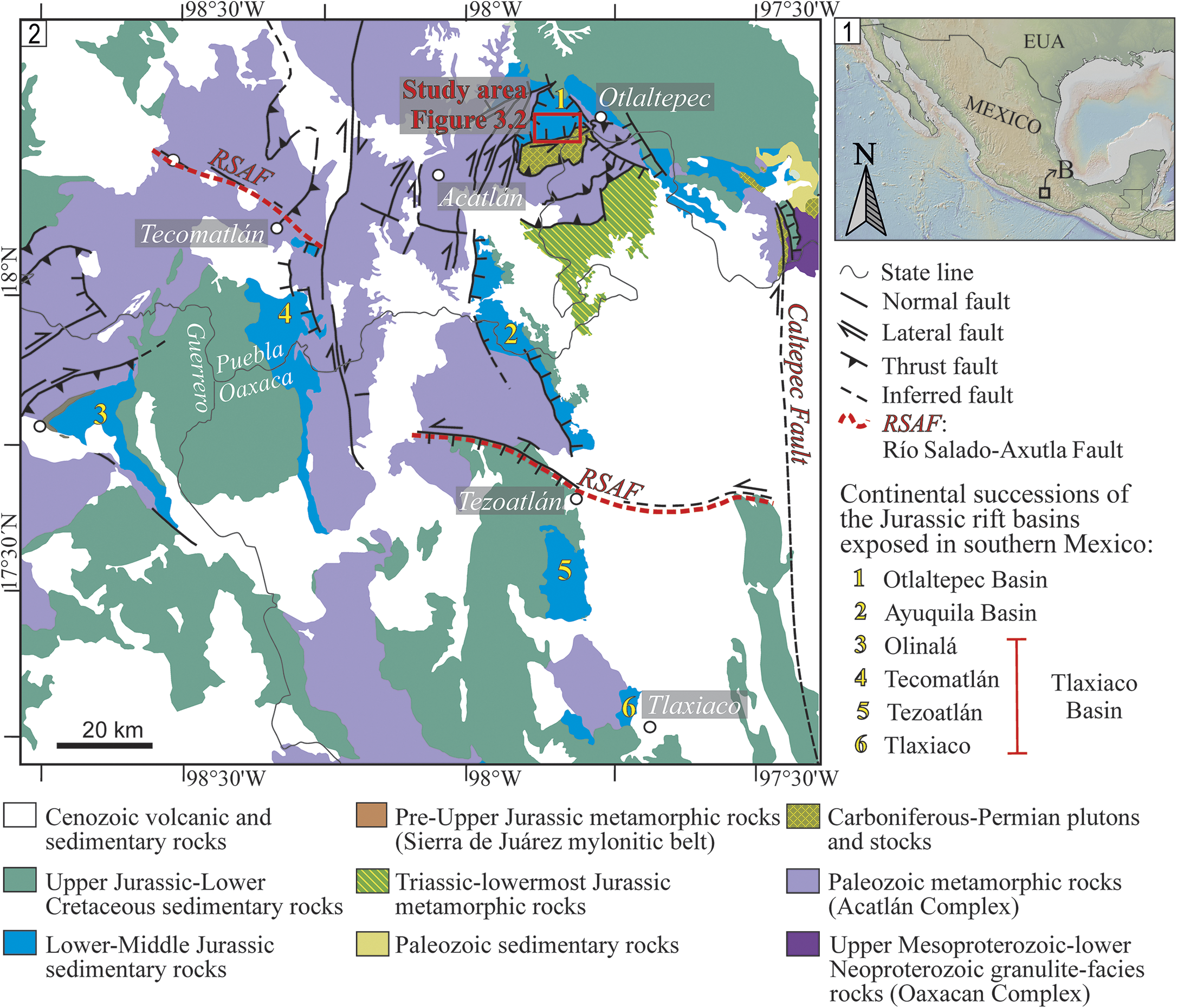
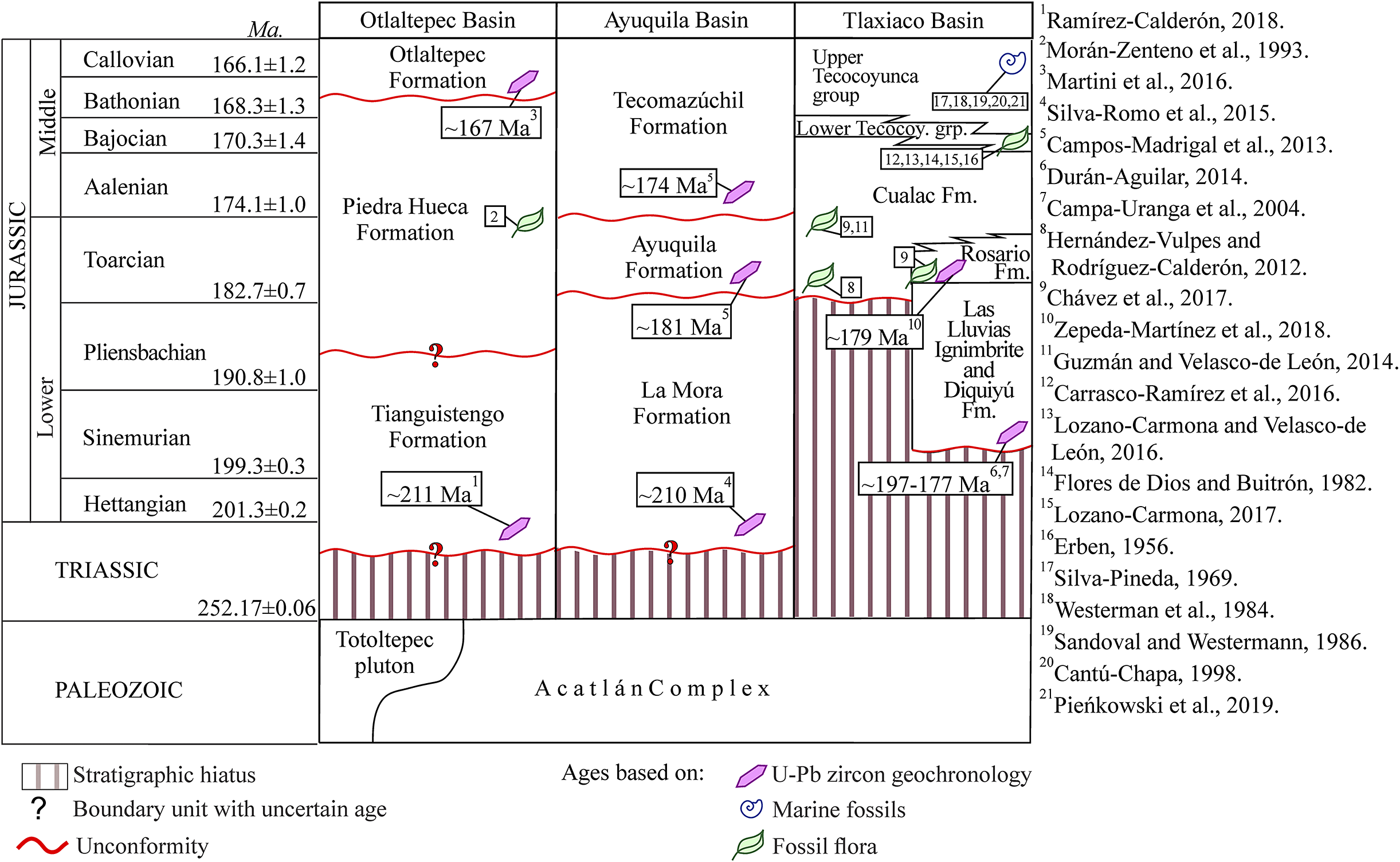
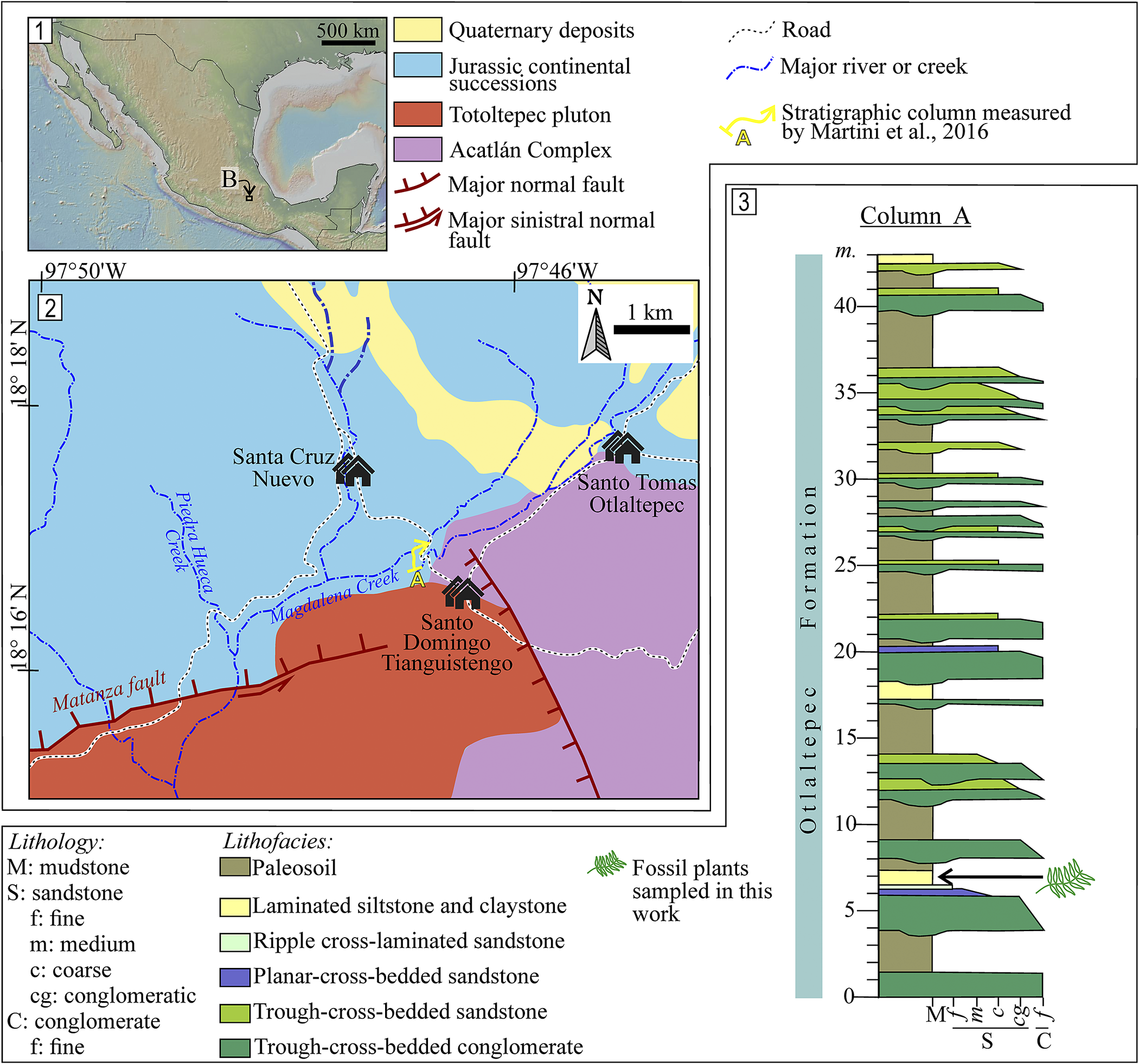
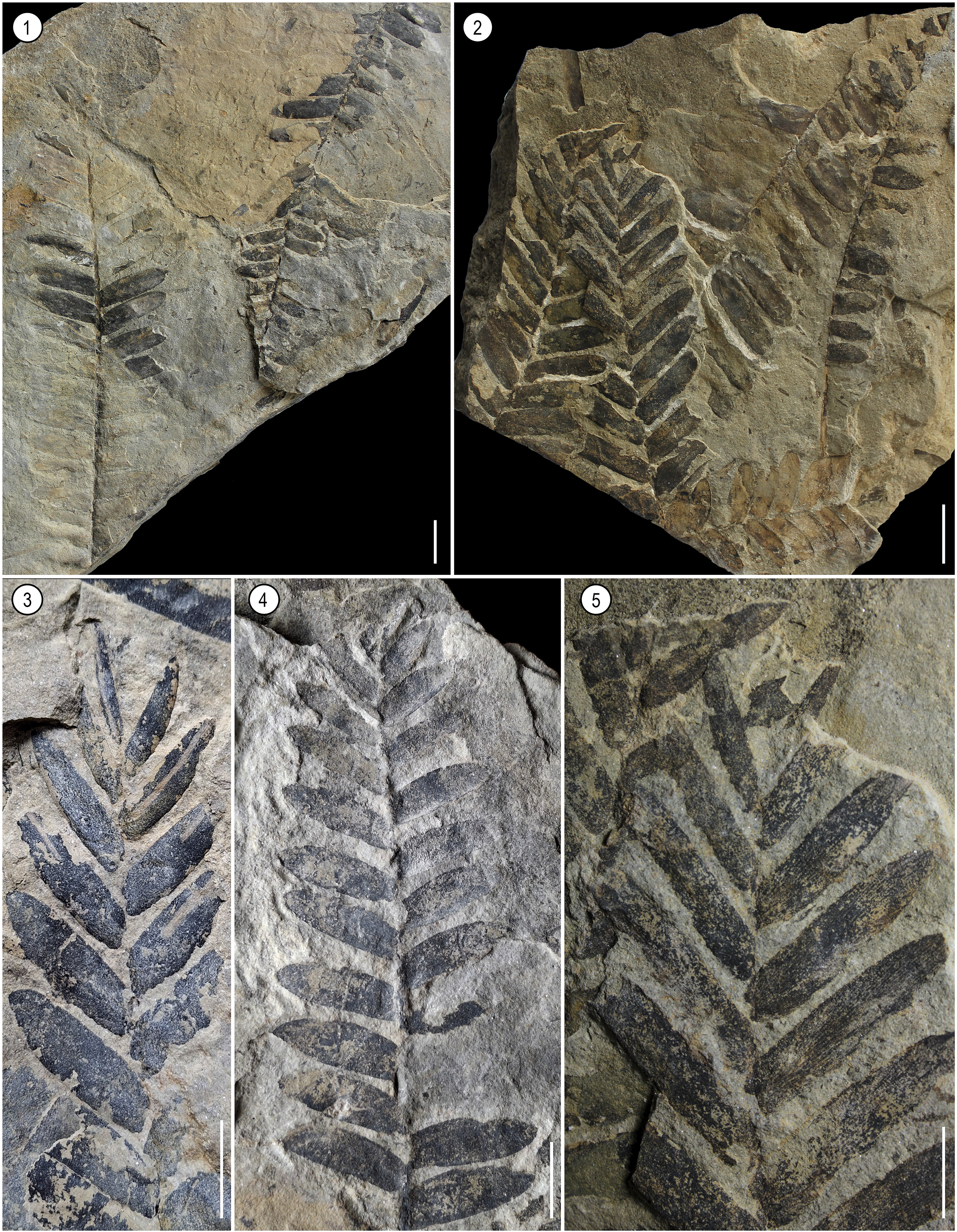
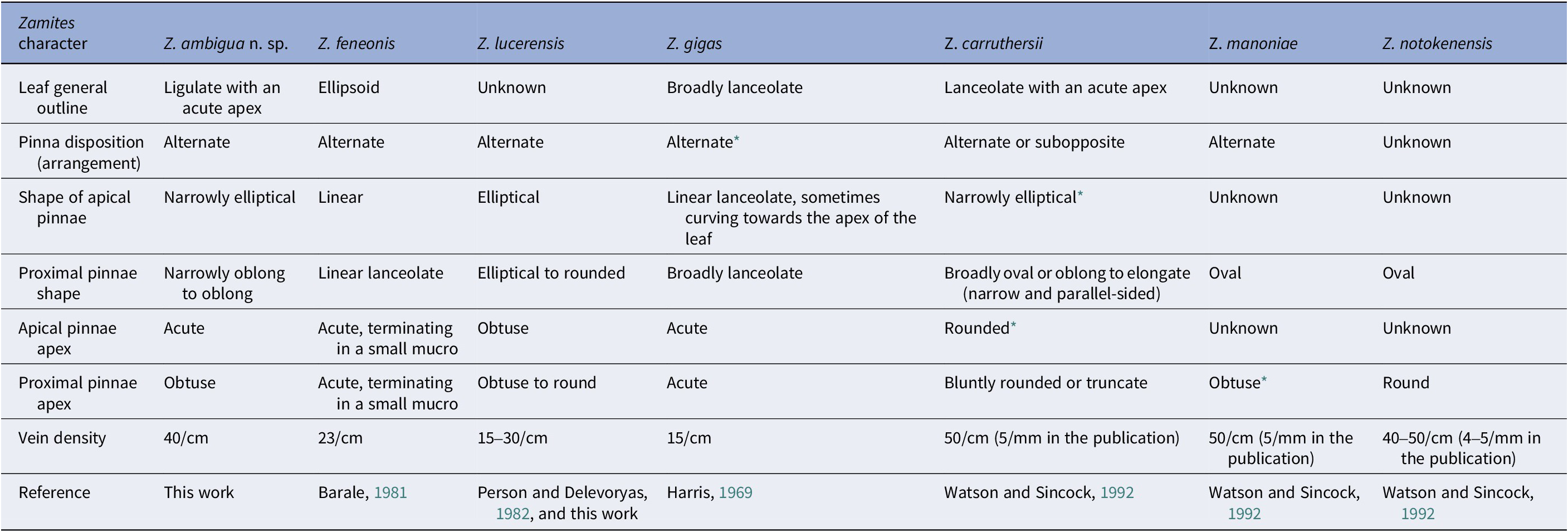
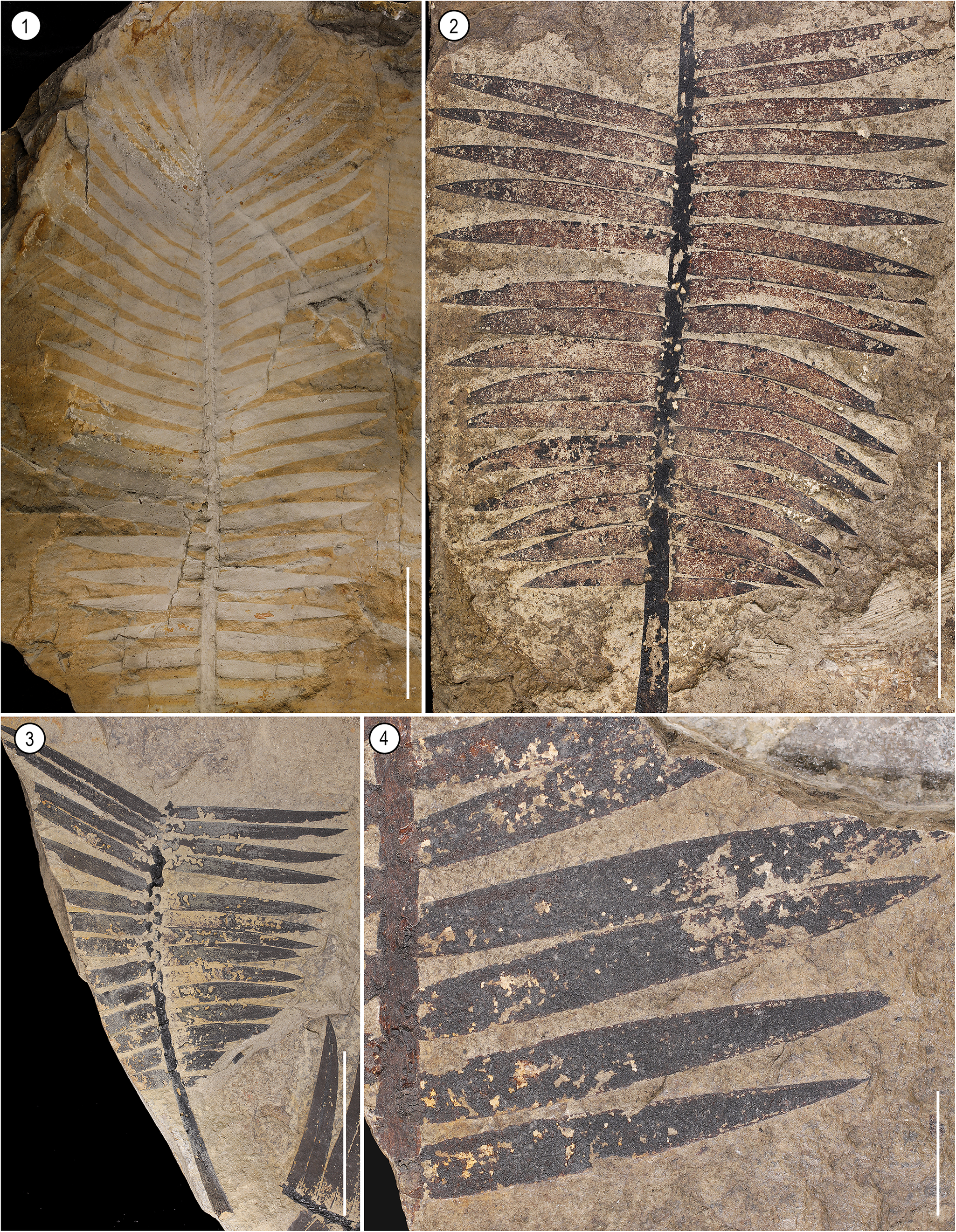
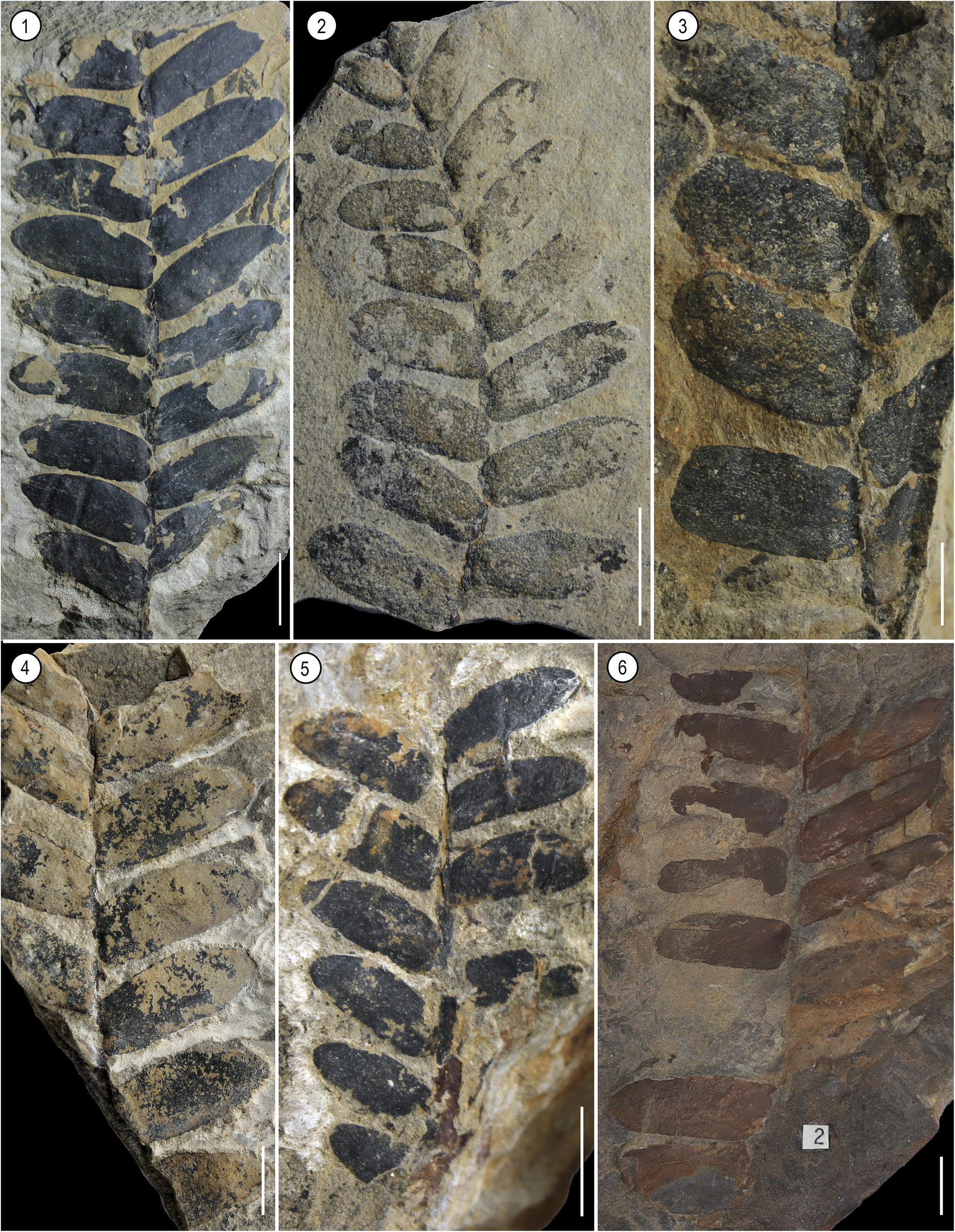
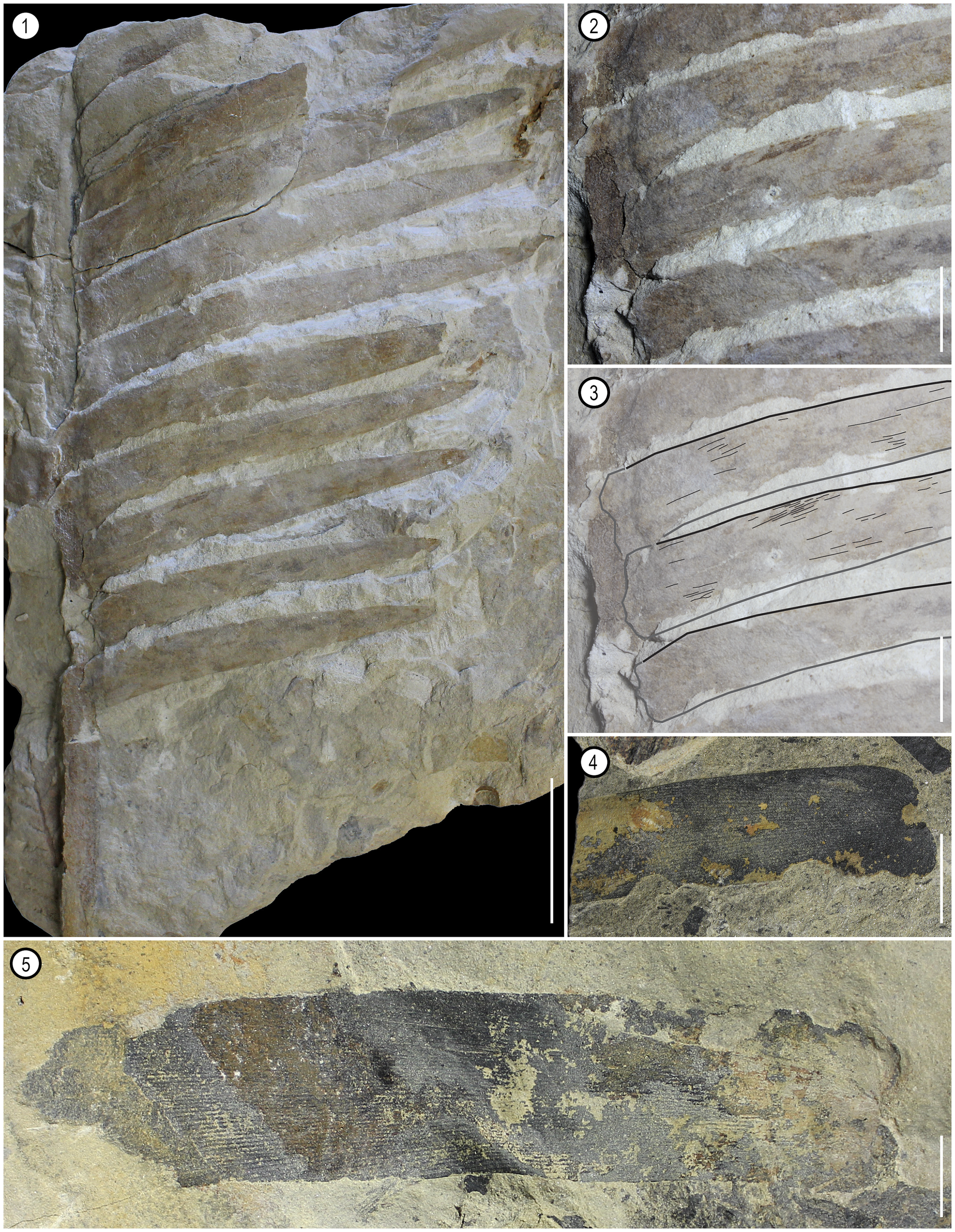
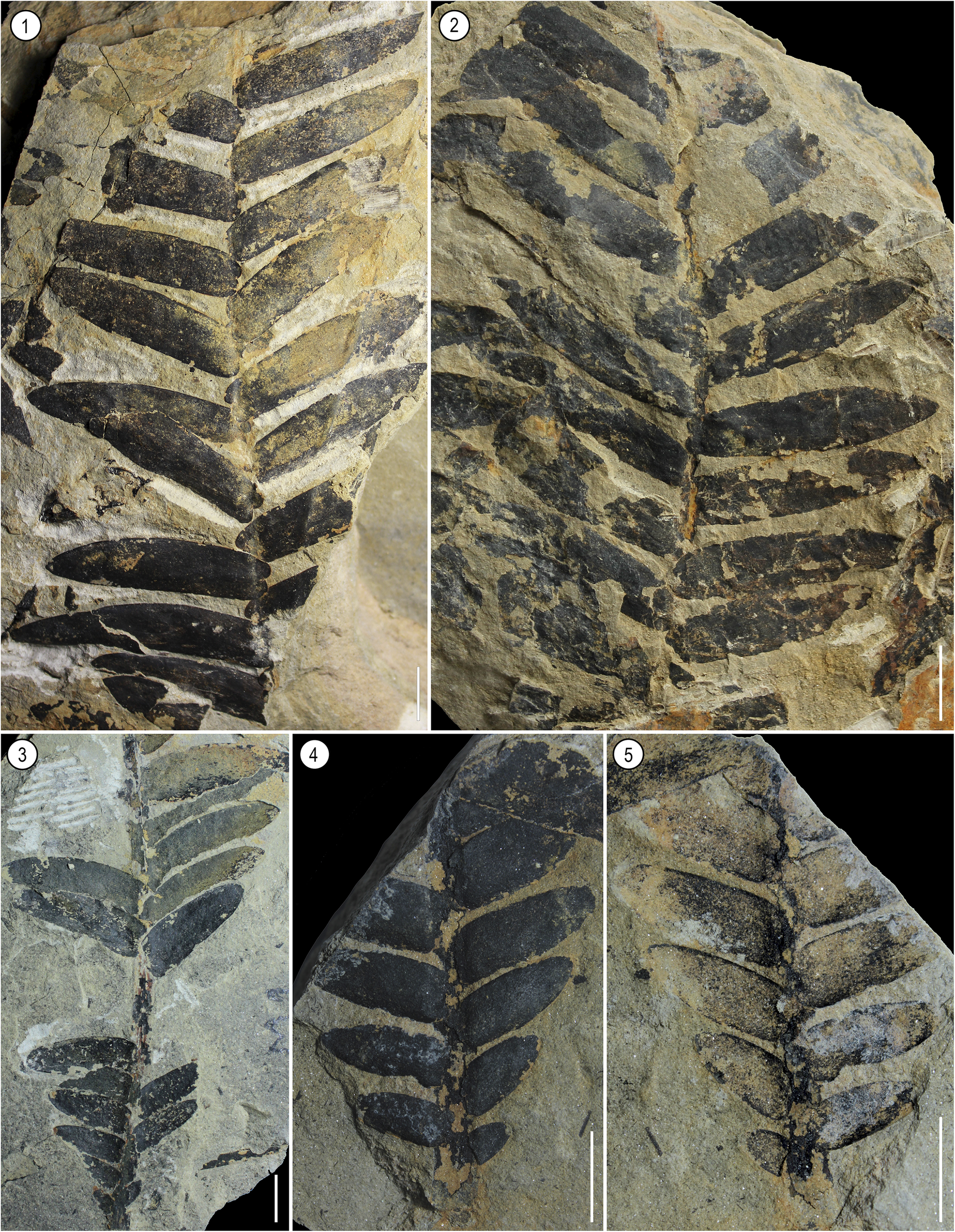
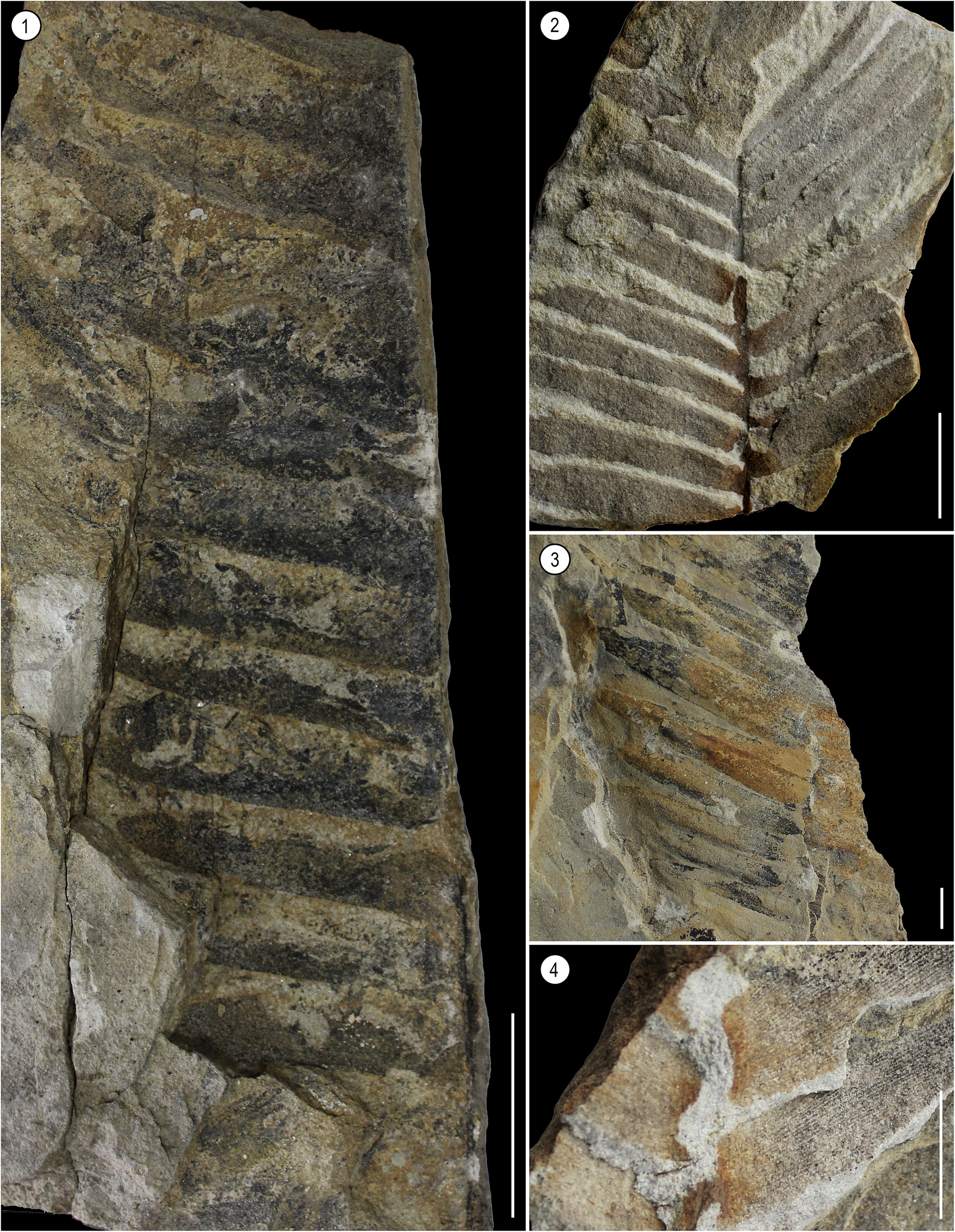
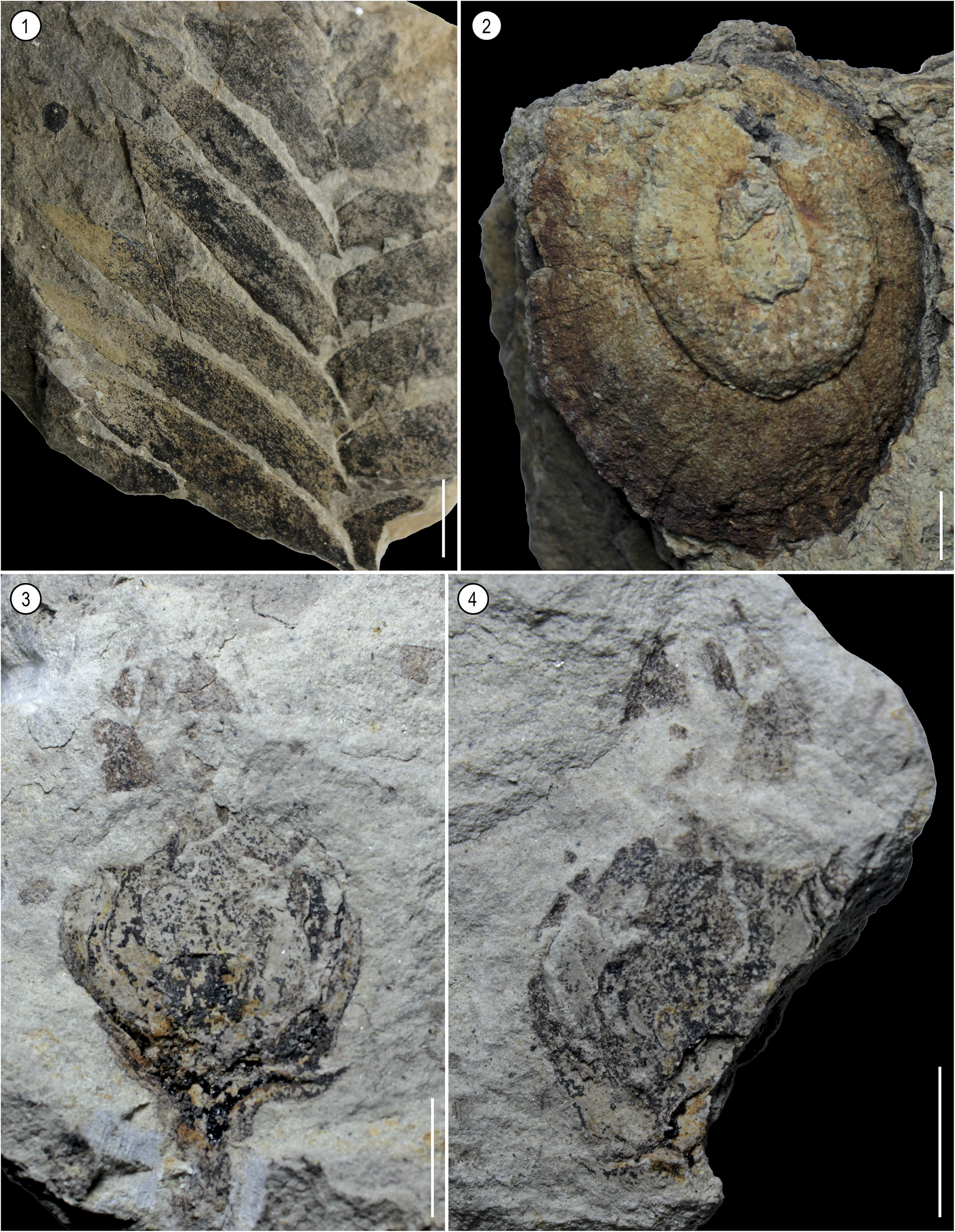
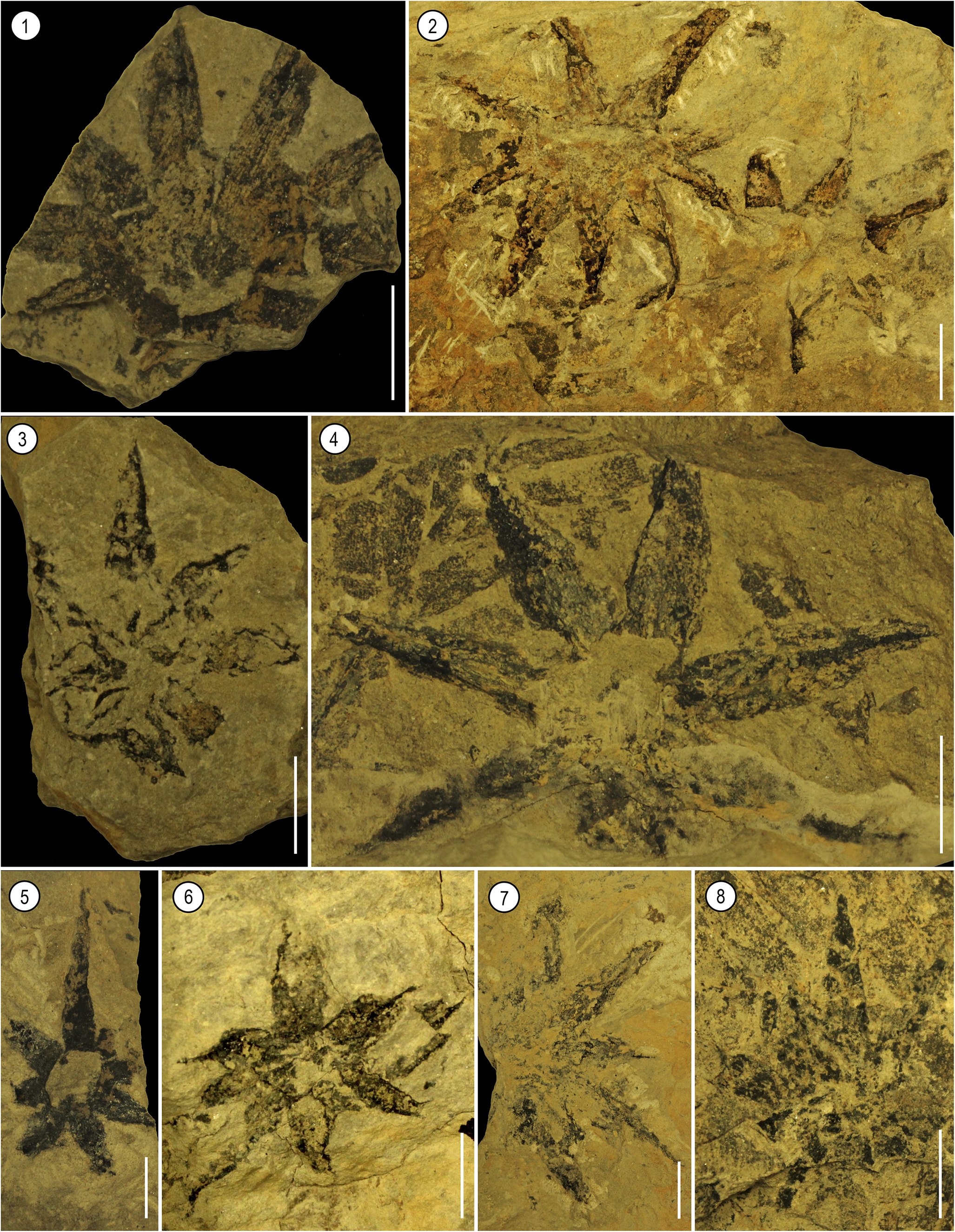
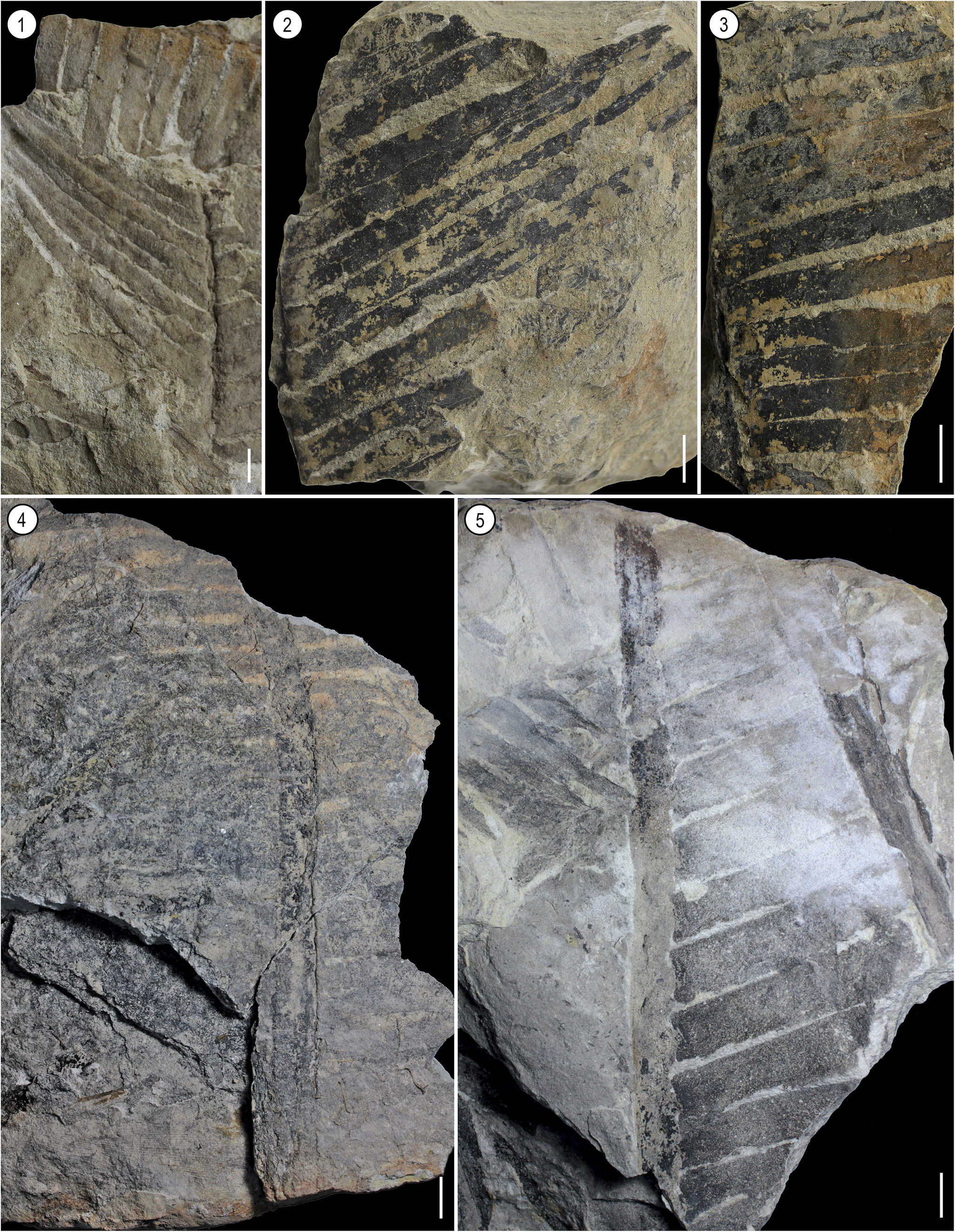
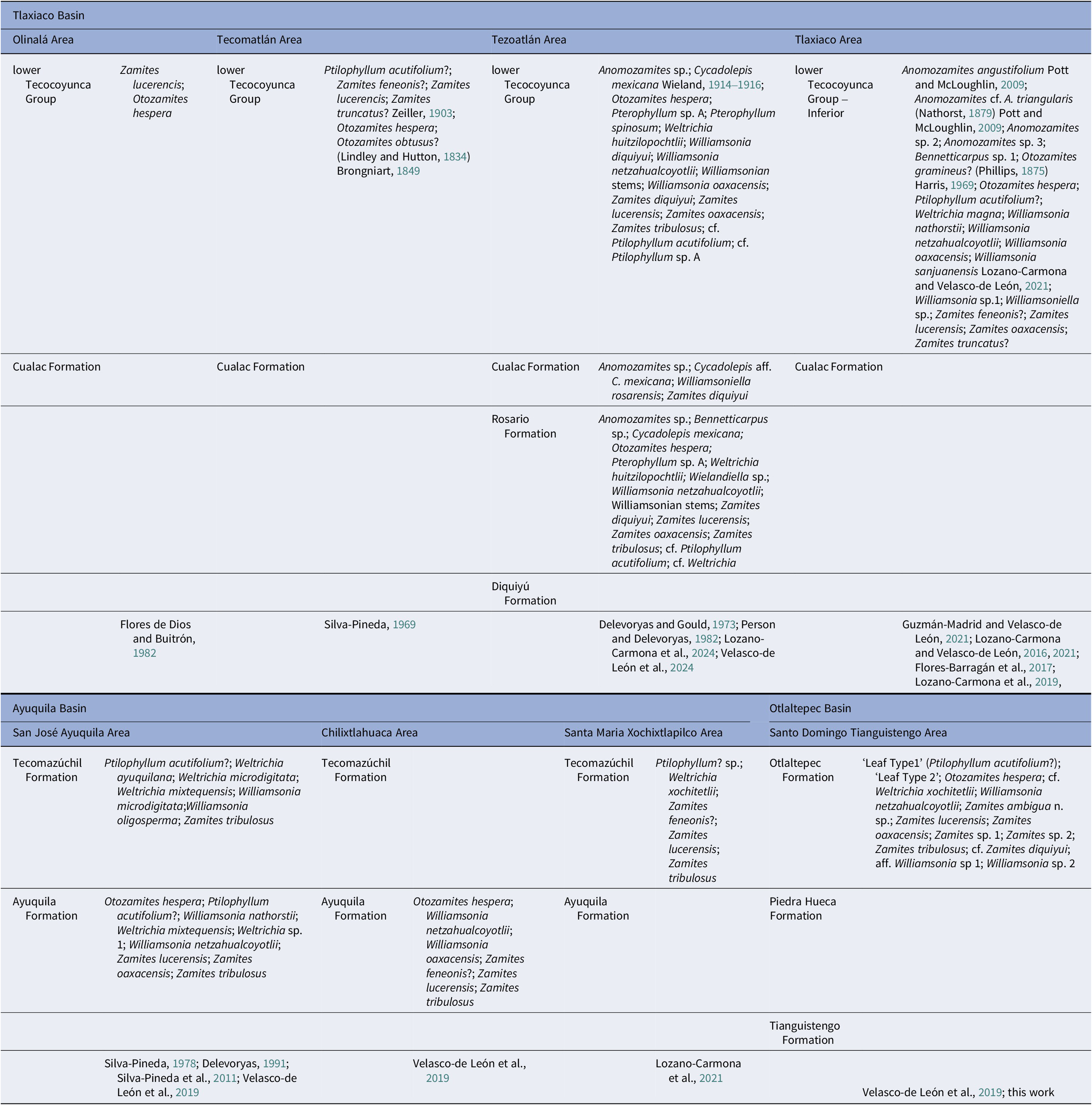
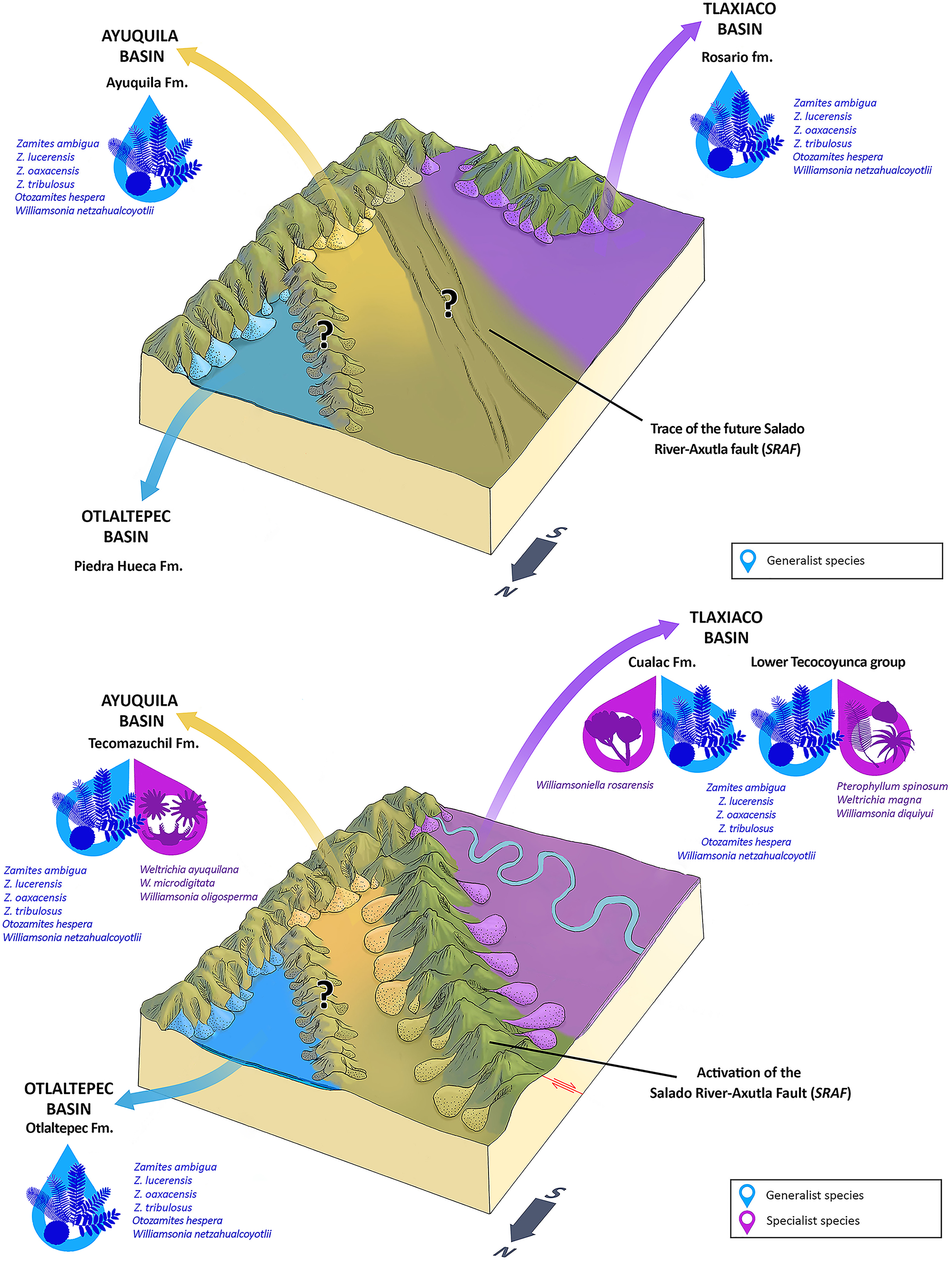

 Open access

