The proliferation of health technologies has become a major driver contributing to rising healthcare costs (4). As a result, the articulation of what health systems are prepared to fund and how costs should juxtapose clinical efficacy and patient safety, is becoming increasingly important. It is becoming clear to decision makers that the uptake and diffusion of new and displacement of obsolete technologies needs to be evidence-based. There is also an expectation that the basis for this evidence should be transparent and demonstrate consistency.
Open-ended diffusion can lead to unrealistic expectations. Relentless public and professional pressure to introduce new health technologies will continue unless there is a credible evidence-based approach that holds the trust of the health system and the public. To achieve this, the gap between evidence-based health technology assessment (HTA) and decision making needs to be narrowed. The alternative intuitive approach to decision making is unacceptable and unsustainable.
The uptake and diffusion of nondrug technologies is complex and includes considerations of operating costs, infrastructure support, and human resource issues. Therefore, explicit contextualization must occur for each technology reviewed. This strategy includes an understanding of the spectrum of the disease in question; the scope of management strategies for the disease state, economic issues, and implementation considerations; and an appreciation of societal issues, values, and norms. Unfortunately, in many instances, scientific evidence of sufficiently high quality that can lead to clear-cut policy decisions does not exist. This finding is compounded by the fact that, unlike new drugs, nondrug technologies continue to be approved by regulatory bodies with less rigorous evidence of efficacy.
Diffusion pressure may have resulted in less stringent attention to premarket assessment of efficacy and is fueled by a narrow window for maintaining exclusive market share. More recently, high-quality studies to demonstrate evidence of efficacy for nondrug technologies have been reported, such as prospective randomized controlled trials (RCT) to investigate the efficacy of, for example, implantable cardiac defibrillators (ICD) (3;12;18;19), mid-urethral slings (2;9;14;21;24–28), and drug-eluting stents (13;16;17;23). However, there remain concerns regarding the generalizability of some of these studies because they are done too early in the technology development cycle, strict eligibility criteria are applied and evaluations may be done in healthcare systems or on patient populations dissimilar to where the technology adoption is being considered (5). Moreover, many of these technologies are so expensive that some health systems have decided to target select patient subgroups on a poor evidentiary base, such as retrospective post hoc subgroup analysis or using secondary outcomes reported by studies (20;22).
Despite the growing need for evidence to form the basis of policy decision making, there has been a historical disconnect between established HTA and decision making. This gap is especially large for nondrug health technologies where growth and expenditures are likely to surpass expenditures on drugs and has become one of the most important cost drivers in most health systems (4). In Ontario, for example, which has an annual publicly funded health budget of approximately $38 billion, funding requests related to new health technologies, excluding drugs and information technologies, has compounded at approximately $0.5 billion per year over the past 2 years, and it is not unreasonable to assume that they will account for an increasing portion of health system expenditures. Nondrug technologies are being introduced as substitutive or adjunctive interventions to drugs, as drug hybrids, as replacements to existing technologies and for new indications. Nondrug technologies are mostly used following drug failures but, as these technologies become safer and easier to use, targeted treatments with nondrug technologies may become first line options.
Historically, HTA evolved in a milieu divorced from the complexities of health systems. Not surprisingly, decision makers mired in the quagmire of competing needs, political imperatives, patient and professional preferences, societal perspectives, and the reality of fiscal constraints have not found HTA to be relevant to their needs. Given these complex realities, it is naive to assume that HTA in isolation can drive policy development. Rather, HTA has the potential to be the foundation of a comprehensive continuum for evidence-based decision making. With this in mind, a multifaceted approach to establishing a continuum from evidence to decision making for the uptake and diffusion of technologies was initiated in Ontario in 2003. The purpose of this article is to describe the processes and systems that have been put in place in Ontario to facilitate the translation from evidence to decision making.
DEVELOPMENT OF A NEW EVIDENCE-BASED ASSESSMENT PROCESS IN ONTARIO
Ontario is a predominantly single-payer health system based on universal access. Global funding is granted to institutions or community bodies to provide services. Local planning, clinical expertise, and demands on services dictate the technologies and services available, and in the past, decisions were made within the context of annual double-digit percentage increases to most facilities. Long-term sustainability became an issue only in the past 20 years. For example, inflation-adjusted health spending per capita in Canada increased by >40 percent since 1984, and health spending as a percentage of the gross domestic product (GDP) has increased steadily by 1 percent per decade since the 1970s to represent 10 percent of GDP today (8). Canada's largest province, Ontario, experienced even larger increases, as the inflation-adjusted per capita spending on health increased by 67 percent in the past two decades.
However, a clear and objective examination of what the cost drivers were had not entered the public discourse, and as a result, discussions of appropriateness could not take place. The medical necessity for health services determined their insurability, but the definition of what is medically necessary was negotiated between medical practitioners and the government payer. The determination of the medical necessity for health services requires an evidence base for insurability.
Within this context, health technologies have diffused through any entry point (portal) that deems the technology to be necessary, often on weak or undetermined evidence. To gauge the number of potential portals of entry for new technologies, the Ontario health system includes over 21,000 physicians, 155 hospital corporations, 944 community-based independent health facilities, 400 health interest groups, 732 community service agencies, 55 community health centers, and 4,353 community mental health programs. The uptake of new technologies can be used to heighten the profile of a health facility and to attract medical staff and often puts pressure on other facilities to implement the same technology, creating a domino effect. Ad hoc passive diffusion has often occurred without an analysis of effectiveness and economic or other considerations and without addressing the impact on the entire health system.
Ontario began grappling with this problem in earnest in 2001 with the establishment of the Medical Advisory Secretariat (MAS), with a mandate to develop an evidence-based unit. MAS undertook evidence-based analyses on heath technologies as a resource to program areas within the Ministry of Health and Long-Term Care (MOHLTC) to provide an evidentiary platform for responses to funding requests. It became obvious after 12 months that this process required transparency and a strong collaboration with all facets of the health system.
In 2002, one of the authors (L.L.) undertook a consultation with twenty-nine Chief Executive Officers (CEOs) from the largest hospitals in Ontario to elicit their perspectives on the uptake of new health technologies. CEOs indicated that they were frustrated by the acceleration of demands from practitioners and patients to provide new technologies from their global budget allocation, while lacking the expertise or objective advice to rationally prioritize these requests or validate the potential clinical utility. The notion of a coordinated provincial process as a single portal through which new and existing nondrug technologies would be reviewed to determine or alter their diffusion and uptake was strongly supported.
THE ONTARIO HEALTH TECHNOLOGY ADVISORY COMMITTEE
Membership and Mandate
The Ontario Health Technology Advisory Committee (OHTAC) was struck in October 2003 as the first step in the development of a single provincial portal for the uptake and diffusion of health technologies based on an evidentiary, bottom-up, transparent, and accountable approach open to appeal. It was intended that the MAS/OHTAC axis would address the wider health system needs through a robust and accountable model. Composed of stakeholders and experts, OHTAC's mandate is to undertake reviews of health technologies as requested by hospitals, community-based health services, or the MOHLTC and make recommendations to the health system and the Deputy Minister of Health regarding the uptake and diffusion of these technologies.
The Committee consists of clinical epidemiologists and clinicians with backgrounds in evidence-based analysis, health economists, senior hospital administrators, bioethicists, a bioengineer, and representatives from the Ontario Hospital Association, the Ontario Medical Association and community-based healthcare programs. All members are indemnified to prevent litigation chill and are required to sign their acceptance of OHTAC's conflict of interest guidelines.
The MAS
The MAS, as a primary evidence-based analysis resource, provides the evidence-based scientific and economic analyses and performs a secretariat function for OHTAC. To allow MAS to undertake its work, it has forged important linkages with provincial experts and academic institutions, and also provides the interface with MOHLTC-funded parallel programs that have been developed to support OHTAC's work.
Provincial Programs Developed to Respond to OHTAC Recommendations
What follows is a description of how the OHTAC process has developed and in particular how its scope has grown beyond the basics of HTA to establish the comprehensive continuum between evidence and policy development. This has evolved in response to the realization that decision making is based on multiple considerations, including patient safety, quality of evidence of efficacy/effectiveness, generalizability, existing utilization trends and patterns of practice, potential systemic disruptive effects, economic analysis, budgetary impact, and ethical, legal, and regulatory issues.
Prioritization and Development of Health Technology Policy Analysis
The MAS/OHTAC axis relies on programs established with academia, hospitals, and expert physicians through which additional dimensions to the evidentiary base are added. The process begins when OHTAC receives requests for reviews from potential purchasers of health technologies—typically hospitals—or from MOHLTC divisions considering new programs. These requests are prioritized by OHTAC through a process based on a MAS vignette, which briefly describes the technology, and uses a template to score the potential magnitude of effect, diffusion pressures, comparison with alternative technologies, and potential to influence patient outcomes or systems efficiencies. Only technologies licensed by Health Canada are considered.
For technologies prioritized by OHTAC, MAS undertakes a health technology policy analysis (HTPA) and commits to a 16-week turn-around to completion. In exceptional circumstances, this limit may be exceeded. The HTPA includes a systematic review, a grading of the evidence, an analysis of Ontario-based utilization trends and patterns of practice, an economic analysis, and an examination of societal, ethical, regulatory, and legal implications. The analysis follows a template to ensure consistency. At the outset, one or more experts are identified to provide content knowledge and the manufacturer(s) is notified and invited to provide relevant information.
As part of the systematic review, the relevant research is critically assessed and the quality of the pooled research (body of evidence) is determined according to the GRADE system (1). This assessment determines the overall quality of the body of evidence after considering the study design, methodological quality (threats to validity), the consistency of study results (e.g., direction and magnitude), and the directness of the evidence (e.g., generalizability). In addition, other modifying factors are considered, including the presence of imprecise or sparse data, strong or very strong associations, high risk of reporting bias, evidence of a dose–response gradient, and the effect of all plausible residual confounding. This process yields an overall quality rating of the body of evidence (by outcome measure) of either very low, low, moderate, or high. Importantly, this rating speaks to the confidence in the estimate of the effect so that moving from very low to high quality evidence increases confidence in the validity of the estimates.
Additional information within the Ontario context is also collected. These data include information on utilization trends for alternative technologies and the technology being considered, patterns of practice, epidemiological data on the associated disease state, and any other relevant demographic data derived from MOHLTC databases. Regulatory, legal, and ethical considerations are included in the analysis. If the technology is found to be effective, an economic analysis is undertaken.
Economic analyses for each technology are determined according to the specific technology, but almost always include budget impact, downstream cost avoidance, cost-effectiveness, and more recently, decision analytic modeling. Sensitivity analyses are used to determine the impact of any assumptions required for the modeling of the technology. The analyses are conducted from the perspective of the Ontario Ministry of Health, and wherever possible, Ontario-specific data are used in the analyses. The completed HTPAs are reviewed by one or more external reviewers considered experts in the field related to the technology.
OHTAC Process to Make Recommendations
During the formative phase of OHTAC's development, recommendations were based mainly on the quality of evidence, with some leniency applied to technologies that improved patient safety. However, increasingly, OHTAC has moved toward using the GRADE recommendation assessment process (11), which synthesizes the trade-offs between the benefits, risks, and burdens with the quality of the body of evidence to guide this endeavor (see Table 1). Per GRADE (11), if the benefits clearly outweigh the risks and burdens or vise versa and the quality of the evidence is moderate to high, the recommendations stemming from the evidence apply in most circumstances without reservation. If the benefits clearly outweigh the risks and burdens or vice versa but the quality of the evidence is low or very low, it is assumed that the resulting recommendations may change when higher quality evidence becomes available and, therefore, may apply with some reservation. On the other hand, where the benefits are closely balanced with the risks and burdens and the quality of the evidence is moderate to high, it is thought that the resulting recommendations may differ, depending on the environment into which the technology is adopted. Finally, where the benefits are closely balanced with the risks and burdens or when there is uncertainty in the estimates of the benefits, risks, and burdens and the quality of the evidence is low or very low, it is thought that the resulting recommendations indicate that other treatments may be reasonable alternatives to the one under review.

The benefits of the GRADE (11) process for grading the strength of recommendations include promoting consistency, transparency, and accountability in the decision-making process. OHTAC decision making, therefore, juxtaposes evidence against risks, benefits, and burdens and includes economic considerations. Decision making according to these criteria are being tracked for consistency. The current decision-making process and estimates of consistency will be the subject of future publications, and the weighting of the disaggregated decision model is the subject of ongoing discussion by an expert OHTAC panel.
Transparency
Following a 60-day embargoed period, the OHTAC recommendation and the full MAS HTPA are posted on public Web sites and an e-bulletin is circulated to all hospital administrators and community health services. The embargoed period allows the MOHLTC to review the recommendations and also provides a window during which the OHTAC recommendations with a summary of the evidence can be shared with potential end-users of the technology through the Health Technology Utilization Guidelines (Health TUGO) process described below. Attempts are currently under way to improve OHTAC's knowledge transfer through an expert OHTAC panel.
Appeals Process
Once posted, anyone may appeal an OHTAC recommendation through a presentation to OHTAC. This presentation must provide evidence-based information that was available at the time OHTAC made its recommendation and could potentially change the recommendation.
Public Engagement
OHTAC is currently developing a comprehensive strategy regarding public engagement. To date, OHTAC has occasionally approached technologies that required patient input through polling 1,000 people affected by the disease state to evaluate their perspectives. It is likely that this approach will be encouraged in the future as part of patient engagement around specific technologies. OHTAC's public engagement strategy will likely develop through a multifaceted approach.
Updates on OHTAC Recommendations and MAS HTPAs
All OHTAC recommendations based on an update of MAS HTPAs are subject to review every 5 years. OHTAC or applicants from the health system may request updates before the 5-year period if new evidence is brought to its attention that could change the original recommendation.
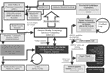
A summary of the entire HTPA process, including relationships to complementary provincial programs are presented in Figure 1. These MOHLTC funded independent programs aligned to academic institutions, reflect approaches to assessing, implementing, and managing health technologies beyond a simple HTA. Key to this process has been the development of programs to respond to OHTAC recommendations where there are unresolved issues regarding potential disruptive effects, generalizability, safety, integration of individual technologies around a disease state, further consultation with experts and economic issues. These programs appear on the right-hand side of Figure 1. On completion of these studies, the results are presented to OHTAC for its final consideration based on a field evaluation, human factors, or safety analysis. A more complete description of each of these four programs is provided in the next sections.

Health technology assessment in Ontario: Medical Advisory Secretariat/Ontario Health Technology Advisory Committee and its associated structures and linkages. OMA, Ontario Medical Association; OHIP, Ontarion Health Insurance Plan; LHIN, Local Health Integration Networks; ICES, Institute for Clinical Evaluative Sciences; MOHLTC, Ministry of Health andLong-Term Care; OHA, Ontario Hospital Association; CPSO, College of Physicians and Surgeons of Ontario; CNO, College of Nurses of Ontario; OFCP, Ontario Federation for Cerebral Palsy; UHN, University Health Network; PET, positron emission tomography; CCO, Cancer Care Ontario.
OHTAC recommendations are increasingly undergoing detailed analysis for implementation through the development of a business case that identifies the accountability of various partners in funding and operationalizing the recommendation. The first example of this approach has been completed by the Joint Policy and Planning Committee (JPPC), which is a standing joint committee between the MOHLTC and the Ontario Hospital Association. This and other approaches to operationalizing OHTAC recommendations will gain further momentum in the coming year. There are also opportunities for the MOHLTC to request changes to the physician fee schedule based on an OHTAC recommendation regarding the uptake or obsolescence of a particular technology, through its interaction with the Ontario Medical Association. Success of implementation is being tracked through the MOHLTC Information Management Unit, who are collecting utilization data from existing provincial administrative data bases to assess changes in the diffusion of technologies that have been considered by OHTAC.
The experience of OHTAC and MAS has been that systematic review is an important starting point of a process that requires a comprehensive array of complementary programs designed to address recommendations that are evidence-based. It has become apparent that, with few exceptions, the basis on which to make multimillion, multiyear funding decisions is often weak. Programs described in Figure 1 have provided greater confidence and certainty for decision makers and are likely responsible for the high translation from evidence to policy implementation. Provincial programs shown in Figure 1 are described more fully below.
FIELD EVALUATION PROGRAM: ONTARIO'S FORAY INTO CONDITIONAL FUNDING
For technologies that appear promising but for which there is inadequate evidence of effectiveness, clinical utility, or cost-effectiveness, OHTAC recommend that the technology be assessed through a field evaluation. MAS facilitates the start-up of these studies, many through the Program for the Assessment of Technologies in Health (PATH), situated at McMaster University and St. Josephs Healthcare Centre, Hamilton, Ontario. This group assumes full responsibility for conducting the field evaluations in collaboration with experts and Academic Health Science Centers and Regional Hospitals. PATH holds a MOHLTC grant to conduct four field evaluations per year in collaboration with expert potential end-users and in conjunction with healthcare facilities and disease-specific agencies. Further collaborations with academic institutions will expand the capacity for postmarketing studies. In addition to the base funding for conducting an evaluation of the technology, the MOHLTC also provides conditional funding for the technology being evaluated. These field evaluations can take a variety of forms, including (i) phase four pragmatic study, (ii) registry study, (iii) other observational study, (iv) randomized controlled trial.
In addition to collecting information to reduce uncertainty about the effectiveness of the technology in the Ontario setting, PATH also collects information on resource utilization, cost, and important patient outcomes; updates previous systematic literatures searches on the technology; develops an economic model for the technology and underlying disease; and ultimately provides estimates of the overall effectiveness and cost-effectiveness of the technology. Details of this overall process are published elsewhere (10). PATH prepares and circulates reports of the field evaluations to OHTAC and MAS, presents the results at OHTAC meetings for recommendation development and posts the findings on a Web site for public access (http://www.path-hta.ca/report.htm).
Each field evaluation is subject to Research Ethics Board approvals and requires patient informed consent. Field evaluation protocols are subject to external peer review. Information collected is more policy relevant for the Ontario population and practice context, involves key stakeholders in the adoption of the technology, and provides access to the technology during the evaluation process. A summary of technologies that have undergone or are currently undergoing field evaluations as part of this program appears in Table 2.

Lessons from the Ontario Field Evaluation Program
The Ontario Heath System includes experts who continue to strongly support field evaluations. The advantage is that results are associated with immediate buy-in. The most important observation to date comes from the drug-eluting stent field evaluation, which produced a result that differed from previous RCT findings, raising questions regarding the generalizability of these trials to Ontario.
The design of field evaluation studies to test effectiveness will continue to be a challenge. For example, RCT are difficult to defend for insured services. Despite meeting all scientific requirements, including attention to privacy, informed consent, randomization, and ethics board approval, a benefit for an insured service is being offered to a patient, not available to another patient through the randomization process. Furthermore, these field evaluations should not become a barrier to access for the duration of the study. At the same time, there must be a realization that funding will be adjusted, predicated on the outcomes from these studies. Finally, the use of appropriate methodologies for postmarketing pragmatic effectiveness studies will become an important focus.
SAFETY AND HUMAN FACTORS ANALYSIS PROGRAM
Modern medical devices usually exhibit a higher degree of reliability, but may be complex and confusing to use. Furthermore, clinical users are frequently performing several tasks concurrently while using a medical device, and this finding can increase the potential for error.
For this reason, OHTAC may request additional information about the safety or human factors-related issues relevant to a technology and ideal qualifications operators of the technology should possess, through the Healthcare Human Factors Laboratory at the University Health Network in Toronto. (http://www.ehealthinnovation.org/ehmembers/18). Techniques include cognitive walkthroughs, heuristic analyses, observation of performance in clinical settings, usability testing in high fidelity simulations, and user experience surveys.
Examples of health technology issues examined by the Usability Laboratory to date include (i) assessment of safety and compatibility of devices and equipment in magnetic resonance imaging (MRI) environment, (ii) patient and staff protection from radiation exposures to computed tomography (CT) scanners, (iii) human factors analysis relating to the use of automated cardiac defibrillators, (iv) compliance with preventive maintenance and placement of air cleaners in health facilities, and (v) reducing medication errors through the implementation of Smart Infusion Pumps. Published reports are available at http://www.ehealthinnovation.org/MOH_Publications.
UTILIZATION GUIDELINES PROGRAM
The Health TUGO of Ontario has been developed to translate OHTAC recommendations into a utilization guideline format for potential end-users and to obtain their feedback. This iterative loop of external review is a platform for knowledge transfer and is based on the Cancer Care Ontario's Program in Evidence-Based Care (6;7). Further information is available at www.healthttugo.ca.
INTEGRATION OF TECHNOLOGIES AROUND DISEASE STATES: EXPERT PANELS
MAS, with academic methodologists, has used expert panels to merge evidence-based analysis with expert opinion, focused especially on the integration of health technologies around disease states. Examples include cardiac imaging to assess myocardial viability, osteoarthritis of the knee (15), and positron emission tomography (PET) scanning.
As an example, technologies considered by the cardiac imaging panel included single photon emission computed tomography, dobutamine echocardiography, PET, functional MRI, and multislice CT. This committee interfaced with the provincial PET steering committee and with the provincial study group on comparisons between 64-slice CT angiography and coronary angiography, all of which were set up in response to OHTAC recommendations.
IMPLEMENTATION AND EVALUATION OF OHTAC RECOMMENDATIONS
Implementation of OHTAC Recommendations
For OHTAC, implementation of recommendations is viewed as a measure of success. Government decision making is complex and fraught with competing interest and public demands, in addition to payer capacity. Nevertheless, OHTAC recommendations have been well received by government, and continuous efforts to implement them are being made.
Between October 2002, and November 2006, OHTAC made sixty-one recommendations. In the year before, the formation of OHTAC, MAS undertook twenty-two HTPAs. Of the OHTAC and pre-OHTAC recommendations, all thirteen field evaluation studies and five safety overviews have been funded and are either completed or on-going. Of the eighty-three technologies reviewed, positive steps have been taken to implement recommendations for fifty-three technologies, and a further fourteen are currently under review for a total 81 percent translation from evidence to policy consideration. The extent to which hospitals have acted upon the remaining eleven recommendations has not been evaluated but processes are in place to begin tracking the utilization of these technologies. In five instances (6%), a policy decision was made contrary to the OHTAC recommendation.
In many of the HTPAs, cost avoidances have been identified for hospitals to consider in conversion from one technology to another. This meets the expectation of the original intent, that OHTAC would assist healthcare administrators and providers in prioritizing their health technology agendas. Hospitals and other system providers are increasingly using OHTAC recommendations to support their funding requests, suggesting increasing awareness of and confidence in the evaluation and recommendation process. The implementation of OHTAC recommendations will increasingly involve joint planning between healthcare agencies, services, hospitals, physicians, and MOHLTC.
The MOHLTC, OHTAC, and its strategic stakeholders are attempting to formalize a more predictable and interactive approach to the implementation of OHTAC recommendations. Like the experience in many other jurisdictions, this is one of the most complex and challenging parts of the process, but it is envisaged that this will be achieved within the next year.
CONCLUSIONS AND POLICY IMPLICATIONS
The uptake and diffusion of new health technologies and adjustments to diffusion patterns for existing technologies requires a comprehensive approach that begins with the development of an evidentiary base. Subsequent policy decision making is a complex process that is ultimately driven by the demonstration of improved patients outcomes or system efficiencies, feasibility, safety, cost-effectiveness, and affordability. These processes and decisions must be made in the context of the health system in which the technology is deployed and must incorporate the perspectives of professional end-users and health administrators. Above all, the processes that lead up to the decision must be transparent and open to recourse as necessary.
The model that has developed in Ontario demonstrates the mosaic of programs that are necessary to achieve the translation from evidence to policy development. It is envisaged that this comprehensive approach will generate further research to test the effectiveness and refine the model to further bridge the gap between evidence and policy decision making. The MAS/OHTAC model has been in existence for 3 years and continues to evolve and drive a rethinking of the value of systematic HTA in the context of policy development.
CONTACT INFORMATION
Leslie Levin, MB, MD (les.levin@moh.gov.on.ca), Head, Medical Advisory Secretariat, Ministry of Health and Long-Term Care, 20 Dundas Street West, 10th Floor, Atrium on Bay, Toronto, Ontario M5G 2N6, Canada; Professor, Department of Medicine, Faculty of Medicine, Suite FE3-805, 190 Elizabeth Street, Toronto, Ontario M5G 2C4, Canada
Ron Goeree, MA (goereer@mcmaster.ca), Assistant Professor, Department of Clinical Epidemiology & Biostatistics, McMaster University, 1280 Main Street West, Hamilton, Ontario L8N 3Z5, Canada; Director, Program for Assessment of Technology in Health (PATH), St. Joseph's Healthcare Hamilton, 25 Main St. West, Suite 2000, Hamilton, Ontario L8P 1H1, Canada
Nancy Sikich, MSc (nancy.sikich@moh.gov.on.ca), Clinical Epidemiologist, Medical Advisory Secretariat, Ministry of Health and Long-Term Care, 20 Dundas Street West, 10th Floor, Toronto, Ontario M5G 2N6, Canada
Birthe Jorgensen, PhD (Cantab) (Birthe.Jorgensen@moh. gov.on.ca), Director, Medical Advisory Secretariat, Ministry of Health and Long-Term Care, 20 Dundas Street West, 10th Floor, Toronto, Ontario M5G 2N6, Canada
Melissa C. Brouwers, PhD (mbrouwer@mcmaster.ca), Associate Professor, Department. of Clinical Epidemiology & Biostatistics, McMaster University; Director, Program in Evidence-Based Care, Cancer Care Ontario, 1280 Main Street West, DTC 3rd Floor, Hamilton, Ontario L8G 3S7, Canada
Tony Easty, PhD, PEng, CCE (tony.easty@uhn.on.ca), Assistant Professor, Institute of Biomaterials and Biomedical Engineering, University of Toronto, 164 College Street, Toronto, Ontario M5S 3G9, Canada; Senior Director, Department of Medical Engineering, University Health Network, 200 Elizabeth Street, Toronto, Ontario, M5G 2C4, Canada
Catherine Zahn, MD, MHSc (catherine.zahn@uhn.on.ca), Executive Vice President, University Health Network, 190 Elizabeth Street, Toronto, Ontario M5G 2C4, Canada Medical Advisory Secretariat Web site at: http://www.health.gov.on.ca/english/providers/program/mas/mas_mn.html. The Ontario Health Technology Advisory Committee Web site at: http://www.health.gov.on.ca/english/providers/program/mas/ohtac_about.html.
Funding is provided by the Ministry of Health and Long-Term Care (MOHLTC) for health technology-related projects described in this article to: Program for Assessment of Technology in Health (PATH); Program in Evidence-based Care; Healthcare Human Factors Laboratory at University Health Network; Medical Advisory Secretariat (MAS); Ontario Health Technology Advisory Committee (OHTAC); Field evaluations in addition to the MOHLTC grant to PATH. The authors acknowledge and thank clinical epidemiologists and health economists associated with the MAS, members of OHTAC, and health professionals and providers of hospital- and community-based healthcare services for their support.