Implications
It is widely recognised that it is very important to maintain genetic diversity in small populations of farm animals. Some indigenous breeds are associated with particular production systems (mountains, extreme climates, landscapes) or are the source of quality products (e.g. eggs, cheese, cure products) that have a specific market where they can command higher prices. Furthermore, those populations might possess traits that might be worth exploring and even introducing into the main commercial breeds. The proper management of small populations will increase their likelihood of survival and will insure that their genetic information and variation will not be lost.
Introduction
Most local breeds of livestock are the result of a particular adaptation to a singular, sometimes harsh environment, and in many cases no other breed could survive in the habitat if the local breed goes extinct. In addition, such local populations might harbour specific genetic variants that are worth retaining and that might be used to recover the loss of genetic diversity that occurs in mainstream breeds because of very intensive selection on production traits. Typically, populations of local breeds are small, which puts them at risk of extinction. Consequently, the genetic diversity stored in each of them should be treated with great care, and management strategies that insure the viability and maintenance of the population should be implemented.
Genetic drift is the main cause of the loss of genetic diversity in small populations that are not in a breeding programme, although natural selection might also be a factor. The magnitude of the effects of genetic drift (i.e. an increase in inbreeding and random fluctuations in allele frequencies, which can lead to the loss of alleles) and population size are inversely correlated, although effective population size (Ne; the size of an ideal population showing the same rate of inbreeding/coancestry), rather than population size, per se, is the relevant parameter. Thus, the management of small populations should have the objective of maximising Ne.
Classic population genetic theory identifies the main factors that affect Ne and provides the equations for calculating it under various conditions (Falconer and Mackay, Reference Falconer and Mackay1996). The study of those formulae provides some basic recommendations for the management of local breed populations. First, the number of individuals to be maintained should be maximised because, with proper management, the larger the population, the higher the Ne. From a demographical standpoint, in most species of farm animals (at least, when a population is critically endangered and a rapid increase in size is needed), greater attention should be paid to increasing the number of females because it is the factor that limits the growth rate of the population.
In addition, the sex ratio has a significant effect on Ne, because each sex contributes half of the genetic information to their offspring. The rarer sex limits the number of alleles that are passed to the next generation, irrespective of the number of the other sex. Thus, once the total number of individuals is fixed, the optimal strategy (for maximising Ne) is to have an equal number of males and females.
Genetic diversity lost through a reduction in population size (the bottleneck effect) cannot be recovered, even if the population increases thereafter. The overall Ne across generations equates to the harmonic mean of the population sizes in different generations and generations involving the smallest number of individuals are the ones that most strongly influence the overall Ne. Resources should be directed towards avoiding the development of genetic bottlenecks, and the management programme should be designed to determine the number of individuals who can be maintained in the long term, such that the population can be managed without significant fluctuations in size (although sustainable increases must be encouraged, as per the first recommendation, above). It is important to have the largest possible number of individuals at the beginning of the management programme because, mutations notwithstanding, these contain all of the genetic variability that can be preserved. When not all individuals can be included in the managed population, and a limited number are used as source, the founders should be unrelated and not inbred. The latter recommendation can be difficult to achieve because (i) if the population has been small for a long time, it is difficult to find unrelated individuals, and (ii) if pedigrees have not been documented, there is no guaranteed way to avoid matings among relatives. In general, rather than expanding from a small population, a better practice is to start from all of the existing individuals.
A sound management plan should also control the differential contributions of individuals to the next generation. If parents differ in the number of offspring they leave, those who leave more offspring contribute higher proportion to the genome transmitted. An individual who has no offspring does not transmit allelic variants consequently. Hence, a sensible a priori strategy is to equalise the contributions of individuals. The effect of this strategy on Ne is clear recalling the simplified expression for an equal number of males and females:

where N is the actual size of the population and Sk 2 the variance in the number of offspring. If contributions are equalised, the variance is zero and the effective population size is approximately twice the actual size. For the most realistic situation, when the numbers of males and females differ, the strategy can be reformulated so that every male leaves a male and every female leaves a female (if population size is to be kept constant). That strategy underlies the management practices proposed for regular hierarchical programmes, which will be described below.
Managing the contributions of individuals
Hierarchical designs
Often, it is not possible to meet the requirement of an equal number of males and females; for example, because the behaviour of the particular species precludes keeping a large number of males together. Let us define a regular hierarchical design as a management system in which each male is mated to r (the mating ratio) females in each generation. In such a scheme, both population size and sex ratio are kept constant. Gowe et al. (Reference Gowe, Robertson and Latter1959) proposed a procedure that reduces to selecting one female from each full-sib family and one male from each half-sib sire family. Consequently, each dam contributes a single female offspring, but one of the dams mated to each sire also contributes a male. Variances in the contributions from parents to offspring are set to zero, except for the dam-male path, where some dams leave a male offspring and some do not.
Wang (Reference Wang1997) proposed a modification to the Gowe design. In his method, the dams that produce a male offspring do not contribute a female, but another dam mated to the same sire produces a second female. The advantage of the procedure is twofold: it avoids the creation of full-sib males and females among the offspring, and it generates a negative covariance between the number of males and females a dam contributes.
Both of those methods control the contributions from one generation to the next, but they do not consider the long-term contributions of the founders. Sánchez-Rodríguez et al. (Reference Sánchez-Rodríguez, Bijma and Woolliams2003) proposed categories among the dams mated to the same sire: category 1 is the dam that produces a male offspring, category r is the dam that produces two females and categories 2 to r−1 are the dams that produce a single female. The category to which newborn females are allocated depends on the category of their mother: dams in the category r leave an r female and an r−1 female; the offspring of the other dams is always a female of a category that is one unit lower than that of her mother. In this way, the contributions from one generation to the next and between any pair of generations are equalised. Sánchez-Rodríguez et al. (Reference Sánchez-Rodríguez, Bijma and Woolliams2003) showed that their method yielded the lowest value of the sum of the squared ancestral contributions (Woolliams and Bijma, Reference Woolliams and Bijma2000), which (when the mating ratio is high) led to a ΔF≈1/12M, where M is the number of males in the population (recall that, when contributions are random, the rate of inbreeding is approximately 1/8M).
Optimal contributions
Advantageous properties of regular hierarchical systems are the following: (i) they are intuitive and technically simple, do not require specialised software or expert personnel tending the population; (ii) they allow predictions about the performance of the population in the long term and, thus, about the future needs of the management programme. However, they are based on some assumptions that rarely hold, and deviations from the ideal conditions (e.g. differentially related founders, mating failures) might reduce significantly the performance of those methods (Fernández et al., Reference Fernández, Toro and Caballero2003). Furthermore, they cannot be applied to non-regular populations that have non-integer sex ratios or that fluctuate in size. Consequently, a dynamic method is required to manage those populations.
The companion paper (Toro et al., Reference Toro, Meuwissen, Fernández, Shaat and Mäki-Tanila2011) is demonstrating the importance of the coancestry coefficient at two levels: a measure of the genetic diversity in a population, allowing the detection of the historical effects of drift on the loss of genetic variability and a measure of the increase in inbreeding. Ballou and Lacy (Reference Ballou and Lacy1995) from a conservation perspective, and Wray and Goddard (Reference Wray and Goddard1994), Meuwissen (Reference Meuwissen1997) and Grundy et al. (Reference Grundy, Villanueva and Woolliams1998) in the context of animal breeding, proposed using coancestry as the decision criterion when determining the contributions from each candidate. The optimal strategy looks for the set of contributions that minimises the global coancestry of the candidates, weighted by their particular contributions. Therefore, the objective function to optimise is

where N is the number of parents available, ci the proportional contribution of individual i and fij the coancestry coefficient between candidates i and j. Following this approach, individuals who are closely related to the rest of the population (i.e. sharing many of their genes) will be penalised and leave few or no offspring. Conversely, distantly related individuals will be promoted (they will leave proportionally more offspring) to maximise the probability of transmitting their unique genetic variants. If the system is to achieve sensible results, some constraints must be included: all contributions must sum up to one, contributions from males and females must be equal and non-negative contributions must be allowed. With different numbers of sires and dams (s and d, respectively), the expression becomes

The method is called the Optimum Contribution strategy (OC) and has the following appealing properties: (i) because of the inverse relationship, minimising global coancestry maximises the genetic diversity in the next generation (quantified using expected heterozygosity); (ii) when dealing with unrelated, non-inbred individuals, the method reduces to the equalisation of the contributions and, thus, to the maximisation of the effective population size; and (iii) if parents have different degrees of relationship, the strategy assures the equalisation of the contributions from all the ancestors in the genealogy (Caballero and Toro, Reference Caballero and Toro2000). In addition, the method has a dynamic nature so it can be applied to any population structure (regarding the sex ratio or fluctuations in population sizes) and it can deal with other deviations from the ideal conditions (e.g. Fernández et al., Reference Fernández, Toro and Caballero2003).
Maintaining genetic variability in selection programmes
Typically, profitability dictates whether farm animal populations are maintained. Consequently, they are often involved in selection programmes that are designed to improve the performance of individuals for a particular trait (e.g. milk yield, meat quality, fertility). Even in populations under ‘pure’ conservation programmes, managers are interested in selecting traits that are related to fitness (e.g. they want to eliminate genetically controlled diseases) or in maintaining acceptable levels of performance in productive traits. Classical selection theory establishes that the response; that is, the average increase/decrease in the expression of the trait under selection, R, can be predicted from the formula  where i is the selection intensity, ρAC is the correlation between the true breeding values and the estimates used to select the breeders and σA is the square root of the additive variance for the trait in the population. The ways to produce greater responses (without incorporating new genetic material into the population) is (i) by increasing the selection intensity, which implies selecting a smaller proportion of the individuals or (ii) by using a more accurate estimator of the breeding values. Obviously, the former strategy leads to a clear reduction in Ne and, therefore, leads to an increase in the loss of genetic diversity. However, even the second one might lead to greater genetic drift (Bijma et al., Reference Bijma, Van Arendonk and Woolliams2001). The accuracy of the estimation can be increased by including information from relatives (as occurs in familiar indexes and best linear unbiased prediction (BLUP)), but it increases the probability of co-selecting close relatives, which increases inbreeding and the loss of genetic diversity, particularly in traits that have low heritability. Therefore, the control of genetic variability in populations under artificial selection should be even more cautious than in conservation programmes.
In recent years, considerable work has been carried out on the design of strategies to maintain genetic diversity in selection programmes, which are designed to optimise genetic gain and minimise inbreeding, simultaneously, either by reducing the rates of inbreeding (or the variance of the response) while keeping genetic gains at the same level, or by increasing the selection response under a restriction in inbreeding (or on the variance of the response). Following Toro and Pérez-Enciso (Reference Toro and Pérez-Enciso1990), the success of these strategies relies on (i) the selection criterion; (ii) the number of individuals selected and their contribution to the next generation; and (iii) the mating system imposed.
First class of strategies proposes the use of a sub-optimal criterion to select the individuals. The general idea behind these strategies is to reduce the weight given to family information (Villanueva et al., Reference Villanueva, Woolliams and Simm1994). The simplest method, that can be also applied to BLUP evaluations, is to use a heritability that is upwardly biased (Grundy et al., Reference Grundy, Caballero, Santiago and Hill1994). With such a simple method, inbreeding can be reduced by up to 30% with only a small reduction in response; however, those procedures can produce some psychological dissatisfaction because they seem to imply that ignorance or false information might be better than true knowledge.
The second class of strategies strive for maximum genetic gain while constraining the rate of inbreeding (or the variability of response) by optimising the number of males selected. Gjerde et al. (Reference Gjerde, Gjøen and Villanueva1996) examined phenotypic selection over 15 generations in a fish breeding programme and found through stochastic simulation the number of sires (for a fixed evaluated population size, N, mating sex ratio, r, and heritability, h 2) that produced the highest genetic gain while the rate of inbreeding was maintained at a specified level. For example, for r = 2 and h 2 = 0.2 and a rate of inbreeding of 2%, the optimum number of sires is 16 if N = 1800 and 21 if N = 9600; but, if the inbreeding restriction is greater, for example, a rate of 0.25%, the optimum number of sires is 103 and 155, respectively.
Other strategies in this class aim to manipulate the contribution of the individuals selected in a generation to the individuals selected in the next generation by practising some form of within-family selection with respect to the phenotype or the BLUP value. For a fixed number of families, within-family selection results in zero variance in family size and maximum effective population size but, with family selection, the rate of inbreeding and the variance in family size will be maximal. Nevertheless, there is a wide range of intermediate selection methods that differ in the magnitude of the variance in family size. Following Wei and Lindgren (Reference Wei and Lindgren1995), consider a breeding population comprising k families of finite size. The breeding value of an individual can be partitioned into a family component bi and a within-family component wij. If the proportion of the ith family in the selected population is pi and the within-family selection intensity is i(wj), the predicted selection gain will be  and the effective population size can be expressed as
 . Following a mathematical optimisation method, the optimal contribution of the families can be calculated to maximise genetic gain for a fixed effective population size.
In the same way, it is possible to modify the contribution of the selected individuals to the evaluated individuals of the next generation (instead of the selected individuals) using weighted selection (Toro and Nieto, Reference Toro and Nieto1984). In a typical selection process, the top N individuals of each sex are selected and each pair makes an identical contribution (ci) to the individuals scored in the next generation (ci = constant). In the weighted selection method, a larger number of pairs (N′) can be selected, with each pair making unequal offspring contributions, while maintaining the same selection differential. From all possible values of N′ and ci, those resulting in the maximum effective size must be chosen. That parameter is inversely proportional to  ; therefore, the problem reduces to minimising this expression, subject to the restriction of a fixed selection differential, which can be accomplished by using quadratic programming techniques or by using a linear approximation that makes offspring contributions of the selected individuals linearly proportional to the breeding values of them. Similar algorithms have been proposed that select a variable number of both sires and dams/sire (Wray and Goddard, Reference Wray and Goddard1994) and they are used in tree breeding programmes to choose the proportion of k clones to be planted that will maximise yield but with a restriction on the known risk of having too many trees of the same genotype in a forest (Lindgren, Reference Lindgren1991).
Another strategy includes inbreeding considerations in the objective of selection. Brisbane and Gibson (Reference Brisbane and Gibson1995) proposed that the selection objective to maximise is O = Gt−DFt, where Gt and Ft are, respectively, the genetic merit of animals born in generation t and their inbreeding coefficient and D is the inbreeding depression. They show that the selection criterion that maximises this objective includes the genetic relationship among the selected animals and is of the form M = 0.5EBVs+0.5EBVd−0.5k·a, where k is a constant that depends on the desired restriction on inbreeding, EBVs and EBVd are the mean breeding values of selected sires and dams, respectively, and a is the average genetic relationship among selected animals.
Selection with optimal contributions
The most sophisticated way of managing genetic contributions is selection with optimal contributions (Meuwissen, Reference Meuwissen1997; Grundy et al., Reference Grundy, Villanueva and Woolliams1998). The problem to be solved is the allocation of the contributions of the candidates to selection so as to maximise genetic gain with restrictions on ΔF and can be formulated as

where c is a vector of solutions (i.e. contributions or proportions of total offspring left by each candidate), g the vector of BLUP-EBVs (or the best estimate available of breeding values) of the candidates, A is the additive genetic relationship matrix (e.g. Henderson, Reference Henderson1975), C = F + (1−F)ΔF with F being the current level of inbreeding and ΔF being the desired rate of inbreeding, Q is a known incidence matrix for sex and 1 is a vector of ones of order 2. The first inequality ensures that the constraint on ΔF is met (note that, with fully random union of gametes,  is the inbreeding coefficient of the next generation), whereas the second inequality ensures that half of the contributions come from males and half from females. The problem can be solved using Lagrangian multipliers by maximising the function:

where λ 0 (scalar) and λ (a vector of order 2) are Lagrangian multipliers.
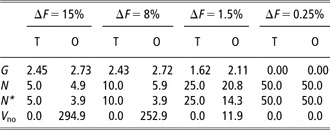
Table 1 (from Villanueva et al., Reference Villanueva, Pong-Wong, Woolliams and Avendaño2004) illustrates the benefits expected from using the optimised method relative to those of standard truncation selection for an example with 50 males and 50 females as selection candidates and a heritability of 0.2. With truncation selection, a fixed number of individuals (N sires = N dams) with the highest estimated breeding values were selected to be parents of the next generation. The number of parents and family sizes were fixed across generations and each dam produced 50/N males and 50/N females. With optimised selection, the numbers of individuals selected and their contributions were not fixed; rather, they were optimised in each generation for maximising genetic progress while restricting ΔF to the corresponding value obtained with truncation. The effective number of parents per sex was computed as  , where No is the actual optimised number of parents per sex.
Cumulative genetic gain (G) at generation 10, actual (N) and effective (N*) number of parents selected of each sex and variance in number of offspring of each sex among selected parents (V no) under truncation and optimised selection that maximised gain under different ΔF. The values of ΔF are only illustrative (Villanueva et al., Reference Villanueva, Pong-Wong, Woolliams and Avendaño2004)

T=truncated; O=optimised.
Except for the extreme restriction on ΔF (i.e. 0.25%), for which no gains were obtained with either method, optimised selection always produced higher gains than did truncation selection at the same ΔF. Optimisation of the selection scheme allows for the detection of past unbalanced use of ancestors that occurred in the population and for penalising (or promoting) those individuals that have a high (or low) mean coancestry. Consequently, better results can be obtained with fewer breeding animals and skewed contributions, which is counter to the logic of genetic drift theory. More stringent restrictions on ΔF led to more individuals selected and more equitable contributions.
This method was developed for controlling ΔF in selection programmes where the aim is to maximise the increase in performance for economically valuable traits, but it is also valid when the aim is to minimise ΔF but with restrictions to avoid decreased performance in traits that make the breed valuable. In the conservation scenario, the problem can be formulated as

where K is the desired rate of gain. This formulation leads to fluctuations in Ne depending on how easily the constraint on ΔG can be achieved from one generation to the next. The smallest Ne values determine the ultimate long-term Ne because the average is the harmonic mean across generations. Anyway, the solutions from both types of formulations (minimise c′Ac with a constraint on c′g or maximise c′g with a constraint on c′Ac) are technically equivalent, if the constraints are appropriately chosen. The inequality with K can also be omitted, implying no concern with gain (or K can be made large and negative, offering no restriction). In a similar way to the problem of maximising gain with a restriction on ΔF, the problem can be solved using Lagrangian multipliers.
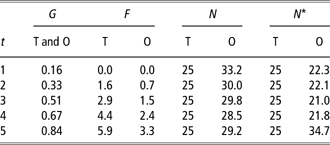
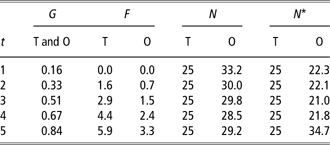
An example of the advantage of the optimisation tool in comparison with truncation selection is shown in Table 2 (from Villanueva et al., Reference Villanueva, Pong-Wong, Woolliams and Avendaño2004). In this example (50 males and 50 females as selection candidates and a heritability of 0.2), the inbreeding coefficient with optimised contributions was nearly half of that obtained using truncation selection and, in general, this was achieved by effectively selecting a smaller number of parents.
Average inbreeding coefficient (F, in %) across generations (t) and actual (N) and effective (N*) number of parents selected of each sex under T and O selection that minimised ΔF with restrictions on cumulative genetic gain (G; from Villanueva et al., Reference Villanueva, Pong-Wong, Woolliams and Avendaño2004)
T=truncated; O=optimised.
With no concern over gain, and provided that the coancestry between individuals is homogeneous, the optimal solution is to select all of the candidates and to mate them in a manner such that they contribute equally to the next generation.
Another way to solve the optimisations that the OC strategy entails might be by using mathematical programming or ‘random searching’ methods such as genetic algorithm or simulated annealing (Fernández and Toro, Reference Fernández and Toro1999). Berg et al. (Reference Berg, Nielsen and Sørensen2006) developed a software, EVA (Evolutionary Algorithms), for maintaining variation in artificial selection programmes. From the parent candidates’ information, it maximises  , where c is a vector of contributions,
 is a vector of estimated breeding values and A is the relationship matrix. The term λ is the cost of inbreeding in the units of the selection criterion and is a function of inbreeding depression, time horizon and genetic gain (Wray and Goddard, Reference Wray and Goddard1994). The further the time horizon, the higher λ that is needed (Meuwissen and Sonesson, Reference Meuwissen and Sonesson1998). On the other hand, by trial and error one can choose λ to keep the rate of inbreeding below a specific value. The solution is a list of matings. EVA uses an evolutionary algorithm to find the mating set. Conditional upon the optimal genetic contributions, the matings minimise the average inbreeding coefficient among the offspring produced. The EVA software puts a cost on inbreeding and, subsequently, reduces it. However, it does not formally restrict inbreeding; that is, the rate of inbreeding that results from optimisation is unknown beforehand. The genetic algorithm is a general search algorithm for an optimal solution. In high-dimension problems, the optimum solution might not be found by the algorithm (due to the nature of the algorithm), but how close to the optimum the EVA solution will be is difficult to know. In complex spaces, global optimum solutions are not very far from local optima and, therefore, significant biases are not expected.
Subdivided populations
In most selected populations, as well as in those under conservation programmes, for logistic reasons individuals are not kept in a single group; rather subpopulations are maintained with some degree of isolation. In some situations, subdivision has a clear biological meaning because the subpopulations differ in their local adaptations, which might be the case in domestic breeds, where separation of breeds is desirable in order to maintain a specific level of phenotypic differentiation between them. Maintaining subdivided populations implies the positive effect of a reduction in the risk of extinction through accidental or health factors (e.g. fires, infectious diseases) because the effects of such events would only cause the extinction of a single group. In addition, from classical theoretical principles, the maximum genetic diversity of a population in the long term is attained by subdividing it into as many isolated groups as possible (e.g. Wang and Caballero, Reference Wang and Caballero1999). This is because each group will differ in the allelic variants that become fixed within, thereby, becoming a reservoir of genetic variation. The negative effect of subdivision is that each subpopulation will necessarily have a relatively low effective population size and, therefore, will have higher levels of inbreeding. Thus, the levels of inbreeding depression are expected to be higher than those in a single large population (Falconer and Mackay, Reference Falconer and Mackay1996). To avoid this side effect, it has been suggested that a certain degree of gene flow should be maintained through the exchange of individuals between subpopulations.
In subdivided populations, OC is still the best option for maintaining the highest levels of genetic diversity in the metapopulation while keeping the within-subpopulation inbreeding or the between-subpopulation differentiation at tolerable levels. The method involves accounting for the destination of the newborn offspring (i.e. accounting for the possibility of emigration) and dividing the global coancestry weighted by the contributions into its between-subpopulation and within-subpopulation terms (Fernández et al., Reference Fernández, Toro and Caballero2008). From the expression for a single population [1], it is possible to proceed to the situation of structured population by recognising that a parent can contribute an offspring to its own or other subpopulation, as follows:
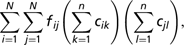
where n is the number of different subpopulations and cik is the contribution of individual i to subpopulation k. Rearranging the previous expression, it is easy to separate the within-subpopulation and between-subpopulation terms:

where W reflects the average expected inbreeding within the subpopulations and B is the expected coancestry between groups (related to the differentiation between subpopulations). Thus, the increase in inbreeding can be restricted to the desired levels. If it is relevant, restrictions on the degree of differentiation can be included. Another advantage of that method is that the pattern of exchanges is not random and regular, but is optimised and dynamic, and accounts for the different degrees of relatedness between subpopulations, the levels of inbreeding in each group and the maximum number of migrants allowed. The software METAPOP implements this type of management (Pérez-Figueroa et al., Reference Pérez-Figueroa, Saura, Fernández, Toro and Caballero2009).
Management of genetic variation across breeds
The global genetic variability in subdivided populations is split into terms reflecting the variability within each group and a between-subpopulation term associated with the genetic differentiation between groups. The genetic diversity of a particular species can be partitioned in the same way by quantifying the differentiation among breeds and the amount of variation within them. Both terms are important and should be included in management programmes. The management of genetic variation across breeds attempts to maximise both the within-breed and the between-breed genetic diversity, weighted appropriately

where  ; that is, the within-population heterozygosity averaged across populations and loci,
 , with
 ; that is, the expected heterozygosity given the overall allele frequency
 , and λ, the relative weight given to within-population diversity. The results obtained using different weights will lead to different and sometimes conflicting conservation priorities (Toro et al., Reference Toro, Fernández and Caballero2009). A weighting of λ = 0.50 implies the maximisation of the total genetic variance (TGV) of a hypothetical trait. The use of extreme values of λ can lead to anomalies such as maintaining very small, inbred (endangered) lines or promoting the mixing of breeds that should be kept distinct (Meuwissen, Reference Meuwissen2009).
GDT can be calculated for a current group of breeds or for a future group of breeds, in which case, the breeds have to be weighted by the probability that they will survive (Simianer et al., Reference Simianer, Marti, Gibson, Hanotte and Rege2003; Bennewitz et al., Reference Bennewitz, Simianer and Meuwissen2008) and the expected future diversity is estimated. Alternative conservation strategies can be compared because they affect the probabilities of survival of the breeds and the within-population and between-population genetic diversity, and the strategy that has the highest expected future diversity can be identified. The survival probabilities of breeds can be estimated by extrapolation of historical census counts (Bennewitz and Meuwissen, Reference Bennewitz and Meuwissen2005a).
A special scenario is the application of GD measurement to decide whether an endangered breed should be merged with another breed to increase its probability of survival and to maximise total diversity. The merging of the breeds will reduce between-population diversity, but will increase within-breed diversity; however, typically total diversity will be reduced, partly because within-population diversity has a lower weight than does between-population diversity. If, however, the probability of survival of the merged breed is substantially higher than that of the endangered breeds alone, the merger might increase expected total diversity. This is particularly true if the endangered breed can be merged with a closely related breed, such that the loss of between-breed diversity will be low. Total genetic diversity is rather insensitive to the relative contributions of each of the breeds in the merger (Bennewitz et al., Reference Bennewitz, Simianer and Meuwissen2008), but optimum contributions are approximately proportional to the marginal diversities of the breeds; that is, the loss of diversity when the breed becomes extinct. A special case is when a new breed is discovered that is closely related to one of the other endangered breeds. The expected future total diversity criterion can be used to decide whether the new breed should be merged with the other endangered breed.
There is a relationship between the TGV criterion and the question of whether a breed is best preserved by sub-lining (i.e. dividing the population in several subpopulations) or by keeping the breed as a single line. Creating sub-lines increases within-line inbreeding, but because several lines are maintained, total diversity can be increased. Note that total  (Bennewitz and Meuwissen, Reference Bennewitz and Meuwissen2005b); therefore, in the extreme case, the sub-lining strategy produces a number of completely inbred lines, in which case genetic drift is halted and TGV = 2GDB. In comparison, the single-line strategy will eventually lead to the loss of all genetic variance. Thus, the TGV criterion suggests that sub-lining is the best strategy for maintaining genetic diversity; however, in the sub-lining strategy, there is a risk that many, if not all, of the sub-lines will be lost because of high within-line inbreeding. If few sub-lines survive, GDB will be reduced, which favours the use of the single-line strategy. Because of the risk of losing large portions of the population, the sub-lining strategy is not recommended.
A similar situation is when a population has already been sub-lined naturally, for example, the population consists of a number of small herds, each containing a set (sub-line) of highly inbred animals. In this situation, the surviving lines have overcome the inbreeding and can be maintained as separate sub-lines. Interbreeding the sub-lines reduces the level of inbreeding among the animals, but it increases heterozygosity and, therefore, genetic drift. Whether it is advisable to maintain the sub-lines or to interbreed them depends on the future expected maximum-variance-total. If many of the sub-lines are expected to become extinct, it might be advisable to interbreed the population. If, however, the sub-lines are expected to survive as distinct populations, total genetic diversity is best maintained by keeping the sub-lines separate.
Mating strategies
Once the individuals to be parents of the next generation and the specific number of offspring they will produce are chosen, the way in which the animals are to be mated has to be determined. Mating strategies affect the levels of inbreeding in a population, but have little influence on the short-term level of maintained genetic diversity (a main objective of a conservation programme).
Minimum coancestry mating
Under random mating, the rate of inbreeding and coancestry attain the same value, at least asymptotically; but, with severe non-random mating, the two parameters can be decoupled temporally. Recall that the inbreeding coefficient in the offspring is the coancestry coefficient of the parents being mated; thus, avoiding matings between relatives will delay the increase in inbreeding, but will increase the long-term rate of inbreeding and coancestry, unless the population is completely subdivided (Caballero, Reference Caballero1994; Woolliams and Bijma, Reference Woolliams and Bijma2000). The simplest way to implement the criterion, above, is to ban the matings beyond a specific degree of relatedness; for example, full sibs, which is a common practice in most breeding programmes. Wright (Reference Wright1921) was the first to propose mating the least related individuals in populations under regular system, a method known as Maximum Avoidance of Inbreeding (MAI). Similarly, in a population of any size and structure, the strategy becomes the ‘minimum coancestry mating’ design (Nieto et al., Reference Nieto, Salgado and Toro1986), which uses optimisation techniques to identify the scheme that yields the minimum global coancestry between couples. In this way, the mating of relatives can be avoided regardless of their degree of relatedness.
Note that avoidance of matings between relatives reduces the rate of inbreeding in the short term, but not in later generations. For any kind of mating scheme, the long-term rate of inbreeding is predicted by the following expression:
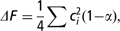
where α is the deviation from the expected proportion of matings between relatives under random mating (Woolliams and Bijma, Reference Woolliams and Bijma2000). When matings between relatives are avoided, α becomes negative and the term within parentheses becomes >1, which leads to a higher ΔF. From the above formula, it appears that encouraging relatives to mate is the best way to maintain low levels of inbreeding in the long term. In addition, with respect to maintaining genetic diversity, it is better to transmit alleles through homozygous individuals, rather than through heterozygous individuals, who are at risk of losing one of the alleles when generating offspring. In this case, the best strategy for managing the long-term effects of inbreeding would be to establish the maximum number of separate inbred lines; however, a large number of matings between close relatives implies an increase in inbreeding in the short term, which might put the survival of the population at a high risk.
The conflict between short- and long-term rates of inbreeding was identified by Kimura and Crow (Reference Kimura and Crow1963) when they compared MAI with the performance of circular mating designs. The better performance of circular mating was due to the partial subdividing of the population, which precluded matings between individuals other than ‘neighbours’. Thus, the practicality of its use might be diminished by the problems associated with short-term increases in inbreeding.
Another mating scheme is compensatory mating (Caballero et al., Reference Caballero, Santiago and Toro1996). In the original formulation, individuals in families from which many were selected are mated to individuals from families in which few individuals were selected. This produces negative correlation between drift caused by selection and drift caused by sampling, which partially counteract the cumulative effect of selection. In a later formulation, females that have above-average coancestry are paired with males that have below-average coancestry. This type of mating strategy can be combined with optimum contribution selection (Sonesson and Meuwissen, Reference Sonesson and Meuwissen2000). If the population is not undergoing selection on a specific trait, the use of compensatory mating is not fully justified.
Minimum covariance of ancestral contributions (MCAC)
MCAC mating (Henryon et al., Reference Henryon, Sørensen and Berg2009) is designed to pair individuals such that the correlations between the contributions of the ancestors to the future population are minimised. Consequently, changing the contributions of an ancestor by selection has a smaller impact on the contributions of other ancestors. In this case, selection from among the offspring in the next generation is not expected to cause directional changes in the contributions of (old) ancestors. Hence, if the change in the ancestral contributions due to selection in the next generation is zero, the sum of the squared long-term contributions,  , is not expected to increase because of this selection. Henryon et al. (Reference Henryon, Sørensen and Berg2009) found that MCAC mating generated 4–8% less inbreeding than did minimum coancestry mating in truncation selection schemes that included hierarchical and factorial matings without a loss in genetic gain.
Hierarchical v. factorial mating
In most breeding schemes, mating is hierarchical, that is, one sire is mated to several dams, and each mating produces one or several full-sib offspring. Hierarchical mating is used for practical reasons, but it can lead to selecting sibs from the best families, which produces high rates of inbreeding. In addition, it implies that the genetic contribution of female X will be linked to the contribution of male Y (Sonesson and Meuwissen, Reference Sonesson and Meuwissen2002), and therefore the contribution of female X cannot be increased without increasing the contribution of male Y. Consequently, restrictions such as selecting only one male from each full-sib group are needed, which reduces selection intensity.
Woolliams (Reference Woolliams1989) proposed factorial mating in which parents of both sexes are mated randomly to more than one individual (a male is mated to several females and a female is mated to several males). For many livestock species, this strategy can be difficult to use unless reproduction technology (artificial insemination and embryo transfer) is available. Factorial mating increases the size of half-sib groups and reduces the size of full-sib families, which results in a lower probability of selecting several members from the same full-sib group, and consequently the genetic variation among the selected individuals (and their offspring) will be greater. The benefits in terms of rate of inbreeding might be great because the contributions of the selected parents become less connected, which decreases the variability in the long-term contributions, which decreases ΔF (Woolliams, Reference Woolliams1989; Martínez et al., Reference Martínez, Kause, Mäntysaari and Mäki-Tanila2006).
Mate selection
As explained above, the management of populations is a two-step process: selecting the parents and their contributions and choosing the way to mate them. However, acting in this way, the optimal solution from the first step sometimes cannot be implemented because of physiological or logistic challenges in the mating stage. For example, if the optimal contribution for a cow is three offsprings, and the bull that will make the highest contribution should produce two, the female would have to mate with (at least) two different males, which would be impossible without using reproduction technologies. Obviously, the situation will be different for other species.
An alternative approach is to try to take both steps at the same time; that is, the number of offspring an individual is supposed to contribute and with which females he will mate (Klieve et al., Reference Klieve, Kinghorn and Barwick1994; Fernández et al., Reference Fernández, Toro and Caballero2001). In this case, the variables to optimise are all of the possible combinations of males and females. The inclusion of a set of binary auxiliary variables (1 if a particular mating is going to occur, 0 otherwise) will allow taking into account any desired restriction on the mating scheme. For example, a female can be forced to mate to at most only one male by making the sum of all dummy variables involving that female ≤1. This approach permits the inclusion of other restrictions such as no full-sibs generated (by restricting to one the number of contributions per couple).
No (or incomplete) pedigree information
In some small populations, such as those of local breeds, the pedigree records are often incomplete because of the way the animals are managed (extensive) or the lack of sufficient human and material resources. Incomplete pedigrees may result if the importance of reliable genealogy is not appreciated. Consequently, it is common to encounter incomplete pedigrees in which one or both parents of some individuals are unknown. Making the assumption that those individuals are unrelated to the others in the population (i.e. assuming that they are founders) would result in a contribution from them that is too high and in sub-optimal levels of genetic diversity.
Different strategies can be followed to overcome this problem caused by poor pedigree recording. First, if there is a reasonable (i.e. not too high) number of potential parents, a coancestry matrix that accounts for such uncertainties can be constructed (Pérez-Enciso and Fernando, Reference Pérez-Enciso and Fernando1992) in which relationship is divided among putative ancestors in proportion to the probability that the individual is the true parent. Alternatively, molecular paternity analysis techniques can be used to identify the correct parent (Martínez and Fernández, Reference Martínez and Fernández2008). CERVUS, FAMOZ and PAPA are the most commonly used software programs, but others are available (see Martínez and Fernández, Reference Martínez and Fernández2008).
If the group of potential parents is sufficiently large, it might be advisable to assign to the individual without parents the average coancestry of their contemporaries, assuming that this could be the relatedness of a random individual belonging to that population at the time the inadequately documented individual was born. The coancestry of that individual over successive generations would be calculated following the traditional rules (Falconer and Mackay, Reference Falconer and Mackay1996).
When too many data are missing or pedigree information is completely absent, there are two options. One is to use molecular information to replace the genealogical data, which would permit the same procedures (e.g. optimal contributions and minimum coancestry mating) to be implemented; however, coancestry matrices derived from the molecular information substitute for pedigree coancestry matrices. The other approach tries to take advantage of the existing structure of the population and the known history of exchange between different herds to infer the genetic relationships between groups and to promote (reduce) the contribution of each subpopulation or arrange the mating scheme. Sometimes, the structure of the population can be manipulated to facilitate the management.
Conservation schemes with markers
Molecular coancestry can be used in lieu of genealogical coancestry matrices in the management of populations (Toro et al., Reference Toro, Silió, Rodríguez, Rodrigáñez and Fernández1999) or marker data can be used to recover or infer genealogical relationships. There are many ways of estimating pedigree coancestry based on molecular information (e.g. Fernández and Toro, Reference Fernández and Toro2006; Oliehoek et al., Reference Oliehoek, Windig, van Arendonk and Bijma2006), each of which have advantages and drawbacks. However, as Toro et al. (Reference Toro, Barragán, Óvilo, Rodrigáñez, Rodriguez and Silió2002) demonstrated, despite upwardly biased estimates that molecular coancestry yields, the correlation between the latter and the pedigree coancestry was very high. Therefore, when only molecular marker (rather than genealogical) information is available, the optimal strategy for maintaining expected heterozygosity is to minimise global molecular coancestry by performing OC but by replacing the pedigree coancestry matrix with the corresponding molecular matrix. When both types of information are available, they can be combined to calculate the coancestry conditional on markers (Toro et al., Reference Toro, Silió, Rodríguez, Rodrigáñez and Fernández1999; Wang, Reference Wang2001). In this way, the markers can help to ascertain the global ‘realised’ coancestry from the ‘expected’ coancestry provided by the pedigree, with the understanding that individuals having the same degree of pedigree relatedness can share different levels of genetic information. Several software programs can use molecular marker data to estimate coancestry or relationship. The most popular programs are KINSHIP, ML-RELATE, SPAGEDI and COLONY, while many others are also available (Martínez and Fernández, Reference Martínez and Fernández2008).
In a study of the effectiveness of molecular data as a substitute for or a complement to genealogical information in conservation programmes, Fernández et al. (Reference Fernández, Villanueva, Pong-Wong and Toro2005) found that molecular marker data were of very limited value when used alone. This is because the amount and degree of marker polymorphism had to be high in order to emulate the performance of the strategies that rely on pedigree data, and the effect was most pronounced with large (more realistic) genomes. When both sources of information were combined to calculate the coancestry conditional on markers, effective population size increased significantly (see also Wang, Reference Wang2001); but, the diversity levels (of genes or alleles) in the early generations were quite similar to those obtained using pedigree data alone. The advantage of including molecular information was greater when information was available on a number of offspring per candidate couple. In this situation, the number of individuals evaluated is greater and, thus, so too is the solution space. Moreover, when relying on the parents’ information, the expected coancestry levels of the next generation are calculated, while the offspring data are the realised (i.e. observed) coancestries.
Superiority of genealogical information was deduced based on the genotyping of a moderate number of markers (e.g. microsatellites), but the number of markers available has increased greatly (e.g. single-nucleotide polymorphism (SNPs)) and the conclusions might change. It is essential to realise that markers are useful as long as they are correlated (linked) with the other loci in the genome, so performance in the latter can be deduced or predicted from the former. De Cara et al. (Reference De Cara, Fernández, Toro and Villanueva2011) used computer simulations to compare the performance of pedigree-based and marker-based coancestries under this new scenario of massive genotyping. They discovered that molecular coancestry is more efficient than genealogical coancestry in the management of diversity because, with a large number of markers spread throughout the genome, it is highly likely that all loci are close enough to a marker to be in linkage disequilibrium with it. Therefore, the genealogical coancestry, which is an expectation/average of the relationship for the whole genome, is not needed but acting on the realised coancestry provided by densely distributed markers linked to the rest of loci. Moving from expected to realised would allow for a differential control of genome areas, which may be more prone to present homozygosity due to, for example, selection on a gene in this section.
Genomic selection
In the last two decades, geneticists have located several chromosome regions (quantitative triat locus, QTLs) that explain variation in economically important traits. The discovery of more useful QTLs for marker-assisted selection (MAS) requires many dependent tests, with the risk of using QTLs that are not true (false positives). To circumvent that problem, Meuwissen et al. (Reference Meuwissen, Hayes and Goddard2001) developed a novel approach (genomic selection) that performs simultaneous selections for many (tens or hundreds of thousands of) markers. This approach covers the entire genome so thoroughly that all genes are expected to be in linkage disequilibrium with at least one of the markers. The procedure is advantageous because genomic selection can be performed on very young animals, which can offset costs through changes in the usual procedures (e.g. eliminates the need for progeny tests), can overcome or reduce sex-related limitations in trait recording and might reduce the cost of testing by restricting expensive or destructive testing to subsets of animals.
While traditional selection methods that rely on family information increase genetic gain, they also lead to higher rates of inbreeding, which is not always the case with genomic selection, which increases genetic gain through improved accuracy (Daetwyler et al., Reference Daetwyler, Villanueva, Bijma and Woolliams2007). Genomic selection achieves higher accuracy through more accurate predictions of the Mendelian sampling term and, thereby, increases differentiation between sibs, reduces the co-selection of sibs and the rate of inbreeding; however, the optimal implementation of genomic selection can result in a reduction in the generation interval, which might increase the annual rate of inbreeding.
Another advantage of genomic selection is that it can overcome the problem of inaccurate EBV predictions for poorly heritable functional traits. This is because the accuracy of the predictions from traditional methods is reduced in distant relatives, but marker-estimated effects might be valid in unrelated animals.
Currently, the applicability of genomic selection in conservation programmes of small populations and endangered breeds is under debate and its utility will depend on changes in the cost of genotyping (e.g. is it affordable to genotype rare breeds?) and to what extent the findings in mainstream breeds (marker effects) can be applied to other populations.
No pedigree and no markers
If neither pedigree nor molecular data are available, management of genetic variation has to be based on the demographic information of the population; however, in this situation, management will be less intensive or detailed. A few procedures have been designed to accommodate populations that lack both genealogies and marker genotypes.
Walk-back selection
One method to deal with non-pedigreed populations is the ‘walk-back selection’ (Doyle and Herbinger, Reference Doyle and Herbinger1994), which has been most often used in aquaculture. In the procedure, if individual families can be identified (e.g. they are housed separately), the individual who has the best performance for the trait of interest is selected. Next, the individual who has the second-best performance is selected, unless the two are from the same family. This pattern is repeated until the desired number of individuals has been selected. The strategy prevents selecting two individuals from the same family and, thus, reduces the increase of inbreeding.
Recently, Sonesson (Reference Sonesson2005) presented a method that combines OC and walk-back selection. In her approach, a batch of phenotypically superior individuals is genotyped for markers and their relationships and breeding values are estimated. The OC method is applied, with a maximum limit to the degree of coancestry (inbreeding). If the limit cannot be met, a second batch of individuals is genotyped and the optimisation procedure is performed again. The process continues until the restriction to genetic diversity is achieved.
Rotational mating
In some cases, the breed consists of subpopulations (or isolated clusters of herds) or, in an advanced selection and conservation scheme, the sires are grouped into different lines. In addition to the general objectives of a conservation programme, in subdivided populations, it is important to minimise inbreeding depression within isolated regions and to maintain the performance of animals in the most important traits. A safe way to proceed is to exchange breeding animals between subpopulations, which can be easily coordinated using a rotational system in which line 1 always receives new ‘blood’ from line 2, the latter receives new blood from line 3, and so on. Alternatively, to minimise inbreeding depression, the production animals (dams) are produced using each sire line in turn. The variation among lines is still maintained when most of the new bulls are always produced within line. Still, the heterozygosity of females in the population is high. Honda et al. (Reference Honda, Nomura and Mukai2004) calculated the evolution of inbreeding under rotational mating in commercial populations and discussed on the practical applicability of this method.
Recently, Colleau and Avon (Reference Colleau and Avon2008) developed rotational schemes for the conservation of rare cattle breeds that do not involve creating sire lines. Implementation is simple and flexible; for instance, each female does not have to be replaced by a daughter. The most important requirement is the preparation, from a long-term perspective, of the replacement of the artificial insemination (AI) rotation sires. In this context, ΔF per generation might be substantially lower than 0.5%.
Another scenario in which a rotational mating scheme might be appropriate is when a breed has been discovered and where there are independent herds that are some distance apart. In such situations, it is important to make use of the uniqueness and low degree of kinship among the founder animals. The programme would benefit from coordination such that the contributions from the founder herds are represented and maintained equally. When a pedigree record is established, the information on the unrelated founders should be incorporated into the relationship matrix.
Other methods
Cryopreservation
The general purpose of a semen bank is to store as much of the ancestral genetic variation as possible and to have a back-up in case of a catastrophe; for example, large portions of populations are lost through disease or the population encounters problems with inbreeding depression. When a semen bank is established, a set of males are selected for semen collection, and the contribution of each of the candidates is such that c′Ac is minimised by optimum contribution selection (e.g. using GENCONT software; Meuwissen, Reference Meuwissen2002), where c is the vector of the proportions of semen samples retained from each candidate and A is the relationship matrix of the candidates. Sonesson et al. (Reference Sonesson, Goddard and Meuwissen2002) evaluate in depth the use of semen banks to reduce inbreeding.
When a semen bank already exists and a number of new doses have to be added, it is important to take into consideration the contributions of others in the bank. Specifically, the set of candidates has to be expanded to include candidates that donated to the semen bank, but are no longer available to make semen contributions. Total contributions to the semen bank are defined as

where cprev is a vector of the previous contributions to the bank and cnew is a vector of the new contributions to the bank. Candidates that previously contributed but are no longer available have c new(i)=0. In this case, minimise

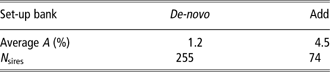
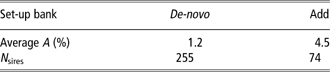
by optimising cnew, given that cprev, A and the sum of the new contributions relative to that of the old contributions (the number of new dosages relative to the number of dosages already stored) are known. To illustrate this, we will use data from the Eastern Finncattle population. The pedigree, which was used to construct the A matrix, contained 9913 animals. The pedigree data is from the animal register of the breeding organisation Faba. There were 802 male candidates. The semen bank is maintained by Viking Genetics (formerly FABA Service) at the Pieksämäki AI station and has been mainly built by the Finnish National Programme for Animal Genetic Resources (coordinator Dr J Kantanen). The existing semen bank contained 61 654 dosages and it was assumed that the bank was expanded to 100 000 dosages; that is, the dosages already in the semen bank contributed about 62% of the total and the new contributions about 38%. Although the sum of the new contributions was high (38%), the average relationship was increased significantly when the existing semen bank was used as a basis for comparison with when the semen bank was set up de novo, which required the sampling of 3 to 4 times as many bulls (Table 3).
Average genetic relationship among the stored semen dosages and the number of sires that contributed when the semen bank was established de novo or when 38 346 dosages were added to an existing bank that contained 61 654 dosages from Eastern Finncattle bulls
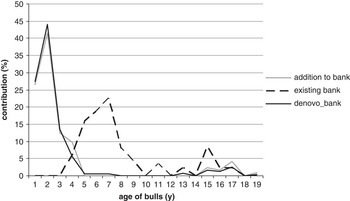
Evidently, the optimum contributions were highest among the youngest age classes (Figure 1), which is remarkable because it was expected that the older animals would be less closely related; however, in the Eastern Finncattle population, the younger animals were less closely related than were the older age classes, which might have been a consequence of incomplete pedigrees (i.e. GENCONT treats missing parents as unrelated founder animals). The contributions to the de novo semen bank and the additions to the existing semen bank exhibited similar age-class distribution (Figure 1). The pre-existing semen bank had a highly variable distribution of contributions among age classes and there were no contributions from the most recent years.
Contributions of bulls to the semen bank of Eastern Finncattle depending on their age.

When a particular trait is selected in the in vivo population, the semen that was collected in the past might be less attractive because of their reduced genetic value. In this case, the semen bank could be updated to include more recent and more popular breeding males, although sometimes the purpose of keeping cryopreserved material is to maintain the original performance of the breed. Meuwissen (Reference Meuwissen2007) provided some theoretical considerations on the use and update of semen banks.
Reproduction technology
The management of the genetic diversity in small populations and the avoidance of inbreeding may be enhanced by the control exerted on the reproduction process. As indicated above, some strategies, for example, factorial mating designs or germ-plasm banks, can only be applied when reproductive techniques such as AI and multiple ovulation and embryo transfer are available; however, recent reproductive technologies might help in the efficient management of small, endangered populations.
Manipulation of meiosis
In diploid species, a source of genetic drift is the Mendelian segregation of heterozygotes because it is possible that one of the alleles will not be transmitted, even if the individual leaves multiple offspring (based on binomial probabilities). Each of the offspring from an individual arises from a gamete that is generated in a specific meiosis; therefore, newborns are the product of independent sampling processes (Santiago and Caballero, Reference Santiago and Caballero2000). The possibility of sampling several gametes from the same meiosis reduces the effect of drift by increasing the probability that both of the alleles of a heterozygote will be transmitted; consequently, effective population sizes can be increased. For example, by equalising the contributions of all candidates and obtaining both of the gametes of each parent from the same meiosis, Ne is three times the actual population size (beyond the bounds of 2N, which is the maximum without the use of reproduction techniques).
Cloning
After the successful cloning of several species, somatic cell nuclear transfer has been proposed as a potentially integral part of conservation programmes, at least for endangered mammals. Thus, there might be virtue in establishing somatic cell banks. The advantage of somatic cells is their diploid nature, which allows for the maintenance of the diversity of the entire population, rather than just that which is harboured in one sex (males, in the case of semen). Furthermore, the population could be regenerated even if no individual from the population is still alive, without using individuals from other groups and, thus, producing introgression. Currently, however, the recovery of the stored material is complex and expensive.
Practical applications of pedigree-based management
Computer simulations studies have evaluated the potential utility of most of the methods for managing genetic diversity in selection and conservation programmes (Toro and Nieto, Reference Toro and Nieto1984; Toro et al., Reference Toro, Nieto and Salgado1988 and Reference Toro, Silió and Pérez-Enciso1991; Meuwissen, Reference Meuwissen1997; Grundy et al., Reference Grundy, Villanueva and Woolliams1998; Fernández and Caballero, Reference Fernández and Caballero2001; Oliehoek et al., Reference Oliehoek, Windig, van Arendonk and Bijma2006; Oyama et al., Reference Oyama, Nojima, Shojo, Fukushima, Anada and Mukai2007 and more), although they have assumed oversimplified genetic models for the characters examined, with additive and homogeneous gene effects, and simple mechanisms of inbreeding depression. However, experiments have been performed using populations in laboratories and on farms, and a short review of some of these experiments is presented below.
Laboratory experiments
Conservation programmes
Experiments, particularly, involving Drosophila (Loebel et al., Reference Loebel, Nurthen, Frankham, Briscoe and Craven1992; Borlase et al., Reference Borlase, Loebel, Frankham, Nurthen, Briscoe and Daggard1993, Montgomery et al., Reference Montgomery, Ballou, Nurthen, England, Briscoe and Frankham1997) have demonstrated the advantages of equalising the contributions of individuals, rather than producing a random number of offsprings. A recent study by Rodríguez-Ramilo et al. (Reference Rodríguez-Ramilo, Morán and Caballero2006) assessed the effect of conservation strategies on the accumulation of deleterious mutations.
The superiority of the OC method was demonstrated experimentally by Montgomery et al. (Reference Montgomery, Ballou, Nurthen, England, Briscoe and Frankham1997), who showed that this strategy performed better (i.e. lower inbreeding) than did the equalisation of family size when there were differential degrees of coancestry among the potential parents.
Selection programmes
Experiments using Drosophila (Nieto et al., Reference Nieto, Salgado and Toro1986) and mice (Sánchez et al., Reference Sánchez, García, Lomas, Moreno, Nieto, Piqueras, Salgado and Toro2002) demonstrated the capacity to control the inbreeding that arises from unequal contributions by selected individuals. The responses to selection were as good as or better than under truncation selection, but the increases in inbreeding were smaller.
Sánchez et al. (Reference Sánchez, Toro and García1999) demonstrated the additional benefits that accrue from using factorial mating designs. In addition, they showed that the contributions and the mating scheme can be determined at the same time (mate selection strategies).
Farm animal populations
Although the number of cases is still small, different aspects of the genetic management of small populations have been studied in real farm animal populations. In most of the scenarios, the application of genetic methodologies is restricted to the implementation of rotational systems.
Townsend (Reference Townsend2004) presents the case of the Glucestershire Old Spots pig that has increased its population from 120 sows in 1960s to thousands today. One of the actions taken in the management programme was the use of rotational mating to control the rise of inbreeding. This was easy to implement in a first instance because most of the animals were under the control of a single breeder. As the breed became more popular, the management coordination turned to be more difficult due to the increased diversification of breeder interest.
The case of the Kempisch Heideschaap sheep was used by Windig and Kaal (Reference Windig and Kaal2008). This multi-purpose breed (that produced wool, meat and manure and was herded on relatively poor soils in the south-eastern) became nearly extinct in the 1960s but after the conservation efforts has increased the population size to about 2400. Authors showed the ability of circular schemes to control inbreeding and also pointed out the advantages of not requiring genealogical information or complicated exchange of individuals.
Colleau and Avon (Reference Colleau and Avon2008) investigated the relevance of implementing rotation inbreeding schemes in conserved rare French cattle breeds. For example, in the Villard-de-Lans breed (a dual purpose breed with a small population of about 340 cows and heifers and 27 bulls) yearly ΔF below 0.1% can be obtained through the implementation of rotational AI system, while inbreeding would rise at a rate of 4% without any control measures.
The conflict between selection and maintenance of diversity is evident in studies such as that by Alfonso et al. (Reference Alfonso, Parada, Legarra, Ugarte and Arana2006). These authors show that in favouring resistant prion alleles in sheep, the selection of only ARR/ARR males would result in major losses in founder animals (87%) and in rare alleles (30%) in the ram population. They establish that a compromise solution can be found by applying some ‘mild’ selection where ARR heterozygous are also allowed and, thus, loss of diversity is reduced.
In research on non-endangered commercial cattle breeds (Ayrshire, Brown Swiss, Guernsey, Holstein and Jersey), Weigel and Lin (Reference Weigel and Lin2002) address the use of restrictions on the increase of inbreeding in the selection of AI bulls. They find that the reduction in genetic gain is mainly due to the reduction in the selection intensity through the use of more parents, not because of the selection of genetically inferior animals. Nevertheless, moderate restrictions can keep relationships at a manageable level without a significant loss in genetic merit.
Conclusions
The management of small farm animal populations should be focused on the maximisation of effective population size (Ne) because this strategy allows for the maintenance of high levels of genetic diversity, while minimising the increase in inbreeding and its deleterious effects.
More benefits can be derived from the optimisation of the number of offspring produced by each of the breeders, but a correct mating scheme can help to fulfil the objectives. In the first step (establishing contributions), an optimal solution exists (OC) based on the minimisation of global coancestry, although simpler procedures can be used depending on the available information and characteristics of the population. With respect to mating scheme, the recommended method is to implement a minimum coancestry mating design, particularly in animal populations that can suffer significant short-term inbreeding depression.
Pedigree information is very helpful in the management of populations. When pedigrees are not available, markers are of limited value if their number is very low. Today, the number of genotyped SNPs can be huge and, therefore, a massive amount of genomic information might replace pedigree information. Cryopreservation is useful for storing genetic variation and for improving the management of small populations.
To implement the genetic management procedures discussed, above, there are several software programs that can be used to optimise conservation and selection programmes.
Acknowledgements
The work was carried out as part of the action EURECA 012 AGRI GEN RES 870/2004 from the European Commission, Directorate-General for Agriculture and Rural Development, under Council Regulation (EC) No. 870/2004. The EURECA project was coordinated by Sipke-Joost Hiemstra at the Centre of Genetic Resources (The Netherlands).