

%20--%3e%3c!DOCTYPE%20svg%20PUBLIC%20'-//W3C//DTD%20SVG%201.0//EN'%20'http://www.w3.org/TR/2001/REC-SVG-20010904/DTD/svg10.dtd'%3e%3csvg%20version='1.0'%20id='Layer_1'%20xmlns='http://www.w3.org/2000/svg'%20xmlns:xlink='http://www.w3.org/1999/xlink'%20x='0px'%20y='0px'%20width='64px'%20height='64px'%20viewBox='5.5%20-3.5%2064%2064'%20enable-background='new%205.5%20-3.5%2064%2064'%20xml:space='preserve'%3e%3cg%3e%3ccircle%20fill='%23FFFFFF'%20fill-opacity='0'%20cx='37.785'%20cy='28.501'%20r='28.836'/%3e%3cpath%20fill='%23595959'%20d='M37.441-3.5c8.951,0,16.572,3.125,22.857,9.372c3.008,3.009,5.295,6.448,6.857,10.314%20c1.561,3.867,2.344,7.971,2.344,12.314c0,4.381-0.773,8.486-2.314,12.313c-1.543,3.828-3.82,7.21-6.828,10.143%20c-3.123,3.085-6.666,5.448-10.629,7.086c-3.961,1.638-8.057,2.457-12.285,2.457s-8.276-0.808-12.143-2.429%20c-3.866-1.618-7.333-3.961-10.4-7.027c-3.067-3.066-5.4-6.524-7-10.372S5.5,32.767,5.5,28.5c0-4.229,0.809-8.295,2.428-12.2%20c1.619-3.905,3.972-7.4,7.057-10.486C21.08-0.394,28.565-3.5,37.441-3.5z%20M37.557,2.272c-7.314,0-13.467,2.553-18.458,7.657%20c-2.515,2.553-4.448,5.419-5.8,8.6c-1.354,3.181-2.029,6.505-2.029,9.972c0,3.429,0.675,6.734,2.029,9.913%20c1.353,3.183,3.285,6.021,5.8,8.516c2.514,2.496,5.351,4.399,8.515,5.715c3.161,1.314,6.476,1.971,9.943,1.971%20c3.428,0,6.75-0.665,9.973-1.999c3.219-1.335,6.121-3.257,8.713-5.771c4.99-4.876,7.484-10.99,7.484-18.344%20c0-3.543-0.648-6.895-1.943-10.057c-1.293-3.162-3.18-5.98-5.654-8.458C50.984,4.844,44.795,2.272,37.557,2.272z%20M37.156,23.187%20l-4.287,2.229c-0.458-0.951-1.019-1.619-1.685-2c-0.667-0.38-1.286-0.571-1.858-0.571c-2.856,0-4.286,1.885-4.286,5.657%20c0,1.714,0.362,3.084,1.085,4.113c0.724,1.029,1.791,1.544,3.201,1.544c1.867,0,3.181-0.915,3.944-2.743l3.942,2%20c-0.838,1.563-2,2.791-3.486,3.686c-1.484,0.896-3.123,1.343-4.914,1.343c-2.857,0-5.163-0.875-6.915-2.629%20c-1.752-1.752-2.628-4.19-2.628-7.313c0-3.048,0.886-5.466,2.657-7.257c1.771-1.79,4.009-2.686,6.715-2.686%20C32.604,18.558,35.441,20.101,37.156,23.187z%20M55.613,23.187l-4.229,2.229c-0.457-0.951-1.02-1.619-1.686-2%20c-0.668-0.38-1.307-0.571-1.914-0.571c-2.857,0-4.287,1.885-4.287,5.657c0,1.714,0.363,3.084,1.086,4.113%20c0.723,1.029,1.789,1.544,3.201,1.544c1.865,0,3.18-0.915,3.941-2.743l4,2c-0.875,1.563-2.057,2.791-3.541,3.686%20c-1.486,0.896-3.105,1.343-4.857,1.343c-2.896,0-5.209-0.875-6.941-2.629c-1.736-1.752-2.602-4.19-2.602-7.313%20c0-3.048,0.885-5.466,2.658-7.257c1.77-1.79,4.008-2.686,6.713-2.686C51.117,18.558,53.938,20.101,55.613,23.187z'/%3e%3c/g%3e%3c/svg%3e)
%20--%3e%3c!DOCTYPE%20svg%20PUBLIC%20'-//W3C//DTD%20SVG%201.0//EN'%20'http://www.w3.org/TR/2001/REC-SVG-20010904/DTD/svg10.dtd'%3e%3csvg%20version='1.0'%20id='Layer_1'%20xmlns='http://www.w3.org/2000/svg'%20xmlns:xlink='http://www.w3.org/1999/xlink'%20x='0px'%20y='0px'%20width='64px'%20height='64px'%20viewBox='5.5%20-3.5%2064%2064'%20enable-background='new%205.5%20-3.5%2064%2064'%20xml:space='preserve'%3e%3cg%3e%3ccircle%20fill='%23FFFFFF'%20fill-opacity='0'%20cx='37.637'%20cy='28.806'%20r='28.276'/%3e%3cg%3e%3cpath%20fill='%23595959'%20d='M37.443-3.5c8.988,0,16.57,3.085,22.742,9.257C66.393,11.967,69.5,19.548,69.5,28.5c0,8.991-3.049,16.476-9.145,22.456%20C53.879,57.319,46.242,60.5,37.443,60.5c-8.649,0-16.153-3.144-22.514-9.43C8.644,44.784,5.5,37.262,5.5,28.5%20c0-8.761,3.144-16.342,9.429-22.742C21.101-0.415,28.604-3.5,37.443-3.5z%20M37.557,2.272c-7.276,0-13.428,2.553-18.457,7.657%20c-5.22,5.334-7.829,11.525-7.829,18.572c0,7.086,2.59,13.22,7.77,18.398c5.181,5.182,11.352,7.771,18.514,7.771%20c7.123,0,13.334-2.607,18.629-7.828c5.029-4.838,7.543-10.952,7.543-18.343c0-7.276-2.553-13.465-7.656-18.571%20C50.967,4.824,44.795,2.272,37.557,2.272z%20M46.129,20.557v13.085h-3.656v15.542h-9.944V33.643h-3.656V20.557%20c0-0.572,0.2-1.057,0.599-1.457c0.401-0.399,0.887-0.6,1.457-0.6h13.144c0.533,0,1.01,0.2,1.428,0.6%20C45.918,19.5,46.129,19.986,46.129,20.557z%20M33.042,12.329c0-3.008,1.485-4.514,4.458-4.514s4.457,1.504,4.457,4.514%20c0,2.971-1.486,4.457-4.457,4.457S33.042,15.3,33.042,12.329z'/%3e%3c/g%3e%3c/g%3e%3c/svg%3e)
%20--%3e%3c!DOCTYPE%20svg%20PUBLIC%20'-//W3C//DTD%20SVG%201.0//EN'%20'http://www.w3.org/TR/2001/REC-SVG-20010904/DTD/svg10.dtd'%3e%3csvg%20version='1.0'%20id='Layer_1'%20xmlns='http://www.w3.org/2000/svg'%20xmlns:xlink='http://www.w3.org/1999/xlink'%20x='0px'%20y='0px'%20width='64px'%20height='64px'%20viewBox='5.5%20-3.5%2064%2064'%20enable-background='new%205.5%20-3.5%2064%2064'%20xml:space='preserve'%3e%3cg%3e%3ccircle%20fill='%23FFFFFF'%20fill-opacity='0'%20cx='36.924'%20cy='28.403'%20r='28.895'/%3e%3cpath%20fill='%23595959'%20d='M37.442-3.5c8.99,0,16.571,3.085,22.743,9.256C66.393,11.928,69.5,19.509,69.5,28.5c0,8.992-3.048,16.476-9.145,22.458%20C53.88,57.32,46.241,60.5,37.442,60.5c-8.686,0-16.19-3.162-22.513-9.485C8.644,44.728,5.5,37.225,5.5,28.5%20c0-8.762,3.144-16.343,9.429-22.743C21.1-0.414,28.604-3.5,37.442-3.5z%20M12.7,19.872c-0.952,2.628-1.429,5.505-1.429,8.629%20c0,7.086,2.59,13.22,7.77,18.4c5.219,5.144,11.391,7.715,18.514,7.715c7.201,0,13.409-2.608,18.63-7.829%20c1.867-1.79,3.332-3.657,4.398-5.602l-12.056-5.371c-0.421,2.02-1.439,3.667-3.057,4.942c-1.622,1.276-3.535,2.011-5.744,2.2%20v4.915h-3.714v-4.915c-3.543-0.036-6.782-1.312-9.714-3.827l4.4-4.457c2.094,1.942,4.476,2.913,7.143,2.913%20c1.104,0,2.048-0.246,2.83-0.743c0.78-0.494,1.172-1.312,1.172-2.457c0-0.801-0.287-1.448-0.858-1.943l-3.085-1.315l-3.771-1.715%20l-5.086-2.229L12.7,19.872z%20M37.557,2.214c-7.276,0-13.428,2.571-18.457,7.714c-1.258,1.258-2.439,2.686-3.543,4.287L27.786,19.7%20c0.533-1.676,1.542-3.019,3.029-4.028c1.484-1.009,3.218-1.571,5.2-1.686V9.071h3.715v4.915c2.934,0.153,5.6,1.143,8,2.971%20l-4.172,4.286c-1.793-1.257-3.619-1.885-5.486-1.885c-0.991,0-1.876,0.191-2.656,0.571c-0.781,0.381-1.172,1.029-1.172,1.943%20c0,0.267,0.095,0.533,0.285,0.8l4.057,1.83l2.8,1.257l5.144,2.285l16.397,7.314c0.535-2.248,0.801-4.533,0.801-6.857%20c0-7.353-2.552-13.543-7.656-18.573C51.005,4.785,44.831,2.214,37.557,2.214z'/%3e%3c/g%3e%3c/svg%3e)
This chapter looks at the preconditions and pre-existing pressures that help determine the impact of hazards, and the potential disasters that can ensue. Although many disaster studies look at the effects that unfold after the occurrence of a disaster, preconditions and structures that were present before a shock are as potentially important for explaining why a hazard can turn into a disaster as the immediate and long-term responses. Hazards take place within environmental and social contexts that shape or even determine how a disaster unfolds, and how a society or social groups can respond. These might be considered the core components behind the resilience of societies and vulnerability of different social groups to hazards.Footnote 1 Some of these pressures and preconditions develop slowly and incrementally or are just basic features of a particular region, while others are short-term pressures that arose just before the occurrence of a hazard such as warfare, rebellions, or migration. In this chapter, we distinguish between a number of different pre-existing pressures: climatic and environmental conditions, levels of technology, and the state of economic development, but also pre-existing pressures connected to social organization. This includes institutional configurations and societal coordination systems, levels of poverty and inequality, and cultural aspects. Nevertheless, it must also be noted that while we consider these as potential preconditions to a disaster, none of these pressures occur out of nothing. Indeed, as the disaster cycle framework implies,Footnote 2 they are frequently in some way the result of an earlier hazard risk or disaster.
4.1 Environmental and Climatic Pressures
A prime factor, and an intrinsic aspect of risk, is geography.Footnote 3 Every place on earth has a particular geological, environmental, and climatic setting which defines the underlying hazard exposure of that specific region and thus contributes to levels of vulnerability. Earthquakes occur along fault lines in the earth’s surface, droughts are a frequent life experience in the Sahel, the coastline between Bordeaux and Schleswig-Holstein is prone to flooding, while malaria is limited to the habitat able to support sufficient quantities of the Anopheles mosquito. This is called biophysical vulnerability. Every region on earth struggles with at least one, but possibly multiple, biophysical vulnerabilities.
The 1930s Dust Bowl in the American Great Plains, for example, can only be understood by taking the dual biophysical vulnerability of that region into account: droughts and aeolian soils. Droughts have been a long-standing hazard in the Great Plains, as the informal name Great American Desert suggests. Simulations have shown that the Great Plains witnessed periods of drought, such as the one in the 1930s, at least four times between 1900 and 1950. While the severity of the 1930s drought was perhaps exceptional, major droughts have occurred in the Great Plains once or twice a century over the past 400 years.Footnote 4 The cause of these droughts can be attributed to changing sea surface temperatures, with a strong correlation detected between varying Pacific sea surface temperatures and periods of low precipitation in the Great Plains of America.Footnote 5
Droughts, however, do not cause major erosion and sand drifts unless they are combined with fine-grained soils from wind-deposited sediments, such as those that characterize the Great Plains. These aeolian soils have been deposited throughout the Holocene, and are prone to sand drifts and erosion when not covered by sturdy vegetation. For a long time, the region had been considered unsuitable for agriculture and was covered by prairie vegetation. In the late nineteenth and early twentieth century, however, the search for productive and commercial land changed the landscape into one dominated by cattle ranches and later arable land. The soil was plowed and laid bare, heightening biophysical vulnerability by exposing the inherently erosion-prone soils to the winds that swept across the American plains.Footnote 6 The Great Plains of America can be seen, therefore, as an example of a ‘region of risk.’ The concept was coined by Kenneth Hewitt and defines a geographical region that is characterized by recurrent natural hazards of a certain type.Footnote 7
Vulnerability resulting from environmental conditions figures prominently in policy and risk evaluation reports. Indeed, as noted by Bankoff, the idea that “disasters are simply unavoidable extreme physical events that require purely technocratic solutions still remains the dominant paradigm within the UN and multilateral funding agencies such as the World Bank.”Footnote 8 As a result, no efforts are spared to map these risks and vulnerabilities. The British government, for example, has created and shared an interactive map showing flood risks in all of England.Footnote 9 Similar projects and risk assessments exist for every type of biophysical and chemical risk. In Northwest Europe, floods along the North Sea coast have been a frequent life experience, and coastal communities face this constant biophysical vulnerability. In the struggle against floods there from the Middle Ages to the present, risk analyses have plotted possible winter storms and flood hazards. Certain regions are considered much more hazard-prone than others, however. Western countries have helped establish a discourse that distinguishes between themselves as safer regions and the rest of the world that is inherently considered more risky or unsafe.Footnote 10 The edge of the Pacific Ocean, for example, stretching from Australia to East Asia and the American West Coast, is often called the ‘Ring of Fire,’ because of the subduction of tectonic plates, leading to high frequencies of earthquakes and volcanic eruptions. Similarly, tropic zones are consistently marked as dangerous, with warnings concerning infectious diseases and health risks. Societies living in hazard-prone zones of this type are often considered highly vulnerable, regardless of the prevention measures and mitigation strategies implemented to cope with these hazards.
Biophysical vulnerability has often been considered as forming a static backdrop to human affairs, with the geological and environmental characteristics of particular regions seen as a given set of circumstances that will continue to affect societies throughout time. However, increased knowledge of changing climatic conditions past and present is changing this idea fundamentally. In the fields of historical climatology and paleoclimatology, progress has been made in mapping changing biophysical conditions in the past. For example, the Sahel has not been affected by the same drought conditions throughout the Holocene. Owing to climatic shifts, the biophysical hazard of drought in this particular region of risk has experienced multiple changes. The shift from the Medieval Warm Optimum to the Little Ice Age increased humidity in this region, with obvious implications for susceptibility to drought.Footnote 11
Nevertheless, even ‘global’ climatic shifts like the Little Ice Age mapped out onto particular regions in different ways – especially through the changes in precipitation levels that sometimes accompanied cooler temperatures. Sam White has convincingly shown that in the Middle East, the Little Ice Age did not bring the same type of weather patterns that Western Europe encountered. The North Atlantic Oscillation that influences Northwest Europe as well as the Middle East had an opposite impact in the two regions: while Northwest Europe was confronted with wetter conditions, the Middle East experienced increased droughts and more frequent extreme cold spells.Footnote 12 Equally, societies in Southeast Africa experienced generally drier conditions throughout much of the Little Ice Age, while those in Southwestern Africa were confronted with wetter conditions.Footnote 13
Biophysical vulnerabilities therefore can and do change throughout history. This realization has become even more important given current climatic change, with extreme climatic events as well as longer-term changes at least partly linked to human agency and responsibility. It is important to map these temporal and geographical patterns to fully understand regions of risk and their inherent biophysical vulnerabilities. Notwithstanding the importance of shifting environmental baselines, one of the underlying premises of this book is the social vulnerability approach: risks do not simply arise from environmental circumstances but are almost always shaped by social vulnerabilities and adaptability. The next sections therefore explore societal preconditions of hazards and disasters.
4.2 Technological, Infrastructural, and Economic Preconditions
4.2.1 Technological and Infrastructural Preconditions and Pressures
Technological and infrastructural changes are often linked to mitigation measures and long-term changes after the occurrence of a disaster, and we address those changes and effects in Chapter 5. Equally important, however, are the technology and infrastructure already present before a hazard or shock, which help us to understand how a disaster unfolds.
Societies develop their technology and infrastructure under particular economic, social, and political conditions. Agricultural technology in sub-Saharan Africa can provide an illuminating example. One of the factors contributing to the persistence of famine in Africa up to the present day is low agricultural productivity. In the 1950s and 1960s, agriculture in the Western world, but also in large parts of Latin America and Asia, was transformed by technological innovations such as high-yielding or drought-resistant varieties of cereals, chemical fertilizers, pesticides, and improved techniques for irrigation, which allowed agricultural production to keep up with population growth or even exceed it. Large parts of Africa, however, lagged behind: an African ‘Green Revolution’ did not materialize. Even today, many African smallholders have only very limited access to the technological means to raise productivity. Yields are very low: in fact, food production per capita has declined by about 10 percent since the early 1960s.Footnote 14 Obviously, behind this chronic under-production lie other factors: widespread poverty, limited access to education, and a lack of government support for subsistence agriculture, for example. Furthermore, factors not related to agricultural production also contribute to the persistence of famine, such as weak internal markets, armed conflict, poorly functioning governments, and perhaps also the liberalization of the global food trade. The fact remains, however, that Africa’s vulnerability to famine is in part determined by the state of technological development of its agriculture.
In many cases infrastructure and technology were shaped not just by general economic, social, and political conditions, but also by responses to previous hazards and shocks. Until the nineteenth century, most inhabitants of European and North American cities were dependent on water pumps and wells for their drinking water. The introduction of piped-in water supply systems was partly a reaction to the health risks posed by contaminated drinking water. The availability of running water, however, led to a large-scale increase of water consumption. Among the many innovations introduced were water closets in the houses of the well-to-do. These water closets were not yet connected to a sewage system, but used underground vaults and cesspools as the main manner of disposal. Leaking vaults and overflowing pools could easily infiltrate the water tables used for the remaining wells and pumps, actually increasing health hazards instead of reducing them. Contaminated and polluted water, therefore, became an increasing pressure in changing cities.
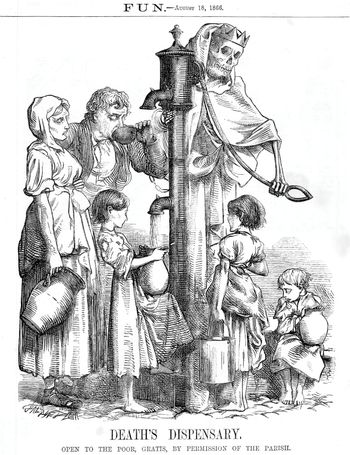
This combination of risks could eventually lead to disaster, as happened in London, when the bacterium Vibrio cholerae was found in a water pump in Broad Street, causing an epidemic outbreak of cholera. By carefully mapping the first casualties, physician John Snow identified the infected pump and concluded that cholera was spread via contaminated water in 1854. Accordingly, infrastructure and available technology in the populous and crowded nineteenth-century cities had created the preconditions for the recurrent outbreaks of infectious diseases that characterized most of that century.Footnote 15 These outbreaks of cholera alarmed governments all around the Western world and triggered investment in large-scale public works, such as the development of sewage and water systems. As Tarr noticed, however, most of the technological solutions for these pressures, such as new sewage and water systems, created new risks and pressures of their own. Running-water sewages, for instance, created water contamination in rivers and streams, negatively affecting settlements downstream – places previously unaffected.Footnote 16 Again the technological jump forward created new pressures for regions and cities previously not affected. This build-up of risks shows how infrastructural or technological changes are never implemented on a ‘clean slate’ and that preconditions are hardly ever entirely independent from former hazards and shocks.
George Pinwell, ‘Death’s Dispensary,’ appeared in Fun Magazine (London, 1866). Pinwell’s cartoon shows poor people surrounding a water pump that is being controlled by a skeleton or a figure of death, referring to John Snow’s recent discovery about the cause of cholera.
An even clearer example of the interplay between mitigation measures and preconditions is provided by coastal infrastructures along the North Sea shoreline. In the early and high Middle Ages, most communities in this region developed tidal economies. Instead of tackling floods and regulating tidal flows, these societies found ways to co-exist with a tidal landscape and adapt to the marshy and wet conditions. Fishing, salt production, and grazing, using the resources provided by the salt marshes, became the dominant economic activities along the North Sea shores. All these activities benefited from the recurrent seasonal inundations and were unthreatened by frequent storm floods. This co-existence with the marshy landscape required some infrastructural adaptations, however. While some communities benefited from natural elevations in the landscape to build their villages, most had to adjust by creating elevations in the landscape – these mounds known as Wurten in Germany or terpen and wierden in the Low Countries. These mounds could be up to 6 meters above sea level and several hundred meters wide – sometimes encompassing the whole settlement. In this way, houses and warehouses were protected from the recurrent inundations, while the meadows, salt marshes, and creeks remained influenced by the tides.Footnote 17
Inundated landscapes were not ‘unaltered’ pieces of wilderness either. To make sure the optimal amount of water entered the meadows and salt pans and the water was able to drain at the ideal time, sophisticated water management systems were developed. These systems should not be confused with embankments and drainage works: they managed the flow and prevented an excess of water in bad weather. In the English Fenlands, for example, lodes (derived from the old English gelād, or to lead) and catchwater drains were installed from at least the early tenth century, but probably already by the seventh century. This elaborate system of pipes, canals, and ditches required extensive technical knowledge and the investment of ample time, labor, and capital. This gravity-controlled system regulated inundations and optimized hay production in the meadows.Footnote 18 In most regions around the North Sea, water management systems which fostered co-existence with floods were gradually replaced by other types of infrastructure which aimed to exclude flooding altogether and to introduce dryland agriculture in wetland environments. Only in some regions, such as the English Fenlands, could the amphibious system persist well into the seventeenth century, although increasingly marginalized by state-sponsored ‘improvement’ projects.Footnote 19 As these two technological systems served clearly different purposes – accommodating floods versus excluding them – they also produced profoundly different landscapes of risk and disaster.
4.2.2 Economic Pressures and Crises
The view that the pre-existing level of economic development determines the impact of hazards is perhaps most evident in the discourse about disaster vulnerability comparing the ‘developing’ world with the ‘developed’ world. From the nineteenth century onwards, but especially after 1945, disasters increasingly came to be seen as characteristic of a global South characterized by poverty, illiteracy, and backwardness. The West, by contrast, was believed to be largely protected from disasters by its high levels of economic and technological development.Footnote 20 In some regions this belief was supported by the relative infrequency of severe natural disasters for a longer period of time: Switzerland, for instance, experienced such a ‘disaster gap’ in the last quarter of the nineteenth century and the first three quarters of the twentieth century.Footnote 21
There is a certain logic to the idea that economic preconditions, and more particularly poverty and ‘underdevelopment,’ affect hazard prevention, mitigation, and recovery. In affluent countries, higher living standards usually imply better-quality housing, a wider range of options for evacuation and shelter, and insurance to cover the costs of rebuilding after the disaster. Widespread poverty makes all of this much more difficult. In the 1970s, critical geographers like Phil O’Keefe and Ben Wisner framed disasters in the Third World, such as the 1976 Guatemalan Earthquake as ‘classquakes’ produced by underdevelopment and marginalization.Footnote 22 Poverty has also been singled out as the prime driver causing producers to abandon traditional restraints in the exploitation of fragile ecosystems. On the other hand, other scholars warn against the simple association of poverty with overexploitation of resources and exposure to natural hazards, since poor people may develop their own coping strategies to minimize risks or mitigate the impact of natural hazards.Footnote 23 As well as living standards, public resources also matter: economically advanced countries are better positioned to generate, through taxation, considerable sums to invest in infrastructural works, warning systems, or other high-tech solutions aimed at preventing hazards or mitigating their impact. They may, however, not always be willing to do so. A variety of motives – ideological, political, social, economic – can prevent them from prioritizing hazard protection over other goals. Alternatively, they may be roused into raising expenditure only when it is too late, as the state of the levees in New Orleans before Hurricane Katrina suggests.
Economic development is not the only way in which economic preconditions may affect the impact of shocks, as the characteristics and structure of the economy – at local, regional, or national level – should also be taken into account. We focus here on three interrelated aspects: intensification, diversification, and commercialization. Even before the Industrial Revolution, intensification can often be linked to an increased exposure to natural hazards. In the eighteenth century, Europe was repeatedly afflicted by cattle plague, for instance, and its diffusion was directly connected to the intensification of the long-distance cattle trade in the preceding centuries. Every year, thousands of animals made the journey from their breeding places in Northern and Eastern Europe to the urban consumption centers in Western Europe. The dense concentration of animals provided the conditions for epidemic diseases, the outbreak of which was fostered by the vulnerability of the animals, which were often on the brink of starvation after the long journey West.Footnote 24
Diversification can be seen as a risk-reducing strategy of medieval peasants. By growing multiple crops, cultivating many small plots scattered over a large area, and combining farming with non-agrarian activities such as gathering nuts and berries or cottage industries, the risks of adverse weather and subsequent harvest failure were reduced.Footnote 25 Research on famines in later periods suggests that regions with diversified economies fared better. During the major famine of the early 1590s in Northern Italy, the drop in the number of births in mountainous regions was not nearly as severe as in the lowlands, as mountain populations were able to supplement a grain-based diet with locally sourced dairy products, fruit and vegetables, and chestnuts collected in the woods,Footnote 26 while the extreme dependency of the Irish population on potatoes was one of the factors – although not the only one – contributing to the dramatic impact of the potato blight in Ireland in the 1840s.Footnote 27
The relationship between commercialization and vulnerability to hazards is more complex. On the one hand, in commercialized economies, substantial investments in hazard protection can be facilitated by the existence of markets for capital, labor, and commodities, if this serves the interests of the investors. This was the situation in Holland in the seventeenth and eighteenth centuries, when entrepreneurs investing in land reclamations were prepared to fund dikes and drainage systems in the expectation of substantial long-term returns.Footnote 28 Entrepreneurs, rural and urban alike, were not always keen on making large-scale investments in protection and mitigation measures, however. It depended on the time-scale and the economic interests of the entrepreneurs. In Holland farmers were owners of the land and aimed for long-term profits, and as a result, commercialization was not accompanied by environmental pressures.
An unchecked quest for short-term profits, however, is more likely to lead to overexploitation of natural resources or to the neglect of protective elements. Indeed, commercialization can at times also be linked to accumulation practices and the constantly increasing production and consumption of renewable and non-renewable resources. A growing group of scholars has portrayed these economic strategies as clashing with environmental boundaries in a limited world. According to Moore, the spread of capitalism and commercialization created the preconditions for environmental disasters to occur throughout the world. Indeed, scholars from a wide range of disciplines are calling for a moral economy, degrowth, and a return towards commons and subsistence in order to prevent detrimental pressures.Footnote 29 Some historical sand drifts have been considered examples of the detrimental effects of commercialization, and the American Dust Bowl of the 1930s is often taken as a case in point.Footnote 30 Nevertheless, it remains unclear whether it was caused by a lack of environmental knowledge of the region or by the commercialization of grain production.
A related issue concerns the integration of the economy in international or interregional market networks. Open economies, at least in theory, have easier access to commodities and services in other regions, which may help them to cope with hazards and facilitate recovery, as has been a long-standing argument for the relatively early escape from famine in England and the Northern Netherlands.Footnote 31 But integration in a network of markets may also result in the removal of scarce resources to other places. Markets, after all, respond not to needs but to purchasing power. The Irish Famine of the middle of the nineteenth century is a case in point again. Food was imported to Ireland, in the form of sizable quantities of maize that arrived directly from America in the spring of 1847. Although this was not enough, it helped to save lives. But in the winter before the maize arrived, grain exports from Ireland to England had taken place in much the same way as they had done before the crisis, “presumably because the poor in Ireland lacked the purchasing power to buy the wheat and oats that were shipped out.”Footnote 32
While this book does not focus on wars as hazards or disasters in themselves, we should also note that conflict could affect and exacerbate the impact of other environmental hazards. Only in very recent times have we seen how distrust of health workers, clinicians, governments officials, and drivers during Ebola outbreaks in Western Africa – sometimes leading to violence – was connected to pre-existing levels of suspicion and distrust linked to ongoing civil war conditions.Footnote 33 The difficulties of dealing with hazards during wartime are also seen going back into the pre-industrial past: in medieval Flanders, for example, the Flemish–French war of 1314–15 formed one of the main preconditions for the harvest failures of 1315–17 – caused by excessive rainfall – to turn into a full-blown famine.Footnote 34 In order to finance the war and feed the troops, the Count of Flanders implemented a confiscation policy, redirecting the goods and grain of rebels and political adversaries to the national treasury and army. Most of these confiscations of grain were derived from the front zones in Flanders: the towns of Ypres and Cassel. Other regions escaped relatively lightly and could contribute in cash rather than grain, which was an advantage, given the harvest failures. To make things worse, the provisioning of the army interfered with local grain markets. In areas where troops were stationed, extra grain was purchased, which meant ever lower grain stocks available for the local population. The usual famine mitigation measures of grain imports were prevented as well, since the County of Flanders derived most of its imported grain from the North of France, a trade route now blocked because of impending hostilities. Because of these burdens of war, Ypres and Cassel were the worst-hit regions within the County of Flanders during the Great Famine.
4.3 Coordination Systems and Institutional Preconditions
Institutions are highly relevant to the issue of vulnerability and resilience. Broadly defined as formal and informal rules and the associated organizations and networks, institutions can be specifically designed and implemented to cope with hazards: relief organizations, emergency legislation, forms of insurance, or rescue systems, to name but a few.Footnote 35 The functioning of these specific hazard-oriented institutions is central to the study of historical disasters. However, it has become increasingly clear that the ability of communities and societies to cope with hazards depends not only on these specific institutions, but also on the overall ‘ordinary’ institutional infrastructure. Among them are the institutions which organize the exchange, allocation, and use of resources more generally; for instance, the arrangement of property rights or the institutions structuring market exchange. Sometimes indirectly, but often also directly, they affect the capacity of societies in preventing hazards turning into disasters, or their capacity to recover quickly.Footnote 36 Institutions usually do not function in isolation. They are embedded within one of the larger coordination systems that regulate the allocation of resources in any society: the family, the state, the market, and various forms of collective action. The preconditions shaped by these coordination systems are the main focus of this section.
The extent to which institutions affect the capacity of societies to cope with shocks is debated in the literature, although not always in a systematic way. Viewpoints in the debate are often loosely related to the varying views on the formation of institutions more generally. Sometimes institutions are perceived as the result of rational choices made by utility-maximizing individuals. In this view, competition ensures an optimal outcome: the best and most efficient institutions survive.Footnote 37 This position, however, is hardly tenable in the light of the persistence of a multitude of institutions that increase vulnerability instead of reducing it. Indeed, institutions often have oppositional effects. While an institution might, for instance, help to push up profitability or clarify and secure property rights, it might also at the same time have detrimental effects on sustainability – thereby increasing vulnerability. Furthermore, it is precisely the profitability for some that may obstruct attempts of others to adapt the institutions in question in order to reduce vulnerabilities or enhance resilience. This problem, connected to the multifaceted effects of institutions, thus points to a more fundamental issue: institutions are often the result of social bargaining or even conflict. They are intimately linked up with the leverage and positions various social actors have and may therefore be formed and dictated by the interests and preferences of certain individuals and social groups.Footnote 38
The embeddedness of institutions in social, political, and economic structures also explains why many institutions cannot easily be changed: once they are in place, they tend to be reinforced by the groups that profit from them. In cases like this change takes place only under great pressure. Sometimes, disasters themselves can create such pressures. A study of recent floods in the Netherlands and in Poland shows that hazards and disasters can create a perfect window of opportunity for institutional change. As ‘focusing events’ they draw attention to risks and may emphasize the urgency of action – in turn leading to institutional change.Footnote 39 Mostly, however, institutions are the result of a path-dependent process and not easily changed; that is, they have an entire logic of their own. The capacity of societies to cope with hazards through their institutions, therefore, cannot be taken as a given, as they will not automatically be geared towards coping but will instead be geared towards the interests of certain interest groups, or can persist even if they weaken a society’s coping capacity. Institutions devised to tackle one challenge may also have side-effects (positive or negative) in other domains, which are often largely unforeseen. Some of these themes are now explored in the sections that follow.
4.3.1 Coordination Systems: The Family, the Market, and the State
All societies require some form of coordination to organize the exchange and allocation of resources. Four main systems can be identified: the family or household, collectives such as local communities and associations, the market, and the state. These systems do not primarily develop with the explicit intention of coping with hazards, shocks, and disasters, but through their sets of political, social, and economic institutions they do affect a society’s capacity to mitigate the impact, recover, or prevent recurrences. With the possible exception of small groups of hunter–gatherers, all societies rely on more than one coordination system at the same time. The exact combination, however, varies widely, both between societies and over time. All these coordination systems have changed fundamentally through time and with varying trends and evolutions over the globe. Processes such as state formation and state failure, the development and demise of formalized collectives, and the shift between the core household and extended family systems have significant repercussions for vulnerability and resilience towards hazards.
When struck by a calamity, many people turn to family members first for basic necessities such as shelter, food, and emotional support. Families can also be instrumental for recovery afterwards. Families are great providers of ‘bonding’ social capital: horizontal ties within homogeneous groups that generate solidarity and reciprocity.Footnote 40 Although the European marriage pattern, characterized by a predominance of the neolocal nuclear household, consensual late marriage, and monogamy, has been viewed positively for lowering child mortality rates, raising education, and stimulating economic development,Footnote 41 its specific impact on vulnerability towards hazards and shocks is unclear in the absence of convincing micro-level research.
On the one hand, as demonstrated by research in the aftermath of hurricane Katrina, household size affects evacuation behavior. In New Orleans, high costs and practical problems related to the needs of elderly family members complicated evacuation decisions, and consequently large extended households were more likely to stay behind than small nuclear ones.Footnote 42 Extended families, on the other hand, offer other advantages. In the summer of 1994, torrential rains during a typhoon caused a terrible flood in the Beijiang basin in the southern province of Guangdong, China. Although there were no casualties, the flood caused great damage. Summer crops were almost entirely destroyed, and in the city of Qingyuan and the surrounding villages more than 80 percent of the houses collapsed.Footnote 43 Even though aid, in the form of bricks and funds, was provided by donations from Hong Kong, the state was not able to mitigate all effects and propagated self-reliance. Kinship, social networks, and communal ties therefore became crucial. During the rebuilding period the Chinese victims of this great flood relied on these ties not just for food and shelter, but also for loans in order to buy the seed and equipment they needed to resume farming – with extended families acting as a buffer.Footnote 44
Marriage patterns could have very different effects on vulnerability levels depending on the strength of marital ties, as is shown by Megan Vaughan’s study of a famine in lowland Nyasaland in 1949. Vaughan stresses that entitlements to food of households are only part of the story: it is also important to look at allocation and distribution of food within the household too. In lowland Nyasaland it was customary for women to marry men from the highlands in the North and West, who would then move to the lowland to live with their wife and her family. In 1949 this custom brought advantages: many husbands made the arduous journey to their relatives in the highland region and were able to bring back food supplies to their wives and children. Others, however, stayed with their relatives until the famine was over, and some even found themselves a new wife in their region of origin, leaving their first spouse destitute.Footnote 45 This marriage pattern could thus have very different effects on vulnerability levels, being highly dependent on the strength of the marital ties and the willingness of marital partners to extend relief.
In almost all societies, past and present, yet another coordination system is at work: the market. Commodity markets are usually the first to arise; well-developed markets for land, labor, and capital are, from an historical perspective, not as common.Footnote 46 Through their role in allocating resources, the existence and the organization of markets affects the coping capacity of societies during crises. Notably, Amartya Sen’s influential analysis of the Bengal famine of 1943 is largely based on the combined effects of labor and commodity markets. Sen argued that the famine was not a question of insufficient food, but rather of specific groups experiencing insufficient access to food. The reasons for this ‘entitlement decline,’ he claimed, originated partly from ‘market imperfections’ related to wartime inflation, hoarding, and speculation, but also from the fact that the wages of certain occupational groups stagnated, or even fell, while the prices of basic foodstuffs rose.Footnote 47
Exactly how markets affect resilience and vulnerability depends, again, on political, social, and economic circumstances. In fifteenth- and sixteenth-century coastal Flanders, growing commercialization in combination with changing property relations gave rise to reduced flood protection. With the increase of urban landownership and the reduction of peasant smallholding, investments in water management fell. Peasants prioritized safety and continuity of their holdings, but absentee urban landlords adapted their strategies to expectations of profitability: they were not eager to step up investments in the maintenance and improvement of dikes, drains, and sluices, as risks were high and returns, in the shape of lease prices, modest.Footnote 48 In contrast, in seventeenth- and eighteenth-century Holland and Zeeland, urban entrepreneurs were quite willing to invest in equally risky large-scale reclamation and re-embankment projects, and thus contributed to the improvement of flood protection. Investments were stimulated by expectations of substantial profits, but also by the fact that the political power of urban entrepreneurs allowed them to negotiate tax exemptions and thus reduce costs.Footnote 49
The last coordination system to be discussed here is often referred to as the ‘state’: a convenient shorthand, but not a very accurate one since various local and regional authorities also reside under this heading. How governmental bodies prepare for and respond to hazards is important; their role in this respect will be discussed in more detail in Chapter 5. Just like family systems or markets, governmental systems may affect the capacity of societies to deal with shocks. In modern societies, individuals have high expectations of government when it comes to disaster management. However, efforts by governments to prepare for shocks or mitigate their impact are not new. Some governments went to considerable trouble to set up warning systems. The thirteenth-century caliphs of Baghdad, for example, maintained a system to warn the city of an impending flood by having the water level of the Tigris measured at a location hundreds of kilometers upstream.Footnote 50 Another kind of preparation concerns emergency relief, the organization of which tends to reflect prevailing political and social relations. In Europe, with its tradition of urban self-rule, famine relief was first and foremost a responsibility of town governments. Between the fourteenth and the sixteenth centuries, urban authorities in many parts of the continent, driven at least in part by fear of civil disturbance, established public grain stocks to relieve distress in cities.Footnote 51 Here, however, the focus is on the conditions created by pre-existing governmental systems not specifically aimed at hazard and disaster management.
The belief that regime type impacts coping capacity is at the heart of Amartya Sen’s claim that democracy provides a safeguard against famines. According to Sen, a free press and political accountability will force authorities to take decisive and timely action to prevent the worst.Footnote 52 Other researchers have focused not so much on democracy per se as on specific institutions and practices of good governance found more frequently – but not exclusively – in democratic societies, such as high government capacity, controls on corruption,Footnote 53 effective decentralized government,Footnote 54 checks to prevent domination of government by a single interest group, a clear division of responsibilities between governmental bodies,Footnote 55 and a combination of political, legal, economic, and social mechanisms and pressures to ensure that mobilization against famine actually takes place.Footnote 56
How vulnerability and resilience can be affected by a failure to fulfill these conditions is demonstrated by the famines that occurred in Ethiopia and Sudan in the 1980s. These famines may have been triggered by drought, but they were exacerbated by the lack of political voice among the poorest and by the suppression of the press. Initiatives to address the emerging crises were not sufficiently supported by the government or were used for political goals.Footnote 57 In Ethiopia, the dictatorial socialist Dergue regime played a particularly damaging role by imposing heavy grain exactions on the countryside in order to feed the army and the urban population, and especially by the campaign to counter insurgency in the Tigray region. This campaign included the destruction of crops and rural markets, the imposition of restrictions on trade, forced resettlement of people, and the denial of relief to the region.Footnote 58
Institutional preconditions can also be influenced by other characteristics of the state than regime type, such as the ideological underpinnings of state power. In early-modern Europe, and increasingly so during the seventeenth and eighteenth centuries, changing attitudes to the control of nature and the role of knowledge and expertise gave rise to a much more proactive role of the state. A political culture of stewardship induced states to focus on protecting their subjects from the vagaries of nature, as for example in the construction of dikes and retaining walls on the Canal du Midi in seventeenth-century France. Using techniques derived from military engineering, dikes and retaining walls shielded the land from flooding, thus emphasizing the ability of the king to tame the ‘wild weather’ and control the land. This, in turn, reinforced the legitimacy and authority of state power: disaster management and state building went hand in hand.Footnote 59 The eighteenth century shows us the first examples of state intervention based on the compilation of ‘scientific data,’ as in eradication policy in several European states to deal with rinderpest, or the reconstruction of Lisbon after the earthquake of 1755.Footnote 60 Underneath this discourse of the ‘common good,’ severe differences of opinion could be present, as in the case of the drainage of the Fens in England, where the state’s desire for control over nature clashed with the local population’s survival mechanisms.Footnote 61 Whether heightened state intervention is seen as a success story or as more efficient is therefore clearly in the eye of the beholder.
In the modern era centralization of political power, expanding state resources, and the rise of the welfare state have contributed to a vigorous increase of state intervention in disaster management. In the late nineteenth century and early twentieth century, when new ‘professional’ disaster relief organizations, such as the Red Cross, started to operate alongside private philanthropic networks, the state was still largely absent. The Cold War era marked the rise of national civil defense in the Western world, as the threat of air raids and particularly of nuclear attack grew. The legal framework this created played its part in the emergence of national disaster management and relief schemes.Footnote 62 International disaster relief schemes emerged from the 1970s onwards, as the UN was increasingly criticized for its lack of organized response when disasters struck in developing countries. The United Nations Disaster Relief Organization (UNDRO) was established in 1971/72, and disaster relief and management became a prerequisite at the national level for member states as well.Footnote 63 For the same reasons, however, the chances of governments becoming part of the problem instead of its solution have also increased. International disaster relief has also received fierce criticism, as relief organizations often end up empowering authoritarian regimes and disempowering victims, linking up with Sen’s focus on the importance of democracy and political contract.
4.3.2 Institutions for Collective Action and the Commons
The family, the market, and the state are the three most familiar coordination systems, but in many societies their role was complemented by other forms of cooperation and collective action – sometimes assuming a prominent role in relation to hazards and shocks. Family resources to deal with hazards, for example, were often restricted by their size, scope, and capacity to last, and thus relief strategies were often supplemented by coping mechanisms that relied on collective action: various forms of cooperation between individuals and households. Here, another type of social capital comes into focus: bridging social capital links people from different social backgrounds, giving them access to assets from a wider segment of society.Footnote 64
Cooperation and coordination are not always institutionalized: informal networks, for instance between kin or neighbors, may also perform these functions. For some scholars, however, formalized collective action in particular is a vital component of risk reduction vis-à-vis hazards. This is argued for pre-industrial Northwestern Europe, where the nuclear household was the basic family unit from the Middle Ages onwards. In what has been labeled the ‘Silent Revolution,’ from the twelfth and thirteenth centuries onwards, collective action became formally institutionalized in organizations such as commons, guilds, fraternities, water boards, and beguinages, in order to reduce risks, share costs, and offer broader welfare and protection opportunities.Footnote 65 These institutions offered solidarity, where vulnerable community members received aid to secure their livelihood. Guilds, for instance, could protect small entrepreneurs from fluctuating markets and volatile prices.Footnote 66 Beguinages provided a secure life for single women, surrounded and supported both by blood-kin and by non-relatives.Footnote 67 Religious or civic poor relief organizations funded by charity offered support to those unable to provide for themselves: the poor, the sick or handicapped, the elderly – even if in comparison with modern welfare states the levels of assistance provided by these institutions were modest.Footnote 68
Most institutions for collective action were not primarily established for the purpose of managing hazards or the ensuing disasters. Instead, they addressed structural issues, which indirectly impacted levels of vulnerability and resilience. During famines, for instance, poor relief organizations faced a growing demand for assistance: people who survived on the edges of subsistence in normal times were threatened when food prices peaked. In the sixteenth-century Southern Low Countries, food distribution by the ‘poor tables,’ organizations run by members of the local community, increased significantly during major food crises. Nevertheless, context mattered: distributions were more forthcoming in regions with a more equitable distribution of power and wealth, as a broader base of people donated to the system in normal years as a form of ‘collective insurance.’Footnote 69 However, financial reserves of poor relief organizations were often limited, as was their ability to raise additional funds, especially during times of general hardship. Many of them were therefore unable to sustain significantly raised levels of expenditure over a long period.Footnote 70
Notably, in several countries – most notably (rural) France and Spain – institutionalized relief during famines was almost entirely absent. In the French countryside, food security was often guaranteed by the communal practice of gleaning.Footnote 71 Outside of Europe, famine aid also often took shape in different ways: in eighteenth- and nineteenth-century India, for example, the common form was individual giving by well-to-do landowners or merchants in the form of food, alms, or work. This kind of charity was frowned upon by the British, who objected to its indiscriminate character: they feared it would pauperize people and make them dependent on aid permanently. This thinking was very much in tune with the developments in Great Britain itself, where the 1834 Poor Law, prohibiting outdoor relief in favor of the Victorian workhouses, was even more focused on labor control than earlier legislation.Footnote 72 Yet, with the rise of civil society in the late nineteenth century, indigenous Indian famine relief was partly transformed as voluntary local committees emerged to raise funds, start kitchens, or organize work projects.Footnote 73 Overall, however, the impact of formalized relief must not be overstated – even in Western Europe. While some forms of collective action were successful in lowering vulnerability levels, others had only a minor impact on the members of the collective.
Among the institutions for collective action, commons deserve special attention: they have been seen as an effective institutional framework for reducing vulnerability by limiting environmental degradation and offering buffers against, for instance, soil erosion and sand drifts.Footnote 74 In some contexts, arable agriculture was organized collectively. Open fields, a basic system of scattering of arable plots across a number of fields, offered a number of risk-limitation possibilities: preventing certain landholders from monopolizing the most fertile soils, spreading the risk of drainage problems and overall crop failure, and equitably distributing the distances needed to walk from settlement to fields. This kind of tactic is still seen around the globe today in peasant societies. Another form of commons was the shared, but rationed and regulated, access to rights and obligations over non-arable resources such as pastures, forests, wastes, and marshes. Such rights have been seen as an important form of welfare or protection for pre-modern rural inhabitants, especially if they had little access to arable land, and could benefit from the right to graze animals, to pick herbs, fruit and fungi, to hunt and fish, and to extract fuel and building materials such as dung, timber, and peat.Footnote 75
The idea that the commons could bring about reductions in societal vulnerabilities has not always been accepted. The most influential and widely cited critic was ecologist Garrett Hardin, whose story of the ‘tragedy of the commons’ argued for a number of dangers – in particular the problem of avaricious individuals acting in self-interest who would eventually deplete finite common resources or goods.Footnote 76 This would eventually lead to a ‘tragedy of the commons,’ in the form of soil degradation, a shift of the ecological stability domain, or a subsistence crisis because of a lack of natural resources. However, in more recent times, the commons as an effective tool for managing resources has been re-established by scholars pointing to the fact that the use of common resources was normally regulated and sanctioned.Footnote 77 In many cases formal restrictions applied, dictating how much of a resource could be used, and, more importantly, by whom. In that sense, commons were no ‘free-for-all’ doomed to ruin by greedy individuals, but instead were complex, multi-layered, adaptable, and often exclusionary.Footnote 78 The fact that evidence exists for societies throughout history passionately defending their collective rights to different resources points to a system that continued to offer many people a large number of real benefits in terms of reducing vulnerabilities.Footnote 79
The disintegration of the commons – in various parts of Europe basically complete by the nineteenth century – is now often interpreted as a negative development, especially for the poor, who were more reliant on these resources. There is a parallel in the contemporary world, where the poor are disproportionately dependent on the commons in developing and underdeveloped countries.Footnote 80 Also, many scholars point to a rise in vulnerability levels more generally after the decline of forms of collective action, as has happened in current-day African wetlands, where the loss of traditional rights to fishing as a common property resource has eroded the livelihoods of local communities.Footnote 81 The privatization of commons has even been labeled as (common) land grabbing and resource grabbing. Where communities in Morocco and Ghana were hitherto able to cope with periods of crisis thanks to access to communal land and collective grazing, the privatization of those communal resources and the abolition of collective action significantly impacted on their level of vulnerability to hazards and crises.Footnote 82
The increasing realization now is that the potential for collective action in general and the commons in particular, both past and present, to reduce vulnerabilities stands somewhere between the completely negative views of Hardin or the ‘Enlightenment reformers’ and the wholly positive interpretations now being spun by those working directly within the ‘commons’ or ‘collective action’ sub-fields. For the pre-industrial period at least, it would be wrong to think that the commons were equitably divided and the poor always had sufficient access to welfare and protection components.Footnote 83 In fact, historically speaking, this was more the exception than the rule. Indeed, mirroring broader inequalities across societies in general, especially as we move into the early-modern period, we find commons as part of restrictive access regimes, with highly stratified access and fear of encroachment by outsiders.Footnote 84
Indeed, within the commons, access to collective rights could be attached to privileged farms or families, acceptance or integration into the community, length of residence or lineage, or payment of license fees, or related to ownership of private land and livestock.Footnote 85 That is to say, accumulation of land could also mean a decreasing number of residents with actual access to the commons or a say in how they functioned. Increasing levels of inequality could thus be detrimental to the good performance of commons, manifesting themselves in ecological problems such as the seventeenth-century sand drift that destroyed the village of Santon Downham and clogged the nearby river in the English Brecklands.Footnote 86 Parallels can be seen with highly stratified and exclusionary access to other collective institutions. Decision-making in medieval water boards, for instance, was traditionally restricted to landowners, and in the Flemish coastal area, for example, this category originally included a large segment of the region’s population. However, from the thirteenth century onwards, when smallholding made way for tenant farming, the water boards of the Flemish coastal area were increasingly dominated by absentee landlords, while local peasants were hardly represented at all. The result was a decline in investments in water management, ultimately giving rise to increased vulnerability to flooding.Footnote 87 In general, therefore, the historical evidence suggests that there is a link between collective action and a reduction in vulnerability – although still more important for the outcome was the particular socio-political context in which the collective institution operated.
4.4 Social Pressures: Poverty, Inequality, and Social Distress
Poverty and inequality in the distribution of wealth, resources, and incomes are often cited as significant factors influencing vulnerability – which is important, given that these two factors have shown strong variation between societies and across time. Do high levels of poverty and economic inequality affect societies’ capabilities to anticipate shocks and hazards, mitigate the effects of disasters, and adapt to them? Indeed, poorer individuals and groups are said to be most severely affected by hazards and disasters, and a number of aspects of ‘being poor’ are said to contribute to this. The poor tend to live in inherently hazard-prone locations, they lack the capital to invest in preventive measures or build up resource buffers for anything unexpected, they have more restricted access to helpful social networks, and frequently are disenfranchised from the political process that can help steer policies more conducive to their protection.Footnote 88 They also tend to have lower standards of health through poorer diets and access to healthcare. Drought is the hazard said to be most clearly connected to cases of extreme poverty.Footnote 89 Income, wealth, and access to material resources are also significant factors in explaining why certain communities are hit hardest by hurricanes.Footnote 90 In New Orleans after Hurricane Katrina in 2005, the poorest groups, disproportionately coming from African-American communities, inhabited the lowest and most flood-prone parts of the city, while wealthier communities lived on the land near the river front that was 3 meters higher.Footnote 91 Indeed, in the United States, it is often the case that poorer ethnic minorities are disproportionately located in inferior housing physically segregated into low-value neighborhoods. It is this segregation that creates so-called ‘communities of fate,’ whereby residents share the same fate regarding quality of life and opportunities, but also regarding exposure to certain types of hazards.Footnote 92
The issue of the impact of inequality on vulnerability is more complex, however, and discussed less frequently. One of the major issues is the lack of explicit distinction between the effects of unequal distribution of wealth and resources, on the one hand, and overall poverty, on the other. For example, Ted Steinberg in his book Acts of God assumes that more equitably arranged societies can reduce the destructive effects of hazards,Footnote 93 and yet, within his analysis, it is difficult to distinguish between the negative effects of poverty and those of unequal distribution – especially when both exist simultaneously. Recently, statistical analyses have established a positive correlation between income inequality and increased susceptibility to disastrous outcomes from natural hazards in present-day countries.Footnote 94 Controlling for the number of natural disasters and national wealth, countries with less income inequality (as well as more democratic nations) suffer fewer deaths from disasters. This effect has been observed for a set of fifty-seven countries analyzed for the period 1980–2002, with the effect of income inequality found to be very large.Footnote 95 Empirical research at meso- or micro-levels is rare, however, and studies at the household level on the impact of wealth on coping strategies have provided inconclusive results.Footnote 96 While poverty may hamper adaptive capacities,Footnote 97 inequalities often remain undiscussed. Moreover, we lack insight into the exact aspects of inequality that make a society less able to cope or adapt. One of the reasons for this may be that different kinds of inequalities can impact differently upon vulnerability – the effects of income inequality may not be the same as the influence of differences in the distribution of resources, or of the differential access to voting rights and networks.
Long-term historical research may help us identify some of the mechanisms that are at play when linking vulnerability and inequality: history can function as a laboratory, where the effect of different types of inequality interacting with the same type of hazard can be tested in a long-term perspective.Footnote 98 Some evidence from history suggests that while the links between poverty and vulnerability are often direct – by dictating habitation locations, resource buffers, social networks, or exposure to unpredictable markets – the links between inequality and vulnerability are often indirect and therefore more complex. During a series of floods in the pre-modern Low Countries, for example, it has been shown that economic inequality – defined in this case as unequal ownership of wealth or property and use of resources – especially affected societal responses to hazards and shocks by impacting upon the development and use of institutions – in this case water boards.Footnote 99 Vulnerability, as measured by increasing prevalence and severity of flood outcomes, tended to occur when water management institutions failed to adapt to a context of redistribution of economic resources. Many medieval water boards functioned well under a system that attributed the construction and maintenance of flood defenses to a large group of smallholders: each was individually responsible for maintaining a part of the dike or drainage system, according to the size of the holding. However, when at the end of the Middle Ages or in the early-modern period – the timing varied between regions – landholding was gradually consolidated in the hands of elites, fewer people had an incentive to contribute their labor or money.Footnote 100 The quality of flood defense deteriorated significantly.
Very similar kinds of movements towards greater economic inequality, together with an insufficient regulation of actions of the elite, have been associated with dysfunction in water management structures in contexts as diverse as Mamluk Egypt in the fifteenth century and the British Punjab of the late nineteenth century.Footnote 101 Comparable effects can also be demonstrated for other types of disasters, for instance through the impact of drought in pre- and early-colonial Southern Africa.Footnote 102 Despite increasing inequality, seventeenth-century expansion of Portuguese landholding in the lower Zambezi valley brought with it an increased diversity of cultivated crops, including winter wheat, which reduced the sensitivity of the agricultural system to drought during the main summer rainy season. This, together with access to grain imports, centralized grain storage, and localized decision-making, enabled increasingly effective responses to short-term drought events. In the eighteenth century, however, continued growth in absentee landownership, together with the concurrent growth of the slave trade, led increasing numbers of landholders to seek short-term gains by selling peasant farmers to coastal slave traders, but at the expense of the core agricultural functioning of the estates. Initial reductions in the sensitivity of African peasant farmers to short-term low-magnitude drought events through crop diversification therefore masked gradual but fundamental new vulnerabilities, which were exposed when a severe multi-year drought in the period 1824–30 led to the near breakdown of the entire social and agricultural system.
However, inequality was not inevitably a barrier to reducing vulnerability. To return to flood protection in the pre-modern Low Countries: in some regions a new balance was reached at a later point in time, on the basis of the investment of large amounts of capital by wealthier absentee elites in a more unequal setting. This did work well, but it materialized only once the institutional system had shifted definitively to a fully commercialized and monetized system based on contracted wage labor.Footnote 103 Accordingly, both equal and unequal societies could produce reduced levels of vulnerability. The same complexity has been demonstrated by research into inequality in the pre-modern Brecklands of Southeast England – a fragile ecosystem with inherent pre-existing vulnerabilities to erosion and sand drifts. Here, polarization in the distribution of wealth did not necessarily lead to a higher level of vulnerability. Only when this was accompanied by political inequalities, with elites such as landlords and wealthy tenant farmers monopolizing local decision-making, did the Breckland communities become more exposed to sand drifts.Footnote 104
What could be said, then, is that a system of inequality was sometimes compatible with low vulnerability, if reciprocal agreements were established between elites and those with fewer resources that enhanced welfare and protection.Footnote 105 The extent to which this happened, however, depended on the precise incentives of those elites, and whether their power and prosperity were intrinsically related to and dependent on the welfare of the poor and the reproduction of the institutions that protected the interests of broad groups – in a sense creating a type of ‘collective wealth.’Footnote 106 This was a situation characteristic of many pre-modern societies with patron–client relationships at the core of social stability and economic well-being,Footnote 107 and, more specifically, a situation that characterized many feudal societies where the power of the lord was not simply vested in ownership of large amounts of land and capital, but was also dependent on (and limited by) the efforts of the peasantry to work this land and pay rents and taxes.Footnote 108 Indeed, a main source of vulnerability in England during early-fourteenth-century subsistence crises and the famine of 1315–17 was perhaps not the inequalities between lord and peasants, but rather those in the ranks of the peasantry themselves. Wealthier tenants established more secure positions for themselves by consolidating the property of those weaker tenants who had to sell land out of desperate necessity.Footnote 109 If it suited their purposes, elites could cooperate with lower socio-economic groups for mutual benefit, investing in works and coercing others to build water management structures,Footnote 110 construct defensive and protective infrastructures, and perform obligatory public works strengthening agriculture.
4.5 Cultural Preconditions
Within the field of disaster studies, increasing attention is being paid to cultural factors. Worldviews, values, norms, attitudes, and customs shape the capacity of communities to cope with shocks, while disasters in turn may shape culture. Although this section focuses on pre-existing cultural factors, in regions characterized by high-frequency hazardous events, it could be said that culture and risk co-evolve over time.
How cultural preconditions may affect coping capacity is demonstrated most clearly, perhaps, by the multi-faceted role of religion, defined as a coherent system of beliefs, values, practices, and organizations. Even in modern societies religion is often invoked when a disaster occurs. Ted Steinberg has, for instance, pointed out that in the United States disasters are frequently presented as ‘acts of God.’ According to him, this exonerates political leaders from the responsibility to prevent those calamities, and allows them to refrain from addressing the social and economic inequalities that explain the high vulnerability of specific groups in American society.Footnote 111 However, religious beliefs can also shape the way in which individuals and communities perceive hazards, shocks, and disasters, for instance as divine punishment for wrongdoings, or as a test of faith. Such perceptions subsequently affect coping strategies. If a sudden shock is perceived as the conscious action of a displeased deity, it makes good sense to aim for appeasement by reaching out to the supernatural via a religious ritual. While from a secular perspective it is tempting to think of such a course of action as ineffective, religious rituals can bring comfort, hope, and a sense of belonging. Religion may also affect vulnerability of groups or individuals negatively, in more direct ways: by prescribing certain practices and forbidding others. Dietary and hygiene regulations may, for instance, affect susceptibility in case of epidemics, positively or negatively. Moreover, through its institutions, religion can contribute significantly to the potential for collective action: churches, mosques, and other communal places of worship offer a reservoir of social capital which can be employed to organize and support relief and recovery efforts.Footnote 112
If true for present-day societies, then this is perhaps even more apparent for past ones, given that religion was for pre-modern societies a powerful force that pervaded almost every aspect of life. In pre-modern Europe an awareness of the laws of nature was by no means absent, but people were nevertheless inclined to attribute calamitous events such as devastating floods or earthquakes to the wrath of God, turning to prayer and religious rituals for protection.Footnote 113 When in 1634 a major flood hit the coast in the North of Germany, for instance, this was attributed to the will of God; the extraordinary dimensions of the flood and the speed with which it struck were considered proof of this. Penance and devotion were deemed necessary for recovery and to prevent a recurrence.Footnote 114 By the early-modern period, most Western European societies ‘explained’ epidemic diseases through a mixture of frameworks that could co-exist side-by-side: ‘miasma’ (bad airs and atmospherics), contagion (via people or products), but also providence (from God).Footnote 115 Religious institutions also offered practical support in crisis situations – and not just the already-mentioned contribution of poor relief.Footnote 116 In Ming China, the impact of religion on resilience worked along different lines. Confucian notions of reciprocity implied that the emperor was responsible for the well-being of his subjects. A failure to see to their basic needs would jeopardize the ‘Mandate of Heaven’ on which his political authority was based. This provided a strong incentive for the development of the Chinese system of state granaries.Footnote 117
In regions characterized by high-frequency hazardous events, the impact of cultural factors on resilience and vulnerability is closely related to local knowledge and experience. These societies are often well aware of the threat of repetitive and recurring natural hazards such as floods, seismic activity, and droughts. It has been suggested that these ‘regions of risk’ are often associated with high cultural embeddedness of risk – affecting perceptions and stimulating creative adaptations, and therefore making societies less vulnerable to high-frequency low-amplitude hazards.Footnote 118 In contrast, low-frequency high-amplitude events can cause serious disruption even to highly resilient societies because of the unforeseen nature of the event, and the lack of previous precedent close in time.Footnote 119
Regions of risk then, while confronted with higher levels of hazard exposure, do not necessarily exhibit higher vulnerability: the predictability of a recurrent hazard instead offers the opportunity to learn and to anticipate future hazardous events.Footnote 120 This is in line with the IPCC’s and disaster studies’ dominant ‘challenge-and-response approach,’ which holds that disasters are triggers for adaptive processes.Footnote 121 According to Franz Mauelshagen, all strategies of coping are based on the expectation of repetition drawn from the experience of repeated disasters.Footnote 122 A renowned example of such adaptation because of anticipation concerns the ‘amphibious cultures’ in the coastal plains along the North Sea.Footnote 123 Living in regions of risk, where virtually no generation could escape a serious flood event, these communities developed ‘landscapes of coping.’ After every destructive storm, dikes were raised to prevent a recurrence; settlements were moved to safer places and drainage projects became increasingly sophisticated. Reconstruction efforts were accompanied by technological innovations such as the introduction of wheelbarrows, but also required organizational adaptations: cooperation between landowners was regulated by ‘dike laws’ that clarified the rights and duties of each and made arrangements for conflict resolution.Footnote 124 In the Low Countries, this mindset has been referred to as the ‘poldermodel,’ whereby collective action and bottom-up decision-making became culturally ingrained as a way of managing complex water management tasks.Footnote 125
Similar societal adaptations are found in other types of risk societies as well. In pre-Hispanic Mexico, for example, the awareness of recurring droughts induced pre-colonial communities to construct irrigation systems, rely on mixed farming, and maintain a safe level of seed and grain in stock, to reduce vulnerability to likely future droughts.Footnote 126 In the pre-modern Campine area (Low Countries), the insidious threat of drifting sand was well known to the rural communities. They actively geared up against this hazard by collectively planting windbreaks and enclosures to stop the sand from drifting and, through the local decision-making institutions, they also prohibited the uncovering of the bare soil.Footnote 127 This kind of behavior has been described as ‘subcultures of coping’; a concept which refers to cultural patterns that – usually out of necessity – are geared towards accommodating problems and risks arising from an awareness of a persistent disaster threat. Risky and unstable environments fostered particular patterns of behavior, social structures, and institutions to build resilience and ‘normalize’ these hazardous recurring life experiences.Footnote 128
In his work on the Philippines, Bankoff explains how the entire (pre-colonial as well as colonial) culture of the islands was formed by the experience of recurrent seismic and meteorological hazards in this region of risk, in order to reduce the level of vulnerability. Indigenous building techniques, for instance, were adapted to environmental risks as the use of light materials such as nipa palm and bamboo minimized casualties from earthquakes, while low ceilings reduced the damage incurred from typhoons. To cope with adverse circumstances, agricultural systems were geared to ensure food security through crop diversification, land fragmentation, and the use of trees as windbreaks. The ‘culture of disaster’ in the Philippines also includes the practice of moving out of harm’s way by resettling in a safer location, plus a number of cognitive strategies and ideological elements such as a reliance on the ‘leave it to fate’ sentiment (bahala na) as a sense-making strategy, strong group cohesiveness, and exchanging jokes about disastrous events as a way to relieve anxiety and psychological distress.Footnote 129
It would be a mistake, however, to believe that all societies facing recurrent hazards are able to seamlessly adapt, for the development of a culture of coping may be impeded by political, social, or economic circumstances. In Northern Germany, Mauelshagen notes significant land losses due to storms in the late fourteenth century, possibly because, after the Black Death and recurring plague outbreaks, the manpower needed for the repair and construction of dikes was lacking, and again in the seventeenth century, when the Thirty Years War placed a heavy fiscal burden on the population of the coastal region.Footnote 130 Likewise, Eleonora Rohland points out that in eighteenth- and nineteenth-century New Orleans, recurrent hurricanes and floods did not give rise to sophisticated infrastructural designs to reduce the level of vulnerability. The French and Spanish colonial authorities prioritized short-term strategic interests and built forts in flood-prone locations, ignoring both traditional environmental knowledge and observations from their own engineers. Relief and reconstruction after the hurricane of 1812 were prevented by the political turmoil and racial issues that had emerged after the purchase of Louisiana by the United States in 1803.Footnote 131
Overall then, alignments of interests and distributions of power in decision-making are crucial determinants of whether cultures of coping are sustained in ways that reduce vulnerability. A mismatch of priorities between what ‘outsiders’ consider as disaster risks and the different ways in which risks are perceived and responded to by ‘insiders’ can cause ‘culture gaps,’ which may lead to negative outcomes for those who have little say.Footnote 132 This could be applied to the attempts of ‘outsiders’ to implement containment measures for Ebola-afflicted communities in Western Africa – with resistance from ‘insiders’ stemming from greater precedence put upon maintaining traditional and customary practices, social networking, and economic activity.Footnote 133 Such patterns have also been noted with respect to contemporary disaster management, where the prevailing disaster risk reduction rationalities do not always align neatly with culture, or where local elites communicate concerns different from those of the majority of the population.Footnote 134


 Open access