


Every land boundary, business deal, will, or loan risks giving rise to a costly disagreement or dispute, some of which turn violent. Effective systems of dispute resolution are thus essential to order and development. They reduce the risk of violent conflict, protect property rights, and keep transaction and contract costs low. By yielding these effects, these dispute resolution systems should promote investment, impersonal exchange, and economic growth.
The quality of dispute resolution systems is tied to the quality of a society's institutions—the rules that structure social relations (Knight Reference Knight1992; North Reference North1990). Formal institutions such as the courts generally receive the most attention. Yet social interactions such as dispute resolution are also shaped by informal institutions—the shared, unwritten rules of appropriate behavior enforced through social sanction and praise (Ellickson Reference Ellickson1991; Knight Reference Knight1992; North Reference North1994). In developing countries, informal rules, practices, and norms are the main ways through which communities protect property and maintain order.
Informal institutions, however, are often imperfect. They may be biased toward the powerful. They may not elicit private information, resulting in costly negotiations and a greater risk of breaking down into violence. Moreover, without central enforcement, they may produce bargains that are difficult to keep. These are classic bargaining failures, most commonly applied to understanding labor and international relations (Fearon Reference Fearon1998; Kennan and Wilson Reference Kennan and Wilson1993).
Improving formal institutions can take decades. In the short term, what can states and societies do to improve the quality of informal dispute resolution? In this article, we experimentally evaluate an education campaign designed to promote alternative dispute resolution (ADR) across 86 communities in postwar Liberia. ADR is a set of informal practices and norms of negotiation and mediation that are intended to help parties reach self-enforcing bargains faster than can the courts (Lieberman and Henry Reference Lieberman and Henry1986; Mnookin Reference Mnookin1998). We argue that the effect of ADR on conflict is best understood through the lens of noncooperative bargaining. In effect, ADR aims to overcome several barriers to decentralized bargaining by speeding the process, reducing private information, increasing the range of enforceable bargains, and getting parties to behave rationally.
ADR first emerged in the United States and Europe to address commercial and family disputes. In the 1990s, it was adopted more widely, including in development aid (Sternlight Reference Sternlight2006). UN agencies, the World Bank, USAID, and others now promote ADR globally in rule of law and peacebuilding programs. In countries with developed judiciaries, ADR may be implemented within the formal system, as in the United States. In less developed countries, courts are weak and overloaded, and civil disputes tend to be settled within communities. Less developed states often promote informal ADR through mass education, sometimes called “peace education.” Although these campaigns are typically short term, they ambitiously aim to change behavior permanently.
Implicit in this approach is a theory of behavior change and social engineering, which posits that education is sufficient to alter attitudes and behaviors over high-stakes matters such as property disputes, and that educating enough people is sufficient to induce long-term change in informal institutions. This advocacy-centered, “push” approach underlies a wide range of interventions from public health (e.g., hand-washing education campaigns) to politics (e.g., voter education campaigns) to human rights (e.g., campaigns against female genital cutting).
Is this a credible theory of behavior change? Although it is possibly naïve, the approach does have some support. A number of experiments in Africa, for instance, show that information changes short-term political behaviors such as voting or violence.Footnote 1 We worry, however, that the hopes invested in mass ADR education campaigns in particular, and in advocacy-centered behavior change in general, are unrealistically optimistic. We review a range of criticisms of ADR and social engineering in general, as well as possible unintended consequences.
We address these questions in Liberia, a small West African nation where formal institutions are weak, property disputes are endemic, and levels of violence are high. In 2009 and 2010 the government of Liberia and the United Nations (UN) conducted a large-scale ADR education campaign. The government nominated 246 communities, of which we randomly assigned 86 to receive the campaign. In treated communities, the implementer invited roughly 15% of adults (more than 12,000 in total) to participate in eight days of training spread over several months. Implementers chose this target to maximize the chances of community adoption.
We report on short-term behavior changes an average of 10.6 months after training. Communities were trained sequentially over 21 months, and so we also randomized the sequence of treatment, allowing us to identify decay over time. We surveyed nearly 5,500 people on their dispute outcomes and conducted qualitative interviews in 20 communities.
Our data focus on conflicts over land and money. These disputes are endemic in Liberia and are common across Africa (Onoma Reference Onoma2010; Pande and Udry Reference Pande, Udry, Blundell, Persson and Newey2005). Liberia's challenges are heightened by the mass displacement created by ongoing civil war between 1989 and 2003. In 2010 alone, 22% of our sample reported a dispute over land, and 13% reported one over money. Nearly half of these land disputes involved aggression. To the concern of the government and peacekeepers, such violence occasionally escalated into national-level crises.Footnote 2
We saw large impacts in line with the predictions from bargaining theory. The education campaign resulted in shorter and less violent land disputes. In treated communities, land disputes were 29% less likely to remain unresolved at the end of the year, property destruction decreased by 32%, and disputants were 10% more satisfied with outcomes. We saw little change, however, in money disputes.
We also observed unintended consequences. First, the proportion of villages reporting informal judicial punishment nearly doubles, including witch hunts and trials by ordeal. This implies that greater informality could encourage traditional practices that contravene the rule of law to reach and enforce bargains outside the law. Second, we found statistically significant short-term increases in youth-elder disputes, as well as modest but not statistically significant increases in other nonviolent disputes. We saw little change, fortunately, in violent communal conflict. In our interpretation, ADR education encouraged people to tackle old disputes and inspired youth to challenge authority. With the exception of extrajudicial punishment, these disagreements were largely peaceful. It is clear, however, that the intervention carries risks. A useful byproduct of observing these negative and null impacts is that they mitigate concern that the self-reported improvements in land dispute resolution arose from social desirability bias.
How long do these impacts last? Behavior changes could persist either because of mass skills transfer or because of informal institutional change (a shared, generalized change in practices and norms). Only long-term follow-up will tell which of these mechanisms is at work. The early evidence, however, is consistent with generalized, persistent change. First, the decrease in unresolved and violent land conflict showed no sign of decay over two years. Second, a bounding exercise shows that the intervention has begun to change behavior more broadly—residents of treated villages who were not trained have begun to resolve their conflicts more successfully and less violently. We have limited data on the mechanisms underlying these treatment effects, however, and cannot distinguish between the skills transfer and institutional change views.
Nevertheless, the qualitative findings are consistent with our proposed bargaining theory and suggest that the intervention helps people reach self-enforcing bargains. ADR practices and norms help disputants stay at the bargaining table, establish a shared language and practice of dispute resolution, improve communication, and contain emotion. The training seems to have empowered ordinary citizens to tackle disputes directly or to act as informal mediators in friend or family disputes. Mediators emphasize bargains agreeable to both parties, which are potentially more self-enforcing. Perhaps because of this approach, we see less emphasis on enforcement through fines.
Overall, the results provide novel micro-level evidence of the importance of bargaining theory in understanding conflict. They also support advocate-centered theories of behavior change, the effectiveness of ADR in resolving disputes more peacefully, and the possibilities for institution building and social engineering on the margin.
INTERVENTION
Context
Liberia is a West African nation of roughly 3.5 million people. Between 1989 and 2003, civil wars killed hundreds of thousands and displaced a majority of the population. A 2003 agreement ushered in peace. Two democratic elections followed. Police and court systems are slowly rebuilding, but they have little reach outside a few towns and are largely expensive, inefficient, and corrupt (Isser, Lubkemann, and N'Tow Reference Isser, Lubkemann and N'Tow2009).
As a result, Liberians mostly rely on local, informal institutions to manage disputes. The volume of those disputes is great. Nationally, in 2011, 16% of Liberians reported a land dispute since the war's end, and 10% reported another major dispute, such as over money or inheritances; 20% of land disputes turned violent (Vinck, Pham, and Kreutzer Reference Vinck, Pham and Kreutzer2011, 49). Roughly 40% of land disputes and 16% of nonland disputes remained unresolved since the end of the war (61).
Local disputes are also difficult to resolve. There is often no single acknowledged authority to mediate or enforce bargains, and there are rival forums for resolution, ranging from customary leaders, administrative leaders, elder councils, local peace committees to courts and the police. Parties to a dispute can thus “shop” for forums in search of favorable treatment.
Moreover, property rights are often unclear. Agreements are seldom recorded, few records survived the war, boundaries are poorly marked, and there are often competing claims to the same house, market spot, or farmland. For example, a newcomer may occupy a market stall vacated during the war. Even when she acknowledges the original inhabitant's claim, there may be a disagreement over compensation for the newcomer's structural improvements. In other cases, rights are more poorly defined, such as when a farmer uses fallow land that was historically tilled (but not formally held) by his neighbor.
Intervention Design
In 2009–10 the government and the UN directed the UN High Commission for Refugees (UNHCR) and a nongovernmental organization (NGO), the Justice and Peace Commission, to run an ADR campaign in rural Liberian communities (mapped in Figure 1).
Map of Liberia and study communities

In treated communities, the NGO mobilized roughly 15% of adults to participate in the educational workshops. Groups of 35 residents participated in each workshop, which involved eight days of training and was led by two facilitators. These eight training days were spread over two months, allowing trainees to practice in between. The composition and content of the workshops were fairly homogeneous across communities, with some idiosyncratic variation in quality and delivery.
The training was designed to strengthen existing and longstanding informal methods, such as adjudication by customary leaders, as well as train and encourage ordinary residents to negotiate their own disputes or mediate those of their neighbors. The training drew on a wide range of examples, including community and group conflicts, but emphasized interpersonal disputes, especially land, money, domestic, and neighbor disputes. The workshops focused on the following tools, skills and practices: (1) direct engagement in one's own or others’ disputes; (2) strategies for problem solving and negotiation; (3) face-saving and “positive-sum” resolutions; and (4) avoidance of forum shopping and reliance on informal rather than formal justice mechanisms for civil disputes. Workshops combined lectures with group discussion, role-playing, and opportunities for people to share experiences. No information campaign was provided to the broader community.
Facilitators typically lived in the communities for two to four months. After-hours interactions with participants provided an opportunity to demonstrate, facilitate, and reinforce the ideas and norms taught in workshops. As we discuss later, however, facilitators seldom played a direct role in disputes as mediators. The principal treatment was the workshop.
Target Population and Participants
The intervention targeted 3 of Liberia's 15 counties: Lofa, Nimba, and Grand Gedeh. These counties were selected because they were more densely populated and more affected by the war than other areas and thus were expected to have more disputes and weaker social bonds. County officials nominated 246 communities they felt could benefit from the intervention, ranging in size from 100 to 5,000 persons. In 2008, 10% of these 246 communities reported a violent strike or ethnic dispute and 7% a peaceful protest; 9% of their residents reported a dispute over money in the past year, and 24% reported a land dispute since the war (Appendix Table 1). Therefore, although officials tried to select conflict-prone communities, compared to the national data the sample was not extreme, with rates of land conflict only moderately higher than the national average (Vinck, Pham, and Kreutzer Reference Vinck, Pham and Kreutzer2011).
Community members also had prior exposure to the ideas underlying the intervention. At baseline, 28% of residents reported prior “peace trainings,” and 40% said they were members of a “peace group.” However, our interviews suggested that these figures overstated prior exposure: Prior trainings were usually brief and covered a varied set of topics, such as reflections on the war or ethnic relations, and the peace groups included any group with a mission of postwar recovery or ethnic harmony (e.g., a multiethnic youth club). Nonetheless, any treatment effects must be considered in light of some prior exposure, and so we searched for differential treatment effects.
The intervention was not very selective within the communities. Community leaders typically invited leaders and opinion-makers to participate, but were forced to mobilize ordinary residents to meet the ambitious 15% target. In the end, those who participated looked much like those who did not. A comparison of pre-intervention traits shows that minority status had little association with attendance nor did several of the strongest correlates of land conflict—having one's land or house taken during the war, having been a refugee or displaced, or having been a victim of war violence. However, trainees were slightly more likely to be older, male, and lifetime residents with land (Table 2).
THEORY AND INTENDED IMPACTS
We draw on three theoretical literatures to analyze this intervention. First, we frame disputes and ADR in terms of noncooperative bargaining theory to predict how ADR affects disputes. Second, we draw on the ADR literature to identify other intended and unintended consequences. Third, we consider the theoretical grounds for educational and advocate-centered theories of behavior change.
Noncooperative Bargaining
Noncooperative bargaining is usually modeled as a series of alternating offers between two parties with an interval in between the offers (Kennan and Wilson Reference Kennan and Wilson1993). If both parties have complete information and bargains are enforceable, a self-enforcing agreement is quickly reached. Costly delays in bargaining, then, come from incomplete information (usually the private cost of delay), commitment problems, and the delays between alternating rounds.
Fearon (Reference Fearon1998) developed a simple formal model where two parties bargain over two possible deals. Their bargaining resembles a common 2×2 coordination problem (Battle of the Sexes), whereas enforcement resembles a repeated Prisoners’ Dilemma. Both parties would prefer coordinating on one deal to no deal, but they prefer different deals. Lengthy bargaining is costly to both sides. Rational behavior leads to the classic “war of attrition”: Each party rejects the other's offer until the party with the highest cost of delay concedes. With complete information, the party with the lower cost of delay receives his or her preferred deal immediately. It is private information, such as uncertainty over the opponent's cost of delay, that causes long, costly wars of attrition.
Once the parties agree on a bargain, they begin an enforcement phase in which both have a short-run incentive to renege. As in the bargaining phase, there is an interval between observing each other's actions (without it there would be no gains from defection and no enforcement problem).
This simple two-phase game yields a fairly standard set of comparative statics. The length and cost of the bargaining process decrease as (1) the cost for not reaching a deal rises, (2) uncertainty and information asymmetries decrease, and (3) the value of future payoffs declines. Meanwhile, enforcement becomes easier as (1) the short-run benefits of defection decrease, (2) the costs of not finding a deal rise, and (3) the value of future payoffs increases. Finally, in every phase of the game, there is an interval between rounds that is essential to the costliness of bargaining (otherwise alternating offers would proceed rapidly to a conclusion). As we discuss later, ADR and informal institutions are explicitly designed to affect nearly every element of this process.
Three implications of this model of noncooperative bargaining are noteworthy. First, if an intervention improves both bargaining and enforcement, then there is an ambiguous effect on the length of disputes. Better enforcement raises the stakes of the bargaining phase and thus gives disputants an incentive to bargain harder and longer. Second, a drawback of noncooperative bargaining theory is that it does not necessarily generate predictions about when, or if, violence will erupt. For simplicity, we interpret violence as a risk that increases with the length of delay that leads to a pause or cessation in bargaining.
Third, this model treats the parties as rational, but in practice we know that disputants often behave irrationally. A large body of behavioral decision-making research emphasizes that people rely on simplifying strategies and cognitive heuristics that are prone to a number of errors. Bazerman et al. (Reference Bazerman, Curhan, Moore and Valley2000) and Kahneman and Tversky (Reference Kahneman, Tversky, Arrow, Mnookin, Ross, Tversky and Wilson1995) summarize the evidence as it applies to two-party negotiations: Parties are often loss averse; they assume their preferences are incompatible; they undervalue concessions, falsely assume a fixed pie, and miss mutually advantageous moves; they allow conflict to escalate even when the optimal decision would be to change their strategy; and they hold self-serving recall biases that are exacerbated by ambiguous information.
Less is known about the sources and effects of emotion and anger. In practice we know that emotion is important and may exacerbate the irrational tendencies just described. In the context of noncooperative bargaining, we might think of anger much as we do violence: Emotion can induce parties to leave the negotiating table and thus prolong the delay between bargaining rounds. Together, irrationalities and emotion may increase information asymmetries, slow the bargaining phase, and thus increase the length of disputes and the risk of violence.
Alternative Dispute Resolution
ADR through the Lens of Bargaining Theory
ADR explicitly aims to reduce the length and cost of disputes and to improve the quality of outcomes (Lieberman and Henry Reference Lieberman and Henry1986). According to conflict resolution theory, the failure to resolve disputes is rooted in parties’ lack of trust and failure to communicate. Parties also assume a zero-sum game, and so they bluff or use misleading information and strong-arm tactics to gain advantage (Deutsch, Coleman, and Marcus Reference Deutsch, Coleman and Marcus2006).
ADR training aims to impart a set of skills and practices (how to resolve disputes) and foster a set of norms (how people ought to resolve disputes) that improve communication, mutual understanding, and trust in negotiation and informal third-party mediation. Some examples of skills imparted by ADR training include framing problems in positive and cooperative terms, speaking one's mind plainly and addressing disputes directly, managing anger and avoiding accusatory statements, “active listening” or repeating back the other person's concerns, being aware of one's own biases, confronting problems through engagement with the other party, and avoiding the negative consequences of misinformation. Norms of ADR include maintaining mutual respect, seeking mutually satisfactory bargains, stigmatizing defection and forum shopping, enhancing the legitimacy of informal forums, and (particularly with this specific training) encouraging people to view themselves as mediators who are capable of intervening productively in their neighbors' disputes.
By design, these ADR techniques tackle problems at the root of rational and irrational bargaining failure in five ways. First, ADR aims to reduce imperfect information by building trust, encouraging communication, and discouraging misinformation. It also encourages active listening, awareness of biases, and empathy to reduce the incentives to misrepresent, and it promotes the use of mediators to observe, elicit, and share information. If successful, ADR should result in shorter and less violent disputes.
Second, ADR aims to get parties to behave more like rational actors and avoid the behavioral decision-making problems outlined earlier; for example, through the emphasis on positive framing, awareness of one's own bias, and mutually advantageous bargains. If successful, we again expect shorter and less violent disputes.
Third, ADR aims to improve coordination. Our simple bargaining model assumes there are only two deals, but if we expand the range of bargains available, there will be multiple equilibria that will exacerbate the coordination problem (Fearon Reference Fearon1998). With multiple equilibria, the comparative statics can vary depending on the specifics. Where there are multiple potential bargains (multiple equilibria), some more mutually advantageous than others, norms of cooperation can help parties coordinate on the superior bargain (Ellickson Reference Ellickson1991).
Fourth, ADR may decrease intervals between alternating offers and thus reduce bargaining costs and delays. The gap between offers is sometimes interpreted in the formal literature as a result of monitoring costs. Mediation potentially improves monitoring. More generally, we can think of delays arising from people “walking away from the table,” perhaps in frustration or anger. ADR aims to keep disputants at the table, to increase their ability to empathize, and to help them manage their anger.
Finally, ADR can reduce commitment problems and increase the range of enforceable contracts. In general, social sanction or praise is a means of enforcing bargains in the absence of strong, centralized institutions (Bardhan Reference Bardhan1993). ADR tries to activate these mechanisms by stigmatizing defection and forum shopping. Norms that discourage defection and forum shopping can reduce coordination problems and delays, help parties reach more mutually advantageous bargains, and may result in higher rates of resolution and more durable bargains in the long run.
Potential Drawbacks
ADR has not always lived up to these high expectations. First, its boosters have been accused of unrealistic optimism about the reduction produced by ADR in the cost, length, and bias of disputes (Sternlight Reference Sternlight2006).
Second, even if ADR helps some disputants, informal institutions may prove difficult to change. New rules and mechanisms of social enforcement are inherently uncertain, and so communities may fail to coordinate on them (Knight Reference Knight1992). Institutions are also embedded in context-specific social structures, cannot be understood in isolation, and tend to resist one-size-fits-all solutions (Merry Reference Merry1984). When it comes to ADR, moreover, there is nothing enforceable about the new system (Sternlight Reference Sternlight2006). In the developed countries where it originated, ADR is enforced because it works in the shadow of the law. Not so in countries such as Liberia.
Third, overreliance on informal dispute resolution could undermine the rule of law. Informal systems are tailored to specific circumstances and do not offer consistent, predictable solutions to similar types of conflicts. Some see this flexibility as an advantage. However, a more serious concern is that ADR may disadvantage marginalized groups (Edwards Reference Edwards1986; Lieberman and Henry Reference Lieberman and Henry1986).
Finally, although ADR discourages forum shopping, it may introduce new mechanisms of dispute resolution, creating a more fragmented system (Merry Reference Merry1984). Multiplying the number of potential mediators could increase defection and thus undermine coordination and enforcement, especially in fragile postconflict societies (Unruh Reference Unruh2003).
Behavior Change through Mass Education
Recall that this intervention did not introduce and impose ADR. Rather, it merely educated and persuaded communities to adopt its practices and principles. As a result, the previous theoretical discussion—especially the predictions of bargaining theory—is predicated on the effectiveness of the education campaign in changing behaviors.
There are several reasons for skepticism about the effectiveness of education campaigns in changing behavior. First, foreigners and elites, who may not understand the context, promulgate most education campaigns. Second, campaigns are often short (in this case, eight days of workshops). Third, a rationalist might argue that norm and behavior change is the product of changed economic fundamentals and constraints, on which an education campaign has no direct effect. Fourth, we may worry about a “Hawthorne effect”—a temporary increase in behaviors due to training and observation. Finally, we have cause to be skeptical of social engineering in general: Efforts to change practices and rules often fail to achieve their intended purposes or have unintended consequences when thrust on strong, preexisting social relations and obligations (Moore Reference Moore1973).
The advocate-centered theory of change underlies a range of social engineering interventions, from public health to voter education. As we noted in the introduction, there is a growing base of evidence that information campaigns can change political behavior in the short term, such as around elections. Furthermore, a large case literature on international norm diffusion emphasizes the power of persuasion in explaining change across and within countries, from the adoption of human rights (Finnemore and Sikkink Reference Finnemore and Sikkink1998) to reduction in female genital cutting (Cloward Reference Cloward2010) and Chinese footbinding (Mackie Reference Mackie1996). These accounts argue that third parties can use their status, resources, and skills of persuasion to convince a core of influential actors to change their actions and value systems. Once this core grows large enough, the rest follow in a “cascade effect.” The same idea underlies the design of this intervention. UNHCR deliberately chose to target 15% of adults in the hopes of reaching some “critical mass” of adults and inducing a cascade of new skills, practices, and norms.
Persistent change, then, could come about for two reasons. First, much like a new agricultural technology, ADR may be widely adopted for its own value. Second, education could change individuals’ shared expectations of how others will act in a dispute, as well as their beliefs about the sanction or praise that should accompany those actions.
RESEARCH DESIGN
Experimental Design
We worked with UNHCR to randomize the intervention at the community level. Of the 246 nominated communities, 116 were initially randomly assigned to treatment, stratified by the three counties. We were unable to randomly assign participants to the workshops within treatment communities.
Twenty-four facilitators, working in pairs, visited communities sequentially, implementing the intervention over 21 months (March 2009 to November 2010). We randomly assigned communities to one of five phases, thus introducing randomness into the order of treatment.Footnote 3 We did this not only to measure the impact of time since treatment but also to guard against the intervention being interrupted. It was fortunate that we did so—resource constraints meant that UNHCR stopped the intervention after Phase 4. Our control group thus has 160 communities: the 30 randomly assigned to Phase 5 plus the original 130 controls.
Sixteen of the 86 treatment communities in Phases 1 to 4 (26 of the original 116) were also assigned to an “intense” treatment where 25% of community members were targeted for training instead of the standard 15%. The purpose was to determine the marginal effect of increased training beyond the NGO's target of reaching 15% of the adult population.
Because of unexpected delays, 68 of the 86 treatment communities completed their training before the endline survey, all from Phases 1 to 3. Seventeen communities received the training at the same time as the endline, two from Phase 3 and 15 from Phase 4. Only one community, from Phase 4, did not receive the training at all. Running the endline survey concurrent with treatment in Phase 4 was an unfortunate necessity given implementation delays as well as financial and weather constraints. Assignment to Phase 4 was random, however, and so we are able to estimate the effect of concurrent treatment separately.
Communities were located far from each other, with little risk of spillovers between them. A comparison of baseline individual and community characteristics—including demographics, prior levels of conflict and cohesion, and prior exposure to NGOs and education campaigns—shows that treatment and control communities are statistically similar to one another (i.e. randomization was balanced) (Table 1).
Key outcomes

Survey Data
We collected baseline data from March to April 2009 and endline data from November 2010 to January 2011. However, we have endline data on only 243 of the 246 communities, because surveyors could not reach two extremely remote villages and one tiny village disbanded before the endline. All three of these villages were in the control group.
The survey was brief and focused on individual and community disputes and outcomes—the incidence, nature, and resolution of disputes—rather than mechanisms. To measure community-level outcomes (e.g., ethnic violence) and traits (e.g., population) we surveyed four leaders from each village at the baseline and endline—typically a town chief and a female, youth, and minority leader.
The intervention and our theory emphasized interpersonal rather than intergroup disputes. Hence the survey focused on individual outcomes and traits. We surveyed random cross-sections of roughly 20 residents per community at both the baseline and endline.Footnote 4 Nonresponse was typically less than 5% to 10% per community, and the only attrition came from the three unsurveyed villages.
At baseline, before assigning treatment status, we also asked leaders to propose three “targeted residents”—one elder, one “influential person,” and one “troublemaker”—who would be invited to attend the training if the community were treated. We followed these residents as a panel in both the treatment and control communities, mainly to ensure a minimum sample with a high likelihood of training. Attrition of these targeted residents was 13%. We pooled targeted and randomized residents in our analysis, and so the sample slightly overrepresented persons targeted by the intervention. Because we were measuring impacts at the community level (rather than individual impacts) this did not pose a problem for inference.
Qualitative Methods
We also collected longitudinal qualitative data using several methods to deepen our understanding of disputes and resolution processes, to assess implementation quality, and to generate hypotheses and explore causal mechanisms. First, researchers acted as participant-observers in 15 community trainings. Second, we interviewed 15 facilitators to solicit their opinions on intervention successes and shortcomings. Third, in conjunction with two Liberian research assistants trained by the authors, we interviewed leaders and residents in 20 purposefully selected communities: 15 in treatment and 5 in control.Footnote 5
This design allowed us to compare treated communities before and after the intervention, and treatment and control communities to one another. We conducted 104 interviews with 52 respondents between April 2009 and December 2010. We interviewed town leaders plus a convenience sample of community residents and trainees. Sampling was purposefully unsystematic, providing a wide-ranging sample.
The interviews followed a semi-scripted, open-ended questionnaire covering a range of topics, including dispute behavior, community relations, and reactions to the intervention and subsequent use of ADR in the community. In treated communities, we typically interviewed respondents twice: before the training and several months after it. In control communities, we attempted to interview the same individuals twice as well. Interviewers took detailed notes and recorded interviews, which were then transcribed, reread, edited, and annotated using a set of thematic coding rules that reflected key program outcomes and other factors hypothesized to influence outcomes.Footnote 6 After the initial coding and analysis, we selected and coded additional categories we believed to be important.Footnote 7
QUALITATIVE FINDINGS: DESCRIPTIVE ANALYSIS
This analysis focuses on six key features of the setting. First was the near absence of state presence, especially formal justice, outside major towns. Even when they were located nearby, state institutions were often only accessible through interpersonal relationships and side payments. We found this near absence of state presence contributed to a general enthusiasm for ADR among residents.
Second, we found that competing, unpredictable institutions were involved in dispute resolution, impeding easy resolution. When people narrated the history of their disputes, they almost always mentioned the intervention of multiple authorities. In interviews, nearly every authority—including statutory authorities (e.g., judges); state-appointed administrative authorities (e.g., district commissioners); customary authorities (traditional chiefs and elder councils); and civil society actors (religious leaders, ethnic leaders, family heads, and influential residents)—stated that he or she was responsible for land disputes. As a result, committing to a single institution proved difficult. For example, a dispute emerged between two villages when an NGO helped one plant a palm oil plantation on the land between them. When leaders in the two villages could not agree on the traditional (undocumented) boundary, they first visited traditional leaders, then a district official, and finally went to court. Each authority offered conflicting decisions, and neither village abided by the rulings of any of them.
This example illustrates a third point: The inability to cooperate increased tensions and could escalate into violence. Unable to resolve this land dispute after consulting with a succession of authorities, armed men from each village attacked the other, and violent tit-for-tat reprisals ensued. When one village's youth leader disappeared in the forest, that village's leadership accused the rival village of cannibalizing him, deepening the cleavage and the conflict.
Fourth, as mentioned earlier institutions were unpredictable and inconsistent. Each authority used a combination of negotiation and adjudication, and statutory authorities often used nonstatutory practices. In one domestic dispute, the local magistrate decided not to enforce a legal penalty, but rather tried to impose fines extralegally on one party. In addition to the expense of formal dispute remedies, residents also complained of unpredictability. The absence of calculable law made it difficult to commit beforehand to a forum and its ruling. As a result, we found that people often disagreed over the appropriate authority or shopped forums for favorable outcomes.
Fifth, we found that informal and formal institutions favored certain groups over others, exacerbating forum shopping, irresolution, and escalation. One example comes from our observation of the workshops, where the issue that ignited some of the most furious debate was a program message that emphasized the rights of youth to disagree with elders.
Another example is ethnic cleavages. Most of the communities have a minority “immigrant” group (which typically has lived there for generations). These cleavages are also economic ones because the wealthier traders are often members of the minority group. Reflecting these cleavages, in our study communities, two-thirds of the participants reported prejudicial views of other ethnic groups. Disputes that fall along group lines were often marred by suspicion and prejudice, and few forums were seen as unbiased. For instance, we observed that members of minority tribes might not have a voice in dispute resolution even when they were directly involved in the disagreement. For example, a respected schoolteacher said that he was not invited to a meeting of elders over one land dispute because, although he had lived in the town for 20 years and the dispute involved school land, he was not “from” the community.
Sixth, although some norms in the intervention (such as equal rights for youth) were controversial and seen as foreign, the principles of mediation and negotiation were broadly consistent with traditional practices and norms of resolving conflicts. Thus the training mixed new ideas and problem-solving skills with familiar practices. We expected this congruence to improve chances of the intervention's success, and it may be an important scope condition.
SUMMARY OF PREDICTIONS
If ADR training reduces imperfect information and behavioral biases, and speeds the pace of alternating offers, then our theory predicts the intervention should (1) speed the pace of dispute resolution and (2) decrease the probability of violence. To the extent that ADR training leads to more enforceable bargains, however, these increases in speed and order may offset each other. If ADR improves coordination in bargaining and the range of enforceable agreements, then the training should also increase (3) the use of informal forums over formal ones, (4) the durability of bargains, and (5) both parties’ satisfaction with the agreement. Overall, if the ADR training works as described, we should also observe (6) shifts in the skills, practices, and norms reported by residents toward those emphasized in the curriculum. There may be unintended consequences of the intervention as well, especially (7) an increase in the incidence of disputes and dispute-related violence and (8) an increase in biased decisions against low-powered groups.
In the long run, if the intervention is successful in its ambitious aim to create sustained behavior change and even reshape informal institutions, then we would expect to see Predictions 1 through 6 sustained. In addition, we might also expect to see (9) improvements in perceived property rights and security, (10) increased investment and economic activity (as a consequence of this increased security),Footnote 8 and (11) evidence that untrained residents adopt the practices and norms of ADR and hence reduce their unresolved and violent disputes as well.
Empirical Strategy
Given that our survey took place 1 to 21 months after the intervention, we focused on short-term effects. To examine Predictions 1 to 8, we calculated average treatment effects (ATEs) for self-reported dispute outcomes. By far the most important and common disputes were those over land, followed by money, and so our survey concentrated on these two types of disputes. In part because of the need for such a large-scale survey to be brief, we obtained minimal survey data on ADR norms and skills. As a result, we were mostly unable to test Prediction 6.
Nonetheless, we did collect data on the incidence of disputes in the previous year (Prediction 7), whether each dispute resulted in violence (2), whether at the time of the survey the dispute had been resolved (1 and 4), whether it was resolved through an informal institution (3), and whether the parties were satisfied with the resolution (5). We did not have data on the specific length of the dispute, but one implication of Predictions 1 and 4 is that at any point in time we should observe fewer unresolved disputes (especially relative to the total number of disputes). We did not have direct data on bias toward low-powered groups (7), but we did look for evidence of lower impacts among youth, women, and minorities.
We also looked for early indications of the long-term goals of the intervention. We tested whether the treatment effects diminished over time (using random assignment to phase as an instrument for months since the intervention). We asked respondents to report their perceived land security and major investments (9 and 10).
Finally, and importantly, we looked for changes in behavior of the untrained residents (11). Absent random assignment of residents to training, we could not identify the direct causal effects on trained versus nontrained residents. We developed a technique, however, that bounded the effect on untrained residents.
ATE Estimation
Our preferred ATE estimator was the average treatment effect on the treated (ATT) measure, which uses random assignment as an instrument for being treated.Footnote 9 We estimated the ATT using two-stage least squares regression, controlling for concurrent treatment (instrumented with assignment to Phase 4), a vector of baseline covariates,Footnote 10 and district fixed effects. We clustered standard errors at the community level. The ATT thus included the direct effect of the intervention on trained residents plus spillovers onto untrained residents, and it averaged earlier and later treatment. We did not weight by population sampling. We tested for robustness to intent-to-treat (ITT) and alternate ATT estimates, probit estimation, population weights, and exclusion of controls (Appendix Table 4).
Measurement Error
All outcomes were self-reported. Therefore if disputes were underreported, then the ATE would be underestimated. We were more concerned with measurement error that is correlated with treatment. If training led to social desirability bias (so that residents underreported disputes or repeated back norms) then the ATE would be overestimated. Although this is certainly a risk, we saw that the pattern of effects we observed was inconsistent with social desirability bias: Even though some ATEs were consistent with the normed messages of the intervention (e.g., less property destruction), other normed messages showed no change (e.g., egalitarian attitudes), and residents even reported an increase in illegal behaviors (e.g., trial by ordeal).
RESULTS
Land Disputes
Table 1 reports summary statistics: 22% of the sample reported any serious land dispute in the past year, mainly over boundaries or right of use. These conflicts resulted in aggression in roughly half of those disputes: 4% of the sample (16% of disputes) reported that the dispute involved property destruction (e.g., arson or crop spoilage); 7% (33% of disputes) reported physical violence; and 11% (50% of disputes) reported threats. Of those involved in a dispute, 72% said it was resolved, leaving 6% of the population with an unresolved land dispute. Twenty percent of disputes were resolved via an informal mechanism. Finally, of those reporting a dispute, 60% were satisfied with the outcome.
Table 2 displays ATE estimates in absolute terms and relative to the control mean. There is no evidence of a decrease in number of land disputes—the coefficient is positive but small (Column 1). This finding is useful because it means there are unlikely to be selection effects on outcomes conditional on a dispute.
Impacts on land disputes (ATT)

Notes: IV regression using assigned to treatment (ever and concurrently) as instruments. Robust standard errors clustered by community.
Omitted regressors include district indicators, demographics, town-level baseline conflict measures, and a targeted resident dummy.
***p < 0.01; **p< 0.05; *p < 0.1.
Unresolved land disputes in the treated group fell by 2 percentage points (pp), a 29% decrease relative to the control group (Column 2). Among those who reported a dispute, this implies a 7.3-pp increase in the proportion of resolved land disputes (Column 6). Disputes were also 1.3 pp (32%) less likely to result in property destruction (Column 3). We also saw smaller but not statistically significant decreases in reported physical violence and threats (Columns 4 and 5). Finally, there was a 3.3-pp (17%) increase in disputes resolved informally (not significant) and a 5.9-pp (10%) increase in reported satisfaction, significant at the 10% level (Columns 7 and 8). Appendix Table 4 shows that these results are robust to specification changes.
Impacts on Underdogs
More informal dispute resolutions could be a negative outcome for people with little power. In Table 3, Panels A to E, we examine treatment heterogeneity by five measures of status: gender (women), age (youth 20 to 40), wealth, Muslim minorities, and all ethnic minorities. The sign on the interaction term could indicate bias, especially if we observed large positive coefficients for unresolved and violent disputes and negative ones for dispute resolution and satisfaction. In general these interaction terms either point in the opposite direction or are small relative to the treatment effect. One exception is the result for ethnic minorities. The sum of the treatment coefficient and the interaction term is close to zero, implying they do not report improvements in resolution rates or reduction in violence.
Treatment heterogeneity with individual characteristics

Notes: Each panel A through G is a separate ITT regression. Robust standard errors clustered by community. Omitted regressors include district indicators, demographics, town-level baseline conflict measures, and a targeted resident dummy.
***p<0.01, **p<0.05, *p<0.1
Prior Exposure
Recall that many residents reported attending prior peace education trainings or belonging to a peacebuilding group. Table 3 also examines whether the degree of prior exposure reduces training impacts (Panels F and G). The main ATEs were unaffected, and there is no evidence that those previously exposed benefited less from the training. This fits with our qualitative observation that prior exposure was small and unrelated to ADR.
Are the Easiest or Most Difficult Disputes Resolved?
Some of the most persistent and intransigent conflicts are those that relate to the war. Nine percent reported that their house spot was taken during the war, and 9% reported that their farmland was taken: These forms of dispossession were the largest and most robust correlates of later land conflict (Table 5). Unfortunately we do not have data on the history or seriousness of the land disputes. However, we can look at the impact of treatment depending on whether respondents had their house or land taken, an indicator of longstanding disputes. In Table 4, we see from the level term that having one's house or land taken is a strong determinant of the incidence and violence of land disputes. Looking at the interaction term, the treatment had a substantial impact on those with their house or land taken—it explains roughly half of the ATE on unresolved land disputes (Column 2), and these are also the conflicts most likely to be resolved in an informal forum.
Heterogeneity in land dispute impacts

Notes: IV regression using assigned to treatment (ever and concurrently) as instruments. Robust standard errors clustered by community.
Omitted regressors include district indicators, demographics, town-level baseline conflict measures, and a targeted resident dummy.
***p < 0.01; **p< 0.05; *p < 0.1.
Impact on Property Ownership and Security
One year is probably too soon to see any impact on property rights or investment. This impression is confirmed by Table 5, which displays ATEs on property ownership, use, and security. There was little effect of treatment on investments such as acres of farmland owned, ownership of land for business, owning or planting trees, or housing quality. Among those who owned farmland, expected security was already high, with 76% of the control group reporting they felt they would still possess that land in five years. Tenure security was 3% higher after treatment, but the difference is not significant.
Impacts on proprety ownership and security

§ Data from residents only. No targeted residents.
Notes: IV regression using assigned to treatment (ever and concurrently) as instruments. Robust standard errors clustered by community.
Omitted regressors include district indicators, demographics, town-level baseline conflict measures, and a targeted resident dummy.
***p < 0.01; **p< 0.05; *p < 0.1.
Other Interpersonal Disputes
Thirteen percent of residents also reported a money or business dispute in the past year (Table 1), typically with family or neighbors and concerning loans, shared farming, and theft. Roughly half were resolved, with 6% reporting an unresolved money dispute at the time of the survey.
Table 6 displays ATEs relating to interpersonal disputes. As with land disputes there was a weak rise (15%) in the incidence of disputes, but it was not statistically significant (Column 1). In contrast to land disputes, however, there were no significant improvements in resolution. Of those with a dispute, resolution rates increased by 6% and satisfaction with the outcome as a result of treatment increased by 8%, but neither increase was significant (Columns 2, 3, and 5).
Impacts on interpersonal disputes

Notes: IV regression using assigned to treatment (ever and concurrently) as instruments. Robust standard errors clustered by community.
Omitted regressors include district indicators, demographics, town-level baseline conflict measures, and a targeted resident dummy.
***p < 0.01; **p< 0.05; *p < 0.1.
Table 6 also displays ATEs for whether the individual was in a fight with others in the past year (Column 6). The question asked about physical fights but our qualitative work suggests it was interpreted to include heated arguments. We saw a significant increase: 5% of the control group reported a physical fight but residents in treated communities were 1.6 pp (or 32%) more likely to report a fight. We do not have data on resolution or satisfaction for this dispute type, and return later to the interpretation of this result.
Community-Level Events
Table 7 displays the ATEs for a number of community-level disputes, using the leader as the unit of analysis (clustered at the community level). Training appears to have had no systematic effect on violent communal disputes overall. The incidence of intertribal violence and violent strikes or protest changed little (Columns 1 and 2). While the incidence of violent intertribal conflict decreased significantly in the concurrently treated villages relative to all villages, this effect was probably due to the presence of outsiders.Footnote 11
Impacts on incidence of community-level disputes

Notes: IV regression using assigned to treatment (ever and concurrently) as instruments. Unit of analysis is the leader (up to four per community). Omitted regressors include district indicators, demographics, town-level baseline conflict measures, and a targeted resident dummy.
Robust standard errors clustered by community.
***p < 0.01; **p< 0.05; *p < 0.1.
Furthermore, as with fights and money disputes, the incidence of some forms of nonviolent disputes increased. Leaders in treated towns reported a 4.1-pp (37%) increase in the number of youth-elder disputes and a 3.8-pp (38%) increase in the prevalence of peaceful strikes or protests (Columns 3 and 4). These effects were large but not statistically significant. Youth-elder disputes were 28 pp higher, however, in concurrently treated communities, which was significant at the 1% level.Footnote 12 Youth-elder disputes are commonplace and often stem from struggles over power in the community, such as having a voice in decisions about collective agriculture or community fines and taxes. As we discuss in the section on the qualitative findings, a rise in youth-elder tensions seemed to stem directly from a controversial theme in the workshops—that young adults and elders deserve equal treatment under the law.
Turning to other disputes reported by leaders—interfamily land disputes and intervillage disputes, in which violence is ambiguous (though unlikely)—there was no substantive or significant effect of treatment (Columns 5 and 6).
Finally, we saw a large increase in the proportion of communities reporting witch hunts or trials by ordeal (Columns 7 and 8). These extrajudicial punishments are a traditionally common (and now illegal) means of community punishment and justice. Witch hunts (the beating or killing of people suspected of inflicting harm supernaturally) increased 2.3 pp, or 156% above the control mean of 0.015 pp. Trials by ordeal (infliction of pain to divine innocence or guilt) increased 1.9 pp, a 41% increase over the control mean of 0.05 pp. Constructing an indicator for either form of extrajudicial punishment, we found a 9.2-pp (181%) increase in treated communities (significant at the 5% level), with the likelihood of these punishments close to zero in concurrently treated communities.Footnote 13 This increase in traditional punishment is a serious side effect of increased informality.
Norms
The theory of change underlying the intervention relied on persuasion to change practices and norms. Unfortunately, we have a limited number of measures to assess practices and norms. We analyze these measures in Table 8. To assess the impact of the intervention on using formal institutions to resolve small matters, we had data from targeted residents and leaders only on whether they would bring a money dispute to a magistrate's court. Their propensity to do so is 4.3 pp (22%) lower in treated communities.
Impacts on resolution norms and egalitarian attitudes

§ Data from targeted residents and leaders only. Remaining regressions are for targeted residents and residents alone.
Notes; IV regression using assigned to treatment (ever and concurrently) as instruments. Robust standard errors clustered by community. Omitted regressors include district indicators, demographics, town-level baseline conflict measures, and a targeted resident dummy.IV regression using assigned to treatment (ever and concurrently) as instruments. Robust standard errors clustered by community.
***p < 0.01; **p< 0.05; *p < 0.1.
We also have data from targeted residents and leaders about three hypothetical conflicts and what resolution approach they would take. Each question offered an assertive mediation option consistent with the curriculum. Residents scored high on this index on average (3.4 out of 4), with little treatment effect. This finding suggests either that the messages were not internalized or our hypothetical scenarios generated little relevant variation (accounting for the high average).
Finally, we have data on attitudes toward women's and minority rights and on ethnic prejudice. These are not the main study outcomes, but may have been influenced by program messages or could be a marker of social desirability bias when self-reported. We combined these responses into a z-score, an index of egalitarian attitudes. Residents in treated communities reported a small (0.063 standard deviation) increase in egalitarian attitudes, although this increase was not significant. The ATEs on subindexes (women's rights, minority rights, and ethnic prejudice) were likewise small and not significant, though there was a small (0.05 standard deviation) and significant increase in the acceptability of ethnic intermarriage (Appendix Table 6).
Heterogeneity
Impacts over Time
Do impacts increase or decay over time? Is there any evidence that the impact on land conflict resolution we observe is temporary? Table 9 examines treated communities, using random assignment to phases as instruments for months since the midpoint of the intervention. The first stage of this two-stage least squares instrumental variables regression suggests a strong relationship between treatment assignment and months since the intervention midpoint (with a first-stage F-statistic of 226).
IV estimate of relation between months since intervention and dispute outcomes (treatment group only)

Notes: 2SLS IV regression with indicators for blocks 1 and 2 as instruments (first stage F-statistic = 226). Omitted regressors include district indicators, demographic characteristics, town-level demographics and baseline conflict measures, and a targeted resident dummy.
Omitted regressors include district indicators; demographic characteristics; town-level demographics and baseline
***p < 0.01; **p< 0.05; *p < 0.1.
Two main results emerge. First, most coefficients are small, not statistically significant, and do not point in a consistent direction. In particular, the coefficients on unresolved land dispute and property destruction are neither large nor significant (Columns 2 and 3). This suggests these main effects are sustained over 21 months. Second, the coefficient on the incidence of money disputes is negative and significant, suggesting that the weak increase in incidence we saw in Table 6 diminishes over time to zero (Column 5).
We also see little pattern in town-level disputes over time. In general, however, both the individual- and the town-level analysis over time analyses are lower powered than the ATE analysis, and some of the significant results are sensitive to specification. We thus take these results with caution. Nonetheless, there is no evidence of decay in the main treatment effects.
Treatment Intensity
Table 10 estimates the incremental effect of intense treatment on select variables. We see little effect. One-quarter of our sample in regular treated communities said they attended workshops, versus 36% who attended in intensely treated communities; this difference is significant at the 10% level (Column 1). Yet in the two main areas where the workshops had the biggest impact—unresolved land conflicts and property destruction—we do not see an incremental treatment effect (Columns 3 and 4). The effect has the expected direction and size in the case of property destruction, but it is not statistically significant. More strangely, the incremental effect on unresolved land conflict points in the wrong direction (even if it is statistically insignificant).
Effect of intense treatment on disputes (ATT) on select dependent variables

IV regression using assigned to treatment (ever and concurrently) as instruments. Robust standard errors clustered by community.
Omitted regressors include district indicators; demographics; town-level baseline conflict measures; and a targeted resident dummy.
***p < 0.01; **p< 0.05; *p < 0.1.
Overall, this is a puzzle, but there are three possible explanations. First, the intense treatment is underpowered, in part because the number of treatment communities was fewer than expected. For instance, even the most direct effect of intense treatment—the increase in attendance—is only weakly significant. The second interpretation is that there are diminishing marginal returns to training: Training the first 15% of the community has a larger impact than training subsequent participants. This interpretation is in line with the tipping point logic that underlay the program design. We do not know if there is a tipping point, but the “intense” results we see are consistent with diminishing returns.
Direct Effects of Facilitators?
A third possibility is that facilitators directly resolved conflicts during their time in the villages. Two pieces of evidence suggest that it is training, and not the facilitators, that drives our results. First, the survey asked who helped settle a dispute. Only 4 of 700 respondents reported that NGOs resolved their dispute, and just one respondent was in a treated community (regressions not shown). Second, we measured conflicts and resolution rates in 2010, but roughly half the communities were treated before 2010. If facilitators were responsible for the effect we would expect to see the largest effects in recently treated communities. From Table 9, however, we see that ATEs hold steady.
Spillovers
The largest effect of the intervention seems to be on the most common and highest stakes form of conflict: land disputes. But does the intervention affect trainees only?
When we included in our ATE regression an indicator for having been trained, the coefficients on both the participation and treatment indicators are positive, similar in magnitude, and significant at the 10 percent level (Table 5). This pattern is consistent with nonparticipants explaining roughly half the treatment effect, though that regression is not identified.
Alternatively, we placed bounds on the treatment effect on untrained residents. Suppose proportion D of residents have a land dispute with another resident, and these land disputes are uniformly distributed. In control communities these disputes go unresolved with probability μ. The proportion of unresolved disputes in a control community, UC , equals μD (0.30 in our sample). Now imagine proportion q of residents are trained. If training is independent of dispute incidence (a simplifying assumption), then the proportion of unresolved disputes is
 \begin{eqnarray*}
U_T = [q^2 \mu _{tt} + 2q(1 - q)\mu _{tc} + (1 - q)^2 \mu _{cc} ] \times D.
\end{eqnarray*}
The difference between μ and μtt represents the direct effect of treatment on the trained. Any difference between μ and μtc indicates some degree of spillover in the community. But the clearest indication of a spillover would be untrained pairs with increased resolution: μ > μcc .
We bound μcc using these equations. Our data provide levels of μ, D, q, and the ATE, UT – UC . The strongest assumption is the independence of conflict from the probability of training, but this may be reasonable given that the main determinants of disputes are unrelated to the probability of training (Appendix Table 5).
The most extreme bound would assume complete resolution if at least one person is trained (μtt = μtc = 0). In this case, μcc = 0.36 > μ. However, it is only in such extreme cases where μcc ≤ 0. Figure 2a illustrates the values μcc takes on for various values of μtt , for three different cases: where μtc is just as effective as μtt , μtc is two-thirds as effective, and μtc is half as effective. For nearly all values of μtc and μtt , we see evidence of spillovers to the untrained: μcc ≤ μ. It is only in the most optimistic cases—where μtc = μtt < 0.10—that the treatment effect is fully explained by conflicts with trainees only. Figure 2b does the same bounding analysis for the probability of property destruction. Overall, the bounding analysis implies that the ATE is too large to be explained by even extremely high direct impacts of training on a trainee's own conflicts.
Bounds on the treatment effect on untrained pairs of residents

QUALITATIVE FINDINGS: MECHANISMS
Our qualitative data suggest seven main ways the program led to changes in how people reach and maintain agreements.
Communication and Self-Enforcing Agreements
First, we observed a change in discourse about how communication can help resolve disputes and about who should make that effort. Respondents were asked to describe recent disputes and the process of resolution. In control communities and in pretraining interviews, several raised the importance of communication, but most often in reference to a community leader (referring, for instance, to his skill as an orator). In contrast, several treated respondents explained not only how facilitated communication was an important element of the dispute resolution process but also how it is an individual's responsibility and role to engage in that communication. A major change was the idea that ordinary residents have as much legitimacy and ability to resolve disputes as traditional authorities. One interviewee explained, “I bring people together, I tell them to communicate, to bring their position forward until they can reach an agreement” (MM, Zwedru, 5/1/2009). In treatment communities we also saw an increase in people reporting direct engagement in their own disputes.
Second, we found evidence of a shared vocabulary of dispute resolution in treated communities. For instance, when describing the process of reaching agreements, we observed respondents in trained communities using words and phrases such as “bringing people together,” “talking,” “finding the common way,” “working as one,” “internal conflict,” “external conflict,” “win-win,” and “calming them down.” Respondents may have been merely repeating lessons learned in the workshop, and in some cases this was our impression. In other cases, however, the vocabulary came up naturally in a narrative description of a respondent's experience with a particular case, emphasizing not only communication but also mutually agreeable bargains (such as “win-win solutions”).
Promoting Rational Dialogue and Behavior
Third, we saw signs that the program helped residents manage their emotions, identify and experience empathy, and increase their recognition of wrongdoing by both sides. In control and pretreatment interviews, for instance, not one respondent mentioned apologizing or admitting wrongdoing as part of the dispute resolution process. In contrast, several posttreatment respondents demonstrated such self-reflection. For instance, one respondent explained, “If I have offended someone, I must be able to realize that I did something wrong. Both parties must admit it and say ‘I am sorry'” (GP, Barteh Jam, 2/15/2010). We also saw some evidence that, in treatment communities, interviewees exhibited an increased capacity for self-reflection and empathy. In no control communities did the respondents mention the importance of seeing the problem from the other person's perspective.
Similarly, respondents in treatment communities described how self-control helps mitigate conflict. One interviewee described another resident after the workshop: “Now if he gets angry, for example when his children disobey him, he remembers the workshop, he thinks about the things the workshop leader told him and he tries to control himself” (EB, Lawalazu, 3/20/2010). Consistent with a new inclination to empathy and anger management, several interviewees spoke of reconnecting to brothers, wives, and other family members with whom they had contentious relationships in the past.
Our impression is that recognizing wrongdoing and managing emotions helped respondents express more open views about opposing parties. For instance, when describing another party to a dispute, they would highlight that person's humanity, making statements such as “we are all human.” This response echoed a lesson from the workshop, which encouraged people to focus on similarities not differences when they are divided by conflict. We must weigh this impression, however, against the absence of survey evidence for a large change in egalitarian and progressive attitudes, especially a reduction in prejudice (Table 8 and Appendix Table 6).
Decentralized Negotiation and Mediation
Fourth, after the intervention we noticed an increase in ordinary residents’ involvement in others’ disputes and of disputants engaging directly with one another rather than through third parties. Before the intervention and in control communities, it was customary for disputants to say they would take their cases to “powerful people.” One problem, however, is that the disputants seldom agreed on the appropriate authority. In a separate study of land dispute dynamics in the same counties, one of this article's authors shows that a serious obstacle to dispute resolution is disputants’ inability to commit to one authority's process (Hartman Reference Hartman2012). In 35% of cases, individual disputants brought their problem to different authorities when first trying to resolve their dispute, and in 20% of cases individual disputants visited three or more authorities to try to resolve their dispute. When asked why they went to different authorities, respondents commonly described authorities’ corrupt behavior and lack of transparency. Frequently, they also accused different authorities of “favoritism” toward one group or another. In spite of these problems, respondents in the control and pretreatment interviews in our study seldom raised instances where they attempted to tackle their own disputes directly outside these traditional forums.
Lack of transparency and incidents of favoritism by traditional leaders were by no means absent in communities that hosted the workshop. During interviews after treatment, however, we observed a shift toward more decentralized mediation and negotiation. Respondents gave specific examples of how they personally helped resolve problems and how disputants accepted their intervention. These were among the most common instances of change that were described. For example, in one community, a respondent explained how she had intervened during a dispute over livestock between two neighbors and that she helped them find a mutually beneficial solution—a new experience and new role for her (MM, Zwedru, 5/1/2009). Another explained that bringing people together was his “favorite lesson from the workshop” and something he regularly did since the training (AZ, Toe Town, 10/3/2010). We also witnessed the development of new informal structures designed to promote dialogue in the community, such as “peace groups.” In a village in Lofa, one participant explained, “After the workshop, we sat down together. . . we decided that in order to work together we need to organize a club. . .we never had a club in this town here, but after the workshop were able to establish one” (TS, Shandadu, 9/3/2010).
Self-enforcing rather than Enforcing Agreements
Our fifth observation is that the nature and objectives of informal third-party interventions shifted away from adjudication and toward mediation. Before the workshop, disputes were generally taken to customary authorities, who mostly used a combination of mediation and adjudication, often without being able to describe how they resolved a dispute other than saying that they had “cut’ (decided) a case. After training, respondents in treated communities appeared to hold different expectations of authorities’ roles: The appropriate objective was to bring parties together to agree on a solution as opposed to working with just one party for a judgment. One resident explained, “I am not adjudicating a case to decide who is right. Instead I bring people together, I tell them to communicate, to bring their position forward until they can reach an agreement” (MM, Zwedru, 5/1/2009). Similarly, another noted of participants and leaders who were trained that “now they are available and it is okay for a person to go to them, and these people use the same skills they learned in the workshop and talk to both people involved in the dispute to solve it” (AG, Toe Town, 10/3/2010).
Sixth and last, respondents in treatment communities also spoke about pressuring disputants to commit to solutions that did not require external punitive enforcement. The program training manuals repeatedly emphasized that disputes resolved through ADR are self-enforcing, because both parties agree to a solution that serves their interest. In interviews following treatment, respondents spoke about engaging with disputants and then pressuring them to commit to working through their problem until both parties were satisfied with the resolution. In contrast, no control or pretreatment interviewees focused on this aspect of dispute resolution. Instead, they focused on punitive methods and norms. Indeed, threatening fines and the external adjudication of disputes are the most common approaches to dispute resolution in rural Liberia. As one interviewee in a control community put it, “If you're wrong then you will pay that fine and when the town people call you to pay that fine if you refuse then they'll carry you to the town chief” (J.J., Barglor, 6/1/2009).
Unintended Consequences
Finally, although we did not collect explicit qualitative data on the unintended consequences that we found in the quantitative results, we did observe that the workshop inflamed disputes between youth and elders. Discussions of equal rights in the community gave a space for traditionally low-powered groups, such as youth, to speak up and make complaints about the status quo with support from the workshop facilitators. These opportunities led to passionate and sometimes unresolved debates about whether new ideas about “human rights” and sharing power were suited to the community. These observations could explain the increased incidence of disputes, especially if the intervention increased the willingness of certain groups to stand up for their rights rather than submit to existing power structures.
CONCLUSIONS
A great deal of public policy involves social engineering, and one of its principal tools is the education campaign. The claim that mass education can change deeply rooted behaviors without changing fundamental incentives is a bold one. Aspirations are often bolder still, aiming not just to change behavior for a few for the short term but also to shape practices and norms so successfully that those changes become embedded in social structures.
We began this study with an optimistic view of ADR and its ability to solve bargaining problems, but were skeptical of the “push” and advocacy-based theory of behavior change. Worse still, we worried that such an intervention could lead to the escalation of local conflict by upsetting existing balances of power or opening old wounds that would prove difficult to heal.
Our findings are thus all the more striking. They suggest that modest education campaigns have the potential to change behavior around longstanding disputes over valuable resources, bolstering the case for advocacy-driven theories of change. After training, land disputes are resolved at higher rates, less violently, and with more satisfactory outcomes, especially longstanding land disputes. We see no evidence of bias against low-powered groups. These results are thus consistent with an improvement in bargaining efficiency, including reduced imperfect information and better coordination. For unknown reasons, however, these impacts do not extend to money disputes.
We see some signs, moreover, that short-term behavior change could be persistent and general. Most related studies look at behavior only a few weeks posttreatment. Our main effects on land conflict resolution seem to persist over two years. Our bounding exercise also implies that untrained pairs of disputants share in the gains. This evidence weighs against the possibility that we are simply seeing temporary or Hawthorne effects on behavior. We cannot say conclusively whether the change is due to mass skills transfer or broader institutional change, but some of the qualitative findings—the emphasis on shared language, the attempt to reach mutually agreeable rather than adjudicated bargains, and the increased legitimacy of negotiation and mediation—imply some degree of new shared rules, practices, and norms. Future data collection on dispute outcomes, norms, and skills will address this issue of longer term persistence.
At the same time we see troubling unintended consequences, especially the increased use of illegal extrajudicial punishments. Greater informality, therefore, carries a risk that illegal forms of punishment may be used to reach and enforce bargains.
A second unintended consequence is a sizable but weakly significant increase in various nonviolent disputes, especially youth-elder disputes in the short term. Other forms of violence, however, are not increasing. We believe this indicates more people engaging peacefully with more disputes, and with more enthusiasm.
With so little hard evidence on subnational norm diffusion, and almost none of it experimental, there is the predictable demand for more evaluation. Future experiments ought to test mechanisms more directly, for instance by varying treatment intensity, different “critical masses,” and curriculum content.
The stakes are high. Peacekeepers and governments search for policies to promote stability and economic development and to strengthen formal institutions. Although it is often said that “good institutions” are crucial to peace and prosperity, there is a glaring absence of micro-level research, especially experimental research, on developing country institutions. Filling this gap ought to be among the first priorities of social science.
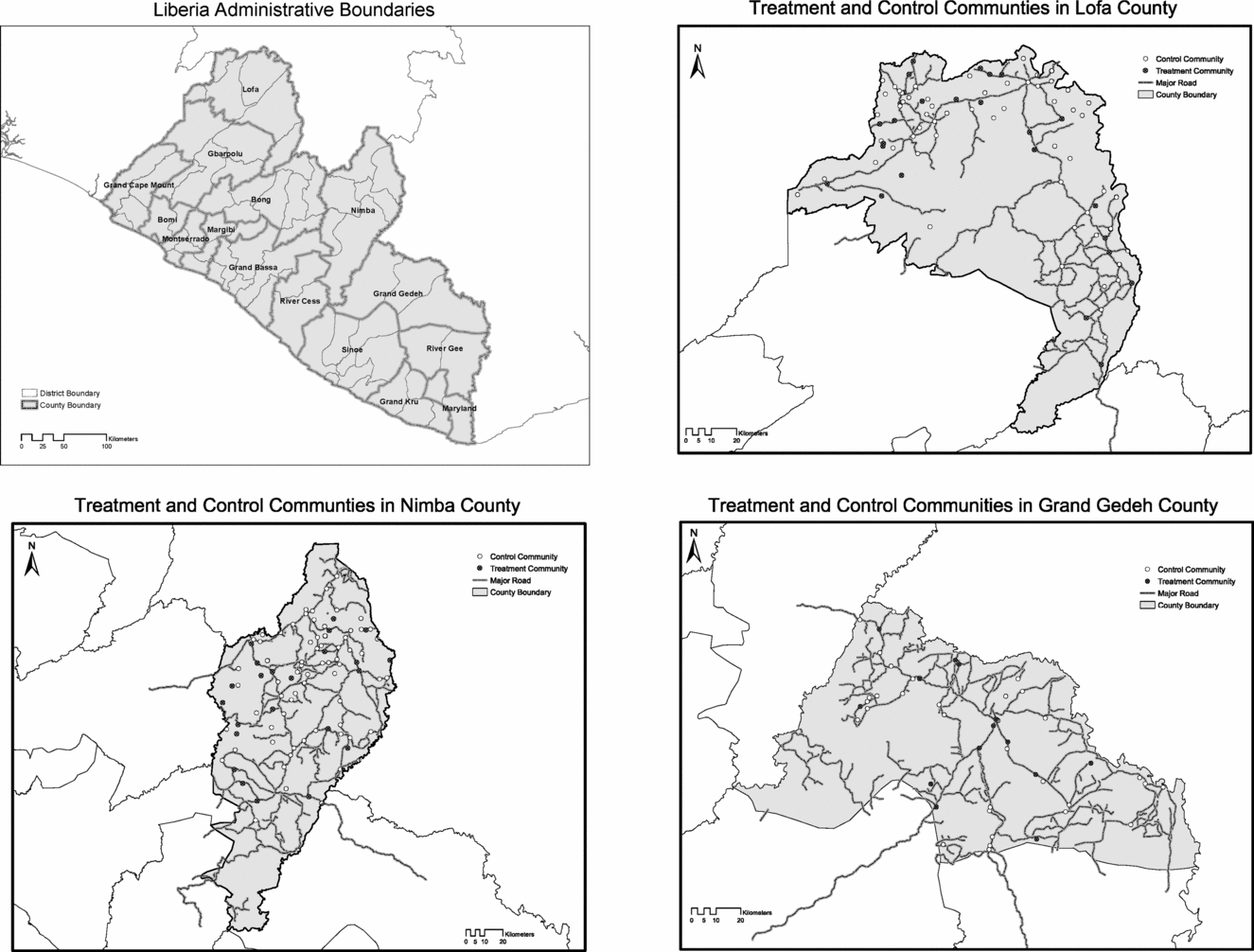
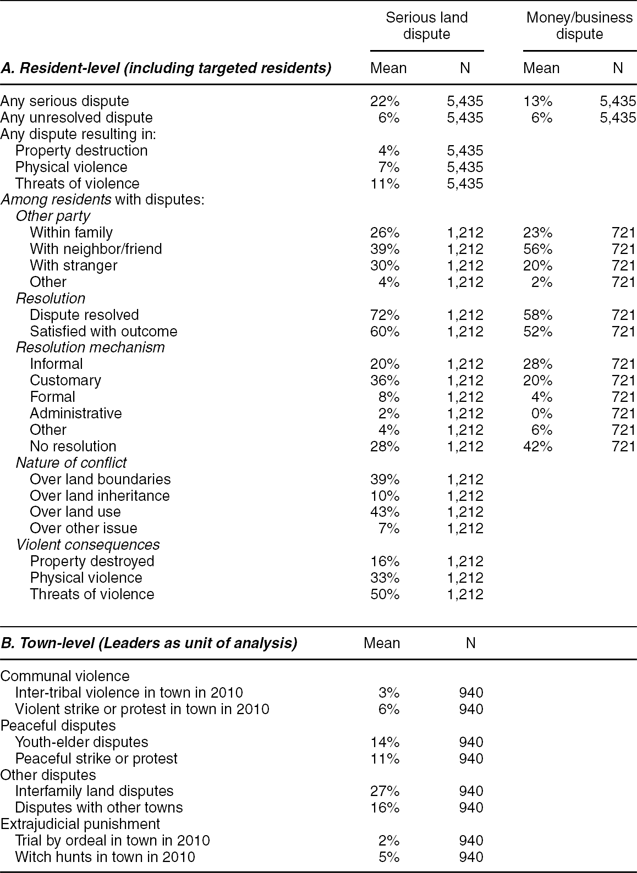
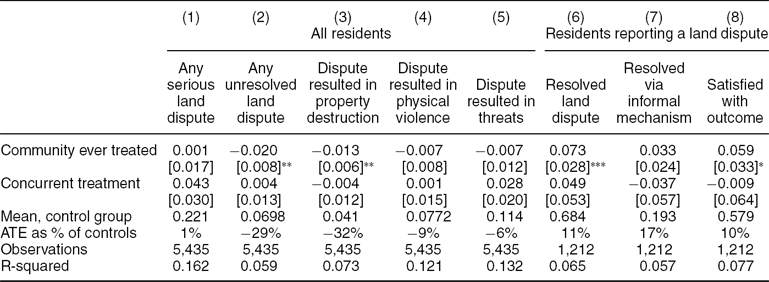
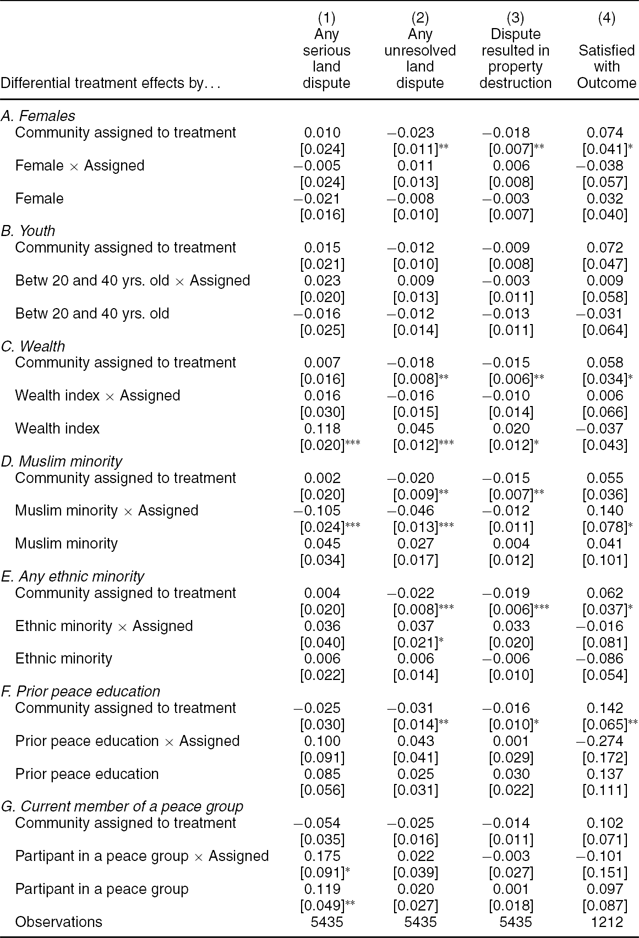
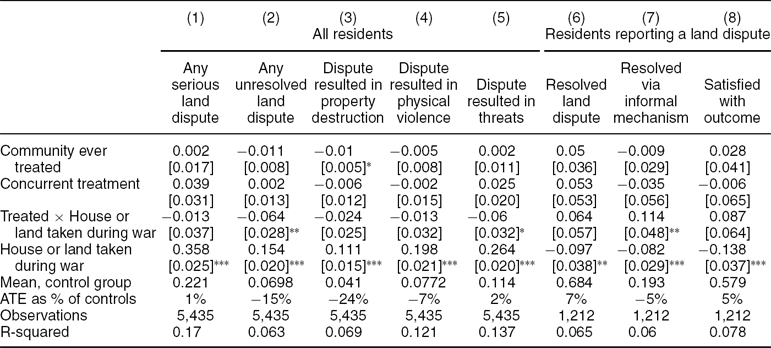
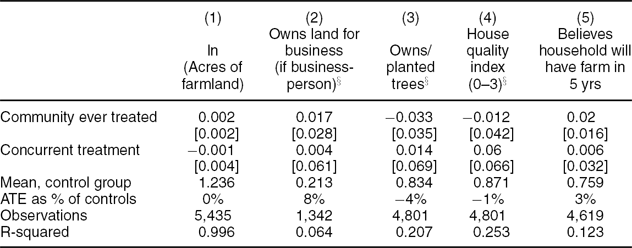
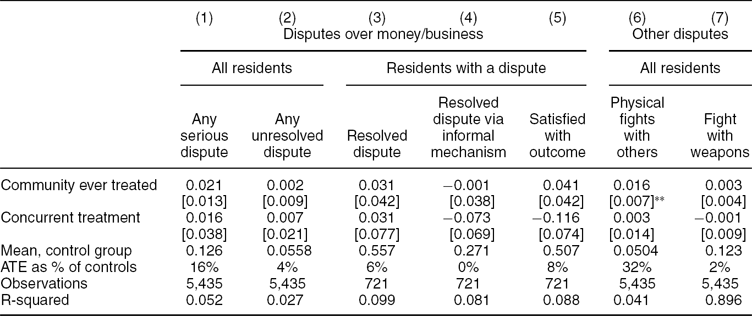
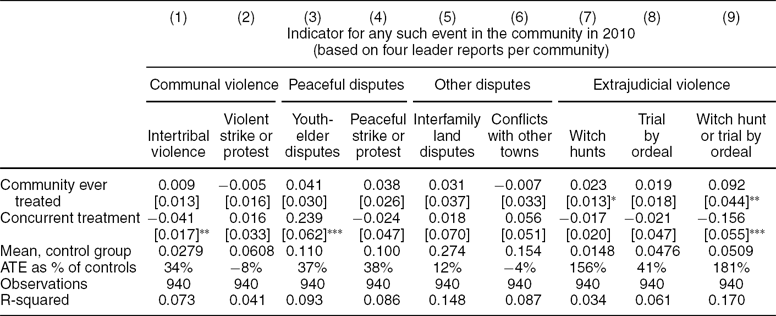
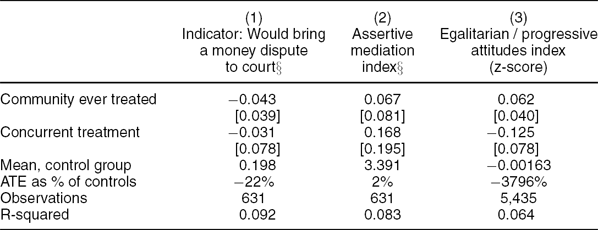
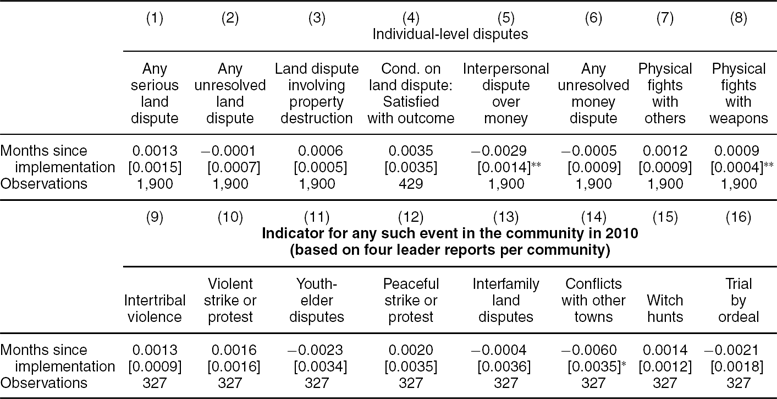
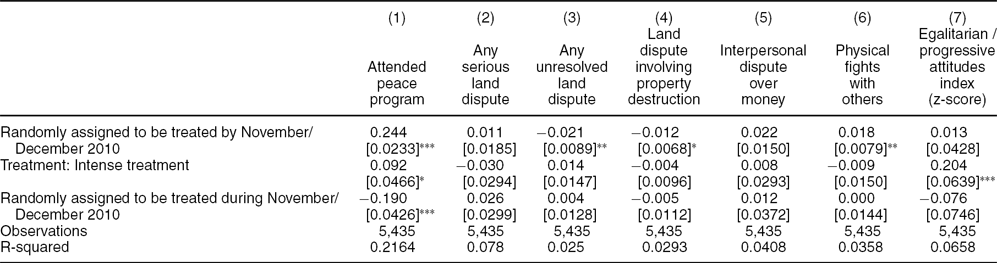
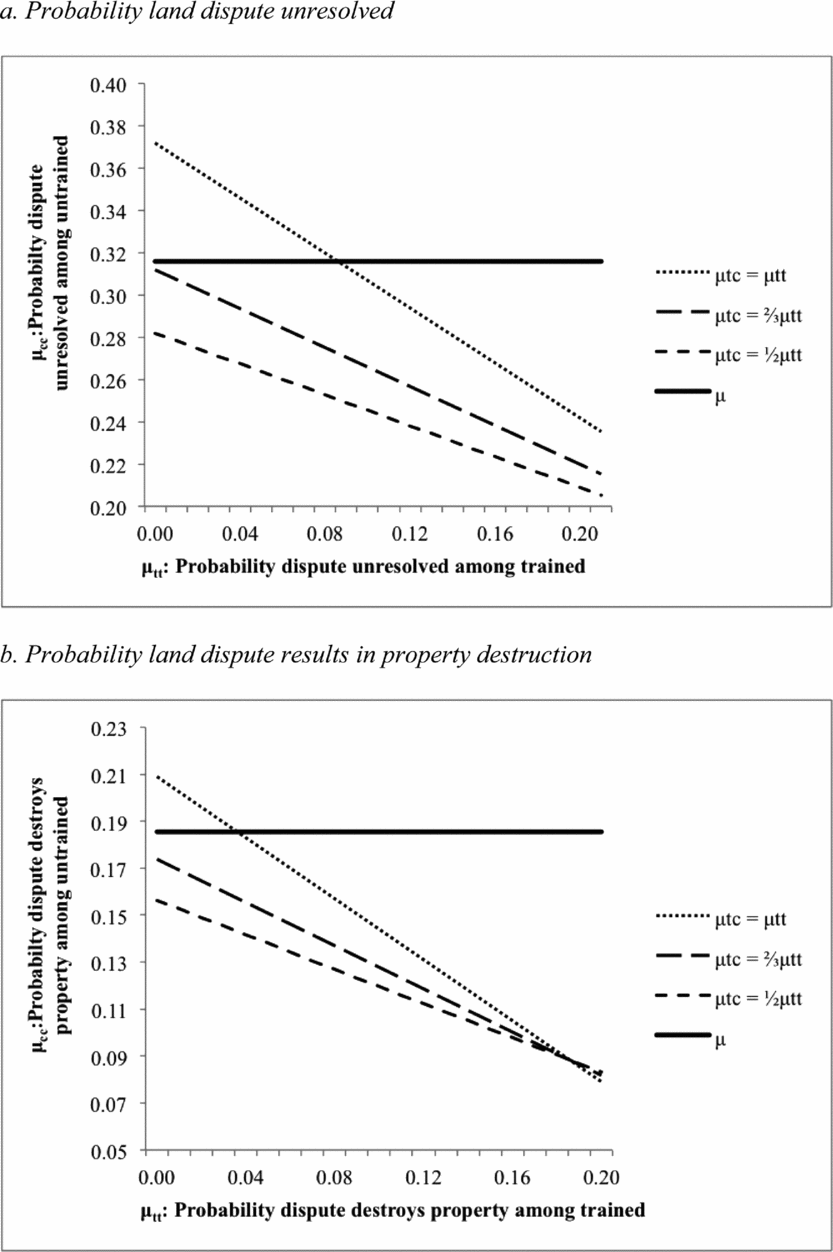



Comments
No Comments have been published for this article.