





Introduction
Interculturality, understood as the transfer of practices and knowledge between different cultures, is a fundamental aspect of the processes and dynamics underpinning human social and cultural development (Bennett, Reference BENNETT, Kim and McKay-Semmler2017b). We would thus agree with Cabedo-Mas (Reference CABEDO-MAS2011, p. 176) that ‘cultures are not static social phenomena, endowed with permanent stability, but rather that they change, and become enriched with the change’. In contrast to multiculturalism – which postulates the coexistence of cultures in terms of equality and can, at best, foster a collective awareness of the diverse nature of contemporary social structures (Halse, Reference HALSE2022) – interculturality advocates for an empathetic and permeable dialogue between cultures that share the same physical space and experiences (Negedu & Ojomah, Reference NEGEDU and OJOMAH2021). Within this context, higher education – and particularly initial teacher education – faces the challenge of preparing future teachers to engage pedagogically with cultural diversity in increasingly interconnected learning environments.
Higher education provides countless contexts and opportunities for the development of interculturality, which is seen as an active agent in the drive for diversity both inside and outside university lecture halls. Thus, internationalisation experiences are one of the most important factors underlying the growth of interculturality to thrive in an academic context that is cross-disciplinary and inclusive academic frameworks (Rodríguez-Izquierdo, Reference RODRÍGUEZ-IZQUIERDO2022). As we approach the end of the first quarter of the 21st century, and despite recent difficulties and setbacks (social, economic, health, etc.), we find ourselves in the midst of a transformation towards a more global, universalised educational curriculum (Killick & Foster, Reference KILLICK and FOSTER2021). In this context, the values of sustainability, equity and inclusion are the core issues around which many of the current advances revolve (Monge & Gómez, Reference MONGE and GÓMEZ2020).
This article expounds the main organisational, curricular and training characteristics of a virtual educational exchange project that took place over a semester between two universities, one in Girona (Spain) and the other in La Plata (Argentina). The main goal of the project was to work on the intercultural awareness of university students through a joint programme of music teaching and learning. The data obtained provided evidence of how transformative the intercultural experience had been for all involved.
Intercultural competence
According to Bolten (Reference BOLTEN and Springer2015, Reference BOLTEN, Rings and Rasinger2020) – see also Gröschke & Bolden (Reference GRÖSCHKE and BOLDEN2012) – intercultural competence is not a personal ability that can be cultivated autonomously; rather, it is the individual, social, professional and strategic ability to combine sub-competences, which enables a person to connect fluidly and coherently to intercultural contexts. Kuehlmann & Stahl (Reference KÜHLMANN, STAHL, Barmeyer and Bolten1998, quoted by Rehaag (Reference REHAAG2006, p. 7) list the main components of intercultural competence. Linguistic competence is the ability to communicate in one or more languages other than the mother tongue; it contributes to and benefits the individual’s interculturality. Cultural competence is the knowledge of the history, human geography and physical geography of the other culture. Social competence is the ability to empathise, communicate with and understand the ‘other’; this is vital to interact in a context of interculturality. Finally, the authors also cite interpersonal competence, the ability to reflect on one’s own culture, relativise cultural values and tolerate ‘culture shock’, which facilitates interculturality.
Milton J. Bennett has identified six stages for observing how individuals develop their intercultural sensitivity, as outlined in the Developmental Model of Intercultural Sensitivity (DMIS), a framework grounded in constructivist and communication theories (Bennett, Reference BENNETT, Kim and McKay-Semmler2017a, Reference BENNETT, Kim and McKay-Semmler2017b). These stages progress from ethnocentrism (denial, defence and minimisation) to ethno-relativism (acceptance, adaptation and integration). Numerous empirical studies have examined these categories, including research in the field of education (Barlet et al., Reference BARTLEET, GRANT, MANI and TOMLINSON2020; Joseph et al., Reference JOSEPH, CABEDO-MAS and NETHSINGHE2024; Podestá et al., Reference PODESTÁ, ÁLVAREZ and MORÓN2022).
Interculturality and education
Interculturality reflects the multicultural realities of contemporary societies and has become a prominent feature of education in much of the so-called ‘developed world’ over recent decades. A historical review highlights its rapid evolution, driven by population movements, from mere coexistence of cultures to an aspirational model of schools that are open, pluralistic, integrative, critical and socially responsible (Andrade, Reference ANDRADE2008; Jordán, Reference JORDÁN2003). Nevertheless, the reality in schools often falls short of this ideal. Achieving balance remains challenging, with the coexistence of the dominant culture and that of school community members posing significant difficulties (Dawes et al., Reference DAWES, BLAIR and AGUIAR2021; Escarbajal-Frutos et al., Reference ESCARBAJAL-FRUTOS, IZQUIERDO-RUS, AZNAR-DÍAZ and CÁCERES-RECHE2019; Escoda Domènech & González-Martín, Reference ESCODA DOMÈNECH and GONZÁLEZ-MARTÍN2020).
Teacher training has approached interculturality and intercultural competence from various standpoints. In this article, references to teacher training are situated within the context of initial teacher education in Spanish (and Catalan) universities; however, the virtual exchange also involved students from an Argentinian university enrolled in music degree programmes, reflecting the interinstitutional and asymmetrical nature of the project. As mentioned earlier, the professional prospects of teachers are generally shaped by the demographic context of the school, as this context directly influences the forms of cultural interaction, diversity and inclusion that teachers are required to navigate in their professional practice. Podestá et al. (Reference PODESTÁ, ÁLVAREZ and MORÓN2022) have researched the development of interculturality in the context of the practicum of future primary school teachers. In line with Denson et al. (Reference DENSON, OVENDENA, WRIGHT, PARADIESC and PRIEST2017), they validate four dimensions in assessing the development of intercultural competence of trainee teachers: (1) receptiveness to inclusive and intercultural education; (2) openness to diversity; (3) reflexivity and (4) adaptability or flexibility. Liaw (Reference LIAW2006) focuses on the intercultural processes arising during the online learning of a foreign language, obtaining positive results regarding the interest observed in discovering foreign habits and customs and introducing one’s own culture to the other.
Music teaching and interculturality
Proposals for using music to foster interculturality abound, emphasising the inclusive potential of musical experiences in multicultural classrooms (Oehrle, Reference OEHRLE1996; Pérez-Aldeguer, Reference PÉREZ-ALDEGUER2014). For example, intercultural musical repertoires can be listened to or performed in schools and can serve as a catalyst for creative practices, such as composition and improvisation (Bernabé, Reference BERNABÉ2019).
In today’s interconnected, multicultural world, Cabedo-Mas asserts that ‘music is one of the phenomena through which, in our plural society, globalisation becomes more patent’ (Cabedo-Mas, Reference CABEDO-MAS2011, p. 172). Popular and traditional musical forms, like the Catalan sardana (a circle dance) and Argentinian tango, exemplify this, having undergone extensive hybridisation and influence over time, as Fernández (Reference FERNÁNDEZ2021) demonstrates in her discussion of the bolero.
Kang’s (Reference KANG2022) bibliographic review on intercultural competence in music teaching provides substantial evidence that culturally diverse settings enhance intercultural competence among students and teachers. This involves recognising and understanding coexisting cultures and fostering communication and mutual influence. Kang highlights two core elements of intercultural development: intercultural competence and sensitivity. Similarly, studies by Westerlund et al. (Reference WESTERLUND, KARLESEN and PARTTI2020) underscore the importance of nurturing intercultural understanding in future music teachers from the outset of their training. These experiences show how values such as self-awareness, flexibility, patience, tolerance and openness can be cultivated (Kang & Yoo, Reference KANG and YOO2019; Walling, Reference WALLING2020).
Moreover, intercultural approaches not only enhance musical and pedagogical understanding (Cain et al., Reference CAIN, LINDBLOM and WALDEN2013) but also promote critical awareness of power dynamics, including those between dominant and marginalised cultures.
Experiences in music teaching reveal both the potential and limitations of the intercultural approach. Participants may resist re-examining and reshaping the values and beliefs that define their individual and collective ‘comfort zones’ (Mellizo, Reference MELLIZO2019; Westerlund & Karlsen, Reference WESTERLUND and KARLSEN2018). Additionally, implementing musical interculturality as an educational tool in conflict zones poses significant challenges (Odena & Scharf, Reference ODENA and SCHARF2022).
As highlighted by Burton (Reference BURTON2011) and Burton et al. (Reference BURTON, WESTVALL and KARLSSON2013), technology and virtual communication are indispensable for virtual or hybrid intercultural learning, especially in blended learning contexts. Their research examined music teaching students from Sweden and the United States who participated in virtual interactions and physical exchange programmes. The findings emphasise the need for an ‘international agenda for the training of music teachers’ to ensure they have ‘opportunities to gain experience of the cultural and pedagogic practices of other societies’ (Burton, Reference BURTON2011, p. 127). This is particularly relevant in an era shaped by globalisation and rapid technological advancements.
Research methodology and design
This qualitative research employed a case study approach, grounded in a cross-cultural online educational experience in music teaching at the university level. Data were compiled, processed and interpreted to inform conclusions regarding the potential generalisability of such a programme (Silverman, Reference SILVERMAN2014). According to Yin, a case study examines ‘a current reality (the case) in depth, and its real-life application’, making it particularly valuable when ‘the boundaries between the phenomenon studied and its context are neither clear nor evident’ (Yin, Reference YIN2018, p. 15).
Conceptually, the study draws on the socio-critical paradigm, a framework rooted in individual and collective self-reflective criticism aimed at enhancing personal skills and fostering social transformation (Asghar, Reference ASGHAR2013). Another key element is cultural borrowing, understood in its pedagogical sense, within a context where the boundaries remain undefined, and research into the creative dimensions of diversity is needed (González, Reference GONZÁLEZ2020).
From the perspective of musical praxis, the project is guided by the concept of ‘informed musical practice’ (Peres, Reference PERES, Reid, Peres and Carrigan2021), which emphasises aesthetic experience – creative, interpretative and more – grounded in the contextual study of works of art. This ‘advanced’ knowledge enables a broad, personal and creative reinterpretation of artistic languages and styles.
The virtual exchange programme was designed by academics from the two universities, the University of Girona (UdG) in Catalonia (Spain) and the National University of La Plata (Argentina), over the course of two months. The first task was to specify the basic details: syllabus, calendar, session dynamics and the typology of the programme. Following this, we chose the technological support most likely to aid in meeting the research goals. The syllabus is shown below in Table 1. The exchange was divided into four stages:
-
• Stage 1: Preparation of the exchange, with virtual meetings between both groups of professors throughout the first semester. Recruitment of participants and design of the project.
-
• Stage 2: Four-week synchronous exchange period, consisting of 90-minute weekly online sessions.
-
• Stage 3: Two-week asynchronous exchange period, during which students produced a creative-pedagogic assignment presented via self-edited videos.
-
• Stage 4: Analysis and assessment of results, appraisal of the exchange by participants through a post-programme questionnaire and tutorial sessions. Writing of the final report.
Key logistical and technological elements of the virtual exchange programme

Table 1. Long description
A table detailing the structure of a virtual exchange program with six sessions. The table has four columns: Sessions, Contents, Activities, and Led by. It includes six rows for each session, describing the type of session (synchronous or asynchronous), the contents covered, the activities performed, and who led the session. Session 1 introduces the project and participants, with ice-breaking activities and presentations. Session 2 focuses on the tango, with presentations and analysis. Session 3 covers the sardana, with musical analysis and guided listening. Session 4 continues with the tango, including live performances. Session 5 involves asynchronous presentations of individual or pair-work assignments. Session 6 features asynchronous presentations of pair-work assignments aimed at primary school students.
While Table 1 outlines the structural organisation of the exchange, the pedagogical dynamics within the sessions were intentionally interactive and dialogic. Rather than following a lecture-based format, synchronous meetings prioritised guided listening, shared musical analysis and open discussion among students from both institutions. Tutors acted primarily as facilitators, prompting comparison, questioning and reflection on musical and cultural practices. During the asynchronous phase, the emphasis shifted towards student-led work, with creative or pedagogical tasks being shared through video recordings. Written peer feedback functioned as a key mechanism for sustaining dialogue and intercultural engagement beyond the live sessions.
Alongside these pedagogical dynamics, the preparation of the programme revealed several cultural and geographical contrasts between the two locations. The most significant were the time of day and the season during which the sessions were scheduled, along with the non-alignment of the academic calendars and holiday periods. Thus, six weeks of 90-minute activities were scheduled, taking place on Thursdays at 6 pm in Spain and at 1 pm in Argentina. A total of 11 students were recruited during the first fortnight of September; four were in Spain and seven in Argentina. It should be pointed out that one of the students in Spain was of Argentinian origin, and one of the students in Argentina was Chilean.
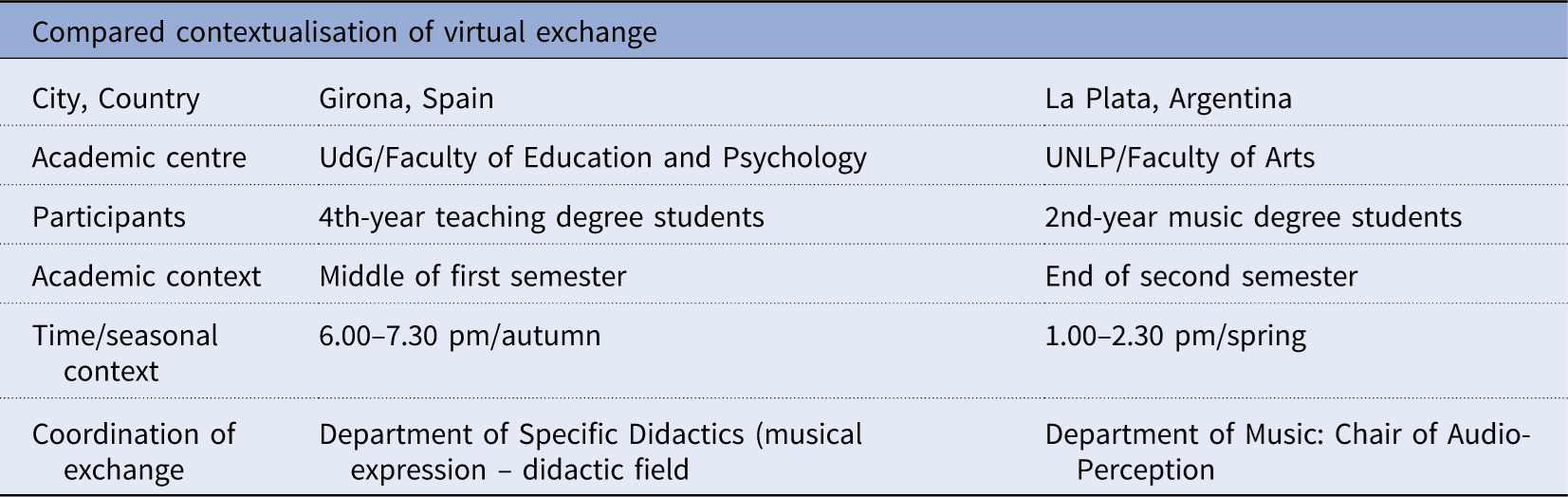
Table 2 describes the principal characteristics of the two academic contexts, along with the participants’ personal data and academic qualifications. Participant recruitment was voluntary and based on availability within the academic schedule of each programme. All the students were informed of the goals, procedures and ethical considerations of the study prior to enrolment. Although the sample was small and unevenly distributed (four vs. seven students), it does reflect the authentic conditions of the educational context and aligns with qualitative case study logic. No exclusion criteria were applied beyond enrolment in the participating courses.
Contexts of the virtual exchange programme
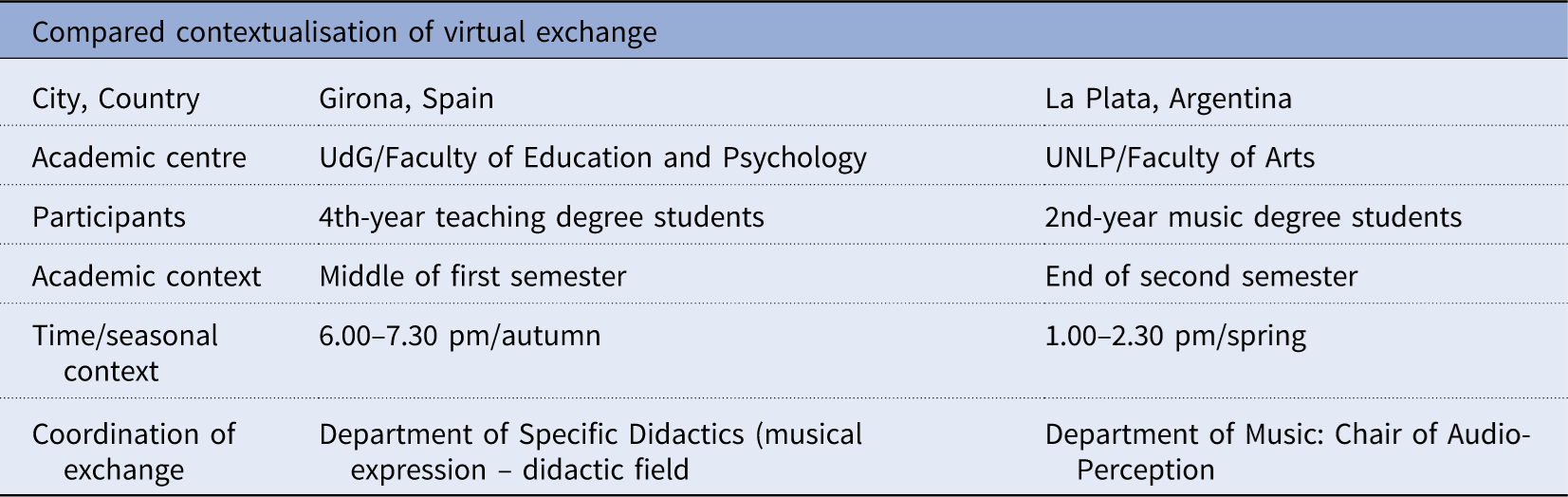
Table 2. Long description
A table comparing the academic contexts and participant details between Girona, Spain and La Plata, Argentina. The table has six rows and five columns. Column headers are City, Country, Academic centre, Participants, Academic context, Time/seasonal context, and Coordination of exchange. Row 1: Girona, Spain, UdG/Faculty of Education and Psychology, 4th-year teaching degree students, Middle of first semester, 6.00–7.30 pm/autumn, Department of Specific Didactics (musical expression – didactic field). Row 2: La Plata, Argentina, UNLP/Faculty of Arts, 2nd-year music degree students, End of second semester, 1.00–2.30 pm/spring, Department of Music: Chair of Audio-Perception.
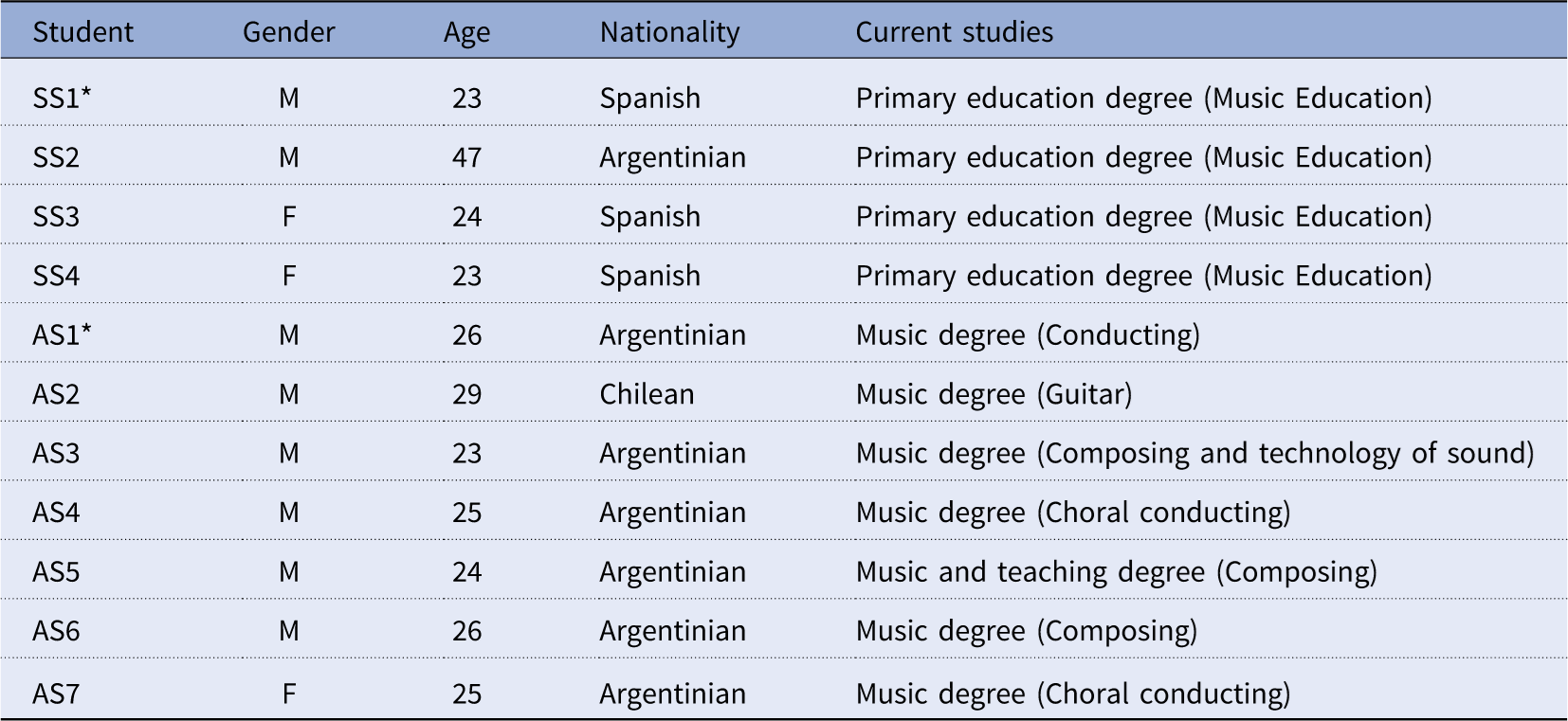
Table 3 presents the diversity of participants in terms of gender, age and professional focus (pedagogy, performance and musical composition). Most of them had little professional experience, although all had taught or played music while studying. The professors were members of the Department of Audioperceptiva III-IV (Argentina) and the Department of Specific Didactics (Spain); the third session included the participation of a guest expert, a composer of sardanas.
Characteristics of participating students
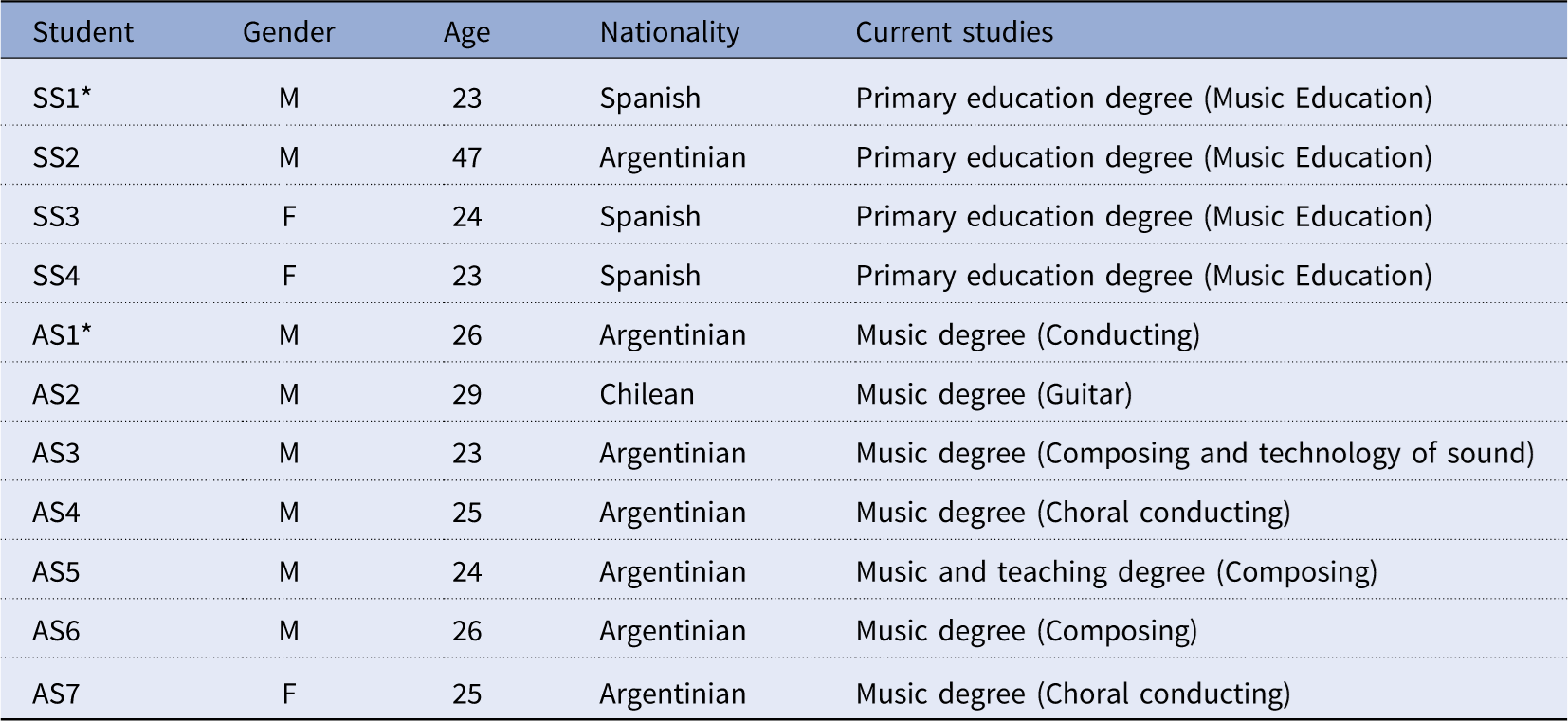
Table 3. Long description
A table with 11 rows and 4 columns comparing student characteristics. Columns are labeled Student, Gender, Age, Nationality, and Current studies. Row 1: SS1, M, 23, Spanish, Primary education degree (Music Education). Row 2: SS2, M, 47, Argentinian, Primary education degree (Music Education). Row 3: SS3, F, 24, Spanish, Primary education degree (Music Education). Row 4: SS4, F, 23, Spanish, Primary education degree (Music Education). Row 5: AS1, M, 26, Argentinian, Music degree (Conducting). Row 6: AS2, M, 29, Chilean, Music degree (Guitar). Row 7: AS3, M, 23, Argentinian, Music degree (Composing and technology of sound). Row 8: AS4, M, 25, Argentinian, Music degree (Choral conducting). Row 9: AS5, M, 24, Argentinian, Music and teaching degree (Composing). Row 10: AS6, M, 26, Argentinian, Music degree (Composing). Row 11: AS7, F, 25, Argentinian, Music degree (Choral conducting).
*SS: Student at the UdG in Spain.
**AS: Student at the UNLP in Argentina.
The synchronous sessions were conducted using the Blackboard Collaborate platform, licensed to the Spanish university. A private YouTube channel was created to support the final two asynchronous sessions, accessible only to participants. This platform served two purposes: to present videos and to facilitate feedback collection using the comments feature.
Qualitative pre- and post-test questionnaires were administered via Google Forms at the programme’s start and conclusion. Additionally, Microsoft Teams hosted two discussion groups involving tutor-researchers and students following the virtual exchange. The data were analysed to categorise and substantiate responses in alignment with the research objectives. This process involved an iterative and systematic examination of the textual data to identify key themes, patterns and underlying meanings. Initially, the collected data were subjected to an open coding process, where relevant units of meaning were extracted and labelled (Creswell, Reference CRESWELL2014). The identified themes were analysed and contrasted with those outlined in the literature review, enabling the discovery of additional themes that emerged directly from the data.
In adherence to the ethical principles outlined in the Declaration of Helsinki (World Medical Association, 2013), participants were fully informed of the study’s purpose and requirements, and their informed consent was obtained.
Findings
Point of departure
The indicators that enabled the description of the starting situation regarding the participants’ beliefs, motivations and expectations were analysed.
Responses to the initial questionnaire showed that the students viewed the exchange mainly as an experience in communication and mutual enrichment. Their prior conception of interculturality was an understanding between equals, where dialogue, reciprocity and respect are fundamental factors. Evidence of this can be seen in the following quotes, which formed part of their answers to the pre-test question ‘What do you understand by interculturality?’:
AS1: ‘Interaction or exchange between people of different cultures’
AS1: ‘Equal interaction between different cultures, through exchange, with no one group feeling itself superior to the other’
AS5: ‘The chance to interact, reflect, discover other cultures and be discovered by them, which lets us see our differences and similarities’
SS1: ‘The contact, coexistence and feedback between diverse groups of people of different origins, where a new syncretic relationship is formed’
SS2: ‘The exchange between different cultures through coexistence’
The participants’ responses to the question regarding their expectations underscored the desire to learn ‘about the other’ through their musical culture. In addition, they express an interest in ‘getting to know other people’ and ‘cooperate with them’ and for the exchange to ‘let others know one’s own culture’. It should be noted that some responses expressed the wish for further experiences and professional opportunities in the country that ‘we’re going to understand better’ or hoped that this would be ‘the first of many other exchanges’.
Finally, the initial questionnaire explored the participants’ cultural awareness of the other country. This was generally superficial; indeed, numerous stereotypes and clichés were mentioned, the most common of which regarded food, music, politics and sport. While very few participants had experienced any real or virtual immersive contact with the other culture, a small minority admitted a complete lack of knowledge of the other country.
Creative engagement and cultural borrowing
The students’ creative submissions revealed how they approached cultural borrowing as a process of reinterpreting musical material from the partner country. Across both universities, the two-week creative period became a space where students tested ways of assimilating and reformulating unfamiliar musical elements, thus producing varied artistic and pedagogical outcomes. These early creative decisions provided concrete evidence of how intercultural competence begins to manifest itself in practice.
The Argentine students were assigned the task of creating vocal or instrumental arrangements of a short fragment from a sardana composed by the Catalan musician Eduard Toldrà (Vilanova i la Geltrú, 1895–Barcelona, 1961).Footnote 1 The nature of the arrangements varied depending on the students’ technical expertise. Most scoring and recording were completed individually, though two students collaborated as a pair. Individual submissions were often recorded on separate tracks and later edited into sound collages, showcasing diverse instrumental combinations: (1) melodica, clarinet (pre-recorded tracks), keyboard and guitar (duo); (2) keyboard and voice (individual); (3) guitar and bass guitar (individual, pre-recorded tracks); (4) keyboard solo (individual); and (5) keyboard and violin (individual, pre-recorded tracks). The arrangements varied in tempo, expressive dynamics and style, resulting in a broad spectrum of musical interpretations. Although primarily musical in nature, this task also contributed to teacher training by fostering reflective engagement with unfamiliar musical traditions, encouraging perspective-taking and developing sensitivity to how musical choices carry cultural meaning.Footnote 2
By comparison, the task undertaken by the students in Spain required the design of didactic proposals for school contexts based on tango repertoire. The four students in Spain worked in pairs to create two musical didactic projects based on tangos of their choice. One pair selected El León de Versalles by Marta Pizzo and Graciela Pesce, designing a project for children aged 3–4 years. The other pair chose Cite Tango by Ástor Piazzolla, targeting primary school students aged 6–12 years. Both projects adhered to the Catalan educational curriculum’s competence-oriented guidelines, emphasising active, participatory and inclusive learning approaches (Generalitat de Catalunya, 2016).
Taken together, these creative outputs illustrate how the students accomplished intercultural ‘musical translation’. Rather than reproducing models, they experimented with hybrid forms, dealt with gaps in cultural understanding and made deliberate choices about how to position themselves in relation to the ‘foreign’ material. These negotiations – both aesthetic and conceptual – constitute observable proof of intercultural competence in development, arising directly from students’ creative engagement. These choices also revealed how comfortably (or hesitantly) students navigated unfamiliar cultural materials, offering insight into the early stages of intercultural agency.
The feedback process
While working on their submissions, students were encouraged to provide written feedback on their work using the YouTube comments feature. They shared opinions, reflections, critiques and suggestions, making this interaction a fundamental component of the virtual exchange. This process not only facilitated peer communication but also played a crucial role in fostering the development of their intercultural awareness. The dialogue generated through these comments enabled an assessment of the extent to which students demonstrated understanding and empathy towards members of different groups.
A notable example of mutual empathy emerged in the similarity of tone and the consistent emphasis on sensitivity and respect in the feedback. The following excerpts illustrate this dynamic, as students discuss the scoring for guitar and bass in a fragment of the sardana. These exchanges provide clear evidence of a genuine willingness to understand, interpret and engage with the collaboratively produced musical work.
AS1: ‘When interpreting this melody with a bass, I’ve had the feeling that a story’s being told. It’s not an instrument heard in the sardana; however, it sounds very good’.
SS3: ‘While the bass generally serves another purpose, making it the principal voice sometimes produces very good results. The frequencies the instrument moves in and the harmonics that stand out make the melody sound weighty, full, and very solid. Lovely Rickenbacker!’
Furthermore, the comments and suggestions made by students in Argentina regarding the didactic proposals for teaching tango in Catalan schools reflected both understanding and support. These comments not only demonstrated technical mastery but also conveyed a genuine interest in and critical engagement with the pedagogical approach presented. The following excerpts, written by Argentine students in response to the proposal on the tango by Pizzo and Pesce, illustrate this point:
AS4: ‘It would be very fruitful to use dance when working with children on the concept of space by using the fundamental resource of rhythmic musical time, as mentioned before, beyond the story told that gives the kick…’
AS5: ‘It occurred to me that the narrative of the story could perhaps be a little more linked to the subsequent activity: for example, include in the story a moment when the toad, compadrito, ‘dances tango’, maybe after the cats let him eat, or before, to persuade them to let him get closer… let’s say, invent an excuse so that the premise then becomes, ‘Would you like to learn to dance like León the toad?’. That way, the activity is introduced as an excuse to play’.
At times, feedback took the form of genuine inquiry, signalling the learners’ willingness to question assumptions and clarify their understanding of a foreign pedagogical approach:
AS1: ‘Looking over the document, am I right in that these are used to mark the beat? Then this keeping time could be done both with the steps (with the feet, on walking), and with a movement or a shake of the handkerchiefs?’
One long comment (AS2) combined praise with culturally informed critique, offering alternative musical choices and contextualising tango instruments and styles. This contribution exemplifies how the students adopted a twofold stance of cultural authority and relational openness, thereby modelling a sophisticated form of intercultural mediation:
AS2: ‘On the other hand, the choice of excerpt for musical analysis [by the children] seems very suitable, given that we can hear basic rhythmic points characteristic of the tango, principally for their well-marked and repetitive stress, and the predominance of the bandoneon, one of the favourite instruments in the tango, over the other instruments. It is also worth remembering that the electric guitar is perhaps less common, since the Spanish guitar, or ‘criolla’ as we say in Argentina, played an important role in making the tango popular. On the other hand, I think that, when demonstrating the tango dance, it might be better to use a excerpt from an ‘old school’ tango; this would bring the children much nearer to the roots of the tango dance, since Ástor Piazzolla’s work distances itself a bit from the idea of the dance. Here, one could perhaps use an instrumental version of La Cumparsita’.
Development of intercultural competence in virtual interaction
The virtual nature of the course, while eliminating physical co-presence, did not hinder the observation of the various sub-competences of intercultural competence. This section analyses the results from the post-test questionnaire and follow-up tutorials.
First, linguistic contrast was minimal since all participants spoke Spanish, either as a mother tongue or through bilingual education in Catalonia. However, tutorials revealed minor linguistic differences, mainly related to objects and customs, which were easily understandable.
Second, there was clear development in the cultural dimension. Students broadened their musical knowledge through exposure to tango and sardana, gaining insight into the history, folklore and traditions of both regions. The cultural borrowing strategy used in co-creative processes was highly valued, fostering connections between ‘the own’ and ‘the foreign’.
In the social dimension, YouTube comments highlighted empathy and interest in ‘the other’, reinforcing the creative process. Students appreciated the personal, sensitive nature of the feedback, which strengthened the sense of mutual engagement.
Finally, the interpersonal dimension showed the greatest impact, with participants experiencing a personal realignment of cultural values and beliefs, key factors in developing interculturality.
Discussion
One of the recurring concerns in the literature on music education is the lack of attention to intercultural education and associated practices in teacher training (Casanova et al., Reference CASANOVA, JORQUERA-JARAMILLO and SERRANO2024). Transnational exchange programmes between university students, whether virtual, face-to-face or hybrid, have proven to be effective for activating and developing cross-disciplinary teaching (meta)competences such as reflective practice (Alsina et al., Reference ALSINA, MASARDO and MALLOL2021), didactic reasoning (Miettinen et al., Reference MIETTINEN, GLUSCHANKOF, KARLSEN and WESTERLUND2018) and interculturality (Bartleet et al., Reference BARTLEET, GRANT, MANI and TOMLINSON2020; Vinagre, Reference VINAGRE2014). In virtual contexts, assuming roles and responsibilities is essential, as highlighted by Angelini & Muñiz (Reference ANGELINI and MUÑIZ2021) in educational experiences like the one presented here.
The results of this virtual academic exchange in music teaching provided opportunities to raise identity awareness and expand the (inter)cultural horizons of participants. This was facilitated by the international and multicultural backgrounds of both teachers and students and a curriculum focused on distinctive elements of Catalan and Argentinian musical cultures. Music offers endless possibilities for cultural contrast and intercultural experiences, exemplified through popular song as a means of cross-cultural influence (César & Romero, Reference CÉSAR and ROMERO2021; Joseph et al., Reference JOSEPH, NETHSINGHE and CABEDO-MAS2020) and ‘world music’ as a space for cultural comparison, such as African music (Joseph & Cabedo-Mas, Reference JOSEPH and CABEDO-MAS2021) or the Indonesian gamelan (Castro Alonso & Chao Fernández, Reference CASTRO ALONSO and CHAO FERNÁNDEZ2020).
Interculturality driven by musical experience fosters diversity and inclusion while challenging the beliefs and prejudices of future teachers in multicultural classrooms (VanDeusen, Reference VANDEUSEN2019; Walden, Reference WALDEN2020). Despite the limited number of participants (11 students and 6 teachers), this project provided a rich case study of diverse cultural origins, trajectories and biographies. The students represented multiple nationalities, and the teachers had significant international exchange experience. The voluntary nature of participation underscored the intrinsic motivation of participants, complemented by extrinsic motivation through academic assessment, mutual recognition of effort and artistic achievements.
Such an initiative in other contexts would benefit from adopting a pedagogical design that integrates collaborative musical creation with structured opportunities for dialogue and reflection. Rather than depending on repertoires, the approach foregrounds intercultural exchange as a process shaped through interaction, co-construction and sustained peer engagement. While institutional conditions and curricular frameworks may vary, these design principles appear to be transferable across different higher education settings. These approaches highlight the need for ongoing negotiation, revision and redefinition of goals based on flexibility and sustainability. This emphasis is consistent with existing research on dialogic pedagogies in higher education. Zhu & Carless (Reference ZHU and CARLESS2018) identify dialogue and co-participation by students and tutors as fundamental to achieving these aims of ongoing negotiation, collaborative reflection and adaptive goal setting, a perspective reinforced by the outcomes of this project.
Conclusions
The development of intercultural competence in collaborative online teaching between universities presents both organisational challenges (technological, logistical, etc.) and opportunities for academic and personal enrichment. The platforms selected for virtual communication proved effective and adaptable, aligning well with the resources, content and teaching methodology. This success is largely attributed to the experience gained during the COVID-19 lockdown and the transition to online teaching. Examining interculturality from a multifaceted perspective, as suggested in the literature, required a focused analysis of its linguistic, social, cultural and interpersonal dimensions. Results indicate that the cultural (cognitive) and interpersonal (reflective) components benefited most during the synchronous stage of the programme. Meanwhile, asynchronous feedback processes revealed sensitivity and empathy fostered between the two student groups.
This project facilitated transnational synergies between higher education institutions and encouraged collaborative dynamics, opening avenues for extended and larger-scale initiatives. Popular and traditional music – specifically tango and sardana – served as catalysts for intercultural development among future musicians and music educators. These musical genres acted as cultural identity artefacts, fostering knowledge exchange and enriching participants’ cultural, social, pedagogical and creative experiences.
From a teacher’s education perspective, experiences of this kind offer future teachers structured opportunities to engage with cultural differences through dialogue, collaborative work and reflective practice. By navigating divergent perspectives, negotiating meaning and adapting their responses within a shared task, participants develop forms of pedagogical sensitivity that are central to teaching in culturally diverse classrooms. In this sense, intercultural virtual exchanges can function not only as sites of musical learning but also as formative spaces for the development of professional judgement, reflexivity and intercultural awareness in initial teacher education.


 Open access

