Introduction
Within the past three decades, type-2 diabetes has emerged as a global public health epidemic. Ushered in through international trade, free-market reforms and increased consumerism, diabetes has imposed financial and infrastructural challenges for emerging markets. Countries such as Brazil, Mexico, India and China, for example, have ranked among the top 10 nations in the world struggling to prevent and treat this disease. In the Americas, Brazil and Mexico stand out as having the highest prevalence of type-2 diabetes and associated mortality rates, second only to the United States (International Diabetes Federation (IDF, 2017).
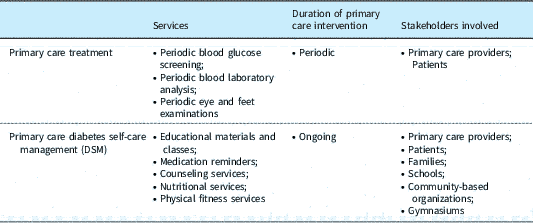
While a plethora of studies explain how governments have created policies to prevent and treat type-2 diabetes, few have examined the politics of implementing diabetes self-care management (DSM) programs: that is, where government primary care providers proactively and consistently work with patients to maintain their prescribed treatment regimen. DSM programs go beyond an emphasis on primary care diabetic treatment services, such as the acquisition of medication and periodic blood and physical examinations, to entail ongoing primary care support for helping patients build the knowledge, self-discipline and dedication needed to consistently adhere to their drug regimens, while helping improve their overall quality of life through educational, nutritional and, in some instances, physiological support. DSM programs, therefore, require ongoing primary care commitment to working with patients and their supportive communities, in turn requiring a high level of human resource commitment at the primary care level. Furthermore, while the author certainly agrees with studies claiming that governments have not paid sufficient attention to diabetes prevention programs (Arredondo, Reference Arredondo2013), focusing mainly on treatment issues, even less attention has been paid to primary care programs focusing on DSM services and the ongoing quality of care provided to patients (Guthrie and Fleck, Reference Fleck2017; Kadirvelu et al., Reference Kadirvelu, Sadasivan and Shu Hui2012).
This article carefully examines the domestic and international politics and policy designs accounting for variation in Brazil and Mexico’s ability to adopt government primary care innovations facilitating the provision of DSM services. More specifically, two outcomes of interest are analyzed and compared: first, the extent to which primary care teams obtain the funding, human resource and infrastructural support needed to ensure the provision of DSM services; and second, bureaucratic commitment to working closely with patients and families for improved lifestyle changes, while consistently reviewing patient blood glucose levels and drug treatment regimens.
This study claims that Brazil outpaced Mexico with respect to these two outcomes and is attributed to several factors. The first were differences in the positive policy spillover effects of governing presidential and political party anti-poverty programs. More specifically, the president and their governing political party’s interests in expanding their electoral base through the introduction of anti-poverty nutrition programs and how this, in turn, contributed to the president and congress’ commitment to supporting related diseases, such as malnutrition, hunger and NCDs, including type 2 diabetes.
Indeed, in Brazil, the Luis Inacio ‘Lula’ Da Silva (2002–2010) and Dilma Rousseff (2010–2015) presidential administration’s focus on simultaneously eradicating malnutrition and poverty through the Zero Fome and Bolsa Família programs not only helped to secure their political survival but it also contributed to an increase in political support for NCDs associated with malnutrition, such as obesity and type-2 diabetes (Gómez, Reference Gómez2018). While Mexico’s governing political party and presidents also pursued several anti-poverty programs to help secure their political survival, the design of these programs was focused more on providing income, health, educational and infrastructural services to poor communities, neglecting to emphasize the eradication of starvation and malnourishment through specified programs; in contrast to Brazil, this did not provide the positive spill-over effect of increasing support for NCD – and especially diabetes – programs.
Substantial differences in health systems, specifically the design of decentralization processes, funding and policy implementation, were equally as important causal factors. In particular, sustaining legacies of central government policy intervention amidst efforts to decentralize health care services also accounted for differences in DSM primary care outcomes. In Brazil, while the government has implemented a universal, decentralized health care system, SUS (Sistema Único de Saúde, i.e., Unified Healthcare System) with increasingly shared inter-governmental funding responsibilities, the MOH has maintained a centralized policy tradition of intervening to help municipal governments achieve their policy objectives, in turn leading to the provision of human resource and financial assistance to primary care DSM providers. This, in turn, has helped the MOH avoid inequalities in the ability of state governments to fund and consequently implement DSM programs.
In contrast, in Mexico, which has also undergone increased health care decentralization, the MOH has had no incentive to help state governments fund and implement DSM programs. The MOH has at times also faced resistance from state health secretariats to interfering in policy design and management, while primary care policy implementation processes have consequently suffered, especially in those states that cannot afford to increase human resource and program spending. In this context, primary care providers in several states have not had the financial and human resources needed to introduce DSM program innovations effectively.
And finally, yet another factor contributing to Brazil and Mexico’s differences in bureaucratic and policy outcomes was their willingness to work with international health agencies to provide additional financial, human resource and technical support to primary care providers. Once again, Brazil seems to have outpaced Mexico in proactively building upon its historical partnerships with international agencies by working closely with the Pan American Health Organization (PAHO) in order to supplement the MOH’s support to primary care providers. Conversely, for various political reasons, Mexico never pursued these kinds of international partnerships for DSM programs.
Contrasting health systems contexts and capacity
The aforementioned differences in decentralization, funding and policy implementation underscore key differences in both countries’ health systems capacity, factors that need to be combined with differences in the policy spillover effects associated with anti-poverty programs in order to fully understand our policy outcomes of concern. While Brazil and Mexico have pursued decentralized health care systems, where the states and municipalities are increasingly responsible for financing and administering health care services (Nigenda et al., Reference Nigenda, Wirtz, González-Robledo and Reich2015; Gómez, Reference Gómez2008), key differences remain. Brazil’s decentralized SUS system is funded through contributions made between the federal, state and municipal governments through taxation contributions, as mentioned shortly. Yet, Brazil’s MOH also directly funds vertical (centralized) primary care programs that provide additional financial and human resource support to state and municipal health departments, proving critical for ensuring the timely implementation of public health programs (Gómez, Reference Gómez2018). In contrast, Mexico has a hybrid centralized/decentralized system, where fiscally, some health insurance providers are funded entirely by the central government, such as Institute Mexicano del Seguro Social, Mexican Social Security Institute (IMSS) and Instituto de Seguridad y Servicios Sociales de los Trabajadores del Estado, Institute for Social Security and Services for State Workers (ISSTE), while other insurance programs focusing on the uninsured poor, such as Seguro Popular (Popular Security), are decentralized. With respect to the latter, the federal government allocates funds and the state governments contribute half of the federal government’s contributions (Class et al., Reference Class, Rajkumar and Cavagnero2014). In contrast to Brazil, then, Mexico’s hybrid centralized/decentralized system has led to inequalities in funding and service provision between these insurance providers while hampering centralized government assistance to decentralized programs focusing on the poor’s type-2 diabetic needs, such as Seguro Popular.
Since the early 1990s, both nations have also seen an increase in health care administrative decentralization, though in Mexico, this has varied, with Seguro Popular state officials experiencing greater decision-making autonomy vs the centrally managed IMSS and the ISSSTE programs (Homedes and Ugalde, Reference Homedes and Ugalde2009). Nevertheless, Brazil’s MOH has been able to maintain a higher level of inter-governmental administrative coordination and cooperation, due mainly to the Family Health Program (FHP), which is a federal MOH program providing primary care teams (i.e., physicians, nurses and community health care workers) that work with and through municipal health departments, as well as the state governments’ ongoing willingness to work closely with the MOH (Gómez, Reference Gómez2018); with respect to Mexico’s Seguro Popular, however, this has not been achieved. Indeed, researchers find that Mexico’s federal Secretariat of Health has not been able to coordinate with the state health departments managing Seguro Popular due to a high degree of administrative decentralization and the governors’ desires to have complete control over the program’s financing and service provisions (Flamand and Jaimes, Reference Flamand and Jaimes2016; Homedes and Ugalde, Reference Homedes and Ugalde2009). Therefore, in contrast to Mexico, Brazil’s decentralized approach to public health appears to benefit from more reliable funding, greater administrative and intergovernmental policy coordination with the central government, and ongoing state government receptivity to the latter’s assistance; as I explain shortly, this context has facilitated the adoption of DSM programs.
Nevertheless, both nations also differed with respect to federal funding for the public health sector. In Brazil, per-capita federal government health expenditures (in $US dollars), i.e., average federal spending for each individual enrolled in the public system, was considerably higher than in Mexico. In Brazil, per-capita spending increased from US$ 159.6 dollars in 2005 to US$446.1 in 2015, while in Mexico, spending increased from US$ 199.4 dollars in 2005 to US$307.3 in 2015. This difference in per-capita spending provides insight into why Mexico exceeds Brazil in the level of out-of-pocket (OOP) expenditures, in turn suggesting a lack of access to adequate public health services. In Mexico, OOP expenditures in 2005 equated to US$54.6 dollars per person, slightly decreasing to US$ 41.4, whereas in Brazil, OOP spending was less, decreasing from US$ 35.8 to US$28.3 per person for the same time period (ibid).
What’s more, both countries were different with respect to sub-national government access to funding for public primary care programs – which covers DSM services. In Brazil, funding for SUS’ decentralized primary care programs is obtained from federal, state and municipal government revenues – via 6%, 12% and 15% tax revenue allocations, respectively (Rajkumar et al., Reference Rajkumar, Cavagnero, Class and Ferl2014). Municipal governments, which are primarily responsible for administering DSM programs in coordination with the MOH through the FHP, are able to consistently rely on funding and technical assistance from state and federal government fiscal transfers (ibid). Federal spending for FHP has increased overtime, from US$ 540 thousand in 2003 to US$2.8 million in 2009 (ibid). FHP funding, which is results-based (i.e., success in implementing policies), have also been consistently targeted at poor communities through fixed variable Piso da Atenção Básica (PAB, Level of Basic Attention) transfers to municipal health departments (ibid). In part because of this ongoing federal assistance, as well as increased state and municipal spending commitments, the FHP program has been able to reach and aid residents across both large and small cities, in the process reducing geographic inequalities in access to FHP services (Costa, Reference Costa2016). Furthermore, and as explained in more detail shortly, municipal governments benefit from federal fiscal transfers for specific NCD programs, such as the Núcleo de Apoio á Saúde da Família (Nucleus of Support for Family Health), which aids the FHP in its ability to fund human resources, treatment and educational endeavors for type-2 diabetics and other NCDs.
In contrast, in Mexico those state governments that manage Seguro Popular are only able to rely on funding from the federal government (Nigenda et al., Reference Nigenda, Wirtz, González-Robledo and Reich2015), with contributions from the latter consistently deemed insufficient to support primary care DSM services (Class et al., Reference Class, Rajkumar and Cavagnero2014; Homedes and Ugalde, Reference Homedes and Ugalde2009). Through the Aportación Solidaria Estatal (State Solidary Contribution), the state governments are required to fund half of these federal transfers (Class et al., Reference Class, Rajkumar and Cavagnero2014). However, in contrast to what we saw in Brazil, state health secretariats in Mexico lack additional funding sources (such as taxation revenue contributions from municipalities) but also performance-based schemes with the prospect of increased federal and state funding for those state health secretariats committed to providing primary care services (OECD, 2016). Moreover, the absence of state government accountability in how Seguro Popular funds and services are allocated is problematic, often leading to financial mismanagement (Nigenda et al., Reference Nigenda, Wirtz, González-Robledo and Reich2015).
With respect to the IMSS, which provides insurance coverage for all private sector workers, funding comes from the federal government, employers and employees. Nevertheless, IMSS hospitals providing DSM services have not seen an increase in federal funding to meet burgeoning demands for diabetic services, due mainly to the Ministry of Finance’s imposed spending caps (currently set at 2% each year) on health and other social welfare expenditures (OECD, 2016; Aitken et al., Reference Aitken, Rajagopal, Marinoni and Cepeda2016), as well as the absence of fiscal schemes, as seen in Brazil, designed to increase the federal Secretariat of Health’s spending based on state health department performance in effectively meeting primary care needs (Anaya, Reference Anaya2015). As I discuss in more detail shortly, this lack of reliable financial support for Seguro Popular and the IMSS has contributed to geographic inequalities in the provision of DSM services, with wealthier state governments being relatively more successful than others in obtaining adequate funding for DSM programs through these insurance providers.
These differences in funding and federal program support have also led to differences in human resource and infrastructural capacity for effective DSM program implementation. While Brazil and Mexico have in recent years seen a shortage of physicians, nurses, and trained health care workers, particularly in rural areas, Brazil’s MOH has nevertheless been committed to providing additional health care workers through the FHP and the Núcleo de Apoio á Saúde da Família (Gómez, Reference Gómez2015), in turn facilitating municipal health departments’ capacity to work with diabetic patients. In contrast, the ongoing dearth of primary care workers in Mexico, especially in rural areas, has hampered the implementation of these services through Seguro Popular and IMSS (Fernández, Reference Fernández2013). Furthermore, according to the WHO, Brazil also has a higher number of skilled health care workers (i.e., a combination of physicians, nurses, and trained health care workers) when compared to Mexico: 92.6 vs 45.8 per 10,000 in 2013, respectively (WHO, 2018). Brazil also has more registered nurses when compared to Mexico that work within the FHP to treat patients: 7.2 vs 2.32 nurses per 1000 individuals, respectively (WHO, 2018). Finally, in terms of public health infrastructure, in 2013 the WHO reported that Brazil had a larger number hospital beds when compared to Mexico, i.e., 23 vs 16 per 10,000, respectively (ibid). In sum, these differences in human resource and health care infrastructure provide contextual insight into why Brazil has outpaced Mexico in its ability to implement DSM programs.
Finally, in addition to these differences in health systems, we need to consider Mexico and Brazil’s different exposures to international trade, the resulting differences in the rate of access to cheap processed foods, dietary changes and health ailments. For example, because of the 1994 NAFTA (North American Free Trade) Agreement (which entailed zero tariffs on the importation of foods between Canada, the United States and Mexico), as well as Mexico’s closer proximity to these nations, Mexico appeared to experience a faster increase in the importation of such cheap processed foods when compared to Brazil. For example, when combined with a Mexican president who was a former Coca-Cola executive for Latin America, Vincente Fox (2000–2006), and his unwavering commitment to ensuring his product’s availability and success (Cruz and Durán, Reference Cruz and Durán2017), because of NAFTA local Mexican soda – and fast food – consumption appeared to transform at a faster pace when compared to Brazil. Moreover, considering Brazil’s further distance from Canada and the United States, higher import tariffs and geographically remote areas, such foods did to not penetrate local markets and affect diets as quickly. An issue requiring further research, these differences in the ready availability of cheap processed foods due to differences in exposure to international trade patterns may, in turn, help to explain why the prevalence of NCDs, such as obesity and type-2 diabetes, emerged at an alarmingly faster pace and depth when compared to Brazil, as well as the different burdens these diseases posed to their respective health care systems.
Methodology
This article employed a qualitative comparative case study design. In line with John Stewart Mills’ Most Similar Systems (MSS) design, the purpose was to select case studies that were similar across several empirical factors while establishing variation in causality and outcomes. The cases of Brazil and Mexico were selected because of the various commonalities that they shared: first, they both have the highest prevalence of type-2 diabetes in Latin America (IDF, 2017); second, they are recently democratized nations, having implemented free-market reforms and decentralized health care services; and third, both nations experienced a rapid nutrition transition, from the consumption of healthier traditional foods to those that are high in sugar and trans fats, the product of increased international trade and globalization. Nevertheless, these nations differed in the key causal variables and outcomes mentioned earlier, in turn highlighting their unique political and institutional contexts (Skocpol and Somers, Reference Skocpol and Somers1980).
The qualitative data used for this study were obtained from peer-reviewed journal articles, policy reports and books. These data were used to verify contextual and causal claims made throughout the article. Empirical data on yearly government expenditures for specific public health programs were obtained from the official ministry of health websites and are referenced in the article. Other epidemiological data were obtained from the World Health Organization (WHO) and PAHO. Finally, this study took place between the summer and fall of 2017.
Addressing the politics of DSM
Recent research in the area of type-2 diabetes policy has focused on the creation of national prevention and treatment programs. While considerable attention has gone into how and why ministries of health prioritize and create national prevention programs (Bergman et al., Reference Bergman, Buysschaert, Schwarz, Albright, Venkat Narayan and Yach2012; Arredondo, Reference Arredondo2014; Colagiuri et al., Reference Colagiuri, Kent, Kainu, Sutherland and Vuik2015), others have focused on government commitments to providing timely treatment services, such as the provision of diabetic medication, ensuring complete access to medicines, avoiding costly OOP expenses, and helping patients with improved nutrition and lifestyle choices (Bergman et al., Reference Bergman, Buysschaert, Schwarz, Albright, Venkat Narayan and Yach2012; Beran et al., Reference Beran, Ewen and Lain2016). Others have examined efforts at the primary care level to improve the provision of educational materials in schools, family counseling, and ensuring periodic blood glucose testing (Spann et al., Reference Spann, Nutting, Galliber, Peterson, Pavlik, Dickenson and Volk2006; Penn et al., Reference Penn, Kenned, Vassilev, Chew-Graham, Protheroe, Rogers and Monks2015; Peros et al., Reference Peros, James, Nolan and Meyerhoff2016).
Ensuring the presence of reliable health care systems, such as human resources and laboratory infrastructure for the provision of type-2 diabetic treatment services, has also received scholarly attention (Spann et al., Reference Spann, Nutting, Galliber, Peterson, Pavlik, Dickenson and Volk2006; Balabanova et al., Reference Balabanova, McKee, Koroleva, Chikovani, Goguadze, Kobaladze, Adeyi and Robles2009; Huang et al., Reference Huang, Zhao, Li and Jiang2014; Juárez-Ramírez et al., Reference Juárez-Ramírez, Théodore, Villalobos, Jiménez-Corona, Lerin, Nigenda and Lewis2015). For example, adequate human resource training, such as ensuring that physicians and nurses receive proper education and experience in administering appropriate insulin levels has been examined (Zgibor and Songer, Reference Zgibor and Songer2001).
A new area of research has investigated the creation of type-2 DSM programs. In general, DSM programs entail ongoing government and private sector primary care efforts to work with patients in strengthening their commitment and ability to control their glycemic blood sugar levels through health education, self-treatment, monitoring and lifestyle changes (Kadirvelu et al., Reference Kadirvelu, Sadasivan and Shu Hui2012; Khunti et al., Reference Khunti, Gray, Skinner, Carey, Realf, Dallosso, Fisher, Campbell, Heller and Davies2012; Hall, Reference Hall2015; Penn et al., Reference Penn, Kenned, Vassilev, Chew-Graham, Protheroe, Rogers and Monks2015). Effective DSM, therefore, requires an ongoing partnership between government primary care teams, patients and supportive civil societal members, such as families and NGOs. This is especially the case in poor urban settings, where individuals often do not have the time and money needed to engage in effective DSM on their own. Furthermore, and as Table 1 illustrates above, DSM services are different from standard primary care treatment services, with key differences in the types of services provided, duration of primary care innovations and the number of stakeholders involved.
Primary care diabetic treatment vs diabetic self-care management services

Those examining DSM processes have placed a lot of attention on health systems reform and capacity. For example, while researchers have focused on improvements to the decentralized provision of DSM services through primary health care agencies working with local communities and families (Stellefson et al., Reference Stellefson, Dipnarine and Stopka2013; Colagiuri et al., Reference Colagiuri, Kent, Kainu, Sutherland and Vuik2015; Dube et al., Reference Dube, Van den Broucke, Dhoore, Kalweit and Housiaux2015), others have focused on the ministry of health’s assurance that there is an adequate supply of health care workers and infrastructure at the primary care level, such as beds and technological equipment (Murrells et al., Reference Murrells, Ball, Maben and Lee2013; Huang et al., Reference Huang, Zhao, Li and Jiang2014; Peros et al., Reference Peros, James, Nolan and Meyerhoff2016; Tai et al., Reference Tai, Chuang, Tsai and Huang2006). The reform of primary care teams and their work with families, schools and communities has also been of interest (Spann et al., Reference Spann, Nutting, Galliber, Peterson, Pavlik, Dickenson and Volk2006; Grillo et al., Reference Grillo, Neumann, Scain, Rozeno, Gross and Leitão2013; Arredondo Reference Arredondo2014; Erny-Abrecht et al., Reference Erny-Abrecht, Bywood and Oliver-Baxter2015), as well as the important role that families, community councils, NGOs, schools and broad social support networks between government health care providers and civil society play in helping patients achieve effective DSM (Kadirvelu et al., Reference Kadirvelu, Sadasivan and Shu Hui2012; Ansari et al., Reference Ansari, Dixon and Browning2013; Weaver et al., Reference Weaver, Lemonde, Payman and Goodman2014; Ansari et al., Reference Ansari, Dixon and Coles2015; Juárez-Ramírez et al., Reference Juárez-Ramírez, Théodore, Villalobos, Jiménez-Corona, Lerin, Nigenda and Lewis2015).
Yet, few studies have taken a political science approach to better understanding the implementation of DSM programs. Indeed, of the scant literature that exits discussing the political factors shaping type-2 diabetes policies, researchers have primarily focused on the role of international health agencies and activist networks in pressuring governments to prioritize spending for diabetes policies (Agudelo-Suárez et al., Reference Agudelo-Suárez, Ruiz-Cantero, González-Zapata, Restrepo-Medrano and Ortiz-Barreda2012; Takian and Kazempour-Ardebili, Reference Takian and Kazempour-Ardebili2016). Alternatively, some have examined the challenges that health care bureaucrats have in obtaining presidential and legislative attention and support for type-2 diabetes programs – and other non-communicable diseases not perceived by politicians as posing urgent health care issues (Mayes and Armistead, Reference Mayes and Armistead2013). In short, this literature has focused on agenda-setting processes for diabetes treatment and prevention programs in general.
Nevertheless, two problems emerge. First, this research does not address the national presidential and legislative politics of implementing DSM programs. That is, after governments have prioritized creating these programs, what are the political party conditions and motivations for ensuring that primary care systems have the financial and human resources needed to ensure policy effectiveness? And second, this literature fails to address the consequences of unintended policy spillover effects: that is, for example, how the creation of anti-poverty programs at the national level can generate increased political attention and incentives to assist ministries of health in implementing DSM programs. And finally, the existing literature is silent on addressing how policy legacies of centralized government assistance in public health can lead to subsequent innovations in health care decentralization processes and how this, in turn, facilitates the ministry of health’s ability to fund and expand DSM primary care innovations.
In the remaining sections of this article, the cases of Brazil and Mexico are introduced in order to address these neglected issues in the literature. These case studies reveal that the success of implementing DSM programs, as seen in Brazil, may at times be the unintended byproduct of populist anti-poverty programs, and that a rich, preexisting tradition of health policy centralization can facilitate and reinforce the implementation of DSM programs after decentralization has occurred. Nevertheless, the case of Brazil also introduces an important caveat: that an excessive focus on anti-poverty programs in a context of economic and political crisis can gradually decrease political support for DSM and other NCD programs, especially when the latter do not provide immediate political payoffs in a context of growing political uncertainty.
Brazil
The emergence of the president Luiz Inacio ‘Lula’ da Silva administration in 2003 saw the introduction of national programs geared towards eradicating poverty and hunger while providing political support for his governing political party, the PT (Partido dos Trabalhadores, Worker’s Party). Two programs helped Lula and the PT maintain strong political support and eventually his re-election as president in 2008: Zero Fome and Bolsa Familia (Zucco and Power, Reference Zucco and Power2013). The former’s focus was on guaranteeing access to food among the poor, essentially eradicating hunger through the provision of basic foods; the latter provided a minimum monthly allowance to families of R$70 reis in exchange for enrolling their children in primary schools and obtaining required state vaccinations. Both programs were successful in eradicating hunger and under-nutrition for thousands, especially in the poorest Northeast areas of the country, while securing Lula and the PT’s ongoing political support and influence (Zucco and Power, Reference Zucco and Power2013).
But these anti-poverty programs also helped to increase the government’s attention to previously neglected NCDs associated with malnourishment. Through the CONSEA (Conselho Nacional de Segurança Alimentar e Nutricional, National Council for Nutritional Security), which was suspended under the Fernando Cardoso administration but reintroduced under Lula (Leão and Maluf, Reference Leão and Maluf2012), the government worked with civil society and MOH officials to prioritize the latter’s focus on malnutrition, anemia and other food-related disorders (ibid). The new focus on these ailments led to increased political and financial support for related NCDs, such as type-2 diabetes and obesity (Gómez, Reference Gómez2018). This renewed support contributed to an increase in federal funding for programs providing primary care DSM services, such as the FHP. Between 2002 and 2011, for example, federal funding for these programs increased from R$ 793,294.00 to R$37,769,940.00 (Brazil, 2017).
During this period, the FHP also proved successful in working with state and municipal health departments to provide DSM services. Comprised of a physician, nurse, and several health care workers, FHP teams periodically met with type-2 diabetic patients to provide a host of services; these ranged from the distribution of educational pamphlets on how to manage diabetes and advice on nutrition and educational information provided through SUS’ Support Network for Diabetes (Baptista et al., Reference Baptista, Thieme, Reis, Pontarolo and Correr2015). FHP teams also provide consistent reminders to patients about the importance of adhering to their prescribed drug treatment regimens, such as insulin use and tablets, while providing assistance on finding places to engage in physical education (De Almeida-Pititto et al., Reference De Almeida-Pititto, Dias, Franco de Moraes, Ferreira, Franco and Eliaschewitz2015). Other studies found that FHP home care visits have provided important partnerships with patients, helping provide the repeated encouragement and motivation needed to help change individual behaviors and meet treatment targets (Vargas et al., Reference daCruz Vargas, Cecilio, Brasil and de Carvalho Torres2015).
SUS primary care workers were also successful in providing motivational counseling sessions with type-2 patients, which studies revealed encouraged patient adherence to their drug regimen, lower A1C blood glucose levels and increased physical activity (Valle Nascimento et al., Reference Valle Nascimento, Resnicow, Nery, Brentani, Kaselitz, Agrawal, Mand and Heisler2017). Periodic household visits by FHP workers were also reported to have increased co-responsibility, co-accountability and strong partnerships with patients, in turn encouraging patients to improve their lifestyle behaviors and meet treatment targets (Vargas et al., Reference daCruz Vargas, Cecilio, Brasil and de Carvalho Torres2015).
And in 2008, to further augment the FHP’s work in providing DSM services, the MOH created the Núcleo de Apoio á Saúde da Família (Nucleus of Support for Family Health, NASF) (Jaime et al., Reference Jaime, Feldenheimer, Cavalcante de Lima and Bortolini2011). Funded by the MOH, the NASF provides an additional team of health care workers following up with FHP patients to ensure that they are adhering to their diabetic treatment plans, changing their lifestyles, and providing counseling support (ibid). The number of these teams increased from 4230 in 2015 to 4481 in 2016 (Brazil, Ministry of Health, 2015, 2016) and has been important for ensuring the ongoing primary care provision of DSM services and other related ailments, such as obesity prevention (Gómez, Reference Gómez2015, Reference Gómez2018).
Furthermore, the NASF provides a good example of how the MOH is maintaining its centralized policy influence in a context of health care decentralization. The NASF is a federal MOH program that provides auxiliary support to FHP workers. By providing this additional human resource support, the MOH is able to help ensure that the FHP and municipal health agencies are achieving the MOH’s DSM objectives.
Further aiding the MOH’s endeavors has been the government’s receptivity to international assistance. The World Diabetes Federation (WDF) and other agencies, such as the PAHO has, for example, provided financial and technical assistance to municipal health departments in order to provide training on how to provide DSM services (WDF, 2010). In 2010, the WDF supported a program helping municipal health agencies nominate individuals to form local diabetes teams (ibid). These teams were organized in 51 cities across Brazil and received 20 hours of training from WDF officials (ibid). These teams then provided 8 hours of training for FHP officials on how to improve their DSM services, who, in turn, selected and worked with community leaders to serve as an additional resource for diabetes patients (ibid). According to the WDF (2010), 4806 municipal health care professionals have learned to implement self-care management services through this program, while 9473 community health agents have received additional training (ibid). Thus far this program has reached an estimated 216,000 type-2 diabetics (ibid).
In other poorer states in Brazil, such as Bahia, the WHO has provided funding for centers such as the Centre de Prevenção e Reabilitação da Pessoa com Defiência (Center for Prevention and Rehabilitation of Persons with Disabilities), CEPRED (Martino, Reference Martino2016). Through CEPRED, the WHO has helped municipal health officials and FHP personnel provide prevention diagnosis, early detection and self-care management services (ibid). This international assistance has been vital in a context where FHP and community health care workers have in the past lacked sufficient DSM training (Valle Nascimento et al., Reference Valle Nascimento, Resnicow, Nery, Brentani, Kaselitz, Agrawal, Mand and Heisler2017).
But what evidence do we have that SUS’ DSM services contributed to patient adherence and improved blood glucose levels? Interestingly, select survey evidence and articles seem to suggest that patient adherence to drug regimens has not improved throughout several regions, leading to poor control of glycemic blood levels (Vianna et al., Reference Vianna, Leitão, Kramer, Zucatti, Jezini, Felicio, Valverde, Chacra, Azevedo and Gross2013; Coutinho and Silva Júnior, Reference Coutinho and Silva Júnior2015; Pains, Reference Pains2017) For example, surveys conducted by Vianna et al. (Reference Vianna, Leitão, Kramer, Zucatti, Jezini, Felicio, Valverde, Chacra, Azevedo and Gross2013) of 5750 type 2 diabetics in the North, Northeast, Midwest, Southeast and Southern regions of Brazil reported a low level of drug adherence and poor glycemic control, with approximately 26% of the population meeting the WHO suggested benchmark of <7. Nevertheless, Vianna et al. (2013) also found that the poorest glycemic controls were found in the poorer Northeast region; this is where SUS’ primary care efforts have had the most challenges due to a scarcity of SUS health care workers. When seen from this perspective, these findings confirm our position that effective SUS primary care services are important for glycemic control.
It is important to emphasize, however, that the MOH and its DSM programs cannot be blamed for patient lack of adherence to medicine and appropriate self-care. Primary care assistance can only go so far, and ultimately, it is up to the individual to decide if they are willing to receive SUS’ assistance. Unquestionably, the situation could be worse if type-2 patients did not have access to DSM services and their supportive government and community structures.
Finally, in recent years, the government’s support for MOH diabetes programs appears to have waned. Beginning mainly in 2013, increased civil societal protests, instigated by the Dilma administration’s inability to secure quality social services led to increased political instability and a decline in support for Dilma and the PT. Sustaining the politically popular Zero Fome and Bolsa Família programs, therefore, became a government priority. And yet, in a context of ongoing economic recession, the Dilma administration’s focus on these programs eventually led to a decline in financial support for MOH diabetes – and other NCD – programs (Gómez, Reference Gómez2018).
Mexico
Unlike Brazil, Mexico’s government never benefited from the wider health systems and NCD program effects of politically popular anti-poverty programs. Beginning in the late-1980s, former Presidents Carlos Salinas (1988–1994) and Ernesto Zedillo (1994–2000) introduced programs such as Pronasol and Progresa, respectively, in order to eradicate poverty; these programs helped the governing PRI (Partido Revolucionario Institucional, Institutional Revolutionary Party) retain political power until 2000, when the PAN’s (Partido Acción Nacional, National Action Party) presidential candidate, Vincente Fox, was elected into office. To sustain voter support, particularly among the rural poor, Fox expanded Progresa’s benefits and renamed the program Oportunidades. The latter increased coverage to the poor in rural areas (Diaz-Cayeros et al., Reference Diaz-Cayeros, Estévez and Magaloni2016). Moreover, through the creation of the Seguro Popular program in 2003, state governments were able to expand health care services to the poor (ibid). Regardless of the governing party’s political orientation, then, Mexico’s presidents saw ongoing political appeal in sustaining the government’s targeted anti-poverty programs (ibid).
Nevertheless, these populist programs did not translate to increased presidential and congressional support for the Secretariat of Health’s NCD and in particular type-2 diabetes programs. The priority behind these antipoverty programs was to expand access to education, primary health care services and improved infrastructure, with no explicit focus on eradicating starvation, improving nutrition, and thus a focus on nutrition-related ailments, such as diabetes and obesity. Consequently, the president and PRI congressional members were not politically committed to providing the Secretariat of Health with the financial, human resource and infrastructural support needed to implement DSM services (Aitken et al., Reference Aitken, Rajagopal, Marinoni and Cepeda2016).
These conditions contributed to the fact that Mexico’s Secretariat of Health never prioritized creating a single, unified DSM program, coordinating with federal and state insurance providers, ensuring the resources and infrastructural support needed at the primary care level (ibid). Furthermore, those DSM primary programs that exist are institutionally fragmented, with different types of governance arrangements, resources and infrastructural commitments between public and private health care providers – as noted earlier, the converse situation is present in Brazil, with all DSM primary care programs falling under SUS. While the IMSS and ISTEE provide DSM services for all formal sector workers and civil servants through social security contributions, respectively, Seguro Popular manages DSM services for the poor. PEMEX, Mexico’s national petroleum company, provides DSM services for its employees, while a large percentage of the middle- and upper-income classes obtain these services from private health insurance providers.
The challenge is that there is substantial variation in the quality and effectiveness of DSM services between these programs, with IMSS primary care providers, for example, proving repeatedly incapable of acquiring the financial, human resource and infrastructural support needed to implement quality DSM services. And this has occurred despite the IMSS being centrally financed and controlled by the Secretariat of Health (Aitken et al., Reference Aitken, Rajagopal, Marinoni and Cepeda2016). While in recent years, the IMSS has tried to improve its primary DSM services through the creation of the DiabetesIMSS and MIDE (Integral Program in Stages for Diabetes Management) programs, they have reached a very small percentage of the type-2 diabetic population: 100,000 for the former vs 40,000 for the latter (ibid).
While Seguro Popular’s DSM primary care programs are decentralized and administered by state health secretariats, they also lack sufficient federal government financial, human resource and infrastructural support (Fernández, Reference Fernández2013; McClellan and Conyer, Reference McClellan and Conyer2016). Seguro Popular programs also vary considerably in DSM coverage and effectiveness based on state differences in fiscal revenue capacity and willingness to provide resources to primary care teams; and this has occurred even after the central government has prioritized providing complete health insurance coverage for the poor through Seguro Popular (Barquera et al., Reference Barquera, Campos-Nonato, Aguilar-Salinas, Lopez-Ridaura, Arredondo and Rivera-Dommarco2013). In this context, primary care workers providing DSM services, particularly physicians, have not been motivated to meet with diabetic patients in a consistent manner (Fleck, Reference Fleck2017).
While studies suggest that those enrolled in Seguro Popular have experienced increased access to insulin and blood glucose monitoring (Sosa-Rubí et al., Reference Sosa-Rubí, Galárraga and López-Ridaura2009), it is important to emphasize that this does not entail the long-term, ongoing provision of DSM services, such as primary care provider repeated follow-up with patients, families, nutritional and physical exercise counseling – as seen in Brazil. In this context, informal rural community health care workers have played an important role in providing DSM services, such as financial and social support, and arguably have been more successful than Seguro Popular primary care providers in rendering DSM services. These findings lead researchers to conclude that federal and state level primary care providers have lacked the proper organizational structures and procedures needed to provide effective DSM services (Barquera et al., Reference Barquera, Campos-Nonato, Aguilar-Salinas, Lopez-Ridaura, Arredondo and Rivera-Dommarco2013; Aitken et al., Reference Aitken, Rajagopal, Marinoni and Cepeda2016). An ongoing problem, moreover, is that primary care providers within all government insurance programs still behave in a reactionary rather than proactive manner, that is, waiting for problems in self-care management to occur rather than trying to proactively work with patients to avoid them (Flores-Hernández et al., Reference Flores-Hernández, Saturno-Hernández, Reyes-Morales, Barrientos-Gutiérrez, Villalpando and Hernández-Ávila2015).
While the federal Secretariat of Health sought to address these primary care shortcomings through the recently created National Strategy for the Prevention and Control of Overweight, Obesity, and Diabetes, this has yet to be achieved (Aitken et al., Reference Aitken, Rajagopal, Marinoni and Cepeda2016). The National Strategy emphasized three areas: public health, medical attention and health regulation. While the National Strategy does emphasize the importance of consistent drug treatment adherence (e.g., adhering to physician prescribed daily dosages of insulin) for diabetics, it is not an issue that has been thoroughly discussed, especially how primary care teams in the aforementioned insurance programs can address the obstacles to drug adherence – which falls under DSM purview. Policy analysts emphasize that the MOH through the IMSS and Seguro Popular needs to focus on targeting type-2 patients more effectively and to help them manage their conditions (ibid). What’s more, the National Strategy has not prioritized implementing a unified model of type-2 diabetes care and a set of guidelines adopted by all public and private health care providers (ibid).
While federal pilot programs, such as UNEMES Cronicas, have helped fund primary care clinics to treat obesity, diabetes, dyslipidemias and high blood pressure, replete with an interdisciplinary team of health care workers such as psychologists, dietitians, social workers and physicians (somewhat similar to the aforementioned Núcleo de Apoio in Brazil), meeting with patients and using recent technological innovations for monitoring and evaluating patients, they have not been provided the support needed to engage in effective DSM services. Again, lack of sufficient resources and training continues to be a problem (Aitken et al., Reference Aitken, Rajagopal, Marinoni and Cepeda2016). Furthermore, these UNEMES clinics have been too few in number to have a substantial impact on ensuring quality DSM services (Barquera et al. Reference Barquera, Campos-Nonato, Aguilar-Salinas, Lopez-Ridaura, Arredondo and Rivera-Dommarco2013).
In the absence of effective national and sub-national DSM primary care programs, families and NGOs have helped to provide patients with the financial, emotional and social support needed to manage their diabetic condition (Juárez-Ramírez et al., Reference Juárez-Ramírez, Théodore, Villalobos, Jiménez-Corona, Lerin, Nigenda and Lewis2015). Yet, researchers caution that such support has been “helpful but does not guarantee the quality of attention nor enable the self-management of treatment” (ibid, p.1). For instance, in a random national survey of 553 diabetic patients, Juárez-Ramírez et al. (Reference Juárez-Ramírez, Théodore, Villalobos, Jiménez-Corona, Lerin, Nigenda and Lewis2015) found that patients still need access to medication, primary care facilities and primary care workers that can help them, especially in rural areas (ibid). Patients also reported having to pay out of pocket for medications, contributing to their poverty level (ibid).
Furthermore, instead of directly providing financial and human resource support to primary care teams, as seen in Brazil, beginning in 2007 the Secretariat of Health supported the creation of diabetic ‘self-support groups’ throughout the country; by 2013, there were an estimated 11,000 such groups (ibid). Nevertheless, these groups operate with very limited government support, mainly by way of guidelines and medical certifications (ibid). These groups operate on their own, funding their own programs, personnel training and patient outreach.
And finally, increased patient adherence to prescribed diabetic medication and treatment, as well as individual control of blood glucose levels, has not been achieved. Through national surveys conducted between 2006 and 2012, Flores-Hernández et al. (Reference Flores-Hernández, Saturno-Hernández, Reyes-Morales, Barrientos-Gutiérrez, Villalpando and Hernández-Ávila2015) found a low level of compliance with HbA1C testing recommendations, medication use, and recommended exercise regimens. Consequently, most diabetic patients have not been able to successfully control their glycemic blood levels, failing to achieve the WHO-recommended <7 level (Barquera et al., Reference Barquera, Campos-Nonato, Aguilar-Salinas, Lopez-Ridaura, Arredondo and Rivera-Dommarco2013; Alegre-Díaz et al., Reference Alegre-Díaz, Herrington, López-Cervantes, Gnatiuc, Ramirewz, Hill, Baignent, McCarthy, Lewington, Collins, Whitlock, Tapia-Conyer, Peto, Kuri-Morales and Emberson2016). The absence of a comprehensive DSM program further compounds these results and will limit the prospect of individuals being able to improve their ability to control their blood glucose levels in the future.
Comparative health outcomes
When compared to each other, what further empirical evidence exists suggesting that Brazil has been more effective than Mexico in controlling type-2 diabetes and its associated ailments? Recent statistical indicators from the WHO and PAHO seem to lend credence to this notion. Since 2011, for example, the total number of diabetics (per 100,000) decreased from 36.3 to 31.3 in Brazil, while Mexico saw an increase from 87.3 to 91.8 (per 100,000) for the same time period (WHO, 2018). Data on fasting blood glucose levels (i.e., >7 mmol/l, with anything above 7 being abnormally high), obtained from random sample population sizes, at age-standardized estimates – which reveals the level of sugar within an individual’s bloodstream, presence of diabetes and its control – was also higher in Mexico, increasing from 10.7 in 2010 to 11.2 in 2014, vs 7.8 and 8.3 in Brazil for the same time period (WHO, 2018). Additionally, the total number of deaths attributed to diabetes in Brazil increased slightly from 54,855 in 2010 to 57,843 in 2014, while in Mexico, deaths were substantially higher, increasing from 81,320 to 91,957 for the same time period (PAHO, 2018). Related health ailments, such coronary heart disease (commonly associated with type-2 diabetes), also decreased in Brazil from 65.7 per 100,000 in 2010 to 58.5 in 2015, while Mexico saw an increase from 75.8 to 76.6 per 100,000 for the same time period (PAHO, 2018).
Conclusion
This article has claimed that the scholarly literature to date discussing type-2 diabetes policy has paid insufficient attention to the issue of DSM, failing to make a distinction between short-term diabetes treatment vs longer-term DSM treatment processes and quality of care. This distinction must continue to be made in order to ensure that type-2 diabetics, especially in resource-poor settings, receive the quality of care needed to manage this disease effectively.
Current research, furthermore, has emphasized the policy agenda-setting process and not policy implementation, especially from a political science perspective. In addressing this lacuna in the literature, this article has claimed that to better understand DSM implementation processes, we must first understand a government’s broader political party strategies for electoral survival and the positive policy spillover effects that this entails. Indeed, as the case of Brazil suggests, the impetus for effective DSM program implementation may emerge not from the president and governing political party’s genuine interest in controlling diabetes but from their anti-poverty policy strategies and their desire to stay in power; these interests gradually dovetail with and reinforce the MOH’s pre-existing commitment to tackling diabetes, leading to support for MOH programs and policy implementation.
Future research will need to analyze other nations that have implemented populist anti-poverty programs to see if they have also had a positive effect on increasing support for type-2 diabetes and other NCD programs. This is especially the case when these programs, as seen in Brazil, entail specific programs that strive to reduce malnutrition and starvation, nutritional issues that are related to diabetes, obesity and heart disease. For example, researchers could statistically code nations having national anti-poverty programs entailing a nutritional component and see if the presence of these programs correlates with increased budgetary expenditures for type-2 diabetes programs.
It is important to note, however, that the positive spillover effects of anti-poverty programs are heavily influenced by changes in political and economic context. As we saw in Brazil, when governments are eventually confronted with a political and economic crisis, politicians may decide to increase their investments in these politically popular anti-poverty programs at the expense of decreasing support for type 2 diabetes and other NCD programs. What this further suggests is that while MOH bureaucrats may be fully committed to NCD and diabetes policy, politicians may not, as they are easily swayed by changes in political context.
These findings, therefore, suggest that while Brazil and Mexico’s governments have done a commendable job of recognizing the increased prevalence and threat of type-2 diabetes, creating a host of prevention and treatment policies, the biggest challenge has been the politics of policy implementation. For even when nations, such as Brazil, are successful in implementing DSM programs for a considerable period of time, a sudden shift in political context can hamper ongoing implementation efforts.
The case of Brazil also revealed the importance of a government maintaining a legacy of centralized policy influence in a context of health care decentralization. Building on a rich tradition of the MOH intervening to ensure that local governments have the resources needed to implement public health programs – for diseases ranging from syphilis, to tuberculosis and more recently obesity (Gómez, Reference Gómez2018), the MOH followed this pattern again when it came to DSM policy implementation. By providing direct financial, human resource and technical support, as well as further assisting the SUS primary care FHP teams with the creation of the Núcleo de Apoio á Saúde da Família support groups, the FHP had the centralized support needed to provide DSM services. In contrast, Mexico’s fragmented public health insurance system coupled with the absence of a historic centrist policy commitment did not lead to this kind of government support for primary care programs. In this context, the state and municipal health departments have been left alone to provide resources to decentralized primary care programs, such as Seguro Popular, which has been insufficient, while even other federal programs, such as the IMSS, have also not received adequate financial, human resource and technical support.
When compared to each other, the case of Brazil further suggests that nations should be receptive to foreign aid assistance in the area of primary care support for DSM programs. This is especially the case when it comes to providing the additional training and technical guidance needed for the provision of treatment education, nutritional, and lifestyle changes. In contrast, Mexico’s government has not proactively sought this kind of international support. These differences reflect deeper contrasts in both government’s historic partnership with the international community, where Brazil has sustained a longer commitment to working with international institutions for public health program expansion, while also being committed to building a strong international reputation as a government committed to disease eradication (Gómez, Reference Gómez2018). This dynamic has been absent in Mexico, while the federal and state governments have seemingly been apathetic about seeking international guidance and support.
Future research will need to explore the type of foreign aid that can help primary care programs in developing nations deliver effective DSM services, as well as the domestic political contexts encouraging government receptivity to this kind of support. This is a new area of foreign aid assistance, reflecting the comparatively delayed international priority of funding type-2 diabetes and other NCDs programs.
Acknowledgments
The author wishes to thank Emanuel Nuñez, Ben Hunter, Andy Sumner, and Flavia Mori Sarti for comments and suggestions during the initial stages of this research.