Members of the Acinetobacter baumannii complex (subsequently referred to as A. baumannii) can cause severe healthcare-associated infections such as hospital-acquired bacterial pneumonia/ventilator-associated pneumonia (HABP/VAP) and bloodstream infections (BSIs). In 2017, carbapenem-resistant A. baumannii caused an estimated 8,500 infections in hospitalized patients and 700 deaths in the United States. 1 Although this incidence is lower than for other healthcare-associated pathogens, A. baumannii infections are frequently multidrug resistant (MDR), making them difficult to treat and associated with high mortality. Reference Bulens, Yi and Walters2,Reference Ramanathan, Suda and Fitzpatrick3 Increased mortality from MDR A. baumannii (MDRAB) infections has been associated with inappropriate antibiotic treatment due to multidrug resistance. Reference Falagas and Rafailidis4,Reference Fitzpatrick, Ozer, Bolon and Hauser5
Extensively drug-resistant (XDR) A. baumannii (XDRAB) are a subset of MDRAB that have been categorized as nonsusceptible to at least 1 agent in all but 2 or fewer antimicrobial classes. Reference Magiorakos, Srinivasan and Carey6 From 2015 to 2017, the Centers for Disease Control and Prevention (CDC) National Healthcare Safety Network (NHSN) reported that 46% of Acinetobacter spp causing central-line–associated BSI in hospital intensive care units (ICUs) and 76% in long-term acute-care hospitals (LTACHs) were MDR. Reference Weiner-Lastinger, Abner and Edwards7 Prior large, multicenter epidemiologic studies of A. baumannii have focused on carbapenem-resistant A. baumannii without specifically characterizing XDRAB. Reference Bulens, Yi and Walters2,Reference Weiner-Lastinger, Abner and Edwards7,Reference Nelson, Schweizer and Perencevich13 Although carbapenem-resistance in Acinetobacter is often observed in association with resistance to multiple antibiotic classes, not all carbapenem-resistant A. baummanii are XDR. Therefore, important epidemiologic and clinical differences may exist for the subgroup of patients with XDRAB. Existing data on XDRAB come largely from smaller, single-center studies conducted outside the United States. Reference Hsu, Apisarnthanarak, Khan, Suwantarat, Ghafur and Tambyah8-Reference Jean, Hsieh, Lee, Hsueh, Hsu and Lam10 In this national cohort study, we used data from US Department of Veterans’ Affairs (VA) hospitals to describe the epidemiology, clinical characteristics, and outcomes for patients with XDRAB in the VA.
Methods
In this retrospective cohort study, we included microbiology and clinical data from adult patients with utilization at any VA medical center (VAMC) between January 1, 2012, and December 31, 2018. Microbiology, clinical, and facility data were obtained from the VA Corporate Data Warehouse (CDW), a national repository including clinical and administrative data from the Veterans’ Health Administration (VHA). Data are stored in a relational database and are updated on a continual basis. CDW data sets were used to collect data on patient demographics, Charlson comorbidity index, Reference Charlson, Pompei and Ales11 healthcare utilization, microbiologic data, and medication exposures. The VA uses the Rural-Urban Commuting Areas system to classify VAMCs into urban versus rural. 12 Urban VAMCs are in census tracts with at least 30% of the population residing in an urbanized area as defined by the US Census Bureau. Rural VAMCs are in areas not defined as urban. The institutional review board at the Edward Hines Jr VA Hospital approved this study.
All bacterial cultures collected from patients during the study period that grew XDRAB were included. Performance and reporting of bacterial speciation and antibiotic susceptibility testing was performed by each VA laboratory according to their own protocol. Isolates were classified as XDR if they were nonsusceptible to at least 1 agent in all but 2 or fewer antimicrobial classes active against Acinetobacter. Reference Magiorakos, Srinivasan and Carey6 To validate the XDR classification from the CDW data, medical records were reviewed for a stratified sample of 63 inpatient cultures (17 blood, 21 urine, and 25 respiratory) that had an associated ICD-10 code for sepsis, urinary tract infection, or pneumonia during the admission. Agreement between XDRAB categorization for these cultures using CDW data and medical record review was 95%. Discrepancies were due to antibiotic susceptibilities that had been manually entered as text into microbiology culture reports. Multiple cultures from the same patient within 30 days were removed. Descriptive statistics were used to summarize patient demographics, clinical characteristics, and prior healthcare and antibiotic exposures as well as hospital characteristics. For the analysis of clinical outcomes, we analyzed data for all patients together as well as patients grouped by culture source. If 1 patient had XDRAB cultures >30 days apart from multiple sources over the course of the study, a hierarchical approach was taken. For any patient with XDRAB isolated from blood, outcomes were analyzed with the source as blood. For patients without blood isolates but positive respiratory isolates, outcomes were analyzed with the source as respiratory. For patients without blood or respiratory isolates but positive urine isolates, outcomes were analyzed with the source as urine. Finally, for patients without blood, respiratory, or urine isolates, outcomes were analyzed with the source as other. The Fisher exact test and the Wilcoxon rank-sum test were used to assess differences in clinical outcomes by culture source. Bonferroni correction for multiple comparisons was used, with P < .008 considered significant. Statistical analyses were carried out using SAS version 9.4 software (SAS Institute, Cary, NC) and Stata version 12.1 software (StataCorp, College Station, TX).
Results
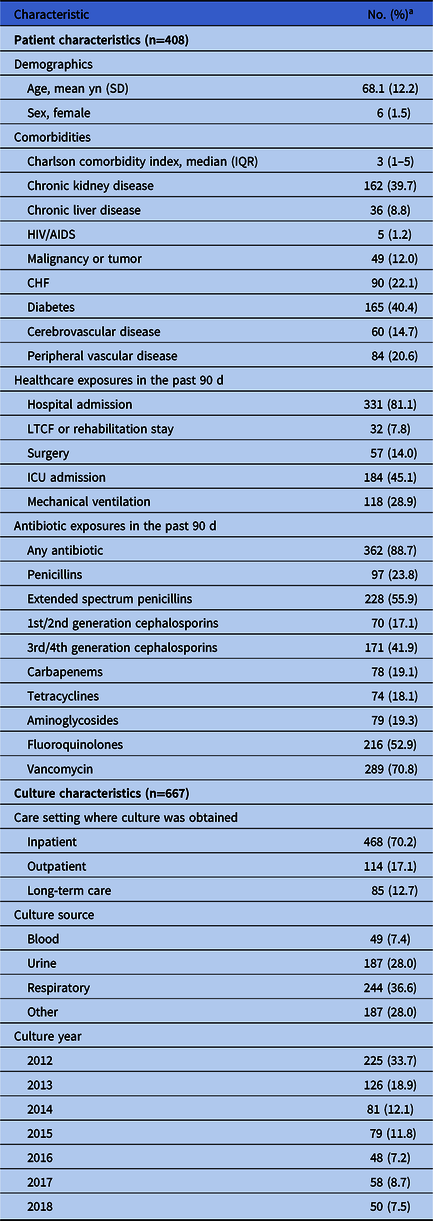
Of 11,546 unique patients with 15,364 cultures that grew A. baumannii during the study period, 408 (3.5%) patients had 667 (4.3%) cultures that grew XDRAB. Patient demographics, clinical characteristics, and culture characteristics are in Table 1. Most patients were older men, and many had comorbidities such as diabetes (n = 165, 40.4%) and chronic kidney disease (n = 162, 37.9%). Most cultures were obtained from inpatients (n = 468, 70.2%), and the greatest proportion of isolates came from the respiratory tract (n = 244, 36.6%) followed by urine (n = 187, 28%). The proportion of all XDRAB isolated during the study period that occurred each study year decreased from 33.7% in 2012 to 7.5% in 2018.
Patient Demographics, Clinical and Culture Characteristics, and Exposures

Note. SD, standard deviation; IQR, interquartile range; HIV/AIDS, human immunodeficiency virus/acquired immune deficiency syndrome; CHF, congestive heart failure; LTCF, long-term care facility; ICU, intensive care unit.
a Data reported are number (%) unless otherwise indicated.
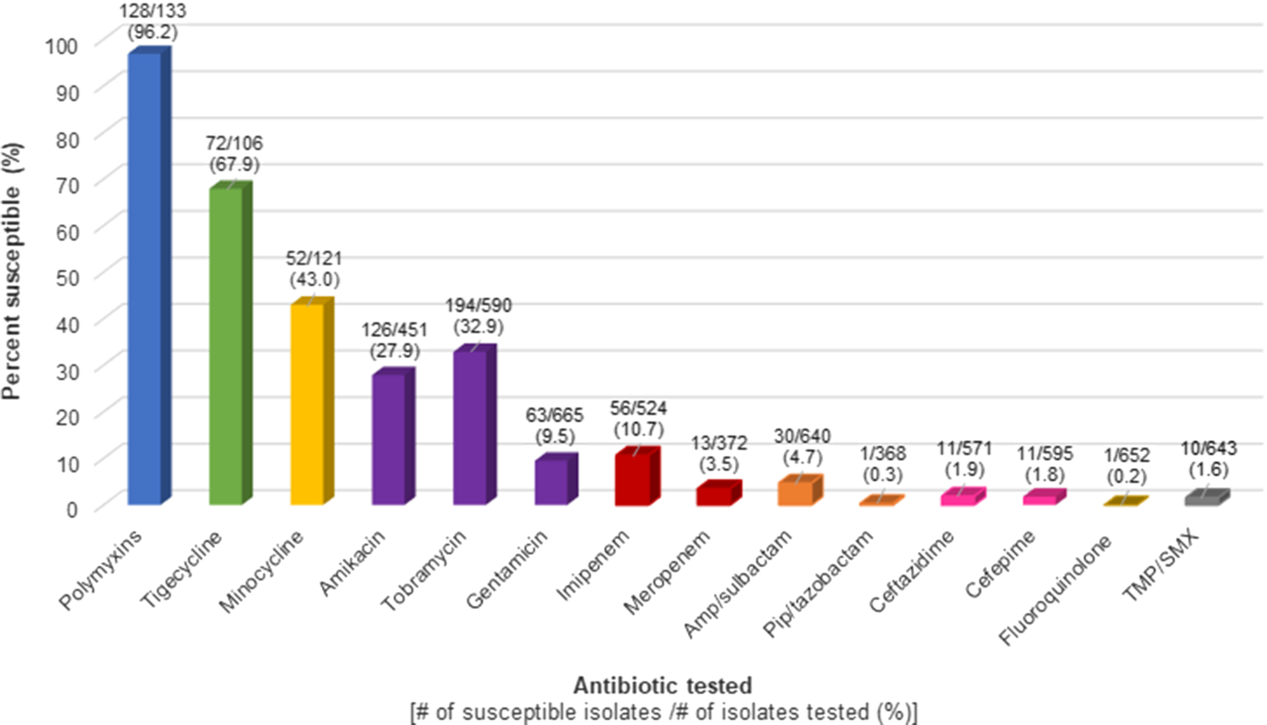
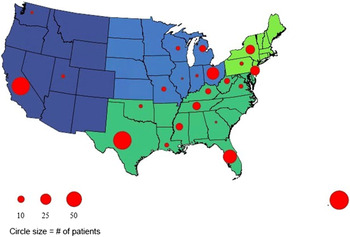
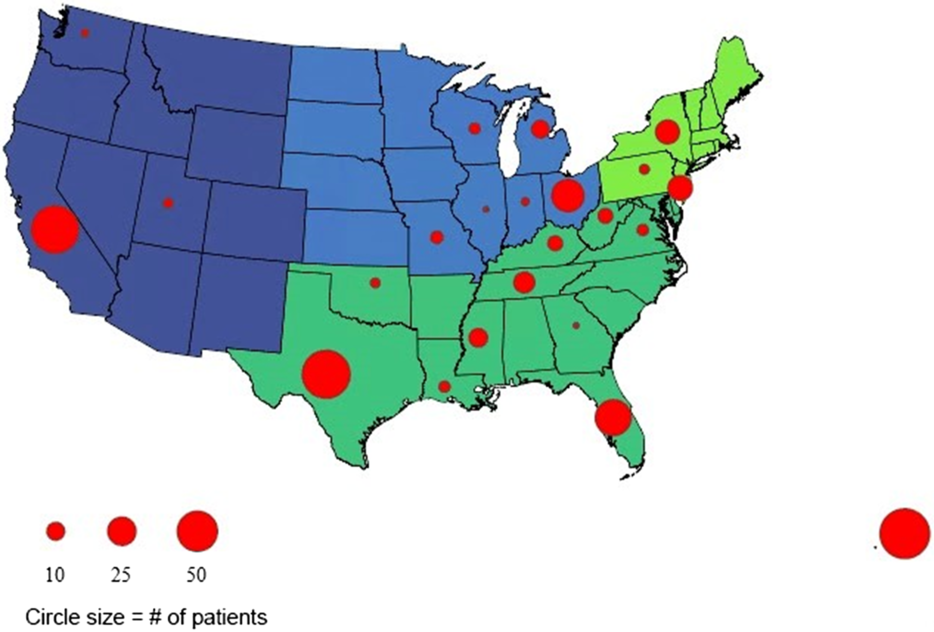
Most patients (n = 362, 88.7%) had antibiotic exposures in the 90 days prior to their XDRAB culture, with vancomycin (n = 289, 70.8%) and extended-spectrum penicillins (n = 128, 55.9%) being the most common. Most patients (n = 331, 81.1%) also had a hospital or long-term care admission in the prior 90 days, with nearly half (45.1%) having an ICU admission and nearly a one-third (28.3%) having had mechanical ventilation in the prior 90 days. Antibiotic susceptibilities of the XDRAB isolates were variable (Fig. 1). Polymyxins (n = 128 of 133; 96.2%), tigecycline (n = 72 of 106, 67.9%), and minocycline (n = 52 of 121, 43.0%) demonstrated the highest susceptibility. By contrast, susceptibilities to anti-pseudomonal fluoroquinolones and extended-spectrum penicillins were quite low at 0.2% and 0.3%, respectively. The geographic distribution of VAMCs with patients with XDRAB is shown in Fig. 2. Overall, XDRAB cultures were identified from patients at 41 VAMCs in 23 states and Puerto Rico. The Southern region (which included Puerto Rico) had the largest proportion of patients with XDRAB (n = 162, 39.7%), while the Midwest had the smallest (n = 55, 13.5%). Almost all patients were cared for at urban VAMCs (n = 404, 99%).
Percentage of extremely drug-resistant extensively drug-resistant Acinetobacter baumannii (XDRAB) isolates testing susceptible to key antibiotics. Individual antibiotics are grouped into relevant classes by color.

Geographic distribution of patients with extensively drug-resistant Acinetobacter baumannii (XDRAB) cultures in Veterans’ Affairs medical centers (VAMCs). Circle size corresponds to the number of patients with XDRAB cultures at VAMCs in that state or territory (Puerto Rico). Varying color shades indicate US Census Bureau regions.
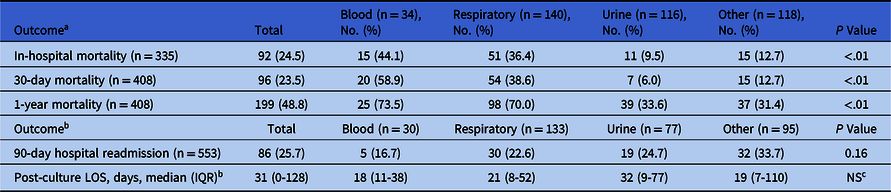
Clinical outcomes for patients with XDRAB are shown in Table 2. Almost a quarter of patients died within 30 days following their XDRAB culture. When analyzed by culture source, all mortality outcomes were significantly more frequent in patients with XDRAB from blood cultures compared to respiratory, urine, and other culture sources. Hospital readmission within 90 days and length of stay (LOS) were calculated for the subset of patients whose cultures were obtained from inpatient or long-term care facility (LTCF) settings. The median postculture LOS was high at 31 days. Neither outcome differed significantly by culture source. When patients with cultures obtained from LTCF settings were excluded, postculture LOS decreased for urine specimens [median, 22 days (IQR, 8–49) vs 32 days (IQR, 9–77)] and other culture sources [12 days (IQR, 6–55) vs 19 days (IQR, 17–110)] but remained relatively unchanged for blood samples [16 days (IQR, 9–32) vs 18 days (IQR, 11–38)] and respiratory culture sources [20 days (IQR, 8–42) vs 21 days (IQR, 8–52)].
Clinical Outcomes in Patients With extensively drug-resistant Acinetobacter baumannii (XDRAB)
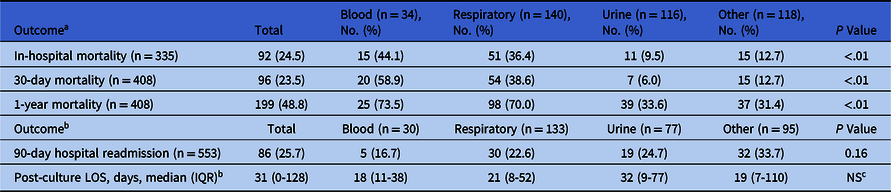
Note. LOS, length of stay; IQR, interquartile range.
a These outcomes are reported at the patient level. In-hospital mortality is reported for the subset of patients with unique cultures obtained from inpatient or LTCF settings.
b These outcomes are reported at the unique culture level and were calculated for the subset of cultures obtained in inpatient or LTCF settings. Post-culture LOS was summed for all unique hospital and LTCF admissions.
c P values were calculated for each individual comparison and were all non-significant with P > .008.
Discussion
National CDC surveillance data have shown that overall incidence of MDRAB infections remains low compared to other MDROs Reference Bulens, Yi and Walters2 ; however, MDRAB can cause severe, nosocomial infections with higher attributable mortality and fewer antibiotic treatment options compared to many other MDROs. Reference Falagas and Rafailidis4,Reference Nelson, Schweizer and Perencevich13 Therefore, accurate and up-to-date characterization of the epidemiology and outcomes of diverse patient populations with MDRAB and XDRAB is critical to inform local and national surveillance, to guide infection prevention and antibiotic stewardship efforts, and to assist clinicians in management of these infections.
In this national cohort study of veterans with XDRAB cared for at >40 different geographically diverse VAMCs, we found an overall low prevalence of XDR (3.5%) among patients with A. baumannii. Furthermore, the proportion of all XDRAB cultures that were isolated each study year decreased over time, from a high of 33.7% in 2012 to 7.5% in 2018. This decrease is consistent with NHSN data on healthcare-associated infections, where the percentage of A. baumannii that were carbapenem-resistant decreased from 58% in 201114 to 39% between 2015 and 2017, Reference Weiner-Lastinger, Abner and Edwards7 as well as data recently published from a national cohort of US hospitals where the incidence of carbapenem-resistant A. baumannii decreased between 2012 and 2017 from 3.33 to 2.47 per 10,000 hospitalizations. Reference Jernigan, Hatfield and Wolford15 Similar to many healthcare systems, the VA implemented various infection prevention and antimicrobial stewardship interventions during our study period that likely contributed to decreases in multiple MDRO types, including MDRAB. Reference Goto, O’Shea and Livorsi16 Decreases may also be due to changes in factors specific to the virulence and spread of Acinetobacter.
Most patients in our study were older, with chronic comorbidities and recent healthcare and antibiotic exposures, and most cultures were collected from the respiratory or urinary tract. Recent prior healthcare and antibiotic exposures have been shown in multiple other studies to correlate strongly with an increased risk of MDRAB. Reference Bulens, Yi and Walters2,Reference Ramanathan, Suda and Fitzpatrick3 Furthermore, almost all XDRAB cultures were collected from patients at urban VAMCs, with the South having the greatest proportion of patients. Geographic variability in the epidemiology of MDRAB and other MDROs has been described, and may stem from local spread of resistant clonal isolates, regional differences in antimicrobial stewardship, variability in infection control practices, or other factors. Reference Bulens, Yi and Walters2,Reference Guh, Bulens and Mu17 Taken collectively, this epidemiologic data informs clinicians and infection control practitioners to have heightened suspicion for XDRAB in patients with prior healthcare and antibiotic exposures, particularly if they have respiratory or urinary tract infections and are being cared for at urban medical centers.
Another interesting finding from our study was that 2 of the most common prior antibiotic exposures in patients with XDRAB were extended spectrum penicillins and antipseudomonal fluoroquinolones. Although we did not report on treatments, one possibility for the high exposure to these classes is that they are common empiric antibiotics prescribed for infections frequently caused by XDRAB (eg, sepsis, nosocomial pneumonia, complicated urinary tract infections). Unfortunately, our data showed almost negligible susceptibility of XDRAB isolates to these antibiotic classes, highlighting the low likelihood that common empiric antibiotic regimens are appropriate for patients with XDRAB infections. Multiple studies have identified associations between delays in appropriate antibiotic treatment and increased mortality in patients with MDRAB, Reference Falagas and Rafailidis4,Reference Fitzpatrick, Ozer, Bolon and Hauser5 which may partly account for the poor clinical outcomes we observed. Many new antibiotics (eg, ceftazidime/avibactam, ceftolozane/tazobactam, meropenem/vaborbactam, imipenem/relebactam) have fewer toxicities compared to existing treatments for MDR gram-negative bacteria but lack activity against MDRAB, Reference Zhanel, Lawrence and Adam18,Reference Sader, Castanheira and Flamm19 often leaving polymyxins, tigecycline, and minocycline as the only treatment options. These drugs have substantial limitations, including high rates of adverse reactions and limited efficacy for certain infection sites. Thus, additional studies are needed to determine the effectiveness and outcomes of various treatment regimens for XDRAB, and drug development pipelines for novel antibiotics with activity against XDRAB should be supported. Reference Fitzpatrick20
Finally, clinically outcomes in patients with XDRAB were generally poor. Almost a quarter of patients died within 30 days following the positive culture, and almost half of patients had died within a year after a positive culture. Among inpatients and those in LTCFs, a quarter were rehospitalized within 90 days, and median post-culture LOS was a month. As anticipated, outcomes were worse for patients with positive blood and/or respiratory cultures compared to urine or other cultures, which may indicate a greater likelihood that XDRAB cultured from nonblood, nonrespiratory sources reflects colonization rather than true infection. Isolation of XDRAB has been associated with high in-hospital and 30-day mortality in prior studies. Reference Hsu, Apisarnthanarak, Khan, Suwantarat, Ghafur and Tambyah8-Reference Jean, Hsieh, Lee, Hsueh, Hsu and Lam10 Although some of this association is explained by the propensity of Acinetobacter to infect hospitalized, medically complex patients with high baseline risk for mortality, prior studies have shown substantial attributable mortality from MDRAB infections specifically. Reference Falagas and Rafailidis4,12
Our study had several important limitations. First, it was retrospective and observational, and, consistent with our aim to provide a descriptive analysis, did not include a comparator group of patients with susceptible Acinetobacter cultures. Second, our study was conducted using VA data and may not be fully representative of XDRAB epidemiology in non-VA populations. Third, although the national VA databases used in this study were necessary to amass a large and diverse cohort with a low-prevalence MDRO such as XDRAB, they lacked key information regarding presence of indwelling devices and variables needed to differentiate colonized versus infected patients from those with true infection. We hypothesized that patients with XDRAB isolated in the blood or respiratory tract may have been more likely to have true infection than those with urine or other cultures, and our observation of worse outcomes for these patients supports this hypothesis. However, many of the respiratory tract cultures may also have been colonization, and patients with XDRAB blood and respiratory tract cultures could also have been more medically complex and had greater healthcare and antibiotic exposures. Finally, the identification and reporting of bacterial susceptibilities by individual VA microbiology labs is expected to follow Clinical and Laboratory Standards Institutes guidelines, but THEY may have varied during the study period, leading to limitations in the accuracy of XDRAB identification and aggregated antibiotic susceptibilities reported.
In conclusion, the proportion of A. baumannii isolates in the VA that were XDR was low overall (3.5%), with substantial decreases noted between 2012 and 2018. XDRAB was more common among patients with recent healthcare and antibiotic exposures who were cared for at urban VAMCs. XDRAB was associated with poor clinical outcomes and demonstrated extremely limited antibiotic susceptibilities. Therefore, providers should continue to suspect XDRAB infection in patients with these epidemiologic risks and should continue to monitor and disseminate local surveillance and antibiogram data for this pathogen.
Acknowledgments
The views expressed in this article are those of the authors and do not necessarily reflect the position or policy of the Department of Veterans’ Affairs or the US government.
Financial support
This work was supported by The Department of Veterans’ Affairs, Veterans’ Health Administration, Office of Research and Development, Health Services Research and Development IIR 16-028 (principle investigator, Charlesnika Evans).
Conflicts of interest
All authors report no conflicts of interest or financial disclosures relevant to this article.