Introduction
All of the food crops grown on a large commercial scale in the UK originate from other countries where their wild ancestors were first brought into cultivation, domesticated and gradually developed in different regions to create the crops grown today. Grain crops such as barley, rye and wheat; roots and tubers such as carrot, parsnip, turnip and potato; leafy and salad vegetables such as cabbage, leaf beet and lettuce; legumes such as broad and French bean, and pea; fruits such as apple, cherry, grape, plum and pear; and flavorings such as garlic and onion are all thought of as ‘traditional’ in the UK because they have been in cultivation in the nation for several hundred years. However, there are number of crops cultivated in the UK that have either been introduced relatively recently, or that have been cultivated in the nation for longer but have not yet been considered for commercial exploitation. These non-traditional or ‘exotic’ crops (also sometimes referred to as ‘specialty’, ‘ethnic’ or ‘alternative’) are plant taxa (species, subspecies or botanical varieties) that are grown in relatively small quantities and which are not traditionally cultivated in a country or region (Jones, Reference Jones2005; Hingley et al., Reference Hingley, Lindgreen and Beverland2009). They may be traditional crops of immigrants or have found a renewed interest from the local populous (Jones, Reference Jones2005). An example of a recently introduced exotic crop is kiwifruit, Actinidia deliciosa (A. Chev.) C.F. Liang & A.R. Ferguson which was grown by the Royal Horticultural Society (RHS) and flowered for the first time in the UK in around 1909—however, due to the impacts of war and harsh winters, it was not proposed as a possible fruiting crop for England until the 1970s (Morton, Reference Morton and Morton1987). Other crops, such as ‘calalloo’, (Amaranthus L. species), ‘bottle gourd’ or ‘dudi’ [Lagenaria siceraria (Molina) Standl.], ‘honeyberry’ (Lonicera caerulea L.) and ‘goji berry’ (Lycium chinense Mill.) were cultivated as ornamental novelties in England as early as the 16th and 17th centuries (Sanders and Hellyer, Reference Sanders and Hellyer1971), but have only been grown as edible crops in the UK since around 1950 when people who immigrated grew them for consumption. Exotic crops are distinct from exotic cultivars, which are cultivated varieties of traditional crops (i.e., those traditionally grown in a country) but with an exotic origin. An example of an exotic cultivar is climbing French bean (Phaseolus vulgaris L. var. vulgaris) ‘Cherokee Trail of Tears’—a cultivated variety of a crop traditionally grown in the UK that originated in the USA.
Today, exotic crops are frequently grown in home gardens, allotments and community gardens in the UK and are often intimately linked with the ethnic origins of the growers. For example, at Spitalfields City Farm in London, women from the east London Bangladeshi community grow a wide range of exotic crops via the Coriander club (Hockridge, Reference Hockridge2006). The relationship between specific crops and ethnic identities has already been documented—for example, one study found that maize, squashes and calalloo are frequently cultivated by Afro-Caribbean gardeners, while salad crops, beans and tomatoes are grown by Italian plot holders, and Indian growers favor the cultivation of a wide range of herbs (Perez-Vazquez et al., Reference Perez-Vazquez, Anderson, Rogers and Mougeot2005). In some instances, interactions between different ethnic groups may result in a fusion of different customs and lifestyles (Purdue, Reference Purdue2000)—a trend that is likely to increase the demand for exotic crops and thus have an important impact on the crop diversity available in the UK.
Many exotic crops have entered into commerce, reflecting not only the cosmopolitan nature of the UK population, but also a general and widespread interest in a diverse range of food genres. This is evidenced by the monetary value of exotic crops: in 2001, the value of the UK exotic vegetable market was estimated at £419 million and the exotic fruit market at £219 million—growth rates of 62 and 65% since 1997, respectively (Huxley, Reference Huxley2003). The current value of the exotic fruit and vegetable market in the UK is hard to come by as figures are generally not available for the entire market. However, some examples of the 2012 UK market value of individual exotic crops are pak choi valued at £4,777,000, ginger at £2,029,000 and sweet potato at £36,607,000 (Jupe, Reference Jupe2013), illustrating the significant value of these vegetables in modern commerce. This exponential growth rate in the commercial market for exotic fruits and vegetables is likely in part to be a manifestation of the UK's increasingly multicultural society. In the 1991 national census, approximately three million people described themselves as belonging to non-white ethnic groups, including Indian, Pakistani, Bangladeshi, Chinese, Black Caribbean and Black African. This number rose to 4.6 million in 2001 and has now risen to more than six million. These ethnic groups play a key role in contributing to the overall culture of the UK, especially with regard to the dynamic nature of food culture (Lindgreen and Hingley, Reference Lindgreen and Hingley2009).
Although much of the exotic fruit and vegetable produce sold in the UK is imported from overseas, some farmers are growing exotic crops in the UK, realizing that there is a profitable market. For example, an Essex farmer expanded from growing Bangladeshi vegetables in his allotment to commercial production on his organic farm for sale in local shops in his London community, while a journalist who moved from Zimbabwe to the UK started to grow the crops he missed and now cultivates white maize for sale to the African community across the country (Hockridge, Reference Hockridge2006). Another example is a farmer in West Yorkshire who started to grow specialty Asian crops on the suggestion of the local Asian gardening group who cultivate allotments close to the farm. This diversification was a financial lifeline for the farmer, who previously had produced only dairy produce and cereals (Hockridge, Reference Hockridge2006). The same author lists a number of exotic vegetable crops that she believes have potential for commercial cultivation in the UK, including calalloo, sweet potato, okra and quinoa.
The increase in demand for exotic vegetables by the mainstream population in recent years may also be influenced by increased wealth and relative ease of foreign travel, along with the promotion of exotic cuisine by TV chefs and other food media (Mintel Group Ltd., 2002). It has also been reported that the main purchasers of exotic foods are shoppers who also seek quality, innovation and variety (Huxley, Reference Huxley2003). In addition, globalization of food supplies is likely to have played a role in increased popularity, making ethnic foods more widely available and accessible (Church et al., Reference Church, Gilbert and Khokhar2006). However, despite the supply chain being dominated by international players, a 2003 UK food report acknowledged a trend toward sourcing home grown produce (Huxley, Reference Huxley2003). An increase in the local cultivation of exotic crops may avoid the freight costs and reduce the carbon footprint involved in transporting exotic produce around the world and respond to recent concerns over food miles and global climate change (Morgan and Morley, Reference Morgan and Morley2002). Indeed, climate change in itself may be considered a factor likely to elevate the importance of exotic crops. Where growth is not limited by water or nutrient supply, rising carbon dioxide levels and a longer growing season may increase the likelihood of growth and survival of such novel crops in the UK (Maracchi et al., Reference Maracchi, Sirotenko, Bindi, Salinger, Sivakumar and Motha2005). Results of a study into European commercial plant nurseries showed that 73% of garden species are able to survive an average of 1000 km further north than their known natural range limits (Van der Veken et al., Reference Van der Veken, Hermy, Vellend, Knapen and Verheyen2008).
Although we know that there is a wide range of exotic crops cultivated in the UK, there has previously been no specific research into the number, location and maintainers of these crops. Many of the exotic crops and varieties cultivated successfully in the UK (except for those formally bred for the UK environment by commercial breeders) are likely to have been subjected to multiple rounds of selection and seed saving over a number of years, enabling them to acclimatize to our temperate climate. As a consequence, they are often maintained by the older generation and unless people are willing or given the opportunity to become a guardian of these crops, they are under threat of extinction once the original maintainer dies. Furthermore, little of the experience and knowledge of growing exotic crops in the UK has previously been documented. Garden Organic recognized a need to create an inventory of exotic crops grown in the UK and to document their uses, special characteristics, growing requirements, where they are grown and by whom, as well as to actively promote the importance and continued cultivation of these unique and diverse crops. In addition, by collecting and conserving seed samples in a safe seed bank facility, further research can be carried out into the diversity and cultivation requirements of these crops, as well as ensuring that they will not be lost if their cultivation in gardens and allotments is discontinued. To collect a sample of this diversity and knowledge, Garden Organic initiated the Sowing New Seeds project (2010‒2015) (Garden Organic, no date a). The first stage of the project was the implementation of a survey of allotments in the Midlands region with the objectives of: (a) identifying the exotic crops cultivated, (b) characterizing the demography of those who grow them, (c) understanding their direct use values, and (d) assessing their potential indirect use value for the diversification and improvement of other crops.
Survey of Exotic Food Crops Cultivated in Allotments
Allotments in the UK
Allotments have been an important feature of urban areas in the UK for more than 100 yr. In 1908, the Small Holdings and Allotments Act came into force, which placed a duty on local authorities to provide allotments according to demand, and after the First World War, land was made available to all through the 1919 Land Settlement Facilities Act (The National Allotment Society, 2013). The 1922 Allotments Act was instrumental in strengthening the rights of allotment holders, but the most important change came about with the 1925 Allotments Act, which ‘established statutory allotments which local authorities could not sell off or covert without Ministerial consent’ (The National Allotment Society, 2013). Today, district authorities, unitary authorities and local councils are responsible for the management of UK allotments. The demand for allotments has increased exponentially in the last two decades. A 1996 survey of allotment waiting lists carried out by the National Society of Allotment and Leisure Gardeners (NSALG) revealed that at that time there was an average of only four people waiting per 100 plots (Crouch, Reference Crouch1997). This figure increased to 49 people per 100 plots in 2009 and to 59 in 2010 (Campbell and Campbell, Reference Campbell and Campbell2011). The number of people and the amount and value of the produce grown in UK allotments is staggering—it has been estimated that an excess of 200,000 tons of fresh fruit and vegetables is produced annually by some 300,000 families tending UK plots, and that this produce is worth around £560 million (Pretty, Reference Pretty2002).
The city of Birmingham in the Midlands, which has a population of over 1.1 million people (Birmingham City Council, 2013), has the largest supply of allotments of any local authority in the UK with 113 sites containing nearly 7000 plots (Birmingham City Council, no date), and in the early years of the 21st century, the city saw a significant rise in demand for allotments, particularly in the west (A. Stagg, personal communication, Birmingham City Council Allotment Service, 2010). Birmingham is renowned for its cultural diversity, which is a result of a long history of immigration into the city. In the 2011 Census for England and Wales, 42% of Birmingham residents classified themselves as being from a mixed/multiple, Asian/Asian British, Black/African/Caribbean/Black British, or another ethnic group other than White (Office for National Statistics, 2012). Nurturing culturally defined crops in allotments may help immigrants to maintain their identity (Hope and Ellis, Reference Hope and Ellis2009). Indeed, included within Policy 24 of the Birmingham Parks and Open Spaces Strategy is the objective to ‘support access to allotment sites for asylum seekers, newly arrived people and other socially disadvantaged groups’ (Birmingham City Council, 2006). A number of community groups in Birmingham use agricultural activities based in allotments, community gardens and parks as a means to aid the integration of recent migrants. Projects include ‘Concrete to Coriander’ in Small Heath Park, ‘Confused Spaces’ in Balsall Heath and community vegetable growing in Georges Park, Lozell's (Black Environmental Network Publications, 2005). Other cities in the Midlands with a significant number of allotment sites and included in this survey include Leicester, with 45 sites, 13 of which are owned by the City Council, the rest managed by local allotment societies (Leicester City Council, no date), Nottingham, with 38 main sites run by the City Council or private associations (J. Tarrant, Nottingham City Council Allotments Team, personal communication, 2017), and Coventry, with 40 sites (London Road Allotment Association, 2011), 20 of which are operated by the City Council (Coventry City Council, 2017).
Survey method
The survey of allotments in the Midlands region was carried out in 2010 and involved the participation of 107 plot holders from 31 allotment sites, primarily located in Birmingham but with the addition of a small number of sites in Coventry, Leamington, Leicester, Nottingham, Smethwick and Wednesbury. Information was collected using a questionnaire, which was either completed by the researchers during face-to-face interviews with plot holders, or remotely by the respondents either in hard copy or online. The questionnaire was structured in two main parts. The first part collated information on: (i) participant details, including age, gender and ethnicity; (ii) site details, including the number of plots cultivated, location, size and other plot attributes such as soil type and growing facilities; (iii) crops grown, noting reasons for growing them and the cultivation practices used; (iv) cultivar preferences and seed saving/swapping; and (v) sources of knowledge used to cultivate the crops. The second part collated information on the cultivation requirements of selected crops or cultivars of the plot holder's choice. Here we present results drawn from the first part of the survey to contribute to knowledge on the exotic crops cultivated in the UK, their direct use values for those who grow them, as well as their potential indirect use value as sources of genetic diversity for the diversification and improvement of other crops. Results of the second part of the survey were used to inform the cultivation requirements of crops collected for subsequent characterization at Garden Organic's Heritage Seed Library (HSL) (see Garden Organic, no date b).
Exotic food crops recorded
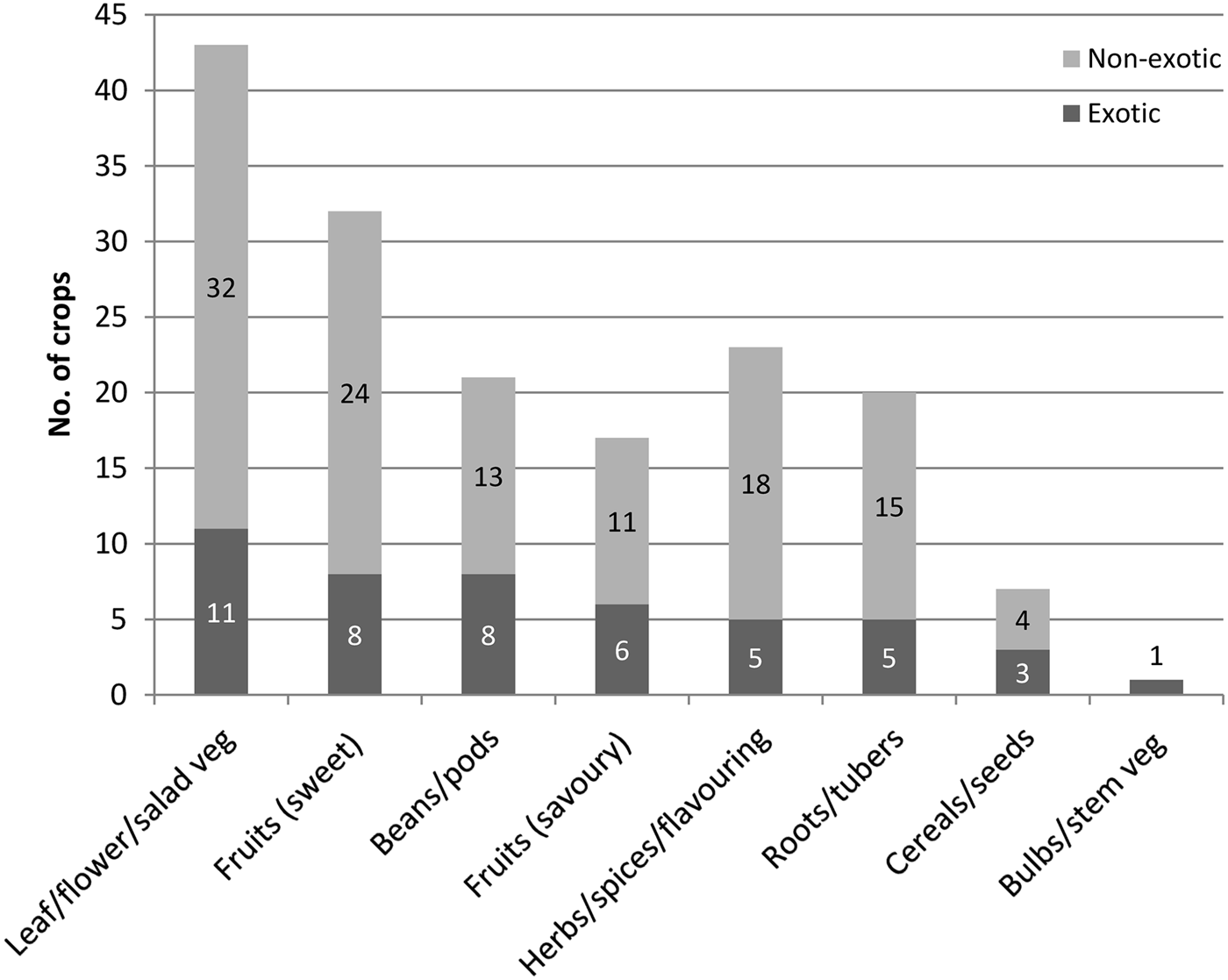
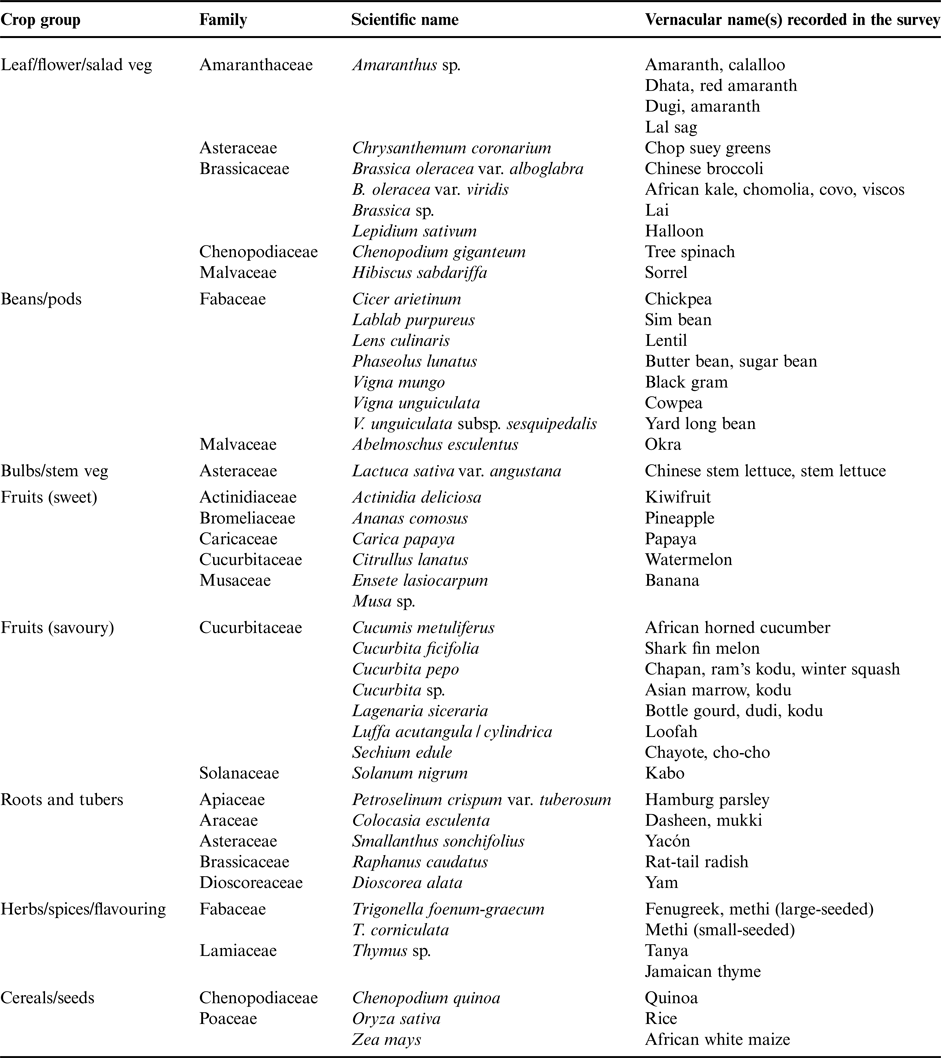
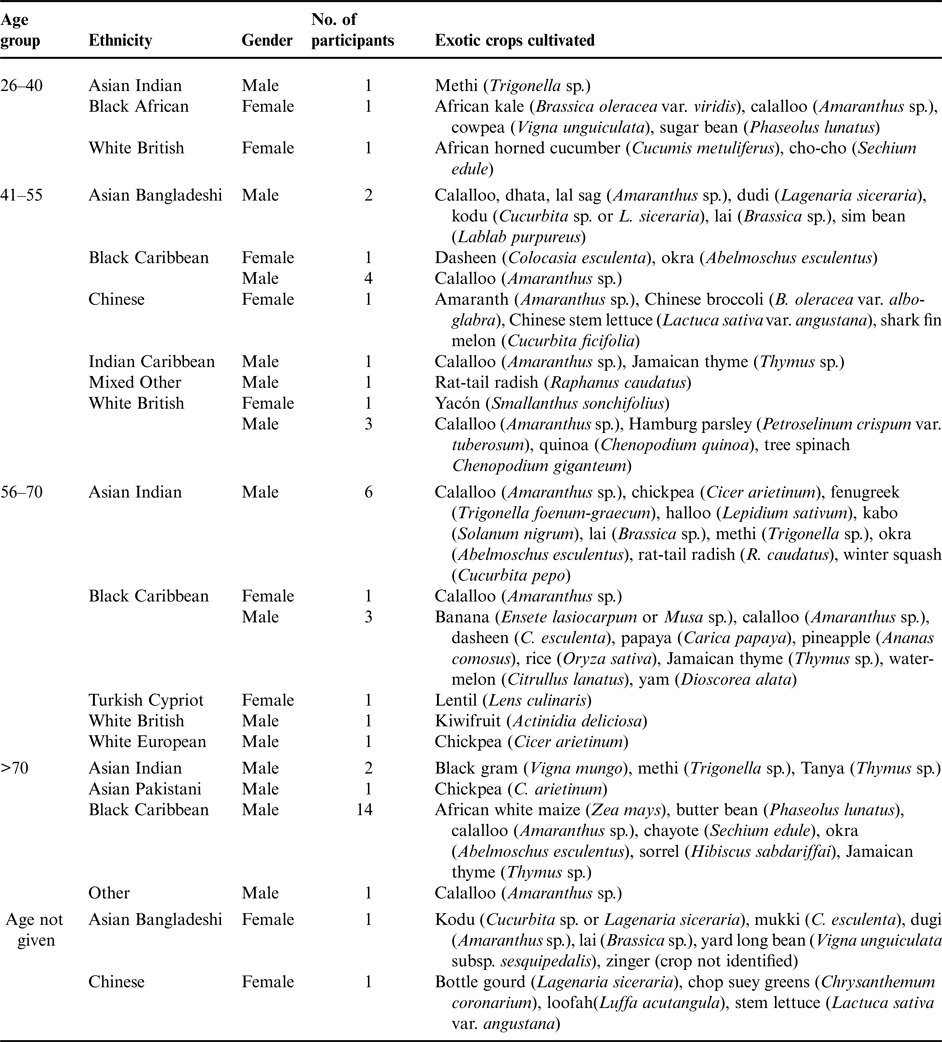
In 2010, more than 170 traditional and exotic food crops in 28 flowering plant families were cultivated in 145 or more plots at the 31 allotment sites sampled, of which 46 (26%) are exotic. The precise number of distinct crops is unknown because of the range of common names that may be used to refer to the same crop or one name that may be used to refer to two or more different crops. In many cases, it is possible to standardize common names, for example, ‘calabrese’ can be grouped with ‘broccoli’, ‘salad onion’ with ‘spring onion’ and ‘corn’ with ‘sweetcorn’. The nomenclatural situation is further complicated by different ethnic groups having their own common name for the crops they cultivate. Some names are difficult to resolve, for example, ‘sag’ may refer to any type of leafy greens, ‘kodu’ to a range of cucurbits (marrow, pumpkin, squash, bottle gourd, etc.) and ‘methi’ to two different species of Trigonella L., depending on whether the crop is small- or large-seeded. Table 1 lists the exotic crops recorded. Apart from calalloo, which was recorded 31 times, these exotic crops were recorded a maximum of five times each. They are cultivated at 19 (61%) of the allotment sites included in the survey by 50 (47%) of the survey participants in 74 (51%) of the total allotment plots sampled. To highlight the proportion of exotic crops grown out of all crops recorded in the sample, Figure 1 shows the number of exotic crops cultivated per crop group compared with the number of non-exotic crops.
The number of exotic and non-exotic crops cultivated per crop group.

Exotic food crops cultivated at 19 allotment sites in the Midlands in 2010.

Crops are grouped according to their main uses. Important note: Solanum nigrum carries a risk of toxicity. It may be that the record of this crop in the survey is not pure S. nigrum, but S. americanum which closely resemble S. nigrum. The genetics of the nightshades are not fully researched and toxicity varies according to species, season, region of cultivation, climate conditions, age of leaf and cooking method.
Relationship between exotic food crops and demography
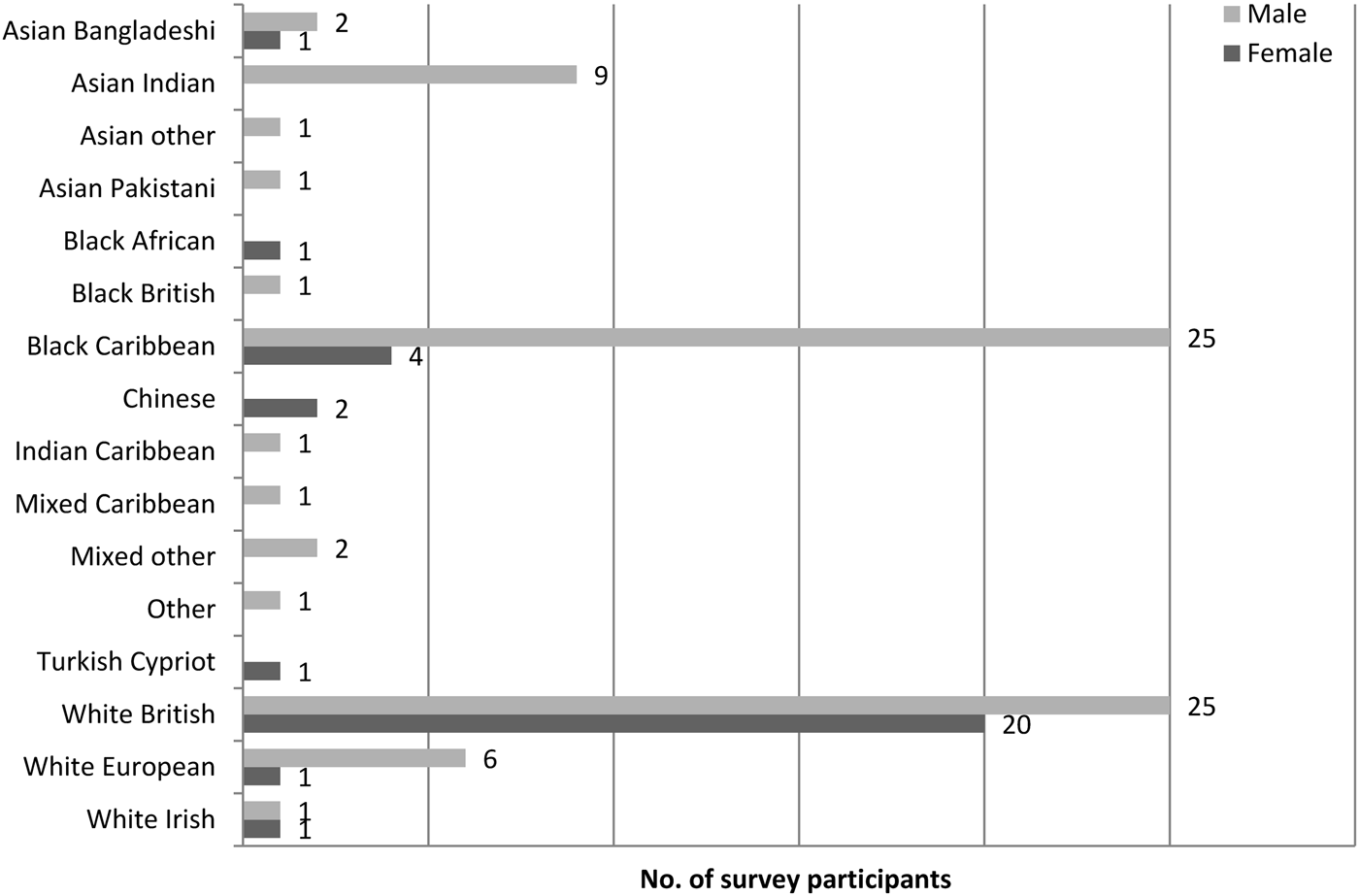
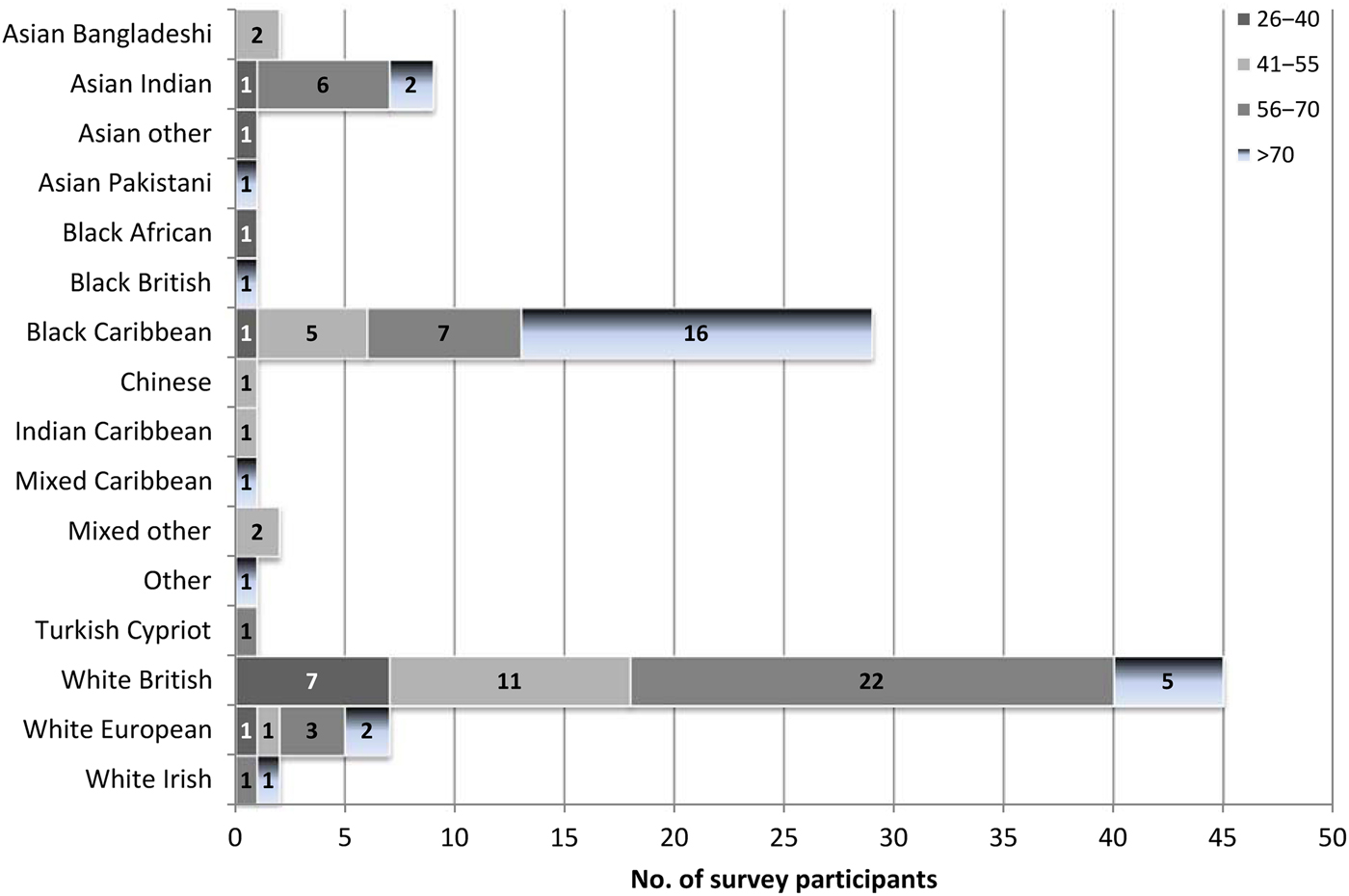
Sixteen ethnicities were recorded in the survey, including ‘mixed other’ and ‘other’ (Fig. 2)—however, participants in the ‘Asian other’, ‘black British’ and ‘mixed Caribbean’ groups did not report cultivation of exotic crops. The reasons for this are not clear and require further investigation. It may be that a larger sample size would give a different result. Seventy-one percent of all participants were male and 29% female. The majority of all participants (37%) were in the age group 56‒70 and the minority (11%) between the ages of 26 and 40 (Fig. 3). A significant percentage of all participants (28%) were aged 70 or over and 22% aged 41–55. Two participants did not provide their age. Participants in all age groups grow exotic crops. The high proportion (55%) of black Caribbean growers in the >70 age group is notable because it will be important that if they are growing unique crops and/or crop cultivars that they are passed on to younger generations to ensure that this diversity is not lost when they eventually cease to maintain them. The demographic details of the 50 plot holders who reported growing exotic crops and the crops they cultivate are shown in Table 2.
Ethnicity and gender of the survey participants.

Ethnicity and age groups of the survey participants.

Demography of plot holders who participated in the survey and who cultivate exotic crops, showing the crops grown.

Crop common names are as reported by the survey participants with corresponding scientific names in parentheses. Notes: African kale was reported by one plot holder under three different names—‘chomolia’, ‘covo’ and ‘viscos’, and winter squash was reported by one plot holder under two different names—‘chapan’ and ‘ram's kodu’. These may relate to different cultivars. Two different banana species are cultivated by one plot holder: Ensete lasiocarpum and Musa sp. Important note: Solanum nigrum carries a risk of toxicity. It may be that the record of this crop in the survey is not pure S. nigrum, but S. americanum which closely resemble S. nigrum. The genetics of the nightshades are not fully researched and toxicity varies according to species, season, region of cultivation, climate conditions, age of leaf and cooking method.
Reasons for growing exotic food crops in allotments
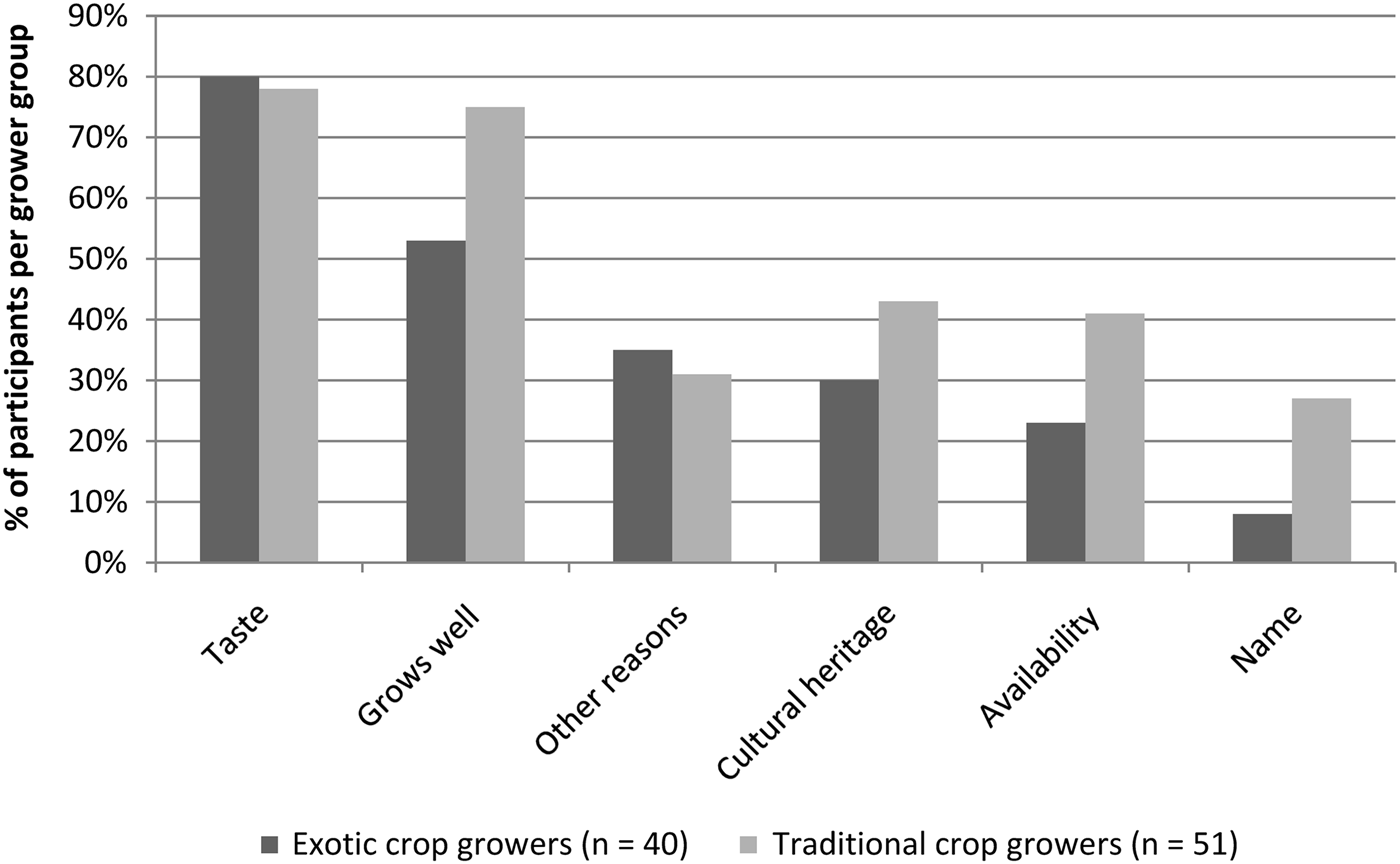
The general reasons for allotment holders in the Midlands growing their own food crops were explored and no significant difference was found between participants who grow exotic crops and those who only cultivate traditional crops. The majority of participants stated that they grow their own crops for: (a) the satisfaction of growing their own food, (b) the fact that the produce is fresher, and (c) for exercise and personal fitness. The availability of food crops and cost are the least important reasons. A range of other reasons were stated by participants, including care about environmental issues, religious purposes, giving food to others, enjoyment of being in touch with nature, relaxation and improved mood, and entering produce in competitions. When asked for their reasons for choosing particular crop varieties, both groups of growers cited taste as the predominant factor (Fig. 4). Interestingly, cultural heritage appears to be more important to those who only cultivate traditional crops than those who grow both traditional and exotic crops. This result seems somewhat counter-intuitive and it may be that a larger sample size would reveal less disparity between the two groups.
Reasons for choosing particular crop varieties, showing the percentages of participants in each of the two grower categories who selected each reason. This survey question was answered by 40 (80%) of the survey participants who grow exotic (and traditional) crops and 51 (89%) who only grow traditional crops.

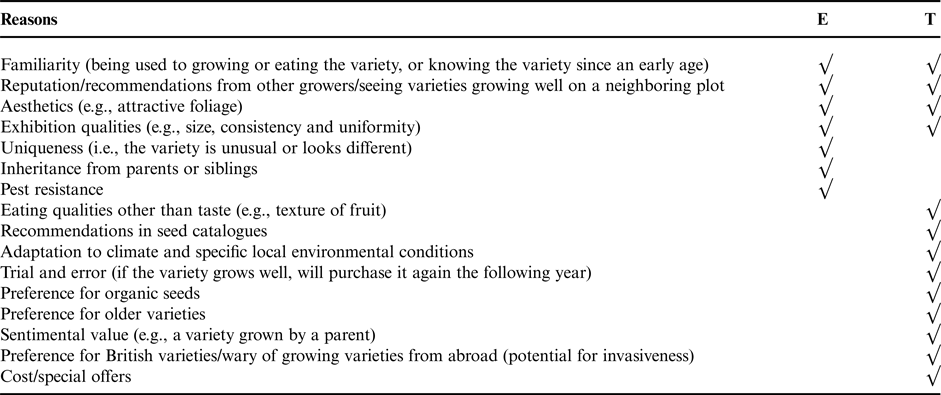
Table 3 shows the other reasons given by the survey participants for choosing particular crop varieties and reveals some differences between the two groups. For example, while participants who only grow traditional crops are concerned about using varieties that are adapted well to the region's climate and to local environmental conditions, cultivation of organic varieties, use of older varieties or those of sentimental value, as well as being influenced by seed catalogues, eating qualities other than taste, and cost, exotic crop growers cited uniqueness, family inheritance and pest resistance as important reasons. Familiarity, reputation and aesthetics influence the choice of varieties by both grower groups.
Other reasons given by survey participants for choice of crop varieties.

E, exotic crop growers; T, traditional crop growers only.
Seed sources and continuity in crop cultivation
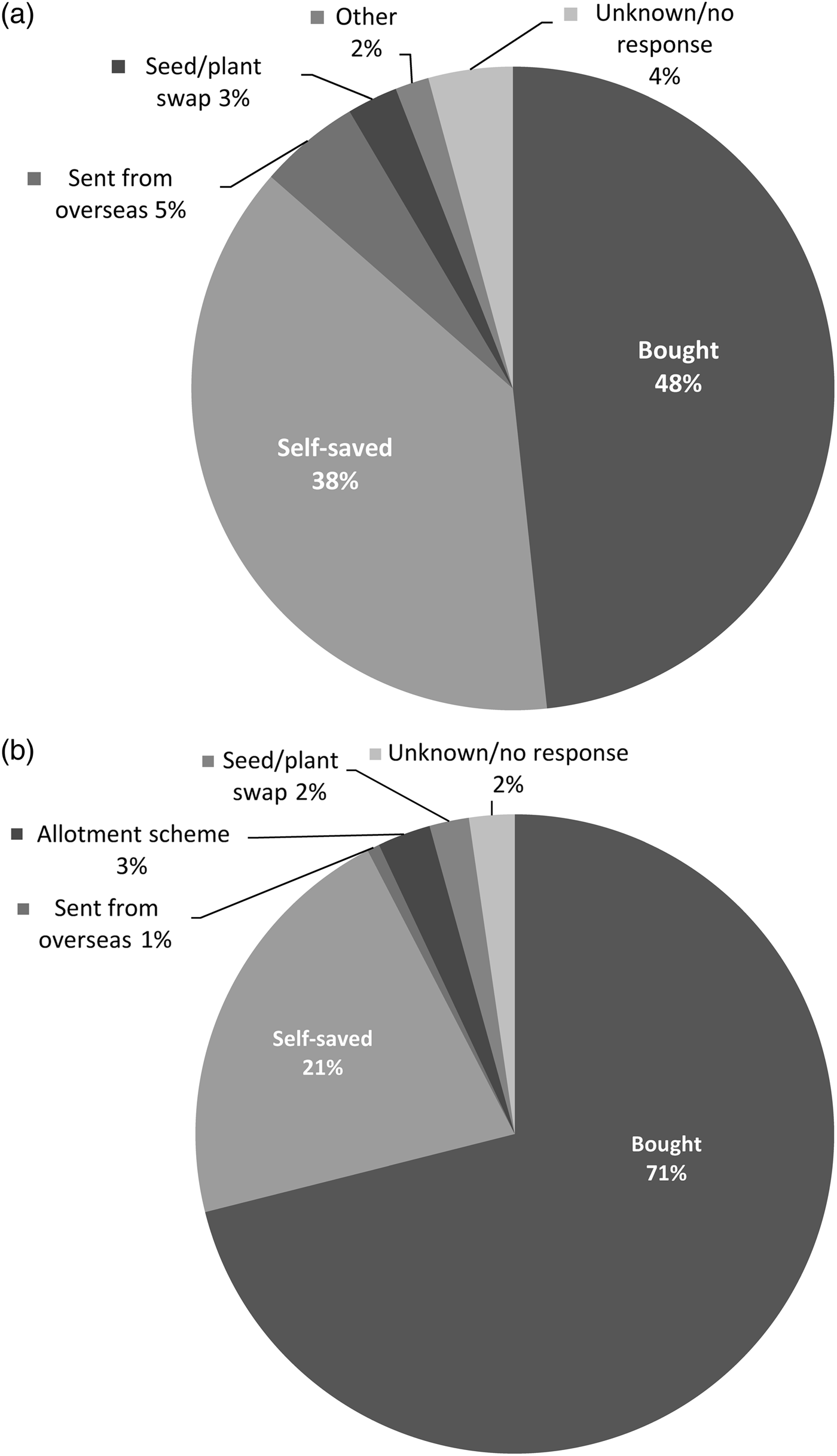
Survey participants were asked to provide information on the original source of the crops they grow to identify whether they are exotic taxa (species, subspecies or botanical varieties) or exotic cultivars, and to provide an insight into whether individual populations grown may potentially contain unique diversity. Figures 5a and 5b show the origin of the crops grown in the survey allotment plots. The percentages shown are the proportions of crop occurrences (or populations) and are based on 118 exotic crop occurrences and 2053 traditional crop occurrences. Not surprisingly, a higher percentage of exotic crop populations than traditional crop populations originate from self-saved propagation material (seed or cuttings) because these crops are generally not commercially available in the UK. Nonetheless, a significant percentage of exotic crop populations are also reported to have been bought, although they may have been bought overseas, from a grocery or from another grower. It is also notable that 21% of traditional crop populations originate from self-saved material, indicating that these crops, which are mostly commercially produced (only 2% of populations of exotic cultivars of traditional crops are sourced from self-saved material), may be slowly diversifying in response to grower selection in a range of growing conditions. Of the total crops recorded in the survey (more than 170), 101 (>50%) were reported by participants to be sourced from self-saved material. It is also encouraging to see that seed is being sourced from plant/seed swap events, again enhancing crop diversity and knowledge sharing. Figure 5b shows that 3% of traditional crop populations are sourced from allotment schemes. These schemes do not provide growers with exotic crops (Fig. 5a), nor indeed exotic cultivars.
(a) Origins of exotic crop populations (n = 118). (b) Origins of traditional crop populations (n = 2053).

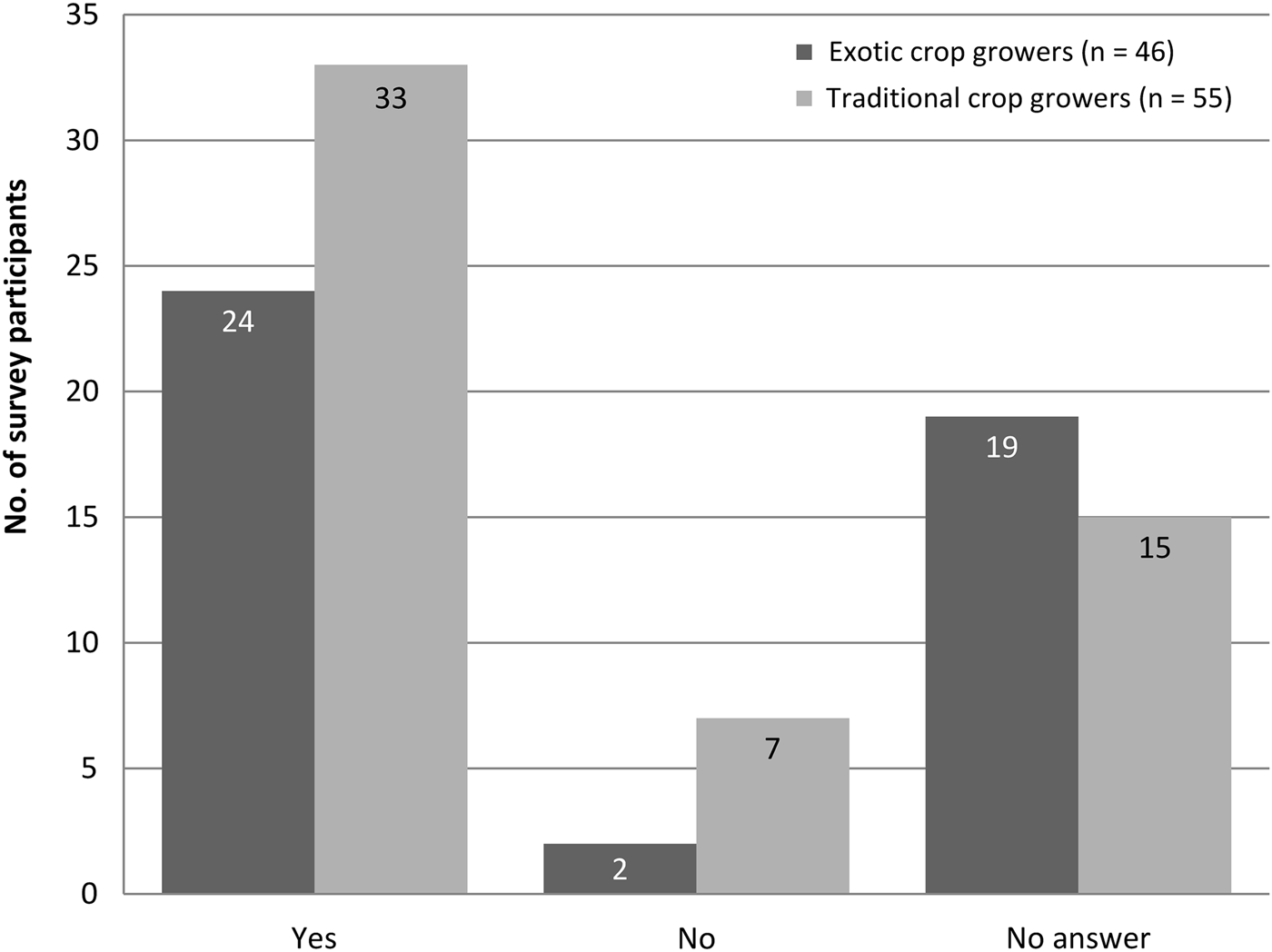
Figure 6 shows the numbers of participants in each grower group who save their own seeds. The results are based on a total of 101 survey participants—46 who grow both exotic and traditional crops and 55 who grow only traditional crops (six participants did not respond to the questions in this part of the survey). It is encouraging to find that a high percentage of participants (c. 56%) save seed from at least one or more of their crops for cultivation in the next growing season (Fig. 6a). This indicates that many of the crops grown in the plots are well-suited to the sites. The process of selecting, saving and replanting seeds from one season to the next also encourages greater diversity within and between crop populations, which makes the crop better adapted to local environmental conditions, less likely to fail due to adverse weather conditions or pest and disease attacks, and more likely to have a wider cropping window, thus avoiding gluts (Negri et al., Reference Negri, Maxted, Veteläinen, Veteläinen, Negri and Maxted2009). A high proportion of participants (c. 34%) did not answer the question about seed saving. Some appeared to believe it was illegal as they had heard it was against the law to sell seed of unregistered varieties and thought this applied to seed swapping as well. The results indicate that a higher percentage of growers of only traditional crops currently save their own seeds (60% versus 52%)—however, we cannot draw any conclusions from this because of the large number of participants who did not answer this question (41% of exotic crop growers and 27% of growers of traditional crops only). As well as a significant proportion of survey participants saving their own seeds, the majority (67% of exotic crop growers and 78% of those who grow only traditional crops) swap seeds with other growers. Seed swapping is another way of increasing crop diversity—by passing seeds on to other growers, those populations will (if grown successfully) adapt to the new site in which they are grown. This adaptation may take a number of years and may be very gradual, but the inherent genetic diversity within the crop will slowly evolve in response to changing environmental conditions, particularly if the grower that has received the seeds, also saves and replants seeds from one season to the next and in turn shares them with other growers.
Do survey participants save their own seed?

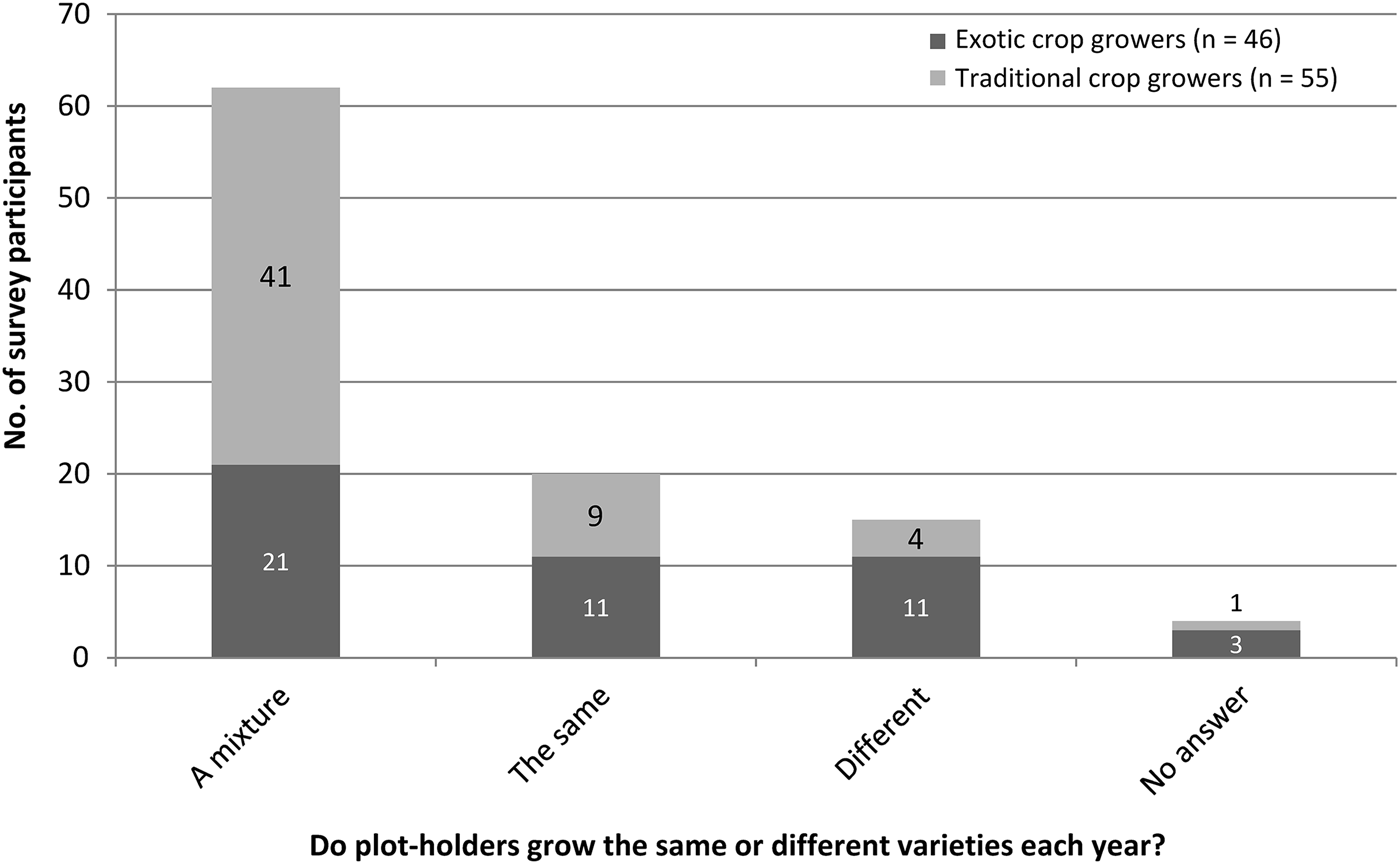
The surveyors also asked plot holders whether they grow the same varieties each year (Fig. 7) and whether they have grown particular varieties in the past that are no longer available to them. The majority of participants (61%) stated that they grow a mixture of the same and some new varieties each year, 20% that they always grow the same varieties each year, and 15% that they grow different varieties each year. Four participants did not answer this question. While the cultivation of different varieties of a range of crops each year provides growers with a wide range of produce and choice in any particular year, in terms of increasing and sustaining crop diversity and food security in the long term, it is the cultivation of the same varieties over many years of selection and seed saving that is important. We therefore need to know which growers are saving seed from the same crop varieties from one year to the next. A more in-depth study of specific crops cultivated by plot holders is required in order to ascertain exactly how many of the same crops and varieties are being grown over subsequent years. However, we do know from this study that of the 20 participants who always grow the same varieties each year, half save their own seeds (five who grow exotic and traditional crops and five who only grow traditional crops), which indicates that the crops they grow are becoming diversified in response to the specific environmental conditions of the sites, as well as to grower selection for desired characteristics. Furthermore, six of these seed-saving participants (two of whom grow exotic crops) also swap seeds with other growers—a further means of increasing and sustaining crop diversity. Seven of the remaining ten participants did not answer the question about seed saving and three do not save seeds. Thirty-nine (63%) of the 62 participants who grow a mixture of previously grown and new varieties each year also save their own seeds (12 of these plot holders grow exotic crops), and of these, 33 also swap seeds with other growers—again, a very encouraging indication of increased diversification and sustainability of local food security. Of the remaining 23 plot holders, 20 did not answer the question about seed saving (nine of whom are exotic crop growers), and three growers (of only traditional crops) do not save seeds.
Choice of crop varieties from one year to the next.

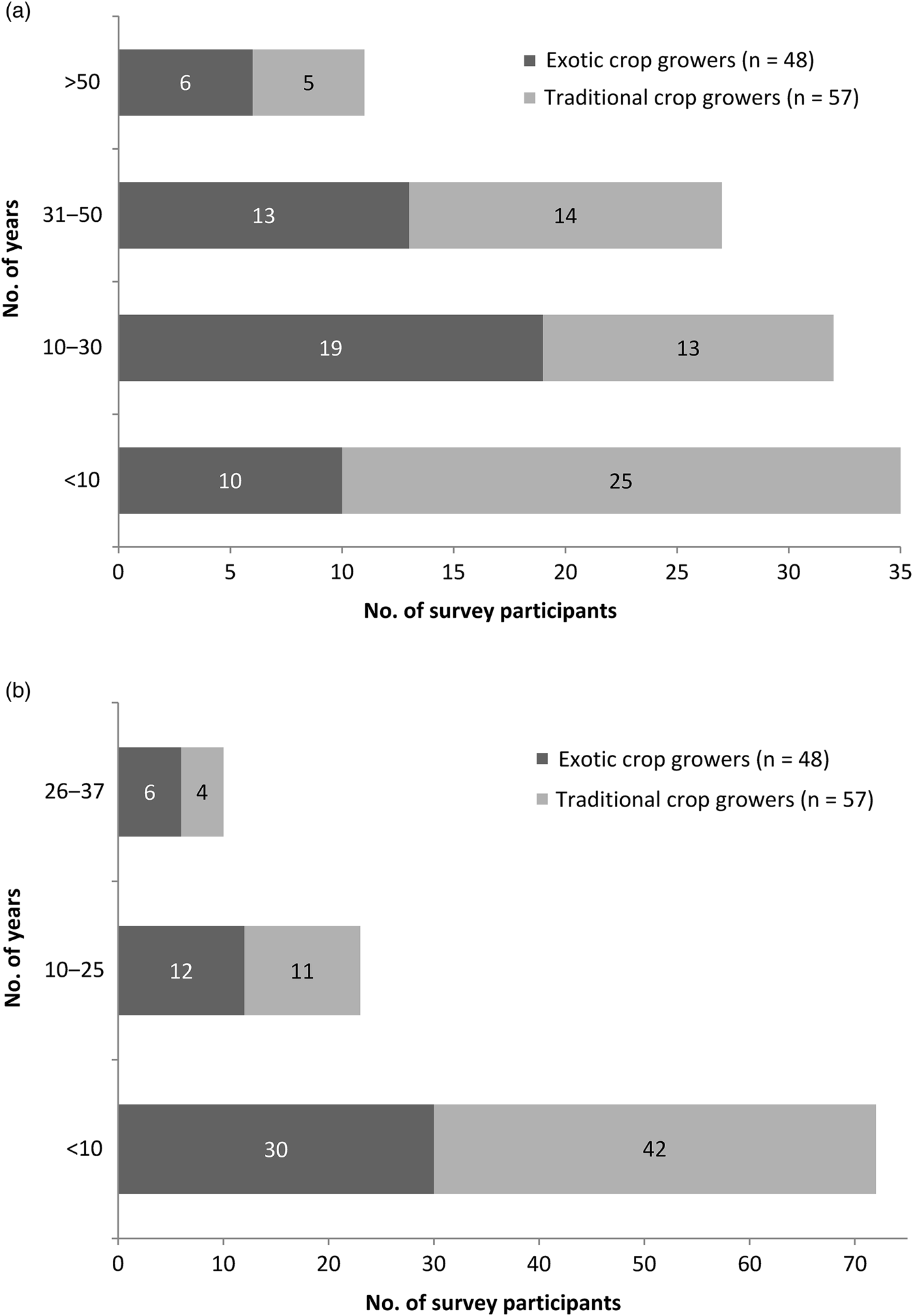
It is also important to know about the length of time that growers have cultivated their crops because the longer a crop has been grown from self-saved seed in the same location, the more likely it is that it will have become adapted to the specific environmental conditions of that location, as well as to grower selection for desired characteristics. Figures 8a and 8b show how long the survey participants have been growing their own crops and for how long they have been growing crops in their allotment plot(s). The results are based on a total of 105 survey participants—48 who grow both exotic and traditional crops and 57 who grow only traditional crops (two participants who grow exotic crops did not respond to these questions). A significant number of survey participants (c. 56%) have been growing crops for between 10 and 50 yr and a handful for more than 50 yr, showing that there is a wealth of expertise and knowledge within the allotment community (Fig. 8a). The larger number of people who grow traditional crops only and have cultivated crops for 10 yr or less may be indicative of a recent surge in interest in home-grown produce for the range of reasons previously cited. The small number of people who have been growing their own crops for more than 50 yr flags up the need to ensure that any non-commercial crops grown by these individuals (particularly those that have been self-saved) are passed on to other growers for continued cultivation.
(a) Number of years survey participants have been growing crops. (b) Number of years survey participants have been growing crops in their allotment plot(s).

Figure 8b shows that while many allotment plot holders have been growing their own crops for many years, relatively few (c. 31%) have been growing them in the survey allotment plots for more than 10 yr and the maximum number of years they have been grown in these plots is 37. Critically, of the 33 participants who have grown crops in the same plots for over 10 yr, less than half (14) grow all or some of the same varieties each year and save their own seeds (six of whom grow some exotic crops). Again, the importance of ensuring that the non-commercial crops that have been grown in the same plots for more than 10 yr (and particularly those that have been grown in the same plots for more than 25 yr) are passed on to other growers when these plot holders move on or give up cultivating their crops cannot be overemphasized. This will be critical to sustain the full range of crops and the wealth of diversity that they contain for future use.
It is encouraging to see that a significant number of plot holders (62) have started growing crops in their allotment plot(s) within the last 10 yr. Of these, more than half (11 growers of exotic and traditional crops and 24 who only grow traditional crops) grow all or some of the same varieties each year and save their own seeds. The number of years that growers have cultivated their allotment plots may of course be affected by plot availability and occasionally by the loss of allotment sites altogether due to urban development.
The Benefits of Exotic Crops now and in the Future
Self-grown crops and food security
Unemployment, poverty, food inflation, currency devaluations (Defra, 2010) and an acute skills shortage in the horticultural industry (RHS, 2014) have been identified as threats to food security in the UK. Partial self-sufficiency through self- or community-grown food crops can help to mitigate these threats. In particular, crops grown from self-saved seed over a number of years can make an important contribution to food security. Repeated cycles of selection, seed saving and cultivation over a number of years in a particular locality results in crops becoming acclimatized and adapted to local environmental conditions (von Rünker, Reference von Rünker1908; Bennett, Reference Bennett, Frankel and Bennett1970; Harlan, Reference Harlan1975; Tudge, Reference Tudge1988; Frankel et al., Reference Frankel, Brown and Burdon1998; Brown, Reference Brown and Brush2000; Brush, Reference Brush and Brush2000; Negri et al., Reference Negri, Maxted, Veteläinen, Veteläinen, Negri and Maxted2009). At a time when we are facing the challenge of climate change on food production, the diversity of such crops is likely to be ever more important as a buffer against crop failures and ultimately as insurance against food insecurity (FAO, 2008, 2010; Negri et al., Reference Negri, Maxted, Veteläinen, Veteläinen, Negri and Maxted2009; Maxted et al., Reference Maxted, Kell and Magos Brehm2011). Further, self-grown crops are generally grown in low input, sustainable cultivation systems—therefore, there are both environmental and cost benefits associated with their cultivation (Kell et al., Reference Kell, Maxted, Allender, Astley and Ford-Lloyd2009; Maxted et al., Reference Maxted, Kell and Magos Brehm2011). In addition, the benefits of small-scale cultivation of food crops to growers are multifold. They may benefit from reduced living costs (as they have to buy less from food outlets and there is less wastage because they can harvest produce according to demand) and the option to choose which cultivation methods to use (in particular, the option to grow organically). For those growers cultivating crops year on year from self-saved seeds, they benefit from the security of knowing that the crops are less likely to fail in adverse weather conditions or due to pest and disease attacks because of local adaptation and the wide genotypic variation present in the population (also known as ‘yield stability’—Frankel, Reference Frankel, Muhammed, Aksel and von Borstel1997), a reduction in gluts due to a wider cropping window, the ability to save their own seed (cutting out the cost of buying fresh seed for each new growing season), and the option to select seed from plants that exhibit the characteristics that are of interest to them for culinary use (Kell et al., Reference Kell, Maxted, Allender, Astley and Ford-Lloyd2009; Maxted et al., Reference Maxted, Kell and Magos Brehm2011).
Local adaptation in crops through the process of selection, seed saving and replanting from one season to the next is not only important to sustain a productive crop for the grower's own use, but is also of interest to plant breeders as a source of genetic variation to improve existing crop varieties due to the evolution of locally adapted and unique alleles over time (Frankel et al., Reference Frankel, Brown and Burdon1998; FAO, 2010; Maxted et al., Reference Maxted, Kell and Magos Brehm2011). Modern commercial crop varieties are bred to provide uniformity of production (e.g., they flower and fruit synchronously, are of the same height to facilitate mechanical harvesting, and have targeted pest and disease resistance characteristics, often provided by single genes or alleles)—however, this makes them susceptible to new strains of pests and diseases and extreme environmental conditions, which can result in yield reduction or even the loss of entire crop populations, and they do not provide a wide pool of genetic variation for future crop improvement (Negri et al., Reference Negri, Maxted, Veteläinen, Veteläinen, Negri and Maxted2009). Thus, the ongoing cultivation of self-grown locally adapted crops has the dual role of contributing to local food security and potentially to global food security as well.
Socio-economic benefits of exotic food crops
The advantages of self-grown crops highlighted in the previous section are applicable whether small-scale growers cultivate traditional or exotic food crops. However, there are some additional factors related to the cultivation of exotic crops that have important socio-economic benefits. The cultivation of exotic crops in the UK is integral to and has an important role in supporting cultural diversity. Many exotic crops that have arrived in the UK in recent years have been brought here by the immigrant population and these foods are a critical component of their cultural identity and way of life. Growers of exotic crops may have cultivated the crop overseas before moving to the UK or the crops may have been grown by their ancestors. In addition to being able to eat a cuisine that they are accustomed to, these growers also benefit from the security of being familiar with the cultivation requirements of the crop. Less dependence on specialty produce bought from food outlets means that non-indigenous ethnic groups are more independent and self-sufficient, giving them a greater sense of security within UK society.
The increased diversity that the cultivation of exotic crops brings to the UK provides greater options for all our diets and nutritional needs, as well as for commercial growers and farmers to diversify and to reap the economic benefits. In particular, growers interested in small-scale commercial production or simply in some ad hoc local sales of produce may benefit from a crop that is unique and could attract a niche market. A further benefit is to human health and well-being, both through the nutrition provided by exotic crops and through the exercise and general sense of well-being gained through their cultivation. Some minority ethnic communities are reported to have worse health than the white British, the worst affected groups being Bangladeshi, Pakistani and Black Caribbean (Department of Health, 2010). Further, health is reported to be worse for those born in the UK than first-generation migrants. These health problems are attributed to a number of reasons including adapting to a western lifestyle and diet. Many of the exotic crops cultivated in the UK have specific health benefits—for example, both fenugreek (Kassaian et al., Reference Kassaian, Azadbakht, Forghani and Amini2009) and ‘karela’ (Momordica charantia L.) (Joseph and Jini, Reference Joseph and Jini2013) have been shown to stabilize blood sugar levels in type 2 diabetics.
What is the future for exotic crops in the UK?
As highlighted in the introduction to this paper, most of the UK's food crops have been brought into cultivation, domesticated, and developed in other regions of the world. The introduction of new food crops has intensified in recent years along with an increase in non-indigenous ethnic groups settling in the UK, combined with the curiosity of many UK nationals in trying new types of cuisine and an interest in a more varied diet. As shown by the results of this research, there is an amazing wealth of exotic crop diversity being cultivated on a local scale in allotments in the Midlands region and undoubtedly this will be reflected in other areas of the UK as well, particularly in ethnically diverse areas. While these exotic crops are strongly associated with the ethnic origins of the growers, results of the allotment survey have shown that their cultivation is not restricted to minority groups and has spread from one ethnic group to another.
It is difficult to predict what the future is for exotic crops in the UK, but while it is likely that we have reached a peak in the introduction of different crop taxa, exotic crop varieties will undoubtedly continue to be introduced from overseas. What will be interesting is to monitor trends in the wider commercial cultivation of exotic crops in the UK. Their successful cultivation in UK soil will lead to less dependence on importing produce from overseas, a reduction in our carbon footprint (if the environmental impacts of inputs are less than those of importing the same crops) and the availability of fresher produce. While the UK produces a large proportion of vegetables consumed by the nation (55% in 2007—Department of Health, 2010), we have a strong dependence on two other countries (Spain and the Netherlands) for our supply of fresh vegetables. Any major crop failures in the UK and/or these major import countries could render the UK vulnerable to a food shortage and an increase in the cost of some staple elements of our diet. The situation regarding fruit crops is probably less critical since the UK produces a very small proportion of that consumed by the nation (7% in 2007—Department of Health, 2010) and we source fresh fruits from a wider range of countries than we do fresh vegetables. Nonetheless, greater use of our national capacity for producing a broad range of vegetables and fruits (including exotic species and varieties) is likely to improve food security and bring benefits for the national economy, the environment, and consumers.
Further, what will our changing climate bring? We are already experiencing some extreme and unusual weather events and patterns, including colder or wetter winters, hotter or wetter summers, as well as some severe flooding and extended periods of drought. These changing climatic conditions have had a lasting impact on farmers and on the agricultural sector in general. Will exotic crops provide a partial solution to these problems? Perhaps in 50 or 100 yr time there will be crops that can be widely cultivated in the UK that are currently not suitable to grow in our climate.
Conclusions and Recommendations
The introduction of exotic food plant species or varieties to the UK has been a continual process over centuries but has accelerated in the last 50 yr in conjunction with Britain becoming a more multicultural society. Today, exotic crops are frequently grown in home gardens, allotments and community gardens and their cultivation is often intimately linked with the ethnic origins of the growers. Some exotic crops have begun to be produced commercially, reflecting not only the cosmopolitan nature of the UK population, but also a general and widespread interest in a diverse range of food genres. The Sowing New Seeds project has documented and characterized many of the exotic crops cultivated in allotments and gardens in the Midlands region of the UK, and the results of this work have revealed a substantial and previously undocumented crop diversity resource. Many of the self-saved seed accessions collected in the project proved to be well adapted to UK conditions and represent an important source of genetic material. Greater diversity of crop resources (the number of different crop taxa grown, the number of different cultivars, and variability between and within populations of cultivars) is important for the sustainability of agricultural systems as a buffer against climate variability (Kovats et al., Reference Kovats, Valentini, Bouwer, Georgopoulou, Jacob, Martin, Rounsevell, Soussana, Barros, Field, Dokken, Mastrandrea, Mach, Bilir, Chatterjee, Ebi, Estrada, Genova, Girma, Kissel, Levy, MacCracken, Mastrandrea and White2014). Therefore, there is a critical need for increasing crop diversity by encouraging the continued maintenance of as wide a range of crops and cultivars as possible, including those grown at allotment sites and in home and community gardens. Not only is this adaptation and diversity important for those people who benefit directly and may even depend on these crops for their food security, but it is also potentially significant as a genetic resource for national, or even global food security through its use in crop improvement programs. Efforts should be made to conserve these accessions, both in situ and ex situ. The HSL and its Seed Guardians will be important for the ex situ conservation of exotic crops as they have been for many years for the conservation of traditional crops. However, these should be duplicated in other UK gene banks to ensure their safety.
Many of the exotic crops and varieties cultivated successfully in the UK are likely to be those that have been subjected to multiple rounds of selection and seed saving over a number of years, enabling them to acclimatize to our temperate climate. As a consequence, they are often maintained by the older generation and unless people are willing or given the opportunity to become a guardian of these crops and the associated varieties, they are under threat of extinction once the original maintainer dies. Furthermore, along with the extinction of the crop and varieties, there is a critical loss of experience and knowledge. To ensure the continued in situ conservation of these crops, maintainers should be encouraged and supported to continue to cultivate them and save their seed. Passing crops on to other growers will not only increase the security of their conservation, it will maintain a wide range of crop diversity that is adapted to local environmental conditions and to the growers’ own preferences. The Sowing New Seeds project has revealed that seed saving is already practiced extensively by allotment holders in the Midlands. However, while seed swap events and networks already exist, there is capacity to hold more of these events.
In situ conservation of crop diversity is not only important to conserve the diversity of genetic resources, but is also the means by which the maintainers themselves obtain the multitude of benefits of growing the crops, whether for nutrition and health, monetary return, cultural reasons, general well-being or some other form of life enrichment. The promotion of (and increase in) locally adapted crop population maintenance in situ at allotment sites will therefore have many long-term benefits, both for the growers themselves and for future generations. This research has highlighted the importance of allotment plot holders as conservators of exotic crops. Many allotments sites have been established for several decades and there is a long-standing tradition of swapping and sharing seed amongst growers. Furthermore, the increase in uptake of allotments by the younger generation is positive for in situ crop conservation as the varieties grown by the older generation are more likely to be passed on to the next generation. Therefore, the long-term security of allotment sites is vital. The loss of even one site may mean the loss of unique locally adapted genetic diversity and food insecurity for a proportion of the local population. Therefore, local councils have a duty of care to protect allotment sites from development for the benefit of the local populous and more generally to conserve biological resources for the benefit of humankind. Importantly, exotic crops are inherently linked with cultural diversity and are therefore a vital part of the UK's multicultural society and heritage—a constituent that must be nurtured and protected for the benefit of future generations.
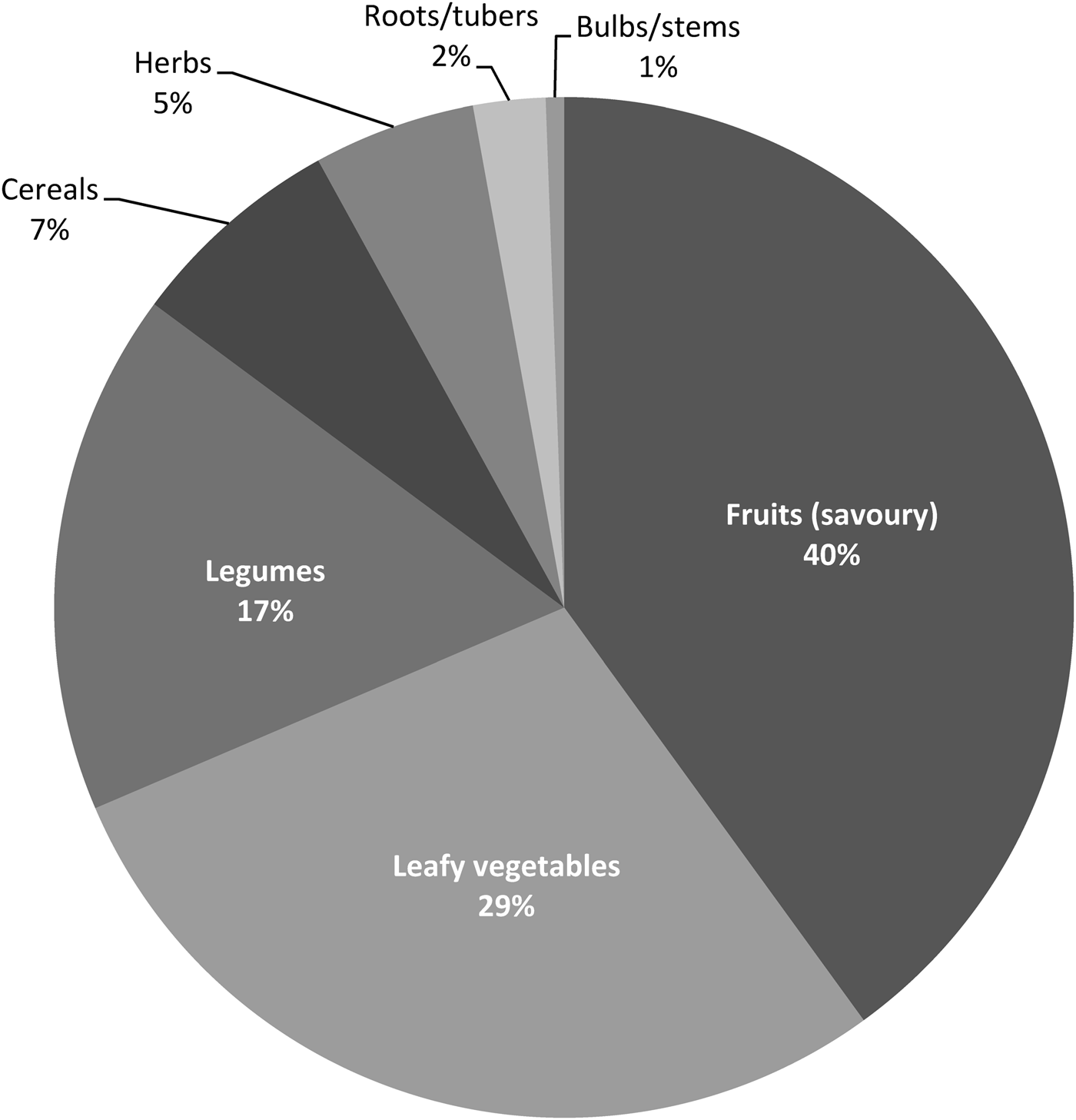
Percentages of samples from six crop groups collected in the Sowing New Seeds project.

Acknowledgements
The authors gratefully acknowledge the Big Lottery Local Food Fund for providing the funds to carry out this work. The project also received financial support from the Brooke Trust, Cadbury Trust, Grimmet Trust, Sheldon Trust, Oram Foundation and the Open Gate Foundation. The content of this paper is adapted from parts of a report originally published online by Garden Organic (Kell et al., Reference Kell, Rosenfeld, Cunningham, Dobbie and Maxted2014). The authors would also like to acknowledge the many people that contributed to this research and to the Sowing New Seeds project (http://www.gardenorganic.org.uk/sns-resources). Many growers patiently gave up their time to take part in the survey and generously added their self-saved seeds to the Garden Organic Heritage Seed Library collection. Adrian Stagg and Nikki Bradley of Birmingham City Council were very helpful in providing contact details for the Birmingham allotment sites. Allotment secretaries were instrumental in granting access to sites and in introducing the researchers to plot holders.