Introduction
The worldwide prevalence of childhood obesity is rapidly increasing in the last decades now characterized as a global epidemic.Reference Kelley and Kelley 1 Its etiology seems to be related to a number of factors, such as genetic polymorphisms, cellular hypothalamic signaling dysfunction, systemic inflammation, increased intestinal absorptive capacity, insulin resistance, among others.Reference Paes, Marins and Andreazzi 2
Childhood obesity is defined as an excessive accumulation of body fat in adipose tissue during childhood, with negative implications for health; in fact, its occurrence is the most important risk factor for the development of cardiovascular diseases in adulthood.Reference Kelley and Kelley 1 , Reference Paes, Marins and Andreazzi 2 Therefore, lowering these risk factors early in life is a priority in terms of public health measures, since many lifestyle traits and characteristics are developed during this time.Reference Morrison, Friedman, Wang and Glueck 3 , Reference Camhi and Katzmarzy 4
Current knowledge about genetics and molecular biology leads to an interpretation of the obesity pathogenesis as a complex and multifactorial phenomenon.Reference Boggs, Rosenberg, Cozier, Wise and Coogan 5 Different factors, both genetic and nutritional, may act as triggers for the emergence of physiological dysfunctions involved in the etiology of obesity, especially when associated with a sedentary lifestyle.Reference Guinhouya 6 – Reference Brambilla, Pozzobon and Pietrobelli 8
Many studies indicate the nutritional composition of food as one of the main agents responsible for triggering metabolic responses to body weight gain, set by both the molecular and energy food components.Reference Hill, Wyatt and Peters 9 – Reference La Fleur, Luijendijk, van der Zwaal, Brans and Adan 11 Thus, it is believed that the nutritional component acts as a key element in the intricate network of obesogenic factors.Reference Hill, Wyatt and Peters 9
However, several studies show that the positive energy balance, in which the daily energy consumption from the diet exceeds the energy expenditure of physical activity, is not the main agent of obesity, as seen in the intricate network of pathophysiological factors involved in the possible origin of the disease.Reference Taubes 12 – Reference Kim and Choi 15
It is speculated that inside the intricate network of factors related to the onset of obesity, hormonal defects and/or enzymatic signaling activated by the specificity of some nutrients and/or sedentary behavior can trigger chronic molecular mechanisms that pathologically disrupt cellular homeostasis in the long term and cause a systemic state of metabolic dysfunction.Reference Taubes 16 , Reference Cornier, Donahoo, Pereira, Gurevich and Westergren 17
In the last decades researchers have postulated that the etiology of obesity may have an epigenetic character. Environmental factors can influence the expression of genes capable of chronically modulate metabolic response of various energy systems of an individual.Reference Blumberg 18 – Reference Aiken and Ozanne 23
Epigenetic is defined as the biological ability to stimulate cell differentiation changes in human gene, but does not involve changes in the DNA sequence of the organism (i.e., gene silencing, cloning, genetic reprogramming, genomic imprinting). Environmental factors such as nutrition, exercise and hormonal imbalances can modify the gene expression and stimulate changes in the molecular biochemical behavior of biological systems.Reference Kirchner, Osler, Krook and Zierath 24 However, these stimuli cannot be explained by the changes in the DNA sequence itself. Epigenetic events such as DNA methylation and histone modifications translate in phenotypes information that can be passed on through generations.
Evidence from studies in humans and animal models indicate that the nutritional status and maternal health during pregnancy and/or lactation can trigger in the offspring, positive or negative effects of the energy balance. This directly impacts the phenotype of the offspring. In addition, many environmental stimuli, such as consumption of certain nutrients (i.e., saturated fat, sugars and low protein diet) in the mother’s diet or regular physical exercise during pregnancy and lactation can affect metabolic responses of the children.Reference Jones and Friedman 25 – Reference Wagener, Schmitt and Brockmann 29
Metabolic programming is the adaptive capacity of the body developed by external environmental stimuli through a systematic programming of the metabolic systems, optimizing or minimizing systemic cellular responses of consumption and/or of energy substrates.Reference Vickers 30 – Reference Janesick and Blumberg 32
Environmental, perinatal and neonatal factors can stimulate negative molecular adaptations whose developments can lead pathophysiological responses that trigger an inefficient energy systems. This affects hormonal and cellular responses, both peripheral and central, of different energy substrates in early periods of life. Consequently, this can either enhance or silence the expression of genes affecting body weight control and appetite.Reference Kirchner, Osler, Krook and Zierath 24 , Reference Wagener, Schmitt and Brockmann 29
It is necessary to develop and encourage preventive measures and attenuation of the incidence of obesity in the early periods of life, as the early adoption of positive metabolic stimuli could eventually orchestrate the biological functioning of the various body systems.
Regular physical exercise causes adaptive responses enabling the stimulated body to handle the neuromuscular and cardiovascular oxidative requirement. This is inherent to the adaptations promoted by regular exercise independent of the stage of life and nutritional status of an individual.Reference Paes, Marins and Andreazzi 2
Obesity cannot simply be explained only as a consequence of the relationship between food intake and energy expenditure. The metabolism of an individual can be changed and programmed to maximize conservation and/or energy expenditure even before his birth. Then, the purpose of this study is to review the literature on the effects and consequences of the metabolic (re) programming on childhood obesity.
Methods
A literature review was performed, focusing on studies that evaluated the effects and consequences of the metabolic (re) programming on childhood obesity. The database used for this review was PubMed/MEDLINE. The descriptors applied were children obesity, epigenetic, metabolic programming, exercise and nutrition. In this way, we sought to discuss the most literature findings. The electronic search was based on studies that linked the development and treatment of obesity from epigenetically stimulated metabolic programming during the early stages of pregnancy and life.
The gathering of the papers was performed between June and August 2014. Inclusion criteria was randomized in controlled studies that related the variables childhood obesity and metabolic programming within the pathophysiological and preventive context of obesity and included experimental, clinical and epidemiological studies.
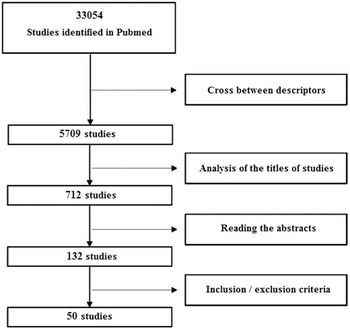
After a wide electronic search and selection of 50 remain research, the articles were systematically read and analyzed in order to confront the variables of interest to the literature findings. Figure 1 shows the design of the study selection.
Study select design.

Results and discussion
The etiology of obesity is multifactorial. Several factors are involved in the pathological process of developing metabolic disorders. Environmental factors can cause important epigenetics effects mainly in periods of high plasticity such as pregnancy, childhood and adolescence. The metabolic programming during these periods of high cell plasticity may trigger pathophysiological disorders that can lead to co-morbidities associated with obesity. In addition, the triggering of these metabolic disorders can be linked to nutritional factors that can negatively stimulate the metabolic process. By contrast, regular physical exercise at different stages of life generates a protective effect against the development of metabolic disturbs, acting as a reprogramming factor for obesity and harmful consequences to health.
Metabolic programming during pregnancy and/or lactation
Evidence from human and animal model studies indicate that the nutritional status and maternal health during pregnancy and/or lactation can trigger on the offspring many metabolic effects on regulatory systems, which can directly and chronically impact on neural and hormonal factors of energy balance regulation.Reference Jones and Friedman 25 – Reference Vickers, Breier, Cutfield, Hofman and Gluckman 27
The phenotype of the offspring can be directly affected if certain environmental factors are present during pregnancy and lactation. These include factors such as deprivation of food, stress, exposure to toxins, malnutrition may increase the susceptibility of the descendants to epigenetic effects of RNA transcription and consequently change the physiological response of the systems regarding the use of energy substrate. However, the reprogramming of the genetic response is directly related to the time of environmental exposure.Reference Kirchner, Osler, Krook and Zierath 24
These environmental conditions, when also occurring during the neonatal development of the child, may negatively contribute to the emergence of conditions characterized by homeostatic imbalances and it could induce cellular changes and predispose the offspring to metabolic impairment and consequently the emergence of several cardiometabolic chronic diseases.Reference Daniel 22 , Reference Aiken and Ozanne 23
The mother’s nutritional changes during the perinatal period may impact on the development of metabolic disorders in the fetus. Maternal malnutrition during pregnancy leads to a decrease of intrauterine bioavailability of nutrients to the fetus, which also compromises the natural formation of the child. Consequences that have been showed in studies with experimental models.Reference Jones and Friedman 25 , Reference Vickers, Breier, Cutfield, Hofman and Gluckman 27
The birth weight is an outcome measure of the adversity experienced during the fetal period that predispose children to develop programmed metabolic mechanisms of nutritional compensation throughout the growing development. If this happens, the individual would present a compromise of the adaptive metabolic responses related to the energy stock. This would trigger immediate changes in the secretion, signaling and sensitivity of hormones associated with energy homeostasis, such as insulin, leptin, cortisol, and also the anorexigenic and orexigenic central control.Reference Daniel 22 – Reference Kirchner, Osler, Krook and Zierath 24 , Reference Jones and Dayries 26 , Reference Plagemann, Harder and Brunn 33 , Reference Yura, Itoh and Sagawa 34
In contrast, the same metabolic effect may be brought on by conditions that increase the weight of the fetus after birth. Maternal obesity and gestational diabetes are closely linked to neonatal obesity. Studies suggest that overeating or consumption of high-calorie foods, such as saturated fats, by both the mother and the child during these stages can also trigger the development and modulation of metabolic programming.Reference Breton 35 Hormonal dysfunctions caused mainly during specific periods of early life (programming window) alter the physiological performance of energy systems and compromise the energy homeostasis, resulting, for example, in increased body fat and decreased cellular neurohumoral activation.Reference Blumberg 18 , Reference Vickers 30 , Reference Sullivan and Grove 36
Therefore, evidences suggest that a mother’s lifestyle during pregnancy can stimulate epigenetic capacity of metabolic programming carried by the mother to offspring. The findings suggest that lifestyle during pregnancy gestational or lactational period should be positively modified in order to reduce the spread of negative obesogenic molecular stimuli to offspring.Reference Nathanielsz, Ford and Long 37
Dietary nutrients: a metabolic programming or (re) programming factor
In terms of obesity etiology, undoubtedly, diet has a major impact when it comes to the factors linked to the development of the disease. However, while the positive energy balance is seen as the main pathogenetic factor, such prerogative, is still under debate.Reference Hill, Wyatt and Peters 9 , Reference La Fleur, Luijendijk, van der Zwaal, Brans and Adan 11
Dietary nutrients can be considered as supporting on the development of childhood obesity. However, it is speculated that this can be explained not only by the energy issue, but also by the molecular stimuli promoted by the nutrients in the individual (i.e., carbohydrates, proteins and fats) within the orchestrated organic neurohumoral control, especially in pregnancy or neonatal periods.Reference Wells and Siervo 13 , Reference Krieger, Sitren, Daniels and Langkamp-Henken 14 , Reference Cornier, Donahoo, Pereira, Gurevich and Westergren 17
The classic study of Ravelli et al. Reference Ravelli, Stein and Susser 38 showed that about 300,000 male adolescents, children of mothers who during World War II, have been deprived of food in gestational periods, had significantly increased rates of obesity. Similar values were found in adolescents who suffered during childhood from dietary deprivation. Thus, it is believed that nutritional deprivation can be work as window for metabolic programming. In other hand, periods of long starvation can be cause a chronic and/or compensatory neural and hormonal imbalance. This may affect communication and signaling regulatory hypothalamic centers of appetite, hunger, satiety and growth.Reference Ravelli, Stein and Susser 38
Studies report that the consumption of certain nutrients (i.e., choline, folate, methionine, vitamin B12, resveratrol) are capable of stimulating the regulation of epigenetic mechanisms that stimulate positive metabolic effects on various pathological disorders such as insulin resistance, hepatic steatosis, inflammation and adiposity by decreasing the damage done by obesity.Reference Martinez, Milagro, Claycombe and Schalinske 39 In addition, it is recommended to supplement diets with polyunsaturated fatty acids and antioxidants, seeing the anti-inflammatory and oxidative stress reducing properties contained in these nutrientes.Reference Nathanielsz, Ford and Long 37
Diet composed of high amounts of saturated fats can induce changes in the expression of hypothalamic neuropeptides that regulate food intake and energy metabolism, consistently affecting gene expression in adipocytes and hepatocytes and regulation of appetite. Simultaneously, the consumption of these nutrients can stimulate pro-inflammatory processes that disrupt the propagation of the hypothalamic signaling and decrease immune system activity. Consequently, this can affect exponentially the increases in the unsaturated inflammatory response.
The high absorptive capacity of the obese individual is one of the main etiopathological obesogenic factors. This characteristic may be attributed to the increased activity of the intestinal microbiota whose flora, potentially activated, allows for greater interaction between the organic compound and digested absorption of many nutrients by the intestinal cells.
Changes in intestinal microbiota composition has been identified as one of the main factors responsible for the onset of obesity, seen in the increasing of the absorptive capacity of nutrients and the consequent bioavailability of nutrients to the tissues. Consumption of food containing butyrate, a short chain fatty acid, has been linked to the inhibition of epigenetic activity, or gene silencing. These are actors that may adversely affect the gastrointestinal microbiota metabolic activity.Reference Milagro, Mansego, Miguel and Martínez 40
Among the micronutrients, the low intake of vitamin C, vitamin E and carotenoids are related to metabolic disorders. These elements are able to decrease the circulating concentrations of inflammatory and oxidative markers directly associated with the process of tissue injury and cell damage. Evidence suggests that these nutrients are able to induce epigenetic changes and positively contribute to the framework and effectiveness of energy systems.Reference Milagro, Mansego, Miguel and Martínez 40
Given the above, it is believed that various nutrients can act as regulators of DNA methylation and histone modification, acting directly on the inhibition of various catalysts enzymes of metabolic processes or altering the bioavailability of the required energy substrates for enzymatic reactions. Therefore, the dietary intake of certain nutrients is shown to be capable of genetically express molecular activity linked to metabolic systems and then modulate the behavior and signaling of various biological systems responsible for the use of energy substrates, whose dysfunction is related to the emergence of a pathophysiological obesogenic scenario, especially when stimulated early in the childhood and adolescence.
Physical exercise: a metabolic (re) programming factor
Regular physical exercise can act as a prevention and treatment of childhood obesity by stimulating the optimization of metabolic use of different energy substrates by organic systems.Reference Paes, Marins and Andreazzi 2 Regular physical activity provides many health benefits, some of which may be due to changes in the epigenetic outlook.Reference Kirchner, Osler, Krook and Zierath 24
Individuals who exercise daily have significantly increased levels of genomic DNA methylation compared with those with low daily activity at about 10 min/day.Reference Zhang, Cardarelli and Carroll 41 Several genes when positively stimulated by transcription factors arising from the muscle contraction stimulate the synthesis of proteins whose functions improve metabolism capacity of substrates. One of these is the PGC-1α. This molecule is stimulated by regular physical exercise and can increase thermogenesis of white adipose tissue.
Epigenetically induced alterations are more likely to occur during the fetal period. Thus, environmental stimuli occurring during this phase may influence health status in adulthood. The practice of physical exercise and food choice during pregnancy appears to be able to influence the body weight of the newborn baby up to the 6th month of life.Reference Phelan, Hart and Phipps 42
The regular practice of low intensity aerobic exercise during pregnancy appears to be related to a small reduction in the weight of children at birth compared with women who do not exercise during pregnancy. It is believed that this may happen due to positive hormonal changes and the regulation of the placental bioavailability of nutrients to the fetus and the epigenetic processes that enhance metabolic activity during this phase and effectively improves body weight.Reference Hopkins, Baldi, Cutfield, McCowan and Hofman 43
In accordance with these findings, studies have shown in animal models, that physical exercise during the pregnancy and lactation periods is able to stimulate the development of metabolic molecular adaptations in children, such as increased insulin sensitivity and glucose tolerance. Females submitted to physical aerobic training during these periods, besides improving their own metabolic and hormonal profiles, had offsprings with similar characteristics. On the other side, those who have not exercised did not show any improvement on these profiles.Reference Nathanielsz, Ford and Long 37
One of the explanations linked to epigenetic capacity of exercise is that the regular practice is able to promote, among other factors, the methylation of genes involved in mitochondrial biogenesis, which are activated by the release of transcriptional cellular factors by skeletal muscle, mainly from PGC-1α. Their molecular activity is directly associated with the optimization of oxidative capacity of adipose tissue, that is, the increase in muscle PGC-1 expression is capable of raising metabolic capacity and thereby enhance adipocyte tissue energy expenditure.Reference Barrès, Yan and Egan 44 , Reference Chan and Arany 45
Even under the obesogenic state promoted by a saturated fat-rich diet, voluntary physical exercise before and during pregnancy promotes epigenetic regulatory changes in the factors of PGC-1α of female rats and in the offsprings. Laker et al. Reference Laker, Lillard and Okutsu 46 demonstrated that exercise before and during pregnancy was able to increase the gene expression of PGC-1α and protect the children, partly, against metabolic involvements associated with maternal consumption of high-fat diets.
Exercising for 90 min a day before pregnancy is shown to be capable of reducing the risk of glucose intolerance by the mother during pregnancy. In addition, during pregnancy, the regular practice of moderate-intensity exercise of about 45 min a day has had the same result related to the improved insulin sensitivity and glucose tolerance in pregnants.Reference Oken, Ning and Rifas-Shiman 47 Studies have demonstrated that these metabolic effects may be epigenetically perpetuated to the offspring.
Indeed, studies have shown that physical exercise can cause beneficial metabolic effects on the growth of malnourished children, a fact demonstrated in animal models, indicating that practicing physical activity for leisure or sports can directly influence the nutritional recovery of the affected individual – that is, the exercise would act as a reprogrammer of metabolic disorders stimulated during pregnancy and/or lactation period.Reference Mathias, Elmhiri and de Oliveira 48 – Reference Cambri, Araujo and Ghezzi 50
Regular physical exercise during pregnancy can stimulate positive changes regarding the efficiency of signaling regulatory metabolic hormones. This has a direct impact on biochemical control of energy substrates and may continue even through adulthood.
Therefore, it is believed that physical exercise at different stages of life and even before conception by the females can act as an environmental metabolic reprogramming agent for metabolic responses stimulated in the early phases of life. This supports the idea that the development of metabolic disorders, such as obesity, might not have a character essentially linked to a positive energy balance. It is necessary to check the etiology of obesity, especially in children, as a multifaceted and complex phenomenon, whose causes could be epigenetically orchestrated before birth or during childhood, causing damage to neural and hormonal circuits and pathophysiologically disrupting the organism, which chronically reflects a state of chronic metabolic failure, activated in the childhood.
Conclusion
The development of childhood obesity is associated with several etiological factors. This review provides theoretical basis to the comprehension that the programmed development of childhood obesity may be linked to early exposure to environmental factors. There is evidence that such factors epigenetically stimulate metabolic and behavioral modulation of the children from mothers nutritional conditions during pregnancy and/or lactation. Those nutritional factors can cause in the descendants, chronic metabolic disorders triggered especially during the early stages of life and that can be postponed until the adulthood. In addition, it is evident that both diet and physical exercise are factors that might interfere in the metabolic reprogramming in different stages of life and thus mediate the early development of obesity.
Acknowledgments
Fundação de Amparo à Pesquisa de Minas Gerais, Brazil – FAPEMIG and Conselho Nacional de Desenvolvimento Científico e Tecnológico – CNPq.
Financial Support
Fundação de Amparo à Pesquisa de Minas de Gerais – FAPEMIG; Edital de Primeiros Projetos Processo CBB-APQ 04173-10.
Conflicts of Interest
None.