



%20--%3e%3c!DOCTYPE%20svg%20PUBLIC%20'-//W3C//DTD%20SVG%201.0//EN'%20'http://www.w3.org/TR/2001/REC-SVG-20010904/DTD/svg10.dtd'%3e%3csvg%20version='1.0'%20id='Layer_1'%20xmlns='http://www.w3.org/2000/svg'%20xmlns:xlink='http://www.w3.org/1999/xlink'%20x='0px'%20y='0px'%20width='64px'%20height='64px'%20viewBox='5.5%20-3.5%2064%2064'%20enable-background='new%205.5%20-3.5%2064%2064'%20xml:space='preserve'%3e%3cg%3e%3ccircle%20fill='%23FFFFFF'%20fill-opacity='0'%20cx='37.785'%20cy='28.501'%20r='28.836'/%3e%3cpath%20fill='%23595959'%20d='M37.441-3.5c8.951,0,16.572,3.125,22.857,9.372c3.008,3.009,5.295,6.448,6.857,10.314%20c1.561,3.867,2.344,7.971,2.344,12.314c0,4.381-0.773,8.486-2.314,12.313c-1.543,3.828-3.82,7.21-6.828,10.143%20c-3.123,3.085-6.666,5.448-10.629,7.086c-3.961,1.638-8.057,2.457-12.285,2.457s-8.276-0.808-12.143-2.429%20c-3.866-1.618-7.333-3.961-10.4-7.027c-3.067-3.066-5.4-6.524-7-10.372S5.5,32.767,5.5,28.5c0-4.229,0.809-8.295,2.428-12.2%20c1.619-3.905,3.972-7.4,7.057-10.486C21.08-0.394,28.565-3.5,37.441-3.5z%20M37.557,2.272c-7.314,0-13.467,2.553-18.458,7.657%20c-2.515,2.553-4.448,5.419-5.8,8.6c-1.354,3.181-2.029,6.505-2.029,9.972c0,3.429,0.675,6.734,2.029,9.913%20c1.353,3.183,3.285,6.021,5.8,8.516c2.514,2.496,5.351,4.399,8.515,5.715c3.161,1.314,6.476,1.971,9.943,1.971%20c3.428,0,6.75-0.665,9.973-1.999c3.219-1.335,6.121-3.257,8.713-5.771c4.99-4.876,7.484-10.99,7.484-18.344%20c0-3.543-0.648-6.895-1.943-10.057c-1.293-3.162-3.18-5.98-5.654-8.458C50.984,4.844,44.795,2.272,37.557,2.272z%20M37.156,23.187%20l-4.287,2.229c-0.458-0.951-1.019-1.619-1.685-2c-0.667-0.38-1.286-0.571-1.858-0.571c-2.856,0-4.286,1.885-4.286,5.657%20c0,1.714,0.362,3.084,1.085,4.113c0.724,1.029,1.791,1.544,3.201,1.544c1.867,0,3.181-0.915,3.944-2.743l3.942,2%20c-0.838,1.563-2,2.791-3.486,3.686c-1.484,0.896-3.123,1.343-4.914,1.343c-2.857,0-5.163-0.875-6.915-2.629%20c-1.752-1.752-2.628-4.19-2.628-7.313c0-3.048,0.886-5.466,2.657-7.257c1.771-1.79,4.009-2.686,6.715-2.686%20C32.604,18.558,35.441,20.101,37.156,23.187z%20M55.613,23.187l-4.229,2.229c-0.457-0.951-1.02-1.619-1.686-2%20c-0.668-0.38-1.307-0.571-1.914-0.571c-2.857,0-4.287,1.885-4.287,5.657c0,1.714,0.363,3.084,1.086,4.113%20c0.723,1.029,1.789,1.544,3.201,1.544c1.865,0,3.18-0.915,3.941-2.743l4,2c-0.875,1.563-2.057,2.791-3.541,3.686%20c-1.486,0.896-3.105,1.343-4.857,1.343c-2.896,0-5.209-0.875-6.941-2.629c-1.736-1.752-2.602-4.19-2.602-7.313%20c0-3.048,0.885-5.466,2.658-7.257c1.77-1.79,4.008-2.686,6.713-2.686C51.117,18.558,53.938,20.101,55.613,23.187z'/%3e%3c/g%3e%3c/svg%3e)
%20--%3e%3c!DOCTYPE%20svg%20PUBLIC%20'-//W3C//DTD%20SVG%201.0//EN'%20'http://www.w3.org/TR/2001/REC-SVG-20010904/DTD/svg10.dtd'%3e%3csvg%20version='1.0'%20id='Layer_1'%20xmlns='http://www.w3.org/2000/svg'%20xmlns:xlink='http://www.w3.org/1999/xlink'%20x='0px'%20y='0px'%20width='64px'%20height='64px'%20viewBox='5.5%20-3.5%2064%2064'%20enable-background='new%205.5%20-3.5%2064%2064'%20xml:space='preserve'%3e%3cg%3e%3ccircle%20fill='%23FFFFFF'%20fill-opacity='0'%20cx='37.637'%20cy='28.806'%20r='28.276'/%3e%3cg%3e%3cpath%20fill='%23595959'%20d='M37.443-3.5c8.988,0,16.57,3.085,22.742,9.257C66.393,11.967,69.5,19.548,69.5,28.5c0,8.991-3.049,16.476-9.145,22.456%20C53.879,57.319,46.242,60.5,37.443,60.5c-8.649,0-16.153-3.144-22.514-9.43C8.644,44.784,5.5,37.262,5.5,28.5%20c0-8.761,3.144-16.342,9.429-22.742C21.101-0.415,28.604-3.5,37.443-3.5z%20M37.557,2.272c-7.276,0-13.428,2.553-18.457,7.657%20c-5.22,5.334-7.829,11.525-7.829,18.572c0,7.086,2.59,13.22,7.77,18.398c5.181,5.182,11.352,7.771,18.514,7.771%20c7.123,0,13.334-2.607,18.629-7.828c5.029-4.838,7.543-10.952,7.543-18.343c0-7.276-2.553-13.465-7.656-18.571%20C50.967,4.824,44.795,2.272,37.557,2.272z%20M46.129,20.557v13.085h-3.656v15.542h-9.944V33.643h-3.656V20.557%20c0-0.572,0.2-1.057,0.599-1.457c0.401-0.399,0.887-0.6,1.457-0.6h13.144c0.533,0,1.01,0.2,1.428,0.6%20C45.918,19.5,46.129,19.986,46.129,20.557z%20M33.042,12.329c0-3.008,1.485-4.514,4.458-4.514s4.457,1.504,4.457,4.514%20c0,2.971-1.486,4.457-4.457,4.457S33.042,15.3,33.042,12.329z'/%3e%3c/g%3e%3c/g%3e%3c/svg%3e)
Introduction
The HIV/AIDS epidemic had a distinctly political dimension and a significant political impact. It represented a major stress test for several Western liberal democracies.Footnote 1 The Chinese Communist Party used the epidemic for self-glorification and anti-capitalist propaganda.Footnote 2 In East Germany and Slovenia, it was a crucial factor in facilitating politically destabilising openings to the West.Footnote 3 The AIDS epidemic also played a critical role in the final years of the Soviet Union, where it was first used as the object of an anti-American disinformation campaign; then it became pivotal in the regime’s collapse and the independence movements in Baltic Soviet republics.Footnote 4
Peter Baldwin has cautioned against relying on ‘traditional political analysis of the response to the epidemic’, arguing that ‘Left and right, conservative and liberal, are not labels that help explain why administrations and nations adopted their approaches to the epidemic’.Footnote 5 However, existing scholarship has in particular emphasised that conservative and far-right forces – albeit in varying combinations and with different configurations across countries – played a leading role in politicising and instrumentalising the crisis for purposes of anti-system critique, moralising society, xenophobia and homophobia.Footnote 6
This was not the case in post-Franco Spain, where far-right parties were extremely weak and ‘The first years of the AIDS epidemic . . . represented a moment for the country to assert its independence from the vestiges of the dictatorship and the cultural mores to which it had been bound’.Footnote 7 Nor was it the case in those countries where right-leaning and Catholic forces refrained from instrumentalising the HIV/AIDS crisis to promote moralistic or anti-immigration measures, as occurred in the Netherlands.Footnote 8 Notably, the restrictive HIV/AIDS laws passed in Sweden from 1985 onwards were not the work of right-wing parties; rather, they were introduced by the Moral(istic) Left then in power.Footnote 9
However, in many Western countries, conservative and far-right forces played a pivotal role in turning HIV/AIDS into a strategic opportunity to challenge the more liberal sexual conduct that had emerged in the 1970s and 1980s, to curtail the gains achieved by LGBT civil rights movements, to fuel xenophobic sentiment and to call for expanded state powers over individuals’ private lives.
Within the framework of the so-called new culture wars that continues to polarise American public life,Footnote 10 in the United States the emerging syndrome became a privileged target for the moralist crusades of neo-Puritanism. It was met with silence and delays from the Reagan administration and, both nationally and at the level of individual states, triggered full-blown witch hunts and illiberal, discriminatory policies largely championed by Republican or far-right governors and politicians such as Lyndon LaRouche.Footnote 11
In France, the far-right Front National seized upon the wave of fear. Between 1986 and 1987 in particular, Le Pen ‘linked its AIDS strategy with its general ideology in favour of traditional morality and nationalism, based on opposition to abortion and immigration and a rhetoric of national decline’, exploiting the epidemic to justify the explicit rejection of values such as equality, hospitality, privacy and sexual freedom.Footnote 12
In West Germany, the most striking case occurred in Bavaria, where conservatives led by Peter Gauweiler succeeded in passing particularly harsh, discriminatory and overtly homophobic measures to contain the epidemic.Footnote 13 Yet elsewhere in the country, the far right likewise appropriated the issue, using it to advocate for personal liberty restrictions, coercive medical treatment and tighter controls on the presence of foreigners.Footnote 14
Even in the United Kingdom, where a liberal response to the crisis emerged relatively early, illiberal tendencies were nonetheless present both in public debates surrounding the epidemic and within the ranks of the Conservative Party and the Thatcher government itself, which remained a symbol of the so-called New Right Revolution;Footnote 15 not to mention the illiberal policies and rhetoric of the far-right British National Party, whose ‘homophobia and homohysteria coexisted’ precisely in consequence of the AIDS crisis and fostered unashamed anti-gay conspiratorial discourses and proposals for outlawing homosexuality.Footnote 16 In several countries, it has become increasingly evident that the AIDS emergency played a significant role in both revitalising certain classic themes of conservatism and fuelling critiques of democratic systems. Equally clear is the central role played by right-wing forces in shaping the public debate over AIDS-related policies and in defining the very meaning of the epidemic. This article investigates whether, and to what extent, similar dynamics can be observed in the Italian case, which has been so far examined only focusing on AIDS-related mainstream discourses and campaigns, activism, counter-discourses and, cursorily, the 1980s parliament debates.Footnote 17
To this end, the analysis focuses primarily on the positions taken by the country’s main far-right party, the Italian Social Movement (Movimento Sociale Italiano; MSI), within both Italian and European Economic Community (EEC)/European Union (EU) institutions. In parallel, it reconstructs the discourses and representations of HIV/AIDS promoted by the MSI leaders through mainstream media and the party’s official newspaper, Secolo d’Italia, based on the assumption that, even in Italy, media outlets played a decisive role in inventing AIDS as a social phenomenon and in shaping political responses and containment strategies.Footnote 18
By exploring this dual level of analysis, the essay seeks to test the hypothesis of a specific form of Italian exceptionalism. Actually, MSI’s moderate attitude should not be overstated, as some of MSI’s statements and proposals still retained latent characteristics of the illiberal tendencies typical of European far-right forces of the time, such as a lesser concern for prisoners’ rights and a preference for a repressive approach to the issue of drug addiction. However, compared to some other influential far-right forces in Europe, MSI adopted a largely pragmatic, non-moralising and unexpectedly consensual approach to the AIDS crisis, namely in terms of rejection of criminalisation, opposition to registries, defending the privacy of people living with HIV, mostly voluntary HIV testing and opposition to AIDS-related xenophobia and homophobia. Moreover, it cooperated with the parliamentary majority and the so-called Pentapartito governing coalition, which comprised five parties: the Christian Democracy (DC), the Italian Socialist Party (PSI), Italian Democratic Socialist Party (PSDI), Italian Liberal Party (PLI) and Italian Republican Party (PRI).
This attitude led to two relevant consequences.
On the one hand, the Italian government handled the emergency without facing the coercive and xenophobic instances that emerged in other Western countries. This, combined with the broader reluctance of the main Italian parties to politicise the HIV/AIDS issue, enabled the Italian parliament, in June 1990, to pass one of the first and more liberal laws in the world on the prevention of and fight against HIV/AIDS.
On the other hand, without overstating its importance relative to other factors, the AIDS epidemic served as a critical moment in the MSI’s progressive integration into a political dialectic consistent with the logic and values of Italy’s democratic-parliamentary system and, in the long run, normalisation of the Italian far right. Although the far right had been represented in the Italian parliament since 1948, MSI’s undenounced fascist heritage had actually prevented it from being accepted within the set of political parties considered legitimate under the post-war democratic constitution of Italy. Indeed, this remained a decisive dividing line between the MSI and the other Italian right–wing and conservative forces (the Republican Party, the Italian Liberal Party and certain currents within Christian Democracy). This cut short the rare attempts at dialogue that had emerged in the 1960s–1970s and led scholars to label the MSI with the ‘polemical concept’ of the ‘extreme right’, despite a growing awareness of the party’s non–monolithic character, its evolution over time, its ability to re-semanticise several key themes of the Italian political agenda and, not least, the porous boundaries among the various declensions of the right.Footnote 19 Against this historical and political backdrop, the HIV/AIDS crisis provided MSI with a golden opportunity to liberalise its public image, implement its ideological–strategic realignment to the values of the democratic constitution and engage cooperatively with ideologically diverse political forces. In so doing, MSI managed to break out of political isolation and pursue its goals in other related fields, such as a national blood-supply plan and a repressive law on drug trafficking, dealing and consumption: measures that were an objective shared also by governing parties like the Christian Democracy and the Socialist Party.Footnote 20 Consequently, the AIDS crisis not only contributed to shaping the so-called second age of the Italian Right but also laid the foundations for its ‘third age’: the birth of a formally defascistised right-wing party, namely National Alliance (Alleanza Nazionale; AN); AN’s decisive involvement in the centre-right government led by Silvio Berlusconi in May 1994; AN’s politicians in leading roles in Italian democratic institutions; and today’s majority led by the far-right party called Brothers of Italy (Fratelli d’Italia; FdI), whose self-portrayal as a defender of individual liberties, harsh criticism of mandatory vaccination and contestation of the restrictions imposed during the Covid-19 pandemic likely have their roots in the stance adopted by MSI during the earlier HIV/AIDS epidemic.Footnote 21
Before the Crisis (1981–4)
Many studies have confirmed that 1985 marked a turning point in the trajectory of discourses on the HIV/AIDS epidemic, a turning point that early data on the Italian case also appears to confirm.Footnote 22 That year saw the global media eruption of the Rock Hudson case: the Hollywood star, stricken by the virus, was forced to seek treatment in Paris before passing away in October. The same year, tensions and controversy arose about the so-called Rocca Imperiale affair: part of the local population protested against a camping retreat organised by Arcigay, which was perceived as a potential source of infection. This episode revealed nationwide how deeply rooted homophobia in Italy intertwined with growing public anxiety over a disease that remained largely mysterious. Most crucially, in 1985 the first paediatric AIDS cases emerged in the country. This, more than anything else, marked a shift in the eyes of the Italian media and public opinion. AIDS was no longer framed as an issue confined to marginalised and stigmatised groups, but as a generalised threat that could affect an undefined number of ‘innocent’ victims: partners of HIV-positive individuals, people who had received contaminated transfusions and, most visibly, children.
However, one of the peculiarities of the Italian case lies in the fact that public discourse on HIV/AIDS in Italy began to intensify largely before the outbreak reached full scale, quite the opposite of what occurred in the United States, the United Kingdom or France, where mainstream media engagement with HIV/AIDS stories began later and, in some cases, was initially marked by a notable degree of reluctance.Footnote 23 Since 1983 major Italian newspapers published dozens of articles on the alarming disease, at a time when there were still only eight recorded AIDS cases in Italy. Therefore, it was not surprising that conservative-leaning dailies also began covering the topic as early as 1983 and maintained steady attention to the issue: Secolo d’Italia published seven articles on the epidemic while il Giornale, which was edited by the right-leaning journalist Indro Montanelli and partly owned by relevant industrial-financial groups like Montedison and Berlusconi’s Fininvest, dedicated eight pieces and a short column to HIV/AIDS between the first reports in May 1983 and the end of 1984.Footnote 24
What stands out in this context is the way the Secolo d’Italia framed and described HIV/AIDS. Most nationally circulated newspapers were already struck by the impact of the syndrome in the United States and influenced by their foreign correspondents’ accounts. Therefore, they tended to adopt a tone of distanced sensationalism. On the one hand, most Italian newspapers portrayed the new disease as something comfortably distant. On the other hand, they described it as alarmingly dramatic, echoing the tone of collective hysteria found in American media coverage and glossing over the considerable differences in not only the number of cases but also epidemiology and the healthcare system, which in Italy had been reorganised in 1978, reaffirming its public and universalistic nature, very far from the American insurance-based model.Footnote 25 As a result, also in Italy, HIV/AIDS quickly became something one was expected to fear.
Notably, despite the fact that experts in Italy immediately recognised intravenous drug use and the sharing of contaminated needles rather than homosexual intercourse as the primary mode of transmission, the disease was overwhelmingly presented as a ‘gay plague’, ‘the gay disease’ or ‘a spectre in the gay universe’.Footnote 26 This portrayal was evident even in traditionally more balanced outlets such as Corriere della Sera and La Stampa, and even more so in conservative newspapers like il Giornale. In its seven articles on the topic published in 1983, il Giornale consistently emphasised the connection between the disease and homosexuality, framing the epidemic in terms of a stark dichotomy between heterosexuals and homosexuals (‘Not even “normal” people are safe?’), and attributing the virus’s spread to what was characterised as the peculiar promiscuity of gay men. Headlines such as ‘Terrified by the spreading plague, gays become reserved, monogamous, even romantic’ encapsulated this rhetoric.Footnote 27 This attitude did not fade in 1984. On the contrary, it intensified. As late as May of that year, il Giornale still seemed unwilling to accept mounting scientific evidence pointing to additional routes of transmission beyond homosexual intercourse. It seized upon lingering doubts around blood transfusions in an article pointedly titled ‘Is AIDS also transmitted through transfusions? Health officials remain doubtful’. The piece selectively quoted statements by Fernando Aiuti regarding the exclusion of homosexuals from blood donation in the United States, and by the head of infectious diseases at Florence’s Careggi Hospital, who claimed that ‘it is statistically proven that homosexuals are, more than others, carriers of viral particles’.Footnote 28
The earliest articles that Secolo d’Italia devoted to the subject in 1983 also reflected, at least partially, the dominant framing of the epidemic at the time. AIDS was described as ‘the mysterious illness of the “gays”’ or the ‘gay plague’, with reports in June noting the launch of an ‘investigation’ by hospitals specialising in infectious diseases.Footnote 29 Nonetheless, both the headlines and, more significantly, the content of these articles revealed at least two important distinctions from how other newspapers approached the topic.
First, Secolo’s focus was from the outset on the Italian context. It was no coincidence that the newspaper’s first piece on AIDS coincided with the identification of the first two suspected cases in the country. Nor was it coincidental that developments in the United States were typically relegated to the background, treated as distant and largely irrelevant to the Italian situation. This stood in contrast to the approach taken by some local newspapers. Even more, it was in contrast to the tendency of certain programmes of the Italian national broadcasting company (RAI), which around the same time began to either implicitly overlap the Italian situation with the American one or draw increasingly explicit parallels between the epidemic in the United States and in Italy.Footnote 30
Second, Secolo distinguished itself by adopting an attitude notably less inclined towards the homophobia that characterised much of the national press. Even when the earliest headlines labelled AIDS as a disease of homosexuals, this framing seemed more like a borrowed trope from the American media than a lens through which the newspaper itself interpreted the phenomenon. Indeed, from the very first article, the MSI-affiliated paper acknowledged the multiple routes of transmission and refrained from indulging in the kind of moralising or sensationalist homophobia so widespread elsewhere in the press. The headline used a cautious ‘perhaps’ (‘Perhaps the mysterious “gay” disease has also reached Italy’) when reporting the eventual arrival of the new syndrome in the country. Then, with equal caution, the article quoted the words of an epidemiology and biostatistics expert from the Istituto Superiore di Sanità, who stressed that
These are obviously not straightforward diagnoses, because we still lack the systems and tools that would allow us to understand which individuals are most susceptible. For the moment, we can only identify the ‘categories’ that appear to carry a higher degree of risk: male homosexuals, patients who undergo frequent blood transfusions, haemophiliacs and people who use drugs. All of these groups are the most affected because the infection seems to be transmitted primarily through blood. It is likely . . . that this type of infection mainly strikes individuals whose immune system is deficient in some respect.Footnote 31
Similarly, the second article published in Secolo still referred to the ‘gay disease’, but once again deferred to expert opinion, highlighting the cooperation offered by LGBT associations to the health authorities and giving ample space to the statements of a specialist such as Dr Giuseppe Ippolito, who reiterated that ‘“there is no clear evidence that the disease affects only homosexuals”. It had reportedly been identified in two women . . . and at times strikes “unexpected individuals”.’Footnote 32
Also, in July 1983, homosexuals were portrayed as acting responsibly and cooperatively. For instance, a brief but laudatory piece reported on a clinical trial in Rome involving around fifty volunteers, highlighting and sustaining the LGBT community’s condemnation of the homophobic sensationalism that characterised much of the national media coverage.Footnote 33
Rather than serving as a vehicle for a moralising, particularly anti-homosexual crusade, Secolo d’Italia was more interested in leveraging the emerging syndrome as a topic for polemics against the government, globalisation and laissez-faire in such a crucial field as public health. In this light, alarm over possible transmission through blood transfusions was amplified rather than questioned, as was instead the case in il Giornale. If AIDS served the political and communicative strategies of the MSI in the early 1980s, it was primarily as a warning signal about the dangers of globalised markets, as evidence of the harmful consequences of Italy’s dependence on foreign plasma supplies and as a symbol of the inefficiency and delay of socialist- and Christian Democrat-led governments, which were blamed for leaving ‘Italy unprepared for the AIDS epidemic’.Footnote 34 The article published in Secolo on 22 May 1984 and the one that appeared the same day in il Giornale were particularly revealing. They were nearly identical in content, yet differed significantly in their headlines, thereby framing the same information in markedly different ways. While the newspaper directed by Indro Montanelli raised the question ‘Can AIDS be transmitted through transfusions? Many doubts in the Health Ministry’, the MSI’s paper adopted a much less tentative tone, emphasising instead the rising number of cases and growing controversy over transfusion-related transmission, with the more pointed headline: ‘AIDS: Twelve Cases in Italy. Controversy over Transfusions’.Footnote 35
After all, AIDS at this stage appeared far from constituting a key issue on the agenda of Italian parties or even a problem perceived by public opinion as sufficiently urgent to prompt widespread mobilisation or advocacy campaigns. This was certainly true within the MSI, where even a parliamentarian who would later show considerable attention to HIV/AIDS, Hon. Cristiana Muscardini, recalled that ‘when the AIDS emergency broke out, Italian politics initially did not pay much attention to the issue’.Footnote 36
By contrast, the issue of plasma shortages and Italy’s dependence on the international blood product market already had a long history of political controversy and was the subject of specific recommendations from European institutions regarding transfusion safety.Footnote 37 Crucially, it also provided a more effective basis for attacking the government, as it could easily be linked to nationalist concerns, was more readily interpreted as a consequence of systemic corruption within Italy’s party system, and, importantly, was perceived as affecting a broader segment of the population. Moreover, these individuals were generally regarded as ‘innocent victims’ of a disease worsened by the shortcomings of the national healthcare system, rather than members of marginalised and stigmatised groups such as those previously considered most at risk of contracting HIV. Actually, in the early 1980s the MSI still steadfastly adhered to party secretary Giorgio Almirante’s political line, even if it increasingly wavered between defensive postures and cautious openings with ‘a novel attention to internal party-system dynamics’.Footnote 38 Therefore, the growing, albeit still distant, public anxiety surrounding the spread of the new disease seemed to be the perfect argument to exploit as a means to underscore the failings of Italy’s ‘partitocracy’.
The Turning Point: 1985
As in other countries, the landscape in Italy shifted rapidly beginning in 1985, when HIV/AIDS entered the mass media and public discourse in a significant and sustained way.Footnote 39 Secolo d’Italia also contributed to the proliferation of narratives surrounding the syndrome, although it did so in a manner that was at least partially distinct from that of other newspapers, including those with a similarly conservative orientation.
First and foremost, while the temporal trajectory of Secolo’s coverage generally mirrored that of the broader daily press, it devoted significantly less overall attention to the epidemic than did other newspapers and leading opinion magazines such as Panorama (daily circulation: approximately 400,000 copies in 1985), L’Espresso (380,000 copies) and Famiglia Cristiana (1,100,000 copies) (Figure 1).Footnote 40
HIV/AIDS-related Stories in Italian Press (1981–1999).

HIV/AIDS-related Stories in Italian Party Organs (1981–1991).

This disparity may be partially explained by the more overtly political character of Secolo compared to general-interest newspapers like Corriere della Sera (630,000 copies), La Stampa (550,000 copies) or la Repubblica (500,000 copies), where a significant portion of the coverage dedicated to HIV/AIDS appeared in science/medicine or, more often, in the crime and local news sections. The latter, particularly in their regional editions, were especially prone to sensationalism, alarmism and at times even voyeurism, driven by the emotionally charged elements often present in HIV-related stories: sex, violence or, conversely, narratives of compassion.Footnote 41
However, two observations challenge the notion that a high level of politicisation inherently explains Secolo’s comparatively limited – approximately 30,000 copies daily –coverage of the HIV/AIDS issue, instead suggesting a consistent editorial stance, or at least the result of other editorial priorities. First, a closer look reveals that even in Secolo, over a third (36.2 per cent) of all articles that mentioned AIDS between 1985 and 1990 appeared in sections such as ‘Current affairs’ (Cronaca) or ‘News’ (Attualità), most often discussing incidents linked to social marginality and criminality. Second, on the opposite end of the political spectrum, other party-affiliated newspapers devoted more space to the subject, yet its proportion of articles triggered by episodic crime-related events did not differ dramatically from that of Secolo (Figure 2). This was the case with the socialist daily Avanti! (75,000 copies), which focused on the news concerning Milan and Lombardy, where the Socialist Party was particularly strong and the epidemic spread more rapidly than elsewhere in Italy. This was also the case with the communist newspaper l’Unità (240,000 copies), which constantly informed its readers on the evolution of the HIV/AIDS epidemic also because it targeted a wider readership beyond the ranks of those Communist militants and supporters who were likewise mostly interested in internal matters of the party and politics in general.
What ultimately proves more telling than the quantity of coverage is the manner in which HIV/AIDS was addressed within the MSI-affiliated press. By the second half of the 1980s, the syndrome had begun to spread more visibly throughout Italy (Figure 3), further stoking a media-fuelled alarmism already well underway, albeit expressed with varying styles and intensities depending on the publication and edition. Still, the framing of the articles that appeared in Secolo, the stories the MSI’s daily chose to highlight, the settings it focused on and the language it employed shaped the far-right discourse on the epidemic in distinctly characteristic ways.
AIDS Cases and Deaths in Italy (1981–2019).

Admittedly, Secolo did not entirely shy away from the emotionally charged stories surrounding paediatric AIDS cases, often reinforcing a dichotomy between ‘innocent victims’ (the children) and ‘guilty victims’ (typically their drug-addicted parents).Footnote 42 Likewise, the paper included articles and brief reports that stigmatised individuals with HIV/AIDS who were involved in criminal acts whether in Italy or abroad, for whom little to no compassion was shown.Footnote 43 And, albeit very rarely, some contributors even called for ‘appropriate prophylactic measures against drug addicts, regardless of the presence of HIV antibodies’.Footnote 44
Nevertheless, when it came to framing HIV/AIDS from an epidemiological standpoint, Secolo demonstrated a notable adherence to the medical realities of transmission routes and recognised ‘at-risk groups’. It also exhibited a deliberate avoidance of alarmist language that set it apart from much of the Italian press. While even traditionally balanced newspapers occasionally resorted to expressions such as ‘gay plague’ or simply ‘plague’ and more conservative outlets like il Giornale repeatedly used these terms in both headlines and the body of their texts, the MSI-affiliated paper abandoned such terminology as early as 1984. More broadly, Secolo tended to dissociate the epidemic from homosexuality, avoiding moralising crusades and instead framing the issue primarily within the larger context of drug addiction (Figure 4). This shift in language conformed MSI’s paper with broader patterns in other national media landscapes. But it nonetheless distinguished Secolo from both the part of the Italian daily and periodical press that still employed this terminology and, even more so, the media aligned with other Western far-right political forces, which in fact used precisely these stylistic formulas to reinforce the stigma directed at homosexuals.
Secolo d’Italia and il Giornale: Headlines & AIDS-related Topics (1985–1990).

For instance, as early as May 1985, Secolo underscored the exceptional nature of the Italian case, attributing it to the ‘less frequent casual sexual encounters’ among Italian gay men and to the ‘close cooperation with the healthcare system’ that this community had proactively established.Footnote 45 Similarly, the only recorded instance of the term ‘plague’ in a headline appeared in a March 1988 news brief titled ‘AIDS Is Not the Plague. Let’s Talk About Hope’. Featured on the front page as a preview of articles in the medicine section by Silvia Mastrantonio, this piece adopted a reassuring tone and focused entirely on highlighting efforts to combat stigma. Indeed, the author pointed out:
Speaking about AIDS means speaking about numbers, figures that, month after month, report the number of cases in Italy, break them down by geographic region, chart the exponential spread of the disease and reflect the increase in newly diagnosed cases or the growing number of people living with HIV (who, however, are not necessarily ill). Yet all this emphasis on statistics often risks shifting the focus away from the heart of the matter. Behind the figures and tables are people, human lives either compromised by the HIV virus or merely ‘threatened’ by seropositivity, which does not necessarily imply the onset of illness. Speaking of AIDS is to speak of fear, absolute Fear. An irrational fear of what cannot be fully grasped by science, of what cannot be cured but can nonetheless be transmitted. And here lies one of the most significant barriers to overcome, one of the key points that needs clarification: people must learn how to protect themselves, but not how to mistrust others indiscriminately. An HIV-positive person, or someone living with AIDS, can only transmit the virus through semen or blood. . . . Eating with someone who has AIDS, sleeping in the same room, sharing daily routines and ordinary activities with them is not dangerous.Footnote 46
It is also worth mentioning that Secolo hosted a particularly high number of awareness messages stemming from campaigns promoted by the National Commission for the Fight against AIDS, the authoritative multidisciplinary technical advisory body established in January 1987 by the ministry of health to address the emergency. On the one hand, this further reduced the number of articles addressing HIV/AIDS within the examined sample, reinforcing the impression that the issue occupied a relatively marginal position in the editorial agenda of the MSI-affiliated newspaper. On the other hand, it positioned Secolo as a tool for accurate information and a vehicle for combatting stigma, regardless of the actual effectiveness of these campaigns, the controversies surrounding them or the fact that many of these late 1980s initiatives were underpinned by sexist stereotypes and communicative frameworks that failed to ‘account for the complexity created by the intersections of subjectivities and identities potentially belonging to multiple groups, resulting in fragmented and sometimes contradictory messaging’.Footnote 47
Another noteworthy and somewhat uncommon feature of Secolo’s coverage of AIDS is the geographic framing of its stories. Generally speaking, Secolo portrayed HIV/AIDS as a primarily national issue more consistently and for a longer duration than other outlets. Indeed, only 24.7 per cent of the AIDS-related stories published between 1981 and 1990 were placed in the International News section. Moreover, this trend was not limited to the late 1980s, when Italy experienced a boom of cases. It actually dated back to 1985–7, a period during which Italy was experiencing exponential growth in HIV cases but still the total amount of cases was relatively low. Remarkably, Secolo went against both the trend of the epidemic and the editorial choices of other newspapers, including conservative ones like il Giornale (Figure 5). Whereas coverage of the epidemic within Italy was proportionally highest between 1985 and 1986, when national case numbers were still relatively low, the more the number of patients and public anxiety grew, the more the issue was ‘othered’. Focus on stories unfolding outside Italy increased drastically, so that the proportion of articles dealing with foreign cases peaked between 1987 and 1989. In 1989, domestic and foreign coverage even reached near parity, although Secolo devoted only seventeen articles to the emergency that year (Figure 6).
Secolo d’Italia and il Giornale: Setting of AIDS-related Stories (1985–1990).

Secolo d’Italia and il Giornale: Stories on HIV/AIDS abroad (per cent).

Moreover, when breaking down the data on articles covering AIDS-related events abroad by country, significant differences did not emerge: just under half of the pieces in Secolo were dedicated to the United States (46.5 per cent, compared to il Giornale’s 46.1 per cent), followed by major Western European countries, with France and the United Kingdom each accounting for approximately 10–15 per cent. However, while il Giornale’s coverage spanned a much wider range of countries (twenty-nine versus Secolo’s fifteen), this could likely be attributed to the significantly higher absolute number of articles devoted to the topic and a presumably more extensive network of correspondents. More significant, however, were at least two aspects.
First was the near-total absence of articles or brief items concerning Africa in Secolo, in contrast to the degree of attention given to the continent by il Giornale and, more broadly, by newspapers like Corriere della Sera, La Stampa and Avvenire. Noticeably, Secolo’s othering of HIV/AIDS did not entail any meaningful Africanisation of the AIDS narrative, nor did it involve a racist framing of the issue. This was even more surprising, during a time when the emerging issue of immigration from African countries was beginning to take shape, and when the European Community was starting to consider strategies to manage the phenomenon.Footnote 48
The second distinctive feature of Secolo, particularly when compared to the other conservative-leaning newspapers examined, was its markedly different attitude towards the United States. Indeed, il Giornale repeatedly published articles and brief news items with headlines such as ‘New York is the Capital of AIDS’Footnote 49 or ‘And in the U.S., a Second Virus Arrives’,Footnote 50 embracing a rhetoric that indicted American society for its immorality, lasciviousness and over-permissiveness: a discourse that, in some respects, curiously mirrored anti-American tropes propagated by Chinese and Soviet state media.Footnote 51 In contrast, the MSI’s daily largely avoided this accusatory framing. While Secolo certainly did not deny the central role of the United States in the spread of the virus, it refrained from assigning blame to the United States or emphasising any presumed link between the outbreak and the openness or multi-ethnic composition of American society. Rather, the focus was often placed on public fears, with strong denunciations of the growing hysteria and of the ‘charlatans who profit from people’s fear . . . and have built an industry worth over a billion dollars by selling ineffective treatments and unreliable books on the virus’s origins’.Footnote 52
Even greater attention was devoted to the efforts of the scientific community to find a cure and to the measures taken by the Reagan administration in response to the crisis. Actually, Secolo did not hesitate to stress the shortcomings of the American healthcare system in terms of universal healthcare provision. Nonetheless, it commended the wide-reaching public information campaigns and the shift in federal funding priorities, with ‘Fewer Dollars for the Military, More for AIDS’.Footnote 53 This generally favourable stance towards the United States of America in Secolo was likely at least partly attributable to the MSI’s evolving position throughout the 1980s regarding the Reagan-era United States and its embrace of neoliberalism.Footnote 54
In short, at least within the pages of the principal press organ of the Italian far right, the HIV/AIDS epidemic appeared far from being the kind of persistent and fervently exploited emergency seen in right-wing media in France and elsewhere, where it became a vehicle of ‘support for the resurgence of a far-right discourse dominated by racist themes and an exclusionary agenda’.Footnote 55 Rather than being used as an opportunity for moral crusades or, even less, for racially charged forms of othering, the epidemic instead served the MSI as a vehicle for a dual, and in part contradictory, narrative.
On the one hand, in the second half of the 1980s, the worsening of the crisis in Italy and growing criticism of the government’s delayed response provided the MSI-affiliated press with an opportunity to frame AIDS as yet another dramatic example of the harmful effects of the prevailing system of party-based cronyism. Coverage of the epidemic shifted from the crime or medical sections into the political pages, and the tone of the articles grew sharper and more alarmist, marking a significant departure from how the topic was addressed elsewhere in the newspaper. The HIV/AIDS situation became a pretext to indict the entire national scientific research system, criticised for its ‘lack of coordination’.Footnote 56 In a front-page headline, the newspaper remarked that ‘The Anti-AIDS Plan (Finally) Begins, Late’, accusing Minister of Health Carlo Donat-Cattin, a relevant member of Christian Democracy and a fervent Catholic,Footnote 57 of improvidently relying on the fact that ‘Italy can so far be considered one of the Western countries least affected by AIDS’ without accounting for the reality that ‘there are already more than one hundred thousand asymptomatic carriers!’Footnote 58 Most importantly, institutional inefficiencies were frequently attributed to a combination of culpable inertia and the rampant corruption characteristic of the clientelist practices of the governing parties. As late as 1988, for example, Secolo denounced that ‘AIDS Funds Never Arrived’, further quoting Italy’s most renowned expert on the syndrome to reinforce the point as follows:
Nothing is being done here to fight the epidemic, to ‘prevent’ it, or to provide researchers with the means to study, investigate and begin to untangle this terrible web… . The most glaring proof of this came with the scandalous absence of our Minister of Health from the international conference held in the British capital… . Not even a deputy minister bothered to attend and hear firsthand what was being discussed there. The issue is not so much – or at least not only – the embarrassment we caused ourselves in the eyes of the world, but rather the tangible and overt lack of interest the government has shown towards this disease.Footnote 59
Actually, also il Giornale was not entirely immune to the temptation to occasionally use AIDS as a metaphor for the diseased and destructive Italian political system.Footnote 60 However, this anti-establishment framing of the emergency represented a distinctive feature of Secolo. Indeed, it was absent in the most balanced dailies as well as in the Catholic ones. It was not even adopted by l’Unità, the official newspaper of the other major party excluded from the ‘Pentapartito’ governing coalition.
Yet, even the harsh criticism directed at the government by the party press did not prevent the MSI parliamentary delegation from making HIV/AIDS an opportunity for an implicit acceptance of democratic values and for dialogue with other political forces. This was notably celebrated in a lengthy article from July 1988 that reported on the withdrawal of a motion originally presented by the MSI–DN parliamentary group and explained the reasons for their support of a unified resolution passed by the Chamber of Deputies.Footnote 61 As stated by Hon. Filippo Berselli during the session, this stance was driven by the shared belief that ‘at least at this moment, something can finally be done’, and was accompanied by an explicit call for cooperation:
Beyond what we aim to accomplish by endorsing, and I hope unanimously approving, this jointly submitted resolution – concluded the MSI deputy – every responsible parliamentary group will need to take on the additional complementary initiatives required to help move forward this important civilisational battle in our country. It is a battle that must find us all united in seeking to address the grave problem of AIDS, which, however, is rooted in the even more serious issue of drug addiction in our country.Footnote 62
After all, what Secolo reported largely mirrored what the MSI representatives were doing in parliament: on the one hand, a strong opposition and pointed attacks against the government and the majority; on the other hand, initiatives and proposals marked by pretty measured tones and a spirit of dialogue, particularly devoid of moralistic outbursts and far removed from the illiberal, stigmatising and policing approach underlying the motions of far-right parties in other Western countries. This was all the more significant given the ‘publicised collaboration with Le Pen’s Front National’ and the ideological alignment with the French far right during the 1984 European election campaign.Footnote 63
Indeed, as early as April 1985, the MSI deputies Muscardini, Almirante, Pazzaglia, Mazzone and Del Donno submitted a bill proposing mandatory testing ‘for all patients admitted to hospitals and public facilities . . . for all pregnant women . . . for all drug addicts receiving treatment in public or private facilities or in therapeutic communities; for hemophiliacs and individuals receiving multiple transfusions’.Footnote 64 At first glance, this was clearly a rather stringent proposal, especially when compared to the government’s relative inaction, with a couple of parliamentary questions submitted by individual MPs in the spring of 1985 and the AIDS issue not reaching parliamentary debate in Italy until November of that year.Footnote 65
However, several considerations contributed to mitigating the weight and appearance of illiberalism in the proposal. First, in their brevity, neither the bill nor its accompanying rationale made any mention of possible restrictions on the liberties of those who might test positive. Second, the proposal did not call for registries or reports, which had already been advocated in other European countries and were shortly thereafter implemented – though quickly contested and withdrawn – in a resolution by the regional government of Region Lazio under the Christian Democrat health assessor Rodolfo Gigli.Footnote 66 Third, the mandated HIV test for inmates was, of course, an exception to the consensual logic implicit in Muscardini’s proposal, and it undoubtedly aligned with the more punitive than rehabilitative conception of detention traditionally held by the far right. Nevertheless, the call for compulsory testing found at least partial justification in the fact that infections within the prison population were a source of particular alarm for Italian AIDS-related grassroots associations and for the medical and scientific community, given the high positivity rates in early screenings, widespread drug use, overcrowding, same-sex relations resulting from the absence of partners, extremely poor hygienic conditions and the near absence of prison medical facilities.Footnote 67 Moreover, significantly, the proposal imposed no obligations on sex workers or drug users not undergoing treatment, nor – more importantly – on individuals identified by specific sexual preferences. Nor did it make any mention of requiring tests for tourists or, especially, for immigrants, although the availability of the first commercial tests was increasingly being cited as justification for stricter border controls and tighter immigration policies.Footnote 68 Fourth, the MSI proposal did not criminalise those who failed to disclose their HIV-positive status to their partners, although this supposed deterrent to transmission was already under discussion in both Europe and the Americas.Footnote 69 Lastly, the very origin of the proposal – at least as recounted by Hon. Muscardini, who was the party’s national official for health policy – suggested that it was not the result of a deeply considered position on the issue, nor an attempt to instrumentalise HIV/AIDS in support of other battles traditionally favoured by the MSI or other Italian conservative forces, such as the death penalty or zero-tolerance drug policies. Rather, it seemed to have been a somewhat impulsive, and largely individual, response to the rising wave of emotion generated especially by the first paediatric cases in Italy, confirming the crucial role of paediatric cases in not only mediatising but also politicising HIV/AIDS.Footnote 70 Indeed, Hon. Muscardini recalls:
There was very little internal party debate on the matter. As the MSI official responsible for health policy, and with Almirante as party secretary, we were well aware, following several cases of paediatric transmission, that AIDS had become a central issue. It was clear that some form of containment needed to be pursued.Footnote 71
It was therefore likely not a coincidence that the MSI’s bill was presented in Secolo d’Italia through a brief sidebar article that summarised the proposal and underscored the contagious nature of the virus, perhaps with some exaggeration but without alarmism. Notably, the article avoided any sensationalism or commentary that would have framed the proposal as a stigmatising measure towards specific social groups.Footnote 72 Moreover, Secolo itself reported on initiatives undertaken by members of the MSI in support of people living with HIV. One such example was the complaint filed with the public prosecutor by Hon. Muscardini in September 1985, aimed at investigating potential liability for ‘failure to provide assistance to a woman in labour at the hospital in Cagliari, alongside the denunciations made by many homosexual individuals about the obstacles they encountered in accessing medical care at certain hospitals’.Footnote 73
Actually, in both that same year and the following ones, the sensitivity occasionally shown by the MSI and the approach adopted by some of its representatives did not preclude the party and its main press outlet from occasionally endorsing the positions of those who refused to host individuals potentially infected. However, upon closer examination, in such cases the target of the MSI’s intransigence was often not HIV-positive individuals per se, but rather drug users, who were regarded as dangerous to society primarily because of their addiction rather than as vectors of the virus. Even when HIV-positive individuals or AIDS patients were concerned, the reasoning offered by the party’s press rarely targeted the individuals themselves, focusing instead on the inadequacy of the facilities, services or broader contexts in which authorities or associations intended to house or care for them. These concerns often emphasised the lack of ‘minimal hygienic guarantees necessary to operate effectively in the AIDS sector’.Footnote 74 As underlined in a lengthy article on the controversy that erupted in October 1988 over a Caritas assistance centre established in a Roman park, ‘The issue is not to prevent the contagion of children, nor to protect the greenery or to drive away the sick’, but rather ‘to impose a programmatic intervention to combat the spread of the virus’, thereby enabling ‘an assistance effort that goes beyond the nine privileged individuals that Caritas is currently able to support’.Footnote 75
This impression was further reinforced by the other initiatives taken by the MSI during 1985. The proposals, arguments and tone adopted were not substantially different from those found in the party’s earlier bill when, in November of that year, Muscardini and her colleague Nino Sospiri submitted a parliamentary inquiry to the then Christian Democratic Minister of Health, Costante Degan, asking for clarification regarding the measures taken to address the disease. Admittedly, the text included a brief reference to the ‘potential spread of infection due to immigration’.Footnote 76 In doing so, it touched on a classic theme of the racist rhetoric employed by France’s Front National and the British governing Conservative party, while the British National Party was led by its own homophobic culture and the homohysterical atmosphere of the 1980s United Kingdom to focus on gay men with more cursory remarks on the link between immigration and the spread of HIV/AIDS.Footnote 77 Indeed, as Marion Aballéa points out, ‘From the second half of 1985 onward, the WHO began receiving consistent reports indicating that several countries were demanding proof of HIV seronegativity in order to authorise the entry or stay of foreign nationals on their territory’.Footnote 78 Moreover, by the end of 1986, the Front National itself was already using fears about migrants as vectors of the syndrome to pressure the European Commission into instituting ‘health checks at EEC borders aimed at preventing the entry and movement of persons infected with this highly contagious disease’.Footnote 79 In the following years, neither was the causal link between immigration and the spread of HIV/AIDS absent in the discourses promoted by far-right forces in West Germany and in Scandinavian countries such as Denmark, where ‘African immigrants came to represent a more direct risk to the majority population than did gay men, which is why several politicians, mostly on the far right, demanded action, that is, the registration of HIV-infected individuals’.Footnote 80
However, this mention was fleeting and isolated in a text that otherwise focused entirely on the issue of thalassemia and, notably, did not include any reference to a link between homosexuality and the spread of the syndrome, which was one of the most prominent arguments in the British far-right discourses on HIV/AIDS.Footnote 81
Overall, the attention devoted to the emerging AIDS crisis by the MSI in parliamentary debates during the spring and summer of 1985 stood out when compared to the government’s relative inertia. Yet this engagement was not altogether surprising when one considers the widespread media coverage the epidemic was already receiving, the growing body of scientific discussion on the topic, local and regional initiatives targeting high-risk groups (notably the LGBTQ community) and the sharper critiques voiced by other opposition parties, especially the Communist Party (Partito Comunista Italiano; PCI). Indeed, although Italian parties were reluctant to address and even more so politicise HIV/AIDS, in fall 1985 some individual Communist representatives already accused the government of having ‘delayed for months the adoption of a national framework law for a new blood transfusion service in Italy’, thereby turning thalassaemic patients into ‘innocent reservoirs of AIDS’.Footnote 82 Given the small amount of ‘full-blown AIDS cases’ in Italy at that time, these words were evidently harsh and highlighted just how comparatively measured and less antagonistic the MSI’s parliamentary stance was towards the government’s handling of the issue. At least regarding HIV/AIDS, the MSI’s approach from the outset seemed to reflect the spirit of the slogan launched by Almirante at the party congress in late 1984: ‘From protest to proposal’.Footnote 83
From Emergency to the 1990 Law
The attitude of the MSI did not significantly shift even as the HIV/AIDS issue became increasingly urgent. Of the many motions and parliamentary inquires submitted by MSI representatives, only a part addressed the emergency.Footnote 84 Moreover, when the topic was raised in the Chamber, MSI deputies expressed general criticisms of the government’s broader healthcare policies, but they delivered it without alarmism or excessive polemical tone. Otherwise, they avoided the issue altogether, as Olindo Del Donno did during the 1988 debate on the bill concerning the rationalisation of healthcare spending.Footnote 85 Nor did the MSI align itself with the campaign for mandatory border controls, measures declared counterproductive by the World Health Organisation in March 1987 but nevertheless strongly advocated within European institutions by other right-wing parties, most notably the Front National.Footnote 86
Notably, MSI representatives in the European parliament refrained from promoting any initiative related to HIV/AIDS and from delivering interventions on the subject during plenary sessions throughout the entire second legislative term, from June 1984 to June 1989. This restraint held even prior to the 1989 political split at the European level, during a period (1987–8) in which ‘collaboration with the FN in the European Parliament intensified, joint demonstrations were heavily publicised, Secolo d’Italia amplified the initiatives of its sister party, and signature drives and campaigns to denounce the “invasion” of foreigners were launched’.Footnote 87
In this regard, it was especially notable that the discursive core of the Front National’s rhetoric appeared only marginally and on very rare occasions in the MSI’s public discourse. Indeed, the AIDS–homosexuality–immigration nexus was only rarely mentioned in either MSI deputies’ statements in parliament or the MSI-affiliated press. Actually, a passing reference to the risk of the syndrome’s spread due to immigration surfaced during the debate on converting into law the December 1989 decree concerning political asylum and non-EU nationals.Footnote 88 Another instance occurred on 21 April 1988, when MP Pazzaglia justified the MSI’s vote of no confidence in the De Mita government by rhetorically asking: ‘And what of the Government’s programme on AIDS, which is certainly linked to drugs, to Africans and to homosexuality (very frequent, if not normal, among Arabs)?’Footnote 89 Yet he immediately followed this statement with praise for a preceding intervention by the liberal MP Francesco De Lorenzo, who had criticised the government on this issue but explicitly opposed mandatory testing. Pazzaglia then reaffirmed that
When we speak on these matters, there is no polemical intent on our part, nor is there any in this request I now make, as a citizen concerned and frightened by these scourges. I believe I can say that I am giving voice to the concerns of many parents whose children are constantly exposed to risk.Footnote 90
During the years when the HIV/AIDS emergency began to emerge as a political issue, it was other political forces that brought the topic to the forefront and directly, often harshly, attacked the Minister of Health, Carlo Donat-Cattin. Foremost among them were the Communists who, albeit through the voice of individual and low-profile MPs like Giovanni Russo Spena in 1988, reproached the newly appointed prime minister in these terms:
Honourable De Mita, you did not even have the decency (despite our urging) to replace Minister Donat-Cattin, who approaches – or rather, bites into – the great issues of life, health, diversity and difference with the mentality of, shall we say, an old hunter who stops for a drink at a countryside tavern. I do not wish to demonise the Honourable Donat-Cattin. Nevertheless, he is unfit for the position he holds. I respect his ideas, but I demand that he engage with the broad moral consciousness of the Italian people, with the evolving concepts of morality and sexual liberation that define the threshold of the year 2000… . Can we accept a minister . . . who addresses the issue of AIDS with the negligence, incompetence and cultural and moral backwardness he demonstrates on a daily basis?Footnote 91
Nor were the Radicals any less critical. In that same session, they entrusted MP Domenico Modugno with delivering a statement explaining their vote of no confidence in the government. Modugno’s popularity as a singer added weight to his intervention,Footnote 92 which focused almost entirely on the issue of HIV/AIDS and the inadequacy of both the government’s response and the minister’s leadership in particular. Indeed, Modugno said:
There is only one issue, then: honourable De Mita, I would ask that you, somewhere, jot down the word AIDS… . I too must confess, with utmost frankness, that I am utterly outraged by the stance taken by the previous government on this issue. Certainly, the confirmation of Senator Donat-Cattin as Minister of Health does not give us much hope; I find it entirely unacceptable that our country has failed to address the AIDS crisis in the way that so many other nations committed to this fight have done… . Meanwhile, as the virus spreads, time is wasted debating whether a condom is morally or Christianly acceptable!Footnote 93
The Left’s polemic on HIV/AIDS continued in July, during debates on numerous parliamentary motions on the matter. Once again, amid an atmosphere that at times became incendiary, the stance taken by the MSI was notably different: a critique of the government that was not only collaborative with other opposition forces and consistent with the spirit outlined by MP Berselli but also constructive and guided by principles far removed from hysteria or illiberal impulses.
‘We immediately declare’ – began MP Olindo Del Donno in his speech – ‘our opposition to any form of mass registration, which would serve only to produce the harmful and perverse consequence of discrimination in hiring and dismissals, as well as lead to tragic forms of social isolation. In Italy, reporting has always set dangerous precedents … . Once someone is reported, prejudice immediately begins to form: people start to assume they are not “normal”. Therefore, no registration, under no form and for no reason whatsoever.’Footnote 94
The rest of the speech was no less striking. Alongside a call for chastity, he warned: ‘Morality has its value, but we must not forget that without the use of condoms, sexual intercourse – especially with unknown partners – becomes extremely dangerous’.Footnote 95 Similarly, without ignoring the prevailing ‘disorder . . . of sexuality’, Del Donno clarified: ‘Naturally, we will reject any form of group criminalization, any distortion and any excuse for scandal, which is always easily provoked in the fabric of our civil society, as we have sensed from the newspapers.’Footnote 96
The same dynamic unfolded in February 1989, when, in response to the initiatives undertaken by the minister of health concerning HIV/AIDS, the Communists, Greens, Radicals and members of the Independent Left introduced a motion of no confidence in the Chamber of Deputies against Donat-Cattin. Once again, the accusation was serious, as the ministry of health was blamed for acting ‘consistently in opposition to the recommendations of the scientific community and health authorities, obstructing effective prevention efforts, and proposing crude and harmful mechanisms of discrimination among individuals based on their behaviour’.Footnote 97 Alongside even more deeply felt controversies over abortion legislation and the issue of water contamination by atrazine, other opposition parties made HIV/AIDS one of the key levers to destabilise the already fragile governing coalition. Some of the opposition deputies went so far as to label Donat-Cattin an ‘Ayatollah’ for his fundamentalism.Footnote 98
Conversely, the MSI’s response, delivered by Hon. Berselli, was more nuanced. While not denying their ‘particular aversion to the manner in which Minister Donat-Cattin has interpreted the exercise of power’, nor their ‘discomfort with the arrogant and consistently overbearing tone he has employed . . . in carrying out his ministerial duties’, Berselli nonetheless expressed ‘reservations regarding the motions of no confidence’, explaining:
On the subject of AIDS and its prevention, we do not feel it appropriate to cast blame upon Hon. Donat-Cattin. Certainly, it might even be amusing – were the matter not so grave – to read the letter the Minister addressed to the Italian people, urging chastity and strictly family-bound sexual relations. On this point, however . . . the values of life and family are undeniably deeply rooted in the conscience of Italians and Catholics, yet the same cannot – one must admit – be said for the value placed on sexual restraint. In any case, such matters cannot, and indeed must not, be regulated – let alone imposed – by a minister of the Republic.Footnote 99
Nor did Hon. Pazzaglia depart from this line. On the one hand, he avoided the issue of HIV/AIDS altogether and centred his remarks on abortion. On the other hand, he justified his opposition to the no-confidence motion by accusing its proponents of having submitted ‘motions on abortion, seasoned (if you’ll allow the expression) with issues relating to AIDS policy and water contamination from atrazine, in order to conceal the true motivation and fundamental objective of their initiative’.Footnote 100
In short, even at the close of the decade and in the midst of the AIDS crisis, the position taken by the MSI was likely not what one might have expected for at least two reasons.
First, by adopting such a stance, the MSI effectively ceded much of their polemic against the political party system to other forces, namely the PCI and the Radical Party (Partito Radicale; PR). The leading role in the anti-systemic crusade played by the PCI was clearly evidenced by the sharp exchange between the Communist representative Luciano Violante and the minister in February 1989.Footnote 101 The Radical Party fuelled even harsher argument. In February 1989, Radical MP Francesco Rutelli first accused Donat-Cattin of contributing to ‘the reckless division of spoils within this colossal trough of over 60 trillion lire’. Then Marco Pannella, president and long-standing leader of the Italian Radical Party, labelled the minister ‘essentially a man of power, that is, someone who clings to his seat, unwilling to take responsibility for what has emerged with utter clarity from the parliamentary debate’.Footnote 102 Indeed, even earlier, the Radical Party had come to represent, from the MSI’s perspective, ‘the most dangerous competitors in drawing support from protest voters’, because it positioned itself as ‘“radically” alternative to the system’, and thus had the potential to ‘strip the MSI of the anti-system electorate on which Almirante’s party relied’.Footnote 103
Thus, leaving the field almost entirely open to them on an issue that had by then become a matter of national concern was rather surprising, especially because the HIV/AIDS crisis seemed particularly suited to denouncing the party system, the risks of a more inclusive and modern society and the limitations of a decaying Italian democracy. And it was all the more striking when one considers that Gianfranco Fini, former secretary of MSI’s youth organisation and successor of Almirante in 1987, stressed not only the continuity with the party’s declared opposition to ‘consociational democracy’ but also the effort to reinforce a collective identity unsettled by the leadership transition, through repeated affirmations of loyalty to the founding ideology, summarised in the slogan: ‘Fascism of the 21st Century’.Footnote 104
The second reason is that the period from 1986 to 1988 was precisely when other far-right parties in Europe were most forcefully pushing for more drastic measures, often with little concern for the protection of civil rights and individual liberties of people living with HIV.Footnote 105 Actually, in both the EEC institutions and most Western countries a liberal and inclusive approach to the issue had already been established or was rapidly gaining traction, guided by the recommendations of the World Health Organisation.Footnote 106 Nevertheless, during these years, the MSI would not have lacked models to emulate, had it chosen to adopt a more coercive or even discriminatory approach to fighting the epidemic. Examples of approved restrictive legislations could be found in Sweden, Bavaria or even in the United States – both at the state level (as in California) and federally – where in 1987 mandatory testing was imposed on anyone seeking to settle in the country.Footnote 107
In light of this attitude, it is perhaps unsurprising that, as the debate reached a point of synthesis in the early 1990s, the MSI emerged as the promoter of two initiatives that were, at their core, coherent and convergent in the direction of a measured and collaborative approach to the AIDS crisis. Indeed, all were grounded in key principles such as the protection of individual liberties, confidentiality and the voluntary nature of HIV testing.
The MSI contingent elected to the European parliament in 1989 had by then severed its ties with the Group of the European Right and began to demonstrate increased engagement with HIV/AIDS-related issues, largely owing to the commitment of Hon. Muscardini. On the one hand, this shift underscored that certain party members had a sustained interest in HIV/AIDS while, at least within the MSI, the political acknowledgement of the AIDS crisis was periodic rather than reflecting a broader strategic priority within the agenda of the Italian far right. On the other hand, the initiatives promoted by Hon. Muscardini between 1989 and 1991 confirmed that, even within the European parliament, the MSI did not advocate for harsher or discriminatory measures targeting people living with HIV or non-EU immigrants. On the contrary, the majority of Muscardini’s written questions urged EU authorities to improve epidemic monitoring while respecting individual privacy, to launch effective HIV/AIDS awareness campaigns and to implement concrete prevention strategies.
Moreover, in some cases, Muscardini’s proposals showed concern for not only healthcare personnel, babies, women accessing assisted reproductive technologies and people at risk through transfusions and sexual transmission but also marginalised groups such as inmates and intravenous drug addicts. For the former, she called for a directive mandating HIV testing for inmates, with the stated aim of ‘planning the necessary therapeutic interventions, thereby safeguarding the health of uninfected detainees’, explicitly without implying any violation of privacy or stigmatisation of those who tested seropositive.Footnote 108 For the latter, in 1990 the MSI parliamentarian even recommended that the Commission promote ‘the use of syringes whose needles automatically retract after use, a practice that would considerably reduce the risk of infection both for paramedical staff and for drug addicts’.Footnote 109
The MSI’s mostly consensual and collaborative approach to the fight against the epidemic was even more evident in the Italian parliament. On the one hand, in February 1990, the MSI introduced a bill aimed at establishing a national blood plan and providing compensation to those who had contracted HIV through transfusions. In reality, the bill’s promoters did not hesitate to accuse the government of having ‘culpably facilitated the spread of an epidemic’.Footnote 110 Nor did they miss the opportunity to repeatedly emphasise the innocence of AIDS victims who were infected via tainted blood transfusions. Yet, in this context, invoking the innocence of thalassemia patients and multi-transfused individuals served above all as a rhetorical lever to pressure the parliamentary majority into approving the bill. If there was a culprit, it was the State itself. MSI representatives once again did not mention drug addicts or prostitutes; neither did they draw even any implicit contrast between these victims and those who had acquired the virus through so-called blameworthy behaviour. Tellingly, this was in contrast to what often occurred in the discourses and representations of the epidemic put forward by the Church hierarchy, by the most conservative sectors of the Catholic world and by part of the Italian mainstream media. Furthermore, the bill’s overall thrust was clearly to guarantee rights to people with HIV, not to deny them, evoking the need ‘to show these citizens a state that is no longer grim and unfeeling, but finally just and supportive’.Footnote 111
On the other hand, MSI deputies and senators refrained from introducing competing party proposals and instead chose to support the comprehensive bill presented in late October 1989 by the new Minister of Health, the liberal Francesco De Lorenzo. The government-proposed bill, which was largely inspired by WHO’s and EEC’s guidelines and differed little from the proposal drafted by the National Commission for the Fight against AIDS in 1987, was debated in both the Chamber and the Senate during the spring of the following year. Up to that point, the MSI had pursued a strategy of tough yet constructive opposition, never unconditionally critical of the government’s efforts on HIV/AIDS but still firmly part of the parliamentary minority and agreed in their opposition to the government. Yet in the debate over the Programme of Urgent Interventions for the Prevention and Fight Against AIDS, the MSI went so far as to vote with the majority: a decision justified by Hon. Del Donno in the Social Affairs Committee, who stated that they had found ‘the substance and the amendments introduced to be improvements’.Footnote 112
A similar dynamic played out in the Senate, albeit motivated more by the urgency of addressing what was already a belated response. The concluding remarks of Senator Ferdinando Signorelli during the committee’s vote revealed just how much the AIDS emergency was contributing to a broader reflection within the Italian far right about its relationship with not only other political forces but also democratic institutions and values themselves: ‘To adopt anti-democratic attitudes’, he declared, ‘is repugnant to us’.Footnote 113 Indeed, despite its limitations in terms of overall strategy and communication, law 135 of 1990 nonetheless ‘enshrined two principles of undeniable value within the framework of legal and civil rights: the principle of non-discrimination against individuals with confirmed HIV infection, and the principle of protecting privacy and the right to anonymity for both HIV-positive individuals and those with AIDS’.Footnote 114
It is certainly possible, as former Minister of Health De Lorenzo recently noted, that when he proposed the AIDS law, ‘objectively there was no need for opposition, because the issue was a delicate one, and it was advanced in such a way, with my constant presence on television’, that ‘no one dared to openly oppose it’.Footnote 115 Nevertheless, the fact that the MSI ‘was not a strong political opposition, quite the opposite’, is by no means an obvious fact, especially when considering what was happening in other countries at the time. Equally surprising is that this ‘marginal role’, marked by ‘some convergence’ and a policy of ‘not obstructing’, constituted a significant factor in facilitating the adoption in Italy of a – perhaps belated – pragmatic and liberal approach to the problem at the national level. This helped avoid fuelling stigma and, not least, lent credibility to the idea of a far-right capable of collaborating with majority political forces on an issue that was perceived as urgent and central by large segments of the Italian public.
Conclusion
The history of HIV/AIDS in Italy remains largely unwritten, particularly how different political forces engaged with the phenomenon. Nevertheless, this essay offers at least some insight into the distinctive stance taken by the most prominent right-wing party in Italian politics towards the HIV/AIDS emergency during the 1980s and early 1990s. Indeed, whereas in much of the Western world the political right seized upon the emergency as a key issue in their moralising, homophobic, xenophobic and at times explicitly anti-democratic campaigns, in Italy the MSI interpreted and utilised the crisis in a somewhat different manner. The possible reasons underlying this approach are manifold.
First and foremost, a key factor lies in the distinct timeline marking the outbreak and progression of the HIV/AIDS emergency in Italy compared to most other countries. Whereas in France, the United Kingdom and especially the United States, HIV/AIDS became a public health crisis as early as the first half of the 1980s, in Italy the number of cases did not reach significant proportions until the final years of the decade. This delay afforded Italian political forces the opportunity to confront the issue in light of the growing body of global knowledge about a virus that, until 1983, had not even been isolated. Moreover, Italian majority and minority parties were aware of both the successes and failures of other countries’ responses in terms of prevention, monitoring and assisting people living with HIV. Therefore, the MSI’s actions might appear unusually early or even inclined towards illiberal tendencies only if they are analysed within the Italian context. Conversely, if they are compared with developments in other countries or within European institutions around 1985, the MSI’s attitude towards the emergency looks to be well timed and much less coercive, homophobic and xenophobic than those advocated by other far-right parties or implemented in some countries.
A second important factor is the specific epidemiology of HIV/AIDS in Italy, which from the outset was marked by the predominance of intravenous drug users over other groups considered ‘at risk’ at the time. Although most Italian mainstream media still framed the epidemic in alarmist and Americanised terms as a ‘gay plague’, this epidemiological reality probably made it easier for the MSI and its party newspaper to adopt a less moralistic and homophobic approach to the epidemic, in contrast to similar right-wing parties in countries where the syndrome initially affected predominantly gay men. Moreover, the Italian epidemiological profile helps explain why, in a country deeply affected by the drug crisis since at least the 1970s, the new syndrome was more often perceived as a corollary to the heroin problem rather than as a central issue in its own right.Footnote 116
This was particularly true for a party like the MSI, which had long made zero tolerance towards drugs and the association between drug addiction and moral decay core elements of its platform, already evident during the debates leading up to the passage of the 1975 law on the regulation of narcotic and psychotropic substances.Footnote 117 It is no coincidence that stories and controversies relating to drug addiction were a constant feature in Secolo d’Italia. Nor is it accidental that throughout the 1980s, MSI deputies remained unwavering on the issue and voted in favour of the repressive drug policy legislation introduced by the government just days after the approval of the HIV/AIDS law in June 1990.Footnote 118 Although former Minister De Lorenzo has recently emphasised that the two bills followed ‘distinct paths’ and ‘were not conceived in synergy’, in 1980s Italy ‘AIDS was widely perceived as a consequence of drug use’ and ‘prevention was understood primarily as preventing people from injecting drugs’.Footnote 119 From the MSI’s standpoint, therefore, supporting both a repressive law on drug consumption and a liberal bill on HIV/AIDS could easily be framed as part of a coherent and unified strategy.
Ultimately, this dynamic was not unique to the MSI. Other parties, including those in the opposition, exhibited similar tendencies. L’Unità and Radio Radicale, for example, devoted significantly more attention to HIV/AIDS than Secolo d’Italia. Furthermore, the Communist and Radical parties were far more active in parliament in challenging the government’s handling of the epidemic than the MSI. Yet even for the PCI and the PR, the AIDS issue was often secondary to – or at least deeply entangled with – concerns related to drug addiction, blood product safety or the prison system.
The third factor that helps explain the Italian far right’s stance on HIV/AIDS is the specific political moment in which the crisis erupted. As is well known, the 1980s were a transitional decade marked by a set of concurrent phenomena that worked to transform the political identity and internal organisation of the MSI: the gradual emergence of a ‘new political-cultural climate surrounding the Movimento Sociale’;Footnote 120 the resolution of the internal divisions that had plagued the party during the 1970s; the final phase of what has been described as the ‘Caesarism of the Almirante leadership’;Footnote 121 and, ultimately, a ‘sharp generational shift’ following Gianfranco Fini’s election as party secretary.Footnote 122 While in other countries the epidemic broke out under conservative governments – as in the United States and the United Kingdom – or during a period of growing support for the far right, such as the rise of the Front National in France, the MSI’s position on AIDS must be read in light of the broader ideological and strategic realignments taking place within the party at the time.
On the one hand, HIV/AIDS became, in both parliament and particularly the party’s newspaper, a useful topic for criticising consociationalism and the dominant party system. In parallel, the crisis was easily interpreted through a vaguely nationalist lens. This dynamic was evident, for instance, when Secolo d’Italia celebrated the achievements of Italian researchers. Similarly, a nationalist approach to HIV/AIDS was inherent in the MSI-affiliated daily’s engagement in familiar mechanisms of othering the epidemic: a rhetorical strategy that was used in other national contexts, which Secolo implemented by increasing coverage of foreign AIDS cases precisely when the syndrome began spreading more significantly within Italy itself.
On the other hand, however, in both the political action and the discourse disseminated through Secolo d’Italia, HIV/AIDS was never instrumentalised by the MSI to launch xenophobic campaigns, to attack the democratic system or to challenge the fundamental values of the Republic and the individual or collective freedoms it guarantees. Indeed, without overstating its significance relative to other likely more decisive factors, this analysis suggests that the HIV/AIDS emergency may have constituted one of the key issues through which the MSI was able to recalibrate the relationship between the far right and democratic values in Italy. The party thus began to redefine its political posture and accelerate its integration into the framework of democratic-parliamentary politics, even opening unprecedented channels of dialogue with governments supported by the ‘Pentapartito’ coalition.
If most of the MSI’s initiatives and the consistent editorial stance of Secolo d’Italia – despite changes in its leadership – can likely be interpreted within this broader strategic framework, one final factor that may help explain the party’s positions on HIV/AIDS lies in the agency of individual parliamentarians and the personal nature of their initiatives. Even within a party characterised by limited internal democracy, the relative lack of centrality of the issue within both the national political agenda and the MSI’s own priorities, as well as the strong emotional response elicited especially by paediatric cases, appears to have left members of parliament with a certain degree of autonomy in shaping their actions on the topic, including within the legislative chamber. Thus, as Hon. Muscardini emphasised, ‘With regard to political choices, I believe it is more appropriate to speak not of external influence or pressure from other movements, but of the preparation of individual politicians who educated and trained themselves to respond to the needs of their constituencies’.Footnote 123 Only further research will be able to determine the extent to which the Italian far right’s stance on the crisis was shaped by individual sensitivities, specific professional backgrounds or personal political interests, such as those likely driving other right-wing politicians involved in HIV/AIDS debates in their own countries or in international institutions.Footnote 124 Nonetheless, this essay has shown that the Italian far right’s interpretation of the epidemic, its rhetoric around it and its policy responses were, to a large extent, distinct and independent from the positions adopted by ideologically comparable parties in other Western countries and within the European Community during the 1980s.
Acknowledgements
This article is a product of the PRIN 2022 titled ‘Historicizing AIDS: Policies, rights, discourses, and memories in the Italian case (1981–2019)’ (2022CY2J5S).
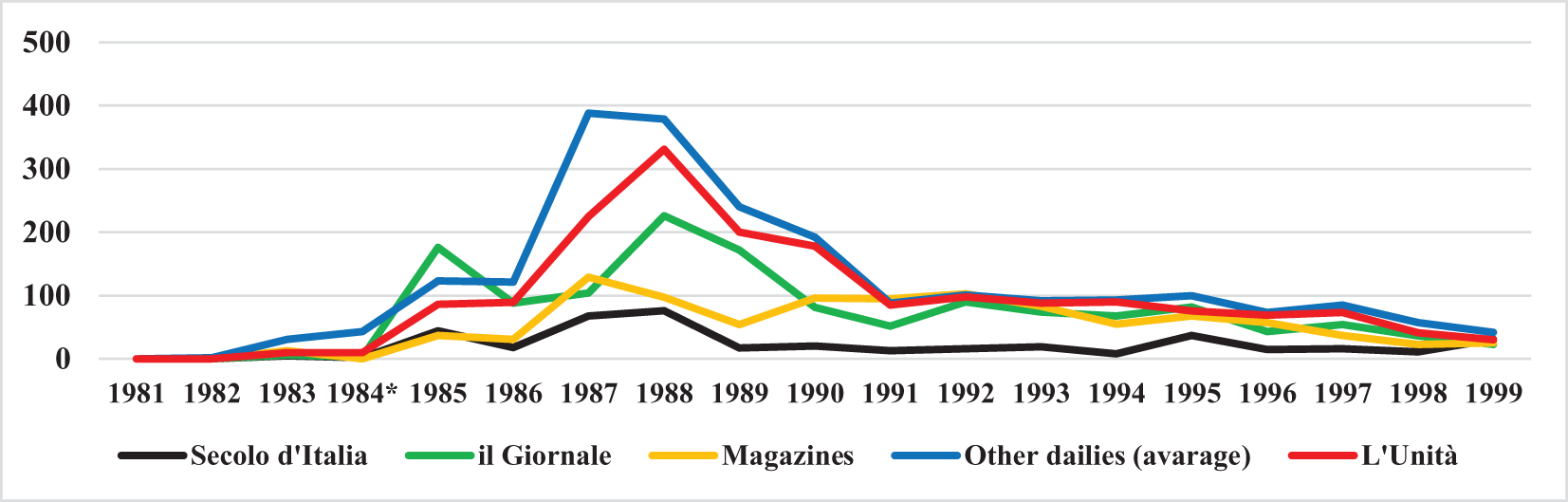
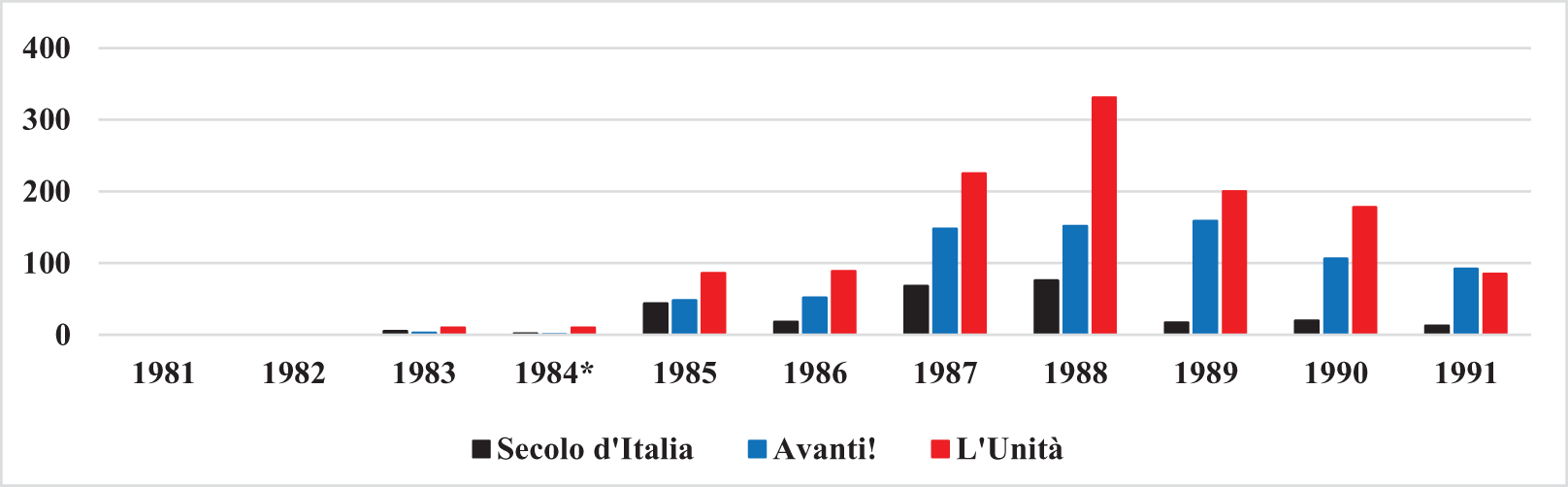
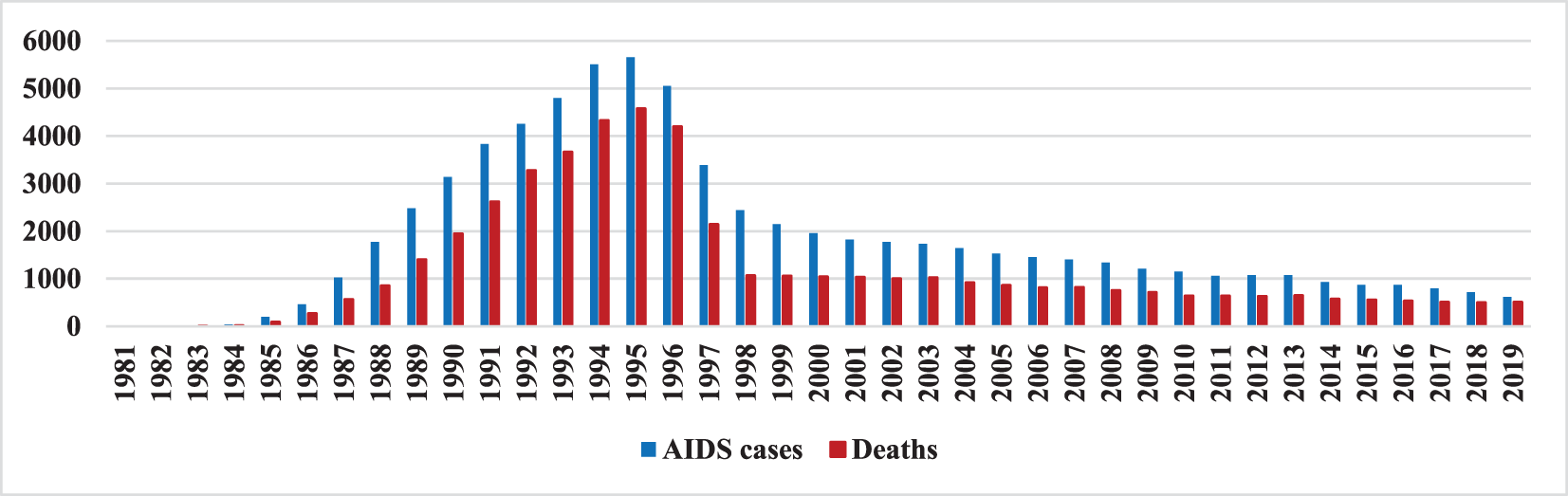
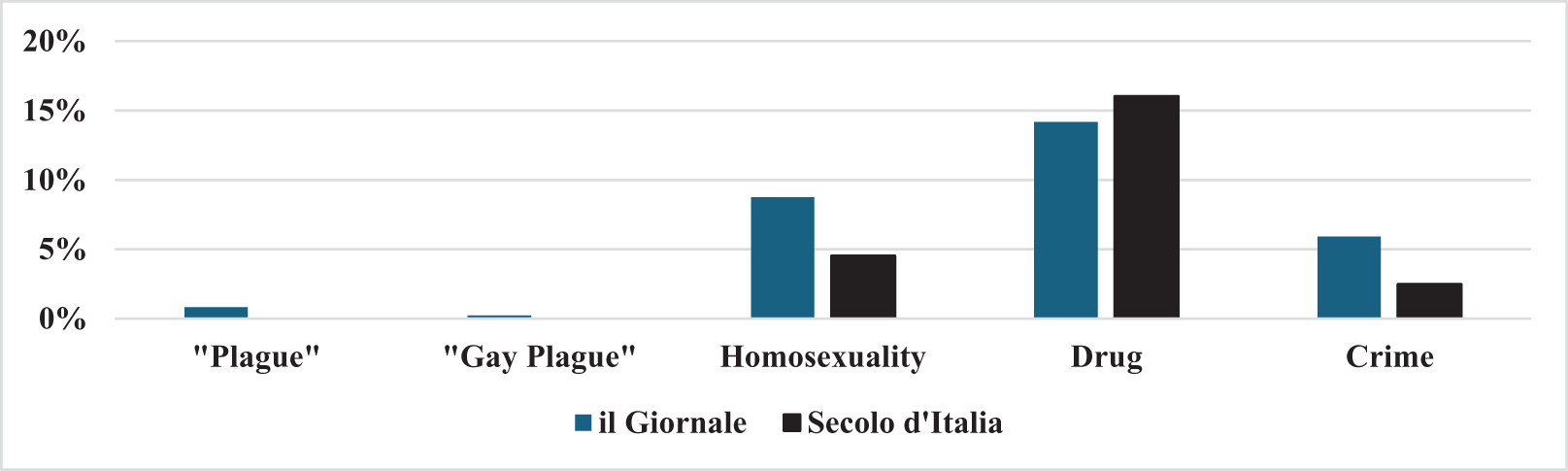
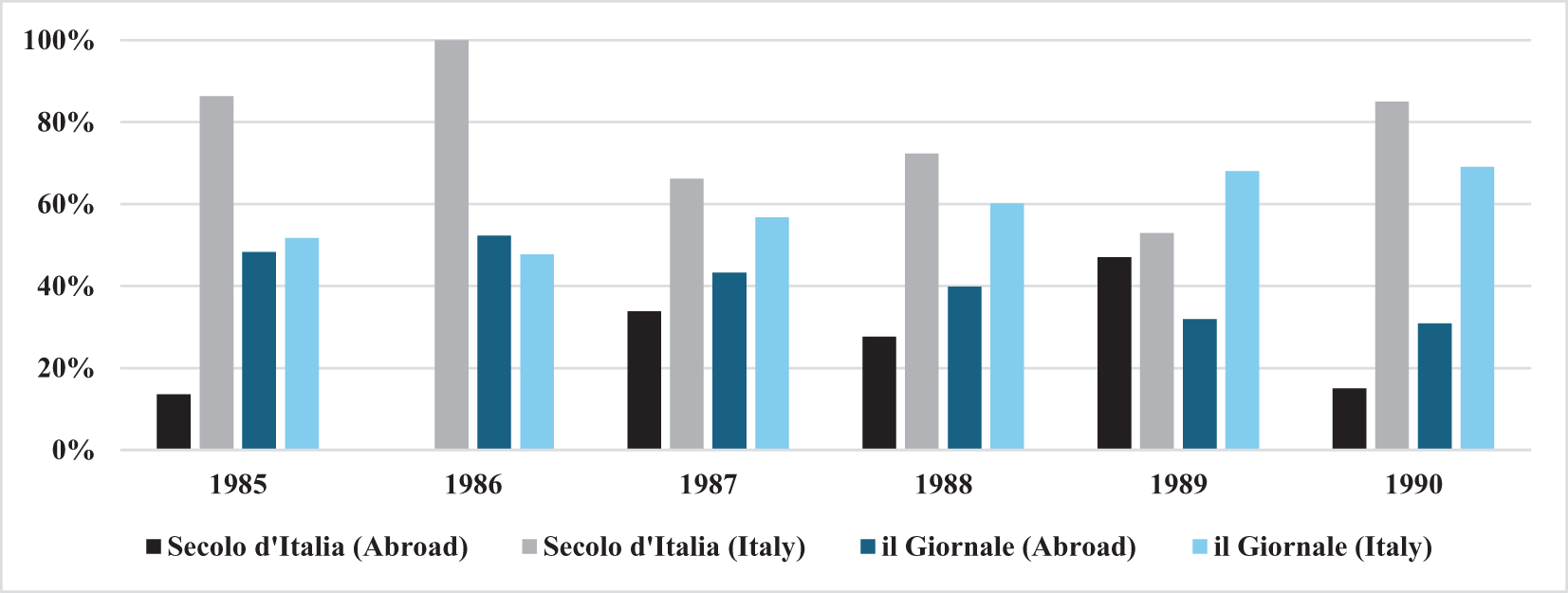
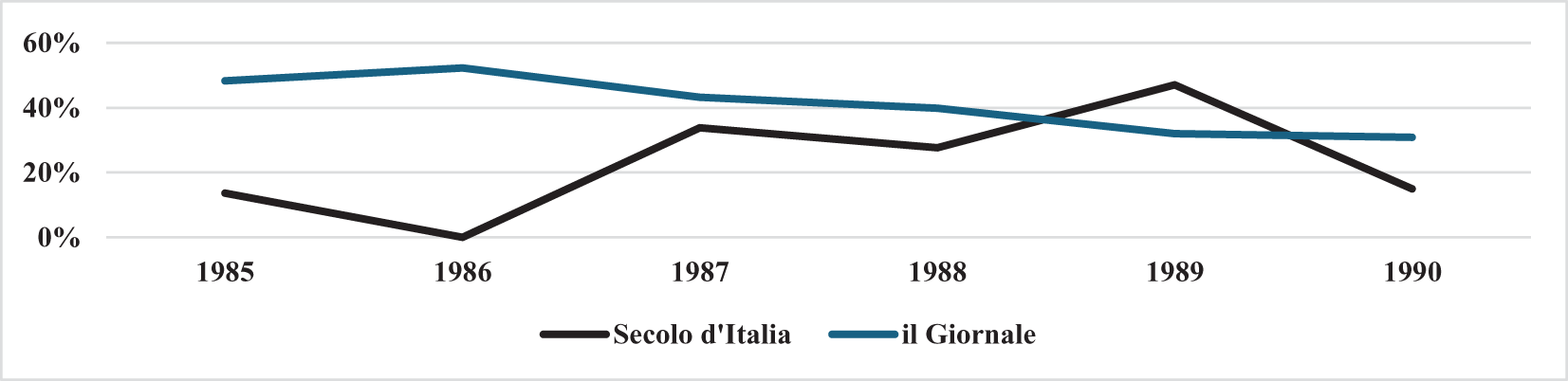

 Open access

