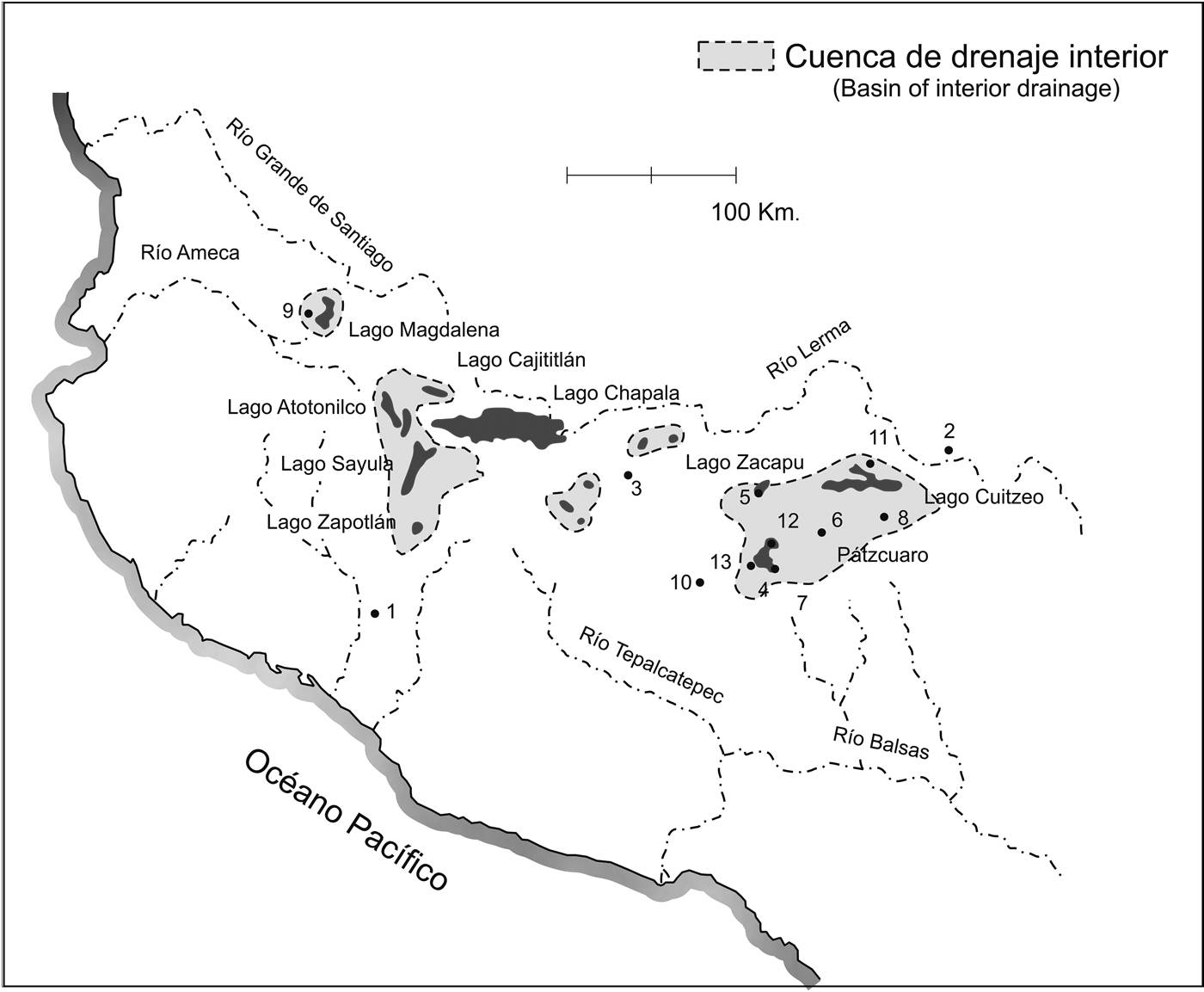
The ethnographic, ethnohistorical, and archaeological data discussed in this article help shed light on the cultural processes and the resulting archaeological correlates (such as artifacts and features) linked with an aquatic lifeway in the Lake Cuitzeo Basin, at the heartland of the Tarascan state, which flourished in Michoacan, west Mexico, during the Protohistoric period (a.d. 1450–1530) (Pollard Reference Pollard, Williams, Mestas and Esparza2009). This information is vital for interpreting the archaeological record not only in the study area, but also in all those parts of west Mexico (Figure 1) and elsewhere in Mesoamerica where lakes, rivers, streams, marshes, and other wetlands offered a natural bounty for human exploitation.
Main lakes and rivers of western Mexico. Shaded areas indicate interior-drainage basins, showing major archaeological sites: (1) Capacha; (2) Chupicuaro; (3) El Opeño; (4) Ihuatzio; (5) Loma Alta; (6) Loma Santa María; (7) Patzcuaro; (8) Querendaro; (9) Teuchitlan/Etzatlan; (10) Tinganio; (11) Tres Cerritos; (12) Tzintzuntzan; (13) Urichu. Base map adapted from Tamayo and West (Reference Tamayo, West and West1964:Figure 4).

The aim of this study is to increase our knowledge about the production, exchange, and consumption of aquatic resources in the Lake Cuitzeo Basin in ancient times. Most of the area's material culture inventory currently used for fishing, hunting, and gathering consists of artifacts made of perishable substances such as wood, fibers, and reeds, leaving few, if any, material traces. Ethnographic analogy, together with ethnohistorical data, is the means by which the archaeologist can shed light on ancient subsistence activities in aquatic environments. The traditional techniques discussed here—some of pre-Columbian origin—in many cases are being abandoned or transformed, and they may disappear in the near future. This would deprive us of a unique source of information for ethnographic analogy.
Although the subsistence techniques discussed here may seem too different and remote from the pre-Columbian situation, written sources from the sixteenth century and later allow us to understand the degree of similitude and variance through time. Likewise, ethnographic analogy, if used cautiously, can be very important in helping us understand the cultural and technological aspects of an ancient aquatic lifeway. Several general principles must be met in order for ethnographic analogies to be useful for archaeological reasoning, as discussed by David and Kramer (Reference David and Kramer2001:47–48):
… the subject and source cultures should be similar in regard to variables likely to have affected or influenced the materials, behaviors, states, or processes being compared … If the source culture is the historic descendant of the subject culture, there is … a greater intrinsic likelihood that similarities between the two will exist … [But], cultural descent must itself be regarded as a problematic concept … The range of potential source models for comparison with the subject data should be expanded [e.g. to include ethnography, ethnohistory, archaeology], in order to obtain as representative a range as practically possible … However, owing to the inevitable elements of inductive reasoning and subjectivity involved in testing, deductive certainty can never be achieved ….
Ethnographic analogy cannot, however, inform us about prehistoric patterns of behavior without a modern counterpart. Likewise, our knowledge of present cultural systems is incomplete, so in broadening their ethnographic knowledge archaeologists can understand alternative behavioral models that would be unavailable without some form of analogy. Ethnographic models are useful to suggest hypotheses that will then be tested and that are relatively free of ethnocentric bias. Therefore, ethnoarchaeology should go beyond mere analogy (Gould Reference Gould and Gould1978:52).
The lifeway concept has been very useful to develop explanatory models about ancient Mesoamerican societies. This concept refers to the socioeconomic formation and the factors that impinge on it—for instance, technical and social organization—which in their turn are conditioned by the characteristics of the environment where the group under study lives, as well as the contacts between several groups (Bate Reference Bate1988:65). According to Sugiura et al. (Reference Sugiura, García and Aguirre1998:71–72), an aquatic lifeway can be defined as a system that articulates all activities connected with the processes established between human groups and their productive environment.
The exploitation of an aquatic environment (whether lake, river, marsh, water springs, and so on) did not require complex technology, as it was based on the proper use of empirical knowledge about exploitable resources and a series of basic tools and artifacts. The inhabitants of the lake zones did not limit themselves to exploiting aquatic resources, but expanded their territory to include alluvial soils for agriculture and nearby forests (Sugiura et al. Reference Sugiura, García and Aguirre1998:72–75).
Pre-Columbian Mesoamerica was the only civilization in the ancient world that flourished without access to major domesticated animals such as horses, cattle, pigs, and sheep (Diamond Reference Diamond1999); therefore, fishing, hunting, and gathering had to provide all the nutritional complement to agriculture (Parsons Reference Parsons2006, Reference Parsons, Williams, García, Weigand and Gándara2011). In this respect, aquatic environments were by far the most productive in Mesoamerica (Parsons Reference Parsons, Williams, García, Weigand and Gándara2011). Ethnohistorical and ethnographic information has allowed us to characterize the Mesoamerican aquatic lifeway by means of three basic subsistence activities: (1) fishing, which included many edible water species besides fish; (2) hunting, including aquatic species such as waterfowl, reptiles, amphibians, and many others as well as terrestrial species from the lake basin and the nearby hills; (3) gathering of plants obtained for nutritional, medicinal, and many other purposes such as building material and basket weaving, as well as insects and their eggs, which were an important source of protein (Garcia Sanchez Reference García Sánchez, Florescano and Acosta2004:27; Parsons Reference Parsons2006; Williams Reference Williams2009a, Reference Williams, Williams, Mestas and Esparza2009b, Reference Williams, Williams and Weigand2011, Reference Williams2014a, Reference Williams2014b). To these three activities we should add the manufacture of many implements, features, and artifacts that were indispensable for the survival and reproduction of social groups. According to Sugiura and Serra (Reference Sugiura and Serra1983:17), there usually are two main aspects reflecting a high level of adaptation in an aquatic lifeway: food procurement and craft production. Food procurement was regulated by the seasonal cycles and a profound knowledge of the habitat of many plant and animal species, while craft production was destined not just for domestic consumption, but also for exchange with neighboring groups, contributing greatly to the economy of the lake dwellers.
There is a great similarity worldwide in the tools, implements, and procedures used to obtain and process aquatic resources. Many implements were needed “for cutting, scraping, penetrating, grinding, gouging, boiling and storage. These implements would need to be manufactured or acquired, and maintained, repaired, or replaced as they were used” (Parsons Reference Parsons2006:285). In order to predict what kind of archaeological manifestation would be linked with each subsistence activity, we need to consider where the remains or traces of these activities would be found in the archaeological record. It is also important to ask ourselves how they got there—that is, what were the ancient behavioral processes and the transformation processes after the remains entered the archaeological record (Parsons Reference Parsons2006:285).
The present ethnoarchaeological research sheds light on ancient subsistence through the study of contemporary activities such as fishing, hunting, gathering, and manufacture as well as the associated material culture and work areas. This ethnographic information (as well as the extant ethnohistorical and archaeological records), offers insights into pre-Columbian subsistence activities, which is critical for a better understanding of cultural and ecological adaptation in the study area through time.
NATURAL AND CULTURAL BACKGROUND OF THE LAKE CUITZEO BASIN
The Lake Cuitzeo Basin was a key economic area for the pre-Columbian Tarascan state, thanks to its wealth of natural resources, including obsidian (Healan Reference Healan and Williams2004), salt (Williams Reference Williams2003), and lime (Corona Nuñez Reference Corona Núñez1946), among many others. Nonagricultural resources such as fish, reptiles, insects, wild plants, aquatic fowl, and other wildlife were probably no less important for human subsistence than the area's agricultural and mineral production, although aquatic resources have seldom been taken systematically into consideration by archaeologists in this part of Mesoamerica.
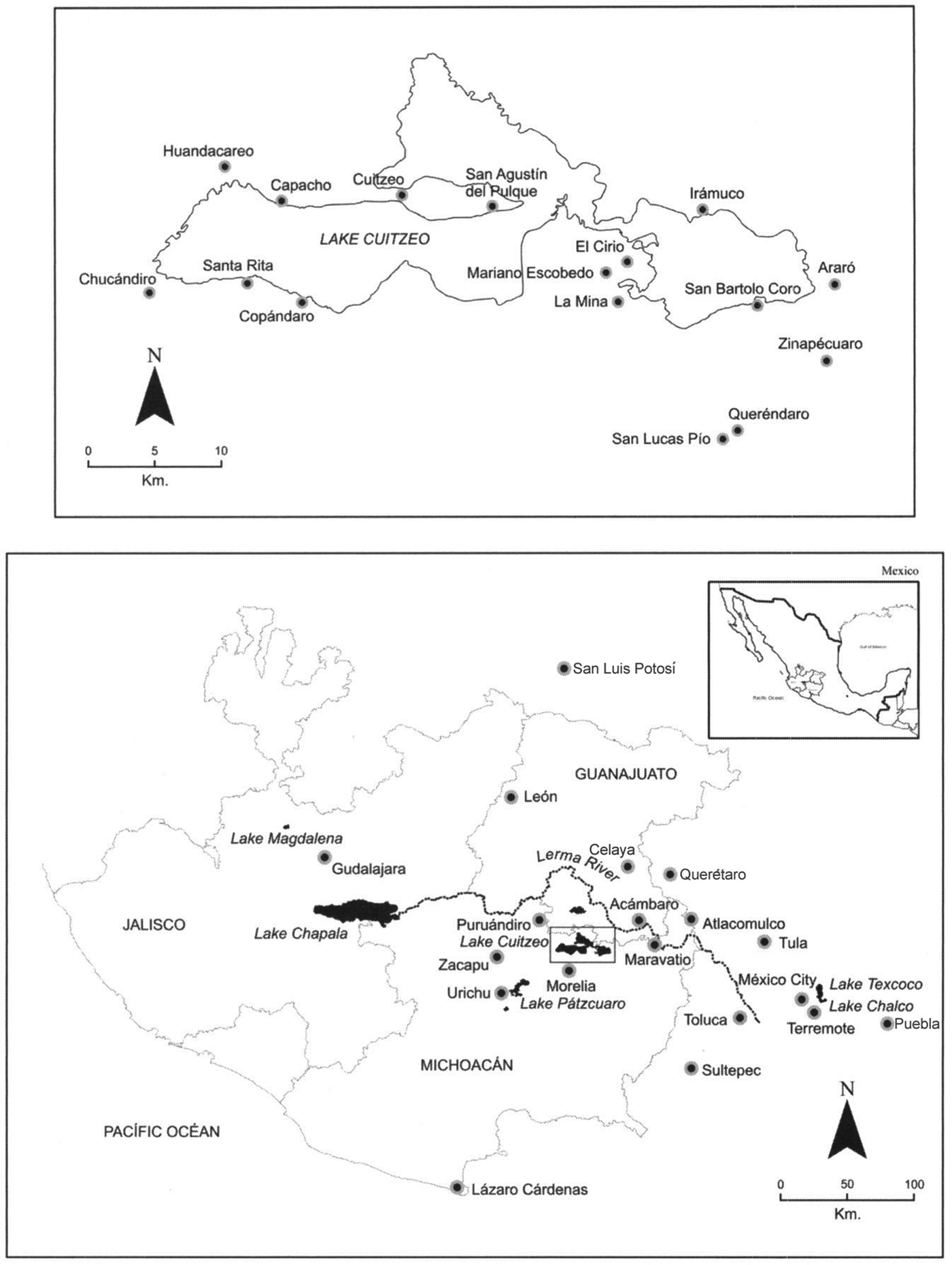
The Lake Cuitzeo Basin covers a total area of 3,618 km2 in the states of Michoacan and Guanajuato in west Mexico (Figure 2). Its main tributaries are the Grande de Morelia, Chico de Morelia, and Querendaro rivers. It also receives discharge from several small streams: Chucandiro, Salitre, Blanco, Capacho, Oncho, Grande, Carucho, Colorado, and Sanjón Blanco (Corona Nuñez Reference Corona Núñez1946:15). Lake Cuitzeo, which is the greatest body of water in Michoacan (Corona Núñez Reference Corona Núñez1946:15; Guevara Fefer Reference Guevara Fefer and Florescano1989:24–25), is in a naturally closed basin, which may be considered as a sub-basin of the Lerma River system since there are two natural canal systems linking Lake Cuitzeo with Lake Yuriria, and the latter with the Lerma River in the state of Guanajuato (Maderey and Correa Reference Maderey, Correa and Correa1974:217). Lake Cuitzeo is located at an altitude of 1820 m asl, with an area of roughly 420–630 km2.
Lake Cuitzeo, showing locations mentioned in the text.

Lake Cuitzeo has a high level of evaporation due to its great surface area. This fact, together with sedimentation caused, in part, by deforestation in the basin, has greatly reduced the lake's depth, which in the 1940s was around 3–4 m (Corona Nuñez Reference Corona Núñez1946:16). When rainwater is scarce, great expanses of the lake dry up, exposing sediments of salts, salitre (saltpeter), potash, and other elements (Macias Goytia Reference Macías Goytia1990:18). Salitre and tequesquite (salty aflorescences) are collected around the lake margins; salitre is given to cattle, and tequesquite was taken by muleteers to the Tierra Caliente of Michoacan (the Tepalcatepec River Basin; see Figure 1), where it was exchanged for fruit or cascalote (Caesalpinia coriaria, a leguminous plant from southern Mexico, which is used for tanning skins). Another important mineral found in the area is lime, which was manufactured in kilns and sold within the basin, where it was used in the preparation of nixtamal (maize boiled with lime in order to remove the outer skin of the kernels) (Corona Nuñez Reference Corona Núñez1946:43).
Lake Cuitzeo faces serious problems at present, such as pollution and the reduction of the area covered by water in the lake basin, due to sedimentation and the reduction in size of the streams and rivers that feed into it. This lake dries up when droughts are prolonged, and its water is salty (Corona Nuñez Reference Corona Núñez1946:16). Around 1988 more than two-thirds of the lake was permanently dry, and its maximum depth was just one meter (Rojas and Novelo Reference Rojas Moreno and Novelo1995:3).
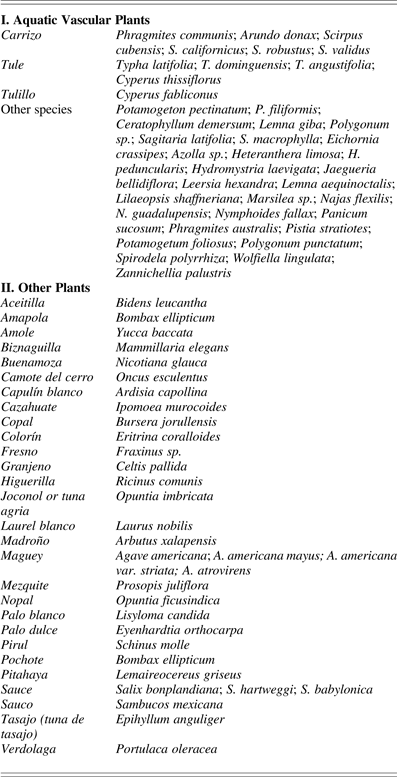
The lake has distinctive vegetation, with several unique plant communities including the tular, which mainly covers the eastern area. Its main components are tule (Typha dominguensis, T. latifolia), and carrizo (Scripus validus, S. americanus, and S. californicus), among others (Rojas and Novelo Reference Rojas Moreno and Novelo1995:5). The following trees and bushes dominate the landscape of the Lake Cuitzeo Basin: mesquite, pirul, huizache, and cazahuate as well as succulent plants such as the maguey and sábila (Corona Nuñez Reference Corona Núñez1946:18; see Table 1). In the first half of the twentieth century, Corona Nuñez (Reference Corona Núñez1946:24) reported that the cultivation of maguey plants had invaded the lake region, while “the tule brakes that existed in front of Chucandiro and Huandacareo have disappeared almost completely … because of exploitation and because the desiccation of the lake has increased through the years.”
Plant species exploited in the Lake Cuitzeo Basin
Note: Compiled from Alcocer and Bernal-Brooks (Reference Alcocer and Bernal-Brooks2010); Ávila (Reference Ávila and Barragán1999); Castelló (Reference Castelló1987); Corona Núñez (Reference Corona Núñez1946); Correa (Reference Correa1974); Núñez et al. (Reference Núñez, López, Guevara, Méndez and Florescano1989).
Because of the growing settlements in the Lake Cuitzeo Basin in recent years, there has been denuding of the nearby forests and an increase in the use of natural resources, primarily water, for major cities such as Morelia and for irrigation. This has reduced the extent and depth of the lake, with the loss of natural habitats and biodiversity (Rojas and Novelo Reference Rojas Moreno and Novelo1995:15). Deforestation in the Lake Cuitzeo Basin may have started early in the Colonial period.
The case for environmental impact in the Cuitzeo Basin is … obvious. There was essentially no woodland on the uplands, although tunales were commonplace … [O]rchard cuttings or woody shrubs had to be used for firewood, since the closest woodlands were 20 km away … [M]aps for the district from the 1570s and 1590s … include only one showing a patch of arboreal vegetation, namely a grove of oaks… the area appears to have been largely deforested, at least outside of the old lake plain … But the nature of the archival record offers no clues as to whether some of this impact led to serious ecological degradation, such as the soil erosion documented in cores from Lake Patzcuaro … (Butzer and Butzer Reference Butzer and Butzer1997:169–170).
The ecological problems mentioned above have affected the fishing industry in Lake Cuitzeo. According to data published by Mexico's Department of Agriculture, Cattle Raising, Rural Development and Food (SAGARPA 2004), “although the work effort put into fishing has remained constant, capture has been reduced in accordance with the droughts of recent … years.” In 1994 some 3,250 tons of fish were extracted from the lake, while in 2004 the catch was of a mere 750 tons. In 2004 there were 1,359 fishermen, 940 watercraft and 30,635 fishing gears in Lake Cuitzeo. The breakdown of species caught in that year is as follows: charal 36%, tilapia 40%, mosco (aquatic insects) 17%, frogs 7% (SAGARPA 2004).
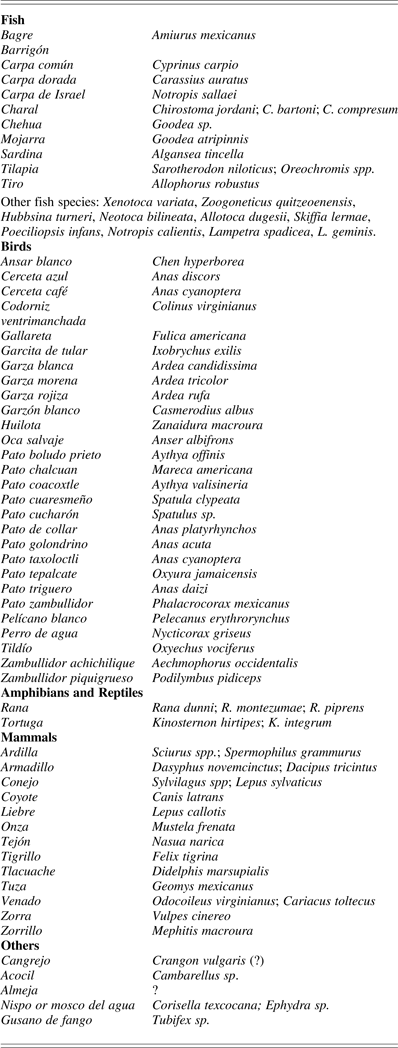
Many animal species are still hunted in the Lake Cuitzeo Basin, which is relatively rich in terms of wildlife, although their numbers are decreasing on account of deforestation, pollution, and overexploitation within the area. Until the first half of the twentieth century, deer were hunted in the hills, although sporadically, as well as rabbits, hares, and huilotas (wild doves). Traditional hunting techniques, such as traps for hunting small birds, were still in use in the area around 1940 (Corona Nuñez Reference Corona Núñez1946:51–52). Among the hunted prey, there are 24 species of major birds distributed among five families, such as ducks that come from Canada in the winter, and 140 species of smaller birds corresponding to 36 families (Ávila Reference Ávila and Barragán1999:186) (see Table 2).
Fish, birds, and other animals exploited in the Lake Cuitzeo Basin
Note: Compiled from Alcocer and Bernal-Brooks (Reference Alcocer and Bernal-Brooks2010); Ávila (Reference Ávila and Barragán1999); Corona Núñez (Reference Corona Núñez1946); Correa (Reference Correa1974); Leopold (Reference Leopold1977); Núñez et al. (Reference Núñez, López, Guevara, Méndez and Florescano1989); SAGARPA (2004).
In the north-central area of Michoacan, where the Lake Cuitzeo Basin is located, there are abundant agricultural lands, used mainly for rainfall agriculture, as well as irrigated lands that produce good harvests. Among the crops grown here are maize, wheat, sorghum, bean, chick pea, alfalfa, and sugar cane. Animal husbandry, including cows and pigs, is practiced in areas with natural grasses, and chickens are raised as well. The surrounding forests—mainly conifers and mixed vegetation—are also exploited (Atlas Geográfico 2000:128).
The total population of the Lake Cuitzeo Basin was 176,470 people in 2000, occupying several towns and villages around the lake and throughout the basin (Atlas Geográfico 2000:94). Fishing is a common activity among the lakeside communities, particularly on the eastern side of the lake, which has been passed on from one generation to the next. It is practiced mainly for household consumption, although there is also some intercommunity trade as well as trade outside the Lake Cuitzeo Basin (Peña de Paz Reference Peña de Paz2003:277).
The major organizational features of fishing remained unchanged until the 1980s, when the Mexican government became involved in its regulation and promoted the organization of trade unions and cooperatives. Fishing is no longer the main economic activity around the lake; most people work in agriculture as paid laborers or in commerce. But, agriculture and fishing complement each other, since the former is not a year-round activity and the latter is not reserved to a specific sector of the population (Peña de Paz Reference Peña de Paz2003:277–281). Unlike Lake Patzcuaro to the southwest, there are no Tarascan or other major indigenous communities within the Lake Cuitzeo Basin; most people are mestizo.
My first ethnoarchaeological work at Lake Cuitzeo, dealing with salt making (Williams Reference Williams1999, Reference Williams2003), was started in 1996. Between that year and 2002 occasional observations were made on subsistence activities such as fishing, hunting, and gathering in the Lake Cuitzeo Basin (Williams Reference Williams and Williams2005), as well as trade and exchange of strategic resources from an archaeological and ethnohistorical perspective (Williams and Weigand Reference Williams, Weigand and Williams2004). My full attention was shifted toward fishing, hunting, and gathering in 2003, when I spent several months conducting fieldwork in the eastern portion of Lake Cuitzeo (Williams Reference Williams and Williams2005). Since that time I have conducted ethnographic fieldwork in this and other lake basins of Michoacan and Jalisco (such as Patzcuaro and Chapala; see Figure 1), looking for information on subsistence activities like the ones described in this article. I have also carried out extensive ethnohistorical research in several archives in Morelia and Patzcuaro, Michoacan (Williams Reference Williams2014a).
The field methods employed in this research included interviews with fishermen and other informants using questionnaires in order to ascertain the importance of fishing, hunting, and gathering activities in the local economy. Older informants (for example, over the age of 70) were interviewed in order to record relevant aspects of the local oral history, with special emphasis on the implements and techniques used in the past, many of which are no longer employed. Likewise, I participated in some fishing activities on the lake, as well as interviewing the fishermen, hunters, and artisans and taking photographs.
Photographs and drawings have also been important to record activity areas, both in domestic contexts and in workshops—where the use of space, the artifact inventory, and the archaeological visibility of all subsistence activities were of primary importance—as well as in the field, for instance in places where reeds are collected, stored, or processed. This ethnographic work has produced tool inventories in many households within several communities, as well as observations on social organization, division of work by gender and age, trade, seasonality of subsistence activities (there is a dramatic difference between the dry and wet parts of the year in this respect), specialization, and the incorporation of new fishing techniques.
ETHNOHISTORICAL AND ETHNOGRAPHIC INFORMATION ON SUBSISTENCE ACTIVITIES IN THE LAKE CUITZEO BASIN
Several sources from the sixteenth century give us an idea about the environment of the Lake Cuitzeo Basin during the early Colonial period, as well as the natural resources exploited in the area, which may have been available to the pre-Columbian inhabitants. According to the Libro de las tasaciones de pueblos de la Nueva España (González de Cossío Reference González de Cossío1952), the Lake Cuitzeo Basin's natural riches were bountiful and varied. For instance, the towns of Araro and Zinapecuaro paid as taxes, every 20 days, 100 tamemes (loads) of maize and beans, as well as 40 loads of beans, 20 of chili peppers, 200 gourds, 200 pairs of sandals, 30 tamemes of salt, and 30 of fish. All these items had to be taken by the local indigenous peoples to the mines of La Trinidad (Sultepec, Estado de Mexico). Apart from the above, they had to pay every day two chickens and one dozen quail, two rabbits, the “necessary” fish, and one dozen eggs and tamales for the servants as well as grass and firewood, and every 50 days they paid 50 shirts and 50 feline skins (González de Cossío Reference González de Cossío1952:49).
Another sixteenth-century source for the Lake Cuitzeo area, the Tasación del bachiller Juan de Ortega (1528), mentions the goods paid as tribute by several towns around the lake:
The lord of Yorirapundaro [Yuririapundaro] says he will deliver for his master in the mines every 20 days 220 loads of provisions and ten loads of fish and six of salt … [T]he lord of Cuyzeo [Cuitzeo] says he will deliver for his master in the mines 400 fanegas of maize and 30 loads of fish … the lord of Chocandiro … will give 100 loads of provisions in the mines and six loads of ají [chili] and six of salt and two of fish (Warren Reference Warren1989:417–418).
Lastly, the Suma de visitas says this about Araro, one of the most important towns in the area in the sixteenth century:
Araró … has three barrios and … sixty houses and … 250 persons over three years of age, and they give as tribute every year 150 pesos of common gold and 500 hanegas of maize and three loads of salt and 30 of axi [chili peppers]. It is located in a plain between two hills. This is temperate land, it has a river of hot water and another of cold water: much land can be irrigated, there are many morales [cherry groves] … [I]n the cabecera [head town] of Araró there is a lake in which there is much fish … saltworks, and hot water (Paso y Troncoso Reference Paso y Troncoso1905:32).
What follows is a discussion of subsistence activities (fishing, hunting, gathering, and manufacture) from the perspective of ethnographic research and ethnohistorical sources, followed by a discussion of the archaeological implications of these observations for the reconstruction of an aquatic lifeway in the Lake Cuitzeo Basin and other aquatic environments within west Mexico and elsewhere in Mesoamerica.
Fishing
Several sixteenth-century sources mention Lake Cuitzeo's abundance of fish in the early Colonial period. One of them, the Relacion de Cuiseo de la Laguna, written in 1579, says:
This lake has a kind of fish as big as the hand's little finger, which in their tongue [i.e., Tarascan] is called charao [charal], a most valued fish among them. And they get great quantities of this, and come from other provinces forty and fifty leagues away to trade for it, bringing cotton and cacao, which is a coin they use in this land … they also bring many fruits from the land, and they would rather get fish for them than pesos. This fish is dried under the sun … [I]t is measured by fanegas, being so small. There is another fish in this lake which the natives call curuenga [curengari], which is as big as a sardine … and salted is better than those in Spain. There are likewise great quantities of frogs, bigger than the ones in Spain. Of these types of fish the natives take great amounts and bring them to the markets, where many people come from other parts in order to buy … (Acuña Reference Acuña1987:85).
Another early account is the Descripción... de Cuitzeo de la Laguna... (de Voto Reference Voto1777), which states about the lake that “its water is so salty that it is of no use, just [for] the breeding of a small fish they call charare [charal] with which the Indians who live around the lake support themselves and trade.”
Fishing is still an important activity for human subsistence and for the economy of the Lake Cuitzeo Basin, although its role has decreased in recent times. According to Ávila (Reference Ávila and Boehm2002), there are some 1,000 families who depend on fishing for their livelihood. The most important species caught are charal, carpa, and mojarra (the carpa and mojarra are not native species; they were introduced to the lake in recent times), which are sold in Morelia, Mexico City, Toluca, and Guadalajara (Ávila Reference Ávila and Barragán1999:184).
Fishermen used to process fish for conservation in order to ship it outside of the Lake Cuitzeo Basin by salting and drying in the sun. Fish was sold by the cuarterón, a unit of measure consisting of a wooden cube of approximately 15 cm on the side, with a capacity of roughly 1.5 kg of maize. Fish was also exchanged for salt from Araro (a major salt-producing town since the sixteenth century; see Williams [Reference Williams1999, Reference Williams, Staller and Carrasco2010]), which was used for feeding cattle, for daily use in the homes around the area, and for preserving fish. One of the fishermen told us that he used to trade fish for chili, maize, and beans. For a gallareta (a species of waterfowl; see Table 2), he would get a little maize sack; for 3 kg of carpa, a basket of guayaba; for 1 kg of fish, a big clay pot, three cuarterones of beans, two of wheat, or 1 kg of black chilies.
The height of the fishing season is during April and May, when yields may be as high as 100–120 kg of mojarra in one day. Since most fishermen are also farmers, fishing decreases in the rainy season (from July to October) when the lake level rises and people tend to their fields. Fish caught in the lake are taken as far afield as Estado de Mexico, Puebla, San Luis Potosi, and Monterrey (Nuevo León, near the Mexico-Texas border). In the 1940s during the high fishing season as much as 100 tons of charal were caught by the fishermen in Lake Cuitzeo (Corona Nuñez Reference Corona Núñez1946:53).
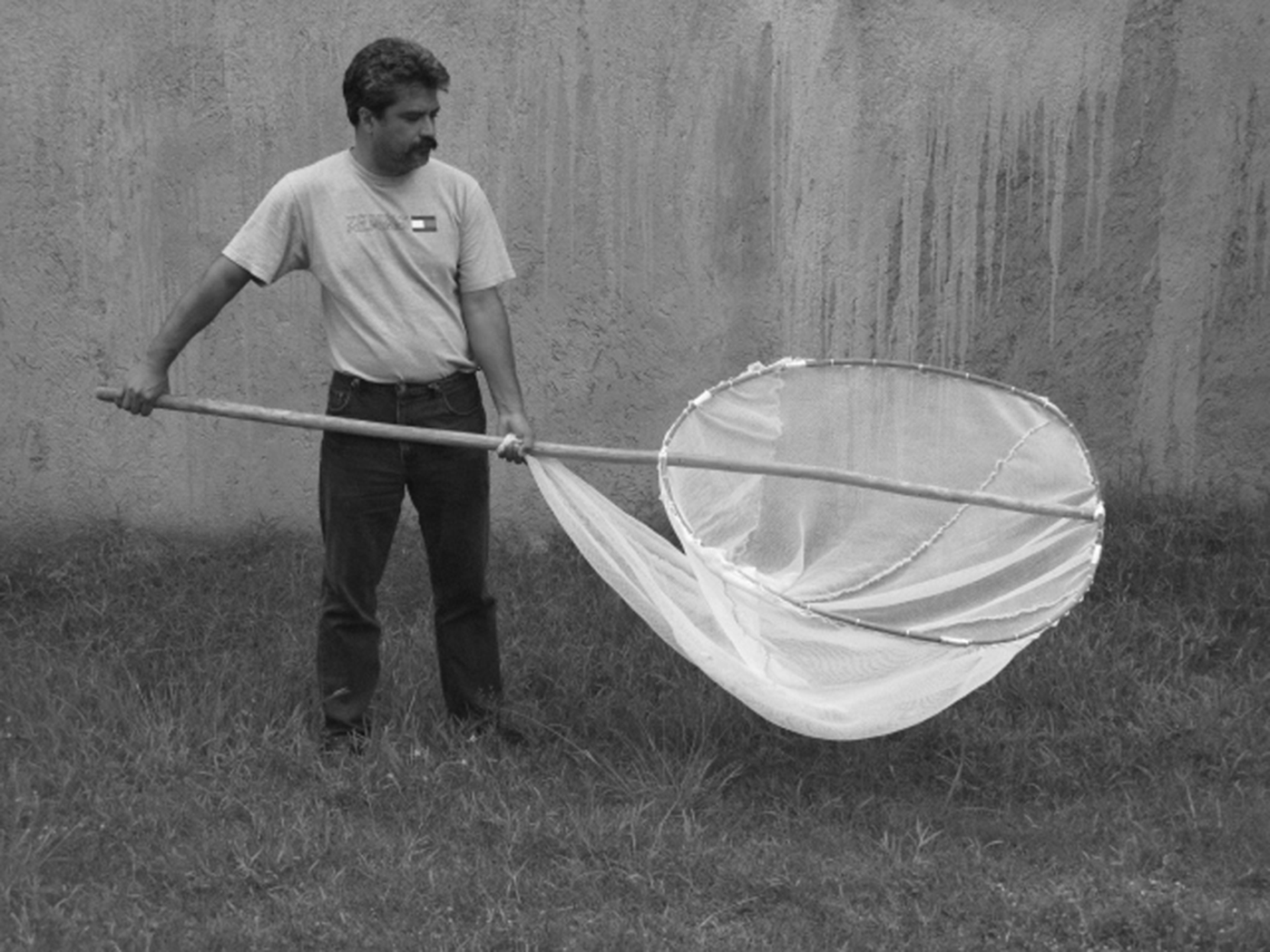
Some lakeside communities specialize in a single lake product. For instance, in La Ortiga frogs are the mainstay, while in San Juan people are primarily fishers, using a net called chinchorro. Several fishing techniques are used throughout the lake, such as nets (Figure 3), fishhooks, and traps such as the corrales, which are made of carrizo reeds (see Williams Reference Williams2009a:Figure 4). Many kinds of fish are caught in these traps, including carpas and sardinas, as well as animals such as frogs and ducks. As much as 5 kg of fish are caught in the corral in one day, and in the dry season, when the level of the lake is lower, the daily catch can be as much as 10 kg. A single fisherman can have 20 or 30 corrales, although in some cases the number can be as high as 50, and tending them is a full-time occupation.
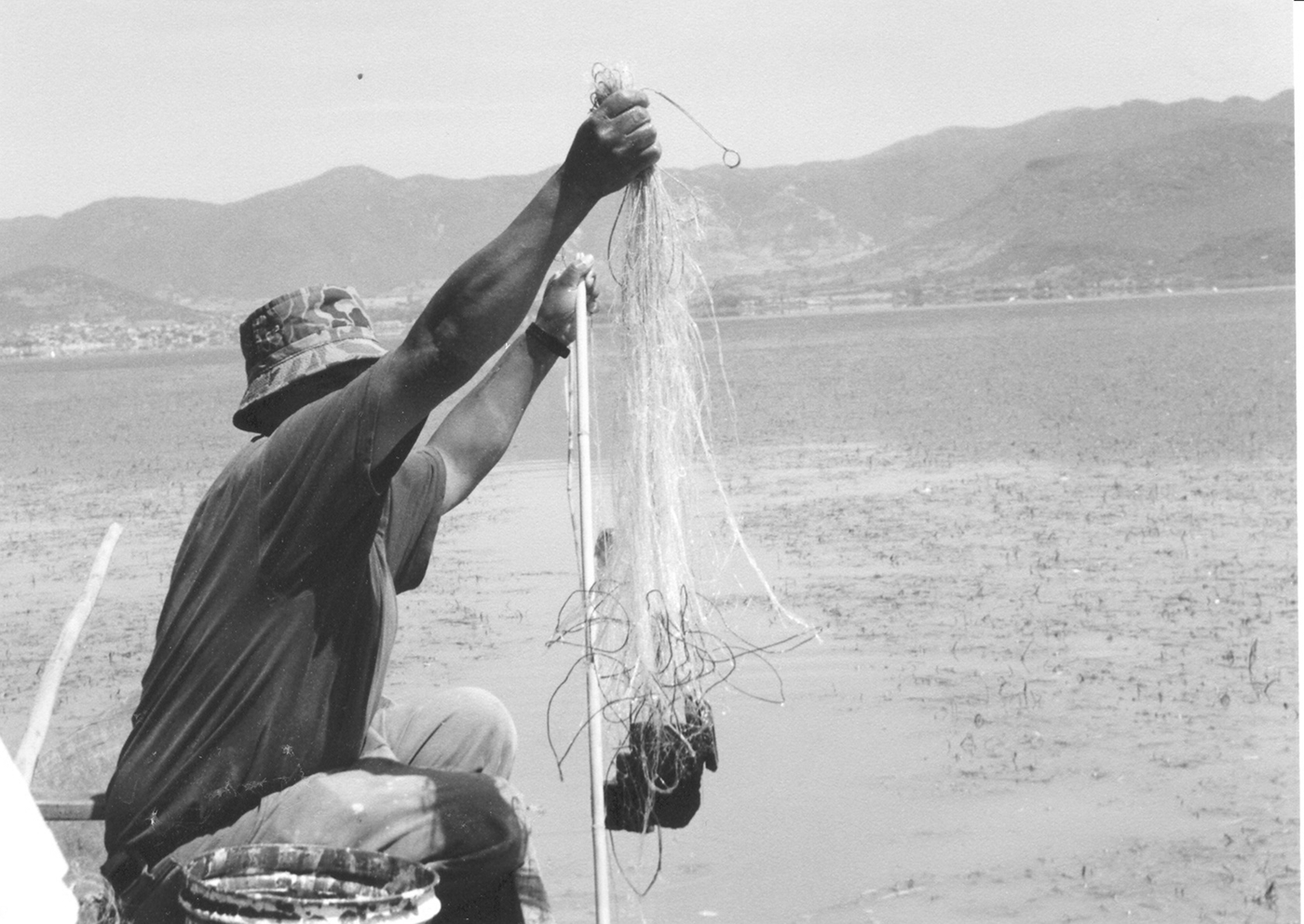
This net, known as red de aro, was used for fishing in Lake Cuitzeo until recent years.
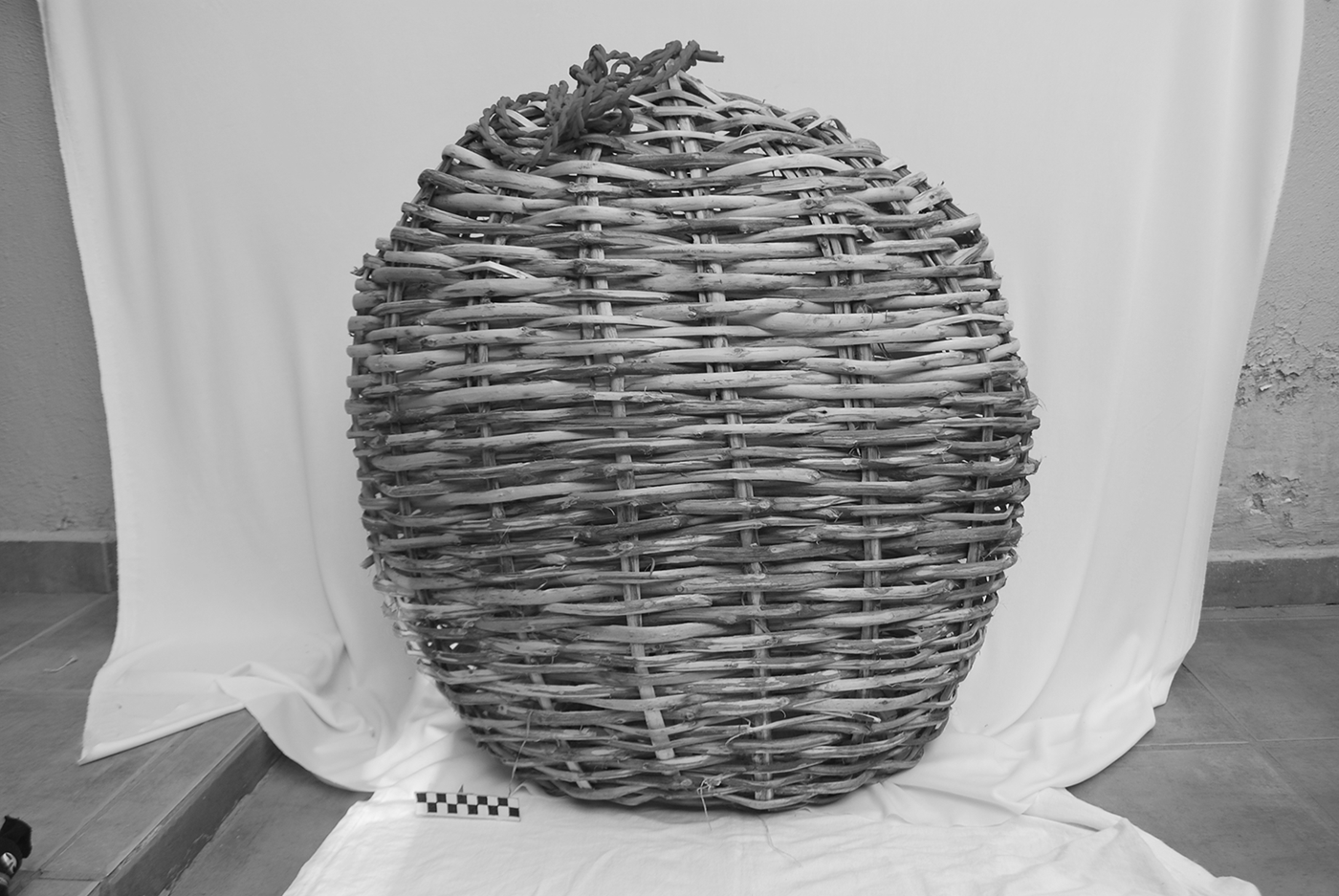
The nasa is another kind of trap that was used until some 50 years ago, which was made by weaving willow twigs (known as vara de sauce) in a process very similar to that of making a basket. Making nasas as a craft has died out in the Lake Cuitzeo Basin, but they are still manufactured in Lake Chapala by a single family of artisans (Figure 4). Two kinds of nasa are used in Lake Chapala, one called de espiga (or espiguero), in which the “mouth” or entrance for the fish is like a funnel, and one called de puerta, which has a small door that springs shut once the fish is inside the trap. Both traps are baited with tortillas. The artisan is assisted by his wife and two daughters in the production process, because making nasas is hard work. Only two traps of the kind known as de puerta are made in one day, using willow twigs that have to be green and pliable. The nasa makers also use the branch of a bush called jaral, which grows in humid places around several lakeside towns in the Lake Chapala Basin. It is no longer usual to make a big nasa (1.5 m high), since jaral is not as easy to find nowadays as it was before. Wood from several kinds of trees and bushes is also used to make a nasa: sauce, sabino, palo dulce, zorrillo, and zicua. During the dry season (from November to June) jaras (the branches of the jaral bush) dry up and become brittle, so the artisans have to wait until the rainy season in order to harvest materials from these plants.
The nasa is a fish trap formerly used by the fishermen of Lake Cuitzeo. This specimen is from Lake Chapala.
Some local fishermen in Lake Chapala still use nasas for fishing. These traps can stay in the water for up to eight or ten months, until they eventually are abandoned because the fish start to break the twigs in order to escape or the traps slowly deteriorate in the water. One nasa can yield a significant catch in one day—around 16 kg. The nasa de puerta is used for catching two species: carpa and tilapia, while the nasa de espiguero is used for bagre. In order to use the nasa, the fishermen sink it to a depth of 2 m, where it lies flat on the bottom of the lake; several stones are put inside so it will not float to the surface. A single fisherman can have as many as 40 traps in use simultaneously, so productivity can be considerable, catching as much as 640 kg of fish in one day.
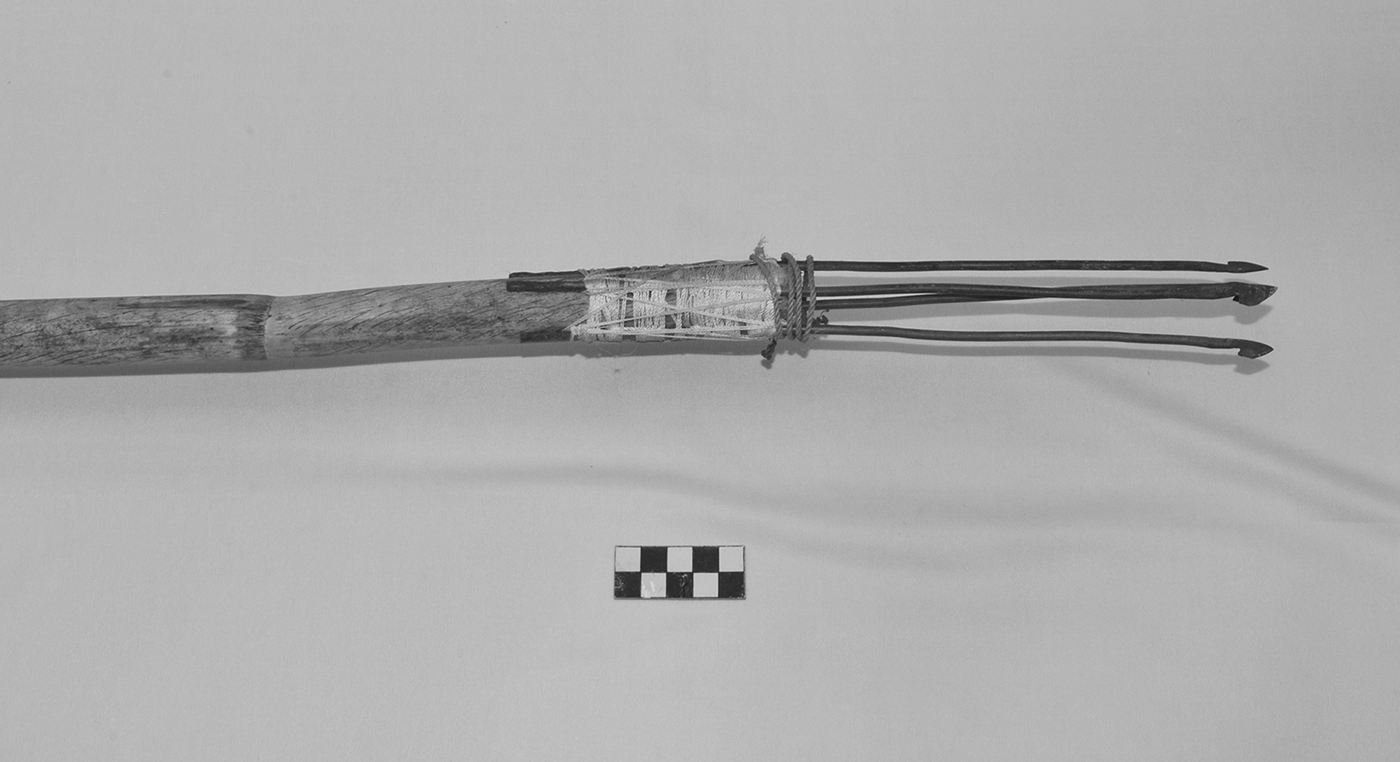
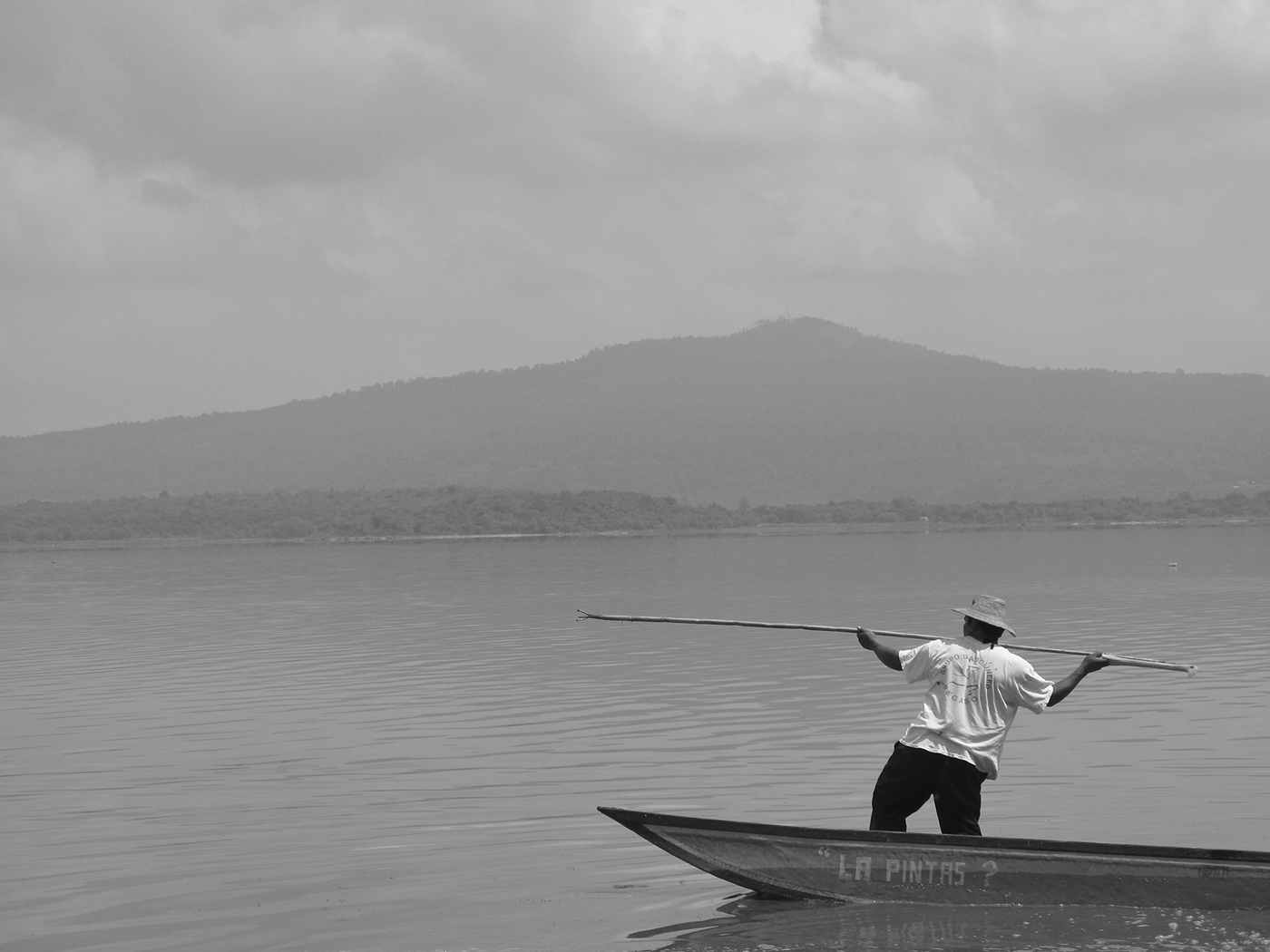
Other fishing techniques still in use in the Lake Cuitzeo Basin are the tregua, a long rope with fishhooks with acociles (freshwater shrimp) used as bait, and the fisga, a 3 m-long reed harpoon with metal prongs in one end, used for catching fish and frogs (Figure 5).
The fisga is a harpoon made with a 3 m-long carrizo reed pole and metal prongs. It is used for hunting frogs and fishing in Lake Cuitzeo.
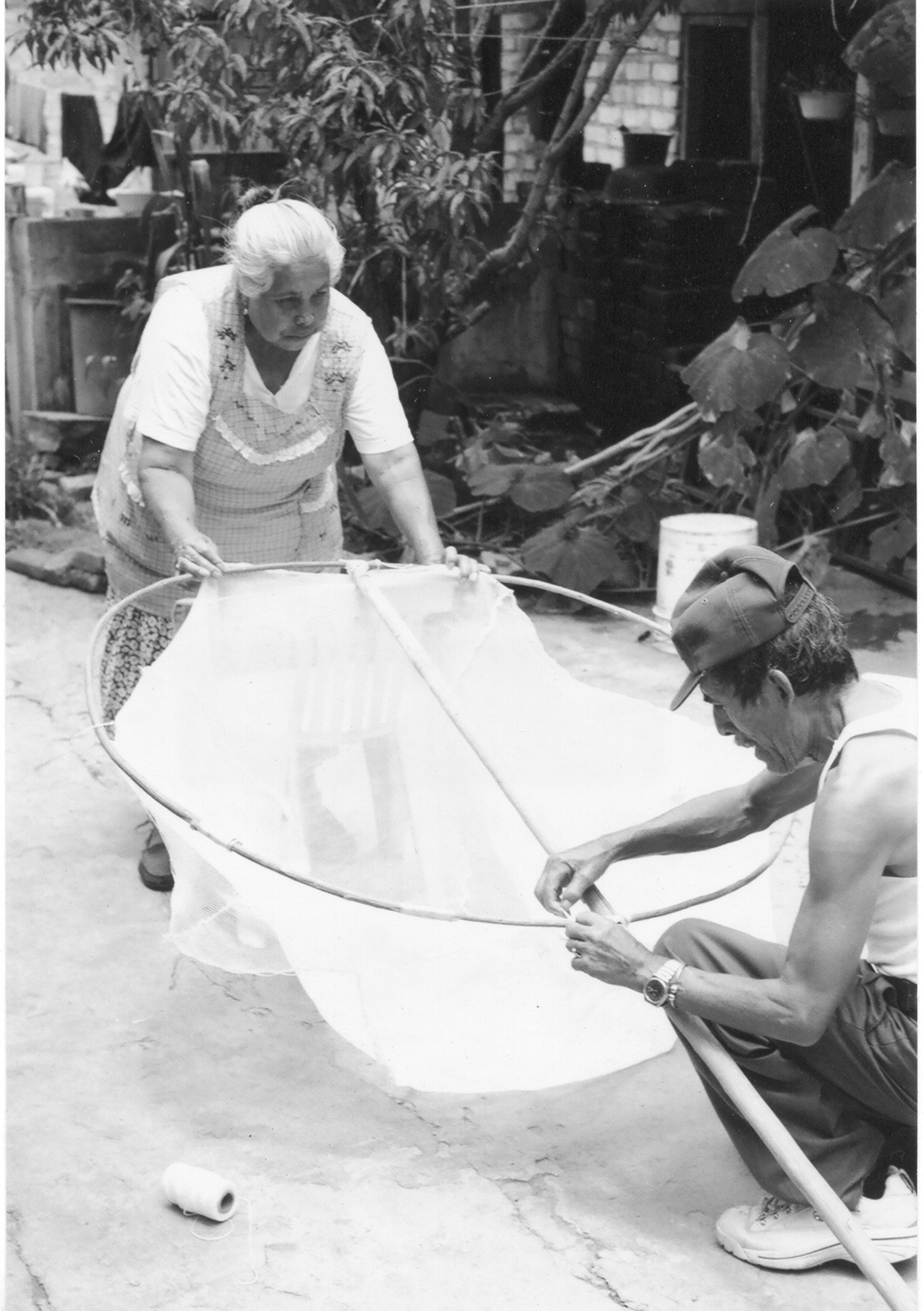
Fishermen catch tiny fish known as charales with a fishnet known as red de aro, which consists of a circular frame made with the pliable branches of the pirul tree and a long carrizo reed pole (Figure 6). The tumbo is a gill net of 50–80 cm in height by 50 m in length, with floaters at the top (which could have been made of reeds or gourds) and sinkers (usually pottery fragments) at the bottom (Figure 7). Each fisherman has his own nets, using personal marks such as knots to distinguish them from the rest. Ten kilograms of fish are caught in a tumbo on average per day, which are sold in the lakeside towns.
Making a net. The cloth, which is made with cotton thread, is being sewn to the circular frame. Ixtle fiber (from the maguey [Agave spp.]) was used in the past.
The tumbo is a gill net used for fishing in Lake Cuitzeo. The net has pottery fragments at the bottom to keep it in a vertical position.
A fishing technique no longer used in the Lake Cuitzeo Basin was known as rede de rama, consisting of between 8 and 100 wooden or reed stakes sunk into the lake floor in a straight line, with bundles of grass, twigs or aquatic weeds (known as coture) tied to each stake. Fish would be attracted by the shade projected on the water surface, and when they were within range they would be caught with the fishnets by the fishermen, who had to get out of their canoes.
The chinchorro is a fine-mesh seine net of great size, used primarily for catching charal, although many other fish species are also caught, even turtles and shrimps or acociles. This net can be as long as 200 m and between 2 and 4 m wide. The net is spread over the water in a semicircle, and is pulled from the beach or from a boat. At least three people, who may or may not be related to each other, are needed to handle the chinchorro. If the net belongs to a single family, the proceeds of the sale of the fish stay in the household, but if it belongs to people who are not relatives, each fisherman takes a share of the daily catch (Palmer Reference Palmer2004:33–34). Fishing groups are often composed of relatives, men who handle the net and work in the boats within the lake, and women who sell the fish in the market, while the whole family—men, women, and children—help process the fish at home, including, for example, making fillets (Palmer Reference Palmer2004:34, 73).
The importance once held by fishing in the regional economy is still seen in some towns, such as San Juan Tararameo, where the famous tamales de charal are cooked in ovens. As many as 1,500 tamales of 250 g each are produced every week, with fish provided directly by the local fishermen. The tamales are sent to Toluca in the state of Mexico, and formerly to Puebla, among other destinations. The method of manufacture for the tamales is as follows: the charales are salted in tubs of brine and then wrapped in maize leaves and put inside an oven on trays. They stay for some six hours in the oven, which requires much firewood. The tamales de charal are of pre-Columbian origin. The Aztecs prepared small tamales called michpiotli or michpiltamalli. They were flavored with chili, epazote (an aromatic and slightly bitter plant, Chenopodium ambrosioides), and diced nopal (Opuntia spp.), and cooked on a comal (pottery griddle) or among the embers of the hearth, wrapped up in maize leaves. These tamales can still be found in several markets in Mexico City (Castelló Reference Castelló1987:138).
Hunting
Many animal species were hunted in the Lake Cuitzeo Basin in the past. In pre-Columbian times, hunting wildfowl may have been an important activity in the study area, as it was in the late sixteenth century. According to the Relación de Cuiseo de la Laguna of 1579:
in the lake around the month of December there are so many patos reales [royal ducks], and cercetas, garzas [egrets], and alcatraces, that they have no number, and the natives go into [the lake] at night in their little boats, with burning lights, to catch the said birds, and they come to the brightness and the natives kill them with bow and arrow; and they kill so many [and] bring to the markets such great quantity that it is frightful. What they hunt the most is ducks. There also are quails like those of Spain, crows, hares, deer, tordos [thrush] in great amounts … doves, hawks, wolves … (Acuña Reference Acuña1987:88).
The Lake Cuitzeo Basin is relatively rich in wildlife, although most wild animals have decreased in number in recent years. The great extensions of land covered by tule in the eastern and central margins of the lake offered refuge to countless water birds, of both migratory and resident species, which were hunted and eaten by many people in the region. The quantity of ducks was so great that one single flock flew over the lake for up to two hours. These birds were killed with guns, while the sources from the sixteenth century mention the bow and arrow (Relación de Cuitzeo; Acuña Reference Acuña1987). Although there was another way of killing birds: using sharpened branches from the casahuate tree. The branches were flung at the ducks, killing many of them (Argueta et al. Reference Argueta, Merino, Zubieta, Campos, Chávez, Rauda, Peña, Argueta, Cuello and Lartigue1986:145).
Frog hunting is now more important than duck hunting for the local economy of many towns around the lake, such as La Mina. Frogs are used as food and are known as cuanaces (from the Tarascan cuanaz); they live in muddy water within the lake and are hunted with the fisga (harpoon) or caught with the bare hands. One of our informants said he had hunted 20 frogs in approximately two or three hours (frogs weigh on average 250 g, although the rana toro can weigh as much as 500 g). Frogs are also caught in the corrales, and as many as 117 have been caught in one day. The hunters who pursue the frogs take into account the lunar cycles since during the full moon frogs get excited, according to one of our informants. Frogs are primarily caught during the dry season (from December to May), as they become scarce in the rainy season. From June to August frog hunting is forbidden by the authorities, and the fishermen of La Mina and other towns only go into the lake to hunt or fish three times a week, in order to conserve the local fauna. The raneros, or frog hunters, go into the lake around 4:00 a.m., with an electric light connected to an accumulator on the boat. When the light falls on the frog, the hunter kills it with the fisga.
Frogs live throughout the lake; in winter they take refuge among the dense concentrations of tule plants on the lake margins, and in the summer they go to places with a strong water current in the lake in order to lay their eggs.
Fishing and hunting are primarily male activities. There is a well-organized fishermen's cooperative at Lake Cuitzeo, which includes frog hunters, and there is a good market for frog meat. The frog legs are sold to a processing facility in La Mina, while the rest of the body is consumed locally, usually in a soup. The catch for raneros is variable: it can be, for example, 1–2 kg one night, and 7–8 kg the next.
Frog hunting has been important for the native economy since the beginning of the Colonial period, and it may have been even more so in pre-Columbian times. Other animal species exploited in the Lake Cuitzeo Basin are turtles and mammals, such as rabbits, squirrels, armadillo, coyote, tejón, zorrillo, fox, weasel, bobcat, onza, mapache, and tlacuache (see Table 2). These animals, however, are not significant in the local diet or economy, beyond the sporadic domestic consumption.
According to our informants, hunters in the Lake Cuitzeo Basin used traps to catch several wild animals, including a trap known as lazada, which consists of a noose placed on the floor of the forest where the animals had their trails. (Hunters observed their tracks in order to know where to place the trap.) This noose was hidden with twigs and branches; when the animal stepped on the trap the noose closed, and the victim (usually tejones and zorrillos) was trapped by the leg.
Another trap used in the past was the trampa de hoyo, or pit trap, which consisted of a hole surrounded by upright carrizo reeds with a single entrance and covered by twigs and grass on top of which the hunter put bait (for instance, maize). Several animals were caught with the pit trap: zorrillo, tejón, comadreja, tlacuache, bobcat, fox, coyote, armadillo, onza, squirrel, and raccoon, among others.
Gathering
The Lake Cuitzeo Basin has an abundance of wild plants, which have been used for food and medicine since early times, according to the extant sources from the sixteenth century. The Relación de Cuiseo de la Laguna, for example, mentions several medicinal plants:
There is a weed called andumucua [tobacco, Nicotiana sp.] … which is greatly esteemed by the natives, who cultivate it widely, and ordinarily [they] have it inside their mouth, chewing it like a piece of bread … and … it gives them so much heat and strength, that even when they are working with little food they sustain themselves. It has the ability to make them drunk … There is likewise a tree the natives call chupirini, which they use for the bubonic illness: they cut a branch and milk comes out … and … they take it with a little chicken soup … The natives use the sauco leaves as purgative … Likewise the women who have recently given birth use it as ointment for the pain (Acuña Reference Acuña1987:87).
Several wild plants are still used for food and medicine in the Lake Cuitzeo Basin. An edible tuber known as Nymphaea gracilis is similar to the potato in taste and manner of cooking, although it has become scarce in recent years. Another edible wild plant is called Berula erecta, which is also good for making infusions used for stomach and kidney ailments. Lastly, the berro (Rorippa nasturtium-aquaticum) is also eaten by the local people (Rojas and Novelo Reference Rojas Moreno and Novelo1995:14).
Among Lake Cuitzeo's aquatic plants, two tule species are the most important: Typha latifolia and T. dominguensis (Ávila Reference Ávila and Barragán1999:186) (see Table 1), as well as carrizo (Arundo donax). Reeds and rushes have been very important for the local economy since ancient times, and they still are, although less so now than before. Tule and carrizo are still used for building houses, which are quite well ventilated, but people have to be careful, since these plants are quite flammable when dry. Most houses were made of tule and carrizo (or carrizo covered with mud) in the villages and towns around the lake until about 50 years ago, but this type of “vernacular architecture” is becoming scarce to the point of virtual extinction. This type of architecture has ancient roots in the region. Pollard (Reference Pollard, Williams, Weigand, López Mestas and Grove2005:285) has excavated a pre-Columbian house pertaining to the Loma Alta phase (50 b.c.–a.d. 500) in Urichu, a site on the shores of Lake Patzcuaro (Figure 1). This excavation found house remains consisting of wattle and daub walls that preserved impressions of reeds identified as Typha latifolia and T. dominguensis, as well as reed mat impressions on the house's floor.
Few items are still made with these plants, since nowadays it is easier and cheaper to buy things made of plastic or other “modern” materials. According to information provided by older people in several villages around Lake Cuitzeo, until about 50 years ago several kinds of mats, or petates, were made with tule: petates de estrado for the feet, de atlaco to cover the cradle, and the petate grande or camero that was used as bed. Many other kinds of objects were manufactured with tule, such as the aventadores, a kind of fan used to start a fire in the stove, and the saca, a kind of bag or sack with a capacity of 15–20 kg, which is used to store dry grain, such a maize and beans.
Tule is obtained year round from the lake, but during the rainy season fewer plants are cut because they take longer to dry. In summer, the men who cut the tule (known as tuleros) go into the lake only once a day, while in autumn they go as many as three times a day, cutting five or six bundles each time (making a total of some 150 kg of green tule or 50–70 kg of dry tule). The local people recognize three varieties of tule, known respectively as palmilla, redondo, and lirio. No effort is made to cultivate this plant, but the clumps that sometimes dislodge from the tule thickets and are taken by the wind have to be burned to avoid damage to the gill nets in the lake. The new tule sprouts, known as palmitas, have to be cut down to avoid blocking the channels where the fishermen move around the tule thickets in their canoes.
After the tuleros cut the tule they put it to dry in the sun, and then they make bundles and give it to the buyers, who take it to Maravatio and Celaya (Guanajuato), Toluca, and Puebla. There it is used to tie down the lettuce and cabbage bundles sold in the markets as well as to make chairs, fire fans, and hats. Until some 30 years ago there was a brisk trade around the lake area. For example, traders would go by canoe from San Lorenzo (Mariano Escobedo) to El Tzirio in order to buy petates (reed mats).
Carrizo reeds are also important for the local economy. The local people recognize two varieties of carrizo: de Castilla (also known as carrizo blanco or bejuquillo), which grows on dry land, and cimarrón or ciénega, which grows in shallow water near the lake shore. The latter is of lower quality for making handicrafts. Carrizo reeds still have many uses in the lake area: making the fish traps (called corrales), fences, and house walls, as well as basket weaving, making fisga and fishnet handles, and so forth. Lastly, the leaf of the carrizo plant is used to wrap a local dish known as tamales de ceniza.
Many people were engaged full-time working carrizo in several lakeside communities, but they have more recently been forced to abandon this activity or have reduced the time spent on it. According to one of our informants, working carrizo “is hard work, and is not well-paid.” Making reed baskets, known as chundes, tascales, and chiquihuites, meant a whole day of work for a meager income that would not even pay for food for the artisan's family. An artisan interviewed by the author in Colonia Guadalupe in 2003 (Colonia Guadalupe is a settlement of approximately 346 inhabitants in the municipality of Maravatio; see Figure 2) now works full-time in construction in the nearby city of Morelia, the state capital. His sons, who used to work with him in the domestic workshop (see Williams Reference Williams2009a:Figures 7 and 8), have also abandoned this activity for better-paying construction work in Morelia. But, there are still some people who work full-time making carrizo baskets in Colonia Guadalupe. They have to get the carrizo themselves—sometimes traveling considerable distances—and manufacture the baskets in a large workshop, as described below.
Gathering activities in the Lake Cuitzeo Basin involve several items, such as fish eggs, clams, aquatic insects, and so on. In Iramuco, Guanajuato (see Figure 2), fishermen used to sell jumiles (an edible insect, probably belonging to the Euchistus genus, according to Castelló [1987:118]) to buyers from Mexico City and Lerma, Estado de Mexico, a city located just east of Toluca and 54 km west of Mexico City. The informants also mentioned a conchita (small mollusk) and a “red worm” that were taken from the lake and used as bird feed, but they are quite scarce now. Fishermen used to get as much as 100 or 200 kg of conchita and worms in one day, when the water of the lake was low. They were taken to Queretaro and Toluca where they were processed for bird feed.
Though perhaps far from delectable to our modern palate, aquatic insects, mud worms, and other similar creatures may have contributed to the local diet in ancient times. Aquatic insects are rich in nutrients, as discussed by Parsons (Reference Parsons, Williams, García, Weigand and Gándara2011:Tables 2–4). Many insect species were exploited throughout Michoacan until recent decades (Argueta Reference Argueta2008:138; Rendón Reference Rendón1947:227). That this custom has pre-Columbian roots in the region is suggested by the Relación de Chilchota, written in the late sixteenth century: “they used to eat venison, snakes, mice, gophers, locusts, and worms raised in honeycombs of which there are many in this land, from small bees which raise them on the hills near trees … they also ate other unpleasant creatures …” (Acuña Reference Acuña1987:112).
A mollusk locally known as ostión was also exploited, until the lake dried up in a year of drought and the species disappeared, according to our informants. Until the beginning of the 1980s, clam gathering was an important economic activity, performed by women and children (Argueta et al. Reference Argueta, Merino, Zubieta, Campos, Chávez, Rauda, Peña, Argueta, Cuello and Lartigue1986:147).
In Mariano Escobedo fishermen obtain acocil (shrimp) between January and April, clams from March to May, and charal year-round. Acocil used to be so important that, during 1979, in just one month there were over 30 applications for permission to take this crustacean to Mexico City and Puebla (Argueta et al. Reference Argueta, Merino, Zubieta, Campos, Chávez, Rauda, Peña, Argueta, Cuello and Lartigue1986:147). Another important aquatic species is a fish called trompo, whose eggs are harvested between December and May.
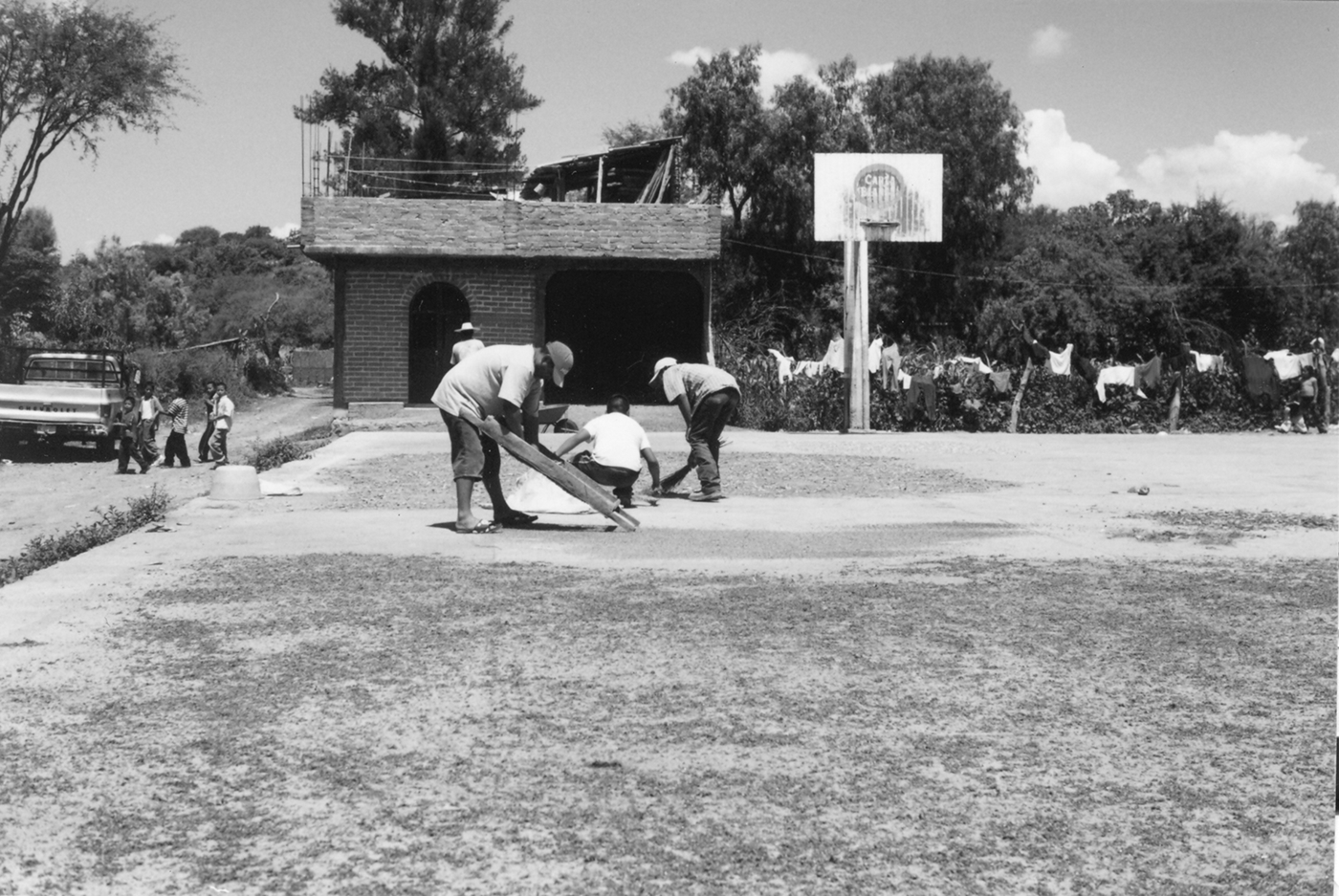
Fishermen in Mariano Escobedo catch insects known as mosco de agua or nizpo (Corisella texcocana and Ephydra sp.) (Figure 8), which are used as bird feed. Four varieties of nizpo are known there (picalón, barrilito, paloma, and de sangre), and they all lay eggs that may also have been exploited in ancient times. The season for gathering mosco runs from August to October, when the lake level is low. According to the fishermen, in shallow areas of the lake (with a depth of 8–20 cm) murky water is ideal for gathering the insects. The net used for this activity is called red mosquera. It is of finer mesh than the one used for fishing; it is 4 m wide by 180 m long and is dragged by four men in order to capture the insects that are on the water's surface. In a good season, as much as 50–60 kg of mosco are taken in one day, although this is a diminishing resource. The mosco is transported as far away as Toluca, where it fetches a good price.
Once the aquatic insects known as mosco are taken out of Lake Cuitzeo, they are dried under the sun. In this case, a basketball court is being used. Photo courtesy of Guadalupe Palmer.
A method used for harvesting mosco eggs is known as costalera, which consists of several sacks tied to wooden stakes sunk in the bottom of the lake. Once the insects lay their eggs, the sacks are taken out of the water and dried in the sun for three or four days. Afterward the sacks are shaken and the eggs are collected in plastic bags (Argueta et al. Reference Argueta, Merino, Zubieta, Campos, Chávez, Rauda, Peña, Argueta, Cuello and Lartigue1986:142).
Although mosco gathering is not as important as fishing for the local economy, it is not negligible. Between 1968 and 1993, for instance, more than 2,600 tons of mosco were obtained from the lake (Ávila Reference Ávila and Barragán1999).
Manufacturing
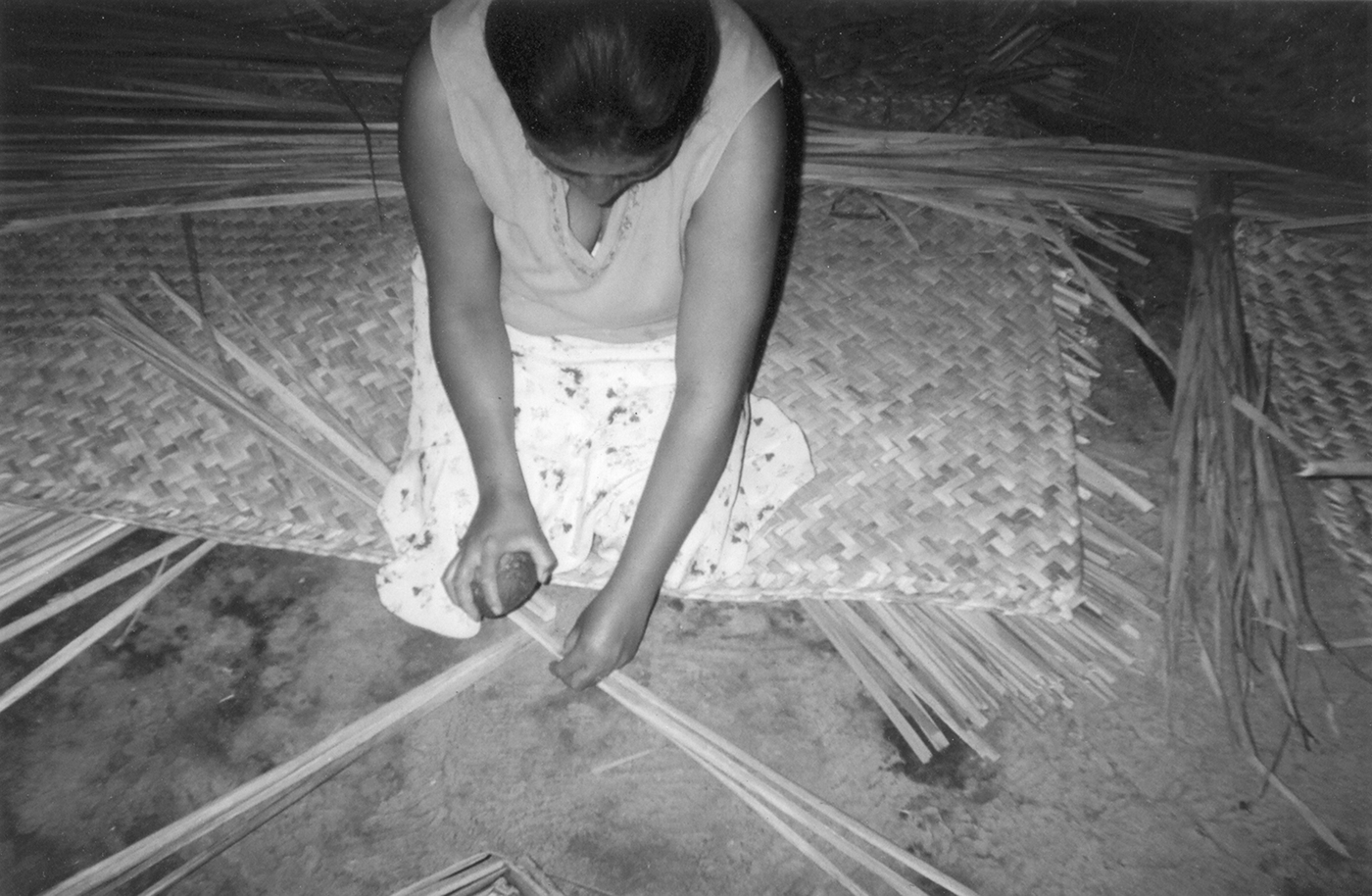
Lake Cuitzeo was once well known for the petates, or reed mats, made with tule from the lake. Petate weaving is still important for the domestic economy in the Lake Cuitzeo Basin, although it has been in decline since the 1950s or so. After cutting and drying the reed stalks, they have to be slightly moistened in order to weave a petate. The weaver uses a stone known as piedra petatera or petatura, which is 7–10 cm in diameter and 3–4 cm thick, and whose shape is well adapted to the hand of the artisan who uses it to flatten the tule fibers as he or she weaves the petate. These stones are sometimes found when people dig canals, ditches, or even tombs in the local graveyard, so they may be quite old. Each petatero (tule weaver) has his or her own stone (Figure 9), which may be passed down from generation to generation. In some towns around the lake there are specialists who manufacture these stones. The only other tool used for tule weaving is a metal knife to cut the fibers and finish the reed mat.
The ubiquitous tule reed mat, known as petate, is made using a stone called piedra petatera or petatura.
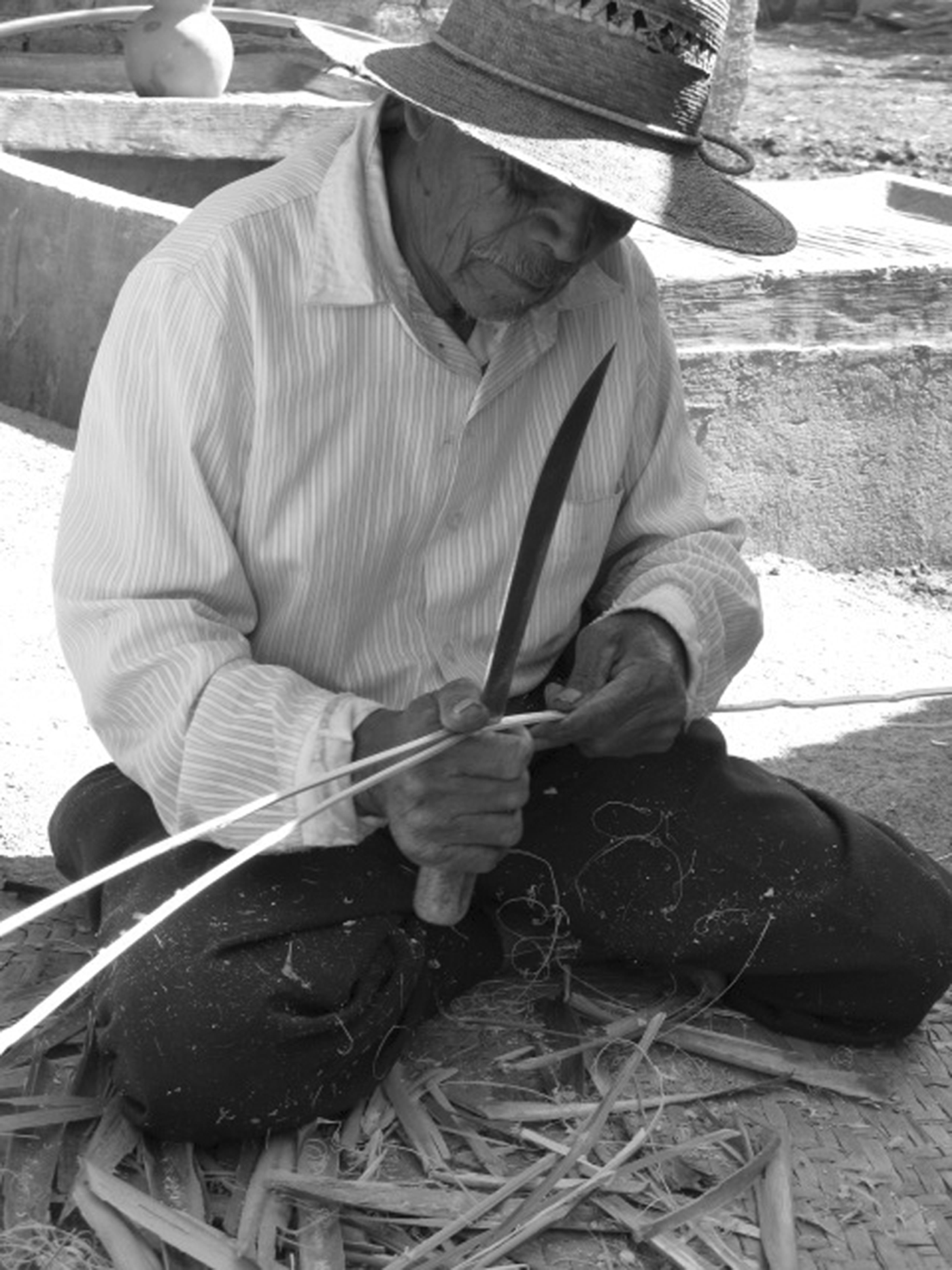
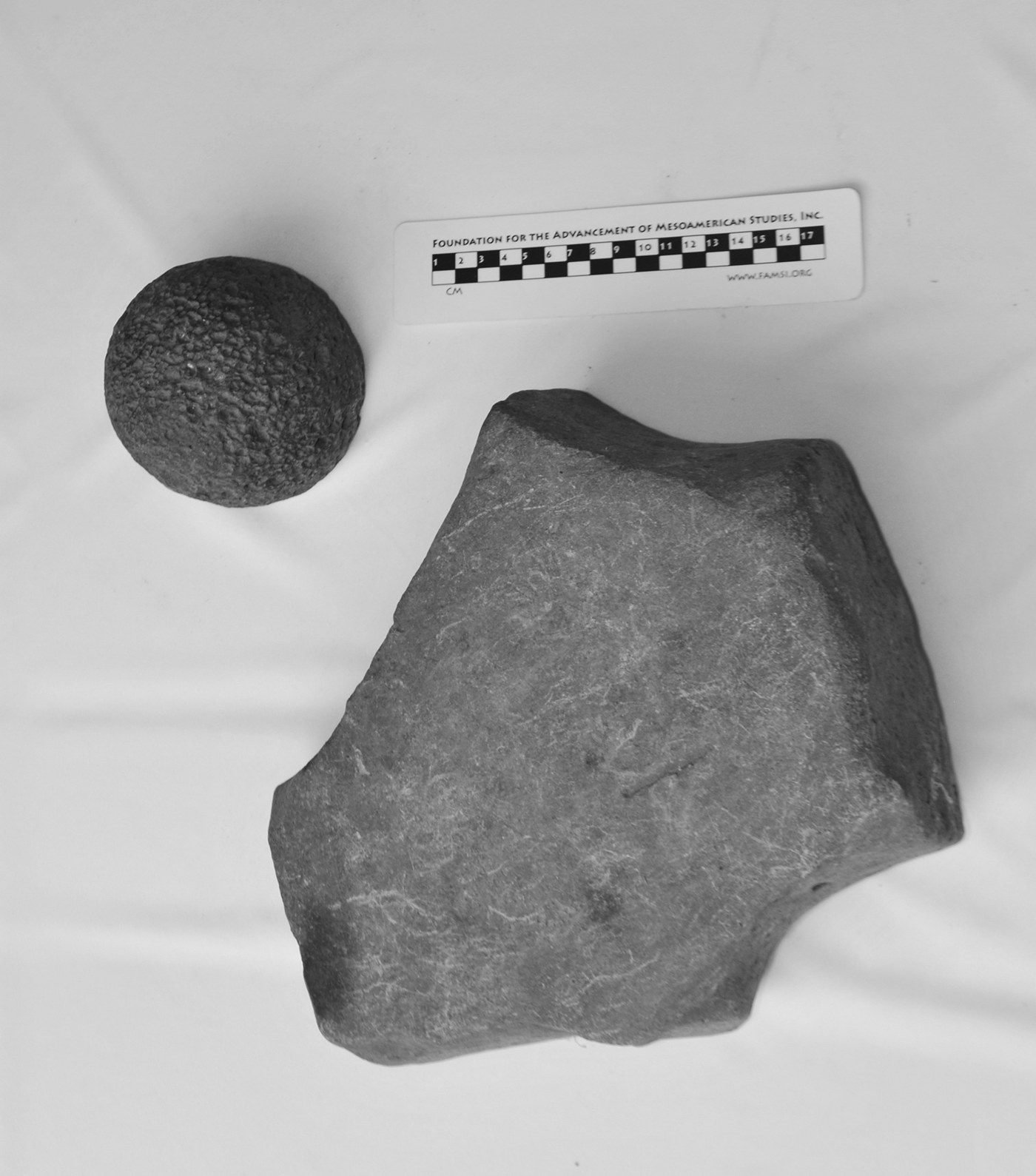
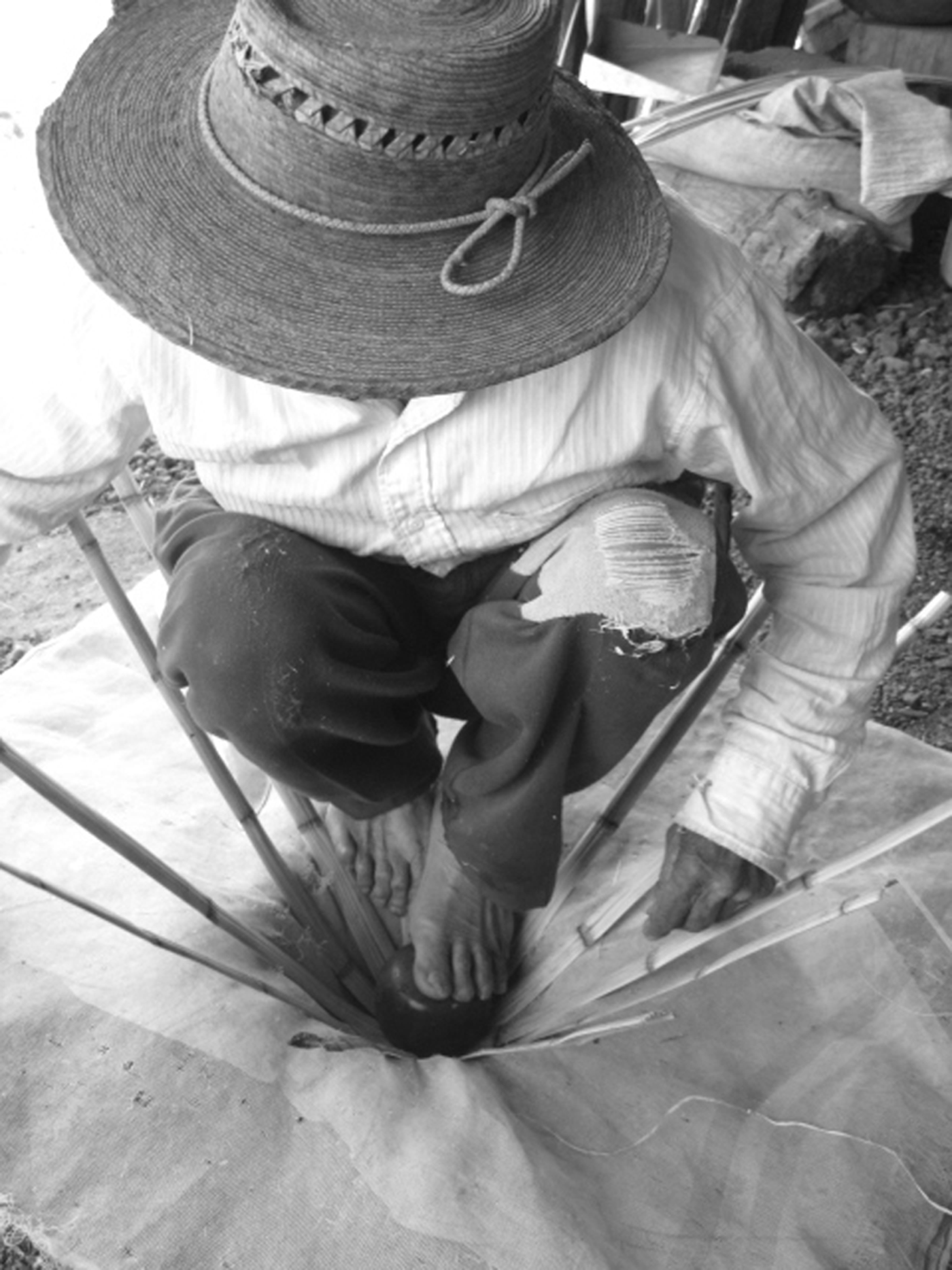
The carrizo reed is no less important than tule for the local economy. Carrizo needs to be mature in order to be worked. Once the plant is cut and taken to the workshop, the artisan spends three days a week cutting the reeds in order to procure the fibers used in making a basket (Figure 10). Two days a week are dedicated to weaving the bottom of the basket (called armazón) and two days in weaving the rest of the basket. The tools used to make a carrizo basket in several towns, such as Colonia Guadalupe, are the stone hammer and anvil (called piedras de majar) (see Figure 11) and several metal knives. The workshop has a large tub of water where the fibers are moistened before working, as well as a depression or hole in the floor that is used as a mold to make the bottom of the canasto panadero (Figure 12).
The fibers from the carrizo stalk are trimmed with a knife for making a basket. Obsidian or chert cutting tools may have been used in pre-Columbian times.
The hammer and anvil stones, locally known as piedras de majar, are used for flattening the carrizo stalks used for making baskets.
Some workshops in the Lake Cuitzeo Basin have a depression in the floor, which is used as a mold to weave the bottom of the canasto panadero, a basket used for carrying bread.
Baskets are still made in the Lake Cuitzeo Basin using materials like the vara de sauce (willow twig) already mentioned. In order to make a basket, the artisans use a steel knife and a bull horn, which has replaced the deer antler that was preferred by artisans until the decline of this species in the first half of the twentieth century. There are still a few people in the Lake Cuitzeo Basin who specialize in obtaining the vara de sauce, which they process at home by removing the leaves from the twigs, and sell them to the basket weavers. Vara de sauce is most abundant during the spring, decreasing around October, and it is found in three qualities, used for weaving the rims and walls or bottoms of baskets, or for making chairs. A domestic workshop visited by the author on the outskirts of Zinapecuaro formerly produced baskets; now the artisans process just the vara de sauce and sell it to basket makers, who spend two days a week cutting the vara, one day weaving the bottoms of the baskets, and one day making the walls. It takes them approximately 20 minutes to make a basket.
There is a bush known as jara in the Lake Cuitzeo Basin, whose branches are also used for making baskets. The artisans go to the hills around their home looking for jara, which is more abundant during the rainy season. Apart from its use in basket making, jara is used together with carrizo for making a fishnet called red de aro (Figure 6), which takes a fisherman three days to make. First he makes the handle using a carrizo reed of 1.5–1.6 m in length, and then he cuts the jara prieta, which must be dry and pliable to make the ring where the cloth of the net will be fastened. He uses four jaras tied together to make a ring of 60–80 cm in diameter. Lastly, he sews the mesh cloth to the circular frame.
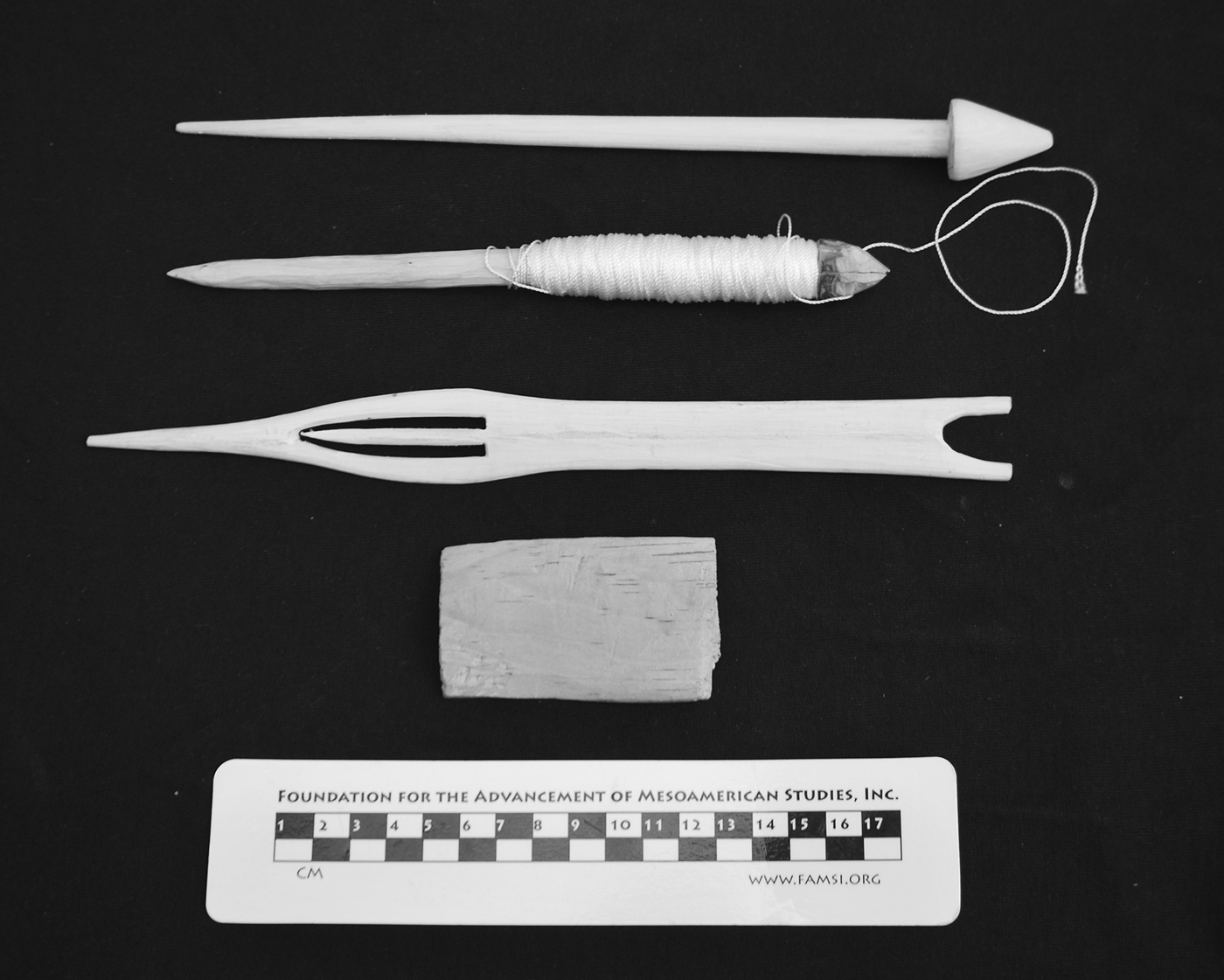
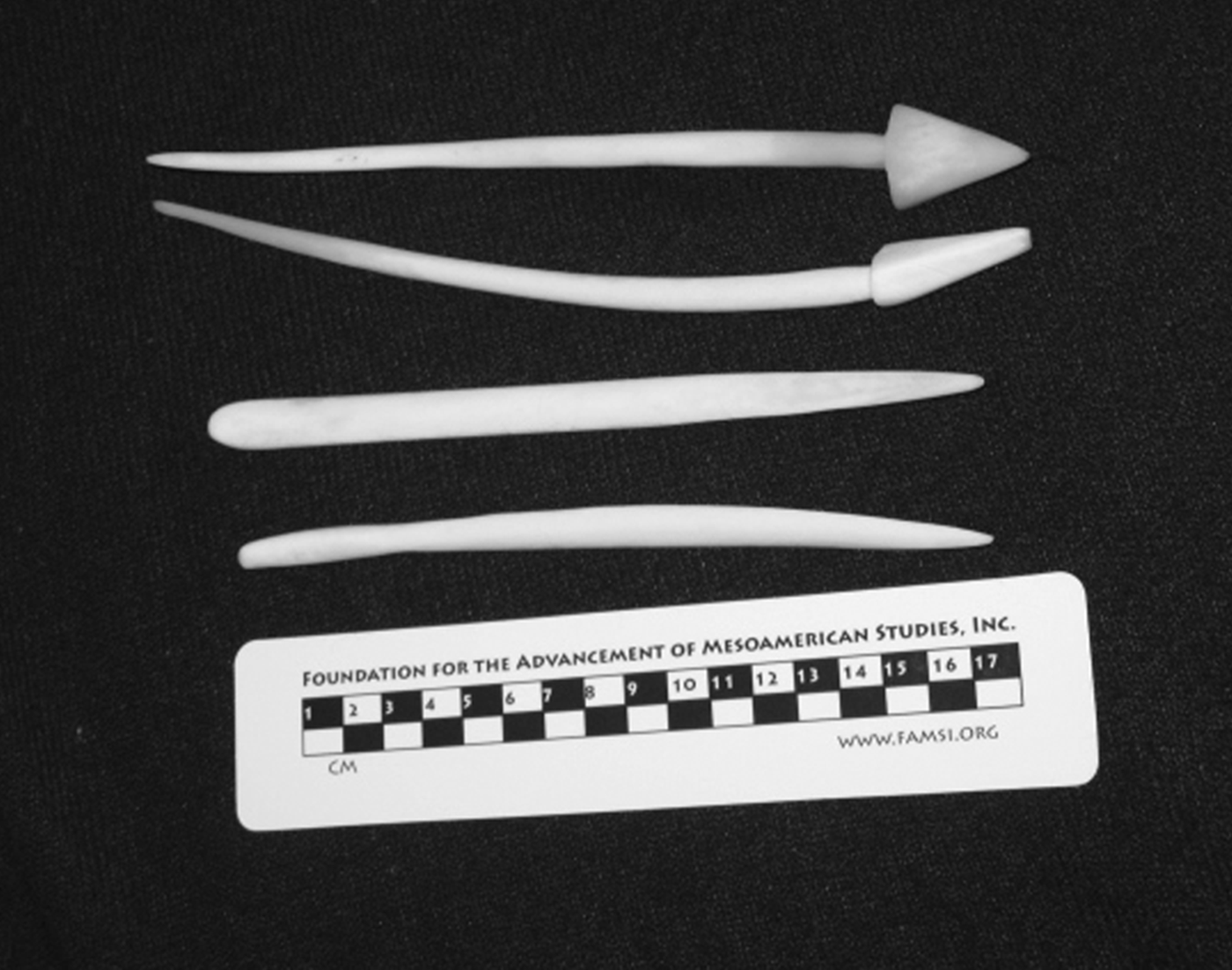
Some fishermen still weave their own nets of cotton or synthetic thread, which has replaced the maguey fiber that was still used in the first half of the twentieth century. Weaving is carried out using wooden tools called malacate, astilla, and aguja plana (Figure 13). Don Fidencio, a fisherman in Estación Querendaro, showed us how these implements are made. The wood he uses comes from the zapotillo tree, which has to be green. A machete and several knives of different sizes are used for making these wooden tools. Don Fidencio told us that many years ago he used to make needles for weaving fishnets out of cattle bone. He agreed to make some for us, which are shown in Figure 14.
These wooden artifacts are still used by a few fishermen for weaving fishnets at Lake Cuitzeo. They are called malacate (two are shown—one with thread, one without), aguja plana, and astilla (from top to bottom).
These needles, used for weaving fishnets, are made of cattle bone. Deer bone or antler may have been used in ancient times.
Many traditional manufactures have all but disappeared from the Lake Cuitzeo Basin in the last five to six decades, such as processing maguey fiber for weaving fishnets, sacks, ropes, and numerous other implements, as well as maguey sap for making pulque.
The … objects made of pita [i.e., maguey fiber] … [were destined] for local and external consumption, and fishnets were solely for local use … [O]bjects made of pita are manufactured here since before the Conquest … [T]hey paid guangoches [sacks made of maguey fiber] as tribute to the Cazonci [i.e., the Tarascan king]. These are still made with the same measurements as before, and are destined for several uses: to sieve beans, and to carry all kinds of things … The raw material for these [sacks] is obtained by the Indians from the maguey stalks, and they are made by twinning thin strings which they weave … [T]hese guanchoches measure 1.80 m square. They trade them in Morelia and nearby towns … Pulque is very special and different from the one used elsewhere in Mexico. It is called pulque cocido because its aguamiel [juice] is cooked to make a syrup … which is fermented … Aguamiel is obtained in the morning and the afternoon … it is stored in pots… Cuitzeo and Jeruco produced 300–400 loads (a load consists of two big pots) … nowadays a third of this amount is produced, which is marketed in Morelia, Huandacareo, Chucandiro, Moroleon, and other nearby towns … (Corona Nuñez Reference Corona Núñez1946:40, 42).
IMPLICATIONS FOR ARCHAEOLOGY
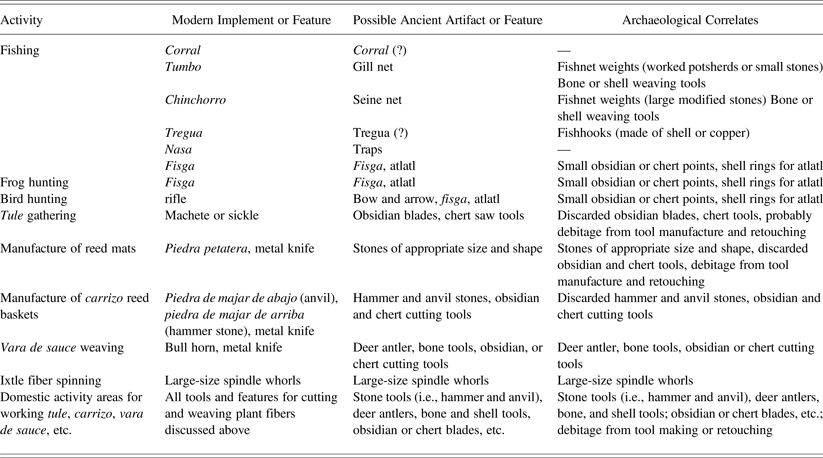
This section addresses the archaeological implications of the ethnographic and ethnohistorical data discussed above, primarily their use for the identification of archaeological correlates—that is, diagnostic features and objects that could aid in the interpretation of the archaeological record in the Lake Cuitzeo area, particularly the subsistence activities (see Table 3). The economic importance of aquatic resources during pre-Columbian times is also discussed.
Subsistence activities in the Lake Cuitzeo Basin and their archaeological correlates
Fishing
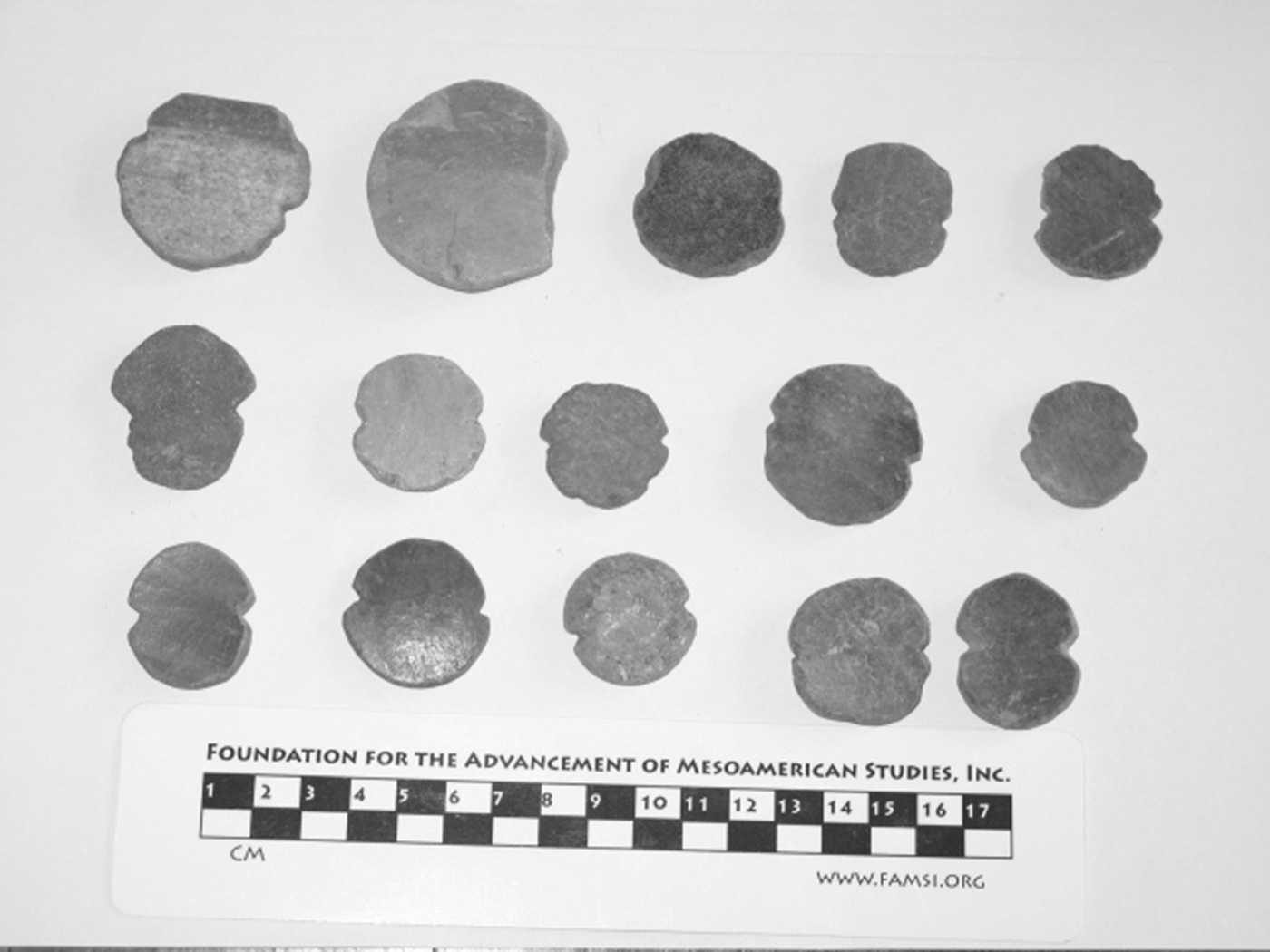
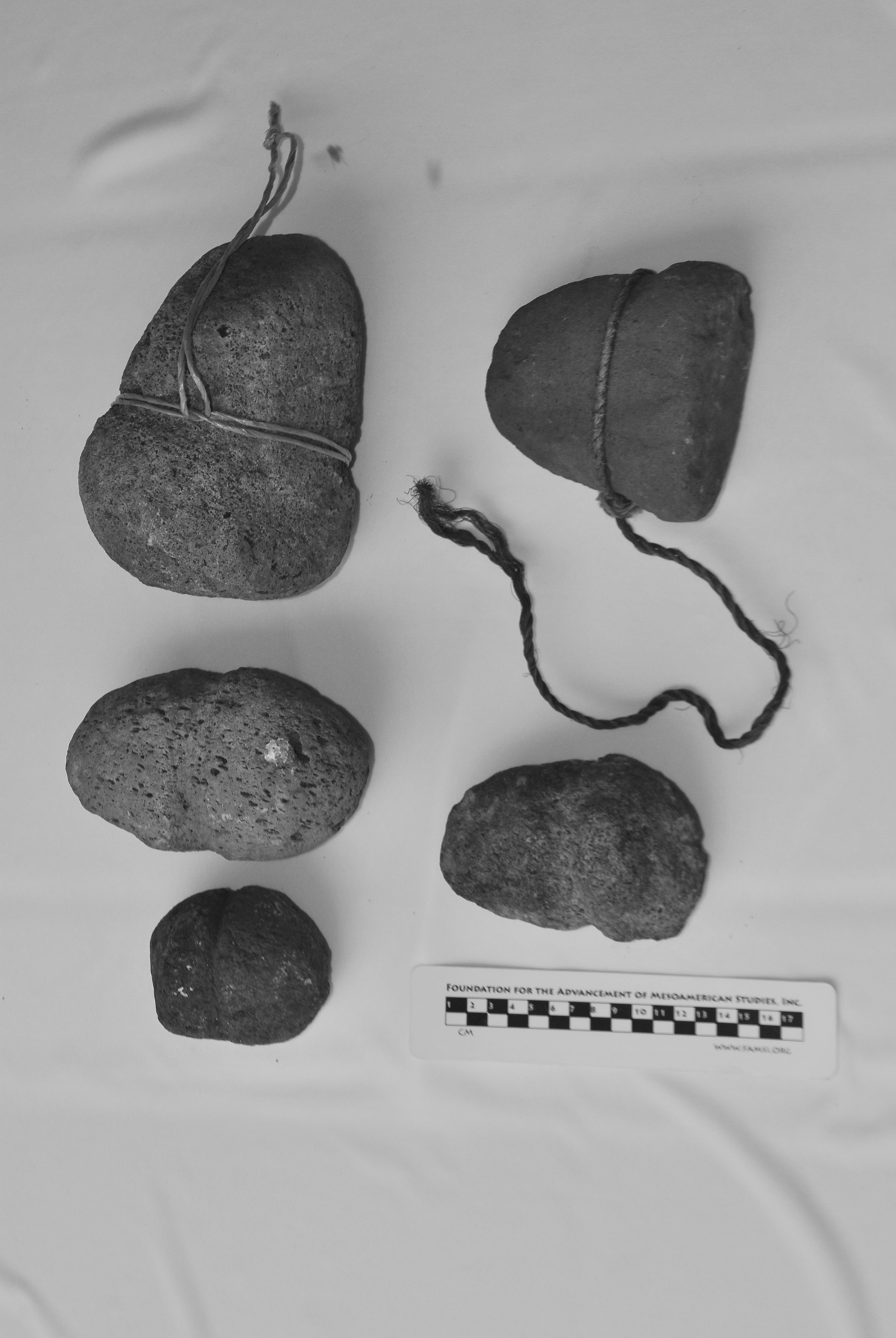
This activity is the one with the most variables documented in the study area, but not all of them would have the same probability of preservation in the archaeological record. The corral, for instance, would probably leave few visible traces in an archaeological context—much less in a surface survey—since it is made entirely of reed, which disappears rapidly. The tumbo, on the other hand, could be represented materially by the sinkers made of modified stones or pottery fragments (Figure 15). Recent archaeological research in the Lake Patzcuaro Basin has revealed a set of artifacts consisting of roughly circular, reworked potsherds that were interpreted as pre-Columbian fishing net weights (Phillips Reference Phillips2002), and similar artifacts were found around Lake Texcoco in the Basin of Mexico (Parsons Reference Parsons2006:Plate 7.13). Fishing with chinchorro is still a common activity at Lake Patzcuaro (Argueta Reference Argueta2008), where the fishermen use worked stones as net sinkers, like the ones found by the author during fieldwork on the western part of the lake (Figure 16).
These modified potsherds were found in the eastern part of Lake Cuitzeo. They may have been used as net weights in ancient times.
These modified stones are still used as weights for the seine net, or chinchorro, in Lake Patzcuaro.

The tregua would perhaps appear in the archaeological record as a small cluster of fishhooks. In many parts of Mesoamerica these objects were made of seashell, which is resistant to the passage of time (Suárez Reference Suárez1981:Plate II), while fishhooks made of copper have been reported from west Mexico (Hosler Reference Hosler1994:Figure 3.30).
Of the nasa or similar traps, which are made of perishable materials such as twigs or branches, nothing would remain in an archaeological context, while the fisga would also disappear, leaving just the stone points. Fishnets would likewise be destroyed with the passage of time, but some items used for weaving nets, such as bone or shell needles, would probably be preserved as indirect evidence of this fishing technique.
Hunting
Of the tools currently used for hunting in the Lake Cuitzeo area, the harpoon or fisga could be expected to be represented in the archaeological record by stone projectile points, which may have been made of obsidian or a similar stone, such as chert. The same can be said about the bow and arrow, whose use is mentioned by the Relación de Cuiseo de la Laguna (Acuña Reference Acuña1987). Waterfowl and other animals were hunted using the atlatl (spear thrower) in Michoacan and other areas of Mesoamerica. The atlatl—known as tzipaki by the indigenous Tarascans of Lake Patzcuaro—was still in use for hunting ducks in Lake Patzcuaro until the first half of the twentieth century (Lumholtz Reference Lumholtz1986; Stirling Reference Stirling1960) (Figure 17), while in Lake Zacapu, according to Paul Friedrich (Reference Friedrich1970:11), “most significant economically were the ducks, divers, and other aquatic fowl … [W]ater birds were slain with four-foot wooden clubs, or with stones accurately propelled by slings, or with a … fisga projected by means of a spear-thrower ….”
The atlatl, or spear-thrower, called tzipaki in Tarascan, was used for hunting ducks until about 60 years ago on Lake Patzcuaro.
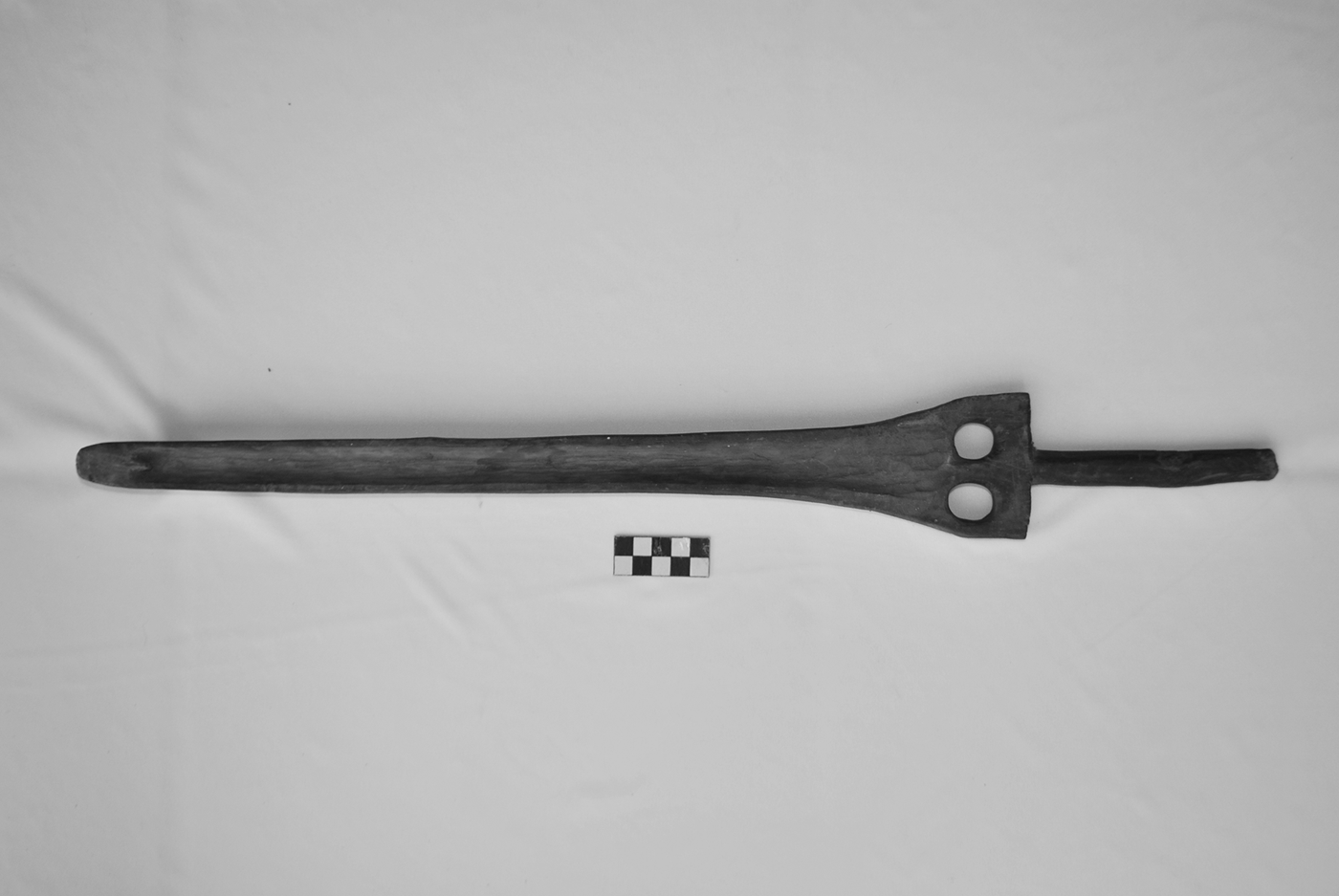
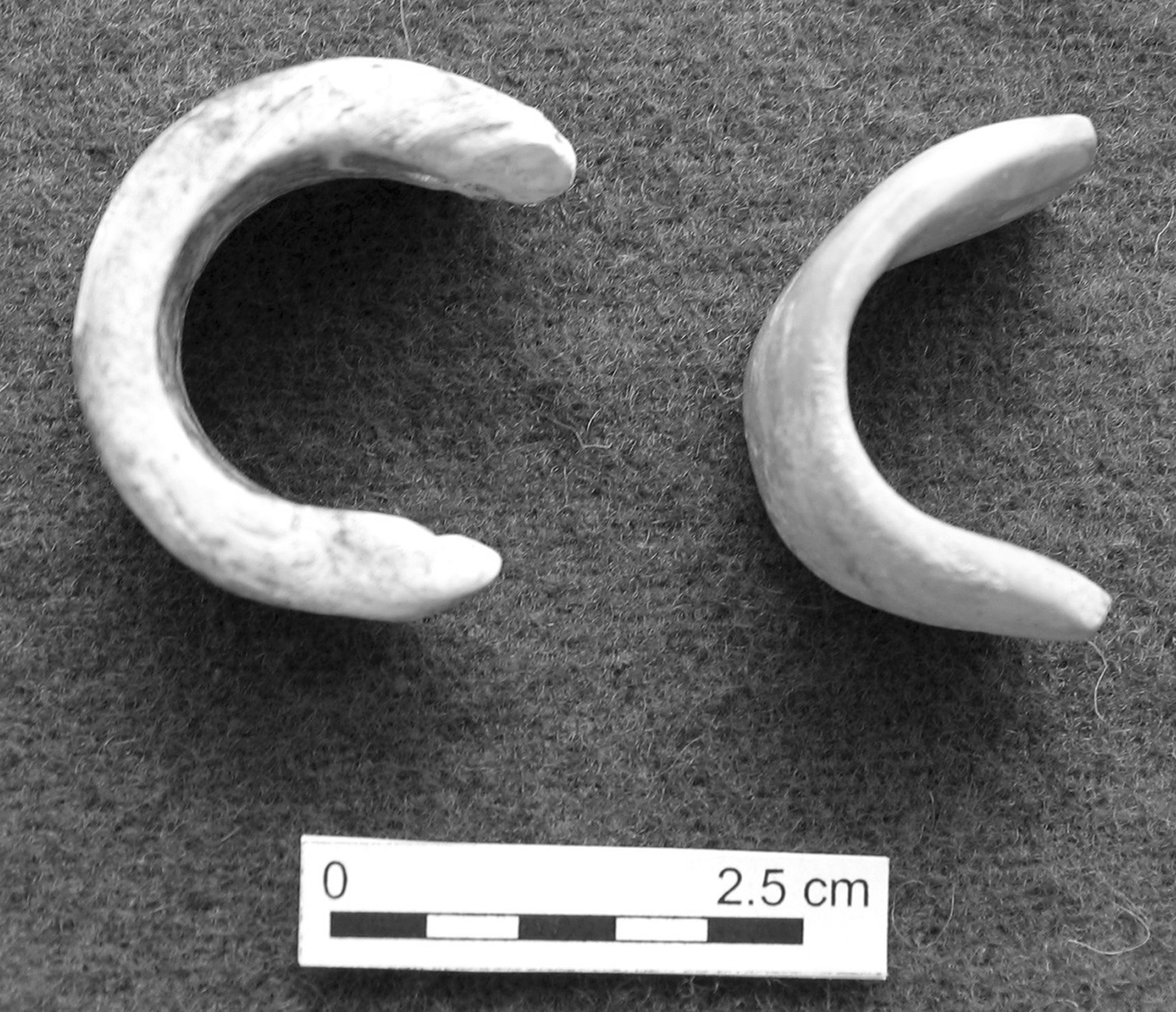
Although the tzipaki was usually made of wood and would not remain in the archaeological record (Figure 18), it often had two grips or rings made of shell for inserting the user's fingers, which we could expect to be preserved for long periods of time. Atlatl rings made of shell have been found in the Lake Sayula Basin, Jalisco (Blanco Reference Blanco2007) (Figure 19), and elsewhere in west Mexico (Cabrero Reference Cabrero and Williams2004:Figure 8; Goldstein and Suárez Reference Goldstein and Suárez1997:Figure 88; Pollard and Cahue Reference Pollard and Cahue1999:Table 5; Suárez Reference Suárez1981:Plate 63).
This wooden spear-thrower, or atlatl, was obtained by the author during the course of fieldwork in Lake Patzcuaro (2009).
Pre-Columbian atlatls usually had two rings or grips, like these examples from Lake Sayula made of shell. Photo courtesy of Ericka Blanco.
Hunters in the Lake Cuitzeo Basin usually have to sleep in the open during their expeditions, a pattern that could very well have its roots in pre-Columbian times. Such temporary camps would perhaps consist of a few stones, nonperishable food remains, potsherds, and the like. Fishermen stayed overnight on islands or other convenient spots near the lake margin, using for cover little more than a reed mat, a custom reported by the informants. These temporary sites would contain few material traces, but in some cases would probably still be visible in the archaeological record (for an example from Lake Texcoco see Parsons and Morett [Reference Parsons, Morett and Williams2005:Figure 13]).
Gathering
The present inhabitants of the Lake Cuitzeo Basin use a machete or sickle for cutting down the tule and carrizo reeds. In ancient times a cutting instrument with obsidian or chert blades could have been used for this work, leaving the blades as evidence for this activity, as has been documented at Lake Texcoco (Parsons and Morett Reference Parsons, Morett and Williams2005:Figure 15).
Manufacturing
Obsidian or chert blades, knifes, scrapers, flakes, and so forth were probably used for making tule and carrizo objects such as baskets, bags, reed mats, and so on (see Niederberger [Reference Niederberger1976:Figures XV–XX] for different kinds of cutting tools). They were indispensable for cutting and trimming the fibers. Modified stones (mano and yunque, or pestle and anvil) were used for making carrizo baskets. All these artifacts would be relatively easy to identify in the archaeological record.
We know from ethnohistorical sources that basketry was well developed in Mesoamerica, where it was used for preparing, transporting, and storing food, among many other uses (Staller Reference Staller, Staller and Carrasco2010). Baskets made of reeds or other perishable materials are usually not preserved in the archaeological record, so archaeologists must rely on indirect evidence in order to identify the sites where baskets were produced in ancient times.
The manufacture of baskets and other items made with pliable twigs, such as vara de sauce and other similar plants, would have required obsidian or chert cutting implements plus bone awls and modified deer antlers like the ones found in the Basin of Mexico (Serra Puche Reference Serra Puche1988:Figures 30–32) and other areas, which should be relatively easy to identify in the archaeological record. Fishnets and bags for carrying fish or other items could have been made of maguey (Agave sp.) fiber, which could be obtained from nearby sites where this plant was found. In these sites we could expect to find tools for processing the maguey fiber, such as stone scrapers like the ones found by Serra Puche (Reference Serra Puche1988:Figures 34–38) in Terremote, a site near Lake Chalco in the Basin of Mexico.
Historical sources mention maguey cultivation throughout the Tarascan territory from early colonial times to the early twentieth century (see Williams Reference Williams2014a:Chapter IV). Maguey fiber (ixtle) was used to make nets for catching birds, as well as slings, ropes, bags, and fishnets, among many other items. The archaeological marker for ixtle fiber production would be large and heavy malacates (spindle whorls). Parsons (Reference Parsons and Williams2005) conducted ethnoarchaeological research among the Otomi Indians of north-central Mexico in order to determine the size ranges of spindle whorls used for spinning maguey fiber in pre-Columbian times. Parsons found that the best malacates for working with ixtle fiber were much larger and heavier (approximately 11–38 grams) than those used for spinning cotton (approximately 6.7 grams) (Parsons Reference Parsons and Williams2005:195–202).
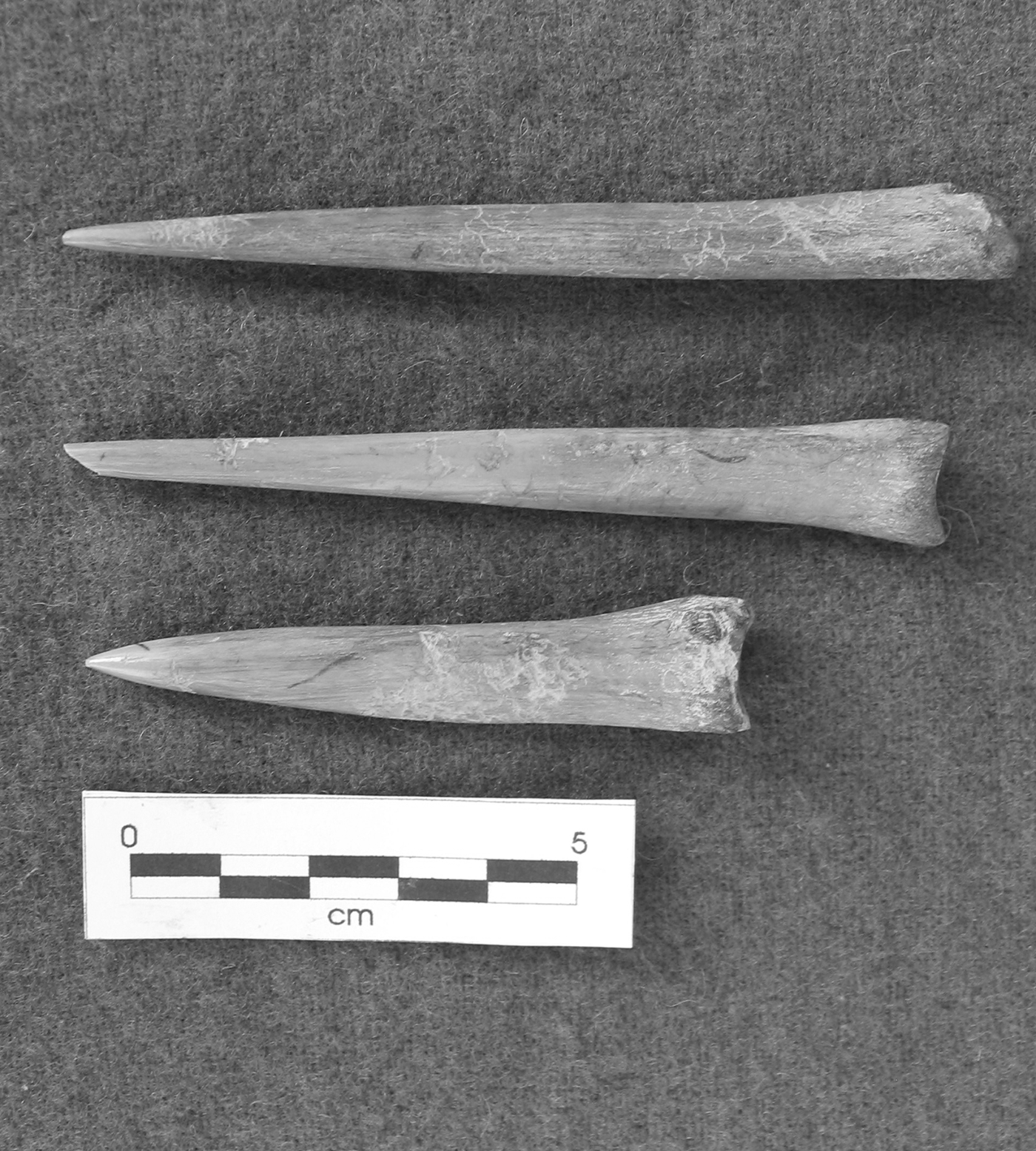
Ethnographic analogy has been helpful to suggest the possible function of a whole range of artifacts found in excavations, which may have been used to manufacture textiles (such as cloth for garments, fishnets, baskets, and so on). Recent research at Santa Isabel, Nicaragua, has discovered a class of artifacts linked with textile production, including a wide variety of bone tools such as needles, awls, and shuttles used for weaving nets and hammocks. Cut marks on the bones suggest the production of weaving tools (McCafferty Reference McCafferty2008:71). These tools were made of fish, mammal, and bird bone (McCafferty and McCafferty Reference McCafferty and McCafferty2008:150). Similar tools were found in the Sayula Lake Basin in Jalisco (Blanco Reference Blanco2007), and may have been linked with the production of baskets or fishnets in ancient times (Figure 20).
These pre-Columbian bone implements from Lake Sayula may have been used for weaving fishnets or making baskets. Photo courtesy of Ericka Blanco.
CONCLUSIONS
As we have seen, ethnographic research is important to understand the techniques currently used for fishing, hunting, gathering, and manufacture, as well as their relationship with cultural and ecological contexts, and their possible role in interpreting the archaeological record through ethnographic analogy. Ethnohistorical sources shed light on the natural resources exploited and the amounts that were being paid as tribute in the sixteenth century and, by extension, in the late pre-Columbian period (see Williams Reference Williams2009a, Reference Williams, Williams, Mestas and Esparza2009b, Reference Williams, Williams and Weigand2011, Reference Williams2014b).
One of the findings of this research is that households can engage in fishing activities, as well as in agriculture and craft production, without being involved in full-time specialization. According to Hirth (Reference Hirth and Hirth2009:13), most craft production in ancient Mesoamerica took place in domestic contexts, yet current concepts of full- and part-time specialization do little to further our understanding of the function and structure of domestic craft production. Ethnoarchaeological study of the subsistence strategies employed by domestic units, and of how craft production is integrated into the domestic economy, allows us to formulate analogies in order to understand the economic activities that took place in pre-Columbian households.
Ethnoarchaeological studies such as the present one are primarily interested in the analysis of material culture in systemic context, that is to say in elements and features that are participating in a behavioral system (Schiffer Reference Schiffer1995:26), as well as in the creation, use, and discard of the material culture under analysis. Archaeological research is still in its infancy in the Lake Cuitzeo Basin; therefore, it is not possible at this moment to elaborate on the archaeological assemblage(s) derived from subsistence activities like the ones discussed in this article (see Table 3). The ethnographic and ethnohistorical data discussed here, as well as ethnoarchaeological research conducted in other aquatic environments within Mesoamerica, can be helpful to reconstruct an ancient aquatic lifeway.
Archaeological sites such as fishing camps (located near or on the ancient shores) would probably contain artifacts such as fishnet sinkers (made of modified stones or potsherds), fishhooks (made of bone, shell, or copper), stone projectile points (made of obsidian, chert, or other available stone), and needles used for knitting or repairing nets (made of bone, shell, or copper). Hunting camps (located on the hills and forested areas around the lake) would probably leave archaeological traces such as stone projectile points (made of obsidian, chert, or other stone) and atlatl rings (made of shell). Temporary hunting and fishing camps would probably also consist of shelters (for example, rocks used as foundations for windbreaks, small huts, or other semipermanent constructions), burnt stones linked to cooking, food remains, a few potsherds, and the like. “Off-site” activities such as tule cutting would be characterized by few implements other than obsidian or chert blades, knives, and saw-like cutting tools. Lastly, activity areas within permanent settlements would probably include tools used in basket and mat making—for example, cutting tools, bone awls, modified deer antlers, stone scrapers, bone or shell needles, and stone anvils and hammers.
The importance and uniqueness of the Mesoamerican aquatic lifeway has been noted by Parsons (Reference Parsons2006:330–331):
The exploitation of a full range of extraordinarily productive aquatic resources … was comprehensive, specialized, and established on the basis of an impressive level of technological expertise and a thorough understanding of the specific qualities of many different plants and animals … Such intensity of aquatic resource utilization was unparalleled in complex societies in other parts of the ancient world where aquatic resources, while often important, tended to be much more secondary and supplementary relative to agriculture and pastoralism. Across the lakes and marshlands of highland central Mesoamerica where pre-Hispanic pastoralism did not exist, aquatic resources were primary and complementary … Places of productive and predictable fishing, reed collecting, and perhaps algae- and insect-collecting were often closely controlled by individuals or by specific local communities. There are good indications that the productive potential of such aquatic territories equaled that of agricultural lands in terms of energy and nutrition. Aquatic resources were often procured and processed by specialists … who exchanged their aquatic products through markets or other forms of redistribution.
Many traditional activities and manufactures have all but vanished from the Lake Cuitzeo Basin in the last 60 years or so, such as maguey fiber processing and pulque making. Because of the serious problems affecting this and other aquatic environments in Mexico, such as pollution, deforestation, and desiccation, the present generation of researchers may well be the last one to document a traditional aquatic lifeway reminiscent of the pre-Columbian past. In the words of Parsons (Reference Parsons2001:xiv):
There are many traditional activities hovering on the edge of extinction that deserve ... recording in Mexico and throughout the world. Few scholars appear to be much interested in studying the material and organizational aspects of these vanishing lifeways, and archaeologists may be virtually alone in making such efforts as do exist. In one sense, this … is a plea to others to undertake comparable studies elsewhere while there is still a little time left to do so ….
RESUMEN
Los objetivos principales de este artículo son describir, analizar, e interpretar el modo de vida lacustre prehispánico en la cuenca del Lago de Cuitzeo, Michoacan, a través de la analogía etnográfica y de fuentes etnohistóricas. En esta investigación hemos seguido una perspectiva etnográfica, etnohistórica y arqueológica para explorar diversos aspectos de la subsistencia en el Lago de Cuitzeo. Discutimos información detallada sobre las actividades de subsistencia y la cultura material en contexto sistémico, a fin de entender por medio de la analogía el modo de vida antiguo en este y en otros paisajes lacustres.
A través del uso de fuentes de información históricas y etnográficas, el modo de vida lacustre se puede caracterizar por medio de tres actividades de subsistencia fundamentales: (1) la pesca, que incluye a los peces y a cualquier otra especie acuática comestible; (2) la caza, que puede ser de especies acuáticas como aves, reptiles, etc. y terrestres, tanto de la zona ribereña como del monte y bosques circundantes; (3) la recolección, que igualmente puede ser de especies acuáticas (tanto comestibles como las usadas para la manufactura, por ejemplo el tule) y terrestres, que incluyen una amplia gama de recursos silvestres (animales, vegetales y minerales). A estas tres actividades podemos agregar la manufactura de todo tipo de artefactos y elementos indispensables para la subsistencia y reproducción de un grupo humano.
En el modo de vida lacustre sobresalen dos aspectos primordiales: la obtención de alimentos y la producción artesanal. El primero está regulado por los ciclos estacionales (principalmente la diferencia entre época de secas y de lluvias) tanto de la flora como de la fauna. La importancia de las especializaciones artesanales radica en que los productos manufacturados no sólo se destinan al consumo doméstico, sino también al intercambio con los pueblos vecinos. En la dieta de las zonas lacustres tiene una gran importancia la apropiación de los recursos vegetales y animales directamente del medio ambiente. El uso de estos recursos está determinado por los ciclos de la naturaleza, por los hábitats y por las técnicas de obtención.
La pregunta rectora detrás de esta investigación etnoarqueológica es la siguiente: ¿Cuáles son los indicadores arqueológicos de las actividades ligadas con la explotación del medio lacustre? Una buena parte del inventario de cultura material que se usa actualmente en el área de estudio para la pesca, la caza, la recolección y la manufactura consiste en artefactos hechos de sustancias perecederas como madera, textiles o fibras, o bien piedras y rocas. La analogía etnográfica y las fuentes etnohistóricas son la manera en que los arqueólogos pueden arrojar algo de luz sobre las actividades de subsistencia en contexto sistémico y sus posibles indicadores arqueológicos.
ACKNOWLEDGMENTS
This article was written while the author was a visiting scholar in the Anthropology Department at Tulane University. Thanks are due to Dan Healan, who was my host during my sabbatical year at Tulane. I also would like to thank several colleagues who have contributed to this research through the years with help and suggestions: the late Phil C. Weigand, Jeffrey Parsons, Helen Pollard, and Magdalena García Sánchez. The ideas expressed herein, however, are solely my responsibility. I also would like to thank Héctor Gerardo Castro and my son Teddy, who assisted me during fieldwork in Lake Cuitzeo and Lake Patzcuaro.
Thanks are also due to the Foundation for the Advancement of Mesoamerican Studies, Inc., (FAMSI) for supporting the initial stage of fieldwork in Lake Cuitzeo (2003). The Center for Research in Ecosystems (National Autonomous University of Mexico) gave me financial support in 2007 and part of 2008, in the context of the project Ecosystem Management and Human Development in the Lake Cuitzeo Basin, under the direction of Ken Oyama Nakagawa. This support was made possible by Patricia Ávila. The National Council for Science and Technology (CONACYT) provided funds for my sabbatical stay at Tulane University (from August, 2011 to July, 2012). Last, but by no means least, my greatest appreciation goes to the fishers and artisans who live and work around Lake Cuitzeo for their unstinting support during my research.