Implications
By providing consistency in the terminology used for preserved forages and encouraging the adoption of the consensual recommended minimal forage intake levels it is hoped this review paper will raise awareness of the importance of adequate and appropriate forage provision for all horses and ponies, which in turn should help improve equine health, welfare and performance globally.
Introduction
The horse is a non-ruminant grazing herbivore adapted to eating plant-fibre or forage-based diets. A wide range of plant species can be hydrolyzed and/or fermented within its specialized gastrointestinal tract (GIT), thanks to the presence of a mixed microbial symbiotic population throughout the whole GIT, but particularly in the hindgut, which facilitate fibre digestion (de Fombelle et al., 2003; Dougal et al., Reference Dougal, de la Fuente, Harris, Girdwood, Pinloche, Geor, Nielsen, Schott, Elzinga and Newbold2013). Gastrointestinal tract digestion provides energy mainly through the production of short-chain fatty acids (SCFA), mostly acetate, propionate and butyrate, also often described as volatile fatty acids (VFAs) (Merritt and Julliand, Reference Merritt and Julliand2013). The whole digestive system is well adapted to a trickle (almost continuous intake of small amounts) feeding intake pattern, with the horse naturally foraging for around 10 to 15 h a day (Ellis, Reference Ellis2010). Historically the energy demands of working horses were too high, and time too short, to be met by forage alone, especially as forage quality was often poor, grazing limited and it was difficult to distribute and transport bulky forages. Therefore, oats, barley, beans and root vegetables were used as a major component of the diet (Stewart, 1838). The inclusion of energy rich feedstuffs (particularly cereals and vegetable oils) in the diets of many horses, especially performance horses, continues today despite the availability of better quality forages (Richards et al., 2006; Lindberg, Reference Lindberg2013). An increase in starch intake, often in combination with a reduction in the amount of forage provided, can have health, welfare and performance consequences.
Due mainly to environmental conditions and the lack of availability/undesirability of grazing, many horses are fed preserved forages (hay, haylage and sometimes silage), in particular preserved grass, either at specific times of the year or all year round and therefore preserved forages provide all or part of their forage intake. During the 2012 meeting of the European Workshop on Equine Nutrition it was agreed that there was a need for a consensus paper on the topic of preserved forage feeding to horses. The aim of this review paper is therefore to summarize recent findings and to provide consensual applied recommendations for feeding preserved forage.
Forage types and preservation methods
Roughages are high fibre feeds (Morrisson, 1956) generally obtained as a crop residue or a by-product (Ellis et al., 1988), for example straw and cereal hulls. Forages are also high fibre feeds obtained by cutting and preserving the whole plant (except roots). Although they define different products, the words forage and roughage are typically used interchangeably. From a behavioural aspect the term ‘foraging’ encompasses all feed intake activities of horses both on pasture and in housing situations.
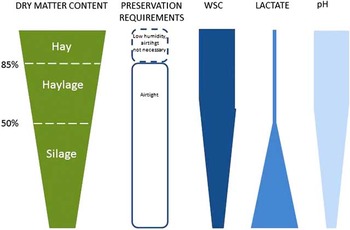
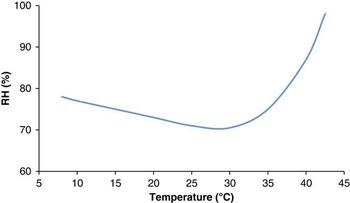
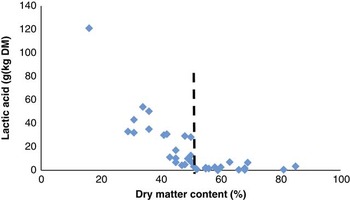
Cut grass air dried/wilted in the field or a barn is termed hay, whereas silage is forage preserved moist and airtight, and thus fermented (McDonald et al., 1991) The term haylage was originally used to describe silage with a DM content of around 50% (Gordon et al., 1961) and although haylage (and hay/silage) can be harvested at any stage of plant maturity today haylages are typically grown and cut at later growth stages similarly to hay, but baled before becoming dry resulting in DMs typically >50 but <70% although occasionally up to 85% (see Figure 1 and Supplementary Table S1). Hay baled with too high a moisture content due to unsuitable weather conditions at cutting time and especially during wilting, insufficient turning especially if in rows (rather than being wilted widespread which helps speed up wilting, thereby helping to reduce protein degradation and loss of nutrients), etc. allows the development of fungal spores/bacteria and increases the risk of mycotoxin development. To stop undesired microbial growth, roughage/forage therefore has to be preserved under controlled conditions (Figure 2). Hay and straw should be preserved during conditions of low water activity in the crop (i.e. preserved at a DM content ideally above 85%) and given that the bales will be exposed to air, relative humidity must be lower than required for mould growth at the given temperature (Figure 2) and therefore ideally <70%. Forages may also be preserved utilizing airtight conditions, with or without lactic acid fermentation. In silage the water soluble carbohydrates in the forage are fermented by anaerobic lactic acid bacteria (naturally occurring on the crop or added as inoculants (Figure 1)). For sufficient lactic acid production to occur, the crop DM content must ideally be around 30% or less and certainly <50% (Figure 3). If the acids produced sufficiently increase hydrogen ion concentrations, undesirable microbial growth will be inhibited. To confirm proper ensiling of forages (without butyrate) with a DM 15% to 50%, pH can be used as an indicator. Weissbach (1996) and Spörndly et al. (2003) suggest that the pH should be less than: 0.0257×DM%+3.71 (Weissbach, 1996) but according to Field and Wilman (1996) a higher pH (0.0028×DM (g/kg)+4.209 (equation estimated from their figure) might be allowed if silage is preserved in bales and not in bunkers. Preservation at higher DM contents relies on maintenance of airtight packaging not a low pH (Mihin, 1940). In haylage/silage bale production, at least four layers of film are needed to promote good preservation (Keles et al., 2009; McEniry et al., Reference McEniry, Forristal and O’Kiely2011) but adding layers (6 to 10) increases the CO2 content (Müller, 2005) and for bales to cope with handling, transportation, birds and long-term storage eight layers or more are recommended (Jacobsson, 2002; Spörndly, personal communication). In haylages with very high DM contents there may be an increased risk of perforation (allowing air entrance and mould growth) by stiff and sharp stems. To facilitate safer preservation and storage such haylages require more layers of film than forages with a lower DM content. Some professional horse haylage producers may use 12 to 20 layers (Jansson A, personal communication). More research is needed into the impact of the number of layers used. Mature and rough crop may be difficult to preserve correctly as more air can be trapped in such bales, increasing the risk of localized mould growth. Higher density baling, late tossing, lower dry matter (75%), as well as rain occurring after cutting strongly increased mould counts in hay (Seguin et al., Reference Séguin, Lemauviel-Lavenant, Garon, Bouchart, Gallard, Blanchet, Diquelou, Personeni, Gauduchon and Ourry2010) but baling for haylage when too dry (86% to 88% DM) also increased mould counts (Martinson et al., Reference Martinson, Coblentz and Sheaffer2011). Bales of forage with very low DM contents (<30%) are also at risk of losing air tightness due to their heavy weight, plant structure collapse during fermentation, formation of effluent, etc. all of which result in increased pressure on the film. In forage with DM content <40% clostridial fermentation can also occur (McDonald et al., 2002) and the prevalence of clostridial fermentation seems to be higher in bales with unchopped v. chopped forage (Pauly, 1999). In well-made haylage, whilst there will still be some microbial activity, reduction in WSC and production of by-products of fermentation this will be much more limited compared with that for silage (Müller et al., 2007; Muhonen et al., 2009).
A very schematic overview giving some definitions and characteristics of hay, haylage and silage (water soluble carbohydrates (WSC)) made without additives. It is important to note that dry matter content (and water activity) will determine the potential for fermentation so are linked with lactate production. In general as lactate starts to be produced the WSC and pH will start to reduce, although other factors can influence pH (including buffer capacity). The WSC of any preserved crop will be lower than the fresh forage it originated from due to respiration (plant and microbial) post harvesting but the WSC content of haylage compared with the hay from the same fresh pasture will depend on whether there has been any lactic acid (or volatile fatty acid (VFA) production). If there is virtually no lactic acid (or VFA) production, then there will be no decrease in total WSC in haylage compared with hay (Muhonen et al., 2009).

A schematic figure on how minimum required air humidity (relative humidity (RH)) for mould growth varies with ambient temperature (adapted from Lehmann, 1971).

The relationship between airtight stored grass forage dry matter (DM) and lactate content. At DM contents higher than 50% (dotted line) the lactate content is very low. Data from Wilkinson et al. (1976) (three observations, 16% to 45% DM), Müller, (2007) (10 observations 29% to 68% DM), Muhonen (2008) (eight observations, 36% to 81% DM), Ragnarsson (2009) (eight observations, 36% to 81%) and Särkijärvi et al. (2012) (six observations, 36% to 55% DM). All observations are from grass forage preserved in wrapped bales except for Wilkinson et al. (1976) which were in silos. Forages were preserved without additives except six observations, with lactic acid inoculant, from Muhonen (2008) and formic acid inoculant in the Särkijärvi et al. (Reference Särkijärvi, Sormunen-Cristian, Heikkila, Rinne and Saastamoinen2012) observations. Data fits (R 2=0.84) the equation: y=00406x 2−54306x+179.3 and the equation is relevant in the interval 16% to 70% DM.

Nutritional composition
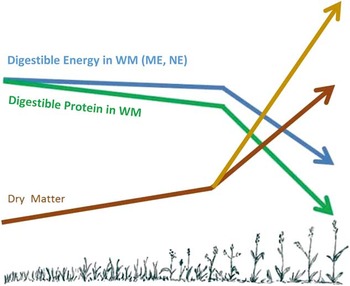
The nutritive value of forage to the horse is determined predominantly by its nutrient content and digestibility, which in turn may be influenced by level of intake and feed interactions. Nutrient content depends on many plant-related factors as well as the environment (Buxton, 1996). Herbage maturity at harvest, however, is a key influencer (Virkajärvi et al., Reference Virkajärvi, Saarijärvi, Rinne and Saastamoinen2012). As the plant matures, the fibre fraction increases and CP decreases, leading to a decline in digestibility plus overall energy availability (Ragnarsson and Lindberg, 2008 and Reference Ragnarsson and Lindberg2010; Müller, Reference Müller, Hultén and Gröndahl2012) (Figure 4). Nutrient content is also closely related to plant species and morphology, with legumes typically higher in protein and calcium than grasses. The proportion of leaf to stem will also affect nutritive value, even between cultivars of the same species (Van Soest, 1994; Bélanger and McQueen, 1997).
A schematic illustration (not to scale) of the maturation of plants and the effect on dry matter (DM) content (NB in Southern European countries the increase in DM is more dramatic than for Northern Europe as illustrated by the two lines), digestible plus metabolizable (ME) and Net (NE) energy plus digestible protein content on a wet matter (WM) basis. The extent of such changes may be affected by environmental conditions as well as management practices.

Forage quality is also influenced by management factors especially fertilizer applications, harvest techniques and storage conditions (Van Soest, 1994; Cookson et al., 2000; Rotz, 2003). Hay nutrient losses are normally higher during harvest (e.g. plant leaves left in the field due to mechanical handling of the dried crop) in contrast with silage where losses are larger during storage, mostly due to fermentation activities, air infiltration and silage effluents (McGechan, 1989 and 1990; Dürr, 2004; Müller, Reference Müller, Hultén and Gröndahl2012). Environmental factors affecting herbage development (including temperature, precipitation, solar radiation and soil nutrient availability) obviously can vary with geographical location resulting in a range of climatic and soil conditions.
Not surprisingly forage chemical composition and consequent nutritional value therefore shows a great variation between regions, crop years, harvest time, seasons and even within farming places (see Supplementary Table S1). The variability highlights the importance of forage analysis when designing forage-based rations, especially when feeding brood mares, growing and performance horses (Jansson et al., Reference Jansson, Saastamoinen and Lindberg2012) or those with particular clinical conditions (such as laminitis, hyperkalaemic periodic paralysis, etc.). Ideally mineral content should also be analysed. Legume forages tend to have higher protein and calcium contents than grass forages and this needs to be taken into consideration when formulating the total ration (which should preferably be based on nutrient analysis).
Digestion and digestibility
Digestion can be defined as the process in the GIT by which forage constituents are converted by physical and chemical breakdown into substances (mainly VFAs) that can be absorbed and assimilated by the body (Argenzio et al., 1974). Water soluble, as well as enzymatically digestible carbohydrates (WSC, starch non-starch polysaccharides, soluble fibre) are digested from the stomach onwards along the whole GIT as long as they are not trapped within insoluble fibre. Insoluble fibre digestion depends exclusively on microorganisms that have the ability to hydrolyze the predominant β1-4 linked polysaccharides of cell walls. It occurs primarily in the horse’s hindgut with a limited amount of fermentation in the foregut (de Fombelle et al., 2003; Jouany et al., 2009). The extent of any forage digestion depends on both the fibrolytic microbial activity of the hindgut ecosystem and the total time during which parietal components are exposed to this activity (Merritt and Julliand, Reference Merritt and Julliand2013). This duration is defined as the mean retention time of digesta (Miyaji et al., 2008b).
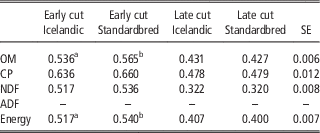
Several intrinsic and extrinsic factors can affect forage digestion and digestibility (digestibility=total nutrient/energy ingested minus nutrient/energy excreted and expressed as % of total ingested). The influence of intrinsic factors such as horse breed, individuality and age has been studied on forage digestion and digestibility. It has been anecdotally suggested, for example, that ‘easy keepers’ may have higher digestion efficiency than other horses. However, in a controlled study (Ragnarsson and Jansson, Reference Ragnarsson and Jansson2011) where two haylages (cut at early and late maturity stage) were fed to both Icelandic horses (easy keepers) and Standardbred horses, no such effect could be observed (Table 1). Recent studies also showed that DM, organic matter and NDF fraction apparent digestibility were not different between weaned foals (6 and 12 months) and adults (14 years) (Ringler et al., 2009; Earing et al., Reference Earing, Lawrence, Hayes, Brummer and Vanzant2013), which complemented and confirmed previous data reporting no variation of total apparent digestibility of DM between weanlings (5 months), and those aged 8 and 12 months old (Cymbaluk et al., 1989). At 2 months of age, the VFAs profile of foal’s faeces remained constant and cellulolytic bacterial concentration was comparable with adult values suggesting that the fibre-degrading capacity in foals was established by 2 months of age (Faubladier et al., Reference Faubladier, Julliand, Danel and Philippeau2013).
Coefficients of total tract apparent digestibility in Icelandic and Standardbred horses fed the same early and late cut forages (after Ragnarsson and Jansson, Reference Ragnarsson and Jansson2011)

OM=organic matter.
a,bValues in the same row without common superscripts differ (P<0.05) and indicate breed differences.
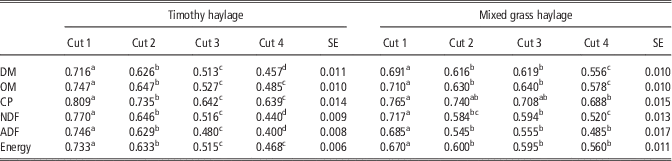
Extrinsic factors such as botanical characteristics are known to influence growth and metabolism of plants, and therefore their nutritive value as forages. In horses, the average DM digestibility decreased significantly in forages having higher NDF and lower CP contents (Edouard et al., 2008). More specifically, alfalfa has higher DM and CP digestibility coefficients than tall fescue, caucasian bluestem (Crozier et al., 1997), coastal Bermuda grass (Sturgeon et al., 2000; Potts et al., Reference Potts, Hinkson, Graham, Löest and Turner2010) and Matua grass (Sturgeon et al., 2000). Alfalfa also had higher organic matter digestibility than grass hays (LaCasha et al., 1999) and more specifically coastal Bermuda grass (Potts et al., Reference Potts, Hinkson, Graham, Löest and Turner2010). Digestion and energy and CP content of forage is greatly affected by the stage of maturity of plants (Figure 4; Table 2).
Coefficients of total tract apparent digestibility of haylages cut (first cut) at different stages of maturity (after Ragnarsson and Lindberg, 2008 and 2009)

DM=dry matter; OM=organic matter.
a,b,c,dValues in the same row without common superscript differ (P<0.05).
The type of forage preservation, however, appears to have limited impact on apparent digestibility. When hay and haylage originating from the same crop (same harvest/batch) were compared, digestibility did not differ (Bergero and Peiretti, Reference Bergero and Peiretti2011) although when hay and silage from the same crop was compared, digestibility was slightly higher in silage compared with hay (Muhonen et al., 2008b). Feed changes from hay to silage or haylage (even from the same harvest/batch) may, however, affect the microflora as well as the DM of the hindgut contents (Muhonen et al., 2008; Muhonen, 2009) Similarly changes between forage batches with different CP contents should be made slowly, as colonic pH, for example, has been shown not to be stable within 3 weeks after such a change (Muhonen et al., 2008a) although further studies are needed to assess the importance of these alterations. Until we do know more it is recommended that changes between forage batches should therefore be made carefully to minimize the risk of disturbances. In support of these recommendations the incidence of certain types of colic has been shown to increase especially in the first 7 days (but up to 28 days) after a change in forage feeding (Hillyer et al., 2002).
Hygienic quality
This is a key issue, as forages fed to horses have often been reported to be of poor hygienic quality (Wichert et al., 2008) which can lead to significant health problems for example, mould spore exposure, especially from Aspergillus fumigatus has been implicated in the aetiology of recurrent airway obstruction in horses (Pirie, 2014). Although the term ‘poor hygienic quality’ is not well defined, it may include biological contaminants (e.g. pests, microorganism and their related toxins), chemical contaminants (e.g. fertilizer, heavy metals), and physical contaminants such as soil. In that context, feed hygiene, as stated by EU legislation (Regulation (EC) No 183/2005), includes all aspects that must be considered in order to produce, sell and feed a safe feedstuff that will not result in any harmful effects on the animal, and therefore applies to forage as well. EU legislation (EC No 32/2002) defines maximum acceptable levels for a variety of contaminants in feedstuffs including for heavy metals, aflatoxin B1, rye ergot and substances such as pesticides.
Several parameters can be used to evaluate hygienic quality including feel (e.g. dry, clammy), smell (e.g. typical, mouldy), colour (e.g. green, bleached), macroscopic findings (e.g. presence of sand, soil, dead animals) and/or microbial evaluation (Wichert et al., 2008; Kamphues, Reference Kamphues2013; Wolf et al., Reference Wolf, Siesenop, Verspohl and Kamphues2014). Knowing the DM content is key, as discussed above, as microorganisms need water for survival and multiplication (Kamphues, Reference Kamphues2013). A macroscopic evaluation should routinely be undertaken for obvious moulds, as well as the presence of sand/soil and other potential contaminants especially poisonous plants. Senecio spp., and Taxus baccata have been suggested to be the main poisonous plants for horses (Berny et al., Reference Berny, Caloni, Croubels, Sachana, Vandenbroucke, Davanzo and Guitart2010) although regionally other poisonous plants may be important for example vitamin D intoxication via Golden oat grass in parts of Germany (Bockisch et al., Reference Bockisch, Aboling, Coenen and Vervuert2015).
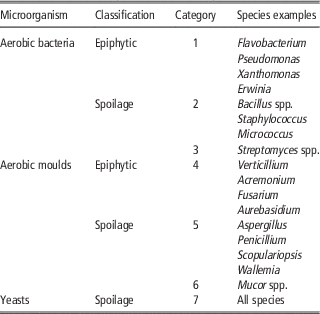
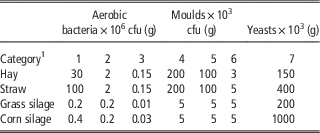
Much attention is given to the microbiological analysis of feedstuffs but there are significant effects of the analytical methods used. Pre-treatment, incubation temperature, type of incubation substrate and incubation duration can all significantly influence what is cultivated (Raymond et al., 2000; Müller et al., Reference Müller2011). For example, the growth of thermophilic bacteria such as actinomyces is supported by an incubation temperature of 55°C for 3 days, whereas the growth of mesophilic aerobic bacteria is supported by a lower incubation temperature (25°C), but a longer incubation time (7 days, Raymond et al., 2000). In some European countries, the characterization and benchmarking for bacteria, moulds and yeasts in feedstuffs has been standardized (Tables 3 and 4) to provide upper acceptable levels of contamination which are thought not to have any adverse effects on horse health. For this purpose microorganisms are classified as being either epiphytic (i.e. normal contaminants that are present even under optimal conditions) or spoilage inducing. Importantly, both types may impact health (e.g. respiratory problems by moulds). However, it should be emphasized that whilst these benchmark levels can be used to describe spoilage, the consequences on equine health through exceeding the benchmark levels requires more in-depth evaluation.
Classification of microorganisms in feedstuffs according to Kamphues (Reference Kamphues2013)

Benchmark for microorganisms in feedstuffs (cfu per g feed) according to Kamphues (Reference Kamphues2013)

1 Categories: 1, epiphytic bacteria; 2 and 3, spoilage indicating bacteria; 4, epiphytic moulds; 5 and 6, spoilage indicating moulds; 7, yeasts all species.
Undesirable bacteria, moulds and yeasts multiply under adverse conditions such as rainfall, high humidity, and high ambient temperatures or due to vectors like mites. As outlined above a DM content of >85% reduces microbial activity.
Mycotoxins such as ergot alkaloids, zearalenone, deoxynivalenol, fumonisin B1 and B2, ochratoxin A or aflatoxin B1 are secondary metabolites produced by fungi that are capable of causing toxicity (see review Riet-Correa et al., Reference Riet-Correa, Rivero, Odriozola, Adrien Mde, Medeiros and Schild2013). However, little is known about the impact of mycotoxins on equine health status. Several mycotoxins are designated as undesirable substances with maximum levels in human food, whereas only aflatoxin B1 and rye ergot are currently designated as undesirable substances with maximum levels for animal feedstuffs. Further analyses, therefore, may be required including detailed mycotoxin determinations for example clinical signs of leukoencephalomalacia requires fumonisin analysis especially when corn silage with corn cobs is being fed to the affected horses. Whilst it is impossible to fully eliminate mycotoxins, it is important to reduce contamination by optimizing harvesting and storage conditions.
Botulism occurs following exposure to toxins (eight different serotypes) produced by anaerobic spore-forming bacterium Clostridium botulinum and other botulinum toxin-producing clostridia (Galey, 2001). In adult horses, food-borne botulism is acquired by the ingestion of preformed toxins (mainly type B, C or A). Feeding big bale silage or haylage have been often associated with botulism outbreaks in horses, mules or cattle (e.g. Ricketts et al., 1984; Divers et al., 1986; Wollanke, 2004; Myllykoski et al., 2009), although there have been outbreaks linked with hay feeding (Wichtel and Whitlock, 1991; Johnson et al., Reference Johnson, McAdams and Whitlock2010). Botulinum toxin production typically occurs due to contamination with animals, soil or poultry slurry. Equivocal results have been reported regarding the potential risk of silage or haylage contamination with C. botulinum spores through using the wastage from biogas anaerobic digesters for fertilization (Müller et al., Reference Müller, Johansson, Salomonsson and Albihn2013; Neuhaus et al., Reference Neuhaus, Schrödl, Shehata and Krüger2015).
Methods of sampling
A good sampling procedure is crucial so that any analysis (e.g. nutrients, microbial counts) represents the mean value for the whole batch. For the official feed control EU legislation (EC No 691/2013) suggests for example that five up to 40 individual samples should be aggregated to form an initial overall sample of between 1 (low specific gravity, e.g. hay or straw) and 4 kg as-fed (e.g. silage).
Forage intake behaviour and welfare considerations
Free-ranging horses perform 10 to 15 individual feed-bouts/day and forage for 12.5±2.5 h/day with recordings as high as 18 h (Ellis, Reference Ellis2010, Supplementary Table S2). ‘Non-foraging’ bouts are rarely longer than 3 h duration (2±1.3) (Van Dierendonck et al., 1996; Souris et al., 2005; Hallam et al., Reference Hallam, Campbell, Qazamel, Owen and Ellis2012; Ellis et al., Reference Ellis, Redgate, Zinchenko, Owen, Barfoot and Harris2015). Even when stabled, horses tend to spend a minimum time (8.5 to 12 h/day) on foraging-related behaviours, at times ‘topping up’ their food intake behaviour by ingesting wood-shavings and performing coprophagy for up to 3 h/day (Ellis et al., 2006; Ellis, Reference Ellis2010). Curtis et al. (Reference Curtis, Barfoot, Dugdale, Harris and Argo2011) suggested the potential for wood-shaving intakes of up to 3.5 kg in a few individuals fed DM-restricted diets as part of a weight loss programme and this is in line with considerable amounts of wood-shavings reported in the stomach of horses on a low forage diet (Boswinkel et al., 2007). Intake times for chopped lucerne/alfalfa are about twice as fast as those for long hay (Ellis, Reference Ellis2010). Chopping very late cut hay to 3.5 cm particle length did not shorten intake times in eight horses but adding chopped forage (~2.5 or 4 cm) to pellets at 30% inclusion rate doubled concentrate feed intake times (Ellis and Hill, 2002; Ellis et al., 2005). Replacing hay with ground-hay pellets reduces chewing time/kg by 75% (Ellis et al., Reference Ellis2010) which may partially explain the increased intakes (to 4% to 5% of BW) seen by Argo et al. (2002) and Henneke and Callaham (2009) when they fed only pellets compared with a chaff-feed or hay. Elia et al. (Reference Elia, Hollis and Houpt2010) found that foraging through wood-shaving bedding increased by 3.5 h/day, when feeding just hay pellets compared with feeding hay. This strong motivation to spend a minimum of 8 (stabled) to 12 (grazing) h on intake behaviours, irrelevant of the energy density or composition of feedstuffs is supported by many studies on voluntary intake behaviour (Supplementary Table S2) and night time observations of stabled horses (Ellis et al., Reference Ellis, Redgate, Zinchenko, Owen, Barfoot and Harris2015). In addition stabled horses rest for 3 to 4 h maximum before re-commencing foraging-related behavior (Ellis et al., Reference Ellis, Redgate, Zinchenko, Owen, Barfoot and Harris2015).
Furthermore, in a race horse population of 2900 animals, those fed <6.8 kg/day of forage showed a significant increase in abnormal behaviours including oral stereotypies and weaving (McGreevy et al., 1995). Lack of foraging opportunity has been directly linked to the onset of oral stereotypies in foals (Nicol et al., 2002) and to possible stereotypic precursor behaviour (increased water play and drinking, locomotion) in three out of five feed-restricted ponies (Dugdale et al., Reference Dugdale, Curtis, Cripps, Harris and Argo2010). Appetitive behaviours have a positive feedback on motivation through the brain’s pleasure centres which become active as the horse pursues its goal (McBride and Hemmings, 2005). If the motivation to forage/chew is not fulfilled, other behaviours may replace the original goal achievement behaviour as highlighted in several mammals (Hughes and Duncan, 1988).
Health considerations
Horses as previously stated are adapted to a slow and almost continual intake of a diet rich in structural fibre and low in rapidly hydrolyzable carbohydrates. For many commonly encountered equine health issues, forage feeding management is an important factor in helping to reduce risk and maintain health.
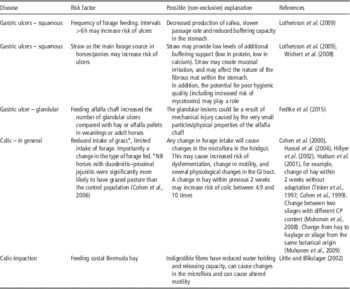
Particle length influences motility and transit time within the GIT, as larger particles move more slowly (Drogoul et al., 2000) and forage also influences gastric emptying rate and/or the passage rate through the small intestine (Jensen et al., Reference Jensen, Austbø and Tauson2012). A more stable (Willing et al., 2009) and diverse microbial population, with a larger core, is found when a forage-only diet is fed especially compared with a sugar and starch rich ration (Dougal et al., Reference Dougal, de la Fuente, Harris, Girdwood, Pinloche and Newbold2014). Stabling and feeding preserved forage results in a change in gut motility and higher DM faeces despite an increased water intake (Williams et al., Reference Williams, Tucker, Green and Freeman2011 and Reference Williams, Horner, Orton, Green, McMullen, Mobasheri and Freeman2015). Horses have a lower pH in the proximal stomach during early morning (0100 to 0900 h), when stomach-fill tends to be lower especially in stabled animals (Husted et al., 2008). It is therefore not surprising that several nutritional risk factors for equine gastric ulcer syndrome, colic and diarrhoea have been identified and many of them are related to limited, reduced or a changed intake of forage (see Table 5).
Some suggested forage related risk factors for gastric ulcers and colic (see also Andrews et al., Reference Andrews, Larson and Harris 2016 ; Durham, Reference Durham2013)

GI=gastrointestinal.
Recurrent airway obstruction is the most common cause of chronic coughing in horses in temperate countries, with up to 14% prevalence in the United Kingdom (Hotchkiss et al., 2007). This lower airway inflammatory disease results in a range of clinical signs from exercise intolerance/poor performance, to severe expiratory dyspnoea (Pirie et al., 2002 and 2003; McGorum and Pirie, 2008). Exposure to airborne organic dust (mostly endotoxins) via stabling and feeding of hay/straw with a high mould count plays a primary role (Couetil and Ward, 2003) as discussed above.
The management strategies for horses at increased risk of several conditions, such as certain forms of laminitis (including those with the equine metabolic syndrome and pituitary pars intermedia dysfunction) as well as various muscular disorders including the equine rhabdomyolysis syndrome, includes reducing the intake of non-structural carbohydrates (NSC) (MacLeay et al., 2000; Valentine et al., 2001; McKenzie et al., 2003; Hunt et al., 2008). Such horses are often put on restricted or no pasture access (especially when the levels of fructans, starch and sugar are high or there is a high herbage yield) and are fed a diet based on preserved forage or forage replacers (e.g. commercial fibre-based products) with a known and low content of NSC (<10% to 12% DM) to minimize post-feeding glycaemic and insulinaemic responses (Borgia et al., Reference Borgia, Valberg, McCue, Watts and Pagan2011; Geor and Harris, Reference Geor and Harris2013; Harris et al., Reference Harris, Coenen and Geor2013). Recent observations also indicate that forage CP content might be of importance for the insulin response (Ringmark and Jansson, Reference Ringmark, Lindholm, Hedenstrom, Lindinger, Dahlborn, Kvart and Jansson2013).
Performance considerations
Historically, the use of forage in diets of performance horses has been limited (Jansson and Harris, Reference Jansson and Harris2013). Recent studies (Connysson et al., 2006; Muhonen et al., 2008b; Connysson et al., Reference Connysson, Essén-Gustavsson, Lindberg and Jansson2010; Essén-Gustavsson et al., Reference Essén-Gustavsson, Connysson and Jansson2010; Jansson and Lindberg, Reference Jansson and Lindberg2012; Ringmark et al., Reference Ringmark2012 and Reference Ringmark and Jansson2015) show that forage-only diets can meet the high energy requirements of horses in very heavy training (equal to or more than twice maintenance requirements) if the energy density is high enough. The energy density of such forage must correspond to at least 10.5 MJ ME/kg DM (Jansson and Lindberg, Reference Jansson and Lindberg2012; Ringmark, Reference Ringmark, Roepstorff, Essén-Gustavsson, Revold, Lindholm, Hedenström, Rundgren, Ögren and Jansson2014). These studies indicate no adverse effects on performance with exception for slightly lower (ca −10%) muscle glycogen contents within 3 days after high intensity work compared with a high starch diet (Jansson and Lindberg, Reference Jansson and Lindberg2012). However, very high muscle glycogen contents and indications of rapid glycogen recovery have been documented on forage-only diets providing CP intakes above current feeding recommendations and forage WSC contents of 8.5% to 13.5% of DM (Essén-Gustavsson et al., Reference Essén-Gustavsson, Connysson and Jansson2010; Ringmark, Reference Ringmark, Roepstorff, Essén-Gustavsson, Revold, Lindholm, Hedenström, Rundgren, Ögren and Jansson2014). In the study by Jansson and Lindberg (Reference Jansson and Lindberg2012) plasma lactate response was decreased, venous pH and blood glucose was increased during exercise on the forage-only diet compared with the traditional high starch diet, indicating a metabolic pattern that might improve performance. A recent study (Ringmark, Reference Ringmark, Roepstorff, Essén-Gustavsson, Revold, Lindholm, Hedenström, Rundgren, Ögren and Jansson2014) has also shown that it is possible to get Standardbred yearlings into racing condition at the age of 3, and also to win races, on a high-energy forage diet supplemented only with minerals and vitamins. Horses also maintained plasma volume longer during 12 h of feed deprivation on a forage-only diet compared with a high starch diet (Connysson et al., Reference Connysson, Essén-Gustavsson, Lindberg and Jansson2010). Altogether these studies suggest that high energy preserved forage can be an alternative to high starch feeds in exercising horses and that such diets might promote both health and performance.
Author’s recommendations for best practice
Based on the above and other published work (as well as personal views where stated).
-
A. The general use of the following terms is recommended
-
I. haylage for forages stored airtight and with DM content ⩾50%
-
II. silage for forages stored airtight with DM contents below 50%
-
III. hay for forage preserved at a DM content ideally above 85%
-
-
B. To fully understand the value of a forage, and its impact as part of the horse’s diet, nutrient analysis is recommended and an estimation of the energy content should be made. This becomes particular important when feeding horses with health disorders (e.g. low body condition score, obesity, laminitis, polysaccharide storage myopathy).
-
C. Hygienic quality of forages must be a key consideration as poor hygienic quality can lead to significant health problems. As a minimum, regular visual and olfactory inspection should be undertaken and poor quality forage appropriately disposed of. Benchmarks for microorganism contamination should be considered.
-
D. Changes in forage should be done gradually especially if the nutrient composition (energy, protein, WSC) is unknown or known to differ considerably due to changes in plant species, growth stage and preservation technique. In such instances at least 2 and possibly more than 3 weeks adaptation period may be required.
In terms of forage requirements for horses it is recommended that:
-
1. The basis of any horse’s diet should be fresh or preserved forage (recommended particle length >2.5 cm) offered ideally ad libitum or spread throughout the day to avoid prolonged periods (i.e. >4 to 5 h) in a stable without foraging opportunity. However, in older horses with chewing difficulties, using ground high fibre products in a soaked mash form may be beneficial.
-
2. A horse requires sufficient forage fed in a form that supports species-specific feed intake behaviour ideally for a minimum of 8 h and preferably 10/24 h.
-
3. The amount of preserved forage in the ration should be calculated on a g DM/kg BW rather than % of ration or an as-fed basis due to the great variation in DM content of different forages.
-
4. The lower limit of daily forage intake should be 15 g DM/kg BW in addition to complementary (concentrate/compound) feeding, with an absolute minimum recommendation of 12.5 g DM/kg BW. Previously recommended minimums of forage at 8 to 10 g DM/kg BW per day are not acceptable according to the latest understanding of equine ethological needs and health considerations.
-
5. Any lower amounts should only be fed solus (i.e. no other fibre provision), under exceptional clinical circumstances (e.g. as low energy providing hays for animals undergoing severe restriction for weight loss purposes, post-surgery, etc.), under veterinary supervision and with an appropriate forage vitamin/mineral/protein balancer.
-
6. Straw, if required, should be introduced into the diet very slowly, which helps the horse to adapt its chewing behaviour and reduce the risk of impaction, although this remains a significant risk with certain individuals. The risk of gastric ulceration also may increase when straw is the main roughage. Some of the authors (P.H., A.E., V.J., N.L.) personally recommend that not more than 30% of the forage DM ration should be straw (other than for donkeys). Others (A.J., I.V.) may recommend higher proportions providing the straw is of a good hygienic standard and the overall ration is balanced for protein vitamins, minerals and trace elements.
-
7. For horses requiring increased energy intake due to reproduction status or work level, less mature forages that have a higher energy content, should be considered. Forages cut at an earlier plant maturity stage are less likely to require protein supplementation.
-
8. Intakes above those recommended here may be fed or consumed by horses, as long as a healthy energy balance (body condition) is maintained. If BW increases even when feeding the minimum recommended intake, a forage with a lower energy content should be fed rather than reducing the dry matter forage intake.
Acknowledgements
The authors thank all committee members, participants, sponsors and organizers of the European Workshop in Equine Nutrition for their input and support. In addition, special thanks are expressed to Manfred Coenen, Sarah Ralston, Thomas Pauly, Rolf Spörndly, Cecilia Müller, Markku Saastamoinen, Dag Austbø, Anne-Helene Tauson, Sveinn Ragnarsson, Joaquin Clotet, Samy Julliand, Nicoletta Miraglia, Pier Giorgio Peiretti, Teresa Dentinho, Luis Ferreira, Rui Bessa and Andreas Olt.
Supplementary material
To view supplementary material for this article, please visit https://doi.org/10.1017/S1751731116002469