Introduction
Optimal nutrition throughout the lifespan is critical for growth and development of infants and optimal weight trajectories through to adulthood, and is protective against a variety of infections and chronic diseases. Sub-optimal nutrition in both pregnancy and infancy has been linked with the development of chronic diseases later in life, including diabetes and cardiovascular diseases.Reference Barker 1 – Reference Barker, Gluckman and Godfrey 3 The environmental influences and subsequent epigenetic adaptations occurring during the formative stages of fetal and infant growth and development are now recognized as significant contributing factors to future health and disease risk.Reference Ruchat, Bouchard and Hivert 4 Emerging evidence suggests that in utero and postnatal nutritional influences may confer epigenetic changes in infants.Reference Ruchat, Bouchard and Hivert 4 – Reference Dominguez-Salas, Moore and Baker 6 Healthy food habits have been shown to track from infancy throughout childhood and into adulthood, and therefore optimal nutrition should begin early.Reference Mikkilä, Räsänen, Raitakari, Pietinen and Viikari 7 , Reference Northstone and Emmett 8 Growth is rapid during infancy and inadequate nutrition during this time can have a detrimental impact on growth, with the potential for stunting. 9 Impaired growth can lead to poor neurological outcomes, and rapid catch-up growth may be a risk factor for obesity and later development of chronic disease.Reference Baird, Fisher and Lucas 10 – Reference Forsén, Eriksson, Tuomilehto, Osmond and Barker 13 Growth in the early years of life can be a good indicator of a child’s health and nutritional status, and is an indicator of the health of a population. Little is known about the dietary intakes and related anthropometric outcomes of Australian Indigenous women and their children.
Within Australia Indigenous people continue to experience poorer health than non-Indigenous people; the result of a legacy of social and economic disadvantage. 14 Indigenous Australians have a 10-year reduction in life expectancy compared with non-Indigenous Australians 15 and there is a high prevalence of renal disease, diabetes and cardiovascular diseases. 16 , 17 In 2012–2013, around one in eight Indigenous Australians had heart disease (12%), and one in 12 (8.2%) had diabetes mellitus and/or elevated blood or urinary glucose levels, a rate three to five times as high as comparable rates for non-Indigenous Australians. 17 Issues of food insecurity, which prevail in many Indigenous communities, may contribute to a greater prevalence of nutrition-related chronic diseases. In the National Aboriginal and Torres Strait Islander Nutrition and Physical Activity Survey (NATSINPAS) 2012–2013, more than one in five Indigenous Australians were living in a household where someone went without food when the household ran out. 18 The NATSINPAS results highlight areas of concern for the dietary intakes of Indigenous Australians, including a smaller proportion consuming vegetables and fruit and a higher proportion of daily energy from discretionary foods (foods that are low in nutrient density but high in energy density) than non-Indigenous Australians. 18
Existing and emerging research is beginning to inform our knowledge of current dietary practices and infant feeding behaviours of Indigenous infants and children.Reference Craig, Femia, Broyda, Lloyd and Howard 19 – Reference Eades, Read and McAullay 21 However, there is still a fundamental gap in what is known about the diets and eating habits of Indigenous Australian families, including women and their children. There is little in the current literature on how dietary intake changes over the lifespan in Indigenous Australians, and how this can influence body composition in terms of both optimal infant growth and maternal postpartum weight. There is a need for further research into early infant diets around introduction to solid foods, weaning diets and types of first food, not just breast and formula feeding,Reference Robinson 22 and the macro- and micronutrient intakes of Indigenous women in the critically important child-bearing years. Given that a high proportion of Indigenous Australians reside in rural and remote locations, research should reflect the diversity of Indigenous people living in non-urban communities. Research into current infant feeding practices and maternal dietary intake in the postpartum period will help identify areas to target future nutrition promotion strategies.
To understand the diets of Indigenous women and their young children and the impact on maternal and infant health and body composition, this study reports on the cross-sectional dietary intakes and anthropometric measures from a longitudinal cohort of Indigenous Australian women and their children. Maternal postpartum diet including intake of energy, macronutrients and selected micronutrients, and anthropometrics, in addition to infant feeding practices and anthropometrics are presented.
Methods
Study design and setting
The Gomeroi gaaynggal study is a prospective longitudinal cohort of Indigenous Australian mother–child dyads followed from pregnancy through the postnatal period until children are 5 years of age. We present here a cross-sectional description of postpartum data on maternal dietary intakes, infant feeding patterns and anthropometry of maternal–child dyads.
The study is set in two locations of New South Wales (NSW), Australia ~350 km apart. The first is a large rural town of ~60,000 residents, 8.4% of which identified as being of Indigenous heritage in the recent census. The second is a remote town with a population of <2000 residents, approximately half of which identify as being Indigenous. National estimates indicate there is an ‘undercount’ of ~17% for Indigenous people. 23 The two towns are within the same Aboriginal cultural nation; however, they differ in terms of access to medical and daily household services, including a broad range of grocery options. The remote town scored 856 on the SEIFA Index of Relative Socio-Economic Disadvantage, and the rural location scored 960. A lower score indicates relatively greater disadvantage (e.g. many households with low income, many people in low-skilled occupations or with no qualifications). 24
The Gomeroi gaaynggal study was established after a period of community consultation with Aboriginal community members.Reference Rae, Weatherall, Smith and Mackay 25 All members of the research team involved in recruitment of participants are Aboriginal, and Aboriginal researchers are involved in all stages of the research project. The Gomeroi gaaynggal Steering Committee consists of community representatives and was established in order to ensure continued community partnership in the study.
The research study runs alongside the Gomeroi gaaynggal Arts Health programme, which is an important initiative. Further details of this programme have been published elsewhere.Reference Rae, Weatherall, Smith and Mackay 25 , Reference Rae, Weatherall, Naden, Slater and Smith 26 Arts Health provides an opportunity for health professionals and student health professionals, including dieticians, to engage with mothers about their health issues and those of their children. Incorporating creative expression (e.g. through art) in health promotion activities has potential to improve health and well-being using culturally relevant practices.Reference McLennan and Khavarpour 27 All participants attending the research study are invited to attend Arts Health activities. This helps build a relationship between these participants and members of the research team, which contributes towards improving participant retention.
Recruitment and retention
Participants are recruited by Aboriginal research staff during pregnancy and provide written consent to continue to participate in the study cohort following delivery. Those mother–child dyads who identify as Indigenous Australians or who deliver an Indigenous infant are eligible. Recruitment commenced in 2010 and is ongoing at the time of publication.
Participants are informed about the postpartum data collection, and are booked in to attend their first postpartum visit during their last pregnancy study visit. Women attend up to eight postnatal visits. Data collection occurs four times during the infant’s 1st year of life (at 3, 6, 9 and 12 months) and annually thereafter until children are 5 years of age. Attempts are made to obtain all measures from participants at each study visit. Given the time burden on participants this is not always possible. Results are reported on all available data. Postpartum anthropometric measures were not included in this analysis for women who had given birth to a subsequent child at any postpartum study visit. Anthropometric and dietary intake data of women who were pregnant at the time of study visit is also not reported here as this is not comparable with postpartum data.
Attempts are made to retain participants through a number of methods, including ‘Study Days’ where all participants are invited to attend the centre and door prizes are offered as incentives, offering home visits and transportation to the centre, and offering the option to collect some survey data over the telephone. The study also partners with a literacy programme that provides free children’s books for participants.
Outcome measures
Dietary intake
24-h food recall
24-h food recalls of mothers are conducted by an Accredited Practising Dietitian (APD) at every visit. Women are asked to report all food and fluid intake over the 24 h of the day preceding interview, regardless of day of the week. Women provide a recall of 1 day (day preceding study session) at each visit. The multiple pass method is used for the Gomeroi gaaynggal study and involves retrieving a quick list of foods/drinks and probing for forgotten foods, collecting detailed information of recalled food and drink items, and a final review to gather any information not already collected. The recall protocol used in the current study is based on standardized protocols used in other projects.Reference Nelson, Erens, Bates, Church and Boshier 28 , 29 Recalls were entered into FoodWorks 7 Professional food and nutrient analysis software (FoodWorks version 7.0.3016; ©2012 Xyris Software [Australia] Pty Ltd) using the nutrient database AusNut 2007. 30
Infant feeding recall (IFR)
Information on infant feeding practices is collected using the IFR and administered by interview with an APD. Questions for the IFR were devised from the NSW Child Health Survey 2001 and the 1995 National Nutrition SurveyReference Eyeson-Annan 31 , 32 as suggested by Hector et al.Reference Hector, Webb and Lymer 33 The IFR is used at every visit up until 12 months and asks about breastfeeding initiation and duration and timing of introduction of formula, solid foods, cow’s milk and milk substitutes. The IFR is used after 12 months when participants have continued breastfeeding or introduced formula, cow’s milk, milk substitutes or solid foods beyond the 12-month visit.
Current feeding practices (CFP)
The CFP questionnaire is administered via interview with an APD at every postpartum study visit. The CFP asks mothers about their child’s current diet and primary sources of nutrition in the preceding 24 h. The CFP is based on the recommendations of Webb et al.Reference Webb, Marks, Lund-Adams, Rutishauser and Abraham 34 Both the IFR and CFP have been used in other cohort studies of women and their children in the postpartum period.Reference Hure, Collins, Giles, Wright and Smith 35
Anthropometry
Maternal and child anthropometric measures are obtained by an APD and Level One Anthropometrist certified by the International Society for the Advancement of Kinanthropometry (ISAK). Maternal anthropometric measures obtained include weight, body mass index (BMI), percentage body fat (PBF), body fat mass, skeletal muscle mass and visceral fat area (VFA) and are obtained during pregnancy and at each postpartum visit through the use of InBody 720™ body composition bio-impedance scales (Biospace Co. Ltd., Seoul, Korea). These scales are available in the rural study location, but not the remote study location; therefore only weight data are collected for women at the latter location. Weight is collected in the remote location with an electronic scale (WeightWatchers® Body Weight Precision Electronic Scale model WW39A). Scales are maintained as per manufacturers’ instructions.
Maternal pre-pregnancy weight is obtained through participant’s medical records or self-reported via interview during the postpartum data collection. Infant birth weight, length, head circumference and Gestation Related-Optimal Weight (GROW) centile is collected from participant’s medical records. GROW centiles are individualized standards adjusted for physiological pregnancy factors that affect fetal growth (e.g. maternal weight, height, parity and ethnicity).Reference Gardosi and Francis 36 Infant weight is obtained at each postpartum visit using infant scales (model BD-590; Tanita Corporation, Tokyo, Japan). Infant length is measured crown-to-heel at each postpartum visit. Infant head circumference, mid–upper arm circumference and subscapular skinfold are measured in accordance with the ISAK protocol.Reference Stewart, Marfell-Jones, Olds and de Ridder 37
Statistical analysis
Analyses were performed to ascertain normality of data distribution, and appropriate descriptive statistics. Data on duration and timings of infant feeding are reported in months. All analyses were programmed using Stata® (version 12.1; StataCorp LP, Texas, USA).
Results
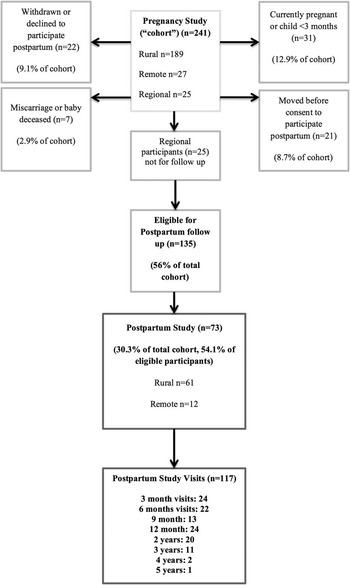
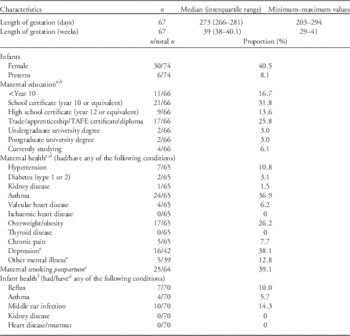
A total of 241 participants have been recruited in the Gomeroi gaaynggal study as of October 2015 (78.4% rural, 11.2% remote). Of the 135 currently eligible to continue participation postpartum, just over half (54.1%) have been retained (n=73 mothers, 74 infants, including one set of twins), of which 83.6% reside rurally and 16.4% remotely (Fig. 1). Five women had more than one child in the cohort. Demographic data are summarized in Table 1. Self-reported data indicate that 10.8% of postpartum participants have or have ever had hypertension (n=7 out of 65), and 3.1% have ever been diagnosed with diabetes (type 1 or type 2) (n=2 out of 65). There were high rates of self-reported overweight or obesity (26.2%, n=17 out of 65), asthma (36.9%, n=24 out of 65), depression (38.1%, n=16 out of 42) and other mental illness (12.8%, n=5 out of 39). In all, 39.1% of mothers reported smoking postpartum, similar to that observed during pregnancy.
Flow chart to show retention of the Gomeroi gaaynggal pregnancy cohort into the Gomeroi gaaynggal postpartum study (as of October 2015).

Demographic characteristics of mothers and infants attending at least one postpartum study visit

TAFE, technical and further education.
a Highest level of education attained. In Australia, year 10 is typically completed at 16 years of age, year 12 is typically the last year of high school and completed at 18 years of age.
b If participant has attended >1 visit, this is reported from most recent visit.
c Self-reported medical history.
d Reported at any study visit.
e Questions on self-reported mental health were not asked about in earlier study visits.
f Reported by mother.
Median (interquartile range) maternal age at first pregnancy visit was 24.9 (21.3–29.4) years for the whole cohort and 24.0 (21.1–31.3) years for participants retained postpartum. The median gestational age at delivery for the whole cohort was 39.1 weeks (37.6–40.1) and 39.0 weeks (38.0–40.1) for those retained postpartum. Female children make up 42% of the Gomeroi gaaynggal cohort and 41% of the postpartum study. In all, 22 babies were born preterm, of which six preterm babies continued to participate postpartum.
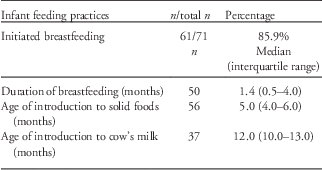
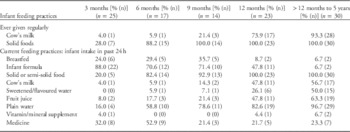
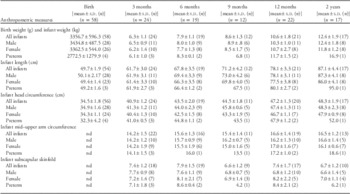
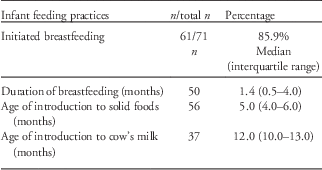
Tables 2 and 3 summarize the infant feeding practices from this group. The rate of breastfeeding initiation (any breastfeeding, even if only once) was 85.9%, with duration of breastfeeding ranging from 1 day to 24 months. Anthropometric measures of participating infants are summarized by study visit in Table 4. Birth GROW centiles were (mean±s.d.) 51.2±30.3 (n=59) for all infants; 50.9±27.3 for male infants (n=28); 48.8±31.0 for female infants (n=27); and 69.3±46.9 for preterm infants (n=4).
Summary of infant feeding practices of infants in the Gomeroi gaaynggal study (n=71)
Infant feeding practices at each study visit in the Gomeroi gaaynggal study (n=109 visits)

Infant age reported as visit at corrected age rather than chronological age if infant was preterm.
Anthropometric measures of infants in the Gomeroi gaaynggal study at each study visit

nd, No data available.
Infant age reported as corrected age rather than chronological age if infant was preterm up until but not including 2 years.
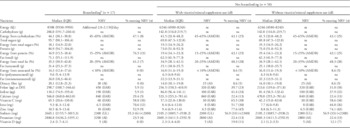
Table 5 presents selected nutrient intakes of postpartum women. None of the breastfeeding women reported taking a vitamin or mineral supplement on the recall day. Less than 50% of breastfeeding women were meeting the estimated average requirement (EAR) for nutrients including folate, iodine, calcium, potassium and vitamin D intake or the adequate intake (AI) for fibre. Inadequate intakes of these same nutrients were found in non-breastfeeding women when nutrient supplement use was not included. Higher median intakes of folate, iodine, calcium, vitamin C, iron, zinc and vitamin D were reported amongst non-breastfeeding participants who were also taking supplements (n=8 over a total of 10 study visits), but the proportion meeting EAR or AI remained low for all, except for iron (51.7% had intake ⩾8 mg/day). None of the breastfeeding women, and only five non-breastfeeding women, reported drinking alcohol in the 24-h recall (range 1.0–26.5% of total energy from alcohol).
Intake of selected nutrients compared with Nutrient Reference Values for women aged 19–50 years (NRV; participants n=53, over n=75 study visitsFootnote a )

IQR, interquartile range; na, no NRV available; AMDR, acceptable macronutrient distribution range; AI, adequate intake; EAR, estimated average requirement; UL, upper level of intake; DFE, dietary folate equivalents.
a In all, 53 women provided at least one recall (one per study visit), repeated study visits provided a further 22 recalls.
b No breastfeeding participants reported taking a vitamin or mineral supplement.
Anthropometric measures of participating mothers at each postpartum study visit are summarized in Table 6. At every postpartum visit, the median BMI was in the overweight or obese range (⩾25.0 kg/m2), 38 and median VFA and PBF at each study visit were higher than recommended ranges (recommended <100 cm3 and 21–35%, respectively).
Anthropometric measures of mothers in the Gomeroi gaaynggal study at each study visit

IQR, interquartile range; na, no reference range established; nd, no data available; BMI, body mass index; PBF, percentage body fat; VFA, visceral fat area; BFM, body fat mass; SMM, skeletal muscle mass.
a Rural and remote cohort.
b Rural cohort only, no body composition scales at remote site.
Discussion
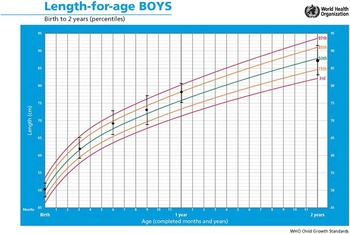
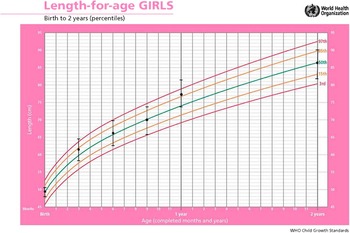
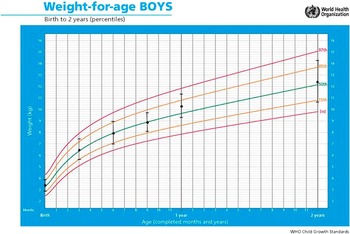
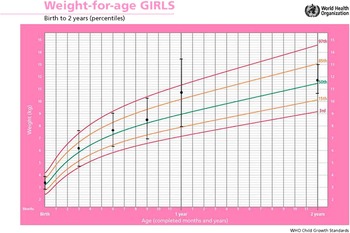
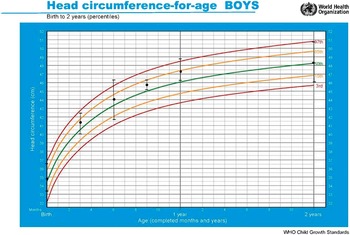
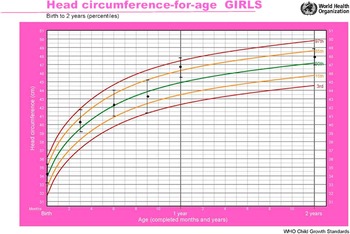
Several large cohort studies have made substantial contributions to our knowledge about Indigenous health in the pregnancy and postpartum periods, including the Aboriginal Birth Cohort study, which has published extensively on birth weight, child growth and markers of chronic disease in childhoodReference Sayers, Mackerras and Singh 39 – Reference Sayers, Singh, Mott, McDonnell and Hoy 41 and the Aboriginal Families Study, which explores women’s experiences of antenatal care during their pregnancies.Reference Brown, Weetra and Glover 42 , Reference Buckskin, Ah Kit and Glover 43 Participant numbers in Gomeroi gaaynggal are modest compared with these cohorts, however the study is ongoing and unique, as multiple repeated health-related measures are collected both in pregnancy and postpartum, and for both mothers and their children. The objective of the current analysis is to present cross-sectional data on dietary intakes and anthropometric measures of Indigenous women and their offspring in this cohort. The results indicate that there is a high breastfeeding initiation rate, although a short median duration of breastfeeding was observed. Mean anthropometric measures of infants indicate appropriate growth trajectories with no apparent stunting or wasting (Figs 2–7). Maternal dietary intakes indicate that a high median proportion of energy is derived from total and saturated fat, low median intakes of fibre and some micronutrients. Median anthropometric measures of women in this cohort were higher than recommended for BMI, VFA and PBF at all postpartum time points.
Length growth trajectory of full-term male infants. Mean (filled circle)±s.d. (line) length of full-term male infants with at least one measure (n=36) in the Gomeroi gaaynggal postpartum cohort.

Length growth trajectory of full-term female infants. Mean (filled circle)±s.d. (line) length of full-term female infants with at least one measure (n=30) in the Gomeroi gaaynggal postpartum cohort.

Weight growth trajectory of full-term male infants. Mean (filled circle)±s.d. (line) weight of full-term male infants with at least one measure (n=36) in the Gomeroi gaaynggal postpartum cohort.

Weight growth trajectory of full-term female infants. Mean (filled circle)±s.d. (line) weight of full-term female infants with at least one measure (n=30) in the Gomeroi gaaynggal postpartum cohort.

Head circumference growth trajectory of full-term male infants. Mean (filled circle)±s.d. (line) head circumference of full-term male infants with at least one measure (n=36) in the Gomeroi gaaynggal postpartum cohort.

Head circumference growth trajectory of full-term female infants. Mean (filled circle)±s.d. (line) head circumference of full-term female infants with at least one measure (n=30) in the Gomeroi gaaynggal postpartum cohort.

The rate of breastfeeding initiation in the Gomeroi gaaynggal cohort is high (85.9%), although median (interquartile range) duration of breastfeeding [1.4 (0.5–4.0) months] did not reach National Health and Medical Research Council (NHMRC) recommendations of exclusive breastfeeding to 6 months and beyond. Australia-wide in 2010, breastfeeding was initiated in 96% of children, 44 and the 2008 National Aboriginal and Torres Strait Islander Social Survey found that over three quarters (76%) of Indigenous Australian children (aged 0–3) had been breastfed at some point. 16 In remote areas, the median breastfeeding duration was high at 36 weeks (8.3 months), compared with 17 weeks in non-remote areas (3.9 months). 16 Cromie et al.Reference Cromie, Shepherd, Zubrick and Oddy 20 likewise described a gradient for breastfeeding by location in Western Australia, with Aboriginal children living in areas of moderate isolation 3.2 times more likely to be breastfed for ⩾3 months compared with those in metropolitan Perth.
Breast milk is the optimum food for infants, providing all nutrient needs in the first months of life and providing additional short and longer-term health benefits for both mother and child. Breastfeeding encourages sensory and cognitive development for infants, and is associated with reduced infant mortality, faster recovery from common childhood illnesses and reduced risk of some chronic diseases in later life. 9 In Australia, the NHMRC has set guidelines 9 which concur with the WHO recommendations 45 and call for exclusive breastfeeding until around 6 months of age. After 6 months, carers should begin introducing appropriate first foods, with continued breastfeeding to 12 months of age and beyond, as long as mother and infant desire. Cow’s milk is not an appropriate drink for infants until 12 months of age. 9
The median time of introduction of solid foods in this cohort was at 5.0 (4.0–6.0) months and the introduction of cow’s milk was at 12.0 (10.0–13.0) months. This is less than the recommended time points. 9 For all Australian children, the median age of introduction of solid foods is 4.7 months and cow’s milk at 10.3 months. 44 Further, nearly one quarter of infants (22.6%) had been introduced to solid foods by 4 months. 46 For Australian Indigenous infants across the country, 35% had received solid food before 6 months of age and 64% had been given solid foods regularly after 4 months. 16 In contrast, in the Gomeroi gaaynggal cohort 28% of infants had been given solid foods regularly by their 3-month study visit (up to 4.5 months of age). Recent evidence suggests that very early introduction of solid foods (4 months or earlier) may increase the risk of infants developing childhood obesity, especially in formula-fed infants.Reference Pearce, Taylor and Langley-Evans 47 , Reference Huh, Rifas-Shiman, Taveras, Oken and Gilman 48 However, one systematic review concluded that the associations between timing of introduction to solid foods and weight in infancy and childhood were not clear, and that genetic and environmental factors or early rapid growth may be greater contributors to childhood obesity.Reference Moorcraft, Marshall and McCormick 49 The Australasian Society of Clinical Immunology and Allergy 50 recommend introducing foods at around 6 months but not before 4 months, with more research needed to establish optimal time of introduction to reduce risk of food allergies. Due to a dearth of longitudinal cohort studies, the long-term health implications of early or late introduction to solid foods are not well established and there is a need for further research in this field.Reference Robinson 22
Sweetened drinks are not recommended for infants in the 1st year of life and are unnecessary for a healthy diet in older children. 9 For infants ⩽12 months, 10.1% had received sweetened drinks in the 24 h preceding interview and, in addition, nearly a quarter (24.1%) had received fruit juice. Fruit juice may be used occasionally as a serve of fruit. 51 Although it may be perceived as a healthy drink choice, it is energy dense, and fruit juice and sugar-sweetened drinks may contribute to weight gainReference Faith, Dennison, Edmunds and Stratton 52 – Reference Malik, Schulze and Hu 54 and dental caries. 9 , Reference Lussi, Megert, Shellis and Wang 55 In the Bibbulung Gnarneep cohort of urban Aboriginal infants (n=274), 69.8% of babies had received fruit juice in their bottles by 12 months and 59.8% had received cordial, established via interview with mothers and using a checklist table of foods and drinks ever consumed.Reference Eades, Read and McAullay 21
Early nutrition is implicated in contributing to poor health outcomes for Indigenous Australian children, with higher rates of some nutrition-related conditions compared with non-Indigenous children. 56 In NSW, Indigenous children aged 10–18 years had a significantly higher incidence of type 2 diabetes mellitus than non-Indigenous Australians (rate ratio 6:1; 95% confidence intervals, 3.9–9.7; P<0.001).Reference Craig, Femia, Broyda, Lloyd and Howard 19 Rates of tooth decay are also higher. In 2002, Indigenous children aged 6 years had 2.6 times as many decayed, missing or filled teeth as non-Indigenous children Australia-wide. 57 A major risk factor for poor oral health is high consumption of sweetened drinks or sticky, high carbohydrate foods. Prioritizing nutrition as an area for health intervention in Indigenous children as early as possible is therefore of great importance.
There is a higher rate of low birth weight babies for Indigenous Australians than non-Indigenous Australians.Reference Laws and Sullivan 58 Low birth weight has been associated with later development of childhood and adult obesity and heart disease, type 2 diabetes and stroke.Reference Barker 1 , Reference Barker, Gluckman and Godfrey 3 , Reference Delisle 59 Significant weight gain in the 1st year is strongly associated with obesity in later life and this ‘catch-up growth’ in infants who are small for gestational age at birth is associated with increased risk of some chronic diseases, including heart disease.Reference Delisle 59 In a Finnish cohort of 3447 women, ForsénReference Forsén, Eriksson, Tuomilehto, Osmond and Barker 13 found that poor prenatal nutrition, short body length and low birth weight followed by improved nutrition and catch-up growth in childhood was significantly associated with coronary heart disease in adulthood. Mean anthropometric measures of infants in the Gomeroi gaaynggal cohort show growth trajectories that appear appropriate with no apparent signs of short or long-term malnutrition (i.e. stunting or wasting) evident. There is some indication of catch-up growth from 12 months for preterm boys, however any firm conclusion is limited by the current small sample size.
Women had dietary intakes that were low in key nutrients important during this life stage, including folate, iron, zinc, calcium and iodine. However, intakes of iodine and dietary folate equivalents may have been higher than reported here, as mandatory fortification of bread with iodized salt and folic acid came into place in Australia in 2009 60 and this fortification was not incorporated in the AusNut 2007 food database. In comparison, findings from the Australia-wide National Nutrition and Physical Activity Survey (NNPAS), which used an updated food composition database (i.e. AUSTNUT2011-13), indicate that in women aged 19–30 years, 11.7% failed to meet the EAR for iodine, and 10.9% of women failed to meet the EAR for folate in 2011–2012. 61 It is important to note that vitamin D is also obtained through sun exposure and not solely from food, therefore these results do not imply that women were deficient in this nutrient. High proportions of energy from saturated fat were seen for both breastfeeding and non-breastfeeding women. The Nutrient Reference Values for Australia and New Zealand and the Australian Dietary Guidelines recommend limiting saturated and trans fats in the diet to 8–10% of dietary energy 62 due to the associated detrimental effects on cardiovascular disease risk markers. 51 , 62 Median intake of fibre was low. High intakes of dietary fibre are associated with reduced risk of obesity, certain cancers, cardiovascular diseases and type 2 diabetes, and an AI of 25 g is recommended for women in Australia. 51 , 62 There are significant structural barriers that may hinder ability to achieve optimum nutrition for Indigenous Australians, including financial constraints; gaps in knowledge on healthy choices, budgeting and cooking; busy lifestyles; lack of access (including transportation) to nutritious foods; and cultural and family commitments that can inhibit regular budgeting and cooking.Reference Browne, Laurence and Thorpe 63 There is a need for widespread, sustained, culturally appropriate nutrition interventions that increase demand and supply for healthy food, and also increase community capacity to achieve good nutrition.Reference Lee, Leonard, Moloney and Minniecon 64 Evidence-based economic interventions should also be trialled.Reference Lee, Leonard, Moloney and Minniecon 64 , Reference Brimblecombe and O’Dea 65 Brimblecombe et al.Reference Brimblecombe, van den Boogaard and Wood 66 emphasize the importance of engaging local stakeholders to ensure nutrition strategies are culturally acceptable and appropriate, and to incorporate local knowledge, skills and experiences.
The high proportion of overweight and obesity and the high median PBF and VFA in this cohort of women of child-bearing age is of concern. It should be noted that VFA and PBF data are only available in the rural location of this study. Overweight and obesity are well-established risk factors in the development of many chronic diseases and retention of excess postpartum weight is considered particularly harmful, due to the central distribution of pregnancy weight.Reference Rooney and Schauberger 67 , Reference Gunderson 68 Retention of postpartum weight for periods of 6–12 months and longer is associated with long-term obesity.Reference Rooney and Schauberger 67 , Reference Gunderson and Abrams 69 In this cohort, 66.7% (n=10) were overweight or obese (BMI⩾25.0 kg/m2) at 12 months postpartum and 63.7% (n=7) at 2 years postpartum. Overweight and obesity is a major public health issue, with 42.4% of women aged 25–34 years overweight or obese in the 2011–2012 Australian Health Survey, including 55.3% of women aged 35–44 years. 70
There are limitations to the use of the 24-h recall data, for example, inherent limitations due to memory and recall biasReference Fries, Green and Bowen 71 , Reference Thompson and Subar 72 and under-reporting is an acknowledged issue with this method; under-reporting of energy intake was considered likely in the NNPAS 73 and in the NATSINPAS. 18 Under-reporting is likely to affect all nutrients equally. Recalls were based on 1 day at each time point for each woman, therefore this may not have been reflective of usual food and nutrient intakes. Further, due to the current small sample size of this cohort, plausibility of energy intake was not assessed. A standardized multiple pass method was used to collect the data, making this recall method comparable with other studies using this method. It is unclear if this 24-h recall method is validated for reporting of dietary intake for Indigenous women and infants, although this method has been used in the most recent national nutrition survey, including the NATSINPAS. The IFR and CFP have been used in another cohort of women and children, but to our knowledge have not been previously used with Indigenous participants.Reference Hure, Collins, Giles, Wright and Smith 35
Another limitation is that the differences between pre-pregnancy and postpartum weight for women in this cohort may be in part due to self-reported data for pre-pregnancy weight.
Although recruitment for the Gomeroi gaaynggal study commenced in 2010, funding was not received to establish postpartum data collection until late 2012, therefore there has been some natural loss to the cohort, including women who withdrew or declined to participate further (n=22). Postpartum data collection in the regional town has not been possible, due to lack of funding and demographic differences that make accessing participants from this cohort challenging. In addition, there are high rates of participants moving from the study locations, making retention and follow-up difficult. Retention of participants has been challenging, possibly due to the time constraints on mothers and the lack of incentives for continued participation. There is potential for selection bias in both recruitment and retention of participants in the cohort. It is unknown what proportion of pregnant women are recruited in the study communities, and if they differ in the measures reported here from women who choose not to participate, or not to continue participation postpartum. As those demographic characteristics displayed in Table 1 are only collected postpartum, it is unknown what differences there may be for women who are not retained. Women are recruited from antenatal clinics, and therefore those not seeking this health service may not be recruited. There is potential for volunteer bias, as it is possible that mothers who do not continue have additional burdens on their time, shame or distrust of participating in research, or different health outcomes to those that do continue. Given the time burden of data collection and the volume of measures to be collected, it is not always possible to obtain all measures, although attempts are made to follow-up with participants at a later date, or conduct surveys over the telephone. Data presented here are preliminary, and recruitment and data collection for the Gomeroi gaaynggal study is ongoing.
The generalizability of the current findings is limited by a small sample size, lack of full retention of all women postpartum and missing data due to the challenges of data collection at all time points. Therefore caution needs to be applied when interpreting these results. However, a number of areas for future practice and research are emerging.
Conclusions
Some positive infant feeding practices were found including a high breastfeeding initiation rate, and continuation of these practices should be encouraged. Future research could explore the barriers and motivators to breastfeeding continuation in this cohort, and what culturally appropriate support could be utilized to extend duration. Nutrition education in these communities could focus on reducing intake of sweetened drinks and fruit juice for infants and encouraging a healthy diet for women and their children in line with the Australian Dietary Guidelines 51 and the Infant Feeding Guidelines. 9 Longer-term follow-up with a larger data set will help evaluate whether particular nutrients are specifically at risk for this population. Women of child-bearing age in this cohort may benefit from support to assist in establishing and maintaining a healthy weight before pregnancy, and to reduce pregnancy weight gain in a sustainable manner over an appropriate amount of time.
Acknowledgements
The authors wish to acknowledge the traditional custodians of the land where the study takes place. The authors wish to pay respect to Elders both past and present, and extend that respect to any Indigenous readers. For their invaluable contributions to the Gomeroi gaaynggal study, we wish to thank Aunty Pearl Slater, Stella Sands, Trishy Weatherall and members of the Gomeroi gaaynggal Steering Committee. The authors would like to acknowledge the assistance of Alexis Hure and Megan Naden. The authors would like to gratefully recognize the women and children who dedicate their time to participate in the Gomeroi gaaynggal study.
Financial Support
This work was supported by the National Health and Medical Research Council (grant numbers 569239, 1026733, 1063123), the Hunter Medical Research Institute and Kidney Health Australia.
Conflicts of Interest
The authors declare that they have no conflicts of interest.
Ethical Standards
The authors assert that all procedures contributing to this work comply with the ethical standards of the relevant national guidelines on human experimentation (the National Statement on Ethical Conduct in Human Research, Values and Ethics: Guidelines for Ethical Conduct in Aboriginal and Torres Strait Islander Health Research), and with the Helsinki Declaration of 1975, as revised in 2008, and has been approved by the institutional committees, the Hunter New England Human Research Ethics Committee (reference number 08/05/21/4.01), the New South Wales Human Research Ethics Committee (reference number HREC/08/HNE/129) and the Aboriginal Health and Medical Research Council (reference number 654/08).