


Introduction
Members of historically marginalized groups in the United States face significant barriers to political and policy influence. Activities such as voting, contributing to campaigns, participating in political protests, and joining political membership organizations require individual and institutional resources (Brady, Verba, and Schlozman Reference Brady, Verba and Schlozman1995). These resources are unevenly distributed across demographic populations, with fewer resources concentrated among historically marginalized groups and intersections thereof—including, but not limited to, women, people of color, Indigenous peoples, and the poor (Gilens Reference Gilens2004).
These barriers to political engagement have significant consequences for the representation of marginalized interests in formal policy making. Legislators have few incentives to take up the concerns of populations with low political participation rates, and scholars have regularly reported that across a range of issues, legislators’ policy choices predominantly respond to the interests of more advantaged groups (Gilens Reference Gilens2004; Gilens and Page Reference Gilens and Page2014; Mayhew Reference Mayhew1974). As a result, marginalized individuals’ primary opportunities for political representation occur through advocacy by interest groups (Martinez Reference Martinez2009; Phinney Reference Phinney2017; Pinderhughes Reference Pinderhughes, Perry and Parent1995; Strolovitch Reference Strolovitch2007).
However, interest group advocates for the marginalized also encounter considerable obstacles to influence. Organizations representing socially and politically marginalized individuals have fewer members, smaller budgets, and more limited issue agendas than private and professional groups (Schlozman, Verba, and Brady Reference Schlozman, Verba and Brady2012; Strolovitch Reference Strolovitch2007). Furthermore, they are often funded by government grant programs, charitable foundations, and membership dues, leaving them vulnerable to the preferences of political actors, patrons, and active members—many of whom are both influential in shaping these groups’ advocacy agendas and represent the identities and priorities of the groups’ most advantaged constituents (Imig Reference Imig1996).
These structural limitations have important implications for the lobbying strategies of interest groups representing marginalized communities. Existing research has found that interest groups representing the marginalized prioritize broad-reaching issues at the expense of intersectional issues in lobbying, and overrepresent class-based issues while underrepresenting gender-based issues relative to the proportions of poor and female members of their constituencies (English Reference English2019a; Reference English2020; Marchetti Reference Marchetti2014; Strolovitch Reference Strolovitch2007). Through in-depth interviews, these studies also report that many of these groups highlight intersectional advocacy as central to their goals but note that it is difficult to pursue alone (Strolovitch Reference Strolovitch2007). Little more is known about the factors that may systematically moderate the occurrence of such advocacy—such as the strategic use of collaboration—or the influence of such advocacy, particularly in the administrative venue.
I argue that interest groups representing women, people of color, Native nations, and the poor strategically conduct intersectional advocacy—advocacy on behalf of multiply disadvantaged subgroups of marginalized groups—in administrative policy making by lobbying in coalitions. I further argue that intersectional advocacy is more influential when pursued as part of a coalition effort. I theorize that this strategic coalition use is driven by substantive and symbolic organizational constraints and that collaboration can enhance the influence of intersectional advocacy due to the more credible and expert nature of its advocacy. I argue that this credibility and expertise are a natural function of collaboration in administrative lobbying and that bureaucrats have strong incentives to prioritize the policy recommendations of such advocacy in their implementation of the law.
To test this theory, I leverage a novel dataset of cosignature patterns within 475 public comments across 251 federal agency rules proposed between 2004 and 2014 (covering some 1,900 interest group cosignatories). Interest groups often use public comments to pursue policy advocacy, in large part by suggesting regulatory language. I identify policy advocacy occurring in coalitions through the incidence of cosigned public comments and use plagiarism detection software to determine a comment’s “lobbying influence” by measuring the extent to which its language overlaps with that of its corresponding final rule.
I find that these interest groups are significantly more likely to pursue intersectional advocacy when lobbying collaboratively, but it is not coalition work, alone, that relates to influential intersectional advocacy. Rather, it is particular coalition characteristics, including organizational diversity and greater financial capacity, that predict such influence. I conclude that collaborative lobbying presents an avenue for interest groups representing the marginalized to rectify representational inequalities in their advocacy agendas and promote more pluralistic administrative policy making. This conclusion contributes to existing research by establishing a link between intersectional advocacy and collaborative interest group strategy and by illuminating advocacy conditions that generate influential intersectional representation. As such, it has important implications for our understanding of organizational behavior, intersectional representation, and bureaucratic responsiveness, and for the possibilities of representative democracy more generally.
Theoretical Foundations and Argument
When are intersectionally marginalized individuals represented in politics? In answering this question, scholars have long considered the formal and informal activities of citizens, protest movements, and elected officials, with occasional reference to interest groups (Brown et al. Reference Brown, Ray, Summers and Fraistat2017; English Reference English2019a; Reference English2020; Gershon et al. Reference Gershon, Montoya, Bejarano and Brown2019; Laperrière and Lépinard Reference Laperrière and Lépinard2016; Marchetti Reference Marchetti2014; Purdie-Vaughns and Eibach Reference Purdie-Vaughns and Eibach2008; Reingold, Widner, and Harmon Reference Reingold, Widner and Harmon2019; Skrentny Reference Skrentny2002; Strolovitch Reference Strolovitch2007). Others have noted that collaborative lobbying is conducive to the nature of intersectional advocacy, comprises the majority of interest group activity, and can yield influence over policy making (Hula Reference Hula1999; Nelson and Yackee Reference Nelson and Yackee2012; Strolovitch Reference Strolovitch2007); however, this body of work remains limited. For instance, while scholars have observed that intersectional advocacy by interest groups is uncommon and speculated that coalitional strategy may enhance the intersectional advocacy efforts of organizations, the occurrence and influence of these efforts, as well as the factors moderating them, have yet to be systematically assessed by the literature. Furthermore, few have considered these subjects in the context of administrative policy making—where, increasingly, the bulk of policy decision making occurs.
Interest Groups and the Bureaucracy
Over the course of the last several decades, the reach of American federal bureaucracy has grown substantially. Approximately 90% of all U.S. law is of agency, rather than legislative, origin (Warren Reference Warren2018). This trend is no fluke; as the major political parties polarized in the 1970s, substantive lawmaking by the U.S. Congress declined and language in passed legislation grew—and continues to grow—increasingly vague (Lewallen Reference Lewallen2020). The bulk of modern policy making has thus concurrently and steadily fallen to bureaucrats serving in federal agencies as they craft and promulgate rules implementing provisions of the law (Potter Reference Potter2019).
An unintended consequence of this rise in bureaucratic lawmaking has been a corresponding rise in the power of interest groups. Interest groups help bureaucrats to sway public opinion (Hrebenar Reference Hrebenar1997), raise awareness of policy issues facing agencies (Hrebenar Reference Hrebenar1997; Rourke Reference Rourke1984), resist political control (Carpenter Reference Carpenter2002), secure budgets (Berry Reference Berry1989), and compose regulatory language (Haeder and Yackee Reference Haeder and Yackee2015). Federal law also requires agencies to solicit opinions from interest groups and private citizens when writing rules, and courts have historically encouraged agencies to be more responsive to groups and citizens who express opinions during this process (McGarity Reference McGarity1992; Reference McGarity1997; Rabin Reference Rabin1986; Shapiro Reference Shapiro1988). Federal agencies thus have strong incentives to consider the policy recommendations of interest groups, and they often do.
While scholars have traditionally conceived of interest groups as partners with Congress in influencing the bureaucracy (see Epstein and O’Halloran Reference Epstein and O’Halloran1996; Reference Epstein and O’Halloran1999; McCubbins, Noll, and Weingast Reference McCubbins, Noll and Weingast1987; Reference McCubbins, Noll and Weingast1989; McCubbins and Schwartz Reference McCubbins and Schwartz1984), a growing body of work has pointed to the direct influence of interest groups over bureaucratic policy making. For instance, interest groups independently assist the bureaucracy by providing expert information during notice-and-comment rulemaking and are often successful in shaping its policy outputs (Cropper et al. Reference Cropper, Evans, Berardi, Duclasoares and Portney1992; Golden Reference Golden1998; Haeder and Yackee Reference Haeder and Yackee2015; Hrebenar Reference Hrebenar1997; McKay and Yackee Reference McKay and Yackee2007; Nelson and Yackee Reference Nelson and Yackee2012; Yackee Reference Yackee2006; Reference Yackee2012). This expert information alerts bureaucrats to problems with proposed regulations, and, when taken in context (i.e., when there is a consensus across the information sent to bureaucrats), agencies are better able to use interest group comments to alter proposed rules (Croley Reference Croley1998; Golden Reference Golden1998; McKay and Yackee Reference McKay and Yackee2007; Nelson and Yackee Reference Nelson and Yackee2012). Further, Nixon, Howard, and DeWitt (Reference Nixon, Howard and DeWitt2002) report that “privileged” interest groups do not dominate influence in notice-and-comment rulemaking.Footnote 1 Nelson and Yackee (Reference Nelson and Yackee2012) report that consensus across lobbying coalitions, as well as the size of coalitions, are predictors of policy influence.
In addition, the role of judicial review in bureaucratic proceedings underscores interest groups’ direct influence over agency policy making. All agency rules are subject to judicial review to ensure that they follow legislative mandates and procedural requirements. In support of this oversight mechanism, federal courts have required the bureaucracy to keep a meaningful written record (encompassing proposed and final rules, public comments, and relevant studies or data) to assist in this process and to enhance the responsiveness of the bureaucracy to participants in rulemaking (Magat, Krupnick, and Harrington Reference Magat, Krupnick and Harrington1986; Seidenfeld Reference Seidenfeld1997). The threat of potential court action, as well as courts’ reliance on the written record, have thus increasingly provided opportunities for outside groups to influence agency rulemaking and strongly incentivized agencies to carefully consider their comments (Chubb Reference Chubb1983; West Reference West1984).
Interest Groups as Advocates for the Marginalized
Many types of interest groups lobby on behalf of marginalized individuals, including citizen groups, labor unions, legal advocates, nonprofit service providers, and think tanks (Baumgartner et al. Reference Baumgartner, Breunig, Green-Pedersen, Jones, Mortensen, Nuytemans and Walgrave2009; Schlozman and Tierney Reference Schlozman and Tierney1986; Strolovitch Reference Strolovitch2007). In addition to their policy advocacy, they often work to mobilize, educate, and serve their constituents at the grassroots level (Han, McKenna, and Oyakawa Reference Han, McKenna and Oyakawa2020). Scholars have frequently pointed to these groups as key representatives for their constituents in public policy making, with origins in social movements for women’s rights and civil rights in the early and mid-1900s (Marquez Reference Marquez2003; McConnaughy Reference McConnaughy2013; Pinderhughes Reference Pinderhughes, Perry and Parent1995; Strolovitch Reference Strolovitch2006).
While many of these groups are prominent and influential actors, they too are plagued by barriers to their political influence and biases in their representation (English Reference English2019a; Reference English2019b; Reference English2020; Marchetti Reference Marchetti2014; Martinez Reference Martinez2009; Strolovitch Reference Strolovitch2007). Organizations representing socially and politically marginalized individuals have smaller budgets, memberships, and staff and more-limited advocacy agendas than do private and professional groups (Schlozman, Verba, and Brady Reference Schlozman, Verba and Brady2012; Strolovitch Reference Strolovitch2007). Their work is frequently funded by paying members’ dues, charitable foundations, patrons, and government grant programs, leaving them beholden to the preferences of these actors—many of whom represent the identities and priorities of the groups’ most advantaged constituents (Imig Reference Imig1996; Phinney Reference Phinney2017; Staggenborg Reference Staggenborg1986; Strolovitch Reference Strolovitch2007).
As an example, the advocacy agendas of the National Organization for Women (NOW), the Feminist Majority Foundation (FMF), and the American Association of University Women (AAUW)—the nation’s oldest feminist organizations—have recently been decried for their systemic promotion of white women’s political interests at the expense of those of women of color. In a piece published in The Lily, staffers of these organizations attributed the groups’ neglect of women’s intersectional interests to their disapproving members and patrons, explicitly stating that “the folks [providing] funding … were less interested in women of color and more interested in more quote-unquote ‘neutral’ topics.”Footnote 2
The trend described by these staffers refers to the framework of intersectionality, founded by Black feminists (see Combahee River Collective Reference Collective1977; Truth Reference Truth1851) and coined by Crenshaw (Reference Crenshaw1991). This framework describes the manner in which different biological, cultural, and social categories—such as race, gender, and class—intersect to create compounding systems of discrimination and oppression. Scholars including English (Reference English2019a; Reference English2020), Marchetti (Reference Marchetti2014), and Strolovitch (Reference Strolovitch2006; Reference Strolovitch2007) have applied this framework to the study of interest group advocacy, emphasizing that intersectionality structures every facet of individuals’ life experiences and manifests in “interlocking” or “simultaneous” oppressions. Their works note that the representational choices of interest groups—even those that represent marginalized individuals—can reinforce or mediate these oppressions, leading to majoritarian bias in interest group advocacy (English Reference English2019a; Reference English2020; Marchetti Reference Marchetti2014; Strolovitch Reference Strolovitch2006).
For example, interest groups representing the marginalized routinely prioritize the interests of their more advantaged constituents—such as male, rather than female, racial minorities—at the expense of their intersectionally disadvantaged constituents (Strolovitch Reference Strolovitch2007). As such, intersectional advocacy comprises a small proportion of their policy agendas and its occurrence is largely governed by organizational contexts. For example, some social and economic justice organizations exist exclusively to promote intersectional advocacy, and while this population of groups is small, at the national level it has steadily grown over time (Strolovitch Reference Strolovitch2018). Additionally, scholars have reported that state- and local-level advocacy organizations are more likely than national-level organizations to promote intersectional advocacy (Berry and Arons Reference Berry and Arons2005; Skrentny Reference Skrentny2002) and that national-level groups with connections to state-level affiliates attend to intersectional issues more frequently (Strolovitch Reference Strolovitch2007). However, more recent work on this topic has found that state- and local-level interest groups largely perpetuate the same biases as national-level groups. Marchetti’s Reference Marchetti2014 survey of state-level organizations, for instance, reports that while these groups frequently pursue intersectional advocacy surrounding issues of class, they systematically neglect intersectional advocacy surrounding issues of gender, race, sexuality, and ability. Scholars have thus argued that intersectional advocacy is largely governed by organizational priorities, centered around the need to pursue expedient and “winnable” policy advocacy and to appeal to their advantaged active supporters (Marchetti Reference Marchetti2014).
Biases in interest groups’ advocacy agendas are also certainly influenced by the broader political environment. In particular, the documented growth of government (beginning in the late 1950s and continuing through the 1970s) expanded government responsibilities into many new policy areas (see Jones, Theriault, and Whyman Reference Jones, Theriault and Whyman2019) and contributed to the rapid and commensurate growth of the interest group population (Baumgartner and Leech Reference Baumgartner and Leech1998; Baumgartner et al. Reference Baumgartner, Berry, Hojnacki, Leech and Kimball2009; Hojnacki Reference Hojnacki1997). This growth of the interest group population subsequently influenced organizations’ capacities and priorities, as groups became increasingly compelled to specialize, strategize, and fundraise in greater volumes in order to enhance their effectiveness in a crowded decision-making environment (Hojnacki Reference Hojnacki1997). Interest groups’ systemic prioritization of advantaged interests and marginalization of intersectional interests in lobbying can thus also be characterized, in part, as a strategic response to an expanding national government, a limited and competitive policy agenda, and an overgrown interest group population.
Lobbying Coalitions and Intersectional Rulemaking
Importantly, these representational biases do not mean that organizational advocates for the marginalized cannot or do not want to address intersectional issues among their constituents, merely that it is unlikely for this advocacy to comprise a large proportion of their work (Marchetti Reference Marchetti2014; Strolovitch Reference Strolovitch2007). Many of these organizations, in fact, report interest in intersectional policy work and dedicate considerable effort to remedying inequalities in their advocacy (Strolovitch Reference Strolovitch2007). As such, I argue that interest groups representing the marginalized strategically respond to organizational constraints by conducting intersectional advocacy in administrative policy making in coalitions. Indeed, existing research has shown that organizations representing the marginalized frequently collaborate in their efforts to influence public policy and has argued that coalitional advocacy is, by definition, intersectional advocacy (Phinney Reference Phinney2017; Strolovitch Reference Strolovitch2007).
Lobbying coalitions—defined as any coordinated effort by more than one interest group to lobby a government entity as a team, with the objective of advancing a policy agenda—are a common interest group strategy. They allow individual groups, particularly those representing weaker, more diffuse interests, to overcome barriers to advocacy, and they are considered a critical and effective lobbying strategy (Heaney Reference Heaney2004; Hula Reference Hula1999; Lorenz Reference Lorenz2019; Nownes Reference Nownes2007; Schlozman and Tierney Reference Schlozman and Tierney1986). In fact, over 80% of interest groups believe coalitional lobbying to be effective for influencing public policy, and a growing scholarship has affirmed the relationship between coalitional lobbying and interest group policy influence (Junk Reference Junk2019; Lorenz Reference Lorenz2019; Phinney Reference Phinney2017).
Many have thus examined the presence of and incentive structure underlying interest group coalitions in lobbying. Nearly all of this research reports that the majority of national-level lobbying by organizations occurs in coalitions (Baumgartner et al. Reference Baumgartner, Breunig, Green-Pedersen, Jones, Mortensen, Nuytemans and Walgrave2009; Hojnacki Reference Hojnacki1997; Hula Reference Hula1999; Kerwin Reference Kerwin2003; Schlozman and Tierney Reference Schlozman and Tierney1986). Laumann (Reference Laumann and Knoke1987) and Hojnacki (Reference Hojnacki1997) report that a group’s choice to join a coalition is strongly influenced by the type and range of information it has regarding potential coalition partners including perceived policy influence, scope of interest in particular issues, or perceived organizational reputation/character. For individual actors, the benefits of joining a coalition often outweigh the costs (and increase the likelihood of joining a coalition) when organizations “pivotal to success” are members of the coalition (Hojnacki Reference Hojnacki1997). The broader policy environment, of course, also plays a role. When opponents in a policy debate are strong, an interest group actor derives greater benefits from lobbying in a coalition and is more likely to join one (Hojnacki Reference Hojnacki1997).
These trends have encouraged a burgeoning body of research investigating the relationship between coalitional lobbying and policy outcomes, with mixed findings. Heinz et al. (Reference Heinz, Laumann, Nelson and Salisbury1993), Gray and Lowery (Reference Gray and Lowery1998), Mahoney and Baumgartner (Reference Mahoney and Baumgartner2004), and Haider-Markel (Reference Haider-Markel2006), for instance, find either no relationship or a negative relationship between coalitional lobbying and policy outcomes. McKay and Yackee (Reference McKay and Yackee2007), Baumgartner et al. (Reference Baumgartner, Breunig, Green-Pedersen, Jones, Mortensen, Nuytemans and Walgrave2009), Nelson and Yackee (Reference Nelson and Yackee2012), Phinney (Reference Phinney2017), Lorenz (Reference Lorenz2019), and Dwidar (Reference Dwidar2021) observe positive relationships between collaborative lobbying and policy influence, noting that diverse collaborations are more likely to influence policy agendas and outcomes and that group consensus and coalition size enhance the influence of lobbying coalitions in notice-and-comment rulemaking.
My argument is premised on several notions developed by these bodies of work. Coalitions provide significant benefits to interest groups that represent the marginalized. These groups have limited institutional resources relative to their mainstream counterparts. For example, only a small proportion of organizations representing socially and economically marginalized individuals—fewer than 30%—retain a legal staff (Strolovitch Reference Strolovitch2007). Only 25% employ lobbyists, and a mere 20% maintain political action committees (PACs; Strolovitch Reference Strolovitch2007). In contrast, among the broader interest group population, 50% retain a legal staff, 54% employ lobbyists, and 60% maintain PACs (Strolovitch Reference Strolovitch2007). These organizational characteristics reflect limited tactical, social, and informational capacity among interest group representatives of the marginalized.
Coalitions allow interest groups to expand their capacity in all of these respects while reducing the financial cost of lobbying. This expanded capacity may include, but is not limited to, expanded social ties, access to greater political and policy expertise, and enhanced credibility. Collaboration should thus be a highly attractive lobbying strategy for interest groups representing the marginalized. And indeed, it is: interest groups representing socially and economically marginalized individuals rely heavily on coalitional strategy in lobbying as a function of its capacity to lend credibility and conserve resources (Phinney Reference Phinney2017; Strolovitch Reference Strolovitch2007).
Coalitions also offer lower-profile opportunities for interest groups representing the marginalized to engage with intersectional policy issues. As noted earlier, interest groups representing the marginalized limit their advocacy on these particular issues (English Reference English2019a; Reference English2020; Marchetti Reference Marchetti2014; Strolovitch Reference Strolovitch2006), as key actors within such organizations often frown upon expending scarce resources on “controversial” or “narrow” policy topics (Staggenborg Reference Staggenborg1986; Strolovitch Reference Strolovitch2006). This pattern is linked to the disproportionate resource limitations faced by these organizations and largely a function of ambivalence, disinterest, or disapproval on the part of their active members and patrons towards such advocacy—as many of these actors are both influential in funding and shaping organizational agendas and do not often share the identities or priorities of the groups’ multiply disadvantaged constituents (Strolovitch Reference Strolovitch2007).
As an example, consider the National Organization for Women’s (NOW) recent advocacy surrounding the Equal Rights Amendment (ERA). The ERA, first introduced in 1923, seeks “legal equality of the sexes”; however, it has been consistently criticized for its erasure of women’s intersectional identities and needs (Kitchener Reference Kitchener2020). In 2017, NOW was asked to support the “Intersectional ERA,” an alternative to the original ERA to be introduced by Congresswoman Pramila Jayapal. As described in an article published in The Lily, leaders and patrons of the organization were hesitant to support the bill due to its narrower focus and explicit protection of a wide range of intersecting identities, including women marginalized on the basis of faith (Kitchener Reference Kitchener2020). They worried that such a focus would distract from the broader goals of their feminist advocacy. Debates on the subject within the organization caused significant internal strife and were later the subject of a series of exposés (see Kitchener Reference Kitchener2020 and Shugerman Reference Shugerman2020). While the Intersectional ERA was ultimately not introduced to Congress, a keyword search in public comment records indicates that NOW has since referenced the content of the Intersectional ERA on one occasion, as a part of a collaboration—the ERA Coalition—in 2020.Footnote 3 In the same year, NOW, as a single organization, submitted 12 comments referencing, in broad capacities, the content of the original ERA.
As evidenced by this example, collaborative strategy can allow interest groups to advocate on behalf of important, but internally controversial, policy issues without expending scarce, or significant, resources and without drawing the ire of members and patrons by providing “cover” for their efforts. In the case of NOW, organizational leaders were hesitant to promote the Intersectional ERA due to conflict surrounding its scope, but they ultimately did so through a collaborative effort. By comparing the advocacy of the organization on the Intersectional ERA and its broader counterpart, it is clear that participating in the ERA Coalition offered a strategic and lower-profile opportunity (i.e., “cover”) for the intersectional advocacy. In other words, the deliberate use of coalitions by these organizations can make clear to disapproving key actors that intersectional advocacy is not occurring at the expense of broader organizational priorities (Strolovitch Reference Strolovitch2007). I thus expect that interest groups representing women, people of color, Native nations, and the poor are more likely to conduct intersectional advocacy when lobbying in coalitions (Hypothesis 1).
Finally, coalition building often yields greater lobbying influence.Footnote 4 As discussed previously, organizational resources moderate groups’ abilities to effectively lobby. Developing effective policy recommendations is an expensive task, requiring time, expertise, and, often, the employment of legal staff. Collaborative lobbying efforts enhance the abilities of individual groups to develop such policy recommendations. This phenomenon should be magnified for interest groups representing the marginalized, for whom resource scarcity is a more formidable obstacle. As such, I expect intersectional advocacy by interest groups representing women, people of color, Native nations, and the poor to be more influential when pursued as part of a coalitional effort (Hypothesis 2).
Here, it is important to note that the relationship between coalitional lobbying and policy influence is certainly moderated by the characteristics and incentives of the corresponding institutional process. In this case, the institutional process is that of notice-and-comment policy making by the federal bureaucracy, where informational content plays a uniquely important role. Bureaucrats are often experts with far greater information than their legislative or executive counterparts (Potter Reference Potter2019). However, bureaucrats also have strong incentives to respond to public and stakeholder preferences—they seek to avoid public scandal, critique by political principals, and judicial review in response to their decisions (Redford Reference Redford1969; Workman Reference Workman2015). They are also highly professionalized, with strong incentives to seek the best implementation protocol for the provisions of the law they are tasked with implementing. Therefore, bureaucrats regularly process and react to external information provided by lobbying efforts. A growing body of work has repeatedly pointed to the value of coalitional efforts in this policy-making venue, noting that the coalitional lobbying of federal agencies is common and can be highly effective (Dwidar Reference Dwidar2021; Nelson and Yackee Reference Nelson and Yackee2012).
Data
I assess my hypotheses by examining the incidence of coalitional efforts in public comments by interest groups representing women, people of color, Native nations, and the poor, as well as the extent to which federal agencies altered their rules during the notice-and-comment rulemaking period based on comments containing intersectional advocacy by these groups—advocacy on behalf of multiply disadvantaged subgroups of marginalized groups. To do so, I selected a sample of interest groups representing women, people of color, Native nations, and the poor and collected all public comments submitted by these groups between 2004 and 2014. I then examined cosignature patterns on and the content of each of these documents to code for the presence of coalitions and occurrence of intersectional advocacy. Finally, I collected the corresponding final agency rules and, leveraging text analysis tools, developed a measure of each intersectionally oriented comment’s influence over the corresponding final rule.
Notice-and-Comment Rulemaking
Bureaucratic policy making is derived from the joint lawmaking authority of Congress and the President and regulated by the Administrative Procedure Act (APA). The APA dictates that upon passage, provisions of new law must be sent to the appropriate federal agencies for implementation. The most common form of this implementing process is “notice-and-comment” rulemaking, which begins with agencies’ drafting of “proposed rules.” Once drafted, the APA requires that these proposed rules be made public for specified “notice-and-comment” periods. During this time, members of the public—including interest groups, political actors, or private citizens—may submit written comments regarding the proposed rule. These comments are an important source of information for bureaucrats, as commenters often have high levels of subject-area expertise. When these periods come to a close, agencies must review all comments and issue final rules, which then become legally binding.
Final rules often, but do not necessarily, differ from their proposed rules. While agencies regularly adopt the recommendations of commenters, they are not required to alter proposed content to fit with the preferences of comments (Kerwin Reference Kerwin2003). However, the judicial review of rules strongly incentivizes agencies to engage with public comments in good faith (McGarity Reference McGarity1992; Reference McGarity1997; Rabin Reference Rabin1986; Shapiro Reference Shapiro1988) and a large volume of recent work has found evidence of comment influence in the notice-and-comment period (Dwidar Reference Dwidar2021; Haeder and Yackee Reference Haeder and Yackee2015; McKay and Yackee Reference McKay and Yackee2007; Yackee Reference Yackee2006; Reference Yackee2012; Yackee and Yackee Reference Yackee and Yackee2006). Scholars have also noted that interest groups dominate submissions made during notice-and-comment periods (Croley Reference Croley1998; Golden Reference Golden1998; Kerwin, Furlong, and West Reference Kerwin, Furlong, West and Durant2011; West Reference West2004).
Interest Group and Rule Selection
This study considers 475 public comments submitted by a random sample of 75 interest groups active in national politics representing women, people of color, Native nations, and the poor, leveraging data provided by the Center for Responsive Politics (CRP).Footnote 5 , Footnote 6 I identified the population of organizations representing women, people of color, Native nations, and the poor at the national level using the CRP’s category codes for policy focus, originally drawn from lobbying disclosure reports.Footnote 7 I defined “active in national politics” to include interest groups that had submitted at least one lobbying disclosure report during the period under consideration. Additionally, it is important to note that this interest group sample size was chosen strategically, for practical reasons. To generate data for this sample of groups and corresponding set of public comments, over 5,000 comments were read and nearly 2,000 coalition members were hand-coded across seven attributes (producing approximately 14,000 observations). This sample size therefore represents a reasonable compromise between practical limitations and inferential strength.
The set of groups in the sample reflects a range of interest group participants in politics, as detailed in Table 1, below. The majority of the sample is composed of not-for-profit organizations and Native American tribes, such as the Affordable Housing Centers of America and the Catawba Indian Nation. Advocacy groups and not-for-profit business leagues form the next-largest segment of the sample. Examples include the Asian American Justice Center, the Feminist Majority Foundation, and Immigration Voice. One member of the sample, the Institute of American Indian Arts, is an academic institution. No businesses, unions, or professional associations are present in the sample. See Appendix A of the Supplementary Materials for the organizational type coding scheme used. A list of the groups appearing in this sample is available in Appendix B of the Supplementary Materials.
Sample by Organizational Type

Table 2 details the policy foci of this sample. Interest groups focusing on Indigenous policy issues make up the largest proportion of the sample—over 60%. However, this trend is not particularly surprising, as it reflects a similar one among the broader lobbying population. Among all organizations representing women, people of color, Native nations, and the poor in the CRP’s data during the period under consideration, approximately 40% represent Native American interests.Footnote 8 Organizations focusing on minority/ethnic policy issues represent approximately 23% of the sample. Groups representing welfare policy issues make up approximately 14% of the sample; those lobbying primarily on women’s policy issues comprise just under 3% of the sample.
Sample by Policy Focus

Due to the large number of Native American tribes in this sample, it is worth noting that tribal nations differ from traditional interest groups in key ways including, prominently, their status as sovereign nations and, correspondingly, their unique relationship with the federal government. However, despite these characteristics, Native nations are not entirely autonomous decision makers. Federal policy making can significantly influence the functions and needs of Native nations; therefore, they are active contenders in American lobbying.Footnote 9 In particular, since the passage of the Indian Gaming Regulatory Act (IGRA) in 1988—which provided tribal nations with the financial resources to become players in the American political system—Native nations have consistently engaged in lobbying efforts to protect and improve their treaty, land, resource, and civil and political rights (Corntassel and Witmer Reference Corntassel and Witmer2008; Mason Reference Mason1998; Reference Mason2000; Steinman Reference Steinman2004; Witmer and Boehmke Reference Witmer and Boehmke2007; Witmer, Johnson, and Boehmke Reference Witmer, Johnson and Boehmke2014).
Therefore, there exists strong scholarly support for the inclusion of Native American tribes in works examining interest group representation of marginalized populations (Boehmke and Witmer Reference Boehmke and Witmer2012; Witmer and Boehmke Reference Witmer and Boehmke2007; Witmer, Johnson, and Boehmke Reference Witmer, Johnson and Boehmke2014). Scholars of tribal political activity report that tribal lobbying is motivated by the same factors that motivate traditional interest groups (issues, access, ideology, and constituent interests) and is both common and substantively similar to lobbying by traditional groups (Boehmke and Witmer Reference Boehmke and Witmer2012; Witmer and Boehmke Reference Witmer and Boehmke2007; Witmer, Johnson, and Boehmke Reference Witmer, Johnson and Boehmke2014). Further, scholars have documented that tribal nations have strategically sought political incorporation by adopting interest group strategies that stem naturally from their preexisting governmental and leadership structures rather than pursuing representation through election to political office. There is thus strong theoretical grounding for the inclusion of these actors in my sample.
The public comments under consideration were submitted on 251 rules proposed by 54 federal agencies.Footnote 10 The agencies appearing in the data span a range of sizes and policy specializations—from the Bureau of Indian Affairs to the Department of Health and Human Services to the Equal Employment Opportunity Commission—as well as a mix of independent (25%) and executive branch (75%) agencies.Footnote 11 A list of the agencies appearing in these data is available in Appendix C of the Supplementary Materials. The rules also span a range of policy topics. As illustrated by Figure 1, 20 out of the 21 major topics proposed by the Policy Agendas Project’s (PAP) common policy coding scheme are present. The majority of proposed rules in the data fall in the areas of public lands, health, and education policy—at approximately 20, 18, and 14% of all proposed rules, respectively. This characteristic is not surprising, as the sample, like its broader population, contains a large proportion of Native interests (see Table 1) and health care and education reform have been ubiquitous on the national policy agenda over the last decade and a half. The rules are also characterized by ranges of complexity and salience. They include straightforward, low-salience proposals, such as a revision to a rule governing Women, Infants, and Children (WIC) food packages’ dietary guidelines, and more technical and salient efforts, such the proposition of a rule governing the coverage of certain contraceptive services under the Public Health Service Act.
Proposed Rules by Policy Topic

Collecting and Preprocessing Comments and Rules
To collect all public comments submitted by each interest group in my sample, as well as the corresponding final rules, I relied on Regulations.gov’s interactive Application Programming Interface (API).Footnote 12 This process required four steps.
First, for each interest group in the sample, I built a query containing parameters for docket type (rulemaking), comment period (closed), received date range (January 1, 2004 to December 31, 2014), and keyword (name of the interest group). I then read each comment returned by the query and removed false positive results.Footnote 13 Next, I used optical character recognition (OCR) software to transcribe each comment, which I augmented with manual transcription and error correction where necessary. Finally, I preprocessed each document, which involved the conversion of all words to their stemsFootnote 14 and removal of capitalization, punctuation, stop wordsFootnote 15 , graphics, figures, and appendices—in line with standard conventions for text analysis (Grimmer and Stewart Reference Grimmer and Stewart2013).
Dependent Variables
As described above, I investigate two dependent variables in this article: the occurrence of intersectional advocacy and the influence of intersectional advocacy. To operationalize the occurrence of intersectional advocacy, I read the entirety of each public comment and identified whether or not it discussed and promoted a concrete policy recommendation pertaining to the interests of an intersectionally marginalized population. I defined an “intersectionally marginalized population” as any population that contained multiply disadvantaged subgroups of marginalized groups. This included any combination of populations marginalized on the basis of gender, race, income, age, sexual orientation or identity, ability, and immigration/citizenship status. Examples of such populations may include women of color, children living in poverty, or LGBTQ youth.
More specifically, I searched for two signals: an explicit reference to an intersectionally marginalized population (e.g., “economically disadvantaged women”) and an explicit policy position or recommendation pertaining to the interests of this group (e.g., “we recommend that [the Small Business Association] use in its disparity calculations … other data sources that will allow for a more complete picture of the availability of women-owned businesses”).Footnote 16 This position or recommendation could have taken any form so long as it specifically identified the desired policy output (such as generally supporting or opposing policy direction/content, recommending the striking, amending, or adding of policy language, or requesting or providing context or detail regarding the proposed policy). This recommendation could have constituted the entirety of a comment or could have been one of several policy recommendations. This variable is binary in nature. For examples of intersectional policy recommendations observed in the data, see Appendix D of the Supplementary Materials.
To operationalize the influence of intersectional advocacy, I compared the text of each comment of intersectional nature with its corresponding final rule and produced a measure of textual similarity between the documents. I did so using WCopyfind, a software package that compares textual documents and reports similarities in their words and phrases. WCopyfind allows users to select and edit comparison rules before use. I adopted the comparison rules available in Table 3, above, to detect all perfectly matching phrases between comment–final rule pairs.Footnote 17 I then recorded the number of words contained in all perfectly matching phrases for each comment–final rule pair—my ultimate operationalization. This variable spans a wide range, from 0 to 741 (mean = 54; standard deviation = 100).Footnote 18
WCopyfind Comparison Rules

Independent Variables
My key predictor variable is the coalition status of a given comment. I operationalized this variable by manually examining the signature line of each comment. If the comment was signed by more than one interest group, I assigned the coalition status variable a value of 1; otherwise, I assigned it a value of 0.Footnote 19
Besides this key independent variable, I collected a number of secondary control variables. First, I collected information on the capacity of the interest group author(s) of each comment. As I describe above, interest groups may be more likely to pursue intersectional advocacy when they have greater financial resources. To account for this possibility, I recorded a measure of the financial capacity of each comment author. If a comment was submitted in a coalition, I aggregated this measure across the coalition. If not, I recorded the data for the single author. I operationalized this measure through each group’s total revenue in the year of comment submission.Footnote 20 I collected this information from 990 forms available on the website of ProPublica. This variable ranges from 3,918 to 185,000,000 (mean = 5,939,071; standard deviation = 15,700,000). As an additional measure of capacity, I recorded the size of each coalition, operationalized through the total number of members (mean = 16; standard deviation = 47). Comments not submitted by coalitions were recorded as having one member.
Second, I collected information on the salience of each proposed rule. Not all proposed rules are equally important or visible to subsystem actors. When a proposed rule is more consequential or salient, more actors may enter the debate, often by submitting public comments. In this more crowded and visible policy environment, intersectional advocacy efforts may be less likely to occur and may experience lesser influence. To account for these likely relationships, I operationalized the salience of each proposed rule by collecting the total number of comments submitted in response to it. This variable spans a wide range, from 0 to over 2,600,000 (mean = 43,767; standard deviation = 236,926).
Third, I measured the complexity of each proposed rule. Intersectional advocacy may also be more likely to occur when lobbying on proposed rules that are more complex. More technical, or complex, rules often span multiple policy domains and constituencies. By nature, intersectional advocacy is more likely to be concerned with such rules. To account for this possibility, I operationalized the complexity of each proposed rule through the number of distinct policy subtopics encompassed by each proposed rule.Footnote 21
Fourth, I identified groups with explicitly intersectional missions. Interest groups with intersectional missions—those that exist solely to represent an intersectionally marginalized population—are, by virtue of their organizational goals, more likely to pursue intersectional advocacy. To account for this relationship, I identified the presence of an intersectional mission for each interest group my sample. I did so by navigating to the website of each group in my sample and reading their mission statement. If a group’s mission statement purported to solely represent an intersectionally marginalized population—such as the National Network for Youth, which advocates on behalf of youth experiencing homelessness—I identified the group as intersectional and assigned the variable a value of 1; otherwise, I assigned it a value of 0.Footnote 22
Fifth, I gathered information on the organizational diversity of coalitions. Lobbying coalitions that are organizationally diverse are often more influential (Dwidar Reference Dwidar2021; Lorenz Reference Lorenz2019). This relationship should hold exceptionally true in administrative policy making, as diverse coalitions are better able to facilitate the production of expert and balanced proposals backed by broad consensus, which bureaucrats have strong incentives to prioritize (Dwidar Reference Dwidar2021; Nelson and Yackee Reference Nelson and Yackee2012). I thus developed a measure of the presence of organizational diversity in each coalition. I considered the presence of diversity rather than the degree of diversity due to existing research that has reported a threshold effect relating to the entry of diversity to decision-making bodies (see Kastellec Reference Kastellec2013), and particularly so in the context of bureaucratic lobbying coalitions (see Dwidar Reference Dwidar2021). I classified each coalition member into one of 12 categories demarcating their organizational type (see Appendix A of the Supplementary Materials for the coding scheme used). Using these data, I then calculated normalized Shannon’s H—a standard diversity index for instances where there are a set number of categories across which diversity can occurFootnote 23 —as a measure of the level of organizational diversity of each coalition, defined as:
 $$ H(X)=-\frac{1}{\mathit{\ln}(n)}\sum \limits_{i=1}^n\left({p}_i\right)\ast \mathit{\ln}\left({p}_i\right), $$
where xi represents the ith organizational type, pi is the proportion of total attention the ith organizational type receives, and n is the total number of organizational types.
This value reflects the spread of members in each coalition across different organizational types. A normalized Shannon’s H of zero indicates that a coalition is composed entirely of members of a single organizational type, while a normalized Shannon’s H of one indicates that a coalition is composed of an equal proportion of members of all organizational types (Boydstun, Bevan, and Thomas Reference Boydstun, Bevan and Thomas2014). To operationalize the presence of organizational diversity in coalitions, I then created a binary variable reflecting whether or not each coalition contained a nonzero level of organizational diversity.
Sixth, I developed a measure of textual similarity between each public comment and its corresponding proposed rule. Some proportion of language from proposed rules almost certainly remains in their corresponding final rules. Public comments occasionally quote language from the proposed rules they address. They may do so to direct bureaucrats to the sections of the rules they are referencing or as a comparison to the changes they recommend. Importantly, this quoted language may remain in the final rule and thus may contribute to an overestimation of the secondary dependent variable. To address this potential measurement concern, I computed this measure using the same methodology and comparison rules used to measure the secondary dependent variable.
Finally, public comments that contain more text may be more likely to share language with the final rule. I thus recorded the length of each public comment, operationalized through the total number of words in each comment after preprocessing. This variable also spans a wide range, from 25 to over 41,000 (mean = 2,258; standard deviation = 4,039).
Summary Statistics and Empirical Strategy
Of the 475 public comments in the data, 32% were submitted by coalitions. Of these, 14% were submitted by formal coalitions—coalitions with names, staff, and fixed organizational memberships.Footnote 24 Of all comments, 34% contained intersectional policy advocacy; 44% of comments containing intersectional advocacy were submitted by coalitions. Table 4 presents the number and proportion of comments containing coalitional advocacy, grouped by the policy foci of the members of my sample.
Comments in Coalitions by Groups’ Policy Focus

As illustrated, groups focusing on minority/ethnic policy issues engaged in more than 50% of all coalitions observed in the data. Groups addressing the policy interests of Native American tribes were the second most collaborative group type, composing roughly 30% of all coalitions. Groups advocating on behalf of welfare and women’s policy issues engaged in coalitional lobbying modestly, together composing roughly 13% of all coalitions.
Table 5 presents the number and proportion of comments containing intersectional advocacy among the members of my sample, similarly grouped by policy focus. As illustrated by Table 5, 52% of comments containing intersectional advocacy were submitted by interest groups representing minority/ethnic policy issues. The second most active commenters in this capacity were groups representing Native American tribes and welfare policy issues, together composing 42% of intersectional comments in the data. Groups representing women’s issues engaged in intersectional advocacy the least, at 5%.
Intersectional Advocacy by Groups’ Policy Focus

Table 6, below, presents summary statistics for each of the key variables.Footnote 25 , Footnote 26 Here, it is important to note two aspects of the data. As evidenced by Table 6, the number of observations for the lobbying influence-related variables is smaller than the number of observations in the broader dataset. This pattern reflects a key aspect of the nature of bureaucratic policy making in that not all public comments in the data correspond to a published final rule (required for the measurement of the secondary dependent variable and corresponding control variables). The notice-and-comment process can take years to resolve, and in some cases proposed rules may be dropped at the agency’s discretion (Potter Reference Potter2019). The data appearing in analyses containing these variables are limited by this characteristic.
Summary Statistics, Key Variables

Note: *Logged transformation of original variable; **Normalized Shannon’s H operationalization.
Additionally, data on organizational diversity were not collected and coded for every coalition observed. To control for the appearance of superficial/symbolic coalitions, which typically contain hundreds of members, I collected and coded this variable only for coalitions containing fewer than 51 members.Footnote 27 The data appearing in analyses containing this variable are thus also limited by this characteristic. For reference, the subset of all comments submitted by coalitions containing less than 51 members, on which a final rule was issued, composes 15% of all observations in the data, or 71 observations.
Models
I tested Hypothesis 1—the proposition that intersectional interest group advocacy is more likely to occur in coalitions—by applying a logistic regression model with an indicator for the presence of intersectional advocacy within public comments as the dependent variable and the occurrence of a lobbying coalition as the main independent variable. I controlled for financial capacity, coalition size, the salience and complexity of the original proposed rule, and the presence of an interest group with an intersectional mission among the original sample. I additionally accounted for potential correlations within the data by clustering the standard errors. The relationships of interest can be expressed by the following equation:
 $$ {\displaystyle \begin{array}{cc}ln\left[\frac{\pi_i}{1-{\pi}_{\mathrm{i}}}\right]=\alpha & +{\beta}_1 Coalitio{n}_i\\ {}& +{\beta}_2 FinancialCapacit{y}_i\\ {}& +{\beta}_3 CoalitionSiz{e}_i\\ {}& +{\beta}_4 ProposedRuleSalienc{e}_i\\ {}& +{\beta}_5 ProposedRuleComplexit{y}_i\\ {}& +{\beta}_6 IntersectionalMissio{n}_i.\\ {}& \end{array}} $$
I tested Hypothesis 2—the proposition that intersectional interest group advocacy is more influential when pursued in coalitions—by applying an Ordinary Least Squares (OLS) linear regression model with a measure of the lobbying influence of comments containing intersectional advocacy (textual similarity between public comment and final rule documents) as the dependent variable and the occurrence of a lobbying coalition as the main independent variable. I controlled for coalition diversity, financial capacity, coalition size, the salience and complexity of the original proposed rule, textual similarity between proposed rule and public comment documents, and public comment length.Footnote 28 I again accounted for potential correlations within the data by clustering the standard errors. The relationships of interest can be expressed by the following equation:
 $$ {\displaystyle \begin{array}{cc} IntersectionalLobbyingInfluence=\alpha & +{\beta}_1 Coalitio{n}_i\\ {}& +{\beta}_2 OrganizationalDiversit{y}_i\\ {}& +{\beta}_3 FinancialCapacit{y}_i\\ {}& +{\beta}_4 CoalitionSiz{e}_i\\ {}& +{\beta}_5 ProposedRuleSalienc{e}_i\\ {}& +{\beta}_6 ProposedRuleComplexit{y}_i\\ {}& +{\beta}_7 ProposedRuleSimilarit{y}_i\\ {}& +{\beta}_8 CommentLengt{h}_i+{\varepsilon}_i.\end{array}} $$
Results
Figure 2, below, presents the results of Model 1.Footnote 29 , Footnote 30 This model assesses whether intersectional advocacy is more likely to occur in coalitions. It illustrates a number of findings: First, there is a positive and significant relationship between the occurrence of a lobbying coalition and the presence of intersectional advocacy in public comments, suggesting that interest groups representing the marginalized are more likely to pursue intersectional advocacy when lobbying collaboratively. More specifically, holding all other variables at their means, the model results indicate that the shift from the absence of a lobbying coalition to the occurrence of a lobbying coalition nearly triples the predicted probability of intersectional advocacy, moving from from 0.18 to 0.69. This strongly supports the hypothesized notion that interest group advocates for the marginalized strategically coalesce to pursue intersectional advocacy (see Hypothesis 1).
Intersectional Advocacy and Coalitional Lobbying—Model 1
Note: Logistic regression model with group-clustered standard errors. N = 471. Diamonds indicate coefficient values. Thick lines indicate 90% confidence intervals. Thin lines indicate 95% confidence intervals.

Second, there is a positive and significant relationship between the financial capacity of an interest group, or that of a coalition of interest groups, and the presence of intersectional advocacy in public comments, suggesting that resources moderate groups’ choices to pursue intersectional advocacy. More specifically, holding all other variables at their means, the model results indicate that, for example, an increase in financial capacity from the twenty-fifth to the seventy-fifth percentile yields an increase in the predicted probability of intersectional advocacy from 0.27 to 0.41. This finding is intuitive and consistent with the existing literature’s position on the role of financial resources in strategic lobbying (Baumgartner et al. Reference Baumgartner, Breunig, Green-Pedersen, Jones, Mortensen, Nuytemans and Walgrave2009; Nelson and Yackee Reference Nelson and Yackee2012; Strolovitch Reference Strolovitch2007).
There are also a number of significant and expected directional relationships among the remaining control variables. Intersectional advocacy is significantly more likely when pursued by smaller coalitions and when policy complexity is high. These relationships are reasonable—smaller coalitions are uniquely well equipped to address cross-cutting (i.e., intersectional) issues due to their wider informational and resource capacities and more limited opportunities for internal conflict. Additionally, policy complexity should, to some degree, condition the occurrence of intersectional advocacy. More complex policy issues are more likely to be intersectional in nature, as they often span multiple constituencies and policy domains. Finally, there is a negative, albeit nonsignificant, relationship between policy salience and intersectional advocacy; there is also a positive and similarly nonsignificant relationship between the presence of a group with an intersectional mission and intersectional advocacy. These intuitive and theoretically motivated findings should lend confidence in the robustness of this model.
Figure 3, below, presents the results of Model 2.Footnote 31 , Footnote 32 This model assesses whether intersectional advocacy is more influential when pursued in coalitions. The model results present a number of findings. First, there is no relationship between the occurrence of coalitional lobbying and the influence of intersectional advocacy. This finding lends no support to Hypothesis 2, which is at first puzzling. As discussed and illustrated in earlier sections, interest group advocates for the marginalized have increasingly relied on collaborative lobbying over time and pursue intersectional advocacy in coalitions at a high rate. Moreover, coalitional lobbying is a costly endeavor, particularly in the bureaucratic context.
Intersectional Advocacy and Lobbying Influence—Model 2
Note: OLS linear regression model with group-clustered standard errors. N = 71. Diamonds indicate coefficient values. Thick lines indicate 90% confidence intervals. Thin lines indicate 95% confidence intervals.

I pose several explanations for this finding. First, interest group representatives for the marginalized may not purely seek to gain policy influence through their coalitional advocacy. They may instead strategically coalesce to position-take, credit-claim, support allies, or otherwise build and maintain their organizational networks. In this case, their public comments may not contain the high informational content required for influence in the bureaucratic context. As some evidence, consider the difference in the length of public comments submitted by the interest groups considered in this article versus those by a sample of “mainstream” interest groups analyzed by Dwidar (Reference Dwidar2021), who uses an identical measurement of comment length and observes that the formation of interest group coalitions positively and significantly relates to lobbying influence. On average, public comments submitted by the interest groups considered in this article were 40% shorter than those submitted by their “mainstream” counterparts. Future work, however, should probe this finding further.
Second, it may also be the case that the interest group system continues to exacerbate, rather than ameliorate, political inequalities. Writing in 1960, Schattschneider famously termed the “mobilization of bias,” the mechanism by which the concerns of weaker groups were “organized out” of politics by elites who manipulated the agenda to bend toward their own interests. He estimated that 90% of the population could not access this “pressure group” system. In this context, opponents of interest group representatives for the marginalized in bureaucratic policy debates may be more influential and thus experience policy success at the expense of intersectional interests regardless of their strategic advocacy efforts.
Finally, intersectional policy issues are often inherently more complex than their nonintersectional counterparts, as they seek to address the interests of multiply disadvantaged subgroups of broader populations. As such, these issues require more specific, and more carefully justified, policy solutions. Proposals posing such solutions, if they are to be successful, must express strong and evidence-based arguments—an expensive and arduous task, particularly in the rulemaking context (Dwidar Reference Dwidar2021; Haeder and Yackee Reference Haeder and Yackee2015). Expert knowledge, data, and scholarship are often included in these recommendations, and lawyers are regularly employed to compose the appropriate legal language. The development of these proposals may be significantly more challenging for organizations facing social, political, and financial limitations (which those representing marginalized communities, the subject of this study, systematically face), and the formation of a coalition, alone, may not be sufficient to remedy these disparities. This context may also explain the surprising primary finding of the model.
Secondarily, there is a positive and significant relationship between the presence of organizational diversity within coalitions and the influence of intersectional advocacy. This finding suggests that diverse coalitions are more influential intersectional advocates. Holding all other independent variables at their means, these results indicate that a shift from no organizational diversity to some organizational diversity in coalitions more than doubles the shared word count in perfectly matching phrases between comment and final rule documents (from 33 to 75 words). This 42-word shift may translate to roughly four additional shared sentences between documents, assuming an average sentence length of 10 to 15 words. This effect size is both statistically and substantively significant, as final rules are highly technical in language and any changes in wording (however slight) can profoundly affect their implementation. This finding is particularly significant, too, as it supports the earlier suggestion that the formation of a coalition, alone, is not sufficient for influential intersectional advocacy, a form of advocacy that often requires expansive and expensive tools that the subjects of this study systematically lack. This finding therefore suggests that the formation of diverse coalitions—which bring to bear multitudes of perspectives, informational sources, and networks—may ameliorate these organizational disparities.
In addition, this finding of the influence of organizational diversity is one that is supported by the existing literature. Scholars have argued that organizational diversity within coalitions is likely to produce stronger policy proposals (as a function of their pooled monetary, tactical, and informational resources) as well as signal consensus within the broader policy subsystem (as organizations do not enter diverse coalitions lightly, since these efforts require the support of their wide-ranging memberships and political affiliates; Dwidar Reference Dwidar2021; Lorenz Reference Lorenz2019). Together, these characteristics serve as signals of credibility to bureaucrats incentivized to favor informed and broadly supported policy proposals (Dwidar Reference Dwidar2021; Nelson and Yackee Reference Nelson and Yackee2012).
The model results also indicate that financial capacity is positively and significantly related to the dependent variable, while policy salience is negatively and insignificantly related to the dependent variable. These relationships are similar to those observed in Model 1. Finally, the model results indicate a positive and significant relationship between coalition size and the influence of intersectional advocacy (suggesting, sensibly, that larger coalitions are more influential intersectional advocates—likely due to their ability to signal public attention among stakeholders and constituents, which may compel bureaucrats to more carefully review and consider the content of their comments) and a negative and insignificant relationship between policy complexity and the dependent variable (suggesting that complex policy contexts have no impact on the influence of intersectional advocacy).
Notably, while the signs and significance of these latter two variables (coalition size, policy complexity) are different from those present in Model 1, they are nonetheless intuitive. In particular, it is sensible to expect coalition size to bear a different directional influence across the two models. Model 1 expresses the relationship between the occurrence of intersectional advocacy and coalition size, where smaller coalitions should be more likely to pursue such advocacy due to decreased opportunities for internal conflict (common in both coalition work and the promotion of intersectional interests) by way of their size. Model 2, alternatively, expresses the relationship between the influence of intersectional advocacy and coalition size, where larger coalitions should be more likely to bear influence due their enhanced informational and resource capacity. Further, as articulated above, while there are strong intuitive expectations for the relationship between the occurrence of intersectional advocacy and policy complexity (Model 1), there are no such expectations for the relationship between the influence of intersectional advocacy and policy complexity (Model 2).
Robustness Checks and Alternative Explanations
Finally, it is important to consider a number of alternative explanations for the findings presented above. Most prominently, the occurrence of intersectional advocacy and coalition diversity may be moderated by political or policy context. Both intersectional advocacy and coalition diversity may be more likely to occur in response to proposed regulations with lesser or greater capacities for change, respectively. Perhaps, then, this dynamic may explain the conditions of influence observed in the previous section. Scholars of bureaucratic politics have long pursued this question of whether, and to what degree, agencies and bureaucrats enter the rulemaking process with certain interests, including whether they intend to insulate proposed rulemakings from potential changes. This literature has established that while agencies and bureaucrats can, and do, work to insulate their policy proposals from executive, congressional, and judicial interference, they are incentivized not to disregard suggestions made by public participants in notice-and-comment rulemaking (Chubb Reference Chubb1983; Magat, Krupnick, and Harrington Reference Magat, Krupnick and Harrington1986; Potter Reference Potter2019; Seidenfeld Reference Seidenfeld1997; West Reference West1984).
The reason for this incentive structure is logical. As described previously, all agency rules are subject to judicial review, both to ensure that they follow their legislative mandates and adhere to their procedural requirements. In executing judicial reviews of agency rules, federal courts have directed agencies to keep a meaningful written record (encompassing proposed and final rules, public comments, and relevant studies or data) of their decision-making process and to enhance their responsiveness to public participants in rulemaking (Magat, Krupnick, and Harrington Reference Magat, Krupnick and Harrington1986; Seidenfeld Reference Seidenfeld1997). Furthermore, federal courts have historically and explicitly encouraged agencies to be more responsive to groups and citizens who express opinions during the notice-and-comment process. This threat of judicial review, as well as judicial reliance on the written record, has provided strong motivations for agencies to interact actively with the notice-and-comment process (Chubb Reference Chubb1983; West Reference West1984). In other words, while agencies are not required to make changes between proposed and final rules, they are strongly incentivized to approach rulemaking with an open mind and to engage in good faith with proposals made by public comments (Potter Reference Potter2019; Yackee Reference Yackee2006).
Besides assessing historical and scholarly evidence, it is possible to probe several empirical implications of this alternative explanation. If intersectional advocacy largely occurs in response to proposed rulemakings with less capacity for change, then we should observe differences between the characteristics of proposed regulations that attracted intersectional advocacy and those that did not. Figures 4a and 4b depict summary distributions of proposed regulation length and salience over the occurrence of intersectional advocacy in public comments.Footnote 33 These variables capture the degree of detail within and public attention to each proposed rule in the data. As such, they are adequate indicators of regulatory capacity for change. The distributions reflect no obvious differences between the levels of detail or salience of proposed rules that intersectional advocacy did and did not occur in response to.
Intersectional Advocacy and Proposed Rule Characteristics

An additional alternative explanation is that organizationally diverse coalitions may form in response to proposed rulemakings with greater capacity for change. Interest groups are well-informed actors who are likely to be aware of the conditions under which agencies may be more willing to consider outside proposals. If organizations are more likely to form diverse coalitions around more malleable rules, then we should similarly observe differences between the characteristics of proposed regulations that attracted diverse lobbying efforts and those that did not. However, we do not. Figures 5a and 5b, below, depict summary distributions of proposed regulation length and salience over the occurrence of organizationally diverse coalitions in public comment submission. These figures reflect no obvious differences between the levels of detail or salience of proposed rules that organizationally diverse coalitions did and did not advocate in response to.
Organizationally Diverse Coalitions and Proposed Rule Characteristics

Finally, the reader may question whether diverse coalitions may be more likely to pursue intersectional advocacy when they expect to be influential. For instance, diverse coalitions may form strategically to pursue intersectional advocacy in response to proposed rules with high levels of complexity or salience. As noted previously, proposed rules with high levels of complexity or salience require more complex, or otherwise politically adept, public comments. Sophisticated public comments often draw on a wide range of policy and legal expertise and greater financial and staff resources. In other words, comments on proposed rules that are more complex or salient may be more likely to be influential when produced by a diverse coalition, and we may reasonably expect individual interest groups to be aware of this dynamic.
If it is the case that interest groups strategically form diverse coalitions to pursue intersectional advocacy under conditions of high policy complexity, we should seldom observe diverse coalitions occurring in response to less complex policies. However, we observe the opposite. Among all coalitions considered in Model 2, the vast majority—69%—occurred in response to proposed rules with the lowest possible level of complexity (out of seven) and 27% on the next-highest level.Footnote 34 These statistics should ameliorate concerns that diverse coalitions predominantly form in response to more complex rules.
Similarly, if it is the case that groups strategically form diverse coalitions to pursue intersectional advocacy under conditions of high policy salience, we should seldom observe coalitions occurring in response to less salient policies. However, this expectation is not reflected in the data. As Figure 6 shows, there is no obvious difference between the levels of salience of proposed rules on which diverse and nondiverse coalitions submit intersectionally oriented comments.
Diverse Coalitions’ Intersectional Advocacy and Policy Salience

Discussion
As the federal bureaucracy has grown in size and scope, the contributions of interest groups to its policy making have grown increasingly vital. This advocacy, particularly by groups that represent marginalized individuals, is essential to informed and representative bureaucratic policy making. While recent work has begun to illuminate the constraints, incentives, and roles of interest group advocates for the marginalized in policy making, this work remains limited. This article contributes to the existing scholarship by considering the conditions under which these groups pursue and achieve intersectional policy change. Representational disparities in advocacy by these groups have significant downstream consequences for the implementation of public policies that do not reproduce identity hierarchies. These disparities—along with strategies for their mediation—should be of paramount importance to both scholars and practitioners.
Overall, I find that interest groups representing women, people of color, Native nations, and the poor are significantly more likely to pursue intersectional advocacy when lobbying collaboratively, but that it is not coalition work, alone, that relates to influential intersectional advocacy. Rather, it is particular coalition characteristics, including organizational diversity and greater financial capacity, that predict such influence. I arrive at these findings using a novel dataset on coalition membership and a measure of the influence of intersectional advocacy leveraging modern text analysis tools.Footnote 35
This article makes a number of contributions. It is among the first pieces of work—along with English Reference English2019a and Reference English2019b—to consider the role of interest group representatives for the marginalized in bureaucratic policy making and the conditions that produce influential intersectional advocacy. While this existing work focuses on advocacy by women’s organizations, I examine a sample of organizations representing women, people of color, Native nations, and the poor. Additionally, by considering the relationship between coalitional strategy and intersectional advocacy and measuring and assessing the influence of such advocacy, I significantly extend the scope of this existing literature. Moreover, my findings pertaining to the conditions under which intersectional advocacy occurs and is effective have important implications for our understanding of representational inequality, wealth, and networks in lobbying, as well as the possibilities of representative democracy more generally. These findings should thus be of practical value to interest group leaders and political organizers.
Additionally, my finding pertaining to organizational diversity in coalitions addresses a long-standing debate over the bureaucracy’s democratic legitimacy. Bureaucratic rulemaking has often been labeled as undemocratic in nature, as it lends unelected and insulated decision makers a great deal of discretion over the policy process. However, if bureaucrats favor the proposals of diverse, or pluralistic, coalitions in this process, their rulemaking thus likely considers and represents the interests of a broader public. This conclusion therefore contributes to a storied literature regarding agency responsiveness to public and stakeholder interests, legitimacy in rulemaking, and representative democracy.
Future work in this area should explore the power dynamics of diverse coalitions; the potential for learning from coalitional experiences; comparative coalitional behavior between “marginalized” and “mainstream” interest groups; and the relationships between advocacy agendas and interest groups’ constituencies, policy histories, and constraints of agencies. For instance, while coalitions with organizational diversity and greater financial capacity may enhance intersectional advocacy efforts, these collaborations certainly come at a cost. What costs and benefits do these collaborations present, and what conditions may incentivize their formation? Additionally, not all coalition partners consider their joint efforts to be positive or successful, as collaboration requires significant compromise. Do interest groups “learn” from their experiences in coalitions by doubling down on or abandoning the strategy in future advocacy? Do interest group advocates for the marginalized collaborate in rulemaking for purposes other than policy influence, such as public position taking or network maintenance? Is coalitional lobbying more influential when addressing entrenched policy issues requiring more technical expertise or when directed at agencies experiencing stopgap budgeting? Furthermore, some policy domains remain characterized by a tight subsystem of actors. Are such domains more or less resistant to the efforts of coalitions?
Finally, the concept and practice of intersectionality have gained salience in recent years in both popular and organizing circles (Coaston Reference Coaston2019). Organizational leaders have begun facing greater public pressure to contend with both the intersecting identities of their constituents and the historic and systemic neglect of their needs (Strolovitch Reference Strolovitch2018). While some organizations have effectively responded to these pressures (as documented by the increase in exclusively intersectional social and economic justice organizations—see Strolovitch Reference Strolovitch2018), others have been decried for the disparity between their public claims to support intersectional work and their lack of substantive intersectional advocacy (see Kitchener Reference Kitchener2020; Shugerman Reference Shugerman2020). However, scholars have yet to systematically assess the effects of this important trend on organizations’ advocacy choices. This relationship—between public and organizational attention to intersectionality—is also worthy of future study.
Supplementary Materials
To view supplementary material for this article, please visit http://doi.org/10.1017/S0003055421000794.
DATA AVAILABILITY STATEMENT
Research documentation and data that support the findings of this study are openly available in the American Political Science Review Dataverse at https://doi.org/10.7910/DVN/TNXRNM.
ACKNOWLEDGMENTS
The author thanks Bryan Jones, Beth Leech, Eric McDaniel, Dara Strolovitch, Christopher Wlezien, E. J. Fagan, Iasmin Goes, Robert Shaffer, Jonathan Lewallen, and the editors and three anonymous reviewers of the American Political Science Review for their helpful comments. The author additionally thanks Lindsey Asis, Natalee Ball, Hannah Bevers, Catherine Blair, Travis Clark, John Flattery, Holly McDonald, Sydney Mike-Mayer, Tarika Nath, Emily Nguyen, and Stephanie Ward for their exceptional research assistance.
FUNDING STATEMENT
This research was funded by the J.J. “Jake” Pickle Regents Chair in Congressional Studies at the University of Texas at Austin, the Irma Rangel Public Policy Institute, and the Annette Strauss Institute for Civic Life.
CONFLICT OF INTEREST
The author declares no ethical issues or conflicts of interest in this research.
ETHICAL STANDARDS
The author affirms this research did not involve human subjects.
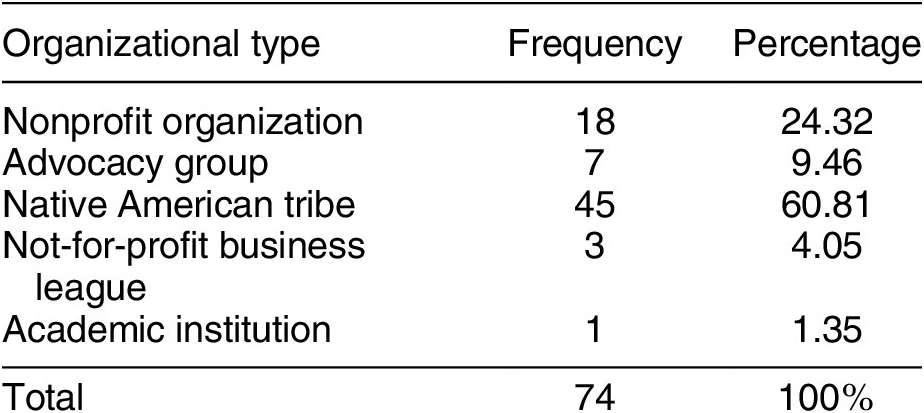
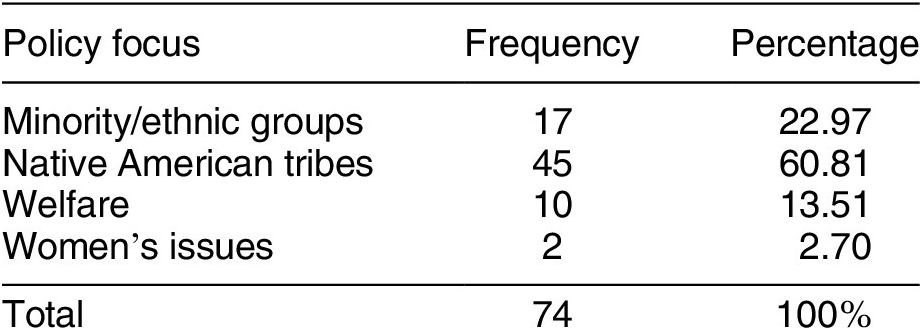
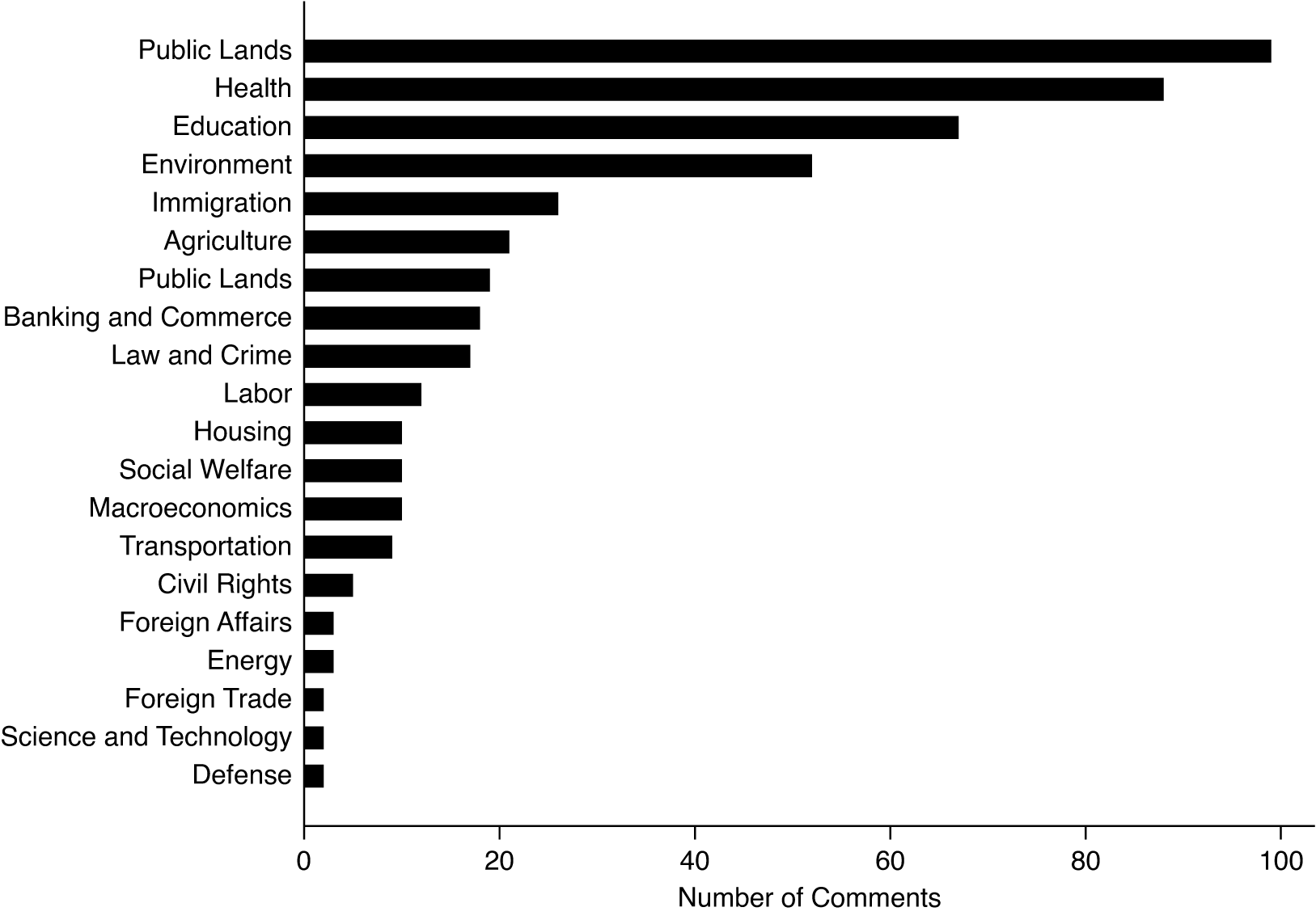
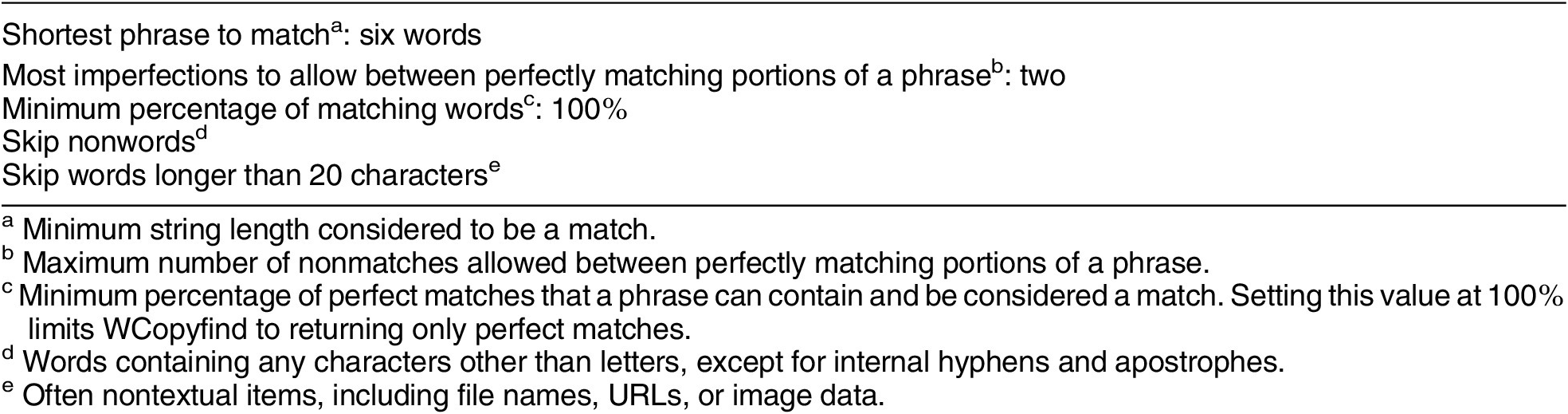
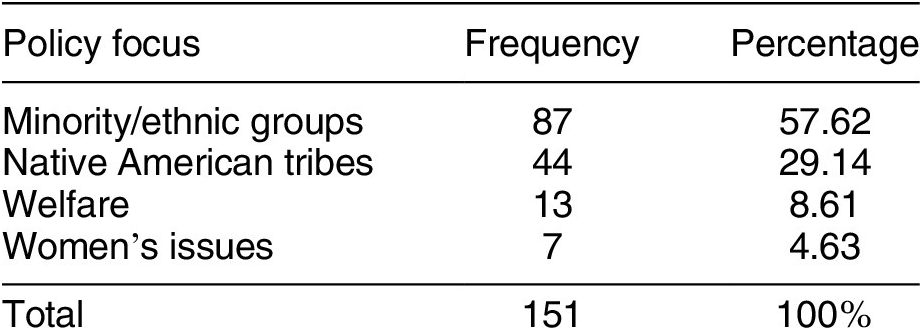
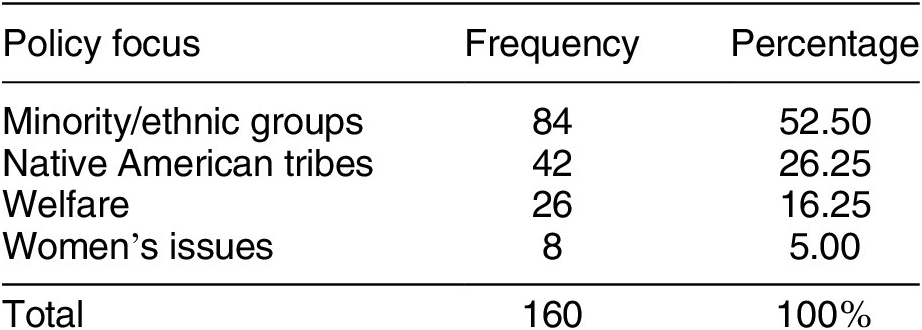
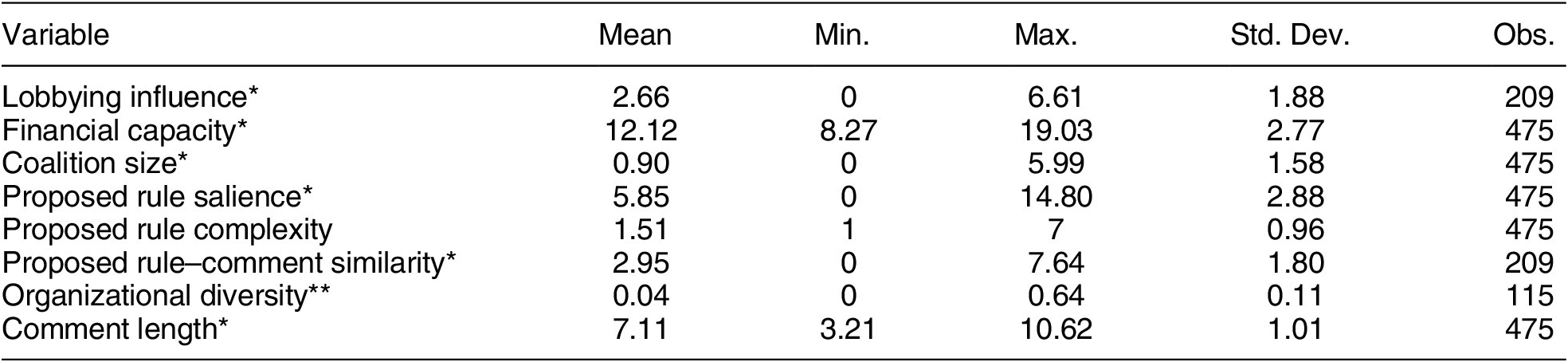
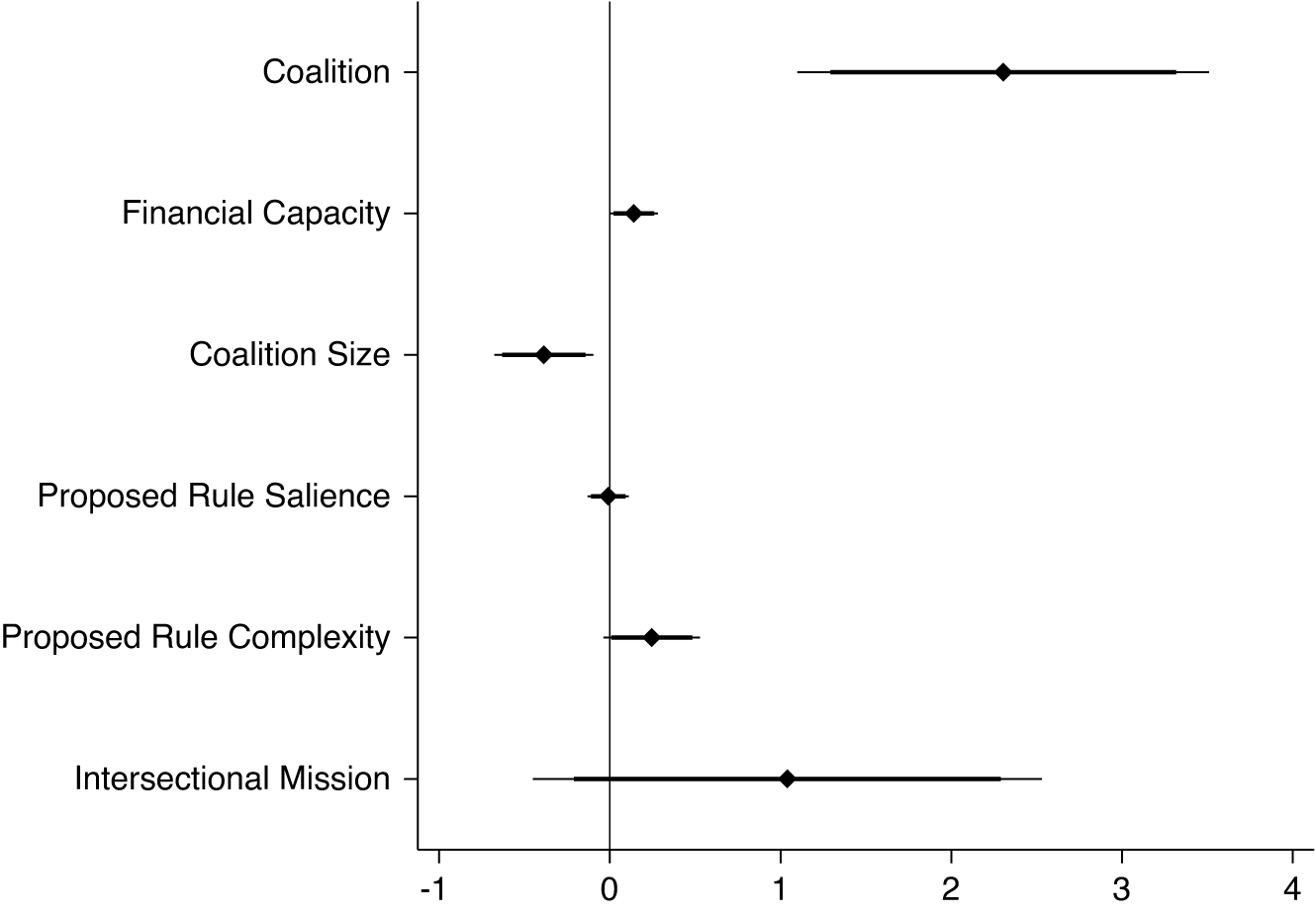
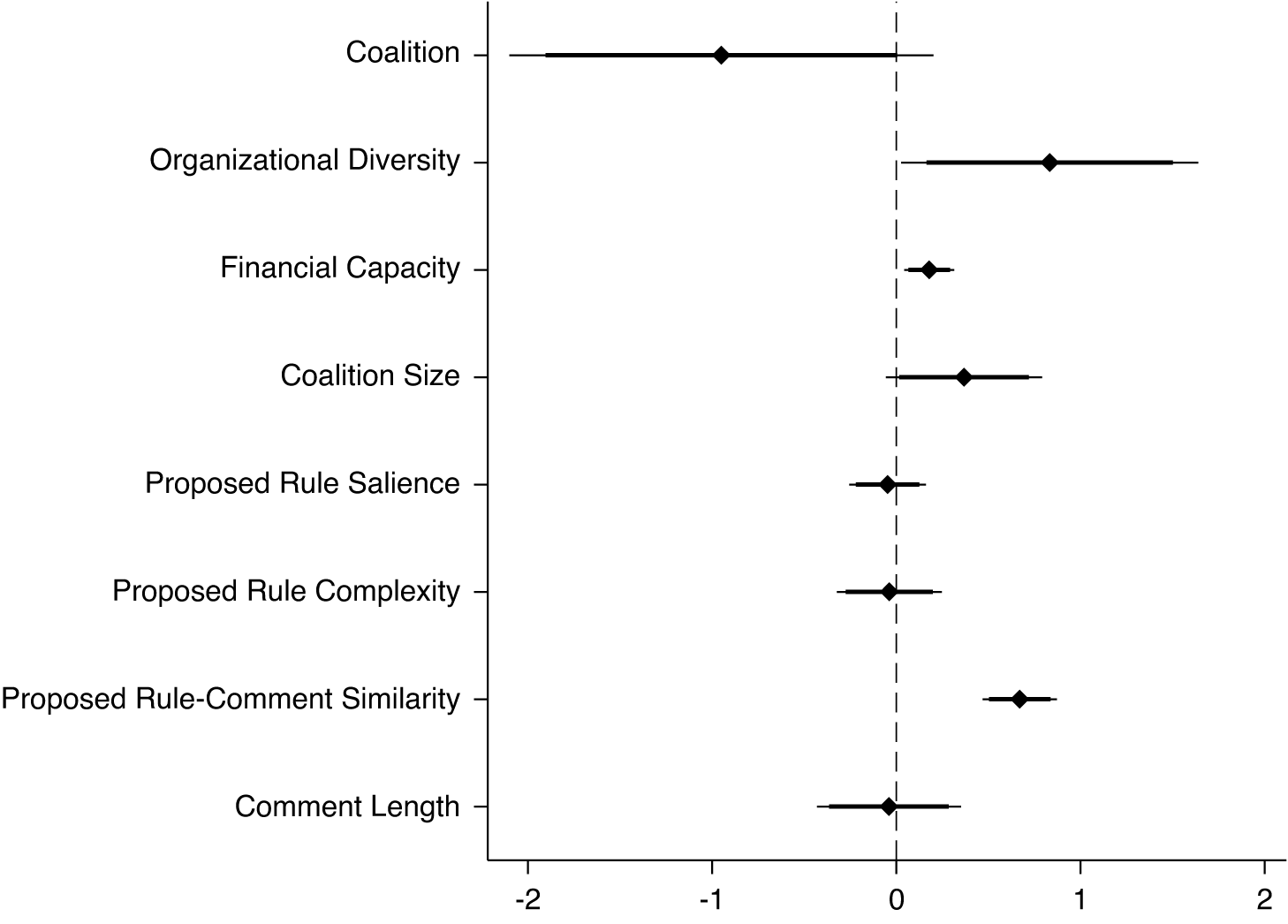
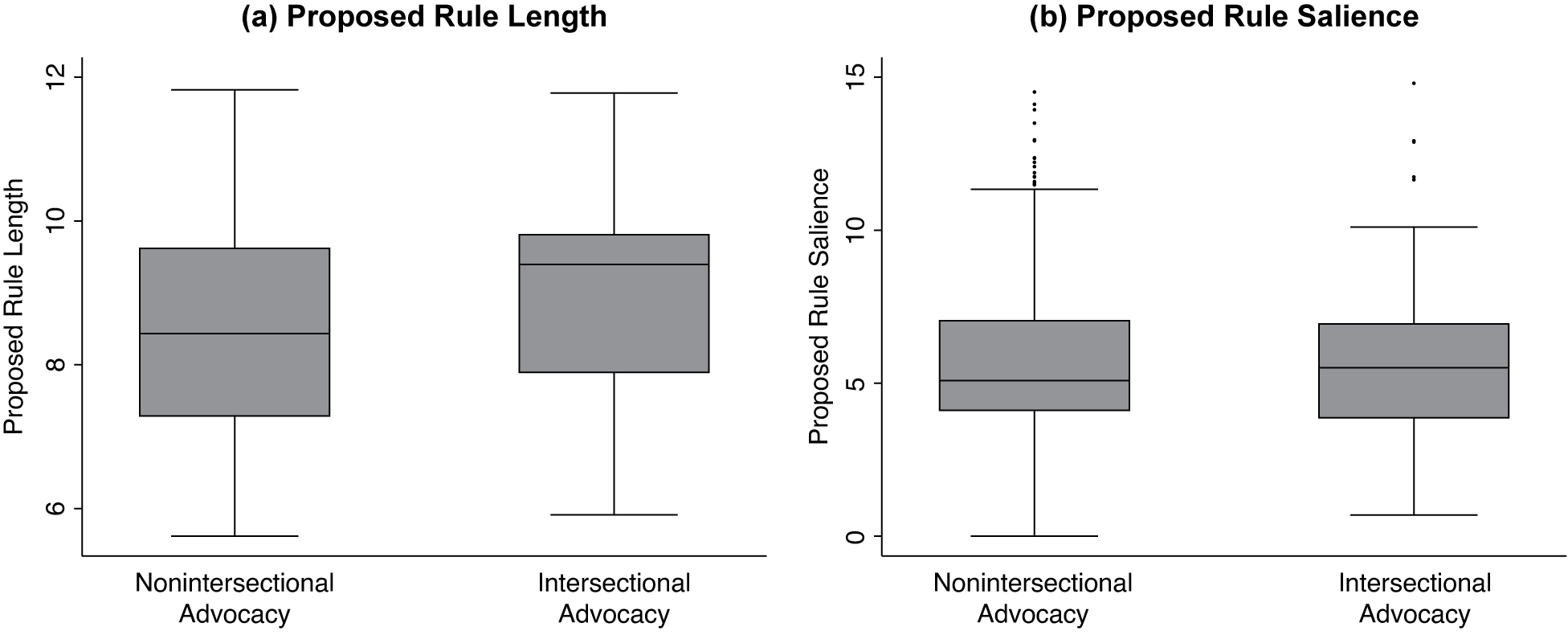
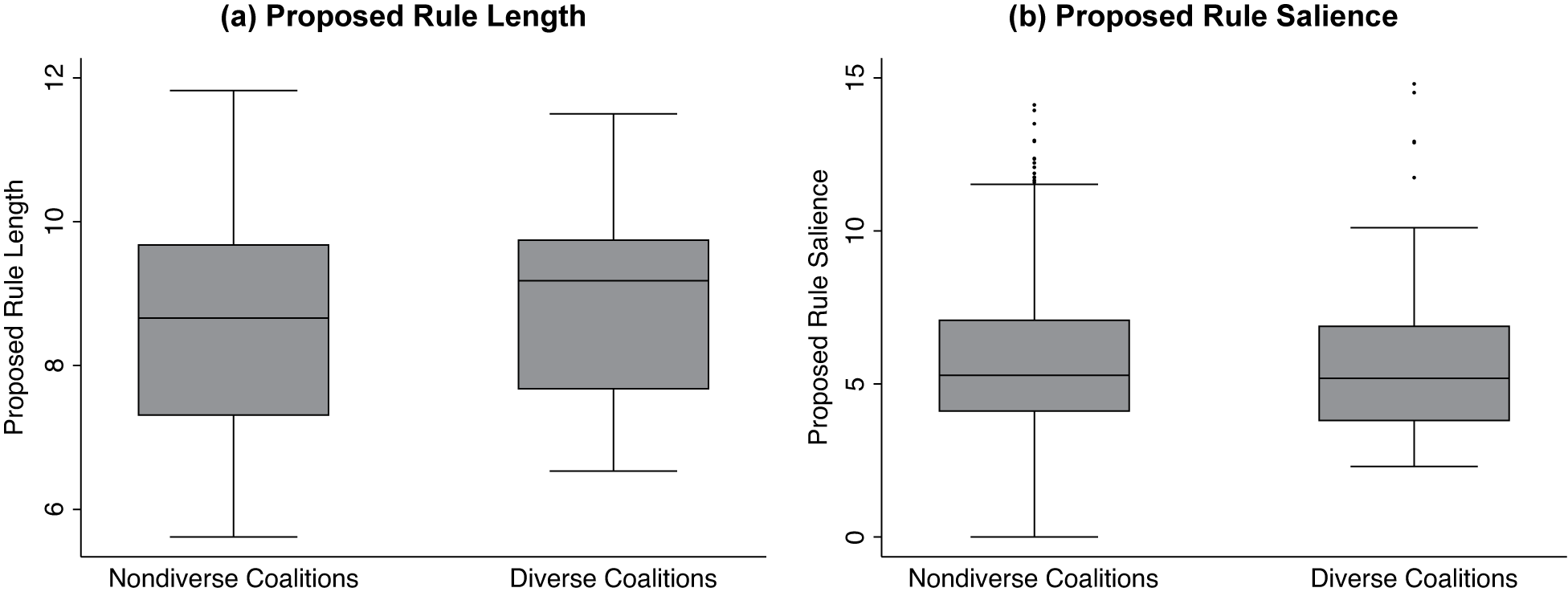
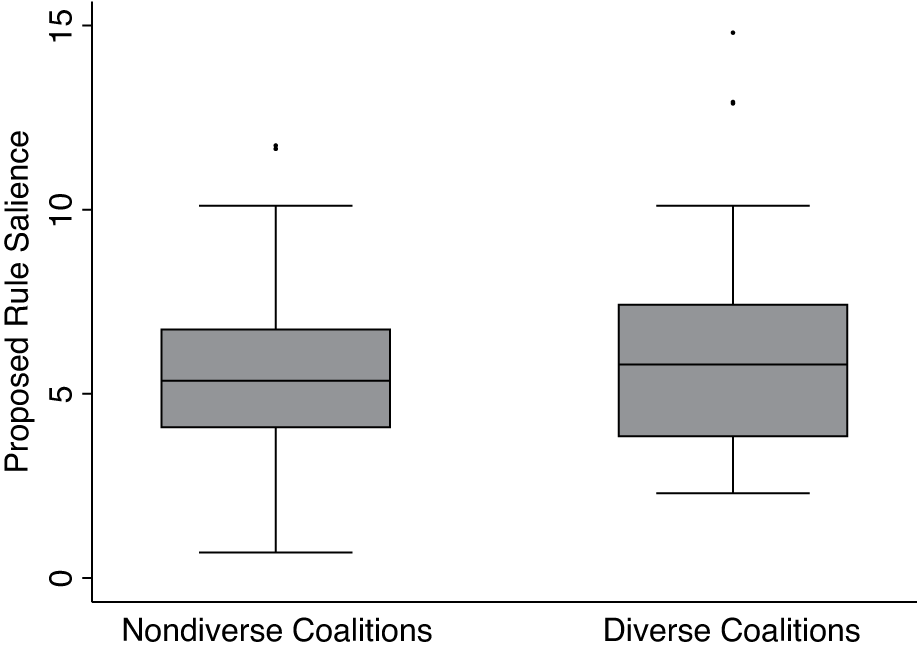




Comments
No Comments have been published for this article.